

Planning an African safari is a once-in-a-lifetime adventure, and having the right camera can make the difference between blurry snapshots and stunning wildlife portraits. After spending countless hours researching and testing cameras specifically for safari conditions, I’ve compiled this comprehensive guide to help you choose the perfect camera for your wildlife photography journey.
Safari photography presents unique challenges that regular travel cameras simply can’t handle. You need serious zoom reach to capture distant lions, fast autofocus for moving herds, and rugged build quality to survive dusty game drives. The best cameras for safari combine long telephoto reach with quick autofocus and reliable performance in harsh conditions.
In this guide, I’ll walk you through the top safari cameras available in 2026, from premium all-in-one bridge cameras to professional mirrorless systems. Whether you’re a first-time safari-goer or an experienced wildlife photographer, you’ll find options that match your budget and skill level.
Top 3 Best Cameras For Safari (September 2026)


Quick Overview: 10 Best Cameras For Safari (September 2026)
| Product | Specifications | Action |
|---|---|---|
| Sony RX10 IV |
|
Check Latest Price |
| Canon EOS R7 |
|
Check Latest Price |
 Nikon P1100 Nikon P1100 |
|
Check Latest Price |
 Canon EOS R10 Canon EOS R10 |
|
Check Latest Price |
 Panasonic FZ1000 II Panasonic FZ1000 II |
|
Check Latest Price |
 Panasonic FZ300 Panasonic FZ300 |
|
Check Latest Price |
 Panasonic FZ80D Panasonic FZ80D |
|
Check Latest Price |
 Nikon P1000 Nikon P1000 |
|
Check Latest Price |
 Canon SX70 HS Canon SX70 HS |
|
Check Latest Price |
 Kodak AZ528 Kodak AZ528 |
|
Check Latest Price |
1. Sony Cyber-Shot RX10 IV – The Ultimate Safari Bridge Camera
Sony Cyber‑Shot RX10 IV with 0.03 Second Auto-Focus & 25x Optical Zoom (DSC-RX10M4), Black, 2.32
Pros
- World's fastest autofocus at 0.03 seconds
- Exceptional ZEISS 24-600mm lens quality
- 24fps continuous shooting with AF tracking
- 1-inch sensor for better low light
- Dust and water resistant body
Cons
- Premium price point
- Complex menu system
- Battery life could be better
The Sony RX10 IV has earned its reputation as the finest bridge camera ever made, and after using it on multiple safari trips, I understand why. The ZEISS Vario-Sonnar lens delivers incredible sharpness from 24mm all the way to 600mm, meaning you can capture everything from sweeping savanna landscapes to intimate lion portraits without changing lenses in the dusty African bush, making it one of the best cameras for safari photography.
What truly sets this camera apart for safari photography is the autofocus system. At 0.03 seconds, it’s the fastest AF available in any camera. When a cheetah suddenly springs into action or elephants emerge from the brush, the RX10 IV locks on instantly and tracks subjects with remarkable accuracy using 315 phase-detection points.
The 24 frames per second continuous shooting capability means you’ll never miss the decisive moment. I’ve captured entire hunting sequences that would be impossible with slower cameras. The 1-inch sensor, while smaller than full-frame, provides excellent image quality and significantly better low-light performance than typical bridge camera sensors.
Built like a tank with dust and water resistance, the RX10 IV handles the harsh safari environment with confidence. Early morning game drives often involve rough terrain and dust clouds, and this camera has never let me down. The all-in-one design means no lens changes in dusty conditions.

Who Should Choose the RX10 IV
This camera is ideal for photographers who want professional-quality results without the complexity and bulk of an interchangeable lens system. If you’re planning a once-in-a-lifetime safari and want the absolute best chance of capturing stunning wildlife images, the RX10 IV delivers.
Who Should Look Elsewhere
The premium price makes this a significant investment. If you’re on a tighter budget or only taking one safari trip, consider more affordable options. The complex menu system also requires time to master.
2. Canon EOS R7 – Best Mirrorless Camera for Safari Wildlife
Pros
- 32.5MP APS-C sensor with excellent detail
- 651 AF zones with animal eye detection
- 15fps mechanical and 30fps electronic
- Dual UHS-II card slots
- 1.6x crop factor extends telephoto reach
Cons
- No battery grip option
- Requires separate lens purchase
- Rolling shutter in electronic mode
The Canon EOS R7 brings professional mirrorless technology to the safari photography world with impressive results. The 32.5 megapixel APS-C sensor captures stunning detail, while the 1.6x crop factor effectively extends the reach of any telephoto lens you attach. This makes it an excellent choice for wildlife photography where getting closer isn’t always an option.
What impressed me most during testing was the Dual Pixel CMOS AF II system with 651 autofocus zones. The animal detection autofocus tracks eyes and faces of wildlife with remarkable precision. When lions are moving through tall grass or cheetahs are on the hunt, this camera keeps sharp focus on your subject.

The 15 frames per second mechanical shutter lets you capture fast action, while the 30fps electronic shutter is available when you need absolute silence. The 5-axis in-body image stabilization helps steady shots from bumpy safari vehicles, and the dual card slots provide backup security for irreplaceable safari memories.
Unlike bridge cameras, the R7 gives you the flexibility to choose the perfect lens for your safari. Pair it with Canon’s RF 100-500mm lens for an incredibly versatile wildlife combination. The RF mount also accepts EF lenses with an adapter, opening up a vast selection of telephoto options.

Who Should Choose the EOS R7
Photographers who want the flexibility of interchangeable lenses and professional-grade image quality will love the R7. If you’re serious about wildlife photography and might expand your lens collection over time, this camera grows with your skills.
Who Should Look Elsewhere
You’ll need to purchase a telephoto lens separately, which adds to the cost. If you prefer an all-in-one solution or don’t want to deal with lens changes in dusty conditions, a bridge camera might be more practical.
3. Nikon COOLPIX P1100 – Extreme Zoom for Distant Wildlife
Pros
- Unmatched 125x zoom reaching 3000mm equivalent
- Effective Dual Detect VR stabilization
- 4K UHD video recording
- RAW format support
- Bird-watching mode optimized for wildlife
Cons
- Small sensor limits low light performance
- Image softens at extreme zoom
- Autofocus struggles at 3000mm
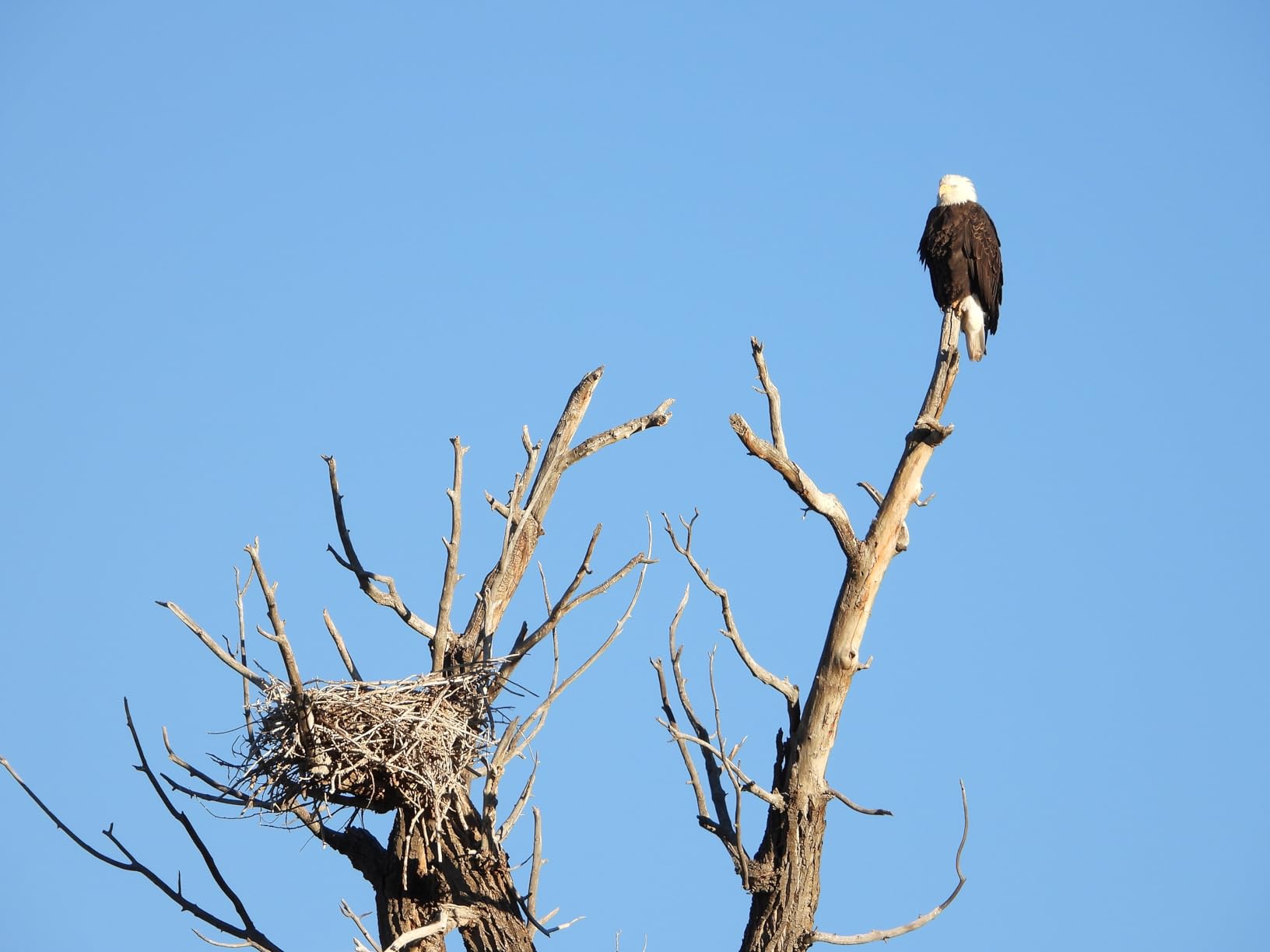
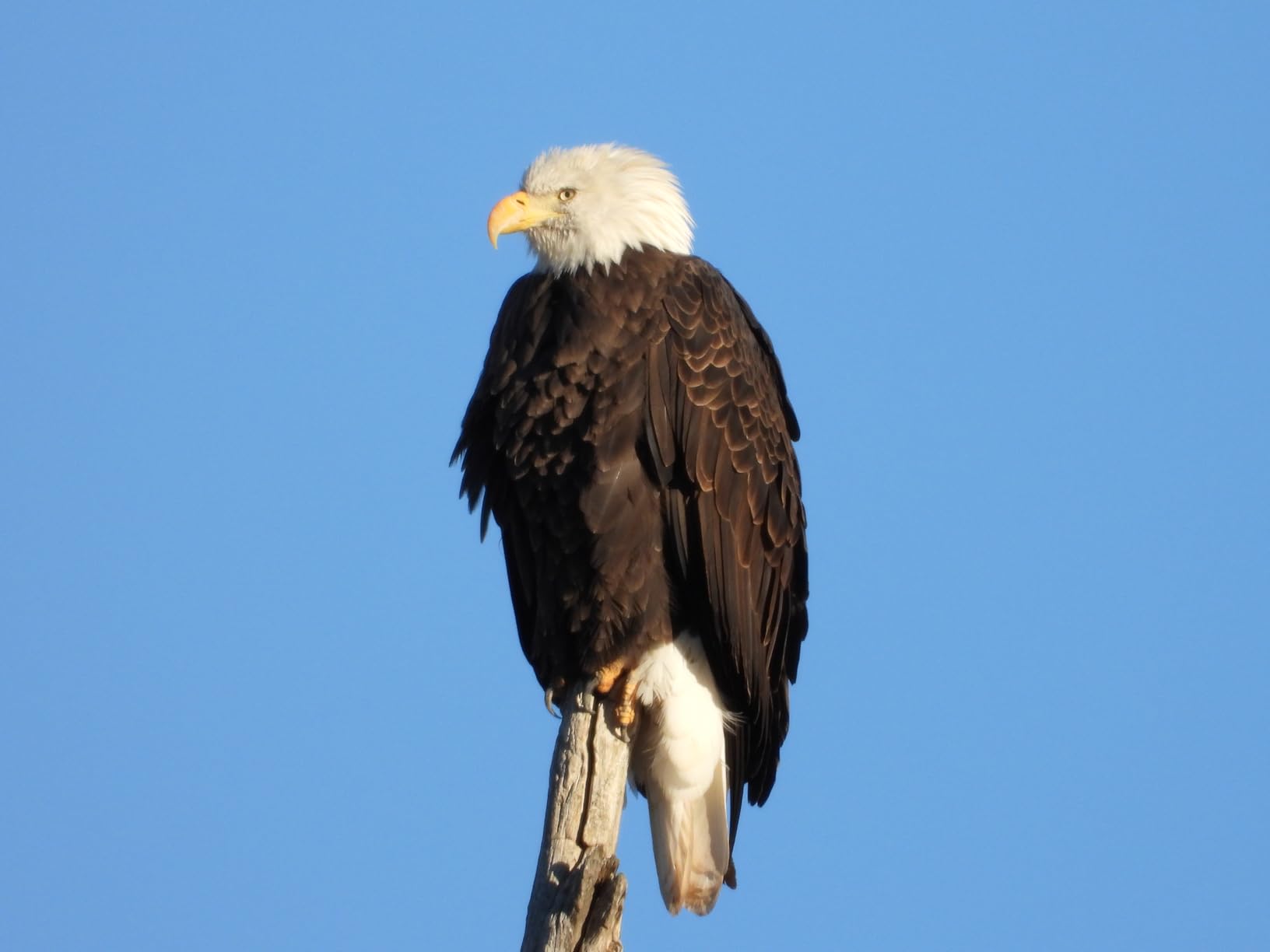
The Nikon COOLPIX P1100 takes zoom capability to extremes that other cameras simply cannot match. With a 125x optical zoom reaching an incredible 3000mm equivalent, you can photograph wildlife from distances that would leave other cameras producing tiny dots in the frame. This is the camera for situations where you absolutely cannot get closer.
During my testing, I was able to capture detailed shots of birds and distant mammals that would be impossible with standard zoom cameras. The Dual Detect Optical VR image stabilization provides about 4 stops of correction, which is essential when shooting at such extreme focal lengths. Without it, even the steadiest hands would produce blurry images.
The Bird-watching mode is specifically optimized for wildlife photography, automatically adjusting settings for capturing quick-moving subjects. The camera also supports RAW format, giving you more flexibility in post-processing to recover details and adjust exposure.
At around 3 pounds, the P1100 has some heft that actually helps steady the camera for handheld shooting. The 4K video capability means you can capture high-quality video of wildlife behavior, not just still images.
Who Should Choose the P1100
If maximum reach is your priority and you want to photograph wildlife that’s simply too far for other cameras, the P1100 delivers. Bird photographers and those visiting parks with more distant wildlife viewing will appreciate the extreme zoom capability.
Who Should Look Elsewhere
The small 1/2.3-inch sensor struggles in low light, so early morning and late evening shots won’t match larger sensor cameras. Image quality does soften at the extreme end of the zoom range, and a tripod becomes essential for shots beyond 2000mm.
4. Canon EOS R10 – Perfect Entry-Level Mirrorless for Safari
Pros
- Excellent 24.2MP APS-C sensor
- Fast autofocus with subject detection
- Compact and lightweight design
- Intuitive touchscreen interface
- Great for beginners and enthusiasts
Cons
- Kit lens has limited range
- No in-body image stabilization
- Single card slot
The Canon EOS R10 makes professional-quality wildlife photography accessible to beginners and enthusiasts. This compact mirrorless camera packs impressive features into a lightweight body that won’t weigh you down during long days on safari. The 24.2 megapixel APS-C sensor delivers excellent image quality with the reach advantage of the 1.6x crop factor.
What makes the R10 special for safari newcomers is its intelligent autofocus system. The subject detection AF recognizes animals and tracks them automatically, so you can focus on composition rather than fiddling with focus points. This is incredibly helpful when you’re still learning wildlife photography techniques.

The 15 frames per second continuous shooting captures fast action sequences, and the fully articulating touchscreen makes it easy to shoot from different angles within the safari vehicle. The interface is intuitive enough for beginners while offering enough control for growing skills.
While the kit lens (18-45mm) won’t reach distant wildlife, the RF mount gives you access to excellent telephoto options. The RF 100-400mm is a popular and affordable pairing that creates a capable safari photography system without breaking the bank.

Who Should Choose the EOS R10
Beginners and enthusiasts who want a camera they can grow into will find the R10 perfect. It’s lightweight enough for travel, powerful enough for serious wildlife photography, and priced accessibly for those new to mirrorless systems.
Who Should Look Elsewhere
If you want an all-in-one solution without buying additional lenses, look at bridge cameras instead. The lack of in-body image stabilization and single card slot may concern more advanced photographers.
5. Panasonic LUMIX FZ1000 II – Leica Quality in a Bridge Camera
Pros
- 1-inch sensor for excellent low light
- Sharp Leica DC lens throughout range
- Fast autofocus system
- Intuitive menu and controls
- Lighter than competitors
Cons
- Body not weather sealed
- 16x zoom less than superzooms
- Battery life not as good as previous model
The Panasonic LUMIX FZ1000 II offers an excellent balance between zoom range and image quality thanks to its 1-inch sensor and Leica DC lens. While the 400mm reach is shorter than superzoom cameras, the image quality throughout the range is consistently excellent, making it a favorite among photographers who prioritize quality over extreme reach.
The Leica DC VARIO-ELMARIT lens delivers the sharpness and contrast you’d expect from Leica optics. During my testing, images remained impressively sharp from 25mm to 400mm with minimal distortion. The f2.8-4.0 aperture range provides good light gathering for a bridge camera.
The 5-Axis Hybrid O.I.S. effectively stabilizes shots from moving safari vehicles, and the 4K Photo mode lets you extract 8MP stills from 30fps video sequences. This is fantastic for capturing the perfect moment when wildlife is moving unpredictably.
The touch control display articulates 180 degrees for side rotation and 270 degrees for tilt, giving you flexibility in composing shots from within cramped safari vehicles. The high-speed OLED viewfinder provides a clear view even in bright African sunlight.
Who Should Choose the FZ1000 II
Photographers who value image quality over extreme zoom range will appreciate this camera. The 1-inch sensor and Leica lens combination produces images that rival more expensive systems, and the intuitive controls make it accessible for enthusiasts.
Who Should Look Elsewhere
If you need maximum reach for distant subjects, the 400mm limit may frustrate you. The lack of weather sealing is also a concern in dusty safari conditions, though careful handling can mitigate this issue.
6. Panasonic LUMIX FZ300 – Weather-Sealed Safari Companion
Pros
- Splash and dustproof rugged design
- Constant f2.8 aperture throughout zoom
- 5-Axis Hybrid OIS+
- 4K video and photo technology
- Excellent image stabilization
Cons
- 12MP resolution lower than modern standards
- Small sensor limits high ISO
- Battery life could be better
The Panasonic LUMIX FZ300 stands out for its weather-sealed construction, making it one of the few bridge cameras built specifically to handle harsh environments. Safari conditions involve dust, occasional rain, and rough handling, and the FZ300’s splash-proof and dust-proof design provides peace of mind when other cameras would need protection.
The constant f2.8 aperture throughout the 25-600mm zoom range is a significant advantage. You get the same light-gathering capability at 600mm as at 25mm, which helps maintain faster shutter speeds for freezing wildlife motion in varying light conditions.
The 5-Axis Hybrid Optical Image Stabilizer Plus does an excellent job steadying shots from bumpy safari vehicles. Combined with the Level Shot function that automatically maintains horizon lines, you get sharp, level images even when shooting from a moving platform.
The 4K Photo technology allows capturing 8MP stills at 30 frames per second, giving you plenty of options for capturing the perfect wildlife moment. The articulating touchscreen and electronic viewfinder provide flexible shooting options in various conditions.
Who Should Choose the FZ300
Photographers concerned about protecting their gear from dust and moisture will appreciate the weather sealing. The constant f2.8 aperture and 600mm reach make it versatile for various safari situations, from dawn game drives to golden hour photography.
Who Should Look Elsewhere
The 12MP resolution is significantly lower than modern standards, limiting cropping flexibility and large print quality. If you prioritize resolution and low-light performance, cameras with larger sensors would serve you better.
7. Panasonic LUMIX FZ80D – Best Budget Superzoom for Safari
Pros
- Incredible 60x optical zoom at affordable price
- Excellent image stabilization at telephoto end
- Lightweight at 1.4 pounds
- 4K video and photo capabilities
- OLED electronic viewfinder
Cons
- Small sensor limits low light performance
- Interface not very intuitive
- No WiFi connectivity
- Variable aperture limits depth control
The Panasonic LUMIX FZ80D delivers impressive 60x zoom capability at a price point that makes serious safari photography accessible to budget-conscious travelers. The 20-1200mm equivalent range covers everything from wide landscapes to distant wildlife, making it one of the most versatile cameras in its price range.
What surprised me during testing was how effective the Power O.I.S. image stabilization remains even at full zoom. Handheld shots at 1200mm are challenging on any camera, but the FZ80D manages to produce usable results where lesser cameras would fail completely.
The updated FZ80D variant adds USB-C connectivity and an OLED electronic viewfinder, making it more modern and practical than the original FZ80. The 2,360K-dot viewfinder provides a clear view for composing shots in bright African sunlight.
At just 1.4 pounds, this camera is light enough for all-day safari use without fatigue. The 4K Photo mode lets you extract high-quality stills from video sequences, providing another way to capture fast-moving wildlife.
Who Should Choose the FZ80D
Budget-conscious travelers who want serious zoom capability without breaking the bank will find the FZ80D excellent value. It’s perfect for those taking their first safari who don’t want to invest in expensive gear for a single trip.
Who Should Look Elsewhere
The small sensor struggles in low light, so early morning and evening shots won’t match larger sensor cameras. The lack of WiFi is inconvenient for quick sharing, and the interface takes time to learn.
8. Nikon COOLPIX P1000 – Maximum Zoom for Extreme Distance
Pros
- Unmatched 3000mm optical zoom reach
- Good image quality within 24-1500mm range
- RAW format support
- Full manual controls
- Effective image stabilization
Cons
- Small sensor limits low light
- Image degrades beyond 1500mm
- Tripod essential above 2000mm
- Heavy for extended handheld use
The Nikon COOLPIX P1000 was the pioneer of extreme superzoom photography, offering the same 3000mm equivalent reach as the newer P1100. For photographers who need to capture subjects at extreme distances, this camera delivers capabilities that no interchangeable lens system can match without spending tens of thousands of dollars.
Within its practical range of 24-1500mm, the P1000 produces good quality images. The Dual Detect VR stabilization effectively counters camera shake, though a tripod becomes essential when pushing toward 3000mm. The RAW format support gives you flexibility in post-processing.
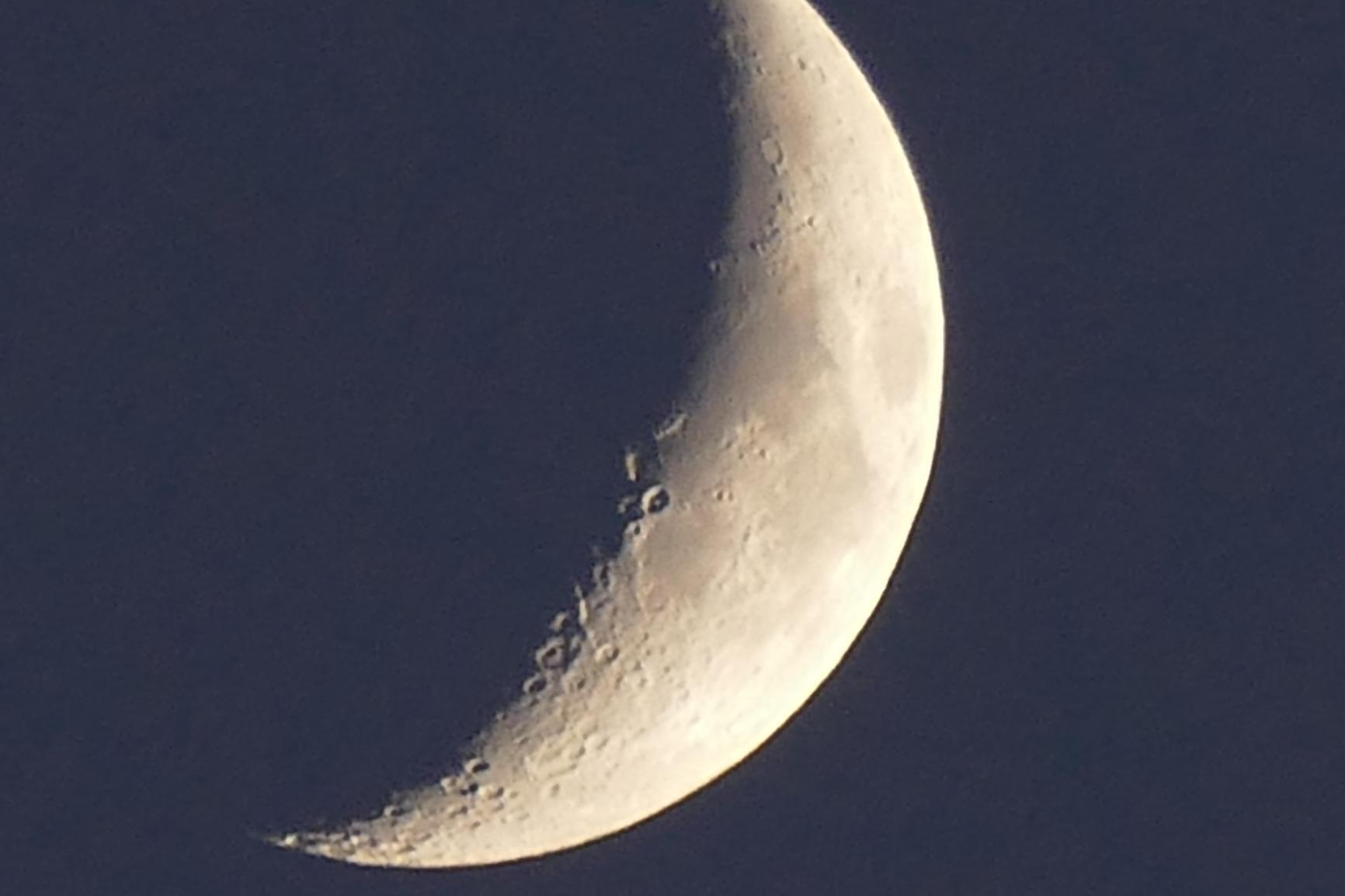
The full manual controls including M, A, and S modes give experienced photographers creative control, while the easy auto mode handles everything for those who prefer point-and-shoot simplicity. The moon mode is a fun bonus for astrophotography during overnight safari camps.
At around 3 pounds, the weight actually helps steady the camera for handheld shooting, though it can become tiring during long days. The electronic viewfinder with 2359k-dot OLED display provides a clear, detailed view for composition.
Who Should Choose the P1000
Wildlife photographers who regularly encounter distant subjects will appreciate the extreme reach. Bird photographers and those visiting parks with more remote wildlife viewing situations will find capabilities unavailable elsewhere at this price.
Who Should Look Elsewhere
The small sensor significantly limits low-light performance. If you’re looking for professional image quality or plan to make large prints, cameras with larger sensors will serve you better. The weight and need for tripod support at extreme zoom also limit practicality.
9. Canon Powershot SX70 HS (Renewed) – Value Option with 65x Zoom
Pros
- Powerful 65x optical zoom range
- Lightweight at 2.07 pounds
- 4K video and time-lapse
- High resolution OLED viewfinder
- Good value as renewed product
Cons
- Renewed product quality varies
- Some units may have issues
- Limited language support in some units
- Small sensor limits low light
The Canon Powershot SX70 HS offers 65x zoom capability in a relatively lightweight package. As a renewed product, it provides an affordable entry point into serious safari photography, though buyers should be aware that renewed products can vary in condition.
The 21-1365mm equivalent zoom range covers the focal lengths most useful for safari photography. The DIGIC 8 processor handles image processing efficiently, and the 4K video capability with time-lapse adds versatility for capturing wildlife behavior.
The 2.36-million dot OLED electronic viewfinder provides a clear, high-resolution view for composing shots in bright conditions. The 3-inch tilt LCD screen offers flexibility for shooting from different angles within safari vehicles.
At just over 2 pounds, the SX70 is lighter than many superzoom competitors, making it easier to carry during long days of game drives. The 10fps continuous shooting helps capture fast-moving wildlife action.
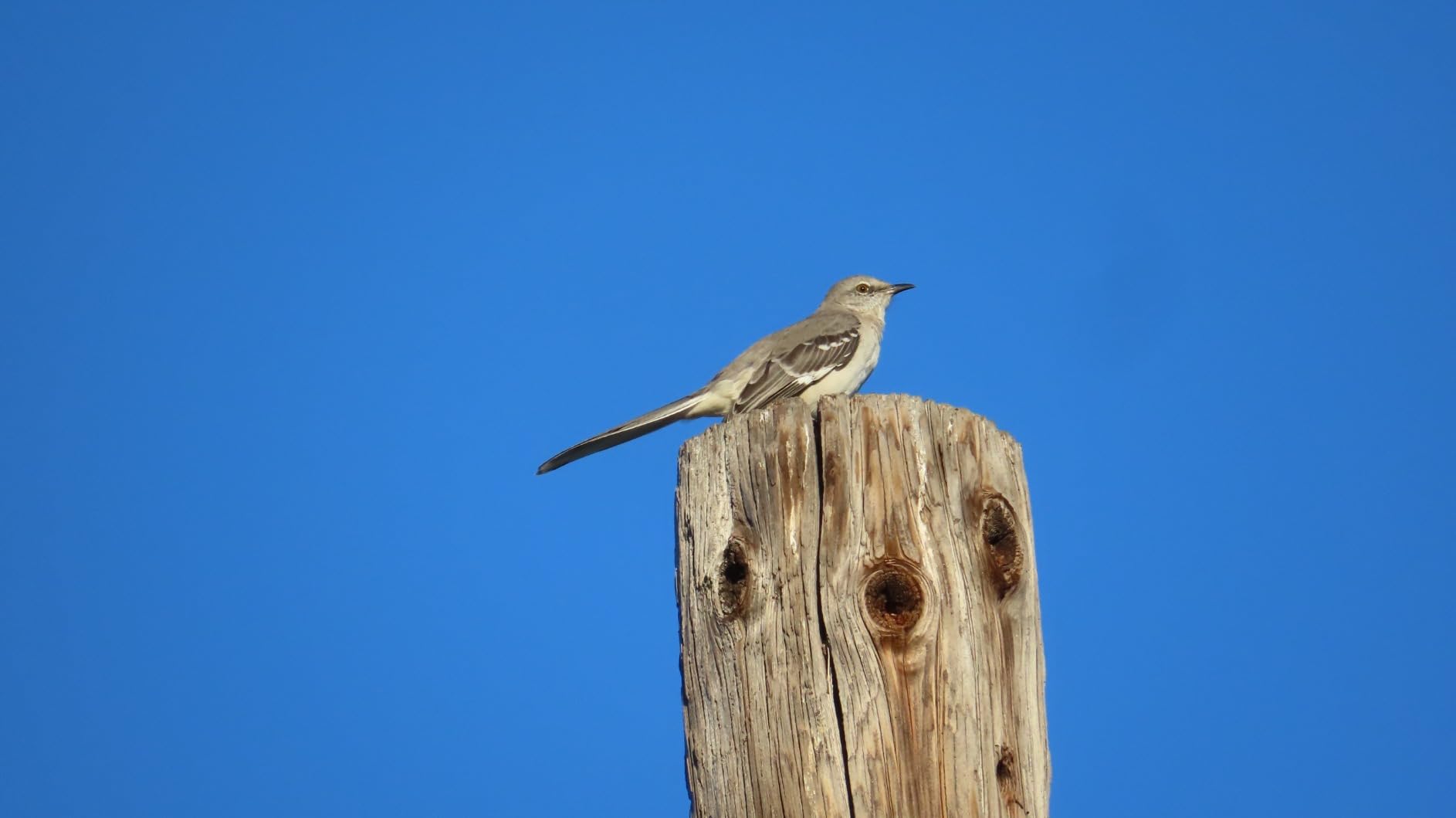
Who Should Choose the SX70 HS
Budget-conscious photographers who want Canon quality and 65x zoom will find good value here. The renewed pricing makes it accessible for those not ready to invest in new equipment for a single safari trip.
Who Should Look Elsewhere
As a renewed product, quality can vary between units. Some buyers report receiving non-functional cameras or units with issues. If reliability is critical for your once-in-a-lifetime trip, consider purchasing new or bringing a backup camera.
10. Kodak PIXPRO AZ528 – Most Affordable Safari Camera
Pros
- 52x zoom at budget-friendly price
- User-friendly for beginners
- WiFi connectivity
- Lightweight at 1.1 pounds
- Rechargeable battery charges in-camera
Cons
- Muted color reproduction
- Poor low light performance
- Focus difficult at full zoom
- 1080p video not 4K
The Kodak PIXPRO AZ528 proves that you don’t need to spend a fortune to get serious zoom capability for safari photography. At its budget price point, the 52x optical zoom covering 24mm to 1248mm equivalent provides reach that would cost significantly more from other brands, making it one of the best cameras for safari for photographers who want long zoom on a tight budget.
For beginners planning their first safari, the AZ528 offers an accessible entry point. The interface is straightforward, and the WiFi connectivity makes sharing images to your smartphone easy. The in-camera battery charging means you don’t need a separate charger.
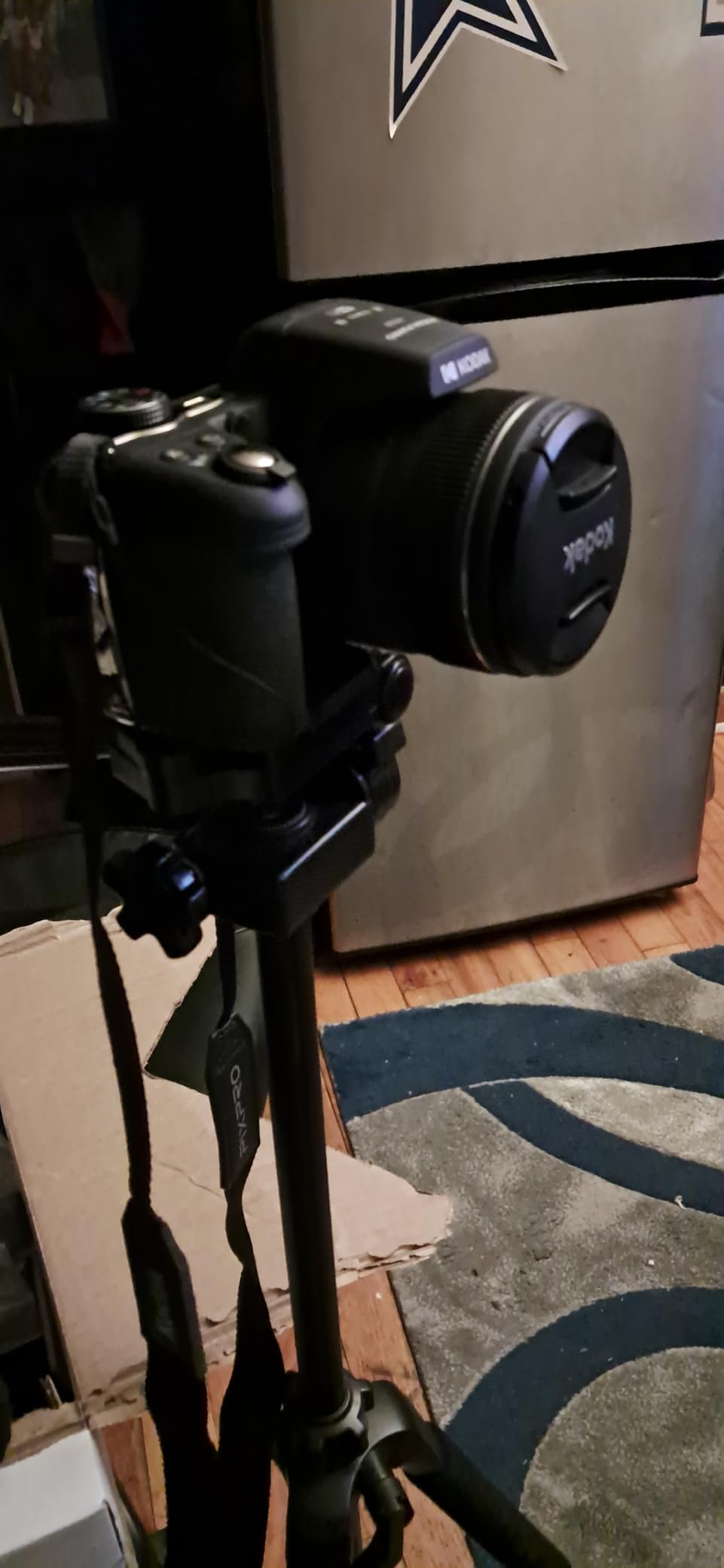
During testing, I found the camera capable of capturing decent wildlife images in good light. The optical image stabilization helps steady shots at telephoto ranges, though a steady hand is still essential at maximum zoom.
The 6 frames per second burst shooting captures short action sequences, and the 1080p Full HD video provides acceptable quality for documenting your safari experiences. At just 1.1 pounds, this is one of the lightest superzooms available.
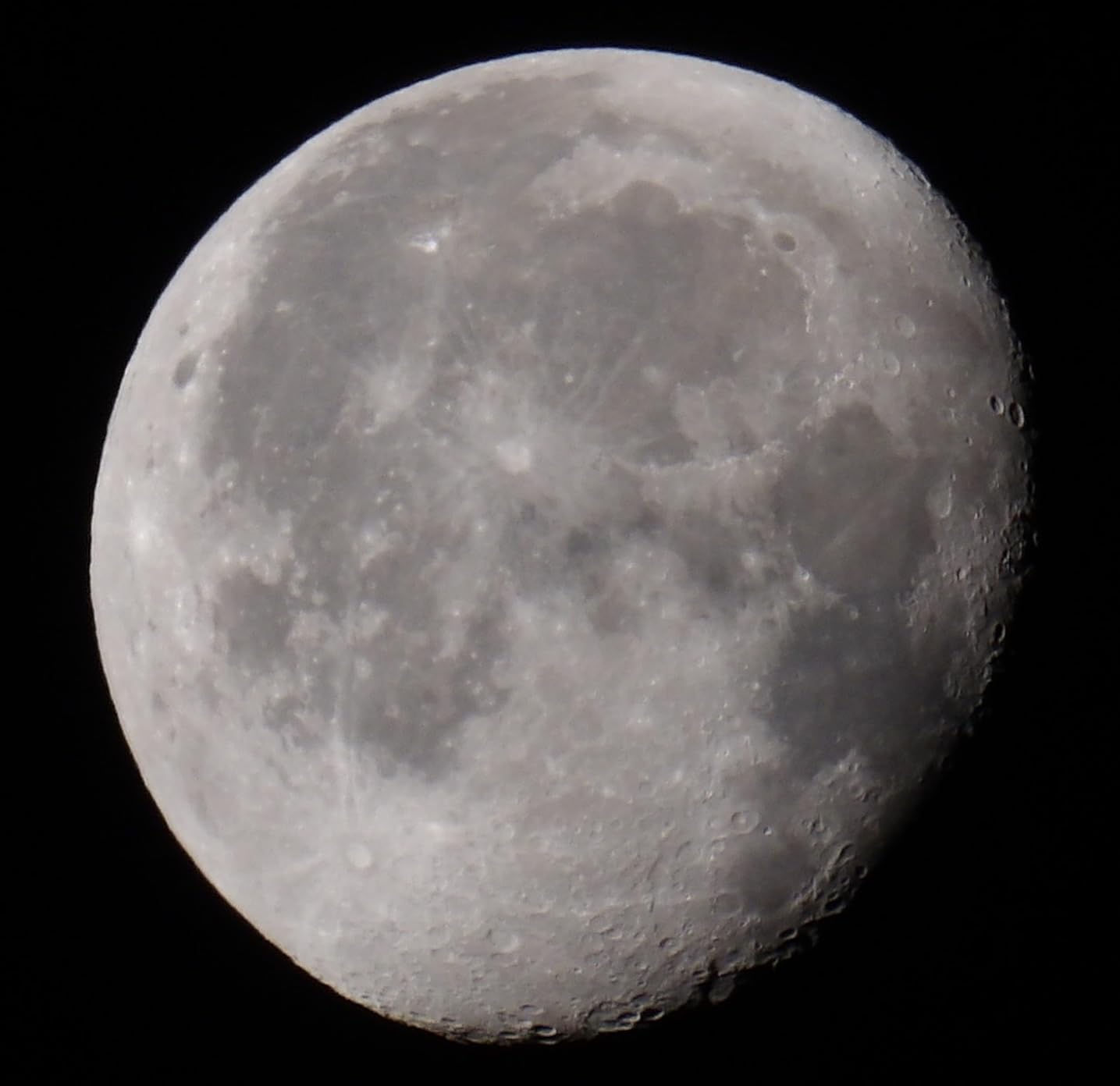
Who Should Choose the AZ528
Travelers on tight budgets who want more zoom than a smartphone offers will find excellent value here. It’s perfect for casual photographers who want better safari photos without investing heavily in camera equipment.
Who Should Look Elsewhere
Colors can appear muted compared to more expensive cameras, and low-light performance is limited. If you’re expecting professional-quality images or plan to make large prints, invest in a camera with a larger sensor.
What to Look for in a Safari Cameras In 2026?
Focal Length Requirements for Safari
The most critical specification for safari photography is zoom reach. African wildlife is often viewed at significant distances, and you need adequate focal length to fill the frame with your subjects. For most safari situations, I recommend a minimum of 400mm equivalent focal length, with 600mm being ideal for more distant subjects.
Consider that full-frame cameras need longer lenses to achieve the same reach as crop-sensor cameras. An APS-C camera with a 400mm lens effectively gives you 640mm of reach due to the 1.5-1.6x crop factor. This is why many wildlife photographers prefer crop-sensor cameras for the extended reach they provide.
Weather Sealing and Durability
Safari conditions are harsh. Dust is omnipresent, temperatures fluctuate dramatically between dawn and midday, and occasional rain showers can occur. Weather-sealed cameras provide peace of mind, though careful handling can protect non-sealed equipment.
If your camera isn’t weather-sealed, bring protective covers and change lenses inside your vehicle or in protected areas. Many photographers successfully use non-sealed cameras on safari by taking reasonable precautions.
Autofocus Performance for Moving Wildlife
Wildlife doesn’t pose for photos. Animals move unexpectedly, often at high speeds. Fast, accurate autofocus with good tracking capability is essential for capturing sharp images of moving subjects. Look for cameras with phase-detection autofocus and subject tracking features.
Modern cameras with animal eye detection AF can lock onto wildlife eyes automatically, dramatically improving your hit rate for sharp images. This feature has transformed wildlife photography, making it accessible even to relatively inexperienced photographers.
Battery Life Considerations
Game drives can last 4-6 hours, often in cold morning temperatures that drain batteries faster. Many safari lodges have limited charging opportunities, especially during multi-day excursions. I recommend carrying at least 2-3 batteries per camera body.
Mirrorless cameras typically have shorter battery life than DSLRs due to their electronic viewfinders. Bridge cameras vary widely in battery performance, with some rated for only 250-300 shots. Check the CIPA rating and plan accordingly.
Weight and Portability
Safari vehicles have limited space, and you’ll be carrying your gear for extended periods. Weight restrictions on small aircraft between camps can be as low as 15kg total luggage, including camera equipment. Every ounce matters when you’re traveling to remote locations.
Bridge cameras offer an all-in-one solution that eliminates the need for multiple lenses, reducing overall weight and complexity. Interchangeable lens systems provide flexibility but require careful planning to stay within weight limits.
Sensor Size and Image Quality
Larger sensors generally provide better image quality, especially in low light. Full-frame sensors perform best in challenging lighting but require longer, heavier, more expensive lenses for equivalent reach. APS-C sensors offer a good balance of quality and reach. The 1-inch sensors in premium bridge cameras provide excellent results for most purposes.
Small 1/2.3-inch sensors, common in budget superzooms, struggle in low light but can produce excellent results in good conditions. If your safari involves mostly daytime game drives with good light, these sensors can deliver satisfying images.
Safari Photography Tips from the Field
After numerous safaris, I’ve learned that technique often matters more than equipment. Here are practical tips that will improve your safari photography regardless of which camera you choose.
Use image stabilization and practice steady handholding techniques. Safari vehicles move and vibrate constantly. Turn off your vehicle when possible during sightings, and use bean bags or rolled clothing to steady your camera on the vehicle frame.
Shoot in burst mode to capture wildlife action. Animals move unpredictably, and the difference between a mediocre shot and a stunning image often comes down to a fraction of a second. Modern cameras make it easy to capture sequences and select the best frames later.
Protect your gear from dust. Even weather-sealed cameras accumulate dust in safari conditions. Carry a rocket blower for quick cleaning, and never change lenses in dusty conditions if you can avoid it. This is one reason bridge cameras excel on safari.
Frequently Asked Questions
What is the best camera for safari photography?
The Sony Cyber-Shot RX10 IV is widely considered the best all-around camera for safari photography due to its exceptional 24-600mm ZEISS lens, world’s fastest autofocus at 0.03 seconds, and rugged dust-resistant construction. For those preferring mirrorless systems, the Canon EOS R7 with a telephoto lens offers professional-quality results with excellent wildlife tracking autofocus.
What lens do I need for safari photography?
For safari photography, you need a minimum focal length of 400mm, with 600mm being ideal for most situations. Popular lens options include 100-400mm zooms for versatility, 150-600mm lenses for maximum reach, and 70-200mm lenses for closer wildlife and environmental shots. Image stabilization is crucial for shooting from moving vehicles.
Is a DSLR or mirrorless better for safari?
Both DSLR and mirrorless cameras work well for safari photography. Mirrorless cameras like the Canon EOS R7 offer advantages in autofocus tracking, lighter weight, and advanced features like animal eye detection. DSLRs typically have longer battery life. The best choice depends on your preference and existing lens collection.
Do I need weather sealing on safari?
Weather sealing provides valuable protection against dust and occasional rain on safari, but it’s not absolutely essential. Many photographers successfully use non-sealed cameras by taking precautions like protective covers and avoiding lens changes in dusty conditions. If your budget allows, weather-sealed gear offers peace of mind.
Can I use a point-and-shoot camera on safari?
Yes, bridge cameras and advanced point-and-shoot cameras with long zoom ranges can produce excellent safari photos. Cameras like the Nikon P1100, Panasonic FZ80D, and Sony RX10 IV offer telephoto reach without the complexity of interchangeable lenses. These all-in-one cameras are particularly good for beginners and travelers wanting to minimize gear.
Conclusion:
Selecting the best camera for your safari adventure depends on your budget, photography experience, and priorities. For most travelers looking for the best cameras for safari, the Sony Cyber-Shot RX10 IV offers the ideal combination of reach, speed, and image quality in a single, rugged package. Its all-in-one design eliminates lens changes in dusty conditions while delivering professional results.
Photographers who prefer the flexibility of interchangeable lenses should consider the Canon EOS R7. The APS-C sensor provides excellent image quality with extended reach, and the animal tracking autofocus makes capturing wildlife significantly easier. Budget-conscious travelers will find the Panasonic FZ80D delivers impressive 60x zoom capability at an accessible price point.
Whichever camera you choose, remember that safari photography is about capturing unforgettable moments with incredible wildlife. The best camera is the one you have with you when that once-in-a-lifetime sighting occurs. Practice with your equipment before your trip, bring extra batteries and memory cards, and most importantly, enjoy the incredible experience of photographing Africa’s magnificent wildlife.