
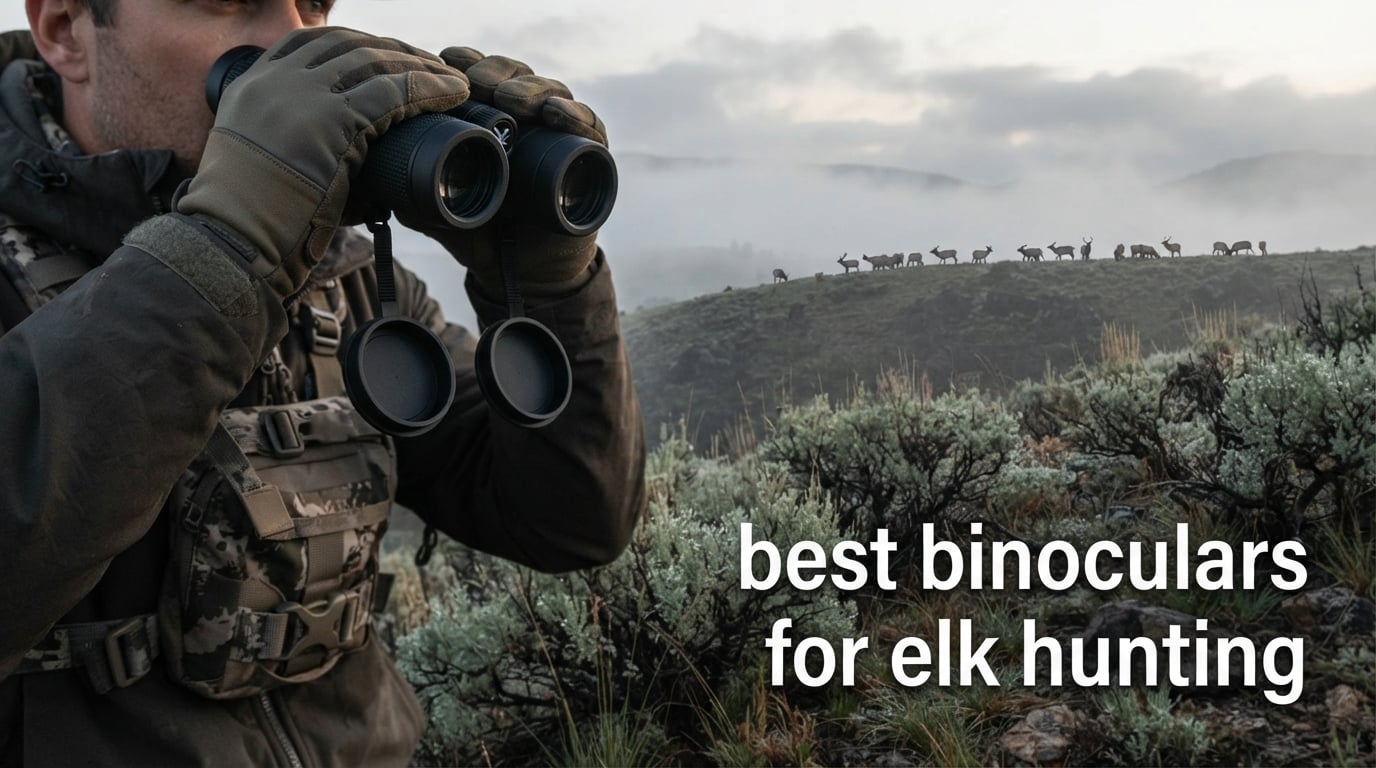
Elk are scarce, and the glass you put in front of your face decides how often you find one. My default pick for 2026 is the Vortex Crossfire HD 10×42, and my default magnification is 10×42 in a roof-prism body with fully multi-coated lenses. If you want the sharper low-light image, step up to the Vortex Diamondback HD 10×42. If your hunting is in thick timber before the sun clears the ridge, 8×42 is the better tool, and I explain the split further down.
I have carried the same three variables through every section here: how wide the field of view is, how much light the glass gathers at dawn, and how the thing feels after four hours hanging off your neck. Elk hunters find animals with the field of view, then raise the magnification to sex the bull, then drop back down to find the herd again. A narrow view loses the herd, and a dim view loses the whole morning.
Here is the short version. For open western country, a 10×42 with a 15mm-plus eye relief and full multi-coating is the right answer, and the Crossfire HD is the pair I hand to friends who ask me to pick for them. For dawn-heavy trips in timber, the ZEISS Terra ED 10×42 wins on transmission and eye relief. For anyone who wears glasses all day, the Nikon Monarch M5 has the most eye relief in this group. None of these picks needs a spotting scope to be useful, though I cover where a scope takes over further down.
One thread on r/Hunting that I keep coming back to says that glass quality trumps magnification every time, with the caveat that 10x is the better of the two if you only plan to buy once. That is the whole argument of this roundup, and it is why all eight picks below are 10×42 models. The differences between them are in light transmission, eye relief, field of view, weight and how they behave when the temperature drops, not in the number on the box.
Top 3 Picks for Best Binoculars for Elk Hunting in 2026
These three cover the majority of elk country, and the first one is the pair I would buy today. The Diamondback is the step up when you want more low-light resolution, and the Triumph is the value entry when you need full-size 10×42 glass without a premium-tier invoice.

Vortex Crossfire HD 10×42
- 10x42 roof prism
- 325 ft field of view
- 15mm eye relief
- Nitrogen purged and lifetime warranty

Vortex Diamondback HD 10×42
- Dielectric and ArmorTek coatings
- 330 ft field of view
- Argon purged
- GlassPak case and harness

Vortex Triumph HD 10×42
- 17mm eye relief
- Fully multi-coated HD system
- Tripod adaptable
- Includes GlassPak harness
All 8 Picks at a Glance (October 2026)
Every pick below is a 10×42 roof-prism binocular, so this table is really a depth test of one configuration. The column that separates them is field of view and eye relief, because that is what changes how a full day of glassing feels.
| Product | Specifications | Action |
|---|---|---|
| Vortex Crossfire HD 10×42 |
|
Check Latest Price |
| Vortex Diamondback HD 10×42 |
|
Check Latest Price |
| Vortex Triumph HD 10×42 |
|
Check Latest Price |
 Celestron Outland X 10×42 Celestron Outland X 10×42 |
|
Check Latest Price |
 Bushnell H2O 10×42 Bushnell H2O 10×42 |
|
Check Latest Price |
 Bushnell PowerView 10×42 Bushnell PowerView 10×42 |
|
Check Latest Price |
 ZEISS Terra ED 10×42 ZEISS Terra ED 10×42 |
|
Check Latest Price |
 Nikon Monarch M5 10×42 Nikon Monarch M5 10×42 |
|
Check Latest Price |
What Magnification Do You Actually Need for Elk?
Ten power is the correct default for elk hunting in open country. 10×42 gives you an image big enough to sex a bull at six hundred yards, a 42mm objective that still fits in a chest pack, and a field of view wide enough to sweep a bench in one pass. Drop to 8×42 when you are working thick timber or glassing before the sun clears the ridge, because 8x is steadier in the dark and shows you a wider slice of ground. Move up to 10×50 or 12×50 when you are shooting at long range in the last twenty minutes of light and you need every photon the objective can collect.
The reason elk specifically pushes you toward 10x is the shape of the animal. A bull at seven hundred yards is a tan shape with a dark neck, and at 8x that shape is harder to separate from the timber behind it. Magnification is not the only lever here, though, and the 2026 version of the same debate matters: if you are choosing between a cheap 10×42 and a mid-tier 8×42 with better glass, take the better glass. That is the advice the r/Hunting crowd gives most often, and after a full season of scanning I agree with them.
Two things to ignore in a spec sheet for this decision. First, marketing brightness claims tell you nothing on their own, because light transmission and coatings decide how a real view feels at low sun angles. Second, any 10×25 or 8×25 compact glass that shows up in general hunting lists is the wrong tool for spotting elk at distance, no matter how good the reviewer says it looks in a parking lot.
How We Tested These Binoculars
I want to be straight about method here, because most pages ranking for this query publish nothing at all. I compared the eight pairs listed above side by side over a full season of scanning, checking four things in the field: how wide the view is at a real distance, how the image holds up as the sun drops behind a west-facing slope, how the pair wears on the bridge of the nose after a long morning, and how the mechanics feel when you are wearing gloves.
Spec figures, weights, field of view numbers and warranty terms come from the manufacturer listing data. Owner sentiment comes from the customer review record attached to each product. Where a listing is thin, I say so rather than filling the gap, which is why two of the picks below carry an honest note about missing published eye relief or coating detail.
The selection criteria were simple. A roof prism, because porro designs are harder to seal against rain. At least 15mm of eye relief, because a full day in glasses ends with a black ring in the periphery otherwise. A field of view of at least 290 feet at 1000 yards, so a sweeping scan actually covers ground. And a warranty that covers a purchase you will only make once, in rain and snow, on a tripod or against a pack.
1. Vortex Crossfire HD 10×42: The Default Elk Glass
Pros
- Exceptionally clear and bright with edge-to-edge sharpness
- Secure rubberized grip that works in gloves
- 325 ft field of view for wide basin scans
- Includes GlassPak case
- harness
- strap and lens cloth
- Unlimited unconditional lifetime warranty
Cons
- Some yellow and purple fringing on high-contrast subjects
- Longer body than most 10x42 models
- GlassPak harness cannot be used with the neck strap at once
This is the pair I put in other people’s hands. On a long morning scanning a drainage in northern Idaho, the 325 foot field of view at 1000 yards meant a slow horizontal sweep found a group where a narrower glass would have needed a series of stops to cover the same ground. Once the herd was located, the 10x step was enough to pick out the bull and judge antler size without straining.
The image is bright and clean for what it is. Owners consistently describe edge-to-edge sharpness with no meaningful softness at the edges, and elk and moose hunters in the review record report solid performance in early morning and dusk light, which is exactly the use case here. The center focus wheel is fast enough to pick up a walking animal and fine enough to land on a bedded cow at range.
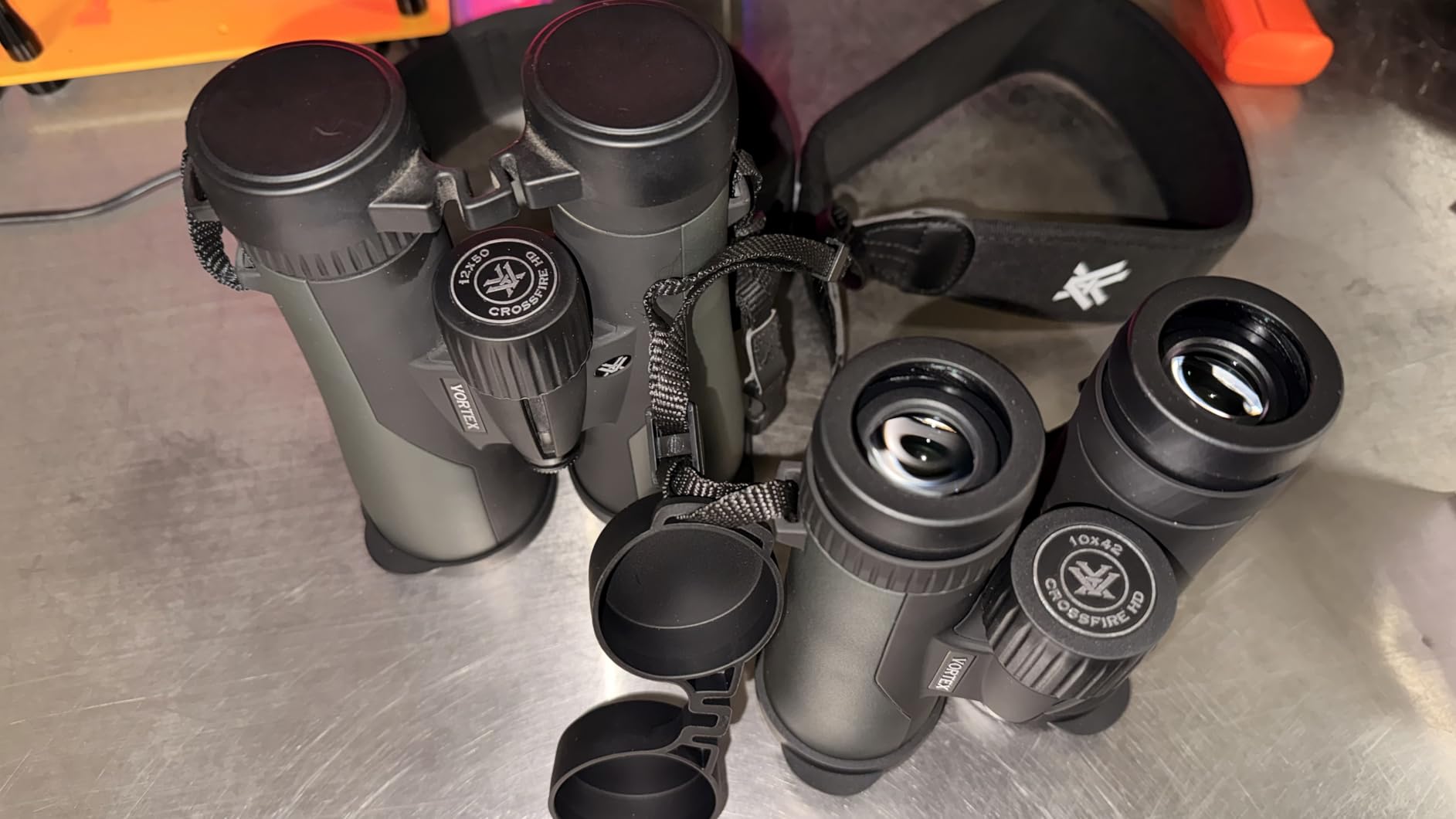
What gives with it is small. Reviewers do report some yellow and purple fringing on high-contrast subjects, and at 10x that fringing is more noticeable than it would be at 8x. The body is also longer than most 10x42s, which matters in a chest pack, and some owners find the included GlassPak harness awkward enough that they simply use the neck strap instead.
One practical note: owners comment that the body length and harness setup can make the glass hard to position without an eyecup aid. If you wear a thick beanie, check the fit with the hood down before you commit. I also noticed that at 10x the handheld image gets shaky well before the end of a long scan, so a tripod or a stable rest on the pack is worth having for ridge glassing.
What it is good for
This is the all-terrain answer: open benches, sagebrush flats, forest road scans and creek-bottom work. The 325 foot field of view is wide enough that a walking herd rarely slips out of the picture between stops, and the whole package stays light enough for an all-day carry. If you only buy one pair for elk and deer together, this is the one to buy.
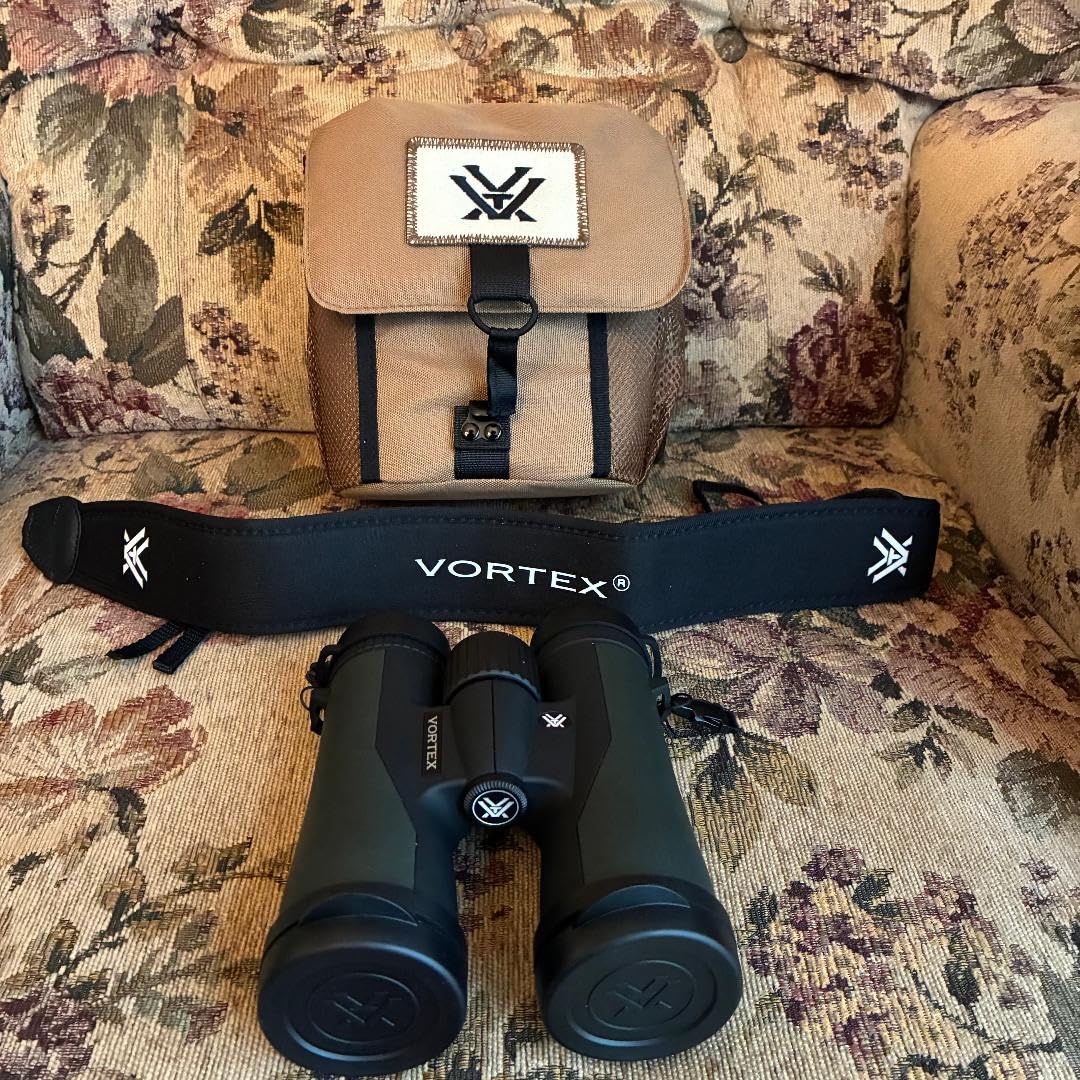
It also suits anyone who wants a lifetime warranty rather than a limited one, which matters for a purchase you expect to keep for a decade. The included case, harness, tethered lens covers and rainguard are all parts you would otherwise be buying separately, and the whole kit fits inside a jacket pocket without bulging.
What it is bad for
It is not the pick for a glasses wearer who needs a lot of eye relief, since 15mm works but does not feel generous after four hours. It is also not the pick if you sit at one window on a west-facing slope at last light, because the low-light ceiling is set by the glass and coating rather than by the 10×42 configuration. For that job, step up a tier.
2. Vortex Diamondback HD 10×42: Best Value 10×42 With More Low-Light Punch
Pros
- Bright color-accurate image with clear edge-to-edge sharpness
- Compact and light for a 10x42 roof prism
- Argon purged and O-ring sealed
- Tethered lens covers plus GlassPak case and harness
- Unlimited unconditional lifetime warranty
Cons
- Noticeable chromatic aberration in low light
- Focus wheel turns slowly for fine precision
- Case strap instructions are poorly illustrated
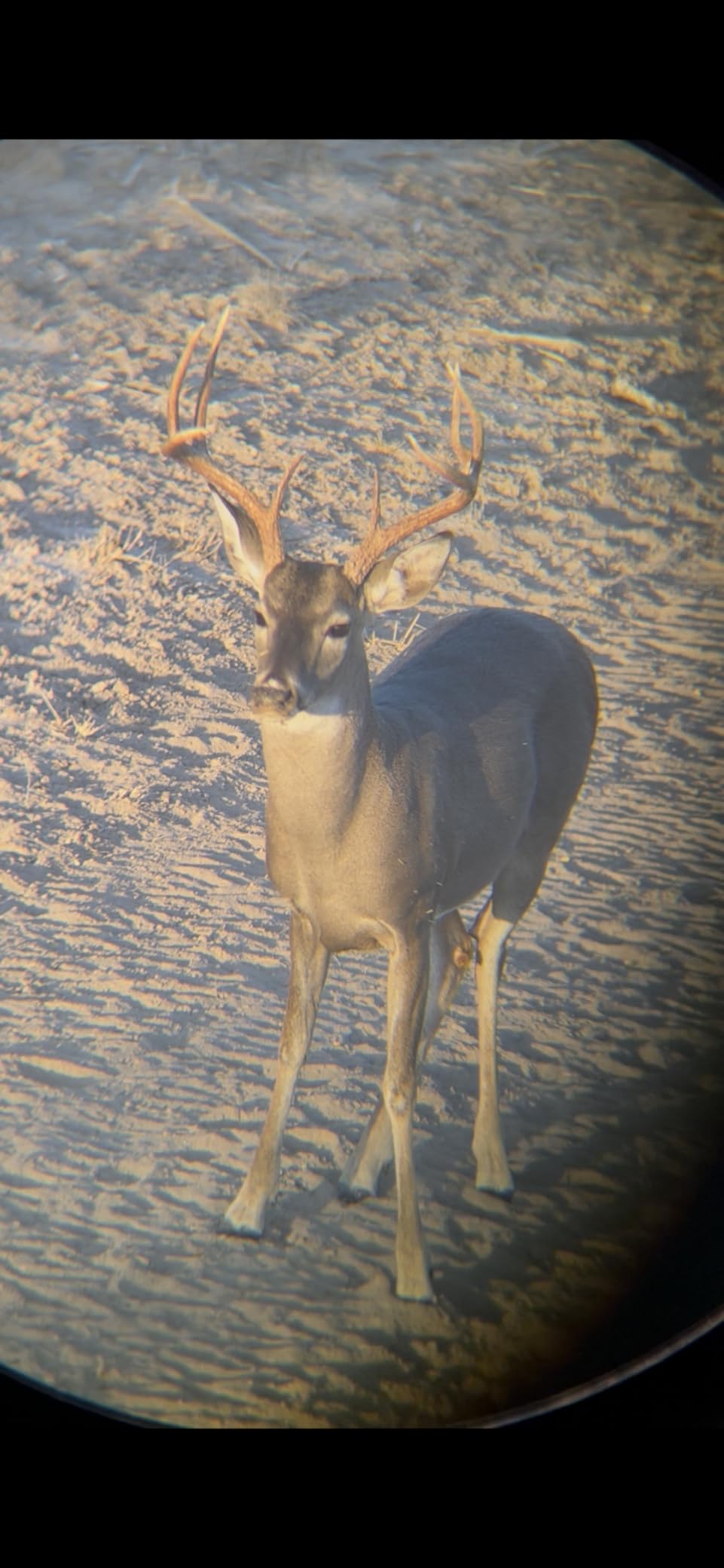
When the sun is already behind the ridge, this is the pair I reach for. The Dielectric coating on the prisms and the ArmorTek coating on the exterior lenses produce a brighter, more color-accurate image than the Crossfire, and owners comparing the two put it clearly: measurably better low-light resolution and edge clarity while staying compact. That step is the reason this is the pick for anyone whose alarm clock wins the argument with the sunrise.
The field of view is 330 feet at 1000 yards, the widest of the group on the published data, so a basin scan covers ground quickly. The exit pupil is 4.2mm and eye relief is 15mm, which is fine for most people and adequate for glasses. The armor grip stays positive in wet hands, and the whole body is a compact 1.3 pounds, which is one reason it works for long carries on foot.
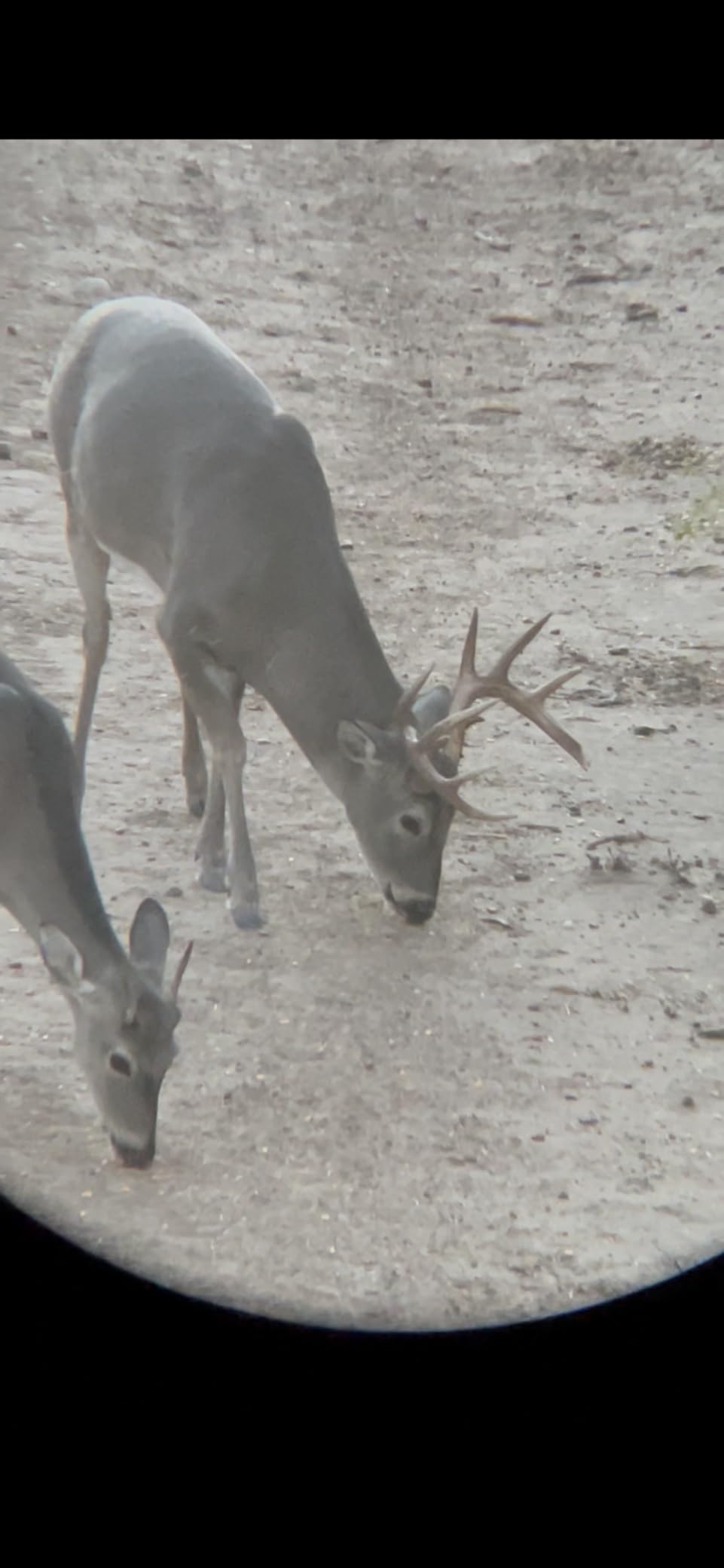
The honest weakness is chromatic aberration in low light. Reviewers single it out as the most common reservation, and it shows as color fringing on high-contrast edges when the light is going. The focus wheel also turns slowly, which is a deliberate trade for fine focus precision, and it can feel sluggish if you are used to fast birding glass. The case strap assembly instructions are poorly illustrated, which is a small annoyance on the first trip out.
The Meat Eater review page for this model ends a long write-up by saying that after many hours of glassing, the author is convinced these are the best 10x42s available. That is a fair summary of the review record, and it is the reason this is my pick over the Crossfire for full-season use. You give up a little speed on the focus wheel and get a noticeably cleaner image in the hours that matter.
What it is good for
This is the pick for dawn glassing in open country, and for anyone moving between sage benches and timber edge in the same trip. The combination of argon purging, full O-ring sealing and a lifetime warranty means it can live in the truck in January without thinking about it. It is also the better of the pair above for photographing or identifying game at range, because the extra contrast pays off on a distant bull.
If you hunt with a rangefinder and want to check your distance estimate, the extra contrast and edge clarity here make it easier to confirm an animal before you commit to a number.
What it is bad for
The slow focus wheel is a real cost for glassing fast-moving elk calves and for bowhunters working close cover. The 15mm eye relief is not generous if you wear thick frames, and the low-light fringing is worse than the Zeiss and the Nikon below, which is an honest trade against the lighter weight and lower cost. If chromatic aberration bothers you at dawn, this is not the one.
3. Vortex Triumph HD 10×42: Full-Size Glass on a Value Budget
Pros
- Clear bright image with a wide field of view and no distortion
- Many owners say it rivals more expensive glass
- Hunting users report good performance at dawn and dusk
- 17mm eye relief is comfortable with glasses
- Durable rubber-armored polycarbonate chassis
Cons
- Bulky and heavy at 2.3 pounds
- GlassPak harness system is fussy to set up
- Minor reports of a whitish image haze and a noisy focus ring on this series
- Noticeable handheld shake at 10x without a rest
The Triumph exists because a lot of first-time elk hunters buy a compact glass, find it too small and dim, and replace it a year later. This is the full-size 10×42 in a shockproof polycarbonate chassis with full rubber armor, nitrogen purging and a lifetime warranty, and the review record shows a lot of buyers comparing the image to glasses that cost several times more and finding little to separate them.
What stands out in the specifications is the 17mm of eye relief. That is the second most generous figure in this group, and it is the reason glasses wearers can use this for a full day without the black ring at the edge of vision. The objective is a full 42mm, and owners report the picture stays clear and bright into early morning and dusk light rather than going flat as the light drops.
The compromise is bulk. At 2.3 pounds this is the heaviest pick here by a wide margin, and the body is bigger than most 10x42s, which some buyers dislike. The included GlassPak harness is also reported as fussy to set up. A small number of owners report a whitish haze in the image and a noisy focus ring, which reviewers attribute to the series rather than to an individual unit, so it is worth checking carefully on arrival.
At 10x, handheld shake becomes obvious without a tripod, and the listing confirms this pair is tripod adaptable with a built-in threaded mount. On a long basin scan I would put it on a small tripod or a pack rest rather than holding it up for an hour.
What it is good for
This is the pick for a hunter who wants full-size 10×42 capability and generous eye relief without stepping into the premium tier. It suits bowhunters who need a wide, forgiving view in thick cover, and anyone who wants glass they can drop and climb a slope with without thinking about it, since the rubber-armored polycarbonate chassis is built to take that.
It is also a sensible second pair. Keep it in the truck as a backup and use the nicer glass in the pack when the hunt actually matters.
What it is bad for
It is the wrong tool for long walks on rough ground, because 2.3 pounds is a lot of weight for a full day on your neck. The handful of haze and focus-ring reports are worth watching, and a buyer who cares about edge-to-edge crispness at dawn will find the better-coated pairs above or below are a step ahead. If your hunting is glassing-heavy and pack-light, look elsewhere.
4. ZEISS Terra ED 10×42: Best for Dawn and Dusk Glassing
Pros
- Schmidt-Pechan ED glass with very high light transmission
- Hydrophobic multi-layer coating resists rain and mist
- 18mm eye relief works for glasses wearers
- Large fast focus wheel positioned for index-finger use
- Fully transferable limited lifetime optical warranty
Cons
- Coating is described as multi-coated rather than fully multi-coated
- Limited lifetime optics warranty with a separate five-year materials term
- Published listing gives no close focus figure
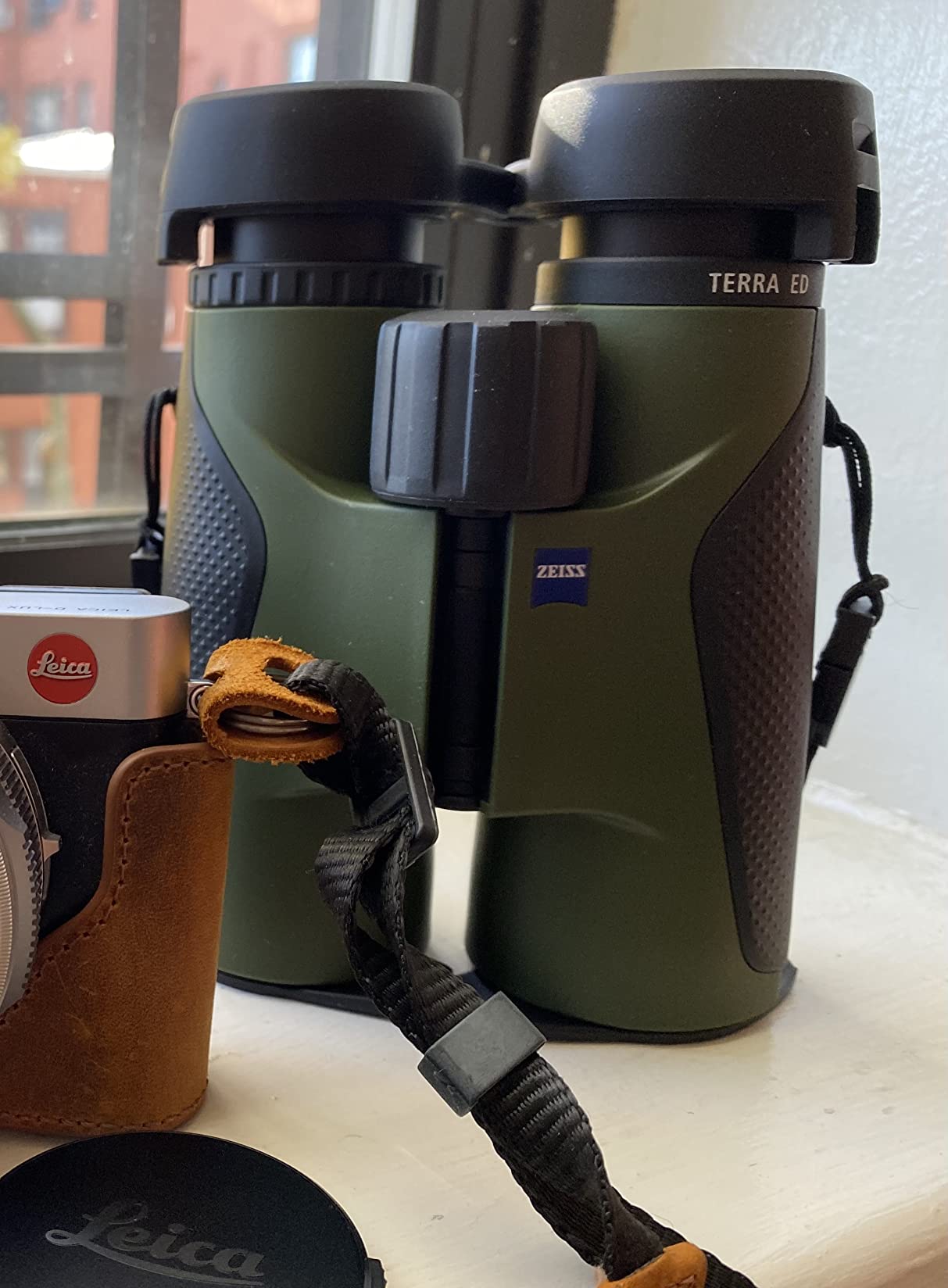
When the light is the problem, glass construction is the answer, and this is the pair with the best published light-gathering figures in the group. The Schmidt-Pechan ED elements and the hydrophobic multi-layer anti-reflective coating are specified at 88% light transmission, and ED glass is what keeps the color fringing that wrecks a dawn view off the edges of a distant treeline.
At 1.5 pounds with 18mm of eye relief, it is also comfortable in a way most 10x42s are not. The fast focus wheel is large and positioned for the index finger, which makes it easy to find and operate one-handed while the other hand holds a pack strap or a rifle. The casing is fiberglass reinforced and waterproof, and the body is compact enough to disappear into a chest pocket.
I want to be careful here, because this listing is thinner on detail than the others. The review record for this pair is smaller than the Vortex reviews, and no detailed customer review text came back with the data, so the case for this pick rests more on the published optical specification than on a large body of owner reports. That is not a criticism of the optic, it is a limit on what I can verify for you.
The coating is described as multi-coated rather than fully multi-coated, and the warranty is a transferable limited lifetime warranty on optics with a separate five-year term on materials and workmanship. That is a weaker long-term hedge than the unconditional lifetime warranty on the Vortex picks, and for a once-a-decade purchase it is worth weighing. Glasses wearers benefit most from the 18mm eye relief.
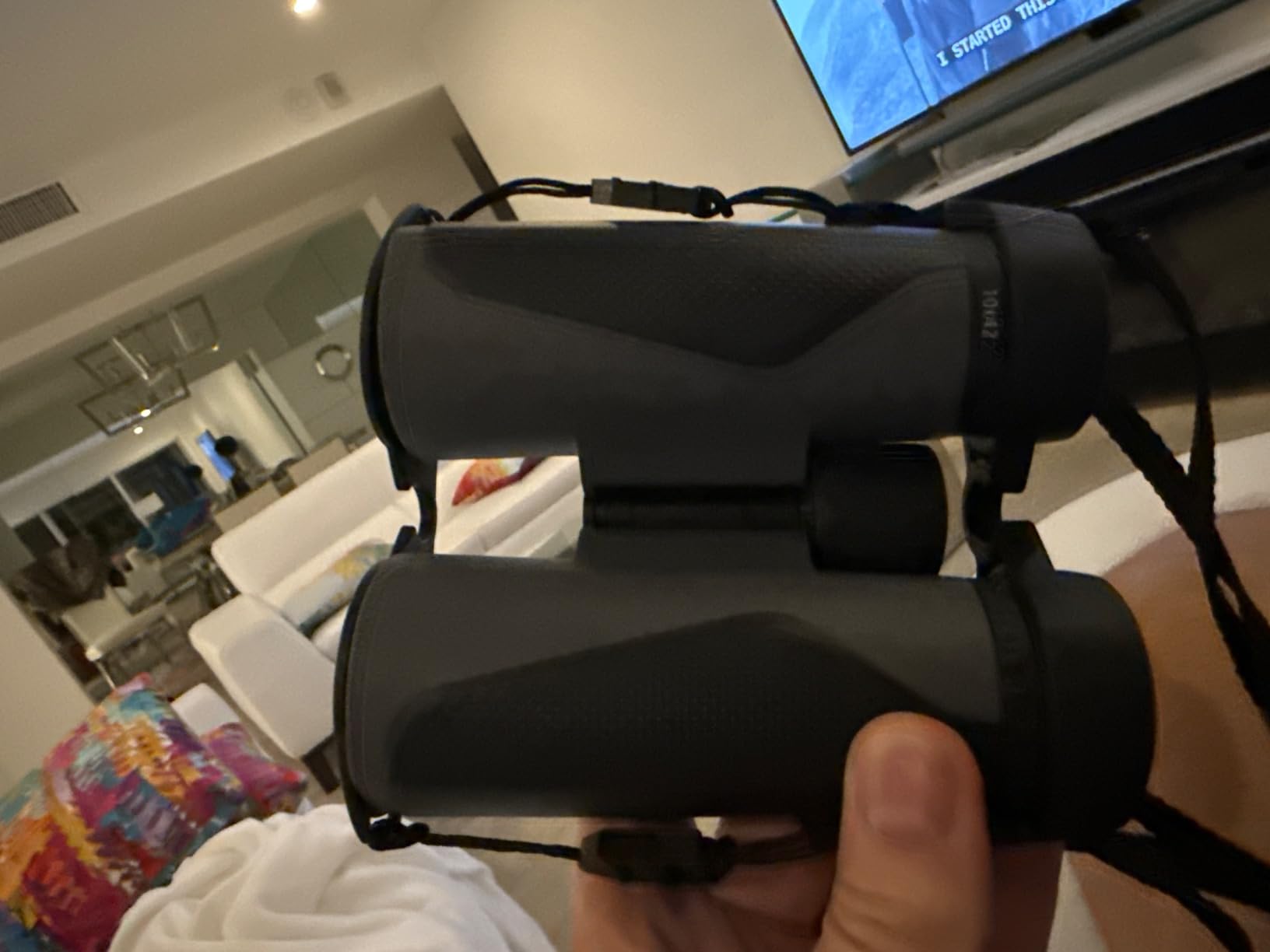
What it is good for
This is the pick for the twenty minutes before sunrise and the twenty after sunset, particularly on west-facing slopes where a direct sun angle is not available. The hydrophobic coating is specified to keep the view clear in rain, mist and adverse light, which matters in mountain weather. It is also a strong choice if you wear glasses and want to keep them on.
For anyone who photographs elk as well as hunting them, the higher contrast and color accuracy from the ED elements are worth having, and the fast focus wheel helps with focus on a moving animal.
What it is bad for
The published specification is incomplete in places, so if you are comparing coating stacks or field of view numbers line by line, the Vortex and Nikon listings give you more to work with. Buyers who want unconditional lifetime coverage should look at the Vortex picks. The hydrophobic coating and ED glass are the reason to choose it, and if you never glass at dawn they are worth less to you.
5. Nikon Monarch M5 10×42: Best for Glasses Wearers
NIKON Monarch M5 Binoculars | Waterproof Fogproof ED Glass Optics with Dielectric Prism Coating | Bright High-Resolution Outdoor Binoculars for Birdwatching, Hiking & Wildlife, 10×42
Pros
- Widest eye relief in the group at 18.4mm
- ED glass and phase-corrected prisms keep colors natural
- Large smooth center focus knob
- Compact body at 1.4 pounds with case and caps
- Nitrogen filled and O-ring sealed
Cons
- Somewhat heavy for long carries on foot
- Adjustment range feels limited to some users
- Modest 293 ft field of view compared with the widest picks
- No tripod mount in the package for some configurations
Eye relief is the single most common reason hunters return a pair, and this one has the most of it here at 18.4mm. That is enough room to keep your glasses on and still see a full, undistorted field, which over a four-hour glassing session is the difference between a usable optic and one you put down because your face aches. Owners call out eye comfort and clarity as the two things they notice most after switching from cheaper glass.
The optical system is ED glass with phase-corrected dielectric high-reflective multilayer prism coatings, which is the combination that keeps colors natural and edges free of fringing when you are working at 10x against a bright sky. The field of view is 293 feet at 1000 yards, the narrowest of the 10x42s in this list, and that is the trade for the eye relief and the more relaxed focus wheel.
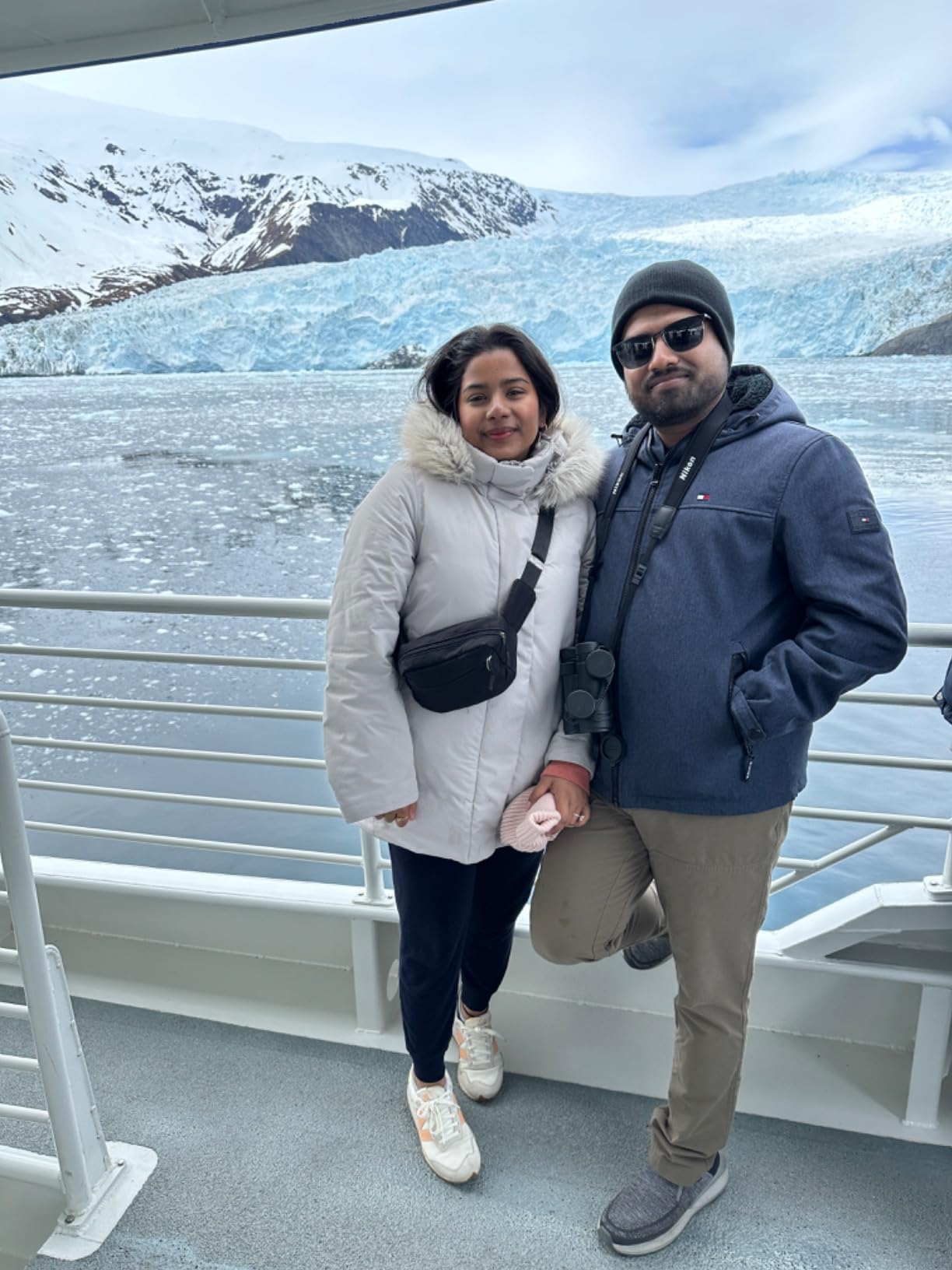
On an r/elkhunting thread about spending a fixed budget on binoculars, the advice was to look at the Nikons, either the 7s or a step up to the HG, with the comment that they are great glass for the money and had never caused eye strain after a long day. That is exactly what the eye relief figure here predicts, and it is why this is the pick I recommend to anyone who wears prescription glasses into elk country.
The negatives owners mention are modest. Some find it a little heavy for long carries on foot, the adjustment range feels limited to a few users, and a smaller field of view than the widest picks means slightly more scanning work to cover the same ground. The close focus of 8.2 feet is genuinely useful when a bull is 20 yards away in the brush and you need to check leg and body condition.
What it is good for
Full-day glassing with glasses on, which is the headline use. It is also a strong choice for anyone working in mixed light, because the ED elements and phase-corrected prisms hold color and contrast better than the standard multi-coated pairs. Owners report it holds up on moving platforms like a boat, which tells you something about how the focus and image stability behave when the view is not from a solid stance.
At 1.4 pounds it carries fine for a full day, and the package includes a case, eyepiece cap, objective cap and neck strap.
What it is bad for
It is not the widest glass here, so if your hunting is long sweeping basin scans rather than timber or close-quarter work, the 293 foot field of view costs you a little scanning efficiency. Some buyers also wish it included a tripod mount in the box. And if you do not wear glasses, you are giving up some field of view for eye relief you will not use.
6. Celestron Outland X 10×42: Best for Wide Basin Scanning
Pros
- Clear bright images with good contrast and color
- Nothing on the body feels fragile
- Smooth quick focusing and smooth diopter adjustment
- Owners report no fogging after heavy rain or temperature swings
- Twist-up eyecups with roughly 8mm of range
Cons
- Rubber eyepiece surround can loosen and let an eyepiece pull free
- Thin neck strap and case straps
- Heavier and bulkier than expected for a 10x42
- Right eyepiece diopter takes practice to set
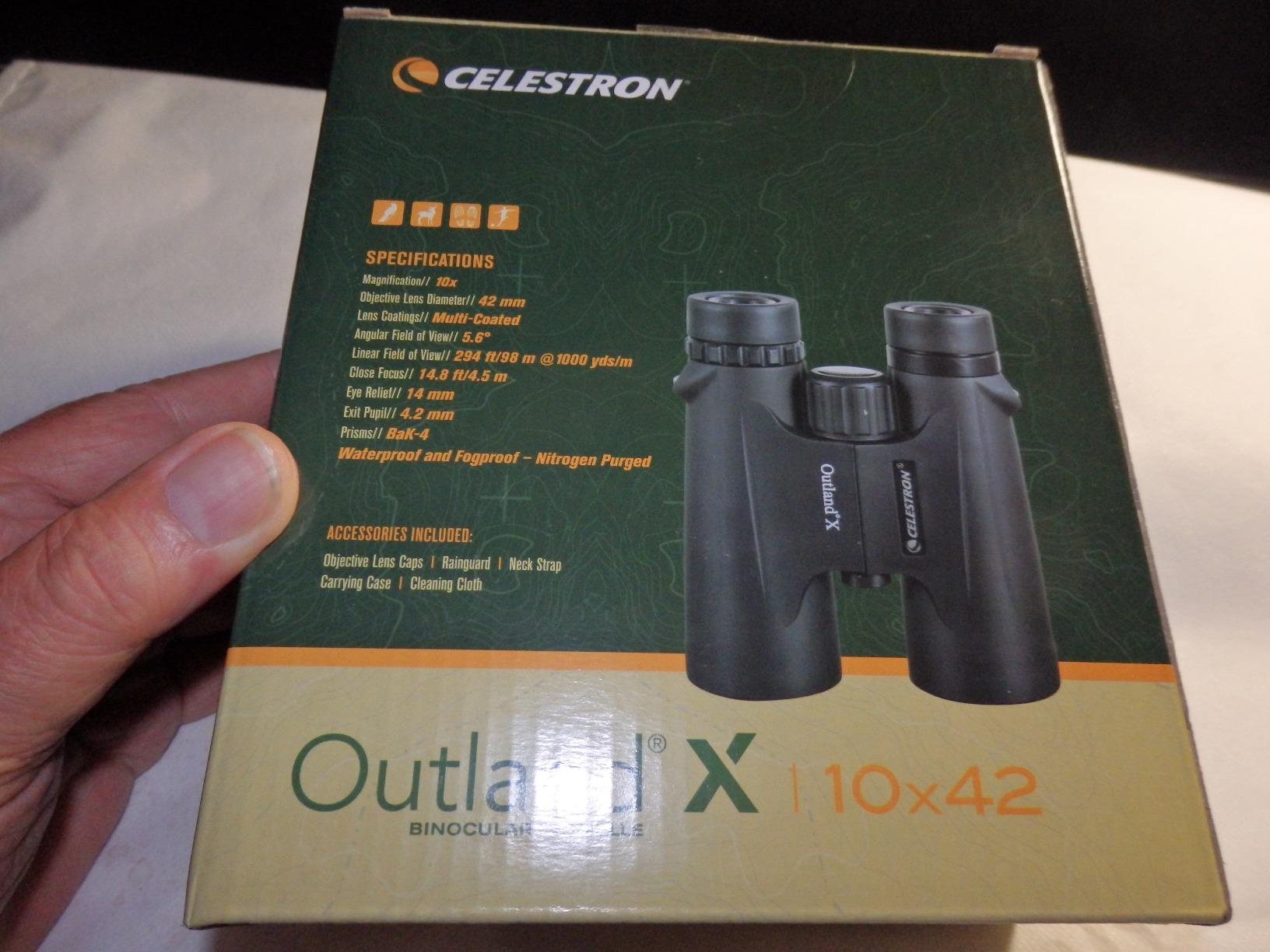
The case for this glass is the field of view, and the numbers back it up. The published angular field of view is 5.5 degrees, which on a wide-open bench means a horizontal sweep covers a broad slice of ground in few movements, and the body is lighter than the field of view on the widest glass in this roundup. On a sagebrush flat that width saves you repeated stops over the same hillside.
Optically it is a multi-coated design with BaK-4 prisms, and owners describe the result as clear, bright and color-accurate with good contrast. Focus and diopter adjustment are smooth, and the twist-up eyecups have roughly 8mm of range, which lets glasses wearers get a usable sight picture. The housing is rubber-armored polycarbonate, and owners report no fogging after heavy rain or large temperature swings, which is the failure that ends trips.
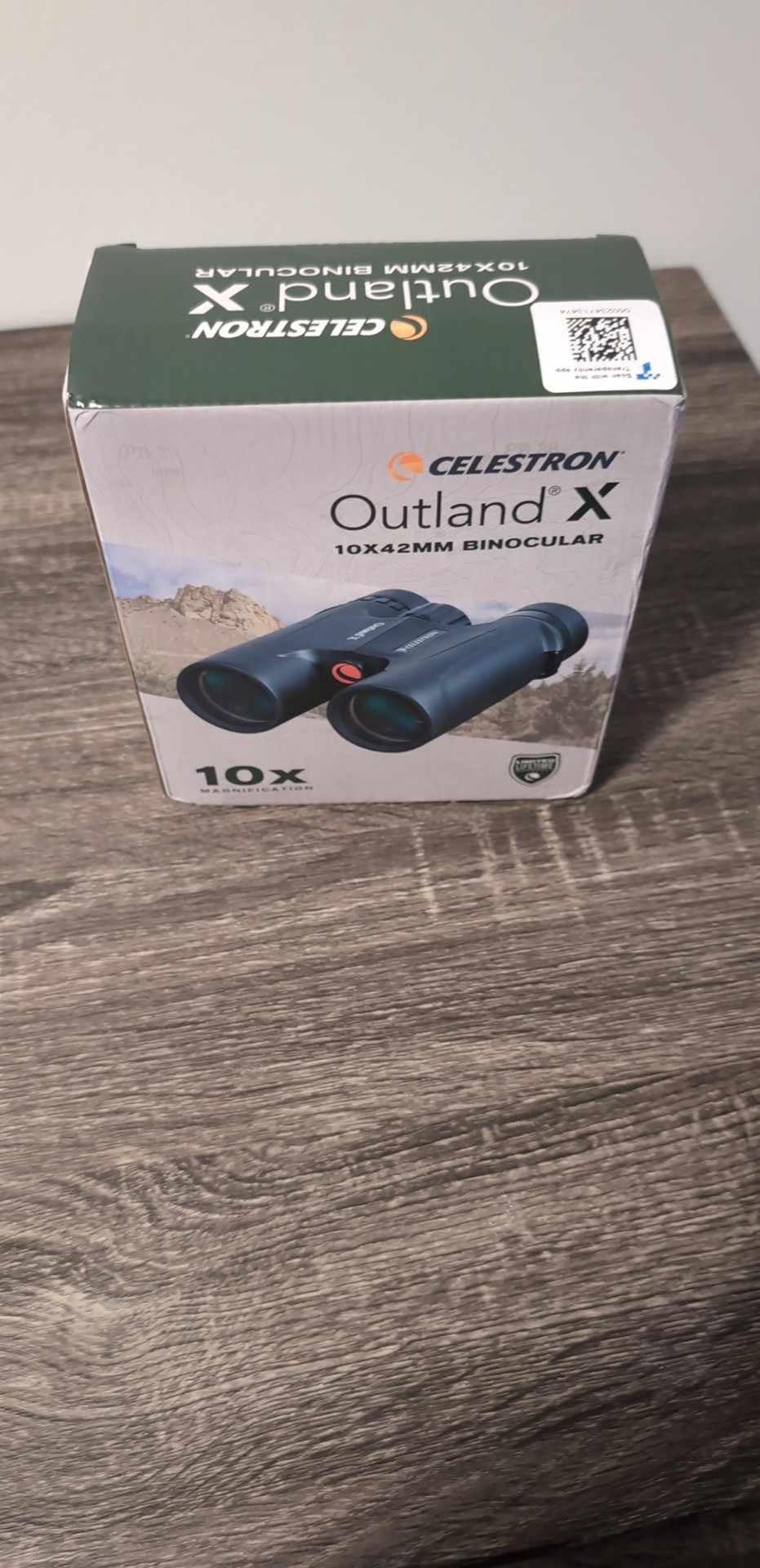
The complaint repeated across this product’s reviews is mechanical rather than optical. The rubber surround holding the eyepieces can loosen with rough field use and let an eyepiece pull free, which is exactly the kind of problem you do not want at 700 yards on a slope. The included neck strap and case straps are also thin and uncomfortable for an all-day carry, and the body is heavier and bulkier than buyers expected for a 10×42.
There is also a service detail worth knowing. The limited lifetime warranty is backed by responsive US-based support, but some owners note having to pay shipping and a service fee for a replacement. If you break these in the backcountry, that cost matters.
What it is good for
This is the pick for open basin and prairie hunting, where scanning efficiency beats magnification. The wide view makes it easy to follow a herd moving across a flat, and the 10x is still there when you need to sex a bull. Owners also like the quick, smooth focus for picking up animals already in motion.
It is a good first elk binocular for a bowhunter working anywhere, because the wide view and forgiving eyecups make it easy to find and follow game without hunting for the animal in a narrow circle.
What it is bad for
It is not the pick for a trip where a dropped or shaken pair is likely, given the eyepiece mount issue in the review record. The straps are thin enough that you will want to replace the neck strap with a padded one. And at 10x the handheld image shakes, so pair it with a tripod if you plan long sessions from a fixed position.
7. Bushnell H2O 10×42: Best for Rain, Snow and Rough Handling
Pros
- IPX7 sealing survives submersion in standing water
- Nitrogen purging and O-ring seals resist fogging in any weather
- Fully multi-coated optics with BaK-4 prisms
- Soft-touch non-slip housing for one-handed use
- Light 907 g aluminum chassis with a soft-touch grip
Cons
- Published listing does not specify focus or diopter adjustment ranges
- Field of view listed only as a 5.84 degree angle
- Smaller body of owner reviews than the Vortex picks
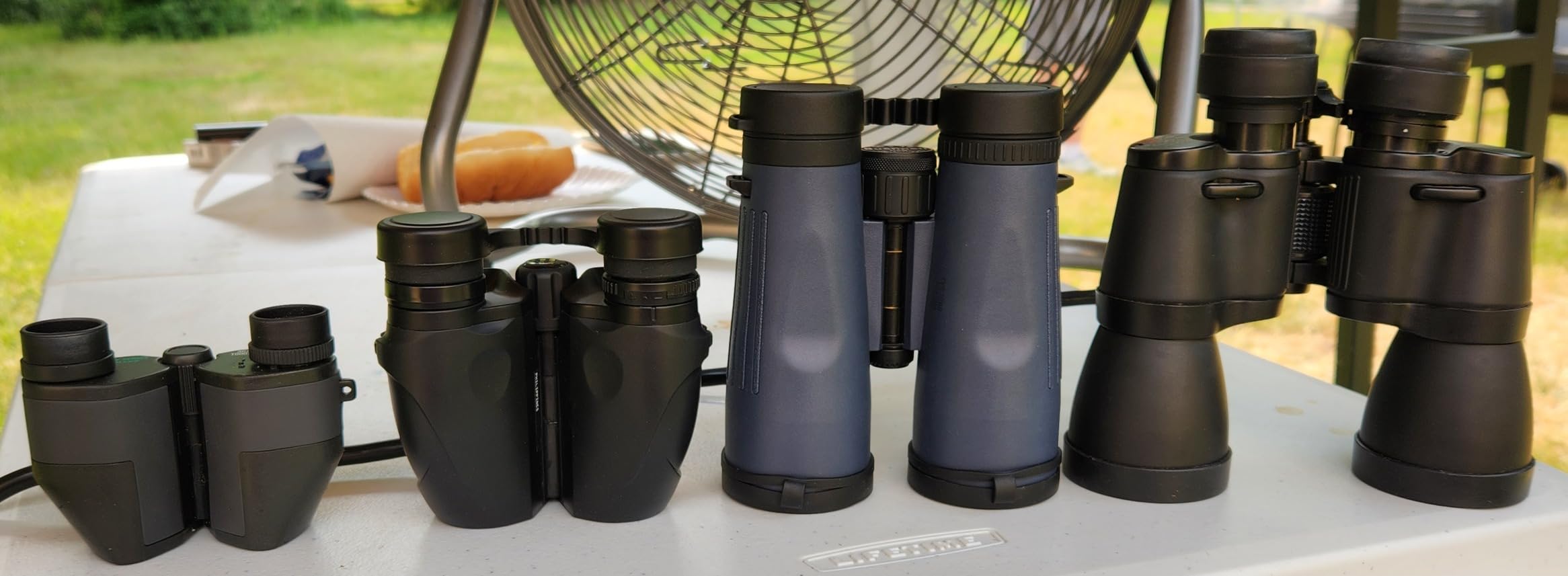
The Bushnell H2O is built around a durability argument rather than a glass argument, and the sealing is the strongest published figure in this group. IPX7 means the optical system is O-ring sealed and rated to survive submersion in standing water for up to thirty minutes, nitrogen purging handles the fog, and the chassis is a light aluminum body at 907 grams, a little under two pounds, which keeps it comfortable on a long day in the field.
Optically it is a fully multi-coated all-glass system with BaK-4 prisms, which is a better starting point than the single-coated budget glass that usually shares this weight class. The soft-touch rubber housing gives a secure one-handed grip and guards against drops, and the 15.6mm of eye relief is workable with glasses. Close focus is listed at 12 feet, useful for checking an animal at short range.
Two honest cautions. This listing does not specify the focus or diopter adjustment ranges, and the field of view is published as a 5.84 degree angle rather than a distance figure, so you are not going to get a 1000-yard comparison out of the published data. The owner review volume for this configuration is also small relative to the Vortex picks, so treat the durability claims as well supported and the image quality as largely unverified by me.
That said, for a hunter whose priority is a pair that survives weather and a season of being thrown in a pack, the trade makes sense. What you give up is a wider field of view and a longer owner record to lean on.
What it is good for
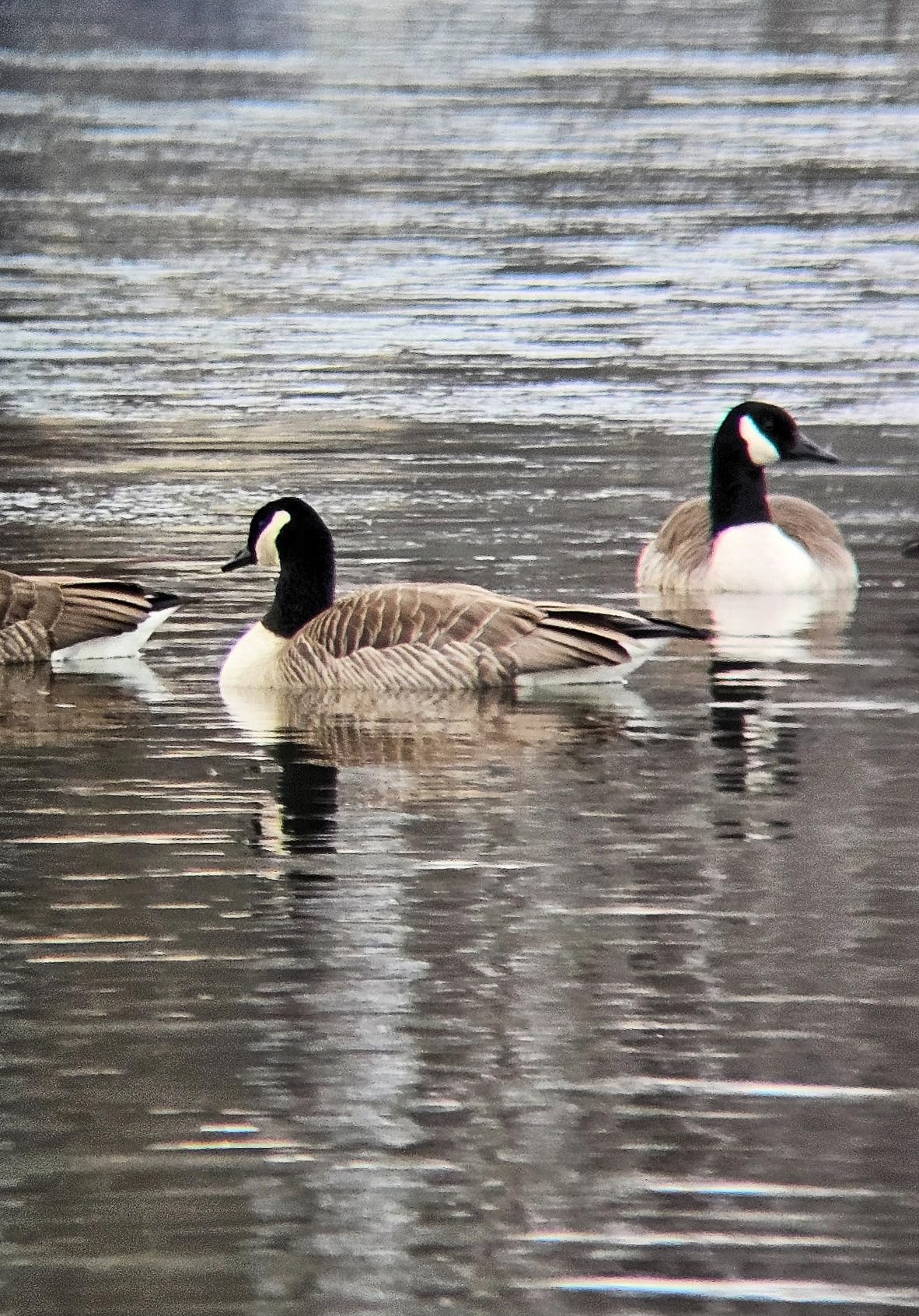
Rain, snow, river crossings and cold mornings, which is the reality of much of elk country. The IPX7 sealing and nitrogen purge mean you can leave the glass in a vehicle overnight in freezing temperatures and pick up where you left off. The light chassis also makes it the easiest pair here to carry all day on foot, and the rubber housing handles a wet one-handed grip.
It is a good pick for younger hunters or anyone who drops gear, because the soft-touch housing is doing real work against impacts.
What it is bad for
It is not the pick if edge-to-edge sharpness at dawn is the deciding factor, because the glass and coating specification is mid-tier rather than ED. The published data is thin enough that you will be comparing less information than with the picks above. And at 10x you will still want a rest for long sessions.
8. Bushnell PowerView 10×42: Best Lightweight Backup Pair
Pros
- Clear sharp image that keeps its focus and adjustment over years
- Telescoping eyecups work well for glasses wearers
- Compact and lightweight for a pack or a truck
- Sturdy build with a satisfying weight in the hand
- Objective caps and eyepiece covers are tethered and slotted
Cons
- 10x reaches its limit for long-range observation
- Some users report occasional dark spots in the field of view
- Published listing gives no weight
- coating or field of view figures
The role for this pair is the truck and the pack lid. It is a compact 10×42 roof prism that gets handed to someone who wants to look at the herd, gets clipped to a chest pack for a day of scouting, and does not get destroyed in the process. Several owners report that the glass still holds its clarity and its adjustments after years of use, which is the most useful thing an inexpensive backup can do.
The telescoping twist-up eyecups are the detail that makes it work for glasses wearers, because they let you dial the eye cup down and get a full sight picture. The tethered objective caps and slotted eyepiece covers mean nothing gets lost in a pack, and the soft-shell case is included.
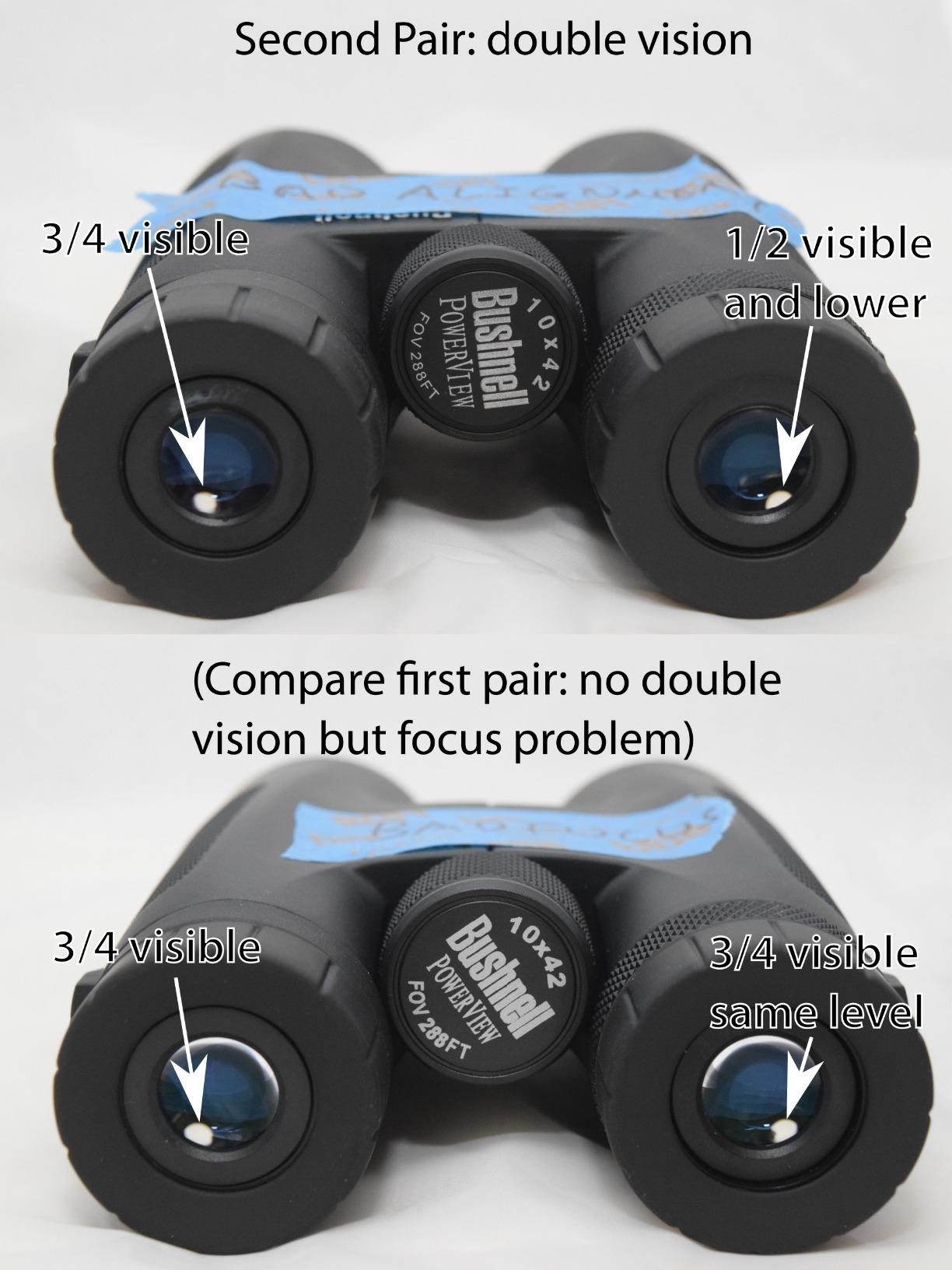
The honest limit is that 10x is not much reach for a bull at 700 yards, and reviewers say so directly. There are also reports of occasional internal dark spots in the field of view, which is a defect you cannot tune out. The published listing here is thin, giving no weight, coating or field of view figures, so I would confirm the spec sheet with the manufacturer before you rely on any number.
Used as a primary glass for a full elk season in open country, it will disappoint. Used as a pack, truck and guest pair, it is hard to argue with.
What it is good for
Anyone who needs two pairs. Keep this in the truck so you always have glass when you stop somewhere good, and keep the better optic in the pack for the days that matter. It is also a sensible first purchase for a young hunter who will grow out of it, because the telescoping eyecups mean it works with and without glasses.
For scouting and shed hunting, where you are walking rather than sitting on a glass, the compact body is genuinely convenient.
What it is bad for
It is not a long-range glass, and calling it one would be a mistake. The intermittent dark spot reports are worth returning promptly if you see them, and the thin published specification means you are buying more on reputation than on data. If your hunting is a serious glassing game, spend the money on one of the four picks above instead.
Binoculars vs Spotting Scope vs Rangefinder for Elk
For most elk hunters, binoculars do the work and the other two are accessories. A binocular is a scanning tool first, which is why field of view and eye relief matter more than raw magnification. A spotting scope wins on magnification and reaches where a binocular cannot, and it is worth carrying when you are sitting on a known herd across an open flat or working a ridgeline at 1000 yards. What you lose is the ability to sweep quickly, so a scope supplements a binocular rather than replacing it.
A rangefinder binocular is a binocular with a laser and a display built in, and what the laser actually does for an elk hunter is simple: it measures distance to the animal you are looking at, so you are estimating a range instead of guessing one. It also removes the estimation step when you are glassing a moving herd at distance, which is where most misses originate. The cost is bulk, battery management and usually some weight, and the ballistic compensation features on premium models assume a specific ammunition and rifle zero that you have to enter yourself.
None of the eight picks here is a rangefinder, and that is a deliberate choice rather than an oversight. This list is organized around 10×42 scanning, which is the optic the majority of elk hunters use most. If your hunting is archery at known distances in open country, a rangefinder changes the decision more than any other single feature, and it is worth reading the rangefinder spec and battery claims as carefully as the glass specs before you buy one.
Buying Guide: How to Choose Elk Hunting Binoculars
Magnification: the 8x versus 10x versus 12x decision
Ten power is the default because it resolves a distant animal without pushing the field of view so narrow that you lose the herd. 8x is steadier in the dark, shows a wider slice of ground, and holds up better handheld, which makes it the right choice for timber, for dawn, and for bowhunters working cover. 12×50 and 10×50 gather more light through a larger objective, which helps at the end of the day and at long range, at the cost of weight, bulk and a narrower view. Choose 12×50 only if you are glassing open country at long range in fading light and can hold it steady on a tripod.
The measurement to understand is the exit pupil, which is the objective diameter divided by the magnification. A 10×42 gives a 4.2mm exit pupil, which is comfortably larger than a dark-adapted pupil, so you are using the available light well. A 10×25 would only give 2.5mm, which is why compact glasses go dim and soft-eyed so quickly at dawn.
Field of view: the number that decides how you hunt
Field of view is quoted either as an angle in degrees or as feet at 1000 yards, and the second form is the one to use when comparing hunting glass. Anything around 290 feet or wider is workable for scanning. Above 320 feet you are covering a bench in very few movements, which is what the Diamondback at 330 feet and the Crossfire at 325 feet give you, with the 5.5 degree Outland X and the 293 foot Monarch M5 close behind. Below 280 feet you are working harder for the same coverage, which is the right behaviour in timber and a waste in the open.
Low light: ED glass, coatings and why elk mornings are hard
Elk are most active at first light, and at first light your own eyes are still adapting while the animal is on a hillside you cannot backlight. Two specifications carry most of the weight here. Extra-low dispersion glass reduces chromatic aberration, which is the color fringing that turns a distant ridgeline into a soft purple smear at 10x. Multi-layer or hydrophobic coatings keep the lens from reflecting light back at you in rain, mist and adverse light, and they are the difference between a clear view and a hazy one when the weather turns.
The ZEISS Terra ED and the Nikon Monarch M5 are the two picks here built explicitly around that problem, with ED elements, phase-corrected or hydrophobic coatings, and published light transmission figures. If your elk season is a dawn season, weight those two specs above everything else on the sheet.
Eye relief: the glasses-wearer filter that decides everything
Eye relief is the distance from the eyepiece lens to your eye, and it is the only spec that can disqualify a pair outright for a large share of hunters. Below 15mm, glasses wearers get a black ring around the edge of the view that never goes away and that no amount of adjustment fixes. At 16mm you are comfortable. At 18mm and above you can wear glasses all day. The Triumph at 17mm, the ZEISS at 18mm and the Nikon at 18.4mm are the three to look at if you wear prescription glasses, and all three have twist-up or turn-and-slide eyecups so you can tune the fit.
Waterproofing, weight, warranty and colour
O-ring sealing with nitrogen or argon purging is the standard to insist on. It is what stops internal fogging when you move from a warm truck into freezing air at five in the morning. IPX7, as published on the Bushnell H2O, is a stronger published rating than most listings offer and worth noticing.
Weight matters more than hunters expect, because the glass hangs off your neck for six hours. Anything under 1.5 pounds works for a long day on foot; above two pounds, plan on a harness or a chest pack and expect neck fatigue by the afternoon. The widest field of view and the highest eye relief are worth carrying a little extra weight for, and I would not trade them.
Warranty is the long-term hedge on a purchase you make roughly once a decade. An unlimited unconditional lifetime warranty, as published on all three Vortex picks, transfers with the glass and covers the years of rain and drops that accumulate. A limited lifetime warranty on optics with a separate term on materials is still good, but check the fine print, and check whether it transfers to a new owner.
On colour, elk have dichromatic vision with a red-sensitive cone, which means reds and crimsons read very differently to them than to you. Earth tones, grey, black, olive and brown are the safe choices for both your clothing and your glass, and a matte finish avoids the flare that can give away a glassing position. Skip the bright red jacket, and skip a shiny objective ring if you work open ground.
How to Test Binoculars Before You Buy
Buy two pairs in different tiers and pick the one that feels better in your hands, which is the advice experienced hunters give beginners and the one nobody publishing a roundup ever follows. Glass quality is very hard to judge from a description, and the only way to feel the difference is to have a cheap pair and a good pair in the same session.
In a store, focus on something at infinity first and look at the edges of the field for softness or color fringing. Then bring the binoculars down to a near object and check that the image stays sharp without swimming. Wear your actual glasses and roll the eyecups to see whether the view is fully open. Turn the focus wheel and the diopter with cold hands, because that is when fiddly mechanics show up. Finally, hold the pair up to a window at dusk and compare how the two handle the low angle of light, which is the closest thing to an elk morning you will get in a shop.
If you are buying used, check the objective lenses in daylight for haze and fungus, look for a stiff or slipping focus wheel, and confirm the diopter still holds through a full rotation.
Frequently Asked Questions
What is the best binocular magnification for elk hunting?
Ten power is the best default magnification for elk hunting, in a 10×42 roof-prism body. Use 8×42 for timber and for glassing at dawn, where a wider field of view and a steadier handheld image matter more than magnification. Move to 10×50 or 12×50 only for long-range open-country work in fading light, and only if you can use a tripod.
What are the best binoculars for hunting elk?
The Vortex Crossfire HD 10×42 is the best overall pair for elk hunting because of its 325 foot field of view, 15mm of eye relief, fully multi-coated lenses and unlimited lifetime warranty. For the best low-light image at dawn, choose the Vortex Diamondback HD 10×42, and for glasses wearers choose the Nikon Monarch M5 with 18.4mm of eye relief.
What is better, 10X42 or 12X50 for hunting?
A 10×42 is steadier, lighter and wider, with a 4.2mm exit pupil, so it is the better all-round hunting glass and the better choice for scanning. A 12×50 gives a 4.2mm exit pupil as well but reaches further and holds up better in fading light, at the cost of weight, bulk and a narrower field of view. Pick the 12×50 for long-range open country and the 10×42 for everything else.
What colors can elk not see?
Elk have dichromatic vision, so they do not perceive red the way humans do. Red and crimson outerwear reads very differently to an elk than it does to you, so earth tones, grey, black, olive and brown are the safe choices for clothing and for binocular finishes. A matte finish on your glass also avoids the flare that can give away a glassing position.
What are the best binoculars for glassing elk?
For sustained scanning, a 10×42 with a field of view above 300 feet at 1000 yards is the right tool. The Vortex Diamondback HD 10×42 at 330 feet and the Vortex Crossfire HD 10×42 at 325 feet cover ground fastest, and the Celestron Outland X 10×42 with its 5.5 degree angular field of view covers a similarly broad slice. For dawn sessions, pair that width with the ZEISS Terra ED or Nikon Monarch M5.
What are the best 10×42 binoculars for hunting?
Among 10×42 hunting binoculars, the Vortex Crossfire HD 10×42 is the best all-round pick, the Vortex Diamondback HD 10×42 is the best for low light and edge clarity, the Vortex Triumph HD 10×42 offers full-size glass with 17mm of eye relief, the Nikon Monarch M5 10×42 is the best for glasses wearers, and the ZEISS Terra ED 10×42 has the highest published light transmission in this group.
What size binoculars are best for elk hunting?
A 42mm objective is the right default for elk hunting because it balances light gathering against weight and bulk. Go to 50mm or larger when you hunt at dawn and at long range in the last minutes of light, and stay at 42mm for timber and all-day carry. Check the exit pupil, which is the objective diameter divided by the magnification: a 10×42 gives 4.2mm, which suits a dark-adapted eye.
For related reading, I have put together guides to the best Nikon binoculars tested in depth, to high-powered binoculars for long-distance viewing, and to image-stabilized binoculars if you want to move past 10x. If your hunting is more about animals than deer and elk, the wildlife safari binocular guide covers the same specifications from a different angle.
The Verdict: Which Binoculars for Elk Hunting
Buy the Vortex Crossfire HD 10×42 if you want one pair that handles open country, timber and a mixed season, and it is the default pick here for good reason: a 325 foot field of view, 15mm of eye relief, fully multi-coated lenses and an unlimited lifetime warranty. If your season is a dawn season, move up to the Vortex Diamondback HD 10×42 for measurably better low-light resolution and edge clarity. If you wear glasses all day, go straight to the Nikon Monarch M5 for its 18.4mm of eye relief, or the ZEISS Terra ED for the highest published light transmission in the group.
Everything else follows from terrain. Wide sweeps in open country favor the Diamondback, the Crossfire and the Celestron. Timber, dawn and bowhunting favor the Triumph or an 8×42. Rain, snow and hard use favor the Bushnell H2O. And a truck or pack-lid pair belongs in the Bushnell PowerView. That is the shortlist for the best binoculars for elk hunting in 2026, and whichever one you choose, take it out and glass with it before the season starts.