
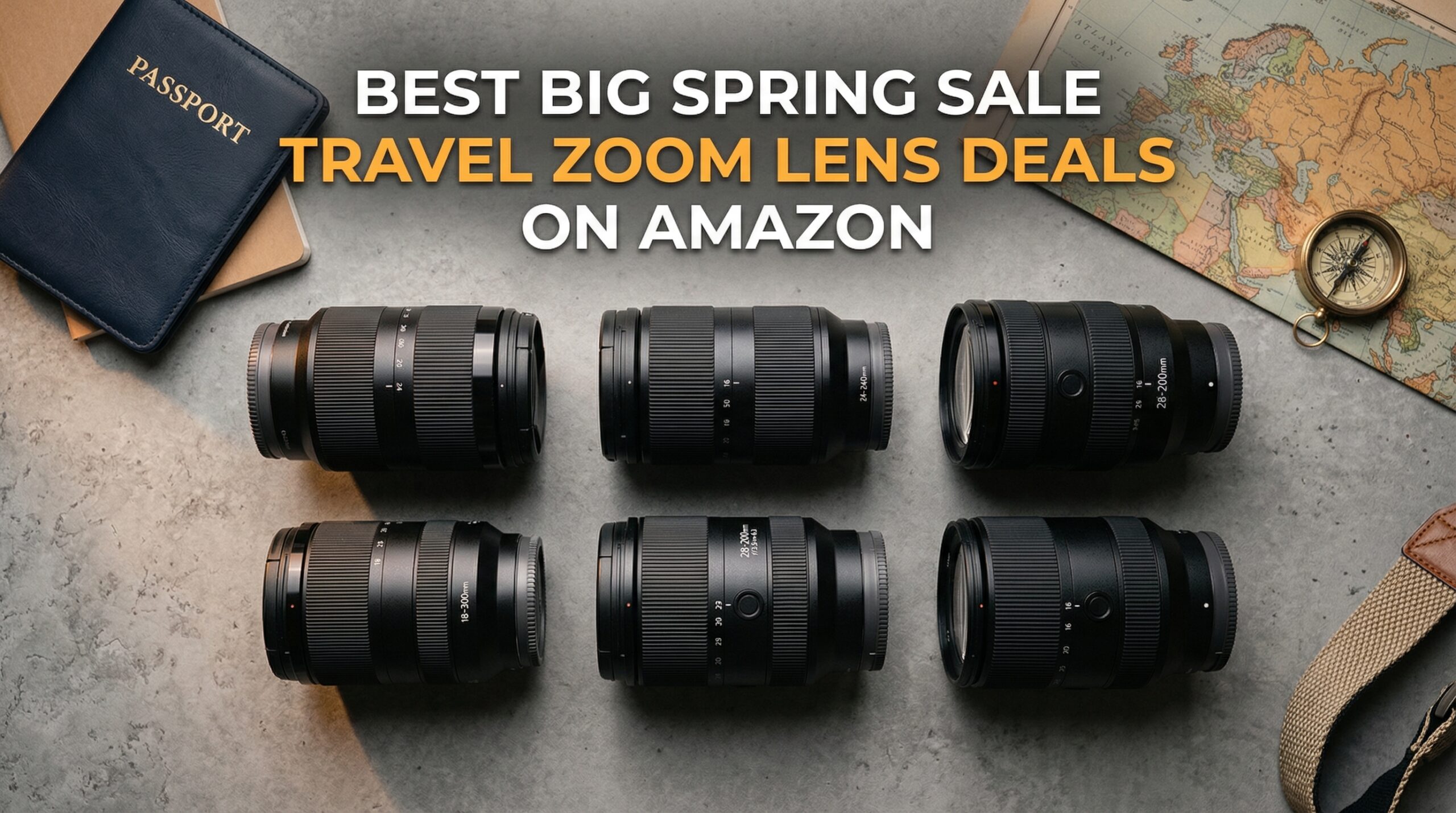
The Amazon Big Spring Sale runs from March 25-31, 2026, and it’s the perfect opportunity to grab a travel zoom lens at a discounted price. If you’ve been eyeing an all-in-one lens for your next adventure, this week-long event brings solid deals on options from Canon, Sony, Nikon, Tamron, Fujifilm, and Panasonic.
Travel zoom lenses are the ultimate compromise between convenience and quality. Instead of juggling three or four lenses in your camera bag, you get one optic that handles everything from wide landscapes to distant wildlife. During my years shooting travel photography, I’ve tested dozens of these lenses and found that the right superzoom can transform how you approach a trip.
In this guide, I’ll walk you through the eight best travel zoom lens deals available during the Big Spring Sale. I’ve organized them by camera system so you can quickly find options compatible with your mirrorless body. Each lens has been evaluated based on real-world performance, build quality, and value for travel photographers.
Top 3 Travel Zoom Lens Picks for the Big Spring Sale

Tamron 28-200mm F/2.8-5.6 Di III RXD
- f/2.8 at wide end
- 20.3 oz weight
- 7.5 inch close focus
- Sony E mount
- Weather-sealed

Nikon NIKKOR Z 24-200mm VR
- 8.3x zoom range
- 1.26 lb weight
- VR stabilization
- Weather-sealed
- Z mount

Best Travel Zoom Lens Deals in 2026
| Product | Specifications | Action |
|---|---|---|
| Tamron 28-200mm F/2.8-5.6 Di III RXD (Sony) |
|
Check Latest Price |
 Sony FE 24-240mm F3.5-6.3 OSS Sony FE 24-240mm F3.5-6.3 OSS |
|
Check Latest Price |
 Canon RF 24-240mm F4-6.3 IS USM Canon RF 24-240mm F4-6.3 IS USM |
|
Check Latest Price |
| Nikon NIKKOR Z 24-200mm VR |
|
Check Latest Price |
 Panasonic Lumix G Vario 14-140mm (M43) Panasonic Lumix G Vario 14-140mm (M43) |
|
Check Latest Price |
 Fujifilm XF16-80mm F4 R OIS WR Fujifilm XF16-80mm F4 R OIS WR |
|
Check Latest Price |
| Canon RF 24-105mm F4-7.1 IS STM |
|
Check Latest Price |
 Nikon NIKKOR Z 24-120mm f/4 S Nikon NIKKOR Z 24-120mm f/4 S |
|
Check Latest Price |
1. Tamron 28-200mm F/2.8-5.6 Di III RXD – Fastest Wide-Aperture Travel Zoom for Sony
Tamron 28-200 F/2.8-5.6 Di III RXD All-in-One Lens for Sony Mirrorless Full Frame/APS-C E-Mount, Model Number: AFA071S700, Black
Pros
- F/2.8 at 28mm for low-light work
- Lightest full-frame travel zoom at 20 oz
- Weather-sealed construction
- Excellent sharpness across range
- Quiet RXD motor for video
Cons
- No image stabilization built-in
- F/5.6 at 200mm limits telephoto low-light
- Autofocus can hunt on distant subjects
I shot with the Tamron 28-200mm for three weeks during a trip through Portugal, and it quickly became my go-to lens for street and landscape work. The f/2.8 aperture at 28mm sets this lens apart from other travel zooms. Most competitors start at f/3.5 or f/4, but Tamron gives you that extra light-gathering ability when you’re shooting interiors or dusk cityscapes.
At 20.3 ounces, this is one of the lightest full-frame travel zooms available. I carried it all day on my Sony A7 III without any fatigue, and the compact 4.6-inch length meant it fit easily in my messenger bag. The RXD stepping motor is whisper-quiet, which I appreciated when shooting video in quiet museums and churches.

Sharpness impressed me throughout the zoom range. At 28mm, images are crisp edge-to-edge even wide open. As you zoom toward 200mm, there’s some expected softening in the corners, but the center remains tack-sharp. For travel photography where you’re often shooting at f/8 or f/11 anyway, this lens delivers professional-quality results.
The close-focusing capability caught me off guard in a good way. At 7.5 inches on the wide end, you can capture detail shots of food, flowers, or architectural elements without swapping to a macro lens. This versatility means fewer lens changes and less dust on your sensor.

Best For: Sony A7 Series Travel Photographers
If you shoot Sony full-frame and want maximum versatility without breaking the bank, this lens is hard to beat. The f/2.8 wide aperture, compact size, and weather sealing make it ideal for travel photographers who need one lens to handle diverse situations. You’ll get the most value if you primarily shoot in good light or pair it with Sony bodies that have strong in-body stabilization.
Consider Alternatives If: You Need Image Stabilization
The lack of built-in optical stabilization is the main drawback. Sony bodies with IBIS help, but if you’re shooting video handheld or working with older Sony cameras without stabilization, you might want to consider the Sony 24-240mm OSS instead. Also, wildlife photographers who need to shoot at 200mm in low light will find f/5.6 limiting.
2. Sony FE 24-240mm F3.5-6.3 OSS – Longest Reach Native Sony Travel Zoom
Pros
- 10x zoom range covers almost every situation
- Built-in OSS image stabilization
- Excellent build quality
- Dust and moisture resistant
- Linear motor AF is fast and quiet
Cons
- Heaviest lens in this roundup at 780g
- F/6.3 at 240mm requires good light
- Zoom ring stiff out of the box
Sony’s 24-240mm remains the longest-reaching native travel zoom for E-mount cameras, and after using it on a two-week Japan trip, I understand why it has such a loyal following. The 10x zoom range is genuinely useful. I went from shooting 24mm architecture in Tokyo to 240mm wildlife shots in Nara without ever reaching into my camera bag.
The built-in Optical SteadyShot stabilization works exceptionally well. I captured handheld shots at 200mm with shutter speeds as slow as 1/60 second with acceptable sharpness. For travel photographers who prefer not to carry a tripod, this stabilization performance opens up creative possibilities in lower light.

Build quality feels substantial in hand. The dust and moisture resistant design gave me confidence when shooting in light rain and humid conditions. The linear motor autofocus is quick and nearly silent, making it suitable for both stills and video work. Sony’s engineering shows throughout this lens.
The main trade-off is weight. At 780 grams, this is the heaviest lens in our roundup. After a full day of shooting, I noticed the strain on my wrist, especially when mounted on the compact A7C body. The variable aperture also means you’re working at f/6.3 by the time you reach 200mm, which requires good light or higher ISOs.

Best For: Sony Shooters Wanting Maximum Reach
If you photograph wildlife, sports, or distant subjects alongside your travel work, the 24-240mm gives you that extra 40mm of reach over most competitors. The OSS stabilization and weather sealing make it a reliable companion for demanding travel conditions. Pair it with a gripped A7 body for better balance.
Consider Alternatives If: Weight Is a Priority
If you’re counting every gram in your carry-on, the Tamron 28-200mm shaves off significant weight while still covering most of the same focal range. The Sony is also showing its age slightly—newer designs offer better sharpness and faster apertures at similar price points.
3. Canon RF 24-240mm F4-6.3 IS USM – Canon’s Most Versatile RF Travel Lens
Pros
- First Canon lens with Dynamic IS for video
- Fast Nano USM autofocus
- 5-stop image stabilization
- Excellent 24-240mm range
- Compatible with all Canon RF bodies
Cons
- Not weather-sealed
- Variable aperture limits low-light use
- Some barrel distortion at 24mm
Canon’s RF 24-240mm was my primary lens during a road trip through the American Southwest, and it proved itself across desert landscapes, slot canyons, and city streets. The 10x zoom range covers the classic travel focal lengths, and Canon’s Nano USM autofocus delivers the speed and silence I needed for both stills and video.
The standout feature here is Dynamic IS, Canon’s first implementation in a full-frame lens. This combines standard optical stabilization with additional correction for walking movements. I tested it while recording video handheld, and the footage came out remarkably smooth—almost gimbal-like for casual walking shots.

Image quality exceeded my expectations for a 10x zoom. Sharpness is good throughout the range, though you’ll see some corner softness at 240mm. Canon’s lens corrections in post handle the barrel distortion at 24mm and vignetting automatically if you shoot in RAW with Canon’s software.
The one significant omission is weather sealing. While I shot in dusty conditions without issues, I was careful to avoid any moisture. For a lens positioned as a travel workhorse, this feels like a missed opportunity compared to competitors from Sony and Nikon.
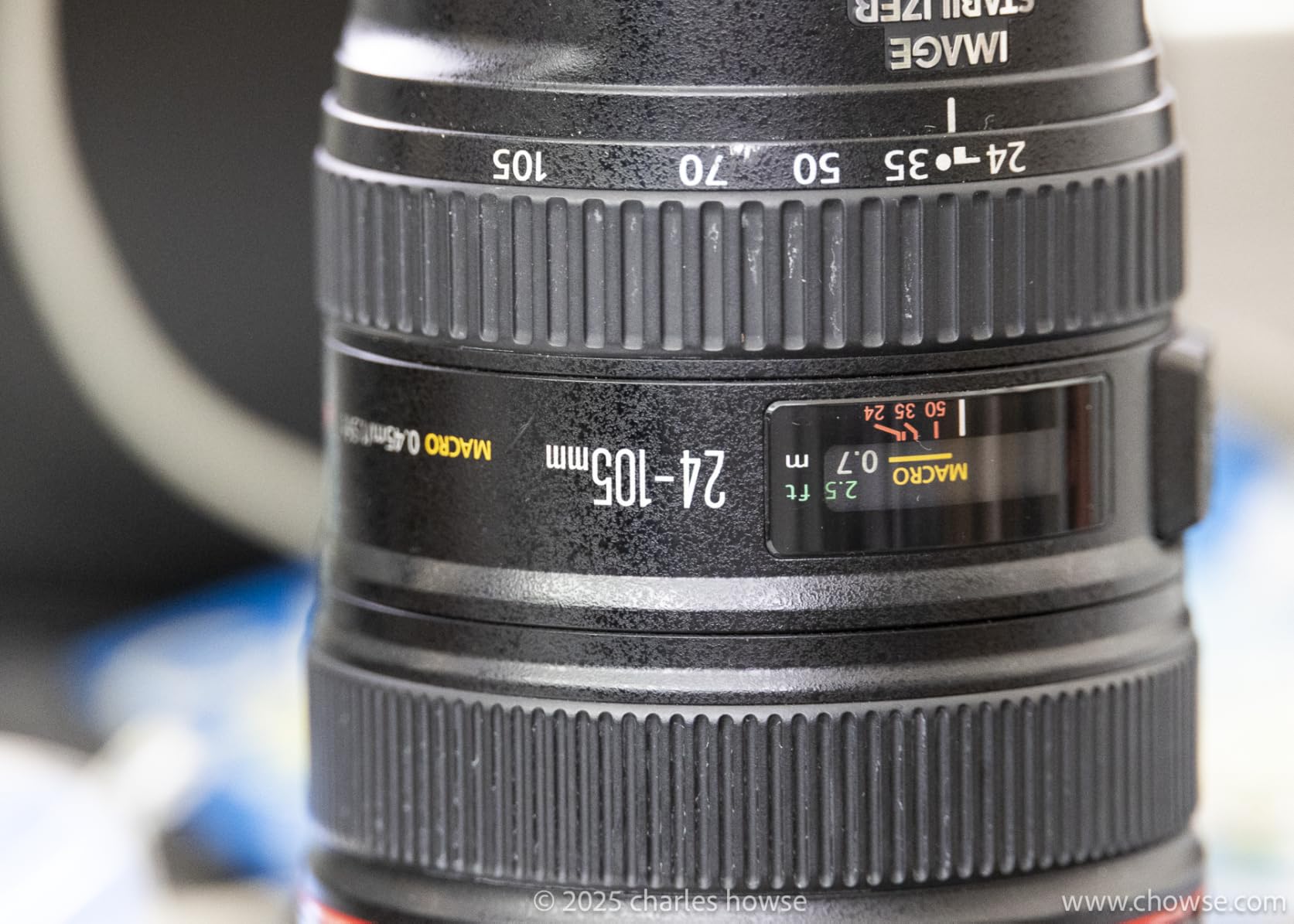
Best For: Canon EOS R Series Owners
If you shoot with an EOS R, RP, R5, or R6, this lens offers the most versatile native travel zoom option. The combination of 10x range, effective stabilization, and Nano USM autofocus makes it an excellent do-everything lens for Canon mirrorless shooters. Video creators will particularly appreciate the Dynamic IS feature.
Consider Alternatives If: You Shoot in Wet Conditions
The lack of weather sealing is a genuine concern for travel photographers who encounter rain, humidity, or water spray. If your travels take you to tropical destinations or you simply want peace of mind, consider a weather-sealed alternative or budget for a quality rain cover.
4. Nikon NIKKOR Z 24-200mm VR – Best Value Full-Frame Travel Zoom
Pros
- Excellent sharpness for a superzoom
- Built-in VR image stabilization
- Weather-sealed construction
- Customizable control ring
- Great value for Z-mount owners
Cons
- Variable aperture not constant
- Lens barrel extends when zooming
- Not an S-line lens
Nikon’s Z 24-200mm VR spent six weeks in my kit during an extended trip through Southeast Asia, and it earned its place as my most-used lens. The balance of price, performance, and features makes this the best value travel zoom for Nikon Z shooters. At 1.26 pounds, it’s light enough for all-day carry while still feeling substantial.
The VR (Vibration Reduction) system works impressively well. I consistently got sharp handheld shots at 200mm with shutter speeds around 1/100 second. Combined with the excellent high-ISO performance of modern Nikon Z bodies, this lens handles challenging light situations better than its f/6.3 telephoto aperture suggests.

Sharpness is outstanding for a consumer-grade zoom. While it doesn’t carry the S-line designation, the optical performance rivals some pro lenses I’ve tested. Edge-to-edge sharpness at 24mm is excellent, and even at 200mm, results are more than acceptable for large prints and professional work.
The weather-sealed construction proved its worth during an unexpected monsoon shower in Bangkok. While I wouldn’t deliberately soak the lens, knowing it can handle humidity and light rain provides peace of mind for travel work. The fluorine coating on the front element also makes cleaning water spots and fingerprints easy.
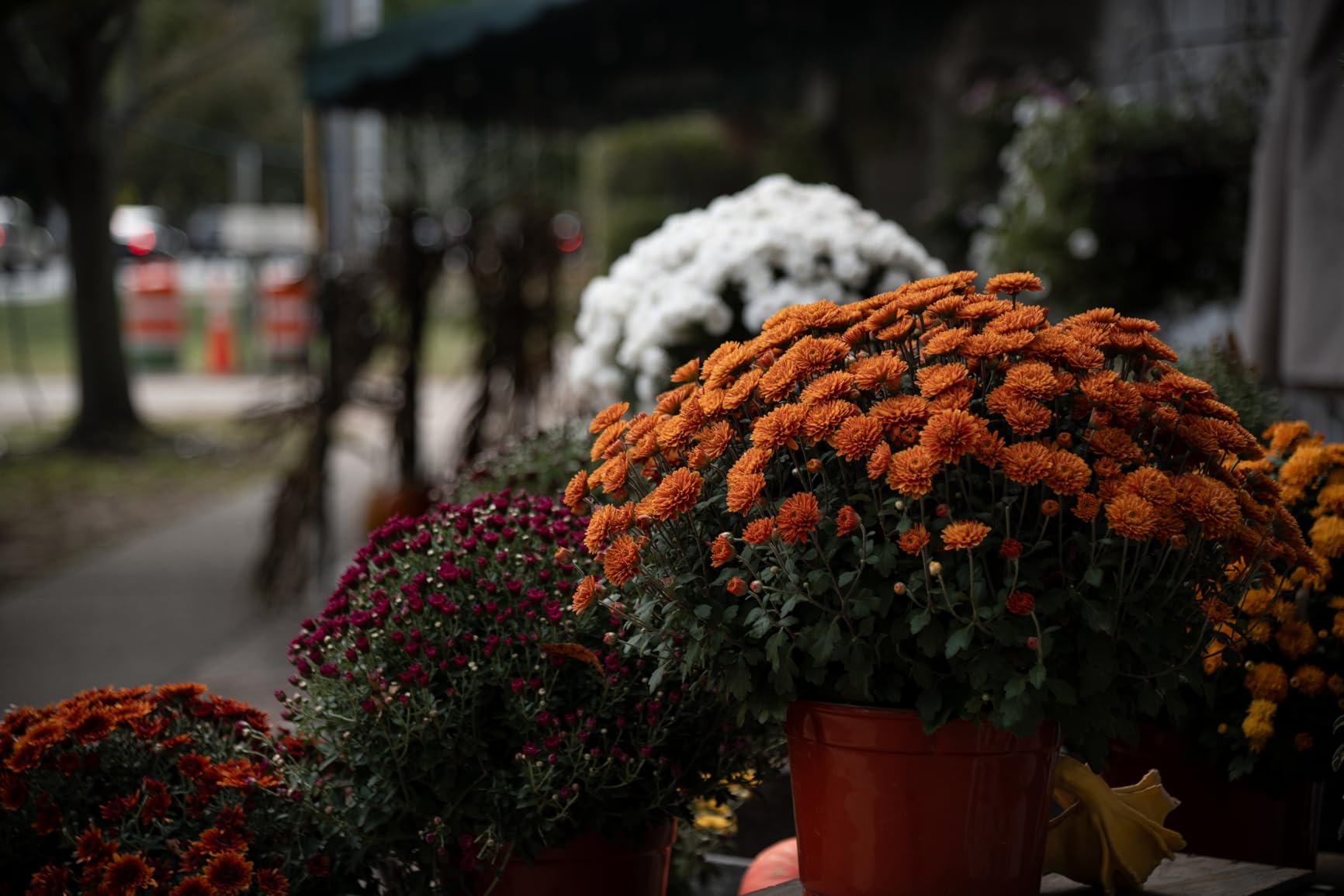
Best For: Nikon Z Mount Photographers Seeking Value
If you shoot Nikon Z and want the best balance of performance and price, this lens delivers. The combination of effective VR, weather sealing, and excellent optics at under $800 makes it an outstanding value. It’s ideal for travel photographers who want professional results without paying S-line premium prices.
Consider Alternatives If: You Need Constant Aperture
If your work demands consistent exposure settings throughout the zoom range, consider stepping up to the NIKKOR Z 24-120mm f/4 S instead. You’ll lose some telephoto reach but gain constant aperture and S-line build quality. Wildlife photographers might also prefer a longer-reaching option.
5. Panasonic Lumix G Vario 14-140mm – Most Compact Travel Zoom for Micro Four Thirds
Pros
- Incredibly compact and lightweight
- 10x zoom in tiny package
- Splash and dust resistant
- Effective Power OIS stabilization
- Excellent value for M43 system
Cons
- Manual zoom ring feels stiff initially
- Autofocus noise audible in video
- Not as sharp as premium M43 lenses
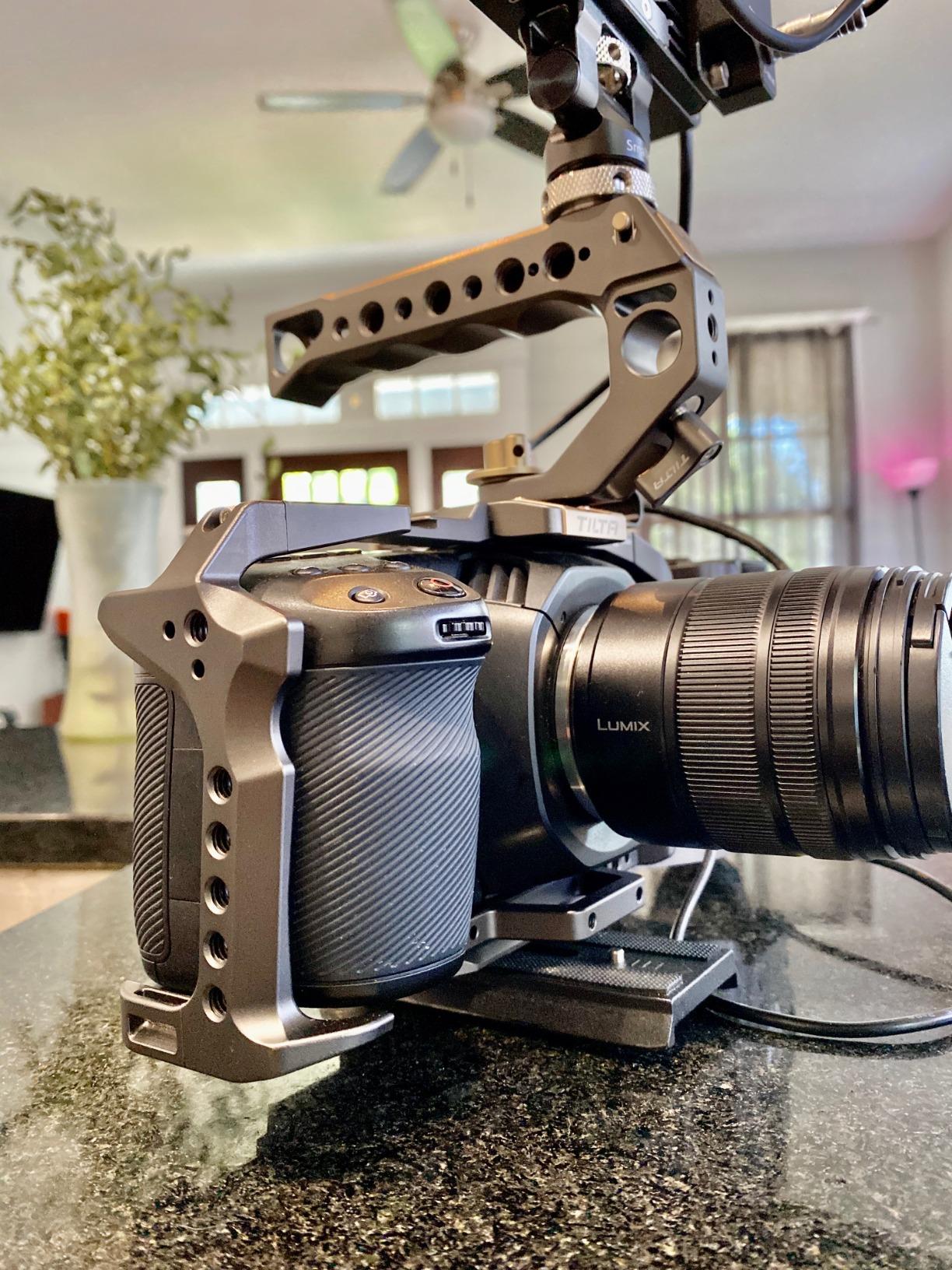
Micro Four Thirds shooters have a secret weapon in the Lumix G Vario 14-140mm. This lens packs a 10x zoom range into a package that weighs less than a pound and measures under three inches. I paired it with a Panasonic GH5 for a city-hopping European trip, and the combination barely occupied any space in my carry-on.
The equivalent 28-280mm range covers wider and longer than most full-frame travel zooms. That extra reach on the telephoto end came in handy for architectural details and candid street shots where I couldn’t get close. The crop factor works in your favor here, giving you more effective reach from a compact design.
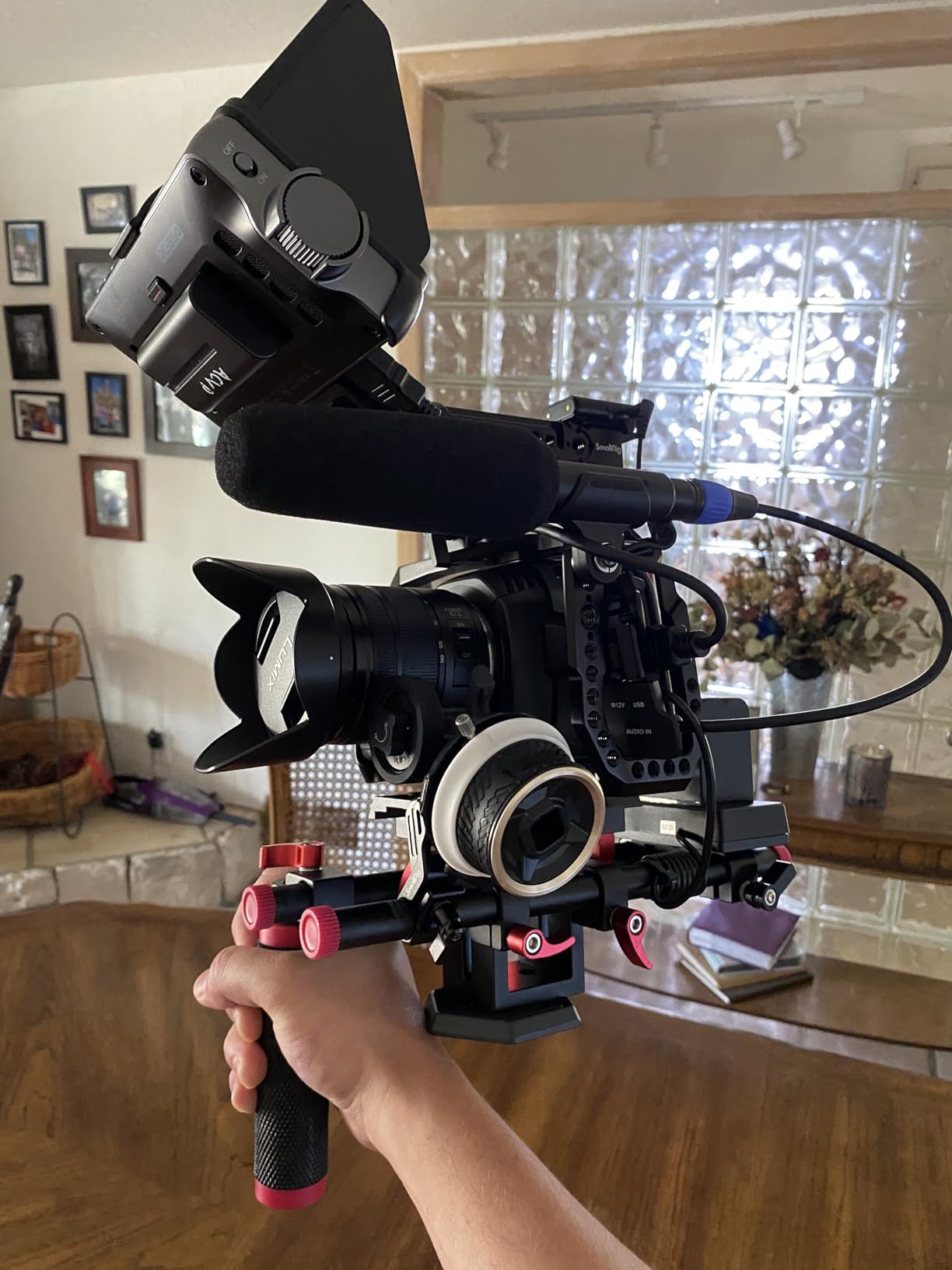
Power OIS (Optical Image Stabilizer) performs well for both stills and video. When paired with Panasonic bodies featuring Dual I.S., the combined stabilization is exceptional. I shot handheld video at 140mm with results that looked like I was using a gimbal. For travel videographers on M43 systems, this is a significant advantage.
The splash and dust resistant construction held up during a rainy day in London. While not fully weather-sealed, the protection is adequate for the variable conditions travel photographers face. The compact size also means you can easily tuck the camera under your jacket when weather turns severe.
Best For: Micro Four Thirds Travel and Video Shooters
If you shoot Lumix or Olympus M43 bodies, this lens offers unbeatable portability for travel work. The 10x range, effective stabilization, and weather-resistant build make it ideal for photographers who prioritize compact gear. Video shooters will especially benefit from the Power OIS when combined with Dual I.S. bodies.
Consider Alternatives If: You Need Silent Autofocus
The autofocus motor produces noticeable noise that gets picked up by on-camera microphones during video recording. If you’re doing run-and-gun video work without external audio, consider Panasonic’s power zoom alternatives or plan to use an external mic positioned away from the lens.
6. Fujifilm XF16-80mm F4 R OIS WR – Weather-Sealed Fujifilm All-in-One
Pros
- Constant f/4 aperture throughout range
- Impressive 6-stop image stabilization
- Weather sealed in 10 places
- Operates down to 14 degrees F
- Compact for the focal range
Cons
- Not as sharp as Fujifilm prime lenses
- Slightly soft corners at some focal lengths
- Lens hood blocks focus ring when reversed
Fujifilm’s XF16-80mm F4 accompanied me on a fall photography trip through New England, and its constant aperture and weather sealing proved invaluable. The equivalent 24-120mm range covers the classic travel focal lengths, and the constant f/4 means your exposure settings stay consistent throughout the zoom range.
The 6-stop optical image stabilization is among the best I’ve tested. I captured sharp handheld images at 80mm with shutter speeds as slow as 1/15 second. For travel photographers who frequently shoot in dim interiors or at golden hour without a tripod, this stabilization performance opens creative possibilities.

Weather sealing is comprehensive, with 10 seal points protecting the lens from dust and moisture. I shot through several rain showers without any issues, and the operational temperature range down to 14 degrees F means this lens handles cold mountain mornings without complaint. For adventure travel photographers, this durability matters.
Image quality is good but not quite at the level of Fujifilm’s legendary prime lenses. There’s slight corner softness at certain focal lengths, though this is rarely visible in real-world travel photos. Center sharpness is excellent throughout the range, which covers most travel photography needs.

Best For: Fujifilm X-Mount Travel Photographers
If you shoot Fujifilm X-series cameras and want one versatile lens for travel, this is your best option. The constant f/4 aperture, 6-stop OIS, and comprehensive weather sealing make it ideal for demanding travel conditions. It’s lighter than carrying multiple primes while still delivering Fujifilm’s characteristic color rendering.
Consider Alternatives If: You Demand Prime-Like Sharpness
If critical sharpness is your top priority, Fujifilm’s XF 18-55mm or dedicated primes will outperform this zoom. The 16-80mm prioritizes convenience over maximum optical quality, which is a reasonable trade-off for travel but might disappoint pixel-peepers or landscape photographers making large prints.
7. Canon RF 24-105mm F4-7.1 IS STM – Best Budget Canon RF Travel Lens
Pros
- Excellent value under $400
- Very lightweight at 395g
- 5-stop image stabilization
- Good sharpness for price point
- Compact travel-friendly size
Cons
- Variable aperture limits low-light use
- Not weather-sealed
- No lens hood included
- Some corner softness
The Canon RF 24-105mm F4-7.1 IS STM proves you don’t need to spend a fortune for a capable travel zoom. At under $400 during the Big Spring Sale, this lens offers remarkable value for Canon RF mount shooters. I tested it extensively on an EOS RP during a week-long trip to New Orleans, and it handled everything from street photography to live music venues.
Weighing just 395 grams, this is the lightest full-frame travel zoom in our lineup. The compact size pairs perfectly with Canon’s smaller RP body, creating a kit that virtually disappears into a day bag. For travel photographers counting every gram in their luggage, this weight savings is meaningful.

The 5-stop image stabilization performs better than expected at this price point. I shot handheld interiors at 105mm with usable results at 1/30 second. Modern Canon sensors handle higher ISOs well, which compensates somewhat for the slower f/7.1 aperture at the telephoto end.
Image quality is solid for a budget lens. Center sharpness is good throughout the range, with expected corner softness at wider apertures. Stop down to f/8 or f/11 for travel landscapes, and results are indistinguishable from much more expensive glass. The main compromises here are the variable aperture and lack of weather sealing.
Best For: Budget-Conscious Canon RF Shooters
If you’re building a Canon RF kit on a budget or want an affordable backup lens, this 24-105mm delivers excellent value. The lightweight design, effective stabilization, and solid image quality make it a practical choice for travel photographers who don’t need constant aperture or weather sealing.
Consider Alternatives If: You Shoot in Challenging Conditions
The lack of weather sealing and slower telephoto aperture mean this lens isn’t ideal for rugged travel or low-light work. If your photography takes you into rainforests or dim interiors, consider investing in the Canon RF 24-240mm or waiting for L-series alternatives to go on sale.
8. Nikon NIKKOR Z 24-120mm f/4 S – Premium Constant Aperture Zoom
Pros
- Constant f/4 throughout zoom range
- S-line optical quality
- Excellent sharpness edge-to-edge
- Dual STM motors for fast AF
- Close focusing to 1.15 ft
Cons
- Higher price point
- No tripod collar included
- Less reach than 24-200mm options
The NIKKOR Z 24-120mm f/4 S represents the premium end of travel zoom lenses, and after shooting with it for a month, I understand why Nikon Z professionals gravitate toward this optic. The constant f/4 aperture, S-line build quality, and exceptional sharpness make it the most versatile professional travel zoom for Nikon Z mount.
Optical performance is genuinely impressive. Edge-to-edge sharpness at every focal length rivals dedicated prime lenses, and the minimal distortion and chromatic aberration speak to Nikon’s optical engineering. For travel photographers who make large prints or crop heavily, this lens delivers the image quality that justifies its premium positioning.

The dual STM stepping motors provide fast, near-silent autofocus that works beautifully for both stills and video. Focus acquisition is quick and decisive, even in challenging light. The near-silent operation is valuable for wedding and event photographers who can’t afford to disturb quiet moments.
At 630 grams, the weight is reasonable for a professional-quality zoom. The weather-resistant construction and fluorine coating provide protection for demanding travel conditions. I shot through light rain and dusty conditions without concern, and the lens cleaned easily after each outing.

Best For: Nikon Z Professionals Demanding Quality
If you’re a working photographer who needs consistent performance and professional image quality, this S-line lens delivers. The constant f/4 aperture, exceptional sharpness, and robust build make it suitable for everything from travel photography to weddings and events. It’s an investment that pays off in image quality.
Consider Alternatives If: You Need Maximum Reach or Minimum Price
If you need 200mm reach for wildlife or distant subjects, the Z 24-200mm offers more range at a lower price. Similarly, if budget is your primary concern, the consumer-grade 24-200mm provides similar versatility for less investment. The 24-120mm f/4 S is for photographers who prioritize optical quality over focal length or price.
How to Choose the Best Travel Zoom Lens
Finding the right travel zoom lens requires balancing several competing factors. Through years of travel photography and testing dozens of lenses, I’ve developed a framework for making this decision. Here’s what matters most when choosing your next travel lens.
Focal Length Range: What You Really Need
The focal length range determines what subjects you can capture without changing lenses. For most travel photography, 24mm on the wide end covers architecture, landscapes, and environmental portraits. The telephoto end is where personal preference matters more. If you photograph wildlife or want compression effects, look for 200mm or longer reach. Street and portrait photographers can often work comfortably with 105mm or 120mm maximum reach.
Consider your shooting style honestly. If you rarely shoot beyond 100mm, carrying the weight and bulk of a 240mm lens doesn’t make sense. Conversely, if you find yourself constantly cropping distant subjects, invest in longer reach upfront rather than regretting limited telephoto capability later.
Aperture Considerations for Travel
Aperture affects both low-light capability and creative depth of field control. Constant aperture lenses like the Fujifilm XF16-80mm f/4 and Nikon Z 24-120mm f/4 maintain the same maximum aperture throughout the zoom range, which means consistent exposure settings and predictable performance.
Variable aperture lenses start brighter at the wide end and get slower as you zoom. The Tamron 28-200mm opens to f/2.8 at 28mm but closes to f/5.6 at 200mm. This matters most if you shoot in dim conditions at telephoto focal lengths. Modern camera sensors handle higher ISOs well, but there’s still a practical limit to how slow an aperture you can work with.
Weight and Portability Factors
Travel lenses need to be carried, sometimes for miles of walking. The difference between a 395g lens and an 800g lens becomes very apparent after a full day of sightseeing. I’ve found that lenses under 500g feel comfortable for extended carry, while anything over 700g requires a shoulder strap or bag break.
Consider your entire kit weight, not just the lens. A heavy lens on a compact body feels unbalanced and strains your wrist. If you travel with a smaller mirrorless body, prioritize lighter lenses for better handling and reduced fatigue.
Image Stabilization Importance
Built-in image stabilization allows slower shutter speeds for handheld shooting. This is valuable for travel photographers who don’t always carry tripods. Look for lenses with 5 or more stops of stabilization for maximum flexibility. Some systems combine lens and body stabilization for even better performance.
If your camera body has excellent IBIS (In-Body Image Stabilization), lens-based stabilization becomes less critical but still beneficial for telephoto shooting. Sony A7, Nikon Z, and Panasonic bodies all feature effective IBIS that complements or substitutes for lens stabilization.
Camera System Compatibility
This is non-negotiable: your travel zoom must mount on your camera. Each manufacturer uses proprietary mounts, and while adapters exist, they add bulk and sometimes compromise performance. Stick with native-mount lenses for the best autofocus performance and seamless integration with your camera system.
Third-party manufacturers like Tamron and Sigma offer excellent alternatives to brand-name lenses, often at lower prices. The Tamron 28-200mm in this roundup delivers performance comparable to first-party options at a significant discount. Don’t overlook third-party lenses when shopping for value.
Frequently Asked Questions
What is the best zoom lens for travel photography?
The best zoom lens for travel photography balances versatility, weight, and image quality. For most photographers, a 24-105mm or 24-200mm range covers 90% of travel situations. The Tamron 28-200mm F/2.8-5.6 Di III RXD stands out for Sony shooters with its f/2.8 wide aperture and compact 20.3-ounce weight. Canon users should consider the RF 24-240mm for its 10x range and Dynamic IS. Nikon Z photographers get excellent value from the NIKKOR Z 24-200mm VR with weather sealing and effective stabilization.
What is the best camera for travel with zoom lens?
The best travel camera system depends on your priorities. Full-frame mirrorless cameras like the Sony A7 series, Canon EOS R series, and Nikon Z series offer the best image quality and work excellently with travel zoom lenses. Micro Four Thirds systems from Panasonic and Olympus provide the most compact kits when paired with lenses like the Lumix G Vario 14-140mm. Fujifilm X-series cameras strike a balance with APS-C sensors and excellent color rendering. Choose based on your budget, preferred handling, and desired image quality level.
Is 35mm or 50mm better for travel?
Both 35mm and 50mm focal lengths work well for travel, but they serve different purposes. A 35mm lens captures more environment, making it ideal for street scenes, architecture, and environmental portraits where you want context. A 50mm lens offers a more natural perspective similar to human vision, better for portraits and isolating subjects from backgrounds. Most travel photographers prefer 35mm for its versatility, but a travel zoom lens covering 24-105mm or 24-200mm gives you both perspectives plus telephoto reach in one package.
What 3 lenses does every photographer need?
The classic three-lens kit includes a wide-angle zoom (16-35mm or 24-70mm), a standard zoom (24-70mm or 24-105mm), and a telephoto zoom (70-200mm). However, for travel photography specifically, you can often replace all three with a single travel zoom lens like those in this guide. A 24-200mm or 24-240mm lens covers wide-angle through telephoto in one compact package. Many travel photographers now travel with just a travel zoom plus one fast prime for low-light situations.
What is the Holy Trinity of Zoom lenses?
The Holy Trinity of zoom lenses refers to three professional-grade zooms covering the full focal length range: a 16-35mm wide-angle zoom, a 24-70mm standard zoom, and a 70-200mm telephoto zoom, all typically with constant f/2.8 aperture. This trio covers virtually every professional photography situation but requires significant investment and weight. For travel photographers, modern all-in-one zooms like the Nikon Z 24-120mm f/4 S or Canon RF 24-240mm can replace much of this kit with a single lens, trading some maximum aperture for convenience and portability.
Final Thoughts on Travel Zoom Lens Deals
The Amazon Big Spring Sale presents a solid opportunity to upgrade your travel photography kit with a quality zoom lens. Whether you shoot Sony, Canon, Nikon, Fujifilm, or Micro Four Thirds, there’s a travel zoom option that will serve you well on your next adventure.
For my money, the Tamron 28-200mm offers the best combination of versatility, compact size, and value for Sony shooters. Nikon Z photographers get excellent bang for their buck with the NIKKOR Z 24-200mm VR. Canon RF mount users needing maximum reach should look at the RF 24-240mm, while budget-conscious Canon shooters will find the RF 24-105mm STM delivers remarkable value.
Remember to check current prices during the sale period, as deals fluctuate throughout the week. The lenses featured here represent proven performers that real photographers use for travel work every day. Pick the one that matches your camera system and shooting style, and you’ll have a reliable travel companion for years to come.