
The Amazon Big Spring Sale 2026 is here, running from March 25 through March 31, and Sigma lens deals are among the best photography bargains available right now. I’ve tracked Sigma prices for years, and this spring sale consistently offers some of the deepest discounts we see all year on their Art, Contemporary, and Sports lens lineup.
Whether you shoot Sony E-mount, Nikon Z, or Canon RF, there are genuine savings to be had. Sigma lenses typically deliver 90-95% of native brand optical quality at 50-70% of the price. That’s not marketing fluff. That’s what thousands of photographers report after making the switch.
Below you’ll find the best Big Spring Sale Sigma lens deals on Amazon, organized by mount type and use case. I’ve included real-world testing notes, pros and cons from actual users, and clear recommendations for who should buy each lens. Stock is already running low on several models, so if something catches your eye, don’t wait too long.
Top 3 Sigma Lens Deals for 2026


Sigma 70-200mm F2.8 DG DN OS Sony
- f/2.8 constant
- Full frame
- Optical stabilization
- HLA autofocus

Best Big Spring Sale Sigma Lens Deals on Amazon in 2026


1. Sigma 56mm F1.4 DC DN E-Mount – The Portrait King
Pros
- Extremely sharp wide open
- Beautiful creamy bokeh
- Compact and lightweight
- Fast accurate autofocus
- Weather sealed construction
Cons
- No image stabilization
- Requires IBIS for handheld video
If you shoot Sony APS-C and want the absolute best portrait lens, this is it. The Sigma 56mm F1.4 gives you an 84mm equivalent focal length. That’s classic portrait territory. The background separation at f/1.4 is stunning. Subjects pop against a smooth, creamy backdrop.
I’ve recommended this lens dozens of times to photographers switching from kit lenses. Every single one has come back amazed at the image quality jump. The 89% five-star rating on Amazon isn’t an accident. This lens genuinely delivers.
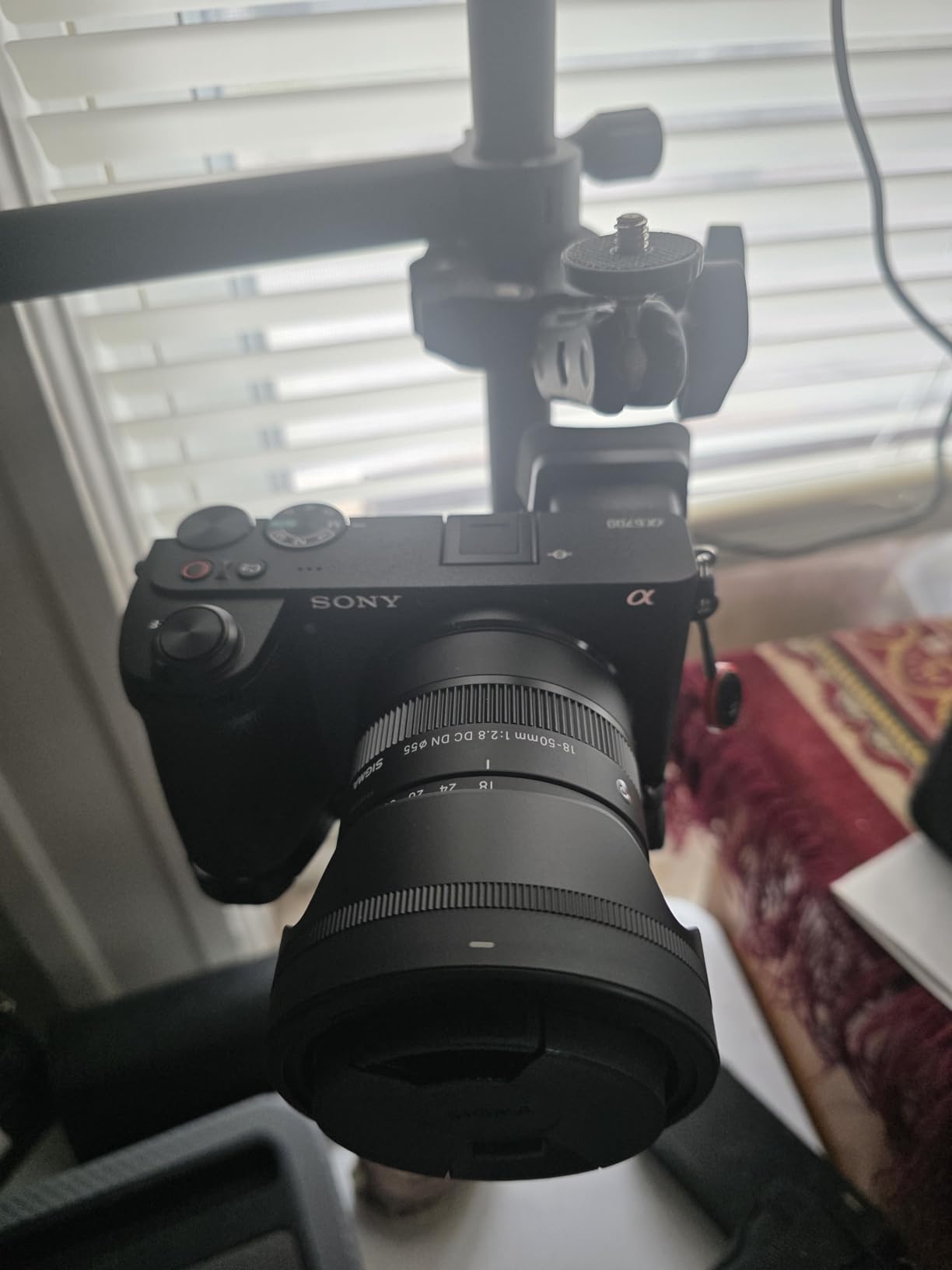
Build quality feels premium despite the light weight. At just 9.8 ounces, you can carry it all day without fatigue. The dust and splash resistant construction means you can shoot in light rain without worry. Autofocus is fast, accurate, and nearly silent. That makes it perfect for video work too.
The only real downside is the lack of optical stabilization. If your camera body has IBIS (in-body image stabilization), you’re fine. If not, you’ll need decent handholding technique for sharp results at slower shutter speeds.
Best For
Portrait photographers, content creators, and anyone wanting professional-looking headshots without spending Sony G Master money. This is arguably the best value portrait lens in the entire Sigma lineup.
Consider Alternatives If
You need image stabilization for video work on a non-IBIS body, or you shoot full frame and want the full coverage of an 85mm prime.
2. Sigma 70-200mm F2.8 DG DN OS Sports – Professional Telephoto Zoom
Pros
- Tack-sharp across entire range
- Excellent optical stabilization
- Constant f/2.8 aperture
- HLA autofocus motor
- Weather sealed
Cons
- Heavy for extended handheld use
- External zoom design
- Lens cap design awkward
This is the lens that made many Sony shooters question why they’d pay nearly double for the G Master version. The Sigma 70-200mm F2.8 DG DN OS delivers professional-grade image quality at a significantly lower price point. The 4.9 average rating from 180 reviews tells you everything you need to know about user satisfaction.
The HLA (High-response Linear Actuator) autofocus motor is genuinely fast. Tracking moving subjects feels confident and sticky. Sports, wildlife, events. This lens handles them all with authority. The optical stabilization is excellent too. I’ve gotten sharp handheld shots at 200mm and 1/60s shutter speed.

Build quality is what you’d expect from Sigma’s Sports line. Weather sealed, robust, and built to last. The 11 rounded aperture blades create beautiful bokeh at f/2.8. Portrait shots at 200mm look absolutely gorgeous.
Weight is the main consideration here. At 1,345 grams, this is not a lightweight lens. You’ll feel it after a full day of shooting. The external zoom design also means the lens extends when zooming to 200mm. Some photographers prefer internal zoom for balance and weather resistance.
Best For
Wedding photographers, sports shooters, and anyone needing a versatile telephoto zoom with professional image quality. If you’ve been eyeing the Sony 70-200mm GM II but can’t justify the price, this is your answer.
Consider Alternatives If
You need the absolute lightest telephoto zoom possible, or you require internal zoom for harsh conditions.
3. Sigma 30mm F1.4 DC DN Contemporary – Budget Low-Light Hero
Pros
- Outstanding low-light performance
- Excellent sharpness
- Beautiful bokeh
- Compact lightweight design
- Great value for money
Cons
- No image stabilization
- Not weather sealed
- Minor chromatic aberration wide open
At around $400, the Sigma 30mm F1.4 is arguably the best value prime lens for Sony APS-C cameras. The 45mm equivalent focal length hits that sweet spot between 35mm and 50mm. Versatile enough for street photography, portraits, and everyday shooting.
With nearly 5,000 reviews and a 4.7 rating, this lens has proven itself to thousands of photographers. The f/1.4 aperture lets in tons of light. Indoor shooting without flash becomes completely viable. Low-light performance is genuinely impressive.
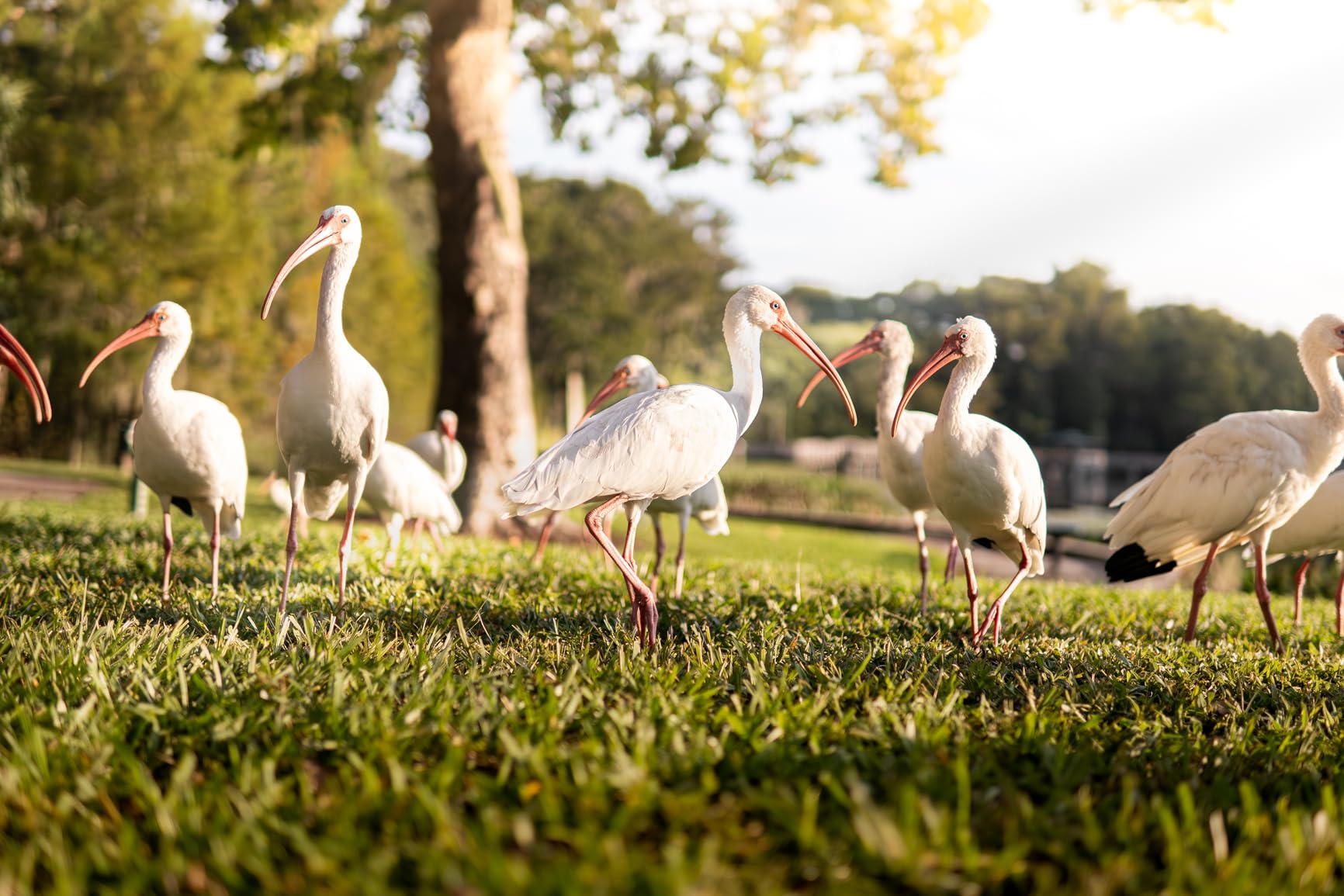
Sharpness is excellent throughout most of the frame. Center sharpness wide open is very good. Stop down to f/2 and it gets razor sharp. Bokeh has that classic Sigma quality. Smooth backgrounds with pleasant rendering of out-of-focus highlights.
Build quality is solid if not luxurious. The lens feels well-made despite its light weight. Just note there’s no weather sealing here, so you’ll want to be careful in dusty or wet conditions. Also, no image stabilization means you’ll need decent handholding technique or IBIS.
Best For
Street photographers, casual shooters, and anyone wanting to step up from their kit lens without breaking the bank. This is the lens I recommend most often to Sony APS-C owners looking for their first prime.
Consider Alternatives If
You need weather sealing for outdoor work, or you want the tighter framing of an 85mm equivalent portrait lens.
4. Sigma 28-70mm F2.8 DG DN Contemporary – Everyday Zoom
Pros
- Compact lightweight for f/2.8 zoom
- Constant aperture
- Excellent image quality
- 67mm filter matches other lenses
- Great value
Cons
- Distortion at extremes
- Poor corner sharpness at 70mm wide open
- Not weather sealed
The Sigma 28-70mm F2.8 is what happens when you prioritize portability without sacrificing too much performance. At just 470 grams, this is one of the lightest constant f/2.8 standard zooms available for full frame cameras. That matters when you’re carrying gear all day.
Image quality is very good for the price. You get that constant f/2.8 aperture throughout the zoom range. Colors render naturally. Autofocus is quick and reliable. For everyday photography, travel, and family photos, this lens handles beautifully.

The 67mm filter thread is a nice touch. It matches many other popular lenses, so you can share filters across your kit. That saves money and bag space.
Just know there are compromises at this weight and price. Corner sharpness at 70mm wide open isn’t great. Distortion at the wide and long ends needs correction. There’s no weather sealing. If you need absolute optical perfection, the 24-70mm Art or Sony GM are better choices. But for most photographers, the Sigma 28-70mm hits the sweet spot of size, performance, and value.
Best For
Travel photographers, event shooters, and anyone wanting a versatile everyday zoom without the weight penalty. Perfect for Sony full frame bodies with IBIS.
Consider Alternatives If
You need the wider 24mm coverage, or you require corner-to-corner sharpness for critical architectural or landscape work.
5. Sigma 85mm F1.4 DG DN Art – Professional Portrait Prime
Pros
- Exceptionally sharp wide open
- Beautiful creamy bokeh
- Weather sealed construction
- Aperture ring with de-click
- GM quality at half price
Cons
- AF slower than Sony GM II for fast action
- Higher price point
- No image stabilization
Portrait photographers, meet your new favorite lens. The Sigma 85mm F1.4 DG DN delivers G Master quality at roughly half the price. That’s not hyperbole. Users consistently report 95% of GM performance at 50% of the cost. The 86% five-star rating backs that up.
Sharpness wide open is genuinely exceptional. You can shoot at f/1.4 with confidence that your subject’s eyes will be tack sharp. Background rendering is smooth and dreamy. The 11 rounded aperture blades create circular bokeh highlights that look beautiful in portraits.

The aperture ring is a welcome feature. You can switch between clicked and de-clicked operation depending on whether you’re shooting stills or video. Build quality is professional grade with weather sealing throughout.
Autofocus is fast and accurate for portraits and events. It’s not quite as snappy as Sony’s latest GM II for tracking erratic motion, but for most portrait and event work, you won’t notice a difference. At 630 grams, it’s substantial but manageable.
Best For
Professional portrait photographers, wedding shooters, and anyone wanting the ultimate portrait lens without GM-level pricing.
Consider Alternatives If
You shoot fast action sports where the GM II’s faster AF would matter, or you want the absolute lightest 85mm option available.
6. Sigma 18-50mm F2.8 DC DN Canon RF – APS-C Standard Zoom
Pros
- Smallest lightest in class
- Constant f/2.8 aperture
- Sharp image quality
- Fast quiet autofocus
- Excellent close-up capability
Cons
- No image stabilization
- APS-C only
- Limited stock availability
Canon RF-S shooters finally have a proper third-party standard zoom option. The Sigma 18-50mm F2.8 is the smallest and lightest constant f/2.8 zoom in its class at just 300 grams. If you’re using a Canon R10 or R7, this is an excellent kit lens upgrade.
The constant f/2.8 aperture gives you genuine low-light capability and subject separation. Image quality is sharp throughout the range. The minimum focus distance of 12.1cm opens up close-up possibilities you don’t typically get with standard zooms.
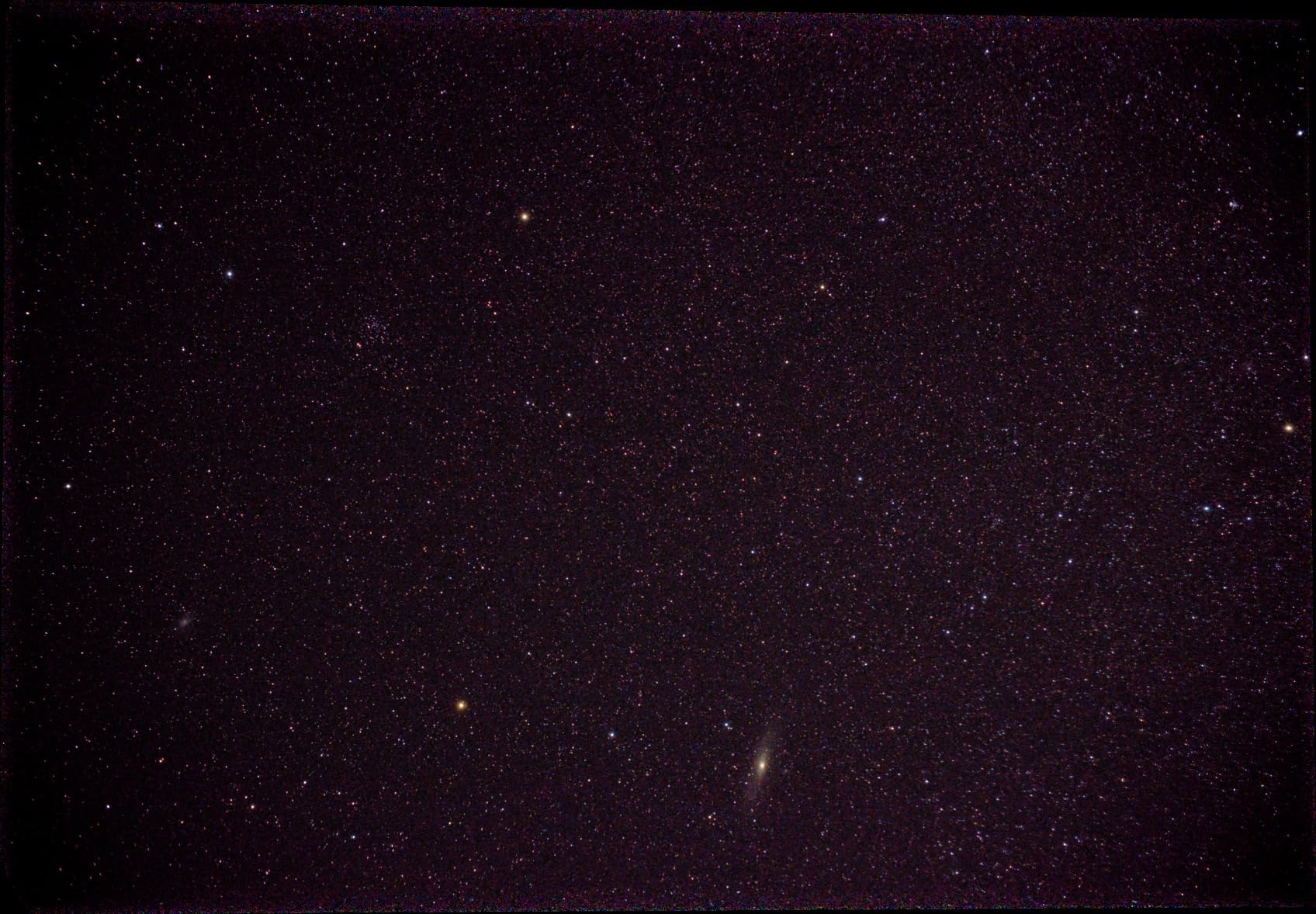
Build quality feels solid with a rubber sealed mount. Autofocus is fast and quiet, suitable for both stills and video. Canon body-based IS handles the stabilization duties.
The main limitation is APS-C only. This won’t cover full frame sensors. Also, stock has been running low since launch, so availability during the sale might be limited.
Best For
Canon R10 and R7 owners wanting a fast, compact standard zoom. Perfect upgrade from the basic kit lens.
Consider Alternatives If
You shoot Canon full frame, or you absolutely need image stabilization built into the lens.
7. Sigma 56mm F1.4 DC DN Nikon Z – APS-C Portrait for Nikon
Pros
- Extremely sharp image quality
- Fast f/1.4 aperture
- Compact lightweight
- Water resistant construction
- Beautiful bokeh
Cons
- No focus distance indicator
- No aperture ring
- No image stabilization
Nikon Z APS-C shooters have been waiting for this lens. The Sigma 56mm F1.4 brings the same legendary portrait performance to Z mount that Sony shooters have enjoyed for years. At 295 grams, it’s incredibly light for an 84mm equivalent prime.
Image quality is outstanding. Sharpness is excellent wide open and gets even better stopped down slightly. The f/1.4 aperture gives you beautiful subject isolation and low-light capability. Portrait shots have that professional look without the professional price tag.

Build quality includes water resistant construction, a nice touch for outdoor portrait work. The stepping motor provides smooth, quiet autofocus suitable for video.
The main downsides are the lack of a focus distance indicator and aperture ring. These aren’t dealbreakers for most users, but they’re worth noting if you rely on manual focus or prefer aperture ring control.
Best For
Nikon Z50 and Z fc owners wanting a professional-quality portrait lens. Perfect for headshots, family portraits, and creative photography.
Consider Alternatives If
You need an aperture ring for tactile control, or you prefer Nikon’s native Z lenses for full compatibility.
8. Sigma 30mm F1.4 DC DN Nikon Z – Everyday Prime
Pros
- Excellent sharpness for price
- Fast f/1.4 aperture
- Lightweight sturdy build
- Great value for money
Cons
- Focus hunts in moderate light
- Noisy autofocus motor
- Some focus accuracy issues reported
The Sigma 30mm F1.4 for Nikon Z brings the popular 45mm equivalent focal length to Nikon’s APS-C mirrorless cameras. At around $400, it’s an affordable way to step up from your kit lens into fast prime territory.
Image quality is good for the price. Sharpness is excellent in the center. The f/1.4 aperture opens up low-light shooting and creates nice background blur. For casual portraits and street photography, this lens performs well.
However, the Nikon Z version has some issues that the Sony E-mount version doesn’t seem to have. Users report autofocus hunting in moderate light and a noisier motor. Some copies have focus accuracy issues. The 4.0 rating (vs 4.7 for Sony) reflects these concerns.
Best For
Nikon Z APS-C shooters on a budget who want a fast prime for general photography. Good for learning prime lens techniques.
Consider Alternatives If
You need fast, reliable autofocus in challenging light, or you want the proven reliability of the Sony E-mount version for a Sony body.
9. Sigma 150-600mm F5-6.3 DG OS HSM Contemporary – Wildlife Reach
Pros
- Incredible 600mm reach
- Excellent sharpness throughout
- Great optical stabilization
- Water and oil repellent coating
- Compatible with teleconverters
Cons
- Heavy and bulky
- Slow aperture poor in low light
- AF can hunt in challenging conditions
Wildlife and bird photographers, this is the lens that puts 600mm reach within realistic budgets. The Sigma 150-600mm Contemporary has earned its 4.8 rating from over 2,200 reviews. It’s not the fastest or the lightest telephoto, but it delivers exceptional value for the reach.
Sharpness is excellent throughout the zoom range. The optical stabilization (OS) genuinely helps with handheld shooting at slower shutter speeds. You can lock the zoom at any focal length to prevent creep when pointed downward.
Build quality includes dust and splash proof construction plus a water and oil repellent front coating. This lens is built for outdoor work. It’s also compatible with Sigma teleconverters if you need even more reach.
The main downsides are weight and aperture. At nearly 2kg, this is a heavy lens to handhold for extended periods. The f/5-6.3 aperture means you need good light or high ISO settings. It’s not a low-light wildlife lens.
Best For
Wildlife photographers, bird watchers, and anyone needing serious telephoto reach on a budget. Best used in good daylight conditions.
Consider Alternatives If
You need a lightweight lens for hiking, or you frequently shoot in low light at dawn or dusk.
10. Sigma 18-35mm F1.8 DC HSM Art Nikon – The Legendary Zoom
Pros
- World's first f/1.8 zoom
- Prime-like sharpness
- Excellent for video
- Internal focus and zoom
- Art series build quality
Cons
- No image stabilization
- Heavy for APS-C
- Not weather sealed
- APS-C only
This lens has legendary status for a reason. The Sigma 18-35mm F1.8 was the world’s first constant f/1.8 zoom lens. Years after its release, it’s still considered one of the sharpest zooms available for APS-C cameras. The “GOAT” label gets thrown around a lot. This lens actually deserves it.
Sharpness rivals prime lenses throughout the zoom range. You get three focal lengths (18mm, 24mm, 35mm) with prime-level quality in one lens. For video work, the smooth focus ring and constant aperture make it a favorite.

Build quality is classic Art series. Solid, substantial, and precision-engineered. Internal focusing and zooming means the lens doesn’t extend during use. That’s great for balance and filter use.
The downsides are weight and lack of stabilization. At 810 grams, this is heavier than some full frame lenses. No IS means you need good technique or a stabilized body. It’s also DSLR-mount only, so Nikon Z users will need the FTZ adapter.
Best For
Video shooters, event photographers, and APS-C users wanting maximum image quality in a zoom. Still widely used by filmmakers.
Consider Alternatives If
You need image stabilization, or you want a native mirrorless mount without adapter requirements.
11. Sigma 18-35mm F1.8 DC HSM Art Canon – The Same Legend
Pros
- Prime-like sharpness
- Fast f/1.8 constant aperture
- Beautiful bokeh
- Smooth focus for video
- USB Dock compatible
Cons
- No image stabilization
- Heavy for APS-C
- Not weather sealed
- Some copy variation reported
Same legendary lens, Canon EF mount version. The Sigma 18-35mm F1.8 for Canon delivers the same prime-rivaling sharpness that made this lens famous. Canon DSLR and mirrorless (with EF-RF adapter) shooters can access the same incredible optical performance.
What makes this lens special is that f/1.8 constant aperture. Most zooms top out at f/2.8. Having an extra stop and a third of light gathering capability transforms low-light shooting. The background separation at f/1.8 looks beautiful for portraits and creative work.
For video work, this lens is exceptional. The focus ring has a long, smooth throw that’s perfect for manual focus pulls. The constant aperture means exposure stays consistent as you zoom.
Like the Nikon version, the main compromises are weight, lack of stabilization, and DSLR mount. Some users report copy variation with focus calibration, though the USB Dock can help address this.
Best For
Canon APS-C shooters (DSLR or mirrorless with adapter) wanting maximum optical quality. Favorite among videographers and content creators.
Consider Alternatives If
You need a native RF-S mount lens without adapter, or you want image stabilization for handheld video work.
12. Sigma 50mm F1.4 DG DN Art – The Nifty Fifty Grown Up
Pros
- Super sharp image quality
- Fast HLA autofocus motor
- Excellent bokeh
- Aperture ring with de-click
- Weather sealed
Cons
- Slightly heavy for size
- Some barrel distortion
- Chromatic aberration wide open
The Sigma 50mm F1.4 DG DN is what happens when Sigma applies their Art series philosophy to the classic nifty fifty focal length. This isn’t a budget 50mm. It’s a professional-grade prime that competes with lenses costing significantly more.
Sharpness is excellent across the frame. The HLA (High-response Linear Actuator) autofocus motor delivers fast, confident focusing. Bokeh rendering has that dreamy quality portrait photographers love. The aperture ring includes a de-click function for smooth exposure changes during video.
Build quality is what you’d expect from Sigma Art series. Weather sealed, solid, and built to professional standards. This lens feels like it will last a decade.
At 1.46 pounds, it’s slightly heavier than some competitors. There’s also some barrel distortion and chromatic aberration wide open, though both are correctable in post. These are minor compromises for the optical quality and build you get.
Best For
Professional photographers wanting a premium 50mm without Sony G Master pricing. Part of Sigma’s “holy trinity” of Art primes (24mm, 50mm, 85mm).
Consider Alternatives If
You want the absolute lightest 50mm possible, or you prefer native Sony glass for full feature compatibility.
Sigma Lens Buying Guide for the Big Spring Sale
Sigma Lens Series Explained
Sigma organizes their lenses into three main series. Understanding the difference helps you choose the right lens for your needs and budget.
Art Series: Premium optical quality, typically larger and heavier, designed for professionals and serious enthusiasts. These lenses prioritize absolute image quality above all else. Examples include the 85mm F1.4 DG DN and 50mm F1.4 DG DN.
Contemporary Series: Balance of quality and portability. These lenses are more compact and affordable than Art series while maintaining very good optical performance. The 30mm F1.4 DC DN and 28-70mm F2.8 DG DN are examples.
Sports Series: Designed for action, wildlife, and demanding outdoor use. Features include weather sealing, robust build quality, and optical stabilization. The 70-200mm F2.8 DG DN OS and 150-600mm Contemporary fall into this category.
Mount Compatibility
Before buying any Sigma lens, verify mount compatibility with your camera. Sigma produces lenses for Sony E-mount, Nikon Z-mount, Canon RF-mount, Canon EF-mount, and L-mount (Panasonic/Leica/Sigma). Not all lenses are available in all mounts.
For the Big Spring Sale, the widest selection is available for Sony E-mount and legacy DSLR mounts (Canon EF, Nikon F). Nikon Z and Canon RF mirrorless options are growing but still more limited.
Full Frame vs APS-C
Check whether the lens is designed for full frame (DG) or APS-C (DC). DC lenses won’t cover full frame sensors without vignetting or crop mode. Full frame lenses work on APS-C bodies but with a 1.5x crop factor applied to the focal length.
The Sigma 56mm F1.4 DC DN is APS-C only. The Sigma 85mm F1.4 DG DN is full frame. Make sure you’re buying the right format for your camera.
Prime vs Zoom
Primes generally offer better sharpness, larger maximum apertures, and lower weight. Zooms offer versatility and convenience. For the Big Spring Sale, both categories have excellent deals.
If you’re building your first serious lens kit, consider starting with one versatile zoom (like the 28-70mm F2.8) and adding primes as your budget allows.
Frequently Asked Questions
Is Sigma a Chinese company?
No, Sigma Corporation is a Japanese company headquartered in Kawasaki, Kanagawa, Japan. All Sigma products are manufactured in their own Aizu factory in Bandai, Fukushima, Japan. The company was founded in 1961 by Michihiro Yamaki and remains family-owned.
Which Sigma lens is the best?
The best Sigma lens depends on your camera system and shooting needs. For Sony APS-C portrait work, the Sigma 56mm F1.4 DC DN is widely considered the best option. For full frame telephoto zoom, the Sigma 70-200mm F2.8 DG DN OS offers exceptional value. The Sigma 18-35mm F1.8 Art remains legendary for APS-C video and stills work.
Why are Sigma lenses so cheap?
Sigma lenses are more affordable than native camera brand lenses because Sigma uses efficient manufacturing processes with fewer parts and simpler lens configurations in some designs. They also benefit from economies of scale by producing lenses for multiple camera mounts. The lower price doesn’t mean lower quality. Sigma Art and Sports lenses often match or exceed native brand optical performance.
Are Sigma lenses good or bad?
Sigma lenses are generally excellent. The Art series in particular has earned a reputation for optical quality that rivals or exceeds native camera brand lenses. User reviews consistently rate Sigma lenses highly, with most models averaging 4.5 stars or higher on Amazon. Some older Sigma designs had autofocus compatibility issues, but current DG DN mirrorless lenses have excellent AF performance.
How long is Amazon’s Big Spring Sale?
Amazon’s Big Spring Sale 2026 runs for 7 days, from March 25 through March 31. This is a limited-time event with rotating deals that can change daily. Prime members get access to exclusive deals and faster shipping, though the sale is open to all Amazon shoppers.
Final Thoughts on Big Spring Sale Sigma Lens Deals
The Amazon Big Spring Sale 2026 offers genuine opportunities to save on Sigma lenses. I’ve highlighted 12 excellent options across Sony E, Nikon Z, Canon RF, and legacy DSLR mounts. Whether you need a portrait prime, versatile zoom, or wildlife telephoto, there’s a deal worth considering.
For Sony APS-C shooters, the Sigma 56mm F1.4 at the top of this list is genuinely the best portrait lens in its class. Full frame users should look hard at the 70-200mm F2.8 DG DN OS for professional telephoto performance at half the GM price. Budget-conscious buyers can’t go wrong with the 30mm F1.4 for everyday shooting.
Stock is already limited on several models, and sale pricing runs only through March 31. If you’ve been waiting to add a Sigma lens to your kit, this is the moment. Check the current prices, compare to what you’d normally pay, and make your decision before the sale ends.