
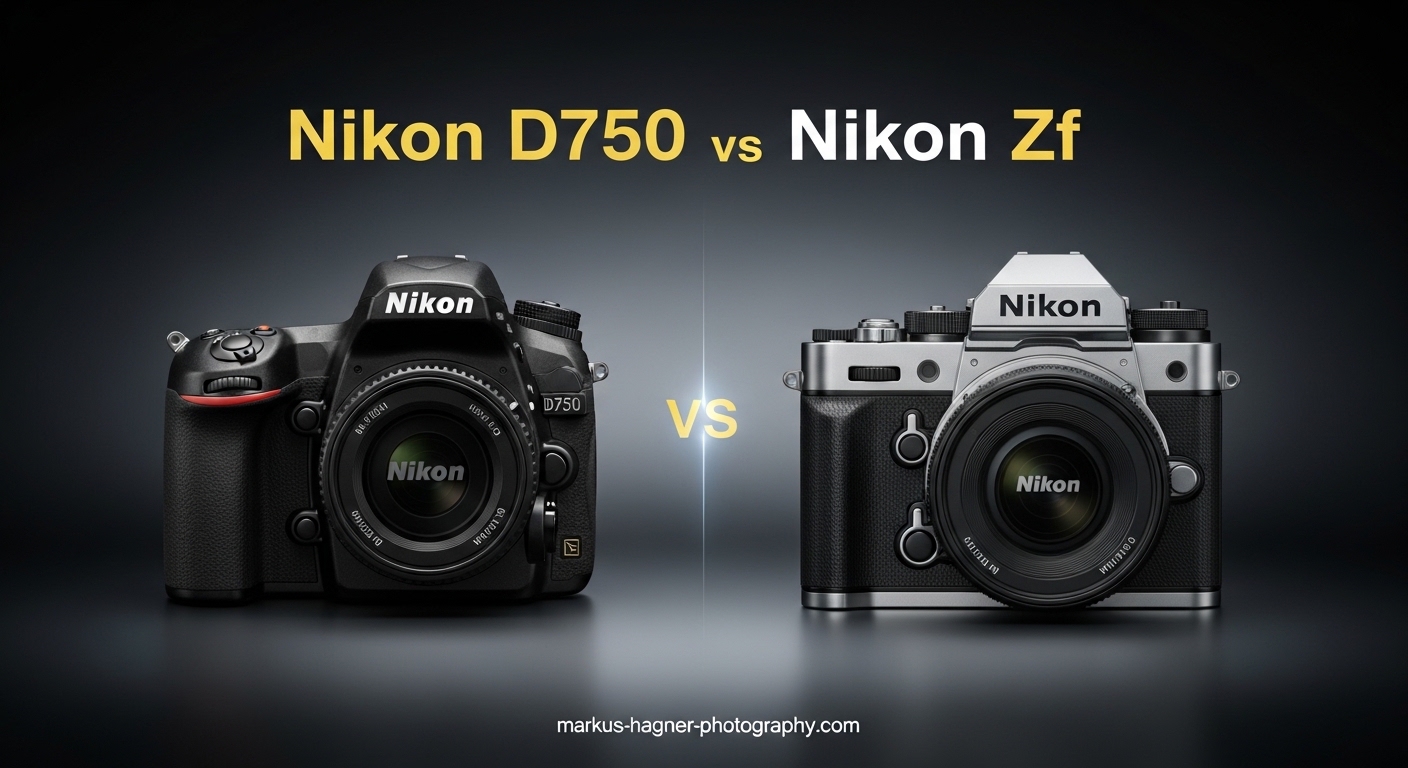
The Nikon D750 vs Nikon Zf debate has become one of the most discussed topics among Nikon photographers considering an upgrade. On one side stands the D750, a legendary DSLR that has served professionals and enthusiasts faithfully since 2014. On the other, the Zf represents Nikon’s modern mirrorless vision with cutting-edge technology wrapped in nostalgic styling.
I have spent considerable time with both cameras, and this comparison will help you decide which direction makes sense for your photography. The D750 remains a powerhouse with exceptional battery life and a proven track record, while the Zf brings modern features like in-body image stabilization, advanced autofocus, and 4K video.
For many photographers, this is not just about specs on paper. It is about deciding whether to stick with a trusted workhorse or embrace the mirrorless future. The emotional connection many feel toward their D750 is real and valid. Let me break down everything you need to know to make the right choice.
Quick Comparison: Nikon D750 vs Nikon Zf at a Glance
| Product | Specifications | Action |
|---|---|---|
 Nikon D750 DSLR
|
|
Check Latest Price |
 Nikon Zf Mirrorless
|
|
Check Latest Price |
The table above shows the headline differences, but the real story goes deeper. The D750 excels where traditional DSLR strengths matter: battery endurance, optical viewing, and proven reliability. The Zf shines with modern technology: advanced autofocus, image stabilization, and video capabilities that simply did not exist when the D750 launched.
One Reddit user who has used both professionally shared: “I’ve used both professionally and honestly miss my D750. I know the Zf is fantastic and I’ll get used to it, but the D750 was my workhorse for years.” This sentiment captures what many photographers feel when weighing this decision. The transition from a trusted tool to something new involves more than just comparing specifications.
Nikon D750: The Proven DSLR Workhorse
Pros
- Exceptional battery life with 1230 shots
- Proven reliability over decade of professional use
- Excellent low-light performance with clean high ISO
- Extensive F-mount lens ecosystem with affordable options
- Comfortable ergonomics for extended shooting
- Dual SD card slots for backup flexibility
Cons
- No in-body image stabilization
- Limited to 1080p video
- Older 51-point autofocus system
- Optical viewfinder shows exposure only after capture
When I pick up the D750, I immediately understand why it became such a beloved camera among professionals. The body feels substantial without being heavy, and the grip fits naturally in hand. After shooting with this camera for extended sessions, the ergonomics become second nature. Every control falls where your fingers expect to find it.
The optical viewfinder provides a clear, lag-free view of your subject. For sports and action photographers, this immediate feedback matters. You see exactly what is happening in real-time without any electronic delay. The 51-point autofocus system may seem dated compared to modern standards, but it delivers reliable results for most situations you will encounter.
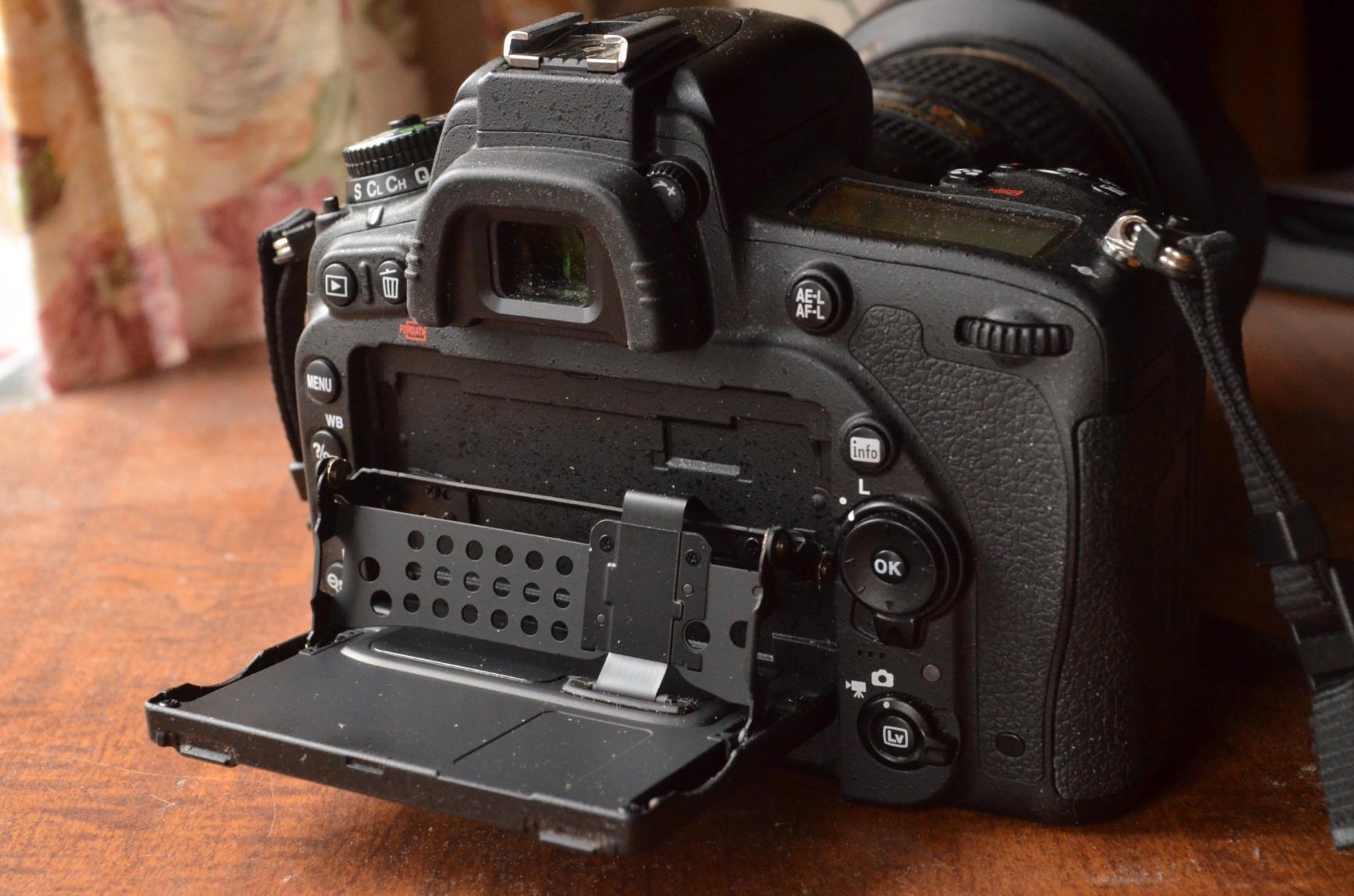
Low-light performance remains one of the D750’s strongest attributes. The 24.3MP full-frame sensor produces clean files even at high ISO settings. I have shot events at ISO 6400 and still achieved usable results with minimal noise. The EXPEED 4 processor handles noise reduction well without sacrificing too much detail in shadows and midtones.
Battery life is where the D750 absolutely dominates. With 1230 shots per charge according to CIPA standards, you can shoot an entire wedding or event without battery anxiety. Real-world users report even better performance. One photographer noted having a D750 with over 500,000 shutter actuations that still performs flawlessly with battery life like new after three years of use.
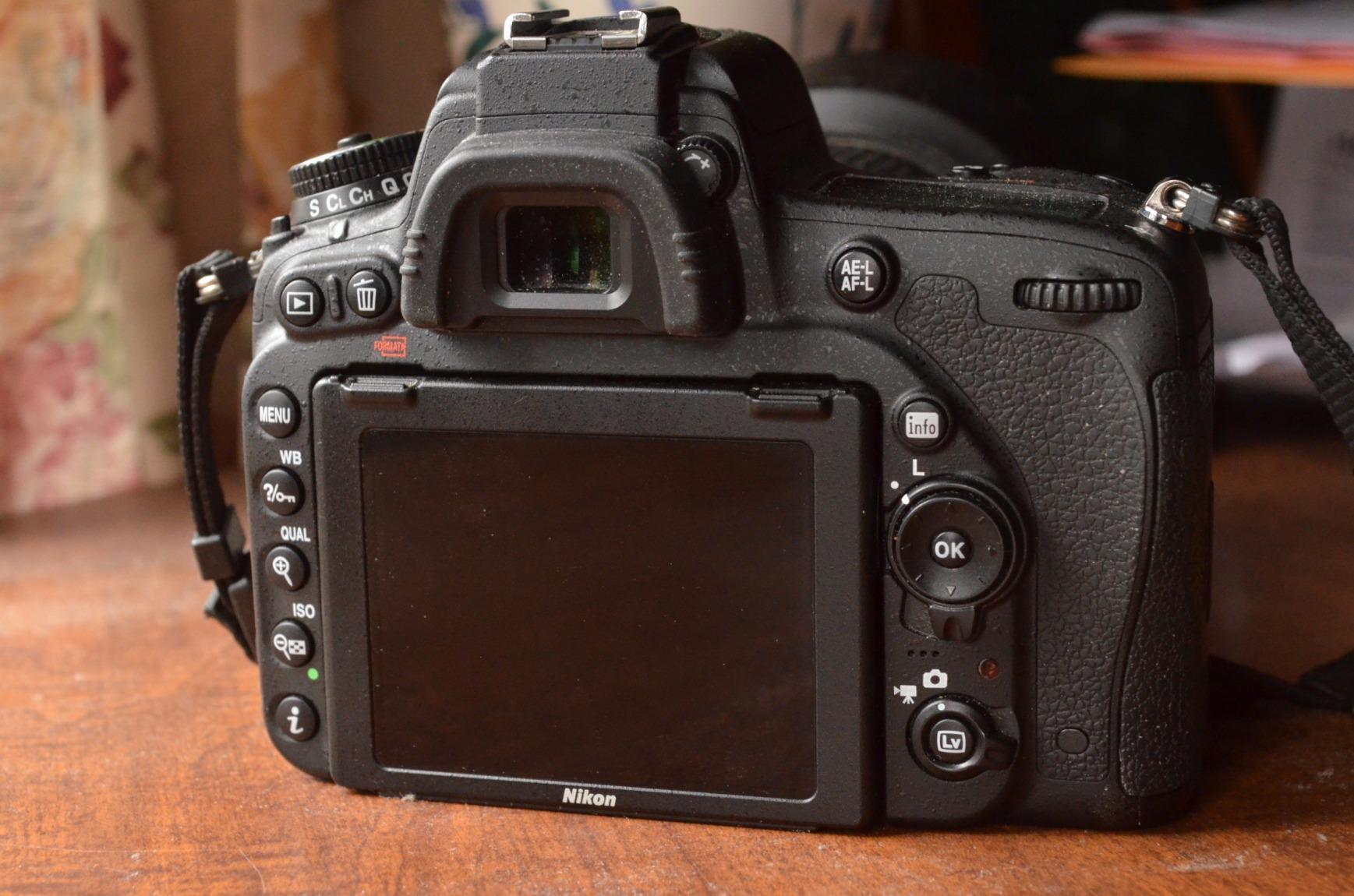
The tilting LCD screen offers flexibility for waist-level shooting or overhead angles. While not as versatile as a fully articulating screen, it handles most situations well. The 3.2-inch display with 1.2 million dots provides adequate resolution for checking focus and composition in the field.
The F-mount lens ecosystem gives you access to decades of excellent optics at various price points. Used lenses offer tremendous value, making the D750 an economical choice for building a professional kit. The dual SD card slots provide peace of mind for critical shoots where backup matters. Wedding and event photographers particularly appreciate this redundancy.
Built-in WiFi allows for quick image transfer to smartphones and tablets. While not as seamless as modern Bluetooth connections, it gets the job done for sharing images on social media or backing up to a mobile device during location shoots.
However, the lack of image stabilization means you need stabilized lenses or steady hands for slower shutter speeds. Video capabilities top out at 1080p, which limits appeal for hybrid shooters. The maximum shutter speed of 1/4000 second can be restrictive in bright conditions with fast lenses, requiring ND filters for wide-aperture shooting outdoors.
Nikon Zf: Modern Mirrorless with Retro Soul
Nikon Z f | Full-Frame Mirrorless Stills/Video Camera with Iconic Styling | Nikon USA Model
Pros
- Best-in-class 8-stop IBIS with Z lenses
- Advanced 273-point autofocus with subject recognition
- 4K video up to 60p with 10-bit internal recording
- Pixel Shift shooting for 96MP stills
- Beautiful retro design with tactile controls
- 14 fps continuous shooting
- Excellent eye AF tracking
Cons
- Battery life significantly lower at 380 shots
- Poor ergonomics with minimal grip
- Pricier than used D750 options
- Learning curve for PSAM dial combination
The first thing you notice about the Zf is its striking design. Nikon drew inspiration from classic film cameras like the FM2 and F3, and the result is genuinely beautiful. The tactile dials for shutter speed, ISO, and exposure compensation make manual shooting intuitive and engaging. For photographers who appreciate the craft, this connection to photography’s heritage feels meaningful and inspiring.
Beyond aesthetics, the Zf packs serious technology. The 24.5MP BSI sensor delivers excellent image quality, and the EXPEED 7 processor enables features that were impossible just a few years ago. The 273-point hybrid autofocus system with subject recognition for nine different subject types represents a massive leap forward from DSLR-era focusing capabilities.

Eye AF on the Zf has impressed many users. One photographer reported: “The camera’s ability to focus on eyes is amazing. From across a room using a 35mm lens it can pick out an eye and the results are tack sharp.” For portrait and event work, this capability alone can transform your workflow and hit rate dramatically.
The subject recognition system goes beyond just eyes. It can identify and track faces, animals, birds, vehicles, and other subjects with remarkable accuracy. This technology fundamentally changes how you approach challenging subjects like moving children, pets, or sports action.
In-body image stabilization provides up to 8 stops of correction when paired with Z-mount lenses. This means you can handhold shots at much slower shutter speeds than ever before. For available-light photography, IBIS opens creative possibilities that the D750 simply cannot match without stabilized glass. I have captured sharp images at 1/4 second handheld that would have been impossible on a camera without stabilization.

Video capabilities on the Zf far exceed what the D750 offers. 4K recording up to 60p, 10-bit internal recording, and N-Log/HLG options make this a serious tool for hybrid creators. The fully articulating screen helps with self-recording or awkward angles. Slow motion at 1080/120p adds creative flexibility for dramatic effect.
Pixel Shift shooting allows you to create 96MP stills by combining multiple exposures. This feature works best for static subjects like landscapes or product photography, but the results can be stunning when used appropriately. The extra resolution provides cropping flexibility and printing options for large format output.
The main drawback is battery life. At 380 shots per charge, you will need spare batteries for anything beyond casual shooting. The minimal grip also requires most users to add an accessory grip for comfortable handling during extended sessions. These trade-offs come with the mirrorless territory but are worth understanding before committing.
The menu system has received some criticism for organization compared to competitors. Finding specific settings can require hunting through multiple pages. However, the customizable controls and quick menu help mitigate this issue for frequently accessed functions.
Nikon D750 vs Nikon Zf: Head-to-Head Comparison
Sensor and Image Quality
Both cameras use full-frame sensors with similar resolution, but the underlying technology differs significantly. The D750’s 24.3MP CMOS sensor has proven itself over a decade of professional use across countless shooting scenarios. The Zf’s 24.5MP BSI sensor offers improved light gathering efficiency and pairs with Pixel Shift mode for 96MP stills when maximum detail matters.
In practice, both produce excellent image quality that satisfies professional standards. Dynamic range is strong on both cameras, allowing recovery of shadow and highlight detail during editing. Color rendering maintains the Nikon look loyal users expect, with natural skin tones and pleasing gradation.
The Zf has a slight edge in high-ISO noise performance thanks to its newer sensor design and updated image processing. However, the difference is not dramatic for most shooting scenarios. Both cameras produce clean files up to ISO 3200 with usable results extending to ISO 6400 and beyond for less critical applications.
Autofocus System: 51 Points vs 273 Points
The autofocus comparison reveals the clearest generational difference between these cameras. The D750’s 51-point phase detection system was excellent for its era and still performs well for static subjects and predictable action. However, it lacks the sophisticated tracking capabilities modern photographers expect from their primary camera.
The Zf’s 273-point hybrid system combines phase and contrast detection across nearly the entire frame. Subject recognition can identify and track eyes, faces, animals, vehicles, and more with remarkable consistency. For sports, wildlife, and portrait work, this technology fundamentally changes what you can capture reliably.
Continuous autofocus tracking shows the biggest practical difference. The D750 requires careful point selection and works best when subjects move predictably. The Zf locks onto subjects and follows them across the frame with minimal intervention. This difference becomes most apparent when photographing unpredictable subjects like children, pets, or sports.
Battery Life: 1230 vs 380 Shots
This is the comparison point that gives many photographers pause. The D750’s 1230-shot rating represents genuine all-day shooting capability. Many users report getting even more shots in real-world conditions with conservative LCD and WiFi use. For events, travel, or any situation where charging access is limited, this matters enormously.
The Zf’s 380-shot rating reflects the power demands of its electronic viewfinder, advanced processor, and IBIS system. Real-world usage varies based on settings and shooting style, but expect to carry two or three batteries for a full day of serious photography. USB-C charging helps extend shooting time with a power bank, but the battery gap remains the Zf’s most significant practical limitation.
For wedding photographers shooting 2000+ images per day, the D750’s battery advantage translates to genuine convenience. The Zf requires more careful power management and planning, though spare batteries and USB-C charging mitigate the inconvenience.
Viewfinder: Optical vs Electronic
The viewfinder debate divides photographers into two camps with valid arguments on each side. The D750’s optical pentaprism viewfinder shows the actual light coming through your lens with zero lag. For action and sports, this immediate view helps track fast-moving subjects intuitively. You also conserve battery since the viewfinder draws no power.
The Zf’s electronic viewfinder shows a digital preview with exposure, white balance, and depth of field visible before capture. This WYSIWYG approach helps beginners learn exposure fundamentals and reduces surprises in challenging lighting conditions. The high-resolution EVF (3.69 million dots) provides a detailed view, though some photographers notice slight lag compared to optical viewfinders.
One advantage of the EVF becomes apparent in low light. The electronic viewfinder can amplify available light, making composition easier in dim conditions where the optical viewfinder appears dark. This feature helps with night photography and indoor events where lighting is challenging.
Video Capabilities
For video creators, the Zf wins decisively. 4K recording up to 60p, 10-bit color depth, log profiles for maximum editing flexibility, and better autofocus make it a legitimate hybrid tool. The articulating screen supports vlogging and self-recording, while the microphone input and headphone output enable professional audio monitoring.
The D750 tops out at 1080p and lacks modern video features like log profiles and high frame rates. Its autofocus during video is audible and tends to hunt. For occasional video clips, it works adequately, but serious videographers should look elsewhere. The lack of 4K recording limits the camera for content creators who need higher resolution output.
Slow motion capability further separates these cameras. The Zf offers 1080p at 120fps for smooth slow-motion effects. The D750 maxes out at 60fps, limiting creative options for dramatic video sequences.
Image Stabilization
The Zf’s sensor-shift IBIS provides up to 8 stops of stabilization with Z-mount lenses. This transforms low-light handholding capability and enables video work without a gimbal in many situations. The stabilization works with any mounted lens, including adapted F-mount glass, though performance varies with lens focal length.
The D750 has no in-body stabilization, requiring stabilized lenses for shake reduction at slower shutter speeds. While many modern lenses include optical stabilization, older primes and some professional zooms do not. This limitation becomes most apparent when shooting handheld in dim conditions with unstabilized lenses.
Lens Ecosystem: F-Mount vs Z-Mount
The D750 benefits from decades of F-mount lens development. Thousands of lenses exist, including excellent used options at attractive prices. Third-party support from Sigma, Tamron, Tokina, and others is extensive. Budget-conscious photographers can build complete lens kits without buying new glass.
The Zf uses Nikon’s newer Z-mount, which offers optical advantages including wider aperture potential and improved edge-to-edge sharpness. Native Z-mount lenses are generally excellent but more expensive and fewer in number than F-mount options. The mount’s larger diameter and shorter flange distance enable designs that were impossible with the F-mount.
The FTZ adapter lets you use F-mount lenses on the Zf, but AF-S and AF-P lenses work best. Older screw-drive AF lenses become manual focus only, which may disappoint photographers with extensive legacy lens collections. Consider your existing lens investment when choosing between systems.
Build Quality and Ergonomics
The D750’s traditional DSLR body provides a comfortable grip and intuitive control layout developed over decades of professional feedback. Weather sealing protects against dust and light moisture. After years of professional abuse, many D750s continue performing reliably with high shutter counts exceeding their rated life expectancy.
The Zf’s retro design prioritizes aesthetics over ergonomics in some ways. The minimal grip necessitates an add-on grip for many users, especially with larger lenses. Controls are plentiful but can feel cramped on the smaller body. Weather sealing matches the D750’s capabilities, though the Zf’s shorter track record means long-term durability remains to be proven.
Weight differences favor the Zf slightly at 1.6 pounds versus the D750’s 1.7 pounds. However, the Zf feels denser and less comfortable for extended handheld use without an accessory grip. The D750’s larger body distributes weight more naturally across your hand.
Continuous Shooting Speed
The Zf’s 14 fps continuous shooting dramatically outpaces the D750’s 6.5 fps. For sports and wildlife photography, this difference can mean capturing or missing crucial moments. The Zf also offers a 30fps option using the electronic shutter in JPEG mode, though this comes with rolling shutter artifacts.
The D750’s 6.5 fps remains adequate for many applications including portraiture and general photography. However, action photographers may find the frame rate limiting for fast-moving subjects where timing is critical.
Who Should Buy the Nikon D750?
The D750 remains an excellent choice for photographers who prioritize battery life, proven reliability, and value. If you shoot events, weddings, or travel where charging access is limited, the 1230-shot battery life provides genuine peace of mind that modern mirrorless cameras cannot match.
Photographers with existing F-mount lens collections can continue using their glass without adapters or performance compromises. The extensive used lens market makes building a professional kit affordable. Budget-conscious buyers will find excellent value in used D750 bodies that still deliver professional results.
Those who prefer optical viewfinders and traditional DSLR handling will feel at home with the D750. Its proven track record over a decade of professional use speaks to its reliability and capability in demanding situations. The comfortable ergonomics suit extended shooting sessions without fatigue.
Photographers who primarily shoot still images and do not need advanced video features will find the D750 perfectly adequate. Its image quality remains competitive with current cameras, and the workflow remains familiar and efficient for experienced Nikon users.
Who Should Buy the Nikon Zf?
The Zf makes sense for photographers who want modern features like advanced autofocus, IBIS, and 4K video capabilities. Portrait and event shooters will appreciate the excellent eye AF that tracks subjects reliably across the frame. Hybrid creators benefit from serious video capabilities in a compact body.
Street photographers and enthusiasts drawn to the retro aesthetic will find the Zf’s design genuinely inspiring. The tactile controls make photography feel more engaging and intentional. The camera becomes a conversation piece as well as a creative tool.
Those investing in a new system should consider the Z-mount’s future potential. Nikon continues developing Z-mount lenses, and the mount’s optical advantages suggest this is where the company’s development resources focus. Early adoption positions you for future lens releases.
Photographers struggling with the D750’s autofocus limitations will find the Zf’s subject recognition transformative. The ability to track eyes and faces automatically changes how you approach portrait and event work, allowing more focus on composition and timing rather than focus point selection.
Migration Considerations for D750 Owners
If you currently own a D750 and are considering the Zf, several practical factors deserve consideration. The FTZ adapter enables using your existing F-mount lenses, but screw-drive AF lenses become manual focus only. This affects older professional glass like the original 80-200mm f/2.8 and some specialty lenses.
Control layout differences require adjustment. The D750’s traditional command dial approach differs from the Zf’s PSAM dial combination. Give yourself time to adapt before judging the new system. Many users report that the Zf becomes intuitive after a few weeks of regular use.
Battery management changes significantly. Where one D750 battery might last an entire event, the Zf requires carrying multiple batteries and monitoring power levels more carefully. Budget for extra batteries and possibly a USB-C power bank for extended shooting.
The transition from optical to electronic viewfinder takes adjustment. Some photographers adapt quickly, while others miss the optical experience. Spend time with an EVF before committing if you have never used one extensively.
Frequently Asked Questions
Is the Nikon D750 outdated?
The Nikon D750 is not outdated in terms of image quality and core functionality. Its 24.3MP full-frame sensor still produces excellent results, and the camera handles professional work capably. However, it lacks modern features like in-body stabilization, 4K video, and advanced subject-tracking autofocus. For pure still photography, the D750 remains highly capable in 2026.
Should I upgrade from Nikon D750 to Zf?
Consider upgrading to the Zf if you need IBIS, better video capabilities, or advanced autofocus with subject recognition. Stay with the D750 if battery life is critical, you prefer optical viewfinders, or you want to maximize value from existing F-mount lenses. The upgrade makes most sense for hybrid shooters or those frustrated by the D750’s AF limitations.
Does Nikon Zf have better autofocus than D750?
Yes, the Nikon Zf has significantly better autofocus than the D750. The Zf features 273 focus points compared to 51 on the D750, plus advanced subject recognition for eyes, faces, animals, and vehicles. Eye AF tracking on the Zf delivers tack-sharp results even at distance, while the D750’s system requires more careful point selection and tracking.
How does battery life compare between D750 and Zf?
The D750 significantly outperforms the Zf in battery life with 1230 shots versus 380 shots per CIPA rating. Real-world D750 users often exceed this rating, while Zf users should plan for 2-3 batteries for a full day. The Zf’s electronic viewfinder and advanced processor consume more power than the D750’s optical system.
Can I use my D750 lenses on the Nikon Zf?
Yes, you can use F-mount lenses on the Zf with the Nikon FTZ adapter. AF-S and AF-P lenses retain full autofocus and aperture control. Older screw-drive AF lenses work in manual focus mode only. The adapter adds cost but allows gradual migration to the Z-mount system while keeping your existing glass.
Final Verdict: Nikon D750 vs Nikon Zf
Choosing between the Nikon D750 vs Nikon Zf ultimately depends on your priorities and shooting style. The D750 excels for photographers who value battery endurance, proven reliability, and the optical viewfinder experience. Its lower cost and extensive lens ecosystem make it a practical choice for budget-conscious professionals and enthusiasts.
The Zf represents the mirrorless future with advanced autofocus, image stabilization, and video capabilities that the D750 simply cannot match. For photographers ready to embrace new technology and willing to adapt to shorter battery life, it offers compelling advantages that improve with each firmware update.
My recommendation: If you already own a working D750 with lenses you love, there is no urgent need to upgrade unless you specifically need IBIS, better video, or advanced AF tracking. The D750 remains a capable professional tool that produces excellent results.
But if you are starting fresh, your D750 is showing its age, or your needs have evolved toward hybrid shooting, the Zf provides the modern feature set that will serve you well for years to come. The investment in the Z-mount ecosystem positions you for continued lens development and camera improvements.