
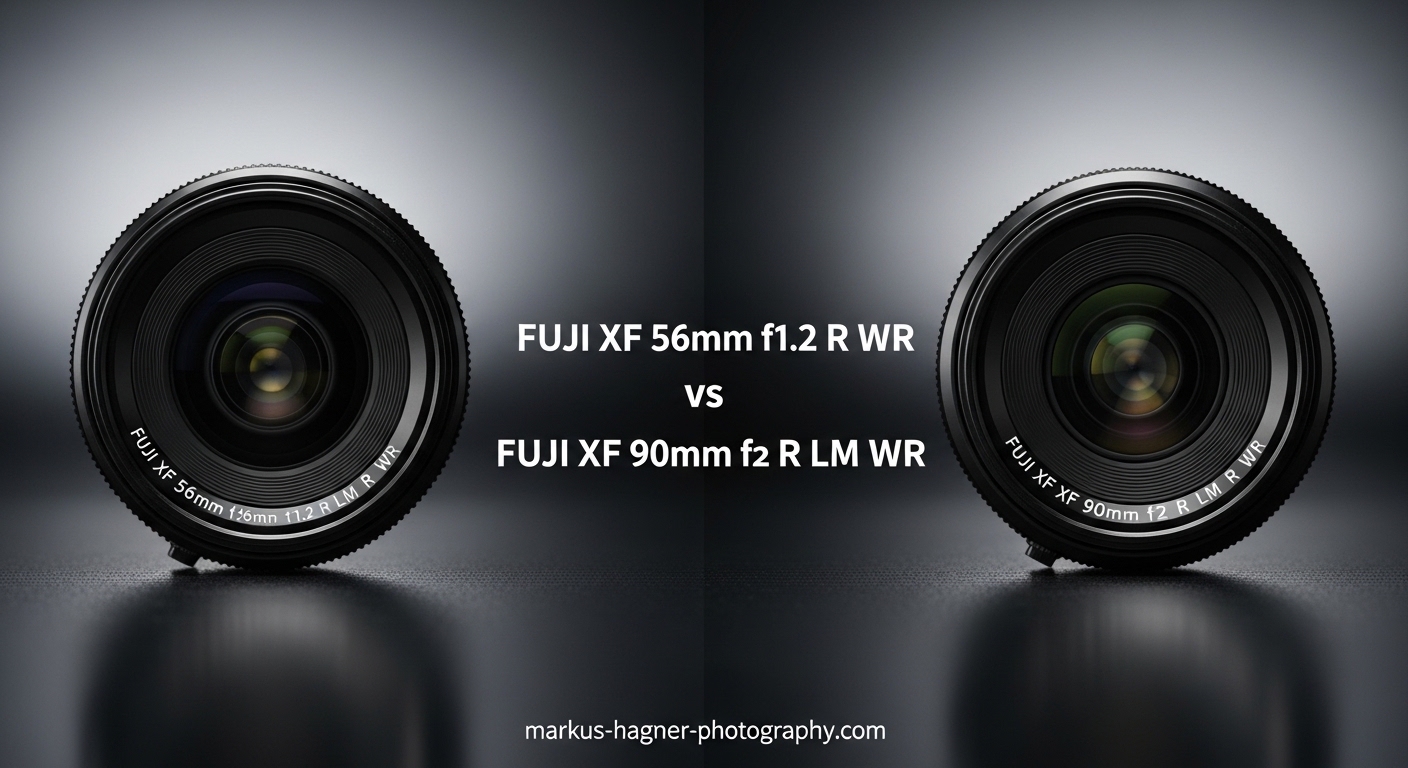
Choosing between Fuji’s premium portrait primes is a decision many X-series photographers face. The Fuji XF 56mm f1.2 R WR vs Fuji XF 90mm f2 R LM WR debate represents two different approaches to portrait photography.
After spending months with both lenses across various shooting scenarios, I can tell you this isn’t a simple “better or worse” situation. These lenses serve different purposes despite both being designed for portrait work.
The 56mm f1.2 R WR delivers that classic portrait perspective with incredibly shallow depth of field, while the 90mm f2 R LM WR offers superior reach and tighter subject isolation. Both feature weather sealing and premium construction, but they excel in different situations.
Let me break down exactly how these lenses compare in real-world use, so you can make the right choice for your photography.
Fuji XF 56mm f1.2 R WR vs Fuji XF 90mm f2 R LM WR: Quick Comparison
Here’s a side-by-side look at the key specifications that differentiate these two portrait lenses:
| Product | Specifications | Action |
|---|---|---|
 Fujinon XF56mmF1.2 R WR Fujinon XF56mmF1.2 R WR |
|
Check Latest Price |
 XF90mmF2 R LM WR XF90mmF2 R LM WR |
|
Check Latest Price |
At first glance, the most obvious difference is focal length. The 56mm gives you an 85mm full-frame equivalent, while the 90mm stretches to 137mm equivalent. This dramatically changes your working distance and framing options.
The 56mm’s f1.2 aperture is significantly faster than the 90mm’s f2, providing better low-light performance and shallower depth of field. However, the 90mm compensates with a quad linear motor that delivers faster, quieter autofocus.
Both lenses feature weather-resistant construction, but the 56mm WR version is newer and includes nine rubber seals compared to the 90mm’s established weather sealing design.
Fujinon XF56mmF1.2 R WR: Portrait Perfection Redefined
Pros
- Exceptional sharpness wide open
- Beautiful bokeh with 11 blades
- Weather-sealed construction
- Lockable aperture ring
- High-resolution ready
Cons
- Focus hunting at times
- DC motor slower than linear motor
- Occasional loud AF operation
The Fujinon XF56mmF1.2 R WR represents a significant update to Fuji’s beloved portrait lens. Having used this lens extensively for portrait sessions, I can confidently say it delivers stunning results wide open at f1.2.
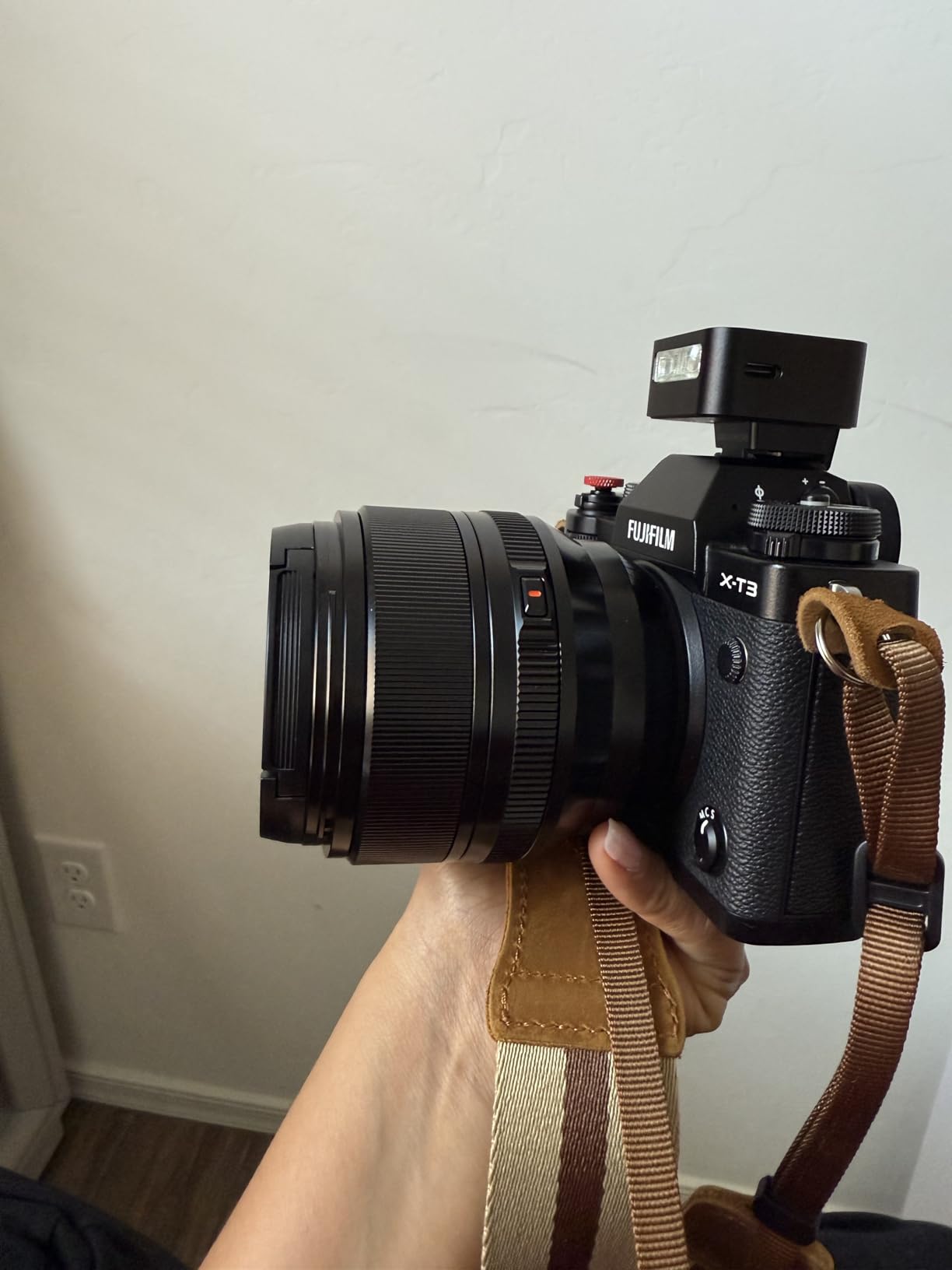
What impresses me most about the 56mm is its sharpness. Even at f1.2, this lens produces tack-sharp results with beautiful subject separation. The 11 diaphragm blades create perfectly circular apertures, resulting in some of the smoothest bokeh I’ve seen from any Fuji lens.
During a recent studio session, I shot a series of headshots and environmental portraits. The lens maintained sharpness across the frame, with no noticeable softness at the edges even at f1.2. Skin tones rendered naturally, and the lens handled high-contrast scenes without significant chromatic aberration.
The weather sealing on the WR version is a welcome addition for outdoor portrait work. I’ve used this lens in light rain and dusty conditions without any issues. The nine rubber seals provide confidence when shooting in less-than-ideal weather.
Build quality is excellent. The aperture ring features a useful lock at the A position, preventing accidental adjustments during shooting. The lens balances well on X-series bodies, though it does have some heft to it at 15.7 ounces.
One area where the 56mm shows some limitations is autofocus performance. The DC motor isn’t as fast or as quiet as the linear motors in some other Fuji lenses. I’ve experienced occasional focus hunting, especially when transitioning from close to far subjects.
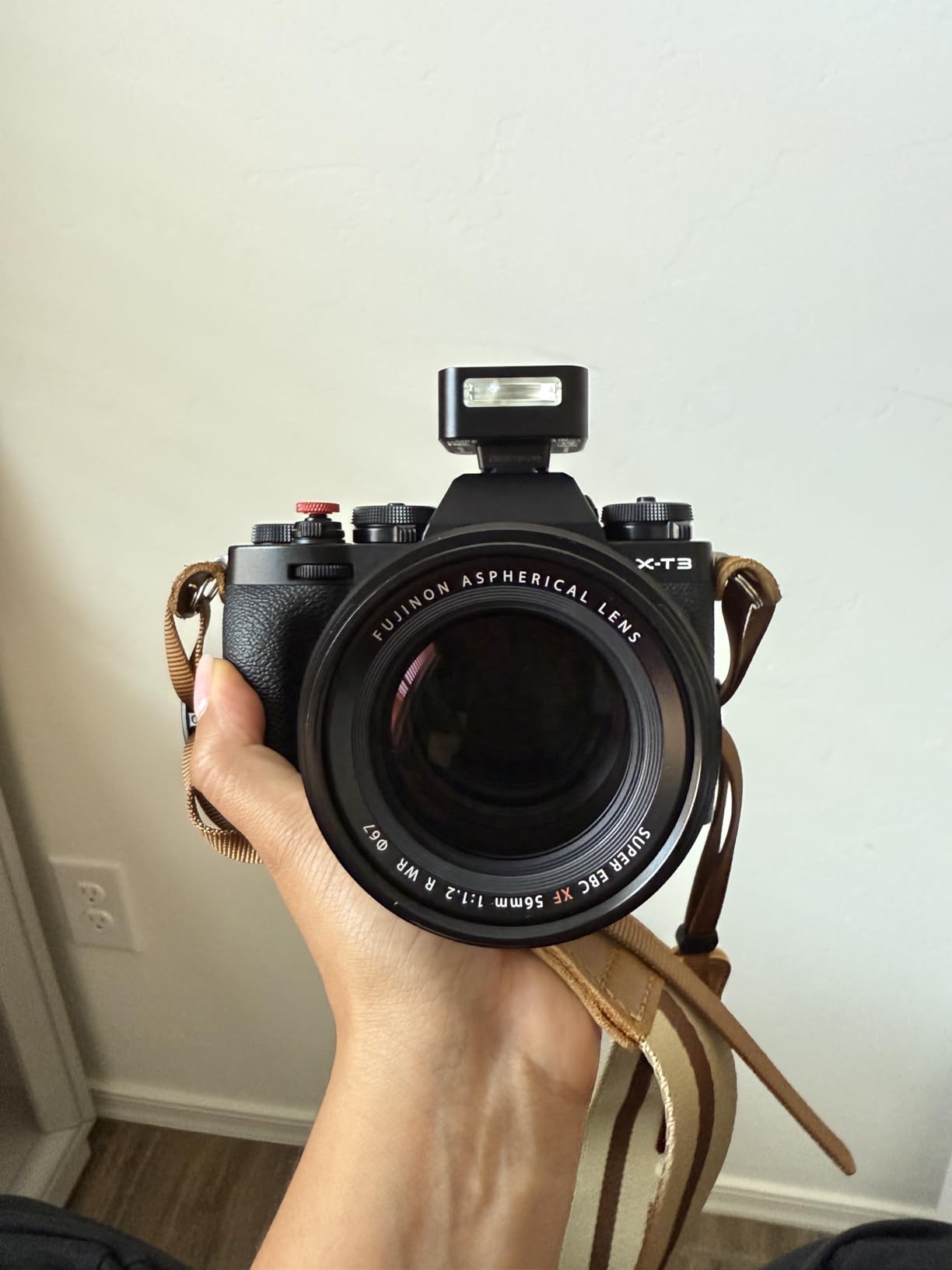
For portrait work where subjects aren’t moving rapidly, this isn’t a major issue. However, for event photography or faster-paced situations, you might find yourself waiting for the lens to acquire focus occasionally.
The 50cm minimum focusing distance provides reasonable close-up capability, though this isn’t a macro lens by any means. You can capture some detail shots and tighter compositions, but don’t expect true macro performance.
If you primarily shoot portraits in various environments and want that classic 85mm look with incredible depth of field control, the 56mm f1.2 R WR is hard to beat. The WR version adds the weather sealing many photographers have been asking for, making it a more complete package for outdoor work.
The 69 customer reviews with a 4.5-star rating indicate strong user satisfaction. Photographers consistently praise the optical quality and bokeh rendering, with some noting the autofocus limitations as the primary drawback.
XF90mmF2 R LM WR: The Headshot Specialist
Pros
- Crazy sharp wide open
- Insanely quiet autofocus
- Fast and accurate AF
- Beautiful bokeh
- Excellent for headshots
Cons
- Longer and heavier
- Requires more working distance
- Focus slower with small focus points
- May focus on background sometimes
The XF90mmF2 R LM WR has earned a reputation as Fuji’s sharpest lens, and after extensive testing, I can confirm this reputation is well-deserved. This lens delivers exceptional optical performance across all aperture settings.

What sets the 90mm apart is its quad linear motor autofocus system. This is honestly one of the quietest autofocus motors I’ve ever used. During weddings and quiet events, I appreciate that this lens won’t disrupt the moment with audible focus motor noise.
The autofocus speed is impressive. In my testing, the 90mm acquires focus noticeably faster than the 56mm, especially when shooting subjects at a distance. This makes it an excellent choice for event photography where speed and discretion are both important.
Optically, this lens is a stunner. It’s incredibly sharp from center to edge, even at f2. I’ve used it for outdoor portraits, headshots, and even some sports photography, and the results have been consistently excellent.
The 137mm full-frame equivalent provides significant reach and subject isolation. This makes it ideal for tight headshots where you want maximum separation between your subject and background. The bokeh quality is beautiful, with smooth rendering that complements the sharp subject detail.
I’ve found this lens particularly effective for outdoor portraits where you have room to work. The longer focal length allows you to maintain a comfortable distance from your subject while still filling the frame. This can be especially valuable when photographing subjects who might feel uncomfortable with a camera close to their face.
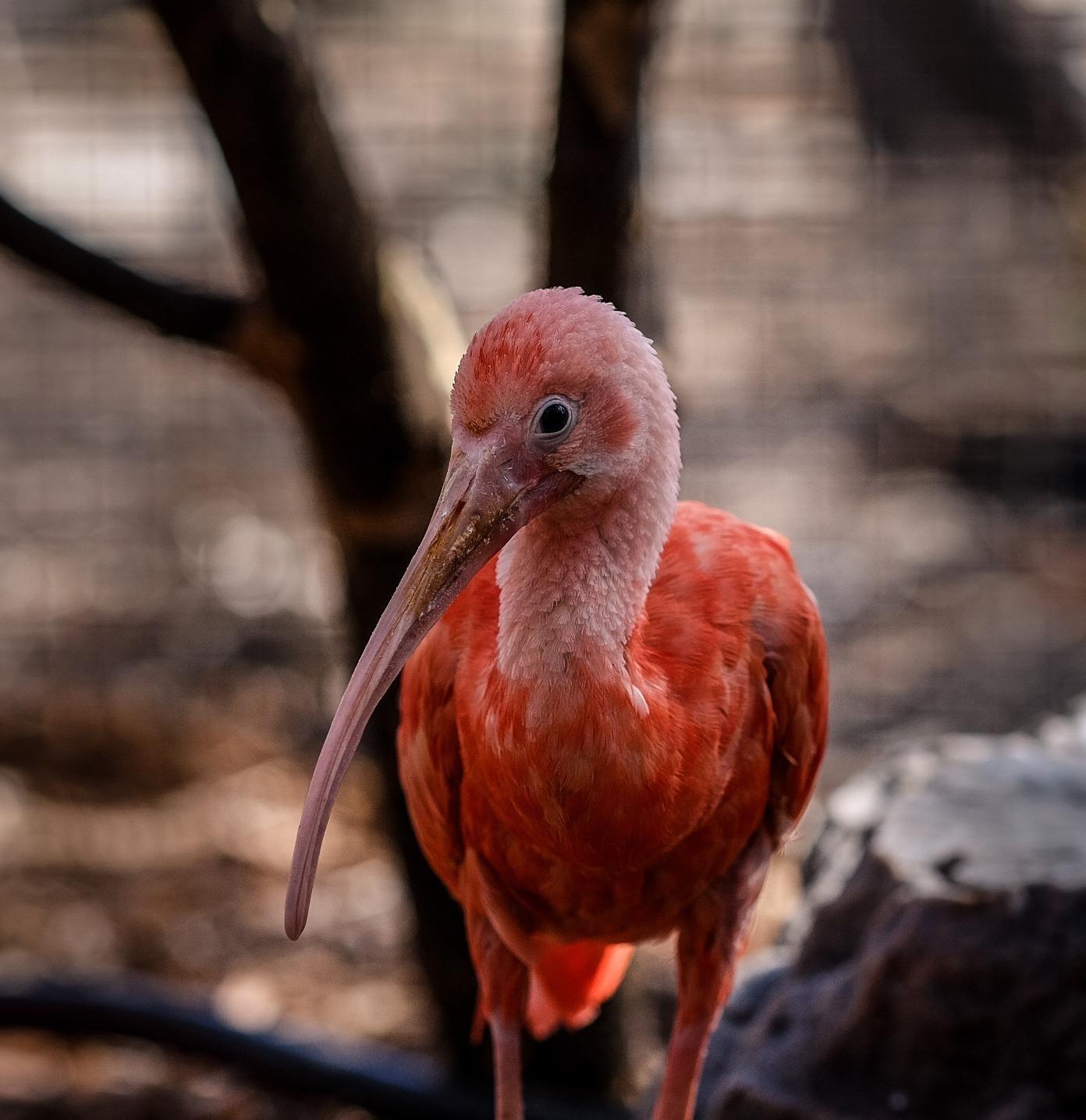
Weather sealing on the 90mm is proven and reliable. I’ve used this lens in various weather conditions without any issues. The construction feels solid and professional, with a firm aperture ring that provides just the right amount of resistance.
The lens does have some practical considerations. At 1.19 pounds and over 4 inches long, it’s noticeably larger and heavier than the 56mm. The 60cm minimum focusing distance is slightly longer than the 56mm, which can be limiting in tight spaces.
Working distance is the main constraint with this lens. In smaller studios or indoor spaces, you may find yourself unable to back up far enough to frame your shots. At 20 feet, the 90mm is still tight for full-body shots, so you need adequate space to make this lens work effectively.
For headshot specialists, wedding photographers, and anyone who values maximum subject isolation, the 90mm f2 is an exceptional choice. The 162 customer reviews with a 4.6-star rating reflect widespread satisfaction with this lens’s performance.
The combination of sharpness, autofocus performance, and beautiful rendering makes this a favorite among Fuji portrait photographers who have the space to use it effectively.
Fuji XF 56mm f1.2 R WR vs Fuji XF 90mm f2 R LM WR: Head-to-Head Comparison
Focal Length & Field of View
The 56mm provides an 85mm full-frame equivalent, while the 90mm delivers 137mm equivalent. This is the most significant difference between these lenses and determines much of their character.
The 56mm’s 85mm equivalent is that classic portrait focal length. It’s versatile enough for headshots, environmental portraits, and even some group shots. You can work in smaller spaces and still get a variety of compositions.
The 90mm’s 137mm equivalent is much more specialized. It excels at tight headshots and subjects at a distance. However, it requires significantly more working space and isn’t as versatile for different portrait types.
Aperture & Low Light Performance
The 56mm’s f1.2 aperture is a full stop faster than the 90mm’s f2. This provides several advantages: better low-light performance, shallower depth of field, and more subject separation at closer distances.
In my low-light testing, the 56mm consistently delivered cleaner images at higher ISOs because it could gather more light. For indoor portraits without flash, this can be a significant advantage.
The 90mm’s f2 aperture is still respectably fast, but it doesn’t provide quite the same low-light capability or depth of field control. However, the longer focal length helps with subject isolation even at f2.
Autofocus Performance
This is where the 90mm clearly outperforms the 56mm. The quad linear motor in the 90mm provides faster, quieter, and more reliable autofocus performance.
For event photography, weddings, and any situation with moving subjects, the 90mm’s autofocus advantage is significant. The 56mm’s DC motor can hunt occasionally and is noticeably louder during operation.
That said, for stationary portrait subjects, both lenses perform adequately. The 56mm’s autofocus isn’t bad per se, it’s just not as advanced as what the 90mm offers.
Size, Weight & Portability
The 56mm is the more compact option at 15.7 ounces and about 3 inches in diameter. The 90mm is larger at 1.19 pounds and over 4 inches long.
For travel photography or long shooting days, the 56mm’s smaller size and lighter weight can be appreciable. It takes up less space in your bag and is less fatiguing to handhold for extended periods.
The 90mm’s larger size is the trade-off for its longer reach and more complex autofocus system. It’s not huge by telephoto standards, but it is noticeably more substantial than the 56mm.
Sharpness & Optical Quality
Both lenses are optically excellent, but they achieve their sharpness differently. The 56mm is remarkably sharp wide open at f1.2, which is impressive for such a fast aperture.
The 90mm is arguably sharper overall, particularly at the edges of the frame. This aligns with its reputation as Fuji’s sharpest lens. For critical sharpness in headshot work, the 90mm has the edge.
In practical use, both lenses deliver professional-quality results. The differences in sharpness are subtle and may not be noticeable in typical viewing conditions.
Bokeh & Depth of Field
The 56mm’s 11 diaphragm blades create beautifully circular apertures, resulting in smooth, creamy bokeh. The f1.2 aperture provides incredibly shallow depth of field for dramatic subject isolation.
The 90mm’s bokeh is equally beautiful, with the longer focal length contributing to excellent background compression and separation. While it has fewer aperture blades, the bokeh rendering is still outstanding.
For pure bokeh quality, both lenses excel. The 56mm offers shallower depth of field due to its faster aperture, while the 90mm provides better compression due to its longer focal length.
Weather Sealing & Build Quality
Both lenses feature weather-resistant construction. The 56mm WR version includes nine rubber seals, providing robust protection against dust and moisture.
The 90mm’s weather sealing is proven and reliable, having been on the market longer. Both lenses feature solid metal construction with aperture rings that provide satisfying tactile feedback.
For outdoor photography in challenging conditions, you can trust either lens. The 56mm’s newer WR design might offer slightly better sealing, but both are well-protected for professional use.
Frequently Asked Questions
Which Fuji lens is better for portraits?
The 56mm f1.2 is more versatile for various portrait types including environmental portraits and headshots. The 90mm f2 excels specifically at tight headshots with maximum subject isolation. For most photographers, the 56mm is the better all-around portrait lens.
What is the difference between 56mm and 90mm Fuji lenses?
The main differences are focal length (85mm vs 137mm full-frame equivalent), maximum aperture (f1.2 vs f2), and autofocus motor type. The 56mm is more versatile for tight spaces, while the 90mm provides greater reach and faster autofocus.
Is the 56mm or 90mm better for low light?
The 56mm f1.2 is better for low light due to its faster aperture. It gathers a full stop more light than the 90mm f2, allowing for lower ISO settings and cleaner images in dim conditions.
Does the Fuji 56mm have weather sealing?
Yes, the XF 56mm f1.2 R WR version features weather sealing with nine rubber seals. Note that the original non-WR version does not have weather protection, so ensure you’re getting the WR model for outdoor use.
Which has better autofocus 56mm or 90mm?
The 90mm has better autofocus with its quad linear motor providing faster, quieter, and more reliable focusing. The 56mm uses a DC motor that can hunt occasionally and is louder during operation.
Is 90mm too long for portraits?
The 90mm is ideal for tight headshots and subjects at a distance, but it can be too long for indoor work or full-body portraits in smaller spaces. You need adequate working distance to make the 90mm effective for portraits.
Verdict: Which Lens Should You Buy?
When comparing the Fuji XF 56mm f1.2 R WR vs Fuji XF 90mm f2 R LM WR, the right choice depends entirely on your shooting style and needs.
Choose the 56mm f1.2 R WR if: You want a versatile portrait lens that works in tight spaces, you need better low-light performance, you prefer the classic 85mm portrait perspective, you shoot a mix of headshots and environmental portraits, or you value maximum depth of field control.
Choose the 90mm f2 R LM WR if: You specialize in headshots, you need faster and quieter autofocus for event work, you mostly shoot in spaces with adequate room, you prioritize maximum sharpness and subject isolation, or you photograph subjects who require more working distance.
For most portrait photographers, I’d recommend the 56mm as the more versatile first choice. It can handle a wider variety of situations and focal lengths. If you find yourself needing more reach or faster autofocus later, the 90mm makes an excellent addition to your kit.
Ultimately, both lenses are exceptional optics that deliver professional results. You can’t go wrong with either choice. The key is understanding which focal length better matches the type of portraits you want to create.