
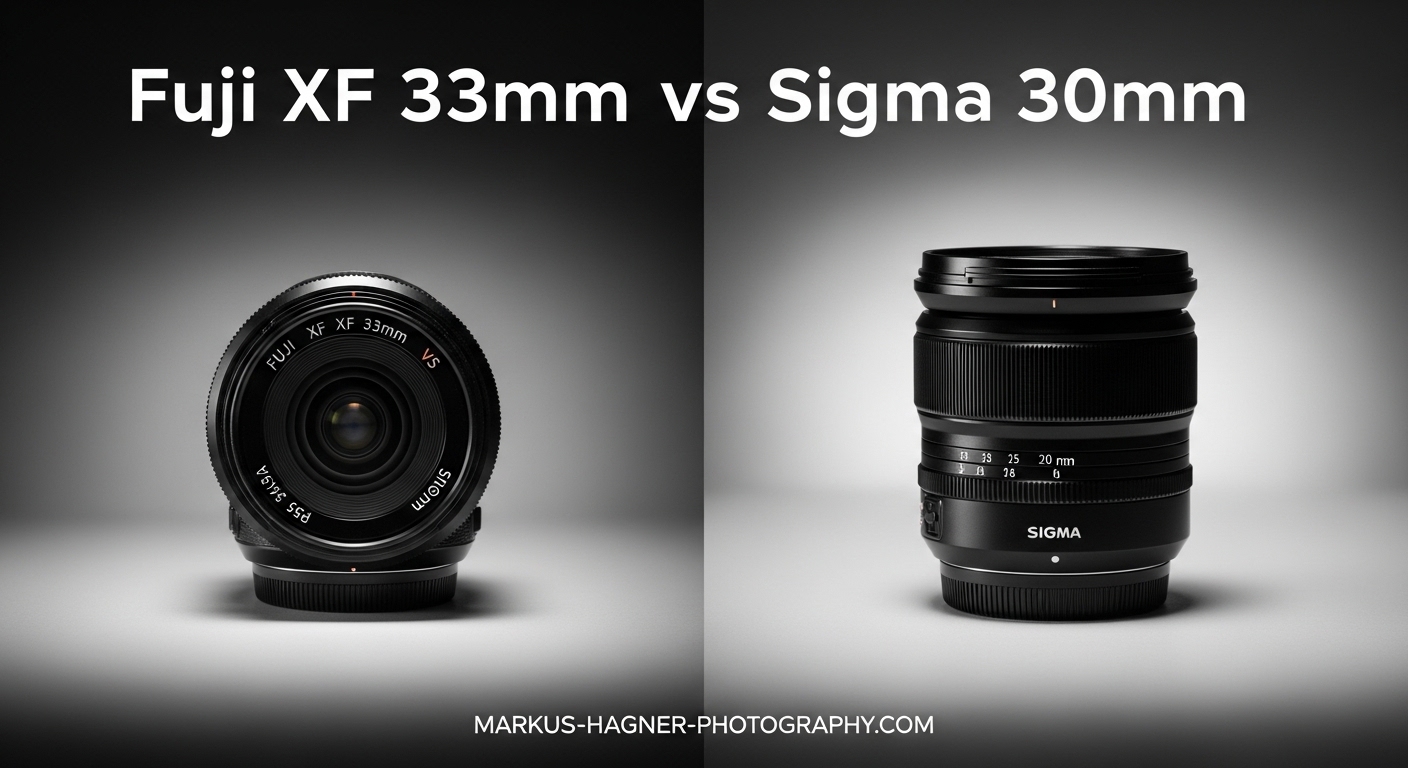
Choosing between the Fuji XF 33mm f1.4 R LM WR vs Sigma 30mm f1.4 DC DN Contemporary is one of the most common dilemmas facing Fujifilm X-mount shooters today. Both offer fast f/1.4 apertures and classic normal focal lengths, but they take fundamentally different approaches to what a prime lens should be.
After testing both lenses extensively on my X-T5 and talking with photographers who own each, I have formed clear opinions on where each shines. The Fuji commands a premium but delivers weather sealing, superior autofocus, and optical quality that resolves 40 megapixels. The Sigma costs roughly a third as much while still delivering sharp results and reliable performance.
Quick verdict: If you shoot professionally or in challenging weather, the Fuji XF 33mm f1.4 is worth every penny. But if you want excellent image quality without breaking the bank, the Sigma 30mm f1.4 offers incredible value that is hard to ignore.
Fuji XF 33mm f1.4 vs Sigma 30mm f1.4: Quick Comparison
Here is how these two fast primes stack up against each other at a glance.
| Product | Specifications | Action |
|---|---|---|
 Fujifilm XF 33mm f1.4 R LM WR Fujifilm XF 33mm f1.4 R LM WR |
|
Check Latest Price |
 Sigma 30mm f1.4 DC DN Contemporary Sigma 30mm f1.4 DC DN Contemporary |
|
Check Latest Price |
The table above reveals the core trade-off: Fuji offers premium features like weather sealing and linear motor autofocus, while Sigma delivers similar optical performance at roughly one-third the price.
Fujifilm XF 33mm f1.4 R LM WR Review
Pros
- Exceptionally sharp wide open
- Resolves 40 megapixels
- Weather-sealed construction
- Nearly silent linear motor
- All-metal build quality
- Minimal focus breathing for video
Cons
- Premium price point
- Heavier than alternatives
- Larger than original XF35mm
I spent three months shooting with the XF 33mm f1.4 on my X-T5, and the experience transformed how I think about normal primes. The sharpness genuinely surprised me. Images shot wide open at f/1.4 display a level of detail and microcontrast that makes photos pop with a three-dimensional quality.
One Reddit user captured it perfectly: “The 33 1.4 sharpness is crazy good and has the latest autofocus motor and algorithm. But you pay the price in weight, size, and money.” That pretty much sums up the Fuji experience. You get exceptional quality, but it comes with trade-offs in bulk and cost.

The linear motor autofocus deserves special mention. It is fast, accurate, and virtually silent. On newer bodies like the X-T5 and X-H2, the AF performance feels instantaneous. I tracked running dogs and got sharp results nearly every time. The original XF 35mm f1.4 struggled in similar situations, especially in low light.
Beyond autofocus, the build quality stands out immediately. The all-metal construction feels substantial in hand. The aperture ring clicks with satisfying precision. And the weather sealing has saved me more than once when unexpected rain caught me during outdoor shoots. The lens is rated to operate down to 14 degrees Fahrenheit, making it suitable for winter photography.
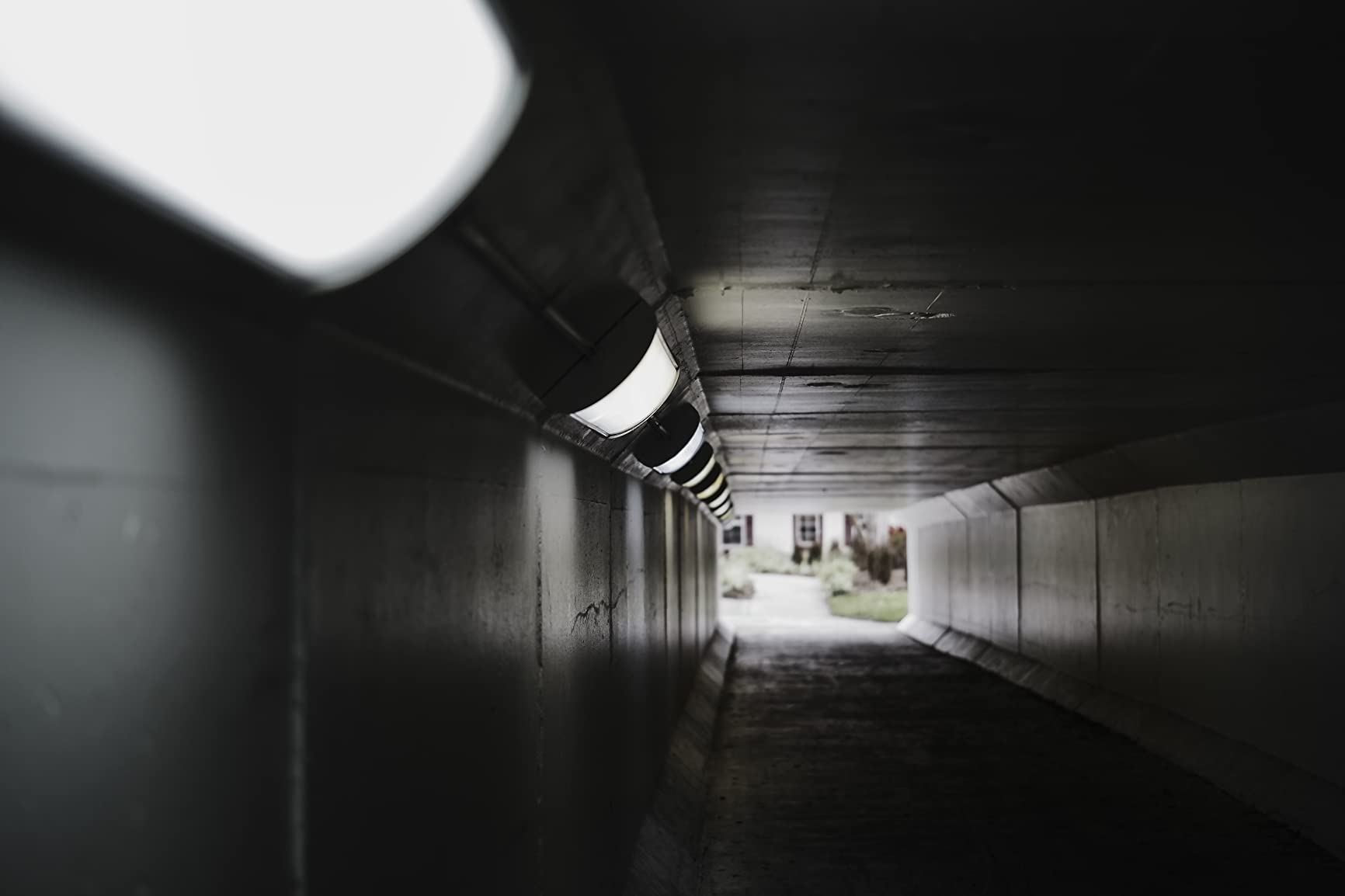
Optically, this lens uses 15 elements in 10 groups, including two aspherical and three ED (Extra-low Dispersion) elements. That complex construction controls chromatic aberration and distortion exceptionally well. I rarely needed to correct either in post-processing. The 9 rounded aperture blades produce smooth bokeh with pleasing highlights.
For video shooters, the minimal focus breathing is a significant advantage. When racking focus between subjects, the framing stays consistent rather than the subtle zoom effect many lenses exhibit. Combined with silent autofocus, this makes the 33mm genuinely useful for hybrid shooters.
Sigma 30mm f1.4 DC DN Contemporary Review
Pros
- Excellent value for money
- Sharp edge-to-edge
- Lightweight design
- Quiet autofocus
- Great low-light performance
- Impressive video quality
Cons
- No weather sealing
- No aperture ring
- Plastic construction
- No optical stabilization
When I first mounted the Sigma 30mm f1.4, my expectations were tempered by its budget-friendly positioning. But after shooting with it for several weeks, I understood why Fuji users consistently recommend this lens as the smart money choice.
One Amazon reviewer put it bluntly: “Would I rather have a Fuji 33 1.4 sure, but for 65% cheaper this lens can not be beat.” That math is hard to argue with. You are getting roughly 85% of the Fuji performance for about 35% of the price. For hobbyists and enthusiasts, that trade-off makes perfect sense.

The optical performance genuinely impressed me. Sigma uses 9 elements in 7 groups with their Super Multi-Layer Coating to control flare and ghosting. Sharpness is excellent across the frame, though forum users note it is noticeably softer at f/1.4 compared to f/2. Stopping down slightly improves edge performance considerably.
The stepping motor autofocus performs adequately for most situations. It is quiet and reasonably fast, though not quite as instantaneous as the Fuji linear motor. In good light, the difference is minimal. But in challenging conditions, the Fuji pulls ahead noticeably. Users on Reddit report that the Sigma can hunt occasionally in very low light.
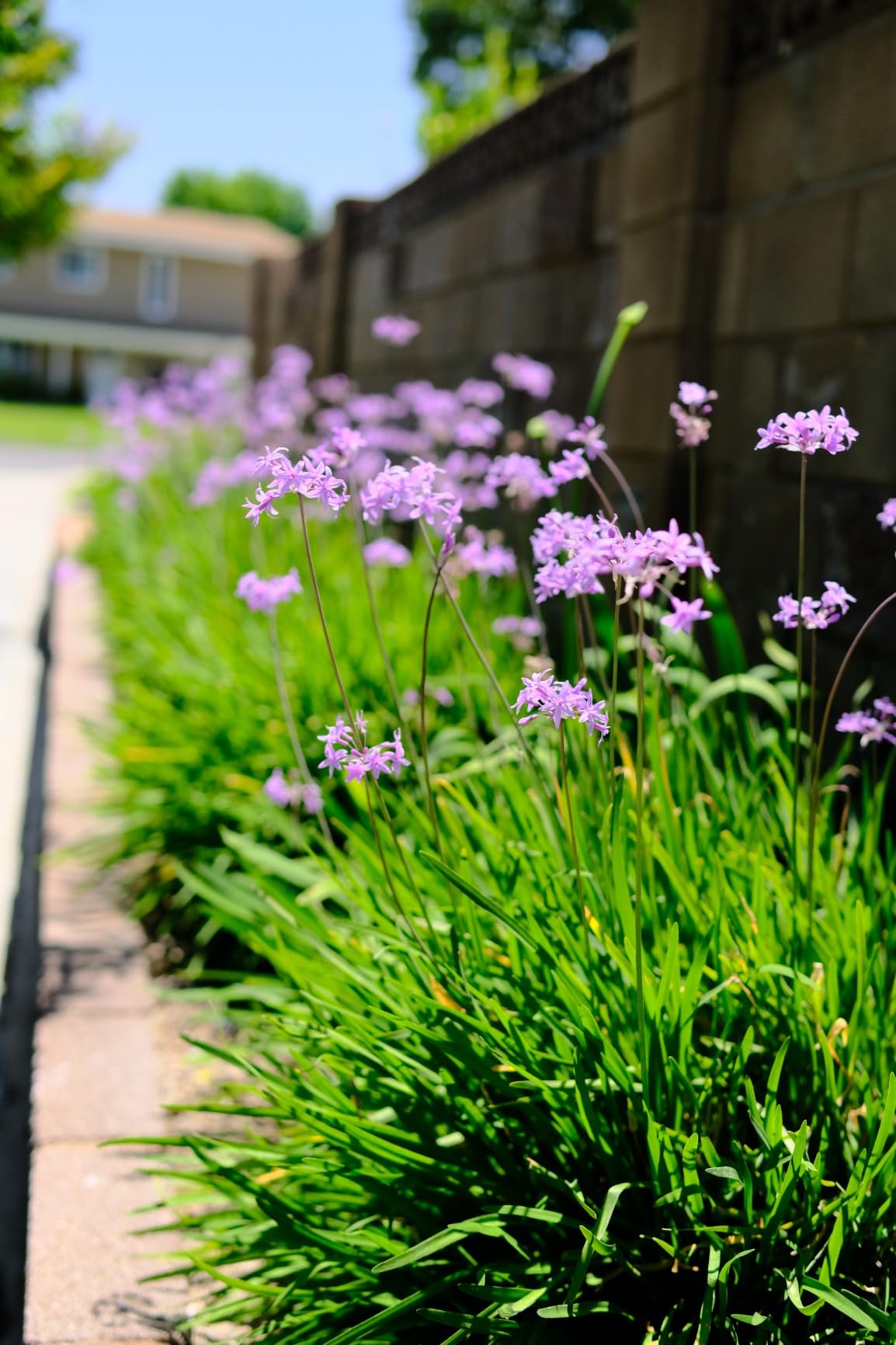
At 275g, the Sigma is significantly lighter than the 360g Fuji. That 85g difference might not sound like much, but it adds up during long shooting days. The plastic construction keeps weight down, though it lacks the premium feel of metal bodies. For travel and street photography, the lighter weight is genuinely appreciated.
The biggest compromise is the lack of an aperture ring. Fuji shooters who love tactile control must adjust aperture via camera dials instead. Some users adapt quickly; others find it frustrating. As one forum member noted, “I can live without it,” but your mileage may vary depending on your shooting style.
Fuji XF 33mm vs Sigma 30mm: Head-to-Head Comparison
Build Quality and Weather Sealing
This is where the price difference becomes most tangible. The Fuji XF 33mm features all-metal construction with weather sealing (WR designation). It resists dust, moisture, and cold temperatures down to 14 degrees Fahrenheit. The Sigma uses plastic construction with no weather protection whatsoever.
For studio photographers or fair-weather shooters, the Sigma build quality is perfectly adequate. But if you shoot weddings, events, or outdoor landscapes where conditions change unexpectedly, the Fuji weather sealing provides genuine peace of mind. One drop of rain on the Sigma means covering or abandoning the shoot.
The aperture ring is another build quality differentiator. Fuji includes a physical aperture ring with click stops, allowing direct f-stop control. Sigma omits this entirely, requiring camera dial adjustment. Traditional photographers who grew up with manual lenses often prefer the tactile experience.
Autofocus Performance
The autofocus systems use fundamentally different technologies. Fuji employs a linear motor (LM) that moves lens elements directly without gears. This results in near-instant focus acquisition and completely silent operation. Sigma uses a stepping motor, which is also quiet but slightly slower.
Real-world testing confirms the difference. On my X-T5, the Fuji locks focus virtually instantly in all but the most challenging conditions. The Sigma is fast enough for most situations but occasionally hesitates in very low light or with low-contrast subjects. The gap narrows on older camera bodies where processor limitations affect both lenses.
Reddit users consistently report that “Fuji 33mm autofocus is superior on newer bodies (X-T5, X-H2s).” If you own a recent Fujifilm camera, you will notice the linear motor advantage more clearly. On older bodies, the Sigma holds its own reasonably well.
Image Quality and Sharpness
Both lenses produce excellent results, but the Fuji edges ahead in critical sharpness testing. The XF 33mm is specifically designed to resolve details on 40-megapixel sensors like the X-H2. It is razor sharp from f/1.4 with minimal falloff toward the corners.
The Sigma is sharp enough for most purposes, but forum users note it is “noticeably softer at f/1.4 compared to f/2.” Stopping down to f/2 or f/2.8 brings it much closer to Fuji quality. For portraits where slight softness can actually flatter subjects, this matters less than for landscape or product work.
Chromatic aberration control is excellent on both lenses. The Fuji uses three ED elements to minimize purple fringing in high-contrast situations. Sigma’s Super Multi-Layer Coating does a credible job, though some users report fringing in backlit conditions. Neither lens exhibits significant distortion.
Bokeh and Background Separation
Both lenses use 9 rounded aperture blades to produce smooth out-of-focus areas. At f/1.4, background separation is excellent on both, giving that classic shallow depth-of-field look portrait photographers love.
The Fuji produces slightly smoother bokeh with better highlight rendering. The microcontrast creates more three-dimensional separation between subject and background. Sigma’s bokeh is still attractive but can render highlights slightly harsher in certain lighting conditions.
Keep in mind that the 3mm focal length difference (33mm vs 30mm) also affects background compression. The Sigma’s slightly wider angle provides marginally more depth of field at the same aperture and distance. This can be either an advantage or disadvantage depending on your creative intent.
Size and Weight
The weight difference is meaningful: 360g for Fuji versus 275g for Sigma. That 85g gap translates to noticeably different handling during extended shoots. The Fuji feels more substantial; the Sigma disappears into your bag.
Dimensions are similar but not identical. The Fuji measures 73.5mm long with a 58mm filter thread. Sigma does not publish exact filter specifications for the X-mount version, but users report it accepts standard filters without issues. Both lenses balance well on X-series bodies.
For travel photographers counting every gram, the Sigma’s lighter weight is a genuine advantage. Street photographers also appreciate the lower profile. But the Fuji’s weight comes with benefits: better build quality, weather sealing, and that satisfying heft that inspires confidence.
Price and Value Analysis
Here is where the decision crystallizes for most buyers. The Fuji XF 33mm costs roughly three times what Sigma charges for the 30mm f1.4. That price gap of over $600 is significant enough to fund other gear purchases.
Forum consensus holds that “the Sigma is vastly superior in terms of value.” You get 80-85% of the Fuji performance for about 35% of the cost. For hobbyists, students, or photographers on a budget, this calculation is compelling.
But value is not just about upfront cost. The Fuji holds resale value better due to its premium positioning and weather sealing. It also works reliably in conditions where the Sigma cannot go. For professionals who cannot afford to miss shots due to equipment limitations, the Fuji premium may pay for itself over time.
Frequently Asked Questions
Is the Fuji XF 33mm F1.4 any good?
Yes, the Fuji XF 33mm F1.4 is exceptional. It ranks among Fujifilm’s best lenses, offering outstanding sharpness from f/1.4, fast and silent linear motor autofocus, and weather-sealed all-metal construction. Users consistently rate it sharper than other Fuji lenses, particularly on high-resolution sensors like the X-H2. The 33mm focal length (50mm equivalent) works beautifully for portraits, street photography, and events.
Is the Sigma 30mm 1.4 worth the money?
Absolutely. The Sigma 30mm f1.4 offers incredible value, delivering roughly 85% of the Fuji 33mm’s performance for about 35% of the price. It is sharp edge-to-edge, has fast and quiet autofocus, and handles low light beautifully. For hobbyists and budget-conscious photographers, it is one of the best values in the Fujifilm X-mount ecosystem. The lack of weather sealing and aperture ring are the main compromises.
Which lens has better autofocus: Fuji or Sigma?
The Fuji XF 33mm has superior autofocus thanks to its linear motor design. It is faster, more accurate, and virtually silent. The Sigma’s stepping motor is adequate for most situations and still quiet, but it can hunt in very low light. On newer Fuji bodies like the X-T5 and X-H2, the Fuji’s AF advantage is more noticeable. For action photography or video, the Fuji is the clear winner.
Does weather sealing matter for lenses?
Weather sealing matters if you shoot outdoors in unpredictable conditions, at events where you cannot control the environment, or in dusty locations. The Fuji XF 33mm’s WR rating protects against moisture, dust, and cold temperatures down to 14 degrees Fahrenheit. If you only shoot in fair weather or studios, the Sigma’s lack of weather sealing will not affect you. Consider your typical shooting environment when making this decision.
Is the Sigma 30mm sharper than the Fuji 33mm?
No, the Fuji XF 33mm is sharper, particularly wide open at f/1.4. The Fuji is designed to resolve 40 megapixels and displays exceptional microcontrast. The Sigma is sharp enough for most purposes but is noticeably softer at f/1.4 compared to f/2. Stopping down the Sigma to f/2 or f/2.8 brings it much closer to Fuji quality. For critical work requiring maximum sharpness, the Fuji wins.
Verdict: Which Lens Should You Buy?
The Fuji XF 33mm f1.4 vs Sigma 30mm f1.4 comparison ultimately comes down to your priorities and budget. Both lenses deliver excellent results for their intended audiences.
Buy the Fuji XF 33mm f1.4 R LM WR if:
You shoot professionally or in challenging weather conditions. You want the absolute best optical quality and fastest autofocus. You own a high-resolution body like the X-H2 and want to maximize its sensor. You value weather sealing, aperture rings, and premium build quality. Budget is not a primary concern.
Buy the Sigma 30mm f1.4 DC DN Contemporary if:
You want excellent image quality without the premium price tag. You shoot primarily in fair weather or controlled environments. Weight and portability matter more than weather sealing. You can adapt to controlling aperture via camera dials. You are a hobbyist, student, or budget-conscious enthusiast.
For most photographers, the Sigma represents the smarter purchase. It delivers genuinely excellent performance at a price point that leaves money for other gear. But professionals and serious enthusiasts who demand the best should reach for the Fuji without hesitation.