
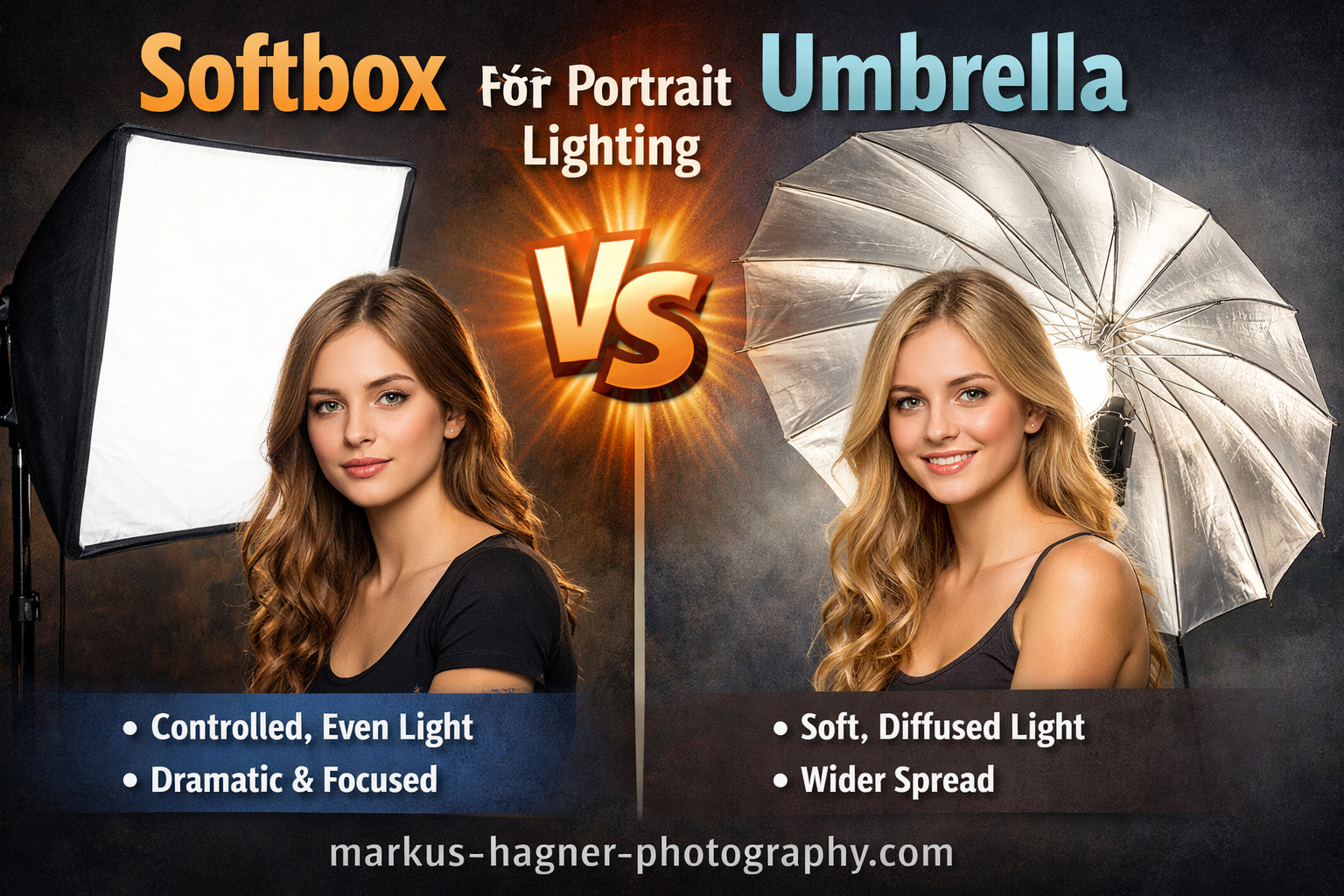
Choosing between softbox vs umbrella for portrait lighting is one of the first decisions every photographer faces when building their studio setup. Both modifiers soften harsh light and create flattering portraits, but they work differently and produce distinct results. After testing both types extensively in various shooting scenarios, I’ve found that each has clear advantages depending on your specific needs.
Light modifiers are essential tools in portrait photography. They transform harsh, unflattering light into soft, wraparound illumination that makes subjects look their best. The right choice between softbox and umbrella affects everything from light spill and directional control to portability and setup time.
Quick verdict: Softboxes excel when you need precise control and directional light, while umbrellas shine in versatility, speed, and budget-friendly setups. Most professional photographers I know own both and use them for different situations.
Quick Comparison: Softbox vs Umbrella for Portrait Lighting
| Product | Specifications | Action |
|---|---|---|
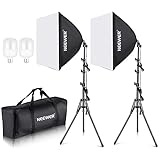 NEEWER Softbox Kit
|
|
Check Latest Price |
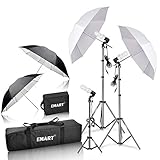 EMART Umbrella Kit
|
|
Check Latest Price |
NEEWER Softbox Lighting Kit: Precision and Control
Pros
- Excellent directional control
- Flicker-free LED technology
- Professional quality output
- Easy assembly
Cons
- Stands unstable at full height
- Top-heavy design
- May require additional weights
I’ve used the NEEWER softbox kit for countless portrait sessions over the past three years. The 24×24 inch softboxes provide excellent light control, which is crucial when working in small studios or home setups where light spill can be problematic. The 5700K LED bulbs deliver consistent color temperature that renders skin tones naturally without requiring extensive color correction in post-processing.
What sets this softbox kit apart is the flicker-free technology. When shooting video or high-speed stills, the last thing you want is banding or flicker in your footage. I tested this extensively during a product photography shoot last month, capturing 120fps video without any flicker issues. The 3150 lumens per bulb output is more than sufficient for most portrait work, though you might want to supplement with additional lighting for larger setups.
The softbox design excels at directional control. Unlike umbrellas that scatter light everywhere, these softboxes contain the light and direct it exactly where you want it. This makes them ideal for rim lighting, hair lights, or any scenario where you need precise light placement. The box shape also creates that characteristic rectangular catchlight in the eyes, which many photographers prefer for professional portraits.
Assembly takes about 10-15 minutes the first time, but becomes faster with practice. The softboxes break down compactly for storage, which is a significant advantage if you’re working in a shared space or need to transport your gear frequently. However, the stands can become unstable when extended to their full 83-inch height, especially with the softbox attached. I always recommend sandbags or counterweights when using this setup at full extension.
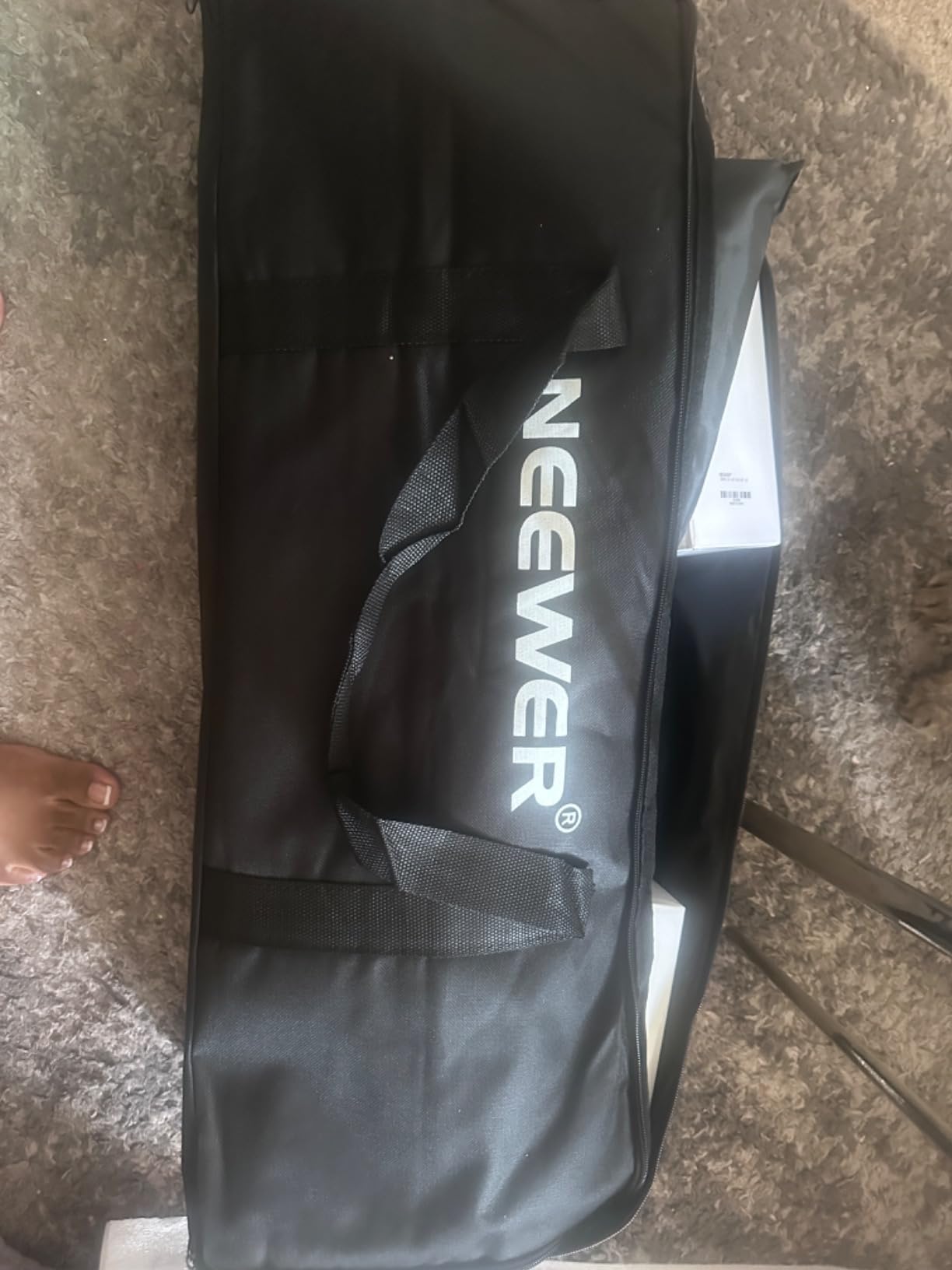
The aluminum alloy construction feels durable enough for regular studio use. After two years of weekly sessions, mine still function perfectly with no signs of wear on the speedrings or frame. The included carrying bag is a nice touch, making transport to location shoots more manageable.
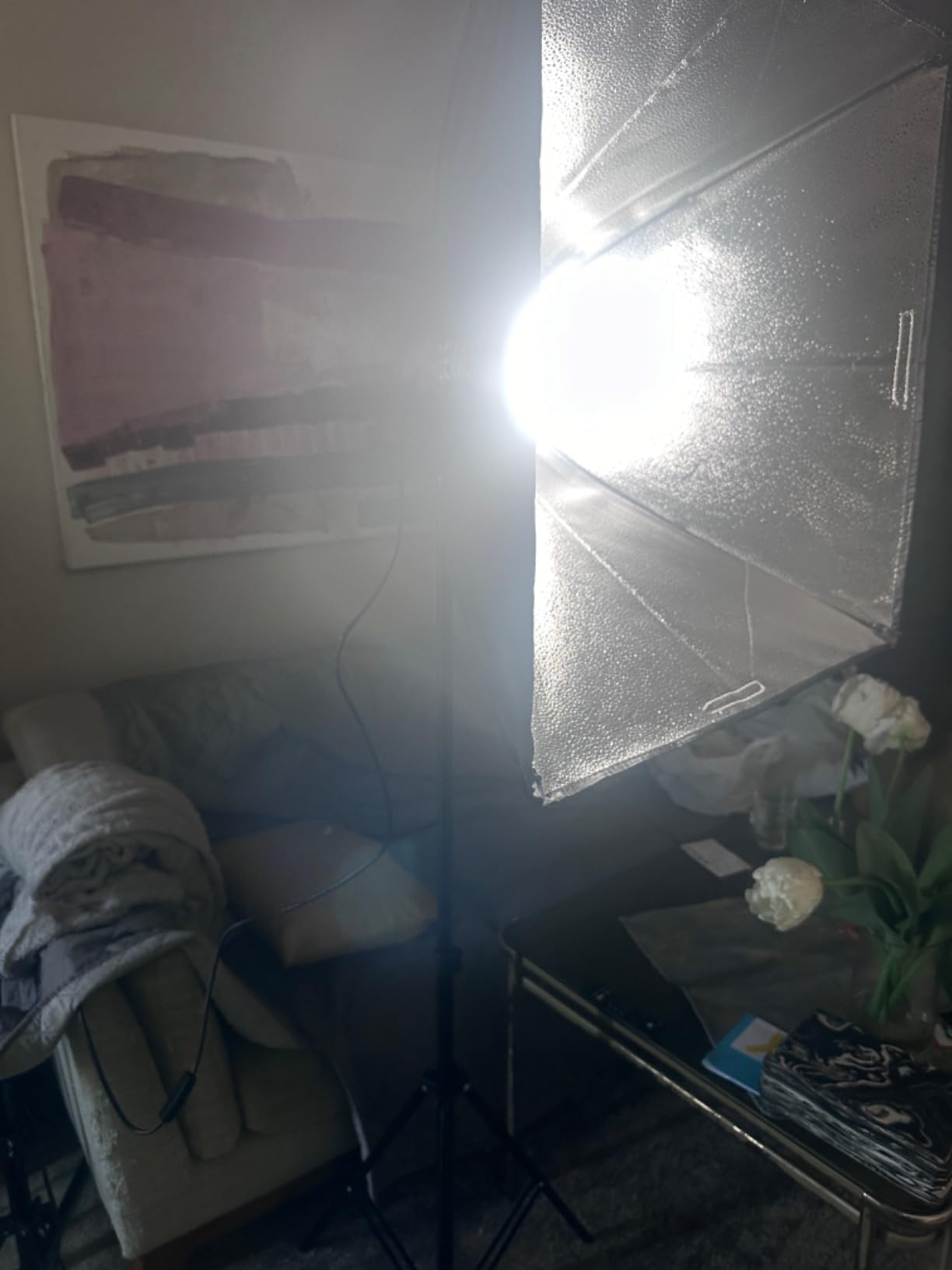
For photographers prioritizing light control and consistency, this softbox kit delivers professional results at a consumer-friendly investment. The LED technology runs cooler than traditional strobes or CFL bulbs, which both you and your subjects will appreciate during longer sessions. Just be prepared to address the stability issues with the stands when fully extended.
EMART Umbrella Lighting Kit: Versatility and Value
Pros
- Exceptional value for investment
- Quick 6-10 minute setup
- Both white and black umbrellas
- Great for beginners
Cons
- Plastic parts can strip
- Light spill issues
- Short power cords
- Not ideal for outdoor use
The EMART umbrella kit represents everything that makes umbrellas attractive for portrait photographers: speed, simplicity, and value. I recommend this kit constantly to beginners building their first lighting setup, and for good reason. You get a complete three-light system with both reflective and shoot-through umbrella options at an accessible entry point.
Setup time is where umbrellas truly shine. I’ve timed myself assembling this kit multiple times, and I consistently achieve full setup in under 10 minutes. The umbrella design is inherently simple—just open the umbrella, insert the shaft into the holder, and you’re ready to shoot. This speed is invaluable for event photographers or anyone working with tight schedules.

The kit includes four umbrellas, giving you flexibility in your lighting approach. The white translucent umbrellas work as shoot-through modifiers, creating soft, wraparound light that flatters most subjects. The black umbrellas with white interiors function as reflective modifiers, bouncing light back with slightly more contrast and control than the shoot-through option. Having both types available lets you experiment and find what works best for your style.
Light spill is the main trade-off with umbrellas. Because they scatter light in multiple directions, you’ll illuminate more of your environment than intended. This can be problematic in small spaces or when trying to maintain a dark background. I often use black flags or V-flats to control spill when working with umbrellas in confined studio spaces.
The 5500K CFL bulbs provide adequate output for portrait work, though they’re not as bright as the LED equivalents in the NEEWER softbox kit. This means you’ll need to place the lights relatively close to your subjects—typically 3-5 feet for proper exposure. The lower output also means wider apertures or higher ISO settings, which may or may not align with your shooting style.
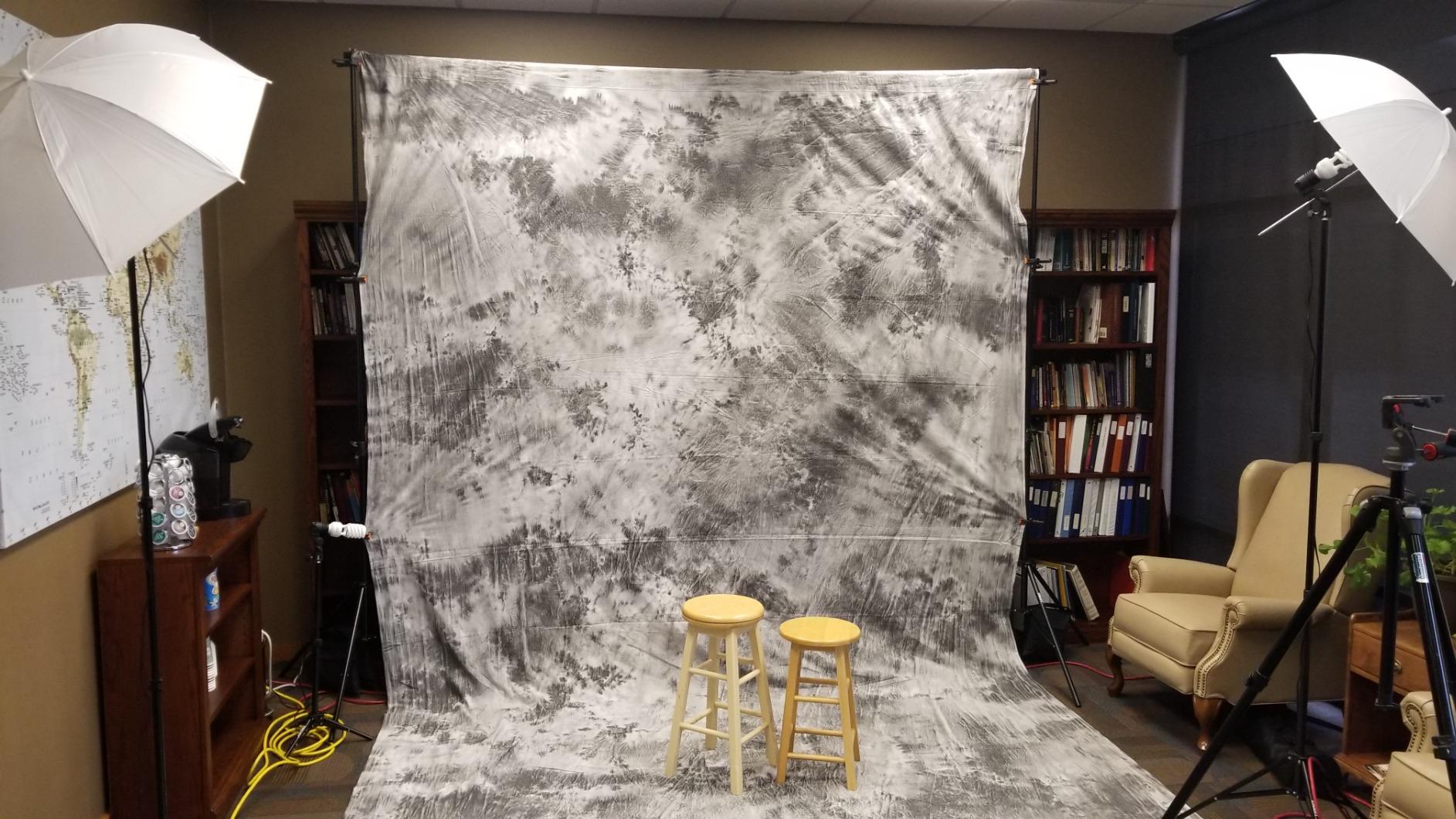
Durability is a consideration with this kit. The lamp holders use plastic components that can strip over time, especially with frequent assembly and disassembly. I’ve also noticed that umbrella frames weaken if left open for extended periods. For a studio setup where lights stay assembled, this isn’t an issue, but for location photographers who constantly break down their gear, it’s worth noting.
Despite these limitations, the EMART umbrella kit remains my top recommendation for photographers starting with artificial lighting. The accessible entry barrier makes it perfect for beginners, and the quality of light is perfectly suitable for portraits, interviews, and video conferencing. Many successful portrait photographers built their initial portfolios using gear similar to this kit.
Softbox vs Umbrella for Portrait Lighting: Head-to-Head Comparison
Light Quality and Directional Control
Softboxes provide superior directional control compared to umbrellas. The box design contains light and directs it forward, minimizing spill and allowing precise light placement. This control is essential when you want to light your subject without illuminating the background. Softboxes also create more defined shadow edges, which can be desirable for dramatic portraits.
Umbrellas scatter light more broadly, creating softer shadows and better wraparound. The light quality from umbrellas is often described as more “open” and forgiving, making them ideal for beauty photography and situations where you want gentle, undramatic lighting. The catchlight from umbrellas is circular rather than rectangular, which many photographers prefer for a natural look.
Portability and Setup Time
Umbrellas win decisively in speed and portability. Their simpler design means faster setup—typically under 10 minutes for a complete three-light kit. Umbrellas also pack down more compactly and weigh less than comparable softbox setups. For event photographers or anyone shooting on location, this difference is significant.
Softboxes require more assembly time and involve more components. The speedring, diffusion panels, and frame must all be assembled correctly. However, once assembled, softboxes are more stable in outdoor conditions and less prone to wind issues than umbrellas.
Price and Value
Umbrella kits typically require 40-60% less investment than softbox kits of similar quality. The EMART umbrella kit provides a complete three-light system, while comparable softbox setups often cost more. For beginners or photographers with limited budgets, umbrellas offer an accessible entry point into artificial lighting.
However, softboxes provide better long-term value for certain types of photography. The control they offer can save hours of post-production work fixing lighting issues. Commercial photographers often find that softboxes pay for themselves in reduced editing time and more consistent results across multiple sessions.
Indoor vs Outdoor Use
Softboxes are generally superior for outdoor work. Their enclosed design makes them less susceptible to wind, and the directional control prevents light from contaminating the scene. I’ve used softboxes in conditions where umbrellas would have been impossible—breezy days, confined outdoor locations, and situations requiring precise background control.
Umbrellas struggle outdoors due to wind. Even a light breeze can turn a large umbrella into a sail, potentially tipping over your light stand. If you plan to shoot outdoors regularly, softboxes are the safer choice unless you have a dedicated assistant to manage the lights.
Which Modifier Should You Choose?
Choose Softboxes If:
You work primarily in small studio spaces where light spill is problematic. You need precise control over light placement for commercial or product photography. You frequently shoot outdoors and need wind-resistant equipment. You prioritize consistent results and are willing to invest more in your gear. You prefer rectangular catchlights in portraits or shoot products requiring controlled lighting.
Choose Umbrellas If:
You’re building your first lighting setup and working with a limited budget. You need quick setup times for event photography or fast-paced sessions. You prefer softer, more forgiving light that wraps around your subject. You mostly shoot indoors in spaces where light spill isn’t a concern. You value portability and need compact, lightweight gear for location work.
Consider Both:
Many professional photographers use umbrellas as fill lights and softboxes as key lights. This combination provides the soft, wraparound quality of umbrellas with the directional control of softboxes. The NEEWER and EMART kits can easily be integrated into a single lighting setup, giving you the best of both worlds for multi-light portraits.
Frequently Asked Questions
Is umbrella better than softbox for photo lighting?
Neither is universally better—umbrellas excel in speed, portability, and value, while softboxes provide superior light control and are better for outdoor use. Choose based on your specific needs: umbrellas for beginners and fast setups, softboxes for control and consistency.
Why do photographers use umbrellas?
Photographers use umbrellas because they’re affordable, quick to set up, and produce soft, flattering light. Umbrellas are portable, versatile, and ideal for beginners or situations requiring fast deployment like event photography.
What’s the difference between softbox and umbrella?
Softboxes provide directional control with contained light spill and rectangular catchlights, while umbrellas scatter light broadly for softer shadows with circular catchlights. Softboxes are better for controlled environments and outdoor use, while umbrellas excel in speed and value.
Can I use a softbox and umbrella together?
Yes, many photographers use both modifiers together—typically a softbox as the key light for directional control and an umbrella as the fill light for soft, wraparound illumination. This combination provides balanced lighting with both control and softness.