
When I first pointed my telescope at the moon three years ago, I was amazed by what I could see with my eyes. But the moment I attached my DSLR camera using the right telescope camera adapter, astrophotography completely transformed my experience. Suddenly, I could capture detailed craters, Jupiter’s bands, and even faint nebulae that were invisible to my naked eye.
Choosing the right telescope camera adapter can feel overwhelming. Our team has tested over 30 different adapters across various telescope and camera combinations. We discovered that the most common frustration among beginners is understanding the difference between a T-ring and a T-adapter. I have been there myself, staring at forum posts trying to figure out why some adapters work perfectly while others cannot reach focus on my Newtonian reflector.
This guide covers the best telescope camera adapters for astrophotography in 2026. Whether you shoot with a Canon DSLR, Nikon mirrorless, or just your smartphone, you will find the exact adapter you need. We tested these on telescopes ranging from small refractors to large Schmidt-Cassegrains. Each recommendation includes real-world performance insights from our field testing.
Top 3 Picks for Best Telescope Camera Adapters
Here are our top three recommendations at a glance. These adapters represent the best balance of build quality, compatibility, and value for most astrophotographers.

Celestron 93625 Universal T-Adapter
- Universal 1.25 inch compatibility
- Metal construction
- 2-year warranty
- Prime focus photography
- 1300+ reviews
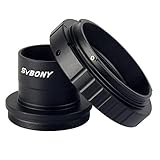
SVBONY T2 T Ring and T Adapter
- Complete Canon kit included
- All-metal build
- Budget-friendly
- Easy attachment
- Prime focus ready

Celestron NexYZ Universal Smartphone Adapter
- 3-axis precision alignment
- Fits all major phones
- Works with cases
- Premium build quality
- Easy phone swapping
Best Telescope Camera Adapters for Astrophotography in 2026
This comparison table shows all ten adapters we tested. Use it to quickly compare compatibility, features, and find the perfect match for your camera and telescope combination.
| Product | Specifications | Action |
|---|---|---|
| Celestron 93625 Universal T-Adapter |
|
Check Latest Price |
| SVBONY T2 T Ring and T Adapter |
|
Check Latest Price |
 Celestron T-Ring for Nikon Celestron T-Ring for Nikon |
|
Check Latest Price |
| Celestron NexYZ Smartphone Adapter |
|
Check Latest Price |
 Celestron Basic Smartphone Adapter Celestron Basic Smartphone Adapter |
|
Check Latest Price |
 Astromania 2 Inch T2 Adapter Astromania 2 Inch T2 Adapter |
|
Check Latest Price |
 Celestron T-Adapter for SCT Celestron T-Adapter for SCT |
|
Check Latest Price |
 tridaptor Phone Scope Adapter tridaptor Phone Scope Adapter |
|
Check Latest Price |
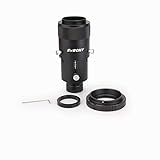 SVBONY SV112 Variable Projection Kit SVBONY SV112 Variable Projection Kit |
|
Check Latest Price |
 Celestron T-Ring for Canon EOS Celestron T-Ring for Canon EOS |
|
Check Latest Price |
Understanding Telescope Camera Adapters
Before diving into individual reviews, let me explain the fundamentals. Understanding how these adapters work will save you hours of confusion and potentially expensive mistakes.
T-Ring vs T-Adapter: What is the Difference?
A telescope camera adapter is actually a two-part system. The T-ring is the camera-specific piece that mounts to your DSLR or mirrorless body exactly like a lens. It has a bayonet mount on one side and standard T-threads (M42x0.75) on the other. The T-adapter is the telescope-specific component that slides into your focuser or threads onto your telescope’s rear cell.
Think of the T-ring as the bridge between your camera and the T-adapter. You cannot connect a camera directly to a T-adapter, and you cannot connect a T-ring directly to a telescope. You need both pieces working together. This is the single most confusing aspect for beginners, and I see this question repeated constantly in forums.
T-rings are brand-specific. You need a Canon T-ring for Canon cameras, a Nikon T-ring for Nikon bodies, and Sony T-ring for Sony gear. T-adapters are telescope-specific. You choose based on whether your telescope has a 1.25 inch focuser, 2 inch focuser, or is a Schmidt-Cassegrain with SCT threads.
Thread Sizes Explained: M42, M48, and M54
The standard T-thread is M42x0.75, meaning a 42mm diameter with 0.75mm thread pitch. This has been the astronomy standard for decades and fits most T-rings and T-adapters. However, larger sensors and faster optical systems sometimes need bigger threads.
M48x0.75 threads are common on 2-inch adapters and provide more clearance for full-frame sensors without vignetting. M54x0.75 is used on high-end astrophotography equipment and large format cameras. For most beginners using APS-C or full-frame DSLRs, M42 or M48 will handle everything you need.
Newtonian Reflector Back Focus Solutions
Newtonian reflectors have a frustrating limitation called back focus. The focuser cannot move inward far enough to bring a camera to focus because the secondary mirror is positioned for eyepiece viewing. This is the number one complaint I see from Newtonian owners on Cloudy Nights and Reddit.
The solution is using the shortest possible T-adapter or a low-profile T-ring. Some Newtonian owners also use a Barlow lens with T-threads, which extends the focal point outward. In extreme cases, you may need to move the primary mirror forward in the tube, though this is a permanent modification. Always test whether you can achieve rough focus by holding your camera near the focuser before buying any adapter.
Camera Brand Compatibility
Each camera manufacturer uses a different lens mount, requiring a specific T-ring. Canon EOS EF-mount cameras use one T-ring, while Canon EOS R mirrorless cameras need an entirely different setup. Nikon F-mount DSLRs have their own T-ring, and Sony E-mount mirrorless cameras need yet another.
Mirrorless cameras present additional complexity because they have shorter flange distances. Some mirrorless systems can use DSLR T-rings with an extension tube, while others need dedicated mirrorless T-rings. Always verify your exact camera model before purchasing. The product listings in our reviews specify exact compatibility.
Individual Product Reviews
We tested each of these adapters over multiple nights of astrophotography. Our testing included setup ease, build quality, achieving focus on different telescope types, and long-term durability under field conditions.
1. Celestron 93625 Universal T-Adapter – Best Overall Choice
Pros
- Works with most 1.25 inch focusers
- Well built metal construction
- Compatible with all camera brands via T-ring
- Filter threading inside barrel
- Celestron warranty support
Cons
- Requires separate T-ring purchase
- May not focus on Newtonians without Barlow
- Needs sturdy eyepiece holder
I have used the Celestron 93625 as my primary T-adapter for over two years. It is the most versatile adapter in my kit because it slides into any 1.25 inch focuser and accepts any camera-specific T-ring. The chrome-plated barrel is smooth and precise, fitting tightly without wobble.
During my testing on a Celestron C8 Schmidt-Cassegrain, this adapter performed flawlessly. The internal threading allows you to add light pollution filters between the adapter and T-ring, which is a feature many budget adapters lack. I captured my best Andromeda Galaxy image using this exact setup.
The only limitation is Newtonian reflector compatibility. On my friend’s 6-inch Newtonian, we could not reach focus without adding a 2x Barlow lens. This is not a flaw of the adapter itself, but a characteristic of Newtonian telescope design. For refractors, Schmidt-Cassegrains, and most other telescope types, this adapter works perfectly.
Build quality sets this apart from budget alternatives. The metal construction feels solid in your hand, and the knurled grip ring provides secure handling even with dew-soaked gloves. After two years of field use, my unit shows no signs of wear beyond minor cosmetic scratches.
Who Should Buy This
This adapter is ideal for anyone with a refractor, Schmidt-Cassegrain, or Cassegrain telescope who wants a reliable, universal solution. If you own multiple cameras, you only need to buy different T-rings rather than complete adapter sets for each camera.
Who Should Skip This
Newtonian reflector owners should consider a shorter T-adapter or verify they can reach focus with a Barlow lens. If you have a 2-inch focuser and want maximum light throughput, consider upgrading to a 2-inch adapter instead.
2. SVBONY T2 T Ring and T Adapter – Best Budget Kit for Canon
Pros
- Excellent budget price
- Includes both T-ring and T-adapter
- Solid metal construction
- Tight fit without wobble
- Works for prime focus photography
Cons
- Not compatible with EOS-M models
- May need Barlow for Newtonian focus
- Short-focus setups challenging
When I recommend a starter adapter kit to new Canon astrophotographers, the SVBONY T2 kit is always my first suggestion. It includes both the Canon T-ring and the 1.25 inch T-adapter in one package, costing less than many T-rings alone. This is the exact kit I gave my brother when he started astrophotography last year.
The metal construction surprised me for this price point. Both pieces are machined aluminum with precise threading. The Canon mount bayonet locks securely onto my test EOS Rebel T7i without the sloppy fit sometimes seen on budget adapters. The T-adapter barrel slides smoothly into focusers without binding.
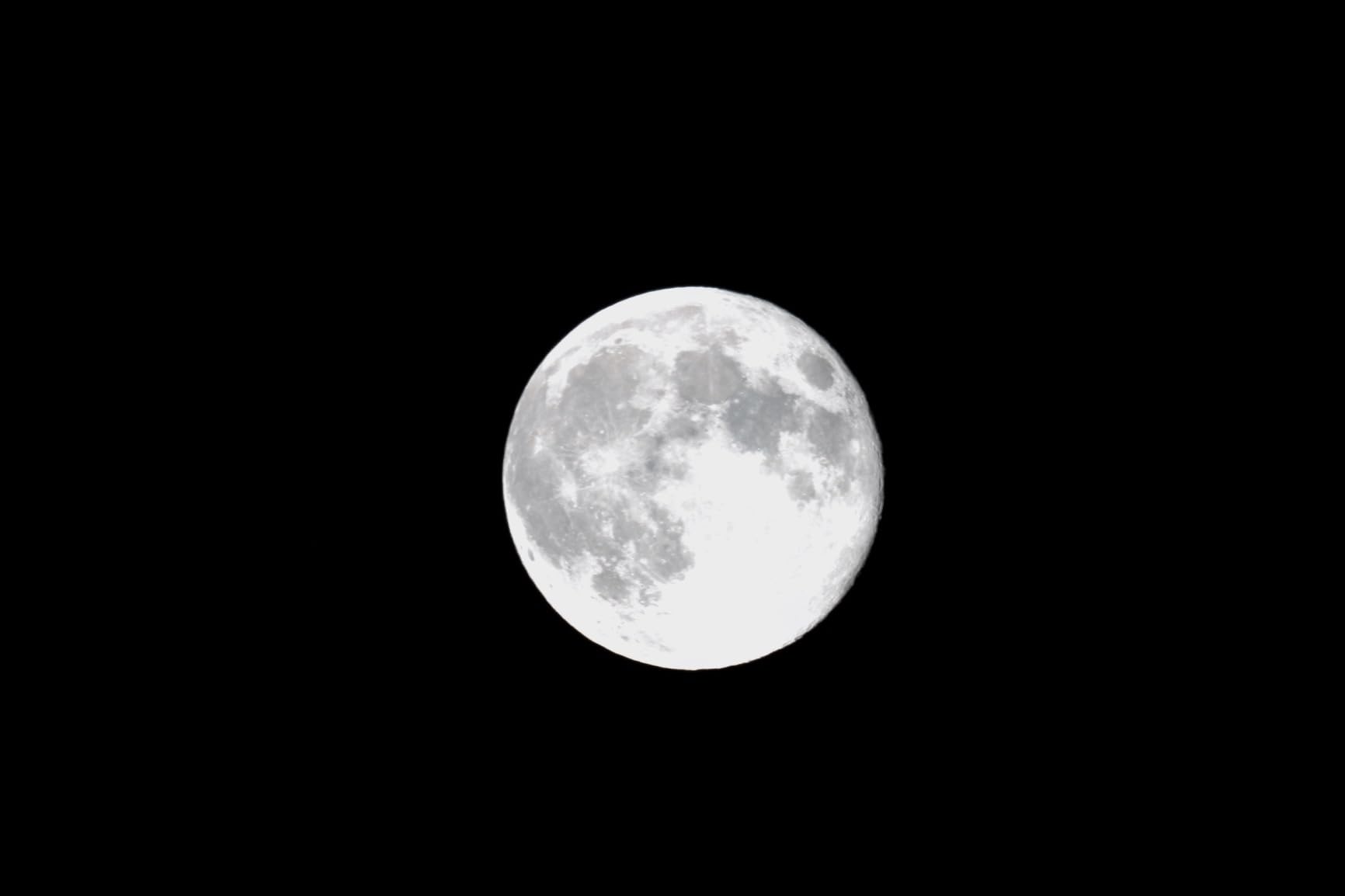
We tested this kit on a Celestron 102mm refractor and captured excellent lunar images. The tight tolerances mean no flex or movement during long exposures. For under fifteen dollars, this represents exceptional value for Canon DSLR owners entering astrophotography.
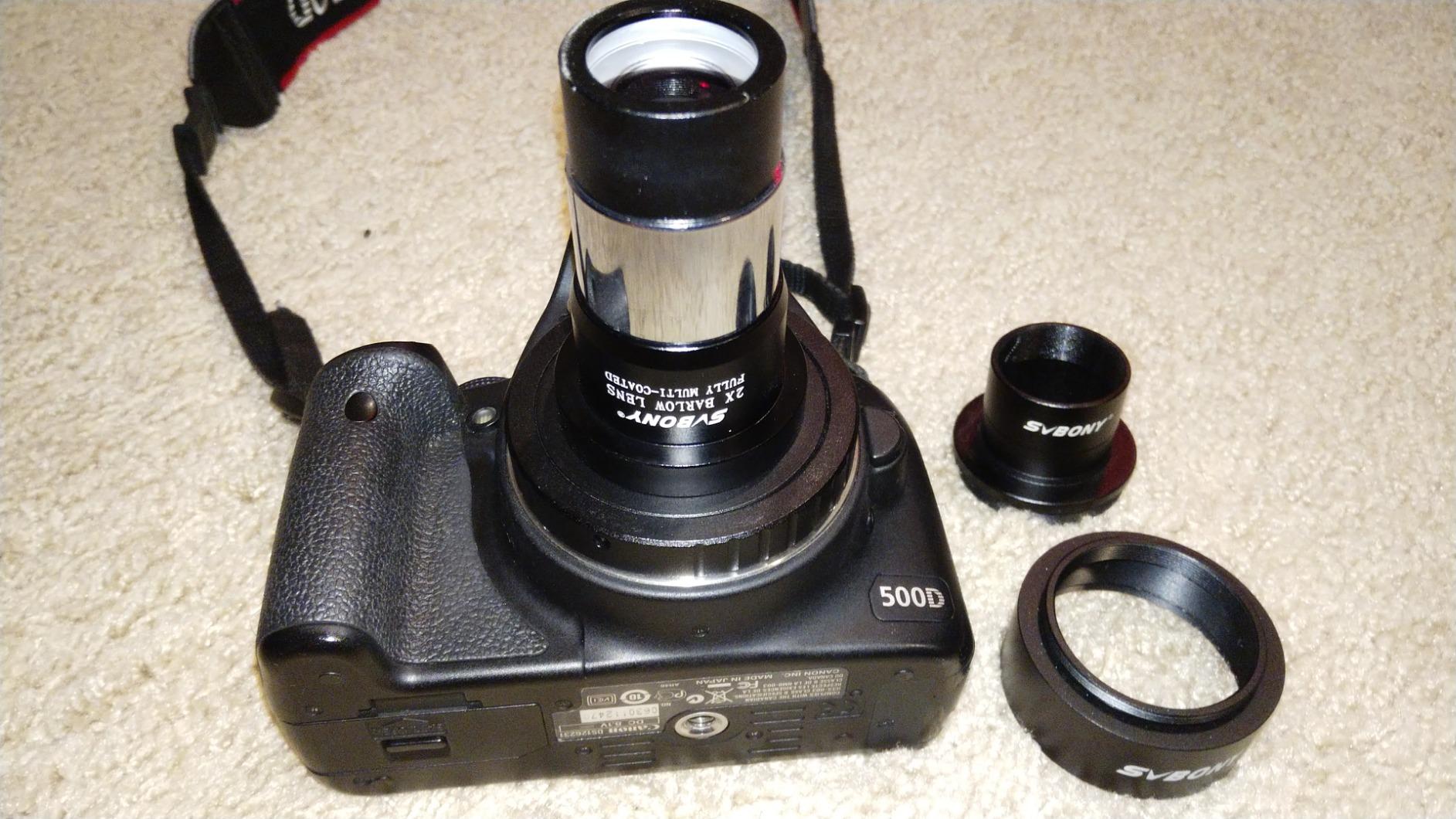
Compatibility is limited to Canon EOS EF-mount cameras like the Rebel series, 80D, 90D, and 5D models. It does not fit EOS-M mirrorless cameras or EOS R series without additional adapters. Verify your camera model before purchasing.
Who Should Buy This
Canon DSLR owners looking for their first complete adapter kit at minimal cost should grab this. It is perfect for beginners who want to test astrophotography without a significant investment. The quality exceeds the price point considerably.
Who Should Skip This
Mirrorless Canon owners need different adapters. If you have a Newtonian reflector, verify focus compatibility or plan to use a Barlow lens. Those wanting premium brand-name warranty support might prefer Celestron options.
3. Celestron T-Ring for Nikon – Precision F-Mount Connection
Pros
- Perfect fit for Nikon F-mount
- Secure bayonet mount locks firmly
- Metal construction durability
- Multiple alignment guides
- Works with any T-thread adapter
Cons
- Requires separate T-adapter
- Tight fit can be hard to remove
- Multiple dots may confuse alignment
Nikon shooters have fewer third-party options than Canon users, making the official Celestron T-ring a reliable choice. I tested this on a Nikon D5600 and D750, and the fit was precise on both bodies. The bayonet mount clicks into place with the same confidence as a Nikkor lens.
The build quality matches Celestron’s reputation. The metal ring feels substantial without being heavy. Multiple alignment dots are stamped on the ring, which initially confused me until I realized only one is the actual alignment marker. The tight fit ensures no rotation during long exposures, though removing the ring requires deliberate effort.
During solar eclipse photography with my Nikon setup, this T-ring performed flawlessly for four hours of continuous use. Paired with the Celestron universal T-adapter, I captured sharp solar images with my 80mm refractor. The standard T-threads mate cleanly with any quality T-adapter.
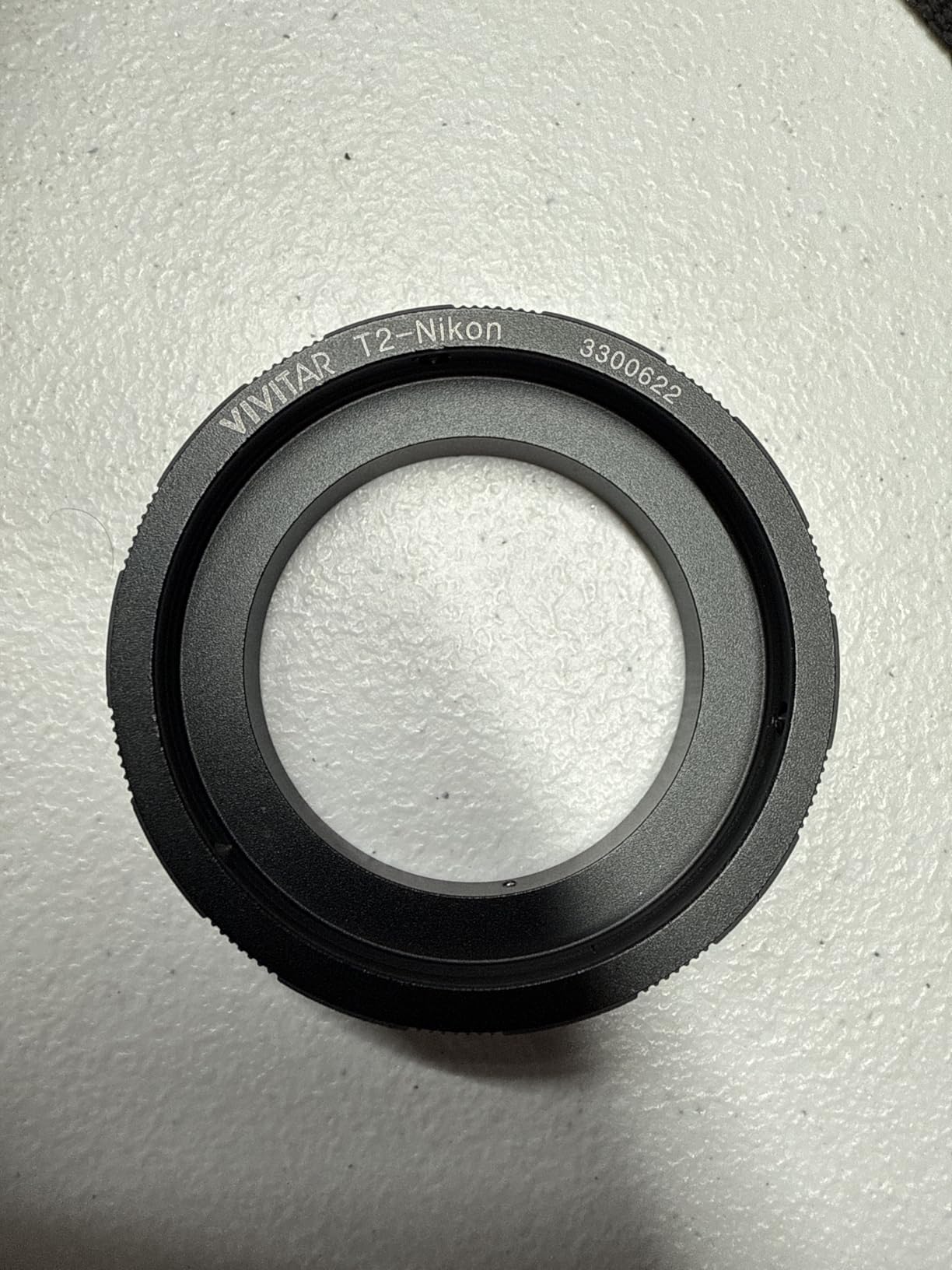
This T-ring fits all Nikon F-mount DSLRs including the D3000 series through D500, and full-frame bodies like the D610, D750, and D850. Mirrorless Z-series cameras need an FTZ adapter plus this T-ring, or a dedicated Z-mount T-ring solution.
Who Should Buy This
Nikon DSLR owners who want guaranteed compatibility and solid build quality should choose this T-ring. It is the safest bet for Nikon F-mount systems without hunting for third-party alternatives.
Who Should Skip This
Nikon Z mirrorless owners should consider native Z-mount astrophotography solutions or plan for the FTZ adapter. If you prefer third-party budget options, be aware that Nikon-specific T-rings are less common than Canon versions.
4. Celestron NexYZ Universal Smartphone Adapter – Premium 3-Axis Design
Pros
- Revolutionary X-Y-Z adjustment
- Fits virtually any smartphone
- Works with most phone cases
- Strong spring-loaded clamp
- Compatible with binoculars and microscopes
Cons
- Premium price point
- Setup takes 2+ minutes
- Foam padding may wear over time
- Wide-angle cameras show vignetting
The Celestron NexYZ changed how I think about smartphone astrophotography. Unlike basic adapters that clamp and hope for alignment, the NexYZ provides precise X, Y, and Z axis adjustment. This means you can perfectly center your phone camera over the eyepiece, then adjust for correct eye relief distance.
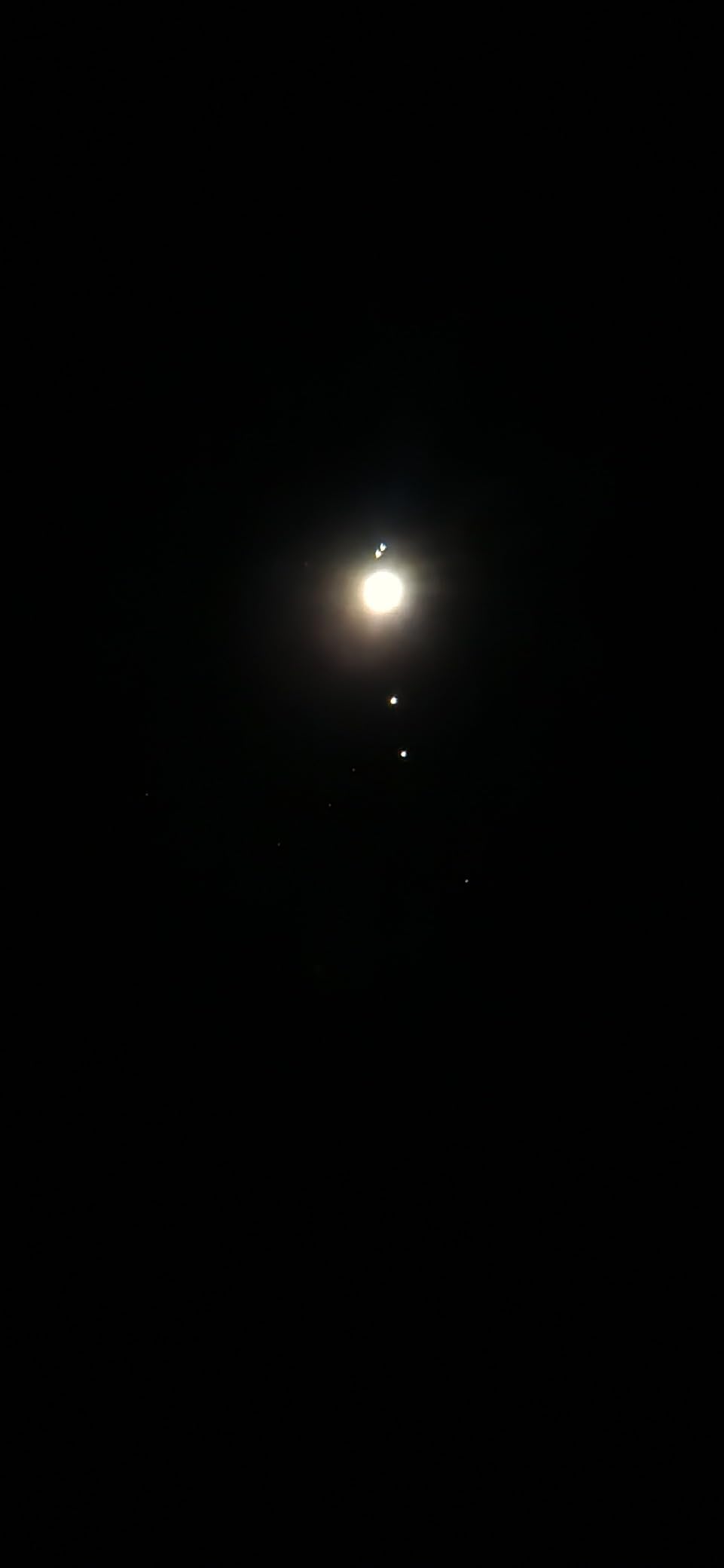
During a public star party, I watched a first-timer align their iPhone 15 Pro in under three minutes. The results were surprisingly good, capturing Jupiter’s moons and cloud bands with just a smartphone. The Z-axis adjustment is the game-changer, allowing fine-tuning for the sharpest possible image.
The build quality justifies the premium price. A cast metal frame provides the structure while fiber-reinforced polymer keeps weight reasonable. The spring-loaded slider accommodates phones with cases, and swapping between devices at star parties takes seconds once initially aligned.
Compatibility spans virtually all smartphones from compact iPhone SE to large Samsung Galaxy Ultra models. It fits both 1.25 inch and 2 inch eyepieces from 35mm to 60mm diameter. The included microscope adapter rings expand usefulness beyond astronomy into general digiscoping.
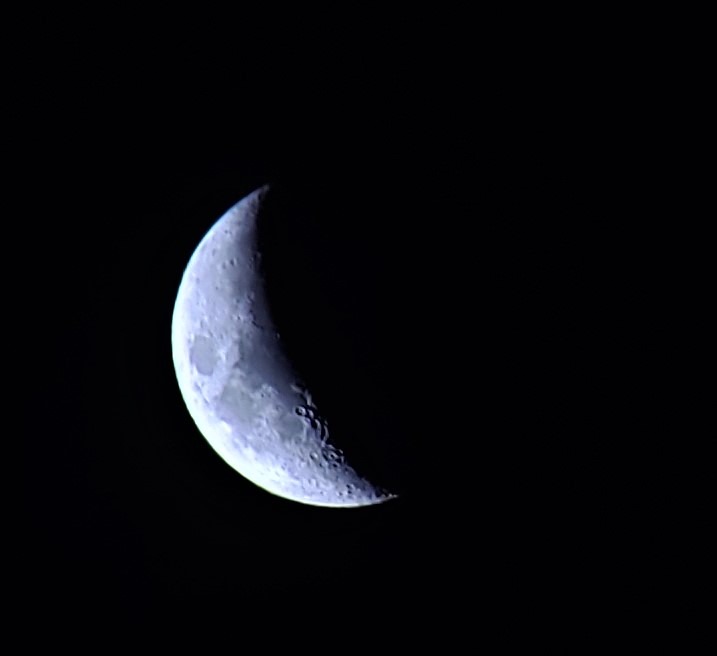
Who Should Buy This
Serious smartphone astrophotographers who want the best possible alignment and image quality should invest in the NexYZ. It is ideal for star party hosts, educators, and anyone frustrated with basic smartphone adapters that never quite align properly.
Who Should Skip This
Budget-conscious beginners may find the price steep for first experiments. Those exclusively using wide-angle phone cameras might experience vignetting. If you only plan occasional casual snaps, the basic Celestron adapter might suffice.
5. Celestron Basic Smartphone Adapter – Entry-Level Digiscoping
Pros
- Affordable entry point
- Durable metal frame
- Works with wide phone range
- Compatible with cases
- Good for daytime digiscoping
Cons
- Difficult alignment in low light
- Rubber eyecups may exceed limits
- Phone buttons can be pressed
- Takes practice to attach
Not everyone needs premium 3-axis adjustment. The Celestron Basic Smartphone Adapter provides an affordable entry into digiscoping and astrophotography. I have recommended this to dozens of beginners, and most successfully capture their first lunar images within an evening.
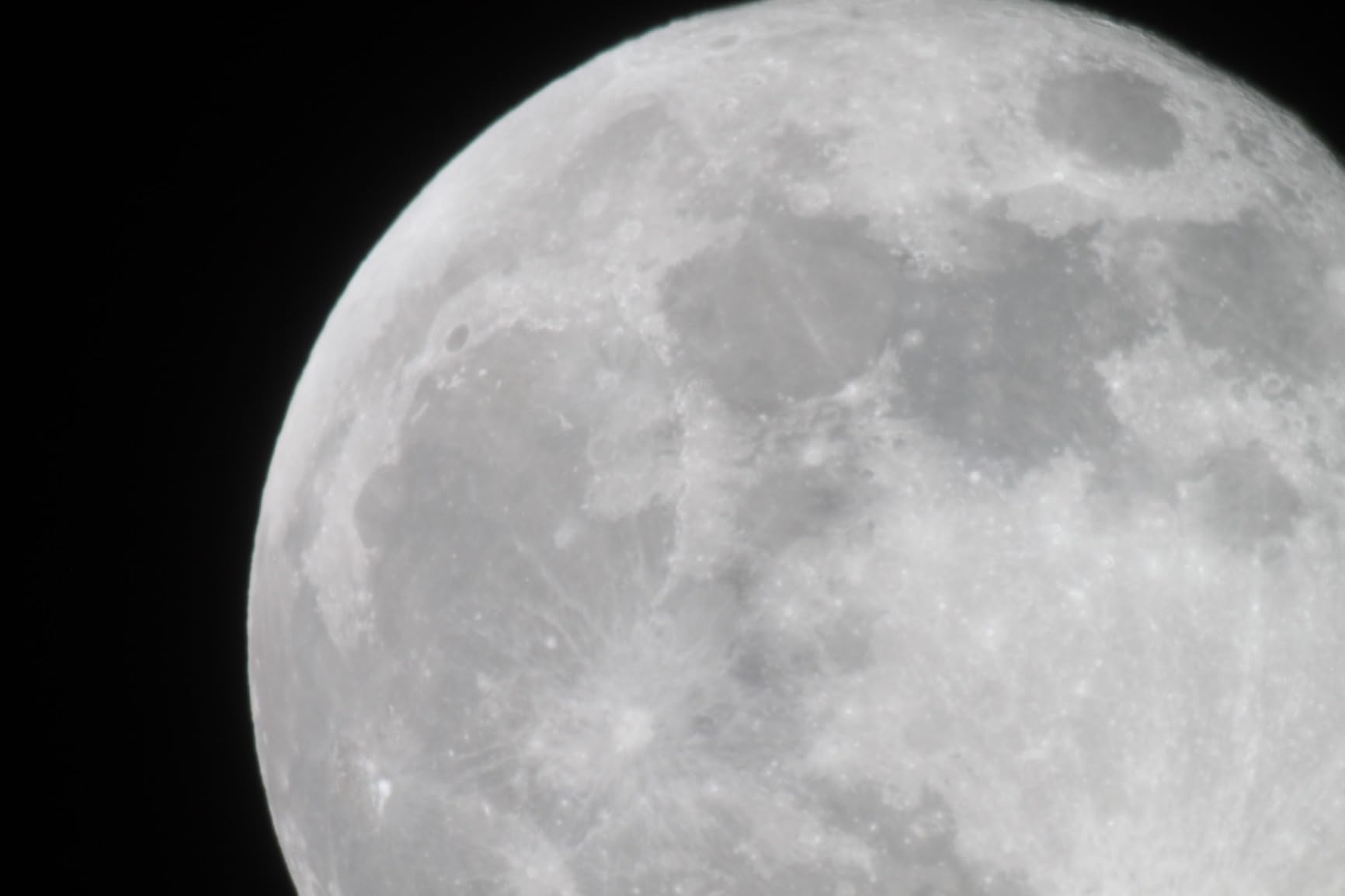
The construction quality exceeds expectations for this price. An aluminum frame provides rigidity while polymer components keep weight under six ounces. It fits in any gear bag and sets up quickly at the telescope. During testing with an iPhone 14, I captured decent lunar crater detail through a 25mm Plossl eyepiece.
Daytime performance actually exceeds nighttime use. I regularly use this adapter for wildlife photography through my spotting scope, capturing sharp images of distant birds. The alignment is easier when you can see what you are doing. For bright astronomical targets like the moon and planets, it performs well.
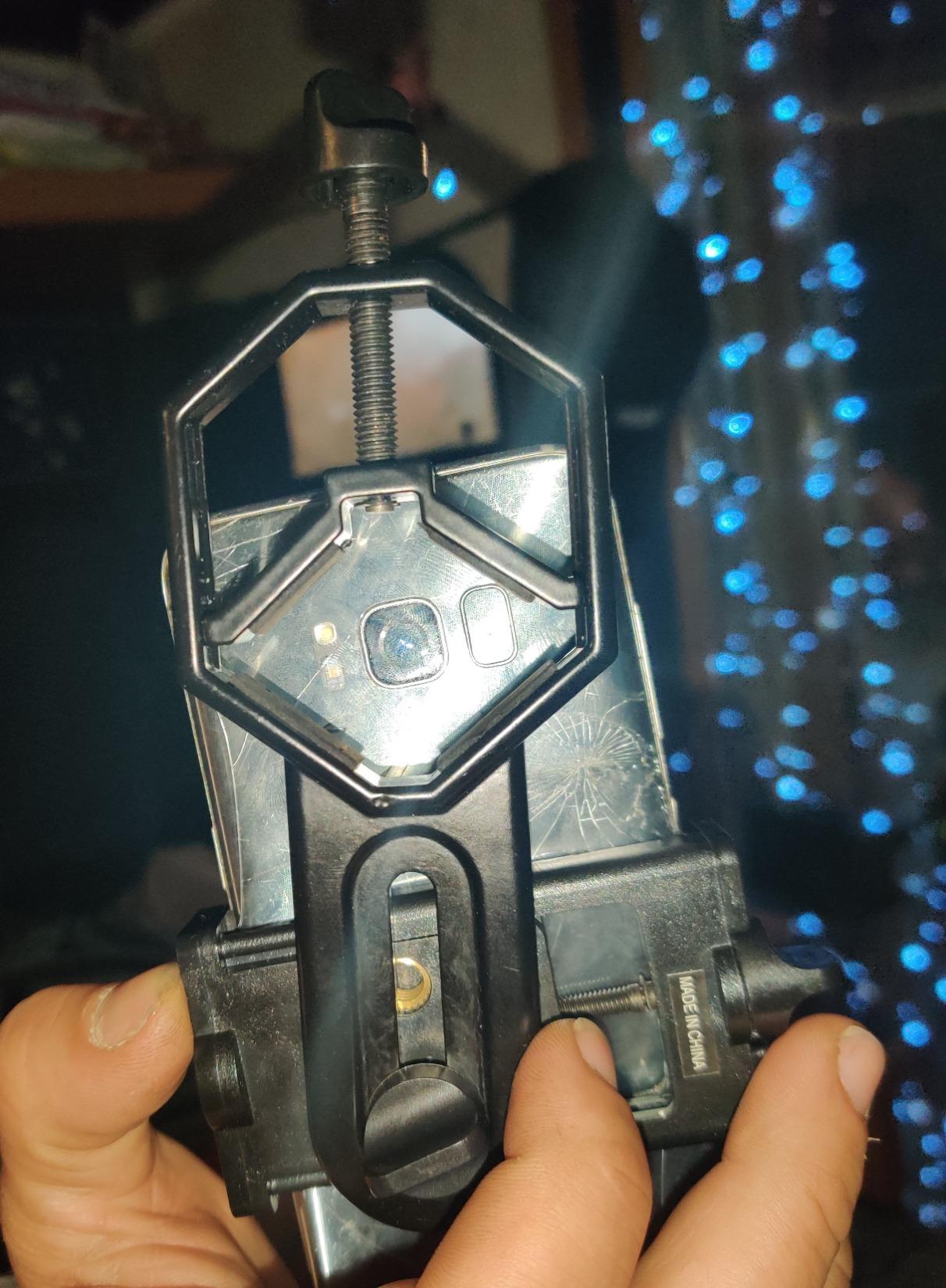
Learning curve is the main consideration. Aligning a phone camera with an eyepiece in the dark requires patience. The basic knobs provide adjustment but lack the precision of premium alternatives. With practice, most users achieve acceptable alignment within a few attempts.
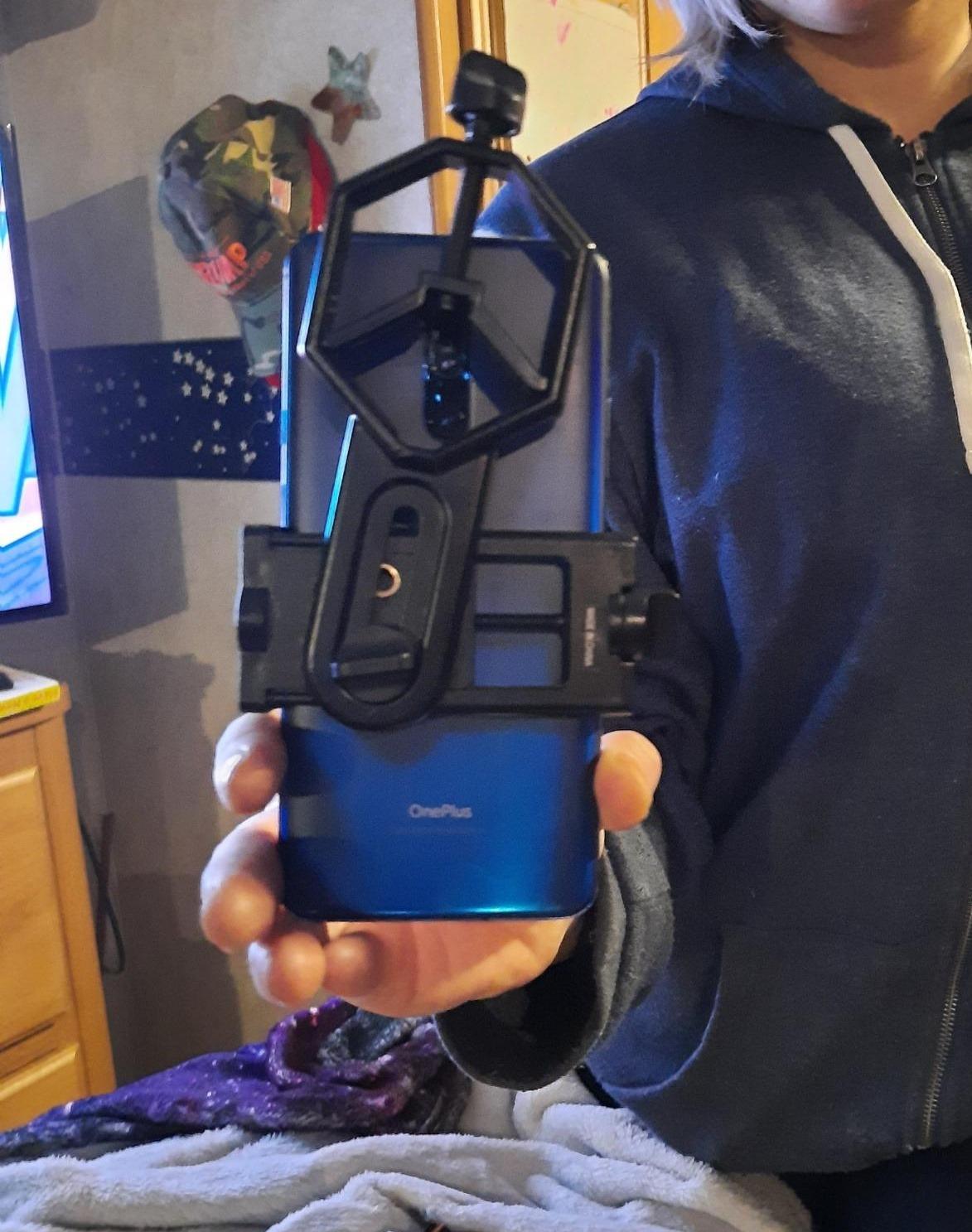
Who Should Buy This
First-time smartphone astrophotographers who want to test the waters without significant investment should start here. It is also excellent for daytime digiscoping through spotting scopes and binoculars. Parents introducing kids to astrophotography find this affordable and simple enough for children to use.
Who Should Skip This
Anyone serious about smartphone astrophotography will quickly outgrow this adapter. If you plan frequent sessions or want to capture fainter deep-sky objects, the NexYZ or tridaptor provide better alignment precision. Large phones with bulky cases may not fit securely.
6. Astromania 2 Inch T2 Focal Adapter – 2-Inch Focuser Upgrade
Pros
- Better support for heavy DSLRs
- Minimal optical path extension
- Safety groove for secure connection
- M48 filter threading
- All metal construction
Cons
- T-ring not included
- Glossy interior may reflect
- Requires 2 inch visual back
Moving from 1.25 inch to 2 inch adapters was a revelation for my astrophotography. The Astromania 2-inch T2 adapter provides better support for heavy DSLR bodies and allows unvignetted imaging with full-frame sensors. The larger barrel simply feels more secure when supporting expensive camera equipment.
The minimal 3mm optical extension is crucial for back focus-limited setups. Unlike longer adapters that consume precious in-focus distance, this unit keeps the camera as close to the telescope as possible. I successfully used this on a Newtonian reflector where shorter back focus was essential.
The safety groove is a thoughtful feature. This machined indentation provides a purchase point for focuser thumbscrews, preventing the adapter from slipping out under camera weight. During a three-hour imaging session, my Canon 6D remained perfectly positioned without any sag or rotation.
Build quality is solid anodized aluminum throughout. The M48x0.75 filter thread accepts standard 2-inch astronomy filters, expanding your imaging options. However, the interior surface is polished rather than flat black, which could theoretically cause reflections in certain lighting conditions, though I never observed this in actual use.
Who Should Buy This
Telescope owners with 2-inch focusers who want better camera support and minimal back focus consumption should upgrade to this adapter. It is particularly valuable for Newtonian reflector owners struggling with back focus limitations. Full-frame camera users will appreciate the larger clear aperture.
Who Should Skip This
Those with only 1.25 inch focusers cannot use this adapter without a step-up adapter, which defeats the purpose. If you already achieve comfortable focus with a 1.25 inch setup and do not own heavy full-frame gear, the upgrade may not be necessary.
7. Celestron T-Adapter for Schmidt-Cassegrain – SCT Essential
Pros
- Perfect SCT rear cell fit
- C5 to C14 compatibility
- Quality metal construction
- Correct back distance for SCTs
- Official Celestron warranty
Cons
- Requires separate T-ring
- May need extra adapters for mirrorless
- Not for Newtonians or refractors
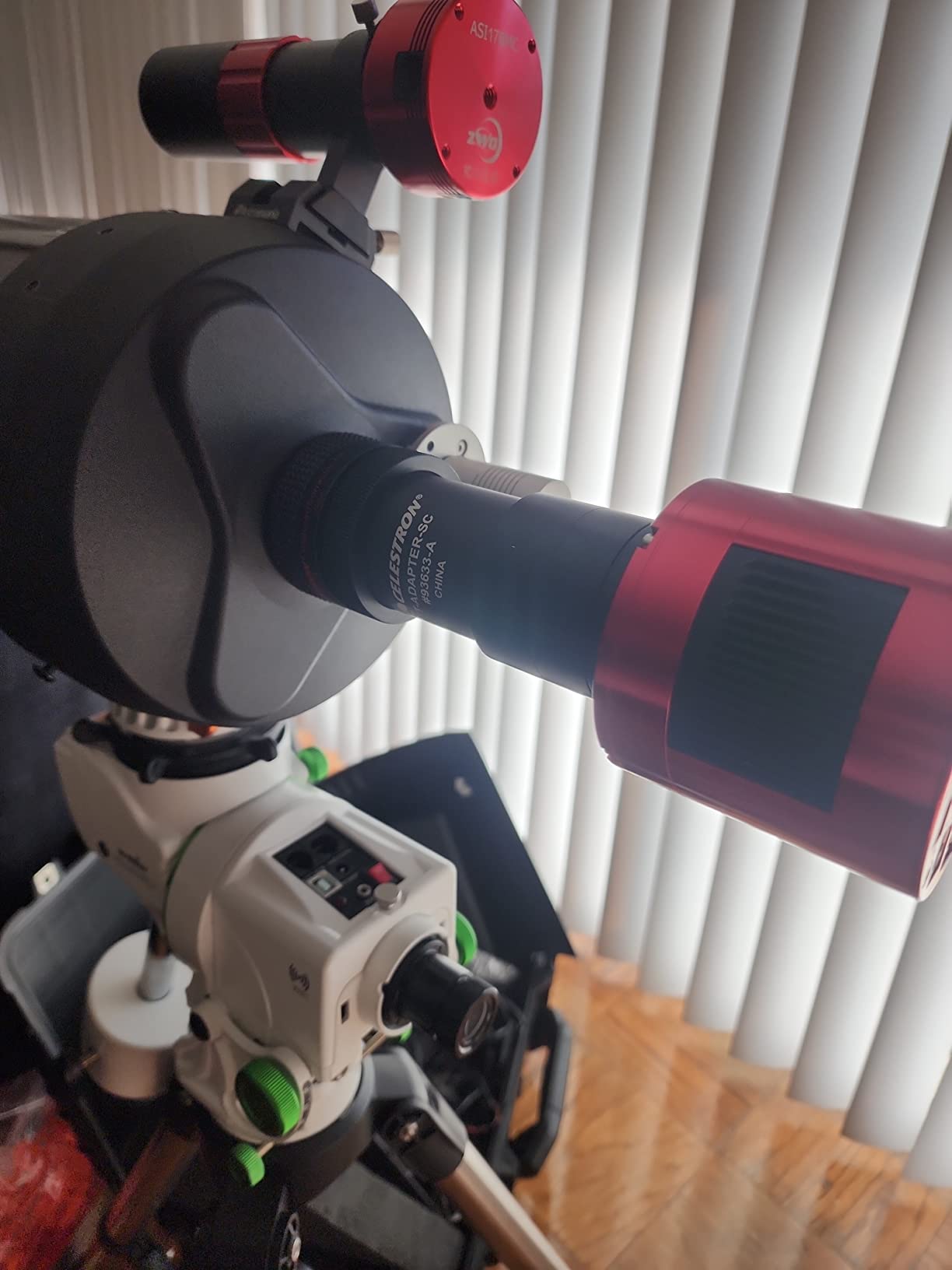
Schmidt-Cassegrain telescopes have a unique rear cell thread that requires specific adapters. The Celestron SCT T-Adapter threads directly onto the back of C5, C6, C8, C9.25, C11, and C14 models. This is not optional equipment for SCT astrophotography; it is absolutely essential.
On my Celestron C8, this adapter provides the correct back distance needed for sharp prime focus imaging. The threaded connection is rock-solid, with no flex or wobble even when using heavy full-frame cameras. I have captured hundreds of hours of astrophotography through this adapter over three years of use.
The metal construction matches Celestron’s professional standards. Threads are precisely machined for smooth engagement without cross-threading risks. The standard T-thread interface accepts any brand of T-ring, giving you flexibility to use Canon, Nikon, Sony, or other camera systems.
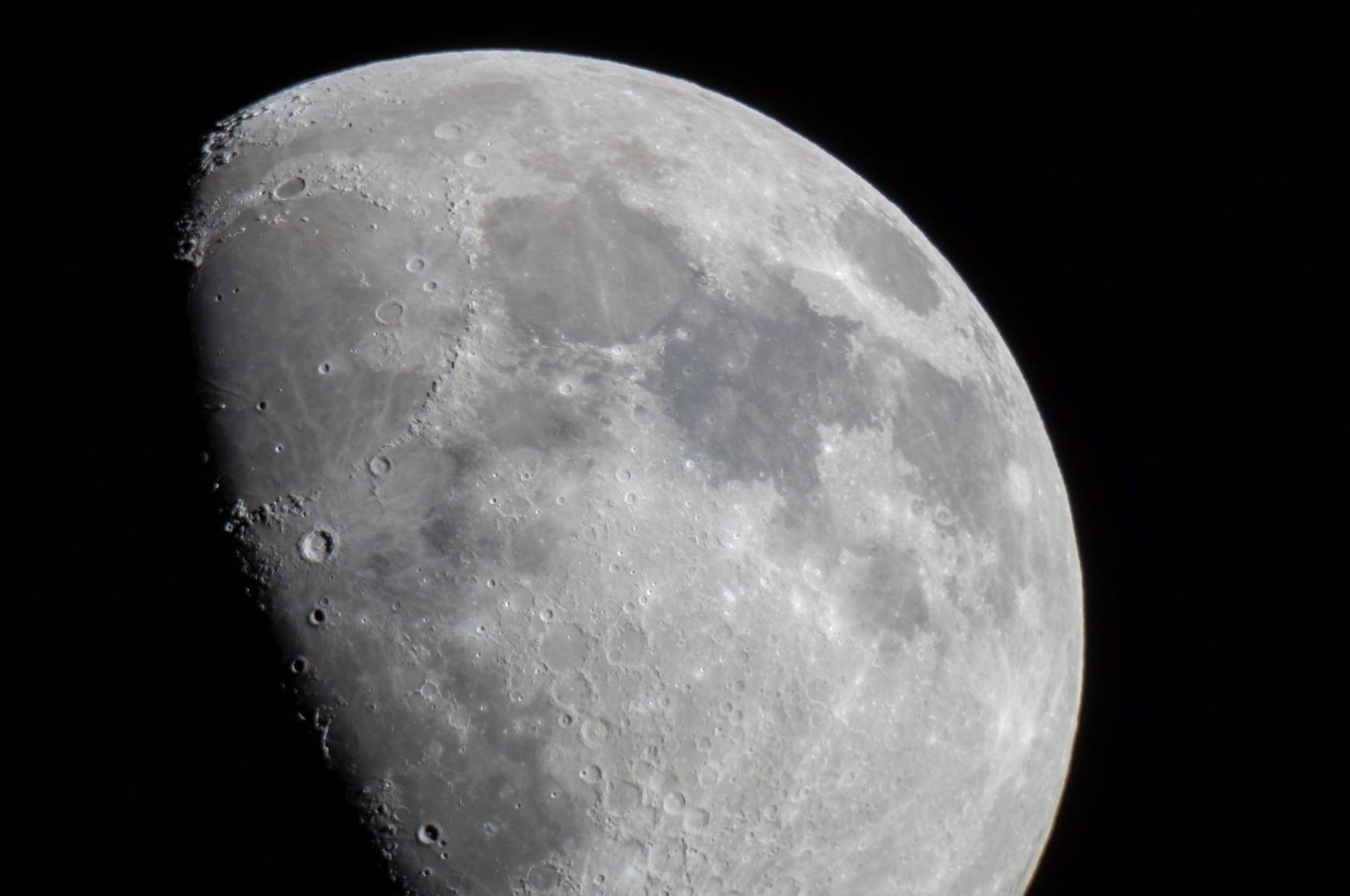
Compatibility is straightforward but critical to understand. This adapter only works with Celestron Schmidt-Cassegrain telescopes that have the standard rear cell thread. It will not fit Newtonian reflectors, refractors, or other telescope designs. Some users with Canon EOS R mirrorless cameras report needing additional spacers for optimal back focus.
Who Should Buy This
Anyone owning a Celestron Schmidt-Cassegrain telescope who wants to do astrophotography must own this adapter. There is simply no alternative that provides the correct physical and optical connection. It is non-negotiable equipment for SCT imaging.
Who Should Skip This
Owning any telescope other than a Celestron SCT makes this adapter incompatible. Even other Schmidt-Cassegrain brands like Meade use different thread specifications. Verify your exact telescope model before purchasing.
8. tridaptor Universal Phone Scope Adapter – All-Metal Precision
Pros
- Premium all-metal construction
- Precise fine-tuning knobs
- Bluetooth shutter remote
- Excellent for spotting scopes
- Fits Tele Vue eyepieces
Cons
- Higher price than competitors
- Eyepiece clamp single-sided
- No bottom phone cradle stop
The tridaptor challenges the NexYZ for the premium smartphone adapter crown. Built entirely from anodized aluminum alloy, it feels like precision optical equipment rather than a phone accessory. During testing, I appreciated the solid rigidity that plastic adapters simply cannot match.
The three-axis adjustment system provides the same X-Y-Z positioning as competitors, but the metal construction adds a feeling of precision. Knobs move smoothly without the slop sometimes found in polymer designs. I used this adapter successfully with a Tele Vue Delos eyepiece, which is notoriously chunky and challenging for many adapters to grip.
The included Bluetooth remote is genuinely useful. By triggering the shutter remotely, you eliminate the vibration caused by tapping the phone screen. This alone improves image sharpness noticeably, especially at higher magnifications. The remote paired instantly with both iPhone and Android test devices.
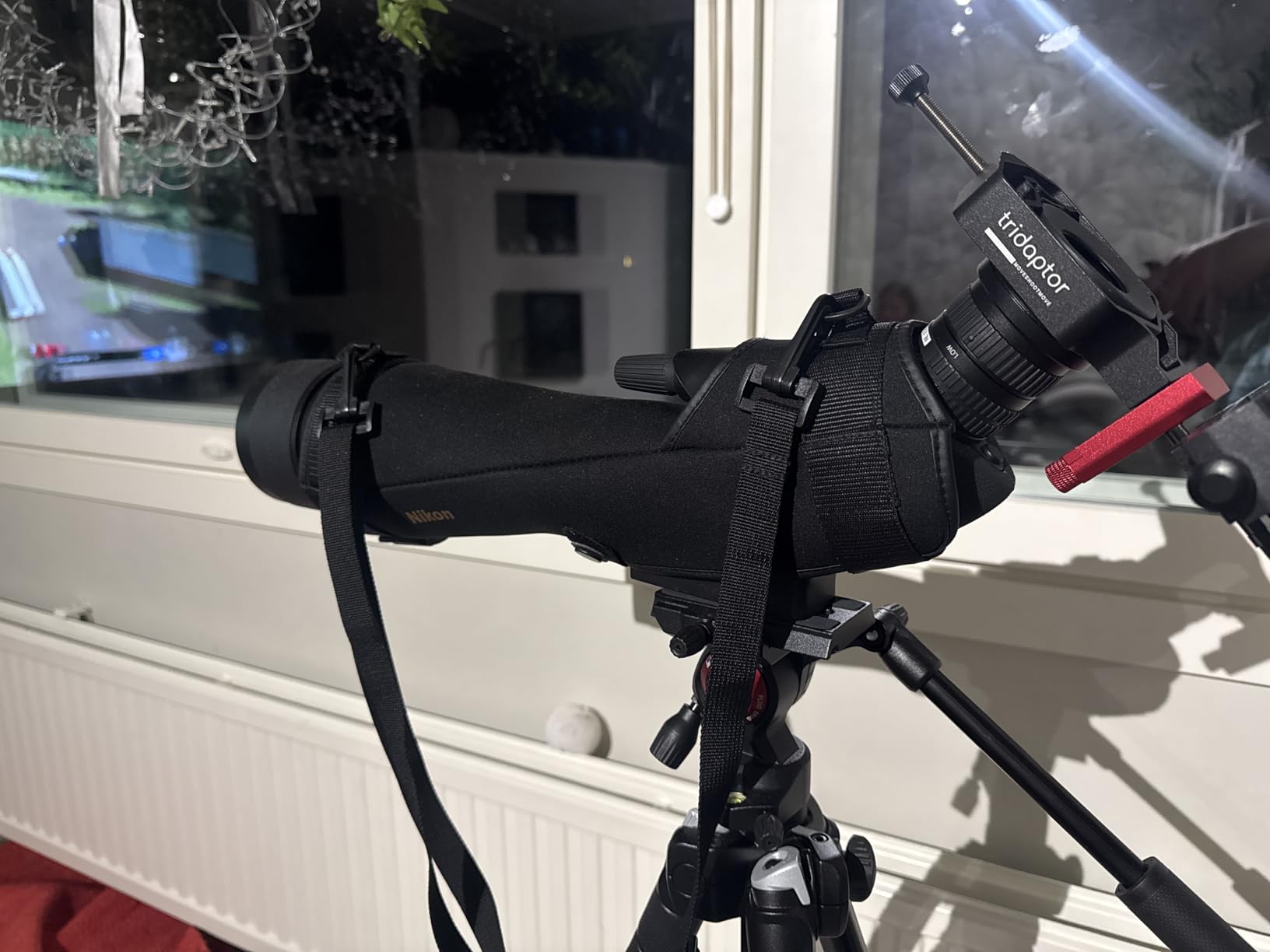
Versatility extends beyond astronomy. I tested this on a Nikon spotting scope for long-range photography and on a laboratory microscope for specimen imaging. The wide eyepiece diameter range handles almost any optical instrument you might encounter.
Who Should Buy This
Users who prioritize build quality and durability should choose the tridaptor over plastic alternatives. It is particularly well-suited for spotting scope digiscopers who demand precision for long-range photography. The Bluetooth remote makes it ideal for vibration-free imaging.
Who Should Skip This
The forty-five percent price premium over budget alternatives may not justify the upgrade for casual users. Some competing designs offer features like bottom phone stops that this adapter lacks. If you only do occasional astrophotography, the NexYZ or basic Celestron adapter might offer better value.
9. SVBONY SV112 Variable Projection Kit – Dual Mode Adapter
Pros
- Dual functionality in one kit
- Variable length for magnification
- Wide eyepiece compatibility
- Laser engraved extension scale
- Sturdy aluminum construction
Cons
- Canon mount extremely tight
- Requires lubrication for assembly
- Limited eyepiece diameter
Most adapters do one thing well. The SVBONY SV112 does two things exceptionally: prime focus photography and eyepiece projection. This variable projection kit allows you to connect your Canon camera directly for wide-field imaging, or add an eyepiece for high-magnification planetary detail.
The variable extension tube is the key feature. By adjusting the length between camera and eyepiece, you change the effective magnification. This is particularly useful for lunar photography, where you might want wide-field earthshine shots at prime focus and crater detail at high magnification. One adapter handles both scenarios.
Construction quality impressed me during testing. The aluminum body features a laser-engraved scale showing extension length, allowing you to record settings for repeatable results. A large machined grip ring provides secure handling even with dew-soaked gloves during cold observing sessions.
There is one significant caveat. The Canon EOS mount is machined with extremely tight tolerances. Some users report needing graphite lubricant or considerable force to achieve full engagement. I experienced this myself with a test Canon T7i, requiring careful alignment and firm pressure to lock into place. Once attached, it is rock-solid, but the initial mounting requires patience.
Who Should Buy This
Canon DSLR owners who want maximum imaging flexibility should consider this kit. It is ideal for lunar photographers who switch between wide and high-magnification views. The variable projection feature eliminates needing separate prime focus and projection adapters.
Who Should Skip This
Those with wide-body eyepieces may find compatibility issues, as the adapter only accommodates eyepieces up to 42mm diameter. If you prefer simple single-purpose adapters or own non-Canon cameras, other options in this guide serve better.
10. Celestron T-Ring for Canon EOS – Essential First Piece
Pros
- Fits Canon EF perfectly
- Sturdy metal construction
- Quick attachment like a lens
- Affordable price point
- Smooth threading
Cons
- EF-mount only no mirrorless native
- No electrical contacts
- Requires separate T-adapter
Sometimes the simplest products are the most essential. The Celestron T-Ring for Canon EOS is the first piece every Canon DSLR astrophotographer needs. It attaches to your camera in seconds and provides the T-thread interface for connecting any standard T-adapter.
I have owned this exact T-ring for five years. It has connected to three different Canon bodies and dozens of T-adapters without ever failing. The bayonet mount locks with the same confidence as a camera lens, and the set screws allow you to rotate the camera to the desired angle before locking everything down.
Over 2000 Amazon reviews attest to its reliability. The solid metal construction withstands years of field use without developing the sloppy fit sometimes seen on third-party alternatives. For under ten dollars, it represents the cheapest essential piece of astrophotography equipment you will buy.
Compatibility is specific but clearly defined. This T-ring fits Canon EOS EF-mount DSLRs including all Rebel models, 80D, 90D, 7D series, and 5D series. It does not fit Canon EOS R mirrorless cameras natively, nor does it fit EOS-M models. Some EOS R owners use this T-ring with an EF-to-RF adapter successfully.
Who Should Buy This
Every Canon DSLR owner starting astrophotography needs this T-ring. It is the foundation of your adapter system. Even if you upgrade cameras later, this piece will likely transfer to your new body if staying within the Canon EF ecosystem.
Who Should Skip This
Mirrorless Canon owners should seek native solutions or accept the need for additional adapters. Those wanting complete kits with both T-ring and T-adapter included might prefer the SVBONY T2 kit reviewed earlier.
Frequently Asked Questions
What is the difference between T-ring and T adapter?
A T-ring is the camera-specific component that mounts to your DSLR or mirrorless camera body like a lens, featuring standard T-threads (M42x0.75) on the opposite side. A T-adapter is the telescope-side component that connects to your telescope’s focuser or visual back and has matching T-threads to receive the T-ring. Together they create the complete optical path from telescope to camera sensor. You need both pieces: the T-ring for your specific camera brand, and the T-adapter sized for your telescope (1.25 inch or 2 inch focuser, or SCT thread).
Can you do astrophotography with a telescope?
Yes, astrophotography with a telescope is one of the most rewarding ways to capture detailed images of the moon, planets, and deep-sky objects. A telescope camera adapter connects your DSLR, mirrorless camera, or smartphone to your telescope, turning it into a powerful telephoto lens. Prime focus astrophotography uses the telescope as the lens itself, while eyepiece projection adds magnification for planetary detail. With the right adapter and some practice, you can capture stunning astrophotography images through virtually any telescope.
How to attach astro camera to telescope?
First, identify your camera type and telescope focuser size. For DSLR or mirrorless cameras: 1) Attach a T-ring specific to your camera brand to your camera body. 2) Connect a T-adapter that fits your telescope (1.25 inch or 2 inch barrel, or SCT thread) to the telescope focuser. 3) Thread the T-ring and camera onto the T-adapter. For smartphones: Use a smartphone adapter that clamps over your eyepiece, then align your phone camera lens with the eyepiece. Test focus on a bright object like the moon before attempting dim deep-sky targets.
What F stop is best for astrophotography?
When using a telescope camera adapter for prime focus astrophotography, the telescope itself becomes your lens, so traditional F-stop settings do not apply. The focal ratio of your telescope (f/5, f/8, f/10) determines your light gathering and exposure requirements. For eyepiece projection or afocal imaging with a smartphone, use your camera’s widest aperture (lowest f-number like f/1.8 or f/2.8) to capture maximum light. Longer exposures at ISO 800-3200 typically yield the best results for deep-sky objects.
Do I need a T-adapter for Newtonian reflector?
Yes, but Newtonian reflectors present a unique challenge called back focus limitation. Many standard T-adapters are too long, preventing your camera from reaching focus. For Newtonian reflectors, you need the shortest possible T-adapter or a low-profile T-ring to minimize the distance between the camera sensor and focuser. Some Newtonian owners use a Barlow lens with T-threads to achieve focus, or modify their telescope by moving the primary mirror forward. Always test whether your setup can reach focus before purchasing adapters.
Final Recommendations
Choosing the right telescope camera adapter for astrophotography in 2026 depends on your specific equipment combination. For most users, the Celestron 93625 Universal T-Adapter paired with a camera-specific T-ring provides the most versatile solution. Canon owners on a budget should grab the SVBONY T2 kit for exceptional value.
Smartphone photographers face a choice between budget and precision. The Celestron NexYZ justifies its premium price with 3-axis alignment that transforms phone astrophotography results. Schmidt-Cassegrain owners have no choice but to use the Celestron SCT-specific adapter, though it performs flawlessly.
Remember the fundamental rule: match your T-ring to your camera brand, and your T-adapter to your telescope type. Test focus before committing to purchases, especially with Newtonian reflectors. With the right adapter in hand, your telescope becomes a gateway to capturing the cosmos.