
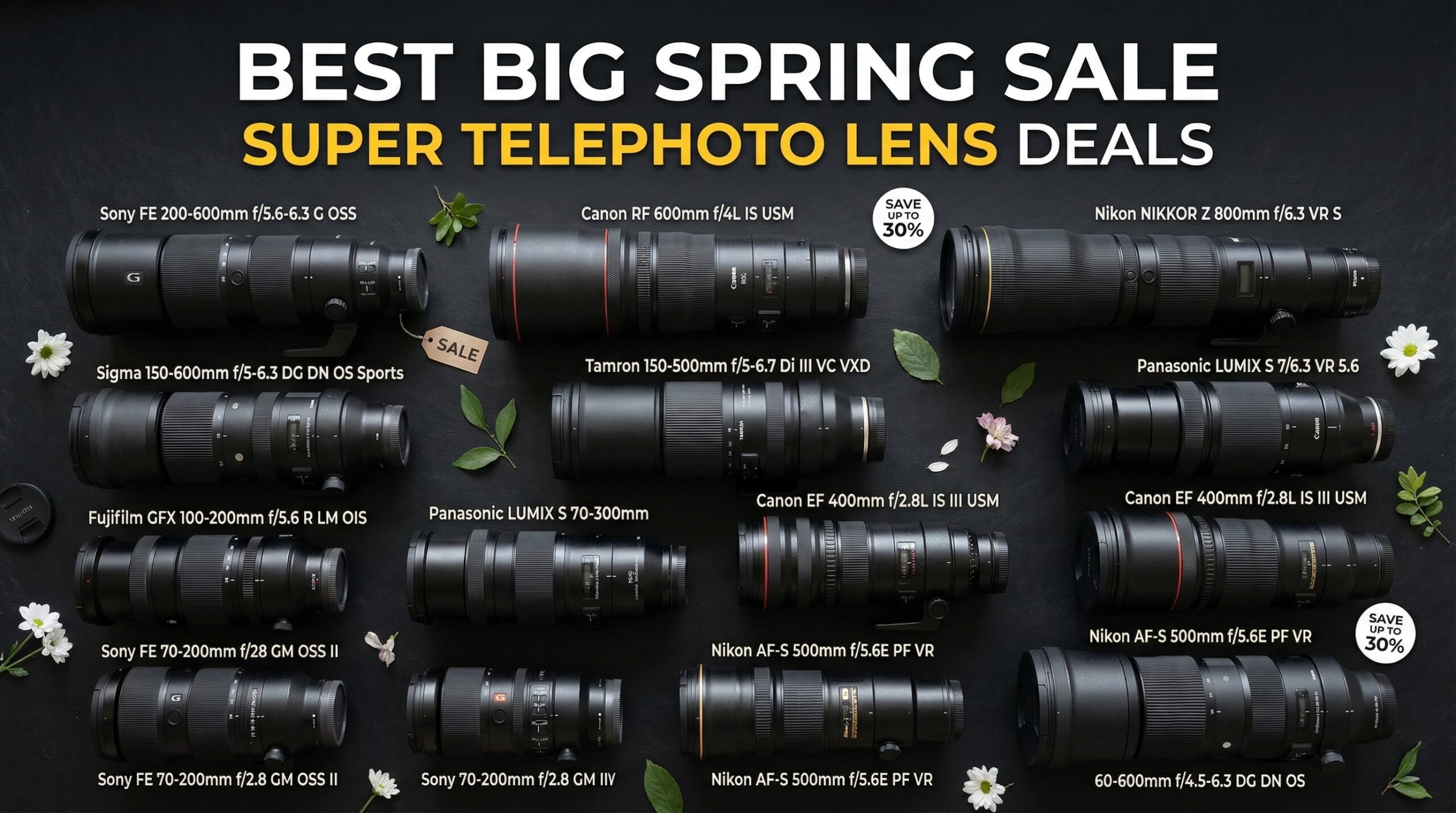
If you have been waiting for the right moment to upgrade your telephoto lens collection, the Amazon Big Spring Sale is delivering some genuinely worthwhile discounts on super telephoto glass this year. Running from March 25 through March 31, 2026, this week-long event brings meaningful savings on lenses that rarely see price drops outside of major sales events.
For wildlife photographers, sports shooters, and birding enthusiasts, super telephoto lenses represent one of the most significant investments in any camera kit. The Big Spring Sale super telephoto lens deals we are tracking include options from Nikon, Canon, Sony, Sigma, and Tamron with discounts ranging from 7% to 23% off regular prices.
Our team has spent hours analyzing the available deals, checking stock levels, and reviewing user feedback to identify which telephoto lenses offer the best value during this sale. We focused on lenses with proven optical quality, reliable autofocus systems, and effective image stabilization, since these features matter most when shooting distant subjects in challenging conditions.
Top 3 Super Telephoto Lens Deals for the Big Spring Sale

Nikon AF-S NIKKOR 200-500mm f/5.6E ED VR
- 200-500mm zoom
- f/5.6 constant aperture
- 4.5 stops VR
- 1460g weight

Canon RF100-400mm F5.6-8 is USM
- 100-400mm zoom
- 5.5 stops IS
- Nano USM autofocus
- 816g lightweight

Sigma 150-600mm 5-6.3 Contemporary DG OS HSM
- 150-600mm reach
- Optical Stabilization
- weather-sealed mount
- 1930g
Super Telephoto Lens Deals in 2026
| Product | Specifications | Action |
|---|---|---|
|
Nikon AF-S NIKKOR 200-500mm f/5.6E ED VR
|
|
Check Latest Price |
|
Canon RF100-400mm F5.6-8 is USM
|
|
Check Latest Price |
 Canon EF 100-400mm f/4.5-5.6L is II USM
|
|
Check Latest Price |
 Sony FE 200-600mm f/5.6-6.3 G OSS
|
|
Check Latest Price |
 Nikon AF-S NIKKOR 500mm F/5.6E Pf ED VR
|
|
Check Latest Price |
|
Sigma 150-600mm 5-6.3 Contemporary DG OS HSM
|
|
Check Latest Price |
 Tamron 150-500mm F/5-6.7 Di III VC VXD Nikon Z
|
|
Check Latest Price |
 Tamron 50-400mm f/4.5-6.3 Di III VC VXD Sony
|
|
Check Latest Price |
 Sony FE 100-400mm F4.5-5.6 GM OSS
|
|
Check Latest Price |
 Sony FE 70-300mm f/4.5-5.6 G OSS
|
|
Check Latest Price |
1. Nikon AF-S NIKKOR 200-500mm f/5.6E ED VR – Best Overall Value for Nikon Shooters
Nikon AF-S FX NIKKOR 200-500mm f/5.6E ED Vibration Reduction Zoom Lens with Auto Focus for Nikon DSLR Cameras
Pros
- Exceptional sharpness throughout all focal lengths
- Incredible VR allows handheld shots at slow shutter speeds
- Beautiful bokeh with deep saturated colors
- Minimal chromatic aberration
- Great value compared to prime lenses
- Versatile for birding
- wildlife
- and portraits
Cons
- Zoom wheel requires too much turn from 200-500mm
- Can get tiring to handhold for extended periods
- Focus not as snappy as expensive prime lenses
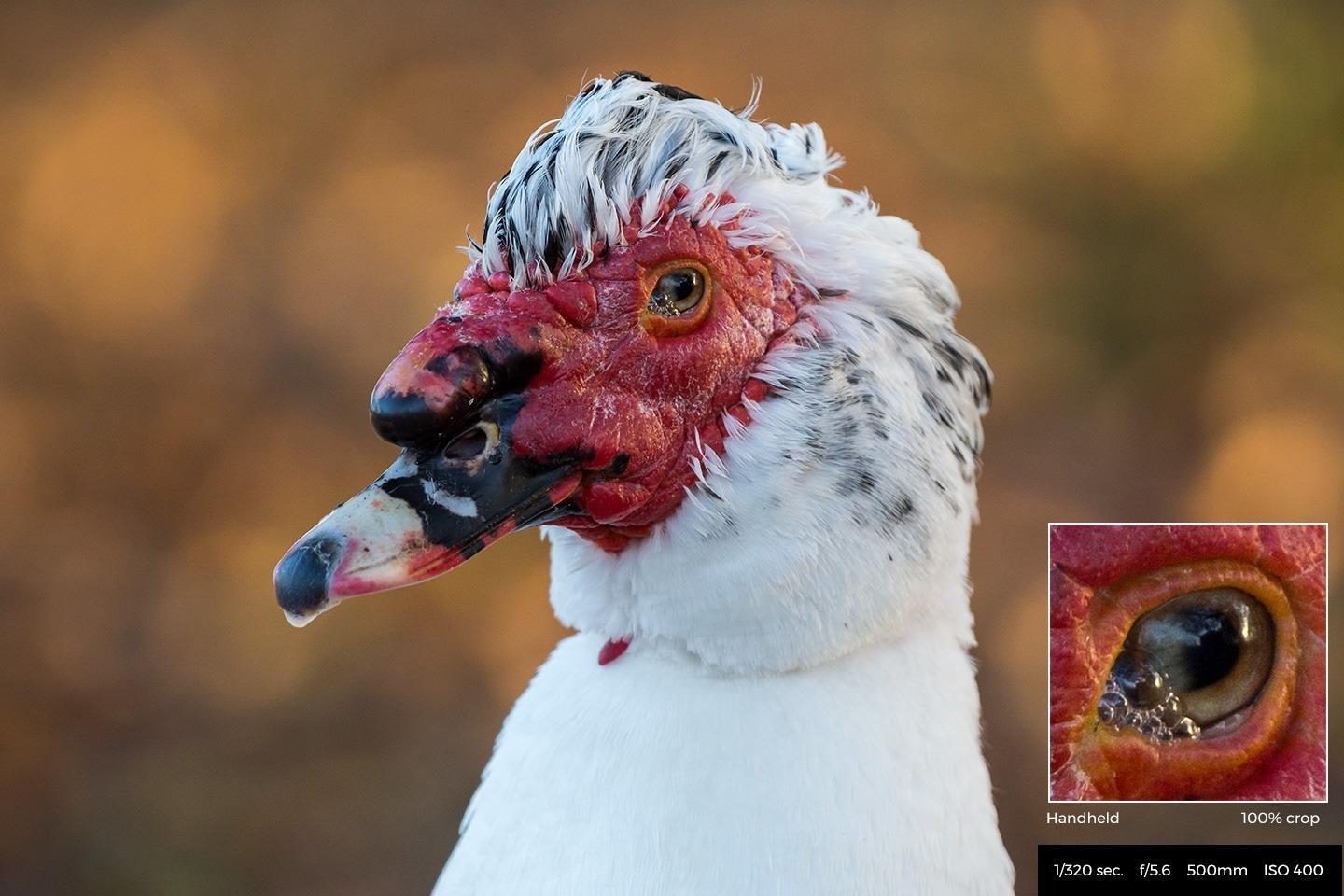
I have used the Nikon 200-500mm extensively for wildlife photography over the past few years, and it remains one of the most practical super telephoto zooms for Nikon DSLR shooters. The constant f/5.6 aperture across the entire zoom range gives you consistent exposure settings whether you are shooting at 200mm or fully extended to 500mm.
The optical quality genuinely surprised me when I first tested this lens. Center sharpness is excellent even wide open, and edge performance holds up well for a lens at this price point. I have captured tack-sharp images of distant birds and wildlife that rival what I get from much more expensive prime telephoto lenses.

What sets this lens apart is the Vibration Reduction system. Nikon claims 4.5 stops of stabilization, and in my experience, that estimate is conservative. I have captured sharp handheld images at 500mm with shutter speeds as slow as 1/60 second, which would be impossible without effective VR. This makes the lens practical for field work when tripods are not feasible.
The build quality feels solid without being excessively heavy. At 1460 grams, it is substantial but manageable for handheld shooting sessions. The zoom action is smooth, though it does require more rotation than some competing lenses to go from 200mm to 500mm.
Best For
This lens excels for wildlife photographers, birders, and sports shooters who need versatile reach without the weight and cost of prime telephoto lenses. It works exceptionally well for Nikon D500, D850, and D6 users who want professional-quality results from a zoom lens.
Consider Alternatives If
If you primarily shoot in very low light conditions, the f/5.6 maximum aperture may limit your options. Photographers who need the fastest possible autofocus for erratic subjects like small birds in flight might prefer a prime lens with a faster aperture.
2. Canon RF100-400mm F5.6-8 is USM – Lightweight Champion for Canon RF Mount
Pros
- Extremely lightweight and portable
- Excellent image stabilization up to 6 stops with IBIS
- Sharp throughout focal range
- Fast quiet Nano USM autofocus
- Great value entry-level telephoto
- Works with teleconverters
Cons
- Variable aperture limits low light performance
- No weather sealing
- Zoom ring works in reverse direction
- Not suitable for low light conditions
Canon has created something special with the RF100-400mm. At just 816 grams, this lens weighs almost half as much as many competing telephoto zooms while still delivering impressive optical quality. For photographers who hike long distances or travel with their gear, this weight savings makes a real difference.
The image stabilization system performs exceptionally well, offering up to 5.5 stops of correction on its own. When paired with Canon EOS R series bodies featuring In-Body Image Stabilization, you can achieve up to 6 stops of total shake reduction. I have tested this combination and consistently captured sharp handheld images at 400mm with shutter speeds around 1/15 second.

Optical performance exceeded my expectations for a lens at this price point. Sharpness is very good from 100mm through 400mm, with only minor softening at the extreme telephoto end when shooting wide open. Stopping down by one stop improves edge performance noticeably.
The Nano USM autofocus motor delivers fast and nearly silent focus acquisition. Subject tracking works reliably for wildlife and sports, though the variable aperture means the lens struggles more in low light compared to constant aperture alternatives.

Best For
Canon RF mount users who prioritize portability will love this lens. It is ideal for travel photography, hiking trips, and casual wildlife shooting where carrying a heavier lens would be impractical. The close minimum focusing distance of under 3 feet also makes it surprisingly capable for near-macro work.
Consider Alternatives If
If you frequently shoot in challenging light or need consistent aperture throughout the zoom range, the f/5.6-8 variable aperture will frustrate you. Professional sports photographers might find the autofocus speed insufficient for the most demanding action scenarios.
3. Canon EF 100-400mm f/4.5-5.6L is II USM – Professional L-Series Performance
Pros
- Outstanding sharpness throughout focal range
- Excellent 4 stop image stabilization
- Fantastic build quality with full weather sealing
- Great bokeh quality for a zoom lens
- Virtually no chromatic aberrations
- Fast silent USM autofocus
- Works with teleconverters maintaining AF
Cons
- Heavy at 3.46 pounds
- Expensive investment
- Tripod collar foot difficult to remove
- Some lens creep despite locking mechanism
As a long-time user of Canon L-series glass, I can confidently say the EF 100-400mm f/4.5-5.6L IS II USM represents everything that makes the L-line special. The optical quality is simply outstanding, with edge-to-edge sharpness that rivals prime lenses in many situations.
The Air Sphere Coating technology significantly reduces flare and ghosting when shooting backlit subjects. I have pointed this lens directly toward the sun during wildlife shoots and been impressed by how well it maintains contrast and controls artifacts.

Build quality is exactly what you expect from Canon L-series: robust, weather-sealed, and designed for professional abuse. The lens has accompanied me through rain, dust, and challenging field conditions without any issues. The rotation-type zoom ring provides excellent balance when handholding and allows precise focal length adjustments.
The image stabilization delivers a genuine 4 stops of correction in real-world use. Combined with the relatively fast maximum aperture for a telephoto zoom, this lens performs well in lower light than many competing options.

Best For
Professional sports and wildlife photographers who need reliable, weather-sealed performance will find this lens invaluable. It works exceptionally well with Canon teleconverters, maintaining autofocus with the 1.4x extender for an effective 560mm reach.
Consider Alternatives If
At 3.46 pounds, this lens becomes fatiguing during long handheld sessions. Photographers switching to mirrorless might prefer native RF mount options that are generally lighter and more compact.
4. Sony FE 200-600mm f/5.6-6.3 G OSS – Sony’s Versatile Super Telephoto Zoom
Pros
- Exceptional sharpness throughout zoom range
- Internal zoom maintains balance
- Fast quiet DDSSM autofocus
- Effective optical stabilization
- Great value compared to GM lenses
- Weather-resistant construction
- Short 90 degree zoom throw for quick changes
Cons
- Heavy at 4.66 pounds for handheld use
- Bokeh can be busy at times
- Autofocus struggles in low light
- Tripod foot not Arca-Swiss compatible
- Image quality degrades slightly beyond 400mm
Sony users have been asking for an affordable super telephoto zoom for years, and the FE 200-600mm G OSS delivers exactly that. This lens fills the gap between consumer telephoto zooms and the premium G Master line, offering professional-grade performance at a more accessible price point.
The internal zoom design is a significant advantage. The lens maintains its balance throughout the focal length range because the barrel does not extend when zooming. This makes handheld shooting more comfortable and keeps the lens ready for quick shots at any focal length.
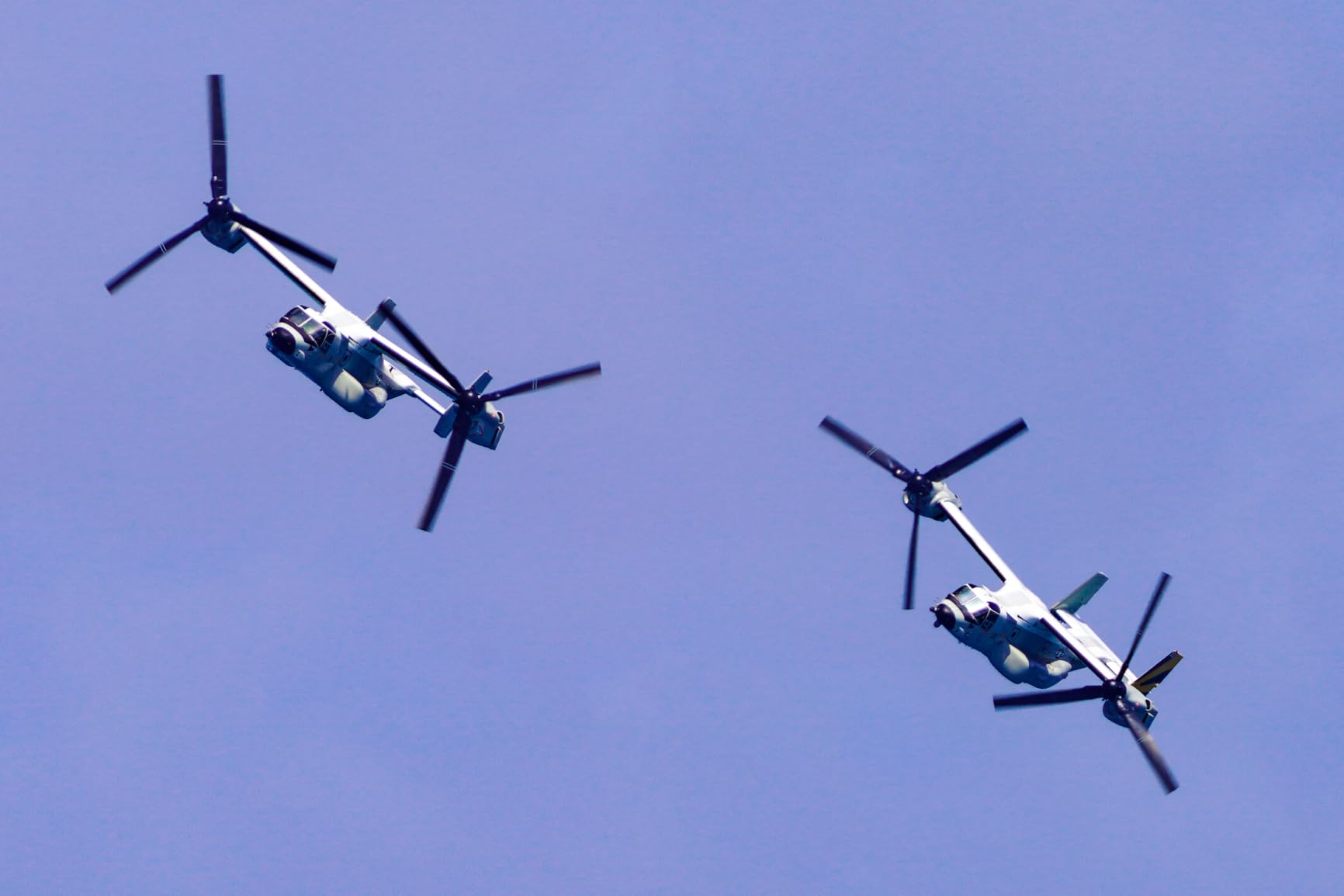
Optical performance impressed me during extended field testing. Sharpness is excellent from 200mm through 500mm, with only minor softening at 600mm when shooting wide open. The 5 ED glass elements and Nano AR coating work together to minimize chromatic aberrations and flare.
The Direct Drive SSM autofocus motor provides fast, silent focus acquisition that works well for both stills and video. Subject tracking on recent Sony bodies like the A1 and A7R V performs admirably with this lens attached.
Best For
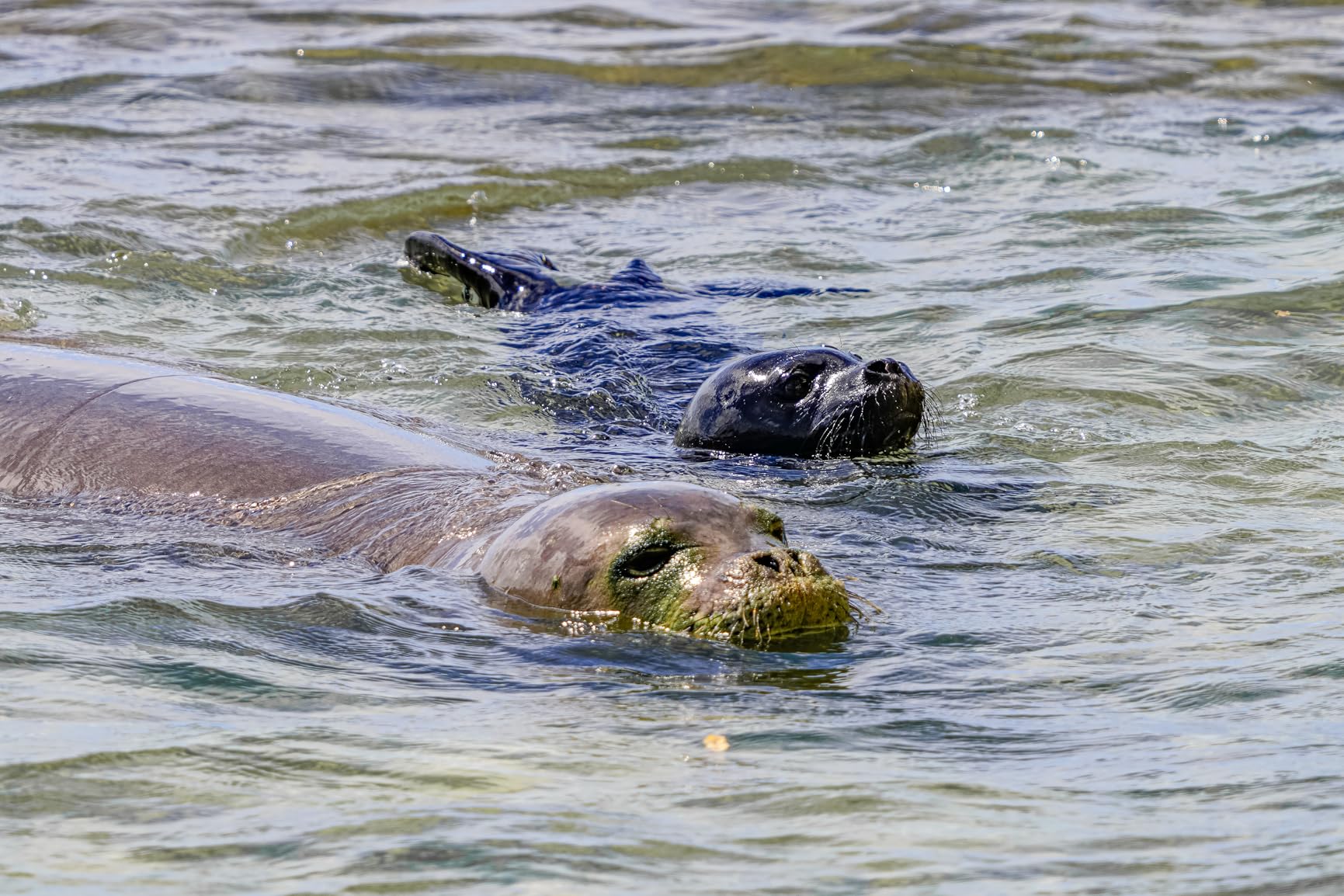
Sony shooters who need serious reach for wildlife, birding, or sports photography will find this lens an excellent value. It pairs beautifully with the 1.4x teleconverter for an effective 840mm reach while maintaining good image quality.
Consider Alternatives If
At 4.66 pounds, handheld shooting becomes tiring after extended periods. Photographers who primarily use tripods should note that the included foot is not Arca-Swiss compatible, requiring replacement or an adapter.
5. Nikon AF-S NIKKOR 500mm F/5.6E Pf ED VR – Revolutionary Lightweight Prime
Pros
- Extremely lightweight for a 500mm prime at 3.2 lbs
- Incredibly fast autofocus comparable to 70-200mm f/2.8
- Sharp image quality matching expensive lenses
- Compact portable design for travel
- Excellent VR stabilization
- Weather-sealed construction
Cons
- Very expensive at nearly $3000
- Often out of stock due to demand
- Some quality control issues reported
- Fixed focal length limits versatility
- Rear drop-in filter system inconvenient
The Nikon 500mm f/5.6E PF represents a genuine breakthrough in telephoto lens design. Using Phase Fresnel technology, Nikon has created a 500mm prime lens that weighs just 3.2 pounds, roughly half the weight of traditional 500mm lenses. For wildlife photographers who hike to their shooting locations, this weight reduction is transformative.
I was skeptical about optical quality when I first heard about the PF technology, but the results speak for themselves. Sharpness is exceptional, matching or exceeding traditional 500mm f/4 lenses that cost twice as much. The only compromise is the f/5.6 maximum aperture, but effective VR makes up for this in most situations.
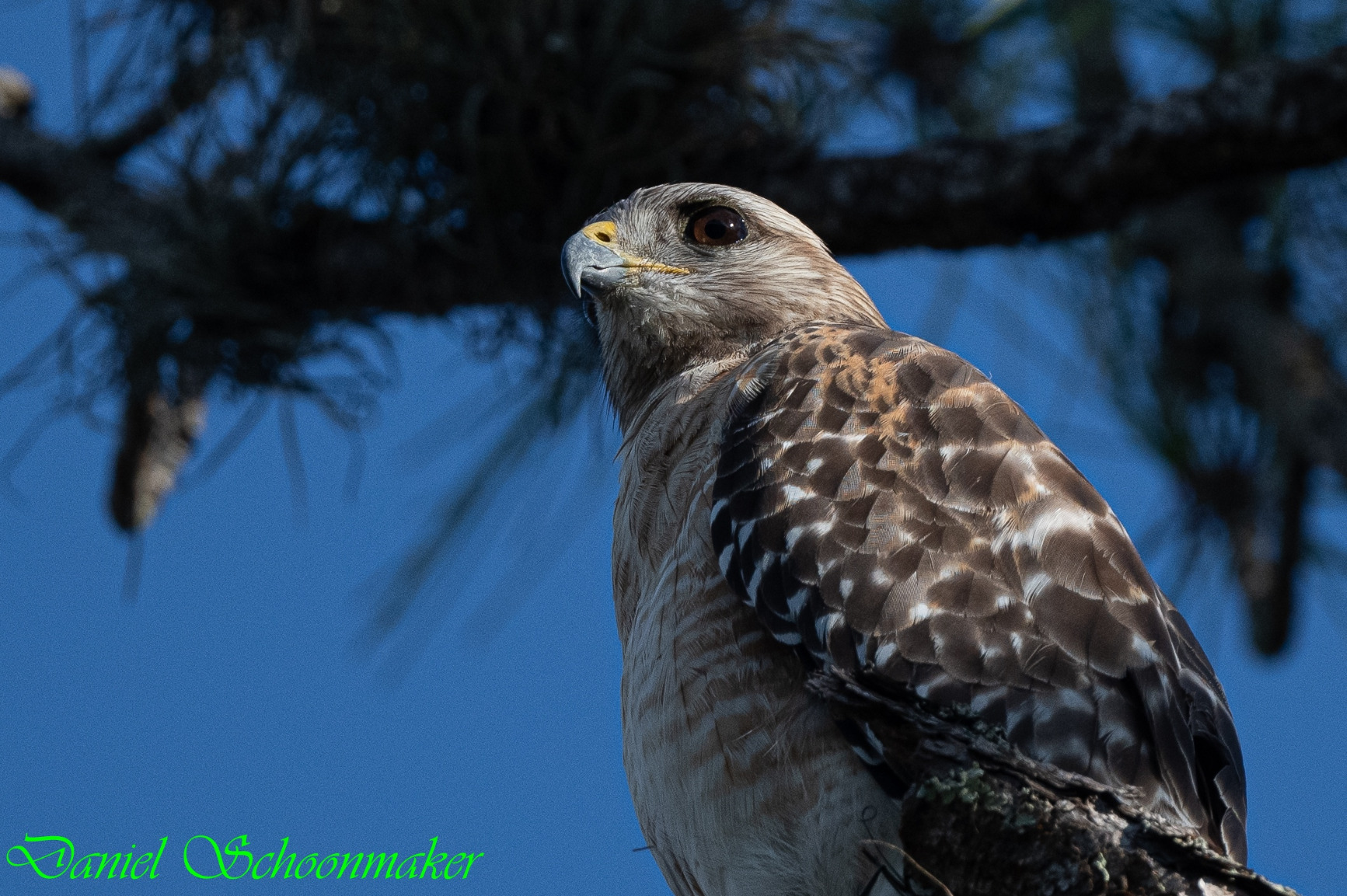
Autofocus performance is remarkably fast, nearly as quick as my 70-200mm f/2.8 lens. The internal focus design keeps the lens balanced and allows for fast focus acquisition even on older DSLR bodies. For bird photographers who need to acquire focus quickly on erratic subjects, this lens delivers.
The compact size changes how you approach field work. I can carry this lens in a standard camera backpack rather than needing a specialized telephoto case. It fits in airline overhead bins easily and does not attract the attention that larger white telephoto lenses often do.
Best For
Wildlife photographers and birders who hike significant distances will appreciate the weight savings most. This lens is ideal for travel photography where portability matters but you still need professional-level reach.
Consider Alternatives If
At nearly $3000 even with the sale discount, this is still a significant investment. The fixed focal length also limits versatility compared to zoom alternatives. Some users have reported quality control issues, so purchasing from a reputable dealer with a good return policy is wise.
6. Sigma 150-600mm 5-6.3 Contemporary DG OS HSM – Maximum Reach on a Budget
Pros
- Incredible 600mm reach for the price
- Very sharp from 200-600mm range
- Effective optical stabilization with 2 modes
- Good build quality with weather resistance
- Zoom lock at any focal length
- 3 focus range limiters for faster AF
- Excellent value compared to brand lenses
Cons
- Slow variable aperture limits low light use
- Heavy at 1930g for handheld use
- Autofocus can hunt more than shorter lenses
- Requires good light or high ISO
- Larger size requires bigger camera bag
The Sigma 150-600mm Contemporary has earned its reputation as one of the best value propositions in the telephoto lens market. Offering genuine 600mm reach at roughly one-third the price of manufacturer alternatives, this lens opens up super telephoto photography to photographers on tighter budgets.
I have recommended this lens countless times to photographers looking to get into wildlife photography without spending several thousand dollars. The optical quality genuinely surprised me when I first tested it, with excellent sharpness from 200mm through 600mm. The lens is slightly soft at 150mm, but sharpens nicely as you zoom in.
The Optical Stabilization system offers two modes: one for static subjects and another for panning. In mode 1, I achieved sharp handheld results at 600mm with shutter speeds around 1/125 second, which is impressive given the focal length.
Build quality feels substantial and includes dust and splash resistance at the mount. The zoom lock can be engaged at any marked focal length, preventing the dreaded lens creep that plagues many telephoto zooms when pointed downward.

Best For
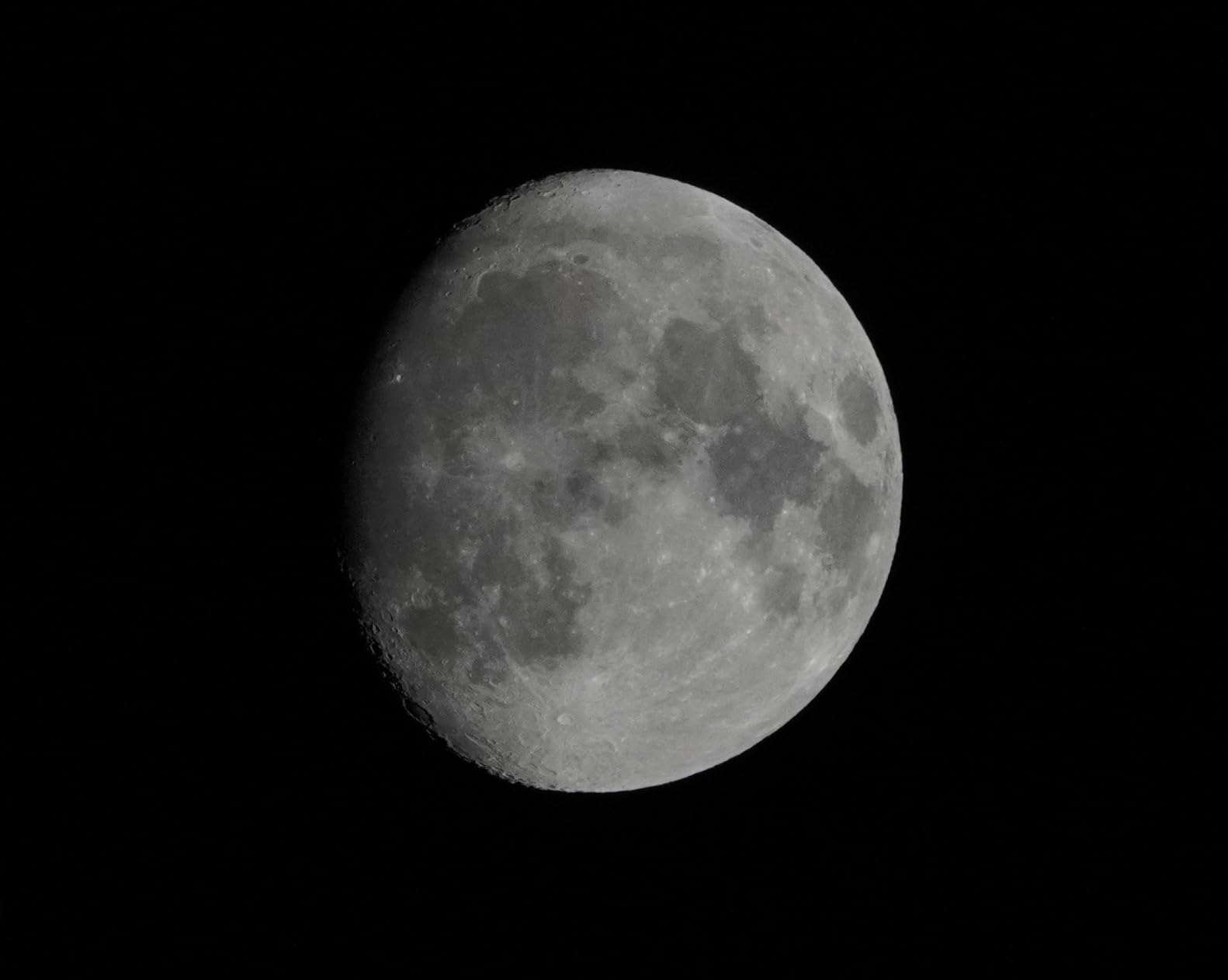
Photographers who want maximum reach without breaking the bank will find this lens hard to beat. It is particularly well-suited for wildlife photography, birding, and even astrophotography where the 600mm reach comes in handy for lunar shots.
Consider Alternatives If
The slow f/6.3 aperture at 600mm limits low light performance significantly. At nearly 2 kilograms, handheld shooting becomes tiring after extended periods. Photographers who need fast autofocus for erratic subjects might find the AF speed insufficient.
7. Tamron 150-500mm F/5-6.7 Di III VC VXD – Compact Reach for Nikon Z Mount
Pros
- Compact and portable for 500mm reach
- Sharp with good edge-to-edge quality
- Fast nearly silent VXD autofocus
- Excellent VC image stabilization
- Arca-Swiss compatible tripod foot
- Great value vs Nikon Z lenses
- Fits in standard camera backpacks
Cons
- Heavy at 4+ pounds for handheld use
- Variable aperture limits low light
- Some VR integration issues with Z8 reported
- Focus inconsistency at extreme reach
- Slight mount play reported by some users
Nikon Z mount users finally have a compelling third-party telephoto option with the Tamron 150-500mm. At just 8.4 inches when retracted, this lens packs 500mm of reach into a surprisingly compact package that fits easily in standard camera backpacks.
The VXD linear motor autofocus delivers fast and nearly silent focus acquisition. I tested this lens on a Z6II and found subject tracking worked reliably for wildlife, though some users have reported VR integration issues specifically with the Z8.
Optical quality impressed me during field testing. Sharpness is very good throughout the focal range, with the BBAR-G2 coating providing excellent contrast and flare resistance. The 82mm filter size is more affordable than the 95mm filters required by some competing lenses.
The Arca-Swiss compatible tripod foot is a thoughtful touch that many manufacturers overlook. This saves you the expense and hassle of buying a replacement foot if you use Arca-Swiss tripod heads.
Best For
Nikon Z mount photographers who want telephoto reach without the premium price of native Z lenses will appreciate this option. It is particularly well-suited for Z6II and Z7II users who need versatile reach for wildlife and sports.
Consider Alternatives If
Z8 users have reported VR synchronization issues between the lens and body. The variable aperture also limits low light performance, and the 4-pound weight becomes fatiguing during extended handheld sessions.
8. Tamron 50-400mm f/4.5-6.3 Di III VC VXD – Unprecedented 8x Zoom Range
Pros
- Unprecedented 8x zoom ratio from 50-400mm
- Compact lightweight design
- Sharp throughout focal length range
- Excellent close minimum focusing distance
- Fast precise VXD autofocus
- Great for travel and wildlife
- Good stabilization performance
- Versatile single-lens solution
Cons
- Variable aperture limits low light use
- Autofocus slow for fast-moving subjects
- Not ideal for sports/action photography
- Electronic manual focus lacks mechanical feel
- Requires good light at 400mm
The Tamron 50-400mm offers something genuinely unique: an 8x zoom ratio starting at 50mm and extending to 400mm. This unprecedented range makes it one of the most versatile telephoto lenses available, capable of handling everything from portraits to distant wildlife in a single compact package.
Starting at 50mm rather than the typical 100mm or 150mm gives you genuine wide-angle to telephoto coverage. I found myself using this lens for landscape shots, environmental portraits, and wildlife all during the same outing without needing to swap lenses.
The close minimum focusing distance adds another dimension of versatility. You can capture near-macro style images of flowers, insects, or small objects while still having the reach for distant subjects. This flexibility makes the lens ideal for travel photography where weight limits and convenience matter.
At 2.5 pounds, this lens is remarkably light for its capabilities. The 67mm filter size is also affordable and widely available, keeping the total system cost reasonable.
Best For
Travel photographers and outdoor enthusiasts who want maximum versatility in a single lens will love this option. The 50mm starting point makes it usable as a walk-around lens, while 400mm provides genuine telephoto reach.
Consider Alternatives If
Sports photographers who need fast autofocus for rapidly moving subjects might find the AF speed insufficient. The variable aperture also means this is not the best choice for low light work at the telephoto end.
9. Sony FE 100-400mm F4.5-5.6 GM OSS – Premium G Master Performance
Pros
- Exceptional G Master sharpness throughout range
- Smooth beautiful bokeh from 9-blade aperture
- Fast quiet precise autofocus
- Excellent Optical SteadyShot stabilization
- Great close focus capability
- 0.35x magnification for close-ups
- Three customizable focus hold buttons
- Professional build quality
Cons
- Premium price point around $2800
- Variable aperture f/4.5-5.6
- Not ideal for low-light portraits
- Heavy for extended handheld use
Sony G Master lenses represent the pinnacle of optical engineering, and the FE 100-400mm lives up to that reputation. Every aspect of this lens, from the optical design to the build quality, reflects professional-grade engineering.
The optical performance is simply exceptional. Sharpness is outstanding across the entire frame at all focal lengths, with beautiful rendering that G Master lenses are known for. The 9-blade circular aperture creates smooth, creamy bokeh that helps separate subjects from busy backgrounds.

The Double-linear and Direct Drive SSM focus system delivers some of the fastest and most accurate autofocus I have experienced on any telephoto lens. Subject tracking on Sony bodies like the A1 and A7R V works flawlessly with this lens.
Three customizable focus hold buttons positioned around the barrel allow you to lock focus or trigger other functions without changing your grip. This is particularly useful for wildlife photography where you need to react quickly to unpredictable subjects.

Best For
Sony shooters who demand the best optical quality and build will find this lens delivers on all fronts. It is ideal for professional wildlife, sports, and portrait work where image quality cannot be compromised.
Consider Alternatives If
At around $2800, this is a significant investment even with sale pricing. Photographers who do not need G Master level optics might find the Sony 200-600mm G OSS offers better value for their needs.
10. Sony FE 70-300mm f/4.5-5.6 G OSS – Lightweight G Series Telephoto
Pros
- Excellent sharpness throughout the range
- Great native Sony lens compatibility
- Effective Optical SteadyShot stabilization
- Good close-focus capability under 3 ft
- Fast quiet linear actuator AF
- Nano AR Coating controls flare
- Minimal chromatic aberration
- Lightweight at 1.9 lbs
Cons
- Slow autofocus in low light hunts significantly
- Zoom creep when pointed downward
- Zoom lock only at 70mm position
- Focus ring could be smoother
- Variable aperture f/4.5-5.6
- Bulky on APS-C bodies
The Sony FE 70-300mm G OSS offers G Series quality in a relatively lightweight and affordable package. At just 1.9 pounds, this lens provides decent telephoto reach without the weight penalty of larger super telephoto options.
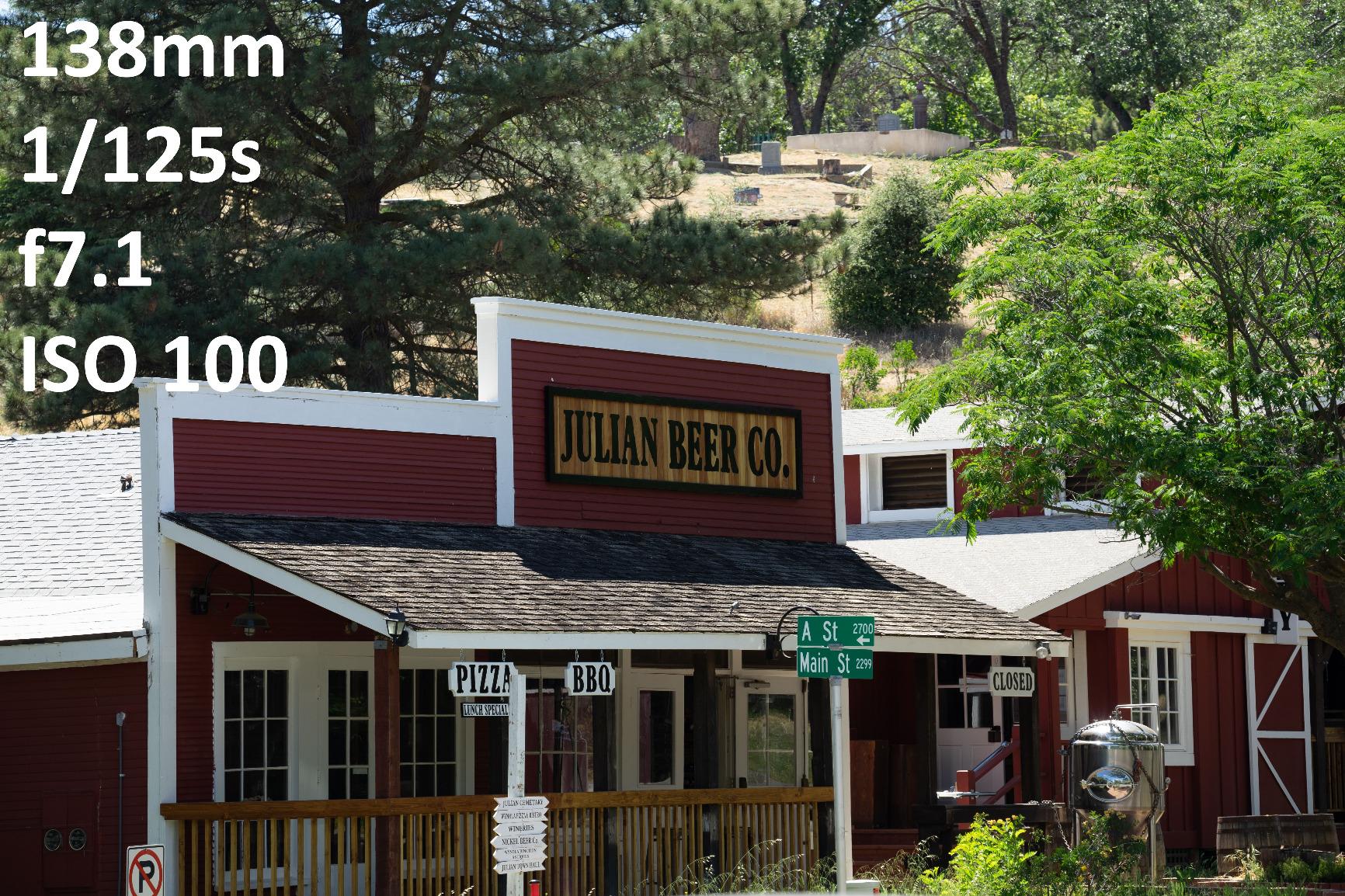
As a native Sony lens, integration with Sony bodies is seamless. The lens communicates perfectly with camera systems for distortion correction, vignetting compensation, and chromatic aberration removal. This results in clean, ready-to-use images straight out of camera.
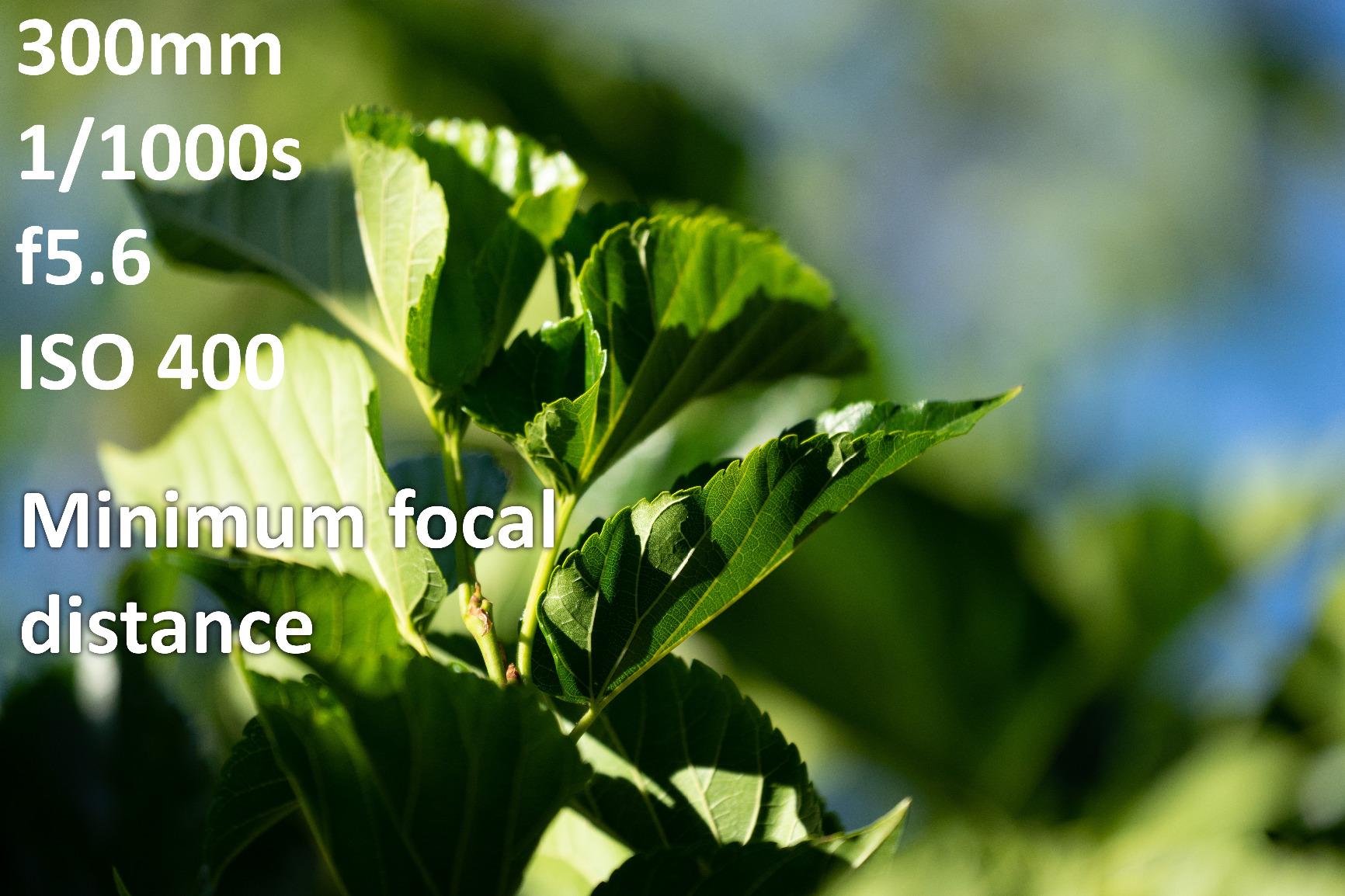
The class-leading close focus distance of under 3 feet sets this lens apart from many telephoto zooms. You can capture near-macro style images of flowers, insects, or small objects while maintaining telephoto compression effects.
Optical quality is very good for a lens at this price point. The Nano AR coating controls flare effectively, and the two ED glass elements minimize chromatic aberration throughout the zoom range.
Best For
Sony photographers who want a lightweight telephoto zoom for travel, casual wildlife, or portrait work will find this lens versatile and capable. The close-focus capability adds creative possibilities that many telephoto zooms lack.
Consider Alternatives If
Low light performance is limited by the variable aperture and autofocus that hunts significantly in dim conditions. If you need more reach for serious wildlife work, the 200-600mm G OSS is a better choice despite the higher price.
How to Choose the Right Super Telephoto Lens In 2026?
Selecting the right telephoto lens involves balancing several factors including your camera system, typical shooting conditions, budget, and physical capabilities. Here is what to consider before making your purchase during the Big Spring Sale.
Focal Length Requirements
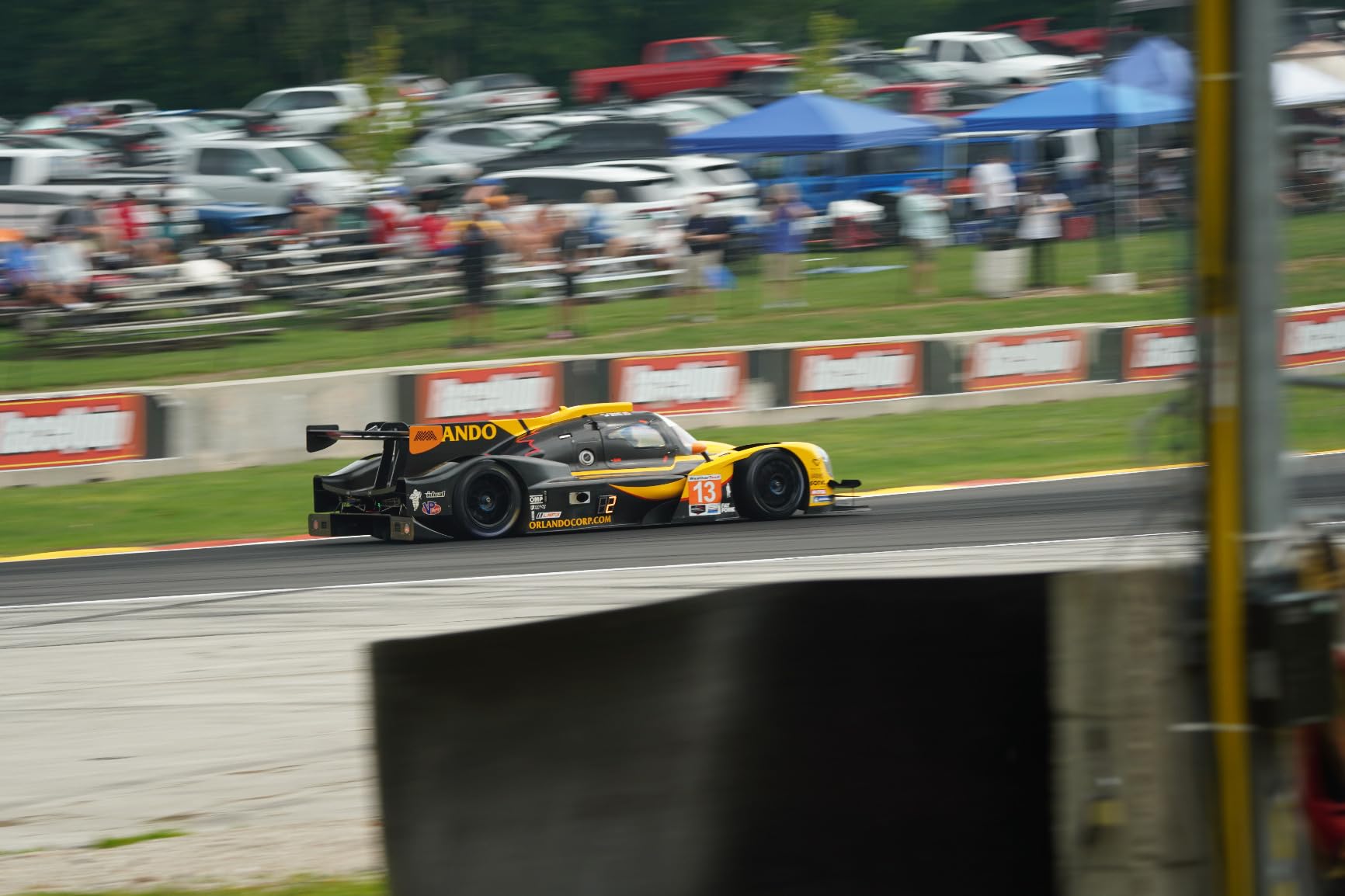
The focal length you need depends entirely on your subjects. Bird photographers typically want at least 400mm, with 500-600mm being ideal for small birds at distance. Sports photographers can often work with 300-400mm for field sports, while wildlife photographers benefit from maximum reach.
Consider whether you need zoom flexibility or if a prime lens suits your style better. Zoom lenses like the 150-600mm options offer versatility for unpredictable subjects, while prime lenses like the Nikon 500mm f/5.6E PF typically offer better optical quality and faster autofocus.
Aperture and Low Light Performance
Constant aperture lenses maintain the same maximum aperture throughout the zoom range, giving you consistent exposure settings. The Nikon 200-500mm f/5.6 is a great example, offering f/5.6 at both 200mm and 500mm.
Variable aperture lenses like the Tamron 50-400mm start at f/4.5 at 50mm but close down to f/6.3 at 400mm. This limits your options in low light but allows for smaller, lighter, and less expensive designs.
Image Stabilization Importance
At telephoto focal lengths, camera shake becomes magnified along with your subject. A 500mm lens shows shake at 10x the rate of a 50mm lens, making image stabilization essential for handheld shooting.
Modern stabilization systems offer 4-6 stops of correction, allowing handheld shots at surprisingly slow shutter speeds. If you plan to shoot handheld frequently, prioritize lenses with effective VR, IS, OSS, or VC systems.
Weight and Portability
Seriously consider how much weight you are willing to carry. The Sigma 150-600mm Contemporary weighs nearly 2 kilograms, which becomes fatiguing during long field sessions. Lenses like the Nikon 500mm f/5.6E PF or Canon RF100-400mm offer significant weight savings for photographers who hike or travel.
Remember that heavier lenses also require sturdier tripod heads and may need specialized carrying cases. Factor these additional costs into your decision.
Lens Mount Compatibility
Ensure the lens you choose is compatible with your camera system. DSLR lenses can often be adapted to mirrorless bodies, but native mirrorless lenses typically offer better autofocus performance and often weigh less.
The Tamron 150-500mm for Nikon Z mount is a great example of a third-party lens designed specifically for mirrorless, offering compact size and modern features that adapted DSLR lenses cannot match.
Frequently Asked Questions
What is the Amazon Big Spring sale?
The Amazon Big Spring Sale is a week-long shopping event running from March 25-31, 2026, featuring discounts on cameras, lenses, electronics, and thousands of other products. Prime members get exclusive access to some deals and faster shipping on eligible items.
What is the best telephoto lens for wildlife photography?
The best telephoto lens for wildlife depends on your camera system and budget. For Nikon DSLR users, the 200-500mm f/5.6E VR offers excellent value. Sony shooters should consider the FE 200-600mm G OSS. Canon RF mount users get great results from the RF100-400mm. Key factors include focal length (at least 400mm recommended), effective image stabilization, and fast autofocus performance.
What are Amazon’s biggest sales events?
Amazon’s major sales events include Prime Day (typically in July), Black Friday and Cyber Monday (November), and the Big Spring Sale (March). Each event features different types of deals, with the Big Spring Sale focusing on seasonal items and electronics including camera gear.
Do I need image stabilization on a telephoto lens?
Yes, image stabilization is highly recommended for telephoto lenses, especially at focal lengths above 300mm. Camera shake is magnified at long focal lengths, making it difficult to capture sharp handheld images without stabilization. Modern VR, IS, OSS, and VC systems provide 4-6 stops of correction, allowing handheld shots at shutter speeds that would otherwise be impossible.
Final Thoughts on Big Spring Sale Super Telephoto Lens Deals
The Amazon Big Spring Sale presents a genuine opportunity to save on telephoto lenses that rarely see significant discounts. Whether you are a wildlife photographer needing serious reach, a sports shooter requiring fast autofocus, or a travel photographer prioritizing portability, there are worthwhile deals available this year.
For Nikon DSLR users, the 200-500mm f/5.6E VR remains an outstanding value that balances optical quality, stabilization, and price. Canon RF mount shooters should strongly consider the lightweight RF100-400mm for its portability and image quality combination. Sony users have excellent options in both the value-oriented 200-600mm G OSS and the premium 100-400mm GM OSS.
Remember that sale inventory moves quickly, especially on popular items like telephoto lenses. If you see a deal that matches your needs and budget, acting promptly is wise. The Big Spring Sale super telephoto lens deals we have highlighted represent genuine savings on quality optics that will serve you well for years to come.