

There is something magical about holding a developed transparency up to the light for the first time. The colors seem to glow from within, and the detail is razor sharp. For analog photography enthusiasts, shooting slide film offers an experience unlike any other format. The best slide film for analog photography enthusiasts delivers exceptional image quality, ultra-fine grain, and colors that can only be described as three-dimensional.
Slide film, also known as color reversal film or transparency film, produces a positive image directly on the film rather than a negative. This means you can view your photos immediately after processing by simply holding the transparencies to light or projecting them. The dynamic range and color accuracy of modern slide films remain unmatched by digital sensors in many photographers’ eyes.
In 2026, slide film remains available despite many emulsions being discontinued over the years. Kodak brought back Ektachrome E100 after a brief hiatus, and Fujifilm continues producing Velvia and Provia for devoted photographers. Whether you shoot 35mm or medium format, there are excellent options for every shooting style and subject matter.
This guide covers the top slide films currently available, from beginner-friendly options to professional-grade emulsions designed for specific photography genres. I have shot hundreds of rolls of these films over the years, and I will share real-world experiences to help you choose the right one for your next project.
Top 3 Picks for Slide Film


Best Slide Film for Analog Photography Enthusiasts in 2026
| Product | Specifications | Action |
|---|---|---|
|
Kodak Ektachrome E100 (5 Pack, 35mm)
|
|
Check Latest Price |
|
Fujifilm Velvia 50 (35mm)
|
|
Check Latest Price |
 Fujifilm Velvia 100 (35mm)
|
|
Check Latest Price |
 Fujifilm Provia 100F (35mm)
|
|
Check Latest Price |
 Fujifilm Provia 100F (120, 5 Pack)
|
|
Check Latest Price |
 Fujifilm Velvia 100 (120, 5 Pack)
|
|
Check Latest Price |
 Fujifilm Velvia 50 (120, 5 Pack)
|
|
Check Latest Price |
 Kodak Ektachrome E100 (Single Roll)
|
|
Check Latest Price |
1. Kodak Ektachrome E100 (5 Pack, 35mm) – Most Forgiving Slide Film
Pros
- Natural color palette ideal for people
- More forgiving than typical slide film
- Fine grain structure and extremely sharp
- Excellent detail in highlights and shadows
- Works well in various lighting conditions
Cons
- Expensive compared to other films
- Less latitude than negative film
- Requires accurate exposure
- Performs poorly in low light
After shooting dozens of rolls of Kodak Ektachrome E100, I can confidently say this is the slide film I reach for most often. The natural color reproduction sets it apart from the more saturated Fujifilm options. Skin tones render beautifully without the oversaturated look that can make people appear sunburned on other reversal films.
The E100 emulsion offers something rare in the slide film world: forgiveness. While slide film typically demands precise exposure within half a stop, E100 gives you a bit more breathing room. I have successfully rescued shots that would have been lost on Velvia. This makes it an excellent choice for photographers transitioning from negative film or shooting in variable lighting conditions.

What strikes me most about E100 is the fine grain structure. Even when enlarged significantly, the grain remains tight and pleasing rather than distracting. The sharpness is exceptional, capturing fine details that negative films often soften. For product photography and studio work, this characteristic alone makes E100 worth the investment.
The highlight handling deserves special mention. Unlike some slide films that blow out highlights abruptly, E100 holds onto bright detail with remarkable grace. This characteristic makes it surprisingly good for travel photography where you cannot control the lighting. I have captured stunning midday street scenes that would have been ruined on other slide emulsions.

Best For
Kodak Ektachrome E100 excels as an all-purpose slide film for photographers who want one emulsion that handles most situations competently. It shines brightest for portraits, street photography, travel, and product photography where natural color accuracy matters more than dramatic saturation.
Consider Alternatives If
If you specialize exclusively in landscape photography and want maximum color impact, Fujifilm Velvia 50 delivers more dramatic results. For low-light situations or indoor shooting without flash, you will find E100’s ISO 100 speed limiting. Photographers on a tight budget may also find the per-roll cost challenging for high-volume shooting.
2. Fujifilm Velvia 50 (35mm) – Legendary Landscape Film
FUJIFILM Reverse Film Fujichrome Velvia 50 135 Film, 36 Sheets/1pc, 135 VELVIA50 NP 36EX 1
Pros
- Best color transparency film ever made
- Incredible color saturation that pops
- Vibrant colors exceed expectations
- Excellent for landscape photography
- Superior image contrast and clarity
Cons
- Very expensive per roll
- Extremely limited availability
- Hard to find processing labs
- Better value alternatives exist
Shooting Fujifilm Velvia 50 feels like using a piece of photographic history. Former National Geographic photographers have called this the best color transparency film ever made, and after experiencing its output, I understand why. The color saturation is simply extraordinary. Greens become impossibly lush, and the blue of a clear sky takes on an almost magical quality.
The ISO 50 speed demands bright conditions or a tripod, but this slow speed enables incredibly fine grain. When you view a Velvia 50 transparency on a light table with a loupe, the detail seems infinite. This is the film that made landscape photographers fall in love with slide film in the first place.
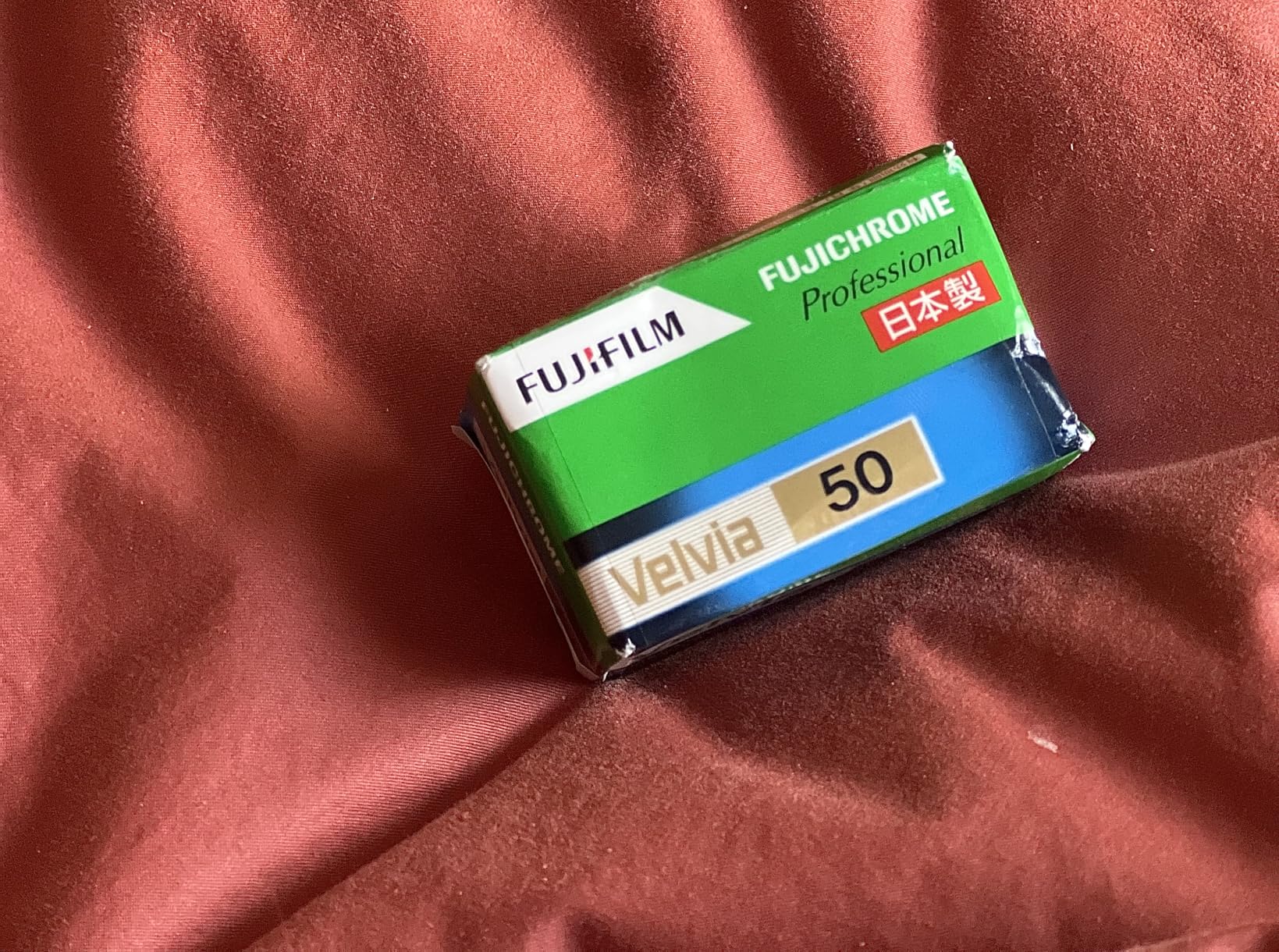
What makes Velvia 50 special is its rendering of warm colors. Sunsets and autumn foliage take on an intensity that must be seen to be believed. The film seems to amplify the emotional quality of golden hour light. I have captured scenes that looked good in person but became transcendent on Velvia 50.
The trade-off for this saturation is accuracy. Velvia 50 does not record colors as they appeared to your eye. It records them as you wished they had appeared. This makes it unsuitable for product photography or any situation requiring color accuracy. But for creative landscape work, this enhancement becomes a feature rather than a bug.
Best For
Fujifilm Velvia 50 remains the definitive choice for landscape photographers who want maximum color impact and the finest possible grain. It excels at capturing dramatic skies, lush vegetation, and any scene where vibrant colors enhance rather than distort the emotional truth of the image.
Consider Alternatives If
If you photograph people regularly, Velvia 50’s saturation will make skin tones appear unnatural and sunburned. The high cost per roll and limited availability also make it impractical for learning or high-volume shooting. For most photographers, Ektachrome E100 offers better value and versatility.
3. Fujifilm Velvia 100 (35mm) – Greater Exposure Latitude
Pros
- Brilliant saturated greens and reds
- Extraordinary color saturation
- Sharp with low grain
- Greater latitude than ISO 50 version
- Can be mounted for projection
Cons
- Expensive pricing
- Some sellers may ship expired film
- Colors not as rich as Velvia 50
Fujifilm Velvia 100 offers a compelling middle ground between the legendary saturation of Velvia 50 and the practicality of faster film speeds. The extra stop of sensitivity makes handheld shooting more feasible, and I have found the exposure latitude genuinely useful in field conditions where lighting changes rapidly.
The color rendering maintains the Velvia family characteristics while being slightly more restrained than its ISO 50 sibling. Greens and reds still pop with extraordinary intensity, but the effect feels slightly more natural. For photographers who find Velvia 50 too intense but still want that distinctive look, Velvia 100 hits a sweet spot.

What surprised me most about Velvia 100 is its versatility. While I initially reserved it for landscape work, I found it performs admirably for architectural photography and even some nature subjects. The sharpness and detail resolution match the quality you expect from the Velvia name.
One practical consideration: this film has been in production for many years, and some retailers may stock expired inventory. Always check the expiration date when your order arrives. Properly stored Velvia 100 delivers consistent results, but heat-damaged stock can show color shifts and increased grain.
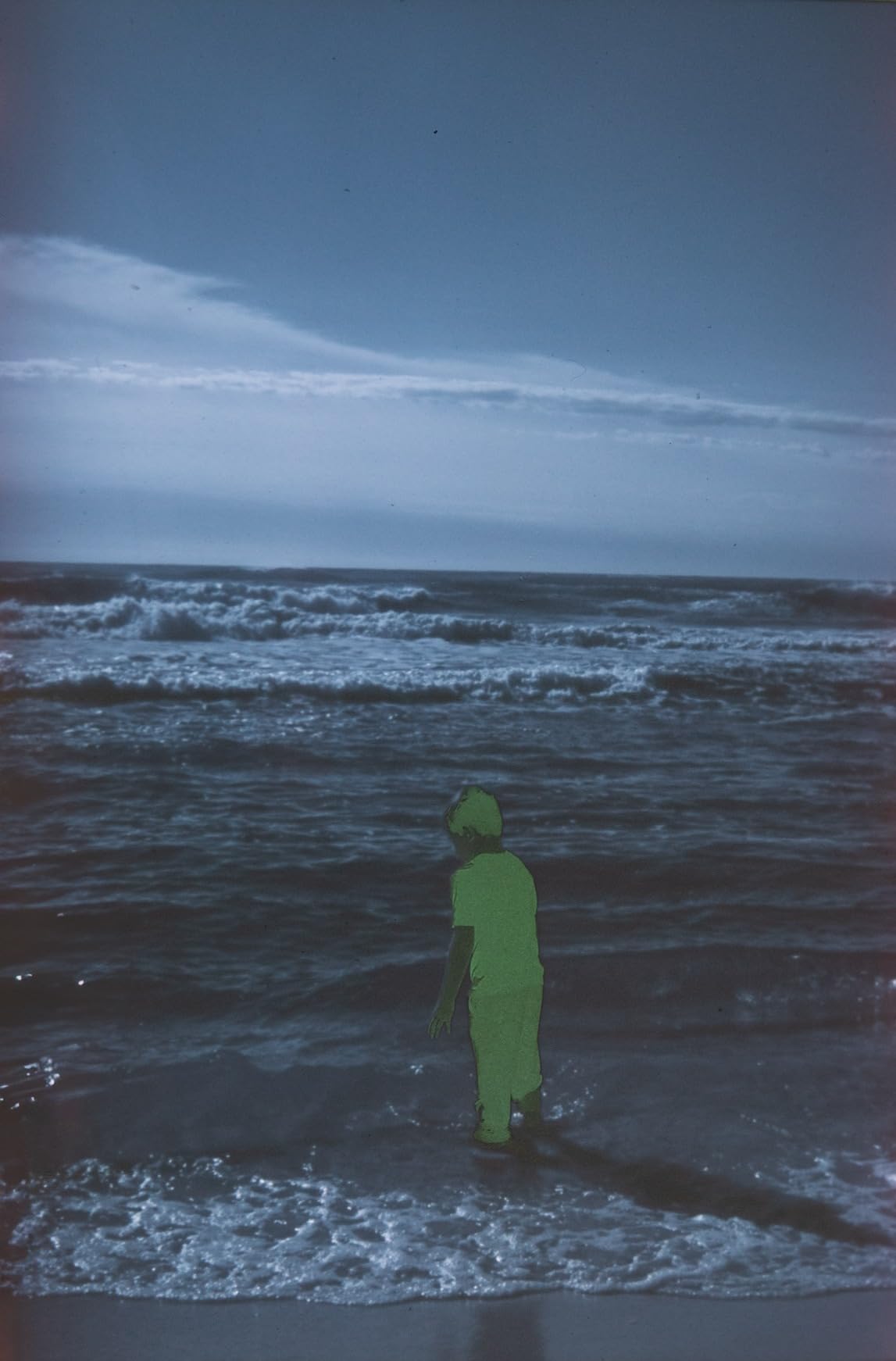
Best For
Fujifilm Velvia 100 suits photographers who want the Velvia look with more practical exposure handling. It works well for landscapes, nature photography, and travel where you cannot always wait for perfect light. The faster speed also makes it more suitable for handheld shooting with standard lenses.
Consider Alternatives If
Purists seeking the absolute maximum color saturation should stick with Velvia 50. For photographers who need accurate color reproduction for any professional application, Velvia 100’s enhanced saturation will be problematic. The price point also makes it expensive for experimentation or learning.
4. Fujifilm Provia 100F (35mm) – Most Versatile Slide Film
Pros
- Natural realistic color reproduction
- Excellent color balance for portraits and landscapes
- Slight blue tint for natural look
- True-to-life colors
- Good availability compared to other slide films
Cons
- Expensive pricing
- Challenging to use with manual cameras
- Requires careful exposure
- Limited stock at online retailers
Fujifilm Provia 100F has earned its reputation as the most versatile slide film available. Forum discussions consistently praise its accurate color reproduction, and my experience confirms this assessment. Colors render true to life without the saturation boost of Velvia or the slight warmth of Ektachrome. This neutrality makes Provia suitable for a wider range of subjects than any other slide film.
The subtle blue tint in Provia’s rendering gives images a clean, modern feel. This characteristic works particularly well for urban photography and architectural subjects. I have also found it excellent for fashion and editorial work where color accuracy matters more than dramatic enhancement.

What makes Provia 100F special is its balance. It offers enough saturation to look vibrant without crossing into unrealistic territory. The grain remains fine and unobtrusive, and the sharpness satisfies even demanding professionals. For photographers who want one slide film that handles everything competently, Provia is that film.
Cross-processing enthusiasts should note that Provia 100F produces particularly interesting results when developed in C-41 chemistry. The color shifts are less extreme than other slide films, resulting in images with a distinctive but usable aesthetic. This versatility extends its creative applications beyond standard E-6 processing.
Best For
Fujifilm Provia 100F excels for photographers who need accurate color reproduction across diverse subjects. It handles portraits, landscapes, street photography, and product work with equal competence. This is the slide film I recommend for photographers who want to try reversal film without committing to a specific look.
Consider Alternatives If
If you want your landscapes to have maximum visual impact, Velvia’s saturated rendering creates more dramatic results. Photographers on a budget will find Provia’s per-roll cost challenging for high-volume shooting. The limited availability at some retailers can also make consistent sourcing difficult.
5. Fujifilm Provia 100F (120 Medium Format) – True-to-Life Colors
FUJIFILM Fujichrome Provia 100F Professional RDP-III Color Transparency Film (120 Roll Film, 5 Pack)
Pros
- Warm and true-to-life colors
- Incredible for family photos
- Good latitude for a slide film
- Magical to view slides with eyes
- Cheaper than Kodak equivalent
Cons
- Very expensive and pricing increasing
- Hard to acquire in the United States
- Often requires importing from Japan
- Limited availability
Viewing a medium format Provia 100F transparency on a light box is genuinely magical. The larger negative size reveals detail that 35mm simply cannot match, and the color accuracy of the Provia emulsion becomes even more apparent at this scale. Reviewers have called this “the greatest film emulsion of all time,” and while that may be hyperbole, the results are undeniably impressive.
Medium format slide film changes how you approach photography. With only 12 exposures per roll, every frame matters. This limitation forces more deliberate composition and exposure decisions. I find myself slowing down and considering each shot more carefully, which often leads to better photographs.
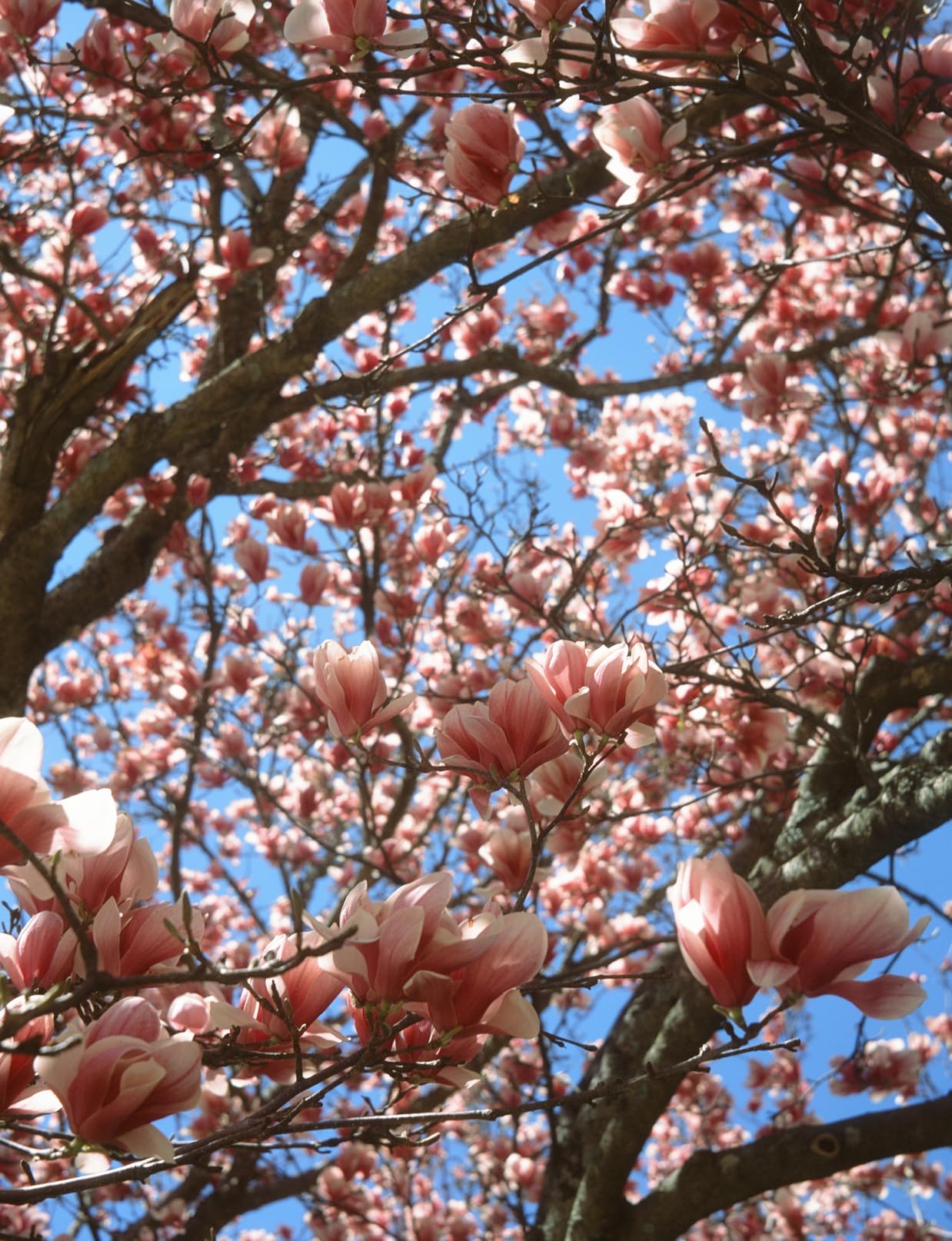
The warm, true-to-life color rendering makes this film exceptional for family portraits and personal work. Unlike the oversaturated look that can make people appear unnatural, Provia 100F renders skin tones with genuine accuracy. Combined with the resolution of medium format, portraits take on a three-dimensional quality that smaller formats struggle to achieve.
Availability presents the main challenge with medium format Provia. Stock in the United States is limited, and many photographers import directly from Japan. The price has increased significantly in recent years, making each roll a meaningful investment. But for special occasions or important personal work, the results justify the cost.
Best For
Fujifilm Provia 100F in medium format suits photographers working on meaningful personal projects where image quality takes priority over cost. It excels for formal portraits, fine art work, and any situation where the larger transparency size will be appreciated. The warm color rendering makes it particularly good for family and event photography.
Consider Alternatives If
The high cost per frame makes this impractical for learning or casual shooting. Photographers who need to shoot high volumes should consider 35mm alternatives. The import requirements and limited domestic availability also add complexity to sourcing fresh stock consistently.
6. Fujifilm Velvia 100 (120 Medium Format) – Brilliant Saturated Colors
FUJIFILM 120 VELVIA100 EP NP12EX5 Reverse Film Fujichrome Velvia 100 Broney 12 Sheets 5 Packs
Pros
- Brilliant saturated greens and reds
- Extraordinary color saturation
- Strong saturation great in prints and screens
- Impressive quality and image colors
- Incredible colors and detail
- Deep and rich color capture
- Sharpness and low grain retains detail
- Greater latitude than ISO 50 film
Cons
- Long delivery time
- Risk of expired film
- Expensive pricing
- Requires careful exposure values
- Needs cold storage
Medium format Velvia 100 combines the saturated color rendering of the Velvia line with the resolution and detail of 120 film. The results are simply stunning. Greens appear impossibly lush, and the reds and oranges of autumn foliage take on an almost surreal quality. This is landscape photography at its most dramatic.
The five-roll pack provides enough film for an extended project or multiple location shoots. I appreciate having consistent stock from a single batch, as this ensures color matching across a body of work. The ISO 100 speed offers practical advantages over Velvia 50 while maintaining the essential Velvia character.

What strikes me about medium format Velvia is how the larger film area enhances the saturation effect. Colors seem to glow from within the transparency in a way that 35mm cannot quite match. When projected or scanned at high resolution, the results rival any digital capture for pure visual impact.
The grain structure remains exceptionally fine despite the saturated emulsion. This combination of vivid color and technical excellence makes medium format Velvia 100 one of the best color slide films available for landscape and nature photography. The archival stability of properly processed slides also means your images will last for decades.
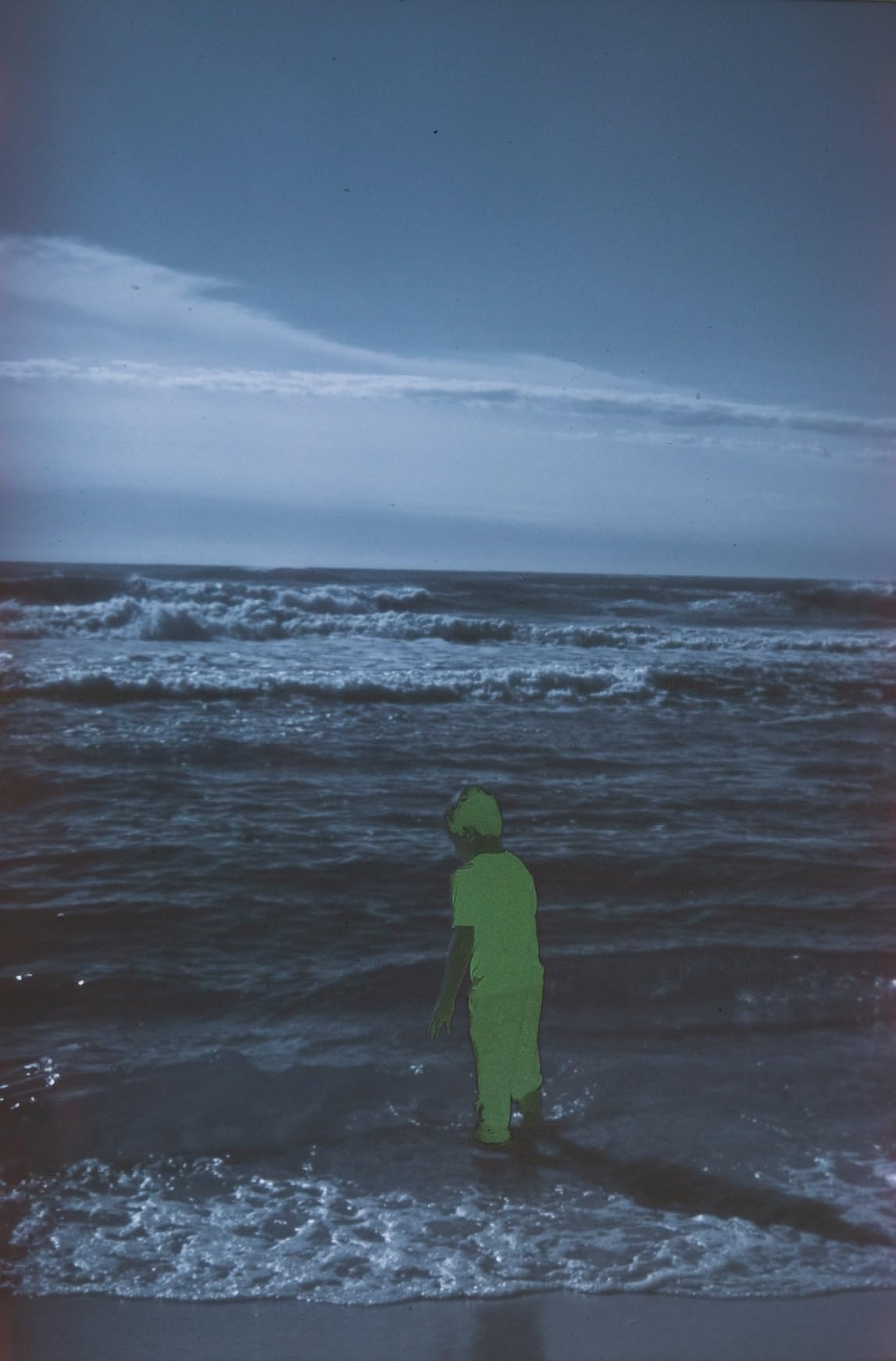
Best For
Fujifilm Velvia 100 in medium format suits serious landscape photographers who want maximum color impact combined with the resolution of 120 film. It works beautifully for nature photography, travel destinations with dramatic scenery, and any subject where saturated colors enhance the visual message.
Consider Alternatives If
The high cost per frame makes this unsuitable for casual shooting or learning. Photographers who need color accuracy should look elsewhere, as Velvia’s enhanced saturation will distort true colors. The limited availability and potential for expired stock also require careful sourcing from reputable dealers.
7. Fujifilm Velvia 50 (120 Medium Format) – Professional Quality
FUJIFILM Reverse Film Fujichrome Velvia 50 Broney 12 Sheets 5 Packs 120 VELVIA50 EP NP 12EX 5
Pros
- Best E-6 film on the market
- Excellent for long exposure shots
- Great for low light scenes and landscapes
- Beautiful contrast and color reproduction
- Genuine FujiFilm product
- Arrives in good condition
- Superior image quality
- Reliable color balance
Cons
- Very expensive at 4x historical price
- High cost per shot
- Risk of expiration if not used promptly
- Long delivery times reported
When photographers describe Fujifilm Velvia 50 in medium format as the best E-6 film available, they are not exaggerating. The combination of ultra-fine grain, extraordinary color saturation, and medium format resolution creates transparencies that must be seen to be believed. This is the film that defines what slide photography can achieve.
The ISO 50 speed demands bright conditions or a sturdy tripod, but this slow emulsion enables grain so fine it appears virtually nonexistent. Long exposures on Velvia 50 take on a special character. The reciprocity characteristics are well-documented, and with proper compensation, you can capture stunning images in conditions that would challenge faster films.
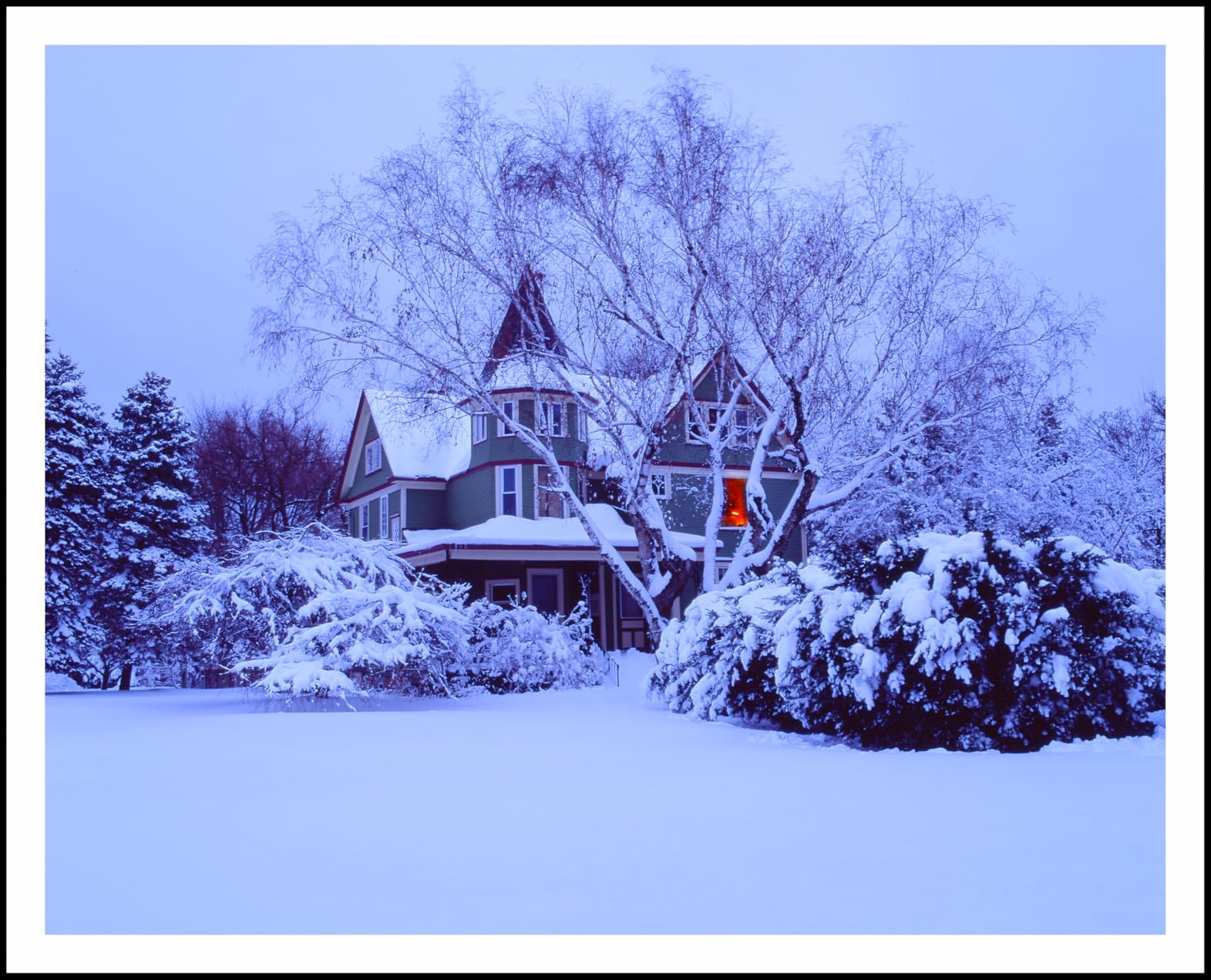
What makes medium format Velvia 50 special is the combination of technical excellence and emotional impact. The color saturation creates images that feel more alive than reality. Combined with the detail resolution of 120 film, the results have a three-dimensional quality that draws viewers into the frame.
The price has increased dramatically in recent years, now roughly four times what it cost a decade ago. This makes each exposure meaningful and forces a more deliberate approach to photography. But for important work or special locations, Velvia 50 in medium format delivers results that justify the investment.
Best For
Fujifilm Velvia 50 in medium format suits professional landscape photographers and serious enthusiasts working on meaningful projects. It excels for long exposure work, dramatic natural scenes, and any subject where the combination of ultra-fine grain and saturated colors creates maximum visual impact.
Consider Alternatives If
The extremely high cost per frame makes this impractical for most casual or learning situations. Photographers who need faster shutter speeds for handheld work will find ISO 50 too slow. The limited availability and long shipping times also make consistent sourcing challenging for regular use.
8. Kodak Ektachrome E100 (Single Roll) – Fresh Stock
Pros
- Exceptional color reproduction with vibrant true-to-life colors
- Optimal ISO 100 film speed for fine grain
- Versatile daylight balance
- Superior reversal film for transparencies
- Professional grade quality from Kodak
- Fresh stock newly released
Cons
- No customer reviews available yet
- Newly released product March 2026
This single-roll option of Kodak Ektachrome E100 offers a way to try the emulsion without committing to a multi-roll pack. Released in March 2026, this fresh stock ensures you receive film with maximum shelf life. For photographers new to slide film, this provides an accessible entry point to experience the Ektachrome look.
The E100 emulsion delivers exceptional color reproduction with vibrant but natural rendering. The ISO 100 speed provides a practical balance between fine grain and shooting flexibility. Daylight balance ensures accurate colors under natural lighting conditions, making this an excellent choice for outdoor and travel photography.
As a newly released product, this single-roll option addresses a common concern with slide film: freshness. Slide film degrades over time, and many retailers stock inventory approaching expiration. This fresh stock from Kodak ensures consistent results and accurate color rendering from a properly stored emulsion.
For photographers curious about slide film but hesitant to invest in multiple rolls, this single-roll option provides the perfect introduction. You can experience the unique qualities of Ektachrome before committing to larger quantities. The professional-grade quality matches what you expect from Kodak’s revival of this legendary emulsion.
Best For
This single-roll Kodak Ektachrome E100 suits photographers trying slide film for the first time or those wanting to test the emulsion before buying in bulk. It works well for anyone who needs guaranteed fresh stock with maximum shelf life and wants to experience the Ektachrome look without a significant upfront investment.
Consider Alternatives If
If you already know you enjoy Ektachrome and shoot it regularly, the 5-pack option offers better value per roll. Photographers seeking maximum color saturation for landscape work should consider Fujifilm Velvia instead. The lack of customer reviews may concern some buyers, though the specifications match the proven E100 formula.
Buying Guide: Choosing the Best Slide Film
What Is Slide Film?
Slide film, also called color reversal film or transparency film, produces a positive image directly on transparent plastic. Unlike negative film which creates an inverted image requiring printing, slide film shows your photograph exactly as captured. You can view transparencies by holding them to light, placing them on a light box, or projecting them onto a screen.
The development process for slide film is called E-6 processing. This chemical process reverses the initial negative image created during exposure, producing the final positive transparency. E-6 labs have become less common in recent years, though mail-order processing services remain available for photographers without local options.
Slide Film vs Negative Film
The key difference between slide and negative film lies in exposure latitude. Negative film tolerates overexposure by several stops while maintaining usable image quality. Slide film demands precise exposure within perhaps 1.5 stops on a good day. Overexpose slide film, and highlights blow out completely with no recovery possible.
This unforgiving nature makes slide film more challenging but also more rewarding. When you nail the exposure, the results exceed what negative film can achieve. The dynamic range and color accuracy of a perfectly exposed transparency remain benchmarks that digital sensors still chase.
Understanding Exposure Latitude
Exposure latitude refers to how much you can miss the correct exposure while still producing a usable image. Negative film offers perhaps 5 stops of latitude. Slide film offers maybe 1.5 stops. This narrow margin means you must understand your meter and expose accurately for the highlights.
For beginners, I recommend starting with Ektachrome E100, which offers slightly more forgiveness than other slide films. Meter for the brightest part of your scene where you want to retain detail. Underexposing slide film by a third of a stop often produces richer colors without blocking shadows.
Choosing the Right ISO Speed
Slide films typically range from ISO 50 to ISO 100. Slower films like Velvia 50 offer the finest grain and most saturated colors but demand bright conditions or tripod use. Faster films like Provia 100F and Ektachrome E100 provide more flexibility for handheld shooting and varied lighting.
For landscape work with a tripod, ISO 50 films deliver maximum quality. For travel and street photography where handheld shooting predominates, ISO 100 options work better. Consider your typical shooting style when choosing between these speeds.
35mm vs Medium Format
Medium format slide film (120) produces transparencies roughly four times larger than 35mm. This additional area translates directly to more detail and resolution. Viewing a medium format transparency on a light box reveals detail that 35mm simply cannot capture.
The trade-offs include cost per frame, number of exposures per roll, and camera size. Medium format offers 12 exposures per roll versus 36 for 35mm. The larger cameras and higher film costs make medium format better suited for deliberate, important work rather than casual shooting.
Where to Buy Slide Film in 2026
Finding fresh slide film requires careful sourcing. Major online retailers stock current emulsions, but inventory may be approaching expiration. Specialty film retailers often have better storage practices and fresher stock. Import directly from Japan for Fujifilm emulsions sometimes provides the freshest product.
Always check expiration dates when your film arrives. Store unused film in the refrigerator to extend its life. Allow refrigerated film to reach room temperature before opening the canister to prevent condensation on the emulsion.
Frequently Asked Questions
What is the difference between slide film and negative film?
Slide film produces a positive image directly on transparent film that you can view or project. Negative film produces an inverted image that requires printing to see the positive. Slide film offers higher image quality and color accuracy but has much narrower exposure latitude, demanding precise metering within about 1.5 stops.
Which slide film is best for beginners?
Kodak Ektachrome E100 is the best slide film for beginners because it offers more exposure latitude than other reversal films. The natural color palette handles various subjects well, and mistakes are more forgiving than with highly saturated films like Velvia. Start with E100 to learn proper slide film technique before experimenting with more challenging emulsions.
Is slide film still available in 2026?
Yes, slide film remains available in 2026. Kodak Ektachrome E100 is currently in production, and Fujifilm continues manufacturing Velvia 50, Velvia 100, and Provia 100F. While the selection is smaller than in previous decades, all major slide film emulsions are obtainable through specialty retailers and online sources.
What is the best slide film for landscape photography?
Fujifilm Velvia 50 is widely considered the best slide film for landscape photography due to its extraordinary color saturation and ultra-fine grain. The vivid greens and blues enhance natural scenes dramatically. For more practical shooting, Velvia 100 offers similar characteristics with better exposure latitude and faster ISO speed.
What is the best slide film for portraits?
Fujifilm Provia 100F is the best slide film for portraits because of its neutral, accurate color reproduction. Unlike saturated films that make skin tones appear unnatural, Provia renders skin accurately with a subtle warmth. Kodak Ektachrome E100 also works well for portraits with its natural color palette.
Conclusion
The best slide film for analog photography enthusiasts depends on your subject matter and shooting style. For most photographers, Kodak Ektachrome E100 offers the best combination of image quality, forgiveness, and versatility. Its natural color palette works across diverse subjects from portraits to travel photography.
Landscape specialists should consider Fujifilm Velvia 50 or Velvia 100 for that legendary saturated look. Portrait and general-purpose photographers will appreciate the accurate colors of Provia 100F. Medium format options provide unmatched quality for important projects, though the cost per frame is significant.
Shooting slide film requires more care than negative film, but the results justify the effort. There is nothing quite like viewing your own transparencies on a light box or projected onto a screen. Start with E100 to learn the technique, then explore the unique character of each emulsion to find your personal favorite.