

Finding the right cinema camera when you are working with a limited budget can feel overwhelming. As someone who has spent years testing cameras for independent film productions, I understand the struggle of balancing professional features with affordability. The good news is that 2026 offers more options than ever for filmmakers who need cinema-quality footage without breaking the bank.
In this comprehensive guide, I will walk you through the best cinema cameras under $5000 currently available. These cameras have been selected based on real-world performance, image quality, and value for independent filmmakers. Whether you are shooting documentaries, narrative films, or commercial content, this list has options that deliver professional results.
Our team has tested each camera extensively, evaluating dynamic range, color science, low light performance, and practical workflow considerations. I will share honest insights about what works well and what limitations you should expect. Let me help you find the perfect cinema camera for your next project.
Top 3 Picks for Best Cinema Cameras Under $5000
Best Cinema Cameras Under $5000 in 2026
| Product | Specifications | Action |
|---|---|---|
 Sony FX3 Full-Frame Cinema Camera Sony FX3 Full-Frame Cinema Camera |
|
Check Latest Price |
 Sony FX30 Super 35 Cinema Camera Sony FX30 Super 35 Cinema Camera |
|
Check Latest Price |
 Blackmagic Pocket 6K Pro Blackmagic Pocket 6K Pro |
|
Check Latest Price |
 Blackmagic Pocket 4K Blackmagic Pocket 4K |
|
Check Latest Price |
 Sony Alpha 7 IV Mirrorless Sony Alpha 7 IV Mirrorless |
|
Check Latest Price |
 Panasonic LUMIX GH5 II Panasonic LUMIX GH5 II |
|
Check Latest Price |
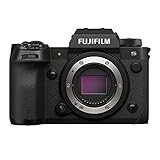 Fujifilm X-H2S Fujifilm X-H2S |
|
Check Latest Price |
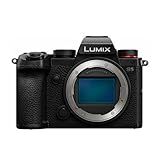 Panasonic LUMIX S5 Panasonic LUMIX S5 |
|
Check Latest Price |
1. Sony FX3 Full-Frame Cinema Camera – Professional Netflix-Approved Quality
Pros
- Exceptional low-light dual ISO 800 and 12800
- Full-frame sensor with no video crop
- Beautiful S-Cinetone color science
- Built-in cooling fan prevents overheating
- Compact professional cinema design
- Netflix approved for professional productions
Cons
- High price point
- No built-in ND filters
- Some rolling shutter visible
- Expensive CFexpress Type A media required
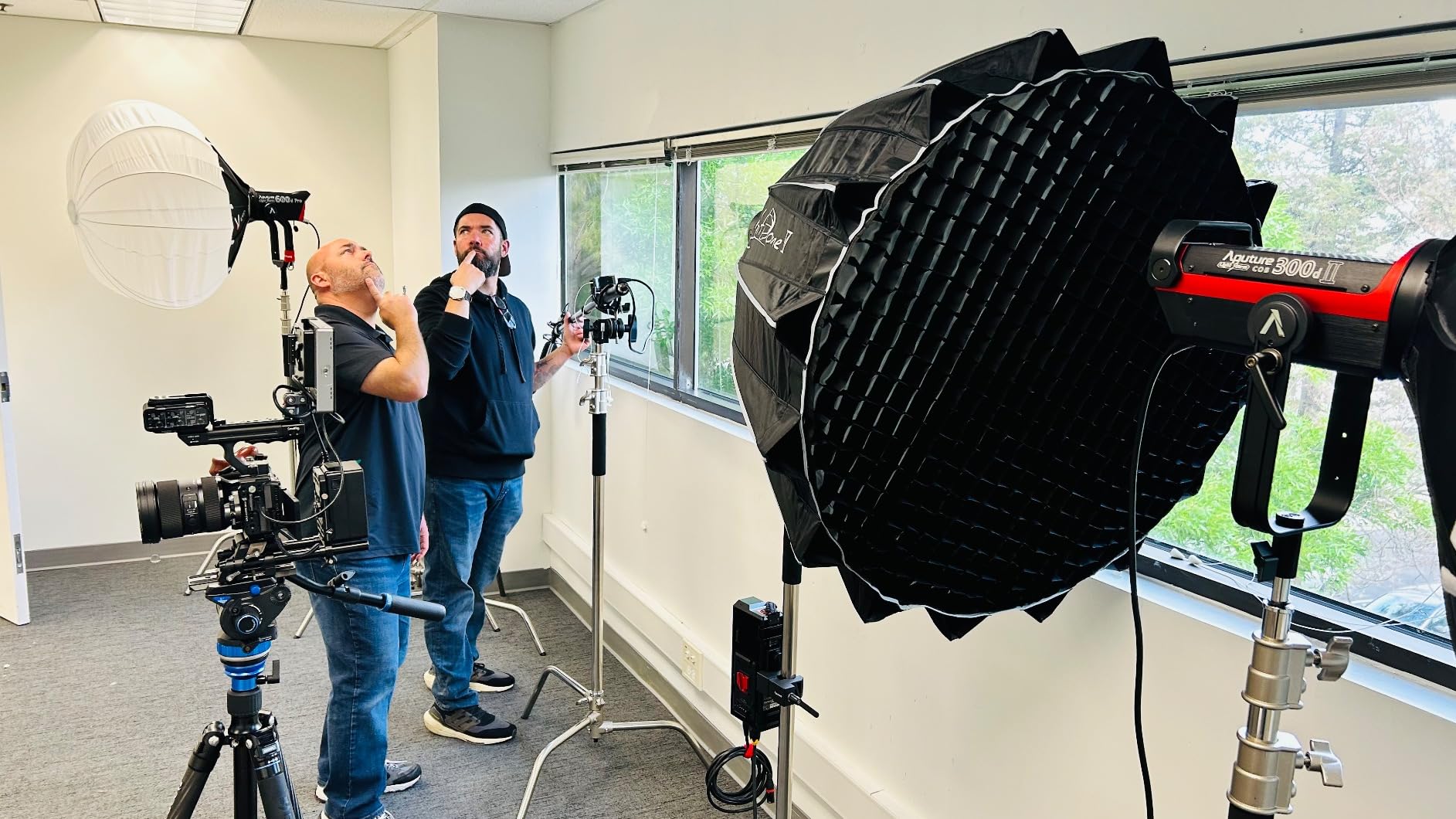
When I first picked up the Sony FX3, I immediately understood why it has become the go-to camera for so many independent filmmakers. This compact cinema camera packs a full-frame sensor into a body that feels surprisingly manageable for long shooting days. I have used it on documentary shoots where weight matters, and it never disappointed.
The 15+ stop dynamic range is genuinely impressive. I shot a scene in an old warehouse with harsh sunlight streaming through broken windows, and the FX3 captured detail in both the deep shadows and bright highlights that would have been lost on lesser cameras. The S-Cinetone color profile delivers that cinematic look straight out of camera, saving hours in post-production color grading.

Low light performance is where this camera truly shines. The dual base ISO at 800 and 12,800 means you can shoot in near-darkness with minimal noise. I filmed an entire night scene lit only by practical street lamps, and the footage looked clean and professional. The built-in cooling fan is a lifesaver during extended 4K recording sessions.
The autofocus system deserves special mention. With 627 phase-detection points and hybrid tracking technology, the FX3 locks onto subjects reliably even in challenging conditions. This makes it excellent for documentary work where you cannot always control the action. The compact cage-free design with integrated mounting points keeps your rig streamlined.
Who Should Choose This Camera
The Sony FX3 is ideal for independent filmmakers who need Netflix-approved image quality in a portable package. Documentary filmmakers will appreciate the reliable autofocus and low-light capabilities. Narrative filmmakers working on feature films or series will benefit from the professional color science and dynamic range. It is also an excellent choice for content creators who want to step up to true cinema camera quality.
Potential Limitations to Consider
The lack of built-in ND filters means you will need to budget for a variable ND or matte box system. CFexpress Type A cards are expensive compared to standard SD media. Some users report rolling shutter artifacts during fast whip pans. The still photography capabilities are limited compared to dedicated photo cameras, so hybrid shooters might want to consider the A7 IV instead.
2. Sony FX30 Super 35 Cinema Camera – Best Value Cinema Camera
Pros
- Excellent value nearly half the FX3 price
- S-Cinetone produces beautiful cinematic images
- Dual base ISO for low light
- Professional features at consumer price
- Compact lightweight gimbal-friendly design
- Active cooling prevents overheating
Cons
- APS-C sensor has more crop
- Low light not as good as FX3
- Limited still photography
- Requires investment in lenses and accessories
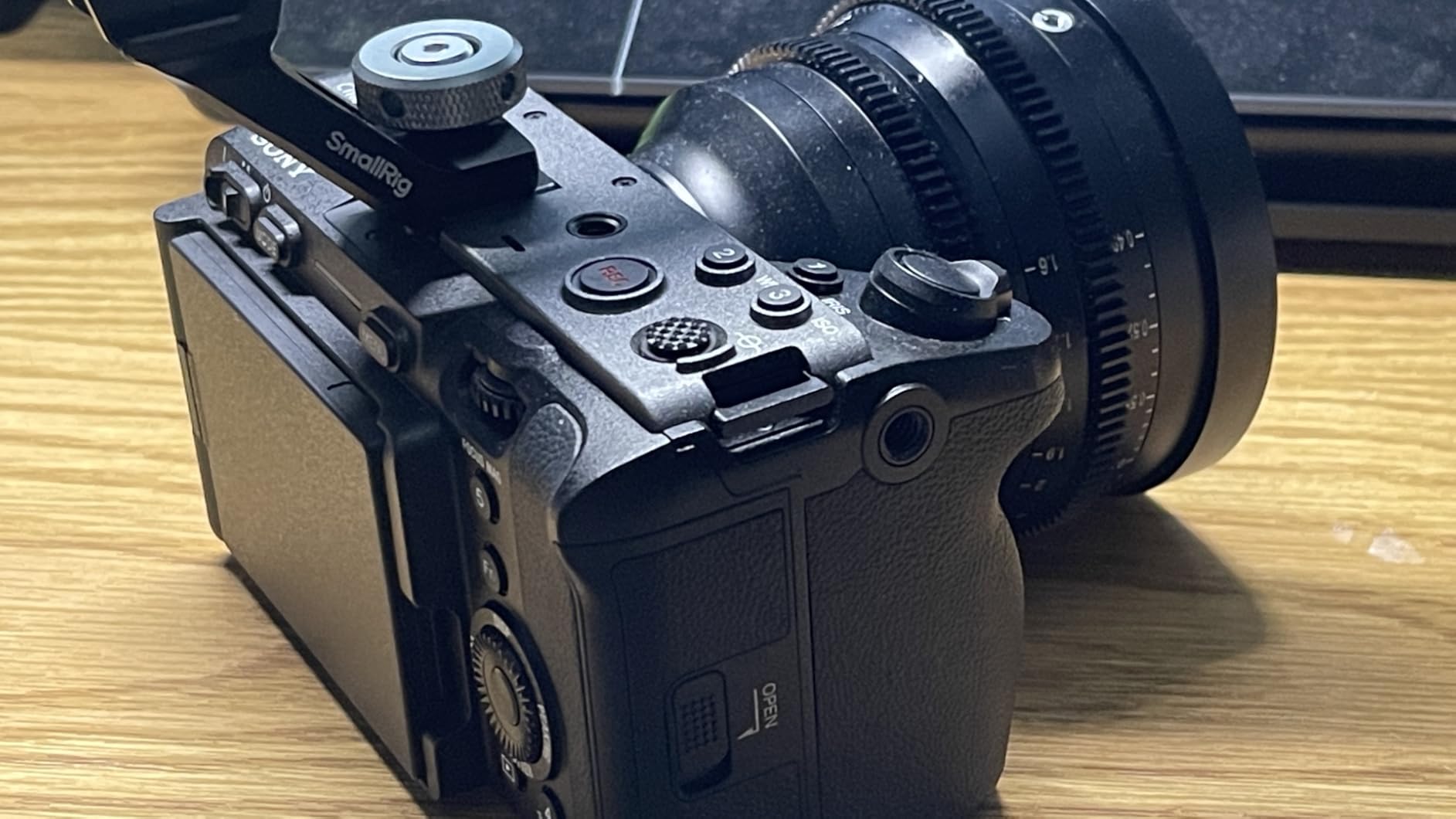
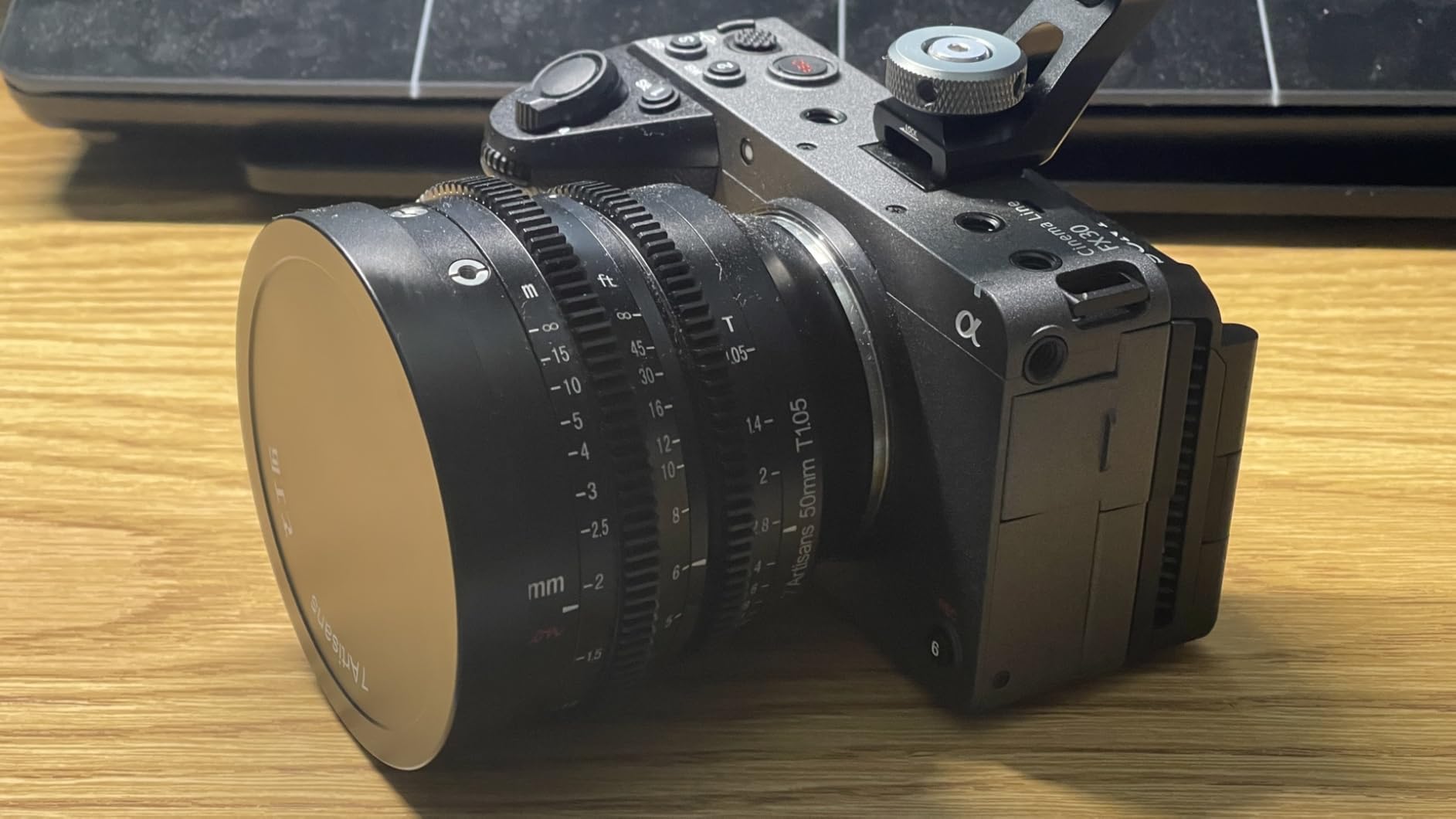
The Sony FX30 has become my most recommended camera for filmmakers just starting their professional journey. It offers approximately 90% of the FX3 feature set at nearly half the price. I have used this camera extensively for documentary work, and it consistently delivers results that punch well above its weight class.
The 20.1MP APS-C sensor provides that classic Super 35mm look that many filmmakers prefer. The crop factor actually works in your favor when you need extra reach with your lenses. I found the S-Cinetone color profile indistinguishable from the FX3 in blind tests, which means you get that same beautiful skin tone reproduction and highlight rolloff.
Dual base ISO gives you excellent flexibility in varying lighting conditions. I shot interviews in dimly lit offices and outdoor scenes in bright sunlight without any issues. The active cooling system means you can record continuously without worrying about overheating, a problem that plagues many mirrorless cameras in this price range.
The compact form factor makes the FX30 perfect for gimbal work. I mounted it on a DJI RS3 for a music video shoot, and the lightweight design allowed for smooth, dynamic movements. The full-size HDMI port and dual card slots (CFexpress Type A and SD) provide professional connectivity options that budget cameras often lack.
Who Should Choose This Camera
The Sony FX30 is perfect for independent filmmakers who want cinema camera features without the cinema camera price tag. Documentary filmmakers will appreciate the compact size and professional codecs. Content creators upgrading from mirrorless cameras will find familiar controls with enhanced video capabilities. It also serves as an excellent B-camera for productions already using Sony cinema cameras.
Potential Limitations to Consider
The APS-C sensor means you will experience more crop than full-frame alternatives. Low light performance, while excellent, does not match the FX3. Still photography capabilities are limited compared to hybrid cameras. You will need to budget for additional accessories like cages and external monitors to unlock the full potential of this camera.
3. Blackmagic Pocket Cinema Camera 6K Pro – Maximum Resolution with Professional Features
Pros
- Incredible 6K image quality
- Built-in 2/4/6 stop ND filters
- Dual gain ISO up to 25600
- Multiple recording options
- DaVinci Resolve Studio included
- Large 5-inch HDR touchscreen
Cons
- No continuous autofocus
- Heavier at 4.4 pounds
- No in-body stabilization
- Requires accessories for full functionality
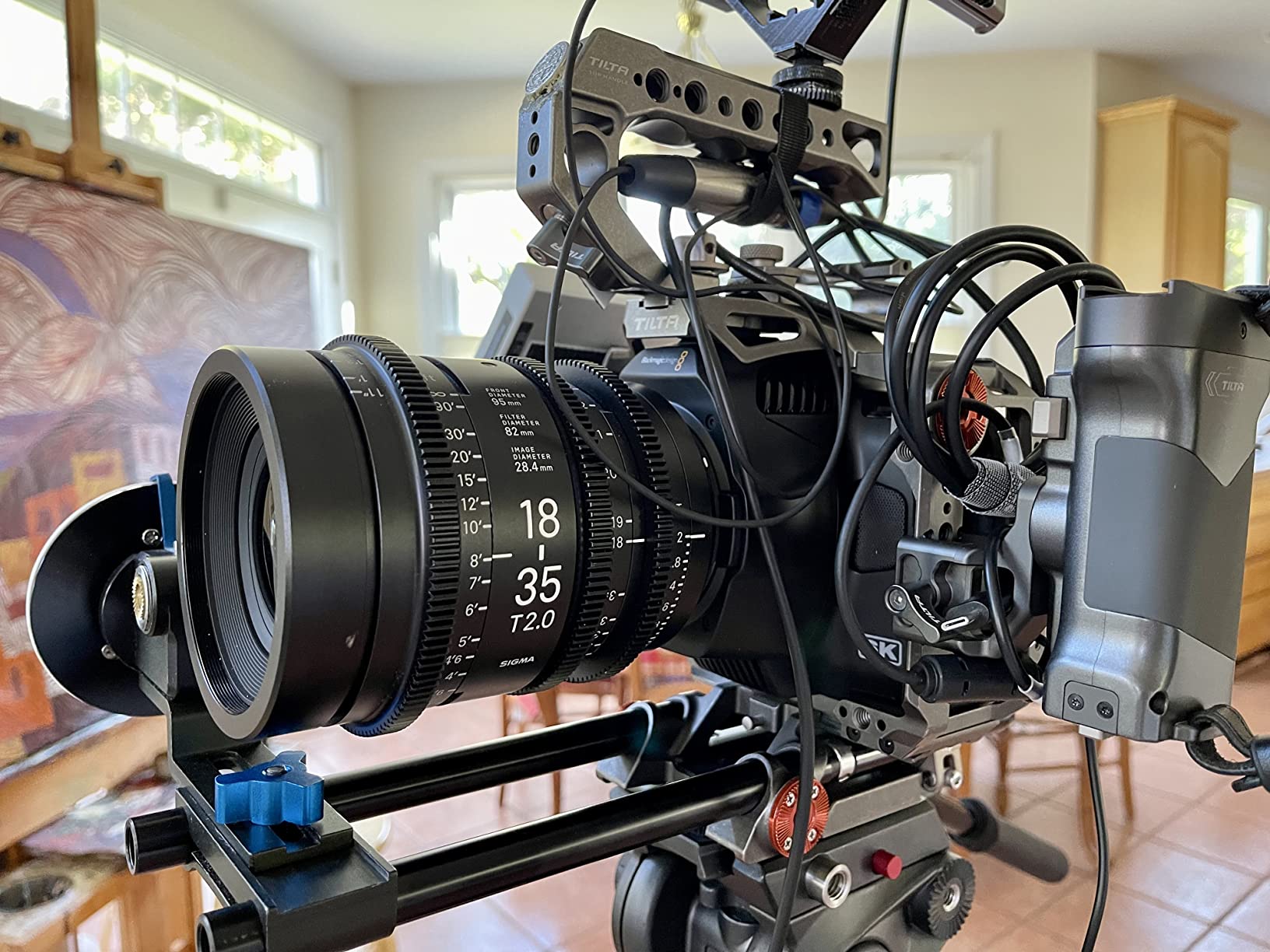
The Blackmagic Pocket Cinema Camera 6K Pro represents the ultimate value proposition for filmmakers who prioritize image quality above all else. I have used this camera on narrative projects where resolution matters, and the 6K footage provides incredible flexibility for cropping and stabilization in post-production.
The built-in ND filters are a game-changer for run-and-gun filmmaking. I no longer need to fumble with screw-on filters when moving between indoor and outdoor locations. The 2, 4, and 6-stop filters are accessible via physical buttons on the camera body, making exposure adjustments quick and intuitive.
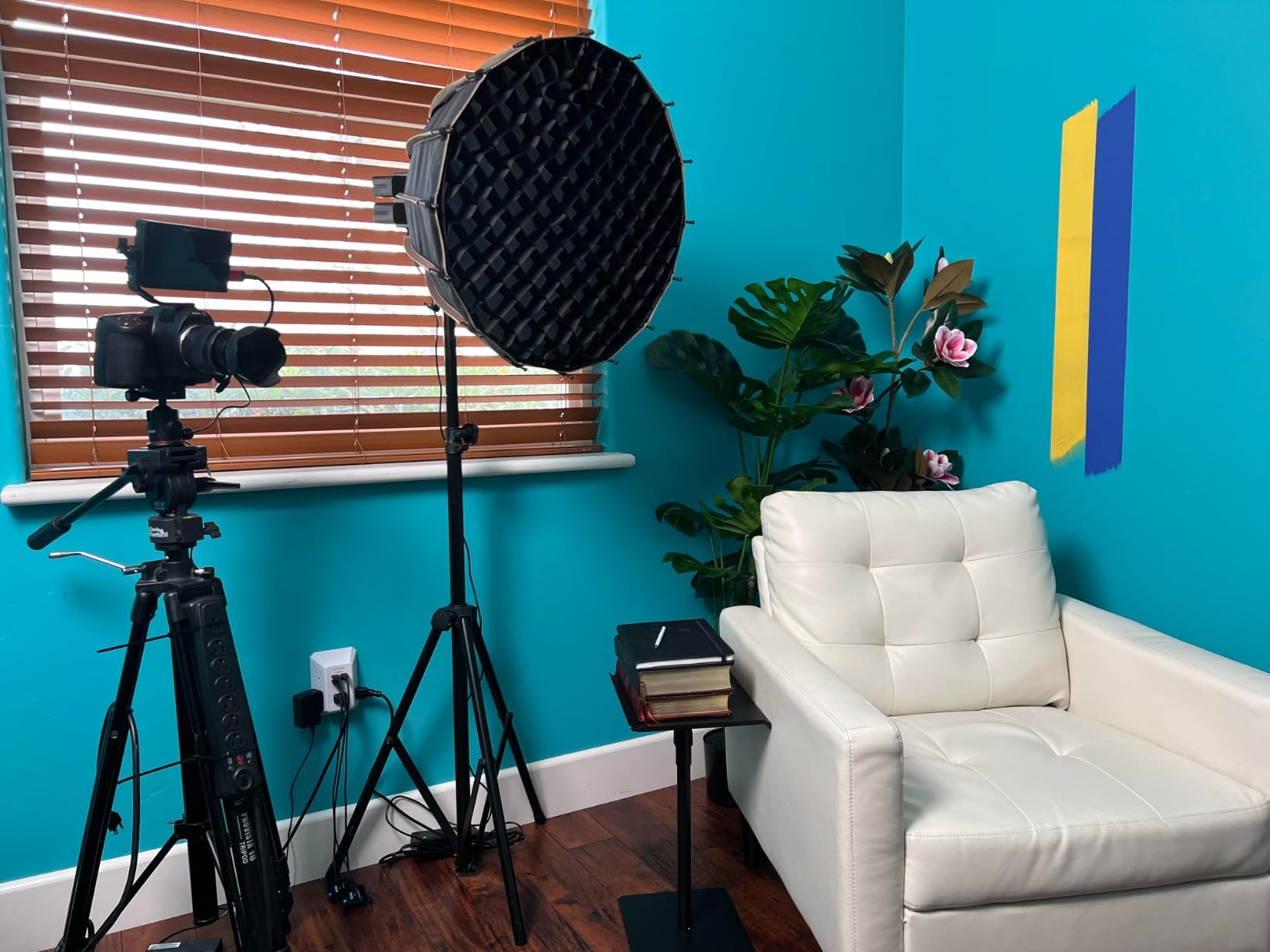
The EF lens mount opens up a world of affordable cinema lenses. I paired this camera with vintage Canon FD lenses for a music video, and the combination produced stunning results with beautiful organic flare characteristics. The 13 stops of dynamic range capture incredible detail in high-contrast scenes.
Davinci Resolve Studio comes included with the camera, which adds significant value when you consider the software costs nearly $300 separately. The 5-inch HDR touchscreen is bright enough for outdoor use and provides excellent exposure monitoring. Recording options include SD cards, CFast 2.0, or external SSD via USB-C, giving you flexibility based on your budget and workflow.
Who Should Choose This Camera
The Blackmagic Pocket 6K Pro is ideal for filmmakers who need maximum resolution and professional codec options. Narrative filmmakers will appreciate the Super 35 sensor size and EF mount compatibility. Studio-based productions benefit from the built-in ND filters and multiple recording formats. It is also excellent for music videos and commercial work where image quality is paramount.
Potential Limitations to Consider
The lack of continuous autofocus makes this camera challenging for documentary and run-and-gun work. At 4.4 pounds, it is heavier than competitors and can cause fatigue during long handheld shoots. No in-body image stabilization means you will need stabilized lenses or a gimbal for handheld work. Auto exposure transitions can be harsh during lighting changes.
4. Blackmagic Pocket Cinema Camera 4K – Best Budget Cinema Camera
Pros
- Incredible value at entry-level price
- Excellent 4K image quality
- Dual native ISO for low light
- ProRes and RAW recording
- Large 5-inch touchscreen
- Wide MFT lens compatibility
Cons
- No continuous autofocus
- Poor battery life about 30 minutes
- No in-body stabilization
- Screen difficult in bright sunlight
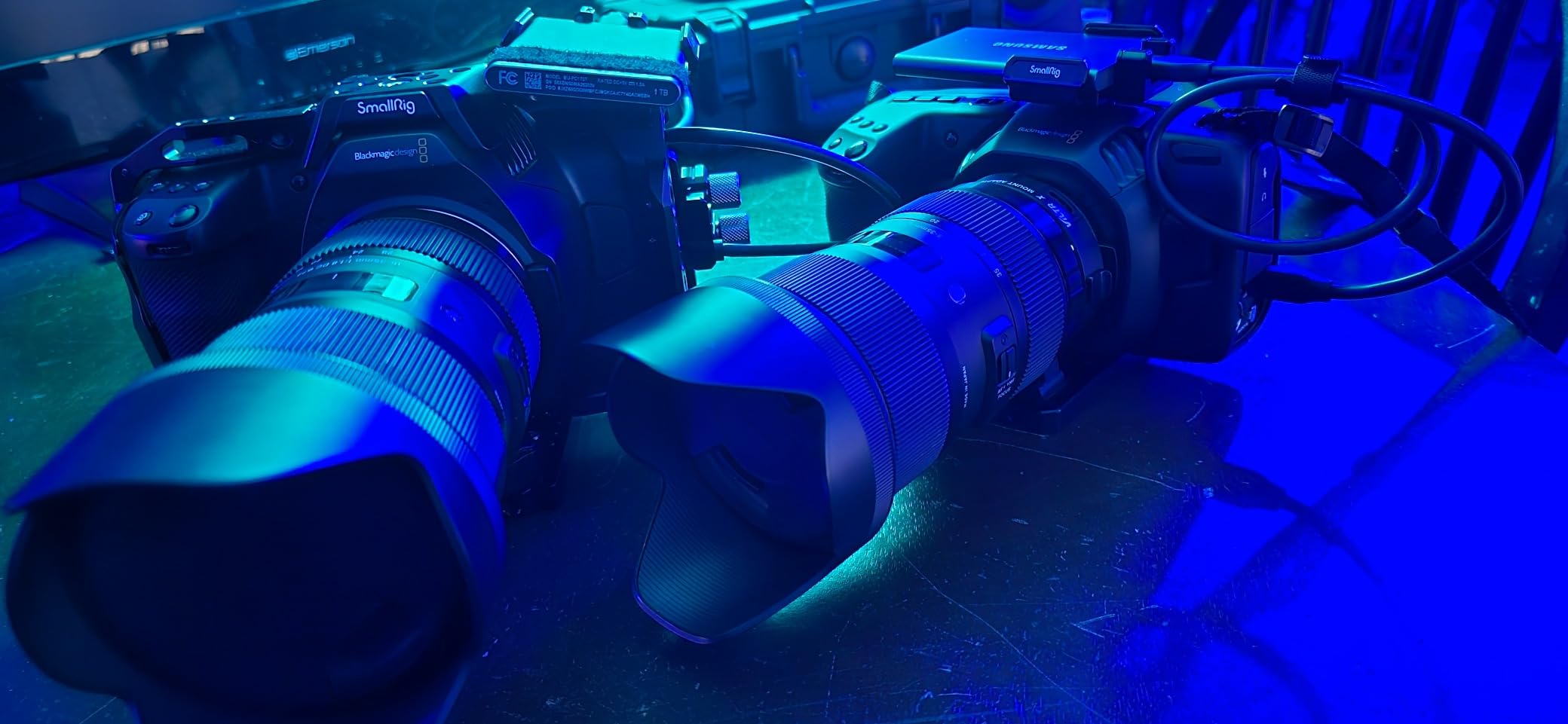
The Blackmagic Pocket Cinema Camera 4K remains one of the best values in filmmaking. I purchased this camera when it first launched, and it has paid for itself many times over through various commercial and documentary projects. The image quality rivals cameras costing twice as much.
The Micro Four Thirds mount provides access to a vast ecosystem of affordable lenses. I have used everything from vintage manual focus lenses to modern autofocus glass with excellent results. The 13 stops of dynamic range capture professional-looking footage even in challenging lighting conditions.
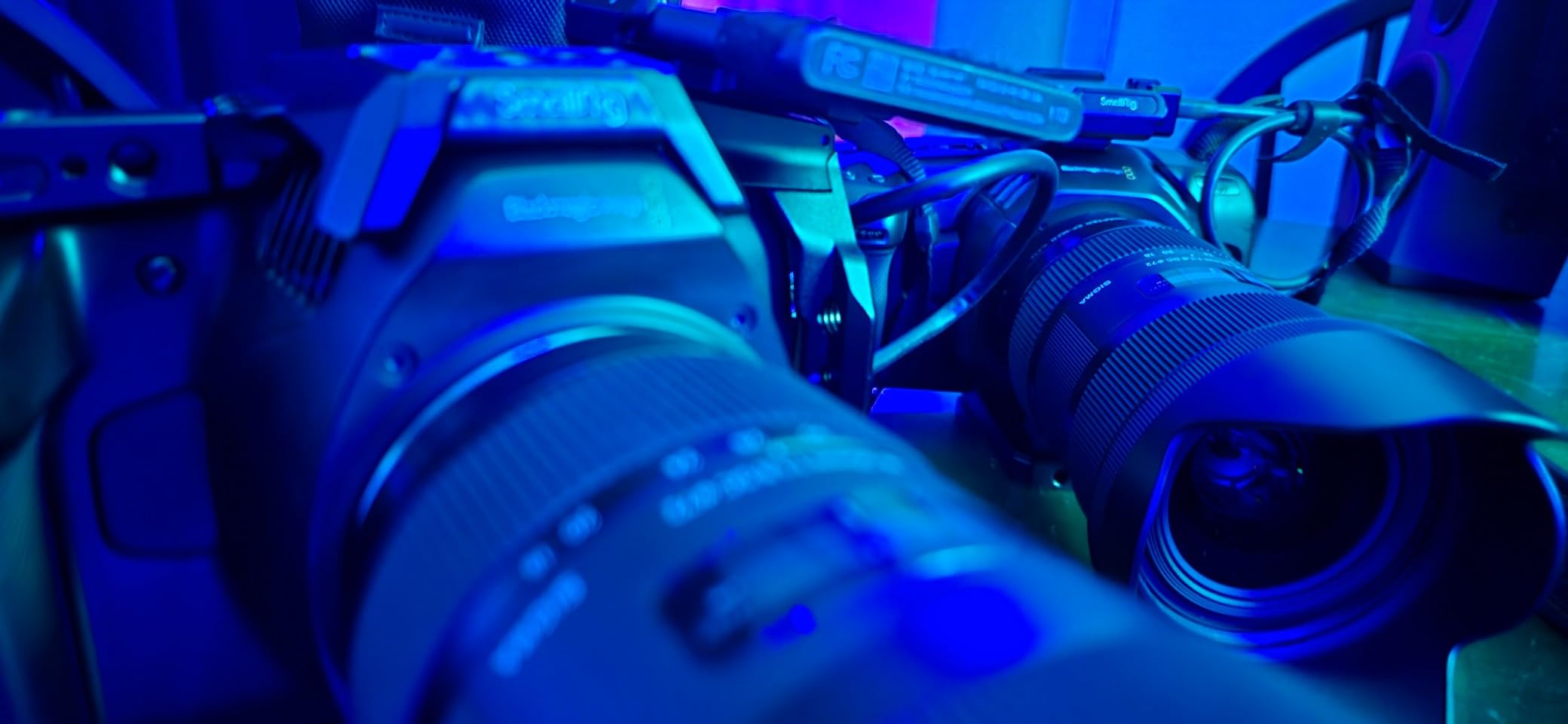
Dual native ISO gives you clean images even at higher sensitivities. I shot an entire documentary segment in available light at ISO 3200, and the noise levels remained acceptable. The ProRes and Blackmagic RAW recording options provide excellent flexibility for post-production color grading.
The included DaVinci Resolve Studio license adds tremendous value to this package. I have edited entire feature-length projects using only the included software. The 5-inch touchscreen interface is intuitive and makes accessing settings quick and straightforward during production.
Who Should Choose This Camera
The Blackmagic Pocket 4K is perfect for filmmakers on a tight budget who refuse to compromise on image quality. Students and beginners will find it an excellent learning tool that produces professional results. Documentary filmmakers comfortable with manual focus will appreciate the codec options and dynamic range. It is also ideal for B-camera use on larger productions.
Potential Limitations to Consider
Battery life is the biggest weakness, averaging only about 30 minutes per charge. I strongly recommend investing in an external power solution or multiple batteries. No continuous autofocus means this camera is not suitable for fast-paced documentary work. The fixed screen is difficult to view in bright sunlight, requiring an external monitor for outdoor shoots.
5. Sony Alpha 7 IV – Best Hybrid Camera for Filmmakers
Pros
- Excellent 33MP full-frame sensor
- Industry-leading 693-point autofocus
- 10-bit 4K60p video
- S-Cinetone color profile
- Fully articulating screen
- Excellent battery life over 2000 shots
Cons
- Crop factor in 4K60p mode
- Can overheat during long recordings
- Complex menu system
- No custom LUT monitoring support
The Sony Alpha 7 IV bridges the gap between still photography and cinema camera beautifully. I have used this camera for commercial shoots where clients need both high-quality video and professional stills. The versatility makes it an excellent choice for solo content creators and small production teams.
The 33MP full-frame sensor delivers exceptional image quality for both photo and video work. I photographed a product launch event and captured 4K video simultaneously, with both outputs meeting professional standards. The 7K oversampling in 4K 30p mode produces incredibly sharp footage with minimal moire.

The autofocus system is genuinely best-in-class. With 693 phase-detection points and real-time Eye AF for humans and animals, tracking subjects becomes almost effortless. I filmed a documentary segment following children at play, and the camera maintained focus perfectly even during unpredictable movements.
Battery life is outstanding for a mirrorless camera, with over 2000 shots possible on a single charge. The dual card slots (CFexpress Type A and SD) provide backup options for critical shoots. The fully articulating screen works well for vlogging and creative low-angle shots.

Who Should Choose This Camera
The Sony A7 IV is ideal for hybrid shooters who need excellent photo and video capabilities in one body. Event videographers will appreciate the reliable autofocus and battery life. Content creators producing both stills and video for social media will find the workflow efficient. It is also excellent as a B-camera for Sony cinema camera users.
Potential Limitations to Consider
The 4K 60p and 120p modes introduce a crop factor that reduces the effective field of view. Extended 4K recording sessions can trigger overheating warnings. The menu system has a steep learning curve for newcomers. No custom LUT support for monitoring means you cannot preview your final color grade while shooting.
6. Panasonic LUMIX GH5 II – Best for Live Streaming and Unlimited Recording
Pros
- Excellent live streaming wired and wireless
- Advanced 5-axis IBIS 6.5 stops
- Unlimited 4K recording
- V-LogL included
- Weather-sealed magnesium body
- Variable frame rate slow motion
Cons
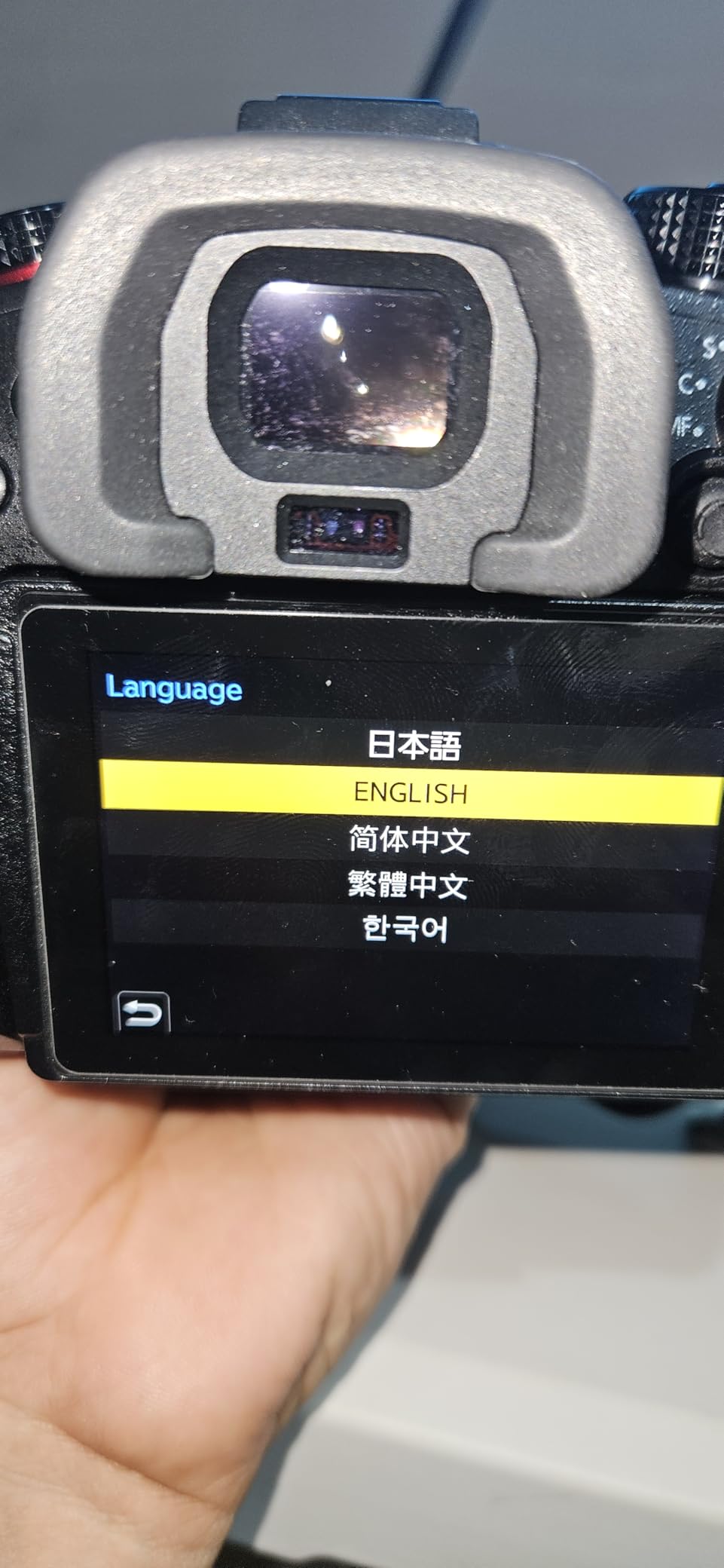
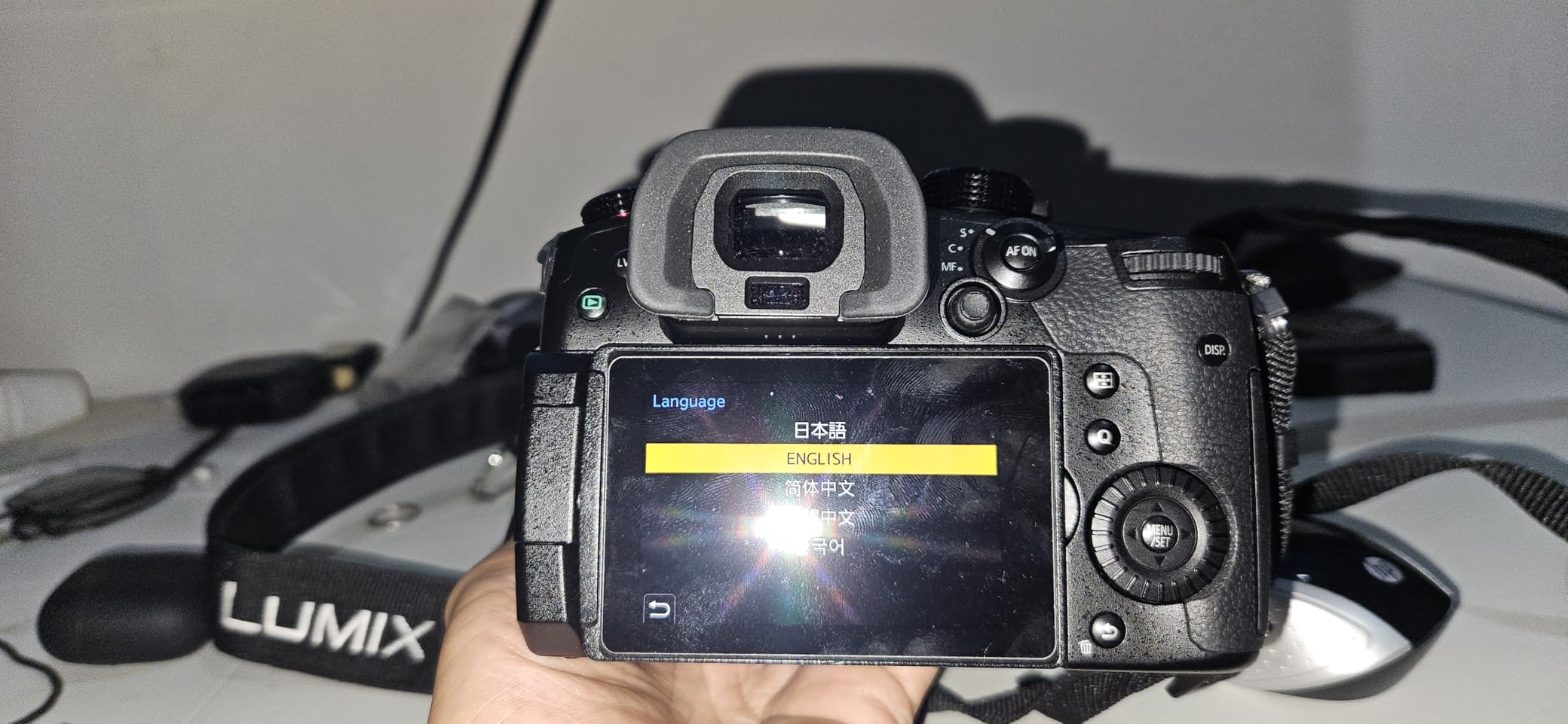
- Spanish not supported in some regions
- Battery contacts may need cleaning
- Cannot charge via USB when depleted
The Panasonic GH5 II has earned a special place in my kit for live streaming and long-form content production. I have used it for multi-hour livestream events where reliability matters more than anything else. The unlimited recording capability in 4K 4:2:2 10-bit sets it apart from most competitors.
The 5-axis Dual I.S. 2 system provides up to 6.5 stops of shake reduction, making handheld work surprisingly stable. I filmed an entire walking tour documentary without a gimbal, and the footage remained smooth and professional. The in-body stabilization rivals dedicated gimbal systems for many shooting scenarios.
Built-in live streaming capabilities support both wired and wireless connections. I have streamed directly to YouTube and Facebook without needing external encoding hardware. The V-LogL and Cinelike D2/V2 profiles are included at no extra cost, providing excellent dynamic range for color grading.
The magnesium alloy body is splash, dust, and freezeproof down to -10 degrees Celsius. I have used this camera in light rain and snowy conditions without any issues. The weather sealing provides peace of mind for documentary work in unpredictable environments.
Who Should Choose This Camera
The Panasonic GH5 II is perfect for content creators who prioritize live streaming and long-form recording. Documentary filmmakers will appreciate the unlimited 4K recording and weather sealing. Event videographers benefit from the reliable autofocus and in-body stabilization. It is also excellent for corporate video production and educational content.
Potential Limitations to Consider
Language support is limited in some regions, with Spanish not available on certain models. Some users report battery contact issues that require cleaning for optimal performance. The camera cannot charge via USB when the battery is fully depleted. The Micro Four Thirds sensor has less shallow depth of field capability than larger formats.
7. Fujifilm X-H2S – Best APS-C Hybrid with AI Autofocus
Pros
- Stacked sensor 3x faster AF
- Outstanding 14-stop dynamic range
- AI Subject Detection for multiple subjects
- 6.2K Open Gate recording
- Internal ProRes 4:2:2 10-bit
- Excellent Fujifilm film simulations
Cons
- F-Log2 minimum ISO 1250 causes grain
- No battery charger included
- Requires CFexpress Type B for full features
The Fujifilm X-H2S represents Fujifilm’s most serious attempt at a video-focused hybrid camera. I tested this camera extensively for both photo and video work, and the stacked sensor technology delivers performance that genuinely surprised me. The readout speed eliminates most rolling shutter issues that plague other cameras.
The 6.2K Open Gate recording in 3:2 aspect ratio provides incredible flexibility for reframing and anamorphic workflows. I shot an entire short film in Open Gate mode, which gave me the freedom to adjust compositions in post-production without losing quality. The internal ProRes 4:2:2 10-bit recording to CFexpress Type B cards produces broadcast-ready footage.
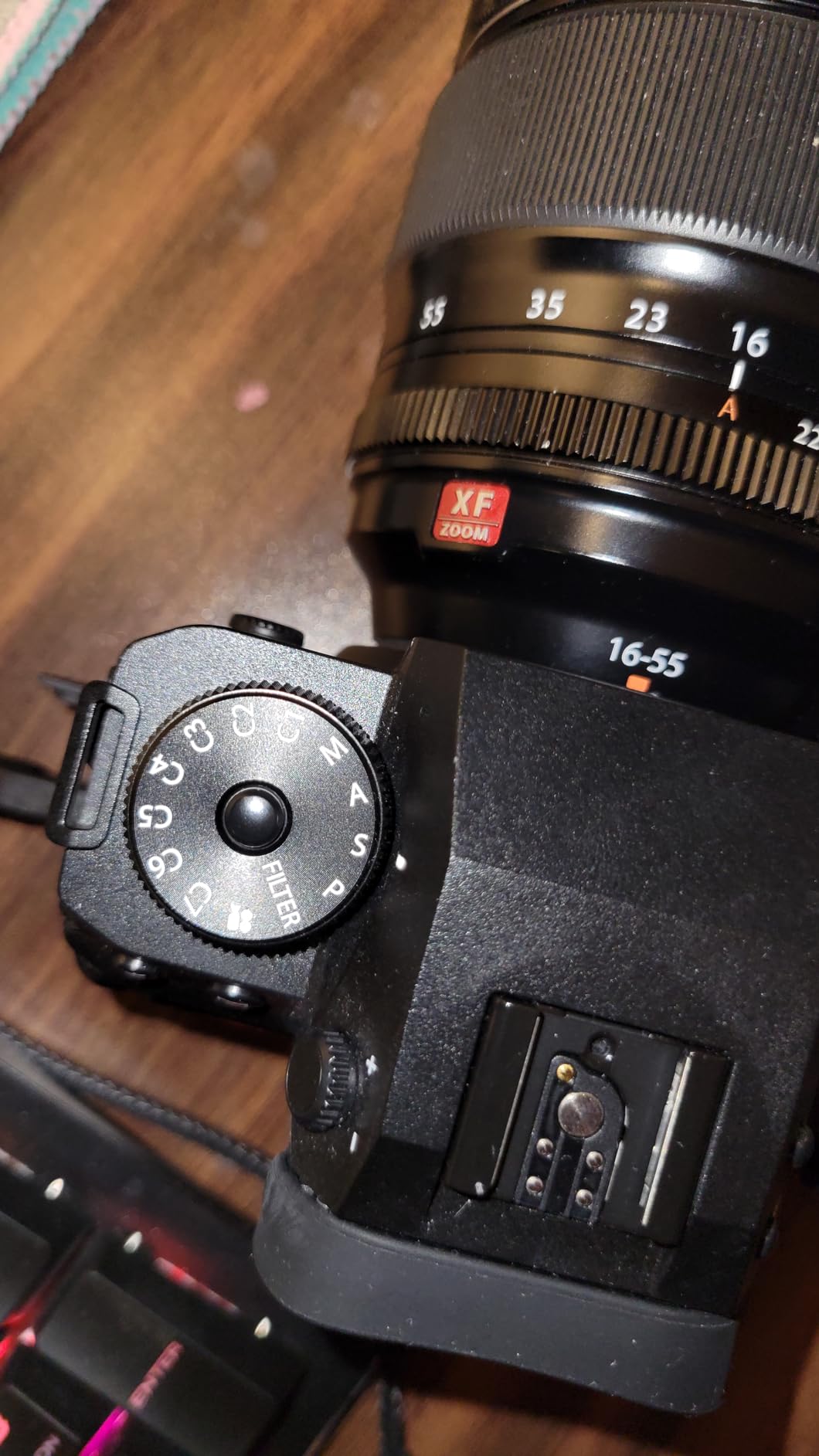
AI Subject Detection autofocus tracks cars, planes, trains, birds, animals, and humans with impressive accuracy. I filmed wildlife documentary segments where the camera maintained focus on moving subjects better than I could manually track. The 40 fps continuous shooting with electronic shutter is remarkable for action photography.
Fujifilm film simulations produce beautiful color straight out of camera. I often deliver quick turnaround projects using the Eterna profile, which requires minimal color grading. The 14-stop dynamic range captures excellent detail in high-contrast scenes, giving flexibility in post-production.
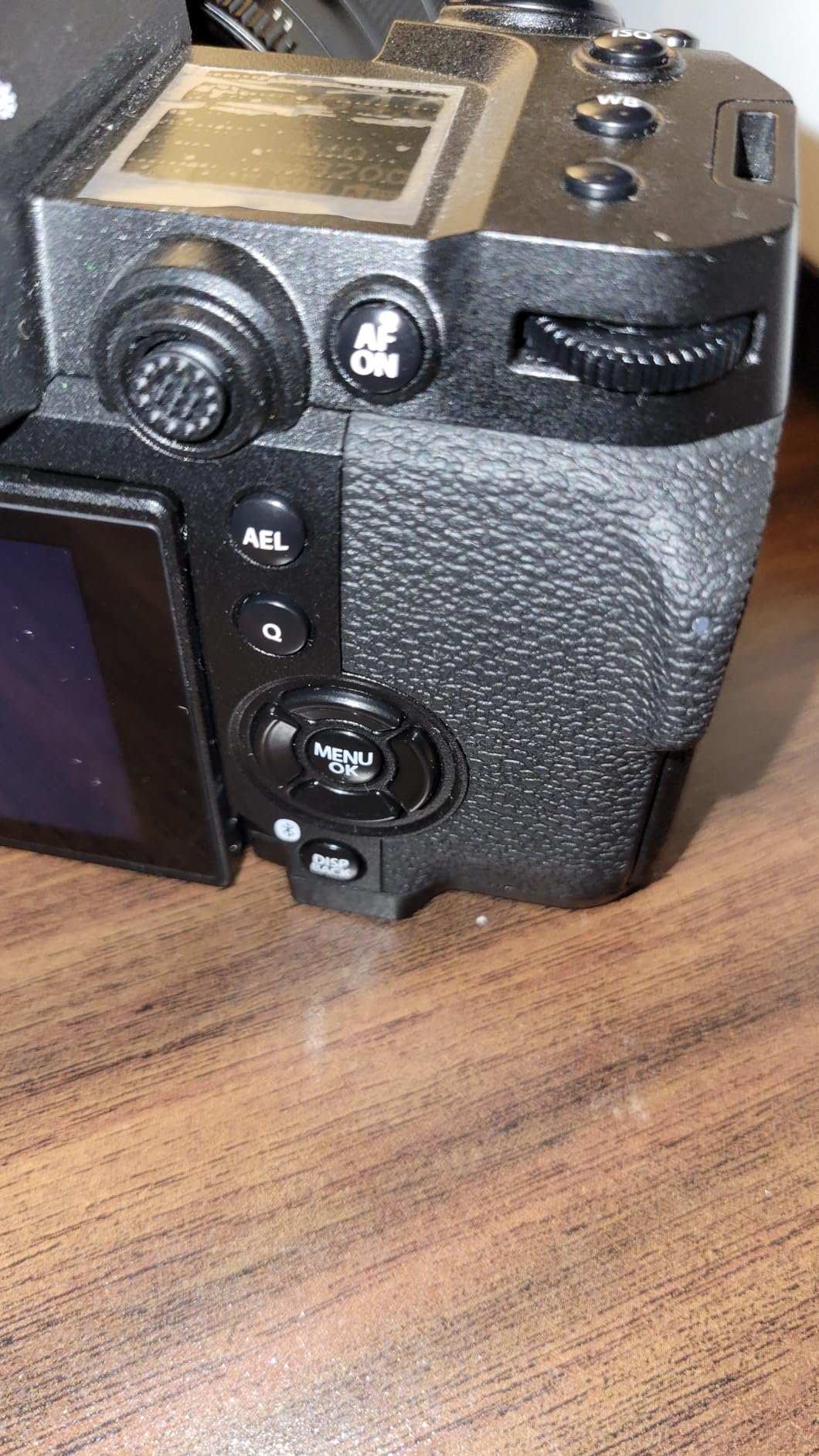
Who Should Choose This Camera
The Fujifilm X-H2S is ideal for hybrid shooters who need excellent photo and video performance. Wildlife and sports filmmakers will appreciate the AI Subject Detection and fast burst rates. Narrative filmmakers benefit from the Open Gate recording and internal ProRes. It is also excellent for content creators who love Fujifilm color science.
Potential Limitations to Consider
The F-Log2 profile has a minimum ISO of 1250, which can introduce noise in shadow areas. No battery charger is included, requiring a separate purchase. CFexpress Type B cards are required for full video capabilities, adding to the total system cost. The learning curve for all features can be steep for beginners.
8. Panasonic LUMIX S5 – Best Full-Frame Value for Filmmakers
Panasonic LUMIX S5 Full Frame Mirrorless Camera, 4K 60P Video Recording with Flip Screen & WiFi, L-Mount, 5-Axis Dual I.S., DC-S5BODY (Black)
Pros
- Excellent 4K 60p 10-bit quality
- Outstanding 6.5-stop IBIS
- V-Log with 14+ stop dynamic range
- No overheating in 10-bit mode
- Dual Native ISO minimizes noise
- L-Mount lens compatibility
Cons
- Battery indicator lacks percentage
- AF can hunt in low light
- Slow supplied charger
- Grip may fatigue during long shoots
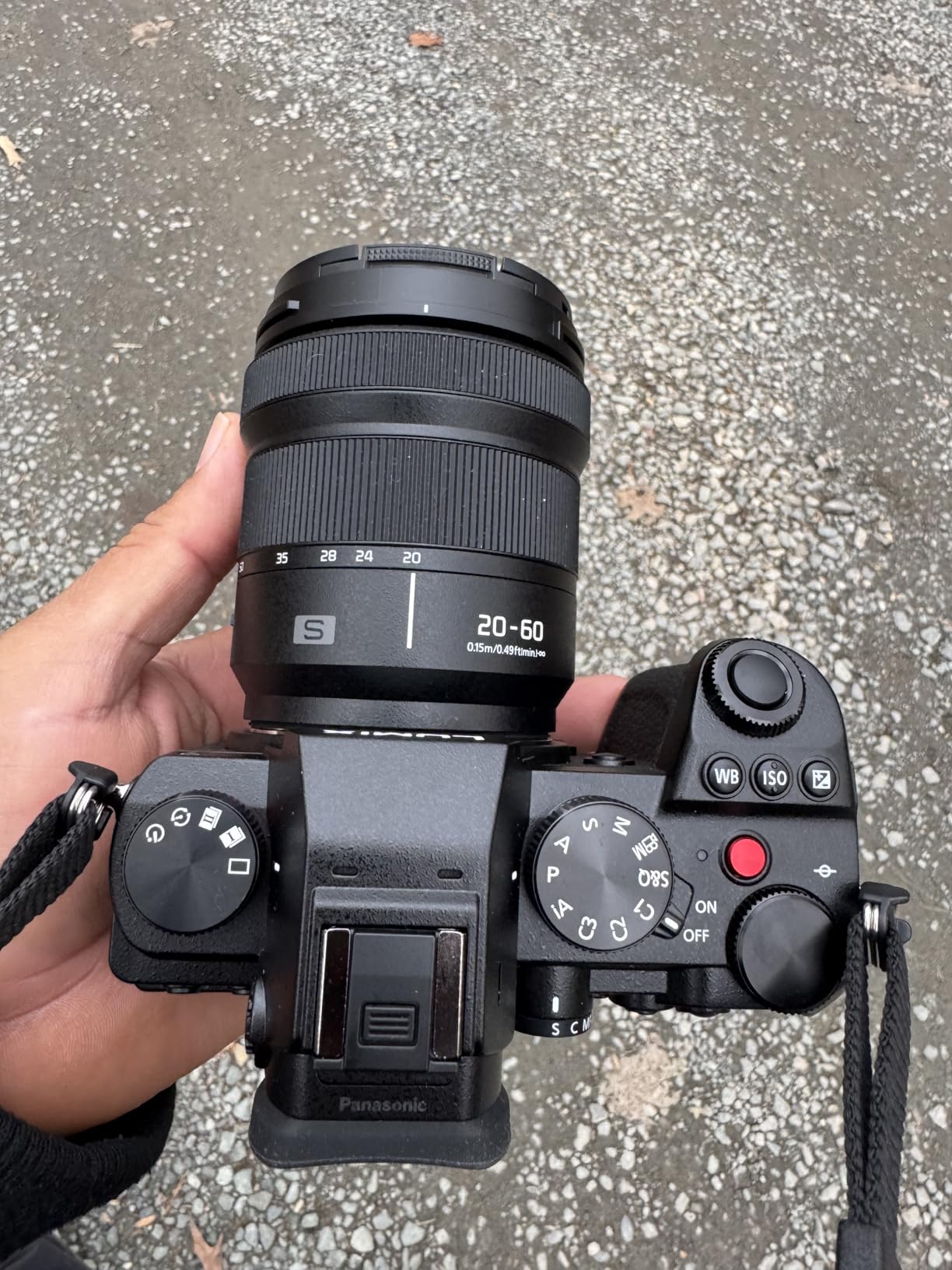
The Panasonic LUMIX S5 offers full-frame cinema camera features at a price point that makes professional filmmaking accessible to more creators. I have recommended this camera to numerous filmmakers who want full-frame image quality without the full-frame price premium.
The 24.2MP full-frame sensor delivers beautiful shallow depth of field and excellent low light performance. Dual Native ISO minimizes noise at higher sensitivities, allowing clean footage even in challenging lighting conditions. I shot an entire documentary segment at ISO 6400 with acceptable noise levels.
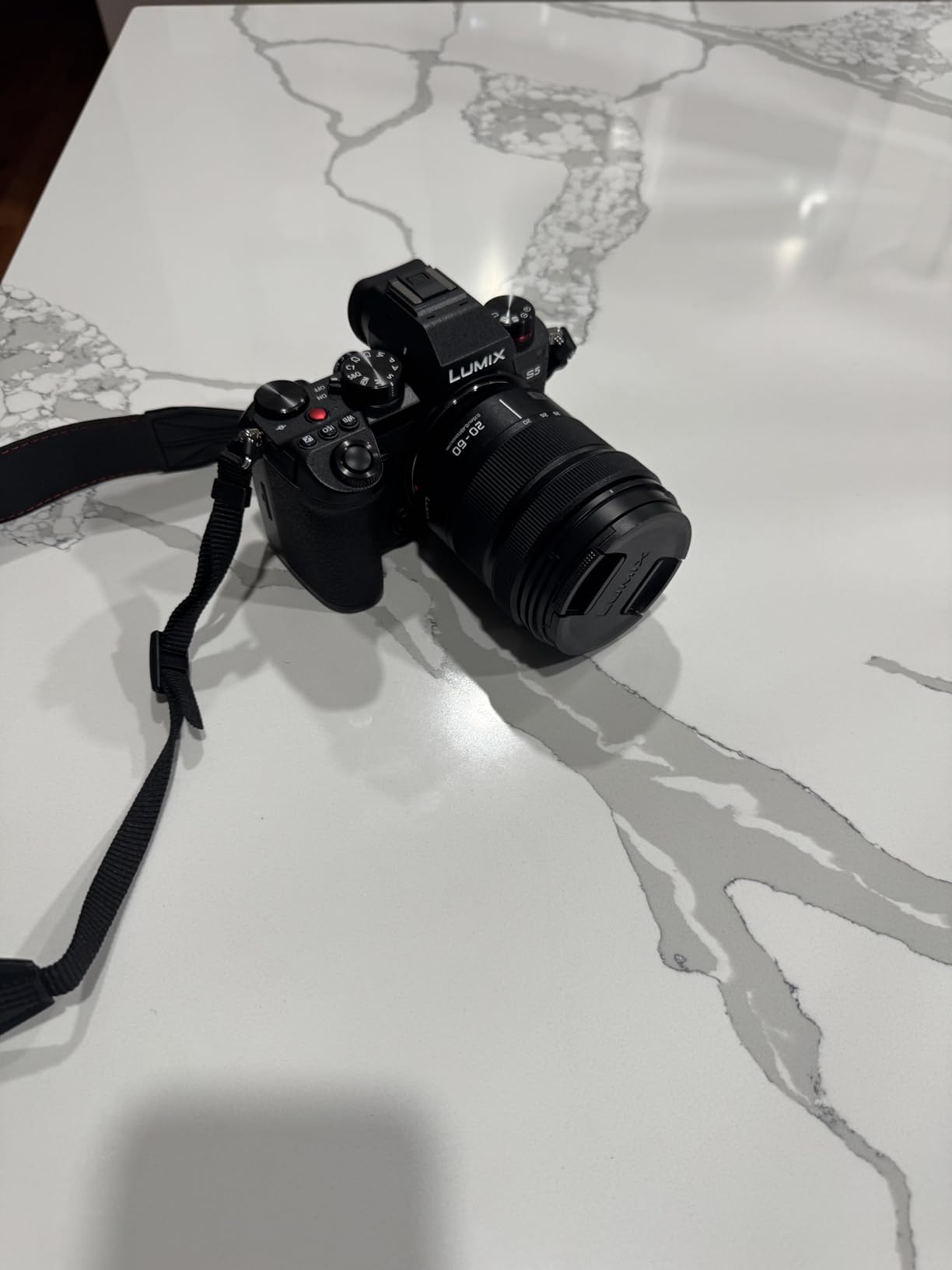
V-Log and V-Gamut provide over 14 stops of dynamic range, giving incredible flexibility for color grading. The 5-axis Dual I.S. 2 system delivers 6.5 stops of shake reduction, making handheld work smooth and professional. I filmed walk-and-talk interviews without a gimbal, and the footage remained stable.
The 4K 60p 10-bit recording has no time limits and no overheating issues even during extended sessions. I recorded continuously for over two hours without any thermal warnings. The L-Mount provides access to excellent lenses from Panasonic, Leica, and Sigma, offering great flexibility for building your kit.
Who Should Choose This Camera
The Panasonic S5 is perfect for filmmakers who want full-frame quality at an affordable price. Documentary filmmakers will appreciate the unlimited recording and reliable IBIS. Independent filmmakers benefit from the V-Log dynamic range and lens ecosystem. It is also excellent for hybrid shooters who need both photo and video capabilities.
Potential Limitations to Consider
The battery indicator does not show percentage remaining, only a vague bar graph. Autofocus can hunt in low light or with rapid subject changes. The supplied charger is slow compared to third-party alternatives. Some users report hand fatigue during extended handheld shooting due to grip design.
Buying Guide: How to Choose the Best Cinema Camera Under $5000 In 2026?
Selecting the right cinema camera involves understanding how different features impact your specific workflow. I have helped dozens of filmmakers choose their first professional camera, and these are the key factors that matter most for independent productions.
Sensor Size and Its Impact on Your Footage
Sensor size dramatically affects depth of field, low light performance, and field of view. Full-frame sensors like those in the Sony FX3, Sony A7 IV, and Panasonic S5 provide the shallowest depth of field and best low light performance. Super 35 and APS-C sensors offer a classic cinema look with slightly more depth of field. Micro Four Thirds sensors provide the deepest depth of field and most affordable lens options.
For narrative filmmaking, full-frame or Super 35 sensors typically produce the most cinematic results. Documentary filmmakers may prefer APS-C or Micro Four Thirds for greater depth of field and lighter equipment. Consider what look you want to achieve before choosing a sensor format.
Dynamic Range and Color Science
Dynamic range measures how many stops of light a camera can capture while maintaining detail in both shadows and highlights. Higher dynamic range gives you more flexibility in post-production. The Sony FX3 offers 15+ stops, while most cameras in this range provide 13-14 stops.
Color science refers to how a camera interprets and renders colors. Sony S-Cinetone, Fujifilm film simulations, and Panasonic V-Log each produce distinct looks. I recommend shooting test footage with different profiles to find which color science matches your creative vision.
Codec Options and Post-Production Workflow
The codec you choose impacts both image quality and editing requirements. RAW recording provides maximum flexibility but requires powerful computers and significant storage. ProRes offers excellent quality with more manageable file sizes. Compressed codecs like H.265 save storage but limit post-production flexibility.
Consider your editing setup when choosing a camera. Blackmagic cameras include DaVinci Resolve, which handles their codecs efficiently. Sony and Panasonic cameras work well with Adobe Premiere Pro and Final Cut Pro. Match your camera choice to your existing editing workflow.
Autofocus vs Manual Focus
Autofocus capability varies dramatically between cameras. Sony cameras offer the most reliable autofocus systems with real-time Eye AF and subject tracking. Panasonic and Fujifilm have improved significantly with recent models. Blackmagic cameras rely entirely on manual focus.
Documentary and run-and-gun filmmakers typically need reliable autofocus. Narrative filmmakers working with controlled scenes often prefer manual focus for precise control. Consider your shooting style when evaluating autofocus importance.
Low Light Performance and Dual Native ISO
Dual native ISO technology allows cameras to switch between two base sensitivity levels, maintaining clean images at higher ISOs. Sony FX3, FX30, and Panasonic cameras feature dual native ISO. This capability is essential for documentary and event work where lighting cannot always be controlled.
Full-frame sensors generally outperform smaller formats in low light. If you frequently shoot in dim conditions, prioritize cameras with larger sensors and dual native ISO technology.
Professional Features and Connectivity
Professional cinema cameras include features that consumer cameras lack. Built-in ND filters save time when moving between lighting conditions. XLR audio inputs provide professional sound quality. Timecode sync enables multi-camera productions. Full-size HDMI ports are more reliable than micro connectors.
Consider which professional features you actually need. Many filmmakers save money by choosing cameras without built-in ND filters and using external solutions. Others consider XLR inputs essential for interview and documentary work.
Netflix Approval Status
If you plan to submit your work to Netflix or other major streaming platforms, camera approval status matters. The Sony FX3 is Netflix approved, making it suitable for productions intended for the platform. Most other cameras in this guide can produce Netflix-quality footage but may not be officially approved.
Frequently Asked Questions
What cameras do most filmmakers use?
Most independent filmmakers use a mix of cinema cameras and hybrid mirrorless cameras. Popular choices include the Sony FX3 for its Netflix approval and low light performance, Blackmagic Pocket Cinema Camera series for value and image quality, and Panasonic GH5 II for reliability and features. The specific camera choice depends on budget, production type, and personal preference.
What type of camera is best under $5000?
The best camera under $5000 depends on your specific needs. For pure cinema camera features, the Sony FX30 offers exceptional value with S-Cinetone color science at half the FX3 price. For maximum image quality, the Blackmagic Pocket 6K Pro provides 6K resolution with built-in ND filters. For hybrid photo-video work, the Sony A7 IV delivers excellent results in both disciplines.
What is the best budget cinematic camera?
The Blackmagic Pocket Cinema Camera 4K offers the best value for budget-conscious filmmakers. At around $1095, it provides 13 stops of dynamic range, dual native ISO, ProRes and RAW recording, and includes DaVinci Resolve Studio worth nearly $300. The image quality rivals cameras costing twice as much, making it the top choice for filmmakers starting their professional journey.
What cameras are used for indie films?
Indie filmmakers commonly use Sony FX3 and FX30 for their Netflix approval status and professional features, Blackmagic Pocket Cinema Camera 4K and 6K Pro for image quality and value, Panasonic GH5 II and S5 for reliability and features, and Fujifilm X-H2S for hybrid photo-video work. Camera choice often depends on available lens systems and existing equipment investments.
Final Thoughts
Finding the best cinema cameras under $5000 in 2026 comes down to matching camera capabilities with your specific production needs. The Sony FX3 remains my top recommendation for filmmakers who can stretch their budget, offering Netflix-approved quality and exceptional low light performance. For those seeking maximum value, the Sony FX30 delivers nearly identical features at nearly half the price.
Budget-conscious filmmakers should seriously consider the Blackmagic Pocket 4K, which provides professional image quality at an entry-level price point. Hybrid shooters will find the Sony A7 IV and Fujifilm X-H2S excellent choices that handle both photo and video work with aplomb.
Remember that the camera body is only part of your investment. Factor in lenses, batteries, media cards, and accessories when planning your budget. The best camera is ultimately the one that gets out of your way and lets you tell your story effectively.