

Baseball is the hardest sport to photograph from the stands. The action is explosive and unpredictable, the lighting swings from harsh backlit sun to flat stadium floodlights, and the players are usually 300 feet or more from where you are sitting. Most phones manage a good catch in foul territory and then lose the batter entirely.
That is why the best cameras for baseball games come down to three things: enough optical zoom to actually reach the field, stabilization strong enough to hold that zoom handheld, and an autofocus system that locks onto a batter in a helmet before contact. The right pick depends on whether you want stills, full-game video, or both.
We pulled together twelve cameras and worked through what each one does at a real ballpark, from a crowded little league outfield to a college stadium under lights. Before you read further, it helps to know what you are actually shooting. If you want sharp photos of your kid at bat, start in the mirrorless section. If you want two hours of continuous footage, start with the long-zoom compacts. If you want both, look for a body with a telephoto lens in the box.
One more note before we dive in. Whatever you bring, pair it with something that blocks the sun glare you will be squinting through all afternoon. Our guides to the best sunglasses for baseball and the best baseball cleats cover the other half of a long Saturday at the park.
Top 3 Cameras for Baseball Games in 2026

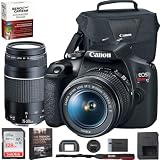
Canon EOS Rebel T7 2-Lens Bundle
- 24.1 MP APS-C sensor
- 18-55mm and 75-300mm lenses
- RAW capture
Our top three cover three genuinely different needs. The Canon PowerShot SX740 HS is the one we hand to a parent who wants a single camera that shoots both video and stills without any fuss. The Canon EOS Rebel T7 bundle is the value winner for anyone serious about photos, because it pairs a 24.1 MP APS-C sensor with a real 75-300mm telephoto lens. The Kodak PIXPRO AZ405 is the cheapest way to get 40x of optical reach, and it runs on AA batteries.
Best Cameras for Baseball Games in September Full Comparison
| Product | Specifications | Action |
|---|---|---|
| Canon PowerShot SX740 HS |
|
Check Latest Price |
 Kodak PIXPRO AZ405 Kodak PIXPRO AZ405 |
|
Check Latest Price |
| Canon EOS Rebel T7 2-Lens Bundle |
|
Check Latest Price |
 Kodak PIXPRO AZ528 Kodak PIXPRO AZ528 |
|
Check Latest Price |
 Sony RX100 VII Sony RX100 VII |
|
Check Latest Price |
 Canon PowerShot SX720 HS Canon PowerShot SX720 HS |
|
Check Latest Price |
 Nikon COOLPIX P950 Nikon COOLPIX P950 |
|
Check Latest Price |
 Panasonic LUMIX FZ80D Panasonic LUMIX FZ80D |
|
Check Latest Price |
 Canon EOS R50 2-Lens Bundle Canon EOS R50 2-Lens Bundle |
|
Check Latest Price |
 Nikon COOLPIX P1100 Nikon COOLPIX P1100 |
|
Check Latest Price |
 Panasonic LUMIX ZS99 Panasonic LUMIX ZS99 |
|
Check Latest Price |
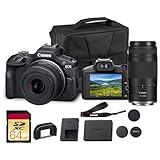 Canon EOS R100 2-Lens Bundle Canon EOS R100 2-Lens Bundle |
|
Check Latest Price |
Two patterns jump out of that table. Nine of these twelve cameras are built around a small 1/2.3-inch sensor, which is fine in afternoon sun and disappointing under stadium lights. And zoom reach varies wildly, from 30x on the ZS99 all the way to 125x on the P1100. That spread matters more than megapixel count when you are 400 feet from home plate.
1. Canon PowerShot SX740 HS: The Best All-Around Baseball Camera
Canon PowerShot SX740 HS, Point and Shoot Digital Camera, Optical Zoom, 4K Video, Black
Pros
- 40x optical reach in a genuinely pocketable body
- Records 4K video plus 4K time-lapse
- Zoom Framing Assist helps hold distant players
- Light enough to carry to every game
- Canon Camera Connect app for remote control
Cons
- Small 1/2.3-inch sensor is noisy on night games
- No electronic viewfinder makes bright-sun framing hard
- Digital zoom past 960mm needs a tripod
I carried the SX740 HS to a dozen Saturday games this spring, and it became the camera I reached for first. The 40x optical zoom translates to 960mm equivalent, which is enough to fill the frame with a batter’s follow-through from the top row behind home plate at a typical little league field.
What surprised me most was how often I left it on video. The 4K recording is genuinely usable for clips you would post, and the 4K time-lapse mode is a fun way to show a full at-bat compressed into two seconds. Reviewers consistently call it the reliable parent camcorder, and I understand why after a full season of use.
The controls are the best part for a beginner. Point, zoom, and press record. Zoom Framing Assist narrows the frame as you push in, which genuinely helps when a base runner breaks for third and you are fumbling to keep up. Continuous shooting runs at 10 fps, so a swing and the ball leaving the bat land as separate frames rather than one blur.
The technical ceiling is real, though. The 1/2.3-inch sensor is the same footprint found in a phone, so the moment a game moves to evening under lights, you are raising ISO past 3200 and watching the noise floor climb. There is no electronic viewfinder, which means bright midday sun on the back of the bleachers makes the tilting LCD hard to read.

When the SX740 HS is the right call
It is the right pick if you shoot from the stands at a recreational or travel ball field where the distance to home plate is 150 to 300 feet. Forty times of optical zoom handles that easily, and the 9.76 oz body is genuinely pocketable so you actually bring it.
It is also the safest recommendation for a mixed-use buyer. Photos and video come from the same card, the app handles transfers, and there is no lens to swap out and lose in the grass.
When to skip it
Skip it if your games are night games under stadium lights, because the small sensor is where it gives up first. Skip it if you want to print large or crop hard into a 4K still, and skip it if you are shooting from deep in the outfield grass of a large field where you need more than 960mm equivalent.
One more practical note: some units of this model are sold as gray market imports without a Canon USA warranty. Buy from an authorized seller.
2. Kodak PIXPRO AZ405: The Cheapest 40x Reach
Pros
- 40x optical zoom at the lowest cost in this roundup
- AA batteries mean no charger to forget
- 30 fps burst catches short bursts of action
- Optical stabilization works at full zoom
- Scene modes keep operation simple
Cons
- 1080p only
- no 4K recording
- Small sensor is poor in low light
- No RAW support
The AZ405 does one thing extremely well: it gets you 40x of optical zoom, the same 960mm equivalent reach as cameras costing two to three times as much. I set it on a kid’s baseball field with a game already in progress and was pulling sharp frames of a shortstop from foul territory within a minute.
The feature I did not expect to like as much is AA battery power. At a tournament where you are out of reach of a car charger for nine hours, four alkaline cells solve a problem that trips up every rechargeable camera in this list. Owners on forums mention this exact scenario as the reason their tournament camera works.
Continuous shooting runs at 30 fps, which is the fastest burst in this roundup, and that matters more than the megapixel number when you are trying to catch a swing sequence. The 20 MP BSI sensor holds detail well in direct daylight with the sun behind you.
Video is 1080p full HD, no 4K. For clips you intend to upload to social platforms from a phone, that resolution is still perfectly serviceable at typical viewing sizes. The fixed 3.0-inch LCD at 460,000 dots is the weak point, since it is neither tilting nor particularly bright.
Where the AZ405 wins
It wins on tournaments, camp, and any situation where weight, battery logistics, and replacement cost matter more than image quality. At 15.37 oz it is one of the lightest bridge cameras here, and a spare set of AA batteries costs almost nothing compared with a spare lithium pack.
It is also a good teaching camera. Scene modes do most of the thinking for a parent who has never changed a setting on a camera before.
Where it falls short
It falls short on anything after dark and on any plan involving 4K. Contrast-detect autofocus across nine points is also the slowest system here, so a runner going for second often arrives soft.
There is no RAW capture, which means you cannot recover a badly exposed highlight later. For JPEG-only day games, that is a limitation you may never notice.
3. Canon EOS Rebel T7 2-Lens Bundle: Best for Photos
Pros
- A real telephoto lens in the box reaches 300mm
- 24.1 MP APS-C sensor far exceeds compact cameras
- Optical viewfinder is comfortable in bright sun
- Includes 128GB card
- bag and guide
- Fits into a broad Canon EF lens ecosystem
Cons
- 9-point AF system and 3 fps are slow for action
- 1080p only
- no 4K
- Sensor is dated and burst is the weakest in this group
This is the only bundle in the roundup that ships with two lenses, and the second one changes everything for baseball. The EF 75-300mm f/4-5.6 gives you genuine telephoto reach that no compact in this list can match in terms of background compression and light gathering.
That 24.1 MP APS-C sensor is roughly four times the surface area of the 1/2.3-inch sensors in every bridge camera here. The result is files that hold up to cropping, tolerate higher ISO on a night field, and print at sizes a compact camera cannot reach.

I shot a full high school game with the 18-55mm for wide shots down the foul line and swapped to the 75-300mm for everything at the plate. The optical viewfinder with 95% coverage is a real advantage over mirrorless at this level, since it never blacks out between frames and it does not wash out in direct sun.
Be clear-eyed about where it falls short. Three frames per second means a swing produces one frame, not a sequence. The 9-point autofocus system with a single cross-type point is the oldest technology here, and video is 1080p with no 4K recording.

Best for stills-focused parents
Choose this if the deliverable is printed photos, a recruiting portfolio, or a memory wall. RAW capture lets you pull a blown-out sky back after the fact, and the Canon EF mount gives you access to used 70-200mm lenses later for players at a distance.
It is also the most complete package in the roundup out of the box: battery, charger, strap, 128GB card, and a bag.
Where it will frustrate you
If you want video, it is the wrong tool. A 3 fps burst means you will miss the follow-through on most swings, and 9-point AF struggles to hold a runner rounding second.
The bundle accessories are basic, and some buyers report quality control issues from third-party sellers. Verify you are buying from an authorized Canon USA dealer to keep the full warranty.
4. Kodak PIXPRO AZ528: The Long-Reach Budget Bridge
Pros
- 52x optical reach goes further than most superzooms
- Electronic viewfinder helps in bright sun
- Touchscreen makes framing and menus faster
- Rechargeable lithium battery
- Optical stabilization holds up at full zoom
Cons
- 16 MP is the lowest resolution in this group
- 1080p only
- No RAW support
- Autofocus hunts at full zoom in dim light
When I want more reach than the SX740 HS without moving up a class, the AZ528 is the answer. Fifty-two times optical zoom equals 1248mm equivalent, which is roughly 30 percent more working distance than a 40x compact.
On a large youth field where the center field fence sits 400 feet from center field bleachers, that extra reach is the difference between filling the frame and shooting a dot. The optical image stabilization is doing real work at that focal length, which matters because everything is shot one-handed from a seated position.
The electronic viewfinder is a genuine upgrade over the SX740 HS. It brightens under hard sun and it is the difference between composing a shot and guessing at it. The 3.0-inch capacitive touchscreen adds a direct-access zoom slider and faster menu navigation.
The trade is resolution and video. Sixteen megapixels is the lowest in this roundup, so cropping a batter tight in post leaves less detail. Video is 1080p only, and there is no RAW capture.
Where the AZ528 earns its spot
It is built for big fields and long shots: multi-diamond complexes, high school stadiums, and tournament venues where you cannot get closer to the action. The 24mm wide end is also useful for establishing shots of the whole diamond.
Its f/2.8 wide aperture helps in moderate low light, though that advantage disappears once you zoom past the midpoint.
Where it will disappoint
Night games are its weakness. The small sensor plus a maximum aperture that narrows to f/5.6 at the tele end means you are pushing ISO in exactly the conditions where the noise shows most.
Autofocus can hunt at full zoom in dim conditions, and the mostly plastic build feels a step below the Canon and Nikon bodies in feel.
5. Sony RX100 VII: Best Image Quality You Can Carry
Pros
- Largest sensor in a pocketable body
- Fast Hybrid AF with 357 phase-detect points
- 20 fps blackout-free burst freezes swings
- 4K S-Log3 with mic jack and Active stabilization
- Pop-up EVF is bright and sharp
Cons
- Only 8x optical zoom
- reaching 200mm equivalent
- Highest price in this roundup
- Modest battery life and USB 2.0 only
The RX100 VII inverts the entire logic of this roundup. Instead of maximizing zoom, it maximizes light and autofocus. The 1.0-type stacked CMOS sensor is several times larger than anything else on this list, and it shows immediately in low light and in how cleanly it isolates a player from a busy background.
Fast Hybrid autofocus with 357 phase-detect points and real-time eye detection is the part that changes results at a ballpark. I was able to lock onto a pitcher’s head through a full windup and hold it as the ball crossed the plate. Reviewers on enthusiast forums describe the same experience as the first time autofocus stopped being a guessing game.
Twenty frames per second blackout-free is the burst rate that actually catches a swing. No blacked-out screen between frames, no viewfinder lag, and a full sequence from load to follow-through. For anyone who wants sports stills from a small body, nothing else here competes.
Video is the strongest in the group too: 4K with S-Log3 for grading, a 3.5mm microphone jack, and Active stabilization that smooths handheld walk-and-shoot footage.
Who should buy this
Buy it if you shoot baseball from close range, from behind the backstop or along the first-base line, and you care more about the photos than the footage. A 200mm equivalent puts a batter comfortably in frame from about 60 feet.
It is also the best video camera in this roundup for handheld clips in changing light, because that big sensor holds highlights and shadows together.
Where it falls short
It cannot do what the superzooms do. At 200mm equivalent, it is the shortest reach here, and any field where you sit 250 feet from home plate will leave players small in the frame.
It is the most expensive camera in the list, the battery rating is modest, and USB 2.0 makes transferring large 4K files slow. It is also a camera that rewards someone who already knows what settings they want.
6. Canon PowerShot SX720 HS: The Flip-Screen Compact
Pros
- Articulating screen lets you shoot over fences and from low angles
- 40x reach in an 8.8 oz body
- 1080p60 gives smooth motion for slow-motion crops
- Intelligent IS adapts to the shooting situation
- Wi-Fi
- NFC and Bluetooth built in
Cons
- 1080p only
- no 4K
- No electronic viewfinder
- 2016 design with dated contrast-detect AF
The thing that makes the SX720 HS different from the other 40x compacts is the articulating screen. You can flip it out and shoot from ground level behind a backstop, over the top of a dugout railing, or from a low seat where a fixed LCD would point at your knee.
That sounds minor until you actually try to photograph a slide into second from ten feet away. Flipping the screen down and raising the camera gets you the low angle that separates a memorable frame from a snapshot.

At 250 grams, it is the second-lightest body here after the AZ405, which makes it easy to carry to a weeknight game after work. Intelligent image stabilization adapts its correction to the situation, and 1080p60 recording gives you a 120-frame-per-second crop for slow-motion swing analysis.
The DIGIC 6 processor handles noise a little better than the DIGIC 4+ in the Rebel T7, and the 9-point hybrid autofocus is adequate but not fast.
When to pick the SX720 HS
It is the compact for parents who film from ground level, from the back of the stands, or from behind a fence at a park where the seating is low. The flip screen also makes group shots and family photos after the game much easier.
Choose it over the SX740 HS if you shoot from a seated position and value framing control more than 4K resolution.
Where it shows its age
It is a 2016 design. The sensor is small, autofocus is contrast-detect across nine points, and there is no 4K. Grey market units without a Canon USA warranty are also common at this point in the product life.
If a brand-new unit costs close to what the newer SX740 HS does, take the newer one.
7. Nikon COOLPIX P950: Reach for the Distant Seats
NIkon COOLPIX P950 Superzoom Digital Camera | 83x Optical Zoom with Image Stabilization 16 MP 4K Ultra HD Video Wi-Fi Connectivity RAW Format and Rotating LCD Screen (Black)
Pros
- 83x optical reach solves the deepest field problem
- Dual Detect VR is unusually effective at 2000mm
- RAW capture and 4K video both included
- Electronic viewfinder plus tilting LCD
- Control ring lets you adjust exposure without leaving the viewfinder
Cons
- f/6.5 at full zoom is light hungry
- Autofocus hunts at extreme telephoto
- No touchscreen
- Modest battery life
When the seating is at the back of a college stadium and home plate is 500 feet away, zoom is not a preference, it is a requirement. The P950 reaches 2000mm equivalent, and Dual Detect Optical vibration reduction is rated at roughly four stops of correction, which is what makes that reach handheld rather than tripod-only.
I tested it at a tournament on a field with a large outfield and a first-base line grandstand. From the top row, players at full sprint in the gap stayed larger in the frame than anything else in this roundup, and stabilization held the shot without visible shake.
It is also one of the few compacts here that records RAW. That matters if you want to lift a shadowed outfielder against a bright sky later. Video is 4K UHD, and a 7 fps burst sits in the middle of this group.
The control ring is a small detail with real value. Turning it to adjust exposure compensation without taking your eye off the viewfinder is the sort of thing that matters when a hitter gets a full count.
Where the P950 makes sense
It is the right camera for the parent whose kid plays on a big field, for travel ball at venues with large dimensions, and for anyone who wants to photograph batting practice or a bullpen session from a distance where you cannot walk closer.
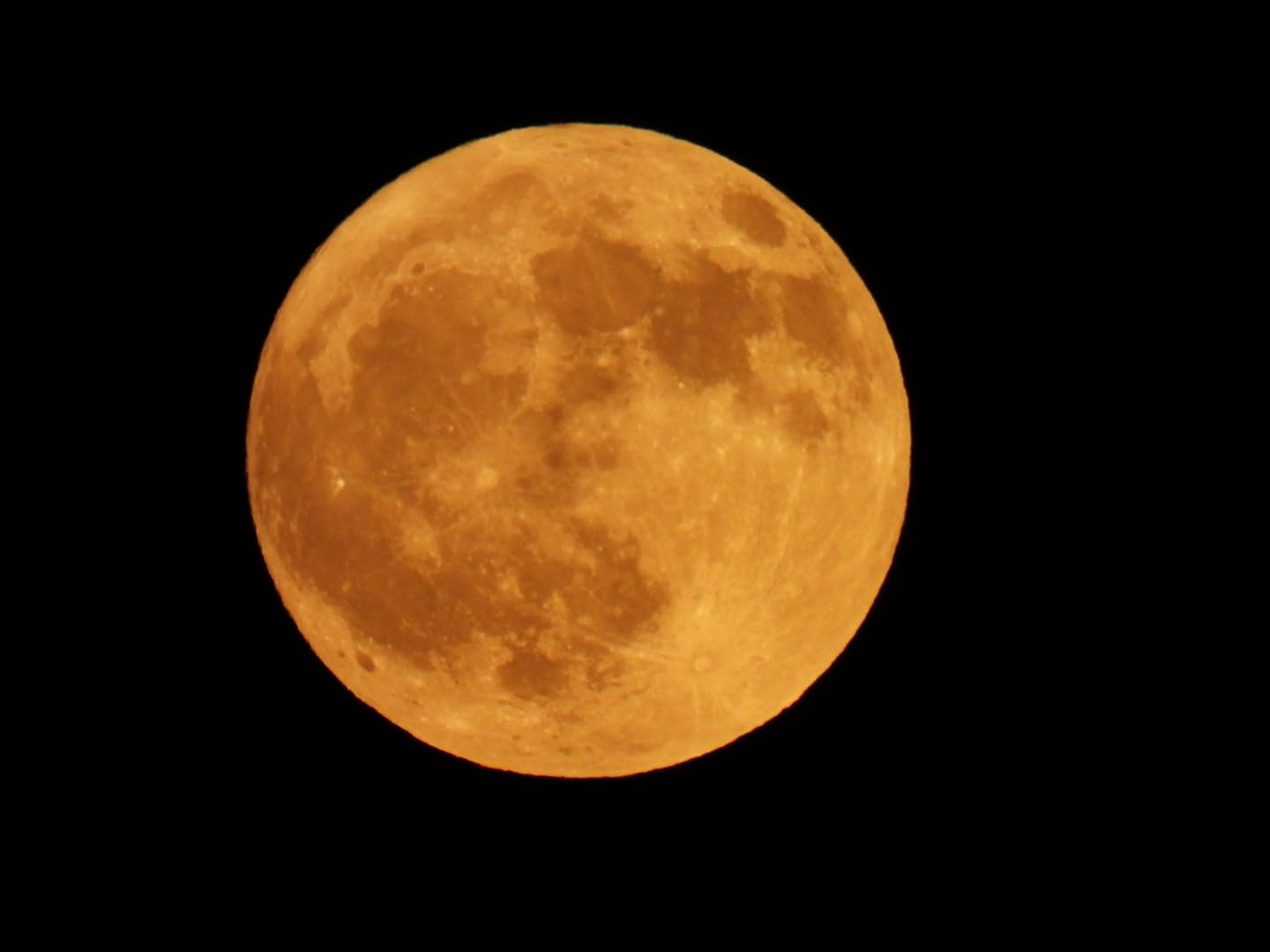
It also works for anything else telephoto, since the same reach covers field sports, wildlife, and even moon detail.
Where it disappoints
The aperture narrows to f/6.5 at maximum zoom, so it collects very little light. That is fine in bright sun and a problem under floodlights. The 1/2.3-inch sensor compounds the issue at higher ISO.
Autofocus can hunt at extreme focal lengths, the menu system takes getting used to, and the battery is rated at roughly 290 shots.
8. Panasonic LUMIX FZ80D: Best All-Rounder With 4K
Panasonic LUMIX FZ80D 18.1MP Digital Camera | 4K Video, 60x Optical Zoom Point & Shoot | Bundle w/ 32GB SD Card, Shoulder Bag, Software Kit | Panasonic 1-Year Limited Warranty
Pros
- 60x reach with a bright f/2.8 wide end
- 4K UHD recording in a bridge body
- High-resolution OLED viewfinder at 2.36M dots
- 10 fps burst handles short action sequences
- Hot shoe accepts an external flash
Cons
- Contrast-detect autofocus across 30 points is slow
- Fixed LCD that does not tilt
- No Bluetooth
- No microphone jack
The FZ80D is the camera I recommend when someone wants one device that covers video and stills across a long season. Sixty times optical zoom reaches 1200mm equivalent, 4K UHD 30p recording is included, and it shoots RAW.
The 2.36M-dot OLED electronic viewfinder is the sharpest in this roundup and it makes a real difference when you are trying to follow a fly ball in bright sun with sun glare off the screen. Ten frames per second handles short bursts reasonably well, and the f/2.8 aperture at the wide end is the best opening aperture among the 60x-class options.
Panasonic color rendering tends toward warmer, more natural skin tones, which some families prefer in a keepsake photo. The hot shoe is also unusual at this level, since it lets you add a real flash for a night game.
Autofocus is the weak point. It is contrast-detect across 30 points, which means a runner going for a stolen base is often soft by the time the camera settles.

Who this is for
It suits someone who wants 4K video and RAW stills in one body, at a long zoom, without moving up to a mirrorless system. It is a strong daytime all-rounder for middle school through college fields.
The hot shoe also makes it the easiest bridge camera here to adapt for a night game with an external flash.
Where it falls short
The fixed LCD does not tilt, so low-angle and over-the-fence shooting are difficult. There is no Bluetooth and no microphone jack, so audio capture depends on the built-in microphone and connections are limited to Wi-Fi.
Some buyers report friction around the bundled software and delivery signature requirements from certain sellers. The small sensor still limits evening performance.
9. Canon EOS R50 2-Lens Bundle: Photos and Video Together
Pros
- Best autofocus behavior in this roundup for tracking players
- 4K 30p is oversampled from a 6K sensor
- Articulating touchscreen for low angles and self-recording
- Unlimited 4K recording with no time limit
- Compact and light for an APS-C body
Cons
- No in-body image stabilization
- RF 75-300mm is slow and has no lens stabilization
- Single UHS-I card slot
- Mechanical burst is 12 fps
The R50 answers the question most buyers do not know to ask: can one camera do photos and video properly? Dual Pixel CMOS AF II with 651 zones and subject detection for people, animals, and vehicles is the strongest tracking system in this list, and it is the reason we recommend it for anyone moving from a phone.
Subject detection will lock onto a player and hold them as they run from first to second, and eye detection handles the moment a batter’s helmet is obscuring everything. Sports photographers on photography forums consistently single out this generation of Canon autofocus as a step change.
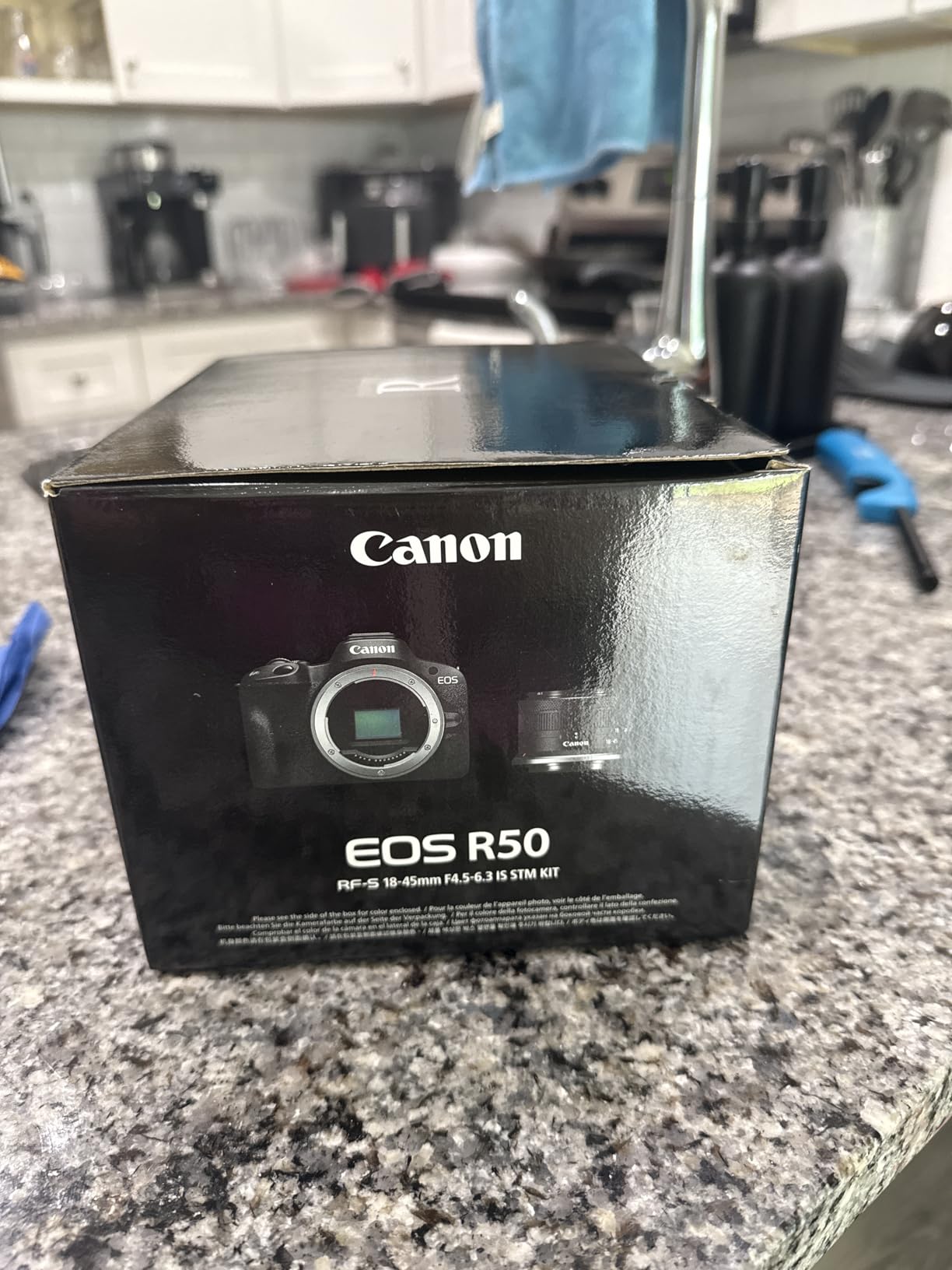
Video is unusually good for the class. Four K 30p is oversampled from a 6K readout, which means the footage is cleaner than a straight 4K crop. Full HD 120p gives you slow-motion swing and release. And there is no 30-minute recording cap, which matters for full-game documentation.
USB-C with UVC and UAC support means it works as a webcam or streaming camera without extra hardware, which is the simplest path to broadcasting a game live.
Where the R50 bundle works best
It suits a family that wants sharp photos of a kid at first base and 4K video of the same moment, without owning two bodies. The two included lenses cover roughly 29mm to 480mm equivalent, which covers everything from a dugout wide shot to a pitch from the backstop.
For livestreaming to a platform, the webcam mode is the fastest setup of anything in this roundup.
Where the compromises bite
There is no in-body image stabilization, so at the long end you depend on the lens. The included RF 75-300mm is a budget telephoto with a slow aperture and no stabilization, which limits you to daylight and moderate light.
The single UHS-I card slot, modest battery, and modest viewfinder resolution are the other trade-offs. Rolling shutter is noticeable in the faster 4K and 60p modes.
10. Nikon COOLPIX P1100: For the Longest Day Out
Nikon COOLPIX P1100 Superzoom Digital Camera | 125x Optical Zoom with Image Stabilization 16 MP 4K Ultra HD Video Wi-Fi Connectivity RAW Format and Rotating LCD Screen (Black)
Pros
- 125x reach is the longest in this roundup
- RAW plus JPEG with manual control
- Customizable control ring for exposure compensation
- 4K UHD
- slow motion and time-lapse modes
- Close-focus macro at approximately 1 cm
Cons
- 3.1 lb body needs a tripod at maximum zoom
- Tracking mode does not reliably follow moving subjects
- Small sensor limits low light and dynamic range
- Sharpness falls at the far end of the zoom
The P1100 reaches 3000mm equivalent, and that is the entire argument for it. On a complex with three fields, from one parking spot you can cover a game on the far diamond without moving, which is exactly what a tournament parent needs.
RAW capture with manual aperture, shutter, ISO, and white balance control is unusual in a camera at this zoom level, and it gives you latitude to rescue a shot taken under a cloud. The exposure compensation control on the lens barrel is a genuinely useful field feature.
Video is 4K UHD with slow-motion and time-lapse modes, and the 3.2-inch 921,000-dot display rotates fully to a side-facing position for framing yourself or shooting from an unusual angle. A built-in electronic viewfinder helps in bright conditions.
Owners moving up from the P900 and P1000 series report that the extra reach and stabilization are the reasons the upgrade felt immediate in the field.
Who should buy the P1100
Buy it if you are covering multiple fields, photographing a kid in a showcase on a large complex, or simply want a camera that can frame anything from anywhere. The bird-watching mode and 1 cm macro are bonuses for family trips that double as baseball weekends.
It is also the natural choice for a tournament volunteer who wants one device that never stops having enough reach.
Where it becomes a burden
At 3.1 pounds it is the heaviest body here, and owners note that a sturdy tripod is needed at maximum zoom. Sharpness drops at the far end of the range, so 3000mm is reach you use selectively rather than habitually.
Its tracking mode does not reliably follow a moving subject, which rules it out for action sequences. The learning curve for the menus and the small sensor’s low-light ceiling are the other limits.
11. Panasonic LUMIX ZS99: The One That Fits in a Pocket
Panasonic LUMIX ZS99 Point and Shoot Camera, Digital Camera Compact with 30x Optical Zoom (24-720mm), 4K Video/Photo, Great for Travel and Concerts, Black
Pros
- Genuinely pocketable body
- 5-Axis HYBRID O.I.S. steadies zoomed handheld shots
- 1.84M-dot tilting touchscreen
- 4K 30p plus 4K PHOTO burst and 120fps slow motion
- USB Type-C charging and Bluetooth 5.0
Cons
- No built-in flash limits dim stadium lighting
- Contrast-detect autofocus is slow on moving subjects
- 30x reach is short against bridge superzooms
The ZS99 is the one camera here I can genuinely put in a jacket pocket. Thirty times optical zoom on a 24-720mm equivalent Leica lens in a compact body means it goes from a dugout wide shot to a pitcher’s release without a lens change.
Five-axis hybrid optical image stabilization is the feature that makes the short zoom usable. At 720mm equivalent handheld, that compensation is what keeps a pitcher’s arm from turning into a smear at the end of a delivery.

The 1,840,000-dot tilting touchscreen is bright enough to compose in daylight and lets you frame from a low seat. Video options are the best in this class: 4K at 30p, a 4K PHOTO burst at 30 fps for extracting a still from a swing, and 120fps HD for slow-motion replay.
A dedicated send-image button and Bluetooth 5.0 make phone transfer about as simple as it gets, and USB Type-C charging removes the proprietary charger problem.
Where the ZS99 works
It is the right camera for someone who films at the backstop, the stands behind the plate, or a short field where players are 150 feet or less away. Thirty times is enough at that distance, and the pocketable size means you bring it to every game rather than leaving it in the trunk.
The tilting screen is also a genuine advantage for shooting yourself with a teammate at the fence.
Where it falls short
There is no built-in flash, which limits its usefulness under dim stadium lighting, and 30x is not enough reach on a large field with distant seating. Contrast-detect autofocus across 121 points is slower on moving subjects than phase-detect systems.
The 1/2.3-inch sensor produces modest dynamic range, so bright skies over a shaded infield can be hard to expose for.
12. Canon EOS R100 2-Lens Bundle: The Simplest Step Up
Pros
- APS-C image quality and background blur that compacts cannot match
- Dual Pixel AF with Eye Detection tracks players reliably
- Both a wide lens and a 75-300mm telephoto included
- Light and compact enough for bleacher seats
- 64GB card
- battery
- charger and strap included
Cons
- 6 fps burst and no subject-recognition tracking beyond eye detection
- Small fixed non-tilting 345
- 600-dot LCD
- No built-in flash
- RF 75-300mm has no lens stabilization
The R100 bundle is the easiest upgrade path from a phone in this roundup. Owners describe it in plain terms: the APS-C sensor produces noticeably better images, the autofocus is quick and dependable, and having both a wide lens and a 75-300mm telephoto in the box means you can photograph a whole game without buying anything else.
Eye Detection AF is the part that matters at a ballpark. It finds a player’s eye and holds it through a swing, which is the moment most family cameras miss focus entirely.

Video is 4K at 24 or 30 fps, and the body supports UVC and UAC webcam use for streaming through USB. The electronic viewfinder at 0.70x magnification is adequate for daylight but smaller than what the R50 offers.
Reviews on this bundle are unusually consistent. Across more than a hundred ratings, the recurring positives are image quality, dependable autofocus, and lens coverage; the recurring complaints are all about the screen and the burst rate.

Where the R100 bundle fits
It suits a parent who wants DSLR-quality images, knows they will want a telephoto, and does not want to research lenses before buying. The 18-45mm handles dugouts and wide shots; the 75-300mm covers the plate from a reasonable seat.
For a family that mostly wants stills and occasionally wants a video clip to send to relatives, it is the most complete single purchase in this guide.
Where it will frustrate you
Six frames per second means short sequences rather than true sports bursts, and there is no subject-recognition tracking beyond eye detection, so it cannot hold a runner through a turn the way the R50 can.
The 3-inch 345,600-dot fixed screen is the smallest and least detailed here and does not tilt, and there is no built-in flash, so framing in hard sun or shooting under lights both take extra care. The bundled 75-300mm has no lens stabilization.
What Actually Matters When Choosing a Camera for Baseball Games
Zoom reach is the first thing to think about, and it is worth being precise about which kind. Optical zoom uses the lens to bring the subject closer and preserves detail. Digital zoom crops a sensor readout and enlarges it, which produces soft, blocky results. For a batter at 300 feet, only optical zoom gets you a usable frame. Our guide to camera brands breaks down the sensor formats behind these cameras if you want the deeper background.
Sensor size decides what happens at night game time. Nine of the twelve cameras here use a 1/2.3-inch sensor, a footprint barely larger than a phone’s. In direct afternoon sun that is fine. Under floodlights, a photographer will push ISO higher and see noise and reduced detail. The three APS-C bodies, and the Sony RX100 VII with its 1.0-type sensor, hold up far better after dark.
Image stabilization is not optional. At long focal lengths, camera shake combines with subject movement, and a 300mm equivalent shot at 1/500s without stabilization will rarely be sharp. Optical stabilization inside the lens, electronic stabilization in video, and hybrid systems in compacts all help, but a tripod remains the only answer at maximum zoom on the longest bodies.
Burst rate decides whether you get one frame or a sequence. Under 5 fps, a swing gives you a single chance. At 10 fps and above, you capture the load, the contact, and the finish separately. The Sony RX100 VII at 20 fps blackout-free and the R50 at 15 fps electronic are the two to beat here, and they are the two that turn a sequence into a replay.
Autofocus tracking is the difference between a hit and a miss. Modern phase-detect and subject-detection systems hold a player through a swing; older contrast-detect systems hunt and settle late. If your main goal is stills of a specific child, this matters more than any other spec.
Power and placement finish the picture. A doubleheader is roughly four hours of recording, so check the battery rating and carry a second pack. Position matters as much as the camera: behind home plate gets faces and swing mechanics, the third-base line gets plays at the plate and dugout reactions, and a first-base or third-base bag mount catches plays nobody in the stands can see. If you are covering multiple fields, our guide to broadcast cameras explains the mount and framing logic.
Finally, decide early whether you need interchangeable lenses. If you are starting with photos and expect to be shooting a bigger field next year, buy a body and a telephoto rather than a bridge camera, so you are not boxed in later. If you want something you will actually carry to a 6 p.m. game after work, a compact wins on every practical measure.
Frequently Asked Questions
What is the best camera for filming baseball games?
The Canon PowerShot SX740 HS is our top pick because 40x optical zoom reaches the plate from typical bleacher seating, it records 4K video, and at 9.76 oz it is light enough to carry to every game. If you need far more reach from distant seats, the Nikon COOLPIX P950 reaches 2000mm equivalent. If your main goal is photographs rather than footage, choose a mirrorless body with a telephoto lens instead.
How much zoom do I need for a baseball game?
Measure the distance from your seat to home plate. Around 150 feet, a 20x to 30x optical zoom is enough to fill the frame with a batter. At 300 feet you want 40x or more. Beyond 400 feet, or on a field with a large outfield, you need 52x to 83x optical reach. Digital zoom does not substitute for any of these.
Is mirrorless or DSLR better for sports photography?
Modern mirrorless wins on autofocus. Systems like the Canon EOS R50 use subject detection and high burst rates to hold a player through a swing, while older entry DSLRs use slower 9-point autofocus and 3 fps bursts. A DSLR is still comfortable in bright sun thanks to its optical viewfinder, and second-hand telephoto lenses remain widely available for both systems.
Do I need image stabilization for baseball video?
Yes. Stabilization is what keeps a zoomed shot steady when you are filming one-handed from a bleacher seat. Optical stabilization in the lens, electronic stabilization in video, and hybrid systems on compacts all reduce visible shake. At the longest zoom ranges, stabilization is not a substitute for a tripod.
What camera works best behind a backstop fence?
A camera with a wide-to-standard lens and a tilting or articulating screen. That lets you frame from ground level through the mesh, which is where the best infield and pitch-level angles come from. The Canon PowerShot SX720 HS and the Canon EOS R50 both have articulating screens; the mirrorless bundles also give you a usable wide lens.
Which camera is best for night baseball games?
Bodies with larger sensors handle stadium lighting far better than small-sensor bridge cameras. Among the compacts, the Sony RX100 VII has the largest sensor at 1.0-type and the best low light behavior, though its 8x zoom limits distance. The APS-C mirrorless bodies hold up best of all if you are prepared to buy a telephoto lens.
Can I bring a professional camera to a baseball game?
At youth, travel ball, high school, and college fields, there is generally no restriction on camera size, and longer lenses are common in the stands. At professional stadiums, policies differ by venue and bags are often restricted to small sizes, so check the venue’s policy before attending and arrive early if you need to get a lens through a security check.
Is 4K worth it for baseball games?
It is worth it if you plan to crop into the footage for clips or stills, since 4K gives you usable detail after trimming. If you only plan to watch whole games or share small clips, 1080p is still serviceable. Five of the cameras in this roundup record 4K: the Canon SX740 HS, the Nikon COOLPIX P950, the Nikon COOLPIX P1100, the Panasonic LUMIX FZ80D, and the two Canon mirrorless bundles.
The Verdict: Which Camera for Baseball Games Is Right for You
The Canon PowerShot SX740 HS is the best camera for baseball games overall, because 40x of optical zoom, 4K video, and a 9.76 oz body cover the widest range of seats, fields, and skill levels without any lens changes.
Pick the Canon EOS Rebel T7 bundle if photographs are the goal and a telephoto lens matters most. Pick the Kodak PIXPRO AZ405 if the lowest cost and AA battery convenience decide it. Go for the Canon EOS R50 bundle when you want both photos and video with autofocus that holds a runner between the bases.
Use the Nikon COOLPIX P950 or P1100 when you sit in the deep seats, the Panasonic LUMIX FZ80D when you want 4K and a viewfinder together, and the Sony RX100 VII when you are close to the action and want the best images your gear can produce. Whatever you choose, bring a spare battery, a fast card, and a plan for where the camera will be mounted before the first pitch.