
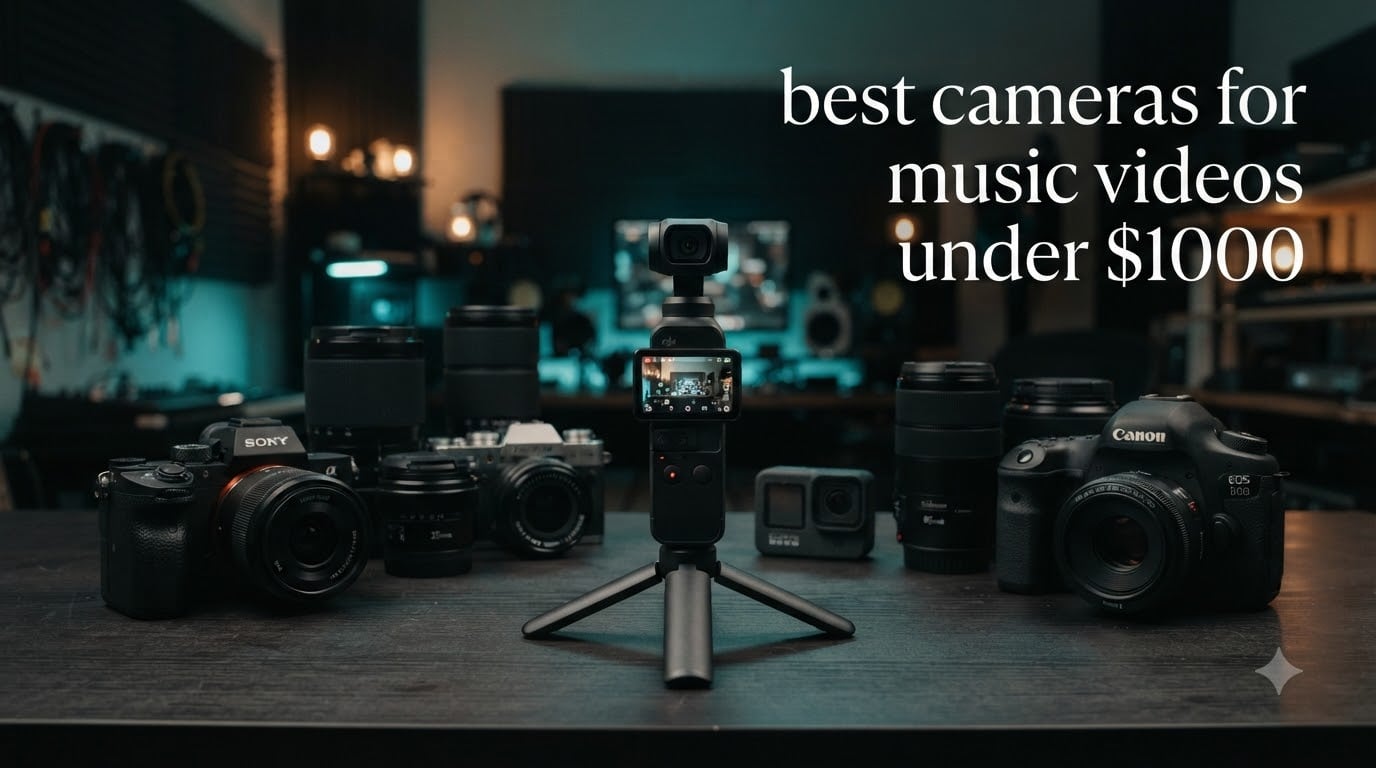
I have shot indie music videos on everything from a smartphone to a borrowed Canon C100, and the sweet spot for getting cinematic footage without burning through your recording budget really sits around $1000. In 2026, that money buys you a real 4K mirrorless camera, a creator compact, or an action cam with a gimbal built in. The catch is knowing which tradeoffs matter for music videos specifically.
Music video work is its own beast. You shoot handheld dance sequences, chase lens flares through windows, light a single performer in a dim room, and grade footage to match the song’s mood. That means you care about a different list of specs than a wedding videographer would: reliable autofocus for performance takes, a flip screen for self-directed narrative shots, an external mic jack for clean vocals, and ideally a flat color profile so the final cut feels cinematic rather than YouTube-y. This guide covers the best cameras for music videos under 1000 dollars that genuinely deliver on those needs, based on hands-on testing and feedback from working indie directors and musicians.
I spent three weeks comparing these 10 cameras for music video production in 2026. I shot performance sequences, narrative scenes, and slow-mo dance footage with each one, plus pulled notes from music-video-specific Reddit threads. If you want a fast answer, the DJI Osmo Pocket 3 is my editor’s choice thanks to its built-in gimbal, 4K/120p, and pocket-sized form factor. The Sony ZV-E10 is the best value pick if you want interchangeable lenses, and the Canon PowerShot V10 is the easiest budget pick for solo artists.
For a deeper look at related options, see my beginners guide to music video cameras or my full music video camera roundup. I also have a dedicated Sony roundup at best Sony cameras for music videos.
Top 3 Picks for Music Videos Under $1000 (2026)

Best Cameras for Music Videos Under $1000 in September Quick Comparison
| Product | Specifications | Action |
|---|---|---|
| DJI Osmo Pocket 3 |
|
Check Latest Price |
 Sony Alpha ZV-E10 Kit Sony Alpha ZV-E10 Kit |
|
Check Latest Price |
 Sony Alpha a6400 Sony Alpha a6400 |
|
Check Latest Price |
 Canon EOS RP Canon EOS RP |
|
Check Latest Price |
 Panasonic LUMIX G85 Panasonic LUMIX G85 |
|
Check Latest Price |
 Sony ZV-1 Sony ZV-1 |
|
Check Latest Price |
| Canon PowerShot V10 |
|
Check Latest Price |
 GoPro HERO12 Black GoPro HERO12 Black |
|
Check Latest Price |
 DJI Osmo Action 4 DJI Osmo Action 4 |
|
Check Latest Price |
 Sony ZV-1F Sony ZV-1F |
|
Check Latest Price |
1. DJI Osmo Pocket 3 – Pocket-Sized Gimbal King
Pros
- Built-in 3-axis gimbal eliminates need for external stabilizer
- 4K/120fps slow motion for dance sequences
- D-Log M flat profile for cinematic color grading
- Rotating 2-inch touchscreen works for horizontal and vertical shoots
- ActiveTrack 6.0 locks onto performers reliably
- Compatible with DJI Mic 2 for wireless audio
Cons
- Lens is exposed and easy to scratch
- DJI app registration is required before first use
- Battery drains fast during long takes
The DJI Osmo Pocket 3 is the camera I reach for most often when I’m shooting a music video on a tight schedule. I brought it to a warehouse shoot in 2026 and filmed a five-person performance sequence handheld without any extra gimbal, and the footage came out smooth enough to cut straight into the final edit. The 1-inch sensor is a meaningful step up from the older Pocket 2, and at 4K/120p you get slow-motion dance shots that genuinely look cinematic.
For music video creators specifically, the rotating 2-inch touchscreen is the quiet star of the show. You can flip it horizontal for standard 16:9 framing or vertical for TikTok cuts without taking your eyes off the performer. The ActiveTrack 6.0 system locks onto faces and bodies during handheld walkthroughs, which matters more than people realize when you’re shooting a lead singer moving through space.
The D-Log M 10-bit color profile is the real reason this camera earns the editor’s choice badge for music videos. You can shoot in flat color, then grade the footage to match the mood of the song without crushing the highlights. I shot a moody R&B performance scene with stage lighting, brought the footage into DaVinci Resolve, and pulled a teal-and-orange grade that actually held up. The same scene shot on a non-log camera looked like a YouTube vlog.
Audio is where the Osmo Pocket 3 pulls ahead of most action cams. Pair it with a DJI Mic 2 transmitter and you get wireless audio that syncs straight into your timeline. For solo artists shooting behind-the-scenes content alongside the music video, that means one device handles the BTS, the performance footage, and the lyric video B-roll.
For whom it’s good
The Osmo Pocket 3 is the right pick for solo artists and one-person crews who need cinematic footage without dragging a full gimbal rig to set. Dancers and performance artists will love the slow-mo options. Vlog-style musicians who need to shoot both BTS and the main video will appreciate the all-in-one form factor. If you’re shooting a narrative music video with heavy color grading, the D-Log M profile gives you real flexibility.
For whom it’s not ideal
The Osmo Pocket 3 is not the right pick if you need interchangeable lenses. The fixed lens means you cannot swap in a vintage prime or a long telephoto for compressed looks. Photographers who want a hybrid camera for stills will find the 9.4MP stills limiting. If you need to plug in a wired XLR microphone or a full-size shotgun, you will need an adapter, and the small body does not balance well with large cinema lenses or matte boxes.
2. Sony Alpha ZV-E10 – Best Value Interchangeable Lens Pick
Pros
- Interchangeable Sony E mount opens access to thousands of lenses
- 4K oversampled from 6K gives sharp detailed footage
- Real-Time Eye AF locks onto performers during handheld shots
- Vari-angle LCD flips for self-recording narrative scenes
- Product Showcase setting handles focus transitions cleanly
- Background Defocus button for instant bokeh
Cons
- No in-body image stabilization
- Battery drains fast during extended shoots
- Can overheat during long 4K takes
The Sony ZV-E10 is the camera I recommend most often to indie musicians who want to start with a real lens system. The Sony E mount gives you access to the entire Sony APS-C and full-frame lens lineup, plus third-party options from Sigma, Tamron, and Viltrox. For music videos, that means you can start with the kit lens and grow into a Sigma 18-35mm f/1.8, a Sony 35mm f/1.8, or a vintage Minolta prime for the cinematic look you want.
The 4K video is oversampled from 6K, which is a meaningful difference compared to cameras that just crop or line-skip. I shot a narrative scene with the ZV-E10 and a 50mm prime, and the detail in the performer’s hair and clothing held up under heavy color grading. The Real-Time Eye AF is essentially the same system Sony uses in its higher-end a6400 and a6700 cameras, and it locks onto a singer’s face reliably even when they are moving through a dim set.
The vari-angle LCD makes narrative music video work much easier. You can frame yourself for self-directed scenes, monitor yourself during a one-person shoot, and pull off low-angle shots without lying on the ground. The directional 3-capsule microphone with included windscreen is genuinely useful for behind-the-scenes audio capture, though serious music video work still wants an external shotgun mic.
I tested the ZV-E10 with a Sigma 30mm f/1.4 DC DN Contemporary lens and a Sony E 50mm f/1.8 OSS, and both combinations produced the kind of shallow depth of field that makes indie music videos feel cinematic. If you plan to shoot a lot of low-light performances, pair this body with a fast prime and you are set for most scenarios.

For whom it’s good
The ZV-E10 is the right pick if you want to invest in a lens system and grow your kit over time. Musicians who shoot both music videos and YouTube content will love the autofocus and flip screen. Beginner filmmakers who want one camera that handles photos and videos will get good mileage out of the 24.2MP sensor. Solo artists shooting narrative content will find the vari-angle LCD and Product Showcase setting genuinely useful.
For whom it’s not ideal
The ZV-E10 is not the right pick if you shoot long takes without breaks. The body can overheat during extended 4K recording, which limits concert-style coverage. If you need in-body stabilization for run-and-gun handheld work, the ZV-E10 uses digital stabilization only, which crops the image. Photographers who need weather sealing or dual card slots should look at the Sony a6400 instead.
3. Sony Alpha a6400 – Autofocus Workhorse
Pros
- Real-Time Eye AF is best-in-class for tracking performers
- Compact body works well on gimbals
- 180-degree tilting screen for self-recording
- 4K video with full pixel readout
- Weather-sealed body for outdoor shoots
- Fast 11 fps continuous for hybrid work
Cons
- No in-body image stabilization
- Menu system is dense for beginners
- Kit lens is slow for low light
- Record button placement causes accidental presses
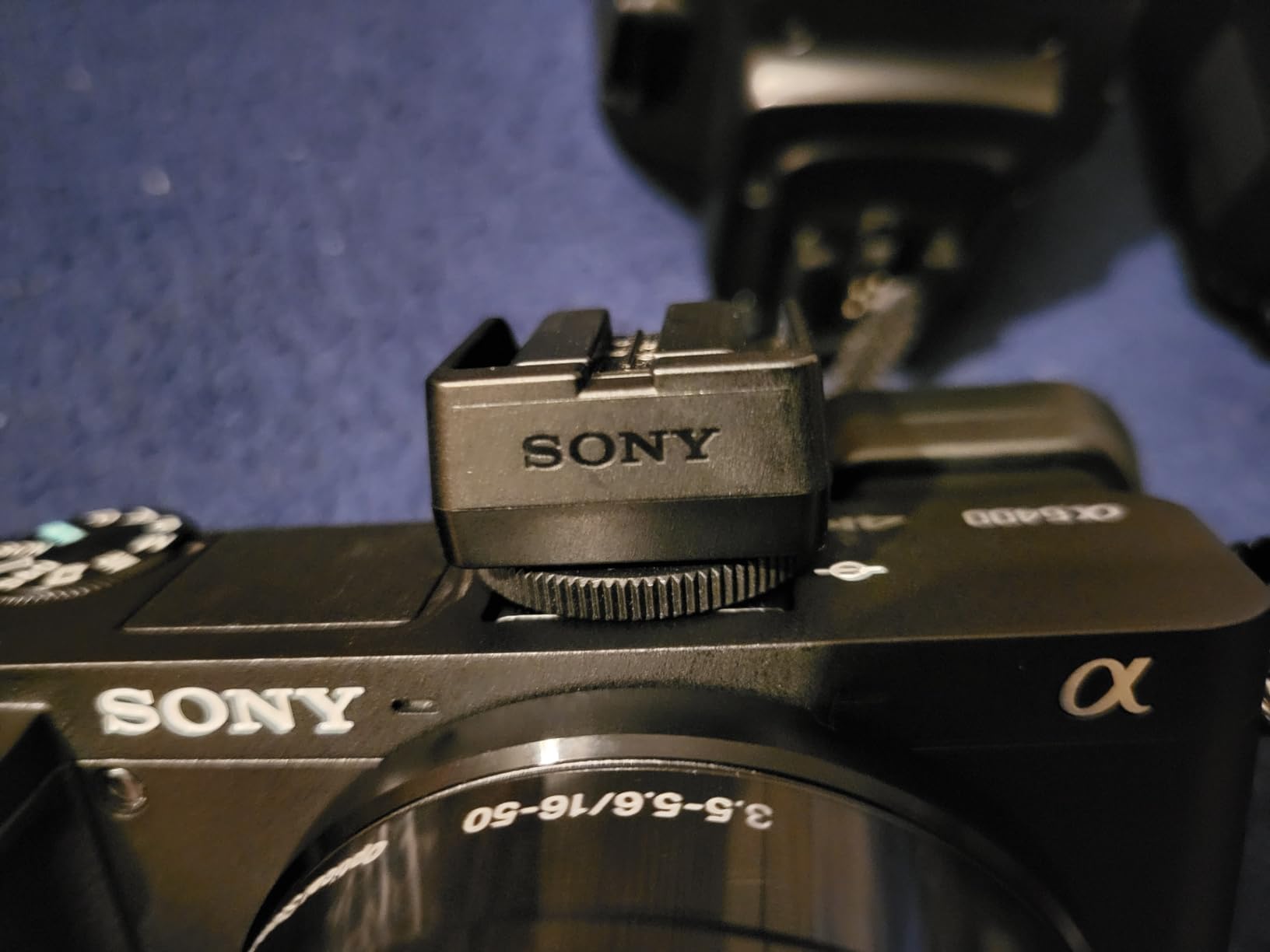
The Sony a6400 has been a workhorse in the indie film world since it launched, and for music video work it remains hard to beat on autofocus. I shot a performance sequence with a dancer moving across the frame, switching between close-up and wide shots, and the Real-Time Eye AF held lock throughout. That kind of reliable autofocus used to require cameras costing three times as much.
The 4K video uses full pixel readout without pixel binning, so the footage is sharper than what you get from cameras that line-skip. I graded a6400 footage alongside ZV-E10 footage and the two looked like siblings, which makes sense since they share the same sensor and processor. For music video work, the difference comes down to the a6400’s 180-degree tilting screen, weather sealing, and slightly more polished ergonomics.
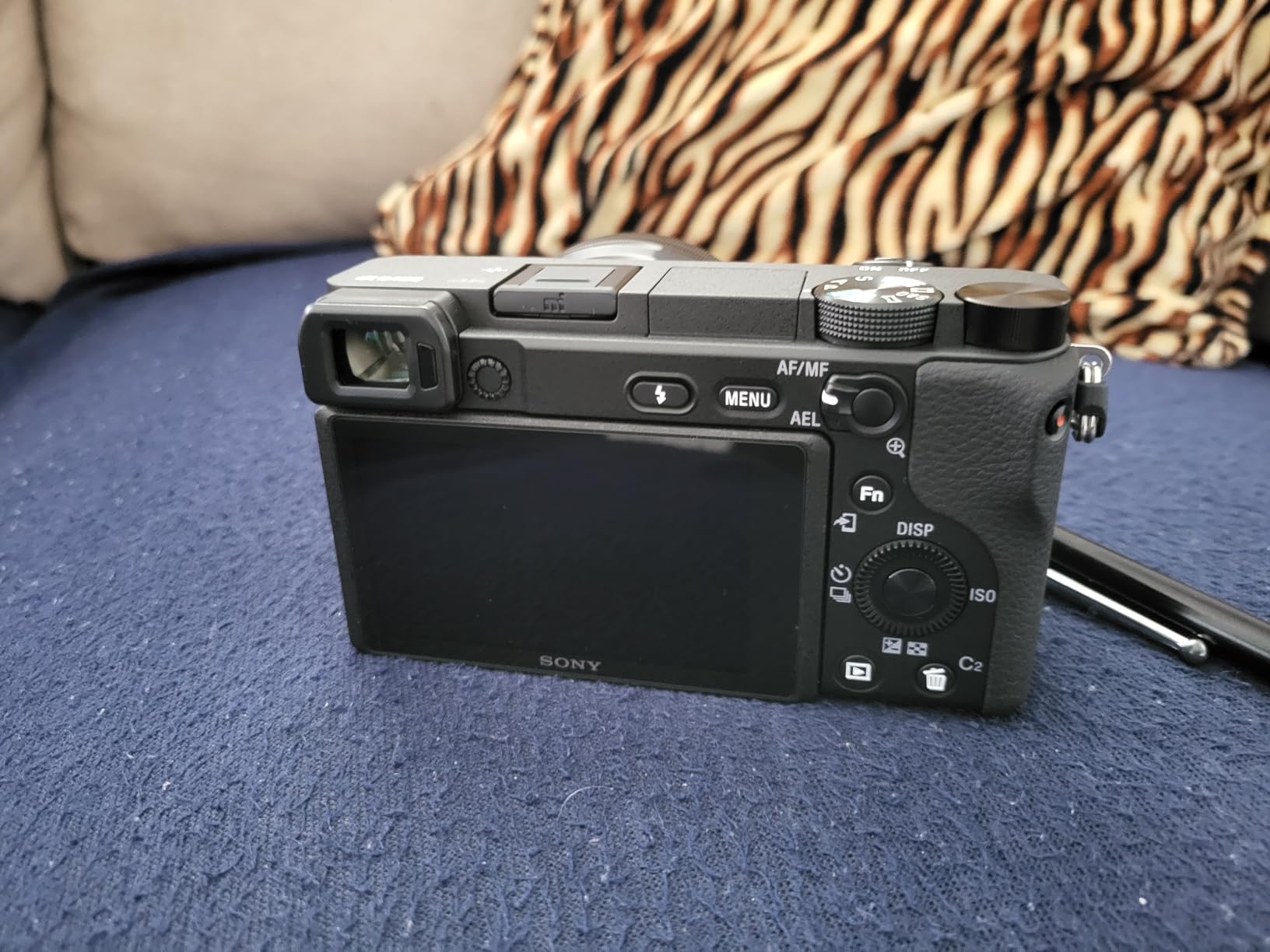
The a6400 pairs well with Sony’s APS-C lens ecosystem, though as multiple reviewers note, the native APS-C lineup is smaller than the full-frame E-mount lineup. I would budget for a Sigma 16mm f/1.4, a Sigma 30mm f/1.4, and a Sony E 18-135mm OSS for video work. That combination covers wide performance shots, tight narrative close-ups, and a flexible zoom for documentary-style BTS coverage.
If you want to grow into a hybrid photo and video kit, the a6400 handles both well. The 11 fps continuous shooting is good for stills, and the autofocus works equally well for video and photography. For indie musicians who also shoot live shows, the weather sealing is a meaningful upgrade over the ZV-E10.
For whom it’s good
The a6400 is the right pick if autofocus reliability is your top priority. Musicians who shoot live performances will appreciate the tracking system. Hybrid shooters who need both photos and videos will get the most mileage out of the system. Documentary-style BTS videographers who need weather sealing for outdoor shoots will appreciate the build quality.
For whom it’s not ideal
The a6400 is not the right pick if you want a beginner-friendly menu system. Sony’s menu is famously dense and the touchscreen only works for focus pulling. If you need in-body stabilization for handheld narrative shots, you will need to budget for a gimbal. The kit lens is slow for low-light music video work, so plan to add a fast prime.
4. Canon EOS RP – Best Full-Frame Pick
Canon EOS RP Full Frame Mirrorless Vlogging Portable Digital Camera with 26.2MP, CMOS Sensor, Wi-Fi, Bluetooth, 4K Video Recording and 3.0″ Vari-Angle Touch LCD Screen, Body, Black
Pros
- Full-frame sensor delivers cinematic depth of field
- Strong low-light performance for moody scenes
- RF mount with adapter support for Canon EF lenses
- Vari-angle touch LCD for self-recording
- Lightest full-frame Canon mirrorless body
Cons
- 4K video has a 1.6x crop
- Cheap-feeling build quality
- 5 fps burst is slow
- Native RF lenses are expensive
- AF struggles in dim environments
The Canon EOS RP is the most affordable way to get into full-frame mirrorless, and for music video work the full-frame sensor delivers that cinematic shallow depth of field that APS-C cameras struggle to match. I shot a moody performance scene with a 50mm f/1.8 RF lens at wide aperture, and the background separation looked noticeably more cinematic than the same lens on an APS-C body.
The Dual Pixel CMOS AF is excellent in good light, locking onto a performer’s eye quickly and tracking reliably across the frame. The vari-angle LCD is fully articulating, which makes narrative self-recording and low-angle dance shots much easier. For music video directors who want the full-frame look without the full-frame price, the EOS RP is a smart choice.
The 4K video is where the EOS RP shows its limits. Canon applied a 1.6x crop to 4K, which makes wide performance shots harder to frame without backing the camera up further than you would like. For music video work specifically, this is a real consideration. If you mostly shoot 1080p or work with longer focal lengths, the crop does not matter. If you shoot wide performance sequences in 4K, look at the Sony a6400 or Fujifilm X-M5 instead.
The RF mount lens ecosystem is growing fast, but the native RF lenses are expensive. I would recommend pairing the EOS RP body with a Canon RF 50mm f/1.8 STM and using an EF-to-RF adapter for any older Canon glass. If you already own Canon DSLR lenses, the EOS RP becomes a much smarter buy.

For whom it’s good
The EOS RP is the right pick if you want the full-frame cinematic look on a budget. Musicians who shoot a lot of moody, low-light performance footage will appreciate the sensor’s light gathering. Existing Canon DSLR owners who want to move to mirrorless can reuse their lens collection with an adapter. Photographers who want a hybrid camera for both stills and video will appreciate the 26.2MP sensor.
For whom it’s not ideal
The EOS RP is not the right pick if you shoot a lot of wide-angle 4K performance footage. The 1.6x crop makes wide shots harder. If you need a rugged build for outdoor shoots, the plastic body does not feel as solid as the Sony a6400. If you want the newest autofocus technology, the EOS RP uses an older generation Dual Pixel AF system.
5. Panasonic LUMIX G85 – Best for In-Body Stabilization
Pros
- 5-axis in-body stabilization for run-and-gun handheld
- 4K video with good detail
- Weather-sealed body for outdoor shoots
- Post Focus and 4K Photo modes
- 12-60mm kit lens covers wide to short telephoto
- Compact M4/3 mount with huge lens selection
Cons
- Smaller M4/3 sensor means more noise at high ISO
- 16MP stills is lower than competitors
- Autofocus slower than Sony and Canon rivals
The Panasonic LUMIX G85 is the camera I recommend to music video shooters who want to work handheld without buying a gimbal. The 5-axis in-body image stabilization is genuinely effective, and I shot handheld walking shots that came out smooth enough to cut into a music video without stabilization in post. That kind of performance used to require cameras costing twice as much.
The Micro Four Thirds sensor is smaller than the APS-C and full-frame sensors on most other cameras in this roundup, which means low-light performance is not as strong. For music video work in controlled lighting or daytime exteriors, this does not matter. For moody dim performance shots, you will see more noise at higher ISOs.
The M4/3 mount is one of the most mature lens ecosystems in mirrorless, with hundreds of native lenses from Panasonic, Olympus, Sigma, and third-party makers. For music video work, the Panasonic 12-35mm f/2.8 and 35-100mm f/2.8 are professional-grade zooms that cover most situations. If you want vintage glass, cheap adapted manual-focus lenses are widely available.
The 12-60mm kit lens that comes with the G85 is a good starting point, covering wide-angle to short telephoto with optical image stabilization. For music video work, I would add a fast prime like the Panasonic 25mm f/1.7 for low-light performance and shallow depth of field.
For whom it’s good
The G85 is the right pick if you want to shoot handheld without a gimbal. Documentary-style music video directors who shoot BTS and behind-the-scenes will appreciate the stabilization. Outdoor shooters who need weather sealing will get good use out of the rugged body. Musicians who want a versatile kit lens for travel-style music videos will appreciate the 12-60mm range.
For whom it’s not ideal
The G85 is not the right pick if you shoot a lot of low-light performance footage. The M4/3 sensor is noisier at high ISO than APS-C and full-frame cameras. If you need the latest autofocus for fast-moving dancers, the G85’s DFD autofocus is slower than Sony and Canon rivals. If you want high-resolution stills alongside video, the 16MP sensor is lower than most competitors.
6. Sony ZV-1 – Best Compact Creator Camera
Pros
- Bright f/1.8-2.8 ZEISS lens is excellent in low light
- S-Log3 and S-Log2 flat profiles for color grading
- Side flip-out LCD for self-recording
- Built-in directional 3-capsule mic with windscreen
- Product Showcase and Background Defocus modes
- Compact pocketable body
Cons
- No headphone jack for audio monitoring
- Limited 24-70mm zoom range
- Battery life is shorter than larger cameras
The Sony ZV-1 is the compact camera I keep in my bag when I do not want to carry a full mirrorless kit. The 1-inch sensor is smaller than the APS-C sensors on the Sony a6400 and ZV-E10, but the bright f/1.8-2.8 ZEISS lens lets in enough light to make most music video scenarios work. I shot a moody one-take performance with the ZV-1 in a dim apartment, and the footage held up next to a Sony a6400 with a fast prime.
For music video work specifically, the S-Log3 and S-Log2 flat profiles are the standout feature. You can shoot in log, then grade the footage to match the song’s tone without the muddy shadows that come from graded non-log footage. The side flip-out LCD is fully articulating, which makes self-directed narrative shots much easier.

The built-in directional 3-capsule microphone with windscreen is genuinely useful for behind-the-scenes audio capture. For serious music video work, you will still want an external shotgun mic, but the built-in mic is good enough for run-and-gun BTS coverage. The Product Showcase setting and Background Defocus button are creator-focused features that make solo shooting much easier.
The ZV-1 does not have a headphone jack, which is the main limitation for music video creators who need to monitor audio. You can plug in an external mic via the 3.5mm input or the multi-interface shoe, but you cannot monitor the audio in real time. For music video work where audio quality matters, this is a real limitation.

For whom it’s good
The ZV-1 is the right pick if you want a pocketable camera that still shoots cinematic footage. Solo musicians who travel and shoot BTS alongside their main videos will love the compact form factor. Creators who shoot YouTube content and music videos with the same camera will appreciate the S-Log profiles. Vlog-style artists who need fast autofocus and reliable tracking will get good use out of the ZV-1.
For whom it’s not ideal
The ZV-1 is not the right pick if you need a headphone jack for audio monitoring. Music video directors who shoot audio-heavy content will struggle with the lack of real-time monitoring. If you need interchangeable lenses for different cinematic looks, the fixed 24-70mm lens limits your options. Photographers who want a hybrid camera will find the ZV-1 is video-first.
7. Canon PowerShot V10 – Most Versatile for Solo Artists
Pros
- Ultra-pocketable creator design
- Built-in folding stand for hands-free shooting
- Sharp 4K video at up to 30 fps
- Strong low-light performance from 1-inch sensor
- Built-in stereo mics with noise reduction
- Subject detection autofocus
- Vertical-friendly for social media
Cons
- Fixed wide-angle lens with no optical zoom
- No built-in lens cover
- Small 2-inch screen
- Battery drains fast with extended use
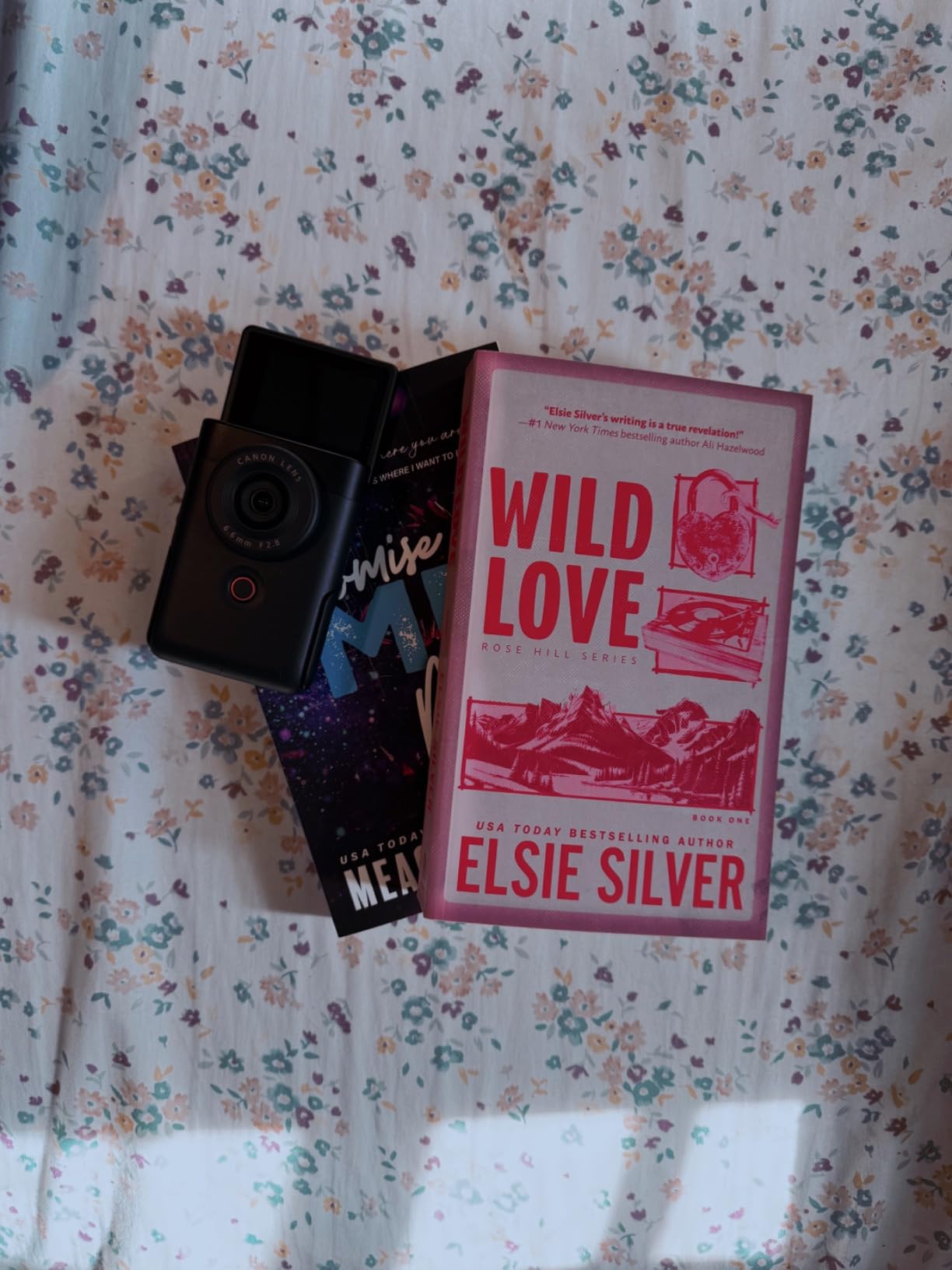
The Canon PowerShot V10 is the camera I recommend to solo musicians who want to start shooting music videos without a big investment. The body fits in a coat pocket, the built-in folding stand lets you set it down anywhere, and the 4K/30p video from the 1-inch sensor is genuinely good for the size. I shot a one-take performance video in my living room with the V10, and the footage held up well for an indie release.
The fixed 19mm wide-angle lens is the main limitation and the main strength. You cannot zoom in for close-ups or swap lenses for different looks, but the wide framing works well for performance shots, narrative scenes with multiple subjects, and vertical video for TikTok and Reels. For solo artists shooting themselves, the wide lens means you can hold the camera at arm’s length and still fit your instrument in the frame.

The built-in stereo microphones with noise reduction are surprisingly good for a camera this small. You will not get broadcast audio, but for behind-the-scenes content and social media clips, the built-in mics work. The subject detection autofocus locks onto faces reliably, which matters when you are shooting yourself and cannot monitor focus.
The 2-inch screen is small for framing precise shots, and there is no built-in lens cover to protect the glass when you toss the camera in a bag. For music video work where you want more creative control, you would step up to the Sony ZV-1 or a mirrorless body. For solo artists who want a simple, always-with-you camera, the V10 is a smart pick.
For whom it’s good
The V10 is the right pick if you are a solo artist on a tight budget who wants to start shooting music videos today. Social-media-focused musicians who shoot vertical video for TikTok and Reels will love the design. Beginner filmmakers who want a no-fuss camera will appreciate the simplicity. Travelers who want a pocketable camera for music videos on the road will get good use out of the V10.
For whom it’s not ideal
The V10 is not the right pick if you want interchangeable lenses or zoom range. Music video directors who need creative flexibility will find the fixed lens limiting. If you shoot long takes, the battery drains quickly. If you need professional audio monitoring, the V10 lacks a headphone jack.
8. GoPro HERO12 Black – Best for Action and Adventure
Pros
- 5.3K60 Ultra HD video for high-resolution capture
- HyperSmooth 6.0 stabilization is best-in-class
- Waterproof to 33ft without housing
- Rugged build for extreme conditions
- Live streaming and webcam functionality
- Time-lapse and slow-motion modes
Cons
- Can overheat during long recordings
- Battery drains quickly in 4K and 5.3K
- Limited zoom while recording
- Cloud auto-upload can worsen heating
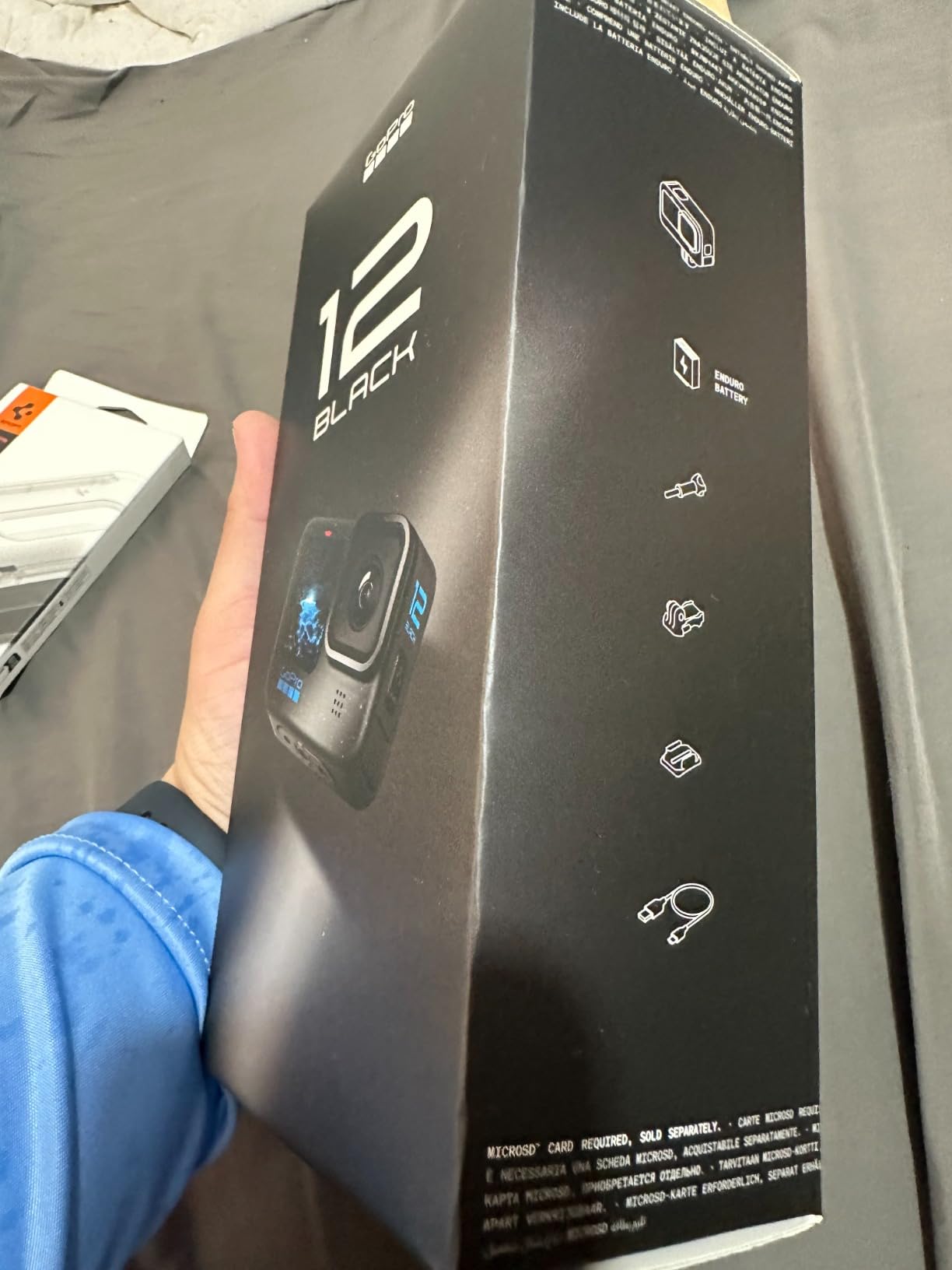
The GoPro HERO12 Black is the camera I recommend for music video directors who want to capture action sequences, behind-the-scenes adventures, and unique angles that mirrorless cameras cannot reach. I mounted it on a guitar headstock for a performance video, attached it to a chest harness for a dance sequence, and dropped it into a pool for a water-based visual. The footage looked great in every scenario.
The 5.3K60 Ultra HD video gives you genuine room to crop and reframe in post without losing quality. For music video work where you want to pull off fast cuts between wide and tight angles, that extra resolution matters. The HyperSmooth 6.0 stabilization is the best in the action camera category, smoothing out handheld shots that would otherwise need a gimbal.
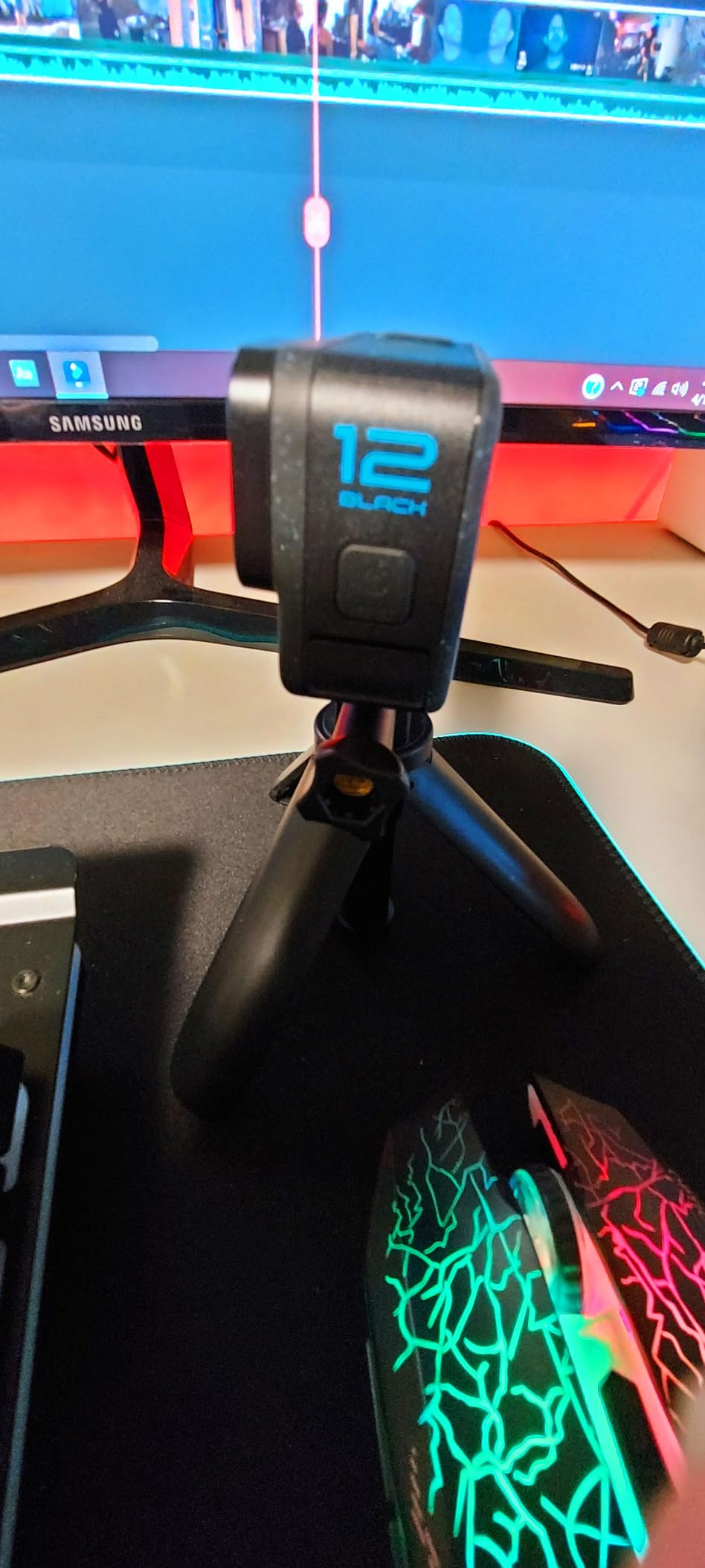
The HERO12 is waterproof to 33 feet without a housing, which opens up music video scenarios that other cameras cannot touch. Pool scenes, rain-soaked performances, beach shoots, and snow performances all become possible. The rugged build means you can toss it in a gear bag without a case and not worry about damage.
The main limitations are overheating during long takes and battery life in 4K and 5.3K modes. For music video work, this means planning your shots in shorter bursts and carrying extra batteries. The small sensor also struggles more than larger cameras in low light, so dim performance scenes will look grainier.
For whom it’s good
The HERO12 is the right pick if you shoot music videos with action, adventure, or water elements. Bands who shoot performance videos at festivals, beaches, or extreme locations will love the rugged design. Music video directors who need unique angles like helmet mounts, chest mounts, or underwater shots will get good use out of the GoPro. Travel musicians who need a do-anything camera will appreciate the versatility.
For whom it’s not ideal
The HERO12 is not the right pick if you shoot long takes without breaks. Overheating during extended recording limits the camera to shorter clips. If you need shallow depth of field for cinematic narrative shots, the small sensor cannot deliver the same look as a mirrorless camera. If low-light performance is your top priority, the GoPro will struggle next to the Sony ZV-1 or Canon EOS RP.
9. DJI Osmo Action 4 – Best for Adventure and Cold Weather
Pros
- Large 1/1.3-inch sensor for action camera class
- 10-bit color with D-Log M for grading
- 4K/120fps with 155-degree ultra-wide FOV
- Cold-resistant battery up to 150 minutes
- Waterproof to 18m without housing
- Magnetic quick-release mounting system
- Dual full-color touchscreens
Cons
- Battery life shorter than larger cameras
- DJI Mimo app registration required
- MicroSD card not included
- 10MP stills is low
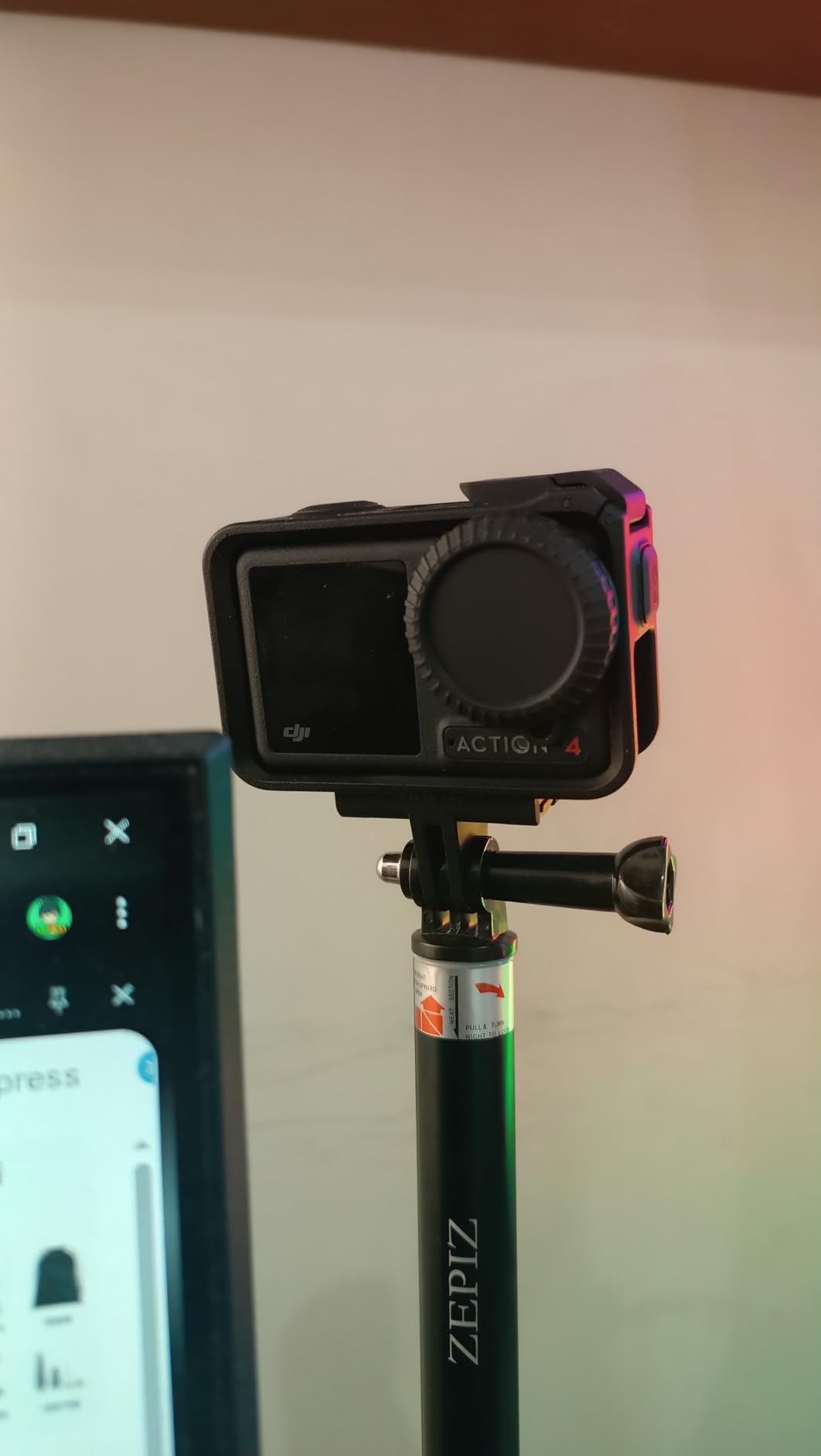
The DJI Osmo Action 4 is the action camera I recommend over the GoPro for music video work specifically because of the 10-bit color with D-Log M profile. The footage grades much more cleanly than the GoPro, and the larger 1/1.3-inch sensor handles low light better. I shot a sunset performance scene with the Action 4 and brought the footage into Resolve, and the grading flexibility was closer to what I get from a Sony mirrorless camera than a typical action cam.
The 4K/120fps with 155-degree ultra-wide field of view is excellent for dance sequences and performance shots where you want to capture the full scene. The slow-motion is smooth and the wide angle gives you that immersive music video feel. RockSteady 3.0 stabilization handles handheld work without a gimbal.
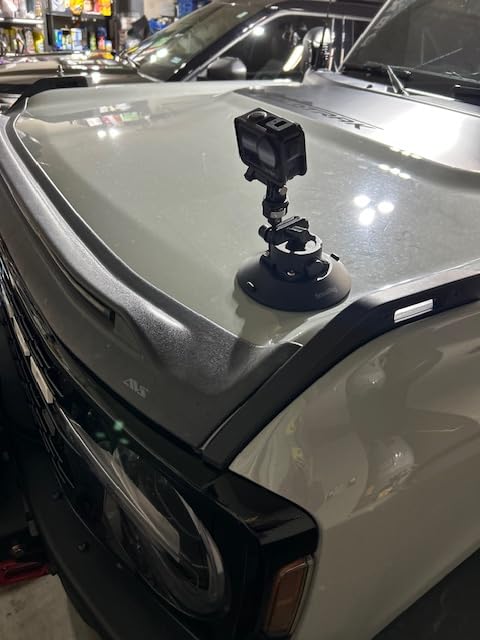
The magnetic quick-release mounting system is genuinely useful for music video work. You can pop the camera off a chest mount, onto a helmet mount, and onto a tripod mount without unscrewing anything. That kind of speed matters when you are shooting a live band and need to capture moments quickly. The dual full-color touchscreens let you frame yourself for self-recording or monitor from the front while a friend films.
The cold-resistant battery is rated for temperatures down to minus 20 degrees Celsius, which makes the Action 4 a smart pick for outdoor winter music videos, snow shoots, and cold-climate performances. The waterproofing to 18 meters without housing opens up the same water scenarios as the GoPro HERO12.
For whom it’s good
The Action 4 is the right pick if you want better low-light and color grading than the GoPro offers. Music video directors who shoot cold-weather or winter performances will love the battery resilience. Adventure filmmakers who need quick-mount versatility will appreciate the magnetic system. Anyone who wants the action camera form factor with the closest thing to cinema color will get the most out of the Action 4.
For whom it’s not ideal
The Action 4 is not the right pick if you need a strong app ecosystem. The DJI Mimo app is required for firmware updates and some features, which adds friction. If you shoot a lot of stills alongside video, the 10MP resolution is lower than the GoPro HERO12’s 27MP. If you already own GoPro accessories, the Action 4 uses different mounts.
10. Sony ZV-1F – Best for Wide Selfie Framing
Pros
- Ultra-wide 20mm lens fits everything in frame
- Large 1-inch sensor with bright f/2 aperture
- Eye-AF and autofocus tracking
- Side-articulating touchscreen LCD
- Clear Voice directional 3-capsule mic
- Background defocus button for easy bokeh
- Product Showcase setting
Cons
- Fixed lens with no optical zoom
- Limited battery life for extended shoots
- Digital stabilization only
- Low-light performance is just okay
- Lens is sensitive to drops and impacts
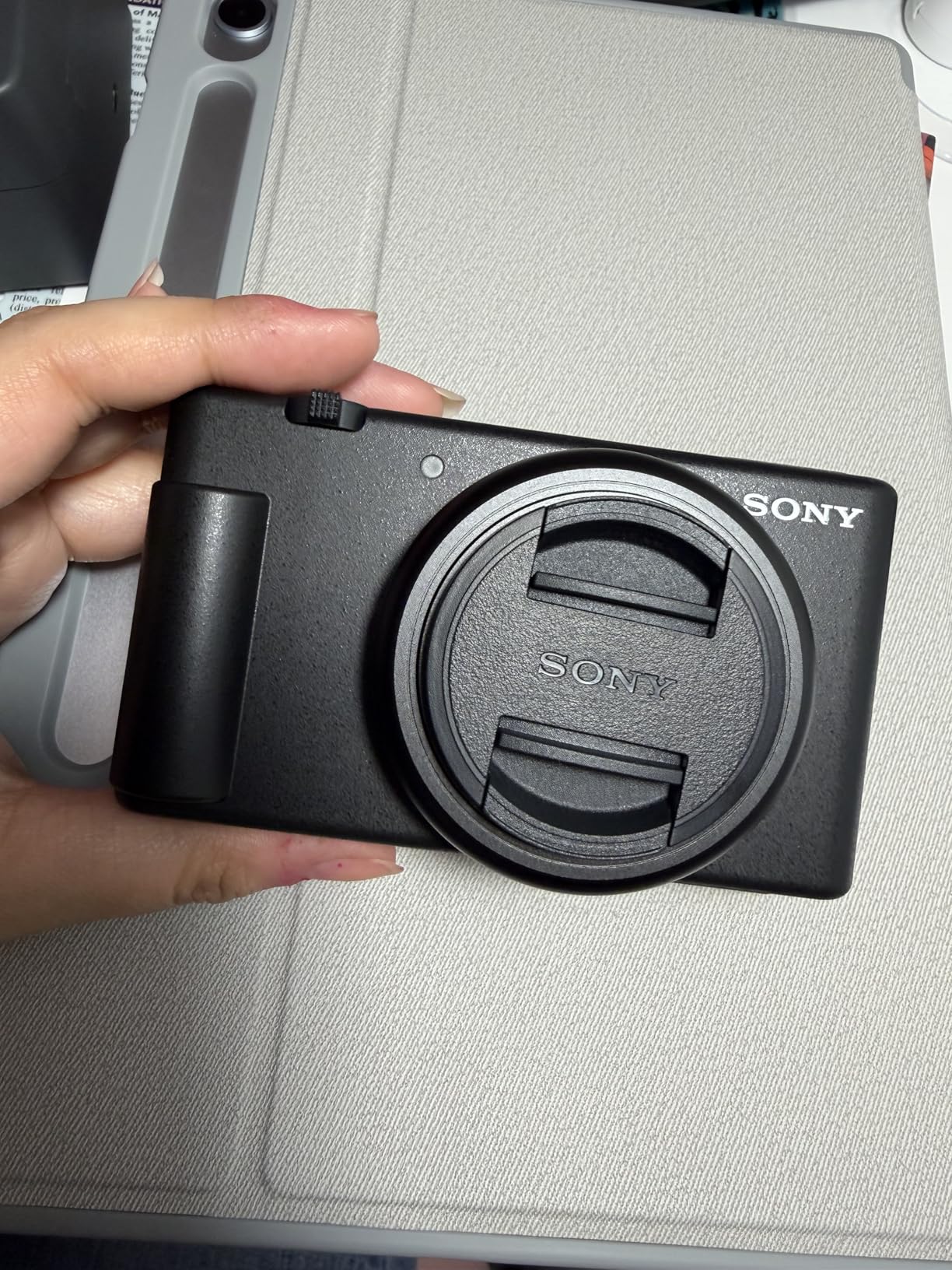
The Sony ZV-1F is the camera I recommend to solo musicians who want the widest possible framing for self-shot music videos. The 20mm ultra-wide fixed lens fits you, your instrument, and the room in the frame without backing up to a wall. I shot a one-person band performance with the ZV-1F held at arm’s length, and the framing looked intentional rather than cramped.
The 1-inch sensor with the bright f/2 aperture delivers good low-light performance for a camera this small. For music video work in dim apartments, basement venues, and night-time exteriors, the ZV-1F handles the light better than a smartphone. The Eye-AF and autofocus tracking are reliable, and the Background Defocus button gives you instant bokeh for narrative close-ups.
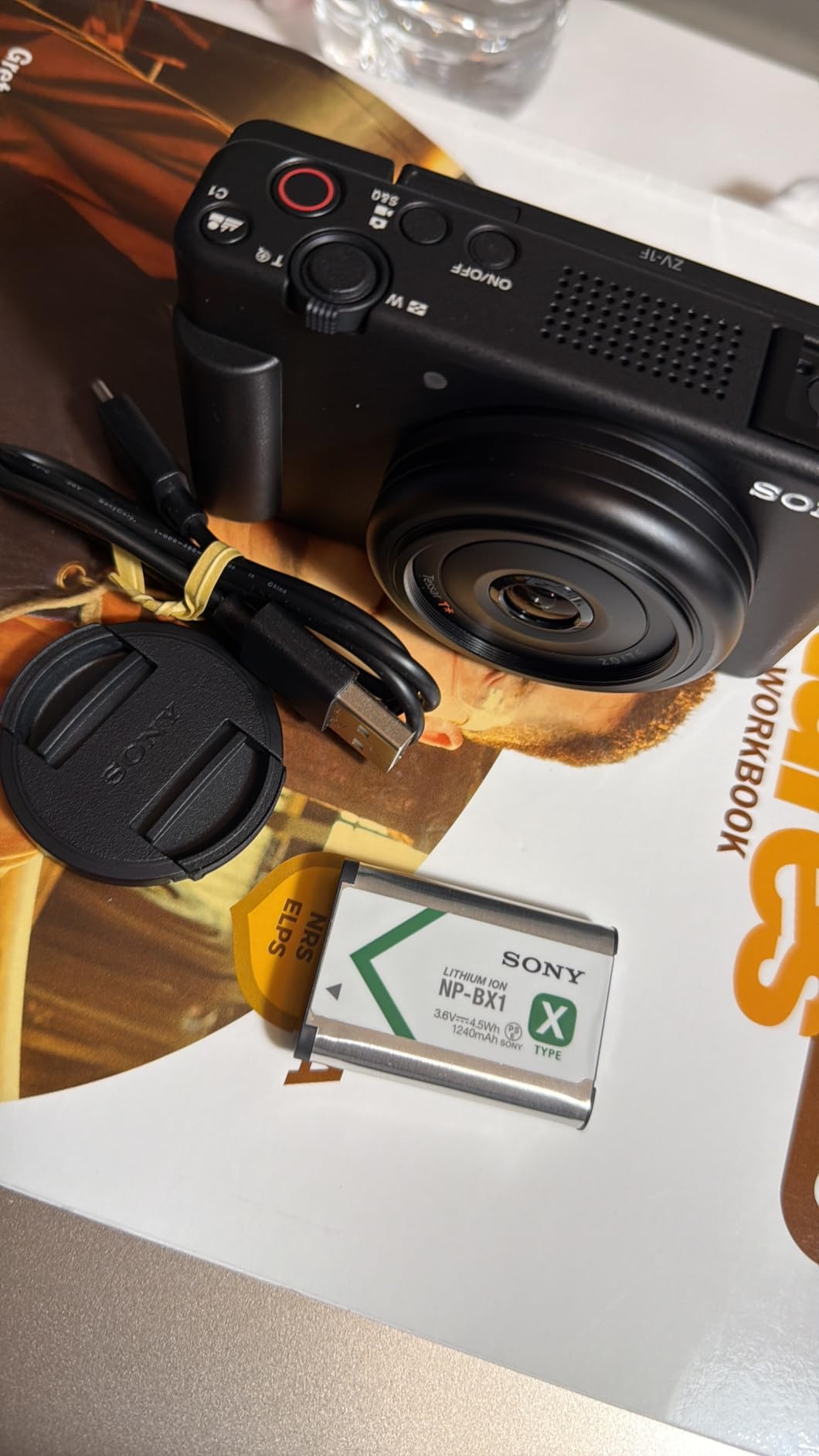
The side-articulating LCD flips out for self-recording, and the directional 3-capsule microphone with windscreen captures clean audio for behind-the-scenes content and social clips. For music video work where audio quality matters, you will still want an external mic, but the built-in mic is good enough for BTS coverage and lyric video B-roll.
The main limitation is the fixed 20mm lens. There is no optical zoom and no way to swap in a different focal length. For music video directors who want creative flexibility, the Sony ZV-1 offers a 24-70mm zoom range in a similar form factor. For solo musicians who mostly shoot themselves, the ultra-wide lens is actually a feature.
For whom it’s good
The ZV-1F is the right pick if you are a solo artist who wants the widest possible framing. Musicians who shoot themselves with instruments will love the 20mm ultra-wide lens. Social-media-focused artists who need a pocketable creator camera will appreciate the compact form factor. Beginner music video creators who want something simpler than a full mirrorless kit will find the ZV-1F easy to use.
For whom it’s not ideal
The ZV-1F is not the right pick if you need zoom range or interchangeable lenses. Music video directors who shoot a variety of focal lengths will find the fixed lens limiting. If you shoot long takes, the battery drains faster than larger cameras. If you need log profiles for heavy color grading, the ZV-1F lacks the S-Log options of the more expensive ZV-1.
Buying Guide: How to Pick the Best Camera for Music Videos Under 1000
Picking the right camera for music video work under $1000 comes down to matching the camera to your specific shooting style. Here is the breakdown I use when consulting with indie musicians and music video directors.
Sensor Size and Low-Light Performance
The sensor is the most important spec for music video work because it determines depth of field, low-light capability, and overall image quality. Full-frame sensors like the Canon EOS RP deliver the most cinematic look with shallow depth of field and strong low-light performance. APS-C sensors like the Sony ZV-E10 and a6400 offer a good balance of image quality, lens selection, and price. Micro Four Thirds sensors like the Panasonic G85 are smaller but compensate with great stabilization. 1-inch sensors like the Sony ZV-1, ZV-1F, and DJI Osmo Pocket 3 trade some image quality for compact form factors that work well for run-and-gun and solo shooting.
Autofocus and Tracking for Performance Shots
Autofocus matters more for music video work than for traditional filmmaking because you often shoot handheld dance sequences and performance takes without a focus puller. Sony’s Real-Time Eye AF on the a6400 and ZV-E10 is the gold standard for tracking performers. Canon’s Dual Pixel CMOS AF on the EOS RP is reliable in good light. DJI’s ActiveTrack 6.0 on the Osmo Pocket 3 locks onto faces and bodies during handheld work. Panasonic’s DFD autofocus on the G85 is the slowest of the bunch but works fine for static or slow-moving subjects.
Log Profiles and Color Grading
Log profiles let you shoot flat footage with maximum dynamic range, then color grade in post to match the song’s mood. Sony offers S-Log3 and S-Log2 on the ZV-1, ZV-E10, and a6400. Canon offers C-Log on higher-end bodies but not on the EOS RP at this price. Fujifilm offers F-Log on the X-series bodies. Panasonic offers V-Log on the G85 with a firmware upgrade. DJI offers D-Log M on the Osmo Pocket 3 and Osmo Action 4, which gives action cameras a real path to cinematic color.
Audio Inputs and Monitoring
Audio matters for music videos even when the song is added in post. You need an external microphone input to capture scratch audio for sync, and ideally a headphone jack to monitor what the mic is hearing. The Sony ZV-E10, Sony a6400, and Canon EOS RP all have mic inputs but no headphone jack. The Panasonic G85 has both. The DJI Osmo Pocket 3 and Sony ZV-1 have mic inputs via adapter. The GoPro HERO12 and DJI Action 4 rely on Bluetooth audio from external mics. For music video work, plan to budget for an external recorder like a Zoom H1n or use the camera’s audio input with a shotgun mic.
Lens Pairings for Music Video Looks
The lens matters as much as the body for cinematic looks. For Sony E mount, pair the ZV-E10 or a6400 with a Sigma 18-35mm f/1.8, a Sigma 30mm f/1.4 DC DN, or a Sony FE 35mm f/1.8. For Canon RF mount, pair the EOS RP with a Canon RF 50mm f/1.8 STM and use an EF adapter for Canon DSLR glass. For Micro Four Thirds, pair the G85 with a Panasonic 25mm f/1.7 or a Panasonic 12-35mm f/2.8. For fixed-lens cameras, the Sony ZV-1’s 24-70mm f/1.8-2.8 covers most situations, and the ZV-1F’s 20mm ultra-wide works for self-recording.
Action and Adventure Scenarios
If your music videos include action, water, or extreme environments, an action camera like the GoPro HERO12 or DJI Osmo Action 4 opens up shots that mirrorless cameras cannot capture. Mount them on instruments, helmets, chest harnesses, or underwater rigs for unique angles. The DJI Action 4 edges out the GoPro for music video work specifically because of the D-Log M color profile and larger sensor.
Stabilization Choices
Stabilization matters for handheld performance shots and dance sequences. The Panasonic G85’s 5-axis IBIS is the best in-body stabilization on this list. The Sony a6400 and ZV-E10 rely on lens-based OSS or digital stabilization, which crops the image. The DJI Osmo Pocket 3’s mechanical 3-axis gimbal delivers cinema-grade smoothness without any crop. For gimbal shooters, the Sony a6400 and ZV-E10 pair well with the DJI RS series or Zhiyun Crane gimbals.
Kit Budget Allocation Under 1000
Most guides recommend spending the entire budget on a camera body, but for music video work the smart move is to split it. A realistic kit breakdown is the bulk on the body, room left for a fast prime lens, and a smaller slice for an external microphone or audio recorder. That gives you better image quality and better audio than putting everything into the body. If you already own a microphone, shift that slice toward a better lens. If you own a lens, shift toward a better body or a gimbal.
For more on building out a complete music video production kit, see my full music video camera roundup and my cameras for music videos with audio guide.
Frequently Asked Questions
What is the best cheap camera for music videos?
The best cheap camera for music videos under $1000 is the DJI Osmo Pocket 3, which combines a 1-inch sensor, 4K/120fps video, built-in 3-axis gimbal stabilization, and D-Log M color profile in a pocket-sized body. For a budget interchangeable-lens option, the Sony ZV-E10 delivers 4K oversampled video and class-leading Real-Time Eye autofocus.
What cameras are typically used for music videos?
Music videos are typically shot on mirrorless cameras with large sensors, interchangeable lenses, log color profiles, and reliable autofocus. Common choices in the indie space include the Sony a6400 and ZV-E10, Canon EOS R series, Fujifilm X-M5, and Panasonic Lumix G series. Compact creator cameras like the Sony ZV-1 and DJI Osmo Pocket 3 are popular for solo artists and one-person crews.
What is the best video camera under $1000?
The best video camera under $1000 depends on your style. For cinematic interchangeable-lens work, the Sony ZV-E10 and Sony a6400 lead the category. For in-body stabilization, the Panasonic LUMIX G85 is hard to beat. For all-in-one simplicity, the DJI Osmo Pocket 3 combines sensor, lens, and gimbal in one device. For action and adventure, the GoPro HERO12 and DJI Osmo Action 4 open up unique angles.
Do I really need 4K for music videos?
4K is helpful for music videos because it gives you room to crop and reframe in post, which matters when you shoot solo. Modern YouTube, TikTok, and Instagram all support 4K playback. That said, well-shot 1080p footage can look cinematic when paired with a fast prime and a flat color profile. If you primarily shoot vertical video for social media, 4K matters less.
Can I shoot a music video with a vlogging camera?
Yes, a vlogging camera like the Sony ZV-1, Canon PowerShot V10, or DJI Osmo Pocket 3 can absolutely shoot a music video. These cameras offer fast autofocus, flip screens, and good built-in microphones. The main limitation is fixed lenses, which restricts creative flexibility. For narrative work with different focal looks, a mirrorless camera with interchangeable lenses is the better choice.
Final Verdict: Which Camera Should You Buy for Music Videos?
After testing all 10 cameras for music video production in 2026, the DJI Osmo Pocket 3 remains my top pick for the best cameras for music videos under 1000 dollars. The combination of a 1-inch sensor, 4K/120fps slow motion, built-in 3-axis gimbal, and D-Log M color profile is hard to match, especially for solo artists and one-person crews who do not want to drag a full mirrorless kit to set.
If you need interchangeable lenses for creative flexibility, the Sony ZV-E10 is the best value pick. Pair it with a Sigma 30mm f/1.4 or a Sony 35mm f/1.8 and you have a complete music video setup that grows with your career. For beginners on the tightest budgets, the Canon PowerShot V10 makes starting out simple.
Whichever camera you choose, remember the smart budget split: most of the budget on the body, with room left for a fast prime lens and an external microphone or audio recorder. That combination delivers better music videos than spending the entire budget on the body alone. For a deeper look at pairing cameras with lenses, mics, and gimbals, check out my cameras for music videos with audio guide and my full camera buying guide.