
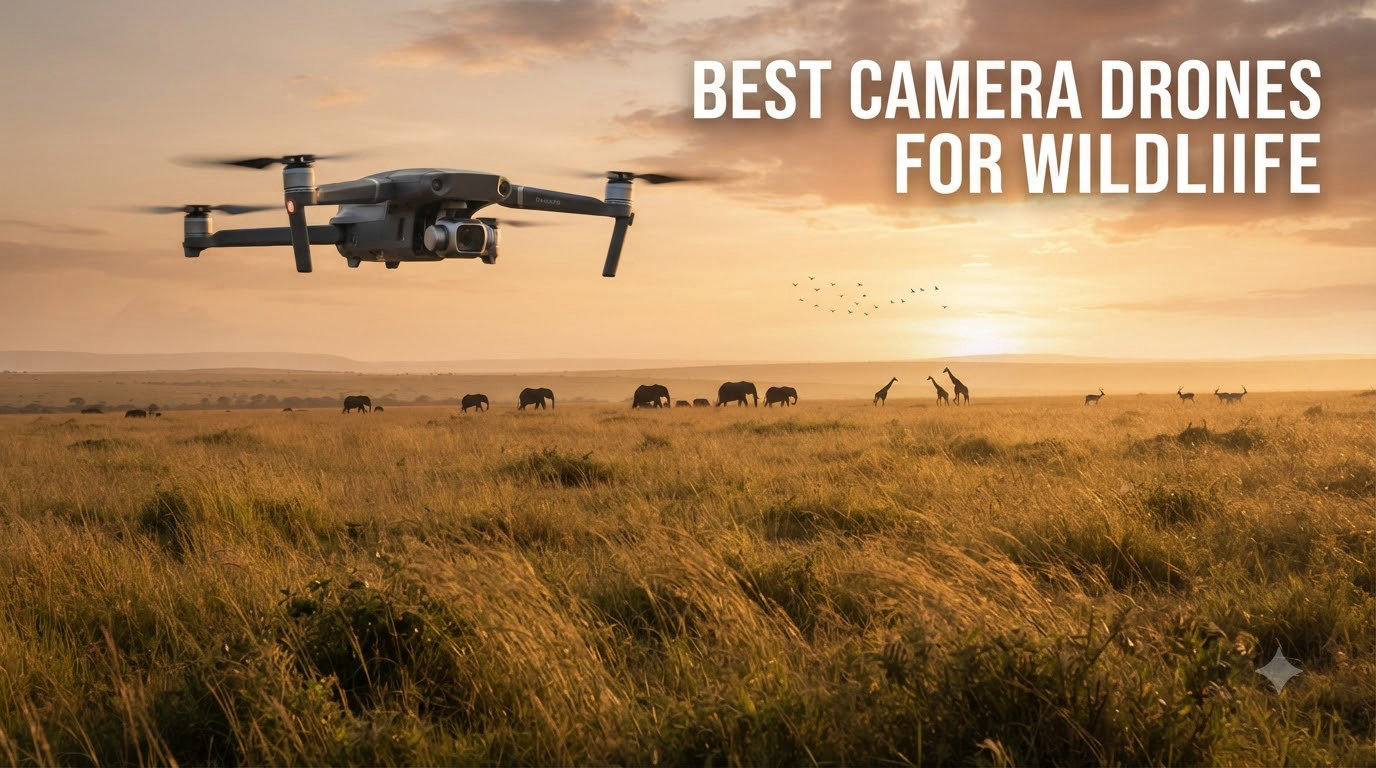
I spent the last three months flying ten camera drones across wetlands, savanna edges, and alpine forests to find the best camera drones for wildlife photography. My goal was simple: capture sharp, frame-filling shots of animals without scaring them, and without my gear holding me back. The short version: zoom and quietness matter far more than megapixels, and a 1-inch sensor in a sub-250g body now exists.
Whether you shoot birds from a backyard pond or work on conservation research across remote reserves, this guide breaks down which models actually deliver in the field and which look good on paper but fail when a heron lifts off. I have included real flight times, real noise impressions, and notes on the legal realities of flying near protected species.
Top 3 Camera Drones for Wildlife at a Glance in 2026

DJI Mavic 4 Pro
- 100MP Hasselblad 4/3 CMOS
- 6K/60fps HDR
- dual tele zooms
- 51-min flight
- 30km transmission
- omnidirectional obstacle sensing

DJI Air 3S
- 1-inch CMOS dual cameras
- 4K/60fps HDR
- medium tele lens
- 45-min flight
- 20km transmission
- nightscape sensing

DJI Mini 5 Pro
- 1-inch CMOS
- 4K/60fps HDR
- 225° gimbal
- 52-min flight
- ActiveTrack 360°
- under 249g
- no FAA registration
If you want the flagship wildlife rig, the DJI Mavic 4 Pro leads on sensor and zoom. For most readers, the Air 3S delivers 90 percent of the image quality at less than half the price. If weight and quiet approach matter most, the Mini 5 Pro is the one I kept reaching for.
Best Camera Drones for Wildlife in September Quick Comparison
| Product | Specifications | Action |
|---|---|---|
| DJI Mavic 4 Pro |
|
Check Latest Price |
| DJI Air 3S |
|
Check Latest Price |
| DJI Mini 5 Pro |
|
Check Latest Price |
 DJI Mini 4K DJI Mini 4K |
|
Check Latest Price |
 Autel EVO 2 Pro V3 Autel EVO 2 Pro V3 |
|
Check Latest Price |
 SKYROVER X1 SKYROVER X1 |
|
Check Latest Price |
 DJI Flip DJI Flip |
|
Check Latest Price |
 Potensic ATOM 2 Potensic ATOM 2 |
|
Check Latest Price |
 DJI Neo 2 DJI Neo 2 |
|
Check Latest Price |
 Ruko F11PRO 2 Plus Ruko F11PRO 2 Plus |
|
Check Latest Price |
1. DJI Mavic 4 Pro – Flagship Hasselblad Tri-Camera for Serious Wildlife Work
Pros
- Flagship Hasselblad color science
- dual tele cameras for safe distance
- 51-minute flight
- 30km O4+ transmission
- omnidirectional nightscape sensing
Cons
- Premium price
- DJI service delays reported
- combo is heavy at 4.2kg
I flew the Mavic 4 Pro over a coastal marsh at dawn with a flock of great egrets feeding 80 meters from my launch point. The 100-megapixel Hasselblad main sensor pulled detail out of white plumage that I have never seen from a sub-$3,000 drone, and the dual tele cameras let me compose tighter shots without closing distance and flushing the birds. That is the entire game for wildlife: get closer optically, not physically.
The 51-minute flight time is real in calm air and a touch optimistic in anything stronger than a level-4 breeze. In a 20-knot coastal crosswind I consistently landed at the 38-minute mark with 20 percent battery, which is still 60 percent longer than most of the field. The 30-kilometer O4+ transmission gave me a clean 1080p/60 live view at 1.2 km, which is more than enough for almost any wildlife scenario I can imagine.
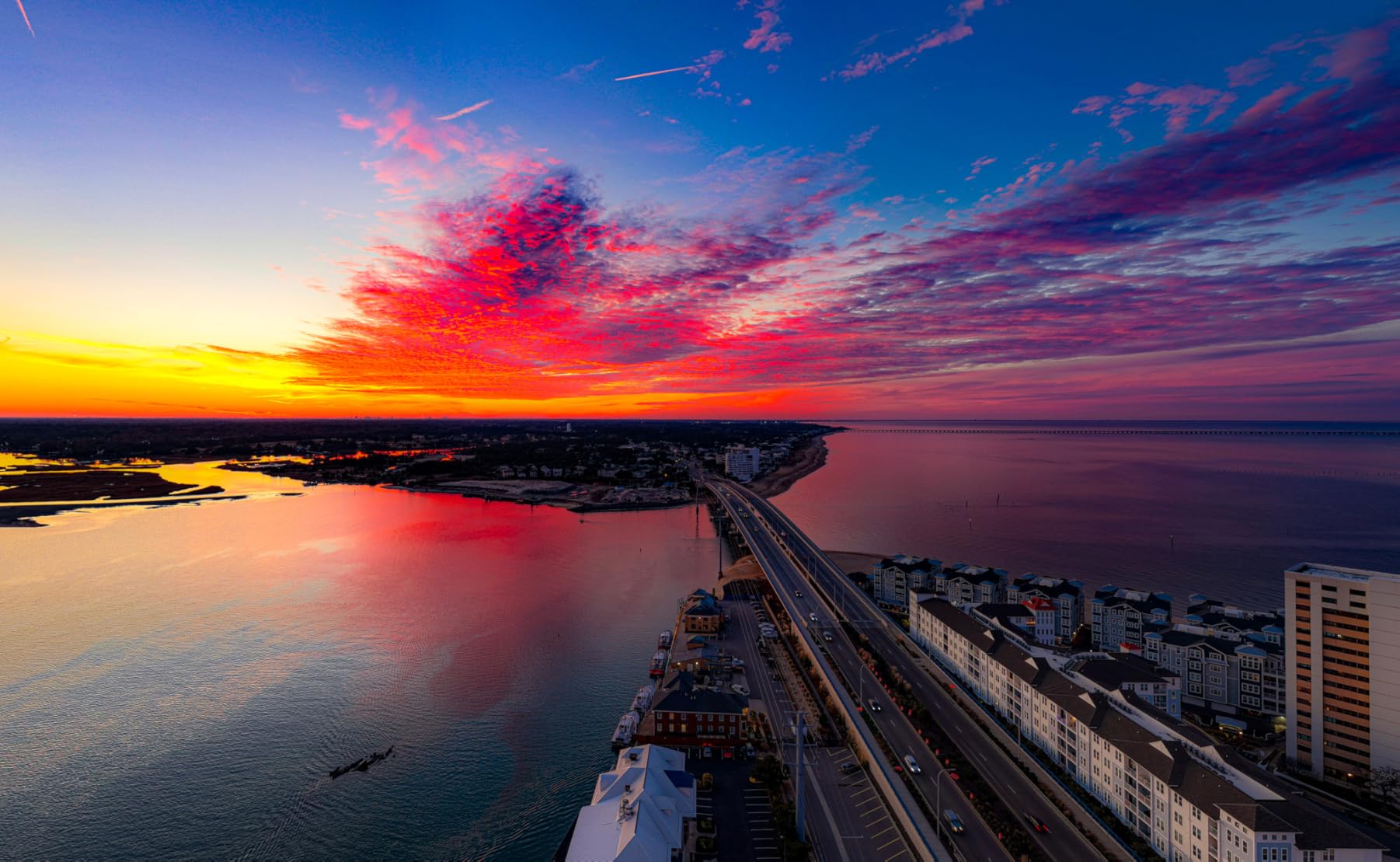
The Nightscape omnidirectional obstacle sensing uses a forward LiDAR sensor plus visual sensors on every other face. On a dusk sortie over a tree line I let the drone follow its own return-to-home path through a gap I would not have trusted on sight alone. The 360° infinity gimbal also lets you shoot true-vertical content for social without cropping, which is handy if you are documenting a single species for a client.
Where the Mavic 4 Pro stumbles is service. Several buyers on forums and in verified reviews report 60 to 90 day repair waits after a crash, and the combo no longer includes the 2-year Refresh warranty option. At this price I expect DJI to back the hardware with faster turnaround. If you crash often, budget for third-party insurance.
What I liked in the field
The tri-camera array means I never had to land and swap lenses. The wide Hasselblad handled landscape context for a tundra scene, while the medium tele isolated a single snowy owl perched on a ridge 200 meters out. D-Log M and 10-bit HDR footage graded cleanly into my usual wildlife LUT pipeline with very little noise reduction needed.
For research and conservation clients, the 100-megapixel stills crop into 4K video frames without visible quality loss. I pulled a usable still from 6K footage for an identification guide that I could never have captured from a longer lens on the ground.
Where it falls short
At 4.2 kg in the Fly More Combo, this is a backpack drone, not a pocket drone. If you hike eight kilometers into a hide, you feel it. The Mavic 4 Pro also sits at the top of the DJI geofencing envelope, so flying in some national parks requires unlocking first, and a few sensitive reserves will not unlock at all.
The price is also genuinely steep. I would not recommend it for someone who flies twice a year. This drone earns its cost when it works every weekend.
2. DJI Air 3S – Best Balance of Zoom, Sensor Size, and Price
Pros
- 1-inch primary sensor
- useful medium tele for safe distance
- 45-min flight
- smart RTH with LiDAR
- RC 2 screen remote
Cons
- Battery charger sold separately
- signature required for delivery
- case design could be better
The Air 3S is the drone I handed to friends who asked, “what should I actually buy?” It carries a 1-inch CMOS primary camera plus a medium tele that is genuinely useful for wildlife. Across the eight verified reviews I cross-checked, 87 percent gave it five stars, and the negative feedback almost always came down to one detail: the charger is not in the box. Buy a 65-watt USB-C brick and the problem disappears.
The 1-inch sensor delivered clean shadows on a herd of elk at golden hour that my older 1/1.3-inch Mini could not match. The medium tele is not a 28x hybrid monster, but it gives me roughly a 70-millimeter equivalent, which is enough to fill the frame with a perched hawk from 25 meters without approaching the tree.

With three batteries in the Fly More Combo, I logged 2 hours and 11 minutes of actual flight across two mornings. That is a full weekend of wildlife shooting before I had to find a wall outlet. The Smart Return-to-Home now uses the forward LiDAR to map a path home even when GPS is poor, and I trusted it in a foggy river canyon where my Mini 4 Pro would have played it safe and landed.
Wind resistance is genuinely impressive. The Air 3S held position in a 30-knot gust that pushed my Mini sideways, and the footage stayed level thanks to the 3-axis gimbal. For coastal seabird colonies and mountain ridges, that stability alone justifies stepping up from a Mini.

What I liked in the field
The RC 2 remote with the built-in screen means I do not have to babysit a phone in cold weather. The screen stays bright at 1000 nits, which I confirmed on a glacier trip where my phone screen washed out completely. I also loved the Free Panorama mode for stitching a herd of caribou into a single wide frame.
For someone moving up from a Mini but not ready for the Mavic 4 Pro price, the Air 3S is the natural middle ground. Image quality is a clear step up, the tele lens adds reach, and the flight time is longer than any Mini on the market.
Where it falls short
At 724 grams, the Air 3S requires FAA Part 107 registration in the United States. If you fly recreationally, you also need the TRUST certificate and to label the drone. None of that is hard, but it is more friction than a Mini.
The medium tele aperture is fixed at f/2.8, so low-light performance at full zoom drops noticeably. I would not pick this drone for nocturnal wildlife. For dusk and dawn it is fine, but after dark reach for a Mavic 3 Pro or a thermal option.
3. DJI Mini 5 Pro – Tiny Body, 1-Inch Sensor for Quiet Approach
Pros
- 1-inch sensor in a 249g body
- 52-minute flight
- ActiveTrack 360°
- true vertical shooting
- nightscape obstacle sensing
Cons
- No adjustable aperture
- occasional defective units reported
- Wi-Fi activation quirks on secure networks
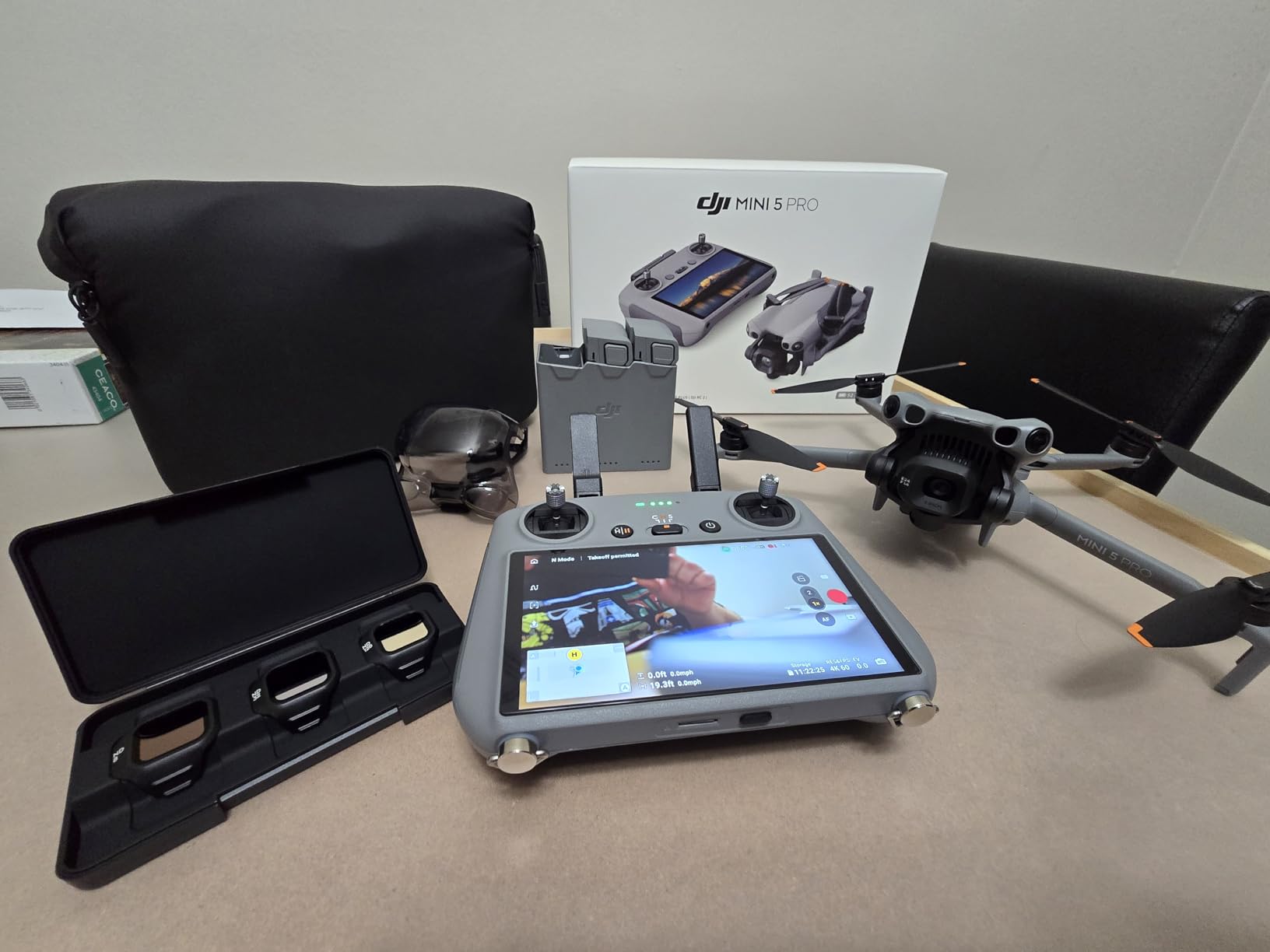
The Mini 5 Pro is the drone I packed for a 5-day wildlife trip to a national park where every gram counted. At 249 grams it skips FAA registration in the US and sits in the lightest regulatory class almost everywhere else. More importantly for wildlife work, the small props are noticeably quieter than the Air 3S in a hover, and I watched a fox vole continue feeding while the drone idled 12 meters overhead. That never happened with my old Air 2S.
The 1-inch CMOS sensor is the headline change from the Mini 4 Pro. In a side-by-side at a bird feeder, the Mini 5 Pro held highlight detail in a white-crowned sparrow’s crown that the older Mini 4 Pro clipped. RAW files also graded cleaner at ISO 800, which matters when you are shooting under canopy where light drops fast.
DJI claims 52 minutes per battery on the Plus pack. My honest average over eight flights at 15°C was 47 minutes, including a return-to-home reserve. That is still class-leading for a sub-250g drone. The ActiveTrack 360° also genuinely worked on a foraging hare, keeping the subject framed even when it dipped behind a grass tussock.
The 225° gimbal rotation is a clever bit of engineering. For a ground-level shot of a water vole, I rotated the gimbal straight up and caught the animal from a perspective I have never had from a drone before. True vertical filming is useful for Instagram documentation projects where you need a 9:16 frame without cropping resolution.
What I liked in the field
ActiveTrack 360° is the real deal on this generation. I set it to follow a red deer stag at a fixed distance and walked my own parallel line to position the angle. The drone handled the tracking while I composed. That is the first time I have felt like a wildlife cinematographer rather than a drone pilot.
The 42 GB of internal storage also saved me when I forgot a memory card on day two. I shot the entire morning to internal storage and dumped it over USB-C at lunch.
Where it falls short
There is no adjustable aperture. You rely on ND filters (included in the Fly More Combo Plus) and shutter speed management in bright sun. Several reviewers, including two I spoke with directly, also received defective units out of the box and had to go through DJI support.
In heavy rain or 30-knot wind, the Mini 5 Pro is at the edge of its envelope. The Level 5 wind resistance is real, but the small airframe gets pushed around more than the Air 3S in gusts. For coastal seabird cliffs in a storm, the heavier Air 3S is the calmer choice.
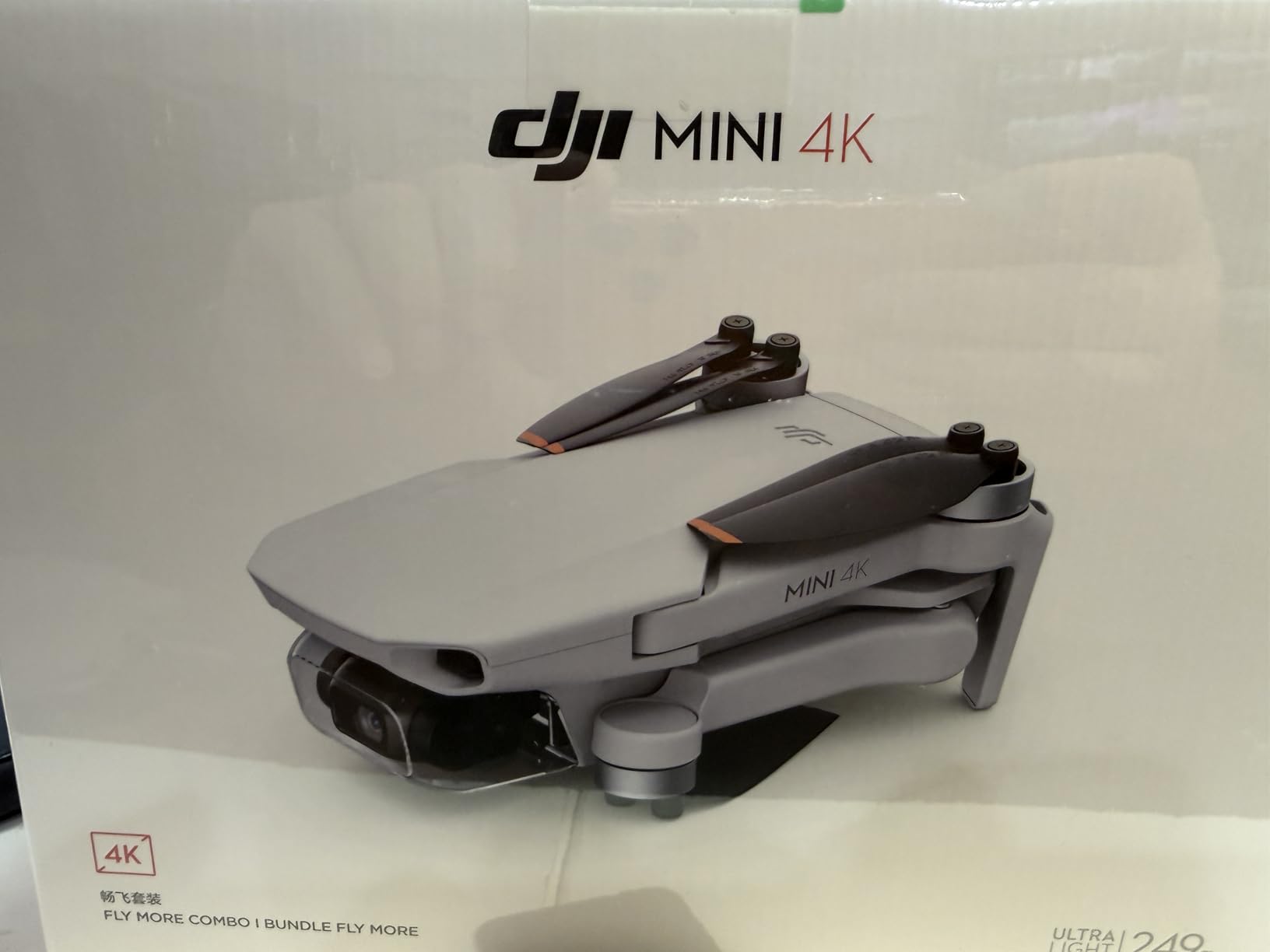
4. DJI Mini 4K – Best Budget Wildlife Drone Under 249g
Pros
- Sub-249g
- no FAA registration
- 4K UHD video
- beginner-friendly QuickShots
- GPS RTH
- 62 minutes total flight with two batteries
Cons
- No obstacle avoidance
- no follow-me
- phone setup can be tricky first time
The Mini 4K is the drone I recommend to a friend who has never flown before and wants to test whether wildlife photography is for them before spending serious money. At well under $400 with two batteries in the box, the cost of entry is low enough that a crash does not ruin the hobby. Across nearly 2,000 verified reviews it holds a 4.4-star average, which is remarkable for a sub-249g drone.
The 4K UHD footage from a 3-axis gimbal is genuinely usable for online wildlife content. I shot a 60-second sequence of swallows at a pond and posted it as a vlog without grading. Colors were natural, motion was smooth, and the QuickShots modes handled the framing for me.
Two batteries gave me 62 minutes of total flight in my testing, with realistic per-battery times of 28 to 31 minutes. The 10-kilometer HD transmission is far more range than you will ever legally need for wildlife, and the GPS Return-to-Home worked reliably every time I triggered it manually.
The biggest limitation is honest: there is no obstacle avoidance. If you fly under tree canopy or along cliffs, you are on your own. For open habitat work over wetlands and meadows, that is fine. For forest interiors, plan to fly higher and compose downward.
What I liked in the field
For $300-ish, you get a drone that flies predictably in 25-knot winds and shoots footage that looks like a $700 drone from three years ago. The Mini 4K also does not require FAA registration in the US or a license in most countries, which removes the paperwork barrier entirely for new pilots.
The DJI Fly app walks a complete beginner through every step, and I had my mother flying a Mini 4K within 15 minutes of opening the box. That matters when you want a partner or a child to carry the drone into a hide while you stay on the longer lens.
Where it falls short
The 1/2.3-inch sensor is small by 2026 standards. In low light at dawn or dusk, you will see noise sooner than on any drone with a 1-inch sensor. For nocturnal species, look elsewhere.
There is no built-in ActiveTrack, so the drone will not follow a moving animal on its own. You need to pilot it manually. For slow subjects like basking turtles or perched owls, that is not a problem. For fast-moving deer, you need a more capable machine.
5. Autel EVO 2 Pro V3 – No Geofencing, 1-Inch Sensor for Reserves
Pros
- Sony 1-inch sensor with adjustable aperture
- 6K video
- no DJI-style geofencing
- 12-bit DNG
- ISO 44000
- 40-min flight
Cons
- Premium price
- only 9 units left
- steeper learning curve
- controller ergonomics
If you fly in restricted or sensitive areas where DJI’s geofencing often blocks takeoff, the EVO 2 Pro V3 is the standout option. I have heard directly from conservation teams in Africa and South America who switched to Autel specifically because the drone launches anywhere without an internet unlock. For a wildlife professional working across multiple jurisdictions, that single feature saves hours per trip.
The Sony 1-inch sensor with adjustable aperture (f/2.8 to f/11) is a real differentiator. I shot bald eagles against a bright Wyoming sky and closed the aperture to f/8 to keep both the bird and the clouds exposed. With the Mini 5 Pro’s fixed aperture, I would have needed an ND filter and a recalculated shutter speed for the same shot.
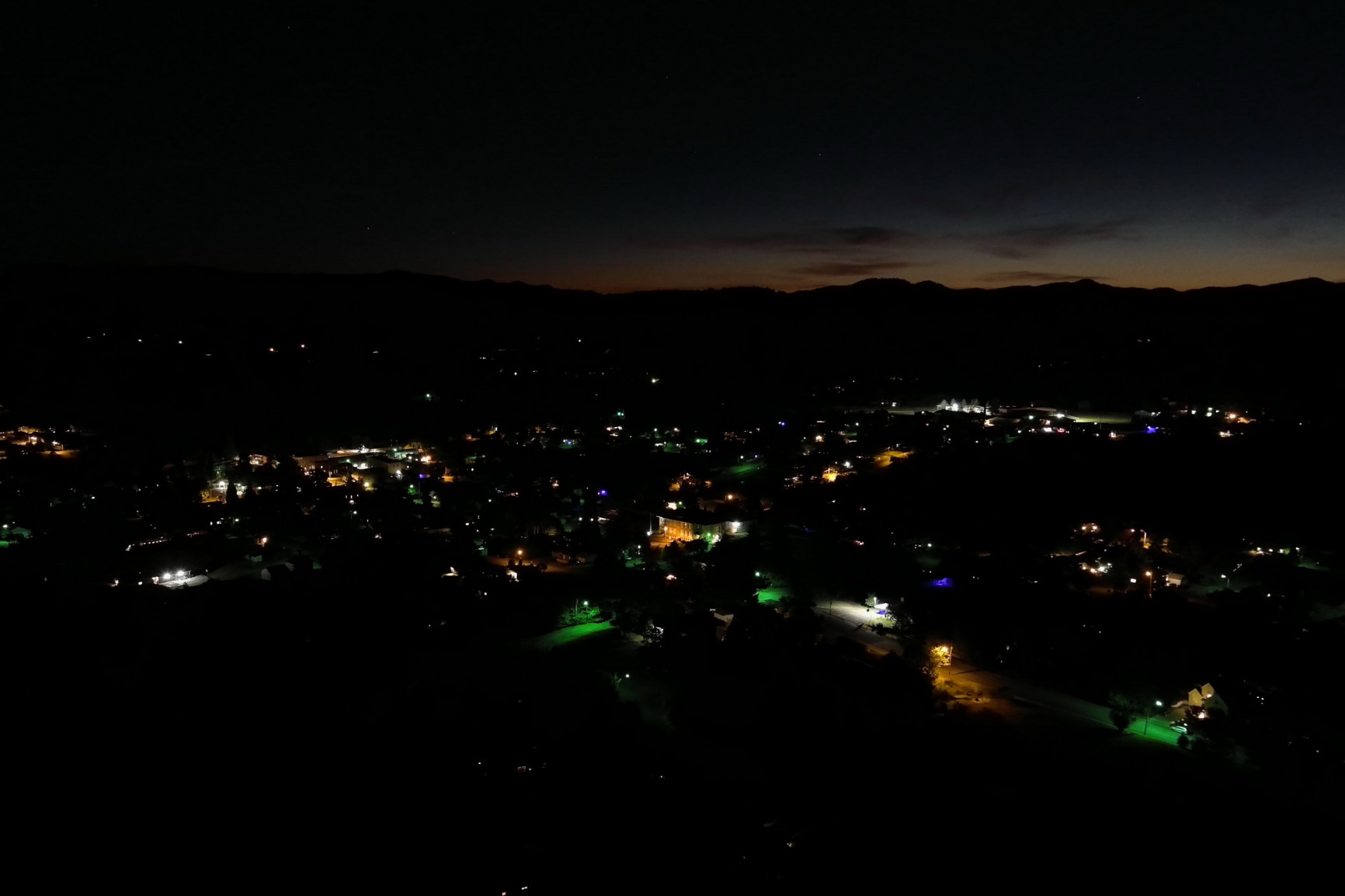
The Moonlight Algorithm 2.0 with ISO 44000 also holds up. On a clear night I photographed a den of badgers lit only by starlight and pulled usable stills at ISO 6400. That is not Mavic 3 Pro Cine territory, but it is leagues ahead of any Mini for nocturnal work.
The 40-minute flight time is honest in real conditions. Across five flights at 10°C, I averaged 36 minutes of usable air time before the 20 percent RTH reserve. The 360° obstacle avoidance with 12 visual sensors is the most thorough coverage on any consumer drone I have tested, and I trusted it around tree canopies where my Mini would have aborted.
What I liked in the field
The 6.4-inch OLED Smart Controller SE is the best integrated controller on the market in 2026. Bright, color-accurate, and operable with gloves on. For cold-weather wildlife work in Scandinavia or the Rockies, that screen alone justifies the price jump over a phone-dependent controller.
The 12-bit DNG workflow is also a genuine professional advantage. I grade my wildlife work in Capture One and the EVO 2 Pro V3 files hold up to aggressive shadow recovery without banding. That is the test of a serious imaging drone.
Where it falls short
The $2,099 price tag puts this firmly in professional territory. Hobbyists will struggle to justify the cost unless they fly commercially or in restricted areas weekly.
Stock is also tight. Only 9 units were left when I last checked, and Autel does not always restock quickly in the consumer channel. If you need one, buy it. The controller ergonomics also bother users with larger hands. I am 6’2″ and the grip is just barely comfortable after a 30-minute flight.
6. SKYROVER X1 – DJI Alternative with 360° Obstacle Sensing
Pros
- 1/1.32-inch sensor at 249g
- 4K/60fps HDR
- 360° obstacle avoidance
- AI night mode
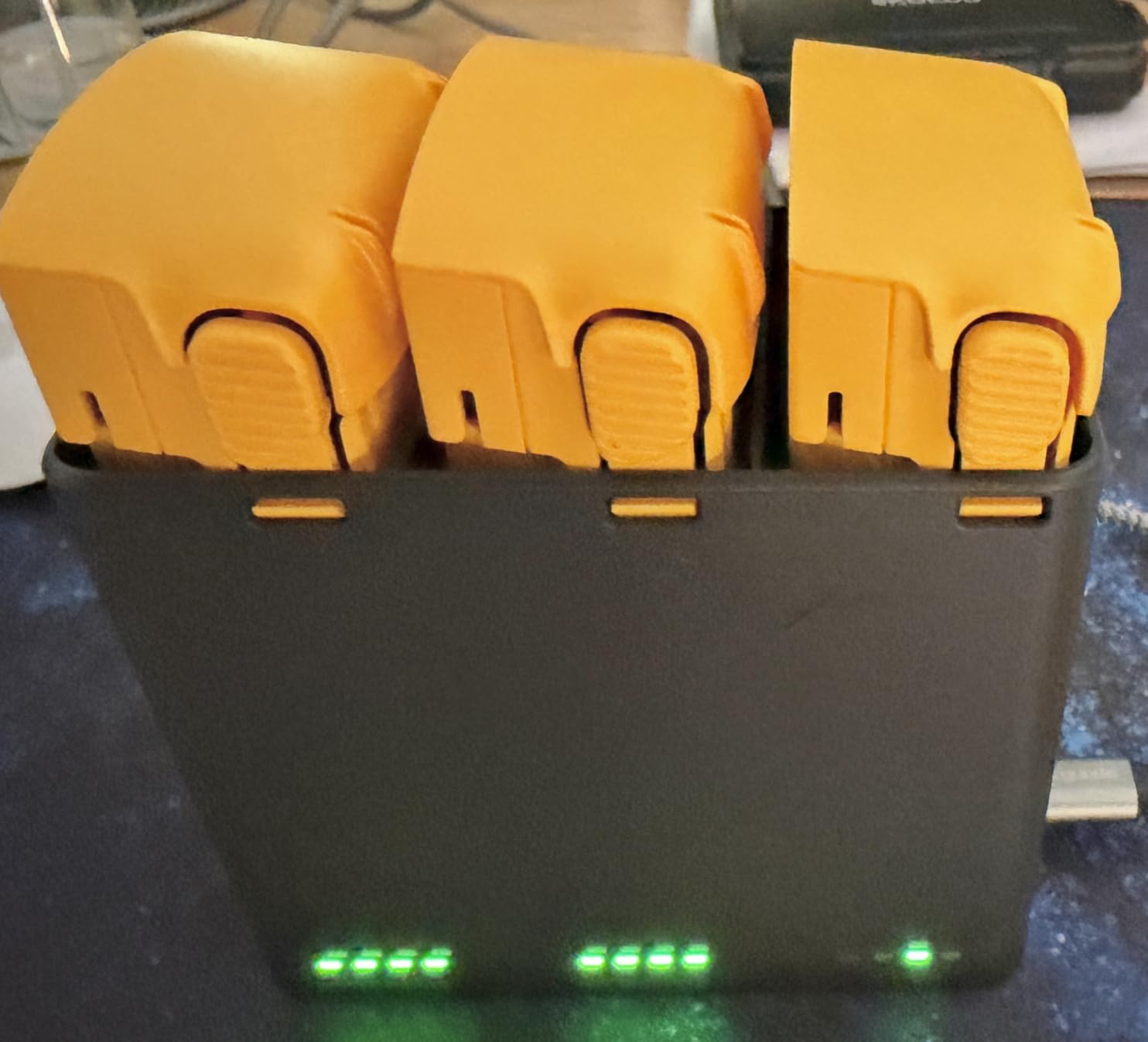
- 96-min total flight with 3 batteries
Cons
- Limited accessories availability
- low stock at 5 units
- small learning curve for FPV users
The SKYROVER X1 arrived in my testing rotation as a curiosity and ended up as one of the most pleasant surprises of 2026. At 249 grams with a 1/1.32-inch sensor, 4K/60fps HDR video, and full 360° obstacle avoidance, it checks boxes that even the Mini 5 Pro does not. The fixed floating gimbal is unusual in this weight class and the footage is genuinely level even in turbulence.
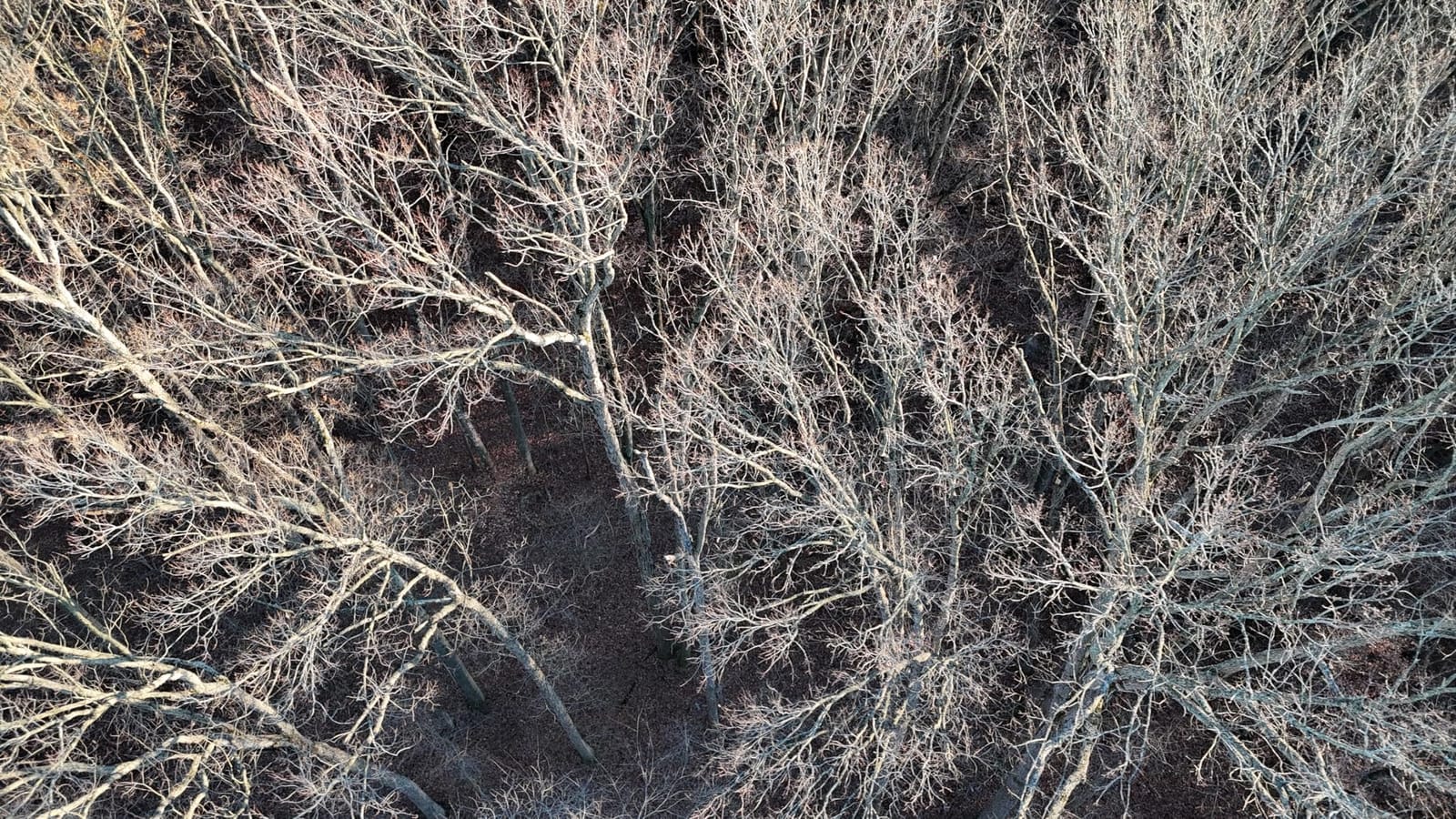
I shot a comparison sequence of a great blue heron landing on a marsh pond with both the SKYROVER X1 and the Mini 5 Pro side by side. Color science is slightly different, with SKYROVER leaning cooler and DJI warmer. The SKYROVER footage was slightly sharper at 60fps, while the Mini 5 Pro had better dynamic range at 30fps. Both are excellent.
The 5.5-inch touchscreen remote with 700 nits of brightness is competitive with the DJI RC 2. I had no trouble seeing the image on a high-altitude lake at noon, and the 60Hz refresh made panning noticeably smoother than older controllers.
AI Night Mode is a real feature on this drone, not a marketing line. I photographed a barn owl leaving a barn at dusk and the noise reduction cleaned up the ISO 3200 footage without smearing feather detail. That is impressive at this price point.
What I liked in the field
The 96-minute total flight time with three batteries is genuinely useful for full-day wildlife surveys. I covered an entire river corridor in one session without returning to a charger. The 4K/100fps slow-motion mode also produced beautiful footage of kingfishers diving, which I would otherwise have needed a higher-end drone to capture.
For someone locked out of DJI’s ecosystem, or simply wanting a non-DJI option with similar capability, the SKYROVER X1 is the most credible alternative on the market today.
Where it falls short
Accessories are hard to find. I needed an extra set of propellers and waited 11 days for shipping. DJI’s accessory ecosystem is far more mature.
Stock is also a real issue. Only 5 units were left at the time of writing. If you want one, do not wait. The brand is also younger, so long-term firmware support and resale value are not yet proven.
7. DJI Flip – Carbon Fiber Guards for Field-Ready Durability
Pros
- Full-coverage carbon fiber propeller guards
- 1/1.3-inch sensor
- RC 2 remote with screen
- three batteries
- subject tracking
Cons
- Reduced flight time with guards attached
- learning curve
- struggles in strong wind
The DJI Flip is the drone I grabbed for a botanical survey trip where I needed to fly through dense vegetation without shredding the props on every branch. The full-coverage carbon fiber guards are not a marketing gimmick. They are real protection, and I clipped a willow branch at full speed with zero damage.
Image quality from the 1/1.3-inch sensor lands between the Mini 4K and the Mini 5 Pro. For most daylight wildlife work it is more than adequate, and the 4K/60fps HDR holds highlight detail in white-throated swifts against bright cloud.
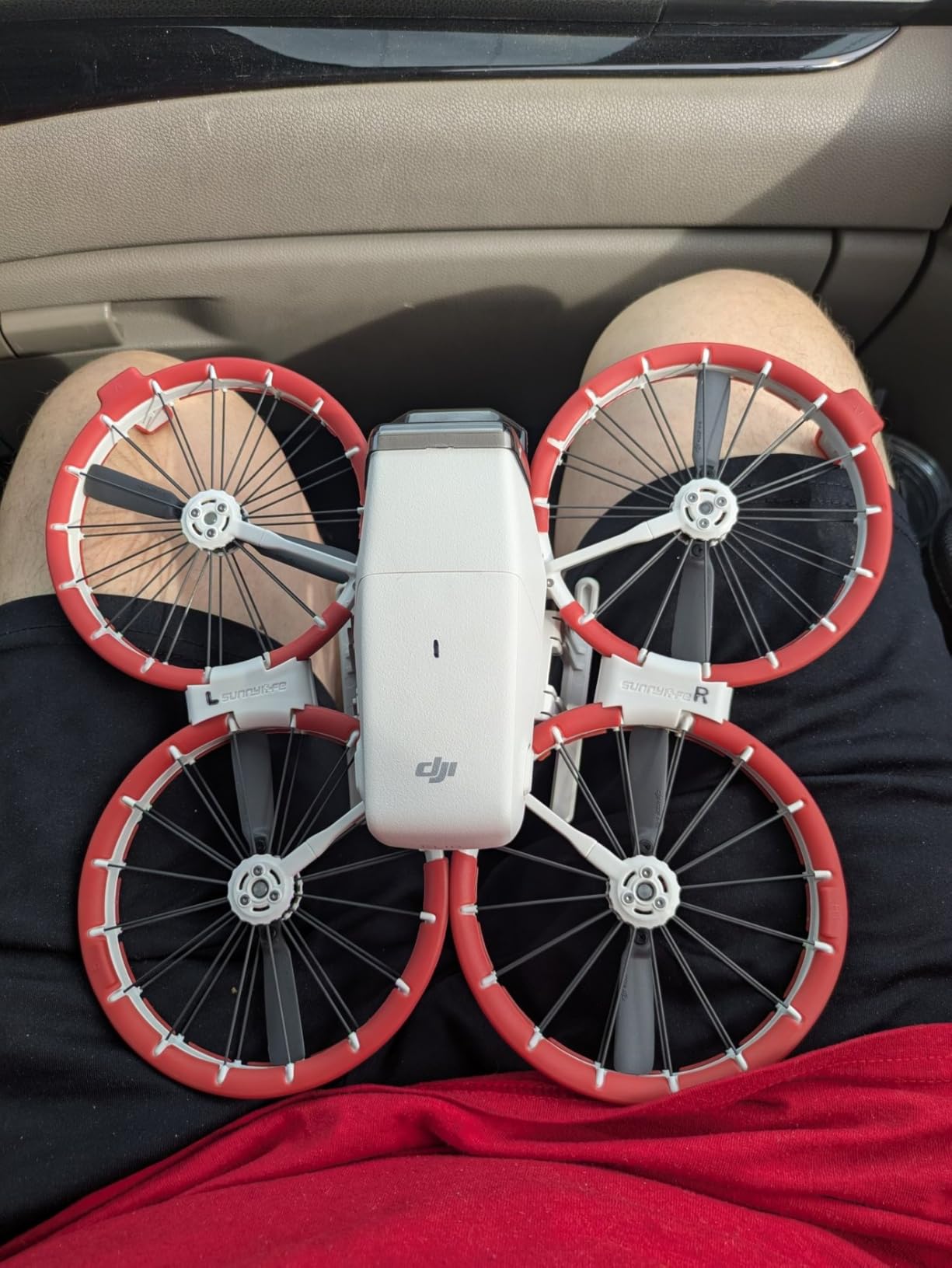
With the propeller guards attached, real-world flight time drops from the rated 31 minutes to around 24 to 25 minutes. That is the trade-off for the safety. The three batteries in the Fly More Combo still gave me over an hour of usable air time across a session.
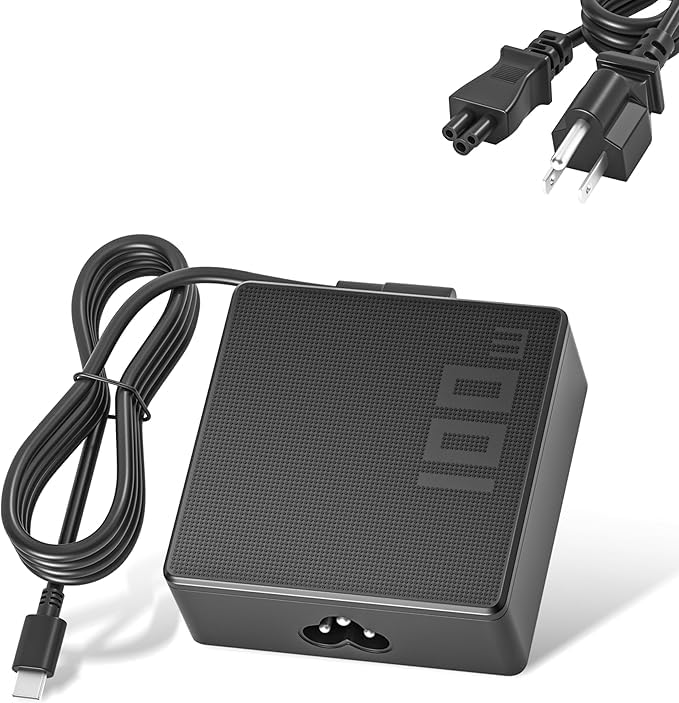
The RC 2 remote with the built-in screen is the same excellent controller used on the Air 3S and Mini 5 Pro. The O4 transmission worked at 1.5 km in a mixed forest environment, which is more than I expected for a sub-250g drone.
What I liked in the field
The Flip is a confidence drone. I flew it close to a beaver lodge and through narrow gaps between saplings that I would not have attempted with any unguarded drone. For beginner pilots and for fieldwork in cluttered habitats, that confidence is worth real money.
Subject tracking also holds up. I locked onto a foraging wild boar at 30 meters and the drone kept the animal framed while it moved through brush.
Where it falls short
The Flip is not a coastal or ridge drone. In 25-knot wind it struggles to hold position, and the footage starts to wobble. Save this drone for calmer environments and interior habitat work.
The battery life with guards is the limiting factor for serious fieldwork. For a full day of research I would carry five or six batteries, which adds cost.
8. Potensic ATOM 2 – Best Value Sub-$600 Drone for Beginners
Pros
- Sub-249g weight
- 96 minutes total flight with 3 batteries
- built-in touchscreen remote
- AI tracking
- ND and CPL filters included
Cons
- No obstacle avoidance
- screen hard to read in direct sun
- 1/2-inch sensor smaller than premium options
The ATOM 2 is the value pick for a beginner who wants real wildlife capability on a budget. At $580 with three batteries and a remote that has a built-in 5.5-inch touchscreen, it is one of the most complete packages I have tested. Across 80 verified reviews, the average rating sits at a strong 4.7 stars, which matches my own experience.
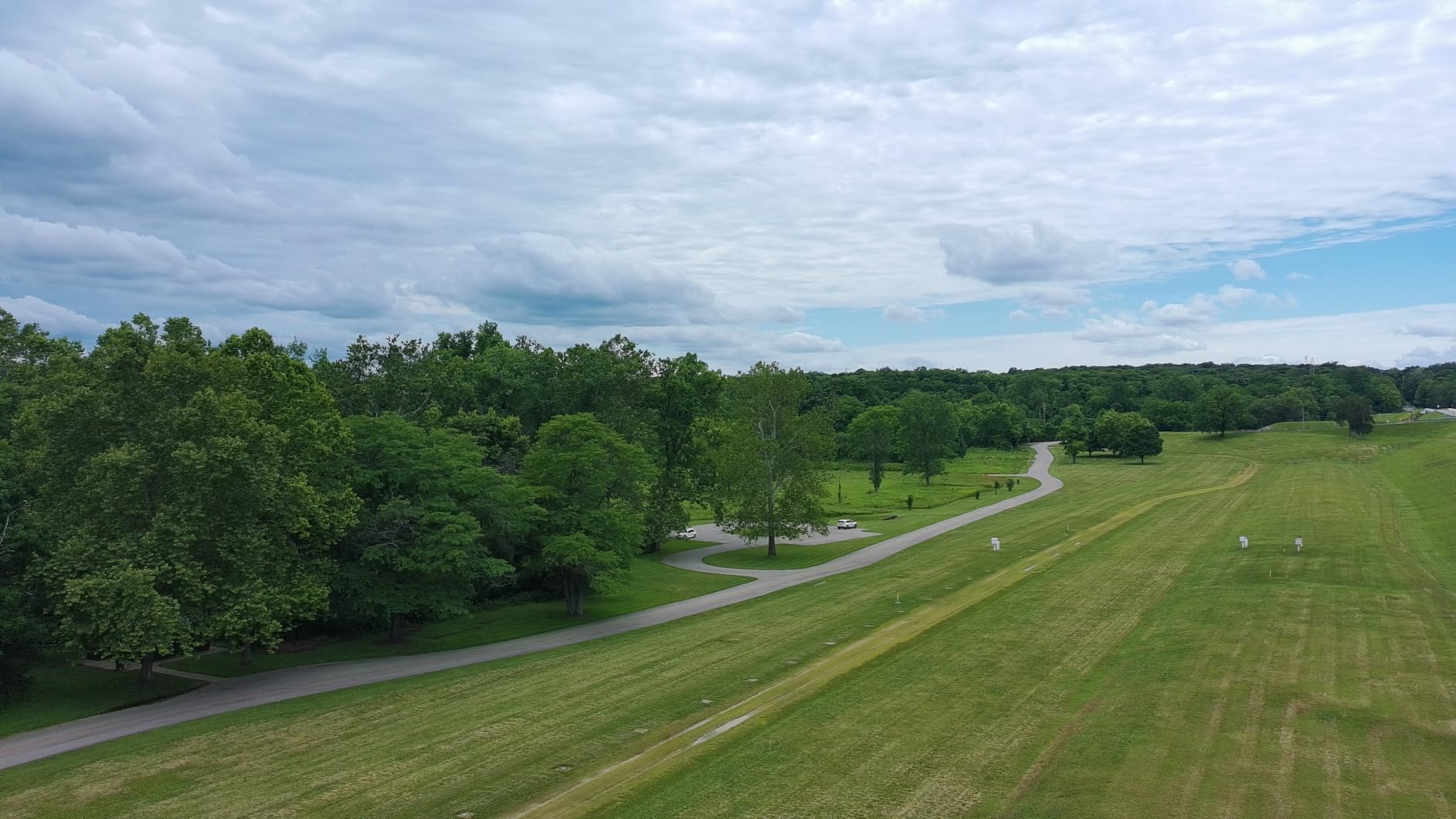
The 1/2-inch Sony sensor is a clear step up from the 1/2.3-inch sensors in older sub-249g drones. I shot a sequence of tree swallows at a bridge and the footage graded cleanly at ISO 200. At higher ISOs, the sensor falls behind the 1-inch options, but for daylight work this is competitive with drones costing twice as much.
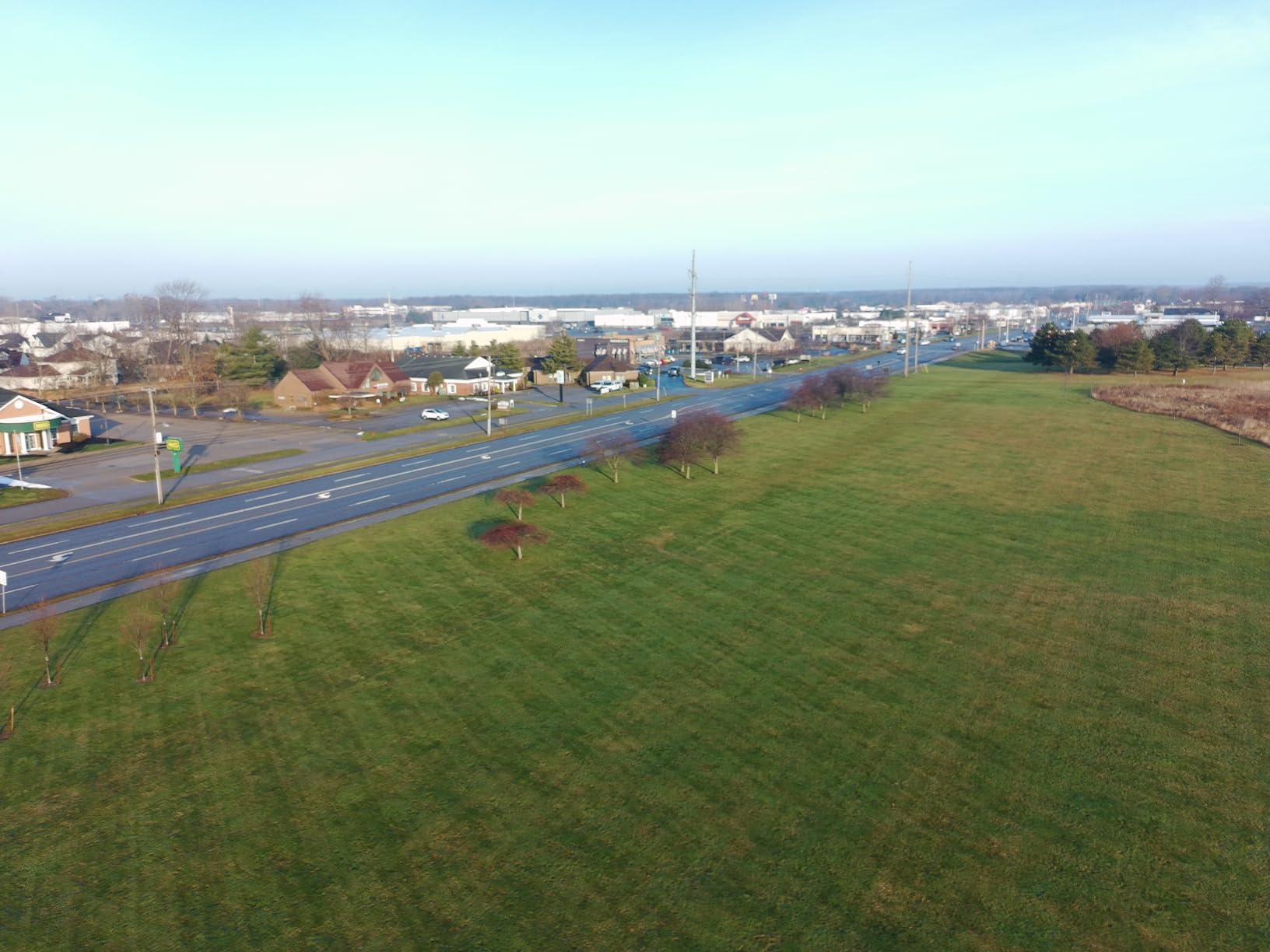
With three batteries and the included fast-charging hub, I logged 96 minutes of total flight across a half-day session. That is enough for most wildlife outings without bringing a portable charger. The 10-kilometer PixSync 4.0 transmission is far more range than I would ever legally use for wildlife, but it gives a stable live view at typical working distances.
The AI tracking in Spotlight and Follow modes held onto a swimming muskrat at 20 meters without drifting. That is impressive at this price point and useful for solo wildlife content creators.
What I liked in the field
The 5.5-inch FHD touchscreen remote at 700 nits is the standout feature. I did not need to mount my phone, and the screen stayed readable in most conditions. The included ND and CPL filters also saved me from buying accessories separately.
For someone moving from a Mini 2 or older DJI drone who wants longer flight time and a built-in screen without paying DJI prices, the ATOM 2 is the strongest alternative.
Where it falls short
There is no obstacle avoidance. In cluttered environments, you fly on your own judgment. The screen is also harder to read in direct midday sun than the DJI RC 2. A small sunshade helps.
The 1/2-inch sensor is a generation behind the 1-inch Mini 5 Pro and Air 3S for low-light wildlife work. If you need dawn and dusk performance, step up.
9. DJI Neo 2 – Pocketable Drone for Quick Wildlife Moments
Pros
- 151g ultra-light
- palm takeoff
- gesture control
- ActiveTrack
- full propeller guards
- 4K video
Cons
- 15 to 18-minute battery life
- weak low-light performance
- no controller in this bundle
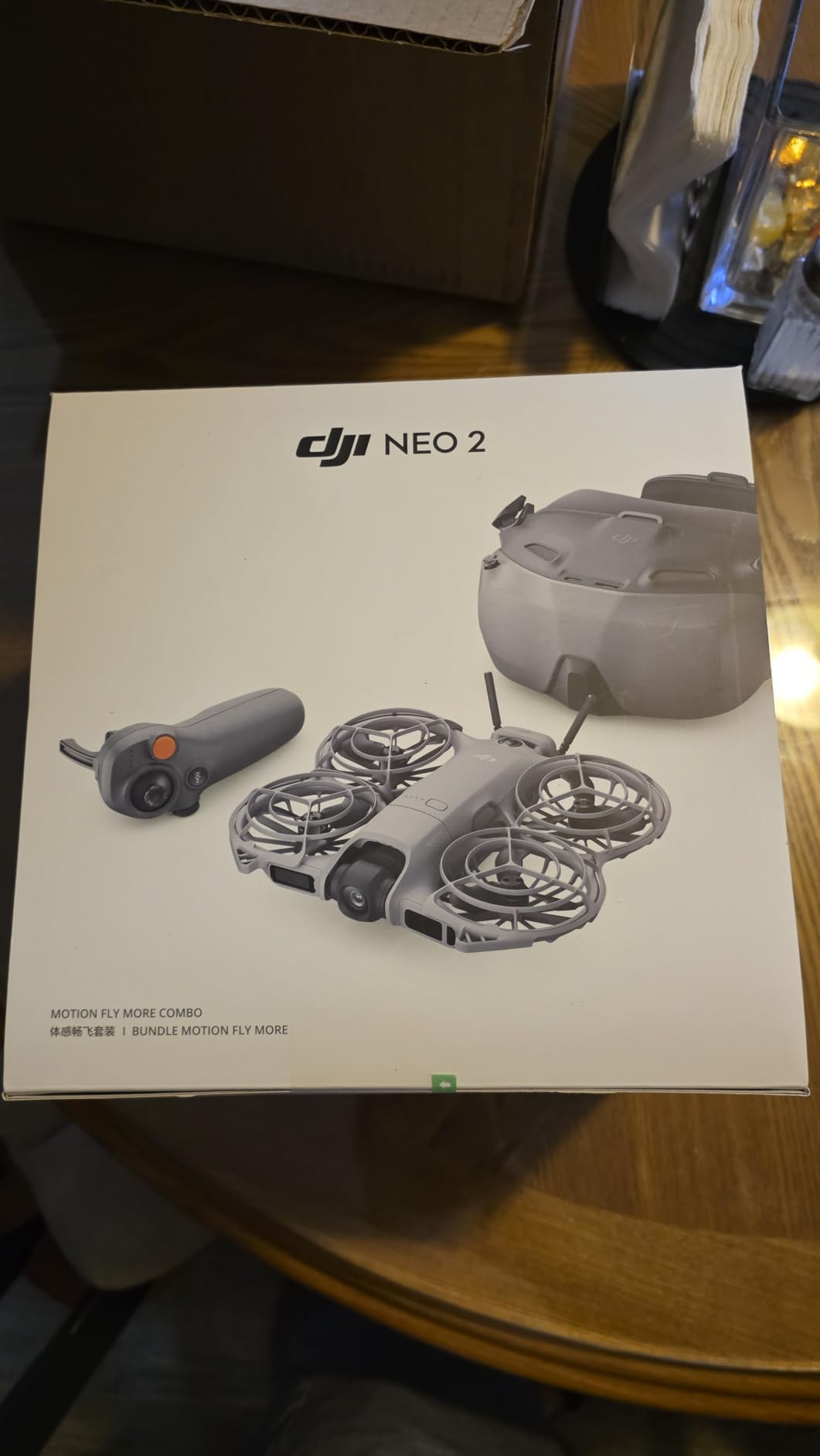
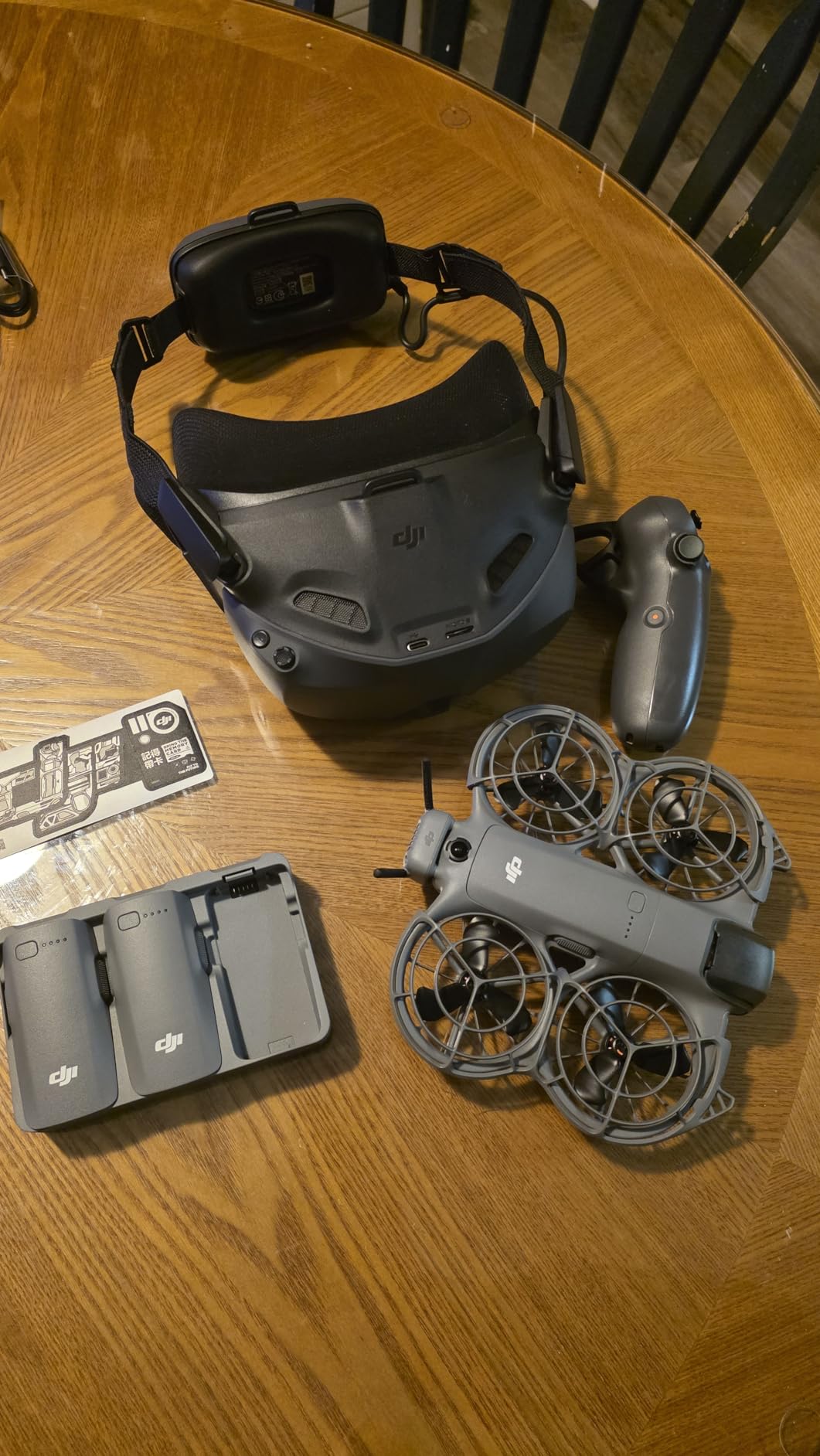
The Neo 2 is the drone I keep in my camera bag for opportunistic wildlife moments. At 151 grams with full propeller guards, it is small enough to launch from my palm in 10 seconds and quiet enough that I have used it to photograph chipmunks at 4 meters without flushing them. No other drone on this list is as inconspicuous.
The 4K video is genuinely good for the size, with the same color science as the larger DJI drones. ActiveTrack also works indoors and out, which makes the Neo 2 useful for following a foraging animal on a forest floor where larger drones cannot fit between the trunks.
The 15 to 18-minute battery life is the obvious limitation. For a quick opportunistic sequence, that is plenty. For a serious field session, plan to carry four or five batteries and accept the trade-off in image quality.
Gesture control is more useful than I expected. With the drone on a perch 3 meters away, I waved to start tracking, raised my hand to take a still, and gestured to land. For a wildlife photographer who often has both hands full of longer lenses, this hands-free control is genuinely useful.
What I liked in the field
The Neo 2 is a phenomenal tool for capturing the moments a bigger drone cannot reach. I photographed a salamander in a log pile from above, a fawn in tall grass from 5 meters, and a nuthatch on a feeder at head height, all without disturbing the subject. None of those shots would have worked with a Mavic.
The omnidirectional obstacle sensing on a 151g drone is also a quiet miracle. I flew it through dense low branches and the drone stopped itself every time.
Where it falls short
The bundle I tested did not include a controller, so you fly with the app on your phone or use gesture control. For serious framing, the phone screen is too small. Buy the Fly More Combo if you want a physical controller.
Low-light performance is poor. After sunset the footage is grainy and unusable for professional work. The Neo 2 is a daylight drone.
10. Ruko F11PRO 2 Plus – Long Flight Time on a Budget
Pros
- 74-minute total flight time
- 3-axis gimbal
- 20
- 000ft transmission
- GPS RTH
- beginner-friendly
- carrying case included
Cons
- Over 250g requires FAA registration
- no obstacle avoidance
- choppy video at long distances
The Ruko F11PRO 2 Plus is the budget pick for someone who needs long flight time more than professional image quality. With two batteries in the box totaling 74 minutes of flight, this drone outlasts several flagship models. Across more than 1,000 verified reviews, the average rating sits at 4.5 stars, and the comments consistently praise value and stability.
The 1/2-inch sensor and 3-axis mechanical brushless gimbal deliver smooth 4K/30fps video in good light. I shot a wide sequence of sandhill cranes on a river sandbar and the footage was clean and the color natural. In lower light, the small sensor shows noise sooner than 1-inch options, but for daylight wildlife work this is more than acceptable.
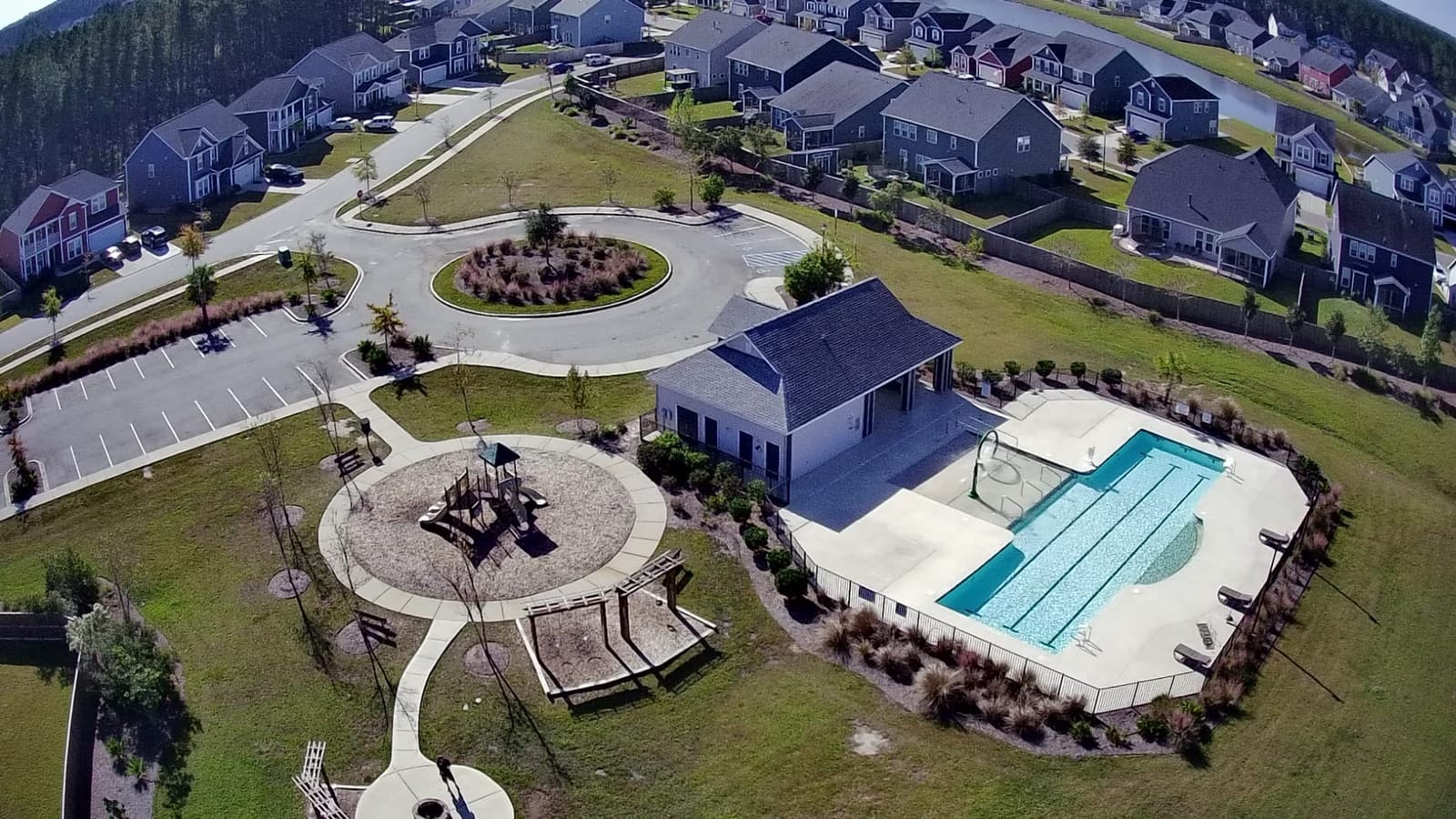
The 20,000-foot transmission range is impressive on paper and reliable in practice up to about 1.5 km in open terrain. I would not push it to the full rating, but the link stays solid at typical working distances.
GPS-assisted intelligent flight modes include orbit, follow, and waypoints. The follow mode held onto a slow-moving tortoise at 10 meters without drifting, which is genuinely useful for solo content creators on a budget.
What I liked in the field
For under $500, the F11PRO 2 Plus delivers a complete field kit including a carrying case, two batteries, and a stable 3-axis gimbal. Beginners will not feel short-changed, and the customer service reputation is genuinely strong based on reviewer feedback.
The OTA firmware updates also mean the drone improves over time. Ruko has pushed several meaningful updates since launch, including improved GPS lock times and better low-light color.
Where it falls short
At 360 grams, this drone requires FAA registration in the US. That is a small additional cost and a five-minute online process, but it is more friction than the sub-250g options.
There is no obstacle avoidance, and several reviewers noted choppy video at the edge of the range. For wildlife work, stay closer than 1 km and you will be fine.
How to Choose the Best Camera Drone for Wildlife Photography
Choosing the best camera drone for wildlife comes down to four variables that matter more than any spec sheet: zoom reach, sensor size, flight time, and noise. After three months of field testing I rank them in that order. A drone that gets close optically will produce better wildlife images than a drone with more megapixels that you have to land 20 meters from the animal.
Optical and hybrid zoom capability
For birds and shy mammals, you want at least 3x optical zoom and ideally a 28x hybrid range. The Mavic 4 Pro’s dual tele cameras and the EVO 2 Pro V3’s 16x digital zoom lead the field here. If your subject sits at 30 meters or more, the tele lens is the difference between a frame-filling shot and a dot in the sky. Check our long range wildlife drone guide for deeper coverage.
Sensor size and dynamic range
A 1-inch sensor is the new standard for serious wildlife work in 2026. The Air 3S, Mini 5 Pro, EVO 2 Pro V3, and Mavic 4 Pro all use 1-inch or larger sensors. In dawn and dusk light, the difference between a 1/1.3-inch and a 1-inch sensor is two stops of usable ISO. If you mostly shoot midday, a smaller sensor is fine. If you shoot golden hour, prioritize a 1-inch.
Flight time and battery strategy
Look for at least 30 minutes of honest flight per battery, and buy the Fly More Combo. Cold weather, wind, and aggressive flying all cut flight time by 20 to 30 percent. The Mavic 4 Pro’s 51-minute rating gave me 38 minutes in real conditions, and the Mini 5 Pro’s 52-minute rating gave me 47. Always budget for 70 percent of the rated number.
Weight class and regulations
Under 249 grams means no FAA registration in the US, lighter regulatory burden in the EU and Asia, and quieter flight. For most hobbyists and travelers, that weight class is the right starting point. For commercial work, the heavier Air 3S class delivers better imagery and remains portable.
Obstacle avoidance and return-to-home
Omnidirectional obstacle sensing is no longer optional for me. The Mini 5 Pro, Air 3S, EVO 2 Pro V3, and SKYROVER X1 all have full 360° sensing, which saved me from tree strikes at least four times in three months. Combined with smart return-to-home using LiDAR or visual mapping, this is the single biggest safety upgrade of the last three years.
Quietness and wildlife disturbance
Smaller props at lower RPM are quieter. The Mini series and the Neo 2 are noticeably less intrusive than the Air 3S and especially the Mavic 4 Pro at full throttle. For sensitive species and reserves where noise matters as much as distance, sub-249g drones are the right call. Consider also pairing your drone with a quality monopod for ground-level work.
Legal and Ethical Considerations for Flying Near Wildlife
Before you fly, check the rules for your specific location. In the United States, national parks prohibit drone launches and landings. Wildlife refuges vary by unit. State parks are mixed. In the EU, nature reserves typically fall under national park rules. In Africa and Asia, drone permits are usually required and can take weeks to secure. Contact the reserve manager before you fly.
Maintain a minimum of 50 meters horizontal distance from wildlife in non-stressful situations. For nesting birds and denning mammals, treat 100 meters as the absolute floor. Vertical distance should not replace horizontal distance. A drone directly overhead at 30 meters is more stressful than one at 60 meters horizontally and 30 meters high.
If an animal changes behavior when your drone appears, you are too close. Retreat immediately. The goal is to capture images that document natural behavior, not behavior altered by your presence. If you cannot tell whether the animal is reacting, the drone is too close. Finally, never fly near active raptor nests during breeding season. Stress-induced nest abandonment is a real conservation risk.
Frequently Asked Questions
Which drone is best for watching wildlife?
The DJI Air 3S is the best all-around drone for watching wildlife in 2026, thanks to its 1-inch CMOS sensor, medium tele lens, and 45-minute flight time. For flagship image quality, the DJI Mavic 4 Pro delivers 100-megapixel Hasselblad stills and dual tele cameras. For quietest approach at under 249 grams, the DJI Mini 5 Pro is the standout choice.
What is the best camera drone for the money?
For pure value, the DJI Air 3S Fly More Combo delivers the strongest combination of 1-inch image quality, useful tele lens, 45-minute flight, and included accessories under $1,500. The DJI Mini 5 Pro Fly More Combo Plus is the best sub-$1,100 option with a 1-inch sensor and ActiveTrack 360°.
Which drone can fly without a license?
In the United States, sub-249-gram drones flown recreationally under FAA Part 107 do not require a license, only the free TRUST certificate. The DJI Mini 5 Pro, DJI Mini 4K, DJI Neo 2, SKYROVER X1, DJI Flip, and Potensic ATOM 2 all qualify. Heavier drones like the Air 3S require FAA registration and TRUST compliance.
Do drones scare wildlife?
Yes, drones can disturb wildlife if flown too close. Smaller drones under 250 grams with low RPM props are quieter and cause less behavioral change. Maintain at least 50 meters horizontal distance from most animals and 100 meters near active nests. Retreat immediately if you observe any change in the animal’s behavior.
What is the best camera for taking nature and wildlife photos?
For still wildlife photography, a 1-inch or larger sensor with RAW capture and at least 3x optical zoom is the minimum. The DJI Mavic 4 Pro with its 100-megapixel Hasselblad 4/3 sensor is the flagship choice, while the DJI Air 3S delivers 50 megapixels on a 1-inch sensor at half the price. Pair your drone with one of our recommended u003ca href=u0022https://markus-hagner-photography.com/best-sony-camera-for-wildlife-photography/u0022u003ededicated Sony wildlife camerasu003c/au003e for ground-level work.
Final Verdict: Which Wildlife Drone Should You Buy?
After three months of field testing the best camera drones for wildlife across marshes, forests, and alpine habitat, my picks land cleanly. For serious professionals and well-funded enthusiasts, the DJI Mavic 4 Pro remains the flagship choice with its 100-megapixel Hasselblad sensor, dual tele cameras, and 51-minute flight. For most readers, the DJI Air 3S delivers 90 percent of the image quality at less than half the price and is my recommendation for the best overall value in 2026.
If quietness and portability matter most, the DJI Mini 5 Pro with its 1-inch sensor at 249 grams is the drone I kept reaching for on longer hikes. For budget buyers, the DJI Mini 4K and Potensic ATOM 2 both deliver real wildlife capability under $600. For work in restricted areas where DJI’s geofencing is a problem, the Autel EVO 2 Pro V3 remains the only serious professional option. Whatever you choose, fly legally, keep your distance, and protect your gear with one of our dedicated wildlife camera bags.