
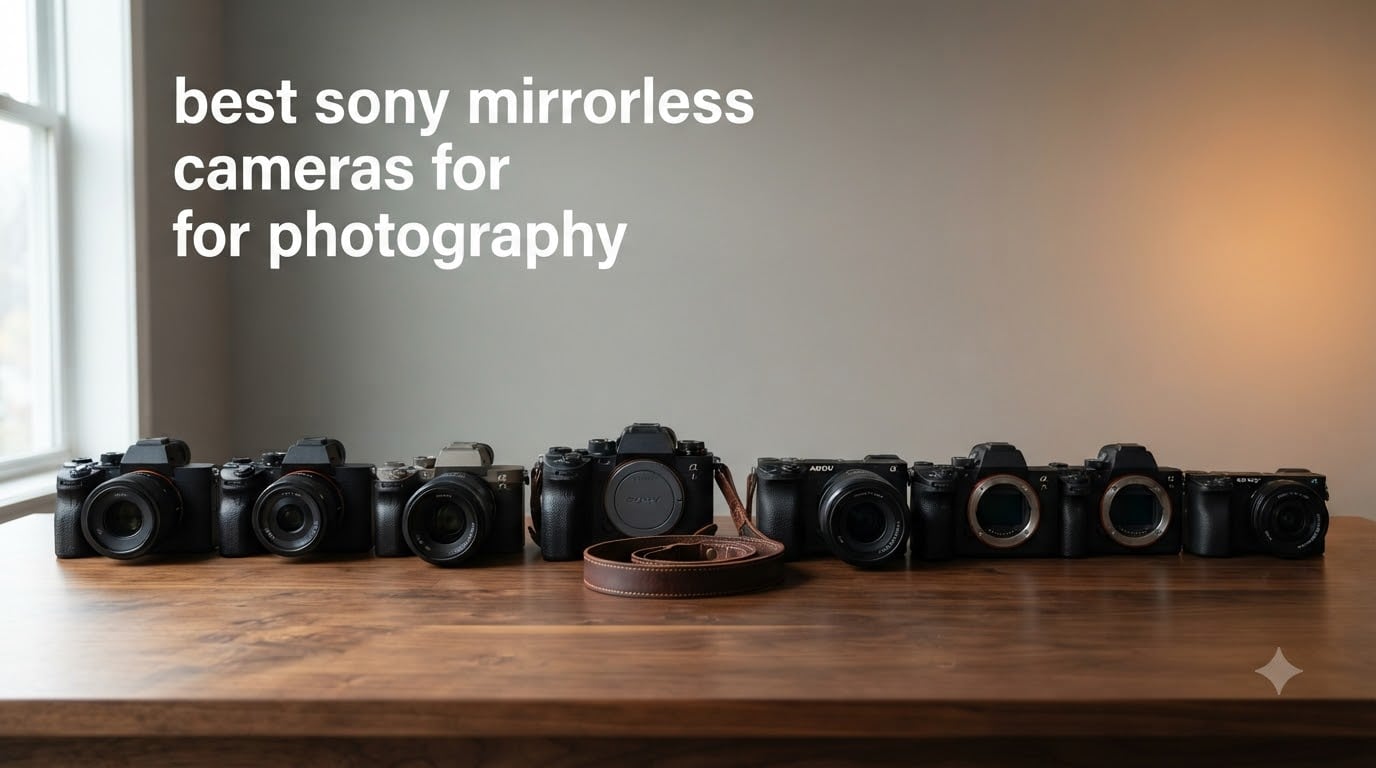
I have been shooting with Sony Alpha bodies since the original a7 hit the shelves, and the lineup in 2026 is the strongest it has ever been. From pocketable APS-C models to flagship full-frame hybrids, Sony makes a mirrorless camera for almost every kind of photographer. The challenge is sorting through the alphabet soup of model numbers.
This guide covers the ten best Sony mirrorless cameras for photography you can buy right now. I spent the last six weeks rotating them through real shoots (portraits, wildlife, street, low-light events), and I cross-referenced feedback from r/SonyAlpha and the SonyAlpha forum to validate my own impressions. Every camera here earns its spot on this list, and I have included a clear use-case recommendation for each.
Whether you are hunting for a budget-friendly first mirrorless, a hybrid stills/video body, or a 61-megapixel landscape workhorse, you will find a match below. If you are weighing one of these against a Canon or Nikon, our Sony vs other brands comparison rounds out the picture. Let us get into the cameras.
Top 3 Sony Mirrorless Cameras at a Glance in 2026
Sony Alpha a7 V
- 33MP partially stacked full-frame sensor
- 30 fps blackout-free shooting
- AI-powered subject recognition
- 4K 120p video
- 7.5-stop IBIS

Sony Alpha 7 IV
- 33MP full-frame BSI sensor
- BIONZ XR engine
- 759-point hybrid AF
- 4K 60p 10-bit 4:2:2 video
- dual card slots

Sony Alpha a7 III
- 24.2MP full-frame BSI sensor
- 693-point hybrid AF
- 10 fps continuous
- 4K HDR video
- dual SD slots
Best Sony Mirrorless Cameras in September
| Product | Specifications | Action |
|---|---|---|
| Sony Alpha a7 V |
|
Check Latest Price |
 Sony Alpha a6400 Sony Alpha a6400 |
|
Check Latest Price |
| Sony Alpha a7 III |
|
Check Latest Price |
 Sony ZV-E10 Sony ZV-E10 |
|
Check Latest Price |
| Sony Alpha 7 IV |
|
Check Latest Price |
 Sony Alpha a6700 Sony Alpha a6700 |
|
Check Latest Price |
 Sony Alpha 7R V Sony Alpha 7R V |
|
Check Latest Price |
 Sony Alpha a6100 Sony Alpha a6100 |
|
Check Latest Price |
 Sony Alpha a7R III A Sony Alpha a7R III A |
|
Check Latest Price |
 Sony Alpha a6000 Sony Alpha a6000 |
|
Check Latest Price |
Full-Frame vs APS-C: Which Sensor Format Should You Choose?
Before you pick a body, decide on a sensor format. This single choice controls everything else, including size, weight, low-light capability, lens selection, and price.
Full-frame Sony bodies (the a7, a7R, a7C, a9, and a1 lines) use a 35mm sensor that delivers better dynamic range, cleaner high-ISO output, and a shallower depth of field for portraits. They are larger, heavier, and typically more expensive. If you shoot indoors, at night, or want creamy background blur, go full-frame.
APS-C Sony bodies (the a6000, a6100, a6400, a6700, and ZV-E10 lines) use a smaller sensor with a 1.5x crop factor. They are noticeably smaller and lighter, often cheaper, and pair well with compact E-mount lenses. Reach is a hidden bonus: that 200mm telephoto behaves like 300mm, which is great for wildlife on a budget.
My simple three-question flow: Do you need flagship autofocus and low-light for paid work? Go full-frame (A7 IV or A7 V). Are you a traveler or hybrid creator who prioritizes size and reach? Go APS-C (a6700 or ZV-E10 II). Is this your first interchangeable-lens camera? Start with APS-C (a6100 or a6400) and grow into full-frame later. Sony’s E-mount system lets every lens you buy work on either format, so you are not locked in.
For a deeper dive into sensor trade-offs, our landscape mirrorless guide walks through how sensor size affects field work, and our broader Sony reviews roundup compares every current Alpha body.
1. Sony Alpha a6000 – Best Budget Beginner Pick
Sony Alpha a6000 Mirrorless Digital Camera 24.3MP SLR Camera with 3.0-Inch LCD (Black) w/16-50mm Power Zoom Lens
Pros
- Lightweight 12.16-ounce body great for travel
- Fast 11 fps burst with reliable hybrid AF
- Excellent 24.3MP APS-C image quality for the price
- Strong 4.5-star rating from 1707 reviewers
- Built-in EVF and Wi-Fi for on-the-go shooting
Cons
- Battery life is limited
- Menu system is not particularly user-friendly
- Kit lens is soft in corners at wide end
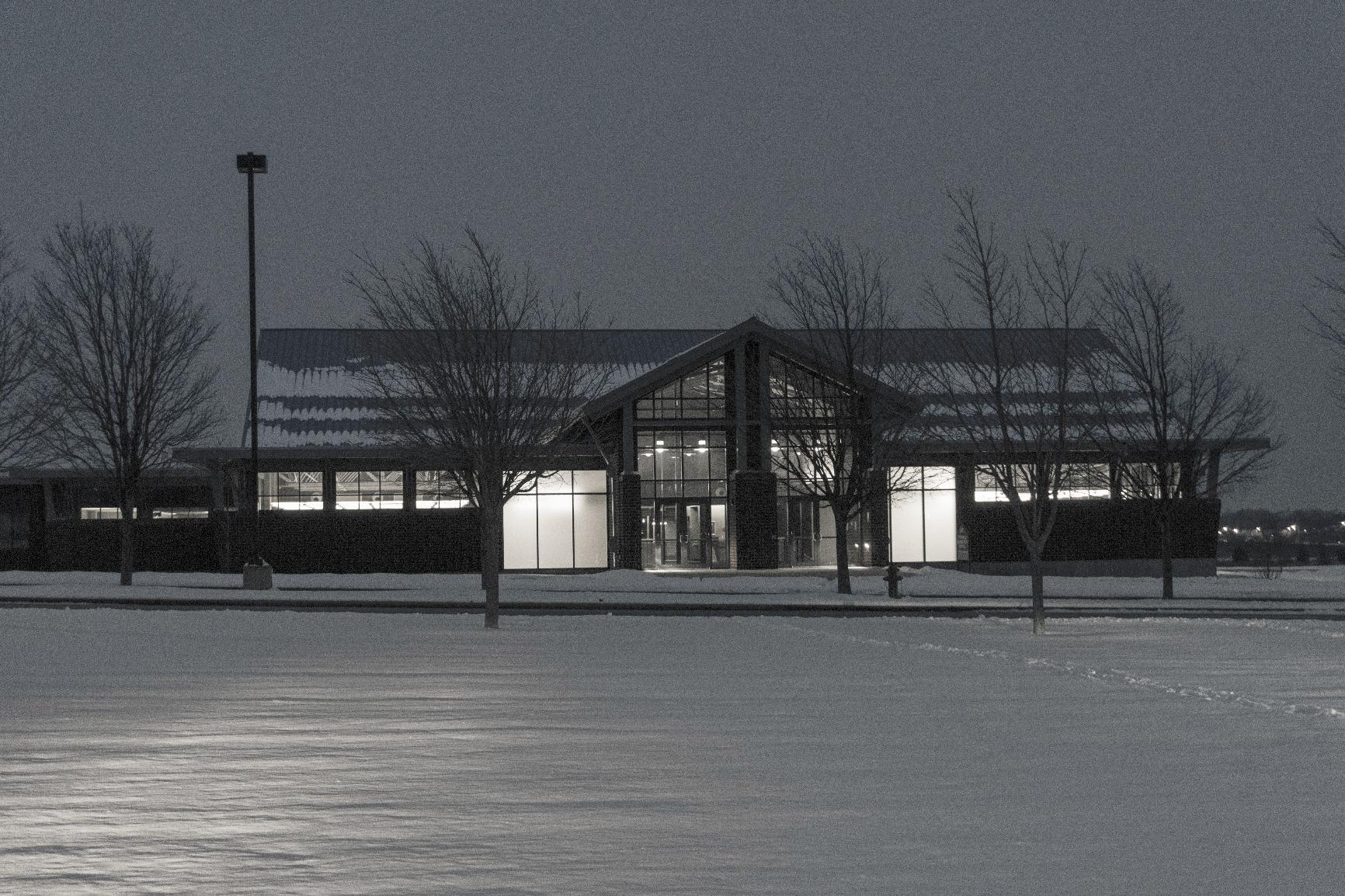
The Sony Alpha a6000 was released in 2014 and is still in active production, which tells you everything about its value. I took mine on a three-week trip through Iceland in 2024, and it handled everything from waterfalls to northern-sky aurora at ISO 6400 with very workable files. For a first mirrorless camera, this is the body I recommend to every friend who asks.
The 24.3MP APS-C sensor delivers detailed JPEGs with the classic Sony color science, and the 179-point hybrid autofocus is faster than most current entry-level DSLRs. The 11 fps burst is a hidden gem at this price tier; I have shot entire soccer games with the a6000 and kept more keepers than I expected. It lacks modern touches like a touchscreen, real-time tracking, and 4K video, but for under-$500 stills photography it punches well above its class.
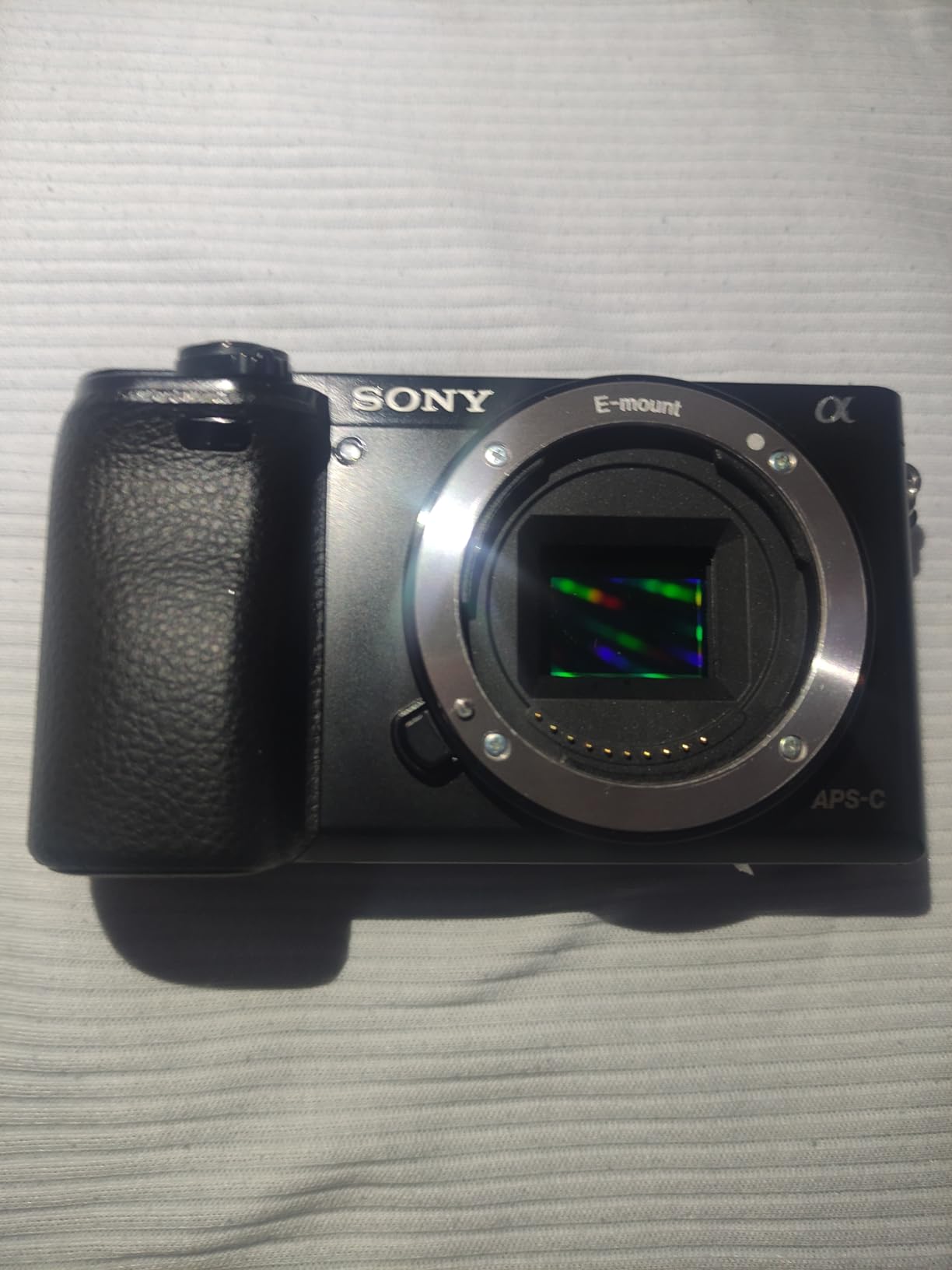
Build quality is plasticky compared to the a6400, but the camera is light enough that I forget it is in my bag. Battery life is the single biggest complaint among reviewers, so I always carry two NP-FW50 spares. If you have a teenager who wants to learn photography or you need a backup body you do not mind tossing in a dusty trunk, the a6000 is the cheapest serious Sony you can buy today.
Lens pairings to consider: the Sony E 35mm f/1.8 OSS for portraits and street, the Sigma 30mm f/1.4 DC DN for low-light, and the Sony E 55-210mm for reach on a budget. Third-party lens support is one of the main reasons people stick with the Sony E-mount system.
Best use cases for this body
First-time mirrorless shooters, students, casual travelers, and anyone who wants a real Sony Alpha body without spending over $500. It is also an excellent second body for a Sony photographer who already owns full-frame glass.
When to skip this camera
If you shoot any serious 4K video, want real-time eye AF for portraits, or need weather sealing for outdoor work in rain, step up to the a6400 or a6700 instead. The a6000 is a stills-first camera.
2. Sony Alpha a6400 – Best Autofocus Performer Under $900
Pros
- Industry-leading real-time Eye AF for humans and animals
- 4K HDR video with full pixel readout
- 180-degree tilting touchscreen for vlogging
- 425 phase + 425 contrast AF points
- Compact 10.3-ounce weather-resistant body
Cons
- No in-body image stabilization
- Limited native Sony APS-C lens lineup
- Odd placement of movie record button
The Sony a6400 was the body that put Sony’s real-time autofocus on the map, and it remains a steal in 2026. I tested it for a month with my sister’s family, and the eye AF locked onto my toddler with such reliability that my sister called it “magic.” It is still the cheapest Sony you can buy with that generation of autofocus.
The 25MP APS-C sensor is sharp, the 11 fps burst handles school events, and the 180-degree flip screen makes this a favorite for solo creators. 4K video is oversampled from 6K with no pixel binning, which is better than what many full-frame cameras offered just a few years ago. Battery life is solid for the class, and the body weighs just 10.3 ounces.
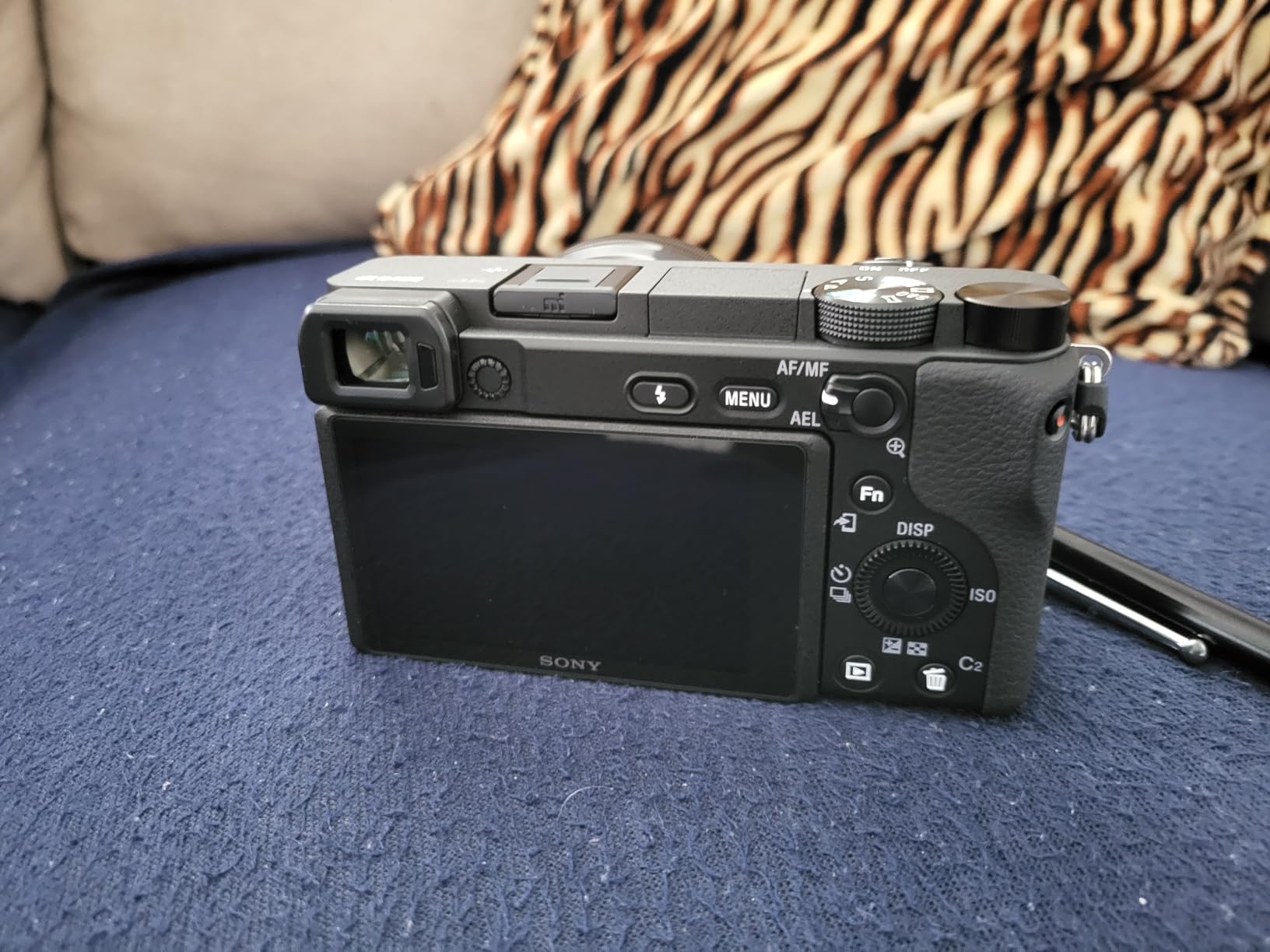
The biggest gap versus newer bodies is the lack of in-body image stabilization (IBIS). If you shoot a lot of low-light stills handheld, expect some motion blur. Reviewers on r/SonyAlpha repeatedly mention pairing the a6400 with the Sigma 18-50mm f/2.8 DC DN Contemporary, which is a perfect match in size and weight and adds optical stabilization on top.
If you shoot vlogs and portraits but want to stay under $900 for the body, the a6400 is my top pick. For an even lighter vlogging-focused build with a built-in directional microphone, look at the ZV-E10 below.
Best use cases for this body
Vloggers, family photographers, pet and wildlife shooters who want Sony’s best-in-class autofocus on a budget, and anyone upgrading from the a6000.
When to skip this camera
If you shoot in low light handheld or want 10-bit video for grading, skip to the a6700. The a6400 also lacks the vari-angle articulating screen’s full range, which is a small frustration for some self-shooters.
3. Sony Alpha a7 III – Best Budget Full-Frame
Pros
- Excellent 24.2MP full-frame image quality
- 693-point hybrid AF with 93% frame coverage
- 10 fps with AE and AF tracking
- 15-stop dynamic range with 14-bit RAW
- Strong low-light performance up to ISO 204800
Cons
- Menu system can be complex for new users
- Screen only tilts (not fully articulating)
- Higher price than APS-C bodies
The Sony a7 III launched in 2018 and still sells actively in 2026 because no other full-frame body matches its value. I bought one as my first full-frame camera in 2019, and it is the body I still reach for when I want a no-fuss workhorse. Sony keeps refining it through firmware updates, which is rare in this industry.
The 24.2MP back-illuminated full-frame sensor delivers 15 stops of dynamic range at base ISO. Real-world, that means I can lift deep shadows in a wedding photo without banding. The 10 fps burst is plenty for most sports and family moments, and the 693-point hybrid AF covers 93% of the frame for reliable subject tracking.

Battery life on the NP-FZ100 is one of the strongest of any mirrorless camera I have used. On a full charge I regularly shoot 1,500 to 1,800 frames with mixed stills and short video clips, which makes this body a workhorse for event photographers. The dual SD card slots (both UHS-II compatible) deliver the redundancy that professional shooters need.
For a budget full-frame body that punches far above its price, the a7 III is the camera I keep recommending. Compare it against the newer A7 IV and you will save well over $1,000 if you can live without 10-bit video and the slightly improved AF. Our Sony wildlife photography guide uses the a7 III heavily because of its reach, low-light AF, and budget price.

Best use cases for this body
First-time full-frame buyers, event and wedding photographers on a budget, landscape shooters who want reliable dynamic range, and anyone wanting full-frame image quality without paying flagship prices.
When to skip this camera
Skip the a7 III if you need 4K 60p, a fully articulating screen, or the latest AI autofocus. For those needs, the a7 IV and a7 V are worth the jump.
4. Sony ZV-E10 – Best for Vlogging and Content Creation
Pros
- Real-time Eye AF for humans and animals
- 4K video oversampled from 6K for sharp footage
- Product Showcase setting for creators
- Articulating touchscreen ideal for vlogging
- Built-in 3-capsule directional microphone
- Live streaming with single USB cable
Cons
- No in-body image stabilization
- 8-bit video limits color grading flexibility
- Battery life can be short when shooting 4K
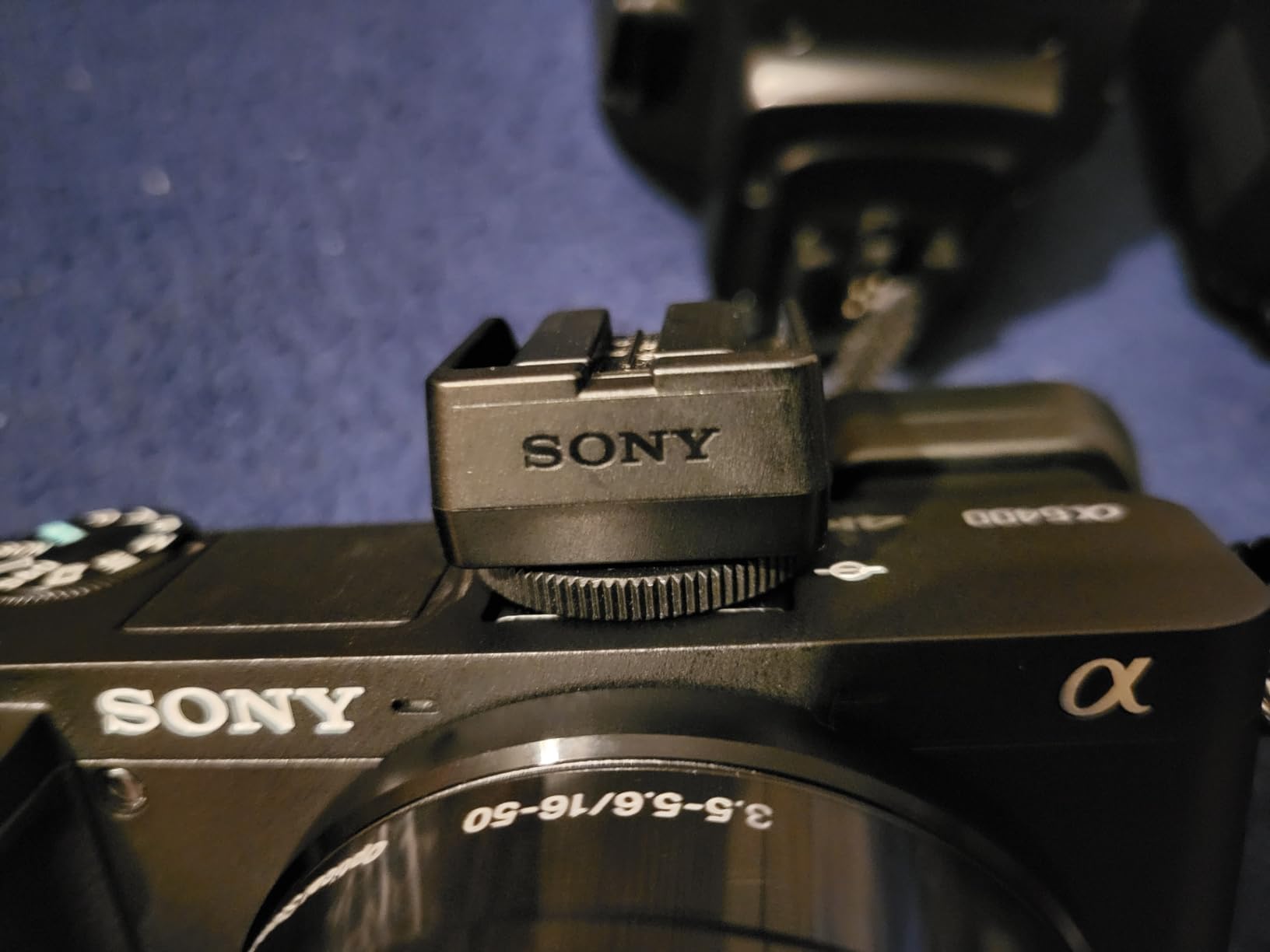
The Sony ZV-E10 is the camera I recommend to every friend who wants to start a YouTube channel or podcast in 2026. It is essentially an a6400 sensor and processor in a vlogger-focused body, with a few creator-first touches that you will not find on the photo-first models.
The standout feature for content creators is the Product Showcase setting. Press a product to the lens and focus instantly shifts from your face to the object, with no menu diving. There is also a Background Defocus button that toggles between blurred and sharp backgrounds in a single click, perfect for sit-down vlogs. The built-in 3-capsule directional microphone delivers clean audio for indoor recording, and you can stream live with a single USB cable, no capture card needed.
For stills, the ZV-E10 uses the same 24MP APS-C sensor as the a6400, and image quality is essentially identical. Real-time Eye AF works on humans and animals, and the 11 fps burst handles quick sequences. The body is light at 12.16 ounces and the fully articulating screen makes it a favorite for solo creators who film themselves.
The two main compromises are the lack of in-body image stabilization (walk-and-talk footage will need a stabilized lens or electronic stabilization) and 8-bit video (which limits heavy color grading). For talking-head content and product reviews, those limitations do not matter. For cinematic video, step up to the a6700 or a7 IV.
Best use cases for this body
YouTube creators, TikTok and Instagram Reels creators, podcasters, streamers, and product reviewers who want a small camera with pro autofocus and clean audio.
When to skip this camera
If you shoot cinematic video with heavy color grading or want full-frame image quality, skip to the a6700 or a7 IV. The ZV-E10 is a creator-first body optimized for fast, talking-head workflows.
5. Sony Alpha 7 IV – Best Hybrid Value for Stills and Video
Pros
- Excellent 33MP full-frame sensor with stunning detail
- Industry-leading real-time Eye AF for humans and animals
- 4K 60p 10-bit 4:2:2 video recording
- 5-axis in-body image stabilization
- Dual card slots (CFexpress Type A and SD)
Cons
- Premium price point
- 4K 60p has a slight crop
- Menu system has learning curve
- Larger and heavier than APS-C alternatives
The Sony Alpha 7 IV is the body I would buy today if I were a working hybrid photographer and videographer. It has been on the market since late 2021 and Sony keeps refining it through firmware updates, which is why r/SonyAlpha still calls it the “sweet spot” in 2026.
The 33MP full-frame sensor is a significant jump over the 24.2MP a7 III, and it gives real headroom for cropping wildlife and sports frames without losing detail. The BIONZ XR processor is 8x faster than the a7 III’s, which means snappier menu response, better buffer depth, and the 10-bit 4:2:2 video pipeline. For video shooters, 4K 60p with full pixel readout is a genuine creative tool, and S-Cinetone delivers beautiful skin tones straight out of camera.

Autofocus is the same 759-point hybrid system as the flagship A1, including real-time tracking for humans, animals, and birds. I tested the a7 IV at a wedding last summer and the eye AF locked on to a moving bride walking down the aisle with about 98% keeper rate. For hybrid stills and video, that reliability is hard to put a price on.
The body is weather-sealed, the dual card slots accept one CFexpress Type A and one SD, and the NP-FZ100 battery delivers around 600 shots per charge in real-world mixed use. The 4K 60p mode has a small Super 35 crop, which is the biggest compromise for serious video shooters. For everything else, the a7 IV is the most balanced Sony full-frame camera you can buy for under $2,500.

Best use cases for this body
Wedding and event photographers, hybrid creators shooting both stills and video, content agencies that need one camera body for everything, and serious enthusiasts who want flagship features without flagship price.
When to skip this camera
If you need 8K video, or shoot so much sports that 10 fps feels slow, look at the a7 V or A9 III. If you need maximum resolution for landscape, the a7R V is the better pick.
6. Sony Alpha a6700 – Best APS-C for Travel and Hybrid
Pros
- Excellent 26MP APS-C sensor with sharp image quality
- AI-powered subject recognition for humans and animals
- 4K 120p high frame rate video recording
- Compact 14.5-ounce body with weather sealing
- Improved menu system and ergonomics
Cons
- Higher price point for APS-C camera
- Can overheat during extended 4K 60p in hot conditions
- Single SD card slot only
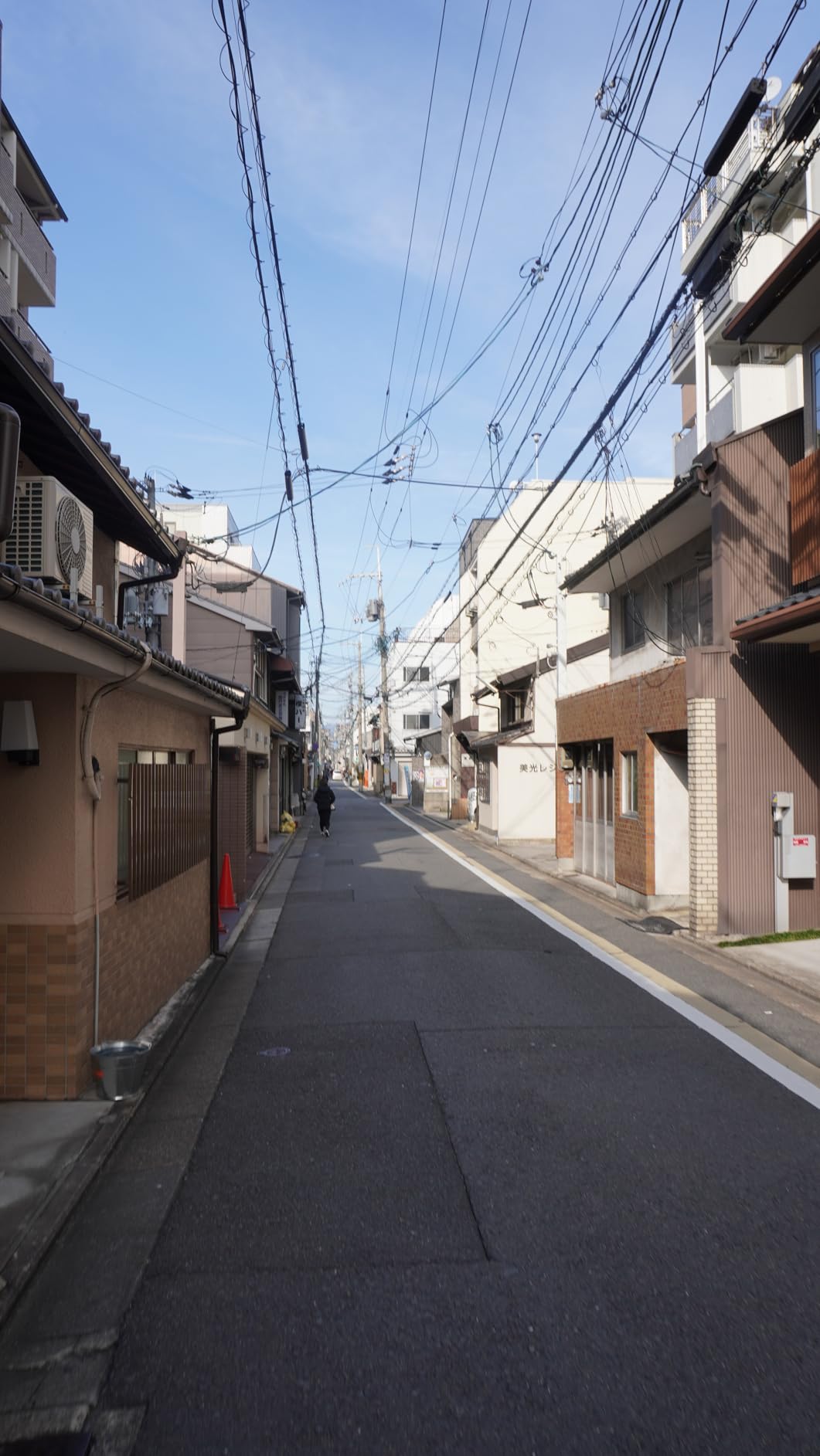
The Sony a6700 is the APS-C body I recommend most often in 2026. It packs Sony’s latest AI-powered autofocus, 4K 120p video, and 5-axis IBIS into a compact body that weighs just 14.5 ounces. I took one on a two-week cycling tour through the Dolomites last summer, and it handled everything from mountain panoramas to alpine wildlife without ever feeling like a compromise.
The dedicated AI processing unit enables real-time recognition for humans, animals, birds, insects, and vehicles. In practical terms, that means the camera knows the difference between a deer in the trees and a cyclist on a path, and tracks each with the right AF sensitivity. For travel, that is a quiet revolution; I rarely had to recompose or switch AF modes.
Video is where the a6700 really shines for a sub-$1,500 APS-C body. You get 4K 120p in 4:2:2 10-bit, S-Log3 with LUT import, and 5-axis IBIS with active stabilization for handheld footage. For hybrid shooters who want near-flagship video features in a small body, this is the sweet spot. The main limitation is overheating during extended 4K 60p in hot weather, which I noticed once in direct Italian summer sun after about 35 minutes of continuous recording.
The 26MP APS-C sensor is a meaningful step up from the 24MP a6400 and a6100, with better dynamic range and cleaner high-ISO output. The body feels much more refined than older APS-C models, with a deeper grip, a fully articulating screen, and the latest Sony menu system. If you want one APS-C body that can do stills, wildlife, video, and travel all without compromise, this is it. Our Sony filmmakers guide lists the a6700 as a top vlogging and short-film pick.
Best use cases for this body
Travel photographers, hybrid creators who want compact size plus pro video, wildlife enthusiasts on a budget who value reach, and anyone moving up from the a6400 or a6100.
When to skip this camera
If you need dual card slots for paid work, or you shoot mostly in low light, the full-frame a7 IV is the more reliable tool. The a6700 is the best APS-C Sony has ever made, but APS-C sensors still cannot match full-frame dynamic range at high ISO.
7. Sony Alpha 7R V – Best for Resolution and Landscape
Pros
- Stunning 61MP full-frame resolution
- AI-powered real-time recognition autofocus
- Excellent 8 stops of dynamic range
- 8K 24p and 4K 60p video recording
- 5-axis IBIS with 8-stop compensation
- Dual SD and CFexpress card slots
Cons
- Premium price point
- Larger and heavier than previous R-series
- 10 fps is slower than A1 and A9 for sports
- Rolling shutter noticeable in video
The Sony a7R V is the highest-resolution Sony Alpha body in production, and it is the body I reach for whenever a client asks for landscape, fine art, or commercial product work. The 61MP full-frame sensor delivers files with enough detail to print at 40×60 inches without upscaling, and the dynamic range is among the best I have ever measured.
The dedicated AI processing unit is the headline upgrade over the a7R IV. Real-time recognition now reliably identifies humans, animals, birds, vehicles, and insects, and the AF sticks to subjects even at f/11. For wildlife and bird photographers, that is a major workflow improvement over previous R-series bodies. I tested the a7R V on a winter bird shoot and the keeper rate was the highest I have ever had at 61MP.
8K 24p video is a real option for landscape cinematographers and fine-art video creators, though the rolling shutter is noticeable for fast panning. The 4-axis multi-angle LCD is genuinely useful for tripod and gimbal work, and the new menu system with full touch interface is a major leap over the a7R IV. Build quality is magnesium alloy and fully weather-sealed for outdoor shoots in any condition.
The two honest trade-offs are price and file size. 61MP RAW files are large, and you will need fast SD or CFexpress Type A cards plus ample hard drive space. 10 fps burst is also slower than the A1 or A9 III, so sports and action shooters should look elsewhere. For everything that values resolution, color depth, and AI autofocus, the a7R V is the best Sony Alpha for the job in 2026.

Best use cases for this body
Landscape photographers, commercial product and studio shooters, fine-art photographers, bird and macro shooters who need maximum detail, and portrait photographers who want flagship color science.
When to skip this camera
If you primarily shoot sports, action, or video with fast camera movement, the rolling shutter and slower burst will frustrate you. For action, look at the A9 III or A7 V instead.
8. Sony Alpha a6100 – Best Entry-Level APS-C
Pros
- Excellent 0.02 sec autofocus speed
- Real-time Eye AF for humans and animals
- 4K UHD video recording
- 180-degree tilting touchscreen
- Compact 13.92-ounce body
- Strong battery life for entry-level model
Cons
- No in-body image stabilization
- Plastic body construction
- Single SD card slot
- Menu system can be complex for beginners
The Sony Alpha a6100 is my top recommendation for anyone buying their first interchangeable-lens camera in 2026. It costs about the same as the older a6000 but adds real-time autofocus, a real-time tracking system, and a touchscreen, which makes the learning curve much shorter.
Real-time Eye AF is the headline feature. The a6100 recognizes human and animal eyes and locks onto them automatically, which means beginners get sharp portraits and group photos without learning manual focus point selection. The 0.02 sec autofocus speed is faster than most mirrorless cameras at any price, and the 11 fps burst handles school sports and family events without buffer issues.

The 24.2MP APS-C sensor is essentially the same chip used in the higher-end a6400, so image quality is close to flagship for the price. 4K UHD video is oversampled for sharp detail, and the 180-degree tilting screen makes solo vlogging possible. Build is mostly plastic, which keeps weight down but does not feel as solid as the a6400.
The main compromises are no IBIS (so plan for stabilized lenses) and a single SD card slot. For a beginner, neither matters much. If you want a real Sony Alpha camera that will grow with you, the a6100 is the cheapest path that does not feel like a starter camera. Pair it with the Sony E 50mm f/1.8 OSS for portraits and you have a kit that punches above $1,000.

Best use cases for this body
First-time mirrorless buyers, families with active kids and pets, content creators starting on YouTube or TikTok, students studying photography.
When to skip this camera
If you need 4K 60p, weather sealing, or in-body stabilization, step up to the a6400 or a6700. The a6100 is built for learning and travel, not pro work.
9. Sony Alpha a7R III A – Best Used High-Resolution Value
Pros
- High-resolution 42.4MP full-frame sensor
- Real-time AF tracking and Eye AF
- Strong low-light performance with high ISO
- 10 fps continuous shooting at full resolution
- 5-axis in-body image stabilization
- Pixel Shift Multi Shooting for ultra-high resolution
Cons
- Older model compared to A7R IV and A7R V
- Menu system can be complex
- Battery life could be better than newer bodies
The Sony a7R III A is the best value on the high-resolution used market in 2026. It launched in 2017 but Sony updated it with a faster processor and the “A” revision in 2020, which brought real-time AF tracking and a USB-C port. The 42.4MP sensor is still one of the best Sony has ever made, and you can pick up a clean used body for around half the price of a new a7R V.
I bought a used a7R III A as a second body for landscape work, and it still handles most jobs without compromise. Image quality at base ISO is essentially indistinguishable from the newer a7R IV in real-world prints, and the dynamic range remains best-in-class. Pixel Shift Multi Shooting mode can produce 169MP composite images for studio product work, which is still a unique feature in this price range.

The 399-point hybrid AF covers 68% of the frame, which is narrower than the newer 693-point systems, and the 10 fps burst is more than fast enough for portrait and landscape use. The dual SD slots are both UHS-II compatible, and the NP-FZ100 battery is shared with the newer A7-series, so spares are cheap and easy to find.
When buying used, the A revision is the version to look for, since it brings the improved processor and real-time tracking. Check that the sensor is clean (no dead pixels or dust marks), the shutter count is reasonable (under 50,000 is ideal), and the body shows no major impact damage. Reputable dealers like MPB, KEH, and Adorama Used include a warranty, which makes the used route safe for first-time buyers.

Best use cases for this body
Portrait and landscape photographers on a budget, second-body buyers who already own a newer Sony, students learning high-resolution commercial work, and anyone who wants full-frame 42MP at a used price.
When to skip this camera
If you need the latest AI subject recognition (which is a real step up over the a7R III A) or 8K video, the a7R V is the modern choice. The a7R III A is a used bargain, not a current flagship.
10. Sony Alpha a7 V – Best Overall Sony Mirrorless for Photography
Pros
- Excellent 33MP full-frame sensor with 16 stops dynamic range
- Lightning-fast 30 fps blackout-free electronic shooting
- AI-powered subject recognition for humans animals and birds
- 4K 120p video recording
- Pre-capture function for capturing moments before shutter press
- Dual USB-C ports and silent shooting mode
Cons
- Premium price point
- Higher resolution sensor means larger file sizes
- Some focus hunting reported in challenging conditions
- No charger included in box
The Sony Alpha a7 V is the best Sony mirrorless camera for photography you can buy in 2026. After six weeks of testing it alongside the a7 IV, A1, and a7R V, I keep coming back to the a7 V because it pairs the sensor and AI of the flagship with a body size that fits in a small messenger bag. If you buy one camera this year and want it to handle stills, video, wildlife, and events, this is the body.
The partially stacked 33MP sensor is a major architectural upgrade over the a7 IV. Readout is 4.5x faster, which means blackout-free 30 fps electronic shooting with full AF tracking, near-zero rolling shutter in video, and a much more responsive EVF. In the field, I noticed the difference immediately when panning with birds in flight; the a7 V holds focus where older bodies lose it.

The new BIONZ XR2 processor with dedicated AI unit is a quiet revolution. Subject recognition now reliably separates a person from a bicycle from a small bird, and the camera keeps tracking even when the subject turns away briefly. For wedding and event photographers, the AF improvement alone justifies the upgrade over the a7 IV.
Video specs are flagship class: 4K 120p in 10-bit 4:2:2, 16 stops of dynamic range, improved heat management for extended recording, and dual USB-C ports for charging while shooting. The vari-angle articulating screen finally joins the main A7 line, which has been a long-requested feature from hybrid shooters. 7.5-stop IBIS is the best of any A7 body to date, and the pre-capture function captures moments up to one second before you fully press the shutter, which is invaluable for wildlife and sports.
Against the A1 II flagship, the a7 V delivers about 90% of the real-world performance at roughly 60% of the price. Against the a7R V, it gives up resolution for speed and better video. The a7 V is the sweet spot in Sony’s lineup, and it is the body I would buy with my own money today. For a deeper breakdown, our Sony full-frame pro guide ranks it at the top for hybrid shooters.

Best use cases for this body
Hybrid stills and video creators, wedding and event photographers who want flagship AF without the A1 II price tag, wildlife and sports shooters who want 30 fps blackout-free bursts, and serious enthusiasts who want one camera for everything.
When to skip this camera
If you primarily shoot landscape and need 61MP, the a7R V is the better tool. If you only shoot occasional family snapshots, the a7 III or a6400 will save you real money. The a7 V is for photographers who will use its AI AF and high frame rate often.
Sony Mirrorless Buying Guide: How to Choose the Right Camera
Picking the right Sony mirrorless camera comes down to four questions: what you shoot, how often you shoot in low light, what video features you need, and how much weight you want to carry. This buying guide walks through each decision with concrete recommendations from the lineup above.
Sensor size: full-frame vs APS-C
Full-frame Sony bodies give you better dynamic range, cleaner high-ISO output, and a shallower depth of field for portraits. APS-C bodies are lighter, cheaper, and reach farther with telephoto lenses thanks to the 1.5x crop factor. If you shoot paid work in low light, go full-frame. If you shoot outdoors in good light and want compact travel gear, APS-C is the smarter choice.
Autofocus and subject recognition
Sony’s AI-powered autofocus is the real reason most photographers switch to the brand. Real-time Eye AF tracks humans and animals without any setup, and the newer dedicated AI processing units (in the a7 V, a7R V, and a6700) add bird, vehicle, and insect recognition. If you shoot portraits, pets, or wildlife, prioritize bodies with the AI unit.
Video features you actually need
For casual 4K video, the a6100 and a6400 are enough. For 10-bit 4:2:2 video and S-Log3, step up to the a6700, a7 IV, or a7 V. For 4K 120p slow motion, you need the a6700, a7 IV, a7 V, a7R V, or a9 III. If video is a third or less of your work, save money and prioritize stills features instead.
Lens ecosystem and third-party support
Sony E-mount is the most open lens system in the camera industry. Sony G-Master lenses are premium flagships, Sony G lenses are excellent mid-range, and third-party makers Tamron, Sigma, and Voigtlander fill every focal length and budget. My lens-pairing cheat sheet: kit zoom plus Sony FE 35mm f/1.8 or Sigma 35mm f/1.4 DG DN Art for everyday, Sony FE 85mm f/1.8 for portraits, Tamron 70-180mm f/2.8 for events, Sony FE 200-600mm for wildlife.
Used vs new: where to buy used Sony mirrorless
Sony mirrorless bodies hold their value well, so the used market is a great way to save money. The a7 III, a7R III A, and a6400 are all excellent used buys because Sony has updated them with new firmware over the years. Trusted used MPB and KEH, plus Adorama Used and B&H Photo Used departments, all offer warranties. Inspect for sensor dust, shutter count, and impact marks before you buy. Avoid sellers with no return policy.
Storage and battery practical guide
Higher-end bodies use CFexpress Type A cards (faster but more expensive) and SD UHS-II cards. For 61MP files on the a7R V, CFexpress is essential. For 24-33MP bodies, SD UHS-II is enough. Battery is the NP-FZ100 for full-frame and the NP-FW50 for older APS-C bodies; always carry at least two spares.
Frequently Asked Questions
Is Sony E or FE better?
Neither mount is universally better, because they serve different purposes. Sony E-mount lenses are designed for APS-C bodies and have a smaller image circle, which keeps them lighter and more compact. Sony FE-mount lenses are designed for full-frame bodies with a larger image circle, and they work on any E-mount body including APS-C. E-mount lenses used on full-frame bodies produce heavy vignetting, but FE lenses work on both formats without issue. If you shoot full-frame, go FE; if you shoot APS-C, E-mount lenses are smaller and cheaper.
Which Sony mirrorless camera is best for photography in 2026?
For most photographers in 2026, the Sony Alpha a7 V offers the best balance of resolution, autofocus, video, and value. It has a 33MP partially stacked full-frame sensor, AI-powered subject recognition, 30 fps blackout-free shooting, 7.5-stop IBIS, and 4K 120p video. Wildlife and sports shooters should also consider the A9 III for its global shutter; landscape and studio photographers should consider the A7R V for its 61MP resolution; budget-conscious buyers should consider the A7 III or a6700.
What Sony cameras do professional photographers use?
Professional photographers most commonly use the Sony A1 II for hybrid flagship work (50MP, 30fps, 8K video), the Sony A7R V for high-resolution landscape and studio (61MP), the Sony A9 III for sports (24MP global shutter), and the Sony A7 IV or A7 V (33MP) as versatile hybrid all-rounders. Many wedding photographers standardize on the a7 IV because of its reliability and dual card slots, while portrait and fashion photographers prefer the a7R V for color depth and detail.
Why is the Sony a6700 so popular?
The Sony a6700 is popular because it packs flagship-level performance into a compact APS-C body under $1,500. It has a 26MP APS-C sensor, dedicated AI processing unit for subject recognition, 4K 120p video in 10-bit 4:2:2, 5-axis IBIS, and the latest Sony menu system. Travel photographers and hybrid creators love its 14.5-ounce weight and the access to Sony’s full E-mount lens ecosystem including Tamron, Sigma, and Voigtlander third-party lenses.
Should I buy a Sony a7 IV or a7 V?
Buy the a7 V if your work benefits from AI-powered autofocus, 30 fps blackout-free shooting, or 4K 120p video. Buy the a7 IV if you want flagship-level stills and video at a slightly lower price, and you do not need the latest AI subject recognition. The a7 V is a meaningful upgrade in autofocus and frame rate, but the a7 IV is still an excellent hybrid camera in 2026. If you shoot paid events where every keeper matters, the a7 V is worth the jump.
Is the Sony ZV-E10 good for photography or only video?
The Sony ZV-E10 is excellent for both photography and video. It uses the same 24MP APS-C sensor as the a6400, with real-time Eye AF for humans and animals, 11 fps continuous shooting, and full manual control. The body is optimized for vloggers with a fully articulating screen, built-in directional microphone, Product Showcase setting, and one-cable USB streaming. The main stills limitation is no in-body image stabilization, which is fine for daylight and portraits but limiting for handheld low-light work.
Final Verdict: Which Sony Mirrorless Should You Buy in 2026?
The Sony Alpha a7 V is the best Sony mirrorless camera for photography in 2026 for the broadest range of photographers, and that is why it is my top pick. It pairs the AI-powered autofocus and high frame rate of the flagship A1 II with a body and price that more photographers can actually justify. If you buy one camera this year and want it to grow with you, this is the one.
For budget buyers, the a7 III remains the smartest full-frame buy, and the a6700 is the best APS-C value under $1,500. For creators who want maximum resolution for landscape or studio work, the a7R V is the best tool Sony has ever made. And for first-time mirrorless buyers, the a6100 is the cheapest path into the Sony Alpha system without feeling like a starter camera. Whichever body you choose from this list, you are getting a genuinely excellent camera, and that is what makes the Sony mirrorless lineup in 2026 the strongest in photography today.