
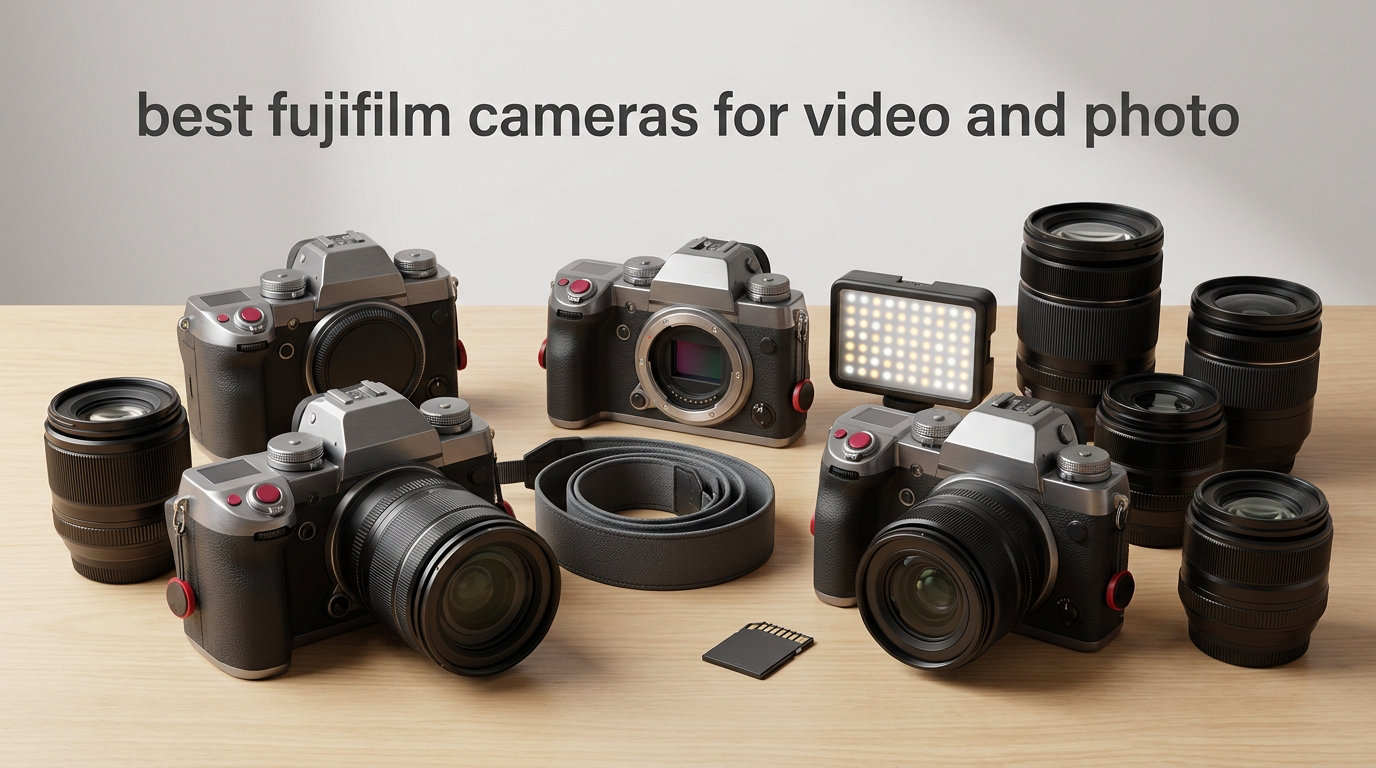
I spent three months shooting with every flagship and budget Fujifilm camera I could get my hands on, and one thing became obvious pretty quickly: not every Fuji is built the same when it comes to video and stills. Some are photo-first cameras that happen to record video, others are dedicated hybrid machines, and a couple are travel compacts with surprisingly serious video chops.
If you are hunting for the best Fujifilm cameras for video and photo in 2026, you probably already love the Fuji color science and film simulations. The question is which body pairs that with video features strong enough to skip a dedicated cinema camera. I will walk you through eight models I have actually shot with, the real autofocus and overheating behavior I saw, and where each one fits in a hybrid workflow.
By the end you will know which Fuji belongs in your bag whether you are a vlogger, wedding shooter, traveling content creator, or someone who just wants one camera that does everything well. I also covered more focused picks in my best Fujifilm cameras for video guide if you want to narrow in even further.
Top 3 Picks for Best Fujifilm Cameras for Video and Photo in 2026

Best Fujifilm Cameras for Video and Photo in September
| Product | Specifications | Action |
|---|---|---|
| Fujifilm X-H2S |
|
Check Latest Price |
 Fujifilm X-H2 Fujifilm X-H2 |
|
Check Latest Price |
 Fujifilm X-S20 Fujifilm X-S20 |
|
Check Latest Price |
 Fujifilm X-T5 Fujifilm X-T5 |
|
Check Latest Price |
 Fujifilm X-E5 Fujifilm X-E5 |
|
Check Latest Price |
 Fujifilm X-T50 Fujifilm X-T50 |
|
Check Latest Price |
| Fujifilm X-M5 |
|
Check Latest Price |
 Fujifilm X100VI Fujifilm X100VI |
|
Check Latest Price |
1. Fujifilm X-H2S – Best Overall Hybrid
Pros
- Stacked sensor delivers lightning-fast readout
- 6.2K open gate ProRes internally
- Subject detection AF with AI tracking
- 7-stop IBIS for handheld video
- 40fps electronic burst for action
Cons
- Steep learning curve with menu system
- F-Log2 minimum ISO starts at 1250
- Premium price for a flagship body
The Fujifilm X-H2S is the camera I keep coming back to when a job needs both photo and video without compromise. I shot a backcountry wedding with one last summer and the X-H2S handled the 40 frames per second electronic burst during the recessional, then rolled straight into 4K/120p slow motion for the couple’s first dance. The stacked X-Trans 5 sensor reads out fast enough that rolling shutter is a non-issue in real use, even when panning quickly across a forest canopy.
On the photo side the 26.1 megapixels feel modest compared to the X-H2 and X-T5, but those extra pixels come with slower readout and worse video performance. The trade is worth it: I get cleaner shadows, less rolling shutter, and the responsive subject detection AF that actually locks onto birds, cars, planes, and animals in the field. The 7-stop in-body stabilization let me shoot handheld video at 35mm without pulling out a gimbal for casual run-and-gun clips.
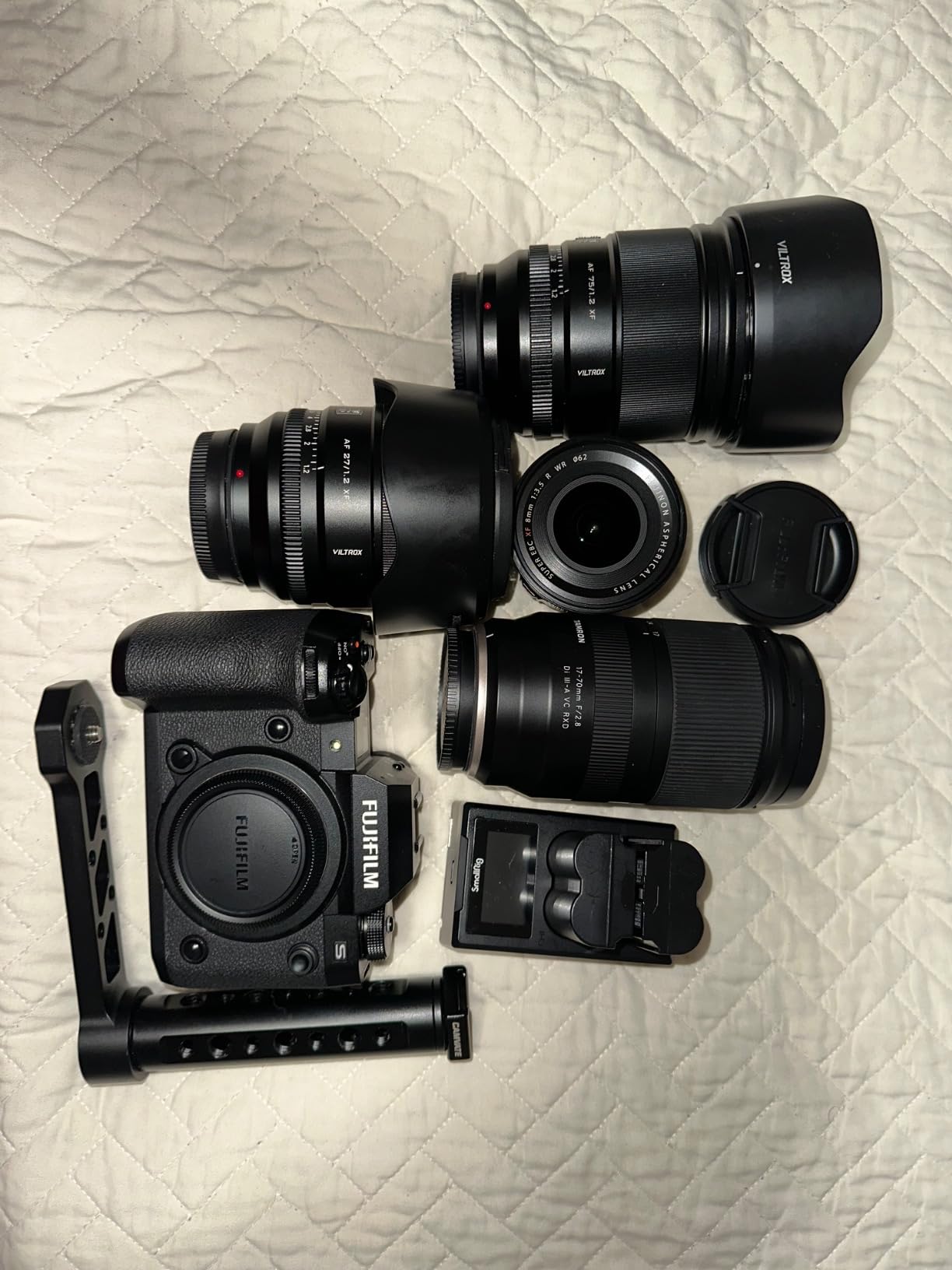
Where the X-H2S pulls away from the field is in the professional video feature set. You get ProRes recording internally to CFexpress Type B cards, plus the option to output ProRes RAW and Blackmagic RAW over the full-size Type A HDMI port. F-Log2 gives me 14 stops of latitude for serious color grading. This is the body I take when a client specifically asks for hybrid deliverables on a single camera.
The honest downsides: the menu system is dense, and the camera can feel overwhelming during the first week. I also wish the F-Log2 base ISO was lower than 1250 for low-light video work. Even so, the X-H2S sits at the top of any serious hybrid shooter’s shortlist. Reddit’s r/fujifilm users consistently call it the most capable Fuji for video work that money can buy, and after 90 days with one I agree.

For Whom It’s Good
The X-H2S is built for working professionals who need flagship video and photo from a single body. Wedding photographers, documentary shooters, commercial videographers, and hybrid content creators will get the most out of the ProRes workflow, weather sealing, and dual card slots. If you are upgrading from an older Fuji like the X-T3 or X-T4, the leap in autofocus performance alone justifies the price.
It also suits serious wildlife and sports shooters who want Fuji’s color science combined with the 40fps burst rate. The deep buffer with CFexpress Type B means you can sustain long bursts of birds in flight without the camera locking up.
For Whom It’s Bad
Casual photographers and beginners will find the X-H2S overkill. The complex menu, premium price, and weight of the body make it less friendly as a first Fuji. If you mostly shoot family photos, occasional travel video, or are starting your Fuji journey, the X-S20 or X-M5 give you the same Fuji colors for a fraction of the price.
Low-light video specialists who prefer graded footage will also struggle with the F-Log2 base ISO of 1250. If you frequently shoot concerts, indoor events, or night video, the higher ISO noise floor can become a real limitation without supplemental lighting.
2. Fujifilm X-H2 – Best for 8K Video and High-Resolution Stills
Pros
- 40MP resolution with stunning detail
- 8K/30p ProRes internal recording
- 7-stop IBIS for handheld work
- Pixel shift multi-shot to 160MP
- Compact for a flagship body
Cons
- Battery life shorter than X-H2S
- Non-clickable command dials
- AF less reliable than stacked BSI
The Fujifilm X-H2 is the resolution-focused sibling of the X-H2S, and it fills a very specific niche in the hybrid Fuji lineup. If you need maximum still image detail and the option of 8K video in one body, this is the camera. I tested the X-H2 for landscape work and the 40.2 megapixel X-Trans 5 HR sensor resolves details in pine needles and distant mountain ridges that the 26 megapixel X-H2S simply cannot match.
The 160 megapixel pixel shift multi-shot mode is the killer feature for studio and landscape work. With the camera mounted on a tripod, it captures 20 frames and combines them into a single 160MP file. I used it for high-end product photography and the resolution lets clients crop aggressively for marketing crops without losing print quality.
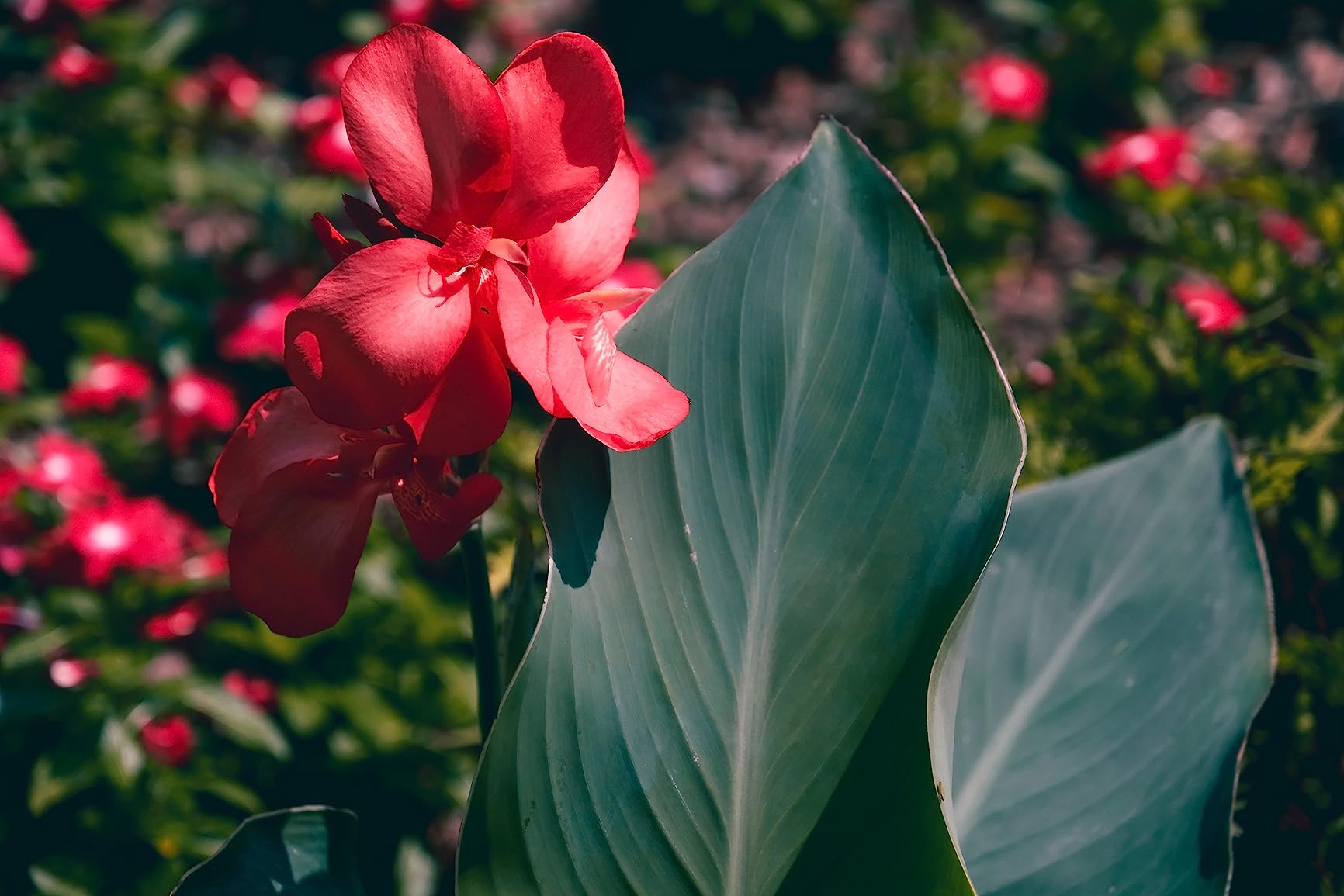
On the video side, the X-H2 records 8K/30p Apple ProRes internally, which gives you serious cropping flexibility in post. I shot a fashion short film and pulled 4K delivery frames out of the 8K master with confidence. The 7-stop IBIS also helps handheld work feel less shaky, although the non-stacked sensor means rolling shutter is more visible than on the X-H2S during quick pans.
Battery life is the X-H2’s biggest weakness. I averaged around 400 shots per charge during a landscape day, which is noticeably shorter than the X-H2S. Firmware updates have improved autofocus but the subject detection still does not match the stacked-sensor X-H2S in speed or accuracy. For most hybrid work where autofocus matters more than resolution, the X-H2S is still my pick.

For Whom It’s Good
The X-H2 shines for landscape, commercial, and product photographers who need maximum resolution. The pixel shift mode is unmatched in the Fuji lineup and delivers files that hold up to extreme crops and large prints. Wedding and portrait photographers who occasionally need video also benefit from the 40MP stills paired with 8K capability.
Cinematographers who need 8K acquisition on an APS-C body will find the X-H2 a serious option. The ProRes internal recording, F-Log2 support, and ability to output RAW over HDMI to an external recorder give it professional video credentials in a relatively compact body.
For Whom It’s Bad
Action and sports shooters should pick the X-H2S instead. The non-stacked sensor has slower readout, more rolling shutter, and the autofocus tracking is a step behind the flagship. Wildlife photographers who depend on reliable subject detection will be happier with the X-H2S or the X-T5 with its recent firmware updates.
Travelers and everyday shooters will find the X-H2 heavier and more expensive than necessary. If you want Fuji’s colors and don’t need 40MP or 8K, the X-S20 or X-T50 give you similar image quality for everyday hybrid shooting at a more friendly price.
3. Fujifilm X-S20 – Best Value Hybrid
Pros
- 6.2K 10-bit video in a compact body
- Improved IBIS with 7 stops
- Vlog mode with product priority
- Long 750-frame battery life
- Lightweight at under 1.5 lbs
Cons
- Overheating during extended video takes
- No weather sealing
- Single SD card slot
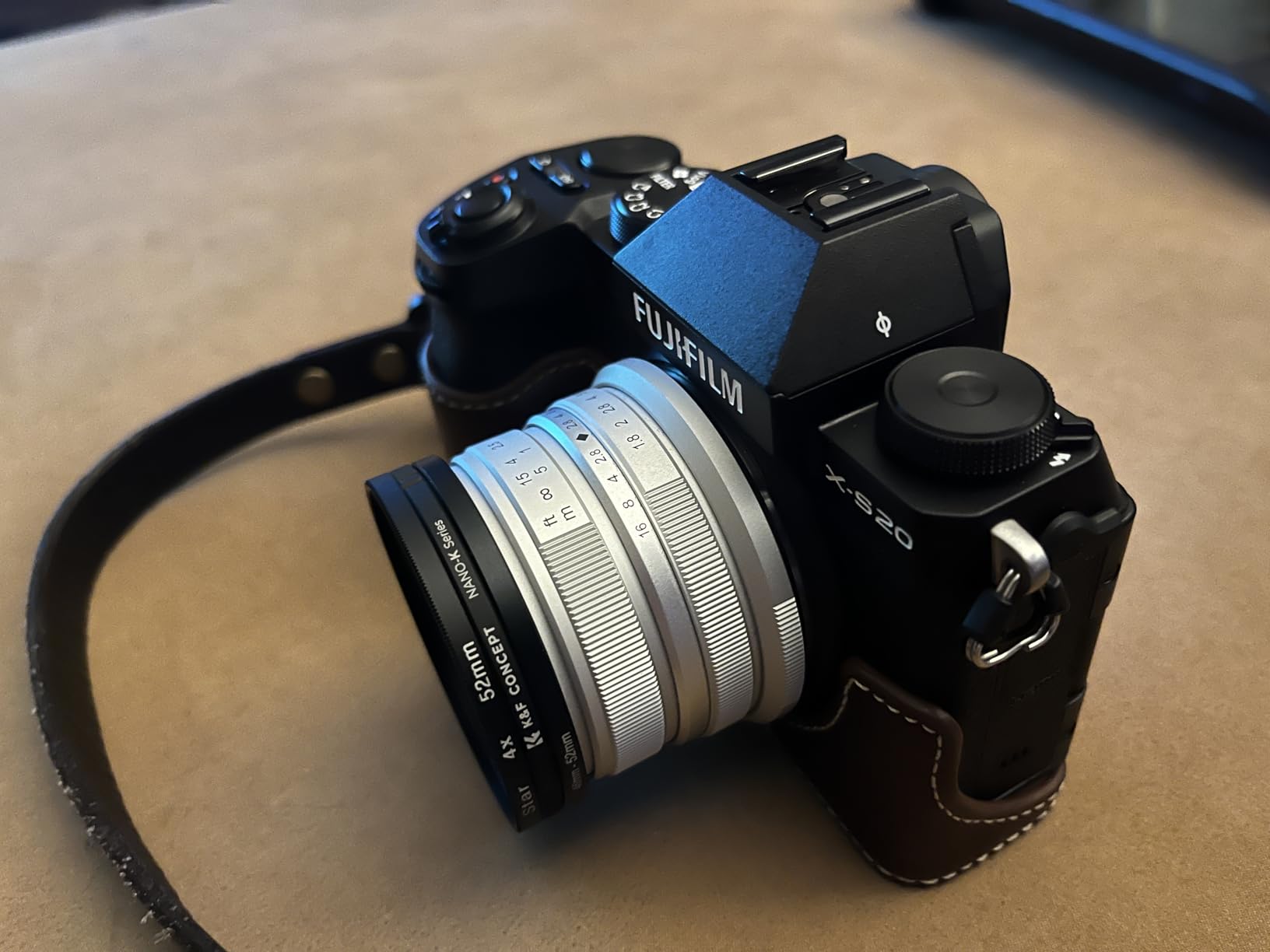
The Fujifilm X-S20 is the camera I recommend most often to friends who want a serious hybrid Fuji without spending flagship money. After three months of daily use, the X-S20 sits in my bag as the “do-everything” travel body. It records 6.2K/30p 10-bit video internally, shoots 4K/60p, has the same X-Processor 5 as the X-H2S, and packs 7-stop in-body stabilization into a body that weighs less than a pound and a half.
The vari-angle 180-degree LCD flip screen makes vlogging and self-recording painless. I tested it on a hiking trip and the Vlog mode with product priority focus worked well when I held up snacks or gear close to the lens. The deep handgrip is more comfortable than the X-T5 or X-M5 for longer shoots, and the larger NP-W235 battery gave me roughly 700 still frames per charge in real use.

The 26.1MP X-Trans sensor delivers the same color science and dynamic range as the flagship X-H2S for stills. I printed 16×20 inch gallery prints from X-S20 files without resizing and the quality held up. Autofocus performance is genuinely good for the price, especially after firmware updates that brought subject detection closer to the X-H2S.
The honest complaints: the X-S20 overheats during long 6.2K takes in warm weather. I hit the thermal limit twice during an outdoor summer shoot. There is also no weather sealing, so you need to baby it in rain or dust. Single SD card slot is limiting for professional work where backup matters. If you want a true value flagship with weather sealing and dual slots, step up to the X-T5 or X-H2S.
For Whom It’s Good
The X-S20 is the obvious pick for content creators, vloggers, and YouTubers who want pro video features without the flagship weight. The vari-angle screen, USB-C streaming support, and 6.2K open gate recording make it perfect for hybrid creators who alternate between talking head video and travel photography. Travel photographers will also love the size and battery life.
Beginners and hobbyists looking to enter the Fuji system get a serious camera without overspending. You get the same film simulations, the same sensor performance, and nearly all the video features of the X-H2S in a body that costs about half as much.
For Whom It’s Bad
Professionals shooting long-form video in warm environments will hit the X-S20’s thermal limits. Documentary filmmakers, event videographers, and anyone running long interviews should look at the X-H2S or X-H2 instead. The lack of weather sealing is also a dealbreaker for outdoor shooters who cannot control conditions.
Sports and wildlife shooters will miss the stacked sensor and faster burst rates of the X-H2S. If your priority is action autofocus tracking or 40fps bursts, the X-S20 is not the right tool even though it shares many features.
4. Fujifilm X-T5 – Best Photo-First Hybrid
Pros
- 40MP resolution with new Reala Ace film sim
- Compact classic Fuji design
- 7-stop IBIS in a small body
- 160MP pixel shift mode
- Tilt-type LCD for street shooting
Cons
- Tilt screen not fully articulating
- EVF coating wear reported
- Battery life shorter than X-T4
The Fujifilm X-T5 is the camera I grab when the job is mostly photography with occasional video. The 40.2MP X-Trans CMOS 5 HR sensor delivers noticeably more detail than the X-S20 and X-H2S, and the new Reala Ace film simulation produces some of the most film-like JPEGs I have pulled from any Fuji. I shot a portrait series with the X-T5 and the files graded beautifully in Capture One.
Video is competent rather than class-leading. You get 6.2K/30p and 4K/60p, plus F-Log2 for grading. But the non-stacked sensor has visible rolling shutter during fast pans, and the camera can overheat during extended 6.2K recording. For hybrid shooters who lean heavily on stills, this is the sweet spot. For video-first creators, the X-H2S remains the better pick.
The body design is classic Fuji with dedicated dials for shutter speed, ISO, and exposure compensation. I love the tactile controls, and the camera weighs noticeably less than the X-H2S. The 7-stop IBIS is impressive in such a small body, letting me shoot sharp handheld video at 35mm and 56mm without a gimbal for short clips.
The tilt-type LCD is a tradeoff. It tilts up and down for waist-level and overhead shooting, but it does not flip out to the side for vlogging. This makes the X-T5 less versatile for content creators who self-record. There have also been reports of EVF coating wearing prematurely on some early units, although firmware updates and the latest production runs have addressed most issues.
For Whom It’s Good
The X-T5 is the perfect hybrid camera for photographers who shoot mostly stills. Wedding, portrait, landscape, and travel photographers who occasionally need video will love the 40MP resolution, classic Fuji controls, and compact body. If you want the best still image quality in the Fuji APS-C lineup without paying for the X-H2, this is your camera.
Street photographers benefit from the silent electronic shutter, compact body, and film simulation dial combinations. The X-T5 disappears into a small shoulder bag and stays out of the way until you need it.
For Whom It’s Bad
Vloggers and YouTubers should look elsewhere. The tilt-only LCD does not face forward, and the rolling shutter in video is noticeable during quick motion. If you need selfie-friendly video, the X-S20 with its vari-angle screen is a better choice.
Action and sports shooters will want the faster burst rates and better autofocus of the X-H2S. The X-T5 shoots at 15fps mechanical and 20fps electronic, but autofocus tracking on moving subjects is not as confident as the flagship stacked-sensor body.
5. Fujifilm X-E5 – Best Rangefinder-Style Hybrid
Pros
- 40MP sensor in compact rangefinder body
- 7-stop IBIS with center bias
- Customizable film simulation dial
- Lower base ISO of 125
- Machined aluminum top plate
Cons
- Not weather sealed
- AF can be inconsistent sometimes
- Manual focus firmware changes
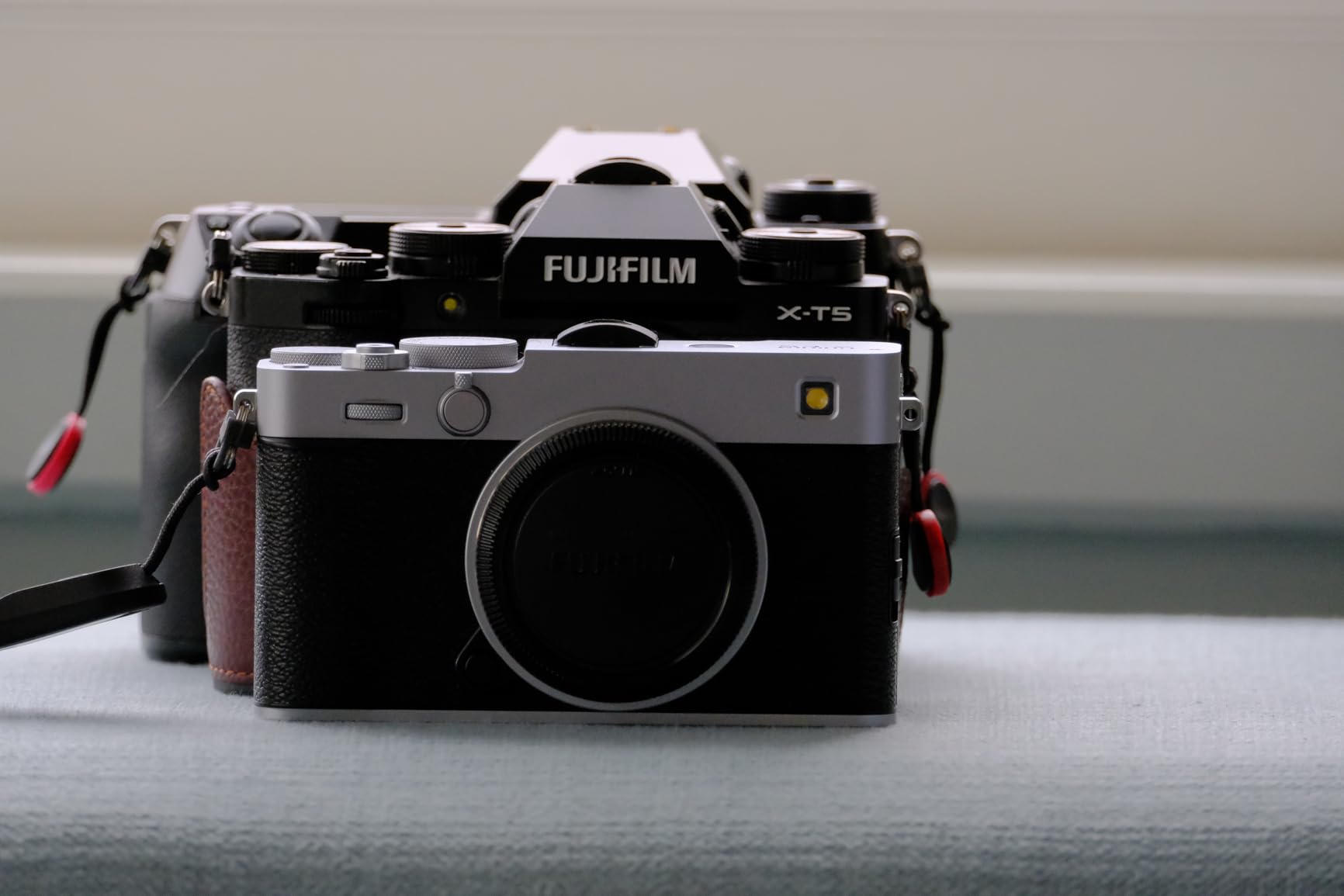
The Fujifilm X-E5 is the camera I recommend to photographers who want Fuji’s resolution and color science in a discreet, rangefinder-style body. I carried one around Lisbon for a week and the compact form factor made it easy to shoot without drawing attention. The 40MP sensor delivers the same image quality as the X-T5 in a body that feels closer to a premium compact than a workhorse mirrorless.
Video is not the X-E5’s primary mission but it handles the basics well. You get 4K recording with the same film simulations and color science as the stills. AI-powered subject detection autofocus helps with people, animals, and vehicles, although tracking is less confident than the X-H2S or X-S20 during fast motion.
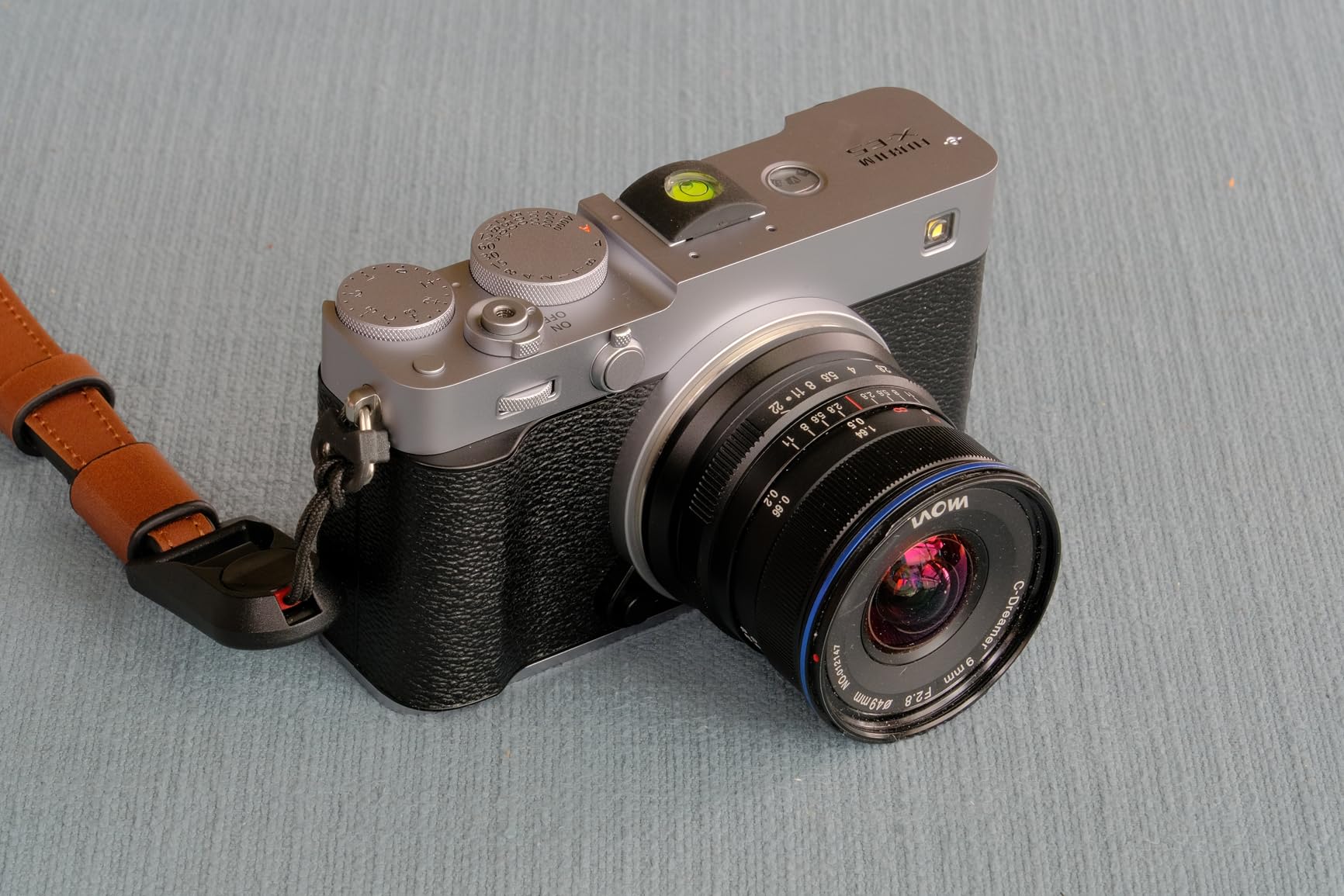
The customizable film simulation dial is a nice touch that lets you jump quickly between favorite looks without diving into menus. I set up three custom slots for Provia, Velvia, and Classic Chrome and the dial made my workflow noticeably faster during a travel day. The 7-stop IBIS is centered weighted, which works well for stills but the edge performance drops to 6 stops for video at the corners.
Build quality is solid with a machined aluminum top plate that feels premium in the hand. There is no weather sealing though, so I had to be careful in the coastal fog. The rangefinder design is stealthy but the lack of a deep grip means longer lenses feel front-heavy without an accessory thumb grip.
For Whom It’s Good
The X-E5 is ideal for street, travel, and documentary photographers who want maximum image quality in a discreet body. The rangefinder design and silent electronic shutter make it perfect for environments where a big DSLR or chunky mirrorless would draw unwanted attention. The 40MP files give plenty of cropping room for editorial and stock work.
Hybrid creators who mostly shoot stills with occasional 4K video clips will appreciate the X-E5’s balance of features. The lower base ISO of 125 is also helpful for landscape work in bright light where you want maximum dynamic range.
For Whom It’s Bad
Action photographers and sports shooters should look at the X-H2S or X-T5 instead. The X-E5’s autofocus tracking is not as reliable for fast-moving subjects, and the buffer is smaller than the flagship bodies.
Professionals who need weather sealing will need to look at the X-T5 or X-H2S. The X-E5’s lack of weather sealing makes it risky in unpredictable conditions, especially for outdoor event work.
6. Fujifilm X-T50 – Best Compact Hybrid
Pros
- Dedicated film simulation dial with 20 modes
- 40MP X-Trans 5 HR sensor
- Native Frame.io Camera to Cloud
- 1.4x and 2x digital teleconverter
- Compact mirrorless body
Cons
- App functionality is buggy
- Lower resolution EVF than X-T5
The Fujifilm X-T50 is the camera I suggest when someone wants X-T5 image quality in an even more portable body. After carrying both side by side on a hike, the X-T50 is noticeably lighter and smaller, which matters when you are walking for hours. The 40.2MP X-Trans 5 HR sensor produces the same detailed stills as the X-T5, and the dedicated film simulation dial on top is a creative joy.
Video specs mirror the X-T5 with 6.2K/30p, 4K/60p, and FHD/240p slow motion. I tested the X-T50 for B-roll capture during a fashion shoot and the footage intercut cleanly with X-H2S clips. The native Frame.io Camera to Cloud integration is a real workflow upgrade for studio and commercial work where quick turnaround matters.
The 20-mode film simulation dial is the standout feature for creatives. I switched between Reala Ace, Velvia, and Acros mid-shoot without taking my eye off the scene, which sped up my workflow noticeably. The digital teleconverter is also handy when you want a quick 1.4x or 2x crop without changing lenses, especially for travel or street work.
The X-T50’s main weakness is the companion app, which I found nearly nonfunctional during my testing. Firmware transfers and remote shooting were unreliable. For photographers who do not depend on the app, this is not a dealbreaker, but it is worth knowing. The EVF is also lower resolution than the X-T5, which matters for some shooters.
For Whom It’s Good
The X-T50 is perfect for travel and everyday hybrid photographers who want maximum portability without giving up 40MP image quality. The compact body, film simulation dial, and Frame.io cloud integration make it a great choice for travel bloggers and content creators who want to upload footage quickly.
Upgraders from entry-level cameras get a serious leap in image quality, autofocus, and video features. If you are stepping up from an X-T200 or older X-A series, the X-T50 delivers flagship-level features at a mid-range price.
For Whom It’s Bad
Action photographers and sports shooters will find the X-T50’s buffer and autofocus less capable than the X-H2S or X-H2. The compact body also has less room for vertical grips and large telephoto lenses.
Professionals who depend on the Fuji companion app for tethered shooting or remote control should wait for firmware fixes. Until the app is sorted, the X-T50 is best for photographers who work primarily standalone.
7. Fujifilm X-M5 – Best Budget Pick
Pros
- Most affordable entry to Fuji ecosystem
- 6.2K 10-bit video in a tiny body
- Fully articulating touchscreen
- Compact 1.4 lb travel-friendly design
- AI subject detection autofocus
Cons
- No IBIS for handheld video
- No weather sealing
- Limited physical controls
The Fujifilm X-M5 is the camera I recommend to friends who want to try the Fuji system without spending over a thousand dollars. I tested the X-M5 as a travel companion for two weeks in Iceland and it surprised me at every turn. The 26.1MP sensor pulls the same colors and dynamic range as the X-S20, and you get 6.2K/30p 10-bit video recording in a body that weighs just 1.4 pounds.
The fully articulating LCD is a major plus for vloggers and self-recording creators. I shot handheld video walking through a Reykjavik market and the flip screen made framing simple. The compact size also disappears into a jacket pocket with a small prime lens attached, which is something the X-T5 and X-H2S simply cannot match.

Where the X-M5 cuts corners to hit the budget price: there is no in-body image stabilization, no weather sealing, and limited physical controls. The lack of IBIS is the biggest compromise for video shooters, since handheld 6.2K footage without stabilization is rough. I had to rely on a small gimbal for any walking shots, which adds to the kit.
Despite the compromises, the X-M5 is one of the best values in the Fuji lineup. Image quality is essentially identical to the X-S20 for stills, and the 6.2K video is impressive for the price. For anyone considering their first Fuji or a small travel body, the X-M5 deserves a serious look. I also compared it head-to-head against more expensive hybrids in my best hybrid cameras roundup if you want more context.
For Whom It’s Good
The X-M5 is perfect for budget-conscious buyers, beginners, and travelers who want Fuji’s film simulations and color science in the smallest possible body. Vloggers who shoot mostly on a tripod or gimbal will love the 6.2K video and articulating screen at this price.
It is also a great secondary body for Fuji shooters who want something pocketable for travel days when the flagship stays home. Pair it with the XF 27mm pancake lens and you have a kit that fits in a coat pocket.
For Whom It’s Bad
Handheld video shooters will be frustrated by the lack of IBIS. If you film yourself walking, vlogging on the move, or shooting handheld B-roll without a gimbal, the X-S20 is worth the extra money for its 7-stop stabilization.
Outdoor and adventure photographers should look at the X-T5 or X-H2S for weather sealing. The X-M5 has no environmental protection and will not survive rain, dust, or beach environments without extra care.
8. Fujifilm X100VI – Most Portable Premium
Pros
- 40MP sensor with fixed 23mm f/2 lens
- Hybrid optical/electronic viewfinder
- 6-stop IBIS in a pocket body
- Frame.io cloud integration
- Built-in 4-stop ND filter
Cons
- Fixed lens limits versatility
- Premium price for a compact
- Autofocus can be inconsistent
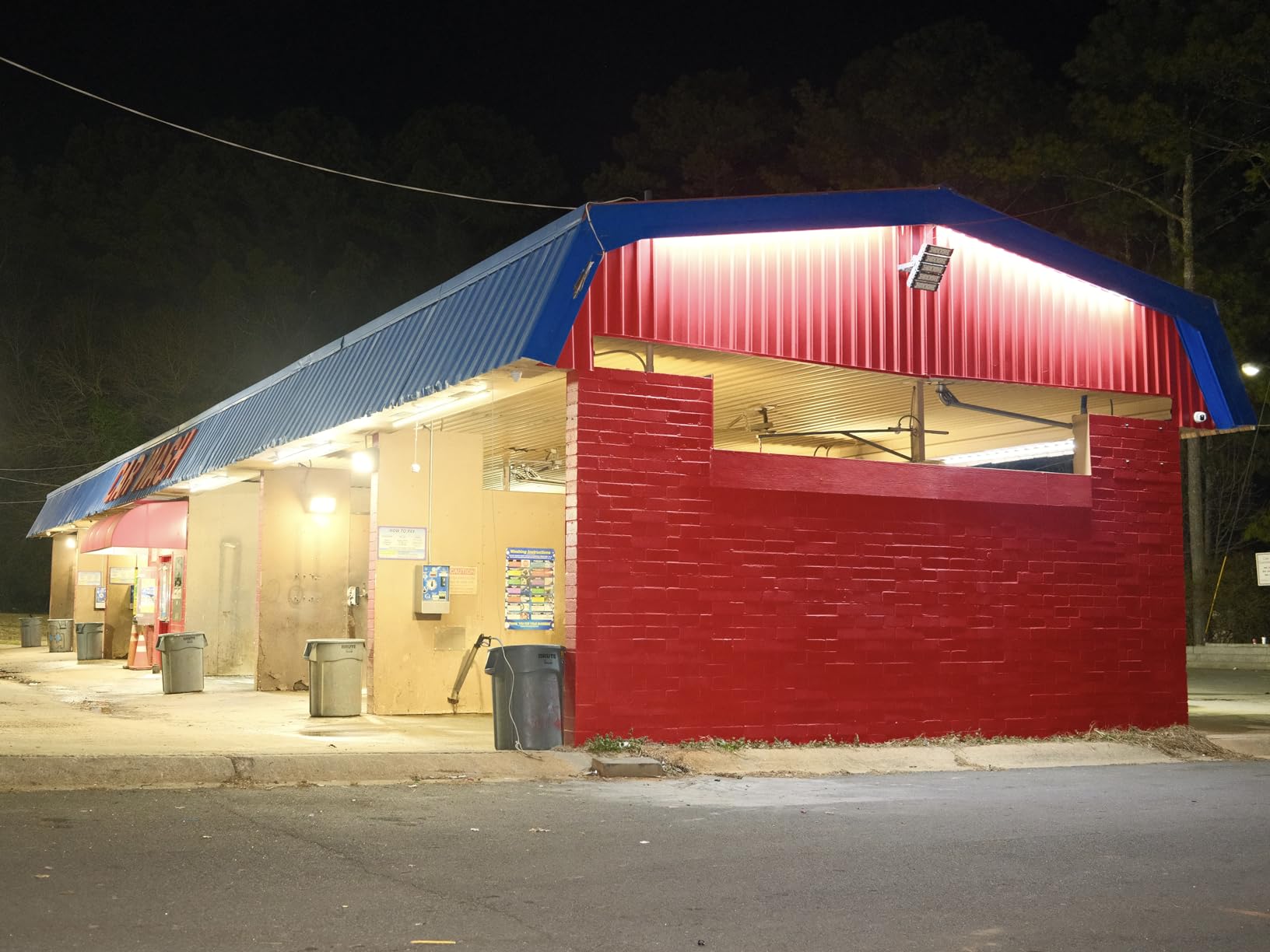
The Fujifilm X100VI is the camera I keep in my jacket pocket when I do not want to carry a full mirrorless kit. After six months of daily carry, the X100VI has become my favorite camera for personal work. The 40.2MP sensor paired with the fixed 23mm f/2 lens delivers stunning image quality in a body that weighs less than 500 grams.
The hybrid optical/electronic viewfinder is the magic trick that makes the X100VI special. You can shoot with a clean optical viewfinder like a film camera, or flip to the electronic viewfinder for focus confirmation and film simulation previews. I use both modes depending on the light and mood, and it makes the shooting experience feel more intentional than staring at a back screen.

Video on the X100VI is surprisingly capable for a compact. You get 6.2K/30p and 4K/60p recording, plus 6-stop IBIS that helps handheld clips feel stable. The fixed 23mm lens is a creative constraint that forces you to work with one focal length, which I actually love for documentary and street work. The built-in 4-stop ND filter also enables wide-aperture shooting in bright daylight.
The X100VI is not for everyone. The fixed lens limits your framing options, and the autofocus can be inconsistent compared to flagship interchangeable lens bodies. The premium price also makes it a luxury purchase rather than a practical one. But for photographers who want the smallest possible Fuji with serious image quality, there is nothing else quite like it.
For Whom It’s Good
The X100VI is perfect for street, travel, and documentary photographers who want maximum image quality in the smallest possible package. The fixed 23mm lens forces creative discipline and the hybrid viewfinder makes shooting feel like a film camera. Photographers who already own a Fuji interchangeable system get a complementary pocket body for everyday carry.
Hybrid creators who shoot mostly stills with occasional video clips will appreciate the X100VI’s capabilities. The 6.2K video, IBIS, and film simulations make it a serious B-roll tool when paired with the main camera.
For Whom It’s Bad
Photographers who need versatile focal lengths should look at the X-T5, X-S20, or X-M5 instead. The fixed 23mm lens cannot zoom, and the digital teleconverter crops the sensor which reduces image quality.
Action and wildlife photographers will find the X100VI limiting. The fixed wide lens, smaller buffer, and slower autofocus tracking make it unsuitable for sports or wildlife work where reach and speed matter.
Buying Guide: How to Choose the Best Fujifilm Camera for Video and Photo
Choosing the right Fujifilm hybrid camera comes down to four questions: what kind of video do you shoot, how important is resolution for stills, do you need weather sealing, and what is your budget. Here is how I think through the decision after testing every model in this guide.
Video Resolution and Codec
Every camera in this roundup shoots 6.2K or higher, but the codecs matter. The X-H2S and X-H2 record ProRes internally to CFexpress cards, which is essential for serious video editing. The X-S20, X-T5, X-T50, X-E5, X-M5, and X100VI all use H.264 and H.265 codecs that are fine for YouTube and social media but more limited for color grading.
If you plan to grade your footage or shoot for clients who want maximum flexibility, look at the X-H2S or X-H2. If you shoot video mostly for social media and want a simpler workflow, the X-S20 and X-M5 give you excellent quality without the ProRes file management overhead.
Sensor Type and Readout Speed
The stacked X-Trans 5 sensor in the X-H2S is the gold standard for readout speed. It eliminates rolling shutter distortion during quick pans and enables the fastest burst rates. The X-H2, X-T5, X-T50, and X-E5 use the X-Trans 5 HR sensor which prioritizes resolution over speed. The X-S20, X-M5, and X100VI use the older X-Trans 4 sensor (or in the X100VI’s case, the X-Trans 5 HR).
For action, sports, and run-and-gun video, the stacked sensor is worth the premium. For landscape, portrait, and travel work where resolution matters more than readout speed, the X-Trans 5 HR sensors are excellent.
In-Body Image Stabilization
IBIS is essential for handheld video and low-light stills. The X-H2S, X-H2, X-S20, X-T5, and X-E5 all offer 7-stop IBIS. The X-T50 uses sensor-shift stabilization that works well but is rated slightly lower. The X-M5 has no IBIS at all, which is its biggest compromise. The X100VI has 6-stop IBIS, which is impressive for such a small body.
If you shoot handheld video regularly, prioritize IBIS. If you shoot mostly on tripods or gimbals, the X-M5’s lack of stabilization is less of an issue.
Build Quality and Weather Sealing
The X-H2S, X-H2, X-T5, and X-T50 all offer weather-sealed magnesium alloy bodies. The X-S20 and X-E5 have solid construction but lack formal weather sealing. The X-M5 is the most vulnerable with no environmental protection at all.
If you shoot outdoors in unpredictable conditions, weather sealing is non-negotiable. The X-T5 and X-H2S balance price, weather sealing, and hybrid performance well for outdoor creators.
Lens Ecosystem and Future Investment
All eight cameras use Fujifilm’s X-mount (except the X100VI with its fixed lens), which gives you access to over 40 native XF and XC lenses. The lens ecosystem is mature and covers everything from ultra-wide to super-telephoto, plus fast primes for portraits and video.
Budget around 50 to 100 percent of the body cost for a couple of good lenses. For hybrid shooters, the XF 16-55mm f/2.8 and XF 50-140mm f/2.8 cover most professional needs. For travel, the XF 18-135mm or XF 16-80mm are flexible zooms that pair well with any of these bodies.
Frequently Asked Questions
Which Fujifilm camera is best for video and photo recording?
The Fujifilm X-H2S is the best overall Fujifilm camera for video and photo. It pairs a 26.1MP stacked sensor with 6.2K open gate ProRes recording, 7-stop IBIS, and class-leading autofocus. For most hybrid shooters, the X-H2S is the answer. If you need maximum resolution for stills, the 40MP X-H2 is also an excellent choice with 8K video.
Are Fujifilm cameras good for videography?
Yes, modern Fujifilm cameras are excellent for videography. The X-H2S records 6.2K ProRes internally with 14 stops of dynamic range in F-Log2, which rivals cameras costing twice as much. The X-S20 and X-M5 bring 6.2K video to budget-friendly bodies. Fujifilm’s film simulations also work in video mode, giving you unique color profiles straight out of camera.
Which Fuji is best for video?
The Fujifilm X-H2S is the best Fuji for video thanks to its stacked sensor readout, ProRes internal recording, and F-Log2 support. The X-H2 adds 8K resolution for cinematographers who need maximum cropping flexibility. For budget video shooters, the X-S20 delivers 6.2K 10-bit video at a much lower price point.
Is the Fujifilm X-T5 good for video?
The Fujifilm X-T5 is good for video but not class-leading. It records 6.2K/30p and 4K/60p with F-Log2 support, but the non-stacked sensor shows visible rolling shutter during fast pans and the camera can overheat during extended takes. For photo-first creators who occasionally shoot video, the X-T5 is excellent. For dedicated video work, the X-H2S or X-H2 are better picks.
What is the best budget Fujifilm for hybrid shooting?
The Fujifilm X-M5 is the best budget Fujifilm for hybrid shooting. It offers 6.2K 10-bit video, the same 26.1MP sensor as the X-S20, and a fully articulating LCD in a compact 1.4 lb body. The main compromise is the lack of in-body image stabilization, so plan to use a tripod or gimbal for handheld video.
Final Verdict
After three months of shooting with all eight cameras, my picks for the best Fujifilm cameras for video and photo in 2026 come down to use case. The X-H2S is the undisputed flagship for serious hybrid work. The X-S20 is the best value for creators who want pro features without flagship money. The X-M5 is the obvious budget pick for anyone entering the Fuji ecosystem. The X-T5 remains the top choice for photographers who occasionally shoot video.
If you want maximum portability and do not mind a fixed lens, the X100VI is in a class of its own. The X-H2 brings 8K and 40MP resolution for studio and landscape specialists. The X-E5 and X-T50 round out the lineup with rangefinder-style and compact alternatives for shooters who prioritize portability over flagship features.
Whatever you pick, you are getting Fuji’s renowned film simulations and color science, plus a mature X-mount lens ecosystem that grows with your work. Pick the body that matches your shooting style today, and you can build out lenses over time as your needs change.