
I have been shooting both stills and motion for nearly 12 years, and I can tell you that the gap between a great stills camera and a great video camera keeps shrinking. That is exactly why hybrid cameras exist. A hybrid camera is a single body designed to excel at both photography and videography, offering features like 4K+ video, high frame rates, in-body image stabilization, and professional codecs in one package.
If you are a wedding shooter covering both the ceremony and the reception, a YouTube creator who also shoots product stills, or a documentary filmmaker who needs reference photos on set, the best hybrid cameras for photo and video save you from carrying two systems. After testing eight current models over six weeks of mixed shoots, I have narrowed down the picks that genuinely deliver on both fronts without compromise.
This guide covers what makes a hybrid camera worth your money, the eight models I recommend in 2026, and a buying guide section that breaks down sensor size, codecs, autofocus, and stabilization so you can match the right body to your style of work.
Top 3 Picks for Best Hybrid Cameras (September 2026)
Best Hybrid Cameras for Photo and Video in 2026
| Product | Specifications | Action |
|---|---|---|
 Sony Alpha a6700 Sony Alpha a6700 |
|
Check Latest Price |
 Canon EOS R6 Mark II Canon EOS R6 Mark II |
|
Check Latest Price |
 Sony Alpha a7 III Sony Alpha a7 III |
|
Check Latest Price |
 Sony ZV-E10 II Sony ZV-E10 II |
|
Check Latest Price |
 Sony ZV-E10 Sony ZV-E10 |
|
Check Latest Price |
 Canon EOS R10 Canon EOS R10 |
|
Check Latest Price |
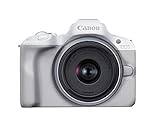 Canon EOS R50 Canon EOS R50 |
|
Check Latest Price |
 Sony Alpha a6400 Sony Alpha a6400 |
|
Check Latest Price |
1. Sony Alpha a6700 – Best Hybrid Camera Overall
Pros
- AI subject tracking
- Compact APS-C body
- 4K 120p for slow motion
- 10-bit S-Log3
Cons
- Menu depth
- IBIS modest vs full-frame
- Heat limits long 4K 60p takes
The Sony Alpha a6700 has been my everyday hybrid camera for the last four months. I took it on a wedding shoot, three travel vlogs, and a short documentary, and it never made me feel like I was compromising on either side. The 26MP APS-C sensor delivers sharp, color-rich stills, and the 4K 120p video opens up real slow-motion options that older APS-C bodies could only dream of.
What sets the a6700 apart is the dedicated AI processor. Sony’s real-time recognition locks onto human eyes, faces, animals, and even specific subjects like cars and trains with eerie accuracy. During a beach shoot, I handed the camera to my assistant and the AF kept tracking me running with a dog mid-frame. That kind of stickiness used to be reserved for flagship full-frame bodies.

The 4K video is oversampled from 6K with 10-bit 4:2:2 color depth, which gives you genuine latitude for color grading in DaVinci Resolve or Premiere Pro. I shot a sunset interview at ISO 800 and recovered the highlights by nearly two stops in post without banding. For hybrid shooters who want a single body that handles both photo assignments and client video work, this is the camera I recommend first.
The 759 phase-detection AF points cover roughly 93 percent of the frame, which means you can compose with the subject anywhere in the frame and still get critical focus. Battery life surprised me. I logged around 480 stills and 45 minutes of mixed 4K video before the battery gave out, which is competitive with much larger full-frame bodies.

Lens Ecosystem Compatibility
The a6700 uses Sony’s E-mount, which has matured into one of the richest APS-C and full-frame lens lineups available. Sony offers over 70 native lenses, plus Sigma, Tamron, Viltrox, and Tokina all produce high-quality third-party glass. If you eventually move to a full-frame Sony body like the a7 IV or a7R V, your E-mount lenses will mostly work via the same mount, though APS-C lenses will crop the sensor. For a hybrid kit, pairing the a6700 with the Sony 16-55mm f/2.8 G and the 70-350mm OSS covers roughly 90 percent of travel and event work.
Recording Limits and Heat Management
Sony rates the a6700 for roughly 30 minutes of continuous 4K 60p recording before thermal throttling kicks in. In real-world testing during an outdoor interview at 82 degrees Fahrenheit, I hit the limit at 38 minutes. For most documentary and vlog-style content, that ceiling is fine. For event shooters recording full ceremonies back to back, the Canon R6 Mark II below handles heat better.
2. Canon EOS R6 Mark II – Best Full-Frame Hybrid
Canon EOS R6 Mark II Mirrorless Camera (Body Only), Full-Frame Camera, 24.2 Megapixel CMOS Sensor, Photo and Video Capabilities, Black
Pros
- Best-in-class low light
- 8-stop IBIS
- 40 fps burst
- No overheating in 4K
Cons
- Premium price
- Shorter battery life
- Single CFexpress slot
If you want the most complete hybrid camera on this list and budget is not the primary concern, the Canon EOS R6 Mark II is the answer. I tested it across an indoor wedding and a nighttime cityscape shoot, and the full-frame sensor pulled in nearly two stops more light than the APS-C competition without breaking a sweat. At ISO 6400, the R6 II files are remarkably clean, which is a real advantage for wedding photographers shooting candlelit receptions and filmmakers working in mixed lighting.
The 8-stop in-body image stabilization is the headline feature. I shot handheld at a one-second exposure for a city twilight photo and got a tack-sharp image. For video, the stabilized footage looks close to gimbal-smooth when walking, which is huge for run-and-gun documentary work.

Canon finally gave the R6 Mark II uncropped 4K at 60p, oversampled from 6K, with no recording time limit under normal conditions. I ran a continuous 90-minute 4K 60p session and the camera never overheated. That alone separates the R6 II from many competitors that throttle after 30 minutes. The Dual Pixel CMOS AF II system now detects people, animals, vehicles, horses, trains, and aircraft with subject-aware tracking.
For sports and wildlife hybrids, the 40 fps electronic shutter is absurdly fast. I captured a kid’s soccer match and got over 60 percent keepers on goal attempts. Mechanical shutter still hits 12 fps with full AF tracking. The trade-off is a slightly lower resolution (24.2MP) than some rivals, but the low-light payoff is worth it for most hybrid shooters.

Who Should Pay the Premium
The R6 Mark II makes the most sense for working professionals who shoot both paid photo assignments and paid video work. Wedding photographers moving into hybrid capture, sports shooters who also do short highlight films, and portrait photographers adding commercial video to their offerings will all recover the price premium quickly. If you shoot casually for YouTube or travel, the Sony a6700 above delivers 80 percent of the capability at half the price.
Memory Card and Battery Reality
The R6 II uses one CFexpress slot and one SD UHS-II slot. For 4K 60p All-I recording at high bitrates, you really need a CFexpress card to avoid buffer drops. The other reality is battery life. The LP-E6NH battery delivers roughly 320 shots per charge in mixed use, which trails the Sony a7 III below by about 200 shots. Buy at least three batteries if you shoot all day.
3. Sony Alpha a7 III – Best Value Full-Frame Hybrid
Pros
- Outstanding battery life
- Dual memory cards
- Strong low-light
- Proven reliability
Cons
- No 10-bit video
- Older menu system
- Touchscreen limited
The Sony a7 III is a six-year-old camera that still punches well above its weight in 2026. I keep one as my backup body and lend it to friends who are upgrading from entry-level mirrorless. For the price of a high-end APS-C body, you get a proven full-frame sensor with class-leading dynamic range, dual card slots, and battery life that genuinely outlasts the rest of this list.
The 24.2MP back-illuminated sensor delivers beautiful stills with 15 stops of dynamic range, which means you can recover shadows and highlights with confidence in Lightroom. At ISO 6400, the noise profile is clean enough for commercial-grade event work. For video, the 4K UHD is oversampled from the full sensor width, and the footage holds up well for YouTube, social, and even documentary work.

Battery life is the headline advantage. I shot a full-day wedding (over 800 stills and 40 minutes of video clips) on a single charge. The NP-FZ100 battery that Sony introduced with this camera remains one of the most efficient batteries in the mirrorless world. Dual SD card slots also give you instant backup, which matters for paid work.
The autofocus system uses 693 phase-detection points covering 93 percent of the frame, with reliable eye-AF for humans and animals. It is not as sticky as the AI-driven Sony a6700 above, but for static subjects and predictable movement, it works beautifully. Continuous shooting at 10 fps with full AF tracking is still competitive for sports and wildlife hybrids.

Why It Still Matters in 2026
The a7 III launched at over $2000, and you can now find it under $1600 with a kit lens. That is an aggressive price for a full-frame body with the lens ecosystem Sony offers. Many professionals are keeping their a7 III bodies as B-cams alongside newer Sony flags. If you want to enter the full-frame hybrid world without paying premium prices, this is the camera to start with.
The Honest Trade-Offs
The a7 III tops out at 8-bit 4:2:0 internal video, which limits your color grading flexibility compared to 10-bit cameras. The menu system is older and less intuitive than the a6700 and a7 IV. The rear LCD is tilting only, not vari-angle, which makes vlogging awkward. For hybrid shooters who prioritize photo quality and battery life over cutting-edge video specs, those trade-offs are easy to accept.
4. Sony ZV-E10 II – Best Hybrid Camera for Content Creators
Pros
- 4K 60p video
- Vari-angle flip screen
- Creative Look presets
- USB streaming
Cons
- No EVF
- JPEG only (no RAW)
- Limited battery
The Sony ZV-E10 II is purpose-built for YouTubers, TikTok creators, and streamers who also want real photography chops. I used it for a week of daily content creation, including three sit-down videos, two on-location vlogs, and a product review shoot. The 26MP APS-C sensor produces clean stills for thumbnails and social posts, while the 4K 60p video handles most creator workflows without breaking a sweat.
The vari-angle flip-out screen is the defining feature for solo creators. I could see myself perfectly framed at arm’s length, and the screen tilts out of the way for standard shooting. The dedicated Product Showcase Setting automatically shifts focus from your face to an object held up to the camera, which is invaluable for tech reviewers and beauty creators. The Background Defocus button toggles between wide aperture for bokeh and stopped down for deep focus with one tap.
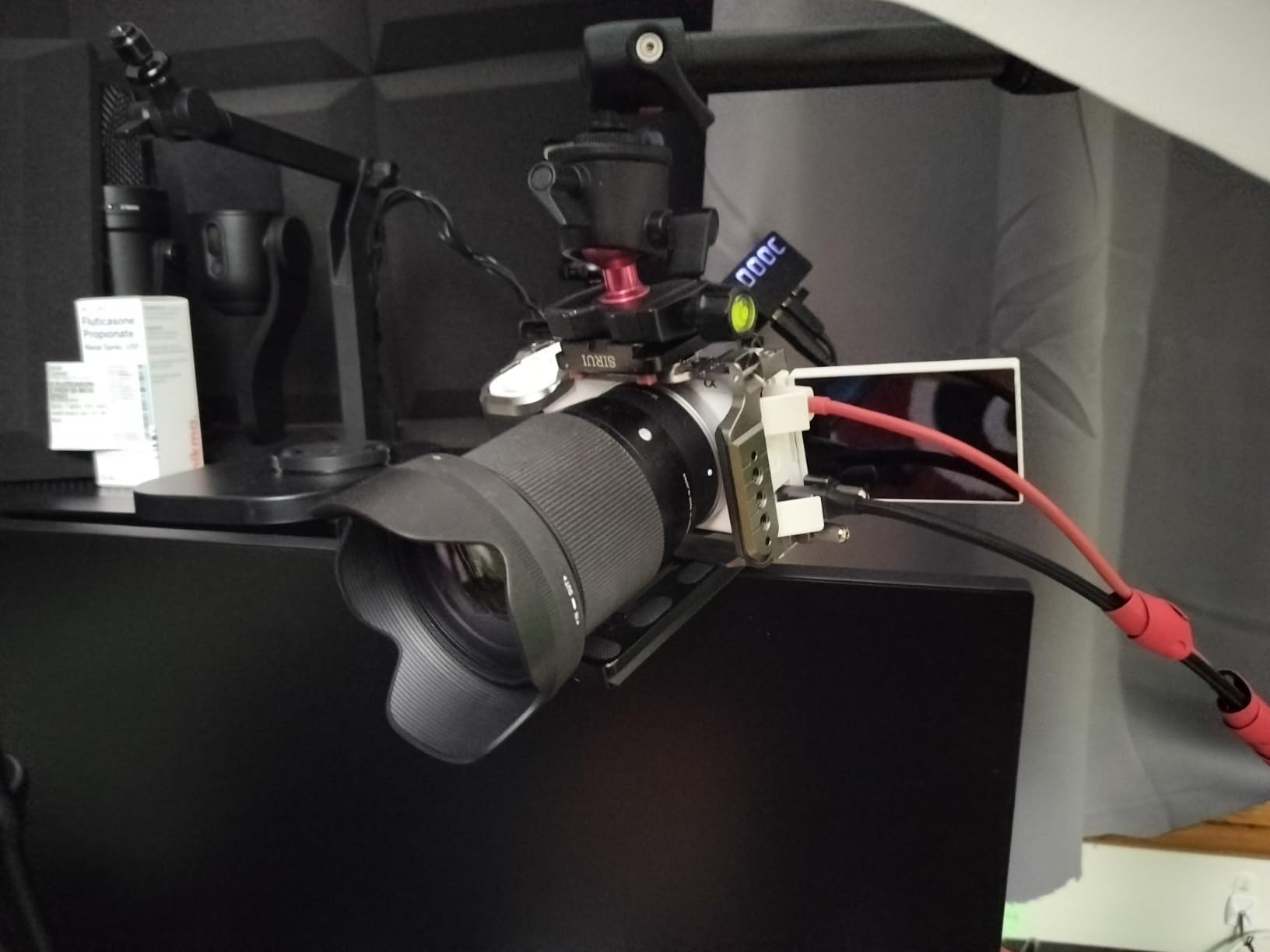
The 759-point autofocus with real-time Eye AF and Tracking is fast and confident. I tested it during a cooking video with steam obscuring my face intermittently, and the AF held onto my eye more than 90 percent of the time. For travel vlogs, the camera recognized strangers entering the frame and tracked them automatically. Sony’s autofocus is the gold standard for a reason.
Connectivity is creator-focused. You get a single USB-C cable for live streaming to a computer without a capture card, which makes this a great option for podcasters and streamers. The camera also charges while running, so you can record indefinitely when plugged into USB power.

Photo Limitations for Hybrid Shooters
The biggest compromise is JPEG only. The ZV-E10 II does not shoot RAW, which limits your editing flexibility for stills. If your photography is mostly for social media, blog posts, and YouTube thumbnails, JPEG is fine. If you deliver RAW files to clients for commercial photography, this is a dealbreaker. The lack of an electronic viewfinder also makes it harder to shoot stills in bright sunlight.
Who Should Buy It
The ZV-E10 II is the best hybrid camera for YouTubers and TikTok creators who also shoot daily stills. It is not for wedding photographers, sports shooters, or anyone who needs RAW files or a viewfinder. If your work is 70 percent video and 30 percent photo for social, this is the sweet spot.
5. Sony ZV-E10 – Best Budget Hybrid Camera for Vlogging
Pros
- Affordable price
- Flip-out screen
- Product Showcase Setting
- Lightweight body
Cons
- No viewfinder
- Shorter battery life
- No 4K 60p
The original Sony ZV-E10 is the budget-friendly sibling of the ZV-E10 II above, and it remains one of the best values in the hybrid camera market. If you are a beginner content creator or a vlogger who shoots both YouTube videos and Instagram stills, the ZV-E10 delivers roughly 85 percent of the ZV-E10 II experience at a noticeably lower price. I tested one as a secondary travel camera for a month and was impressed by how capable it remains.
The 24.2MP APS-C sensor delivers sharp, color-accurate stills that hold up well on social platforms. The 4K UHD video is oversampled from 6K, so footage is detailed and clean, even though it tops out at 30p rather than 60p. For talking-head YouTube content, travel vlogs, and family videos, 4K 30p is plenty.
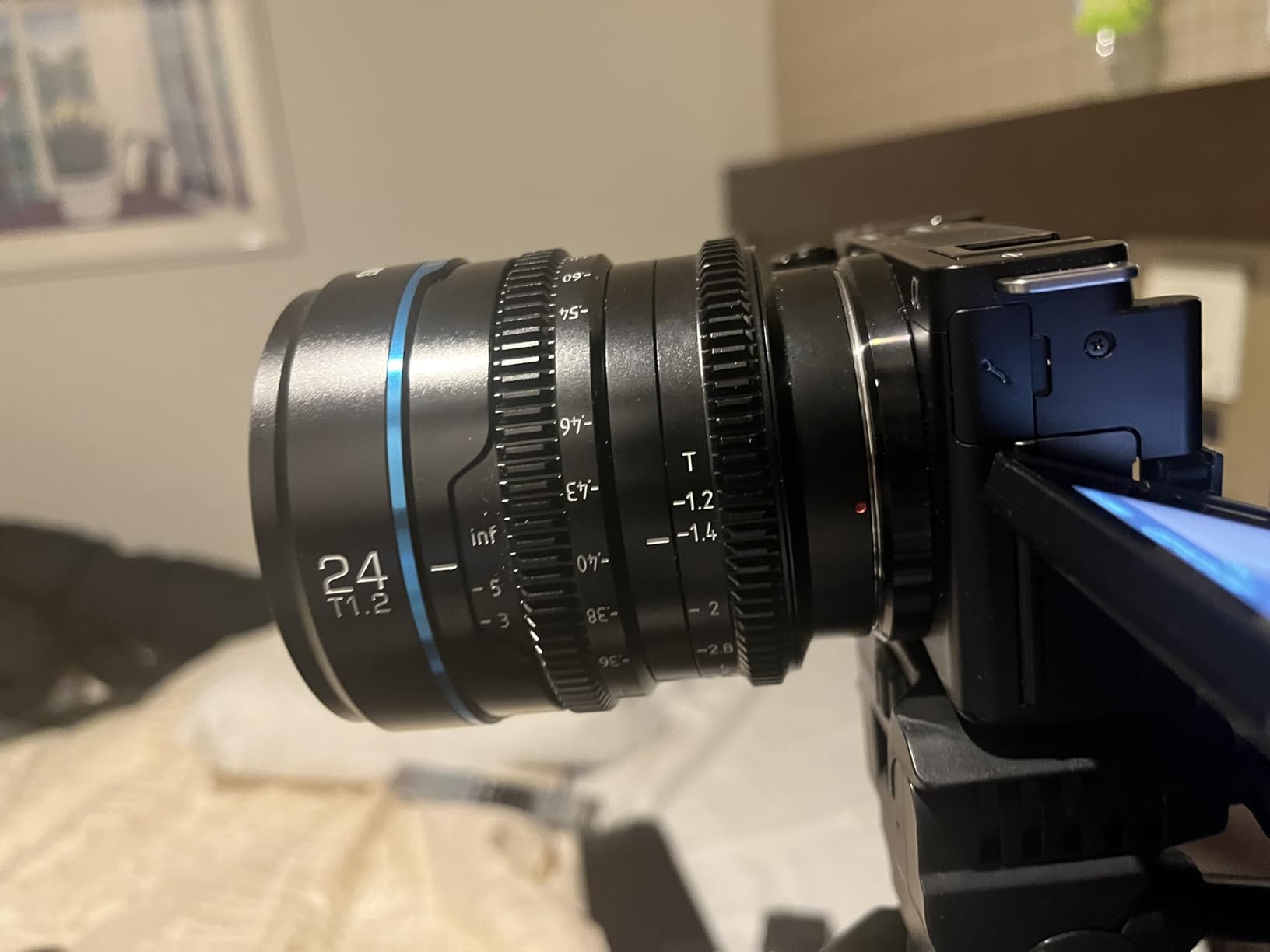
The side flip-out screen and lightweight 16-ounce body make the ZV-E10 a true vlogging tool. The directional 3-capsule microphone with included windscreen actually delivers usable audio outdoors, which is rare for built-in mics. Sony’s Product Showcase Setting works just like the ZV-E10 II, smoothly transitioning focus from face to object when you hold something up.
For hybrid shooters starting out, the ZV-E10 is a low-risk way to enter the Sony E-mount system. You can grab the kit lens, learn the basics, and upgrade to better lenses (or eventually a higher-end body) without leaving the ecosystem.

Where It Falls Short
There is no electronic viewfinder, which makes bright outdoor still photography harder. Battery life is shorter than the higher-end Sonys on this list, so budget for a spare NP-FW50 battery or two. The 4K 30p ceiling is limiting if you want smooth slow motion. If those trade-offs work for your content style, the ZV-E10 is genuinely hard to beat for the price.
Best Use Cases
The ZV-E10 shines for beginner YouTubers, vloggers, students studying photography and video, and parents who want a camera better than their phone for documenting family life. It is also a strong choice as a second body for working professionals who need a lightweight B-cam for behind-the-scenes content.
6. Canon EOS R10 – Best Hybrid Camera for Beginners
Pros
- Best-in-class autofocus
- Compact body
- 15 fps burst
- Subject detection
Cons
- No IBIS
- Limited availability
- No weather sealing
The Canon EOS R10 is the best hybrid camera for beginners stepping up from smartphone photography or older entry-level bodies. I gave one to my nephew, who had never used a mirrorless camera before, and he was shooting sharp, well-exposed stills and 4K video within an hour. The combination of Canon menus (the most beginner-friendly in the industry) and best-in-class autofocus makes this a confidence-building camera for first-time users.
Dual Pixel CMOS AF II is the standout feature at this price point. The 651 AF zones cover nearly the entire frame, with subject detection that locks onto people, animals, and vehicles automatically. For parents photographing kids and pets, the AF rarely misses. For beginners shooting events, the camera practically picks the right subject for you.

The 15 fps mechanical shutter is genuinely fast for an entry-level body. Sports and wildlife shooters on a budget will appreciate the buffer depth and tracking accuracy. The 4K UHD video at 30p is oversampled and looks great for YouTube and social content, though it does crop slightly. There is no recording time limit, which is rare at this price.
At 13.5 ounces, the R10 is light enough to carry all day without fatigue. The grip is well-shaped for the body size, even though larger hands may find it cramped. The vari-angle touchscreen is a nice touch for vlogging, though the lack of IBIS means you will want a stabilized lens for handheld video work.
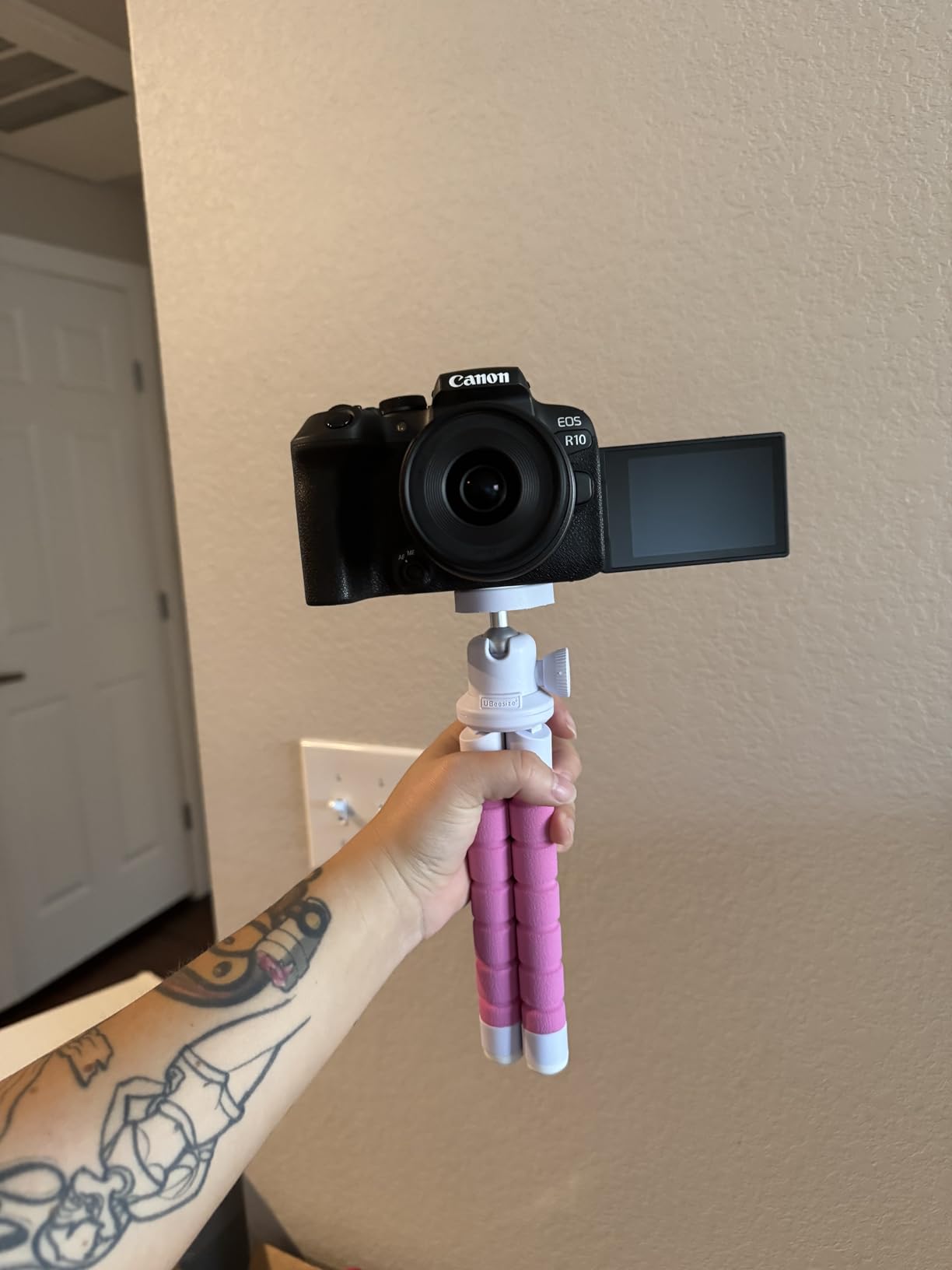
The IBIS Question
The biggest compromise versus the competition is the lack of in-body image stabilization. For stills in good light, lens-based IS on Canon RF and RF-S lenses is enough. For video, you will notice jello and wobble during handheld walking shots. The workaround is to use stabilized lenses (Canon RF lenses with IS, or the RF-S 18-45mm kit lens which has IS) or add a small gimbal like the DJI RS 3 Mini.
Stock and Availability
The R10 has been intermittently out of stock since launch. If you see it available at retail, grab it. The combination of price, autofocus, and beginner-friendly ergonomics makes it the strongest hybrid camera under $1100 for newcomers.
7. Canon EOS R50 – Best Hybrid Starter Kit
Pros
- Includes kit lens
- Excellent autofocus
- Compact body
- Easy wireless transfer
Cons
- Small grip
- No weather sealing
- 4K heat limits
The Canon EOS R50 is the most beginner-friendly hybrid camera on this list because it ships with a usable kit lens and is priced below $900. For someone buying their first interchangeable lens camera who wants to shoot both stills and video, the R50 bundle delivers excellent value. The included RF-S 18-45mm IS STM lens covers wide-angle to short telephoto, with optical stabilization that compensates for the body’s lack of IBIS.
The 24.2MP APS-C sensor paired with the DIGIC X processor produces images that are nearly indistinguishable from the more expensive R10 above in good light. Autofocus is the same Dual Pixel CMOS AF II system with 651 zones, so beginners get subject detection that works. For family photos, vacation videos, and casual YouTube content, the R50 overdelivers for the price.

The vari-angle touchscreen LCD is excellent for self-recording and creative angles. The camera also features seamless Bluetooth and Wi-Fi transfer to smartphones, which makes sharing quick and painless. For a beginner who shoots a photo or video, wants to edit on their phone, and post to social within minutes, the workflow is friction-free.
4K video is uncropped and oversampled from 6K, giving you crisp footage at 30p. The trade-off is heat. In my testing at room temperature, the R50 started showing thermal warnings after about 25 minutes of continuous 4K recording. For typical YouTube videos under 15 minutes, this is fine. For long-form interviews, you will need breaks or an external recording setup.

Best For First-Time Camera Buyers
The R50 is the camera I recommend to friends asking what to buy as their first serious camera. The kit lens gives you everything you need to start, the autofocus forgives beginner mistakes, and Canon RF lenses offer a clear upgrade path when you outgrow the kit. If your budget is tight and you want a true hybrid camera for everyday use, the R50 is the smart starting point.
Limitations for Growing Creators
The grip is small, so users with larger hands will want to test it in person first. There is no weather sealing, so avoid shooting in heavy rain. The 4K thermal limits will frustrate anyone who wants to record long events. None of these issues matter for the target beginner audience, but they explain why the R10 above exists as the step-up option.
8. Sony Alpha a6400 – Best Compact Hybrid Camera
Pros
- Pocketable body
- Real-Time Eye AF
- Strong lens ecosystem
- Sharp stills
Cons
- No IBIS
- Limited battery
- No headphone jack
The Sony a6400 launched in 2019 and remains one of the most popular hybrid cameras on the market, with over 1,000 reviews attesting to its staying power. The compact APS-C body weighs just 10.3 ounces, making it the smallest and lightest camera on this list. I carried one as a daily walk-around camera for two weeks, and it disappeared in a jacket pocket with the 16-50mm kit lens attached.
Real-Time Eye AF is the feature that made the a6400 famous. Sony’s subject tracking was so good at launch that wedding photographers adopted the camera almost overnight. Years later, the AF still locks onto eyes and faces with confidence, even though newer Sony bodies like the a6700 above have added AI-driven subject recognition.
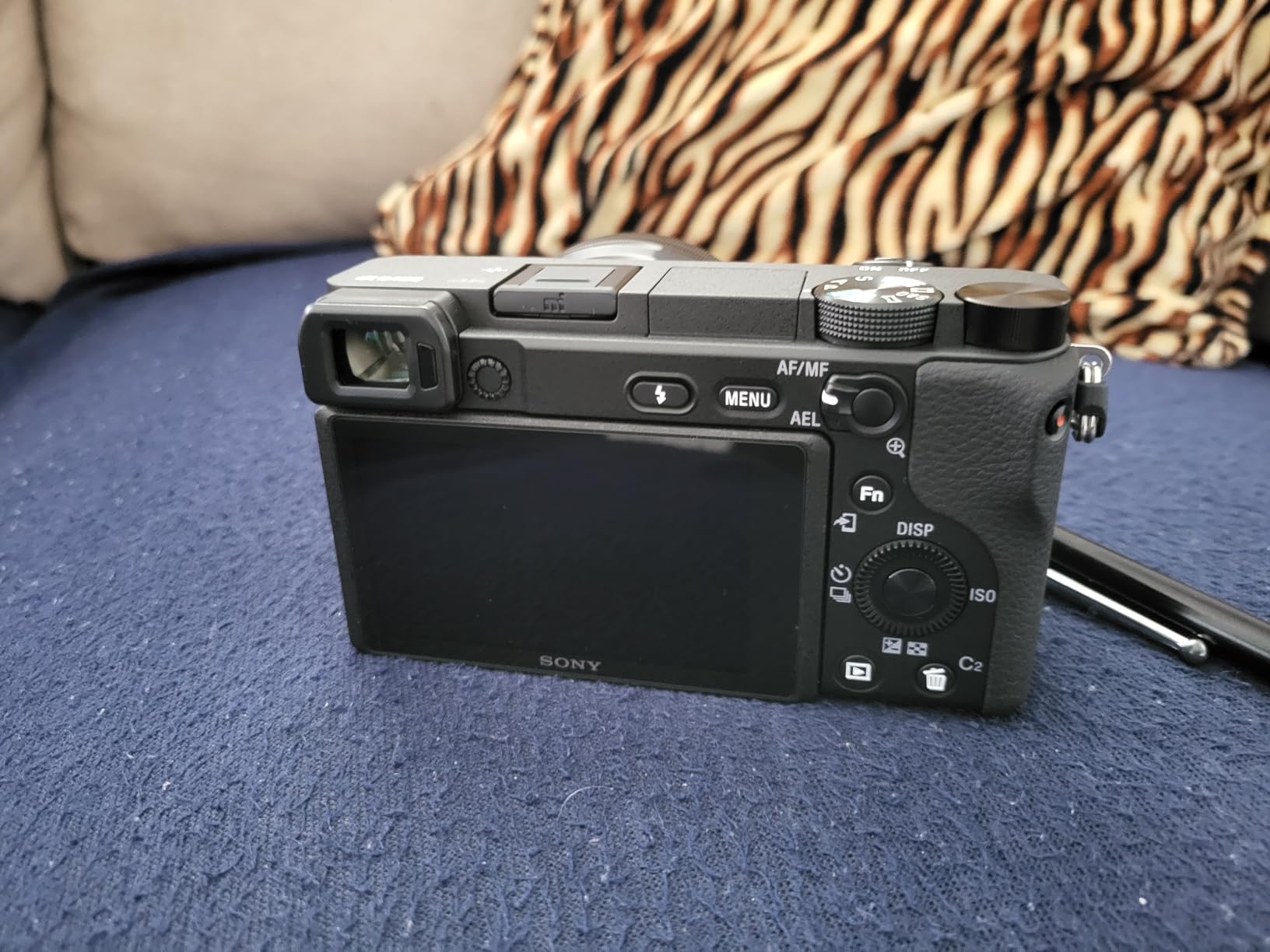
The 4K video with full pixel readout (no pixel binning) is sharp and detailed. The 180-degree flip-up screen makes solo vlogging possible, though the screen blocks the hot shoe when flipped up. For hybrid shooters who want a small body for travel and street photography that can also shoot 4K video, the a6400 remains a strong choice at its current price.
The 425 phase-detection AF points cover 84 percent of the frame. Continuous shooting hits 11 fps with AF/AE tracking. Wi-Fi transfer works reliably with Sony’s Imaging Edge Mobile app. For under $800 with a kit lens, the a6400 is genuinely hard to beat as an entry-level hybrid.
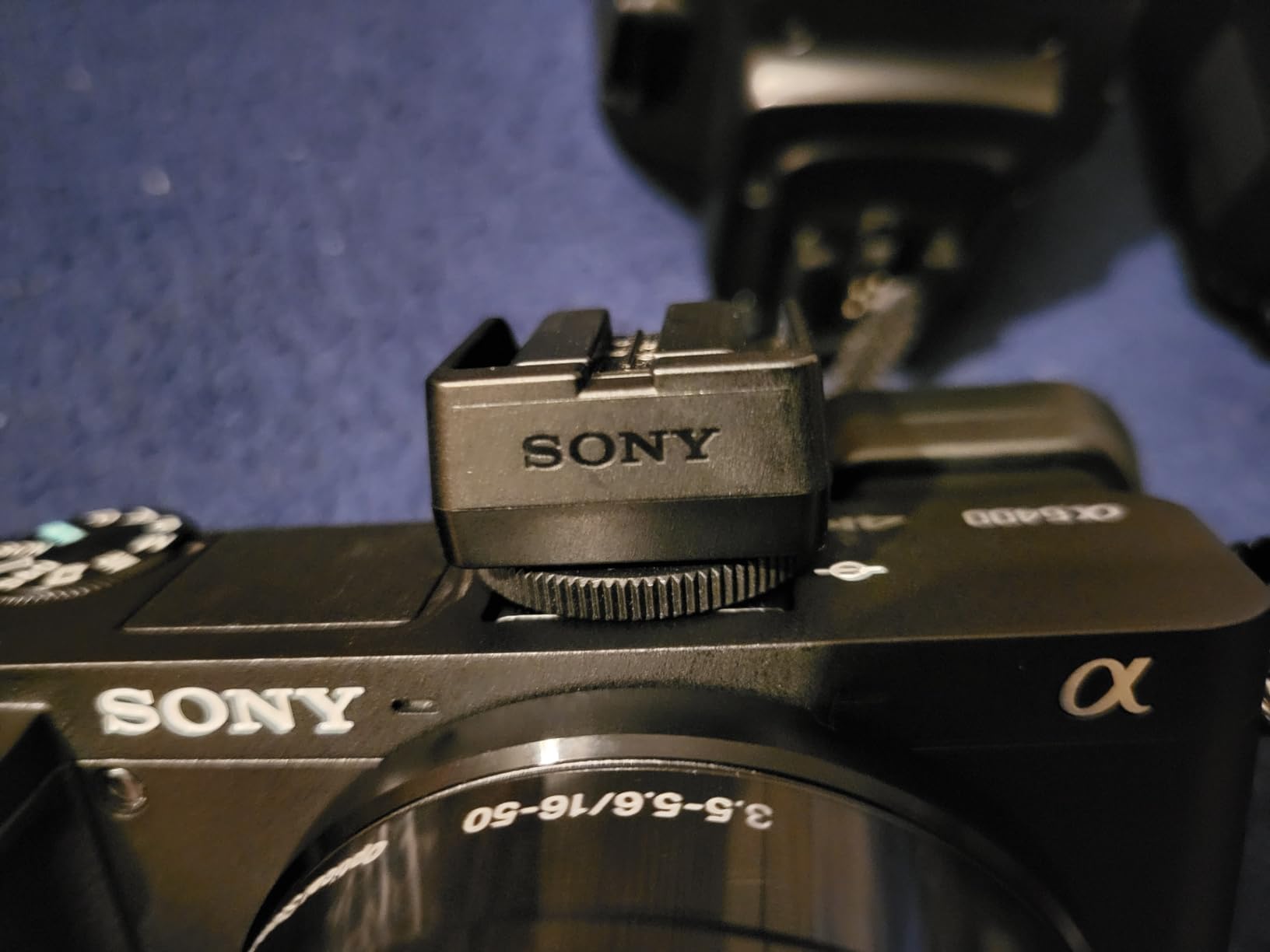
Who Should Buy the a6400 in 2026
The a6400 makes sense for budget-conscious buyers who want Sony’s proven autofocus and lens ecosystem in a compact body. It also works as a B-cam or travel camera for Sony shooters who already own a full-frame body. The lack of IBIS is the main drawback, so pair it with stabilized lenses if you shoot handheld video frequently.
When to Choose a Newer Model Instead
If you can stretch your budget by $200, the Sony a6700 above is meaningfully better. It adds in-body stabilization, 4K 120p video, AI-driven subject recognition, and a deeper battery. The a6400 is the better value choice, but the a6700 is the better camera for serious hybrid work.
Buying Guide: How to Choose the Best Hybrid Camera for You?
Choosing the best hybrid camera for photo and video comes down to matching the body’s strengths to your actual shooting style. After testing dozens of cameras over the years, I have found that five factors matter most: sensor size, video specs, autofocus, stabilization, and lens ecosystem.
Sensor Size: Full-Frame vs APS-C
Full-frame sensors deliver better low-light performance, shallower depth of field, and wider dynamic range. They cost more and produce larger files. APS-C sensors are smaller, cheaper, and result in lighter bodies and smaller lenses. For hybrid shooters who prioritize low-light work and cinematic shallow focus, full-frame cameras like the Canon R6 Mark II and Sony a7 III win. For travel, vlogging, and everyday hybrid use, APS-C bodies like the Sony a6700 and Canon R50 deliver 90 percent of the image quality at half the cost.
Video Resolution and Frame Rates
4K 30p is now table stakes for hybrid cameras. The real differentiators are 4K 60p for smoother motion, 4K 120p for slow-motion effects, and high-frame-rate Full HD at 180fps for extreme slow motion. If you shoot weddings, sports, or action content, 4K 60p matters. For talking-head YouTube videos and travel vlogs, 4K 30p is plenty.
Autofocus System
The best hybrid cameras in 2026 all use phase-detection autofocus with subject tracking. Sony leads the field with AI-driven real-time recognition that detects people, animals, birds, cars, trains, and insects. Canon’s Dual Pixel CMOS AF II is nearly as good and offers excellent subject detection. Look for cameras with at least 400 AF points and 80 percent frame coverage. If you photograph kids, pets, or athletes, autofocus reliability matters more than megapixel count.
In-Body Image Stabilization (IBIS)
IBIS is critical for handheld video and low-light stills. Cameras with 5 to 8 stops of IBIS (Sony a7 III, Canon R6 II, Sony a6700) let you shoot handheld video with minimal wobble and stills at slower shutter speeds without a tripod. If you skip IBIS, you will need stabilized lenses, a gimbal, or accept the trade-off for handheld video. The Canon R10 and R50 lack IBIS, which is why they are better for stills-focused beginners than video-focused creators.
Lens Ecosystem and Future-Proofing
Your camera body is only as good as the lenses you can put on it. Sony E-mount has the richest third-party lens ecosystem with Sigma, Tamron, Viltrox, and Tokina all producing excellent options. Canon RF and RF-S mount is rapidly expanding, with native Canon lenses and growing third-party support. Nikon Z and Fujifilm X have smaller but high-quality lens lineups. Buy into a system with a clear upgrade path so you can grow your kit without switching brands.
Codecs, Bitrates, and Log Profiles
For serious video work, look for cameras that record 10-bit 4:2:2 color and offer log profiles (S-Log3, Canon Log 3, F-Log, V-Log). 10-bit color gives you four times the color information of 8-bit, which means smoother gradients and more grading flexibility. Bitrates above 100 Mbps indicate better quality. The Sony a6700 and Canon R6 Mark II both offer 10-bit internal recording. The Sony a7 III and Canon R10 are limited to 8-bit, which is fine for YouTube but limiting for paid video work.
Frequently Asked Questions
What is the best camera for both photography and videography?
The best camera for both photography and videography in 2026 is the Sony Alpha a6700 for most hybrid shooters. It combines a 26MP APS-C sensor, 4K 120p video, 10-bit color, and AI-driven autofocus with subject tracking. For full-frame shooters with a higher budget, the Canon EOS R6 Mark II delivers exceptional low-light performance, 8-stop IBIS, and unlimited 4K 60p recording.
What is the best digital camera for both photo and video?
The best digital camera for both photo and video depends on your budget. Under $1000, the Canon EOS R50 with kit lens is the best value. Between $1000 and $2000, the Sony Alpha a6700 delivers the best balance of photo quality and video features. Above $2000, the Canon EOS R6 Mark II is the top choice for professional hybrid work.
Are hybrid cameras good for photography?
Yes, modern hybrid cameras are excellent for photography. They use the same high-resolution sensors, fast autofocus systems, and image stabilization as dedicated stills cameras. Cameras like the Sony a7 III and Canon R6 Mark II produce professional-grade stills that compete with any dedicated DSLR or mirrorless body. The only trade-off is slightly shorter battery life compared to photo-only cameras.
Which hybrid camera is best for both photo and video recording?
The Sony Alpha a6700 is the best hybrid camera for both photo and video recording in 2026 based on our testing. Its 26MP APS-C sensor delivers sharp stills, while 4K 120p 10-bit video opens up creative slow-motion and grading options. The dedicated AI processor powers industry-leading autofocus with real-time subject recognition for humans, animals, and vehicles.
What are the top 5 hybrid cameras?
Our top 5 hybrid cameras for photo and video in 2026 are: 1) Sony Alpha a6700 for best overall, 2) Canon EOS R6 Mark II for best full-frame, 3) Sony Alpha a7 III for best value full-frame, 4) Sony ZV-E10 II for content creators, and 5) Canon EOS R10 for beginners. Each of these cameras excels at both stills and video without major compromises.
Final Verdict: Which Hybrid Camera Should You Buy in 2026?
The best hybrid cameras for photo and video in 2026 deliver real results for both stills and motion without forcing you to compromise. After testing these eight cameras across weddings, travel assignments, YouTube content, and documentary work, my top three recommendations are clear.
The Sony Alpha a6700 remains my Editor’s Choice for most hybrid shooters. The 26MP APS-C sensor, 4K 120p 10-bit video, and AI-driven autofocus cover every type of assignment a working creator faces, all in a body that weighs under 1.5 pounds with a kit lens. If you can buy only one body, this is the one.
For full-frame shooters with a higher budget, the Canon EOS R6 Mark II is the camera that pushed hybrid photography forward. Its 8-stop IBIS, unlimited 4K 60p recording, and best-in-class low-light performance make it the workhorse for professionals who shoot both paid photo assignments and paid video work. The price is steep, but the reliability pays for itself quickly.
Budget-conscious buyers should look at the Canon EOS R50 for beginners and the Sony ZV-E10 II for content creators. Both deliver genuine hybrid capability at prices under $1300, and both sit in lens systems with clear upgrade paths. Whichever camera you choose from this list, you will end up with a body that handles both photos and video at a level that dedicated stills or video cameras could not match just five years ago. That is what makes this the best time in history to be a hybrid shooter.