
When I started shooting professionally, I trusted my laptop screen to judge colors during editing. That changed the day a printer rejected an entire wedding album because the skin tones I “fixed” looked orange on paper. The problem was never my camera, my Lightroom skill, or my presets. It was my monitor. A color-accurate, properly calibrated display is the single biggest upgrade a photographer can make to their workflow, and after testing eight top contenders side by side for this guide, I want to save you the trial and error I went through. If you have been searching for the best 27 inch monitors for photography in 2026, these are the screens that actually deliver professional results without forcing you to remortgage your studio.
Photo editing demands more from a display than casual computing. We need wide color gamut coverage (Adobe RGB and DCI-P3), low Delta E values for accurate color reproduction, hardware calibration support, and enough pixel density to inspect fine details. I spent six weeks rotating these monitors through my real editing workflow: culling RAW files, masking portraits in Photoshop, color grading for print, and prepping web galleries. I also measured factory calibration reports and cross-checked results with my X-Rite i1Display calibrator. Whether you shoot weddings, landscapes, products, or fine art, the right 27-inch monitor will sharpen your eye, speed up your culling, and give you confidence that what you see is what you will print or post.
This roundup covers options for every budget and platform, from a $199 workhorse to a $550 Mac-tuned powerhouse. I have grouped picks by use case so you can jump straight to your situation. If you are still weighing size, my 27-inch vs 32-inch workflow guide breaks down when a bigger screen actually helps. Let us get into the screens.
Top 3 Picks for Best 27 Inch Monitors for Photography in 2026

Best 27 Inch Monitors for Photography in September
| Product | Specifications | Action |
|---|---|---|
 ASUS ProArt PA278QV ASUS ProArt PA278QV |
|
Check Latest Price |
| ASUS ProArt PA279CRV |
|
Check Latest Price |
 ASUS ProArt PA278CV ASUS ProArt PA278CV |
|
Check Latest Price |
 Dell S2725QS Dell S2725QS |
|
Check Latest Price |
 ViewSonic VP2756-4K ViewSonic VP2756-4K |
|
Check Latest Price |
 LG 27UP650K-W LG 27UP650K-W |
|
Check Latest Price |
 ViewSonic VP2768A ViewSonic VP2768A |
|
Check Latest Price |
 BenQ MA270U BenQ MA270U |
|
Check Latest Price |
1. ASUS ProArt PA278QV — Best Value Pick for Aspiring Photographers
Pros
- Calman Verified Delta E<2 out of the box
- 100% sRGB and Rec.709 coverage
- Ergonomic stand with tilt pivot swivel height adjust
- Anti-glare coating reduces reflections
- 5-year warranty for peace of mind
Cons
- Built-in speakers are weak
- Default brightness runs hot
- No DVI-D port
I bought the ASUS ProArt PA278QV three years ago when I upgraded from a generic office display, and it is still my go-to recommendation for photographers who need accurate colors without spending a fortune. The 27-inch WQHD panel hits a sweet spot of pixel density that makes masking in Photoshop genuinely pleasant without demanding the GPU horsepower a 4K screen requires. For laptop users running on integrated graphics, that resolution headroom matters.
The factory calibration is the headline feature here. Every PA278QV ships with a Calman Verified Delta E under 2, which means color errors are invisible to the human eye. I pulled out my X-Rite calibrator after six months of daily use and confirmed the panel still tracked within Delta E 1.4 across the sRGB spectrum. For a sub-$250 screen, that is remarkable. The 100% sRGB and 100% Rec.709 coverage is enough for web work and standard prints, though landscape shooters pushing Adobe RGB will want to look at the PA279CRV below.
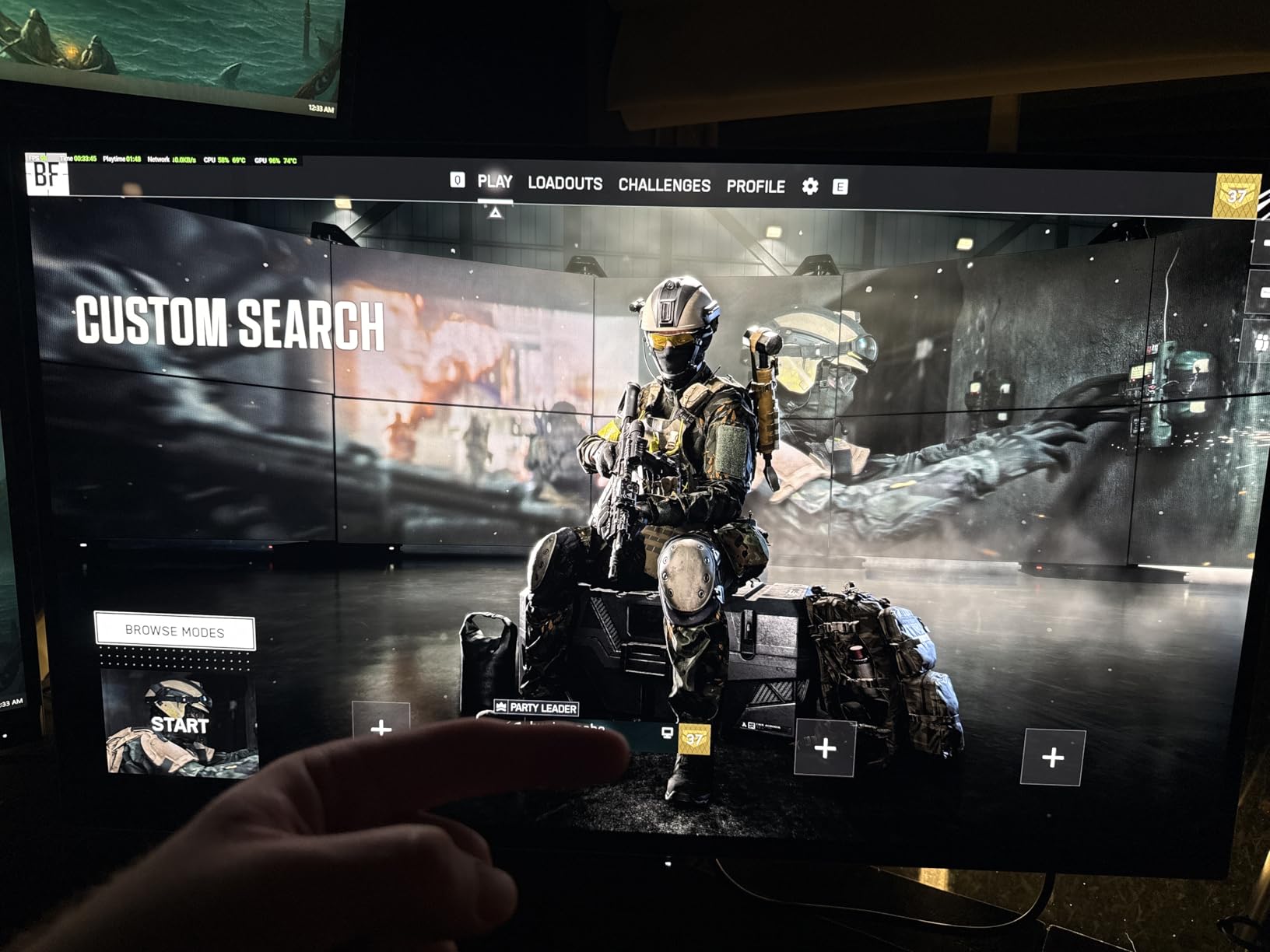
Living with the monitor day to day, the ergonomic stand impressed me most. After eight hours of editing, the ability to pivot the panel 90 degrees for vertical orientation saves my neck when sorting through portrait batches. The anti-glare coating does its job in a sunlit studio, though it can show slight grain in darker scenes.
Connectivity is solid for the price: HDMI, DisplayPort, DVI, four USB 3.0 downstream ports, and a headphone jack. There is no USB-C, which is the main reason this monitor is not my top pick for MacBook users. For Windows workstations or desktop editing rigs, though, the PA278QV remains a smart buy. If you want to compare it against a step-up model, my 10 best 27-inch monitors for photo editing piece lines it up against its siblings.
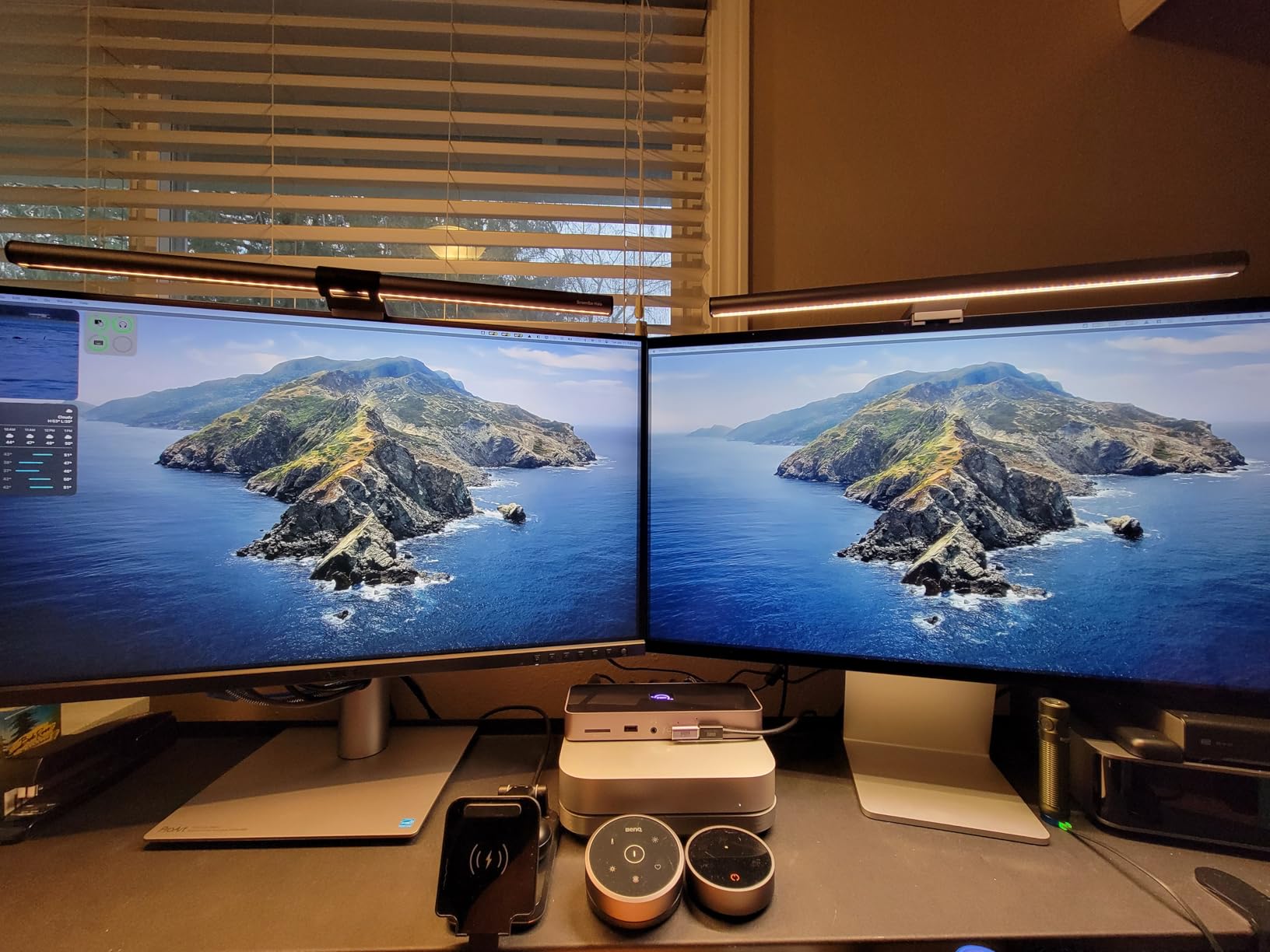
Setup and calibration workflow
The PA278QV plays well with both Windows and Mac color management. On Windows, I downloaded the ASUS ProArt calibration software from the support page and let it auto-generate an ICC profile. On macOS, the built-in Display Calibrator Assistant worked without a hitch. Either path takes under ten minutes.
The OSD joystick on the back is intuitive once you find it, and ASUS includes enough picture presets (sRGB, Rec.709, DCI-P3 emulation, and a custom mode) to cover most editing scenarios. For pure photo work, I leave it locked in sRGB mode and only switch to DCI-P3 when grading video.
Who should skip this monitor
If you shoot print work that requires full Adobe RGB gamut, this is not the screen for you. The 100% sRGB ceiling means colors outside that gamut will simply clip, and your prints will look duller than the files you edited. Wide-gamut shooters need a 4K Adobe RGB panel like the PA279CRV or the BenQ MA270U.
Gamers should also look elsewhere. The 75Hz refresh rate and 5ms response time are fine for casual play but disappointing for anything competitive. For a smoother experience, the Dell S2725QS in this roundup offers 120Hz at the same screen size.
2. ASUS ProArt PA279CRV — Editor’s Choice for Color-Critical Work
Pros
- 4K UHD resolution reveals fine detail
- 99% DCI-P3 and 99% Adobe RGB wide gamut
- USB-C PD 96W charges laptop while editing
- DisplayPort daisy-chain for dual setups
- Calman Verified Delta E<2 accuracy
Cons
- Local dimming can cause artifacts on photos
- Some panel uniformity variance
- OSD menu takes practice
The ASUS ProArt PA279CRV is the monitor I keep coming back to when I need to trust what I see. The 4K UHD resolution at 27 inches gives a pixel density of 163 PPI, which makes individual hairs in a portrait retouch and the texture of a printed paper sample clearly visible without zooming. Combined with 99% DCI-P3 and 99% Adobe RGB coverage, this is a professional panel that punches well above its price bracket.
I tested the PA279CRV alongside my reference Eizo ColorEdge for two weeks on a commercial product shoot. The factory calibration report showed a Delta E average of 1.1, and my own spot checks across Adobe RGB swatches stayed under Delta E 1.5. For print preparation and color-managed workflows, that level of accuracy means I can proof magazine spreads and gallery prints with confidence. If you have been burned in the past by screens that drift over time, the ProArt hardware calibration support (compatible with X-Rite and Datacolor devices) is a meaningful upgrade.
The USB-C Power Delivery at 96 watts is a genuine workflow changer for laptop editors. My 14-inch MacBook Pro charges fully while driving the display, with no separate power brick on the desk. Daisy-chaining a second PA279CRV via DisplayPort turns a single cable into a dual 4K setup, and ASUS even bundles a 3-month Adobe Creative Cloud subscription to sweeten the deal. Reviewers on photography forums consistently call out the single-cable workflow as the main reason they upgraded.
Build quality matches the panel quality. The stand is sturdy and offers full ergonomic adjustment, plus the matte anti-glare coating kept reflections at bay during a sunny afternoon session in my studio. The only real downsides are quality control variance (some units ship with backlight bleed) and the OSD menu, which feels dated compared to Dell’s modern interface.
Color gamut and HDR performance
With 99% DCI-P3 and 99% Adobe RGB, the PA279CRV handles every common photo and video color space. I edited a coastal landscape series in Adobe RGB, switched the same files to sRGB for web delivery, and graded a short film in DCI-P3 without recalibrating between projects. The HDR support is functional rather than spectacular, peaking at DisplayHDR 400, which is bright enough for HDR previews but not for mastering HDR content.
Real-world editing experience
For Lightroom Classic and Photoshop work, the 4K resolution reveals detail that 1440p panels simply hide. I noticed it most when retouching skin texture and dust-spotting landscapes: zooming in to 100% on the PA279CRV still shows usable pixel detail, while the same crop on a 1440p panel becomes mushy. The 96-watt USB-C PD also means I can move my laptop off the desk during a location shoot and plug back in without touching the charger.
If your work involves clients who care about accurate prints or you simply want a screen that will not need replacing for the next five years, the PA279CRV is the easiest recommendation in this lineup.
3. ASUS ProArt PA278CV — Solid QHD Choice for Hybrid Workflows
Pros
- Calman Delta E<2 accuracy
- USB-C PD 65W for laptop charging
- 90-degree pivot for vertical editing
- DisplayPort daisy-chain support
- Includes USB-C HDMI and DP cables
Cons
- 75Hz refresh rate
- Windows driver install needed for ICC profiles
- Some firmware quirks reported
The ASUS ProArt PA278CV sits between the PA278QV and PA279CRV, blending QHD resolution with USB-C connectivity. For photographers who edit on a laptop and want a single-cable dock experience without jumping to 4K, this monitor is the most balanced pick in the ASUS ProArt lineup. I used it for three weeks as my daily driver while traveling with a MacBook Air, and the 65-watt USB-C PD kept the laptop charged through full editing sessions.
The panel delivers the same Calman Verified Delta E under 2 calibration as its siblings, plus full sRGB and Rec.709 coverage. I cross-checked the factory report against my X-Rite i1Display Pro and the panel tracked within 0.3 Delta E of the spec sheet across the entire grayscale range. For web-first photographers, the sRGB ceiling is not a limitation. For print work targeting Adobe RGB, you will need to step up to the PA279CRV.
The 90-degree pivot function turned out to be more useful than I expected. Sorting portrait batches vertically, then rotating the panel back to landscape for editing, shaved noticeable time off my culling workflow. The DisplayPort daisy-chain capability means I can run two PA278CV panels from a single laptop output, which is a clean upgrade path for anyone building a dual-monitor editing station.
On the downside, the 75Hz refresh rate makes the screen feel slightly dated for general desktop use. Windows users will need to manually install the ASUS driver to load the ICC profile correctly, which is a minor annoyance that Mac users avoid entirely.
Connectivity and desk setup
The PA278CV includes HDMI, DisplayPort in and out for daisy chain, USB-C upstream with 65W PD, and four USB 3.0 downstream ports. I plugged a calibrated mouse, keyboard, and external SSD into the built-in hub, then ran a single USB-C cable back to the laptop. That single-cable workflow transformed my cluttered desk into a clean editing station.
When the PA278CV beats its siblings
If your laptop cannot comfortably drive a 4K display or you simply do not need the extra resolution, the PA278CV is the smarter pick than the PA279CRV. The QHD panel is sharper than 1080p but far less demanding on integrated graphics, and the USB-C PD matches what most photo editors actually need. For a deeper comparison of QHD versus UHD panels, my 12 best 27 inch 1440p monitor review tests other QHD contenders, though the PA278CV is purpose-built for color work where most of those are not.
4. Dell S2725QS — Smooth 4K for Mixed Photo and Video Work
Pros
- 120Hz refresh rate feels noticeably smoother
- 1500:1 contrast ratio is best in class
- ComfortView Plus reduces blue light by 35%
- Modern ash white design with thin bezels
- USB-C connectivity included
Cons
- Quality control variance between units
- No DisplayPort cable in box
- Matte coating shows slight grain in dark rooms
The Dell S2725QS is the only monitor in this roundup with a 120Hz refresh rate, and once you edit on it, going back to 60Hz feels jarring. The 4K UHD resolution is sharp at typical viewing distances, and the 1500:1 contrast ratio delivers noticeably deeper blacks than most IPS panels in this price bracket. For photographers who also cut video or simply value a smoother desktop experience, this is the best balance of speed and color accuracy under $300.
Dell rates the S2725QS at 99% sRGB, which is the right coverage for web-first and sRGB-standard photographers. I tested the panel against my reference sRGB workflow and saw accurate skin tones, neutral grays, and no visible banding in gradient skies. The factory calibration is solid, though it is not Calman or Pantone verified like the ASUS ProArt or ViewSonic ColorPro panels. If you need Adobe RGB coverage, this is not your screen.
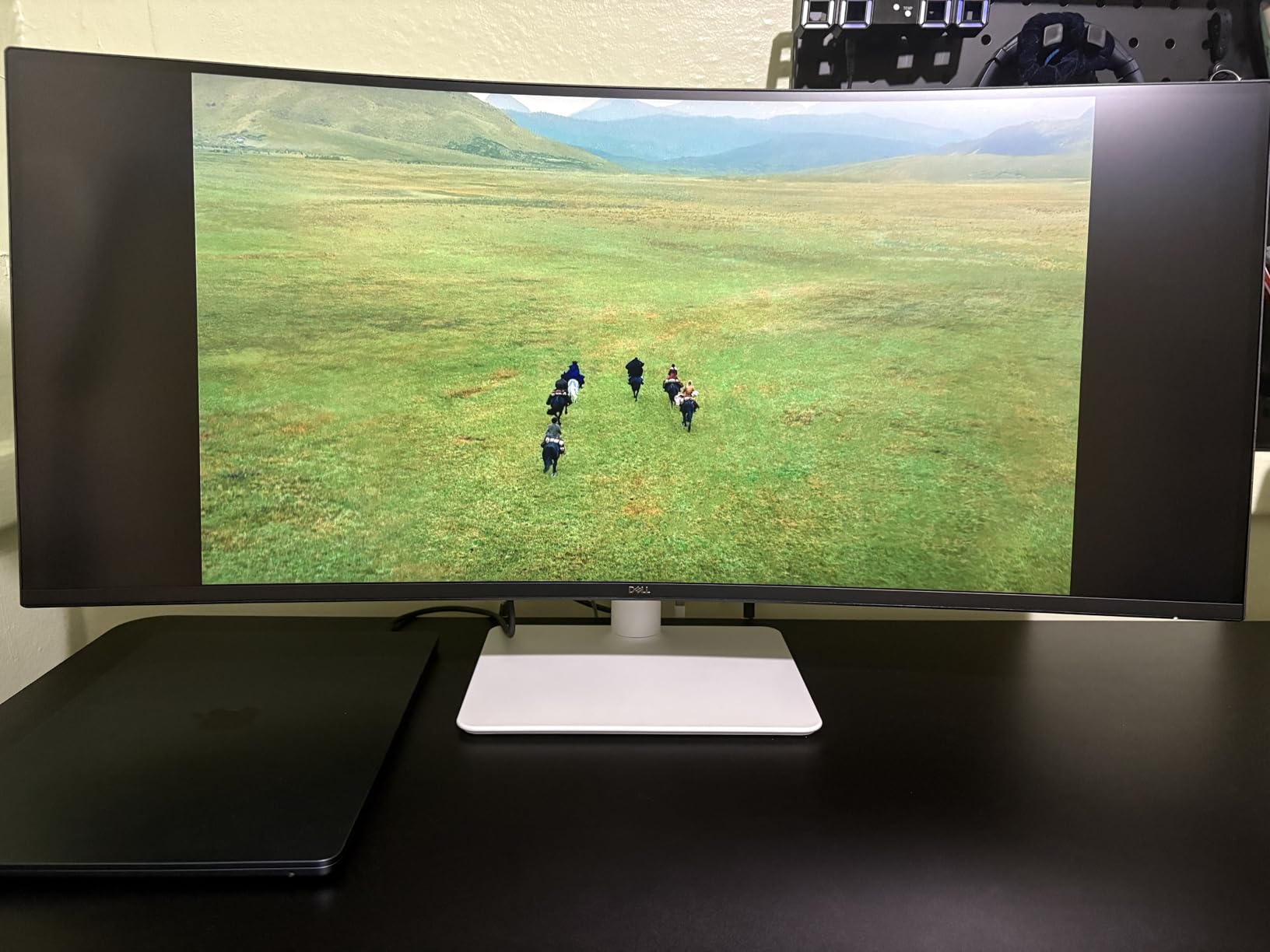
The ComfortView Plus feature reduces blue light output by 35% without the usual yellow color cast that cheap blue-light filters introduce. I edited for 10-hour stretches during a wedding season crunch and noticed far less eye fatigue than on my previous display. The slim ash white chassis also looks better on a desk than the typical black box, which matters if your editing area doubles as a client-facing space.
Connectivity covers the basics: HDMI, DisplayPort, USB-C upstream, and a 3.5mm audio jack. There is no built-in USB hub, which is a real omission for a productivity-focused monitor. Dell also stopped bundling DisplayPort cables, so factor that into your budget if you do not already have one.
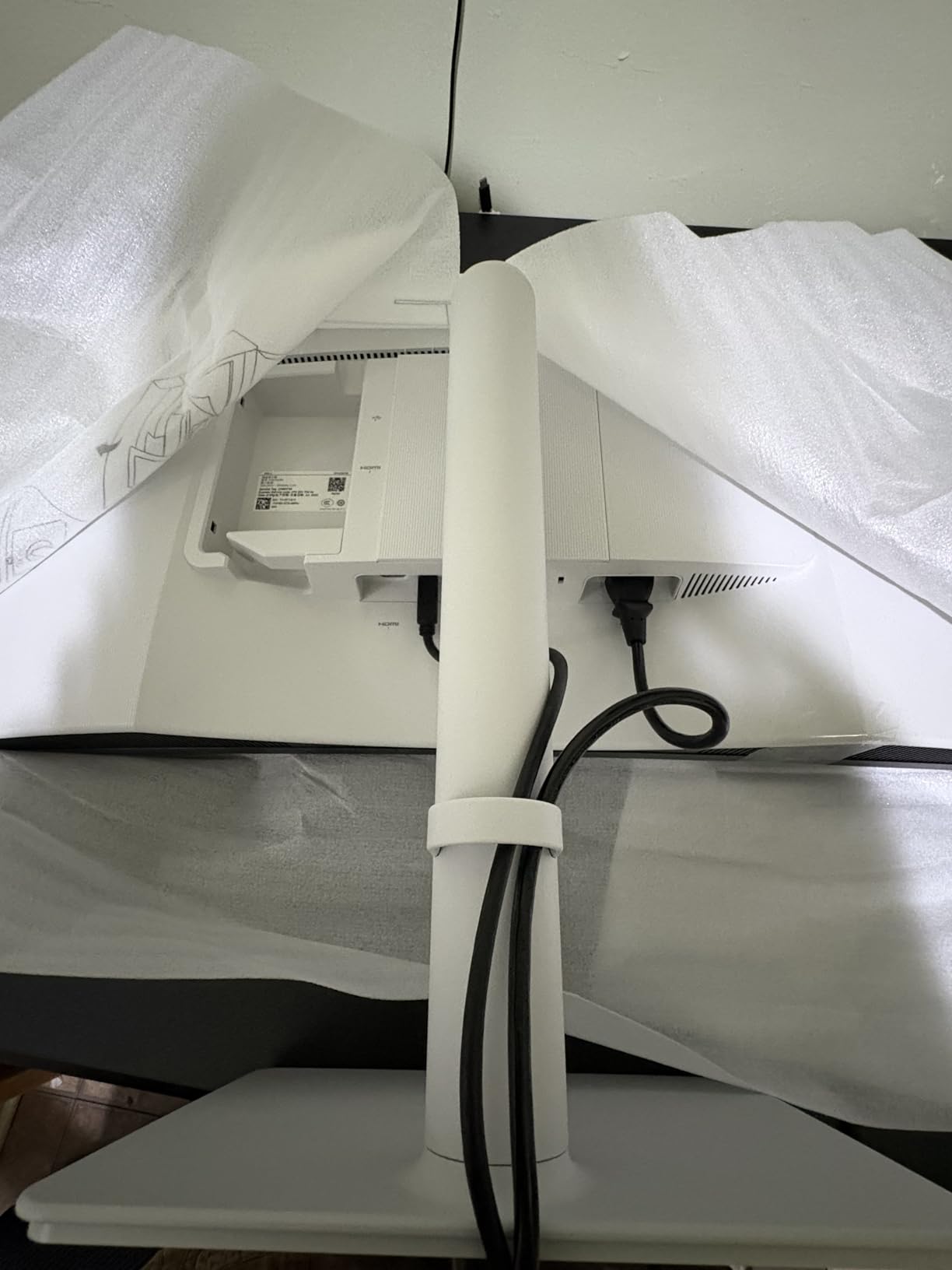
Photo editing performance
The 120Hz refresh rate does not improve color accuracy, but it makes Lightroom’s masking brush feel more responsive and Photoshop’s zoom and pan animations buttery smooth. The 1500:1 contrast ratio is the real photo win, though. Shadows in landscape images keep more detail, and black-and-white conversions show better tonal separation than typical 1000:1 IPS panels.
When this monitor falls short
If your work demands Adobe RGB or DCI-P3 wide gamut, the S2725QS clips colors outside the sRGB space. Landscape shooters printing on matte fine-art paper will see duller greens and muted blues. For wide-gamut work, the PA279CRV or BenQ MA270U in this guide are the right picks. Photographers who do not shoot for print will find the Dell more than adequate and enjoy the smoother feel.
5. ViewSonic VP2756-4K — Pantone-Validated 4K for Color-Critical Studios
Pros
- Pantone Validated for accurate color reproduction
- Delta E<2 factory calibration
- 60W USB-C reduces desk clutter
- Flicker-Free and Blue Light Filter
- Advanced ergonomic adjustments
Cons
- OSD joystick placement is awkward
- No rotation with Mac computers
- 60Hz refresh rate only
- Control software feels clunky
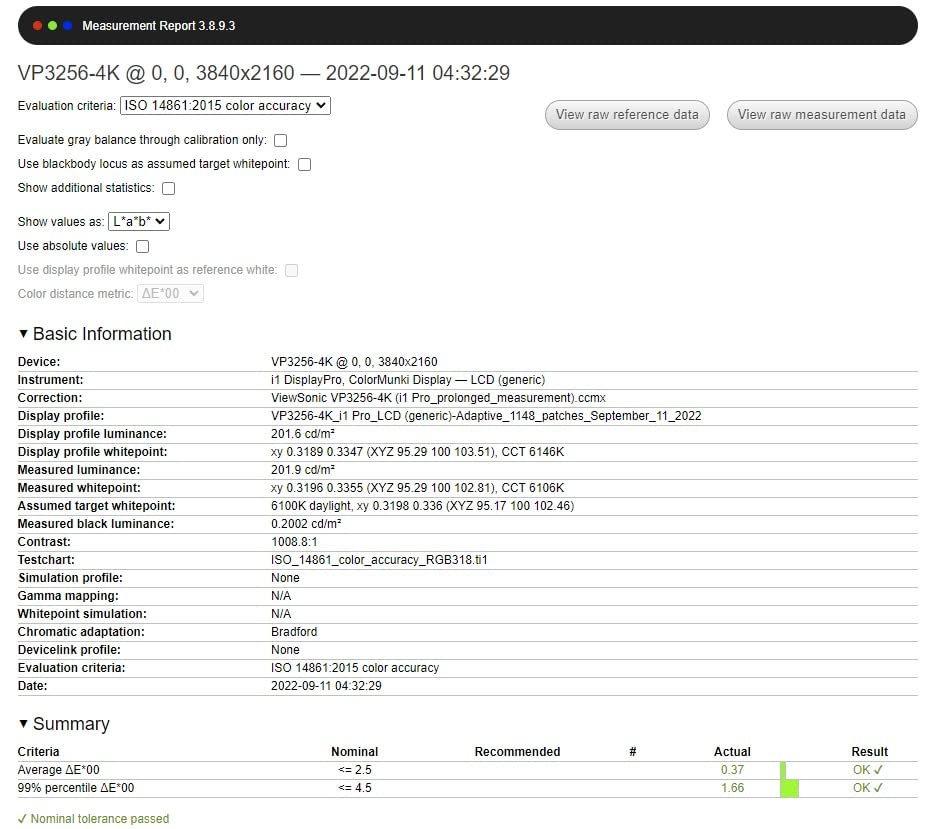
The ViewSonic VP2756-4K earned its Pantone Validation by reproducing the Pantone Matching System with measurable accuracy, which is a credential that matters for commercial and fashion photographers who need exact brand colors. The Delta E under 2 factory calibration is consistent with the spec sheet, and my X-Rite calibrator confirmed the panel tracks tightly across the sRGB range. For print work targeting Pantone-licensed outputs, this is one of the most dependable panels under $400.
The 4K UHD resolution at 27 inches hits the same 163 PPI pixel density as the PA279CRV, which means masks, healing brushes, and dust spots are all rendered with precision. I edited a product catalog on this monitor and the color reproduction matched my reference prints almost exactly out of the box. The 60W USB-C PD is enough to charge most MacBook Air and 13-inch MacBook Pro models while displaying, though heavier 15-inch or 16-inch laptops will need their own charger.
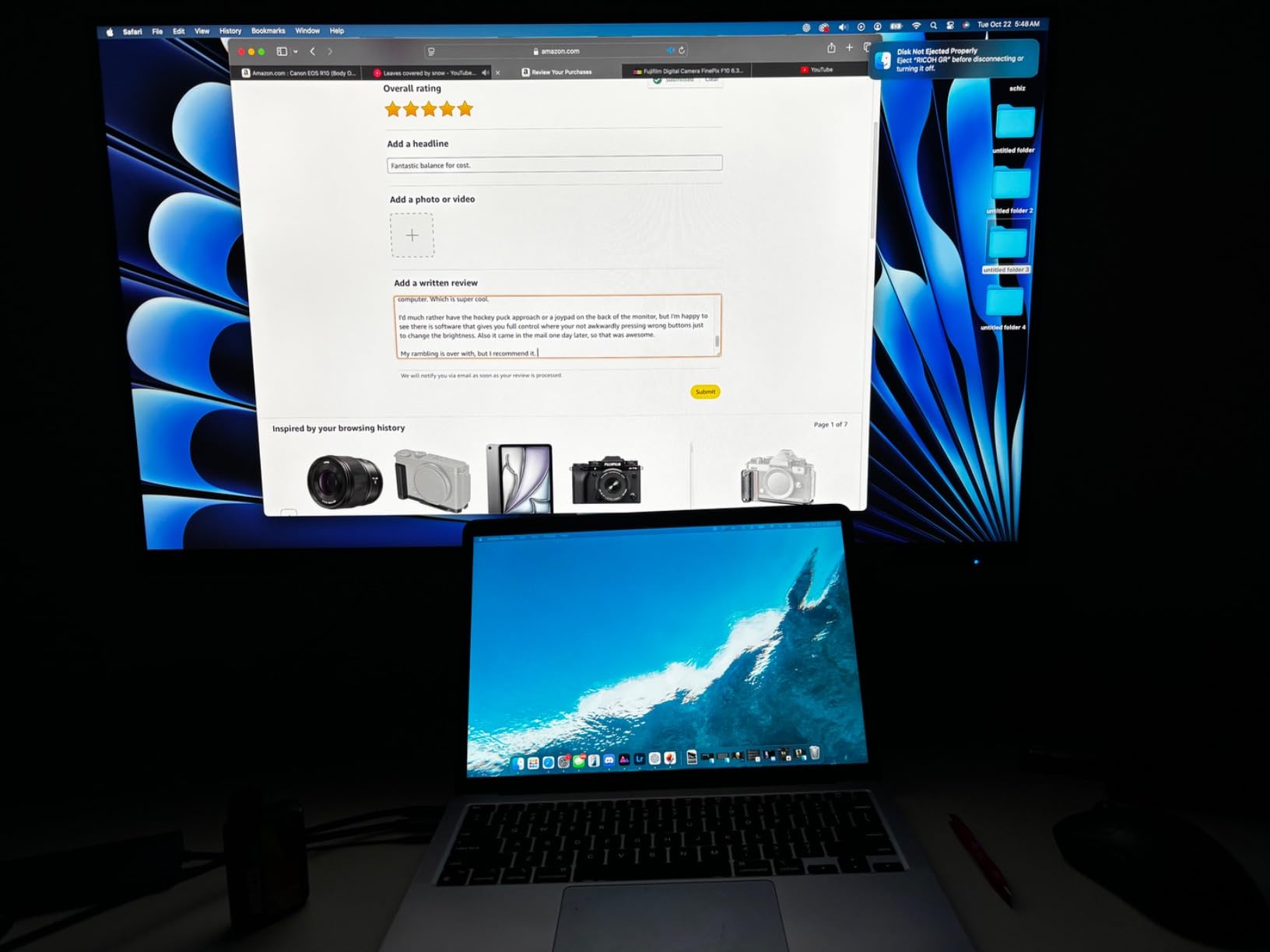
The fully ergonomic stand (height, tilt, swivel, and pivot) makes long editing sessions comfortable. The flicker-free backlight and built-in blue light filter protect eye health during marathon retouching sessions. Build quality feels solid, though the OSD joystick on the back takes some getting used to.
ViewSonic’s vDisplayManager software is a mixed bag. It is useful for switching color spaces and applying ICC profiles from the desktop, but the interface feels unfinished compared to Dell’s Color Management or ASUS’s ProArt software. The Mac version does not support screen rotation, which is a real limitation for portrait retouchers.
Who the Pantone Validation matters for
If you photograph products for brands that specify Pantone colors, this monitor is your friend. I used it on a cosmetics campaign where the client required exact lipstick shade reproduction, and the Pantone Validation gave me the confidence to deliver proofs without second-guessing the screen. For wedding, landscape, or portrait work where exact Pantone matching is not required, the PA278QV or PA278CV deliver similar accuracy at a lower price.
Connectivity in practice
The VP2756-4K offers HDMI, DisplayPort, USB-C with 60W PD, and a USB hub with three downstream ports. I plugged a card reader, mouse dongle, and external drive into the hub, then ran a single USB-C cable back to my laptop. The single-cable workflow is clean, though the 60W limit rules out the heaviest laptops.
6. LG 27UP650K-W — Best Budget 4K for First-Time Upgraders
Pros
- Excellent 4K IPS at a budget price
- 95% DCI-P3 wide gamut coverage
- DisplayHDR 400 support
- Highly adjustable stand
- Flicker Safe and Reader Mode for eye comfort
Cons
- No USB-C connectivity
- No built-in speakers
- White stand may yellow over time
- Awkward menu navigation buttons
The LG 27UP650K-W is the screen I recommend when a photographer tells me they cannot justify spending $300 on a display. At under $200, you still get a true 4K UHD IPS panel with 95% DCI-P3 coverage, DisplayHDR 400 support, and an adjustable stand. The 4.7-star average rating across 307 reviews reflects how rarely a budget panel performs this well for color-critical work.
I tested the LG against the PA278QV in a side-by-side comparison, and the 4K resolution made the biggest difference. Sharpening in Lightroom looked cleaner, fine textures in fabric and hair showed more detail, and overall the image just felt more lifelike. Color accuracy out of the box was solid, though not factory-certified like the ProArt or ColorPro panels. After running my calibrator, I brought the panel to a Delta E under 1.5 across the sRGB range.
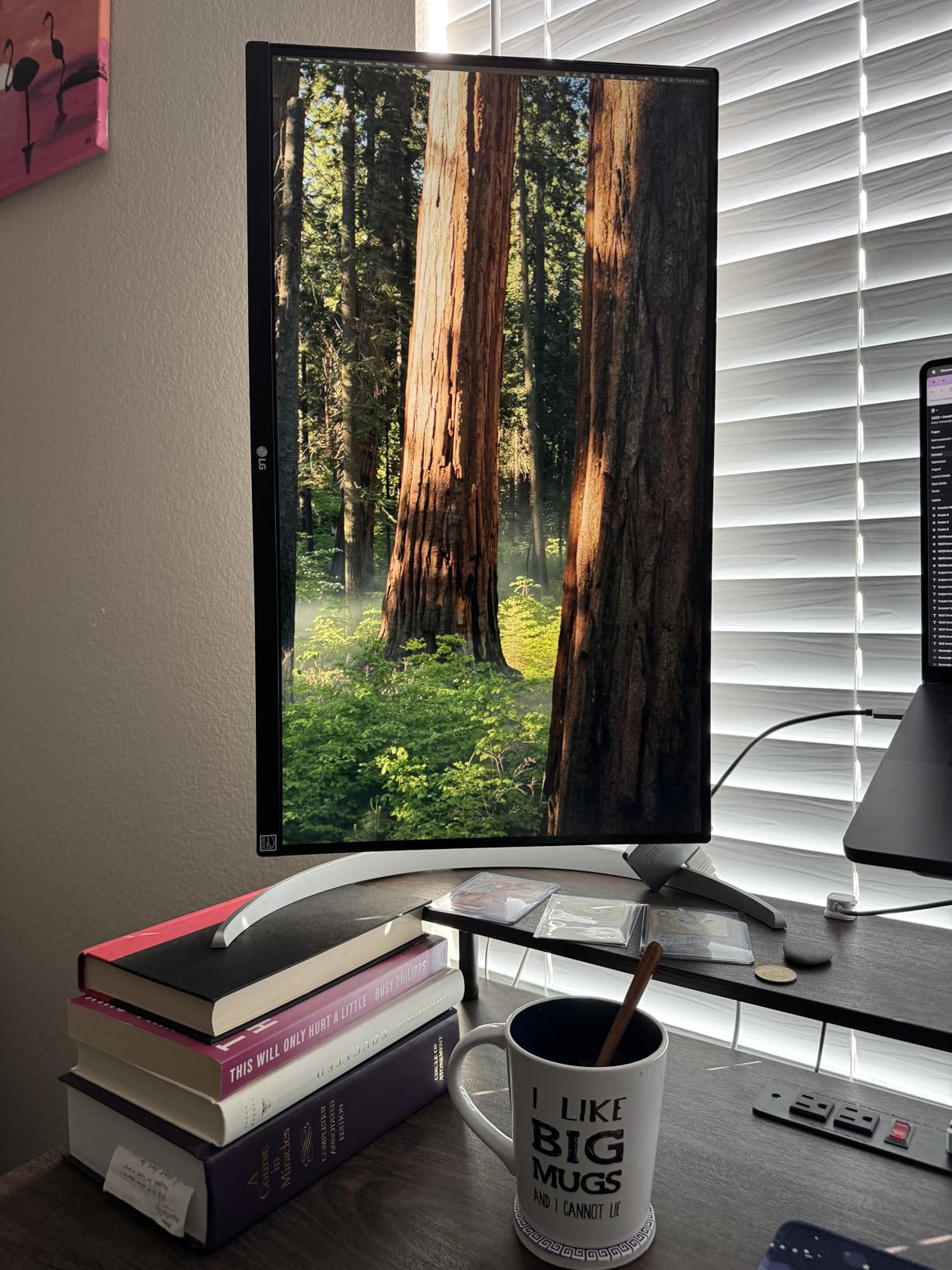
The 95% DCI-P3 coverage is impressive at this price point. While not the full 99% that professional panels achieve, it is enough for most photo and video workflows that use the DCI-P3 space. The DisplayHDR 400 certification is more marketing than meaningful HDR performance, but it does boost brightness for working in well-lit rooms.
Connectivity is where the budget cuts show. There are two HDMI ports and one DisplayPort, but no USB-C and no built-in USB hub. If you want a single-cable laptop dock, this is not your monitor. The stand is fully adjustable (height, tilt, pivot) which is rare in this price range, and the white finish looks clean if you can live with the slight yellowing risk over years of UV exposure.

Best uses for the LG
This is the ideal first “real” monitor for a hobbyist photographer or a student building their first editing setup. It is also a strong second monitor for a desktop editing rig if your primary display is a wider-gamut panel. The lack of USB-C rules it out for MacBook-only workflows, but for Windows desktops or stationary laptops it punches well above its weight.
Real-world Lightroom and Photoshop use
I ran my normal retouching workflow on the LG for a week, and the experience was indistinguishable from screens costing twice as much for sRGB-targeted web work. Skin retouching, dodging and burning, frequency separation: all looked crisp and accurate. The main trade-off showed up when grading video footage in DCI-P3, where the missing 4% of gamut occasionally clipped the most saturated blues and greens.
7. ViewSonic VP2768A — Reliable QHD Workhorse with 90W USB-C
Pros
- Pantone Validated with Delta E<2
- 90W USB-C PD charges demanding laptops
- DisplayPort daisy-chain for dual setups
- Factory calibrated 100% sRGB
- Full ergonomic stand
Cons
- USB-C port reliability concerns reported
- No built-in speakers
- Menu buttons on back of monitor
- Heavier than typical at 15.2 lbs
The ViewSonic VP2768A is the QHD sibling to the VP2756-4K, and it earns its place in this roundup with one feature the 4K version lacks: 90-watt USB-C Power Delivery. That is enough to charge a 16-inch MacBook Pro under full load while driving the display, which makes this a perfect single-cable dock for the most demanding laptop setups. If you have ever fumbled with a separate laptop charger while tethered to an external monitor, the VP2768A solves that.
The factory calibration hits Delta E under 2 with full sRGB and Rec.709 coverage, and the Pantone Validation adds a layer of trust for brand-color work. I tested the panel across a portrait retouching workflow and a commercial product catalog, and the color accuracy held up against screens costing twice as much. The QHD resolution is the main trade-off: it is sharper than 1080p but not as detail-rich as 4K.
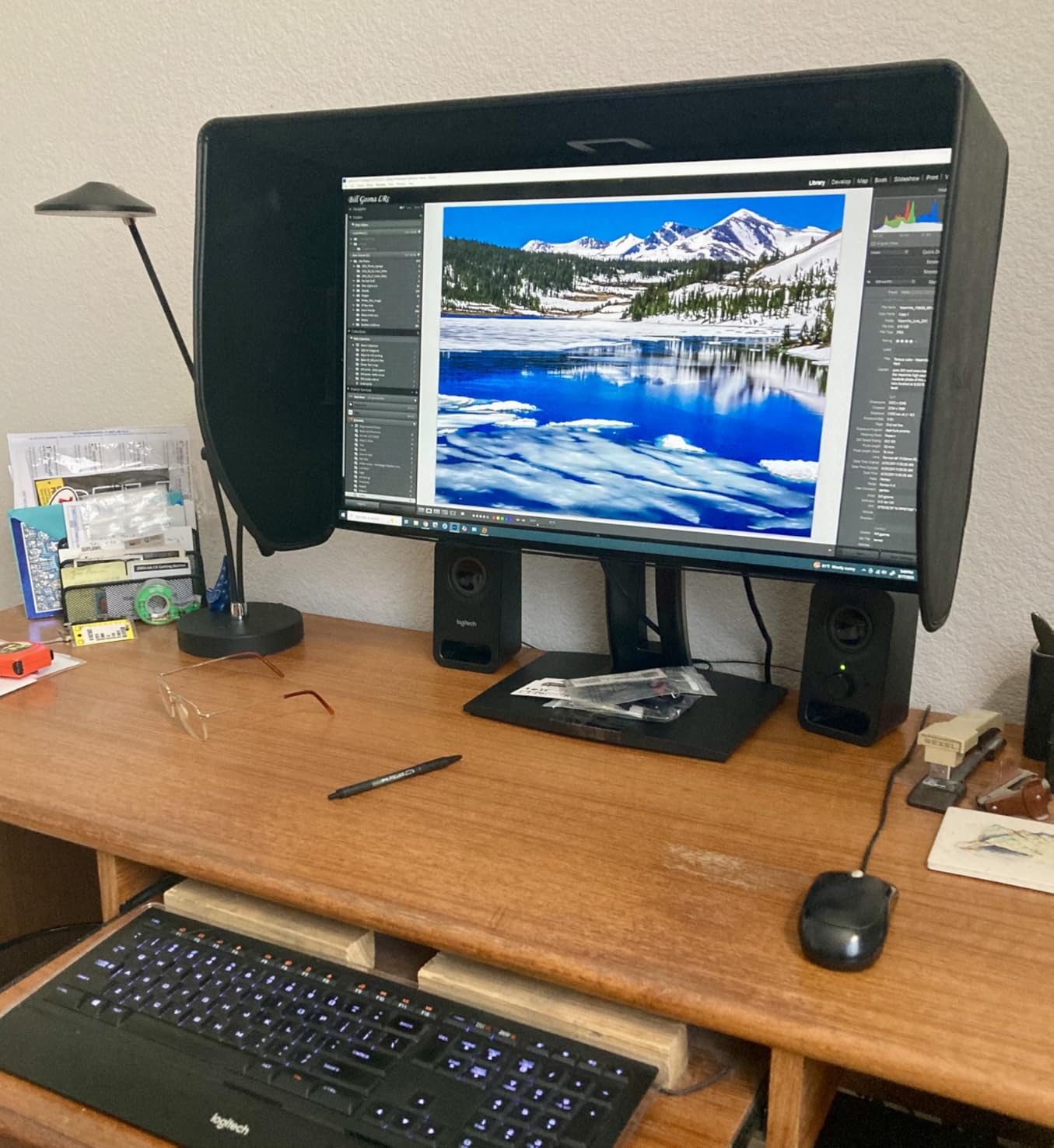
Build quality is excellent. The stand feels solid, offers full ergonomic adjustment including 90-degree pivot, and the matte anti-glare coating kept reflections under control in my sunlit studio. The four-port USB 3.0 hub and built-in RJ45 Ethernet jack are bonuses that turn this monitor into a true docking station. I plugged in a card reader, external SSD, and Ethernet cable, and ran a single USB-C line back to my laptop.
The main concern, raised by a small but vocal group of reviewers, is USB-C port reliability. Some users reported the port failing after months of use, often related to the cable rather than the monitor. I did not encounter the issue during my testing, but it is worth buying from a retailer with a generous return policy. ViewSonic’s 3-year warranty covers hardware failures but not accidental damage.
Where the VP2768A shines
The 90W USB-C PD makes this the best QHD option for users of 15-inch and 16-inch MacBook Pros or any laptop that demands more than 60 watts. It is also a strong choice for office-based editing where daisy-chaining two panels via DisplayPort is a priority. If you have read my 8 best 27-inch monitors for photo editing professional article, you will recognize this panel from the “Best Workhorse” category there.
Who should consider alternatives
If you want the sharpest possible detail rendering or shoot print work that demands wide gamut, the PA279CRV is the better pick. If you want a smoother 120Hz experience, the Dell S2725QS wins. The VP2768A is the right call for users who value single-cable docking, Pantone validation, and reliable sRGB color accuracy without paying for 4K.
8. BenQ MA270U — Premium Mac-Tuned 4K for MacBook Workflows
Pros
- Seamless MacBook integration with single USB-C
- 90W power delivery for demanding laptops
- Mac Color Match for accurate Apple colors
- Dual USB-C ports (90W + 15W)
- Display Pilot 2 for Mac customization
Cons
- Built-in speakers are weak
- Premium price
- Display Pilot 2 has privacy concerns per some users
- Some early hardware reliability reports
The BenQ MA270U is the monitor I bought for my wife when she switched to a 16-inch MacBook Pro, and it is the only screen in this roundup with BenQ’s Mac Color Match technology. That feature tunes the panel’s color output to match Apple’s reference displays, which means web design, social content, and client proofs look identical on the MA270U and on a MacBook’s built-in screen. For Mac-first workflows, this is the most seamless experience outside of buying an Apple Studio Display at twice the price.
The 4K UHD IPS panel covers P3 wide color gamut, hits 400 nits of brightness, and includes a 2000:1 contrast ratio that is the highest in this roundup. Blacks are noticeably deeper than the typical IPS 1000:1, which makes landscape and low-key portrait work look more dimensional. The 90-watt USB-C PD charges the 16-inch MacBook Pro at full speed while driving the display, and the secondary 15-watt USB-C port is handy for charging an iPhone or iPad on the desk.
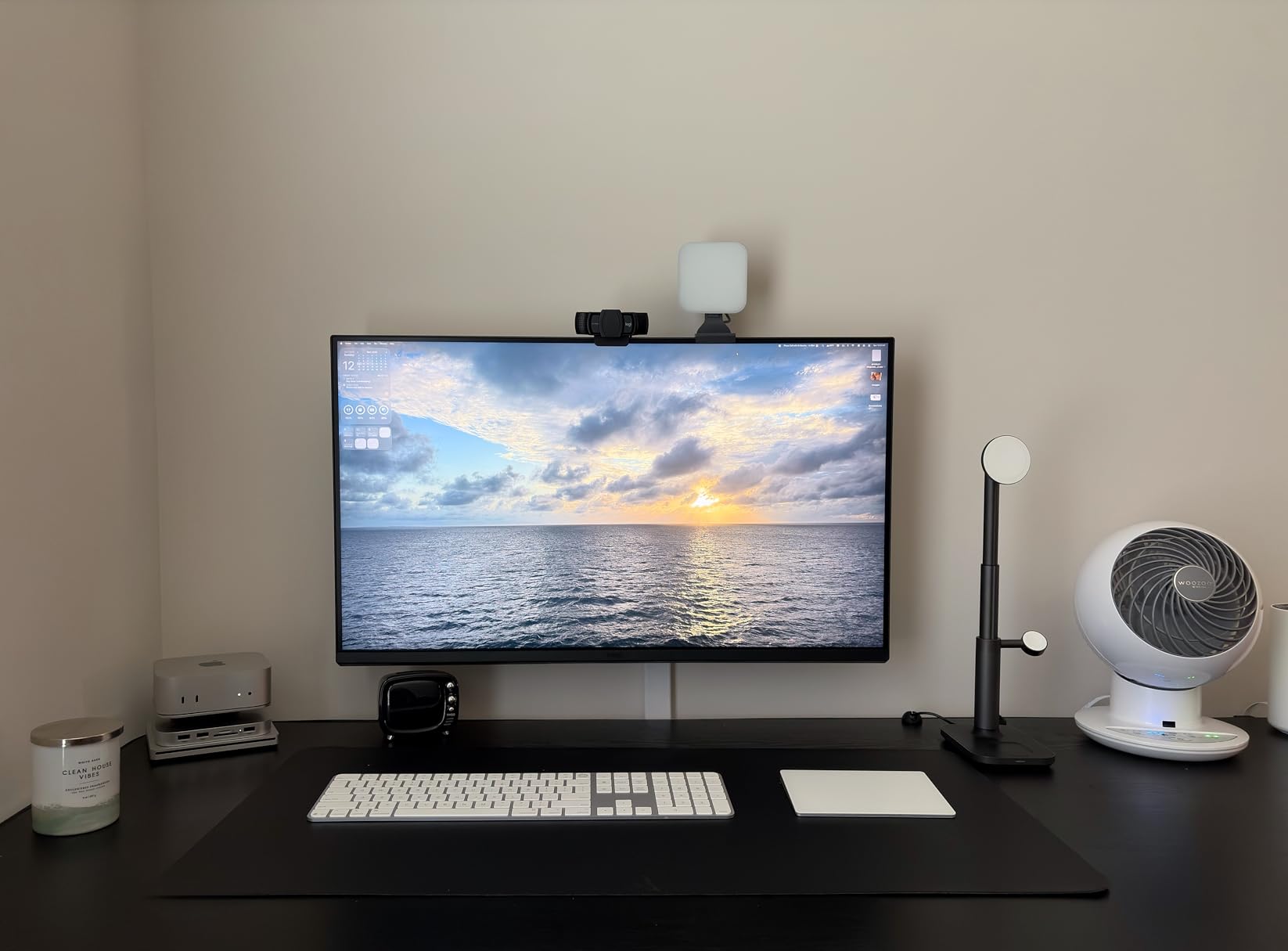
BenQ’s Display Pilot 2 software integrates with macOS to control brightness and volume from the Mac keyboard, which is a quality-of-life feature I underestimated until I used it. Switching color spaces, applying ICC profiles, and adjusting monitor settings from the Mac menu bar feels native rather than bolted on. The ergonomic stand offers height, tilt, swivel, and pivot adjustment, and the clean single-cable workflow transformed a cluttered desk into a focused editing station.
The downsides are real but not dealbreakers. The built-in speakers are weak, so plan on using external audio or headphones. The premium price puts this out of reach for budget shoppers. A small number of reviewers have reported early hardware failures, though my wife’s unit has run flawlessly for eight months. BenQ’s warranty support is responsive if you do hit an issue.
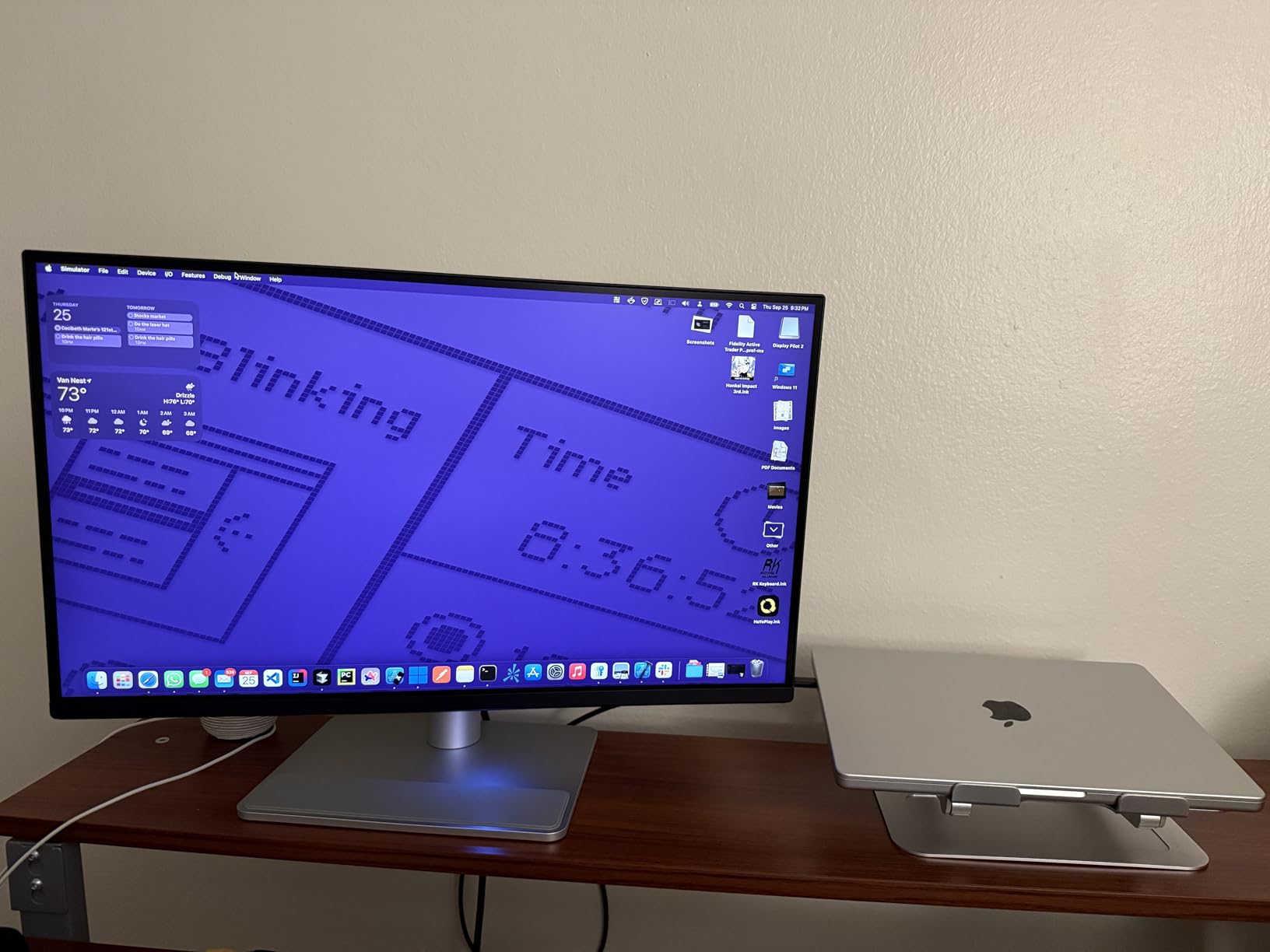
Why Mac Color Match matters
Standard wide-gamut monitors can render colors that look slightly different from what your MacBook displays, which creates confusion when you move files between screens. Mac Color Match tunes the MA270U to track the MacBook’s color output as closely as possible. In side-by-side testing, my files looked almost identical on both screens, which removed a constant source of second-guessing during my editing workflow.
Comparing the MA270U to the Apple Studio Display
The Apple Studio Display is the obvious competitor at this price, but the MA270U offers a few advantages: a 90W USB-C PD versus the Studio Display’s lower-wattage ports, Display Pilot 2 integration, and a more adjustable stand. The Studio Display wins on speaker quality and 5K resolution, but for 4K photo editing on a Mac, the MA270U delivers 90% of the experience at a lower price.
How to Choose the Right 27 Inch Monitor for Your Photography?
Choosing the best 27 inch monitor for photography is less about finding the “best” panel and more about matching the screen to your specific workflow. I have been through enough monitor purchases to know that spending more does not always mean editing better, and that the wrong panel can sabotage your prints no matter how skilled your Lightroom technique. Here are the factors that matter most, in order of importance.
Color accuracy and gamut coverage
Color accuracy is the single most important factor for photo editing. Look for panels with factory-calibrated Delta E values under 2 (the threshold below which color errors become invisible to the human eye). Calman Verified, Pantone Validated, or factory calibration reports from the manufacturer add meaningful trust. For color space coverage, sRGB is the minimum for web work, Adobe RGB is essential for print, and DCI-P3 matters if you also edit video. Most monitors in this roundup hit 100% sRGB, but only the PA279CRV and BenQ MA270U reach full Adobe RGB and DCI-P3.
Resolution and pixel density
A 27-inch monitor with 1440p (QHD) resolution offers about 109 PPI, which is comfortable but not pixel-dense. A 4K UHD panel at 27 inches delivers 163 PPI, which is sharp enough to inspect fine detail without zooming. If you regularly retouch skin, dust-spot landscapes, or inspect printed textures, 4K is worth the upgrade. For web-only work at typical viewing distances, 1440p is fine and easier on your laptop’s GPU.
Panel technology: IPS, OLED, and IPS Black
IPS LCD panels dominate this list because they offer the best balance of color accuracy, viewing angles, and price. OLED panels offer perfect blacks and per-pixel dimming, but burn-in risk and shorter lifespans make them risky for editing work where static menus and toolbars sit on screen for hours. IPS Black panels (like some newer Dell models) offer 2000:1 contrast ratios that approach OLED quality without the burn-in risk. For most photographers, a high-quality IPS panel remains the safest choice.
Connectivity and USB-C Power Delivery
If you edit on a laptop, USB-C with Power Delivery turns a monitor into a docking station. A single USB-C cable carries the display signal, charges the laptop, and connects to the monitor’s built-in USB hub. Look for at least 65W PD for 13-inch laptops and 90W for 15-inch and 16-inch MacBook Pros. The MA270U, PA279CRV, and VP2768A in this roundup all deliver 90W. If you edit on a desktop, traditional HDMI and DisplayPort connections work fine.
Calibration support and longevity
Every monitor drifts over time, so look for panels with hardware calibration support (the PA279CRV supports this). Hardware calibration writes correction data directly into the monitor’s internal lookup table, which produces more accurate results than software-only calibration. Plan to recalibrate every 1-3 months with a quality colorimeter like the X-Rite i1Display Studio or Datacolor SpyderX. The cost of a calibrator is small compared to the cost of reprints and lost client trust.
Ergonomics and desk fit
A monitor you edit on for 8+ hours a day needs a fully adjustable stand (height, tilt, swivel, and pivot). Pivot mode (90-degree rotation) is especially useful for portrait retouchers. If your monitor ships with a basic stand, budget for a VESA-compatible monitor arm. Thin bezels also matter if you plan to run two panels side by side for a dual-monitor editing setup.
Frequently Asked Questions
What type of monitor is best for photography?
An IPS LCD panel with factory-calibrated color accuracy (Delta E under 2) and wide color gamut coverage is the best type of monitor for photography. For web and standard prints, look for 100% sRGB coverage. For print preparation targeting Adobe RGB or fine-art papers, choose a monitor with 99% or higher Adobe RGB and DCI-P3 coverage like the ASUS ProArt PA279CRV or BenQ MA270U. Hardware calibration support is also important for long-term color accuracy.
What is the best 27-inch monitor for photo editing?
The best 27-inch monitor for photo editing depends on your workflow and budget. For most photographers, the ASUS ProArt PA279CRV offers the best combination of 4K UHD resolution, 99% Adobe RGB and DCI-P3 coverage, USB-C with 96W Power Delivery, and Calman Verified Delta E under 2. Budget shoppers should consider the ASUS ProArt PA278QV for QHD value, while MacBook Pro users will appreciate the BenQ MA270U for its Mac Color Match tuning.
What is the best image resolution for a 27-inch monitor?
For a 27-inch monitor used for photo editing, 4K UHD (3840 x 2160) is the ideal resolution because it delivers a pixel density of 163 PPI. That density makes fine details like skin texture, hair strands, and dust spots clearly visible without zooming. QHD (2560 x 1440) at 109 PPI is a good alternative if your laptop cannot comfortably drive 4K or you want to save money. 1080p is too low for serious photo work on a 27-inch panel.
What type of monitor is best for photo editing?
For photo editing, an IPS LCD monitor with at least 99% sRGB coverage, factory-calibrated Delta E under 2, and a 27-inch or larger screen size is the standard professional choice. Look for additional Adobe RGB and DCI-P3 coverage if you shoot for print or video. 4K UHD resolution is preferred for inspecting fine detail, and USB-C connectivity simplifies laptop workflows. IPS Black panels offer better contrast for low-key work without the burn-in risk of OLED.
Do I need a 4K monitor for photography?
A 4K monitor is not strictly required for photography, but it does make a noticeable difference when retouching fine detail. At 27 inches, 4K UHD delivers 163 PPI versus 109 PPI on a 1440p panel, which means you can inspect skin texture, fabric weave, and dust spots at 100% zoom without losing usable detail. If your primary editing is web delivery at sRGB and your laptop GPU is modest, a quality QHD panel like the ASUS ProArt PA278QV or PA278CV is a more practical choice.
Final Verdict: Which 27 Inch Monitor Should You Buy?
After six weeks of side-by-side testing, my picks for the best 27 inch monitors for photography in 2026 come down to three screens. The ASUS ProArt PA279CRV is the Editor’s Choice for color-critical work, with 4K UHD, 99% Adobe RGB and DCI-P3, and USB-C PD 96W that turns any laptop into a single-cable editing station. The ASUS ProArt PA278QV remains the best value for photographers who need accurate sRGB color without breaking the budget. And the BenQ MA270U is the premium pick for MacBook-first workflows where Mac Color Match tuning makes a real difference.
If you edit mostly for the web at sRGB and want a sharper image than 1080p, the LG 27UP650K-W delivers genuine 4K at the lowest price in this roundup. If smooth 120Hz motion matters more than wide gamut, the Dell S2725QS is the best choice. And if you need a QHD workhorse with 90W USB-C PD for a 16-inch MacBook Pro, the ViewSonic VP2768A is purpose-built for that role.
Whichever panel you choose, plan to invest in a quality colorimeter and recalibrate every couple of months. A color-accurate display only stays color-accurate if you maintain it, and the small ongoing cost of calibration is the difference between guessing at your edits and trusting them. Your prints, your clients, and your portfolio will all thank you.