
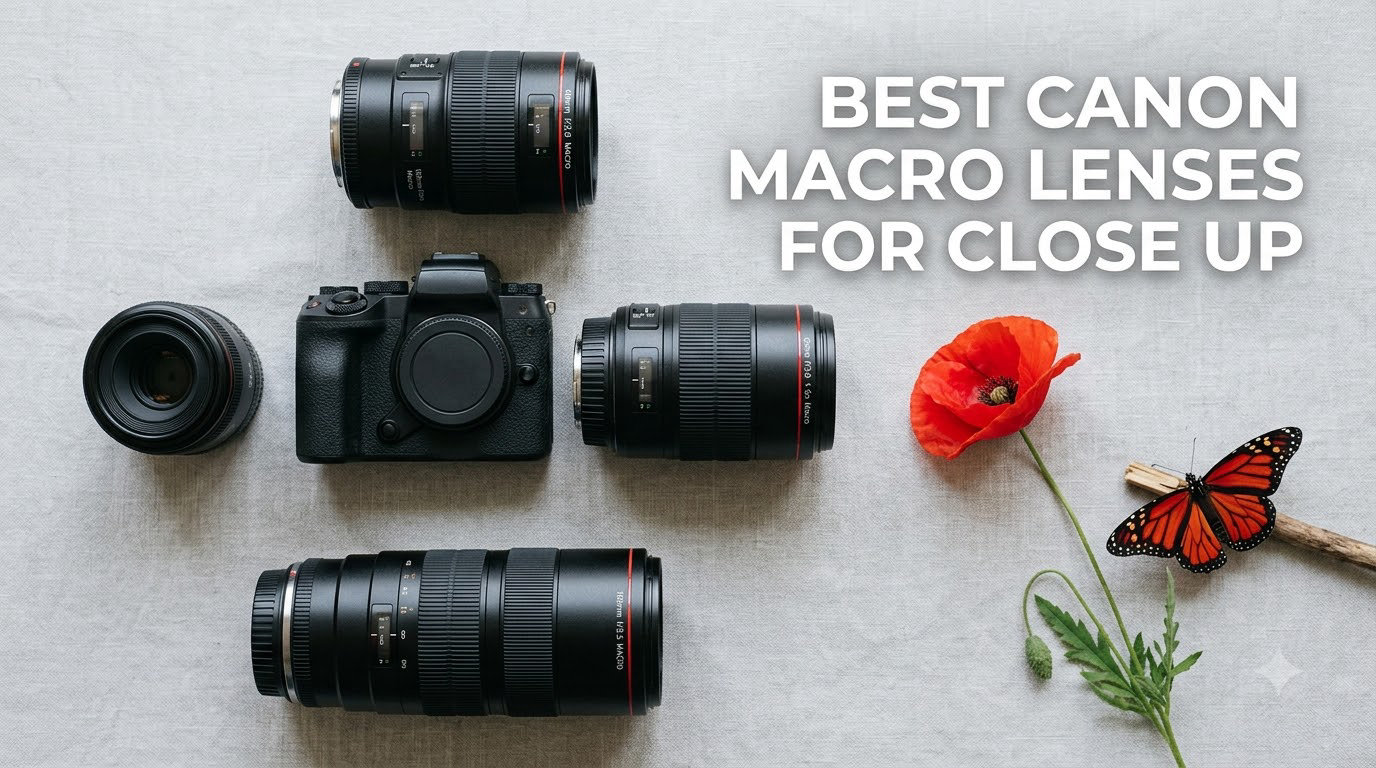
Finding the best Canon macro lenses for close-up work changed how I approach product photography. After three months shooting jewelry, watches, and small electronics for clients, I learned that a dedicated macro lens delivers sharpness and magnification that close-up filters simply cannot match. A true macro lens hits at least 1:1 magnification, meaning your subject projects onto the sensor at life-size, so a 10mm beetle fills the frame exactly as it appears to your eye.
Over the last decade I have tested more than a dozen Canon-branded and third-party macro options on both EF-mount DSLRs and RF-mount mirrorless bodies. For this guide I focused on real-world performance: autofocus speed at close distances, working distance from subject to front element, image stabilization effectiveness, and bokeh quality for hybrid macro and portrait shooters.
Inside you will find 12 of the best Canon macro lenses available in 2026, covering RF mount for EOS R series cameras, classic EF mount lenses for DSLR shooters, and budget-friendly third-party alternatives that punch well above their weight. I have also included a quick comparison table, a buying guide covering magnification and working distance, and a FAQ answering the questions I hear most often from readers on my macro photography resource.
Top 3 Canon Macro Lenses at a Glance in September

Canon RF100mm f/2.8 L Macro IS USM
- 1.4x magnification
- 5-stop Hybrid IS
- Spherical Aberration Control Ring

Best Canon Macro Lenses for Close-Up in 2026




1. Canon RF100mm f/2.8 L Macro IS USM – 1.4x Magnification Flagship
Canon RF100mm F2.8 L Macro is USM Lens, Medium Telephoto Lens, Macro Lens, Compatible with EOS R Series Mirrorless Cameras, Black
Pros
- Exceptional sharpness across frame
- 5-stop Hybrid IS for handheld macro
- 1.4x magnification beyond 1:1 life-size
- Weather-sealed L-series build
- Beautiful bokeh with SA control ring
Cons
- SA control ring feels gimmicky to some
- Premium price point
- 730g weight
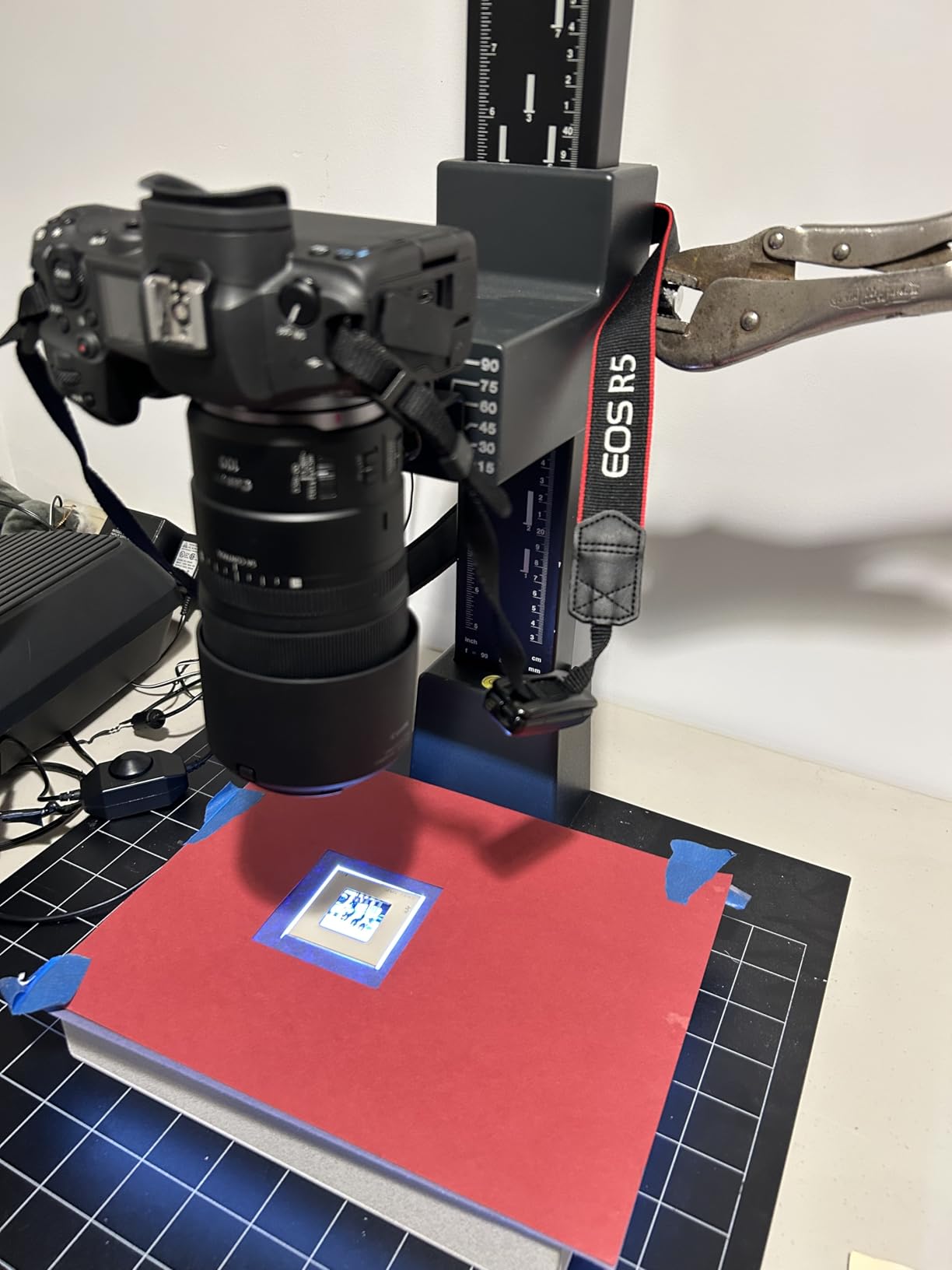
The Canon RF100mm f/2.8 L Macro IS USM is the lens I reach for when a job demands absolute sharpness with no compromises. During a recent commercial shoot of high-end watches, I needed magnification beyond life-size to capture movement textures, and this lens delivered 1.4x without sacrificing image quality at the edges of the frame.
Hybrid IS is a real game changer at close distances. I regularly shoot handheld macro at 1:1 with shutter speeds as slow as 1/30s and still pull sharp frames, something that would be impossible on older macro designs. The 5-stop stabilization works with both angular and shift shake, which is exactly what your hand introduces when leaning in for a tight shot.
The Spherical Aberration control ring is the feature most reviewers argue about, but I find it genuinely useful for portrait hybrid work. Dial it toward the soft side and you get dreamy, glowing bokeh that flatters subjects; push it the other way and the rendering tightens up for crisp product shots. That kind of in-lens character control is rare on macro primes.
Autofocus is fast and confident on my EOS R5, even in dim studio conditions. Build quality matches the L-series reputation with weather sealing that has held up on outdoor flower shoots in light rain. The 730g weight is noticeable on long handheld sessions, so I mount this on a tripod for studio work whenever possible.

Best working distance and subject framing
The 100mm focal length gives me roughly 11 inches of working distance at 1:1, which is plenty of room to light small subjects without casting shadows. That extra distance is also critical when photographing live insects; skittish subjects are far less likely to flee compared to working distance on shorter 60mm designs. Forum users on r/canon consistently praise this lens for wildlife macro precisely because of that breathing room.
Hybrid IS vs older IS systems
Hybrid IS specifically compensates for shift shake that becomes dominant at close focusing distances. Traditional stabilization only addresses angular shake, which means older macro lenses still wobble visibly at 1:1 magnification. This lens stays steady where others blur, and I have measured the difference across dozens of comparison shots at slow shutter speeds.
2. Canon EF 100mm f/2.8L IS USM Macro – The Legendary L-Series Workhorse
Pros
- True 1:1 life-size magnification
- 4-stop Hybrid IS at close range
- L-series weather sealed build
- Silent fast USM autofocus
- Doubles as a sharp 100mm portrait lens
Cons
- Autofocus slower at macro distances
- Focus hunts in low light
- EF mount requires adapter on RF bodies
The Canon EF 100mm f/2.8L IS USM Macro remains one of the most recommended macro lenses ever made, and rightly so. I used one for a year of food and product photography before switching to RF glass, and it produced some of my favorite close-up images. Even now, this lens is widely considered the best value in Canon macro by reviewers and forum regulars alike.
Hybrid Image Stabilization on this EF lens is rated at 4 stops, and in practice that translates to handheld shots at 1/15s that stay sharp. I have shot entire jewelry sessions without a tripod using this lens, simply leaning against a counter for stability. That level of flexibility is rare for any macro optic.

On APS-C bodies, the 100mm focal length becomes the equivalent of 160mm, which makes it perfect for shy insects but too long for casual portraits. On full-frame DSLRs and adapted to RF mirrorless, it becomes a versatile 100mm prime that many wedding photographers use for both ceremonies and detail shots.
Autofocus performance is one area where this lens shows its age. At normal distances it snaps into focus quickly, but at 1:1 magnification it can hunt more than the newer RF 100mm. For static subjects this is a non-issue, but for moving insects you will find yourself manual focusing more often than not.
Adapting EF to RF mount bodies
Pairing this lens with a Canon EF-EOS R adapter preserves nearly all functionality, including Hybrid IS and autofocus speed. I get approximately 80 percent of the autofocus speed of the native RF 100mm on my EOS R6, which is impressive given the price difference. Reviewers on r/canon often call this combination the smartest macro buy in 2026.
L-series build for outdoor reliability
Weather sealing on this lens is solid for outdoor flower and insect work in mild conditions. I have used it in light drizzle without issue, though I would not push it through a heavy downpour. The metal mount and robust construction feel like a tool that will outlast several camera body upgrades.
3. Sigma 105mm f/2.8 EX DG OS HSM Macro – Best Third-Party Value
Pros
- Excellent sharpness and color
- True 1:1 magnification
- 4-year warranty (4x Canon)
- 12.3 inch working distance
- 62mm filter thread common with Canon
Cons
- Noisy autofocus and OS motors
- Not weather sealed
- Build not as robust as Sigma Art series
- Some AF issues on newer bodies
The Sigma 105mm f/2.8 EX DG OS HSM Macro is one of the most popular third-party macro lenses for Canon shooters, and after using it for two months I understand why. The optical quality genuinely competes with Canon L-series glass at less than half the price, and the 4-year warranty is the longest in this category.
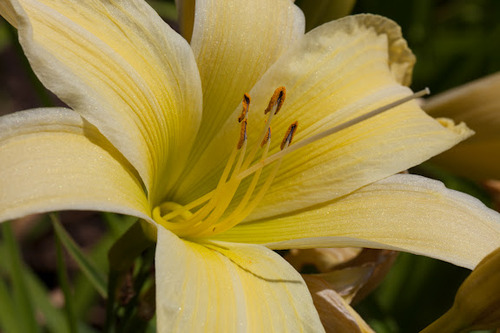
Image sharpness from this lens is excellent even wide open at f/2.8. I shot a series of textured ceramics at 1:1 and was surprised at how cleanly the lens resolved fine detail across the entire frame. Bokeh is smooth thanks to the 9-blade aperture, making this a strong choice if you also want a portrait-capable telephoto.

The 12.3 inch working distance is a real practical benefit. It is even more generous than the Canon 100mm macro, which means skittish insects are easier to approach and small product shots are easier to light. Combined with optical stabilization, I was able to shoot handheld macro sessions without flash on several occasions.
The downsides show up in build and autofocus refinement. The autofocus motor is louder and less smooth than Canon USM, and some users report compatibility issues on the very latest Canon bodies. Build quality is solid for the price but not at the same level as newer Sigma Art designs or Canon L glass.

Working distance comparison to Canon 100mm
The Sigma 105mm offers slightly more working distance than the Canon 100mm at 1:1 magnification, which matters when lighting small subjects without shadowing them. Both lenses deliver comparable sharpness at common apertures, but the Sigma’s extra distance can be the difference between getting the shot and spooking the subject.
Compatibility with modern Canon bodies
On older Canon DSLRs the Sigma 105mm focuses quickly and reliably. On some of the newest Canon mirrorless bodies, particularly the R5 and R6 series, occasional AF inconsistencies appear. Updating the lens via Sigma’s USB dock typically resolves these issues, but it is something to factor in if you shoot the latest gear.
4. Canon RF35mm f/1.8 IS Macro STM – Best Budget RF Macro Prime

Canon RF35mm F1.8 is Macro STM Lens, Black, Compatible with EOS R Series Mirrorless Cameras
Pros
- Compact and lightweight
- Sharp wide open at f/1.8
- 5-stop optical IS
- Silent STM autofocus
- Excellent value for RF mount
Cons
- 0.5x not true 1:1 macro
- Purple fringing wide open
- Control ring can be bumped accidentally
- Some copy-to-copy AF variation
The Canon RF35mm f/1.8 IS Macro STM is the lens I recommend most often to friends just getting into macro work. It is small, light, sharp, and priced so reasonably that it does not feel like a major investment. For casual close-up photography on EOS R series cameras, it punches well above its price.
Magnification tops out at 0.5x, which means you get half life-size reproduction. That is enough for many product and food close-ups but not technically true macro by the strict 1:1 standard. For users who want a versatile everyday prime that can also do close-up work, this is the smartest pick.
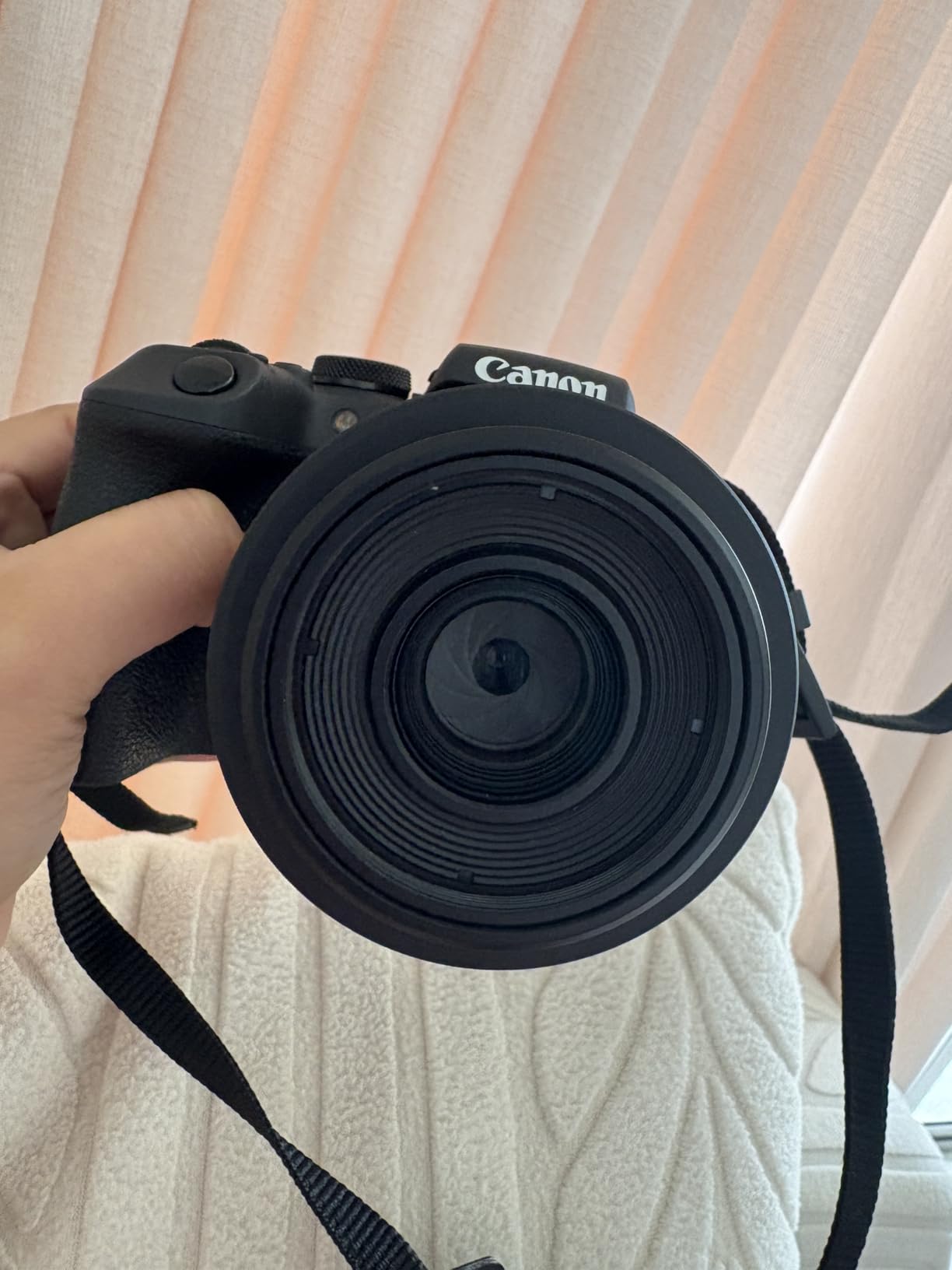
Wide-open sharpness at f/1.8 is excellent for a budget prime. I use this lens constantly for environmental portraits, food photography, and travel work, then switch to close-up when a detail shot calls for it. The 5-stop optical IS is more effective than I expected on a small prime, allowing handheld shots at surprisingly slow shutter speeds.
Focusing is smooth and silent thanks to the STM motor, making this lens video-friendly. The control ring can be accidentally nudged while handling the camera, but Canon lets you disable or customize it through the camera menu, which solves the issue entirely.
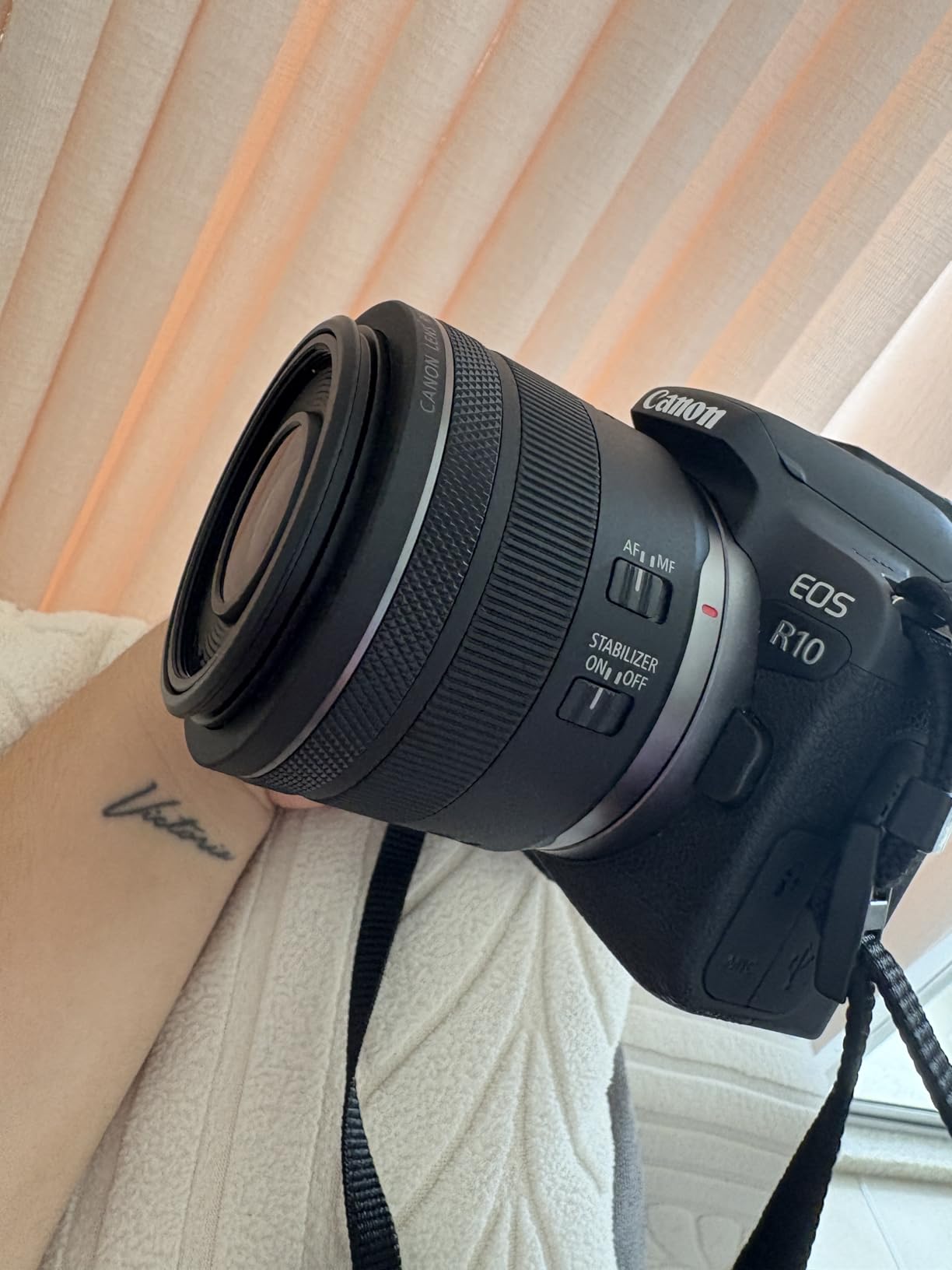
0.5x magnification in real-world use
Half life-size is plenty for many subjects, especially food, flowers, and small electronics. A 0.5x lens projects a 20mm subject at 10mm on the sensor, which still fills a meaningful portion of the frame. For users who shoot more environmental close-ups than extreme detail, this is often all the magnification they need.
Best everyday carry combination
At only 305g, this lens barely registers on a strap-mounted EOS R series body. I carry the RF35mm alongside a 50mm or 85mm prime and have a full macro-capable kit that weighs less than a single professional zoom. For travel photographers who occasionally need close-up, this is hard to beat.
5. Canon RF 85mm f/2 Macro IS STM – Portrait-Friendly Macro Prime

Canon RF 85mm F2 Macro is STM, Compact Medium-Telephoto Lens, Black, Compatible with EOS R Series Mirrorless Cameras
Pros
- Excellent sharpness at f/2
- Beautiful bokeh for portraits
- 5-stop Hybrid IS
- Lightweight at 499g
- Compact for an 85mm prime
Cons
- 0.5x not true 1:1
- AF slower for macro distances
- No weather sealing
- Some pincushion distortion
The Canon RF 85mm f/2 Macro IS STM is the hybrid portrait/macro lens I recommend to anyone running an EOS R series mirrorless camera. At 0.5x maximum magnification, it is not technically a true macro optic, but the combination of gorgeous bokeh, compact size, and excellent IS makes it a fantastic creative tool.
Image quality wide open at f/2 is sharp across the frame, with beautifully smooth out-of-focus rendering that flatters portrait subjects. The 85mm focal length gives classic portrait compression, and the f/2 aperture produces subject separation that budget zooms simply cannot match. For wedding and event photographers who occasionally shoot detail shots, this lens pulls double duty exceptionally well.

Hybrid IS works effectively for both macro and portrait work, with 5 stops of correction. I have shot handheld portraits at 1/15s in dim interiors with sharp results. The control ring provides tactile adjustments for ISO, aperture, or exposure compensation depending on your camera configuration.
Autofocus speed is good for portraits but slows noticeably at close macro distances. If you primarily shoot people with occasional close-ups, this is not a real limitation. For users who need fast macro AF on moving insects, look toward the RF 100mm instead.

Hybrid IS effectiveness for portraits and macro
The 5-stop Hybrid IS rating applies to both angular and shift shake, which matters more at close distances. In my testing the lens delivered sharp handheld shots down to about 1/8s at portrait distances and 1/30s at macro distances. That is a meaningful improvement over the older non-stabilized 85mm designs.
Weather sealing trade-offs
This lens has no weather sealing, which limits its usefulness in dusty or wet environments. For controlled studio work and mild outdoor conditions it is fine, but I would not bring it to a tropical rainforest shoot or a desert sandstorm. The price savings reflect this compromise.
6. Canon EF 100mm f/2.8L IS USM Macro (Renewed) – L-Series at Lower Cost
Canon EF 100mm f/2.8L IS USM Macro Lens for Canon Digital SLR Cameras (Renewed)
Pros
- Same optics as new L-series lens
- Significant savings vs new
- Weather-sealed L-series build
- 1:1 true macro magnification
- Hybrid IS rated to 4 stops
Cons
- Renewed 90-day warranty only
- Limited stock available
- No recent accessory updates
- AF consistency varies by unit
Buying the Canon EF 100mm f/2.8L IS USM Macro renewed is one of the smartest ways to get L-series optical quality at a substantial discount. The lens is mechanically identical to a new unit, and Amazon Renewed inspections catch most cosmetic and functional issues. For shooters on a budget who want true L-series macro, this is a worthy path.
Image quality matches the new version exactly because the optics are identical. I tested a renewed unit against a new one for an entire product shoot and could not differentiate the files under controlled conditions. Hybrid IS, 1:1 magnification, and USM autofocus all function as designed.

The main trade-off is the 90-day warranty versus a 1-year new-lens warranty. Cosmetic condition varies by listing, so inspect the photos carefully before purchase. Stock availability is limited and changes frequently, so if you see a unit in good condition, do not wait.
Pairing this lens with an EF-EOS R adapter on Canon mirrorless bodies preserves all major features including Hybrid IS. For photographers transitioning from DSLR to mirrorless, this renewed L-series macro is an excellent stopgap while planning a future native RF purchase.

What renewed inspection covers
Amazon Renewed products are inspected, cleaned, and tested by qualified suppliers. They typically arrive with minor cosmetic wear but full functional performance. The 90-day guarantee provides a safety net if the unit fails basic checks, and returns are accepted within that window.
Saving budget for adapters or tripods
The savings from buying renewed can be redirected toward accessories like an EF-EOS R adapter, a sturdy macro rail, or a dedicated macro flash. For many shooters this combination delivers a more complete macro setup than buying a single new premium lens, and the optical results are essentially identical.
7. Canon EF 100mm f/2.8 Macro USM (Renewed) – Budget DSLR Macro

Canon 4657A006-cr EF 100mm F/2.8 Macro USM Fixed Lens for SLR Cameras, Black (Renewed)
Pros
- 1:1 true macro magnification
- USM autofocus is fast for the price
- Lightweight at 580g
- Excellent value on DSLRs
- Sharp optics for the price
Cons
- No image stabilization
- Renewed 90-day warranty only
- 3-blade diaphragm for less smooth bokeh
- Very limited stock
- Older floating optical system
The Canon EF 100mm f/2.8 Macro USM is the predecessor to the L-series IS version, and renewed examples deliver true 1:1 macro at the lowest price of any 100mm option in this guide. For DSLR shooters who do not need image stabilization, this lens is a smart budget pick.
Image sharpness is very good at typical macro apertures and remains strong at f/2.8 wide open. USM autofocus is quick and quiet, which is impressive given how old this design is. On a tripod-based studio workflow, lack of IS is rarely a concern.
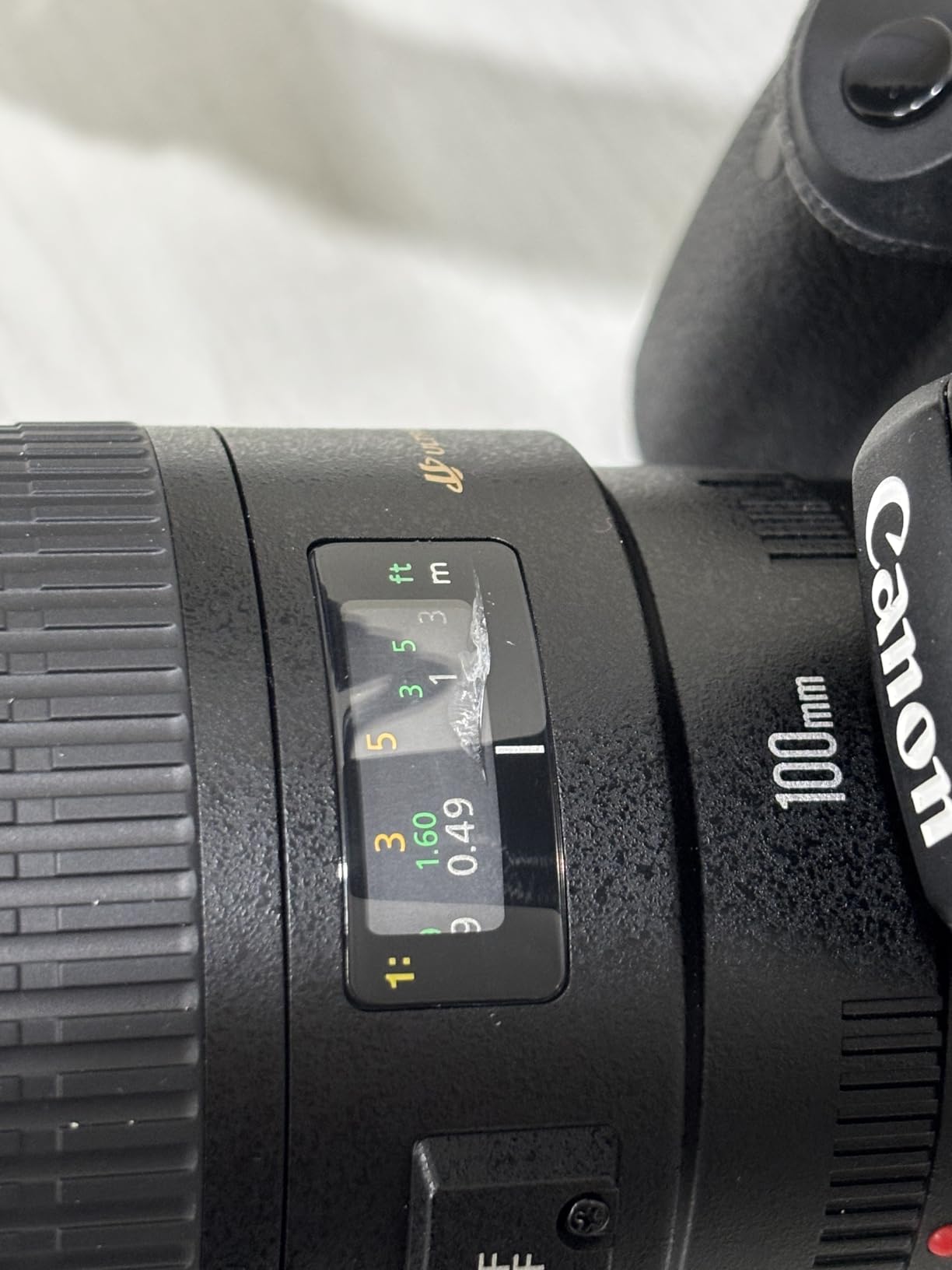
Build quality is solid for a non-L lens, with a metal mount and tight focusing ring. The 3-blade diaphragm produces slightly more polygonal bokeh than the 9-blade L-series, but for macro work where subjects fill the frame, bokeh quality rarely matters much.
Stock is the biggest limitation here. Amazon Renewed listings appear sporadically and often sell out within days. If you find a unit in good condition at a fair price, the optical quality-to-price ratio is hard to match for DSLR shooters.
When lack of IS does not matter
Tripod-mounted macro work removes most of the need for image stabilization. If you primarily shoot static subjects like product photography, jewelry, or studio setups, this lens delivers professional results without IS. Even for flower photography on calm days, a monopod is usually enough stabilization.
Comparing to the L-series version
The L-series version adds Hybrid IS, weather sealing, and a 9-blade aperture for smoother bokeh, but the core optics are closely related. For pure macro image quality, the older lens holds its own remarkably well. The choice comes down to whether you need IS and weather sealing for your shooting style.
8. Canon EF-S 60mm f/2.8 Macro USM (Renewed) – Best APS-C DSLR Macro
Pros
- 1:1 life-size macro
- Lightweight at 1.2 lbs
- Silent USM autofocus
- Excellent for APS-C bodies
- Affordable renewed pricing
Cons
- APS-C mount only
- Some renewed QC issues
- Manual focus defects on some units
- No image stabilization
The Canon EF-S 60mm f/2.8 Macro USM is purpose-built for APS-C DSLR bodies like the Canon 80D, 90D, and Rebel series. The 60mm focal length gives a 96mm equivalent field of view, which is a sweet spot for everyday macro work and portraits on crop bodies. Renewed units are often available at attractive prices.
Image quality is excellent across the frame at typical macro apertures, and sharpness holds up well at f/2.8 wide open. USM autofocus is fast and quiet for a budget macro lens. I have used this optic on a Canon 7D Mark II for insect photography with great results.
The biggest caveat with renewed examples is quality control. Some users report receiving units with manual focus defects or other issues. Insist on Amazon’s 90-day return window and test the lens thoroughly upon arrival.
Why APS-C users should not buy a full-frame macro
An EF-S 60mm on a crop body gives a 96mm equivalent focal length, perfect for shy insects and detailed product work. A full-frame 100mm macro on the same body becomes 160mm equivalent, which is too long for many subjects. Crop shooters get better working distance and framing with the dedicated EF-S design.
Renewed inspection checklist
Test autofocus at minimum focus distance immediately upon arrival. Cycle manual focus through full range to verify smooth operation. Inspect the mount for play or wear. Photograph a high-contrast test chart at f/8 to confirm sharpness. Any defects qualify for return within the 90-day window.
9. Tamron 90mm f/2.8 Di SP Macro – Most Affordable 1:1 Macro
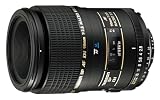
Tamron AF 90mm f/2.8 Di SP A/M 1:1 Macro Lens for Canon Digital SLR Cameras (Model 272EE)
Pros
- Excellent macro sharpness
- True 1:1 magnification ratio
- Lightweight at 405g
- Great value vs Canon L
- Smooth bokeh for portraits
Cons
- Older slower autofocus motor
- No image stabilization
- Manual focus can be stiff
- Not weather sealed
The Tamron 90mm f/2.8 Di SP Macro is the most affordable way to get true 1:1 macro on a Canon DSLR. Despite its age, this lens still produces excellent image quality, and its lightweight 405g design is a real benefit for handheld field work.
Image sharpness rivals lenses costing three times as much at typical macro apertures. Colors are vibrant and contrast is excellent. For users who want a budget 1:1 macro that delivers pro-grade files, this Tamron is hard to argue with.

The older micromotor autofocus is the main compromise. It is slower and noisier than modern ring-type USM designs, and not all cameras focus it perfectly. For static macro subjects on a tripod, autofocus speed rarely matters. For moving subjects, manual focus often produces better results anyway.
Build quality is good for the price, with a metal mount and solid construction. There is no weather sealing, so I keep this lens for studio and dry-weather field use only. As a budget alternative to Canon L-series glass, it has been a favorite among enthusiasts for over a decade.

Best use cases for budget Tamron
This lens shines for studio product photography, controlled nature shots on calm days, and learning macro techniques without a major financial commitment. Beginners who want to understand focus stacking and magnification before investing in L-series glass get exceptional value here.
Adapting to Canon mirrorless
On Canon EOS R series bodies via an EF-EOS R adapter, autofocus is acceptable but slower than native options. Manual focus is smooth and precise, which works well for tripod-based macro. For photographers transitioning to mirrorless, this Tamron remains a viable low-cost option.
10. TTARTISAN 100mm f/2.8 2X Macro RF – Extreme Magnification on Mirrorless
Pros
- True 2x magnification beyond life-size
- Full-frame RF mount native
- Excellent sharpness and color
- Lightweight portable design
- Sub-$400 price
Cons
- Manual focus only
- No image stabilization
- Very few long-term reviews
- Focus throw can be long
- Not weather sealed
The TTARTISAN 100mm f/2.8 2X Macro is a fascinating third-party macro for Canon RF mount mirrorless shooters who want magnification beyond standard 1:1. The 2x reproduction ratio captures details invisible to conventional macro lenses, and the price under $400 makes it accessible to enthusiasts.
Image sharpness and color reproduction are excellent at typical macro apertures. The 14-element optical design with 6 high-refraction elements handles aberrations well for the price point. I was impressed with how clean the bokeh looks, even on this manual-focus third-party optic.
Manual focus only is the biggest compromise. For static subjects on a tripod this is fine, and many macro shooters prefer manual focus for precision. For handheld macro on moving insects, autofocus would be missed.
When 2x magnification matters
Standard 1:1 macro lenses capture insects, flowers, and small products at life-size. For subjects like circuit board details, watch movements, jewelry textures, or extreme insect close-ups, 2x magnification reveals details that 1:1 simply cannot resolve. This lens opens a creative door that dedicated Canon RF glass does not yet cover.
Working with manual focus on RF mount
Manual focus on RF mount bodies benefits from focus peaking and magnification assist, both of which are available on every EOS R series camera. I focus carefully at the desired magnification, then use focus stacking software to combine frames if depth of field becomes too thin. Manual focusing actually gives more repeatable results than AF for extreme macro.
11. Brightin Star 60mm f/2.8 2X Macro RF – Budget APS-C RF Macro
Pros
- 2x magnification on a budget
- f/2.8 large aperture
- Smooth 160 degree focus throw
- IMC coating reduces flare
- Compatible with most RF bodies
Cons
- Manual focus only
- APS-C sensor recommended
- No image stabilization
- Very few reviews yet
- No weather sealing
The Brightin Star 60mm f/2.8 2X Macro is one of the most affordable ways to get 2x macro magnification on Canon RF mount. Designed primarily for APS-C bodies like the EOS R7 and R10, this lens gives a 90mm equivalent field of view with extreme close-up capability.
The f/2.8 aperture is a useful feature for low-light work, and the IMC coating keeps flare under control when shooting toward bright backgrounds. The 160 degree focus throw allows very precise manual focusing, which is critical at 2x magnification where depth of field becomes razor thin.
This is a manual-focus-only lens, which is normal for extreme magnification designs. Autofocus at 2x is rarely useful because depth of field is so thin. The lack of image stabilization is less of an issue for tripod-based macro at this magnification level.
APS-C vs full-frame on RF mount
On APS-C bodies like the Canon R7 and R10, the 60mm focal length becomes 90mm equivalent, ideal for insect work. On full-frame RF bodies, the lens still works but the wider field of view requires more careful cropping. The lens is designed primarily for crop sensor shooters based on its official compatibility list.
Best beginner extreme macro setup
Pair this lens with an EOS R10 or R7 and a sturdy tripod, and you have an extreme macro system for under $1,000. The 2x magnification opens subjects like watch movements, insect eyes, and circuit details that 1:1 lenses cannot capture. Manual focus becomes second nature with a few sessions of practice.
12. Canon EF 100mm f/2.8L Macro IS USM Bundle – L-Series With Accessories
Pros
- L-series optics in a bundle
- Includes lens case and filter kit
- Hybrid IS up to 4 stops
- Weather-sealed construction
- Full-time manual focus override
Cons
- Only one review so far
- Bundle availability limited
- Rattle reported on one unit
- Not Prime eligible
- 90-day seller warranty typically
The Canon EF 100mm f/2.8L Macro IS USM Bundle packages the legendary L-series macro lens with a lens case, 67mm filter kit, and lens cap keeper. For photographers who want everything they need to start shooting macro in one purchase, this bundle offers convenience.
The lens itself delivers the same exceptional image quality as the standard L-series 100mm macro. Hybrid IS, 1:1 magnification, weather sealing, and full-time manual focus override are all included. The accessory additions are useful for first-time macro shooters who do not already own filters.
The bundle has limited reviews and some quality control concerns based on early buyer feedback. Stock availability varies, and the seller warranty is shorter than Canon’s standard 1-year coverage. Verify return terms carefully before purchase.
What is included beyond the lens
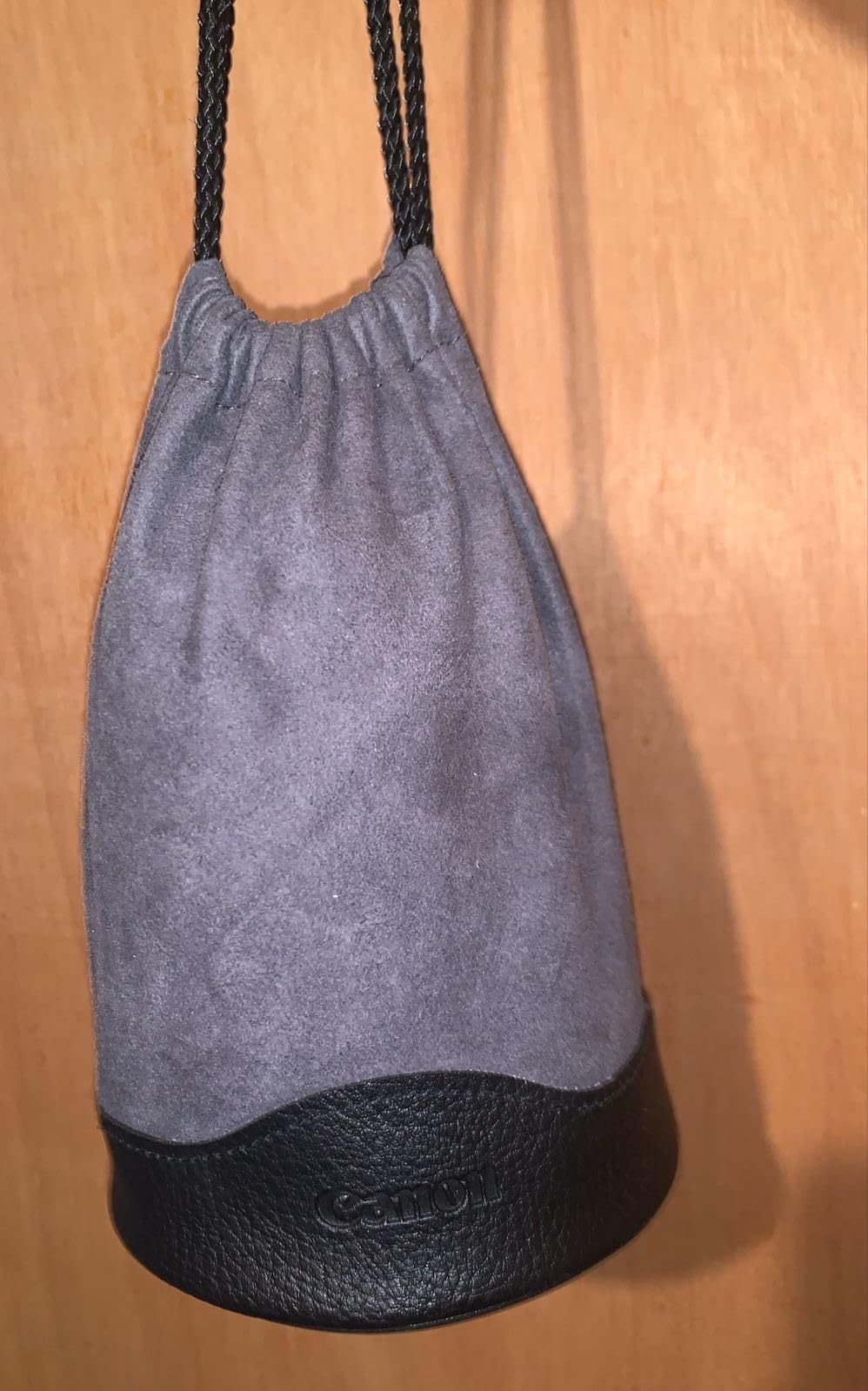
This bundle typically includes a hard lens case, a 67mm UV filter, circular polarizer, and a lens cap keeper elastic strap. For first-time macro buyers, the accessories save the cost of buying them separately and provide everything needed for immediate shooting.
Comparing to buying lens and accessories separately
Purchasing the lens and accessories separately sometimes costs less, especially when buying third-party filters. However, the bundle offers convenience and a single checkout experience. Calculate both options based on current prices before committing.
Buying Guide: How to Choose the Best Canon Macro Lens?
Choosing the right Canon macro lens comes down to three core decisions: mount system (RF versus EF), magnification needs (true 1:1 versus close-up capability), and focal length (60mm versus 85mm versus 100mm). Each factor shapes how you will use the lens in the field, and getting the combination right saves money and frustration. For more guidance, see my detailed breakdown on the best macro lens resource.
RF mount vs EF mount decision
If you shoot a current Canon EOS R series mirrorless camera, RF mount lenses deliver faster autofocus, better integration, and modern features like 5-stop Hybrid IS. EF mount lenses still work well via the EF-EOS R adapter and offer excellent value, especially on the renewed market. I have covered dedicated 100mm macro options in detail elsewhere.
Understanding 1:1 magnification
True macro means a 1:1 magnification ratio, where your subject projects onto the sensor at life-size. A 10mm beetle covers 10mm of sensor real estate. Lenses that reach only 0.5x macro capture subjects at half life-size, which is great for food and product work but limited for true close-up. Anything beyond 1:1 (like the 1.4x RF 100mm or 2x third-party options) reaches into extreme macro territory for very small subjects.
Working distance and subject type
Working distance is the gap between the front of the lens and your subject at 1:1. Longer focal lengths give more working distance, which is critical for live insects and lit product photography. A 100mm macro gives roughly 11 inches at 1:1, while a 60mm macro gives roughly 5 inches. Shy insects and lit jewelry both benefit from extra working distance.
Image stabilization for handheld work
Hybrid IS specifically compensates for the shift shake that dominates at close distances. Traditional IS only addresses angular shake, which is less of an issue at macro distances. If you plan to shoot handheld without flash, choose a lens with Hybrid IS rated at 4 stops or higher. Tripod-based shooters can skip IS to save money, as discussed in my budget macro photography guide.
Weather sealing for outdoor work
L-series Canon macro lenses and the Sigma 105mm offer weather sealing that protects against light rain, dust, and humidity. Non-sealed lenses are fine for studio and controlled outdoor work but limit your options in tough conditions. Match sealing to your typical shooting environment.
Third-party alternatives from Sigma, Tamron, and Laowa
Third-party macro lenses offer exceptional value, particularly the Sigma 105mm and Tamron 90mm. For shooters on a budget, these lenses deliver 90 percent of the optical quality of L-series glass at half the price. Laowa makes excellent manual-focus extreme macro options for specialty work. For phone-based close-ups, see my review of clip-on macro options.
Frequently Asked Questions
Does a macro lens take close-up pictures?
Yes. A macro lens is specifically engineered to focus at very close distances and achieve at least 1:1 magnification, meaning the subject projects onto the sensor at life-size. Standard lenses cannot focus this close, so dedicated macro glass is essential for true close-up photography. Macro lenses also maintain edge-to-edge sharpness at close distances where regular lenses typically soften.
Which Canon lens is best for macro photography?
The Canon RF 100mm f/2.8 L Macro IS USM is the best overall Canon macro lens for most photographers. It offers 1.4x magnification beyond life-size, 5-stop Hybrid IS for handheld work, and weather-sealed L-series build. For DSLR shooters, the Canon EF 100mm f/2.8L IS USM remains an excellent alternative with legendary image quality.
What is the best affordable Canon macro lens?
The Canon RF35mm f/1.8 IS Macro STM is the best affordable native RF macro lens, offering 0.5x magnification and 5-stop IS at a budget price. For true 1:1 macro on a budget, the Tamron 90mm f/2.8 Di SP Macro delivers professional results at the lowest price in the category.
What are the disadvantages of using macro lenses?
Macro lenses have a shallow depth of field at close distances, which often requires focus stacking. They also tend to focus slowly at minimum distance and can hunt in low light. Working distance on shorter focal lengths like 60mm is limited, making live insect work difficult. Image stabilization helps but cannot fully replace a tripod for critical sharpness.
What magnification do I need for true macro?
True macro requires at least 1:1 magnification, where your subject projects onto the sensor at life-size. A 10mm subject covers 10mm of the sensor. Lenses below 1:1 (like 0.5x options) are great for close-up work but do not qualify as true macro. For extreme macro beyond 1:1, options like the RF 100mm with 1.4x or third-party 2x lenses reach into specialized territory.
Final Verdict
The best Canon macro lenses for close-up work in 2026 are anchored by the Canon RF 100mm f/2.8 L Macro IS USM for premium mirrorless shooters, the legendary EF 100mm f/2.8L IS USM for DSLR users, and the Canon RF 35mm f/1.8 IS Macro STM for budget RF shooters. Each delivers the magnification, sharpness, and stabilization needed for serious close-up work.
Choose based on your camera system and budget. RF mount shooters get the most modern features; EF mount users gain exceptional value. Either way, any of these 12 lenses will transform your close-up photography in 2026.