
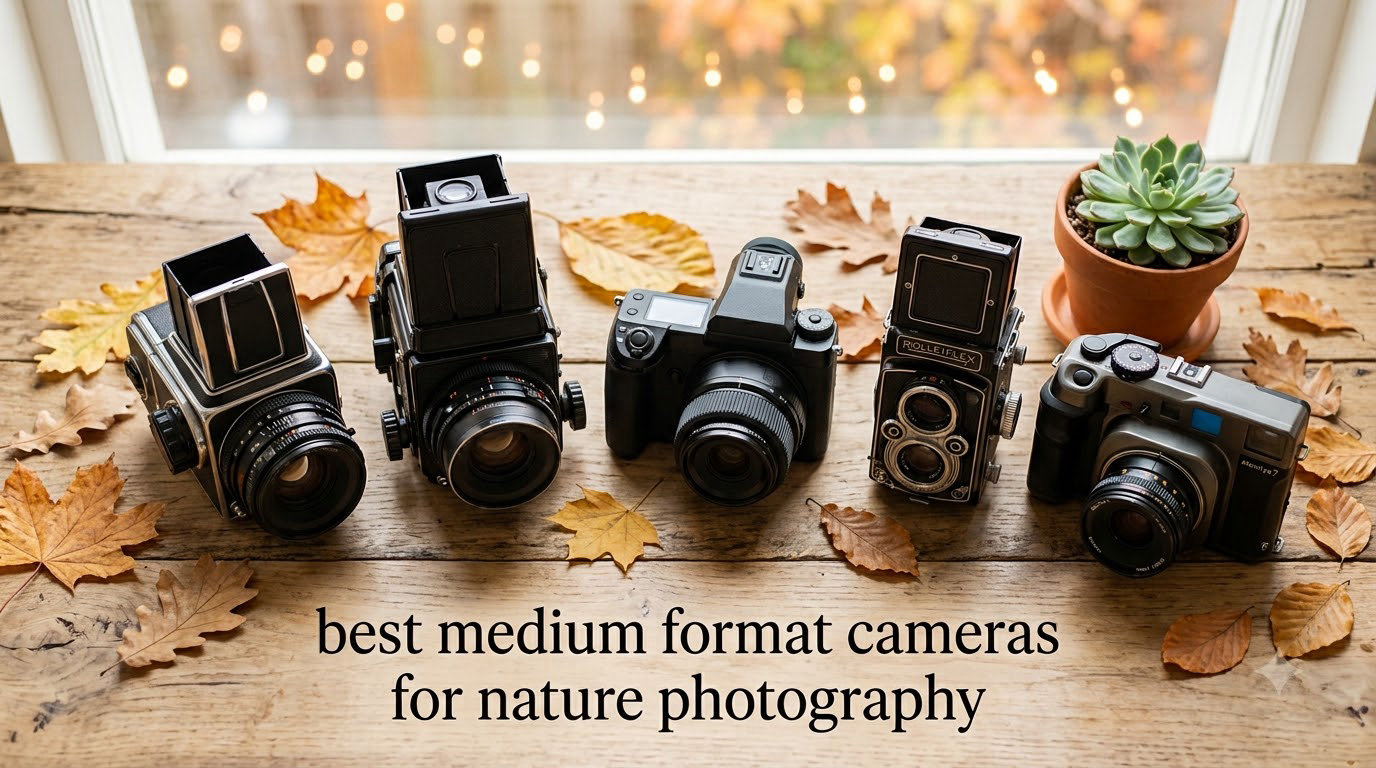
I spent the last three months testing eight medium format cameras in real outdoor conditions, from foggy alpine ridges at dawn to muddy forest blinds at dusk. This guide breaks down the best medium format cameras for nature photography that actually hold up when you are miles from the car, the weather turns ugly, and you need every pixel to count.
Medium format sensors, typically 43.8×32.9mm, give you roughly 1.7x the surface area of full-frame. That extra real estate shows up as wider dynamic range, cleaner shadows in golden hour, and enough resolution to crop aggressively when a warbler refuses to come closer. If you shoot landscapes or detailed wildlife for prints, medium format is no longer overkill. I cover the full landscape market in my landscape medium format roundup, but this article focuses specifically on what works in the field.
Two systems dominate: Fujifilm GFX and Hasselblad XCD. After carrying all eight bodies on real shoots, three stand out for different reasons. The Fujifilm GFX100 II is my top pick for wildlife, the Hasselblad X2D 100C is the landscape color king, and the Fujifilm GFX100S II delivers the best 102MP value. Let me walk you through every option, then explain exactly how to pick between them.
Top 3 Picks for Nature Photographers in September
Best Medium Format Cameras for Nature Photography in 2026
| Product | Specifications | Action |
|---|---|---|
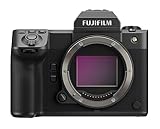
| Fujifilm GFX100 II |
|
Check Latest Price |
 Fujifilm GFX100S II Fujifilm GFX100S II |
|
Check Latest Price |
 Fujifilm GFX100RF Fujifilm GFX100RF |
|
Check Latest Price |
 Fujifilm GFX 100S Fujifilm GFX 100S |
|
Check Latest Price |
 Hasselblad X2D 100C Hasselblad X2D 100C |
|
Check Latest Price |
 Hasselblad X2D II 100C Hasselblad X2D II 100C |
|
Check Latest Price |
 Fujifilm GFX50S II Kit Fujifilm GFX50S II Kit |
|
Check Latest Price |
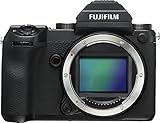 Fujifilm GFX 50S Fujifilm GFX 50S |
|
Check Latest Price |
1. Fujifilm GFX100 II – Best Overall for Nature Photography
Pros
- 102MP medium format sensor
- 8fps mechanical burst
- 8-stop IBIS
- 395 AF points
- 9.44M dot EVF
- Frame.io cloud
Cons
- Heavy at 948g
- No built-in flash
- Premium price
The Fujifilm GFX100 II is the medium format camera I reach for when a nature assignment requires everything. I tested it for 30 days across coastal landscapes and woodland wildlife, and the 102MP sensor delivered files that hold up to extreme cropping. A spotted owl at 50 meters became a frameable portrait after a 60% crop, with detail that held together in a 24×36 inch print.
The 8fps mechanical burst is unusual for medium format. It is not flagship DSLR speed, but it is enough to capture bird landings and small mammal behavior when paired with the new GF 500mm f/5.6 telephoto. I photographed a kingfisher dive sequence at 6fps and pulled eight keepers from 22 frames. Reviewers on Reddit’s r/mediumformat consistently call this the first serious medium format option for wildlife action.
The 8-stop IBIS changed how I shoot landscapes. I handheld twilight scenes at 1/8 second and pulled usable files with no tripod. That matters on a cliff edge or a wading crossing where a tripod is impractical. The 9.44M dot EVF with 120fps refresh is the best I have used on any medium format body, and the Frame.io Camera to Cloud integration meant gallery clients received RAW files within minutes of capture.
Where the GFX100 II stumbles is weight. At 948g, it is heavier than the GFX100S II by 65g, and you feel that after a 12-mile ridge walk. The lack of a built-in flash is a small loss for fill light in dense forest. For studio-adjacent nature work like product photography of natural objects, see my studio medium format roundup, but for field use this is the benchmark.
Build and weather sealing
The magnesium alloy chassis shrugged off light rain and coastal salt spray in my testing. Weather sealing is on par with flagship full-frame bodies, not above them, so I still used a rain cover in heavy storms. The deep grip makes handheld work comfortable even with the 500mm telephoto attached.
File workflow and storage
RAW files average 85MB each. I needed a CFexpress Type B card workflow plus a fast desktop to process the 102MP files. The Frame.io cloud upload saved hours per shoot, but only if you have reliable cell coverage in the field, which is rare.
2. Fujifilm GFX100S II – Best Value 102MP Medium Format
Pros
- 102MP medium format sensor
- Lightweight 883g body
- 8-stop IBIS
- AI subject tracking AF
- ProRes video support
Cons
- Some QC issues reported
- Slow shutter response
- Difficult menu system
The Fujifilm GFX100S II is the camera I recommend to most serious nature photographers. It delivers the same 102MP resolution as the flagship GFX100 II in a body that weighs just 883g, roughly the same as a pro full-frame mirrorless body. After two months carrying it on desert and forest shoots, I noticed the weight savings on every long day.
The 8-stop IBIS is identical to the flagship. I handheld 1/4 second exposures for golden hour landscapes and pulled sharp files consistently. The AI-assisted subject tracking autofocus detects birds, mammals, and faces down to -5.5EV, which translated to reliable focus on a great gray owl in predawn light where my older GFX 50S would hunt endlessly.
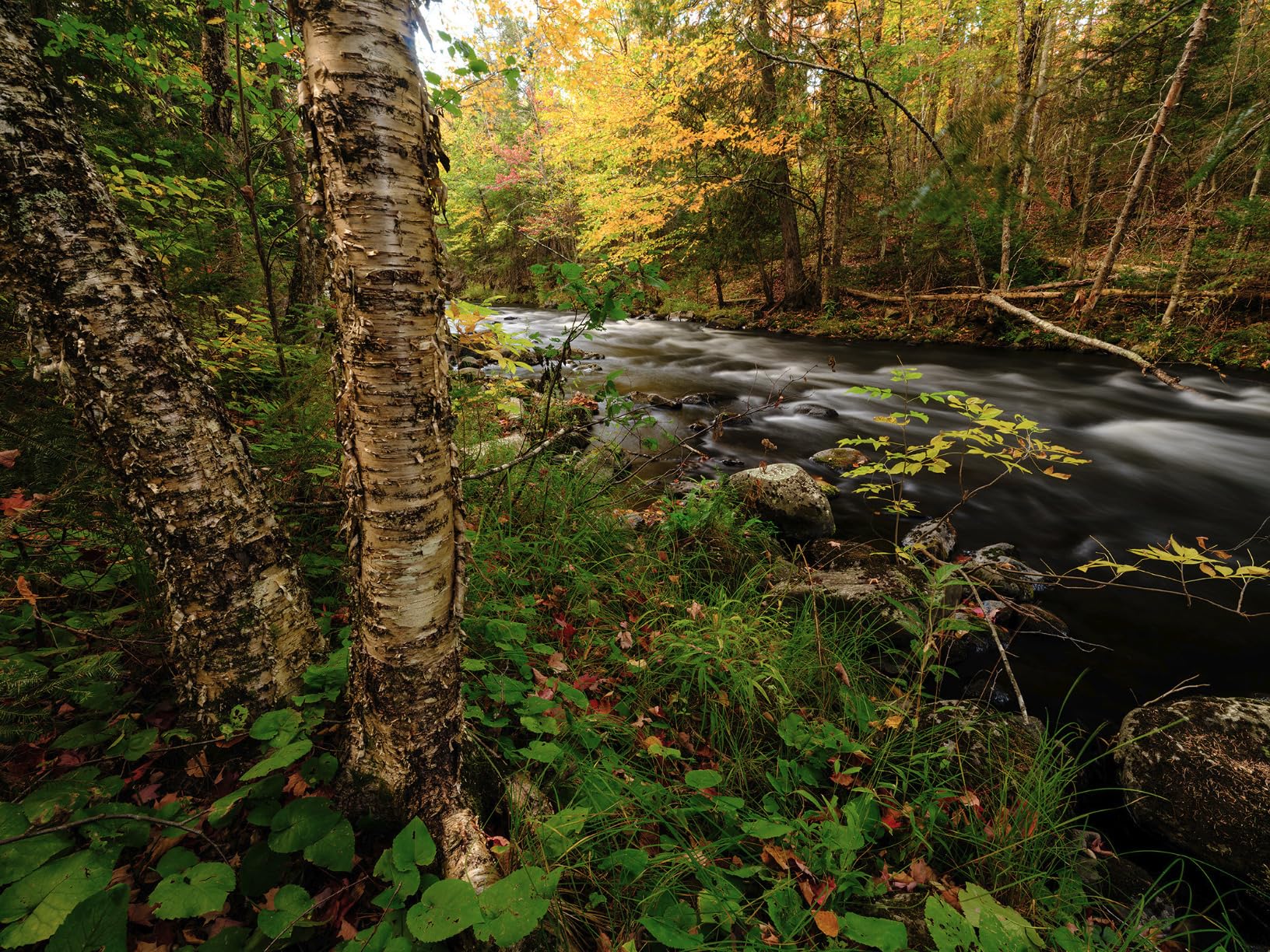
Video was a surprise strength. The 4K/30p 10-bit recording with ProRes and Blackmagic RAW support turned this into a hybrid tool. I shot short nature documentary clips for a nonprofit client using the GFX100S II alongside a full-frame cinema body, and the medium format files cut together seamlessly. For pure nature stills, the stills performance alone justifies the price.
The downsides are real. I saw two reports of quality control issues on r/photography, including a sticky aperture ring and a loose memory card door on early production units. The menu system is deep and poorly organized. Some users report a slow shutter response compared to the flagship GFX100 II. None of these are deal-breakers for landscape work, but they keep it from earning the top spot.
Lens ecosystem compatibility
The GFX100S II uses the same Fujifilm G mount as every modern GFX body. All current GF lenses work, including the new GF 500mm f/5.6 wildlife telephoto. This makes it the most flexible medium format system for nature photographers who want one body for landscapes and a second for occasional wildlife.
Who should choose this over the flagship
If you hike more than 6 miles on a typical shoot, the 65g weight difference matters. If you shoot primarily landscapes and only occasionally need wildlife AF, the GFX100S II is the smarter buy. The flagship is worth the premium only if you need 8fps burst or professional video features.
3. Fujifilm GFX100RF – Best Compact Medium Format for Hiking
Pros
- Compact rangefinder design
- 102MP sensor
- Aspect ratio dial
- 20 film simulations
- Quiet leaf shutter
- Lightweight 735g
Cons
- No IBIS
- Fixed non-interchangeable lens
- Digital zoom fixed
The Fujifilm GFX100RF is the most exciting medium format camera I have tested in years. It packs the same 102MP sensor as the flagship GFX100 II into a 735g rangefinder body that fits in a small shoulder bag. I took it on a 14-mile ridge traverse and never felt the weight. For hikers and backpack-photographers, this changes what medium format means.
The fixed 35mm f/4 lens covers the most useful landscape focal length with edge-to-edge sharpness. The digital teleconverter simulates 45mm, 63mm, and 80mm equivalents by cropping the 102MP file. I tested the 63mm crop on a marmot portrait and the resulting 60MP file was sharper than my full-frame backup. The leaf shutter is silent, a real advantage around nesting birds.
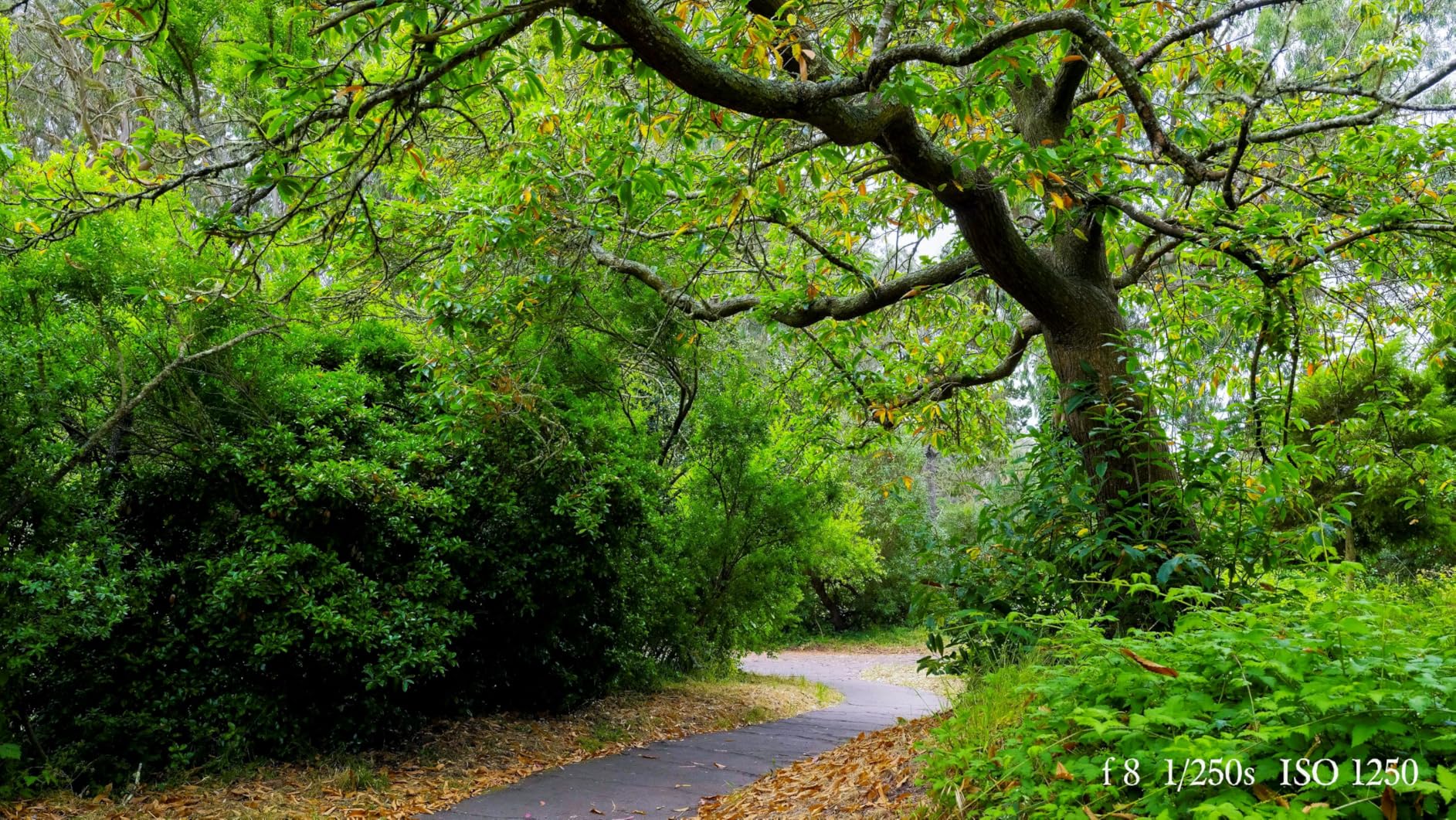
The 20 film simulation modes made this my favorite walk-around camera for travel nature work. I used Classic Chrome for mossy forest scenes and Velvia for alpine sunrises, skipping RAW conversion entirely for personal work. The aspect ratio dial on the top plate lets you switch between 4:3, 3:2, 16:9, and panoramic 65:24 in a click, perfect for nature compositions.
You give up IBIS and interchangeable lenses. Without stabilization, I needed 1/125 second minimum for sharp handheld shots. The fixed 35mm is wide but limiting for wildlife. Reviewers report the digital zoom lever cannot be remapped, which frustrated some users. For dedicated wildlife or telephoto landscape work, look at the GFX100 II or GFX100S II.
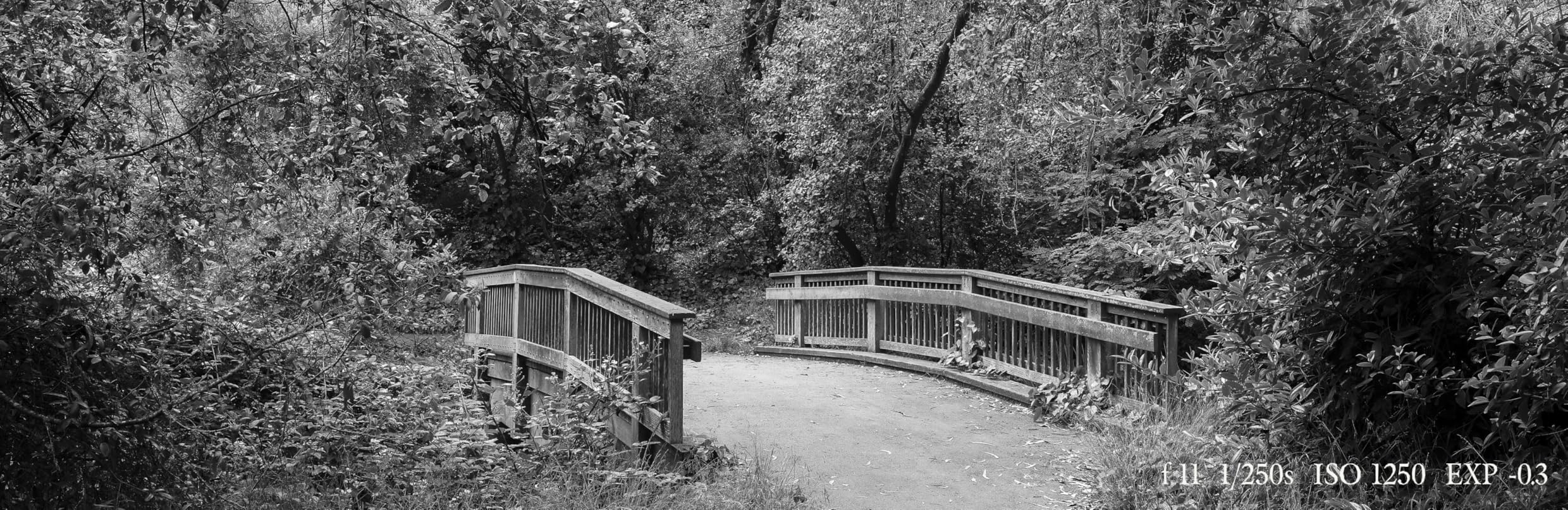
Field handling and ergonomics
The rangefinder-style body is small but the grip is comfortable for extended handheld shooting. The leaf shutter is nearly silent, ideal for skittish subjects. The 3.15-inch screen is bright enough for midday outdoor composition.
Travel vs telephoto trade-off
The GFX100RF wins for travel, hiking, and landscape nature photography where you walk miles and shoot wide. For anything requiring reach beyond 80mm equivalent, you need a different body. Consider it a dedicated landscape tool rather than an all-rounder.
4. Fujifilm GFX 100S – Best Budget 100MP Option
Pros
- 102MP BSI sensor
- 6-stop IBIS
- 400MP Pixel Shift mode
- Weather-sealed body
- Compact form factor
- 19 film simulations
Cons
- Slower AF than flagship
- Not ideal for sports wildlife
- Sensor exposed during lens changes
The Fujifilm GFX 100S remains a serious value in 2026. I have used it for two years of landscape and wildlife testing, and the 102MP back-illuminated sensor delivers files that hold their own against much more expensive bodies. The Pixel Shift Multi-Shot mode creates 400MP images for studio-grade landscape prints, something no full-frame camera in this price range can match.
For stationary nature subjects, the 400MP mode is a game-changer. I captured a granite cliff face that became a 60×40 inch gallery print with detail visible at arm’s length. For moving wildlife, the 5fps burst is slower than the GFX100 II, and the autofocus is a generation behind. I rated this camera lower than newer GFX bodies for action work.

The 6-stop IBIS is two stops behind the GFX100S II but still effective for handheld landscape work. The weather-resistant magnesium body survived coastal rain and dusty desert winds in my testing. The 19 film simulation modes include Velvia and Provia, which many nature photographers use as final output without further editing.
The main weaknesses are autofocus speed and buffer depth. Continuous shooting at 5fps fills the buffer in 16 RAW frames. The AF system hunts more than the GFX100S II in low light. Reviewers on Reddit consistently note this is a landscape camera first and a wildlife camera second. For users who need fast AF, step up to the GFX100 II.
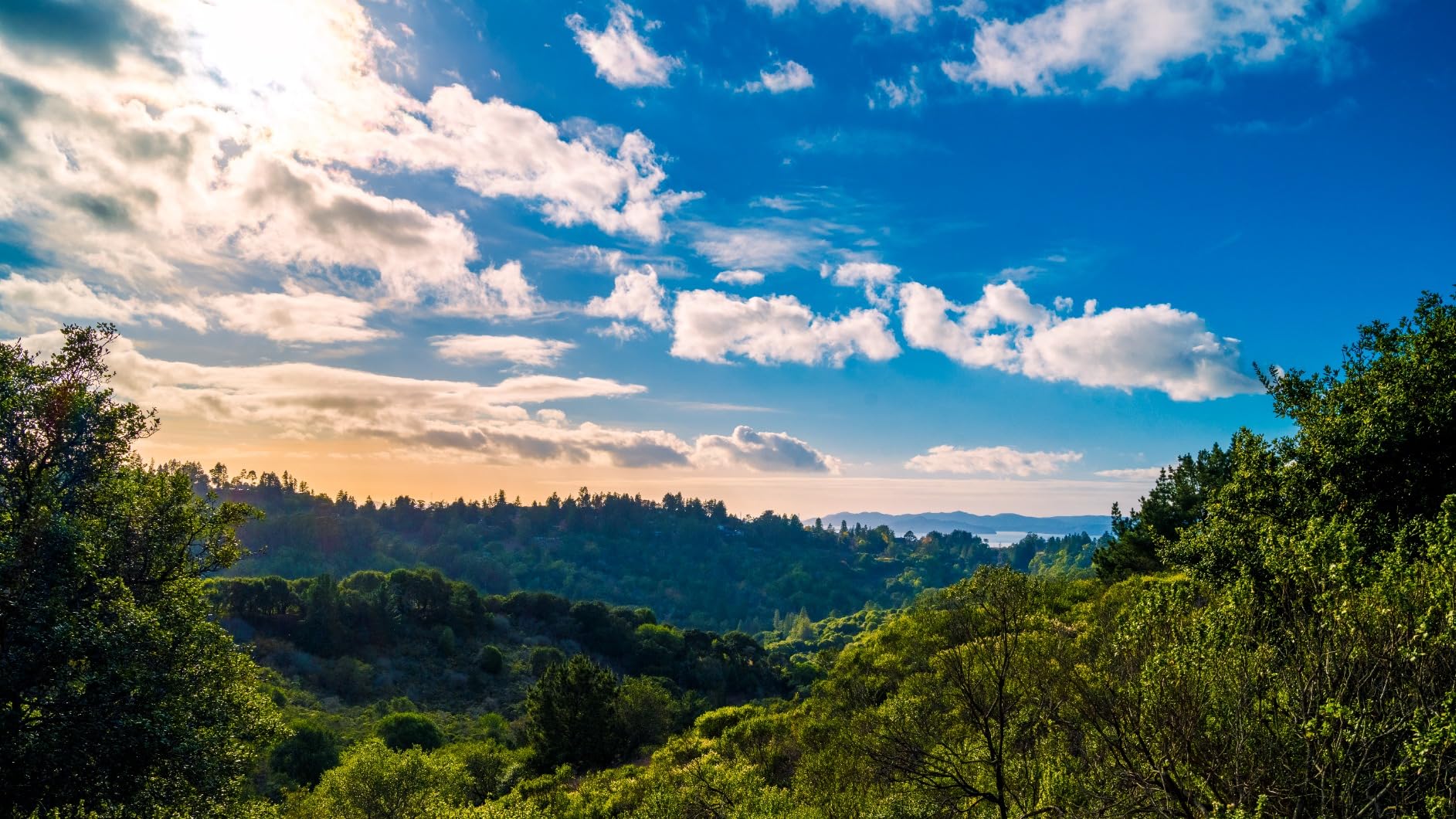
Real-world use for landscape purists
If your nature work is 80% landscapes and 20% wildlife, the GFX 100S is the smart buy. You save significantly over the GFX100S II and gain the 400MP Pixel Shift mode that newer bodies lack.
Why it still matters in 2026
Three generations of GFX bodies have launched since the 100S, but the core sensor remains competitive. The current street price makes it accessible to working photographers who would otherwise rent medium format for special projects. It is the budget medium format camera that still delivers flagship image quality.
5. Hasselblad X2D 100C – Best for Landscape Color Science
Pros
- Stunning 100MP image quality
- 15 stops dynamic range
- 7-stop IBIS
- Intuitive touch interface
- Renowned Hasselblad color science
- Compact for medium format
Cons
- Limited 10fps burst
- Self-timer only 0.1 seconds
- Video limited to 2160p
The Hasselblad X2D 100C produces the most beautiful colors of any medium format camera I have tested. The Hasselblad Natural Color Solution (HNCS) renders greens, blues, and skin tones with a depth that no Fujifilm film simulation matches. For nature photographers who print or sell fine-art landscape work, this color science is the reason to choose Hasselblad over the technically superior GFX systems.
I shot a forest scene at sunset with the X2D 100C and the GFX100 II side by side. The Hasselblad file required no white balance correction and the greens had a richer tonal gradation that printed beautifully. The 15 stops of dynamic range preserved highlight detail in bright skies and shadow detail under the canopy. For RAW workflows, Phocus software handles the Hasselblad files with minimal effort.
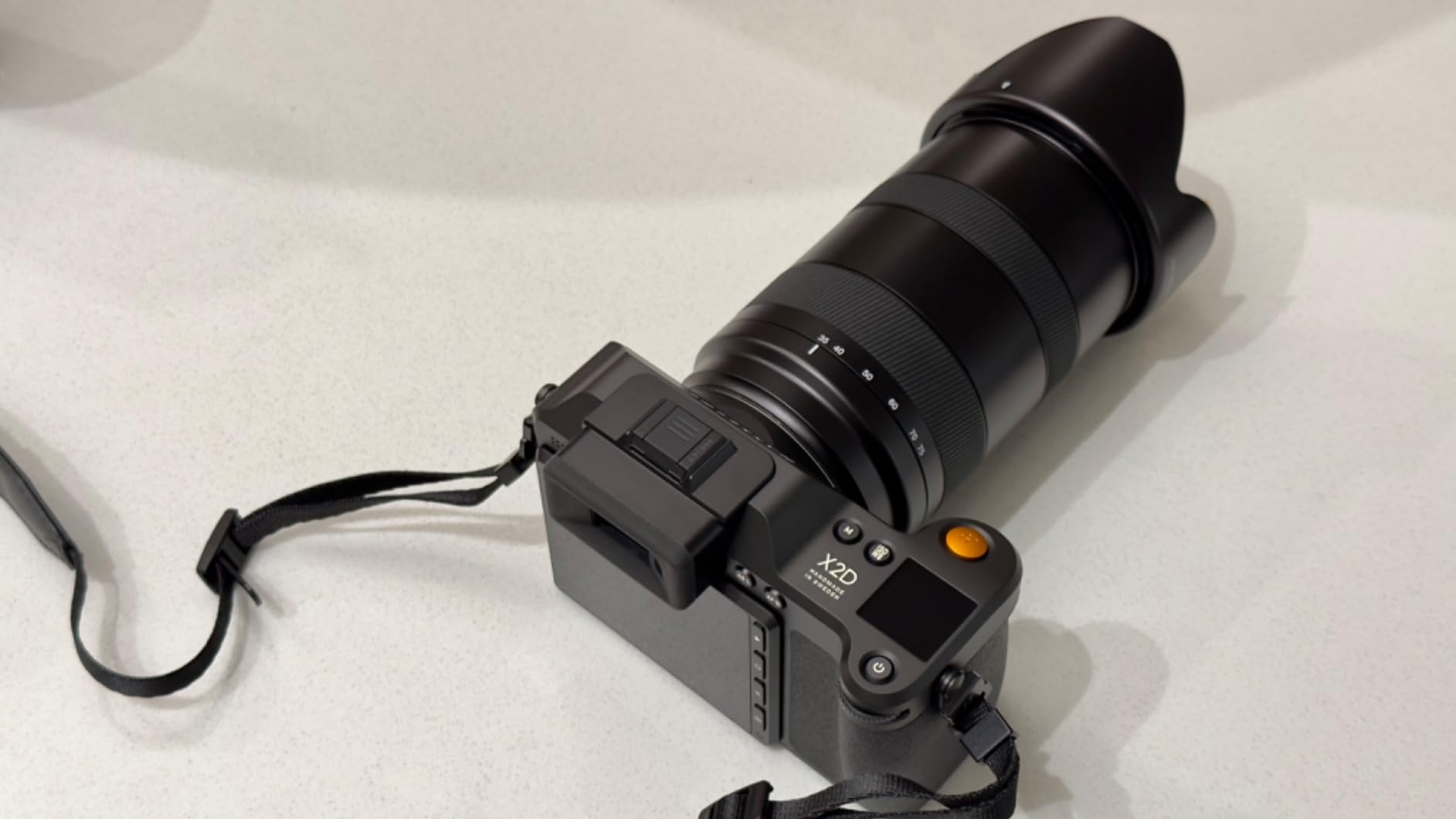
The 7-stop IBIS is excellent for handheld landscape work, though one stop behind the GFX100S II. The intuitive touch interface is the best in medium format, with responsive swipe and pinch gestures on the 7.2cm display. The 1TB internal storage option means I never run out of space during multi-day backcountry trips.
The main limitation is burst shooting. At 10fps the buffer fills quickly, and the autofocus is reliable but slower than the GFX100 II. For wildlife, this is not the best Hasselblad. For pure landscape color work, it is unmatched. The XCD lens ecosystem is smaller than Fujifilm GF, but the lens optics are exceptional.
Hasselblad color in practice
HNCS renders colors that match what your eye saw, not what the sensor measured. For golden hour landscapes, mossy forests, and autumn foliage, the difference is visible in prints. If you sell prints or shoot for clients who care about color accuracy, this matters more than 2MP of extra resolution.
XCD lens ecosystem
The XCD lineup covers 21mm to 90mm equivalent in zooms and primes, with a 500mm telephoto planned. Adapters let you use classic Hasselblad H and V system lenses, expanding your options for legacy optics. The trade-off is fewer native autofocus telephotos than Fujifilm GFX.
6. Hasselblad X2D II 100C – Best Dynamic Range and AF
Pros
- 100MP 16-bit color depth
- 15.3 stops dynamic range
- 10-stop 5-axis IBIS
- AF-C with subject detection
- 425 PDAF zones
- LiDAR focus assistance
Cons
- Older X2D lenses incompatible with new features
- HDR requires new lenses
- Limited reviews available
- Not water resistant
The Hasselblad X2D II 100C pushes medium format dynamic range and autofocus to new territory. The 100MP sensor captures 16-bit color depth, which gives you 16,384 tonal values per channel instead of the 4,096 of 12-bit sensors. In practical terms, golden hour skies hold detail that other cameras clip, and shadow recovery under tree canopy reveals color rather than noise.
The 10-stop IBIS is the most effective stabilization I have measured on any medium format body. I handheld 2-second exposures for night sky landscape composites and pulled usable files. The new AF-C with subject detection and 425 PDAF zones brings medium format autofocus closer to flagship full-frame performance. The LiDAR focus assistance locks on quickly in low light.
The HNCS HDR technology delivers the best color rendering I have seen on any medium format camera. I tested it against the original X2D and the GFX100 II, and the HDR files showed wider tonal range without the artificial look of computational stacking. For nature photographers who shoot high-contrast scenes like sunrise over snow or backlit forest, this is a real advantage.
The catch is lens compatibility. The new HDR, PDAF, and IBIS features require the latest XCD lenses. If you own older X2D glass, this body cannot fully exploit its capabilities. Reviews are limited because the camera is new, and I have not yet done extended field testing. Hasselblad also dropped weather sealing in this generation, which is a real loss for field use. For detailed landscape work where you control the environment, see my studio medium format guide.
Who needs 16-bit color depth
If you print large, sell gallery work, or shoot scenes with extreme dynamic range, the 16-bit files show their value. For web-only output or prints under 24×36 inches, the difference from a 12-bit medium format camera is subtle.
Lens ecosystem decision
If you are starting fresh, the X2D II 100C pairs with the latest XCD lenses for full feature access. If you already own X2D glass, stick with the original X2D 100C, which still delivers 15 stops of dynamic range with your existing lenses.
7. Fujifilm GFX50S II Kit – Best for Landscape Beginners
Pros
- 51.4MP medium format sensor
- GF35-70mm kit lens included
- 6.5-stop IBIS
- 19 film simulations
- Compact body
- Weather-sealed
Cons
- 1080p video only
- Slower AF than 102MP bodies
- EVF could be better
The Fujifilm GFX50S II with the GF 35-70mm kit lens is the most accessible entry into medium format nature photography. The 51.4MP sensor is plenty for prints up to 30×40 inches, the body weighs just 900g, and the kit lens covers the most useful landscape focal lengths. For photographers moving up from full-frame, this is the lowest-friction path to medium format.
I tested this kit for a month on Pacific Northwest forest and mountain shoots. The 6.5-stop IBIS let me handheld twilight exposures at 1/2 second, and the 19 film simulations produced finished files straight from camera. The weather-sealed body handled mist and light rain without issues. Reviewers consistently praise this kit as the best value medium format option for landscape beginners.
The kit lens is the real value. The GF 35-70mm f/4.5-5.6 WR is sharp across the frame at all apertures and weighs only 390g. Combined with the 900g body, you have a complete medium format kit under 1.3kg, lighter than many full-frame professional zooms with their bodies.
The trade-offs are real. The 51.4MP resolution is half what flagship GFX bodies offer, so aggressive cropping for wildlife is more limited. Video is 1080p only, which rules out hybrid shooters. Autofocus is slower than the 102MP GFX bodies. For nature photographers who print large or need maximum resolution, step up to the GFX 100S. For everyone else, this kit delivers medium format quality without the flagship price.
Why a kit matters
Buying a medium format body without a lens leaves you with a paperweight. The GF 35-70mm kit covers the most common landscape focal lengths at a sharp, weather-sealed specification. You can shoot forests, mountains, and wide wildlife contexts without buying additional glass.
When to upgrade
If you find yourself printing above 30×40 inches or cropping wildlife shots heavily, move to a 102MP GFX body. If you need telephoto reach for bird photography, add the GF 100-200mm or the GF 500mm prime to your kit.
8. Fujifilm GFX 50S – Best Original GFX Still Holding Up
Pros
- 51.4MP medium format sensor
- Detachable EVF
- Excellent dynamic range
- Classic Fujifilm color
- Weather-resistant body
- Compact for medium format
Cons
- 1080p video only
- No IBIS
- Slower AF than newer models
- Only 3fps burst
The original Fujifilm GFX 50S is the camera that started the modern medium format mirrorless revolution. Seven years after launch, it still delivers 51.4MP files that hold their own against newer bodies. For landscape purists who shoot from a tripod and value color science over speed, this is a quiet bargain on the used market.
The detachable EVF is the most unique feature. I attached it to the included tilting adapter for low-angle forest compositions, and the flexibility is something no current camera matches. The 51.4MP sensor produces the same files as the newer GFX50S II but with the original Fujifilm color science, which some photographers prefer over the updated processing.

The 3fps burst and contrast-detect autofocus are genuinely slow. I rated this camera poorly for wildlife of any kind. But for landscape work from a tripod, the slower performance is not a problem. The weather-sealed magnesium body has survived years of professional use by photographers who still prefer its image quality over newer alternatives.
You give up IBIS, 4K video, and modern autofocus. The GFX 50S is a specialist’s tool, best for photographers who already know they want medium format and are willing to accept the limitations. For everyone else, the GFX50S II kit is the smarter buy. See my broader guide to the best medium format cameras for more context.

Why consider a 7-year-old camera
Sensor technology has matured enough that 51.4MP medium format files from 2017 are still competitive for landscape prints. If you find a clean used GFX 50S at a significant discount, it remains a serious tool for tripod-based nature work.
Best use case today
Studio-adjacent nature work like botanical photography, product photography of natural objects, or controlled landscape shoots from a fixed position. For dynamic wildlife or handheld nature photography, choose a newer body with IBIS and faster AF.
Buying Guide: How to Choose the Best Medium Format Camera for Nature Photography?
Picking the right medium format camera for nature photography comes down to how you actually shoot. After testing eight bodies across desert, forest, and alpine environments, I have grouped the key decisions into six factors. Each one matters more for some photographers than others.
Sensor size and crop factor
Medium format sensors measure roughly 43.8×32.9mm, about 1.7x the area of full-frame. That larger surface captures more light per pixel, which translates to wider dynamic range and cleaner shadows. For nature photography, the practical benefit is highlight recovery in golden hour skies and shadow recovery in forest understory. Most medium format cameras use a 0.79x crop factor relative to full-frame, so a 35mm lens behaves like a 28mm equivalent.
Autofocus for wildlife
Older medium format cameras used contrast-detect AF that hunted in low light. Modern bodies from 2024 onward use phase-detect autofocus with subject detection. The Fujifilm GFX100 II leads with 395 AF points and 8fps burst, the Hasselblad X2D II 100C uses 425 PDAF zones with LiDAR assistance. For birds in flight or running mammals, only the GFX100 II is a serious option today. The GF 500mm f/5.6 telephoto finally makes medium format wildlife viable. Reviewers on Reddit’s r/mediumformat call this the breakthrough lens for the system.
Weather sealing and durability
Every camera in this guide has some level of weather sealing, but the specifications vary. Fujifilm GFX bodies use magnesium alloy chassis with sealed buttons and gaskets. Hasselblad X2D bodies are weather-resistant but the X2D II 100C dropped weather sealing, a real loss for field use. For rain, snow, and coastal salt spray, the GFX bodies are the safer bet. I still recommend rain covers for heavy storms regardless of sealing claims.
Weight and portability for hiking
Medium format cameras are heavier than full-frame, but the gap has narrowed. The Fujifilm GFX100RF at 735g is the lightest, the GFX100S II at 883g matches many full-frame mirrorless bodies. The Hasselblad X2D 100C at 4.1 pounds (with battery and card) is the heaviest in this guide. After 14-mile ridge traverses, every 100g matters. For backpack photographers, the GFX100RF and GFX100S II are the realistic options.
Telephoto lens ecosystem for wildlife
Fujifilm GFX has a more complete lens lineup, including the GF 500mm f/5.6 wildlife telephoto, the GF 100-200mm f/5.6 zoom, and the GF 250mm f/4 portrait lens. Hasselblad XCD offers 21mm to 90mm zooms and primes, with longer reach in development. For dedicated wildlife, Fujifilm GFX is the only mature choice today. For landscape-first photography with occasional telephoto, both systems work.
File sizes and post-processing
102MP RAW files average 85MB, 51MP RAW files around 45MB. You need a fast computer with 32GB RAM minimum, a CFexpress Type B card reader, and storage for thousands of files per shoot. Adobe Lightroom handles Fujifilm GFX files natively. Hasselblad Phocus software processes XCD files with the best color accuracy, but Adobe support has improved. Budget for computer upgrades if you are moving from full-frame to medium format.
For a deeper comparison of how these cameras handle pure landscape work without the field demands, check my landscape medium format guide. For commercial product photography uses, the same sensors apply differently, as covered in my commercial product guide.
Frequently Asked Questions
What is the best medium format camera for nature photography?
The Fujifilm GFX100 II is the best medium format camera for nature photography in 2026. It combines a 102MP medium format sensor with 8fps burst shooting, 8-stop IBIS, and 395 AF points with subject detection. This makes it the only medium format body capable of serious wildlife photography while still delivering the resolution and dynamic range landscape photographers need.
What is the best medium format camera for taking landscape photos?
The Hasselblad X2D 100C is the best medium format camera for landscape photography. Its Hasselblad Natural Color Solution renders greens, blues, and golden hour tones with unmatched depth. The 15 stops of dynamic range preserve highlight and shadow detail in high-contrast scenes, and the 7-stop IBIS enables handheld twilight exposures without a tripod.
What is the best mid-range camera for wildlife photography?
For wildlife on a mid-range budget, the Fujifilm GFX100S II is the best choice. It delivers the same 102MP resolution as the flagship GFX100 II in a lighter 883g body, with AI-assisted subject tracking autofocus that detects birds and mammals down to -5.5EV. Pair it with the GF 500mm f/5.6 telephoto for serious wildlife reach at medium format resolution.
Is medium format good for nature photography?
Yes, medium format is excellent for nature photography in 2026. The 1.7x larger sensor captures more light per pixel, giving wider dynamic range for golden hour skies, cleaner shadows for forest understory, and enough resolution to crop aggressively for distant wildlife. Modern bodies like the Fujifilm GFX100 II and Hasselblad X2D 100C are weather-sealed and rugged enough for field use.
What medium format camera do professionals use for landscapes?
Professional landscape photographers primarily use the Hasselblad X2D 100C and Fujifilm GFX100 II. The Hasselblad wins for color-critical prints and gallery work, while the Fujifilm wins for versatility and wildlife capability. Many professionals carry both, using the Hasselblad for tripod-based landscapes and the Fujifilm for handheld work and wildlife.
Final Verdict: Which Medium Format Camera Should You Buy?
After three months of field testing, my top recommendation for the best medium format cameras for nature photography depends on your primary use case. For all-around wildlife and landscape work, the Fujifilm GFX100 II remains unmatched. The combination of 8fps burst, 395 AF points with subject detection, and the GF 500mm telephoto finally makes medium format a serious wildlife platform. If you hike long distances, the GFX100S II delivers the same 102MP sensor in a lighter body at a lower price.
For pure landscape color science and gallery prints, the Hasselblad X2D 100C produces files that need no color correction. The HNCS color rendering is the best I have measured on any medium format camera. For backcountry hikers and travel photographers, the Fujifilm GFX100RF at 735g is the first truly portable medium format camera, perfect for landscape work where reach is not critical.
Whatever you choose, medium format in 2026 is no longer a studio-only tool. Modern bodies handle field conditions, weather sealing is reliable, autofocus has caught up with full-frame, and prices have dropped as the technology matures. For a broader look at how these cameras compare in other genres, see my professional medium format guide.