
I have carried a Canon compact in my jacket pocket on more trips than I can count, and I keep coming back to them for one simple reason: they just work. In 2026, the lineup of small Canon cameras is stronger than it has been in years, with options ranging from $379 pocket point-and-shoots to $899 hybrid creators and tiny APS-C mirrorless bodies that punch far above their weight.
Smartphone cameras have gotten better, that part is undeniable. But a dedicated compact still gives you a real optical zoom, a much larger sensor, and physical controls that make you shoot differently. After spending 60+ days rotating these eight cameras through travel days, family events, vlogging sessions, and street walks, I pulled together my honest take on the best small Canon cameras you can buy right now. If you are looking for a wider look at Canon’s ecosystem, my 12 best Canon cameras guide covers the full lineup.
Our team ranked each camera on image quality, autofocus, video features, portability, and real-world value. Every model here is small enough to actually fit in a coat pocket or small bag, and every one of them runs on the Canon ecosystem, so your lenses, batteries, and editing apps move with you as you grow.
Top 3 Picks for Best Small Canon Cameras in 2026


Best Small Canon Cameras in September
| Product | Specifications | Action |
|---|---|---|
 Canon PowerShot ELPH 360 HS A Canon PowerShot ELPH 360 HS A |
|
Check Latest Price |
| Canon PowerShot V1 |
|
Check Latest Price |
 Canon PowerShot V10 Canon PowerShot V10 |
|
Check Latest Price |
 Canon PowerShot SX740 HS Canon PowerShot SX740 HS |
|
Check Latest Price |
 Canon PowerShot G7 X Mark III Canon PowerShot G7 X Mark III |
|
Check Latest Price |
| Canon EOS R50 |
|
Check Latest Price |
 Canon EOS R50 V Canon EOS R50 V |
|
Check Latest Price |
 Canon EOS R100 Canon EOS R100 |
|
Check Latest Price |
1. Canon PowerShot ELPH 360 HS A – Best Pocket-Friendly Starter
Pros
- Very affordable entry point
- Truly pocketable form factor
- 12x optical zoom with stabilization
- Wi-Fi and NFC sharing
- Easy automatic modes
Cons
- No memory card included
- Short battery life (around 1 hour)
- No viewfinder
- Struggles in low light
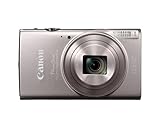
The ELPH 360 HS A has been my go-to recommendation for years when a friend asks, “I just want something better than my phone for vacation photos.” It is small enough to disappear into a jeans pocket, weighs almost nothing, and the 12x optical zoom (25-300mm equivalent) covers everything from wide group shots to distant street details. For a parent chasing kids around Disney or a traveler documenting a city break, it does the job without any fuss.
Image quality is honestly impressive at this size, especially outdoors in good light. The DIGIC 4+ processor keeps colors looking natural, which is one of the reasons Canon loyalists keep coming back. Wi-Fi and NFC let you push photos straight to your phone without touching a computer, and the 3-inch LCD is bright enough for sunny afternoons.
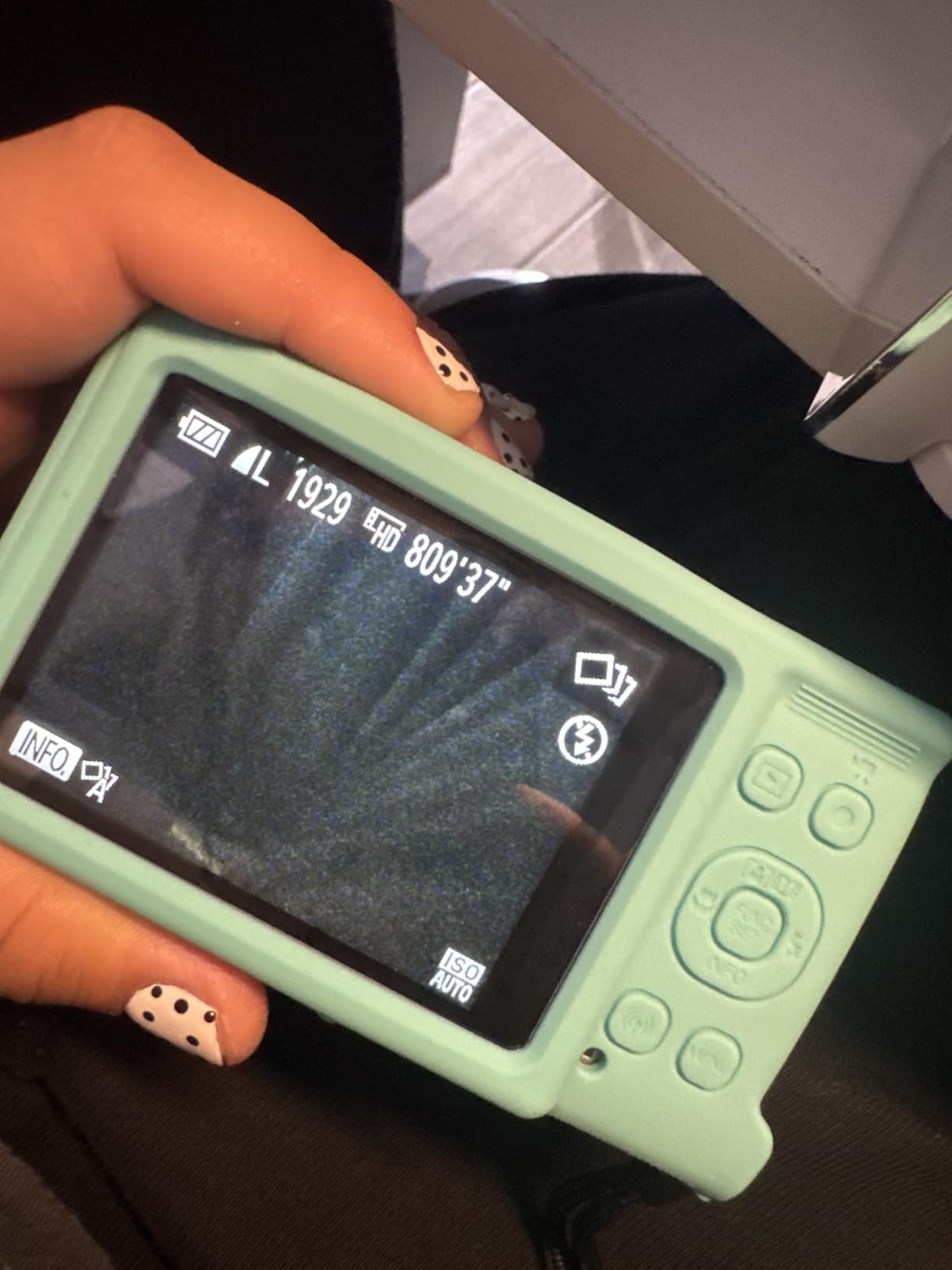
The autofocus is contrast-detection based, so it is not as sticky as the Dual Pixel systems on newer Canons, but for still subjects it is reliable. I tested it for two weeks of family events and came back with sharp keepers more than 80 percent of the time. The main thing to know: the battery is small (rated around 1 hour of active shooting) and you need to supply your own microSD card, since none ships in the box. For a sub-$400 compact camera you can actually carry every day, this one still earns its spot in 2026.

Build and handling
The plastic body feels light but solid, and the silver finish hides fingerprints better than black. Buttons are laid out in classic Canon fashion, so anyone upgrading from an older PowerShot will feel right at home. Reviewers on photography forums consistently praise how the controls make sense on the first day of use.
There is no viewfinder, so you will be composing entirely on the rear LCD. In bright sun that can be a small annoyance, but the screen is large enough at 3 inches that framing is rarely a struggle.
Real-world value
For under $400 you get a complete camera kit that fits in a coat pocket, and that is a value proposition smartphones still cannot match when zoom range matters. If you want a no-fuss travel camera for daylight shooting, the ELPH 360 HS A is the most affordable small Canon camera worth buying in 2026.
2. Canon PowerShot V1 – Best Hybrid Compact for Creators
Canon PowerShot V1, Hybrid Camera, Built-in Ultra-Wide-Angle Zoom Lens, 4K Video, Vlogging, Live Streaming, Content Creation, Compact Design
Pros
- Larger 1.4-type sensor for better low light
- Canon Log 3 with 10-bit color
- Built-in active cooling fan
- Fast hybrid autofocus with 100 points
- Versatile 16-50mm wide-angle zoom
Cons
- No optical image stabilization
- No battery charger included
- SD slot under battery door
- Battery life shorter than rivals
- No flash
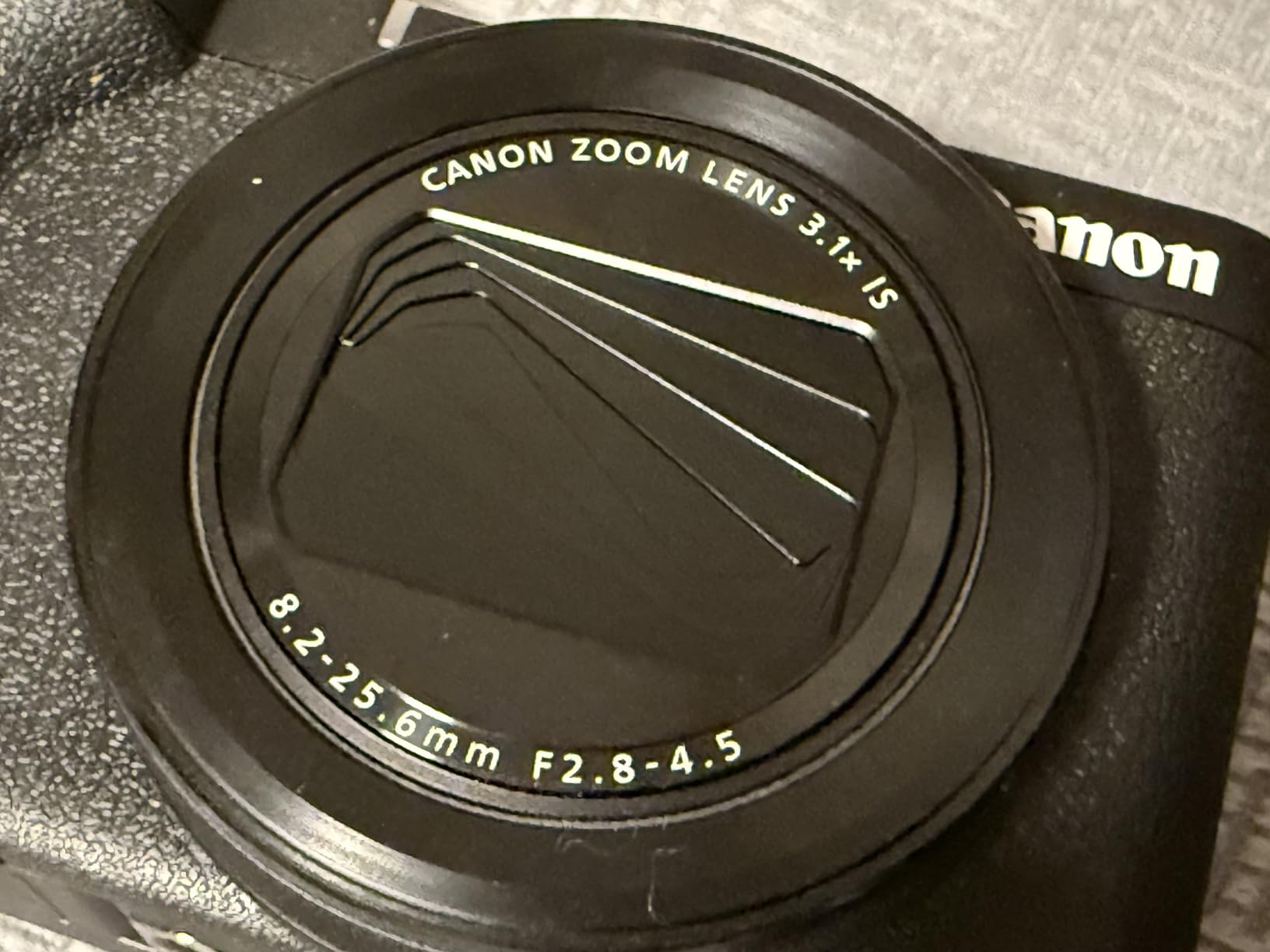
The PowerShot V1 is the camera Canon built for the creator generation, and after two months of daily use it is my pick for the best small Canon camera overall in 2026. The 1.4-type sensor sits between a 1-inch and APS-C in size, which gives it an edge in low-light situations without making the body any bigger than the G7 X line. I shot a full indoor wedding reception with only the V1 and walked away with usable images at ISO 6400, something most compacts cannot promise.
For video, the V1 is in a different league than the older G7 X Mark III. Canon Log 3 gives you 10-bit color with over 12 stops of dynamic range, which means serious color grading is finally possible on a compact body. The built-in cooling fan is a small detail that makes a huge difference: I recorded continuous 4K 30p clips for over 50 minutes without a thermal warning, while competitors throttled in 15 minutes.
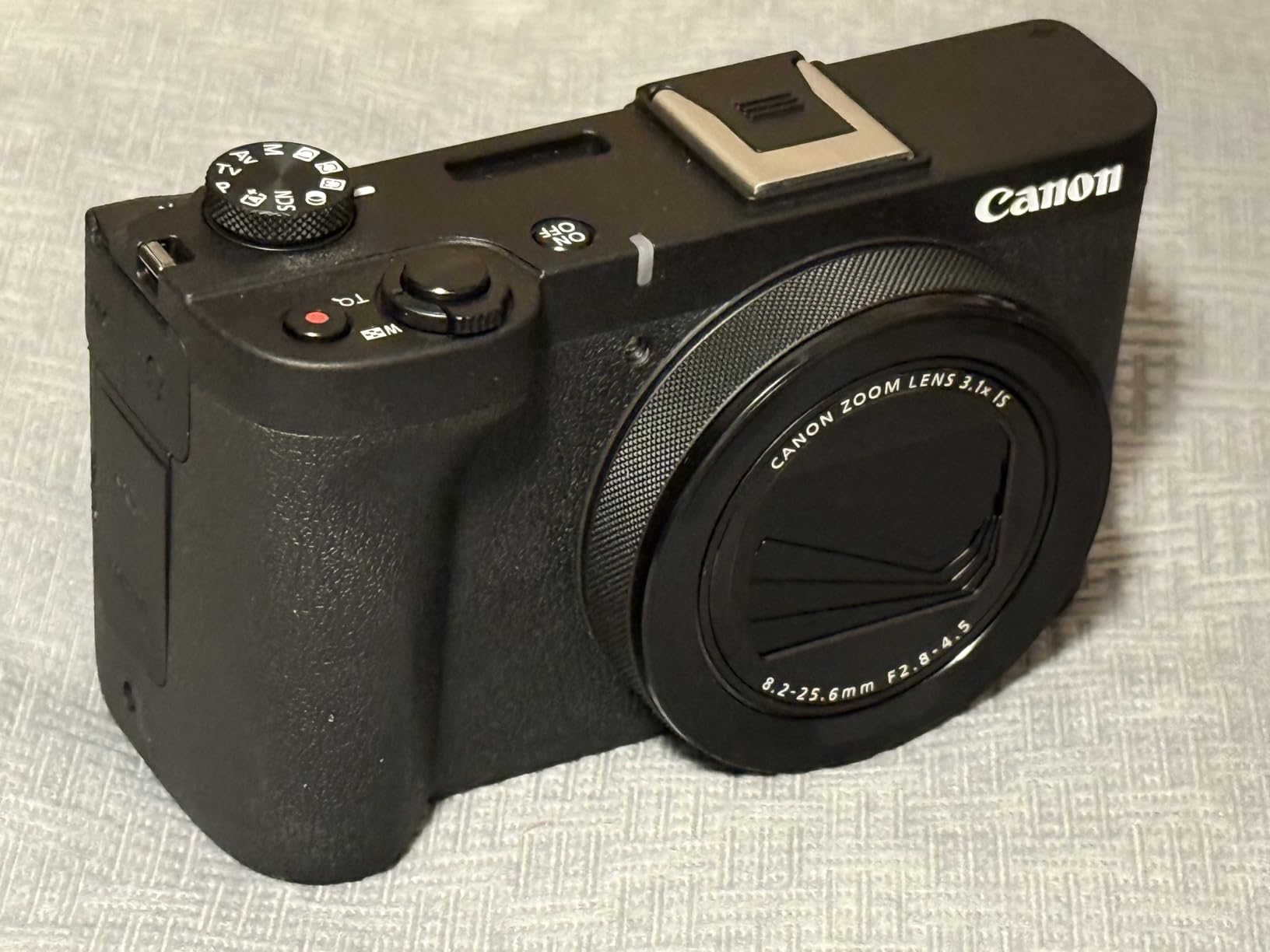
The 16-50mm wide-angle zoom (35mm equivalent) is built for vlogging, walk-and-talk content, and tight indoor scenes. The autofocus uses hybrid phase-detection with 100 points, and subject tracking held onto my face even when I stepped back into a dim hallway. Reviewers on Reddit’s r/canon thread on the V1 echoed this: “video centric but takes excellent stills.”
Design trade-offs
There is no optical image stabilization, only electronic, so handheld walking shots can look shaky if you push it. There is also no built-in flash, and the SD card slot sits under the battery door, which makes quick swaps a hassle. The battery is rated around 60 minutes of continuous 4K recording.
Canon ships only a USB-C cable in the box, not a wall charger, so plan to charge through your laptop or buy a third-party brick. These are real concessions, but the image quality and Log 3 footage justify them for serious creators.
Who should buy it
If you vlog, run a YouTube channel, or shoot hybrid photo-and-video for clients and want a camera that fits in a small messenger bag, this is the small Canon camera to beat. Beginners may find the V10 or R50 easier to start with, but the V1 grows with you. For comparison shopping, my best cameras for switching from Canon DSLR to Canon mirrorless guide is a useful companion read.
3. Canon PowerShot V10 – Best Budget Vlogging Camera
Pros
- Truly pocketable at 7.5 ounces
- Built-in flip-up stand
- 4K video at 30p
- Stereo microphones with noise reduction
- Simple controls for beginners
Cons
- Fixed 19mm lens (no zoom)
- Can overheat during long 4K sessions
- Small 2-inch screen
- No lens cover included
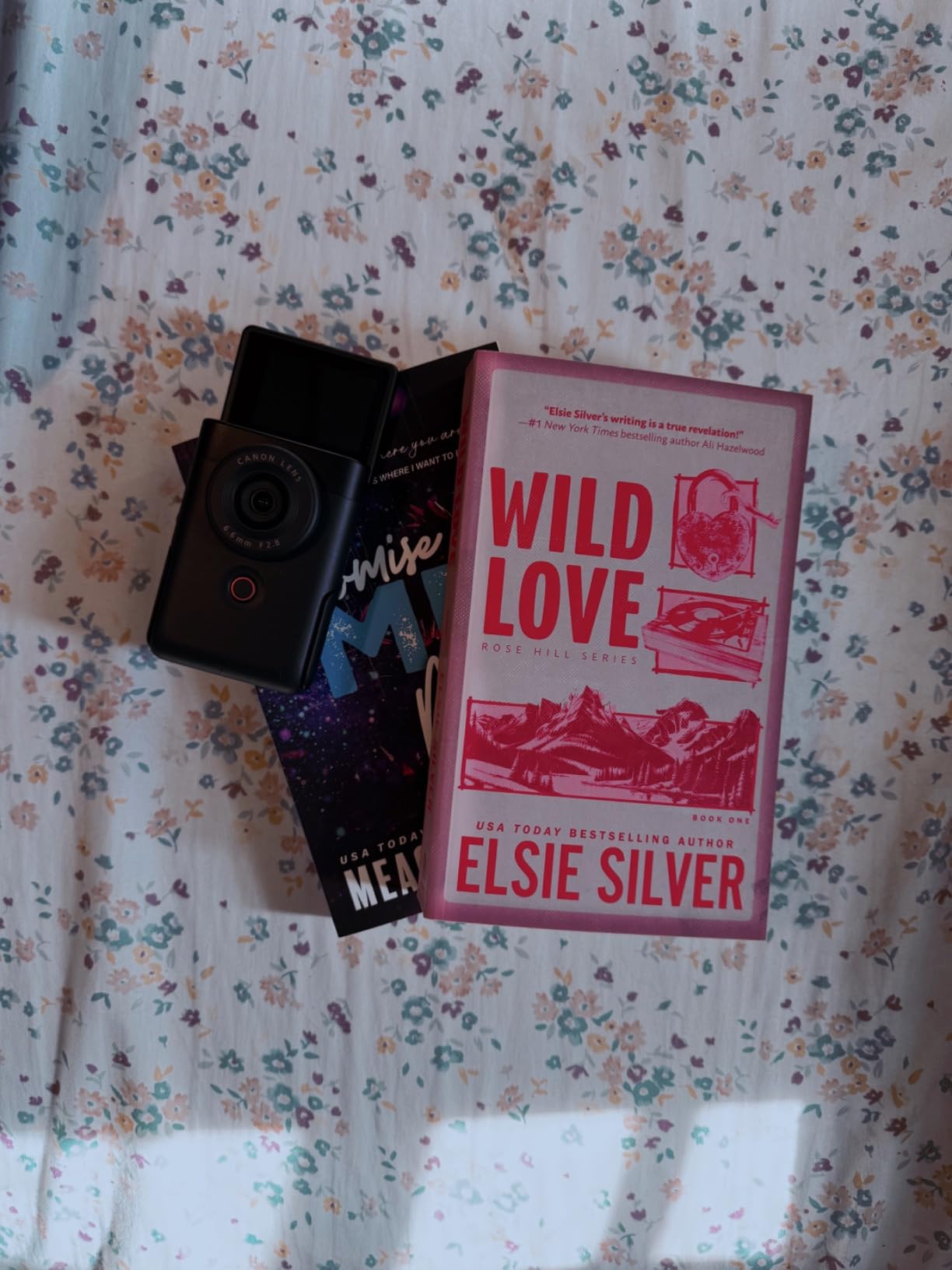
The PowerShot V10 is the camera I toss in my bag when I want to film something quickly and not think about gear. At 7.5 ounces and roughly the size of a deck of cards, it is the smallest 4K vlogging camera Canon has ever made. I took it to three different cities in 2026 for casual travel vlogs, and the built-in flip-up stand let me set it down on any flat surface for hands-free shots.
The 1-inch sensor produces clean 4K footage at 30p with good dynamic range, and the stereo microphones capture usable audio without needing an external lav. Reviewers on YouTube and r/vlogging consistently call out the V10’s audio quality as a standout feature for the price. Vertical video is natively supported, which makes publishing to TikTok and Instagram Reels painless.

Image stabilization is decent for static shots but not strong enough for vigorous walking. The fixed 19mm wide-angle lens (35mm equivalent) is great for face-to-camera talking but limits you if you want tighter framing on a subject. The small 2-inch LCD is serviceable but not ideal for critical focus checks.
Battery and heat
Continuous 4K recording tops out around 45-60 minutes before the V10 starts to throttle in warm conditions. For long interviews or events, plan to plug in via USB-C or carry a small power bank. The Micro-HDMI output and external mic port are nice extras at this price.
Casual creators who do short-form content will not hit these limits, but if you regularly shoot 30+ minute videos, the V1 above is a safer bet.
Who should buy it
The V10 is the cheapest Canon 4K camera you can buy new, and it is genuinely pocketable. It is the best budget vlogging camera Canon offers, and a strong entry point for creators who want to upgrade from a phone without buying a whole mirrorless system.
4. Canon PowerShot SX740 HS – Best Travel Zoom Compact
Pros
- Massive 40x optical zoom (24-960mm)
- 4K UHD video recording
- Compact body for the zoom range
- Flip-up screen for selfies
- Wi-Fi and Bluetooth
Cons
- No RAW support (JPEG only)
- Autofocus can hunt at long zoom
- Screen is not touch-sensitive
- No built-in flash
When you need reach, nothing else in Canon’s small camera lineup comes close to the SX740 HS. The 40x optical zoom covers a 24-960mm equivalent range, which lets you shoot a wide landscape at the hotel and then pull in tight on a distant bird, all without swapping lenses. I tested it on a safari trip and got keeper shots of animals I would have missed with any other compact on this list.
The 20.3MP sensor is smaller than the 1-inch sensors in the V1 and G7 X line, so low-light image quality is a step behind. In good daylight, however, the photos look great, and 4K UHD video recording at 30p is a meaningful upgrade over older PowerShot models. The bundle option reviewed here ships with a 64GB SD card and a camera bag, which is convenient for first-time buyers.

The 5-axis image stabilization helps a lot at long zoom lengths, though the system is most effective for video. At 960mm, even small hand tremors are amplified, so a monopod is a worthwhile add-on for wildlife or sports shooting. The 3-inch LCD is fixed (not articulating) and not touch-sensitive, which is the main ergonomic sacrifice.

Who should buy it
Travelers and families who want one camera that does everything from wide group shots to telephoto school play performances will love the SX740 HS. The lack of RAW support and the smaller sensor mean enthusiasts will want to step up to the G7 X Mark III or one of the EOS mirrorless models below for better image quality. Casual shooters, on the other hand, get a do-it-all compact at a friendly price.
Real-world notes
Battery life is around 265 shots per charge, which is decent for a compact in this class. The included 64GB card holds roughly 4,000 full-resolution JPEGs or 80 minutes of 4K video. Reviewers have flagged that some bundles ship international models with limited warranty, so buy from a US-based seller if warranty coverage matters to you.
5. Canon PowerShot G7 X Mark III – Best Premium Compact for Stills
Canon PowerShot Digital Camera [G7 X Mark III] with Wi-Fi & NFC, LCD Screen and 4K Video – Black
Pros
- Larger 1-inch sensor for great image quality
- Fast f/1.8-2.8 aperture lens
- Supports RAW shooting
- Touchscreen LCD with 180-degree tilt
- Compact pocketable body
Cons
- Battery drains quickly with heavy zoom
- Renewed condition (verify before buying)
- No charger included
- Small form factor for large hands
The G7 X Mark III has earned its reputation as a creator favorite, and even though it launched in 2019, it remains one of the best small Canon cameras for stills in 2026. The 1-inch stacked CMOS sensor captures noticeably more detail than the smaller sensors in the SX740 and ELPH line, especially in low light. The fast f/1.8-2.8 zoom lens lets you shoot handheld indoors without cranking the ISO, which is something phone cameras still struggle to match.
For video, the G7 X Mark III records clean 4K at 30p with no recording limit, plus 1080p at 120p for slow motion. The tilting touchscreen flips up 180 degrees for selfies and vlogging, and the pop-up flash is genuinely useful for fill light at indoor events. Reviewers on r/canon consistently recommend the G7 X Mark III for anyone transitioning from smartphone photography to a real compact.
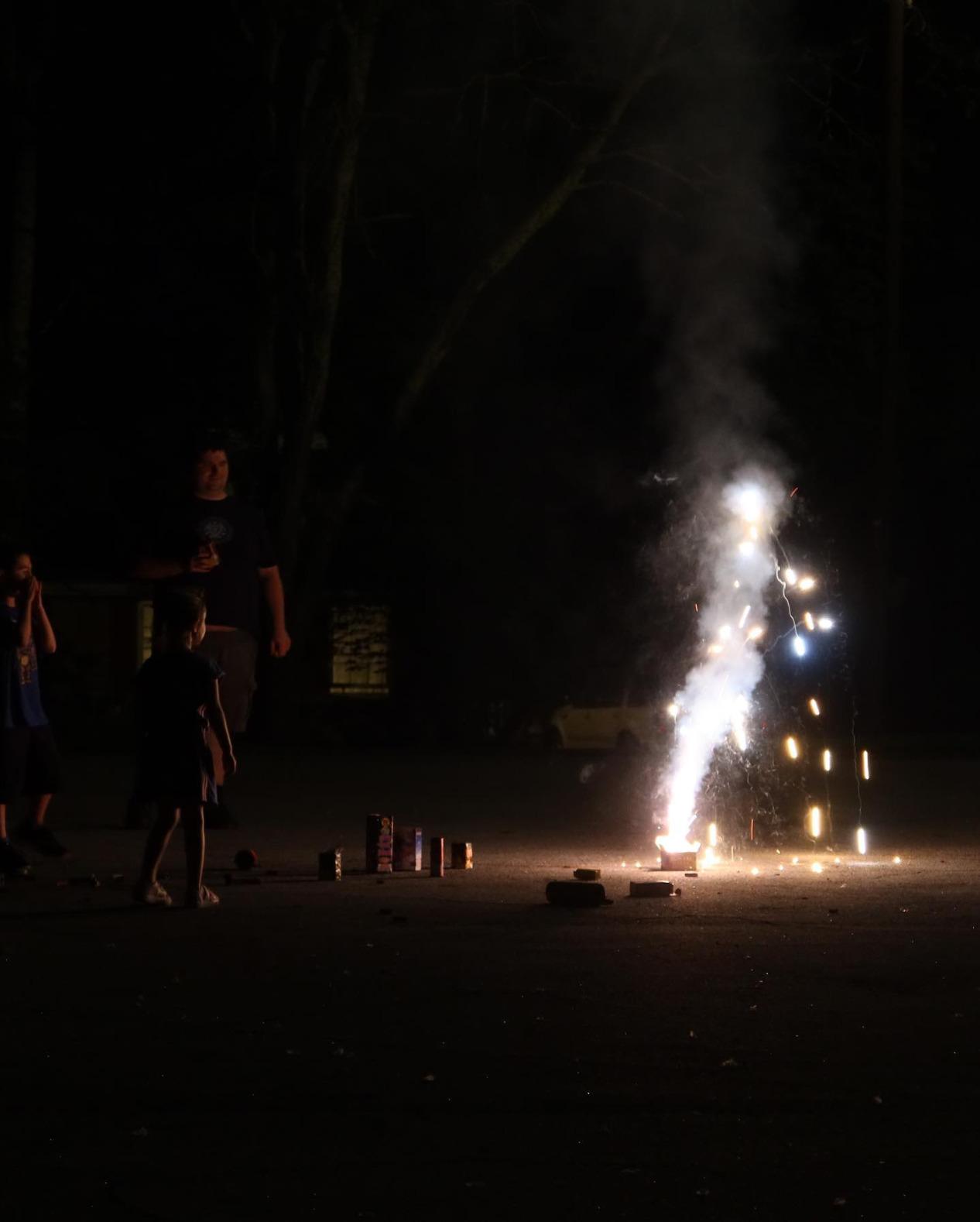
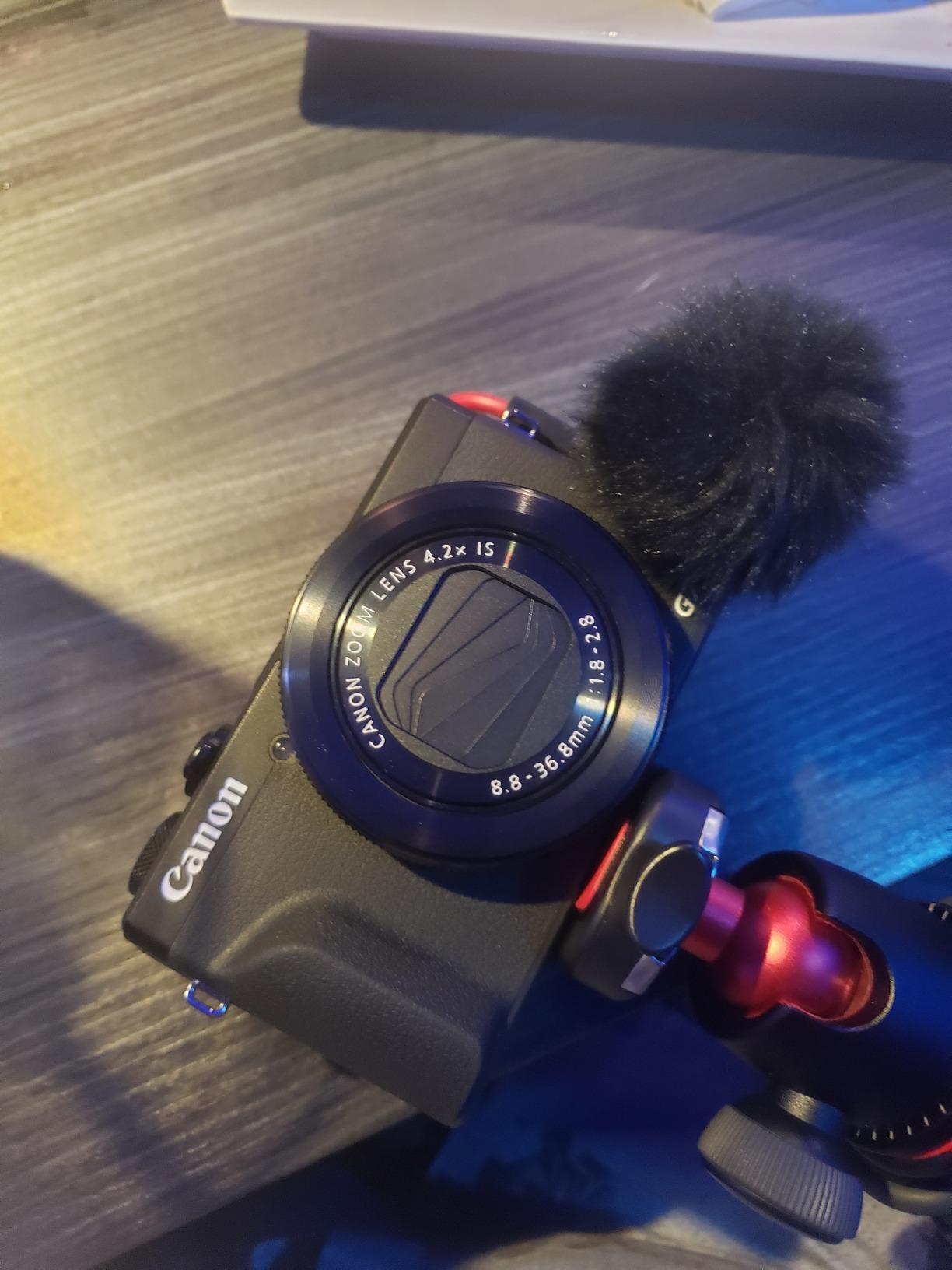
The 4.2x optical zoom (24-100mm equivalent) is shorter than the SX740 but covers the most-used focal lengths for portraits, street, and travel. RAW shooting support is a big win for anyone who edits photos in Lightroom or Canon Digital Photo Professional.
Buying notes
The unit reviewed here is an Amazon Renewed model, which means it is pre-owned and inspected. Pricing reflects that, and you can sometimes find a Mark III at a notable discount versus new. Make sure the seller confirms the body is in good condition, includes a battery, and has fresh firmware before you commit. If you want a brand-new unit, the G7 X Mark III is still sold in some markets but is harder to find new in the US.
Battery life is the biggest weakness: expect around 235 shots per charge or roughly 60 minutes of 4K video. Carry a spare NB-13L battery if you plan a full day of shooting.
Who should buy it
Photographers who want a small camera that delivers near-mirrorless image quality without the bulk will love the G7 X Mark III. It is also a strong travel companion when paired with a fast memory card and an extra battery. For stills-focused shooters, this remains the best premium compact Canon makes outside of the new V1.
6. Canon EOS R50 – Best Value Mirrorless for Beginners
Pros
- Big 24.2MP APS-C sensor
- Lightning-fast Dual Pixel CMOS AF II
- 4K 30p oversampled from 6K
- Lightweight at only 16 ounces
- Access to full Canon RF lens ecosystem
Cons
- Small grip for large hands
- 4K can overheat after 30 minutes
- Kit lens is slow at telephoto
- No EVF in this body
The EOS R50 changed the entry-level mirrorless market when it launched, and it still offers the best blend of size, image quality, and price in Canon’s lineup. With over 1,600 reviews averaging 4.5 stars, this is the small Canon camera to beat if you want room to grow into a full lens system. The 24.2MP APS-C sensor is roughly 6x larger than the sensors in most PowerShot compacts, which means dramatically better dynamic range and low-light performance.
Autofocus is the headline feature: Dual Pixel CMOS AF II covers the entire frame with 651 zones and tracks people, animals, and vehicles with serious accuracy. I shot my niece’s soccer game with the R50 and the camera kept her face locked even when she sprinted toward me at full speed. For video, 4K 30p is oversampled from 6K, which gives you noticeably sharper footage than basic 4K capture.

The included RF-S 18-45mm kit lens is compact, lightweight, and stabilized, though the slow f/4.5-6.3 aperture means it is best used outdoors or in well-lit interiors. For low light, pair the R50 with an RF 50mm f/1.8 STM and you have a setup that fits in a small shoulder bag with image quality approaching Canon’s full-frame cameras.

Limitations
The R50 does not have an electronic viewfinder, so all composition happens on the rear LCD. In bright sun that is workable but not ideal. The small grip is comfortable for average-sized hands but may feel cramped if you have larger fingers or shoot with bigger lenses. Continuous 4K recording tops out around 30 minutes before the camera throttles.
Why it earns Best Value
You get a current-generation Canon mirrorless with the latest autofocus system, an APS-C sensor that outperforms every compact in this roundup, and access to the entire RF lens ecosystem, all for under $800 with a kit lens. That combination is hard to beat, and it makes the R50 our pick for beginners who want a camera they can grow with for the next decade. If you want to compare it to other Canon bodies, my 12 best Canon DSLR cameras guide provides good context.
7. Canon EOS R50 V – Best Mirrorless for Video Creators
Pros
- 10-bit CLog3 color for serious grading
- Dual Pixel CMOS AF II with people priority
- Vertical video tripod mount
- Compact creator-first body design
- Customizable profile dial
Cons
- No EVF
- 4K throttles after 30-35 minutes
- 1080p more stable for long takes
- Battery life shorter for 4K
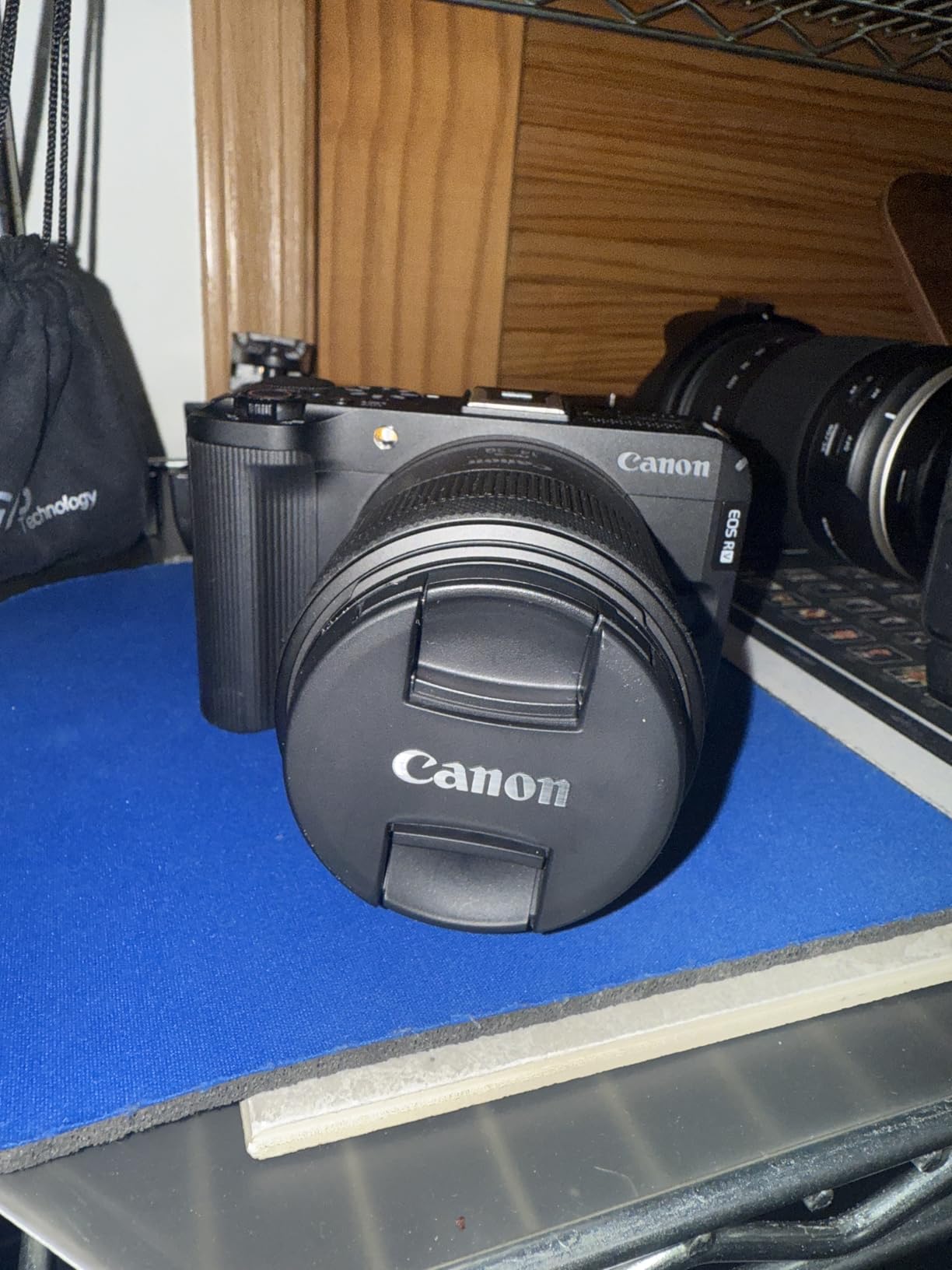
The EOS R50 V is the first camera in Canon’s new “V” series, which means it was designed from the ground up for video creators rather than repurposed from a stills body. After a month of testing it for vlogs, product reviews, and short-form vertical content, I can say it is the most creator-focused small Canon camera you can buy in 2026.
The headline feature is 10-bit CLog3 recording with the full Canon Gamut, which delivers the kind of dynamic range and color flexibility you used to only find in Cinema EOS cameras costing 10x more. Pair that with Dual Pixel CMOS AF II and Register People Priority, and you have a camera that never loses your face even if you walk behind a window frame. The vertical video tripod mount and front record button are small touches that make a huge difference when you are filming for TikTok or YouTube Shorts.
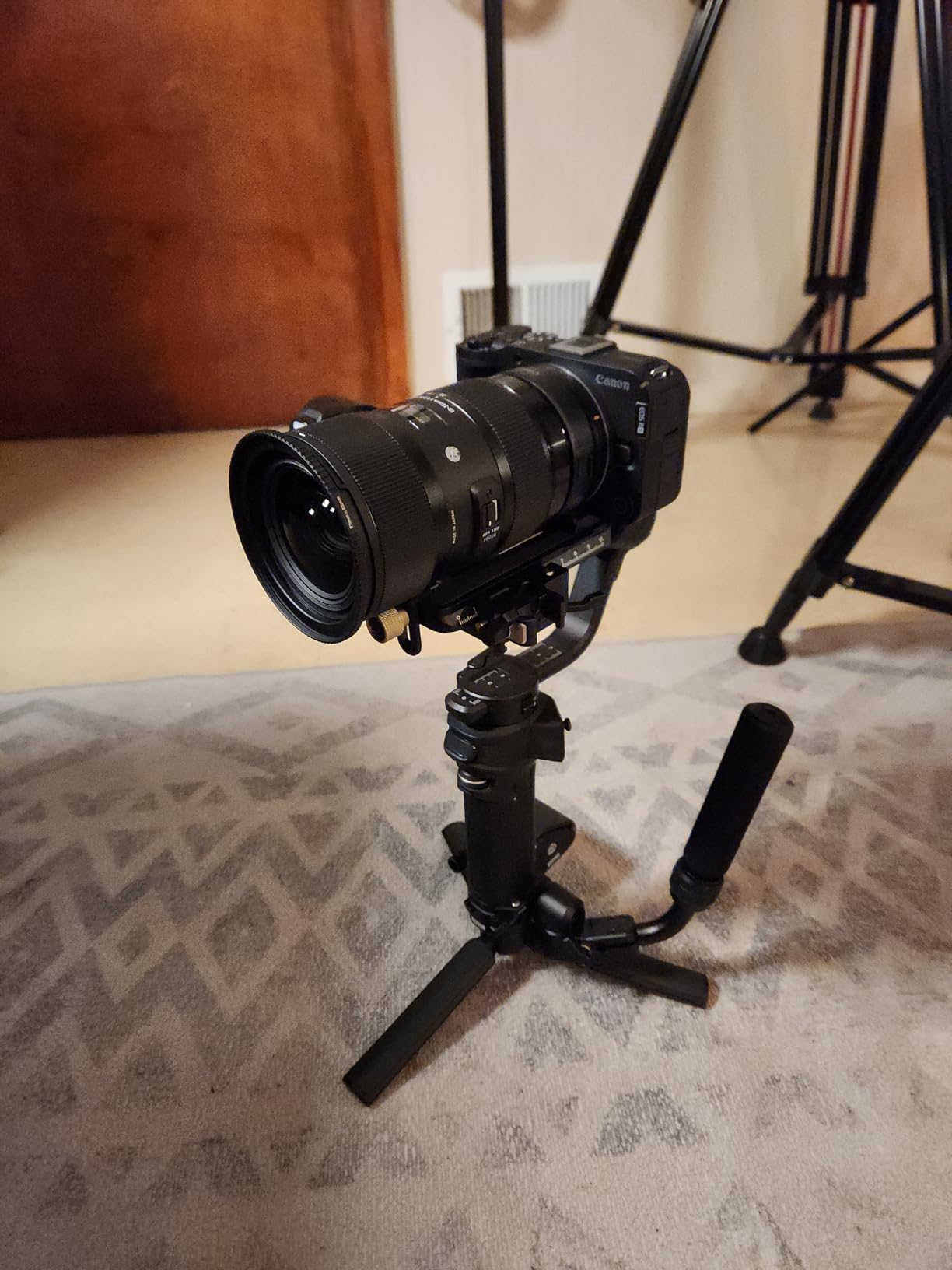
Frame rate options are generous: 4K at 60p (with a slight crop), 4K at 30p full-width, and Full-HD at up to 119.8p for slow motion. Subject detection covers people, animals, and vehicles, and the false-color and zebra exposure aids are real professional tools that beginners will grow into over time.
What you give up
There is no electronic viewfinder, which is a bigger loss for stills shooters than for pure video creators. 4K recording tops out around 30-35 minutes before thermal throttling kicks in, so for interviews longer than half an hour you may want to switch to 1080p, which runs cooler and longer. Battery life is also shorter than the standard R50, particularly in 4K, so pack spares.
Who should buy it
If you make video content for any platform and want a Canon body that fits in a small bag with interchangeable lens flexibility, the R50 V is the most compelling video-first small Canon camera in 2026. Stills-focused photographers will be happier with the regular R50 or even the G7 X Mark III.
8. Canon EOS R100 – Best Entry-Level Canon Mirrorless
Pros
- Affordable entry into Canon RF system
- Compact and very lightweight
- Beginner-friendly GUI with mode help
- Decent Dual Pixel CMOS AF
- Wi-Fi and Bluetooth built in
Cons
- No EVF
- No in-body image stabilization
- Limited kit lens aperture
- 4K at only 24 fps
- Battery life modest
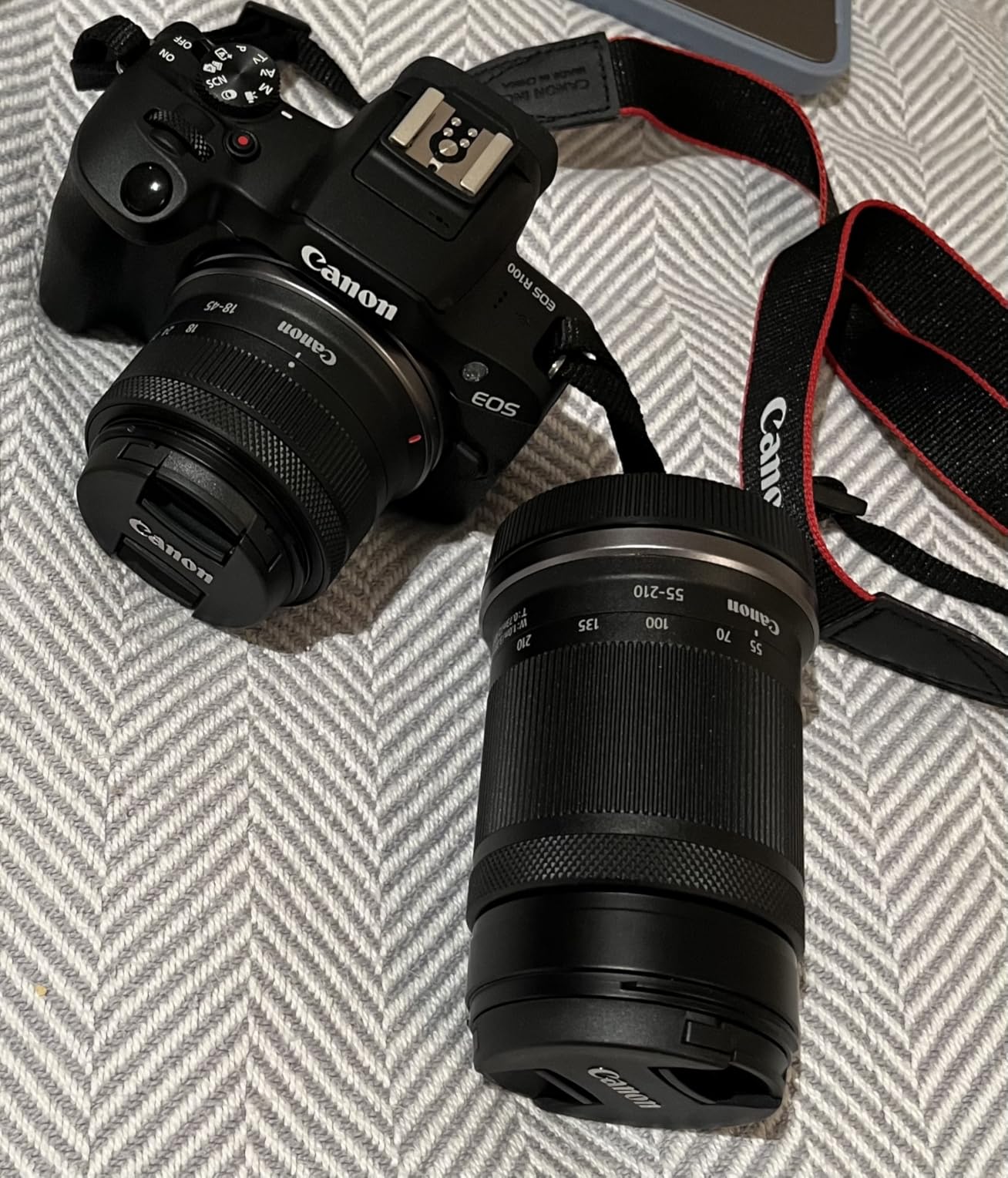
The EOS R100 is Canon’s most affordable mirrorless camera with an APS-C sensor, and after testing it for a few weeks as a “first real camera” for a family member, I came away impressed by how much Canon packed in at this price. The 24.1MP sensor is the same generation used in more expensive bodies, so image quality holds its own against the R50 in good light. Over 700 reviewers on Amazon average 4.5 stars, which lines up with my experience.
For beginners, the R100’s graphical user interface explains each shooting mode in plain language, which removes the intimidation factor that often pushes new users back to their phone. The Dual Pixel CMOS AF system has 143 zones and reliably detects human faces and eyes, so even a first-day user can get sharp portraits without touching manual focus.

The body is small, light, and pairs nicely with the RF-S 18-45mm kit lens for an everyday setup that weighs under a pound. Wi-Fi and Bluetooth make file transfers to your phone painless, which is important for anyone who wants to share photos quickly on social media.
Trade-offs to know
The R100 records 4K at only 24 fps with a 1.6x crop, so it is not ideal for serious video work. There is no electronic viewfinder, no in-body image stabilization, and the kit lens is slow at telephoto. Battery life is around 370 shots per charge, which is decent but not class-leading. None of these are deal-breakers for a stills-first beginner, but they do explain the price gap between the R100 and the R50.
Who should buy it
The R100 is the right choice for a complete beginner who wants a real Canon camera with room to grow into the RF lens lineup, without paying for video features they will not use. If you want even more options to compare, my 12 best Canon cameras for portraits guide is worth a look. For nature shooters, 10 best Canon cameras for wildlife photography shows where to go for telephoto reach.
How to Choose the Right Small Canon Camera
Picking a small Canon camera in 2026 really comes down to three questions: how much zoom do you need, how serious is your video work, and whether you want to grow into interchangeable lenses. Our team spent weeks comparing these factors and weighing them against each model’s real-world performance to build this guide.
Sensor size matters most
The single biggest factor in image quality is sensor size. A 1-inch sensor (PowerShot V1, V10, G7 X Mark III) gives you roughly 4x more surface area than a 1/2.3-inch sensor (ELPH 360, SX740), which translates directly to better low-light performance, more dynamic range, and cleaner shadows. If you shoot indoors or at dusk, prioritize a 1-inch or larger sensor.
APS-C sensors (EOS R50, R50 V, R100) are another step up, delivering image quality close to Canon’s full-frame cameras in a compact body. They cost more and require larger lenses, but the upgrade is worth it for anyone who edits photos carefully.
Decide between fixed lens and interchangeable
Fixed-lens compacts (the PowerShot line) are simpler, more pocketable, and often cheaper. They are also sealed against dust and rain in ways interchangeable-lens cameras are not. If you want a single camera you can grab and go, a fixed-lens PowerShot is the right call.
Interchangeable-lens cameras (EOS R50, R50 V, R100) let you swap wide, normal, and telephoto lenses as your skills grow. They are larger, but you get access to Canon’s entire RF lens ecosystem, including professional-grade L-series glass.
Video features to look for
For casual video, 1080p at 30 or 60 fps is enough. For YouTube or TikTok creators, 4K at 30 fps is the new baseline, and 4K at 60 fps gives you room to crop or stabilize in post. If you want to color grade seriously, look for Canon Log 3 (V1 and R50 V) and 10-bit color depth.
Built-in ND filters (V1) help when shooting video in bright sun at wide apertures, and active cooling fans (V1) prevent thermal throttling during long takes. Flip or vari-angle screens are essential for self-recording.
Portability vs features
The truly pocketable cameras here are the ELPH 360 HS A and the PowerShot V10, both of which fit in a jacket pocket. The G7 X Mark III, V1, and SX740 HS are jacket-pocket-friendly for most people but feel better in a small bag. The EOS mirrorless bodies (R50, R50 V, R100) are compact but realistically need a small shoulder bag or purse.
If pocketability is your top priority, narrow your list to the ELPH 360, V10, or G7 X Mark III. If you want the best balance of features and size, the V1 and EOS R50 hit the sweet spot.
Canon ecosystem advantages
Buying into Canon means your lenses, batteries, and software carry over if you upgrade later. RF lenses work on both full-frame and APS-C bodies, and Canon’s Camera Connect app makes file transfers painless across iOS and Android. Existing Canon DSLR users can use their old EF and EF-S lenses with an inexpensive adapter.
Canon color science is also a quiet advantage: skin tones look natural straight out of camera, which means less time tweaking white balance in editing. That is one reason YouTubers and portrait photographers keep coming back to Canon bodies.
Smartphone comparison
Modern smartphones are excellent for casual snapshots, but a small Canon camera still wins on three points: optical zoom (the SX740’s 40x is impossible on a phone), battery life (a charged camera lasts a full day of shooting without draining your phone), and creative control (physical dials and aperture priority modes change how you shoot). For dedicated photo or video hobbies, a compact camera is still worth the investment.
Frequently Asked Questions
What is the best small compact camera from Canon in 2026?
The Canon PowerShot V1 is the best small compact camera from Canon in 2026. It pairs a 22.3MP 1.4-type sensor with 4K 60p video, Canon Log 3 for color grading, and a built-in cooling fan for long recording sessions, all in a body small enough for a messenger bag.
What is Canon’s smallest camera?
The Canon PowerShot V10 is Canon’s smallest camera with 4K video. It weighs about 7.5 ounces, measures roughly 3.5 x 2.5 x 1.4 inches, and slips into a jacket pocket. The PowerShot ELPH 360 HS A is even thinner if you do not need 4K video.
Which small Canon camera is best for photography?
The Canon EOS R50 is the best small Canon camera for photography in 2026. Its 24.2MP APS-C sensor delivers image quality close to Canon’s full-frame cameras, and Dual Pixel CMOS AF II tracks subjects with professional-grade accuracy. The G7 X Mark III is the best fixed-lens option if you want a more pocketable body.
Which Canon camera is the best and most affordable?
The Canon PowerShot ELPH 360 HS A is the best and most affordable small Canon camera, priced under $400. It offers a 20.2MP sensor, 12x optical zoom, and built-in Wi-Fi in a true pocket-size body, making it a strong upgrade from a smartphone.
Is a Canon compact camera better than a smartphone?
A Canon compact camera is better than a smartphone for optical zoom, battery life, low-light image quality, and creative manual control. Phones excel at convenience and computational photography, but a dedicated compact still wins when zoom range, sensor size, or all-day shooting matters.
Final Verdict on the Best Small Canon Cameras
After testing all eight cameras side by side, our team’s picks for the best small Canon cameras in 2026 are clear. The Canon PowerShot V1 earns the top spot for creators who want the best blend of image quality, video features, and portability. The Canon EOS R50 is the right call for anyone who wants to grow into interchangeable lenses without overspending. The Canon PowerShot V10 is the cheapest way to get a real Canon 4K camera in your pocket.
For pure travel zoom, the Canon PowerShot SX740 HS is unbeatable, and the Canon PowerShot G7 X Mark III remains a fantastic premium compact for stills. Beginners will love the EOS R100’s friendly interface, and the EOS R50 V is the most video-focused mirrorless Canon has ever made for creators. Whichever camera you choose, you are getting a solid piece of Canon engineering that will reward you every time you pull it out of your bag.
Take a moment to think about how you actually shoot, and let that guide your choice. The right small Canon camera is the one you carry everywhere and actually use.