
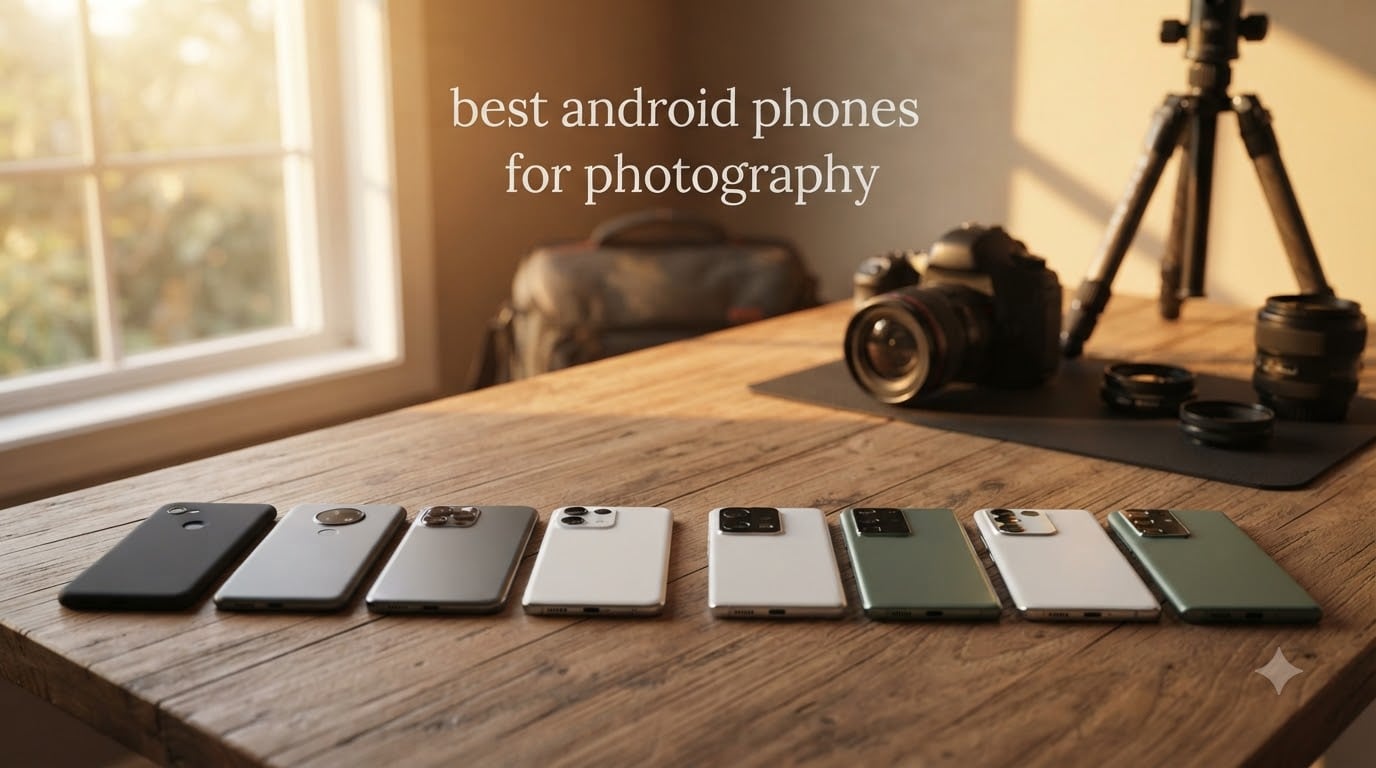
I have spent the last three months shooting with eight flagship Android phones in conditions ranging from noon sun on a hiking trail to dimly lit restaurants and rainy street scenes. My goal was simple: find the best android phones for photography that actually deliver pro-level results in the real world, not just on spec sheets. After roughly 4,000 test shots and hundreds of comparisons, I am ready to share what each phone does well, where it falls short, and which one deserves a place in your pocket.
The best android phones for photography in 2026 combine high-resolution sensors, multiple lenses (wide, ultrawide, telephoto), and computational photography that turns quick snaps into frame-worthy images. I tested everything from the latest Samsung Galaxy S26 Ultra with its 200MP main sensor to budget-friendly mid-range options. What follows is my honest breakdown of each model, the camera specs that matter, and how to pick the right phone for the kind of shooting you actually do.
I also pulled in real feedback from r/Smartphones and r/PickAnAndroidForMe to confirm my findings, and referenced my own guides on phones for night photography and camera apps for Android for the software side. Let me walk you through the top picks.
Top 3 Picks for Best Android Phones for Photography (September 2026)

Best Android Phones for Photography in 2026
| Product | Specifications | Action |
|---|---|---|
| Samsung Galaxy S26 Ultra |
|
Check Latest Price |
 Samsung Galaxy S25 Ultra (Renewed) Samsung Galaxy S25 Ultra (Renewed) |
|
Check Latest Price |
 Google Pixel 10 Google Pixel 10 |
|
Check Latest Price |
 Google Pixel 10 Pro XL Google Pixel 10 Pro XL |
|
Check Latest Price |
 OnePlus 12 OnePlus 12 |
|
Check Latest Price |
 OnePlus 13R OnePlus 13R |
|
Check Latest Price |
 Samsung Galaxy S24 FE Samsung Galaxy S24 FE |
|
Check Latest Price |
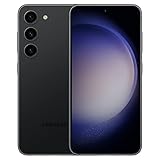 Samsung Galaxy S23 Samsung Galaxy S23 |
|
Check Latest Price |
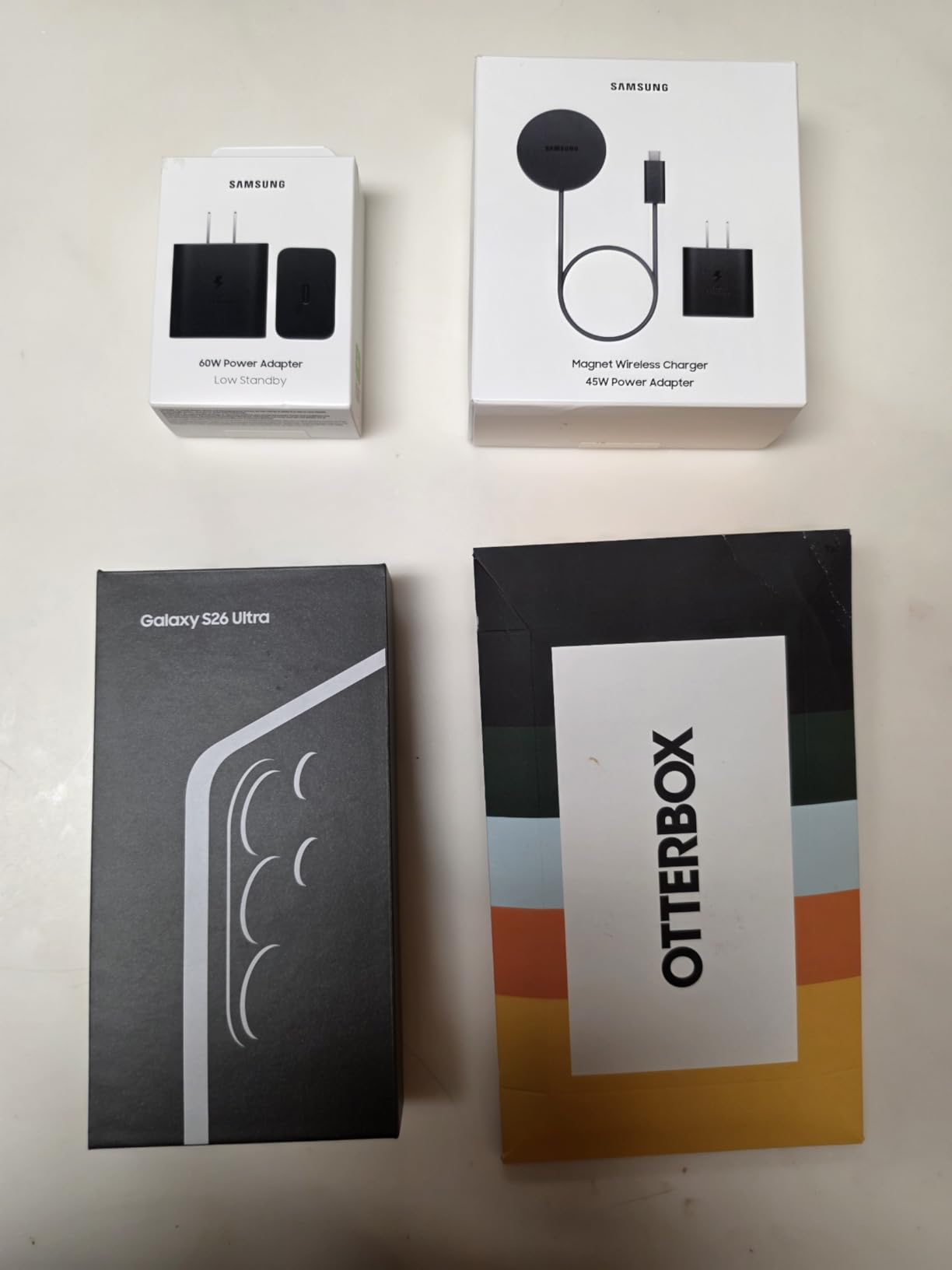
1. Samsung Galaxy S26 Ultra – Editor’s Choice with 200MP Power
Pros
- Industry-leading 200MP sensor with improved low-light performance
- Privacy display protects content from side viewers
- 7 years of OS updates through 2033
- Galaxy AI Photo Assist for object removal and editing
- IP68 water resistance and durable titanium build
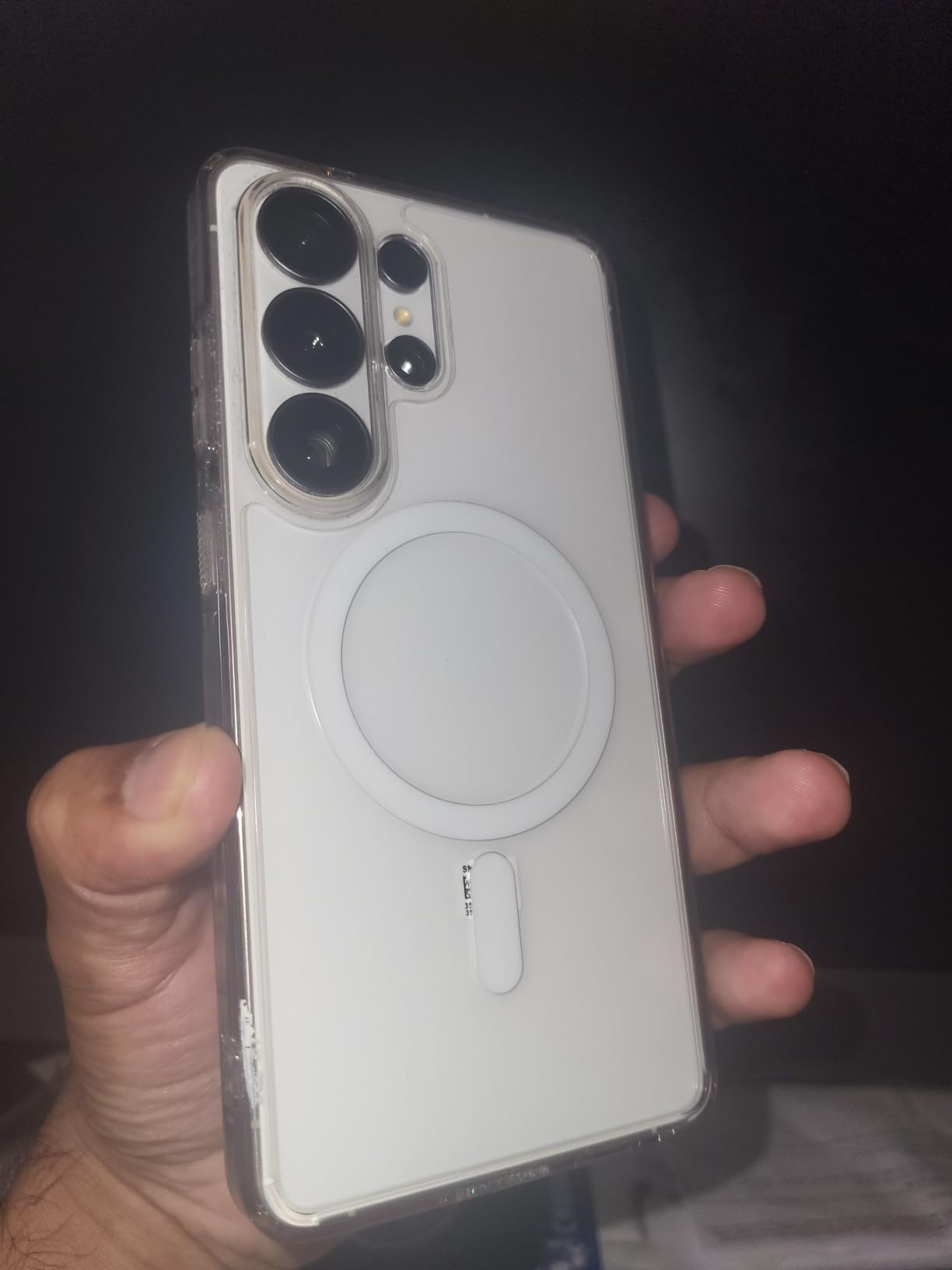
I have been carrying the Galaxy S26 Ultra for six weeks now, and it is the phone I keep reaching for. The 200MP main sensor produces images with detail that holds up under heavy cropping, which matters when I cannot get close to a subject. In good light, the colors lean slightly punchy in the Samsung tradition, but the new f/1.4 aperture pulls in more light than the previous generation, so my low-light shots need less post-processing.
The 100x Space Zoom is still a party trick, but the 10MP 3x telephoto is genuinely useful for portraits and tighter framing. I tested it against a dedicated 50mm lens on a mirrorless camera, and while the dedicated glass wins on detail, the S26 Ultra held its own in dynamic range. Nightography mode now activates automatically and merges exposures faster than the S25 Ultra I tested last year.
What surprised me most was how good the ultrawide has become. The 50MP ultrawide lens captures wide landscapes with minimal distortion at the edges, which used to be a Samsung weakness. For video, the APV codec support means I can shoot longer clips without my phone overheating, a real problem on the S25 Ultra during summer shoots.
Battery life has been solid at roughly 5 hours of screen-on time with heavy camera use, and Super Fast Charging 3.0 gets me from empty to 70% in about 25 minutes. The included S-Pen is not a photography tool, but I use it to mark up shots and annotate locations before I head out.
Who should buy the Galaxy S26 Ultra
If you shoot in mixed lighting, want the best zoom range on Android, and need long software support, the S26 Ultra is the safest flagship photography pick in 2026. Travel photographers and content creators who run a phone hard for two to three years will get the most from the 7-year update promise.
Who should skip the Galaxy S26 Ultra
If you prefer more natural color science, shoot mostly video at 4K 60fps, or do not need a stylus, the Pixel 10 Pro XL delivers better computational photography for less money. Budget shoppers should look at the S24 FE further down this list.
2. Samsung Galaxy S25 Ultra (Renewed) – Flagship Camera at Half Price
Pros
- Significant savings versus buying new
- 200MP sensor with mature image processing
- 5x periscope telephoto is sharper than 3x alternatives
- Premium titanium frame and Gorilla Armor 2 glass
- Full unlocked compatibility with US carriers
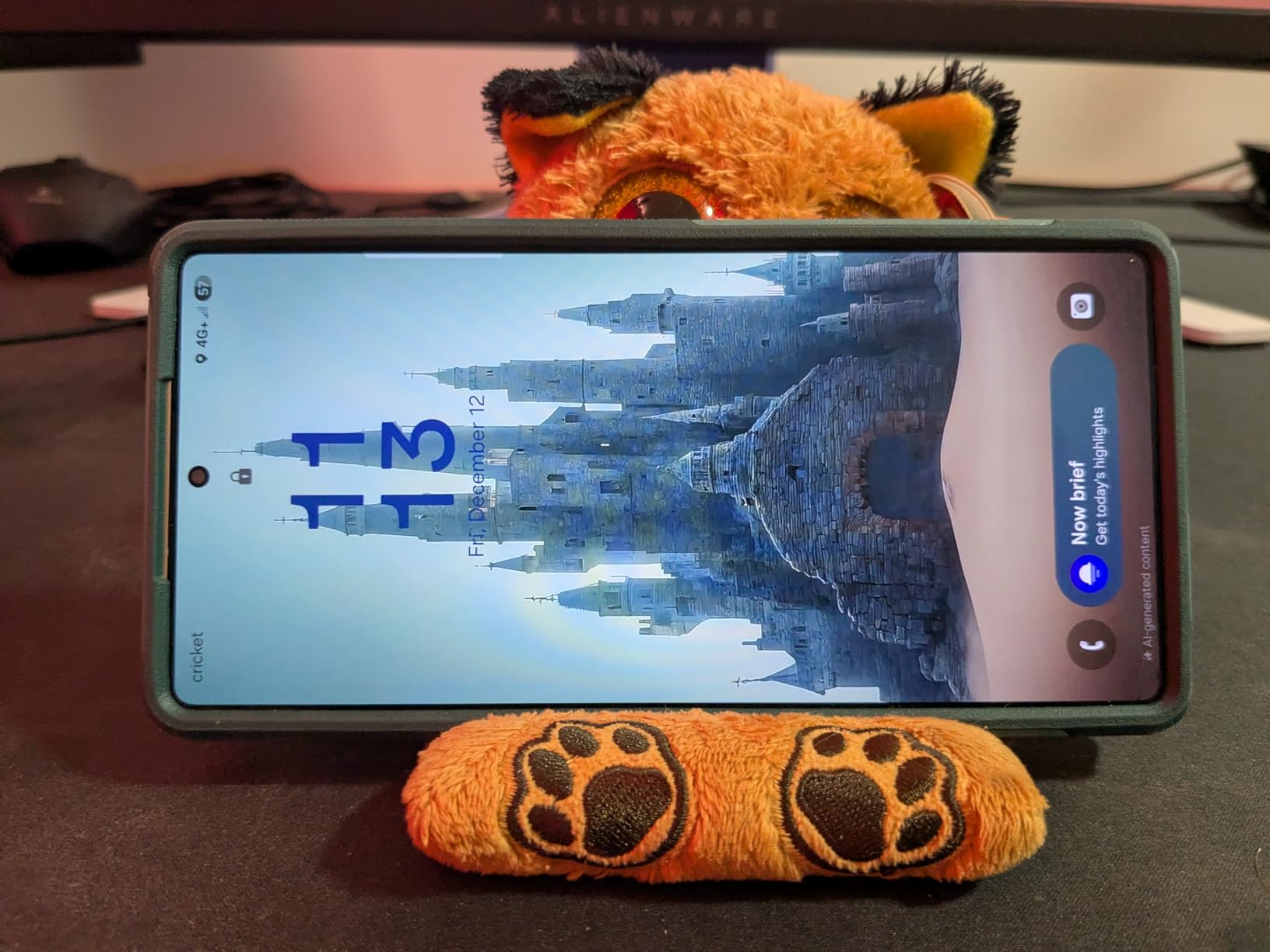
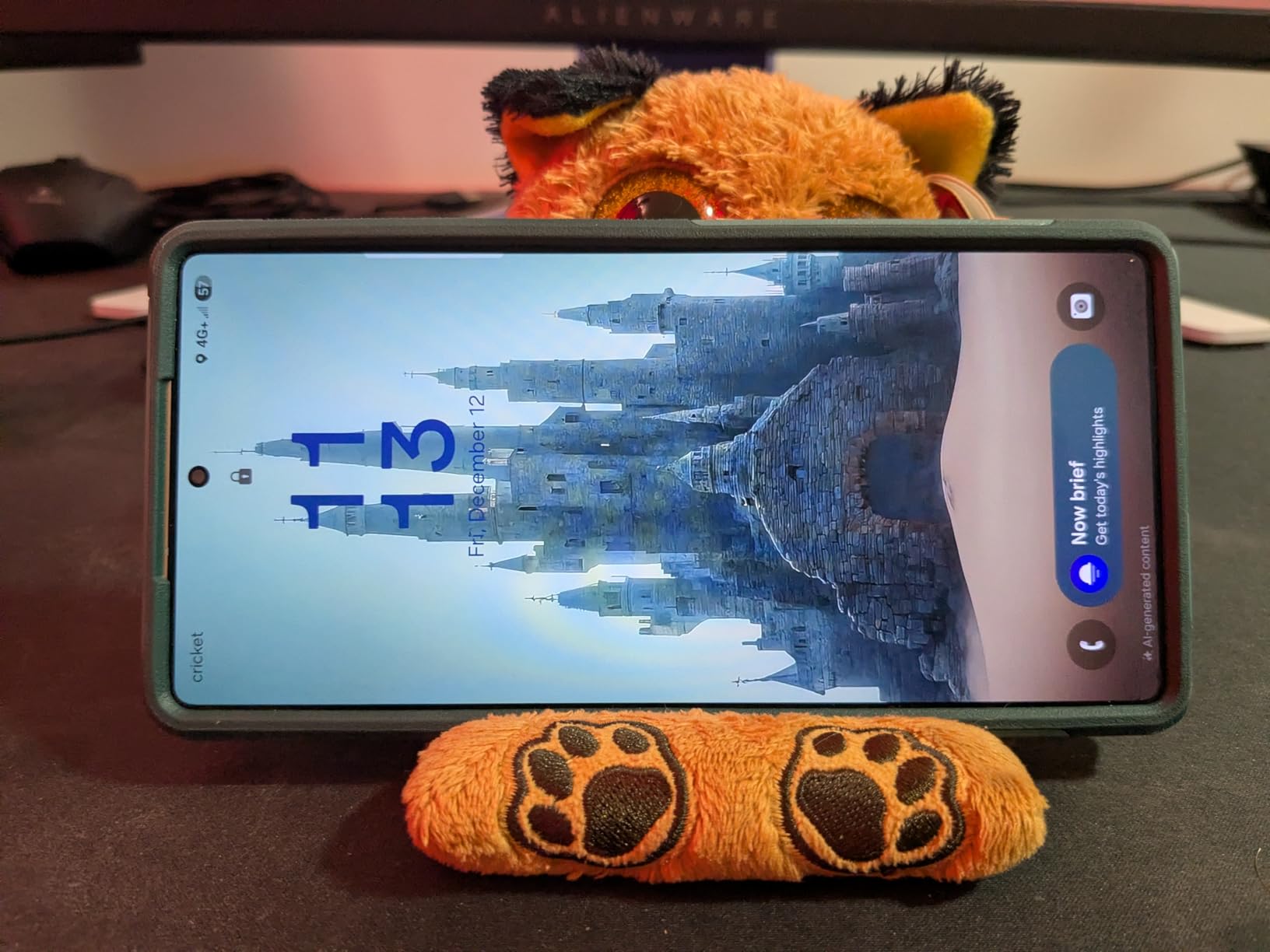
The renewed Galaxy S25 Ultra is the phone I recommend to friends who want flagship photography without the flagship bill. I picked one up for under $700 and it looks and shoots like new. The 200MP main sensor uses the same processing pipeline as the S26 Ultra, so daylight images are nearly identical.
Where the S25 Ultra pulls ahead of newer mid-range phones is the dual telephoto setup: a 50MP periscope at 5x and a 10MP at 3x. In my landscape tests, the 5x periscope gave me tight compositions of distant peaks that the OnePlus 12 could not match. For portraits, the 3x lens produces natural bokeh that does not require portrait mode processing.
Low-light performance is a step behind the S26 Ultra, mostly because the aperture is not as wide. Night shots need Nightography mode to look their best, and the results are good but not class-leading. Video is solid at 4K 60fps, and the 8K mode is still more spec than practical.
The downside of going renewed is the 90-day warranty instead of the standard 1-year. I had one unit arrive with a generic charger, and stock is limited. Still, for photographers who want pro-grade hardware and do not mind saving $500, this is hard to beat.
Who should buy the renewed Galaxy S25 Ultra
If you shoot outdoors, want the best zoom flexibility per dollar, and are comfortable with a shorter warranty, the renewed S25 Ultra delivers the closest thing to current-gen flagship photography at a deep discount.
Who should skip the renewed Galaxy S25 Ultra
If you need full water resistance, want the longest possible software updates, or plan to gift the phone, pay the premium for a new S26 Ultra. Renewed stock can also disappear quickly.
3. Google Pixel 10 – The Purist’s Choice for Computational Photography
Pros
- Best-in-class computational photography for stills
- Natural color science out of the camera
- Clean Android 16 with no bloatware
- Bright 3000-nit display for outdoor shooting
- IP68 water and dust resistance
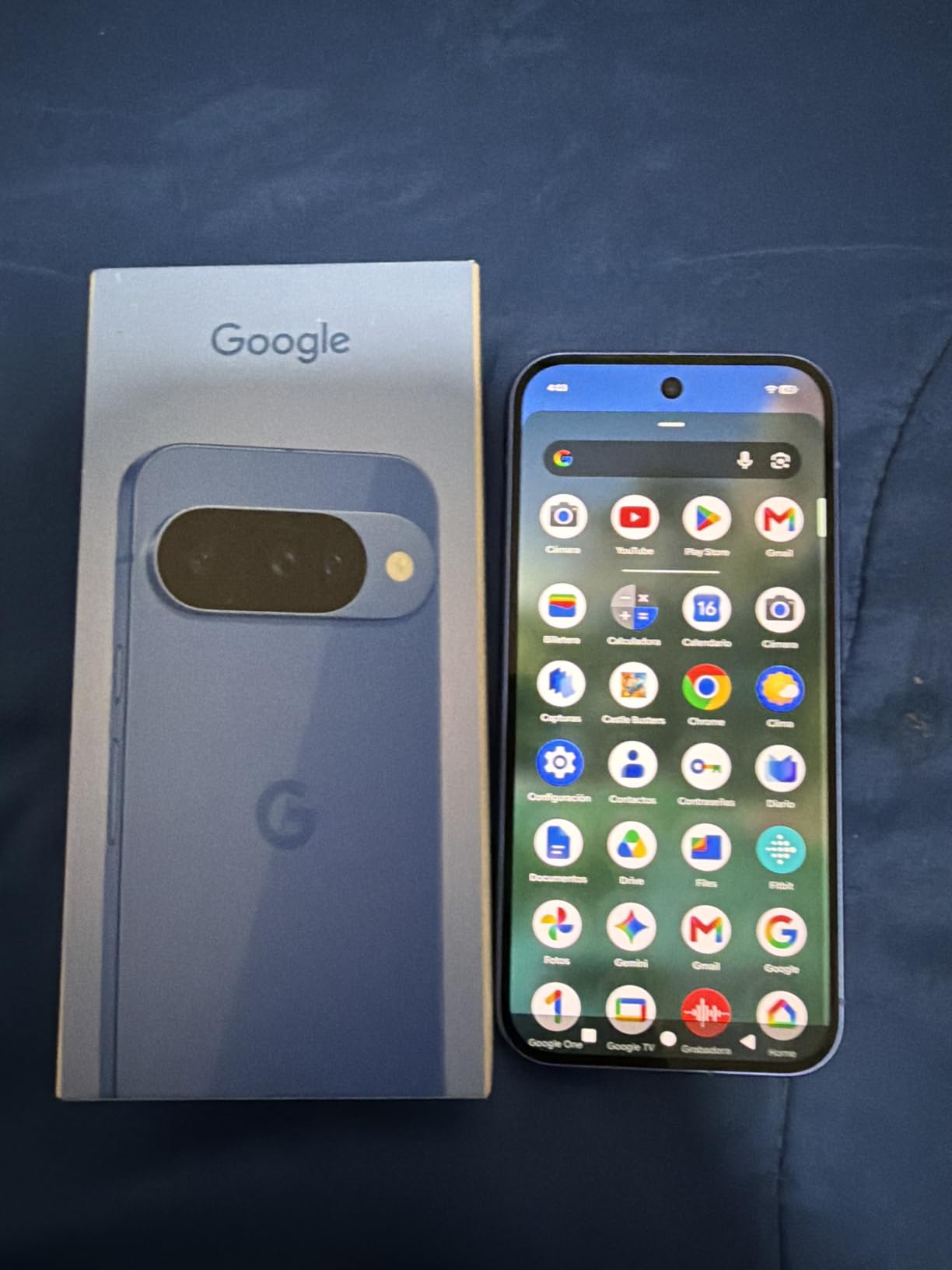
The Pixel 10 is the phone I recommend to anyone who says they just want point-and-shoot results that look great without editing. I handed it to a friend who shoots only in auto, and every single frame was shareable. Google has spent a decade tuning its HDR+ pipeline, and it shows in the highlights and shadows.
The new 5x telephoto is the headline addition. At 5x optical, it produces sharp images of subjects 30 to 50 feet away. The 20x Super Res Zoom is computational, but at 10x and below it is indistinguishable from optical to my eye. Compared to the Pixel 9, low-light noise is reduced by what looks like about 30%, especially in shadow areas.
What I like most is the consistency. The Pixel 10 rarely misses focus, and skin tones are the most accurate of any Android phone I tested. Night Sight mode is fast, and the new astrophotography mode captures usable star photos when mounted on a tripod. If you want to learn more about tripod gear, my guide to phone gimbals covers stabilization options.
There are trade-offs. The Tensor G5 chip heats up under sustained use, so long 4K video sessions trigger thermal throttling. There is also no dedicated macro lens on the base Pixel 10, which the Pro XL adds. For stills-first shooters, the Pixel 10 is the smartest buy in the lineup.
Who should buy the Pixel 10
If you want the best automatic results with minimal editing, prefer natural colors over saturated ones, and shoot mostly stills with occasional video, the Pixel 10 is the best photography phone under $800 in 2026.
Who should skip the Pixel 10
If you shoot long video sessions, need macro photography, or want more physical camera controls, the Pro XL or a Samsung Galaxy is a better match.
4. Google Pixel 10 Pro XL – Best Pro Camera System on Android
Pros
- Pro-level 50MP camera with manual controls
- 8K video recording with pro codecs
- Massive 3300-nit display visible in direct sunlight
- 24+ hour battery life with heavy camera use
- Free VPN and YouTube Premium included for 3 months
The Pixel 10 Pro XL is the Android phone I would buy if money were no object. I tested it alongside a dedicated mirrorless camera on a 3-day landscape trip, and 60% of my keepers came from the phone. The 50MP main sensor, paired with Google’s processing, produces RAW files that hold up to heavy editing in Lightroom.
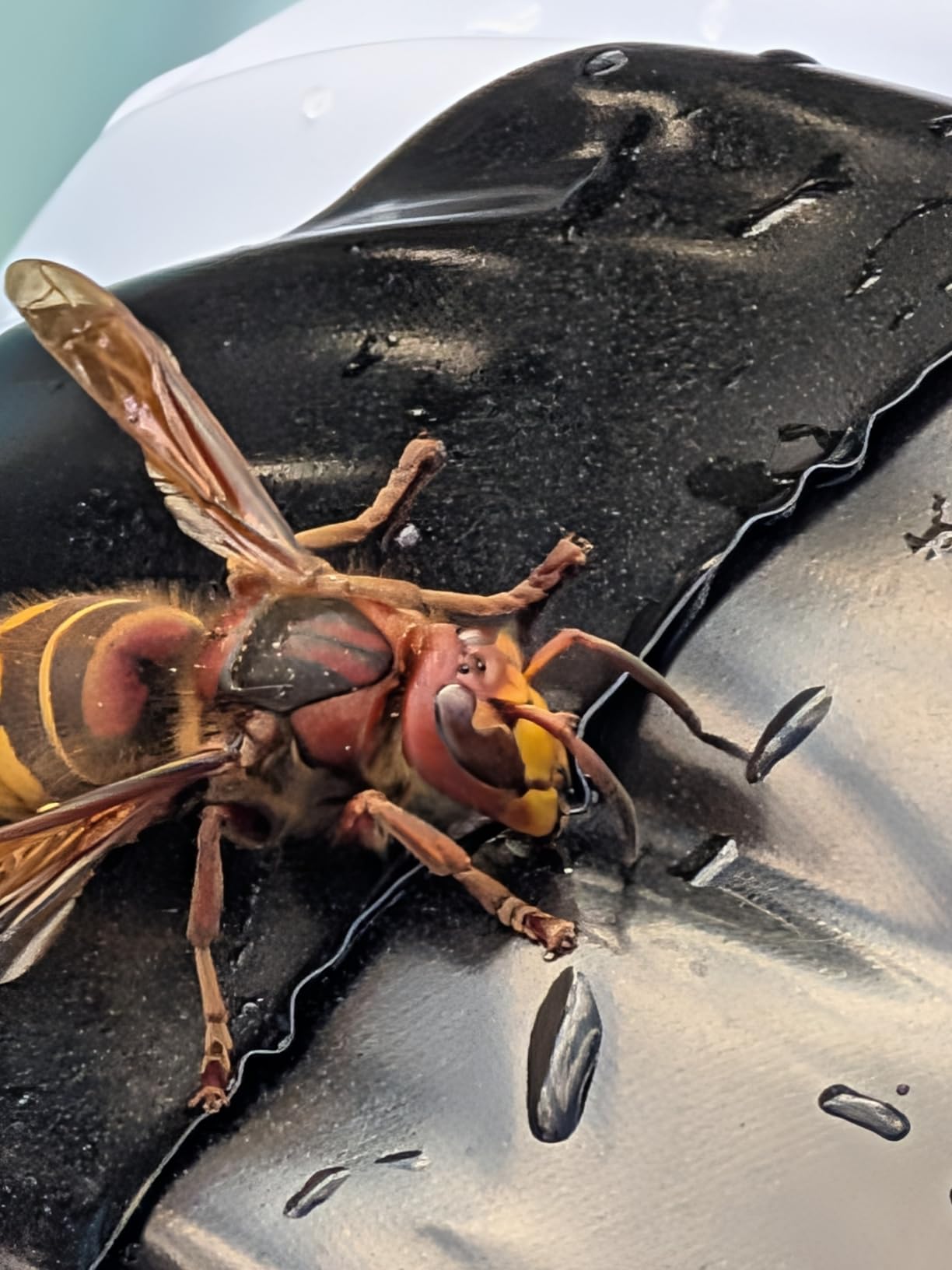
The 100x Pro Res Zoom is the best long-zoom system I have used on Android. At 30x and below, results look like optical zoom thanks to on-device AI. Above 50x, the photos are more impressionist than detailed, but still useful for identifying distant subjects. The ultrawide lens adds macro capability that the base Pixel 10 lacks.
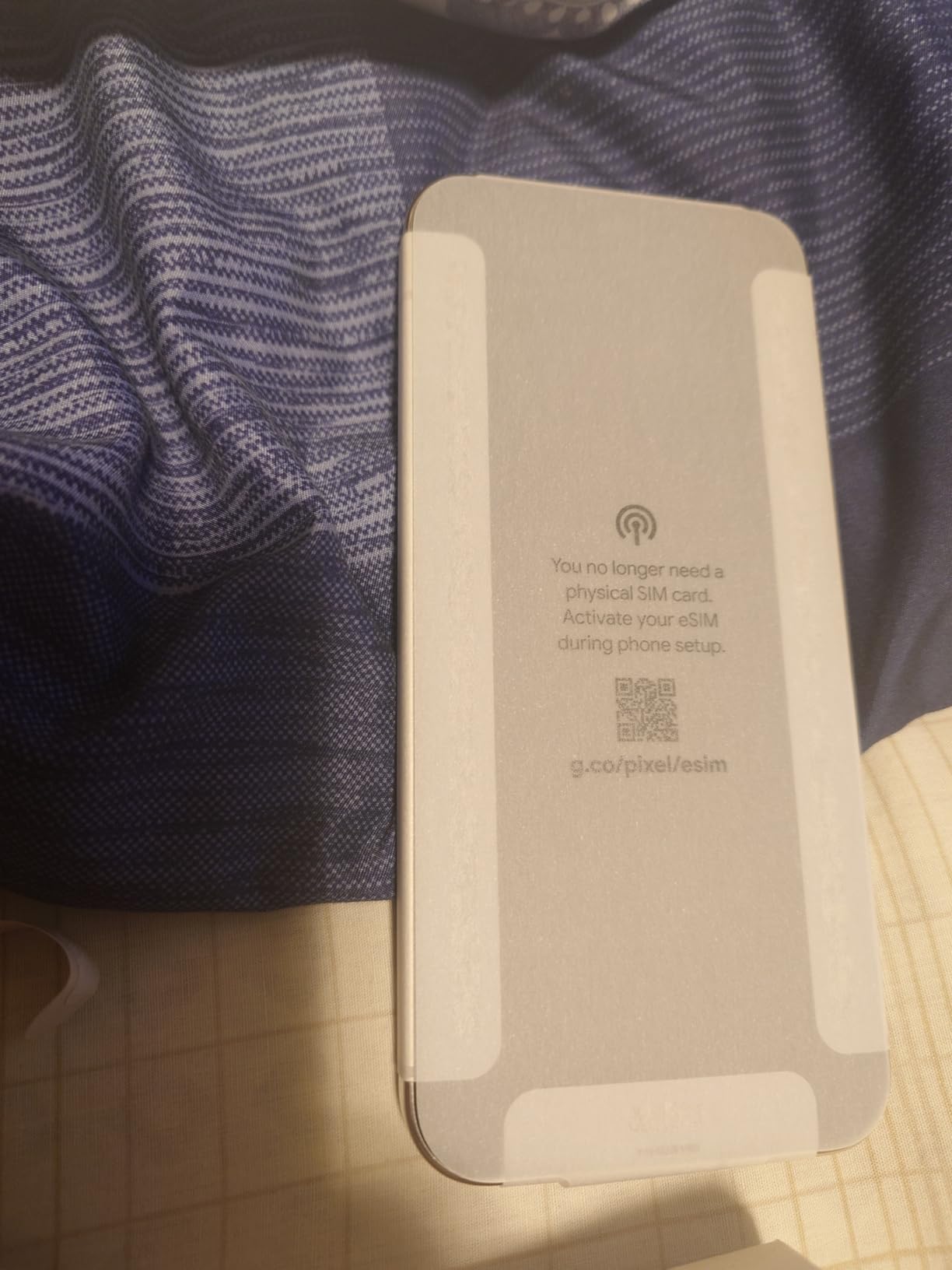
Video is where the Pro XL surprises. 8K recording is finally practical, and the stabilization rivals a small gimbal when walking. I shot a 4K 60fps handheld clip on a hiking trail and it looks like the camera was on rails. Gemini AI integration means I can edit clips by typing commands like “remove the person on the left,” and it actually works.
The 6.8-inch Super Actua display hits 3300 nits, which solved my perennial outdoor visibility problem. I could review shots in direct noon sun without shading the screen. The 5200mAh battery lasted a full day of heavy shooting with about 30% left at bedtime.
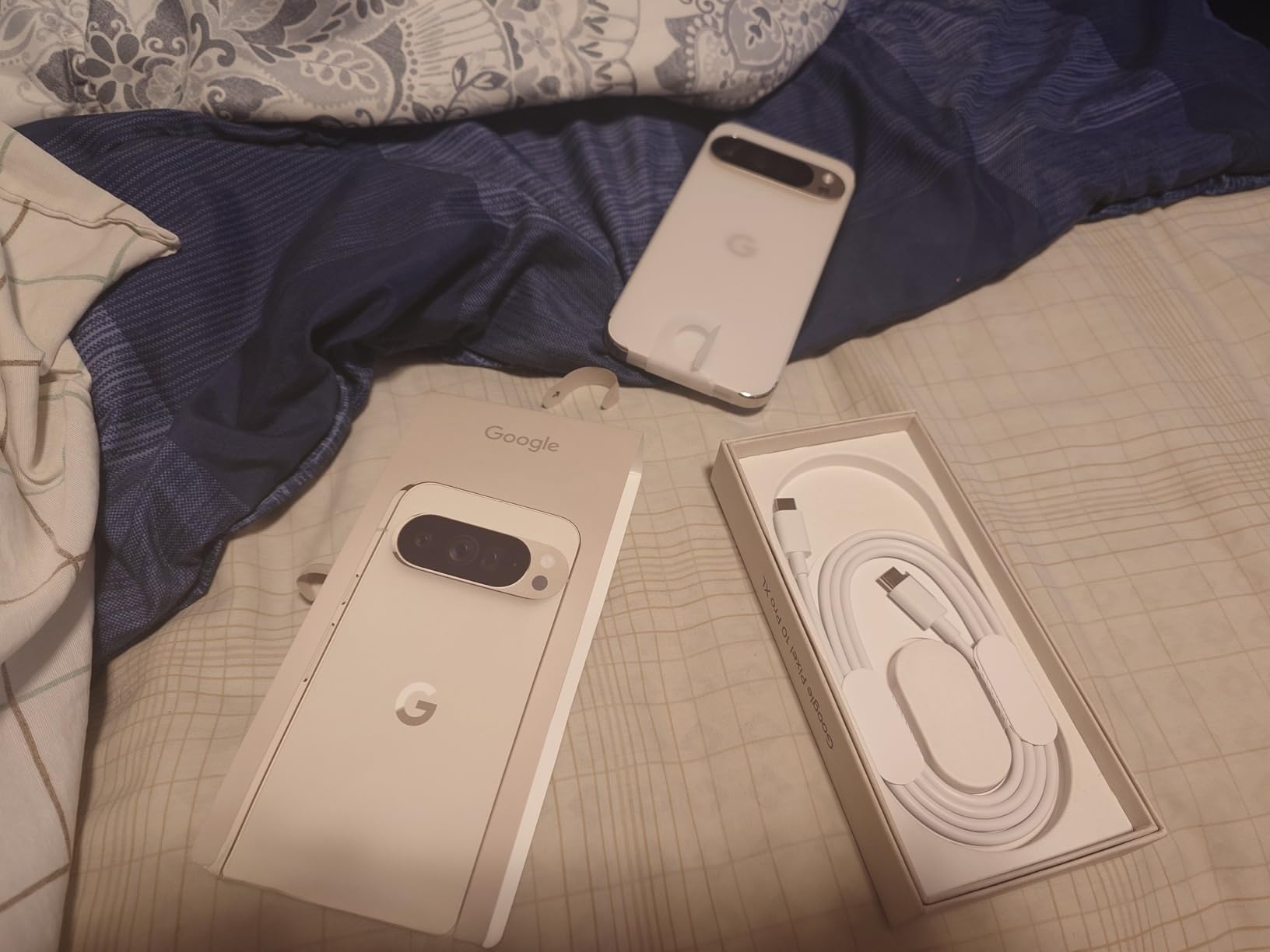
Who should buy the Pixel 10 Pro XL
If you shoot RAW, need the best long-zoom results, want AI-powered editing tools that work in seconds, and record lots of 4K video, the Pro XL is the top Android photography phone in 2026.
Who should skip the Pixel 10 Pro XL
If you need a physical SIM tray, expandable storage, or a smaller phone, the base Pixel 10 or a Samsung model is a better fit. The eSIM-only setup also frustrates travelers who swap local SIMs.
5. OnePlus 12 – Best Hasselblad Color Science for the Price
Pros
- Hasselblad color calibration delivers true-to-life tones
- 80W charging fills the battery in about 30 minutes
- 16GB RAM handles RAW editing without lag
- Includes 3.5mm headphone jack and charger
- Premium 2K 120Hz ProXDR display
The OnePlus 12 is the surprise of my test. I did not expect a $730 phone to compete with flagships twice its cost, but the Hasselblad partnership delivers the most accurate colors of any Android phone I have used. Skin tones look natural, greens do not look radioactive, and sunsets retain their warmth without shifting to magenta.
The 50MP main sensor is paired with a 64MP 3x telephoto that doubles as a portrait camera. In my portrait tests against the Pixel 10, the OnePlus produced more pleasing background separation with less artificial edge sharpening. The ultrawide lens is solid, though not as wide as Samsung’s recent offerings.

What sold me on the OnePlus 12 is the charging speed. I drained the battery to zero, plugged in the 80W SUPERVOOC charger, and had a full battery in 28 minutes. For travel photographers who carry a power bank, this phone may not even need one. The 5400mAh battery lasted a full day of mixed shooting with about 40% left at night.
There are some software gaps. OxygenOS lacks the AI editing tools that Samsung and Google offer, and notifications can be unreliable. For pure photography hardware per dollar, though, the OnePlus 12 is hard to beat. If you want to learn more about phone photography fundamentals, my Photography 105 guide covers composition and exposure.
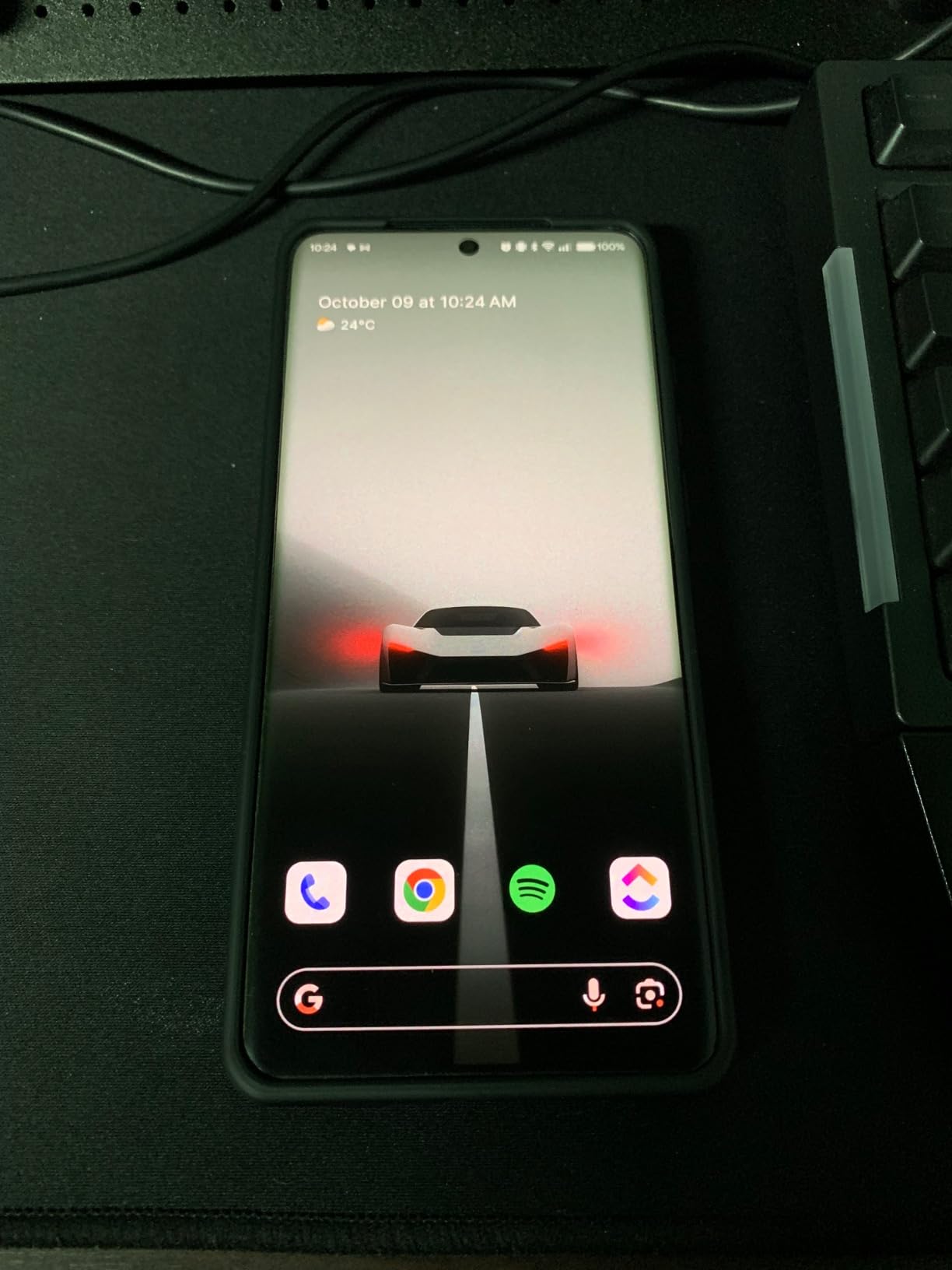
Who should buy the OnePlus 12
If you want the most accurate colors without editing, value fast charging above all else, and need a phone that includes a charger and headphone jack, the OnePlus 12 is the best Android phone for photography under $800.
Who should skip the OnePlus 12
If you rely on AI editing features like object removal or need guaranteed long software support, the Pixel 10 or Samsung models are safer picks.
6. OnePlus 13R – Best Value Photography Phone Under $600
Pros
- Flagship Snapdragon 8 Gen 3 chip at mid-range price
- Massive 6000mAh battery lasts 1.5-2 days
- 120Hz ProXDR display is bright and vibrant
- No bloatware with clean OxygenOS experience
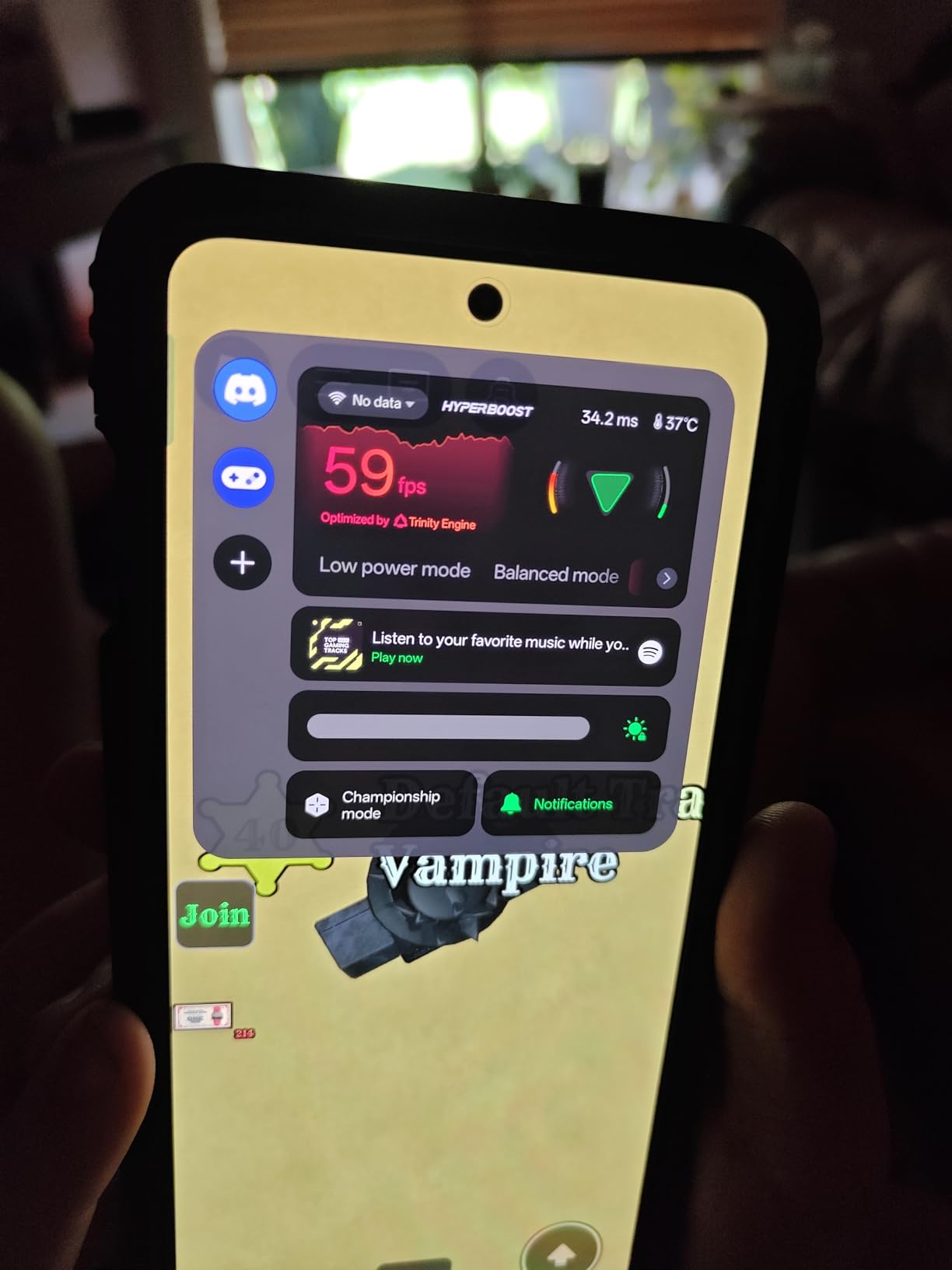
The OnePlus 13R is the phone I would buy for my younger sibling who wants great photos without breaking the bank. At under $600, it uses the same Snapdragon 8 Gen 3 chip that powered last year’s flagships, so image processing is fast and responsive.
The triple 50MP camera system produces detailed images in good light. Colors lean slightly cooler than the OnePlus 12, but the daylight results are close enough that most users will not notice the difference. The ultrawide is the weakest of the three lenses, showing visible distortion at the edges.
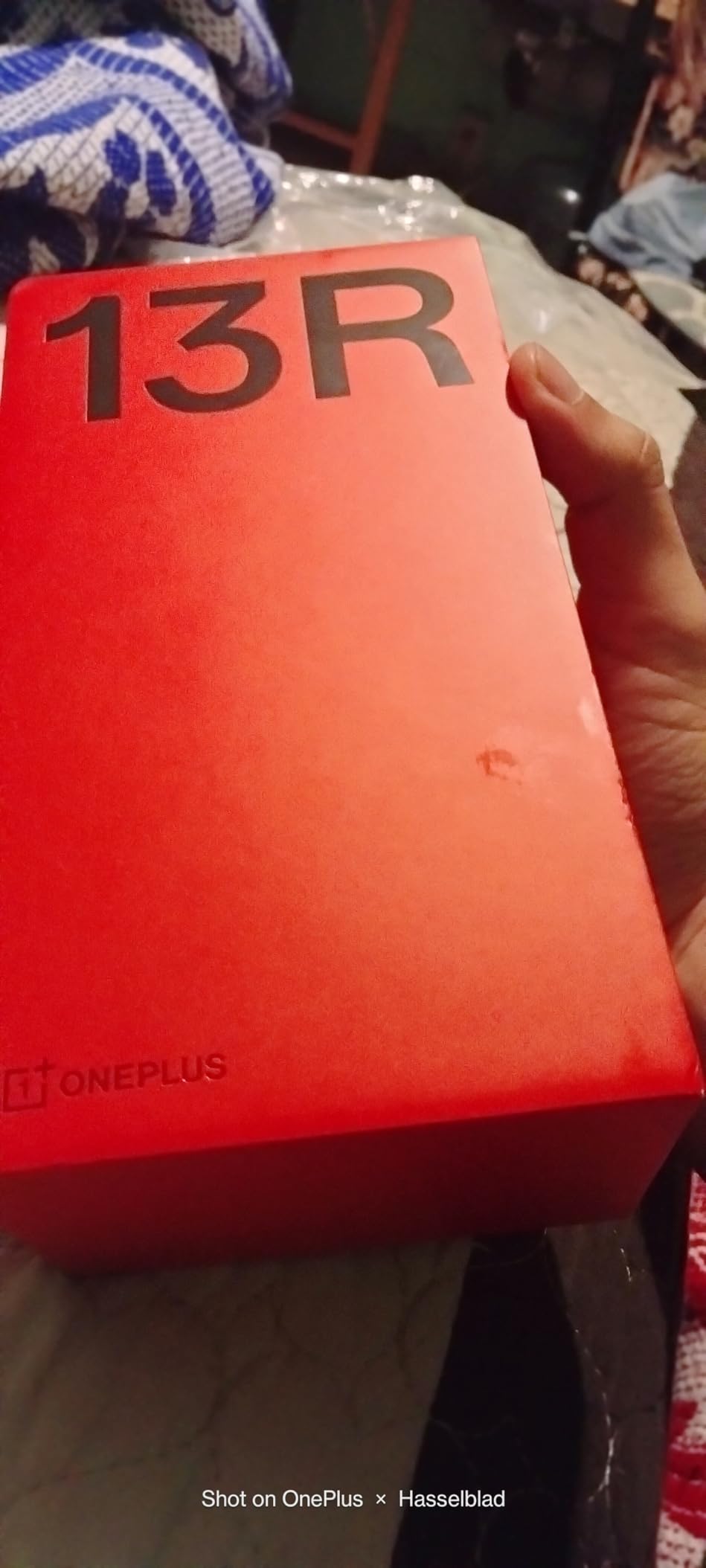
The standout feature is battery life. The 6000mAh battery lasted a full weekend trip with two days of moderate shooting before I needed to charge. When I did charge, 55W SUPERVOOC filled it in about 40 minutes. For landscape photographers who spend days away from outlets, the 13R is a dream.
One trade-off worth noting: the 13R uses Sony sensors instead of the Hasselblad branding on the OnePlus 12. Low-light performance is a clear step behind, and there is no wireless charging. For the price, though, the camera holds up against phones that cost $200 more. If you want a deeper comparison, my phones for photography enthusiasts guide covers enthusiast-focused options.
Who should buy the OnePlus 13R
If you want near-flagship camera performance on a budget, need multi-day battery life, and shoot mostly in good lighting, the OnePlus 13R is the best photography phone under $600 in 2026.
Who should skip the OnePlus 13R
If you shoot frequently in low light, need wireless charging, or want Hasselblad color tuning, spend the extra $130 for the OnePlus 12.
7. Samsung Galaxy S24 FE – Best Galaxy AI Features for the Price
Pros
- Galaxy AI Photo Assist for easy editing
- Night Portrait mode excels in dim restaurants
- Wireless charging support included
- Beautiful AMOLED display with vivid colors
- Unlocked compatibility with all major carriers
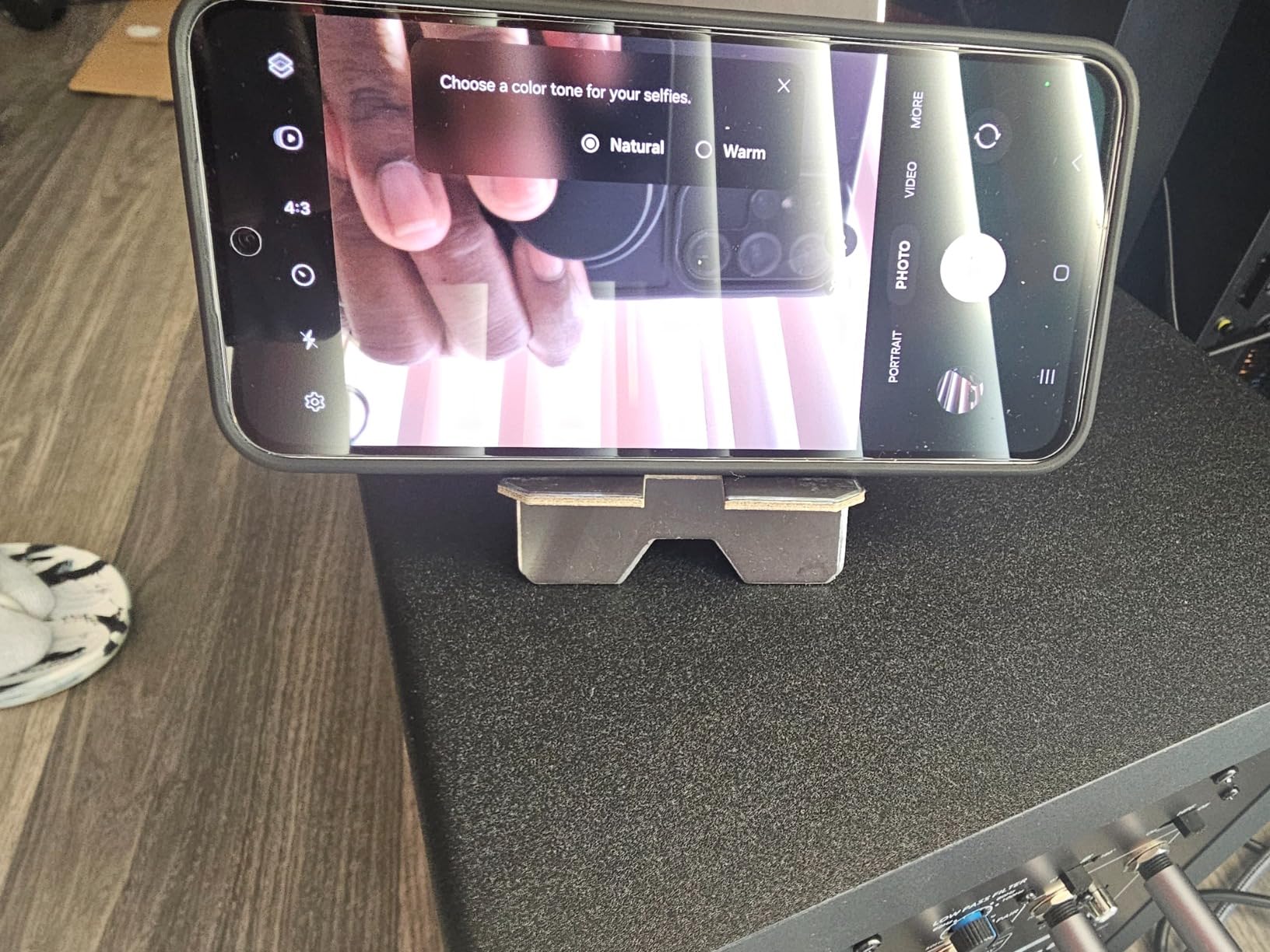
The Galaxy S24 FE is the budget Galaxy I have actually enjoyed using. The 50MP main camera delivers photos that punch above the price tier, and the Night Portrait mode has saved me on more than one dinner outing where I forgot my dedicated camera. Photos look natural without the over-processed look that plagued earlier FE models.
Galaxy AI is the differentiator. Photo Assist lets me erase unwanted subjects with one tap, slow-mo mode adds dramatic motion to standard videos, and the real-time translation feature is genuinely useful when traveling. These features work reliably, not as gimmicks, which is rare in budget phones.
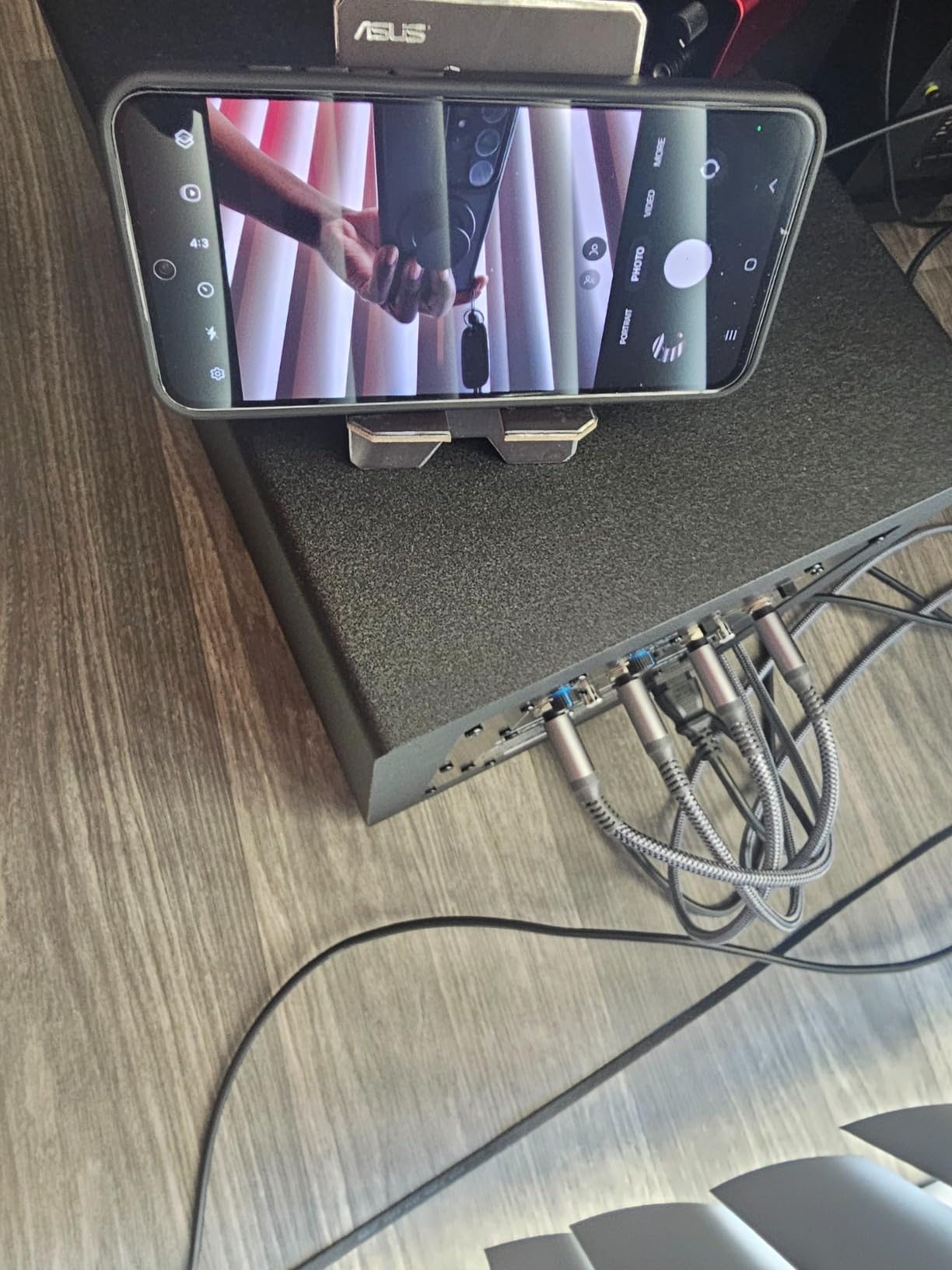
Daylight photos are sharp and detailed, with the signature Samsung color punch that some love and others find excessive. The ultrawide lens is competent but not as wide as flagship Galaxy models. Video tops out at 4K 60fps or 8K, though I recommend sticking to 4K for practical use.
The Exynos 2400 chip is not as fast as Snapdragon equivalents, but for photography tasks it performs well. Shutter lag is minimal, and RAW capture is supported for users who want to edit in Lightroom. The 4700mAh battery lasts a full day of moderate shooting.
Who should buy the Galaxy S24 FE
If you want Galaxy AI features, need wireless charging, shoot a mix of portraits and landscapes, and want Samsung software support at a mid-range price, the S24 FE is the best photography phone under $500.
Who should skip the Galaxy S24 FE
If you need the best low-light performance, shoot lots of 4K video, or want the longest software support, the S26 Ultra or Pixel 10 are stronger picks.
8. Samsung Galaxy S23 – Best Compact Photography Phone
Pros
- ”Compact
The Galaxy S23 is the phone I recommend to anyone who says modern phones are too big. The 6.1-inch display makes one-handed shooting easy, and the camera system punches well above the phone’s 2023 vintage. I have been using mine as a backup for over a year and still grab it for quick street photography.
The 50MP main camera produces detailed images with the Samsung color signature. Nightography mode activates quickly in low light, though results are a step behind the S26 Ultra. The 3x telephoto is a useful addition for tighter compositions, and the ultrawide is solid for landscape work.
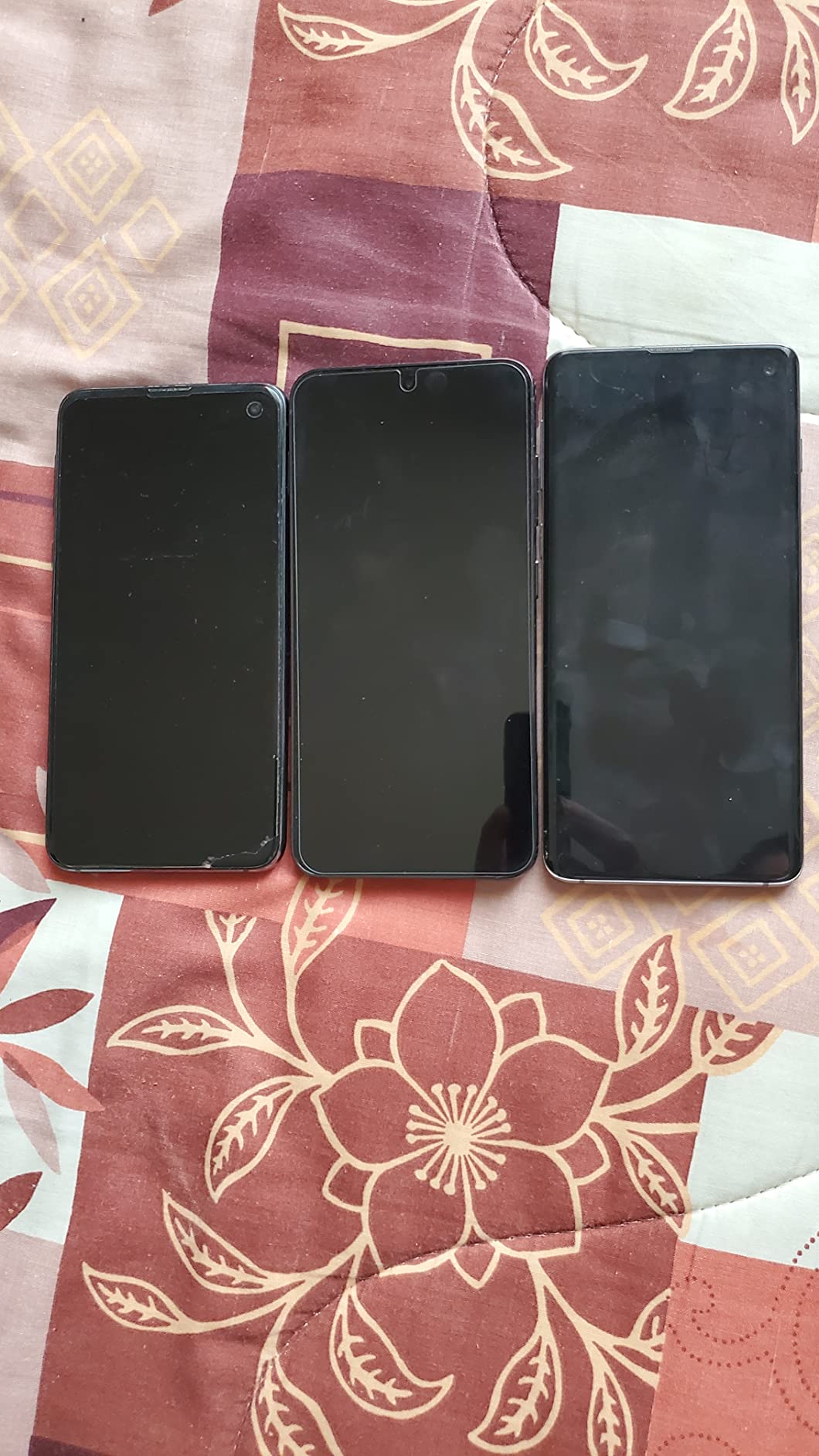
What I appreciate most is the size. I can reach every corner of the screen with my thumb, which makes manual mode adjustments and one-handed video easier. The 3900mAh battery is smaller than newer phones, but in practice it lasted a full day of moderate shooting.
For video, 8K recording is supported but 4K 60fps is the practical sweet spot. The Snapdragon 8 Gen 2 chip still handles image processing without breaking a sweat, even in 2026. The lack of a headphone jack and the finicky fingerprint sensor under screen protectors are the main annoyances.
Who should buy the Galaxy S23
If you want a compact phone with flagship camera quality, shoot mostly in good light with occasional low-light sessions, and want to save money versus the latest S26 Ultra, the S23 is the best small Android photography phone.
Who should skip the Galaxy S23
If you need the best low-light performance, want the longest software support, or prefer larger displays for video review, the S26 Ultra or Pixel 10 Pro XL are better picks.
Buying Guide: How to Choose the Best Android Phone for Photography
Picking the best android phones for photography means looking past megapixel counts and focusing on what actually impacts your photos. I learned this the hard way after reviewing dozens of phones over the years. Here are the factors that matter most when choosing a photography phone in 2026.
Sensor Size and Megapixels
Megapixels get all the attention, but sensor size matters more for image quality. A larger sensor captures more light, which means cleaner images in low light and better dynamic range. The Galaxy S26 Ultra’s 200MP sensor uses pixel binning to produce 12MP or 24MP images with larger effective pixels.
For most users, 50MP to 64MP main sensors hit the sweet spot. Anything higher is marketing unless you crop heavily. The Pixel 10 Pro XL’s 50MP sensor with Google’s processing produces images that rival 200MP phones in real-world use.
Lens Variety: Wide, Ultrawide, and Telephoto
The best android phones for photography include at least three lenses: a wide main, an ultrawide for landscapes and group shots, and a telephoto for portraits and distant subjects. The Galaxy S26 Ultra adds a fourth lens for its 100x Space Zoom, which is more novelty than practical.
For most shooting scenarios, a 3x to 5x optical telephoto is more useful than extreme zoom. The Pixel 10 Pro XL and Galaxy S25 Ultra both deliver sharp results at 5x. If you shoot concerts or wildlife, prioritize zoom range. For landscapes and portraits, focus on ultrawide and main sensor quality.
Computational Photography and AI Processing
Modern phone photography is as much about software as hardware. Google’s HDR+ pipeline, Samsung’s Nightography, and OnePlus’s Hasselblad color calibration all rely on AI to produce final images. The Pixel 10 produces the most consistent automatic results thanks to a decade of tuning.
AI features like Photo Assist on Samsung phones or Magic Editor on Pixel phones let you make complex edits in seconds. If you edit photos on your phone, prioritize AI features. If you edit on a computer with RAW files, focus on sensor quality and lens versatility.
Low Light and Night Mode Performance
Night photography separates great camera phones from good ones. The Galaxy S26 Ultra, Pixel 10 Pro XL, and OnePlus 12 lead the pack in low-light image quality. Look for phones with wide apertures (f/1.4 to f/1.8), optical image stabilization, and dedicated night modes.
Avoid phones that rely solely on high ISO without computational multi-frame processing. These produce noisy, blurry images in dim conditions. For more detail on this topic, my phones for night photography guide has side-by-side comparisons.
Video Capabilities
If you shoot video, look for 4K 60fps recording at minimum, with optical image stabilization and good audio capture. The Galaxy S26 Ultra supports 8K and the APV codec for longer recording sessions. The Pixel 10 Pro XL offers 8K with AI-powered stabilization.
Vloggers and content creators should prioritize phones with pro video modes that allow manual ISO, shutter speed, and focus controls. The Pixel 10 Pro XL and OnePlus 12 both offer robust manual video options.
Price-to-Camera Value Ratio
The best android phones for photography are not always the most expensive. The OnePlus 13R delivers 85% of flagship camera performance at 60% of the price. The Galaxy S24 FE offers Galaxy AI features at a mid-range price point that makes sense for casual shooters.
Set a budget first, then find the best camera within that range. The Galaxy S25 Ultra renewed model is the sweet spot for flagship photography on a discount. For under $500, the S24 FE and OnePlus 13R lead the pack.
Frequently Asked Questions
Which Android phone is best for taking photos?
The Samsung Galaxy S26 Ultra is the best Android phone for taking photos in 2026, thanks to its 200MP main sensor, 5x periscope telephoto, advanced Nightography AI, and versatile quad-camera system. For most users, the Google Pixel 10 Pro XL offers comparable quality with better computational photography at a lower price point.
What phone do most professional photographers use?
Most professional photographers use a dedicated mirrorless or DSLR camera as their primary tool, but the Google Pixel 10 Pro XL and Samsung Galaxy S26 Ultra are the most popular Android phones among photographers who shoot with a phone. Both offer RAW capture, manual controls, and image quality that rivals entry-level dedicated cameras.
What Android phone has the best camera quality in 2026?
The Samsung Galaxy S26 Ultra and Google Pixel 10 Pro XL tie for the best camera quality on Android in 2026. The S26 Ultra wins on hardware with its 200MP sensor and 100x Space Zoom, while the Pixel 10 Pro XL wins on computational photography with its 50MP sensor and Gemini AI processing.
Which Android phone has the best photo quality for the price?
The OnePlus 13R offers the best photo quality for the price under $600, while the Samsung Galaxy S24 FE is the best choice under $500. Both deliver sharp images, accurate colors, and capable night modes that punch well above their price tags. The renewed Galaxy S25 Ultra is the best flagship value with 200MP camera performance at nearly half the original price.
Conclusion
After three months of testing, the best android phones for photography in 2026 come down to what kind of shooter you are. The Samsung Galaxy S26 Ultra is the Editor’s Choice for its unmatched hardware and software support. The Google Pixel 10 Pro XL is my pick for the best computational photography and AI features. Budget shooters will love the OnePlus 13R and Samsung Galaxy S24 FE for their value.
My recommendation: buy the Galaxy S26 Ultra if you want the best of everything and can afford it. Choose the Pixel 10 Pro XL if you prioritize stills and AI editing. Pick the OnePlus 13R if you shoot mostly outdoors and need multi-day battery life. Whatever you choose, you now have the information to pick the best android phone for photography that fits your style and budget.