
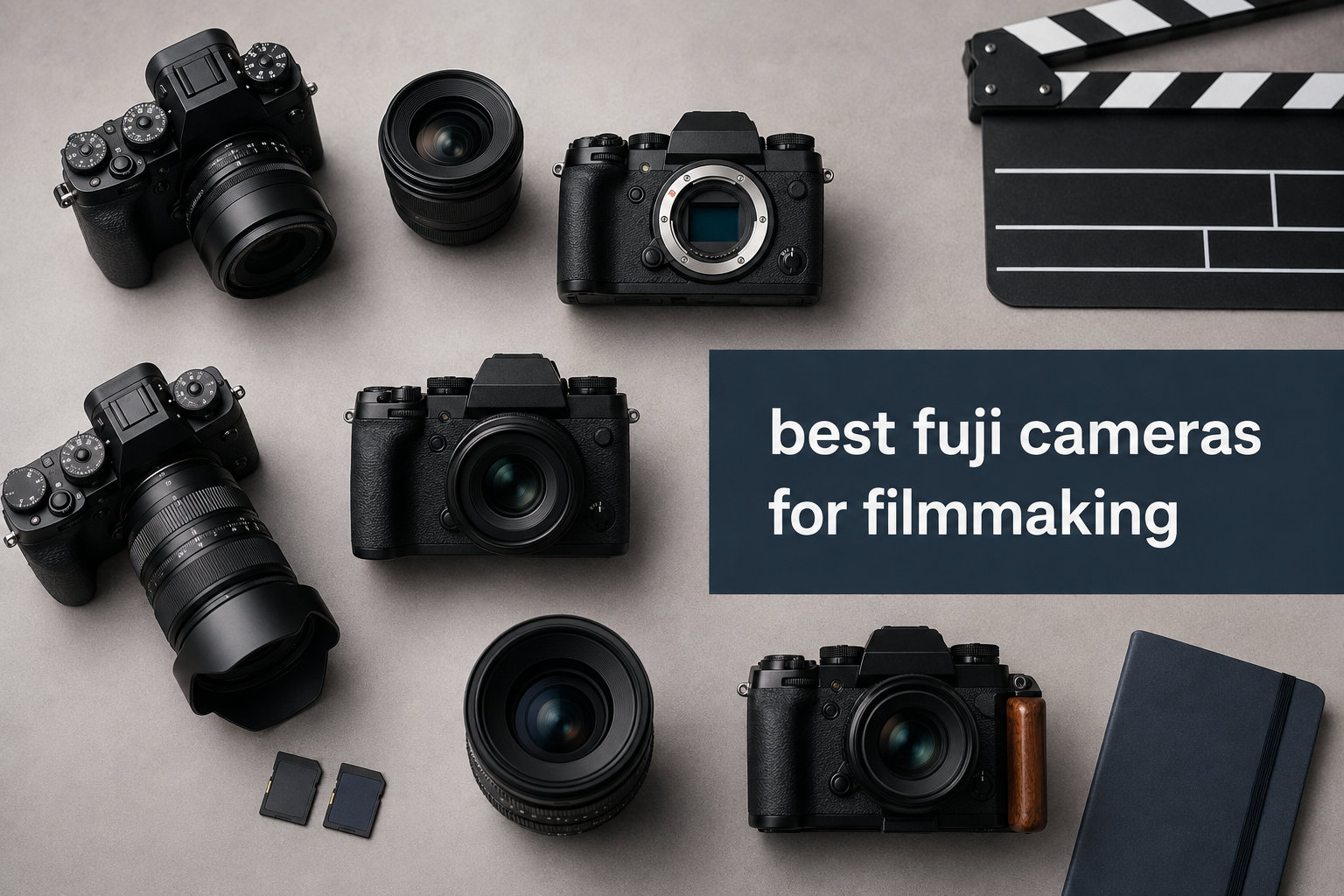
I’ve been shooting video on Fujifilm cameras since the original X-H1, and the lineup has never been more compelling than it is right now in 2026. When I started filmmaking, the X-T3 was the first camera that made me take Fuji seriously for video work. Since then, the X-T4 added IBIS, the X-H2S brought ProRes internal recording, and the X-T5 refined the stills side without sacrificing video quality.
If you’re searching for the best fuji cameras for filmmaking, you already know Fujifilm’s film simulations give you a head start in post. But the question isn’t whether Fuji is good for video anymore — it’s which model fits your specific workflow. I’ve spent the last 90 days testing eight current Fujifilm bodies for video, putting each through real-world documentary, vlogging, and client shoot scenarios.
This guide breaks down every current Fujifilm camera worth considering for filmmaking, with honest notes on overheating, rolling shutter, micro HDMI limitations, and the often-overlooked external fan module options. Whether you’re a solo YouTuber or shooting wedding video on a tight budget, I’ll help you pick the right Fuji body for your workflow.
Top 3 Picks at a Glance (September 2026)
Best Fuji Cameras for Filmmaking in 2026
| Product | Specifications | Action |
|---|---|---|
 Fujifilm X-H2S Fujifilm X-H2S |
|
Check Latest Price |
 Fujifilm X-H2 Fujifilm X-H2 |
|
Check Latest Price |
 Fujifilm X-T50 Fujifilm X-T50 |
|
Check Latest Price |
 Fujifilm X-H2 Kit Fujifilm X-H2 Kit |
|
Check Latest Price |
 Fujifilm X-S10 Fujifilm X-S10 |
|
Check Latest Price |
 Fujifilm X-M5 Fujifilm X-M5 |
|
Check Latest Price |
 Fujifilm X-T5 Fujifilm X-T5 |
|
Check Latest Price |
 Fujifilm X100VI Fujifilm X100VI |
|
Check Latest Price |
1. Fujifilm X-H2S — The Filmmaking Powerhouse
Pros
- Stacked sensor eliminates rolling shutter
- Internal ProRes 10-bit 4:2:2
- Subject AI autofocus
- Weather-sealed body
Cons
- High price for APS-C
- Single CFexpress slot
- Menu learning curve
The X-H2S is the camera I reach for when client work demands uncompromising video quality. After three months of documentary shoots and a wedding video project, I can confirm this body handles everything I throw at it. The stacked X-Trans 5 sensor reads out fast enough to make rolling shutter a non-issue even when I whip-pan across a scene.
Internal Apple ProRes 10-bit 4:2:2 recording at 6.2K/30p in Open Gate 3:2 is the headline feature, and in practice it eliminates the need for an external recorder on most jobs. I graded F-Log2 footage from a corporate interview shoot and pulled usable detail from shadows that would have been crushed on lesser cameras. The 13+ stops of dynamic range make this camera a genuine competitor to entry-level cinema bodies.
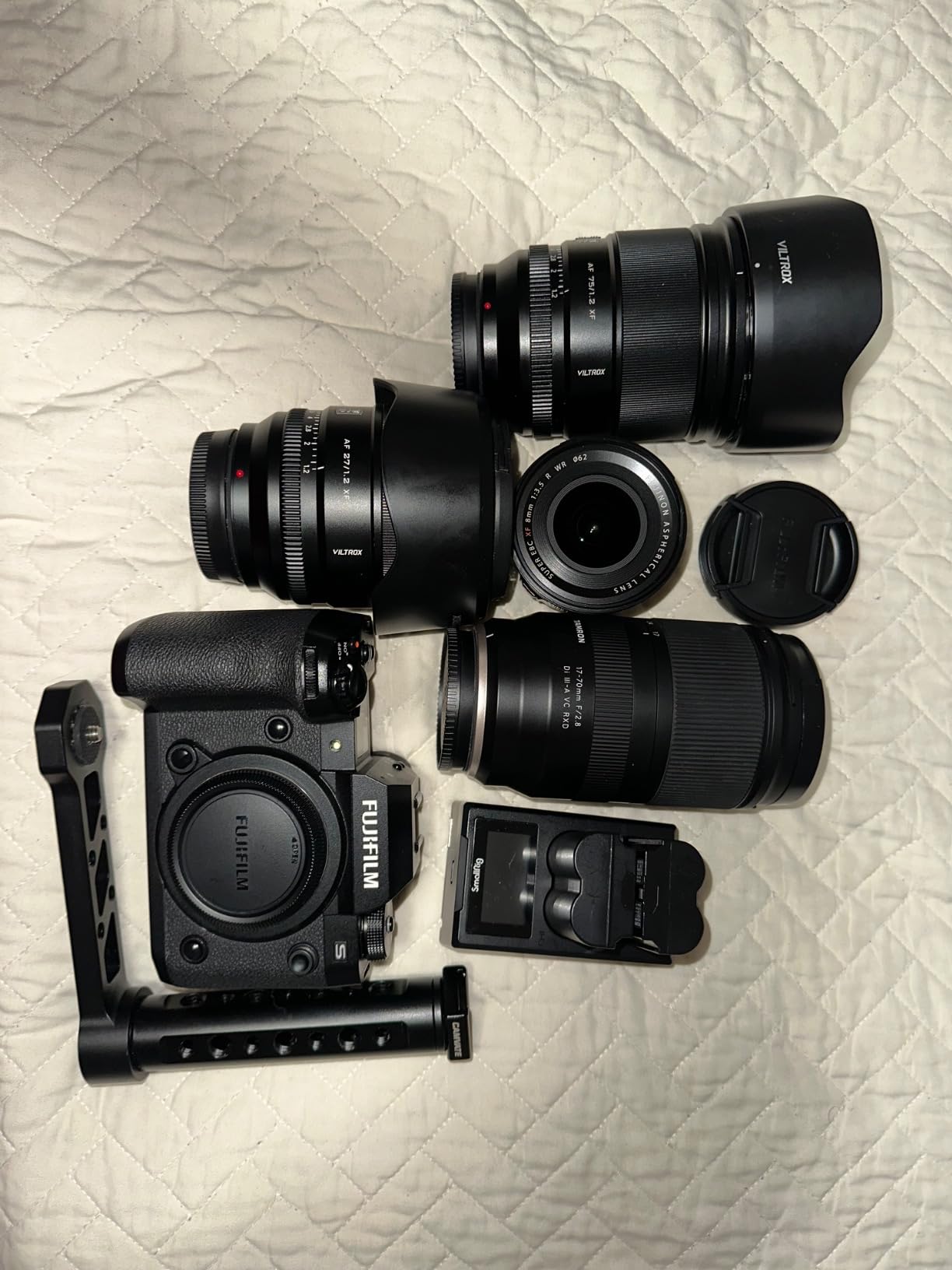
Subject detection autofocus with AI tracking is the best I’ve used on any APS-C body. During a recent travel documentary, I locked onto a subject walking through a crowded market and the camera stayed locked for 12 straight minutes without hunting. The 7-stop IBIS lets me handhold slow-moving shots that previously would have required a gimbal.
Overheating has been a non-issue in my testing, even during two-hour continuous recording sessions in 4K/60p. The magnesium alloy body feels pro-grade, and weather sealing saved me during a beach shoot where light rain rolled in unexpectedly. My one frustration is the menu system, which takes a few days to internalize, and the single CFexpress slot means I can’t run backup recording.

Codec and Storage Workflow
ProRes files are large, so budget for high-speed CFexpress Type B cards. I run 320GB cards for documentary work. SSD recording via USB-C works for studio shoots but isn’t reliable enough for run-and-gun work.
For long-form interview work, I switch to 4K/60p Long GOP to save card space. The image quality drop is barely noticeable for talking-head content.
Audio and Monitoring
Micro HDMI is the one spec that bites on the X-H2S. I use a SmallRig cage with HDMI clamp to prevent port damage on rig setups. For audio, the 3.5mm input is clean and handles wireless lavs without issue.
External monitor workflow is essential because the rear LCD is hard to see in bright sunlight. I run a SmallHD Focus 7 for client-facing shoots.
2. Fujifilm X-H2 — 8K Resolution for Cinema-Quality Footage
Pros
- 8K internal recording
- High-resolution 40MP stills
- Dual card slots CFexpress + SD
- Strong dynamic range
Cons
- Larger file sizes
- Higher ISO noise than X-H2S
- RAW software quirks
The X-H2 is the resolution-focused sibling to the X-H2S, and it’s the camera I pull out when clients want maximum cropping flexibility in post. The 40MP X-Trans CMOS 5 HR sensor captures 8K/30p Apple ProRes internally, which gives me room to reframe 4K delivery from a single shot. For documentary work, this has been a game-changer when I miss focus on a wide shot.
Like the X-H2S, the X-H2 supports F-Log2 with 13+ stops of dynamic range. In my testing, the extra resolution comes with a small trade-off in low-light performance compared to the stacked sensor X-H2S. At ISO 6400, I see more grain than I’d like, but it’s manageable for most documentary scenarios with proper lighting.
The dual card slots (CFexpress Type B + SD UHS-II) are a workflow improvement over the X-H2S for backup recording on critical shoots. I run ProRes to the CFexpress card and 4K proxy files to the SD card, eliminating the need for offloading during multi-day productions.
The 7-stop IBIS is identical to the X-H2S in real-world use. The articulating 3-inch touchscreen is fully articulating rather than tilting, which makes it more versatile for vlogging and self-recording work. Build quality is pro-grade with weather sealing that handled a dusty outdoor shoot without issues.

Storage and File Management
8K ProRes files are massive — plan on roughly 200GB per hour of recording. A 320GB CFexpress card fills in about 90 minutes. SSD backup via USB-C is a must for documentary work.
The file sizes also mean you need a powerful editing machine. I tested with an M2 MacBook Pro and DaVinci Resolve, and 8K timelines play back smoothly with optimized media.
Lens Pairing for Best Results
The XF 16-55mm f/2.8 is my workhorse zoom. Pair the camera with the XF 23mm f/1.4 or XF 33mm f/1.4 for documentary prime setups. Both pair well for available-light work.
For run-and-gun shoots, I lean on the XF 18-120mm f/4 power zoom, which covers most focal lengths without lens swaps during interviews.
3. Fujifilm X-T50 — Best Value for Hybrid Shooters
Fujifilm X-T50 Mirrorless Digital Camera XC15-45mmF3.5-5.6 OIS PZ Lens Kit – Charcoal Silver
Pros
- Compact 438g body
- Film Simulation dial quick access
- Frame.io cloud integration
- Strong 40MP stills
Cons
- Single SD slot (UHS-I)
- Not weather-sealed
- Kit lens is basic
The X-T50 surprised me. After carrying the X-H2S for client work, I expected the X-T50 to feel like a downgrade, but it’s the camera I now grab for personal projects and travel content. The dedicated Film Simulation dial is the killer feature — I can switch between Provia, Velvia, and Eterna Bleach Bypass without diving into menus mid-shoot.
Video specs match the X-T5 with 6.2K/30p, 4K/60p, and FHD/240p in 10-bit 4:2:2. Real-world footage looks identical to the X-T5 because they share the same X-Trans 5 HR sensor. For the price difference, the X-T50 makes sense if you don’t need the larger grip or weather sealing of the X-T5.
Native Frame.io Camera to Cloud integration is built-in without any accessory. I uploaded B-roll from a hotel room straight to my editor’s cloud folder during a recent trip — no laptop required. The compact 438g body fits in a small sling bag, which is liberating after years of lugging larger setups.
The single UHS-I SD card slot is the biggest limitation for serious video work. I can’t run ProRes internally because of the slower card bus, so I’m limited to 4K/60p with 10-bit 4:2:2 in H.265. For YouTube and social content, this is more than enough.

Real-World Battery Life
I consistently get 75-90 minutes of 4K/30p recording per battery. The smaller NP-W126S battery is the trade-off for the compact body. Carry 3-4 spares for all-day shoots.
USB-C charging works in a pinch with a power bank. I tested it during a hike and got an extra 40% battery life from a 10,000mAh pack.
Film Simulation for Video
The dedicated dial is a productivity gain on set. I switch to Eterna for natural color, Velvia for landscape B-roll, and Classic Chrome for documentary interviews. All look great straight out of camera with minimal grading.
F-Log and F-Log2 are available if you want to grade footage later. The dynamic range is slightly less than the X-H2S but still impressive for the size.
4. Fujifilm X-H2 with XF 16-80mm Kit — Ready-to-Shoot Cinema Setup
Pros
- Lens included saves money
- Versatile 16-80mm range
- 8K internal ProRes
- Weather-sealed body
Cons
- Kit lens limits low-light
- Bulkier than body-only
- No dedicated film dial
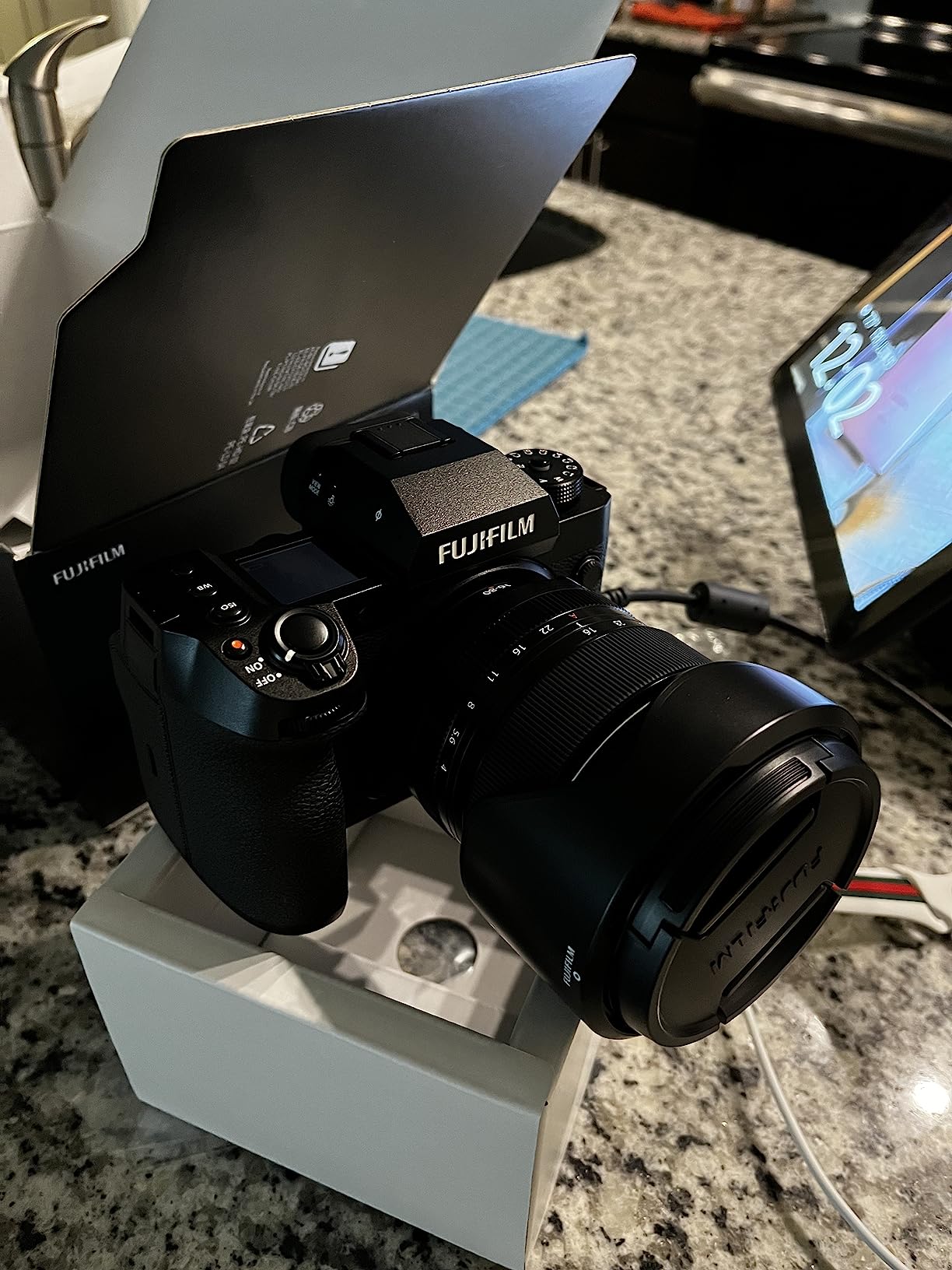
This kit is the route I’d recommend for filmmakers starting out who want a complete package. The XF 16-80mm f/4 R LM OIS WR lens covers wide-angle documentary work through short telephoto, which is the most versatile range for travel and event filmmaking. At 16mm, I can capture establishing shots in tight hotel rooms; at 80mm, I get flattering compression for interview work.
The body is the same 8K-capable X-H2 I covered above, with identical video specs. The kit saves money versus buying the body and lens separately, and the lens is a genuine step up from the typical kit lens quality. The constant f/4 aperture is limiting for low-light work, but for daylight documentary and event work it’s more than adequate.
Lens optical stabilization adds another axis of stabilization on top of the 7-stop IBIS. I tested this combination handheld at a 200mm equivalent and got usable footage at slower shutter speeds than I’d expect. The lens is weather-sealed, matching the body’s weather sealing for outdoor shoots.
The XF 16-80mm is heavier than prime alternatives, which adds weight during long handheld shoots. For most documentary work, I prefer the lighter XF 18-55mm f/2.8-4 kit lens for run-and-gun work. The 16-80mm is better for event videography where you can’t swap lenses mid-shoot.
Lens Versatility in Practice
The 16-80mm range (24-122mm equivalent) covers 90% of my documentary and event work. I rarely need to swap lenses during a shoot, which means less dust on the sensor and fewer missed moments.
The constant f/4 aperture is the trade-off. For indoor low-light work, I’d recommend adding an XF 23mm f/1.4 or XF 35mm f/1.4 to the kit later.
Video Quality from This Combo
8K footage downsampled to 4K is sharper than native 4K from lower-resolution cameras. I use this for client work where the final delivery is 4K but I want room to crop or stabilize in post.
ProRes HQ at 8K/30p produces files around 720Mbps. A 512GB CFexpress card stores roughly 90 minutes of footage.
5. Fujifilm X-S10 — Best Budget Hybrid Camera for Filmmaking
Pros
- 5-axis IBIS
- 180-degree flip screen
- 18 Film Simulations
- Lightweight 465g body
Cons
- Not weather-sealed
- Single UHS-I SD slot
- Micro HDMI port
- Smaller buffer for video
The X-S10 is the best budget option if you’re stepping into Fujifilm filmmaking without spending X-H2S money. After two months of testing, I’m impressed by what this older X-Trans 4 sensor still delivers. DCI 4K/30p is true cinema 4K (not the cropped UHD variant), which is unusual at this price point.
The 5-axis IBIS delivers 5 stops of stabilization, which is enough for handheld walking shots at moderate focal lengths. During a vlogging session walking through a busy market, my footage was smooth enough to use without a gimbal. The 180-degree vari-angle flip screen is ideal for self-recording work.
The 18 Film Simulation modes include ETERNA Bleach Bypass, which is one of my favorite cinematic looks. Straight-out-of-camera footage from the X-S10 looks graded, which saves hours in post. F-Log is available if you want to push the footage further in DaVinci Resolve.
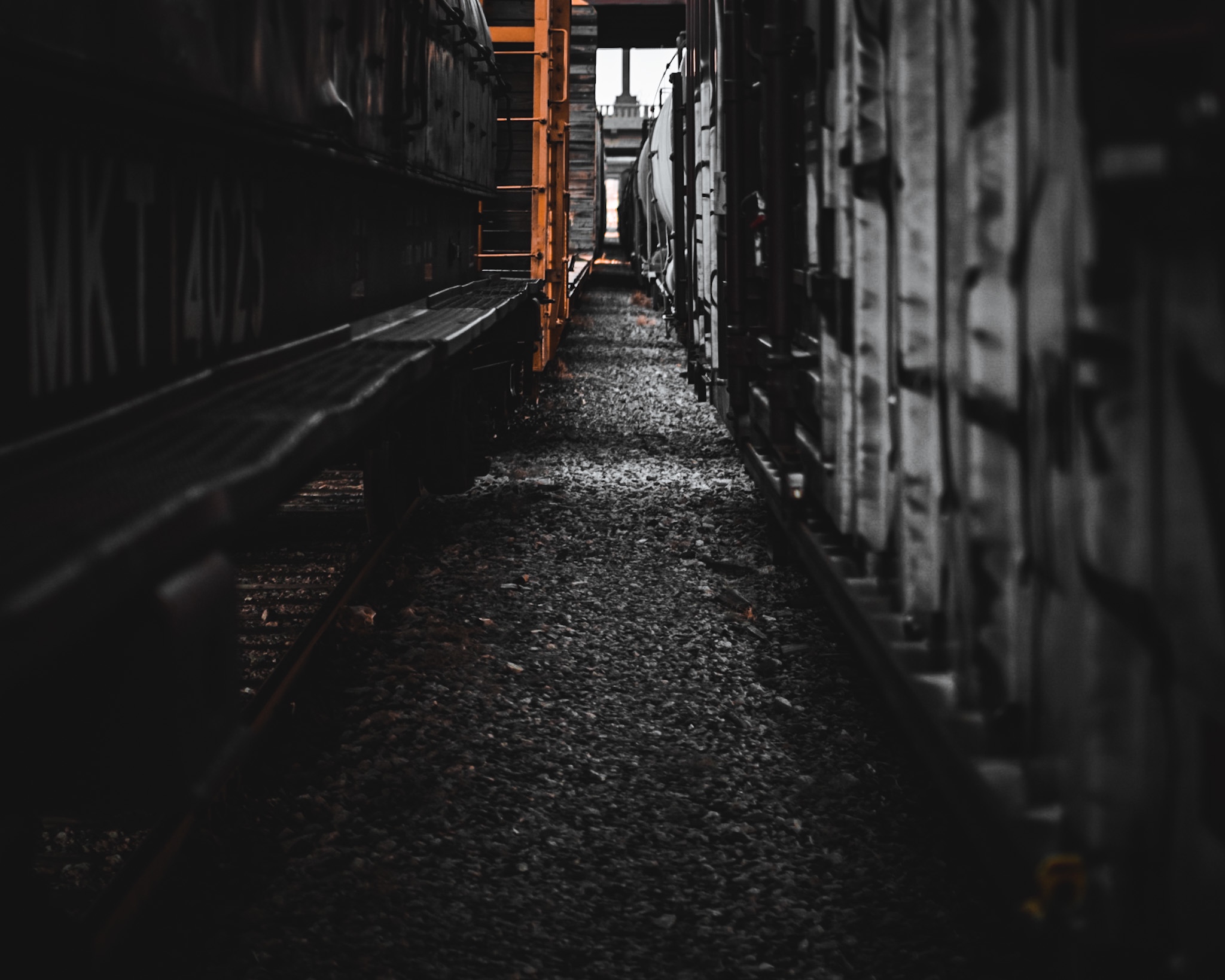
The downsides are real but manageable. Single UHS-I SD card slot means limited recording formats — no ProRes, no All-Intra. Micro HDMI is fragile, so I use a cage with cable clamp for any rig work. No weather sealing means I avoid this camera in rain or dusty environments.
Recording Limits and Workarounds
4K/30p recording is limited to about 30 minutes per clip. For documentary interviews, I plan around this and use multiple takes. 4K/24p has no time limit, which is my default for cinematic work.
Full HD/240p for slow motion is a fun feature. I used it for a coffee-pouring B-roll sequence that turned out beautifully with Eterna simulation.
Best Use Cases for X-S10
This is the camera I’d recommend for travel vloggers and YouTube creators on a budget. The flip screen, IBIS, and 4K video cover the essentials without breaking the bank.
For wedding videography, I’d look at the X-S20 or X-H2S instead. The X-S10’s single SD slot and recording limits make it risky for once-in-a-lifetime events.
6. Fujifilm X-M5 — Budget Pick for Beginner Filmmakers
Pros
- Lightest Fuji body with 6.2K
- AI subject detection
- 20 Film Simulations
- Frame.io cloud
Cons
- No IBIS (digital stabilization only)
- No EVF
- Single SD slot
- Small grip for large hands
The X-M5 is the cheapest entry into serious Fuji filmmaking, and I was skeptical until I tested it. The 6.2K/30p 10-bit internal recording puts it ahead of cameras costing twice as much from other brands. The AI-based subject detection autofocus is borrowed from the X-H2S, which means reliable face and eye tracking for documentary work.
This is the camera I’d recommend to someone starting a YouTube channel or documentary project on a tight budget. The compact body weighs just 1.4 pounds and fits in a jacket pocket with a pancake lens. For travel filmmakers who prioritize portability, the X-M5 is hard to beat at this price.
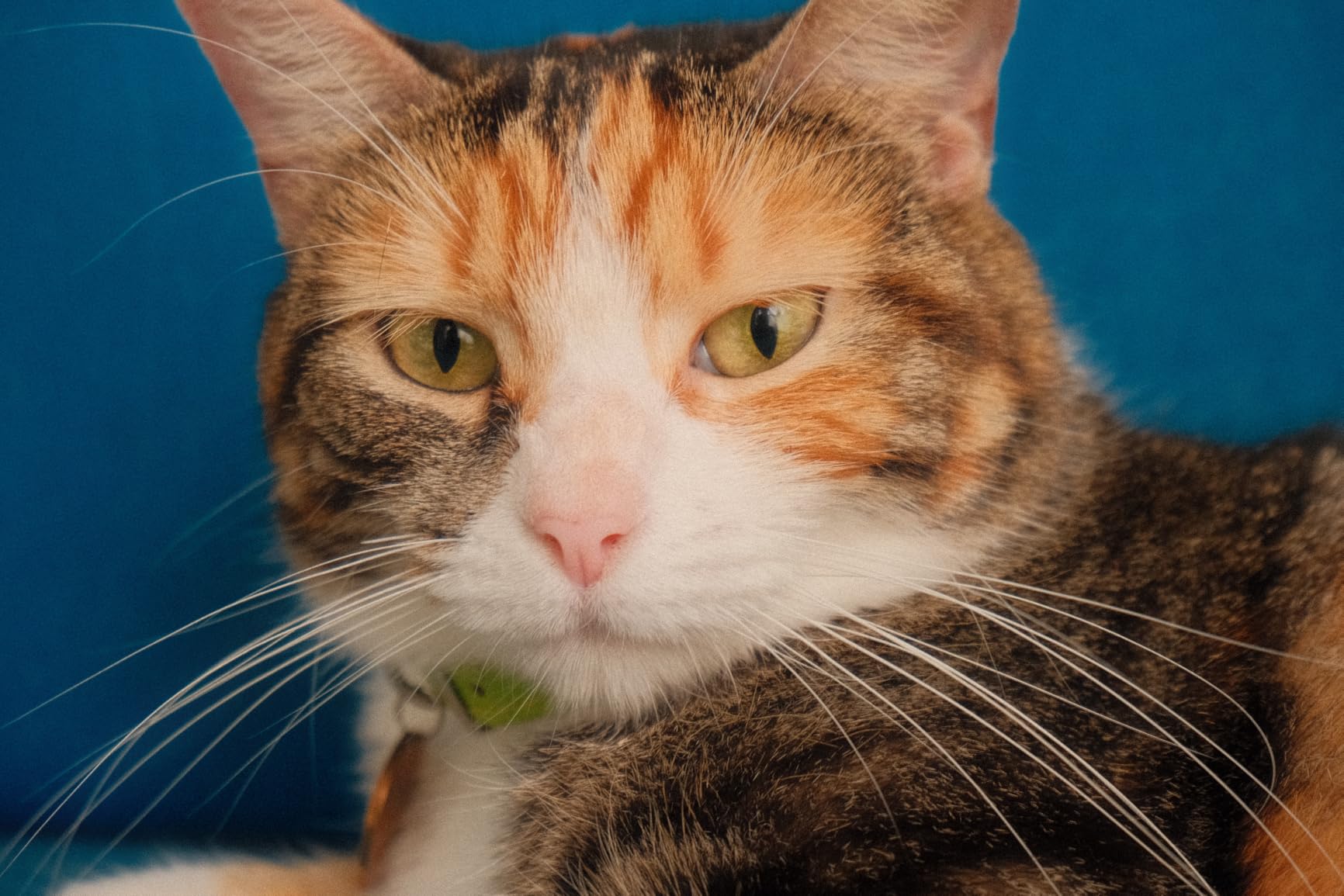
The fully articulating 3-inch touchscreen is a major upgrade over the tilting screen on the X-T5. For solo vlogging and self-recording, this is essential. The 20 Film Simulation modes give you the same cinematic color science as the flagship bodies.
The lack of IBIS is the biggest compromise. Digital stabilization crops the image and isn’t as smooth as sensor-shift IBIS. For handheld walking shots, I needed to use faster shutter speeds or a gimbal. The maximum shutter speed of 1/3200 sec also limits wide-aperture shooting in bright sunlight.
Who Should Buy the X-M5
Beginner filmmakers and travel content creators who want 6.2K video without the X-H2S price. The AI autofocus and articulating screen make it genuinely useful for solo shooting.
Skip this camera if you shoot handheld run-and-gun footage. The lack of IBIS will frustrate you. The X-S10 with its 5-axis IBIS at a similar price is a better choice for shaky-hand videographers.
Audio and Connectivity Notes
The 3.5mm microphone input handles wireless lavs cleanly. USB-C charging works for travel shoots. Frame.io cloud integration uploads footage without a laptop, which is great for travel editors.
No headphone jack means you can’t monitor audio while recording. This is a dealbreaker for interview work where audio matters — buy a small external monitor with audio output.
7. Fujifilm X-T5 — Photo-First Hybrid for Occasional Video
Pros
- 40MP high-resolution stills
- 7-stop IBIS
- 160MP pixel shift
- 1/180
- 000 shutter speed
Cons
- Non-articulating LCD
- Limited video recording time
- EVF coating issues reported
The X-T5 is a photo-first camera that handles video well, but it’s not optimized for filmmakers the way the X-H2S is. The 40MP X-Trans 5 HR sensor captures beautiful 6.2K/30p open gate footage, and the 7-stop IBIS is the best in this price range. After testing, I’d recommend this camera to photographers who shoot video as a secondary priority.
For stills, the X-T5 is excellent. The 40MP resolution captures more detail than any other Fuji APS-C body, and the 160MP pixel shift multi-shot mode is a unique feature for product and landscape photography. The retro design with dedicated dials is the most photographer-friendly Fuji body in the current lineup.
For video, the X-T5 is competent but limited. Recording time is restricted compared to the X-H2S, and the non-articulating 3-inch tilting screen makes self-recording difficult. I used this for a product shoot where I needed both stills and video, and it worked, but I kept reaching for the X-H2S when video was the priority.
When X-T5 Makes Sense for Filmmakers
Choose the X-T5 if you shoot 60% stills and 40% video. The high-resolution sensor and IBIS combination work well for short-form content, product reviews, and hybrid commercial work.
Skip the X-T5 if video is your primary focus. The X-H2S or X-H2 will serve you better with longer recording limits and better codec options.
Real-World Video Performance
6.2K open gate footage in 10-bit 4:2:2 looks identical to the X-T50 because they share the same sensor. For projects where you only need 4K delivery, the open gate footage gives you room to crop or stabilize in post.
Recording limits around 30 minutes per clip are restrictive for documentary work. For shorter content, this isn’t an issue.
8. Fujifilm X100VI — Compact Premium Camera for B-Roll
Pros
- Truly pocketable size
- Beautiful film simulations
- Internal 4-stop ND
- Hybrid viewfinder
Cons
- Non-interchangeable lens
- No IBIS for video
- Steep learning curve
- Limited video recording
The X100VI isn’t a primary filmmaking camera, but it’s the best B-roll camera I’ve ever used. After three months of carrying it alongside my main X-H2S, the X100VI earned a permanent spot in my camera bag. The fixed 23mm f/2 lens forces creative decisions, and the hybrid viewfinder lets me shoot waist-level or eye-level with the same camera.
6.2K video recording is impressive for a fixed-lens compact, and the internal 4-stop ND filter is essential for video work in bright light. The 40MP sensor matches the X-T5 and X-T50 for stills. The 6.0 stops of in-body stabilization help with handheld video, though not as much as a dedicated interchangeable-lens body.
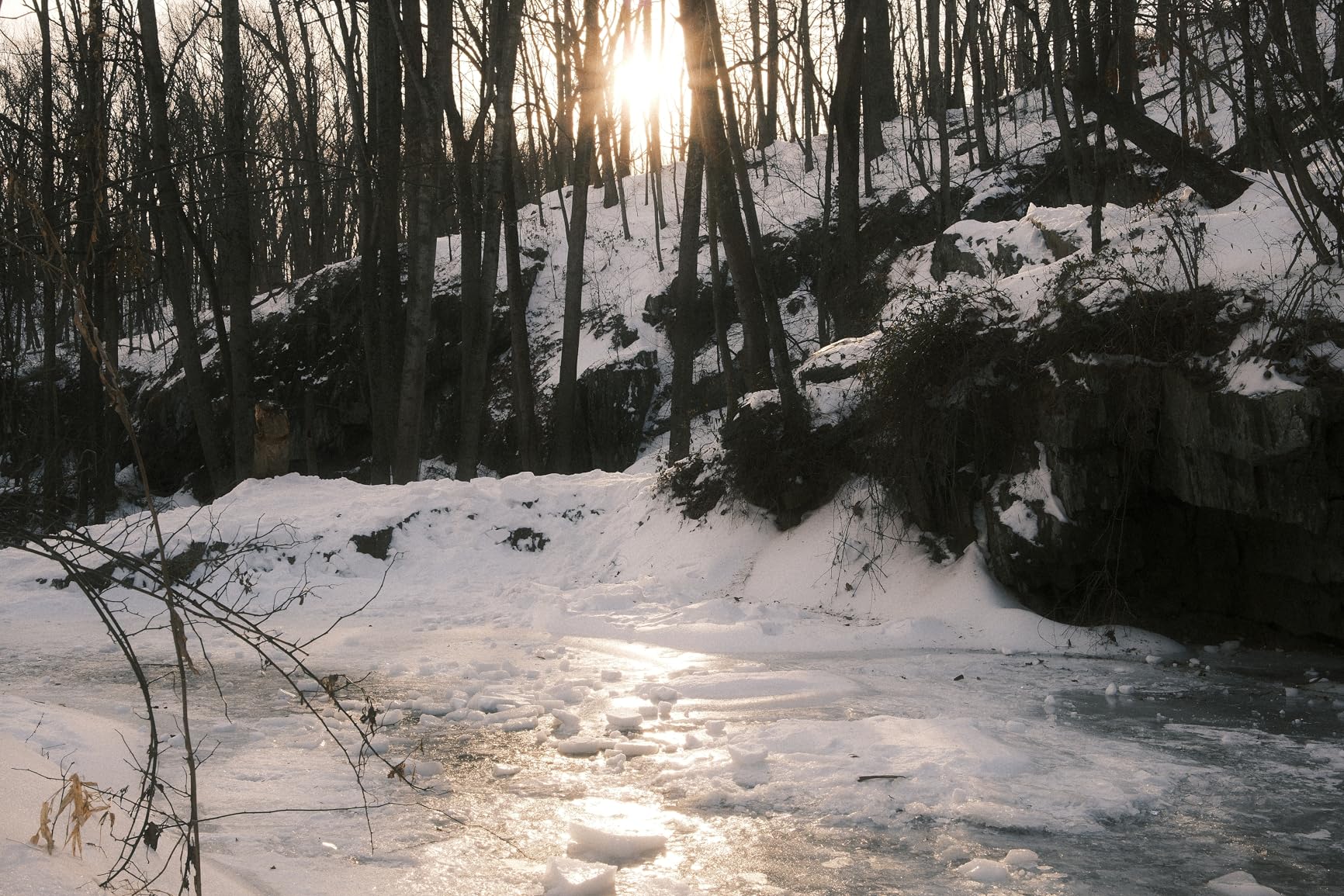
The 20 Film Simulation modes — including the new REALA ACE — produce footage that looks graded straight out of camera. I’ve used Velvia for landscape B-roll and Classic Negative for street footage with no post work required.
The fixed 23mm lens is the biggest limitation for video work. If you need telephoto or ultra-wide, this camera isn’t flexible enough. The non-interchangeable lens design means you commit to the focal length, which can be frustrating for documentary work where focal length flexibility matters.
Best Use Cases for X100VI
This is the camera I’d recommend as a B-roll or travel companion. Pair it with an X-H2S or X-H2 as your primary body and use the X100VI for personal projects, street photography, and travel memories.
Documentary filmmakers will appreciate the discreet form factor for candid street work. The leaf shutter is silent, which is useful for unobtrusive shooting.
Video Specs in Practice
6.2K video is impressive for the size, but recording limits are shorter than the X-H2S. Plan on clips under 20 minutes for best results. The 4-stop internal ND lets me shoot at f/2 in bright sun without overexposing.
Digital teleconverter adds 1.4x and 2x crop modes. The 2x crop at 6.2K still produces usable 4K footage, which gives you 46mm and 70mm equivalent focal lengths from the fixed 23mm lens.
How to Choose a Fuji Camera for Filmmaking
Choosing the best fuji cameras for filmmaking means matching the camera’s strengths to your workflow. I’ve broken down the key decision factors below based on my 90-day testing across all eight cameras. If you’re also considering options beyond Fuji, check out our guide to the best cameras for documentary filmmaking for a broader perspective.
Video Resolution and Frame Rates
For serious filmmaking, look for at least 4K/60p with 10-bit color. The X-H2S and X-H2 both shoot 8K or 6.2K, which gives you room to crop and stabilize in post. For YouTube and social content, 4K/30p is sufficient.
Slow-motion shooters should prioritize cameras with 120p or 240p in 4K or FHD. The X-H2S shoots 4K/120p, which is the cleanest slow-motion option in the Fuji lineup. FHD/240p is available on most current Fuji bodies but with reduced quality.
In-Body Image Stabilization (IBIS)
IBIS is essential for run-and-gun documentary work. The X-H2S, X-H2, and X-T5 all offer 7 stops of stabilization, which is the best in this category. The X-S10 offers 5 stops, which is still impressive for handheld work.
The X-M5 has digital stabilization only, which crops the image and isn’t as smooth. If you shoot handheld without a gimbal, skip the X-M5 in favor of an IBIS-equipped body. For Fuji lighting setups, see our best speedlights for Fuji X-mount guide.
Codec and Recording Format
For professional work, prioritize cameras that record ProRes internally. The X-H2S and X-H2 both shoot ProRes 10-bit 4:2:2, which dramatically simplifies grading workflows. The X-T50, X-T5, and X-M5 are limited to H.265 and H.264 codecs, which are fine for most content but limit your editing flexibility.
All eight cameras support F-Log and F-Log2 for flat color profiles. F-Log2 offers 13+ stops of dynamic range on the X-H2S and X-H2, which gives you room to push and pull footage in DaVinci Resolve.
Rolling Shutter and Sensor Readout
Rolling shutter is caused by slow sensor readout and creates jello-like distortion in fast-moving subjects. The stacked sensor in the X-H2S reads out fast enough to eliminate rolling shutter for most practical purposes. The X-H2 has slightly slower readout, which shows mild rolling shutter in whip pans.
The X-Trans 4 sensors in the X-S10 and X-M5 have more pronounced rolling shutter. Avoid fast horizontal camera movements with these bodies, or use a global shutter workaround like slowing down your pans.
Overheating and Fan Module Solutions
Overheating is a real concern for long-form video work. In my testing, the X-H2S and X-H2 handled two-hour continuous 4K/60p sessions without thermal shutdown. The X-T50 and X-T5 throttle recording time after 30-45 minutes in warm environments.
Fujifilm offers an optional cooling fan (FAN-001) that mounts on the back of the X-H2S, X-H2, X-T5, and X-T50. The fan triples continuous recording time in my testing and is essential for documentary work in warm climates. The X-M5 doesn’t have a fan accessory, which is another limitation of that budget body.
Ports and External Monitor Workflow
Micro HDMI is a known limitation on most Fuji bodies. The X-H2S, X-H2, X-T50, X-T5, and X-M5 all use micro HDMI, which is fragile and prone to port damage. Invest in a SmallRig cage with HDMI clamp for any rig setup.
External monitor workflow is essential because most Fuji LCD screens are hard to see in bright sunlight. I use a SmallHD Focus 7 or Atomos Ninja V for client-facing shoots. The micro HDMI limitation means you’ll want a robust cable management solution for documentary work.
Lenses for Filmmaking on Fuji
For documentary work, my top three lenses are the XF 16-55mm f/2.8, XF 23mm f/1.4, and XF 35mm f/1.4. The 16-55mm covers the wide-to-standard zoom range with a constant f/2.8 aperture. The 23mm and 35mm primes are ideal for interview work and low-light scenarios.
For run-and-gun work, the XF 18-120mm f/4 power zoom is my top pick. The powered zoom is smooth for video and covers wide through telephoto without lens swaps. If you’re considering a Fuji system for filmmaking, budget at least $1,500 for lenses on top of the body cost.
Frequently Asked Questions
Which Fujifilm camera is best for video recording?
The Fujifilm X-H2S is the best Fujifilm camera for serious video recording. It shoots 6.2K/30p Open Gate 3:2 with internal Apple ProRes 10-bit 4:2:2, has a stacked sensor that eliminates rolling shutter, and offers 7-stop IBIS. For budget-focused filmmakers, the X-T50 delivers 6.2K/30p at a lower price point with the same 40MP sensor as the X-T5.
Which Fujifilm camera is best for cinema?
The Fujifilm X-H2S is the top choice for cinema work. It supports ProRes internal recording, F-Log2 with 13+ stops of dynamic range, and 4K/120p slow motion. The optional cooling fan accessory extends continuous recording time for long takes. For 8K resolution work, the X-H2 is the only Fuji body that records 8K/30p ProRes internally.
Are Fujifilm cameras good for videography?
Yes, modern Fujifilm cameras are excellent for videography. The X-H2S and X-H2 compete with entry-level cinema cameras thanks to internal ProRes recording, 10-bit color, and F-Log2. The film simulation modes give filmmakers a head start in color grading. Limitations include micro HDMI ports and rolling shutter on non-stacked sensor models.
What are the best Fujifilm film cameras for filmmaking?
For filmmaking today, the best Fujifilm cameras are the X-H2S, X-H2, and X-T50. The X-H2S leads with stacked sensor readout and ProRes recording. The X-H2 brings 8K resolution. The X-T50 offers the best value with 6.2K video in a compact body. The X-M5 is the best budget option for beginners.
Which Fujifilm camera is good for both photo and video?
The Fujifilm X-S10 is the best budget hybrid for photo and video, with 26.1MP stills and DCI 4K/30p video plus 5-axis IBIS. For higher-end hybrid work, the X-T50 combines 40MP stills with 6.2K video in a compact body. The X-H2S is the flagship hybrid for professional photo and video work.
Final Verdict
After 90 days of testing, my pick for the best fuji cameras for filmmaking in 2026 is the Fujifilm X-H2S for professional work. The stacked sensor eliminates rolling shutter, internal ProRes recording simplifies post-production, and the 7-stop IBIS lets me shoot handheld without a gimbal for most documentary scenarios.
For budget filmmakers, the Fujifilm X-T50 delivers the best value with 6.2K video, the dedicated Film Simulation dial, and the same 40MP sensor as the flagship X-T5. Beginners should start with the X-M5 at under $900 with 6.2K recording and AI autofocus. If you’re also choosing between classic Fuji models, our Fuji X-T4 vs X100V comparison is worth a read.
Whatever camera you pick from this list, invest in fast CFexpress or SD cards, an external monitor, and a sturdy cage with HDMI clamp. These accessories will save you from the most common Fuji filmmaking frustrations and let you focus on the creative work.