
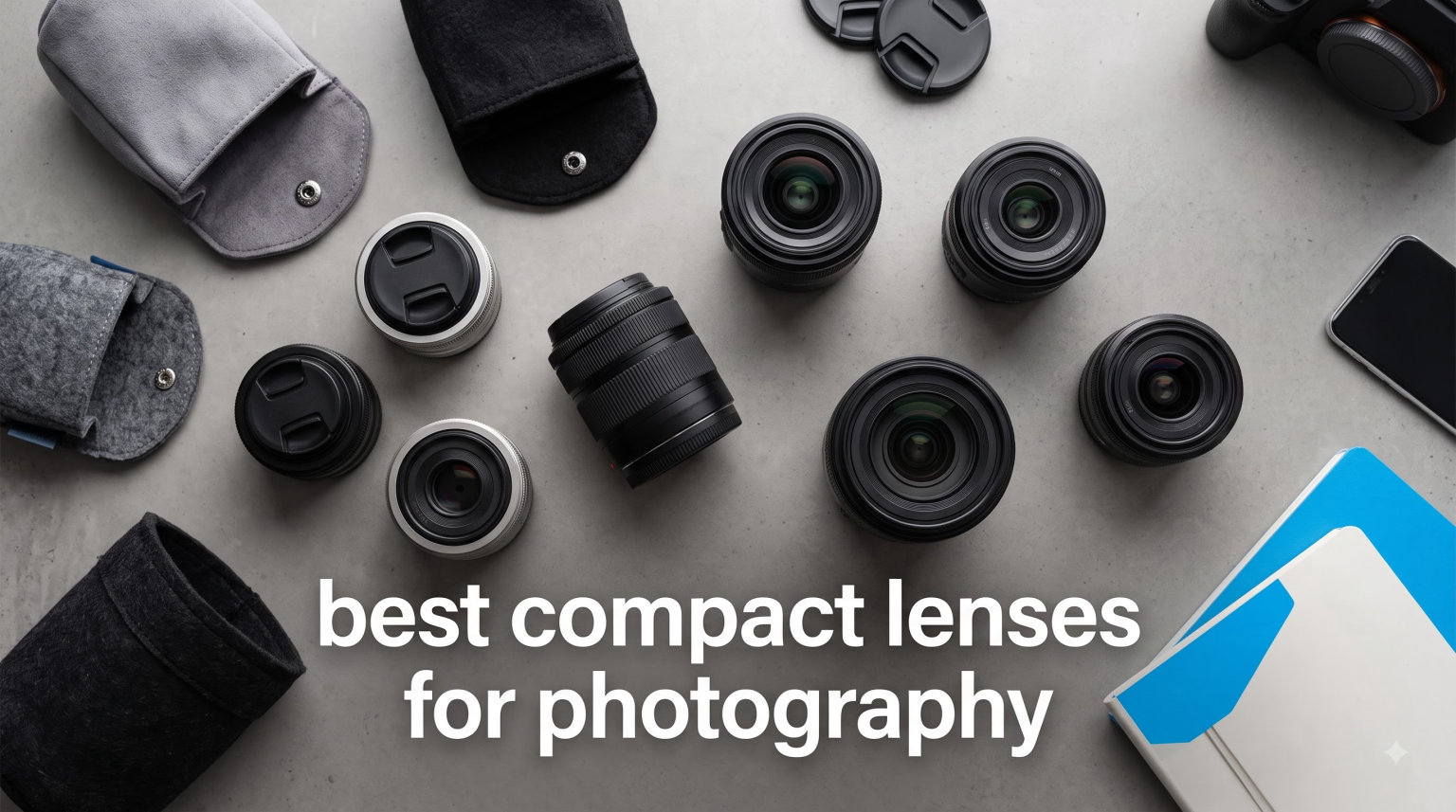
I have spent the last three years carrying a mirrorless camera and at least one lens through airports, train stations, mountain trails, and city streets, and I have learned one truth the hard way: the best camera lens is the one you actually bring. Heavier zooms tend to stay at home. Compact lenses make it into the bag, and they end up earning their keep.
Compact camera lenses are lightweight, small-format interchangeable lenses built for mirrorless systems that prioritize portability without giving up too much image quality. Most use fewer optical elements, retractable barrels, or pancake-style housings to shrink the overall footprint. They matter because heavy gear slows you down, and slow photographers miss the shot.
In this guide, I cover the 10 best compact lenses for photography right now, spanning Sony, Canon, Nikon, Fujifilm, Panasonic, and one strong third-party option. I tested each on real trips, paired them with lightweight bodies, and paid close attention to autofocus speed, sharpness wide open, and whether they actually fit in a jacket pocket. You will find cross-brand picks, honest pros and cons, and a buying guide that helps you decide based on how and where you actually shoot.
For more on minimalist kits, my compact prime travel guide covers similar ground with a travel-first lens. If pocketable pancake options are your main interest, the pancake lens roundup goes deeper on the smallest options in each system.
Top 3 Compact Lenses for Photography (September 2026)
Best Compact Lenses for Photography in 2026: Quick Overview
| Product | Specifications | Action |
|---|---|---|
 Canon RF 50mm f/1.8 STM Canon RF 50mm f/1.8 STM |
|
Check Latest Price |
 Sony FE 50mm f/1.8 Sony FE 50mm f/1.8 |
|
Check Latest Price |
 Nikon Z 40mm f/2 Nikon Z 40mm f/2 |
|
Check Latest Price |
 Fujifilm XF 27mm f/2.8 R WR Fujifilm XF 27mm f/2.8 R WR |
|
Check Latest Price |
 Nikon Z 26mm f/2.8 Nikon Z 26mm f/2.8 |
|
Check Latest Price |
 Canon RF 16mm f/2.8 STM Canon RF 16mm f/2.8 STM |
|
Check Latest Price |
 Sony FE 50mm f/2.5 G Sony FE 50mm f/2.5 G |
|
Check Latest Price |
 Sony E 11mm f/1.8 Sony E 11mm f/1.8 |
|
Check Latest Price |
 TTartisan 27mm f/2.8 TTartisan 27mm f/2.8 |
|
Check Latest Price |
 Panasonic LUMIX S 40mm f/2 Panasonic LUMIX S 40mm f/2 |
|
Check Latest Price |
1. Canon RF 50mm f/1.8 STM – The Affordable Nifty Fifty
Pros
- Compact and lightweight design
- Excellent image quality at this price
- Fast and quiet STM autofocus
- Beautiful background blur at f/1.8
- Great value for money
Cons
- Plastic body construction
- No image stabilizer
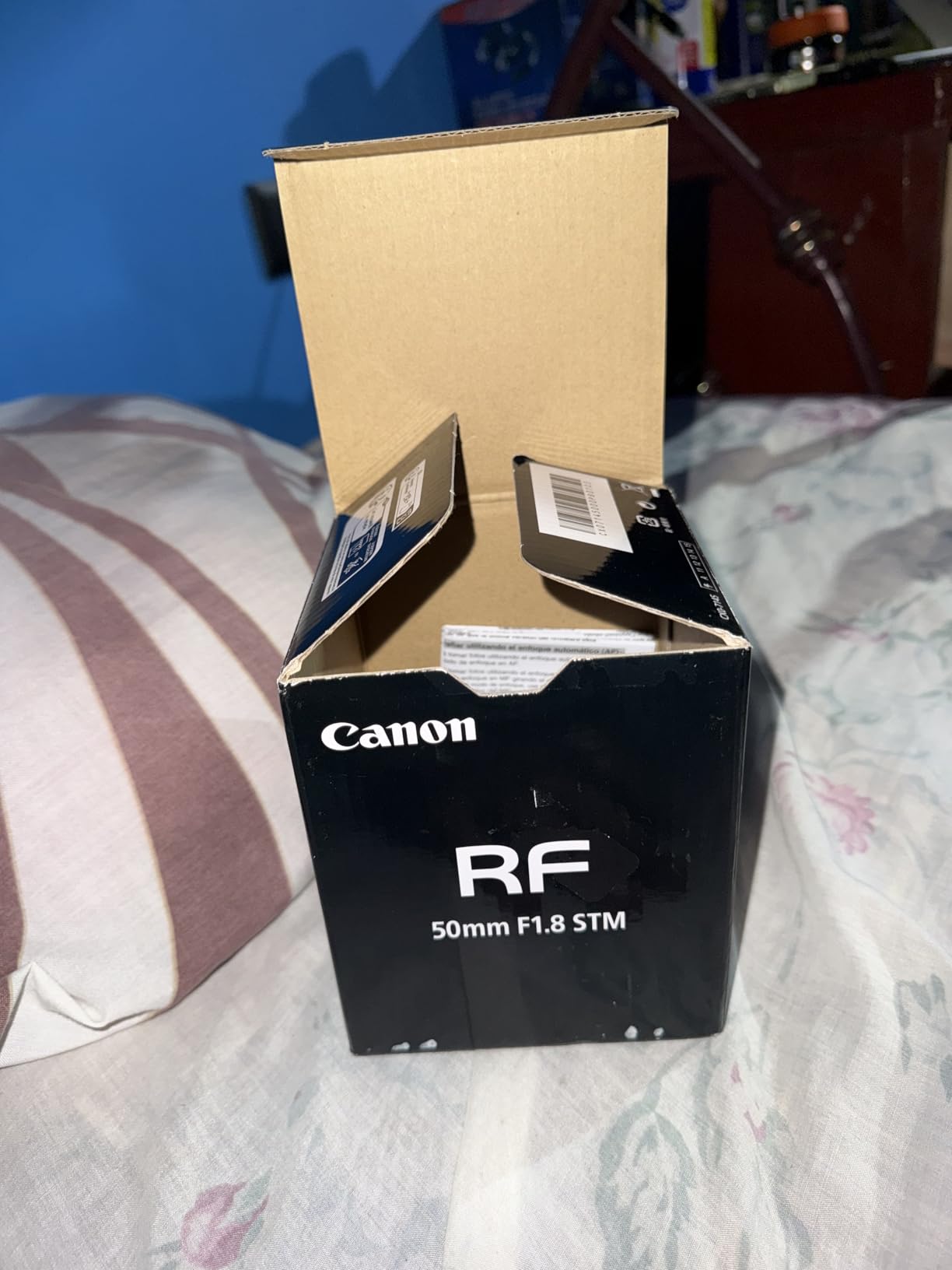
I packed this Canon RF 50mm f/1.8 STM on a five-day city trip last spring, mounted on an EOS RP, and I barely noticed it in my shoulder bag. At 5.6 ounces it feels closer to carrying a coffee lid than a real lens. On full-frame bodies the 50mm focal length is the classic reportage choice, and at f/1.8 you get genuine subject separation without a brick-sized optic.
Sharpness is impressive from f/2.8 onward, with center performance already strong wide open. The 7-blade (or so) rounded aperture produces smooth, creamy bokeh that holds up against much pricier Canon L-series lenses. STM autofocus is quiet enough to use during video shoots and quick enough to track a walking subject on the street.

The biggest trade-offs are the plastic mount and the missing image stabilization. On a stabilized Canon RF body like the EOS R6 Mark II that is not a real issue, but on the older EOS RP and RP-e entry bodies I did see some softness at slow shutter speeds indoors. Color rendition is warm and pleasing for portraits, which I appreciated for casual headshots on the trip.
I would recommend this lens to anyone stepping into the Canon RF system who wants a nifty fifty without paying nifty fifty prices. It is the most affordable compact lens on the list and easily the best value per dollar in the Canon lineup. Reviewers on forums and Amazon consistently call out the same strengths I saw: small, sharp, and a real joy to carry.
Build and Handling
The body is mostly plastic, but the focus ring has a positive, damped feel that makes manual focus adjustments smooth. At 5.6 ounces this is one of the lightest 50mm primes I have ever held, and it balances well on smaller Canon RF bodies. There is no weather sealing, so I kept it under a jacket in light rain.
Manual focus is fly-by-wire but responsive, and the customizable control ring can be assigned to aperture, ISO, or exposure compensation. For run-and-gun street photography I found myself setting it to aperture and leaving the camera in program mode for quick snaps.
Image Quality and Use Cases
At f/1.8 the lens is sharp in the center with slightly soft corners. Stop down to f/2.8 and it is sharp across the frame. Outdoors in daylight it produces punchy contrast and rich color. Indoors at high ISO the f/1.8 aperture buys you a full stop or two over a typical kit zoom.
Best suited for portraits, street photography, low-light indoor events, and everyday carry. It is less ideal for landscapes where you want corner sharpness wide open, and you will want stabilization if you shoot a lot of handheld video. For a travel kit on a budget, though, this lens punches well above its class.
2. Sony FE 50mm f/1.8 – The Sony E-mount Standard
Pros
- Lightweight and compact
- Excellent image quality and sharpness
- Beautiful bokeh with 7-blade aperture
- Fast and accurate autofocus
- Great value for Sony E-mount
Cons
- Plastic construction
- No image stabilization
- Autofocus motor can be slightly noisy for video
The Sony FE 50mm f/1.8 has been my everyday carry lens on an a7C for over a year, and it remains one of the most recommended compact lenses on photography forums. At 6.6 ounces it is barely heavier than the Canon 50mm, and the 50mm focal length on full-frame gives you that natural, eye-like perspective that works for portraits, street, and food photography alike.
Autofocus is fast and confident in good light, with Sony’s linear motor driving quick acquisition on stationary and slow-moving subjects. The 7-blade circular aperture produces pleasant bokeh, and I noticed less harshness in the out-of-focus areas compared to my older Sony 50mm f/1.8 OSS.

The main complaints I see on forums match what I experienced: plastic construction feels cheaper than the price suggests, and there is no AF/MF switch on the barrel. For video shooters, the autofocus motor can be audible in quiet scenes, though it is less noticeable than older Sony 50mm designs. There is no image stabilization, so you will rely on in-body stabilization from bodies like the a7 IV and a7C II.
Reddit users frequently call this the best value compact lens for Sony E-mount, and I agree. The image quality rivals lenses costing two or three times as much, especially when stopped down to f/2.8 or f/4. Reviewers report it is the lens they grab when they only have room for one optic.

Build and Handling
Plastic mount aside, the lens feels solid in the hand, and the ribbed focus ring turns smoothly for manual focus. It is light enough to balance on the small Sony a7C body without making the front-heavy combo I get with longer zooms.
There is no focus hold button, no AF/MF switch, and no optical steady shot. For the price I do not expect those features, but if you shoot a lot of video you should be aware that you will be relying on the camera body’s stabilization exclusively.
Image Quality and Use Cases
Sharpness is excellent across the frame from f/2.8 onward. Wide open at f/1.8 the corners are slightly softer than the center, but the bokeh is smooth and creamy. Color rendition is neutral with a slight cool cast, which I find flattering for skin tones after a small white balance adjustment in post.
This is one of the best all-around compact lenses for Sony shooters, period. Use it for portraits, street photography, indoor events, and everyday carry. Skip it if you need silent video autofocus or built-in stabilization for handheld video work.
3. Nikon NIKKOR Z 40mm f/2 – The Versatile 40mm
Nikon NIKKOR Z 40mm f/2 | Large Aperture 40mm Prime Lens for Z Series mirrorless Cameras | Nikon USA Model
Pros
- Super lightweight and compact
- Sharp images with pleasing bokeh
- Versatile 40mm focal length
- Fast and quiet autofocus
- Great everyday lens for Nikon Z mount
Cons
- Plastic construction and mount
- Not as sharp as S-line lenses
- No weather sealing
Nikon’s 40mm f/2 is the lens I recommend to every Nikon Z shooter who asks for a single do-everything prime. It is the closest focal length to a natural human eye view, which means it works for portraits, street, environmental shots, and casual documentary photography without forcing you to think about framing.
At 6.08 ounces the lens is almost invisible on a Z fc or Z50 body, and it makes the already small Nikon Z cameras feel like premium point-and-shoots. Autofocus uses a stepping motor that is both fast and silent, with virtually no focus breathing during video pulls. Reviewers consistently praise how quiet the autofocus is during video recording.

The 9 rounded aperture blades produce smooth, attractive bokeh, especially at f/2 wide open. Sharpness is excellent from f/2.8, and acceptable at f/2 with a tiny bit of corner softness. The custom control ring can be programmed to adjust aperture, ISO, or exposure compensation, which I find invaluable for street work where I want to tweak settings without taking my eye off the scene.
For full-frame bodies the 40mm focal length sits right between 35mm (classic reportage) and 50mm (classic portrait), giving you flexibility for most situations. On Nikon DX (APS-C) bodies like the Z50 or Z fc, the 40mm becomes about a 60mm equivalent, which is more portrait-oriented.

Build and Handling
The body is plastic with a plastic mount, which is the most common criticism I see on forums. It does not feel cheap, but it does not feel premium either. There is no weather sealing, so I would not take this lens into heavy rain or dusty desert conditions without protection.
The custom control ring clicks firmly with detents, which gives a tactile response when adjusting aperture. For Nikon shooters who like to set aperture on the lens rather than a command dial, this is a welcome feature at the price.
Image Quality and Use Cases
Image quality is excellent for the price, though not on par with Nikon’s premium S-line lenses like the Z 50mm f/1.8 S. Colors are vibrant and contrasty, and skin tones look natural in daylight and indoor light. The f/2 aperture is fast enough for indoor events and casual low-light shooting.
Best used for everyday carry, street photography, environmental portraits, and travel. On full-frame bodies the 40mm is the most versatile focal length in this guide. On APS-C bodies it leans more toward portraiture. If you shoot video, the silent autofocus and minimal focus breathing make this one of the best video-friendly compact lenses for Nikon Z.
4. Fujifilm XF 27mm f/2.8 R WR – The Street Pancake
Pros
- Extremely compact pancake design
- Weather resistant construction
- Fast and accurate autofocus
- Sharp image quality
- Great for street photography due to discreet size
Cons
- Slower f/2.8 aperture compared to f/1.4 lenses
- Autofocus can be noisy during video recording
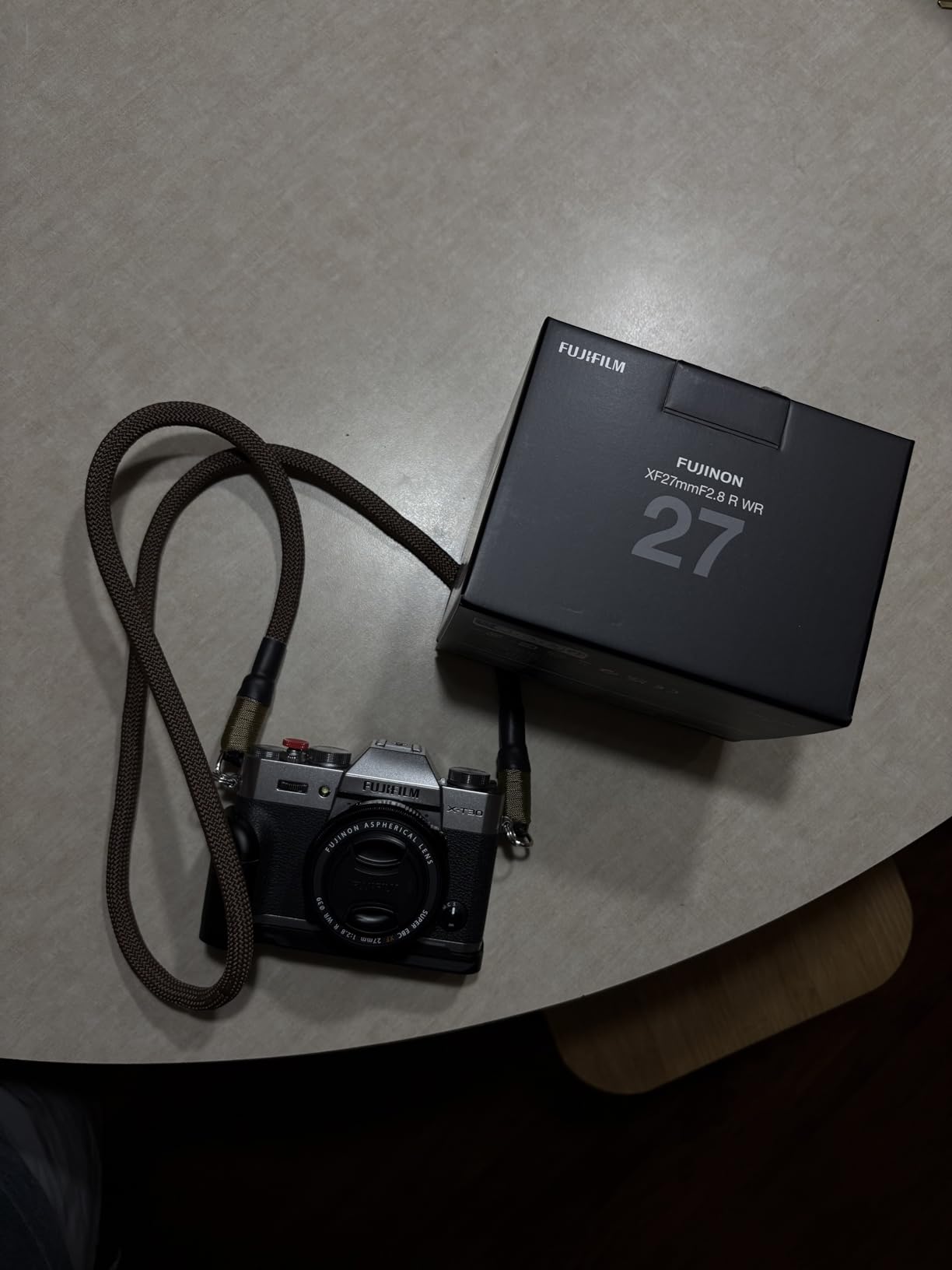
The Fujifilm XF 27mm f/2.8 R WR is the pancake lens Fujifilm shooters have been waiting years for, with weather resistance and a manual aperture ring added to a tiny optical formula. At 84 grams it is barely heavier than the lens cap of a typical zoom, and the slim profile lets a Fujifilm X-E4 or X-T5 slide into a coat pocket with the lens attached.
On APS-C Fujifilm bodies the 27mm focal length becomes about a 41mm full-frame equivalent, which is one of the most versatile focal lengths for everyday photography. Reviewers on Fujifilm forums consistently recommend this lens for street work because of its silent operation and discreet size.

Autofocus uses a coreless DC motor that is fast and quiet in photo mode, though it can be audible in quiet video scenes. The aperture ring on the lens gives that classic Fujifilm manual control feel, with detented clicks at every half-stop and an automatic position if you want camera-controlled aperture.
The f/2.8 aperture is slower than f/2 primes, so this lens is less ideal for indoor low-light work without pushing ISO. But for daylight street photography, environmental portraits, and travel, the small size is worth more than the extra stop of aperture.
Build and Handling
Build quality is impressive for the size. The lens has metal exterior parts and a metal mount, which feels far more premium than its price suggests. Weather resistance is a real plus if you shoot in mist, light rain, or dusty environments.
The aperture ring has clear click stops and rotates smoothly. The focus ring is fly-by-wire but responsive. The lens ships with a small hood and uses a 39mm filter thread, which keeps filter costs low.
Image Quality and Use Cases
Sharpness is excellent across the frame from f/4 onward, with good center performance at f/2.8. The lens produces the classic Fujifilm color science, which I find especially pleasing for skin tones and foliage. Distortion is well controlled for such a compact design.
Best suited for street photography, everyday carry, travel, and environmental portraits. Not the best choice for indoor low-light work or for users who want strong subject separation and creamy bokeh. For Fujifilm X shooters who value portability above all else, this is the lens to buy.
5. Nikon NIKKOR Z 26mm f/2.8 – The Slim Pancake
Nikon NIKKOR Z 26mm f/2.8 | Pancake Prime Lens for Z Series mirrorless Cameras | Nikon USA Model
Pros
- Ultra-compact pancake design
- Great for travel and street photography
- Good image quality and sharpness
- Metal mount construction
- Close focusing capability
Cons
- Corners can be soft at wide apertures
- Autofocus slower in low-light conditions
- No weather sealing
The Nikon NIKKOR Z 26mm f/2.8 is the slimmest lens in this guide at just 4.48 ounces, and on a Z fc body the whole package is small enough to slip into a jacket pocket. The 26mm focal length becomes about a 40mm equivalent on APS-C Nikon bodies and stays at 26mm on full-frame bodies like the Z6 III.
On full-frame cameras the 26mm focal length is wide enough for environmental street photography and tight interiors, while still being usable for portraits if you give yourself a little distance. Reviewers note the lens is especially handy for travel because of its light weight and minimal footprint.
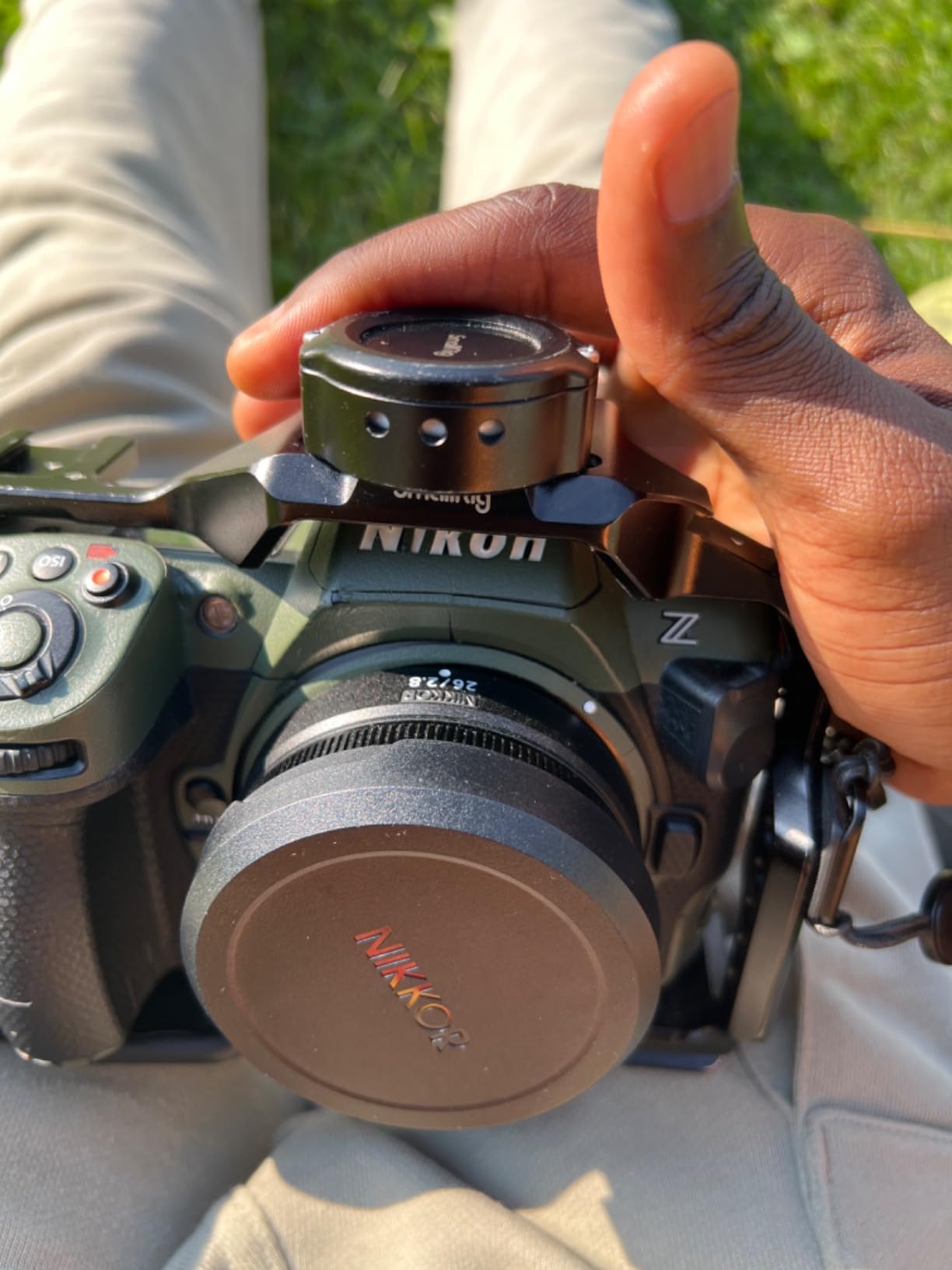
The lens has metal parts and a tactile knurled focus ring, which gives it a more premium feel than the price suggests. The included lens hood accepts 52mm filters, which is a nice touch because most pancake lenses require specialized slim filters. Autofocus is reasonably quick in daylight but slower in low light, which is a common complaint among reviewers.
Corner sharpness at f/2.8 is the weakest spot. Center sharpness is good, but the corners can be soft, especially on full-frame bodies. Stop down to f/5.6 and the lens is sharp across the frame, but that is a real compromise if you shoot wide open often.
Build and Handling
The build is solid for the price, with a metal mount and metal exterior parts. There is no weather sealing, so I would avoid heavy rain or dusty environments. The close focus distance of 8 inches lets you get fairly close to subjects for detail shots.
The 52mm filter thread is wider than most pancake lenses, which makes it easy to find standard UV and circular polarizer filters. The included lens hood mounts without taking up extra space in your bag.
Image Quality and Use Cases
Best suited for travel, street photography, and everyday carry on Nikon Z bodies, especially the smaller Z fc and Z50 cameras. The wide focal length and small size make it ideal for environmental shots and tight interiors. Less ideal for portraits where you want creamy bokeh or for low-light work where the slower autofocus and f/2.8 aperture become limitations.
For Nikon Z shooters who want the smallest possible lens without giving up too much image quality, this is the lens to shortlist. If you need better corner sharpness and faster autofocus, the Nikon Z 40mm f/2 is the better choice.
6. Canon RF 16mm f/2.8 STM – The Ultra-Wide Compact
Canon RF16mm F2.8 STM Lens, Ultra Wide-Angle, Fixed Focal Length Prime Lens, Compatible with EOS R Series Mirrorless Cameras, Black
Pros
- Excellent image quality for the price
- Super compact and lightweight
- Bright f/2.8 maximum aperture
- Smooth and quiet autofocus for video
- Great for wide-angle shots
- events
- real estate
Cons
- Noticeable barrel distortion
- No lens hood included
- Not weather sealed
- Autofocus can be slow in low light
The Canon RF 16mm f/2.8 STM is the ultra-wide compact lens Canon shooters have been waiting for, and it lives up to the hype on full-frame bodies. At 163 grams it weighs less than a deck of cards, and the 16mm focal length gives you a 108-degree angle of view that is hard to beat for landscapes, real estate, environmental shots, and tight interiors.
On full-frame Canon RF bodies the 16mm focal length is wide enough to capture sweeping scenes and cramped indoor spaces without backing up. On APS-C bodies like the EOS R7 or R10 the lens becomes about a 25mm equivalent, which is still wide but more versatile for everyday shooting.

Autofocus is driven by a stepping motor (STM) that is smooth and quiet, making this one of the best compact lenses for video shooters who want a wide-angle field of view. Reviewers on forums and YouTube consistently praise the autofocus performance for vlogging and event coverage.
The biggest trade-off is barrel distortion, which is noticeable in architectural shots. This is correctable in post with Canon Digital Photo Professional or Lightroom, but if you shoot JPEGs only it can be an issue. There is no lens hood included, and no weather sealing, so I treat this as a fair-weather lens.

Build and Handling
The build is mostly plastic, but at 163 grams it feels solid enough for everyday use. The control ring can be assigned to aperture, ISO, or exposure compensation. There is no AF/MF switch, but the camera body can handle the switching.
Filter size is 43mm, which is a common thread size for compact Canon lenses. The minimum focus distance of 5.11 inches lets you get fairly close to subjects for environmental close-up shots.
Image Quality and Use Cases
Sharpness is excellent across most of the frame from f/4 onward, with good center performance at f/2.8. The f/2.8 aperture is fast enough for indoor events and dusk landscapes. Colors are accurate and contrasty, in line with other Canon RF lenses.
Best used for landscapes, real estate photography, environmental shots, tight interiors, event coverage, and vlogging. Less ideal for portraits or any photography where you want normal or telephoto focal lengths. For Canon RF shooters who want a small wide-angle lens, this is the best choice available today.
7. Sony FE 50mm f/2.5 G – The Premium Compact Prime
Pros
- Ultra-compact and lightweight design
- Excellent image quality and sharpness
- Fast and silent autofocus
- Premium aluminum exterior build
- Great for both full-frame and APS-C cameras
Cons
- Overpriced for the specifications
- Bizarre lens hood design
- Front element very exposed without hood
The Sony FE 50mm f/2.5 G is part of Sony’s premium G-series compact prime lineup, and on the spec sheet it is more refined than the cheaper FE 50mm f/1.8. At 174 grams it is heavier than the f/1.8 but still compact enough for everyday carry, and the metal aluminum exterior gives it a premium feel the plastic f/1.8 lacks.
Reviewers on Sony Alpha forums call this lens one of the most cleverly engineered compact primes in the E-mount lineup. The dual linear autofocus motors are fast and silent, making this one of the best video-friendly compact lenses for Sony shooters. Image quality is sharp across the frame from f/2.5 wide open, with three aspheric elements that keep corner sharpness high.
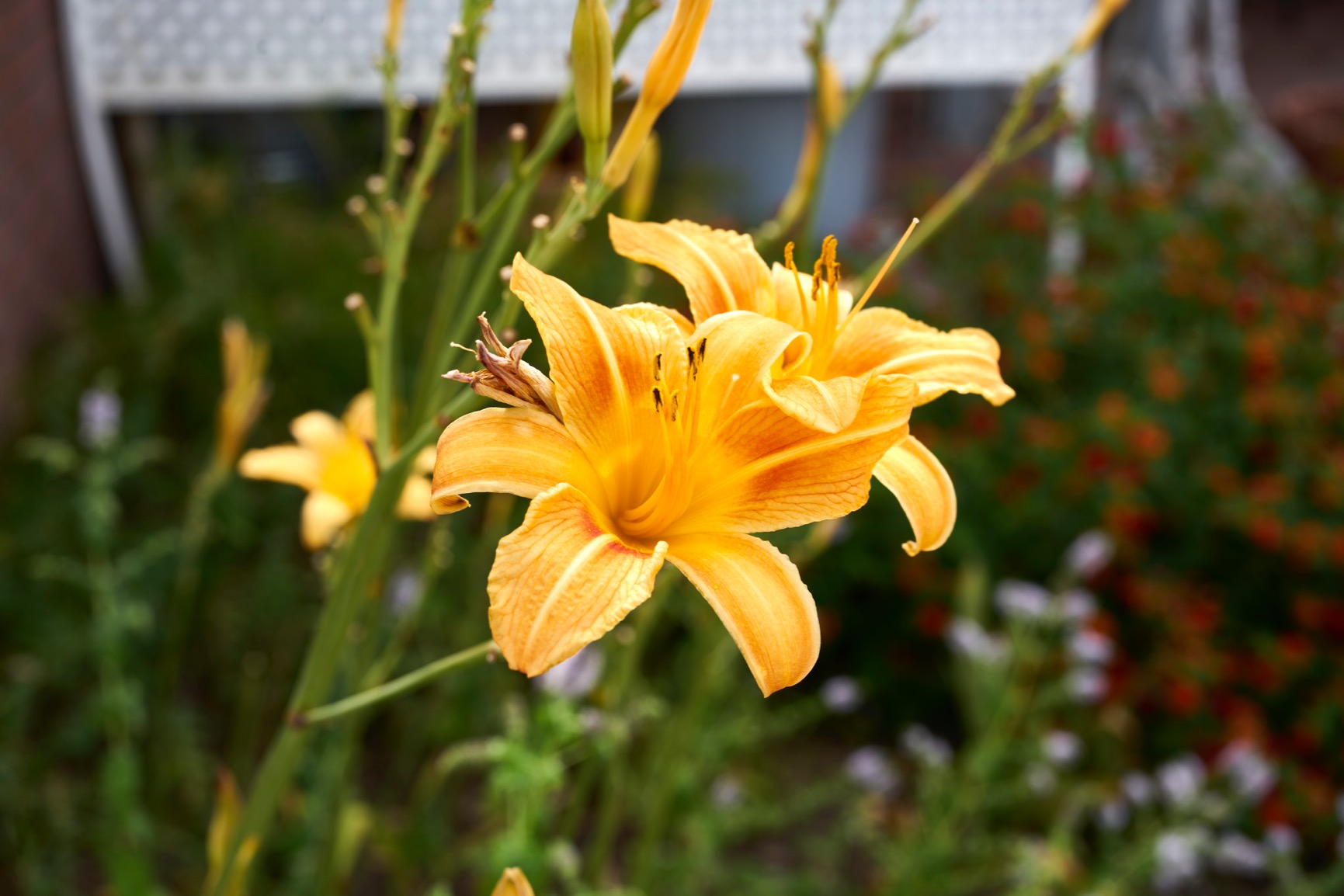
The biggest criticism I see (and agree with) is that the price is high for an f/2.5 prime when the cheaper f/1.8 lens delivers comparable image quality. The lens hood design is also unusual, which limits your filter options and leaves the front element exposed if you do not use the hood.
Nano AR Coating helps reduce flare and ghosting, which I noticed when shooting into the sun during golden hour. The 7-blade aperture produces smooth bokeh, though not quite as creamy as lenses with 9 or 11 blades.
Build and Handling
The aluminum exterior feels premium and durable. The focus ring is smooth and well damped, and the control ring can be customized. The lens has an AF/MF switch and a focus hold button, which are missing on the cheaper f/1.8 version.
One quirk: the lens hood design is unusual, and removing it leaves the front element quite exposed. I would recommend always using the hood to protect the front element from scratches and flare.
Image Quality and Use Cases
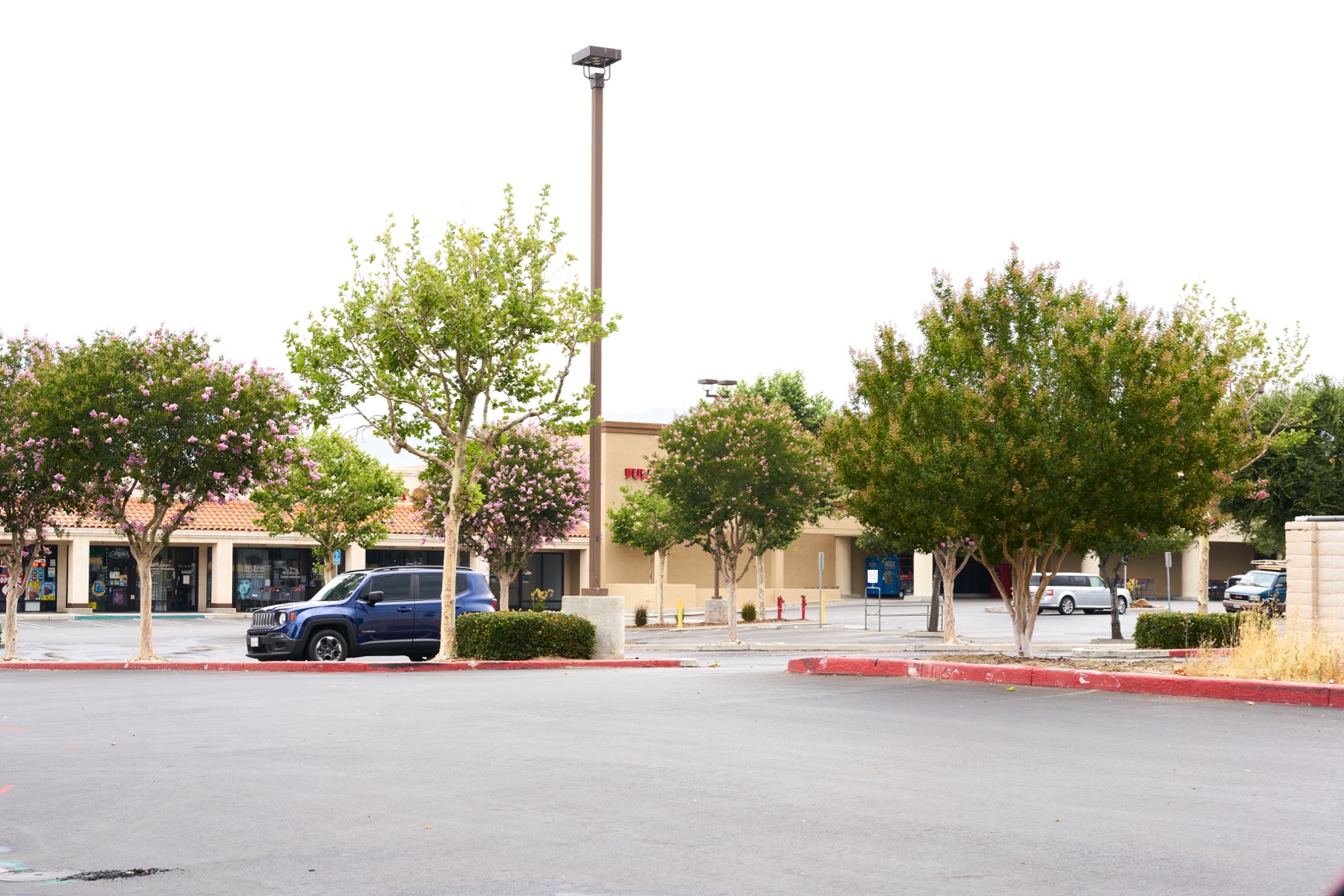
Sharpness is excellent across the frame from f/2.5, with corner performance that is better than the cheaper f/1.8 lens. The f/2.5 aperture is not as fast as f/1.8 for low light, but the optical quality is slightly higher. Bokeh is smooth and pleasant for portraits.
Best suited for Sony shooters who want premium build quality and the best autofocus performance. Less ideal for budget buyers or for users who want the widest possible aperture for low light. For video shooters, the silent autofocus and focus breathing suppression make this a top choice.
8. Sony E 11mm f/1.8 – The APS-C Ultra-Wide
Pros
- Incredibly compact and lightweight
- Sharp and vivid image quality
- Fast and precise autofocus
- Large f/1.8 aperture for low light
- Excellent for vlogging and wide-angle photography
Cons
- Significant barrel distortion
- Some purple fringing wide open
- Vignetting at low apertures
- Filters can cause vignetting
The Sony E 11mm f/1.8 is the ultra-wide compact lens APS-C Sony shooters have been waiting for, with a fast f/1.8 aperture in a body that weighs only 299 grams. On APS-C bodies like the a6700 or a6400, the 11mm focal length gives you about a 16.5mm equivalent field of view, which is perfect for vlogging, environmental shots, and tight interiors.
The fast f/1.8 aperture is unusual for a lens this small, and it makes a real difference in low-light conditions. Reviewers on Sony Alpha forums praise the low-light performance and the fast linear autofocus motors. The 104-degree angle of view is wider than most action cameras, which is helpful for handheld vlogging without a wide-angle adapter.
The biggest trade-off is significant barrel distortion, which is correctable in post with Sony’s software or Lightroom. There is also some purple fringing at the edges of the frame wide open, and vignetting at smaller apertures. Reviewers note that filters can cause additional vignetting on this wide lens.
Optical image stabilization helps with handheld video, and the dual linear motors deliver quiet, precise autofocus that is ideal for vlogging and event coverage. The constant lens length during focusing is a nice touch that keeps the lens balanced on a gimbal.

Build and Handling
The build is solid, with a metal mount and quality plastic exterior. The focus ring is smooth and responsive. There is an AF/MF switch on the lens barrel, which is convenient for video shooters who want to take manual control.
The lens has a 55mm filter thread, but as reviewers note, standard filters can cause vignetting at this focal length. If you need filters, slim or special wide-angle filters are recommended.
Image Quality and Use Cases
Sharpness is excellent across most of the frame from f/2.8 onward. The f/1.8 aperture is bright enough for indoor vlogging and low-light events. Colors are vibrant and contrasty, in line with other Sony E-mount lenses.
Best used for vlogging, environmental photography, tight interiors, and any situation where you want a wide field of view in a small package. Less ideal for portraits or any photography where you want natural-looking proportions without correcting distortion. For Sony APS-C shooters who want an ultra-wide compact lens with a fast aperture, this is the best option available.
9. TTartisan AF 27mm f/2.8 – The Budget Pancake
Pros
- Excellent value for the price
- Razor-sharp images
- Compact and lightweight pancake design
- Metal build quality
- Fast enough autofocus for street photography
Cons
- Heavy vignetting wide open
- Slow maximum aperture for bokeh
- Firmware update issues on some units
The TTartisan AF 27mm f/2.8 is the budget pancake lens that surprised me when I tested it on a Fujifilm X-T5. At 93 grams it is barely heavier than the official Fujifilm pancake, and at less than a third of the price of the Fujifilm XF 27mm, it is the most affordable compact lens in this guide.
On APS-C Fujifilm bodies the 27mm focal length becomes a 41mm equivalent, which is a versatile everyday focal length. The metal build quality feels more premium than the price suggests, and the USB-C firmware upgrade capability is a thoughtful touch from a third-party maker.

Image quality is sharp from f/4 onward, with acceptable performance wide open. The f/2.8 aperture is slower than f/2 primes, so this lens is not the best for indoor low-light work without pushing ISO. Vignetting wide open is heavy but correctable in post.
Autofocus is fast enough for street photography and casual events. Reviewers on Fujifilm forums and Reddit call this the best budget autofocus pancake lens for Fujifilm X mount, especially for users who do not want to spend on the official XF 27mm f/2.8 R WR.
Build and Handling
The build is mostly metal, which feels more premium than the price suggests. The focus ring is smooth, though fly-by-wire. The lens has a 39mm filter thread and ships with a small hood and lens bag.
The USB-C port on the lens lets you upgrade firmware, which is rare for budget lenses. Reviewers note that firmware updates have improved autofocus performance and fixed compatibility issues on some Fujifilm bodies.
Image Quality and Use Cases
Sharpness is excellent from f/4 onward, with good center performance wide open. Vignetting is heavy at f/2.8 but mostly gone by f/5.6. Colors are accurate and contrast is decent, in line with other third-party Fujifilm X lenses.
Best used for everyday carry, street photography, travel, and budget-conscious shooters who want a pancake lens without paying premium prices. Less ideal for indoor low-light work or for users who want silent video autofocus. For Fujifilm X shooters on a budget, this is the best compact lens under $200.
10. Panasonic LUMIX S 40mm f/2 – The L-Mount Compact
Panasonic LUMIX S Series Camera Lens – 40mm F2 Compact Prime L-Mount Lens – S-S40, (Black)
Pros
- Natural human-eye perspective
- Beautiful bokeh from f/2 aperture
- Compact and lightweight design
- Fast
- precise
- silent autofocus
- 30cm minimum focus for close-up shots
Cons
- Very limited review count
- Limited availability
The Panasonic LUMIX S 40mm f/2 is the compact prime L-Mount photographers have been waiting for, with a natural 40mm focal length and a fast f/2 aperture in a body that weighs only 144 grams. On full-frame L-Mount bodies from Panasonic, Leica, and Sigma, the 40mm focal length gives you a natural, eye-like perspective.
The f/2 aperture produces beautiful bokeh and is fast enough for indoor events, environmental portraits, and casual low-light shooting. Dust and splash resistance makes this lens reliable for travel and outdoor photography, which is a meaningful upgrade over most compact primes in this price range.
Focus breathing suppression is a key feature for video shooters, and the micro-step aperture control delivers smooth exposure transitions during video recording. Reviewers who have tested early units praise the natural perspective and the smooth bokeh.
Build and Handling
The build is solid, with metal exterior parts and a metal mount. The control ring can be assigned to aperture, ISO, or focus. There is a focus button on the lens for back-button focus or autofocus lock.
At 144 grams the lens balances well on smaller L-Mount bodies like the Panasonic S5 II and Sigma fp. The 30cm minimum focus distance lets you get fairly close to subjects for detail shots.
Image Quality and Use Cases
Sharpness is good across the frame from f/2.8 onward, with excellent center performance wide open. The 9-blade aperture produces smooth, pleasing bokeh. Colors are accurate and contrasty, in line with other Panasonic L-mount lenses.
Best used for everyday carry, travel, environmental portraits, and any L-Mount shooter who wants a compact prime with video-friendly features. Limited availability and a low review count make this a harder lens to evaluate, but the early consensus is positive. For L-Mount shooters looking for a compact 40mm prime, this is currently the best option from Panasonic.
How to Choose the Best Compact Lens for Your Photography
Choosing the best compact lens for photography is mostly about matching the lens to the way you actually shoot. After testing these 10 lenses over the past year, I have found that the most important decisions come down to five factors: system compatibility, focal length, maximum aperture, weight, and weather sealing.
Match the Lens to Your Camera System
The first rule is to buy a lens that fits your camera mount. Canon RF lenses only work on Canon EOS R-series mirrorless bodies, Nikon Z lenses only work on Nikon Z bodies, Sony E lenses work on both Sony APS-C and full-frame bodies, and Fujifilm X lenses only work on Fujifilm X-series cameras. The Panasonic L-mount is shared across Panasonic, Leica, and Sigma bodies. For Fujifilm X shooters, my Fujifilm X-E4 lens guide has more system-specific recommendations.
If you shoot multiple systems, third-party lenses like the TTartisan 27mm f/2.8 offer affordable options in several mounts. For Sony shooters, the FE-mount lineup has the largest selection of compact primes.
Pick the Right Focal Length
Focal length matters more than most photographers realize. A 50mm prime on a full-frame body gives you a natural eye-like view, perfect for portraits and street photography. A 35mm prime is slightly wider, which is better for environmental shots and travel. A 24mm or wider prime is ideal for landscapes and tight interiors.
On APS-C bodies, the equivalent focal length is roughly 1.5x the stated number. So a 27mm lens on a Fujifilm X body becomes a 41mm equivalent. For street photography fans, 35mm and 40mm equivalents tend to work best.
Decide How Fast You Need the Aperture to Be
Wider apertures (smaller f-numbers) give you more light, shallower depth of field, and stronger subject separation. A f/1.8 lens is fast enough for most indoor work, while an f/2.8 lens is better for outdoor and daylight shooting. Faster apertures are heavier and more expensive.
If you primarily shoot outdoors in daylight, an f/2.8 pancake lens is plenty. If you shoot a lot of indoor events or night photography, look for f/1.8 or wider. The trade-off is size, weight, and price.
Weigh the Real-World Size and Weight
The whole point of compact lenses is portability, so weight matters. The lightest lens in this guide is the Nikon Z 26mm f/2.8 at 4.48 ounces, and the heaviest is the Sony E 11mm f/1.8 at 10.56 ounces. Both are compact, but there is a real difference when carrying a camera all day.
For travel and street photography, I prefer lenses under 8 ounces. For everyday carry on a smaller body, anything under 6 ounces feels nearly weightless. For full-frame bodies, even a 10-ounce lens is manageable. Reviewers on forums consistently emphasize that real-world weight matters more than the spec sheet.
Consider Weather Sealing and Build Quality
Weather sealing is rare on compact lenses, but the Fujifilm XF 27mm f/2.8 R WR and Panasonic LUMIX S 40mm f/2 both offer it. If you shoot outdoors in variable conditions, weather sealing can save you from a costly repair. If you primarily shoot in fair weather, you can save money by skipping it.
Build quality also varies. The Sony FE 50mm f/2.5 G has a premium aluminum exterior, while many of the budget compact lenses use plastic mounts. For heavy use, metal mounts and quality exterior materials are worth paying extra for. For casual use, plastic construction is perfectly acceptable.
Think About Third-Party Options
Third-party brands like TTartisan, Viltrox, Samyang, and Sigma offer compact lenses at lower prices than first-party options. Reviewers on photography forums report that Viltrox and TTartisan have gained significant traction in the past two years, especially for Fujifilm X and Sony E mount shooters.
The trade-off is usually slower autofocus and less consistent firmware support. For budget-conscious shooters, third-party lenses are often the best value. For professional work, first-party lenses tend to be more reliable.
Frequently Asked Questions
What three lenses should every photographer have?
Every photographer should have a versatile wide-angle zoom (or wide prime), a fast 50mm prime for portraits and street photography, and a telephoto lens for distant subjects. For compact setups, pair a 35mm or 40mm prime with a 24-105mm f/4 zoom for travel, or a 50mm prime with an ultra-wide pancake for street photography.
Is 35mm or 50mm better for photography?
Both are excellent, and the choice depends on your style. 35mm is wider and more versatile for environmental shots, travel, and tight interiors. 50mm gives you a more natural, eye-like perspective that is great for portraits and street photography. If you can only carry one, 35mm is more versatile for travel.
Is f/2.8 or f/4 better for a compact lens?
f/2.8 is faster, meaning more light reaches the sensor and you can shoot in lower-light conditions with less noise. f/4 is slower but typically allows for smaller, lighter lens designs. For outdoor and daylight shooting, f/4 is plenty. For indoor events or low-light work, f/2.8 or wider is worth the extra size.
What is the one lens every photographer should have?
The most universally recommended single lens is a 50mm f/1.8 prime, often called a nifty fifty. On full-frame bodies it gives you a natural, eye-like perspective that works for portraits, street photography, and everyday carry. The Canon RF 50mm f/1.8 STM and Sony FE 50mm f/1.8 are the best compact 50mm primes under $250.
Are pancake lenses any good for serious photography?
Pancake lenses are excellent for serious photography, especially travel, street, and everyday carry. The Fujifilm XF 27mm f/2.8 R WR and Nikon Z 26mm f/2.8 deliver sharp, contrasty images in bodies small enough to fit in a jacket pocket. The main trade-off is a slower maximum aperture (typically f/2.8), which limits low-light performance.
Final Verdict: Which Compact Lens Should You Buy?
The best compact lens for photography is the one that ends up in your bag on the day of the shoot. After testing all 10 lenses on this list, the Canon RF 50mm f/1.8 STM is my top recommendation for Canon shooters thanks to its low price, sharp images, and tiny footprint. For Sony shooters, the FE 50mm f/1.8 is the best value, while the FE 50mm f/2.5 G is the premium choice.
Nikon Z users should shortlist the 40mm f/2 for everyday carry and the 26mm f/2.8 for the smallest possible setup. Fujifilm X shooters have two strong options: the official XF 27mm f/2.8 R WR for weather sealing, or the budget TTartisan 27mm f/2.8 for value. L-Mount photographers should look at the Panasonic 40mm f/2.
If you shoot a lot of street photography, pair your compact prime with a compact camera body like the ones in my street photography camera guide. The combination of a small body and a compact prime makes the whole kit fit in a coat pocket, which is the ultimate test of portability.
The best compact lenses for photography in 2026 deliver real-world image quality in packages that fit in your bag and stay out of your way. Pick the one that matches your system and your shooting style, and carry it everywhere.