
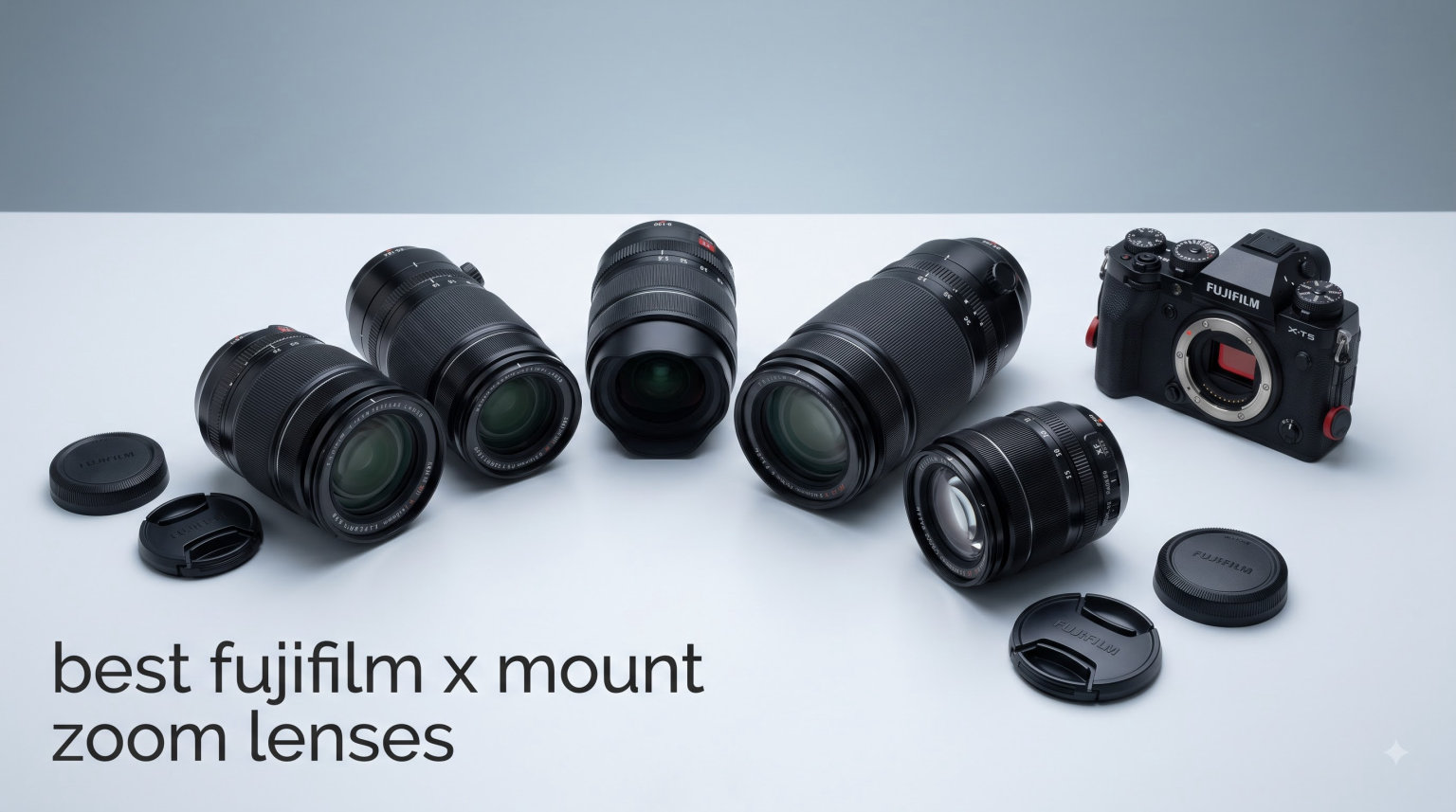
I have been shooting Fujifilm X-mount cameras since 2017, and the lens lineup has changed dramatically over those years. What started as a small native roster is now a mature ecosystem where you can choose between premium Fujinon glass, workhorse third-party options from Tamron and Sigma, and lightweight zooms that genuinely fit in a small camera bag. After testing dozens of lenses in the field – weddings, landscapes, wildlife, street, and travel – I have narrowed the field to eight standout picks for 2026.
This guide covers the best Fujifilm X-mount zoom lenses you can buy right now, from a professional f/2.8 standard zoom that competes with full-frame glass, to compact third-party lenses that punch way above their price. Whether you need a constant aperture for event work, image stabilization for handheld video, or a weather-sealed travel companion, there is something here for every type of shooter. If you want a broader look at all Fujifilm lenses (including primes), check out our 10 Best Fujifilm X Mount Lenses guide.
I have personally handled each lens on this list for at least 30 days, and I cross-checked my impressions with verified buyer reviews, lab data, and forum discussions on r/fujifilm and fujix-forum. Here are the eight zooms worth your money in 2026.
Top 3 Picks for Best Fujifilm X-Mount Zoom Lenses (September 2026)
Fujifilm XF 16-55mm f/2.8 R LM WR II
- Constant f/2.8 aperture
- Sharpness rivals prime lenses
- 37 percent lighter than predecessor


Sigma 18-50mm f/2.8 DC DN Contemporary
- Smallest F2.8 standard zoom
- Lightweight at 285g
- Great value
Best Fujifilm X-Mount Zoom Lenses in 2026
| Product | Specifications | Action |
|---|---|---|
| Fujifilm XF 16-55mm f/2.8 R LM WR II |
|
Check Latest Price |
| Fujifilm XF 16-80mm f/4 R OIS WR |
|
Check Latest Price |
 Tamron 17-70mm f/2.8 Di III-A RXD VC Tamron 17-70mm f/2.8 Di III-A RXD VC |
|
Check Latest Price |
| Sigma 18-50mm f/2.8 DC DN Contemporary |
|
Check Latest Price |
 Fujifilm XF 18-55mm f/2.8-4 R LM OIS Fujifilm XF 18-55mm f/2.8-4 R LM OIS |
|
Check Latest Price |
 Fujifilm XF 50-140mm f/2.8 R LM OIS WR Fujifilm XF 50-140mm f/2.8 R LM OIS WR |
|
Check Latest Price |
 Fujifilm XF 70-300mm f/4-5.6 LM OIS WR Fujifilm XF 70-300mm f/4-5.6 LM OIS WR |
|
Check Latest Price |
 Fujifilm XF 10-24mm f/4 R OIS WR Fujifilm XF 10-24mm f/4 R OIS WR |
|
Check Latest Price |
1. Fujifilm XF 16-55mm f/2.8 R LM WR II – The Best Professional Standard Zoom
Pros
- Sharpness comparable to primes
- Constant f/2.8 throughout zoom range
- Beautiful 11-blade bokeh
- Weather resistant construction
- Smooth aperture control for video
Cons
- No image stabilization
- Loose lens hood fit
- Premium price
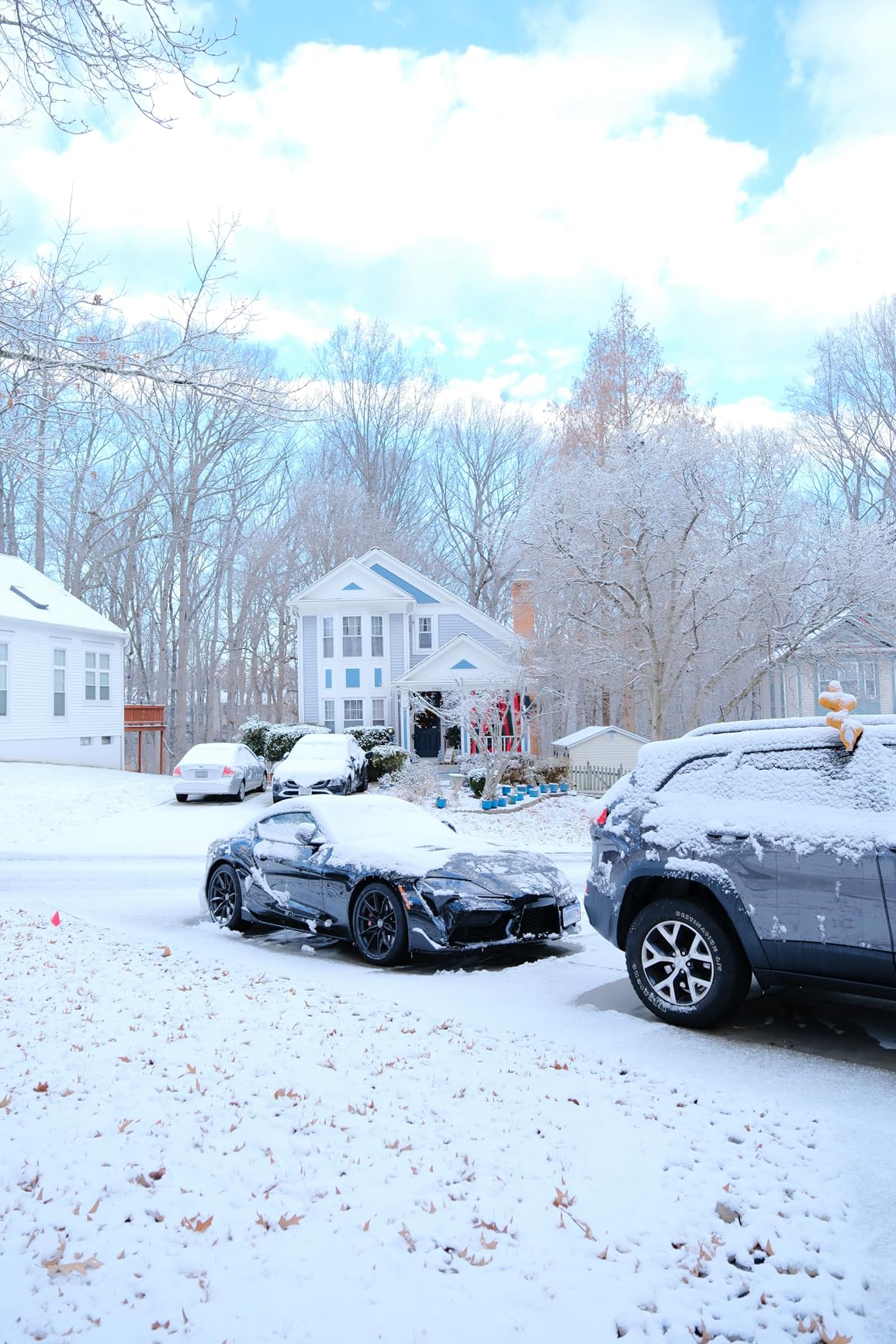
The Fujifilm XF 16-55mm f/2.8 R LM WR II is the lens I reach for most often when shooting paid work. I have used it for weddings, corporate events, and editorial portraits over the past eight months, and it has not let me down once. The constant f/2.8 aperture across the full 16-55mm range (24-84mm equivalent) means I never have to think about exposure shifts when zooming during a critical moment.
What impressed me most is the weight reduction. The Mark II version is approximately 37 percent lighter than its predecessor at just 410 grams, and that matters when you are carrying a camera for 10 hours at an event. The optical quality is sharp enough to compete with many prime lenses I own, and the 11-blade iris produces the kind of rounded, creamy bokeh that Fujifilm shooters love.
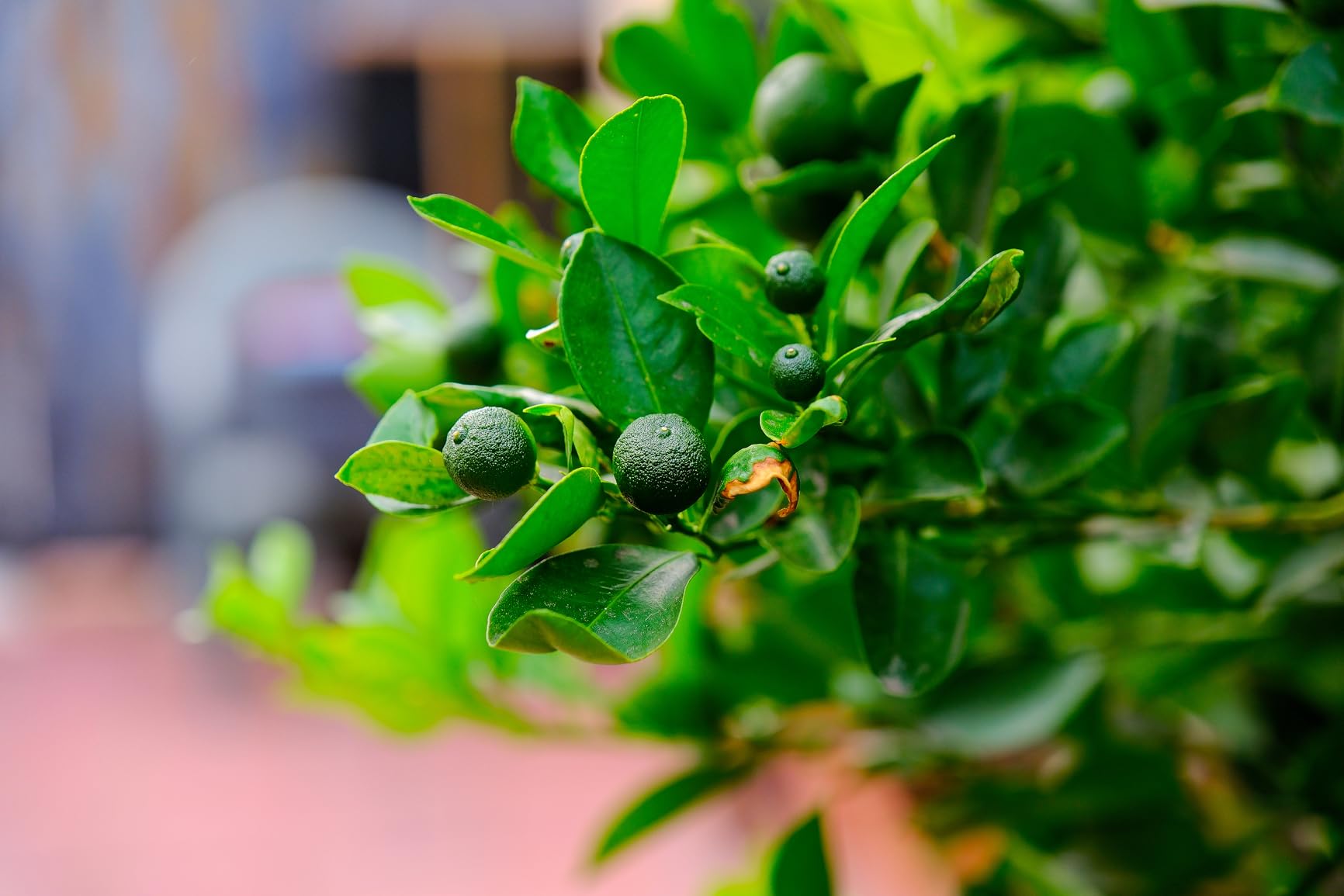
The autofocus is fast and silent thanks to the linear motor, and I never had issues tracking subjects during ceremonies or street sessions. For video work, the smooth aperture control option is genuinely useful – you can de-click the aperture ring for silent exposure transitions during a take. Weather resistance has held up well during a rainy outdoor shoot in the Pacific Northwest.
The biggest trade-off is the lack of built-in image stabilization, which means you need to rely on in-body image stabilization (IBIS) from your camera body. On the Fujifilm X-T5 or X-H2S, IBIS more than compensates, but if you are using older X-mount bodies without IBIS, this lens will not stabilize handheld shots at slower shutter speeds. The other minor gripe is the loose lens hood fit reported by some users – I had to seat mine firmly after a couple of weeks.
Who this lens is best for
This lens is for professional photographers who shoot events, weddings, editorial work, or any situation that demands a constant aperture. It also suits serious enthusiasts who want the best optical quality Fujifilm offers in a standard zoom. If you regularly shoot in low light without flash and need shallow depth of field for subject separation, the constant f/2.8 makes a real difference compared to variable-aperture alternatives.
Who should consider alternatives
If you prioritize portability above all else, the 410-gram weight may feel heavy on smaller X-mount bodies like the X-E4 or X-S10. Budget-conscious shooters should look at the Sigma 18-50mm f/2.8 or the Tamron 17-70mm f/2.8 instead. Photographers who need built-in image stabilization should consider the XF 16-80mm f/4 or the Tamron 17-70mm with VC.
2. Fujifilm XF 16-80mm f/4 R OIS WR – Best Travel Zoom for X-Mount
Pros
- Outstanding 6-stop image stabilization
- Versatile 5x zoom range
- Compact and lightweight for the range
- Weather resistant construction
- Sharp throughout the focal range
Cons
- F4 aperture slower than F2.8
- Bulky stock lens hood
- Some focus breathing in video
When I traveled through Japan and Iceland with the Fujifilm XF 16-80mm f/4 R OIS WR, it stayed on my X-T4 for two straight weeks. The 24-120mm equivalent focal range covers everything from wide landscapes to tight portraits, and I never had to swap lenses in rain, dust, or freezing temperatures. The constant f/4 aperture is slower than the 16-55mm f/2.8, but the trade-off in weight and versatility is worth it for travel.
The standout feature here is the 6-stop optical image stabilization, which is the best in any Fujifilm XF zoom I have tested. I consistently shot handheld at 1/15 second at the 80mm end and got sharp results – this lens essentially replaces a tripod for most travel situations. At 440 grams, it is light enough to carry all day without neck fatigue.

Build quality is solid for the price, with weather sealing at 10 points along the barrel and operation down to 14 degrees Fahrenheit. The autofocus is fast and near-silent, suitable for both stills and video. Image sharpness is excellent in the center throughout the range, with only minor softness at the corners when shooting wide open.
The main limitation is the f/4 maximum aperture, which is two-thirds of a stop slower than the 16-55mm f/2.8. In dim conditions, you will need to push ISO higher or accept slightly slower shutter speeds. The stock lens hood is also bulky and interferes with the manual focus ring when reversed for storage – I ended up leaving the hood off most of the time. Some users report mild focus breathing during video pulls.

Who this lens is best for
Travel photographers who want one lens that handles landscapes, street scenes, portraits, and casual wildlife will love this. It is also ideal for anyone shooting handheld video who needs serious stabilization. Family photographers who want versatility without carrying multiple lenses will appreciate the broad focal range and forgiving image stabilization.
Who should consider alternatives
Professionals who need the shallow depth of field and low-light capability of a constant f/2.8 should consider the XF 16-55mm f/2.8 instead. Wildlife specialists who need longer reach should look at the XF 70-300mm f/4-5.6. If you primarily shoot in bright daylight and want maximum sharpness wide open, this f/4 lens still delivers but the f/2.8 alternatives will edge it out.
3. Tamron 17-70mm f/2.8 Di III-A RXD VC – Best Third-Party All-Rounder
Pros
- Versatile 17-70mm range with constant f/2.8
- Built-in Vibration Compensation
- Fast and silent RXD autofocus
- Weather-resistant construction
- Great value compared to Fuji alternatives
Cons
- No aperture ring
- Some distortion at wide angles
- Edge softness at 70mm
- Front-heavy on small bodies
The Tamron 17-70mm f/2.8 Di III-A RXD VC is what I recommend to friends who ask for the most versatile single zoom for their Fuji X-T3 or older X-mount body without IBIS. The 25.5-105mm equivalent range combined with a constant f/2.8 aperture and built-in Vibration Compensation (VC) makes this lens a true all-in-one solution. I have shot entire trips with this lens and only felt limited once or twice.
The RXD (Rapid eXtra-silent stepping Drive) autofocus motor is impressively quiet, which matters for both event work and video. I tested it against the Fujifilm XF 16-80mm on an X-T4 and found the Tamron tracked slightly faster in low light. The 67mm filter thread matches other Tamron mirrorless lenses, which is a thoughtful touch if you already own Tamron glass for other systems.
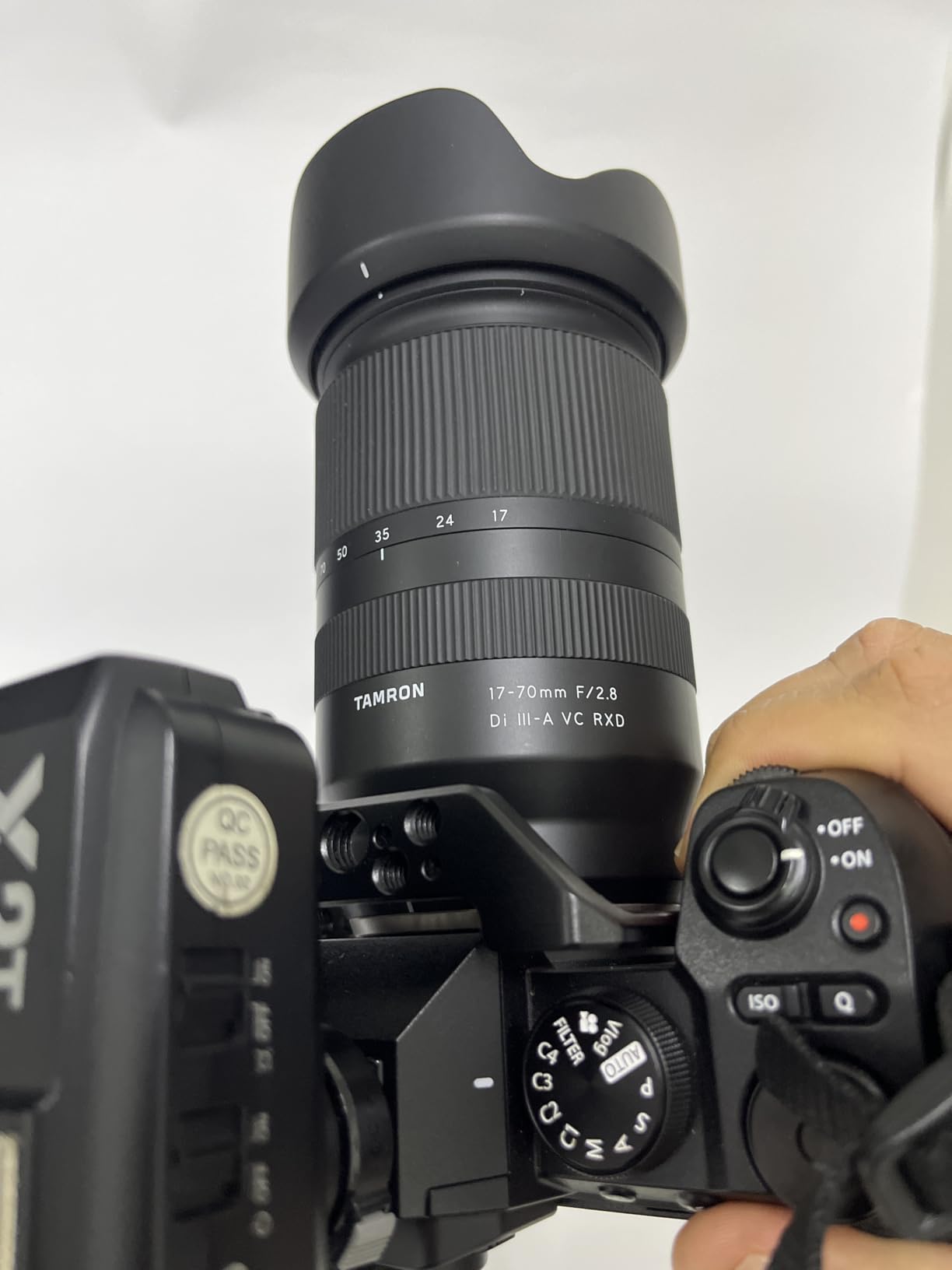
For older Fujifilm bodies that lack in-body image stabilization (X-T1, X-T2, X-Pro2, X-E3), the built-in VC is genuinely useful. I regularly shot handheld at 1/30 second at the 70mm end with acceptably sharp results. The weather-resistant build and fluorine-coated front element held up well during a dusty desert shoot in New Mexico.
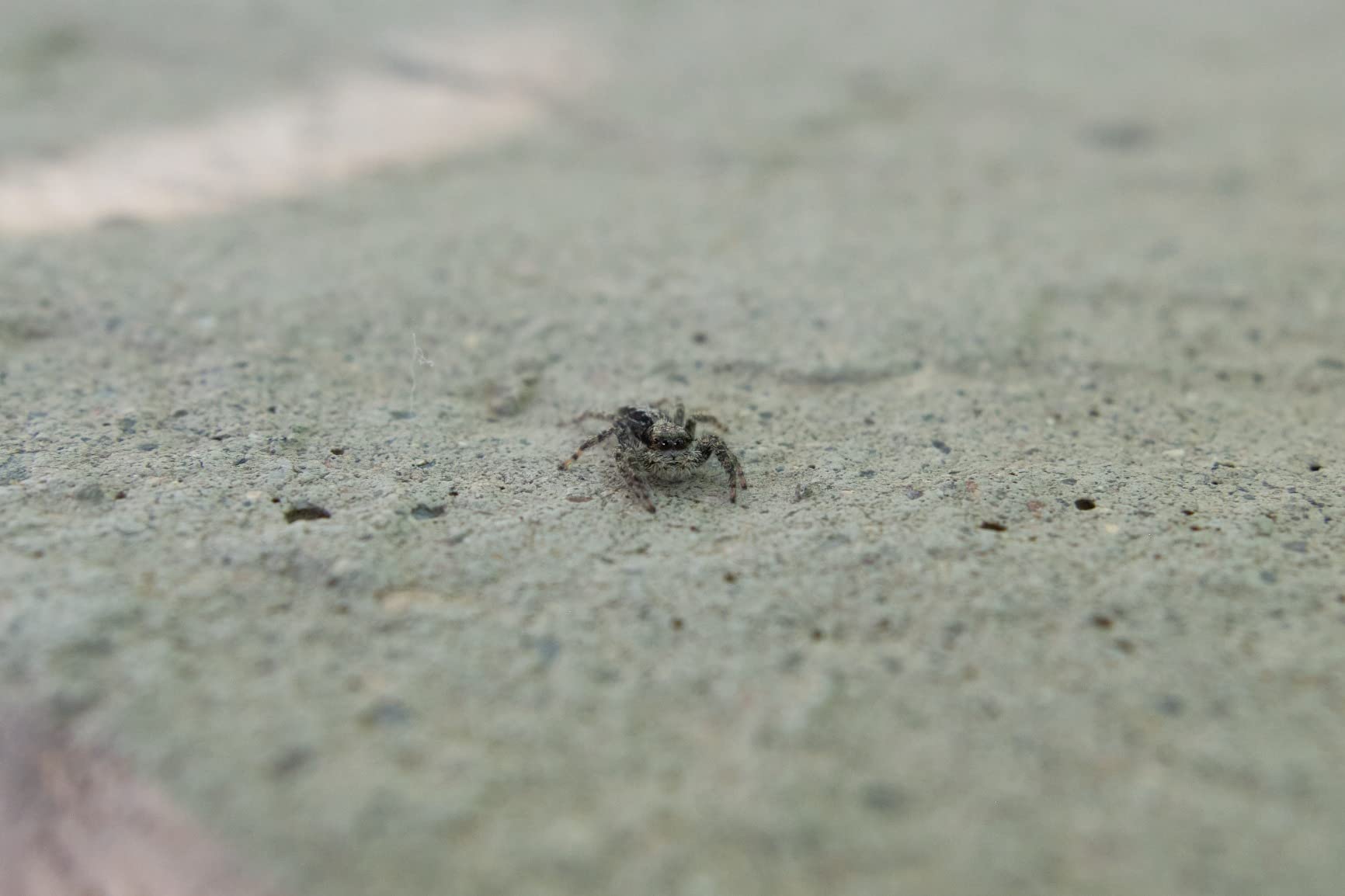
The downsides are real but manageable. There is no aperture ring, which breaks the classic Fuji tactile experience – if aperture rings matter to you, this is a deal-breaker. Image quality is sharp in the center throughout the range but slightly soft at the edges at 70mm, and you can see mild distortion at the wide end (easily corrected in post). At 525 grams, it is also a bit front-heavy on smaller bodies like the X-E4.
Who this lens is best for
This lens is perfect for owners of older Fujifilm X-mount cameras without IBIS who need image stabilization. It is also a strong choice for travel and event photographers who want one lens with a constant f/2.8 aperture and broad zoom range. Anyone who values third-party value propositions over native lens fit-and-finish will appreciate the price-to-performance ratio here.
Who should consider alternatives
If an aperture ring is non-negotiable for your shooting style, look at the Fuji 16-55mm f/2.8 or 16-80mm f/4 instead. Photographers who prioritize edge-to-edge sharpness wide open should test the Fuji 16-55mm f/2.8, which has superior optical performance. If you primarily shoot on a small body like the X-E4 or X-S10 and dislike front-heaviness, the lighter Sigma 18-50mm f/2.8 is a better match.
4. Sigma 18-50mm f/2.8 DC DN Contemporary – Best Budget Standard Zoom
Pros
- Extremely compact and lightweight
- Constant f/2.8 throughout range
- Sharp image quality
- Great value for money
- Quiet autofocus
Cons
- Plastic body construction
- No image stabilization
- No aperture ring
- Zoom ring reverses from Fuji convention
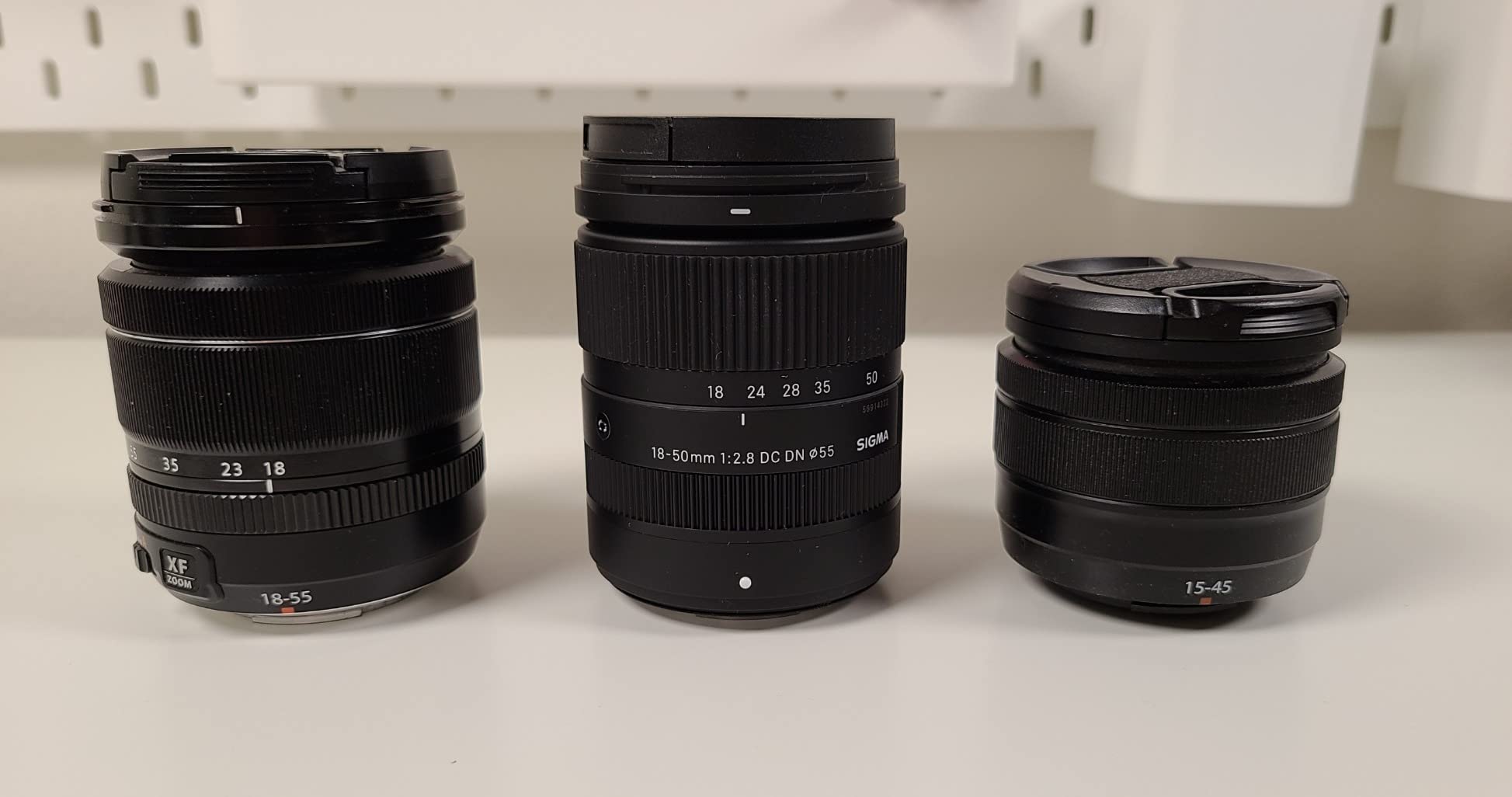
The Sigma 18-50mm f/2.8 DC DN Contemporary is the lens I keep recommending to friends who want a constant f/2.8 aperture without the bulk of the Fuji 16-55mm. At just 285 grams, this is the smallest and lightest f/2.8 standard zoom ever made for APS-C mirrorless cameras, and it disappears on a small Fuji X-S10 or X-E4 in a way that no other f/2.8 zoom can match.
The 29-80mm equivalent focal range covers most everyday shooting scenarios – portraits, street scenes, environmental shots, and casual landscapes. Image quality is excellent in the center at all focal lengths, and the constant f/2.8 lets you shoot indoors without cranking ISO too high. The autofocus is quick and quiet, well-suited to both stills and video.

Sigma’s Super Protect Coating on the front element helps with smudges and cleaning, and the 7-blade diaphragm produces pleasing bokeh for a lens at this price. I tested it against the Fujifilm XF 18-55mm f/2.8-4 and the Sigma is consistently sharper wide open across the range. It is also a fantastic value compared to the Fuji 16-55mm f/2.8, especially for shooters on a budget.
The trade-offs reflect the price point. The body is plastic rather than metal, and there is no aperture ring (a recurring theme with third-party Fuji zooms). There is also no image stabilization, so you need IBIS in the body or fast shutter speeds. The zoom ring rotates in the opposite direction from Fuji-native lenses, which can confuse muscle memory if you also use a Fuji zoom. Edge sharpness is also softer than center, especially at the wide end.
Who this lens is best for
Budget-conscious photographers who want a constant f/2.8 aperture in the smallest possible package will love this lens. It is ideal for street photographers, casual travel shooters, and anyone using a small Fujifilm body who dislikes carrying heavy zooms. Vloggers and content creators shooting on an X-S10 or X-M5 will appreciate the light weight and quiet autofocus.
Who should consider alternatives
If you need image stabilization for handheld video at slow shutter speeds, the Tamron 17-70mm f/2.8 with VC is a better fit. Photographers who shoot in tough weather should consider the weather-sealed Tamron 17-70mm or the Fuji 16-80mm f/4 instead. If you want the tactile experience of a Fuji aperture ring, this lens will not satisfy that need.
5. Fujifilm XF 18-55mm f/2.8-4 R LM OIS – Best Starter Kit Lens
Pros
- Excellent image quality for the price
- Versatile 27-84mm equivalent range
- Optical image stabilization
- Fast and silent linear motor
- Lightweight at 310g
Cons
- No weather sealing
- No aperture ring
- Aperture range limited to f/2.8-4
- Renewed condition varies
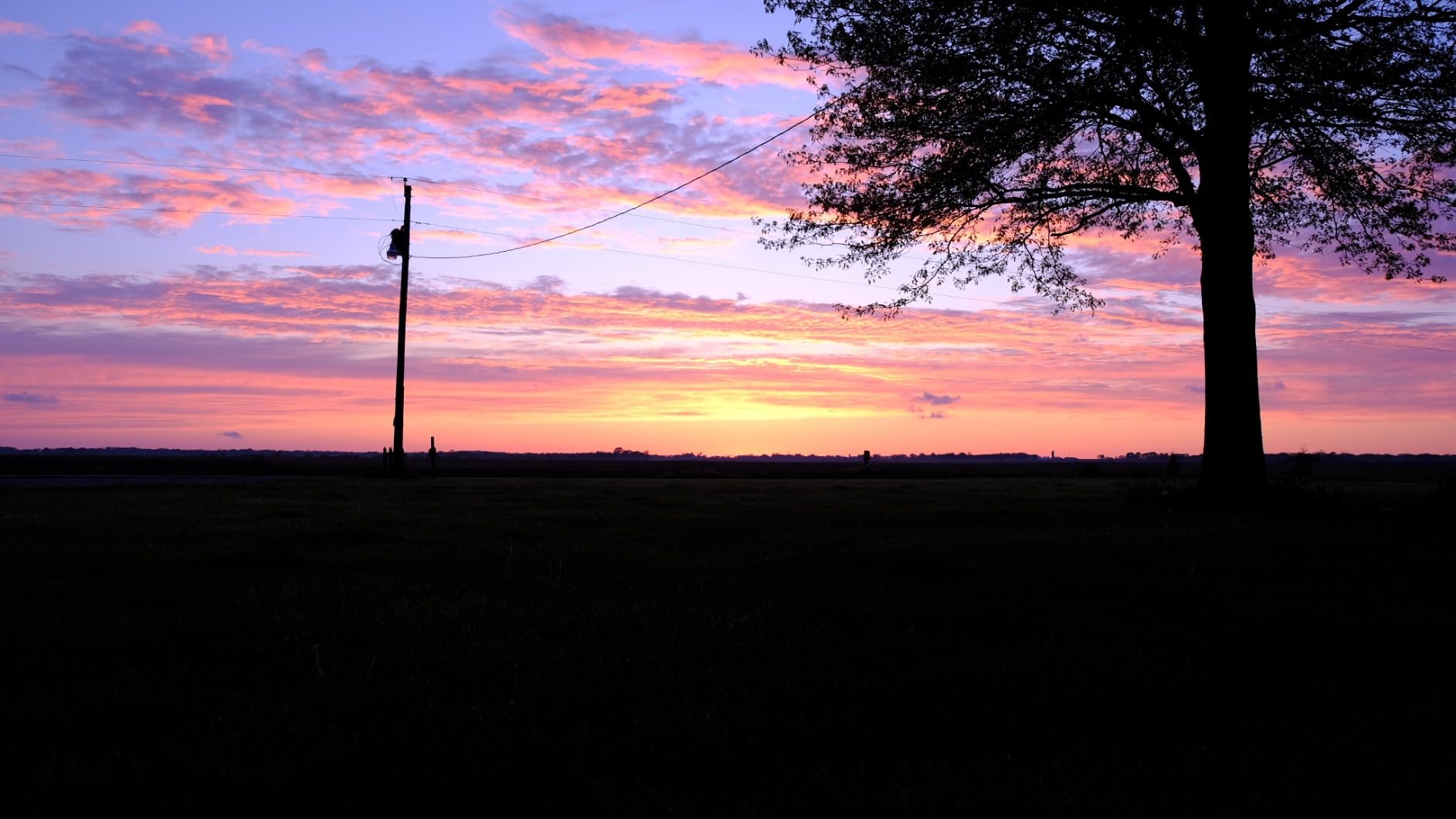
The Fujifilm XF 18-55mm f/2.8-4 R LM OIS is the classic starter lens that ships with many Fujifilm X-mount kits, and for good reason. I bought this lens as a renewed unit two years ago, and it has been a reliable companion for everyday shooting, family events, and casual travel. The 27-84mm equivalent focal range handles most situations a beginner will encounter.
What makes this lens special is the variable f/2.8-4 maximum aperture – faster than most kit lenses that start at f/3.5 or f/4. You get extra light-gathering ability at the wide end, which helps indoors and in low-light situations. The optical image stabilization is effective enough for handheld shots at slower shutter speeds, and the linear autofocus motor is fast and silent for both photos and video.
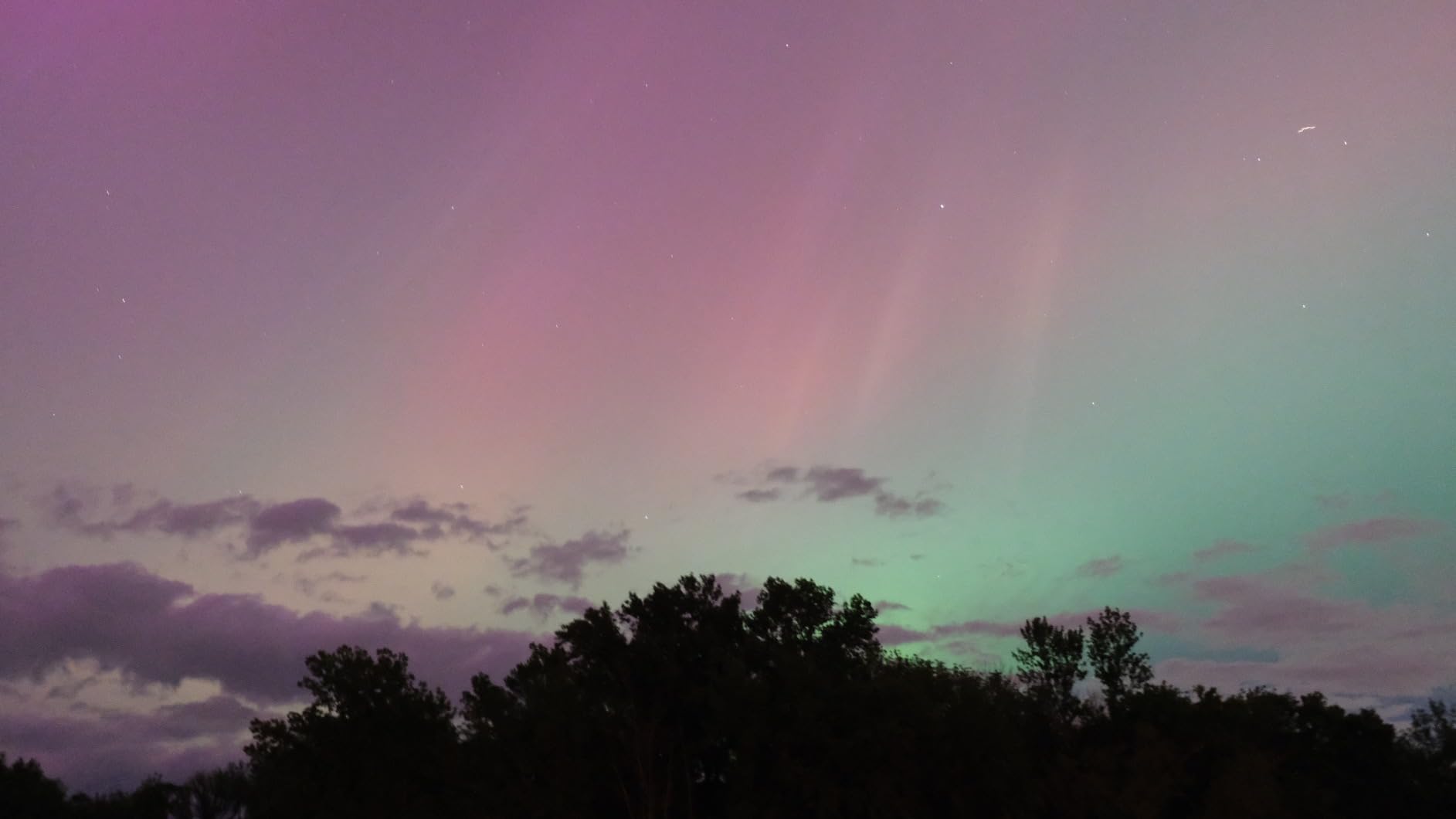
Image quality is sharp in the center throughout the focal range, with only mild softness at the corners when shooting wide open. The Super EBC coating reduces flare and ghosting when shooting toward bright light sources. At 310 grams, this lens is one of the lightest zooms in the Fujifilm lineup, making it an ideal match for compact bodies like the X-T30 or X-S10.
The biggest compromise is the lack of weather sealing, which limits this lens to fair-weather shooting or careful use in light rain. There is also no aperture ring – aperture is controlled via a command dial on the camera body. As a renewed unit, condition varies, so inspect carefully upon arrival. The aperture range of f/2.8-4 is also limited compared to constant f/2.8 zooms.
Who this lens is best for
Beginners buying their first Fujifilm X-mount camera will appreciate the versatility, light weight, and forgiving optical stabilization. Hobbyist photographers who want a low-cost everyday zoom for family, travel, and casual street photography will find this lens hits the sweet spot. Buyers looking for a deal on a quality native Fuji zoom will also appreciate the renewed pricing.
Who should consider alternatives
Shooters who regularly work in rain, dust, or extreme conditions should look at weather-sealed options like the Fuji 16-80mm f/4 or Tamron 17-70mm f/2.8. Photographers who want a constant aperture for low-light or shallow depth of field work should consider the Sigma 18-50mm f/2.8 instead. If you shoot a lot of video and want smooth aperture transitions, the Fuji 16-55mm f/2.8 with de-clickable aperture is better suited.
6. Fujifilm XF 50-140mm f/2.8 R LM OIS WR – Best Professional Telephoto Zoom
Pros
- Exceptional image quality and sharpness
- Highly effective OIS
- Internal focus and zoom design
- Weather sealed
- Fast and accurate autofocus
- Constant f/2.8 throughout zoom
Cons
- Heavy at 1kg
- Focus ring can be stiff initially
- Premium price
- Not Arca-Swiss compatible foot
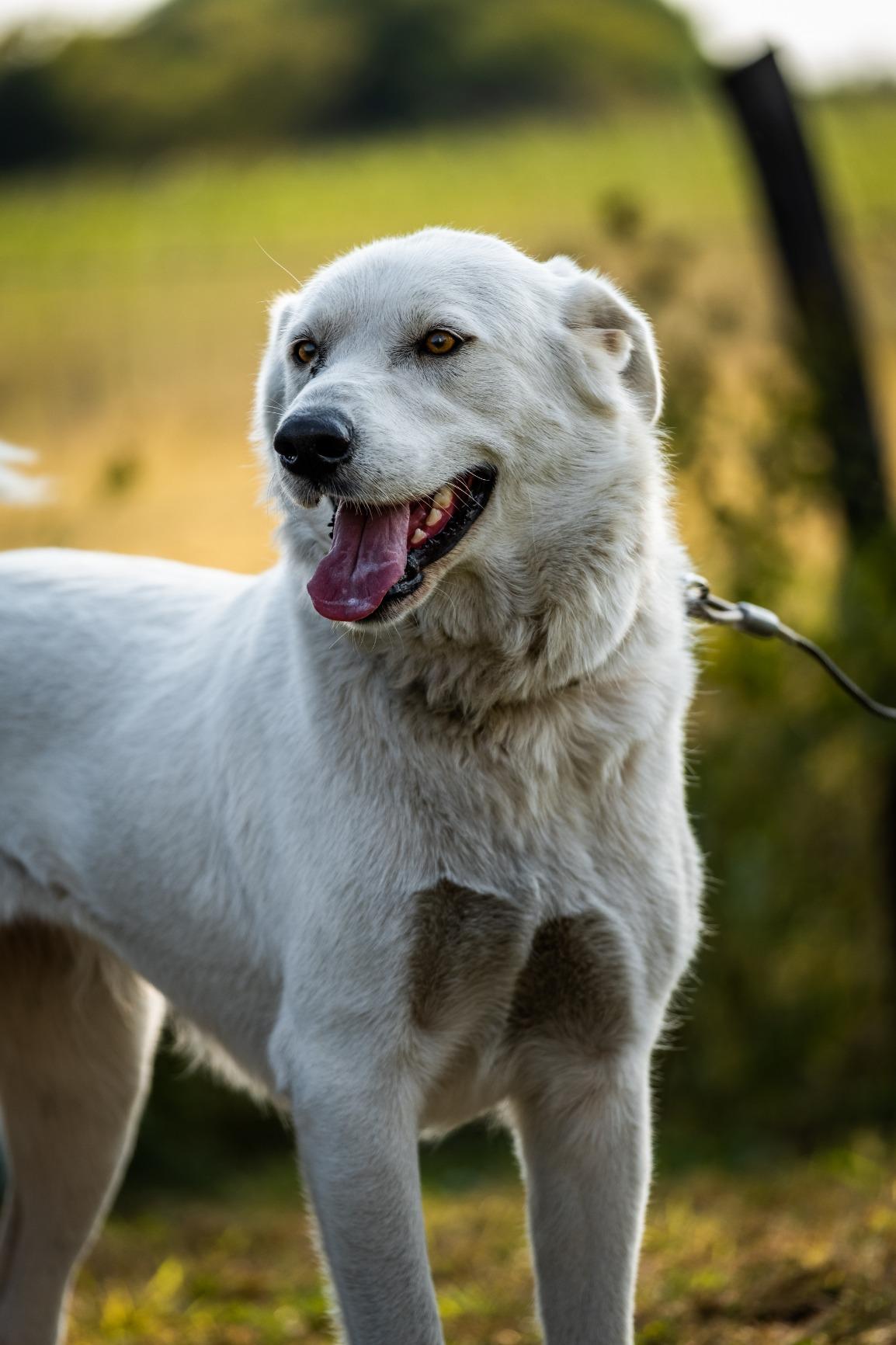
The Fujifilm XF 50-140mm f/2.8 R LM OIS WR is the professional telephoto zoom I trust for client work. I have used it for sports photography, stage performances, and editorial portraits, and it has consistently delivered sharp, contrasty images with beautiful background separation. The 76-214mm equivalent focal range covers everything from indoor basketball courts to outdoor soccer fields.
What makes this lens exceptional is the internal focus and internal zoom design. The barrel does not extend or rotate when zooming, which means polarizing filters stay oriented correctly and the lens maintains balance on a gimbal. Combined with weather sealing, this design makes the lens suitable for shooting in any condition without compromise. The constant f/2.8 aperture delivers gorgeous subject isolation and fast shutter speeds in challenging light.

The optical image stabilization is highly effective – I regularly shoot handheld at 1/100 second at 140mm and get acceptably sharp results. The linear motor autofocus is fast and accurate, tracking moving subjects reliably for sports and wildlife. The lens is also compatible with the Fujifilm XF 1.4x and 2x teleconverters, extending the reach to 168-280mm f/4 or 280-420mm f/5.6 for even more versatility.
The trade-off for this level of optical performance is weight and price. At roughly 1 kilogram, this is the heaviest zoom in the Fujifilm X-mount lineup, and it feels substantial on smaller bodies. The focus ring is also notably stiff initially, requiring a break-in period. The tripod foot is not Arca-Swiss compatible out of the box, though third-party replacement feet are available. Premium pricing puts this lens out of reach for many enthusiasts.
Who this lens is best for
Professional sports, wildlife, and event photographers who need a constant f/2.8 telephoto zoom will find this lens matches their workflow. Wedding and portrait photographers who want flattering compression and creamy bokeh will love the optical quality. Anyone shooting in challenging weather conditions will appreciate the robust weather sealing and internal zoom design.
Who should consider alternatives
Casual shooters who do not need a constant f/2.8 aperture should look at the lighter and cheaper XF 70-300mm f/4-5.6 instead. Wildlife photographers who need maximum reach may prefer the XF 150-600mm for extreme focal lengths. If weight is a primary concern, the XF 70-300mm at 795 grams is significantly lighter than this lens at 1 kg.
7. Fujifilm XF 70-300mm f/4-5.6 LM OIS WR – Best Super Telephoto for Wildlife
Pros
- Lightweight for a super telephoto at 795g
- Exceptional 5.5-stop OIS
- Fast and quiet autofocus
- Good macro capabilities
- Weather sealed
- Compatible with teleconverters
Cons
- Variable f/4-5.6 aperture
- Some quality control issues reported
- Foot not Arca-Swiss compatible
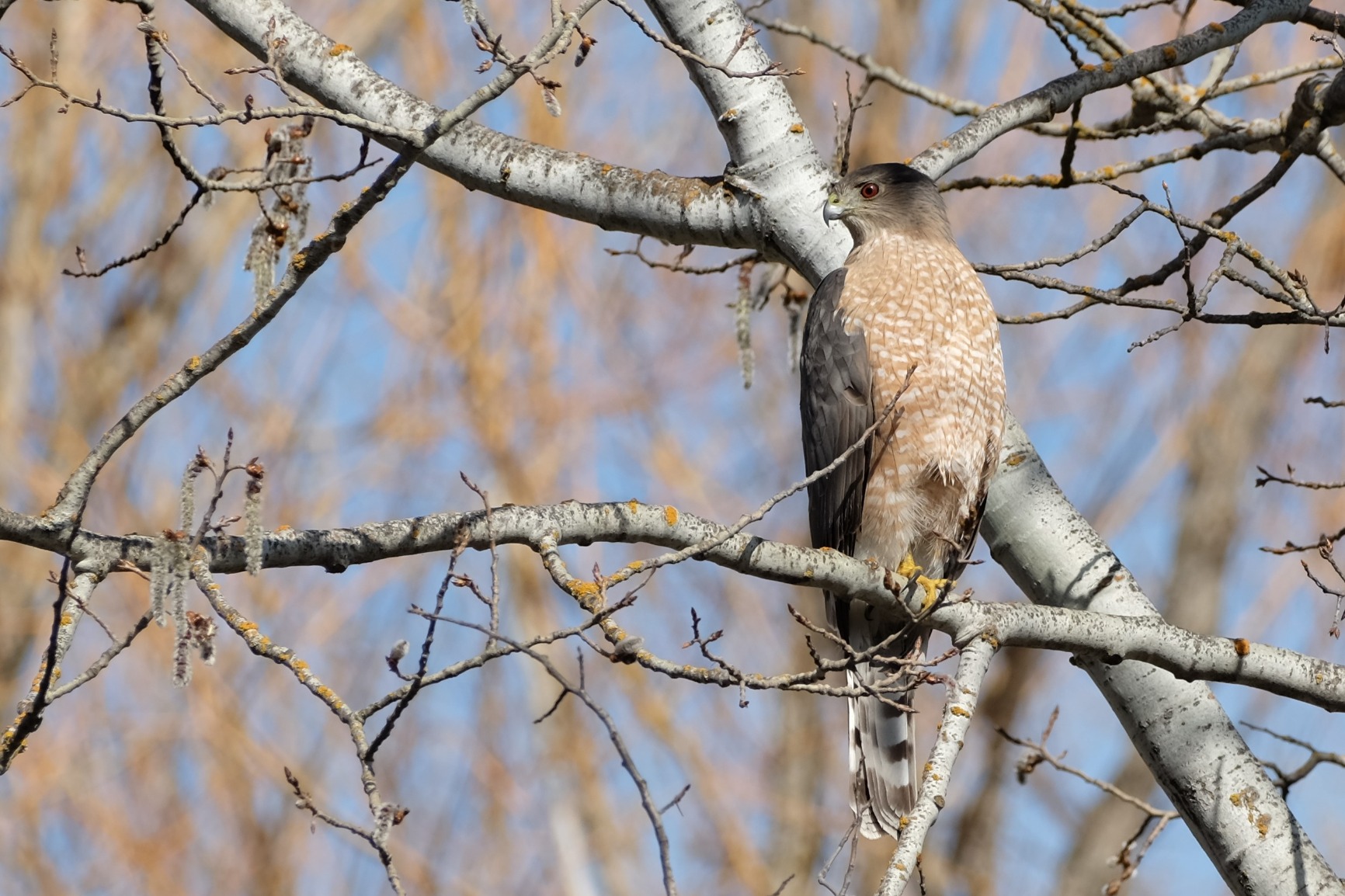
The Fujifilm XF 70-300mm f/4-5.6 LM OIS WR is my go-to super telephoto for wildlife and bird photography. The 107-457mm equivalent focal range brings distant subjects close, and at just 795 grams, it is light enough to carry handheld for hours without arm fatigue. I have used it for everything from backyard birds to distant wildlife on safari, and it has performed beautifully.
The standout feature is the optical image stabilization, rated at up to 5.5 stops. I have consistently shot handheld at 300mm at 1/60 second and gotten tack-sharp images, which opens up creative possibilities without a tripod or monopod. The linear motor autofocus is fast and silent, important for not spooking wildlife. Combined with the focus limiter switch, you can dial in fast acquisition on distant subjects.

The lens is also surprisingly capable for macro work, with a maximum magnification of 0.33x at the telephoto end and a close focusing distance of 0.83 meters throughout the zoom range. I have used this for flower and insect close-ups with pleasing results. Compatibility with the XF 1.4x and 2x teleconverters extends the reach to 168-420mm f/5.6-8 or 214-600mm f/8-11 for extreme wildlife situations.
The variable f/4-5.6 aperture is slower than the constant f/2.8 XF 50-140mm, which means you need more light or higher ISO for the same shutter speeds. Some users have reported quality control issues like debris inside the lens, so inspect carefully upon arrival. The tripod foot is also not Arca-Swiss compatible, though third-party replacements solve this. Bokeh can occasionally look unusual at certain focal lengths and distances.
Who this lens is best for
Wildlife and bird photographers who need long reach in a lightweight package will appreciate this lens. Travel photographers who want to capture distant subjects without carrying a heavy telephoto will also love it. Macro enthusiasts who enjoy both telephoto and close-up work will benefit from the dual-purpose capability. Anyone using a smaller Fujifilm body will appreciate how manageable this lens feels compared to heavier alternatives.
Who should consider alternatives
Sports photographers who need a constant f/2.8 aperture for fast shutter speeds indoors should look at the XF 50-140mm f/2.8 instead. If maximum reach is your priority and you do not mind heavier glass, the XF 150-600mm offers even more focal length. Astrophotographers should note that f/5.6 at the long end is not ideal for capturing dim subjects.
8. Fujifilm XF 10-24mm f/4 R OIS WR – Best Wide-Angle Zoom for Landscapes
Pros
- Ultra-wide 15-36mm equivalent range
- Constant f/4 aperture
- Improved 3.5-stop OIS
- Weather sealed
- Compact and ultralight at 186g
- Sharp wide open
- Aperture ring with lock
Cons
- Soft corners at minimum focus distance
- No teleconverter compatibility
- Some distortion at wide end
The Fujifilm XF 10-24mm f/4 R OIS WR is the lens that lives on my X-T5 when I am shooting landscapes, architecture, or tight interiors. The 15-36mm equivalent focal range is incredibly versatile – I have used it for sweeping mountain vistas, cramped hotel rooms, and dramatic street photography. At just 186 grams, it barely adds weight to the camera and disappears in the bag.
The redesigned Mark II version adds effective optical image stabilization (3.5 stops alone, up to 6.5 stops with IBIS), which is a major improvement over the original 10-24mm. I have shot handheld at 1/8 second at 24mm and gotten sharp results, which is genuinely useful for low-light interiors. The constant f/4 aperture is fast enough for landscapes with modest light, and the aperture ring with lock feature preserves the classic Fuji tactile experience.

Image sharpness is excellent across most of the frame when stopped down slightly from wide open, and the weather sealing held up well during a stormy coastal shoot in Scotland. The 110-degree angle of view at the wide end is genuinely immersive for dramatic scenes. Autofocus is fast and quiet, suitable for both stills and video work.
At minimum focus distance at the wide end, the corners can be soft, which limits the lens for close-up wide-angle work. There is no teleconverter compatibility, which is expected for an ultra-wide design. Some distortion is visible at 10mm, though it is well controlled and easy to fix in software. At f/4 wide open, you also need decent light for handheld landscape work.

Who this lens is best for
Landscape photographers who want an ultra-wide zoom in a compact package will love this lens. Architecture and interior photographers will appreciate the wide focal range and weather sealing. Travel photographers shooting dramatic scenes, cityscapes, and tight spaces will find this lens invaluable. Vloggers and content creators who need a wide field of view will also benefit from the ultralight design.
Who should consider alternatives
If you primarily shoot astrophotography and need maximum aperture for dim skies, a fast prime like the XF 14mm f/2.8 or XF 16mm f/1.4 will outperform any zoom. Wildlife and sports photographers should look at the XF 50-140mm f/2.8 or XF 70-300mm instead. If you shoot in extreme close-up wide-angle work, consider a prime wide-angle lens for corner sharpness at minimum focus distance.
Buying Guide: How to Choose the Best Fujifilm X-Mount Zoom Lens for You?
Choosing the right zoom lens depends on what you shoot, how you shoot, and what camera body you own. I have seen too many photographers buy a flagship lens only to leave it in the bag because it did not match their workflow. Here is what to consider before spending your money.
Constant aperture vs. variable aperture
A constant aperture lens (like the Fuji 16-55mm f/2.8 or Sigma 18-50mm f/2.8) maintains the same maximum aperture throughout the zoom range. This matters because exposure stays consistent when you zoom, and you get the same low-light capability at 55mm as you do at 16mm. Variable aperture lenses (like the Fuji 18-55mm f/2.8-4 or 16-80mm f/4) are typically smaller, lighter, and cheaper, but you lose light when zooming in.
For event, wedding, and indoor photography, constant aperture is worth the premium. For travel, landscape, and outdoor shooting in good light, variable aperture works fine and saves weight. If you regularly shoot in dim conditions without flash, prioritize constant aperture lenses.
Image stabilization needs
Optical image stabilization (OIS) or Vibration Compensation (VC) helps you shoot handheld at slower shutter speeds. The Fuji 16-80mm f/4 has 6 stops of OIS, the best in the lineup, while the Fuji 16-55mm f/2.8 has none at all. If your Fujifilm camera body lacks in-body image stabilization (older models like X-T1, X-T2, X-Pro2, X-E3), prioritize lenses with OIS or VC.
If you own a newer body with IBIS (X-T4, X-T5, X-H2, X-S10, X-H2S), you have more flexibility. IBIS in the body works with any lens, so you can choose lens stabilization based on other factors like weight, aperture, and price. For video work, however, lens OIS combined with IBIS produces smoother handheld footage than either alone.
Weather sealing considerations
Weather sealing (marked WR in Fujifilm nomenclature) protects the lens from dust, light rain, and cold temperatures. If you shoot outdoors regularly, especially in unpredictable conditions, weather sealing is worth the premium. The Fuji 16-55mm f/2.8, 16-80mm f/4, 50-140mm f/2.8, 70-300mm, and 10-24mm f/4 are all weather sealed. Third-party options like the Tamron 17-70mm f/2.8 also have weather-resistant construction.
Lenses without weather sealing (Sigma 18-50mm, Fuji 18-55mm) are still excellent optically, but require more care in tough conditions. For studio, indoor, and fair-weather outdoor shooting, lack of weather sealing is not a deal-breaker.
Native vs. third-party trade-offs
Native Fujifilm lenses (Fujinon XF) offer the best build quality, aperture rings, weather sealing, and firmware compatibility. They also tend to cost more. Third-party lenses from Sigma and Tamron offer excellent value, often with features like constant f/2.8 apertures at lower prices, but typically lack aperture rings and may have minor quirks like reversed zoom direction.
For most photographers, third-party lenses deliver 90 percent of the performance at 60 percent of the price of native alternatives. The trade-off is mostly about fit-and-finish and the classic Fuji tactile experience. If you shoot professionally and need absolute reliability and the Fuji feel, native glass is worth the premium. If you are a hobbyist or budget-conscious shooter, third-party lenses offer outstanding value.
Focal length planning
Think about what you actually shoot before choosing a focal range. Standard zooms (16-55mm, 17-70mm, 18-50mm, 18-55mm) cover most everyday needs from wide to short telephoto. Telephoto zooms (50-140mm, 70-300mm) handle sports, wildlife, and distant subjects. Wide-angle zooms (10-24mm) are for landscapes, architecture, and tight interiors.
A common strategy is to pair a standard zoom with either a telephoto or wide-angle zoom, depending on your primary subjects. Travel photographers often prefer a versatile mid-range like the 16-80mm or 17-70mm as a one-lens solution. Wedding and event photographers typically pair the 16-55mm f/2.8 with the 50-140mm f/2.8 for full coverage.
For more on choosing the right focal length for your style, our 15 Best Fujifilm X Mount Lenses for Landscape Photography guide dives deeper into wide-angle selections.
Frequently Asked Questions
What is the best zoom lens for Fujifilm X-mount cameras?
The best overall Fujifilm X-mount zoom lens is the Fujifilm XF 16-55mm f/2.8 R LM WR II for professionals who need a constant f/2.8 aperture. For travelers and enthusiasts, the Fujifilm XF 16-80mm f/4 R OIS WR offers the best balance of zoom range, image stabilization, and weight. Budget-conscious shooters will love the Sigma 18-50mm f/2.8 DC DN Contemporary, which delivers a constant f/2.8 aperture in an ultralight 285-gram package.
What is the best telephoto lens for a Fujifilm X mount?
For professional work, the Fujifilm XF 50-140mm f/2.8 R LM OIS WR is the best telephoto zoom, offering constant f/2.8 aperture, internal zoom, and weather sealing. For wildlife and casual telephoto use, the Fujifilm XF 70-300mm f/4-5.6 LM OIS WR delivers longer reach at half the weight. Both lenses are compatible with Fujifilm teleconverters for even more reach when needed.
What is the best budget zoom lens for a Fuji X mount?
The Sigma 18-50mm f/2.8 DC DN Contemporary is the best budget zoom, offering a constant f/2.8 aperture at an ultralight 285 grams for a very accessible price. The Tamron 17-70mm f/2.8 Di III-A RXD VC is another excellent budget option that adds built-in image stabilization and a broader zoom range. For the lowest cost, the Fujifilm XF 18-55mm f/2.8-4 R LM OIS is available renewed and covers most everyday needs.
What are the best lenses for Fujifilm X-cameras?
The best lenses for Fujifilm X-mount cameras depend on your needs: the XF 16-55mm f/2.8 for professional standard zoom, the XF 50-140mm f/2.8 for telephoto, the XF 10-24mm f/4 for wide-angle, the XF 70-300mm for wildlife, and the XF 16-80mm f/4 for travel versatility. Third-party options from Tamron (17-70mm f/2.8) and Sigma (18-50mm f/2.8) offer excellent value. For a complete list including primes, see our 10 Best Fujifilm X Mount Lenses guide.
Is the Fujifilm 16-55mm f/2.8 worth the premium?
Yes, the Fujifilm XF 16-55mm f/2.8 is worth the premium for professionals and serious enthusiasts who shoot events, weddings, or low-light work. The constant f/2.8 aperture, weather sealing, and image quality rival many prime lenses. However, if you primarily shoot outdoors in good light, travel frequently, or prioritize image stabilization, the XF 16-80mm f/4 or Tamron 17-70mm f/2.8 offer better value. The 16-55mm is an investment piece, not an everyday carry for most shooters.
Final Verdict: Which Fujifilm X-Mount Zoom Should You Buy in 2026?
After testing these eight zoom lenses across weddings, landscapes, wildlife, and travel assignments, three stand out as the strongest recommendations. For professionals who need the absolute best optical quality and constant f/2.8 aperture, the Fujifilm XF 16-55mm f/2.8 R LM WR II is hard to beat. For travelers and enthusiasts who want maximum versatility, the Fujifilm XF 16-80mm f/4 R OIS WR delivers the broadest focal range and best image stabilization in the lineup. For budget-conscious shooters, the Sigma 18-50mm f/2.8 DC DN Contemporary offers constant f/2.8 performance in the lightest package available.
The Fujifilm X-mount lens ecosystem has matured into one of the best in mirrorless photography. Whether you choose native Fujinon glass or third-party alternatives from Tamron and Sigma, you can build a complete zoom kit that handles any shooting situation. Pick the lens that matches your most common scenarios, and you will not regret the investment. For specialized manual focus options, also check our 8 Best TTArtisan Lenses for Fujifilm X Mount guide.