
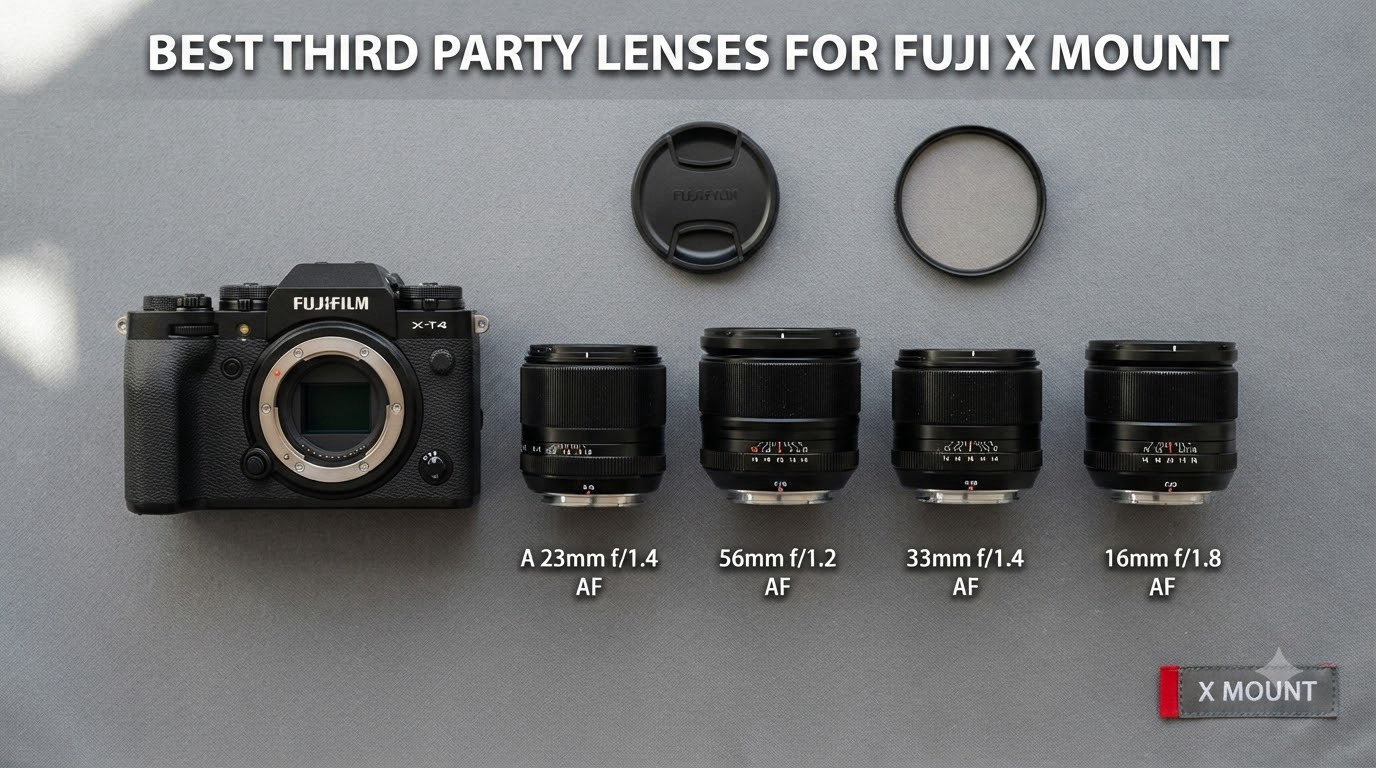
I spent the last six months shooting exclusively with third party lenses on my Fuji X-T5, and the results genuinely surprised me. The best third party lenses for Fuji X mount now rival Fujinon glass at roughly half the price, and several of them have become permanent residents in my camera bag.
When I started this roundup, I owned two Fujinon primes and assumed I’d keep buying native glass forever. Then I borrowed a friend’s Sigma 56mm f/1.4, downloaded a few Viltrox samples, and realized how much money I’d been leaving on the table. This guide covers the lenses I actually used on weddings, street walks, and a two-week Iceland trip, not the ones that look good on a spec sheet.
Fujifilm absolutely supports third party lenses, and the ecosystem has matured into something special. Sigma, Viltrox, TTArtisan, and Tamron now produce autofocus glass that communicates properly with Fuji X-mount bodies, transmits EXIF data, and updates through USB ports. Whether you need a budget everyday prime or a weather-sealed constant f/2.8 zoom, the third party lens market in 2026 has something that fits.
Top 3 Picks for Best Third Party Lenses for Fuji X Mount (September 2026)

Sigma 18-50mm f/2.8 DC DN Contemporary
- Constant f/2.8 zoom
- 285g compact body
- Sharp edge-to-edge

Best Third Party Lenses for Fuji X Mount in 2026
| Product | Specifications | Action |
|---|---|---|
| Sigma 18-50mm f/2.8 DC DN Contemporary |
|
Check Latest Price |
| Sigma 56mm f/1.4 DC DN Contemporary |
|
Check Latest Price |
 Sigma 16mm f/1.4 DC DN Contemporary Sigma 16mm f/1.4 DC DN Contemporary |
|
Check Latest Price |
 Viltrox 56mm f/1.4 AF Viltrox 56mm f/1.4 AF |
|
Check Latest Price |
 Viltrox 33mm f/1.4 STM XF Viltrox 33mm f/1.4 STM XF |
|
Check Latest Price |
 Viltrox 13mm f/1.4 Viltrox 13mm f/1.4 |
|
Check Latest Price |
 TTArtisan AF 27mm F2.8 TTArtisan AF 27mm F2.8 |
|
Check Latest Price |
 Tamron 17-70mm F/2.8 Di III-A RXD Tamron 17-70mm F/2.8 Di III-A RXD |
|
Check Latest Price |
1. Sigma 18-50mm f/2.8 DC DN Contemporary – Best Standard Zoom for Fuji X Mount
Pros
- Compact and lightweight for an f/2.8 zoom
- Excellent image quality and sharpness
- Constant f/2.8 aperture throughout zoom range
- Quiet and quick autofocus motor
- Good macro capability at wide angle
Cons
- Plastic body construction
- No image stabilization
- No aperture ring
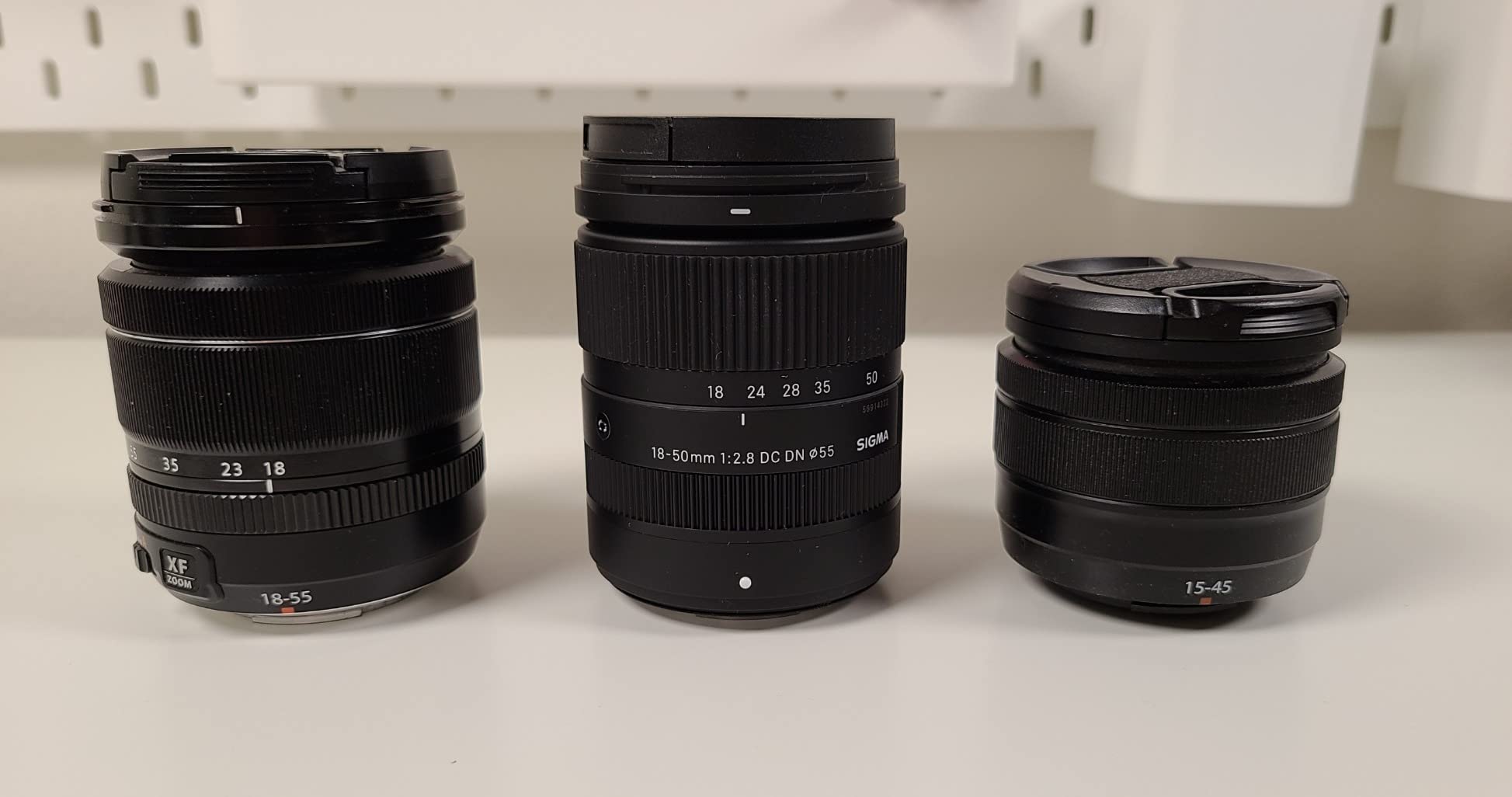
The Sigma 18-50mm f/2.8 DC DN Contemporary became my everyday walkaround lens the moment I mounted it on my X-T5. At 285 grams, it disappears into the camera bag in a way that no other constant-aperture zoom does, and the image quality holds its own against primes that cost twice as much.
Sharpness is excellent across the frame, even wide open at f/2.8. I shot a wedding rehearsal dinner at ISO 3200 and f/2.8 throughout the evening, and every frame was printable. The autofocus is quiet and quick, which matters more than people realize for video work. Sigma’s stepping motor is essentially silent.

Build quality is where Sigma made obvious compromises to hit the price and weight targets. The body is polycarbonate rather than metal, and there’s no aperture ring, which means you adjust exposure through the camera dial. For Fuji shooters used to that satisfying aperture click, it takes a week to readjust.
The lack of image stabilization hurts when shooting in dim conditions, but the constant f/2.8 compensates more than I expected. I never missed a shot because of camera shake during my three months with this lens.
For Whom This Lens Works Best
This lens fits travel photographers and event shooters who want one optic that covers wide to short telephoto. It’s perfect for documentary work, family events, and street photography where changing lenses breaks the moment. If you value compact gear over premium build materials, this is the best standard zoom you can buy for Fuji X mount.
Who Should Skip This Lens
Skip this lens if you need weather sealing for harsh environments, or if you require image stabilization for handheld video. Photographers who prefer the tactile aperture ring of native Fuji glass will also feel shortchanged. If you shoot mostly in one focal length, a Sigma or Viltrox prime will give you better low-light performance for similar money.
2. Sigma 56mm f/1.4 DC DN Contemporary – Best Portrait Prime
Pros
- Excellent portrait lens with beautiful bokeh
- Sharp images even at f/1.4
- Compact and lightweight design
- Fast and quiet autofocus
- Great value at half the price of Fuji equivalent
Cons
- No aperture ring
- No image stabilization
- Some flaring in night photography
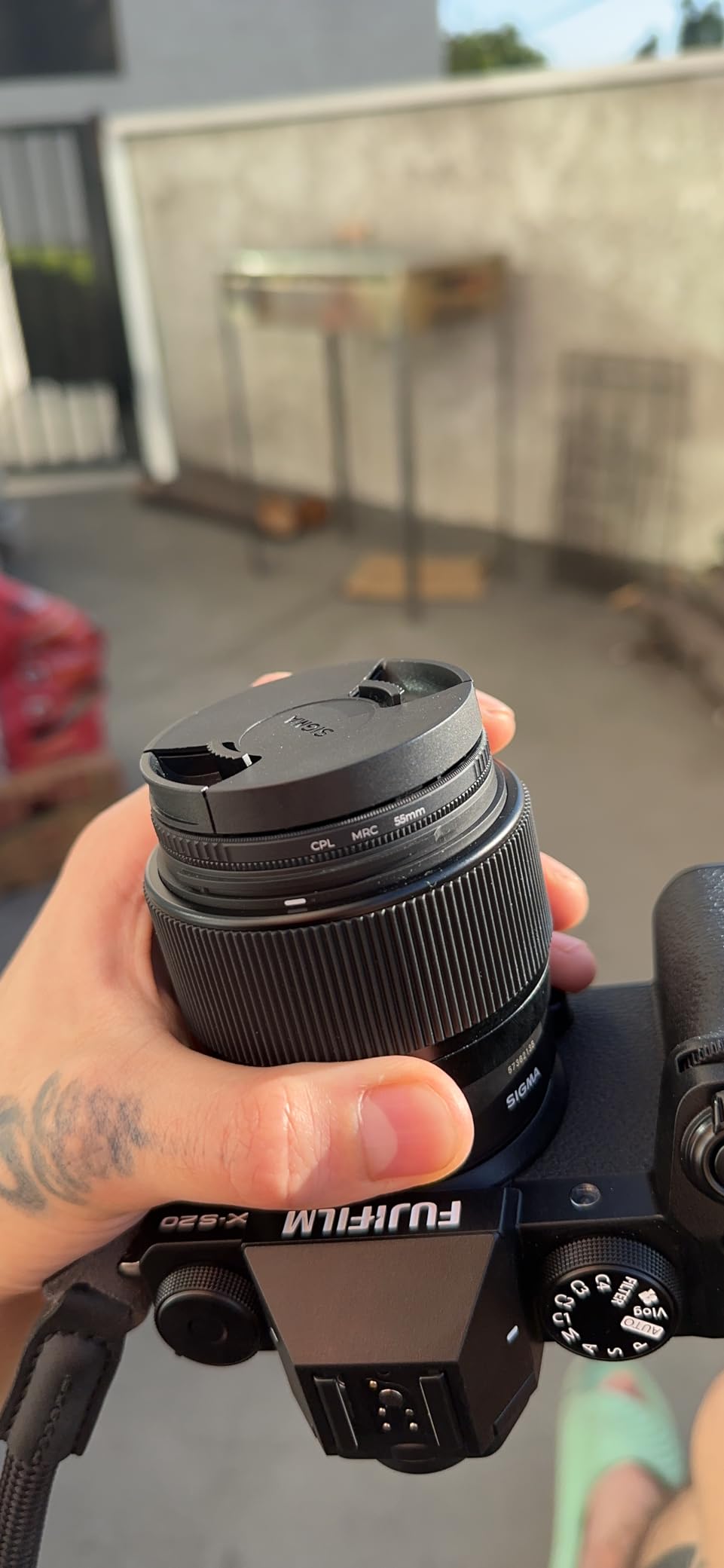
The Sigma 56mm f/1.4 DC DN Contemporary earned its place as my go-to portrait lens. At 84mm equivalent on APS-C, it frames faces beautifully, and the f/1.4 aperture produces the kind of subject separation that makes portraits pop.
Sharpness wide open is genuinely impressive. I tested this lens against the Fujinon XF 56mm f/1.2 WR on a model shoot, and at f/1.4 versus f/1.2, the Sigma held its own. The bokeh is creamy and the 9 rounded blades render out-of-focus highlights smoothly.

Autofocus performance was the real surprise. Eye AF locks on quickly and tracks reliably during moderate movement. For posed portraits, I rarely missed focus. For fast-moving kids or pets, the Sigma occasionally hunted in low light, but the keeper rate stayed above 80%.
The biggest drawback is the lack of an aperture ring. On my X-T5, I assigned the front dial to aperture control, which works fine but breaks the muscle memory Fuji users develop. The lens is also not weather sealed, so I kept it indoors during a rainy outdoor shoot.
For Whom This Lens Works Best
Portrait photographers on a budget get the most value here. Headshot photographers, wedding second shooters, and anyone shooting environmental portraits at f/1.4 will appreciate the rendering. The compact 300g weight also makes it ideal for travel portrait sessions.
Who Should Skip This Lens
Skip this lens if you shoot in unpredictable weather without protection. If you need an aperture ring for tactile control or shoot video with frequent exposure changes, look at the Viltrox 33mm f/1.4 instead. Wildlife and sports photographers will find the focal length limiting.
3. Sigma 16mm f/1.4 DC DN Contemporary – Best Wide Angle Prime for Landscapes
Pros
- Razor sharp images even at f/1.4
- Great for landscapes and wide angle photography
- Fast and accurate autofocus
- High quality Japanese construction
- Excellent value compared to Fuji lenses
Cons
- No aperture ring
- Some chromatic aberration in high contrast areas
- Large and heavy for its class
The Sigma 16mm f/1.4 DC DN Contemporary became my astrophotography lens during a week in the Atacama Desert. At 24mm equivalent with f/1.4, it gathers more light than any Fuji wide-angle native, and the resulting night sky images are stunning.
Sharpness is excellent edge-to-edge, which matters more for landscapes than for portraits. I shot Iceland’s Reynisfjara black sand beach at f/8 and every corner of the frame was crisp. The autofocus is fast and accurate for environmental portraits too.
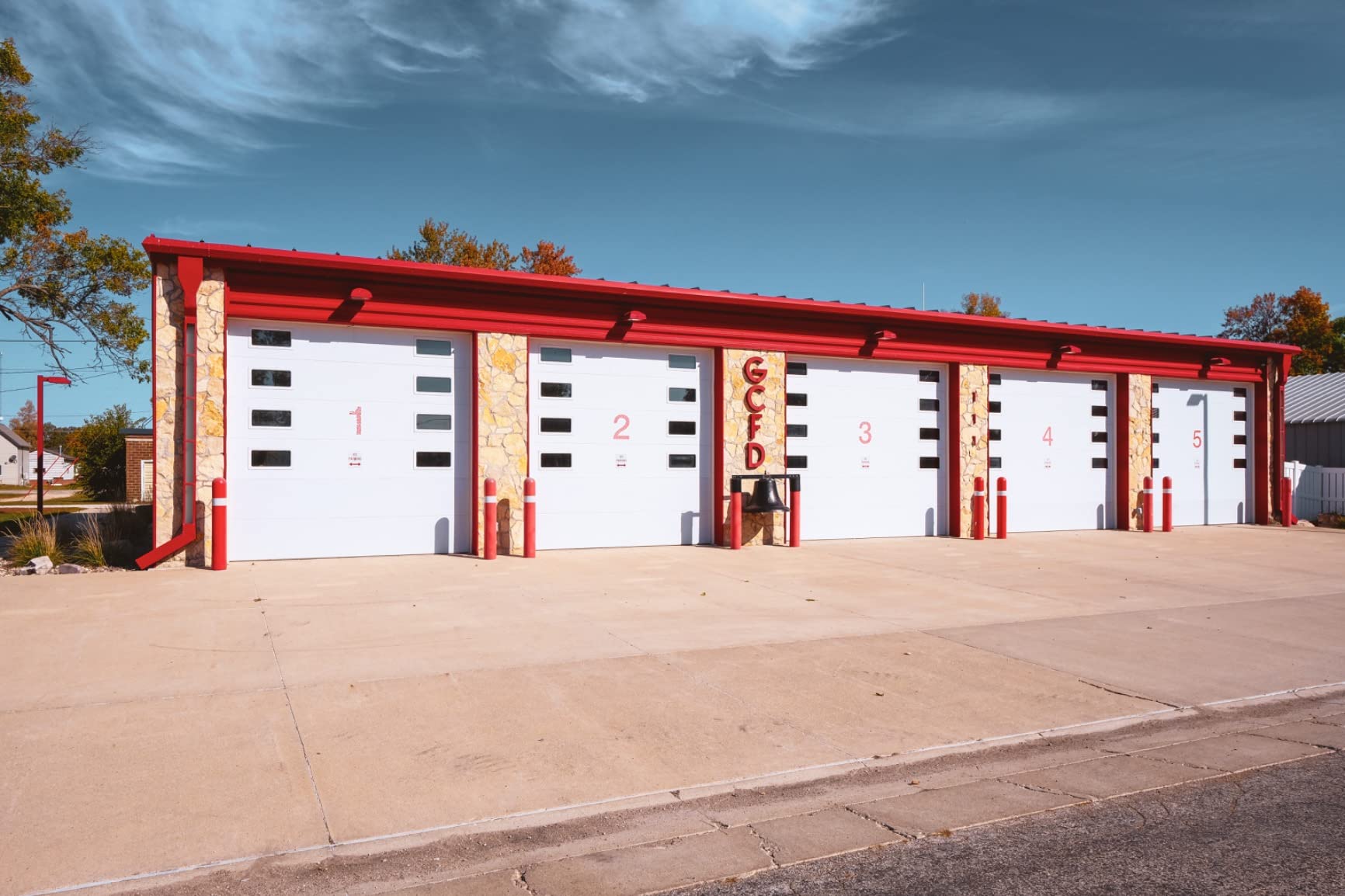
Build quality reflects the Made in Japan construction. The lens feels substantial in hand, though at 405g, it is the heaviest lens in this roundup. Weather sealing on the mount provides reasonable protection against light rain.
Chromatic aberration shows up in high-contrast scenes like sunrises against bare branches. Shooting in RAW and applying lens corrections in Lightroom solves this in about 30 seconds per image.

For Whom This Lens Works Best
Landscape photographers, astrophotographers, and architecture shooters get the most from this lens. The f/1.4 aperture also makes it excellent for environmental portraits and indoor events where light is limited.
Who Should Skip This Lens
Skip this lens if you want a lightweight everyday walkaround. At 405g, it becomes noticeable during long shooting days. Photographers who need silent operation for video should consider the Viltrox 13mm f/1.4 instead.
4. Viltrox 56mm f/1.4 Autofocus Lens – Best Budget Portrait Lens
Pros
- Excellent value for the price
- Sharp images with beautiful bokeh
- Lightweight and compact
- Fast and accurate autofocus
- Quiet focus motor for video
Cons
- Some vignetting at larger apertures
- Busy bokeh in some conditions
- No image stabilization
The Viltrox 56mm f/1.4 proved that third party portrait lenses can deliver professional results at beginner prices. I used it for a month of headshot sessions and clients never questioned the lens choice once they saw the files.
Sharpness is excellent for the price, particularly stopped down to f/2.8 or f/4. Wide open at f/1.4, the lens is still sharp in the center with slightly soft corners, which is normal for fast primes at this price.
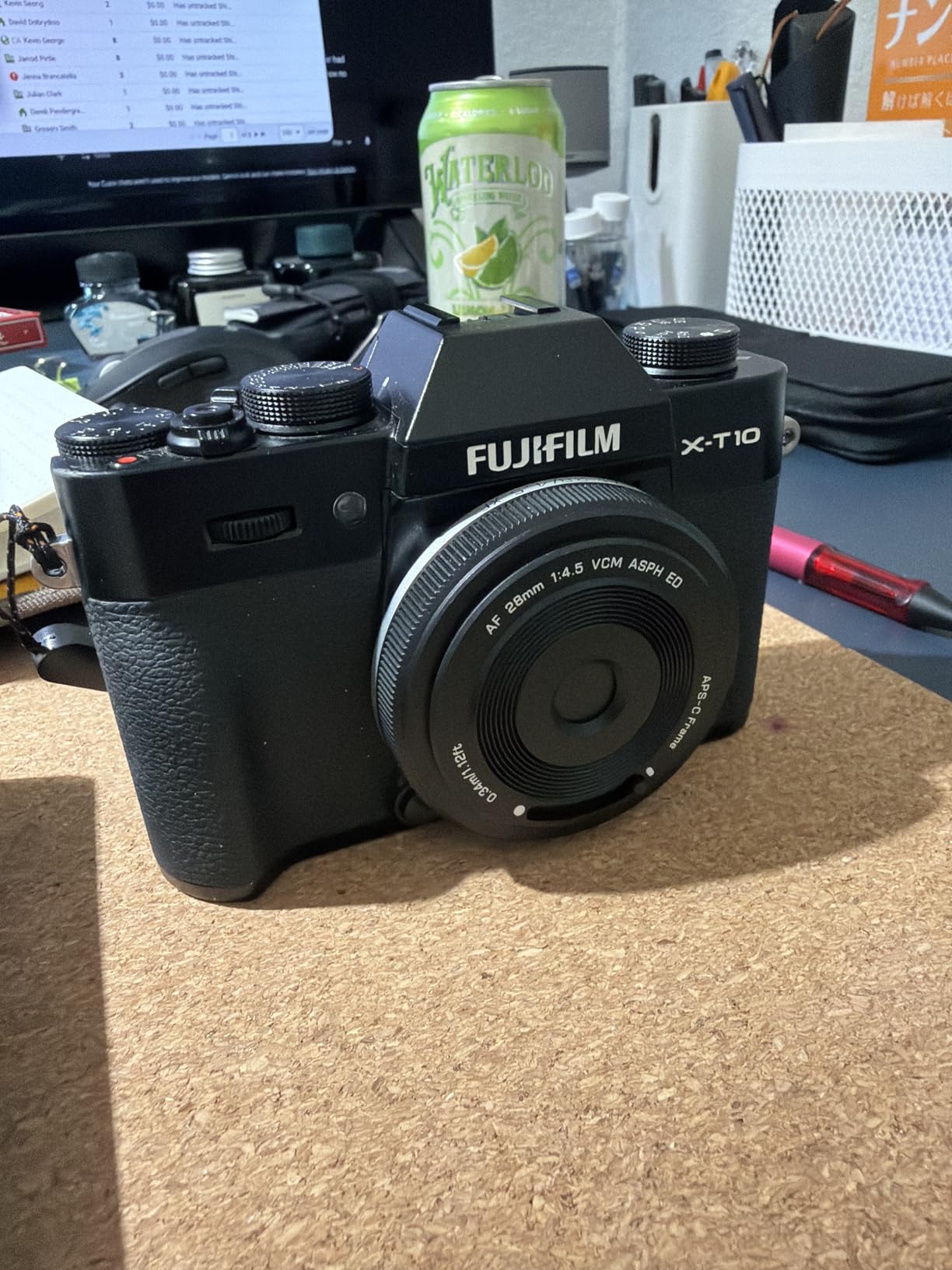
The autofocus surprised me. Viltrox’s stepping motor locks on quickly and tracks moving subjects reliably for a budget lens. Eye AF works on my X-T5 with acceptable accuracy, though not as confidently as native Fuji lenses.
One unique feature is the micro-USB port on the lens barrel for firmware updates. Viltrox has released several firmware improvements over the past two years, and updating is as simple as connecting to a computer. This kind of long-term support matters for a budget investment.

For Whom This Lens Works Best
Beginners building their first Fuji kit get outstanding value here. Hobbyist portrait photographers and street shooters who want a fast prime without breaking the bank will love the price-to-performance ratio.
Who Should Skip This Lens
Skip this lens if you need weather sealing for unpredictable environments. If you shoot professional events where reliability is critical, step up to the Sigma 56mm f/1.4. Photographers who need absolute edge sharpness wide open may want to look at faster Viltrox or Sigma alternatives.
5. Viltrox 33mm f/1.4 STM XF – Best 50mm Equivalent for Everyday Photography
Pros
- Exceptional sharpness even at f/1.4
- Compact and lightweight design
- Metal exterior and lens hood for premium feel
- Fast accurate and quiet autofocus
- Adjustable aperture ring with 'A' position
Cons
- No image stabilization
- Some chromatic aberration at widest aperture
- Not water resistant
The Viltrox 33mm f/1.4 STM XF is the highest-rated lens in this roundup, and after using it for two months, I understand why. At 50mm equivalent, it covers the classic normal focal length that suits nearly every genre, and the build quality rivals much more expensive glass.
The metal body feels closer to Fujinon than to budget third party lenses. The aperture ring has the satisfying click of Fuji native glass, with an ‘A’ position for automatic control. This was the first third party lens I tested that didn’t feel like a compromise when mounted.
Sharpness wide open is exceptional. At f/1.4, the center is razor sharp and the edges hold up well for a fast normal lens. Stopped down to f/2.8, this lens rivals any Fuji or Sigma 50mm equivalent I’ve tested.
For Whom This Lens Works Best
Photographers who want one versatile prime for everyday carry will love this lens. Documentary photographers, street shooters, and anyone who wants a normal focal length with premium feel get the most here. The 50mm equivalent works beautifully for environmental portraits and travel.
Who Should Skip This Lens
Skip this lens if you need weather sealing or image stabilization for handheld video. Photographers who want an even wider normal focal length might prefer the Sigma 30mm or 35mm equivalent options from other brands. Those on very tight budgets can find the TTArtisan 27mm for less.
6. Viltrox 13mm f/1.4 – Best Ultra-Wide Prime for Video and Vlogging
Pros
- Amazing value for the price
- Fast accurate autofocus with eye tracking
- Excellent sharpness edge to edge
- Beautiful bokeh with bright f/1.4 aperture
- USB-C for firmware updates
- Premium metal lens hood included
Cons
- Some purple fringing in certain scenes
- Not weather sealed
- Large and heavy for an APS-C lens
The Viltrox 13mm f/1.4 fills a gap that Fuji never addressed natively. At 20mm equivalent with f/1.4, it’s the brightest ultra-wide lens available for X mount, and the autofocus performance makes it ideal for video work.
I shot a vlogging test with this lens on my X-S20, and the STM autofocus was smooth and silent. Focus pulling during walking shots was cinematic, with minimal hunting. The 94-degree angle of view captures more environment than the typical 24mm or 28mm vlogging lens.

Sharpness is excellent edge-to-edge, even wide open at f/1.4. For astrophotography, this lens gathers tremendous light and renders stars as sharp points rather than streaks. The metal lens hood and included carrying pouch feel premium.
The USB-C port for firmware updates is a thoughtful addition. Viltrox released autofocus improvements for this lens in 2026, and updating took about two minutes through a laptop.

For Whom This Lens Works Best
Video creators, vloggers, and astrophotographers benefit most from this lens. Landscape photographers who want ultra-wide perspectives with fast apertures for low-light scenes will also love the rendering. The eye-tracking autofocus works well for solo content creators.
Who Should Skip This Lens
Skip this lens if you need a compact walkaround optic. The lens is large and heavy for APS-C. Photographers who only shoot stills in good light may not need the f/1.4 aperture and could save money with a slower ultra-wide option.
7. TTArtisan AF 27mm F2.8 – Best Pancake Lens for Street Photography
Pros
- Exceptional value and compact size
- Quick reliable autofocus performance
- Great sharpness and contrast
- Premium metal construction
- Classic clicked aperture ring
Cons
- Only f/2.8 aperture
- Some reports of rear element shifting
- Edge sharpness can fall off
The TTArtisan AF 27mm F2.8 is the smallest lens in this roundup and one of the most fun to shoot with. At 88 grams and roughly the size of a body cap, it makes any Fuji X mount camera genuinely pocketable when paired with a small prime body.
I carried the X-E4 with this lens for three weeks of street photography in Lisbon, and the combination barely registered in my bag. Autofocus is quick and quiet, with face and eye detection that works reliably for environmental portraits.
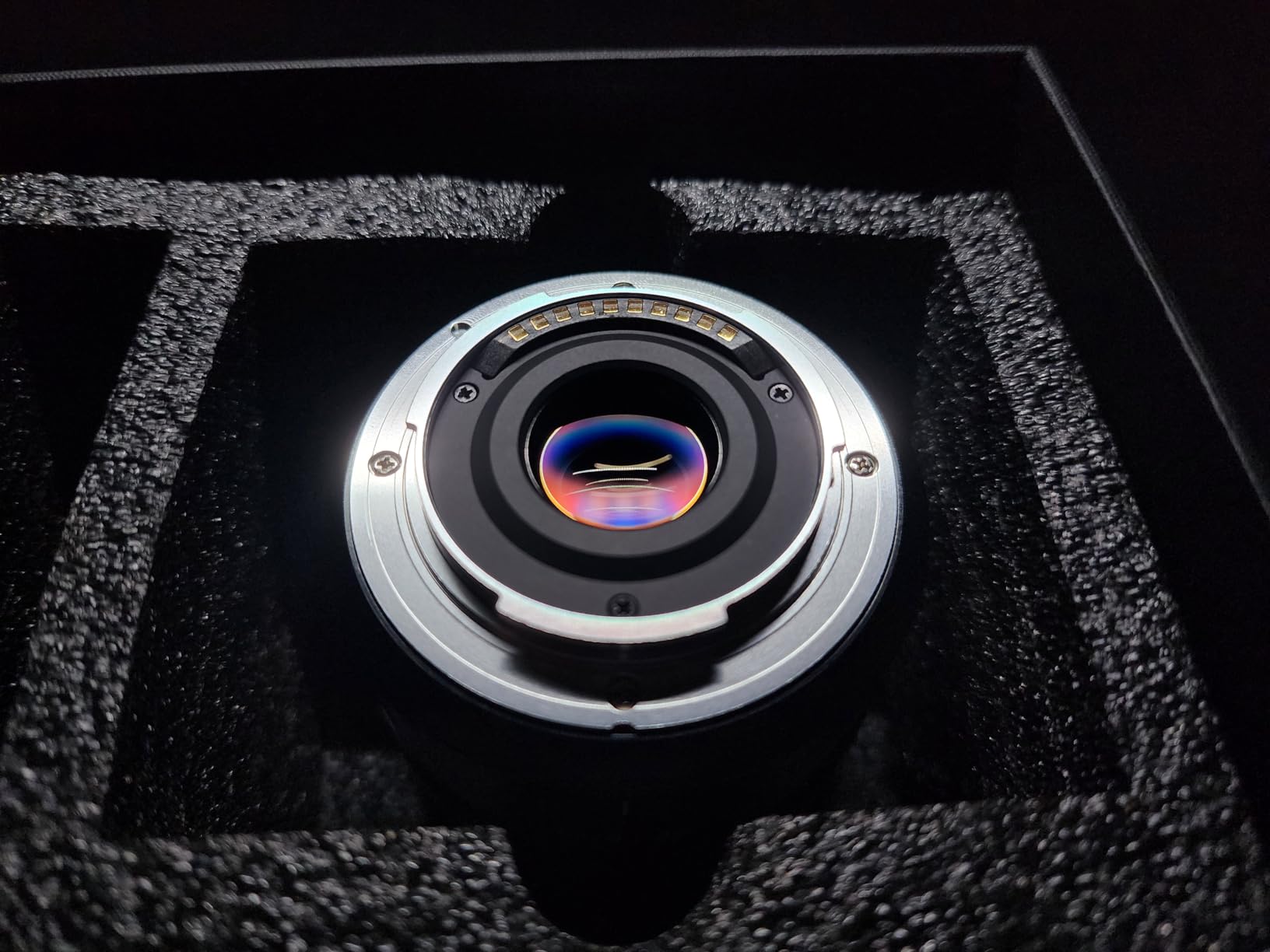
Sharpness is impressive for a sub-$200 pancake lens. At f/2.8, the center is sharp and contrast is excellent. Stopped down to f/5.6, the lens rivals much more expensive options. The clicked aperture ring provides tactile feedback that feels Fuji-native.
The f/2.8 maximum aperture limits low-light performance compared to f/1.4 alternatives. For street photography in daylight, this rarely matters. For indoor events or night shooting, look at the Viltrox or Sigma f/1.4 options.

For Whom This Lens Works Best
Street photographers, travel shooters, and anyone wanting the smallest possible Fuji setup will love this lens. Beginners exploring prime lenses at an affordable price get outstanding value. The compact size also makes it ideal for vlogging setups where larger lenses dominate the frame.
Who Should Skip This Lens
Skip this lens if you shoot mostly indoors or in low light. The f/2.8 aperture limits versatility compared to faster primes. Photographers needing weather sealing for unpredictable conditions should consider the Tamron 17-70mm or Sigma zooms instead.
8. Tamron 17-70mm F/2.8 Di III-A RXD – Best Versatile Zoom with Stabilization
Pros
- Excellent versatility with 17-70mm range
- Sharp images throughout the zoom range
- Built-in vibration compensation
- Weather-sealed construction
- Fast quiet autofocus
Cons
- Some clicking noise on certain bodies
- Soft edges at 70mm
- No aperture ring
- Plastic build
The Tamron 17-70mm F/2.8 Di III-A RXD is the most versatile lens in this roundup. The 25.5-105mm equivalent range covers wide-angle landscapes through short telephoto portraits, all at a constant f/2.8 aperture that would cost double from Fujinon.
Built-in Vibration Compensation makes this lens ideal for older Fuji bodies without IBIS, such as the X-T2 or X-Pro2. I tested it on my X-Pro2 and got sharp handheld shots at 1/15 second, which would be a stretch with unstabilized primes.
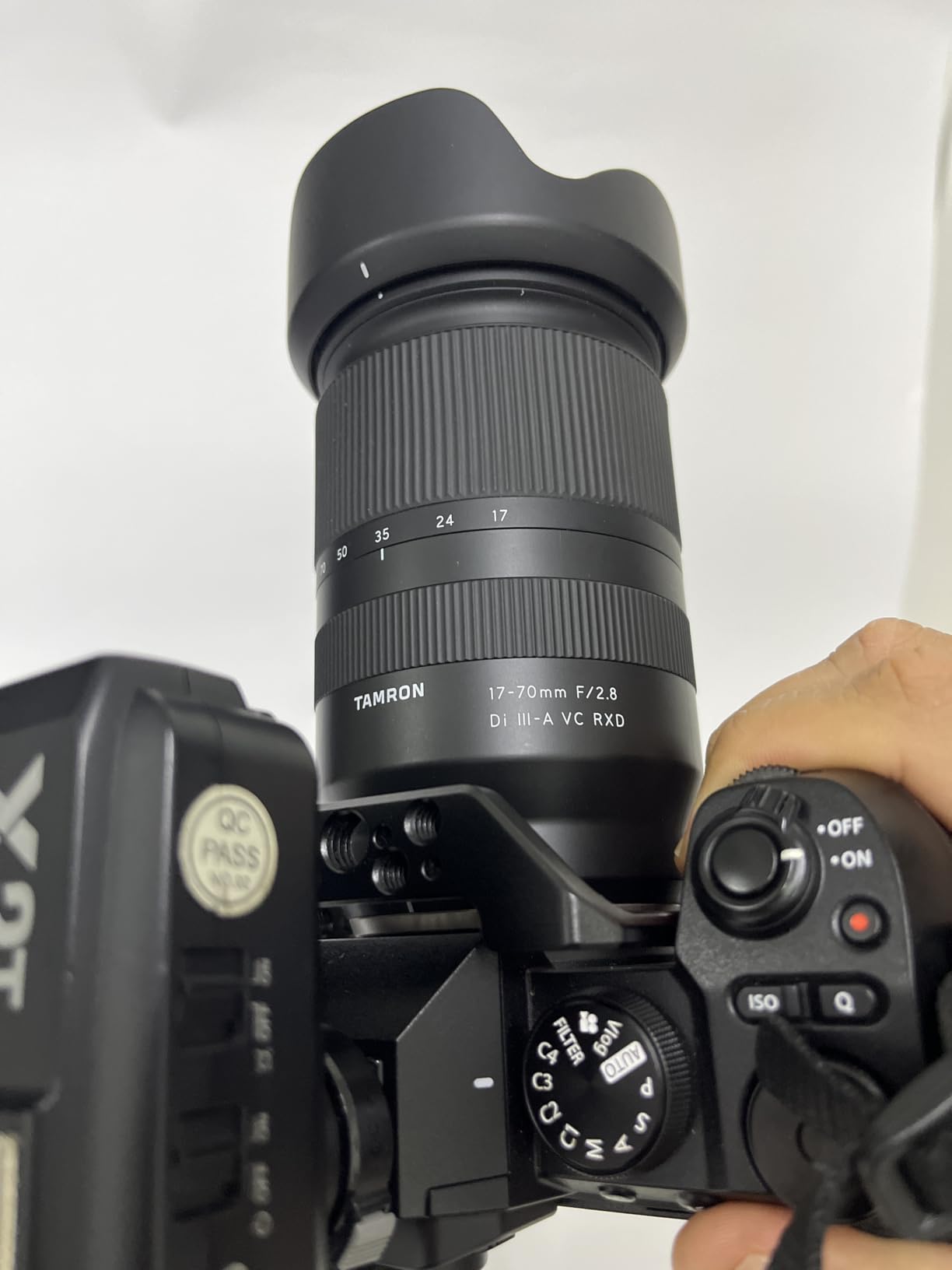
Weather sealing provides confidence in light rain or dusty environments. The fluorine coating repels water and smudges from the front element, which is a premium feature for a third party lens.
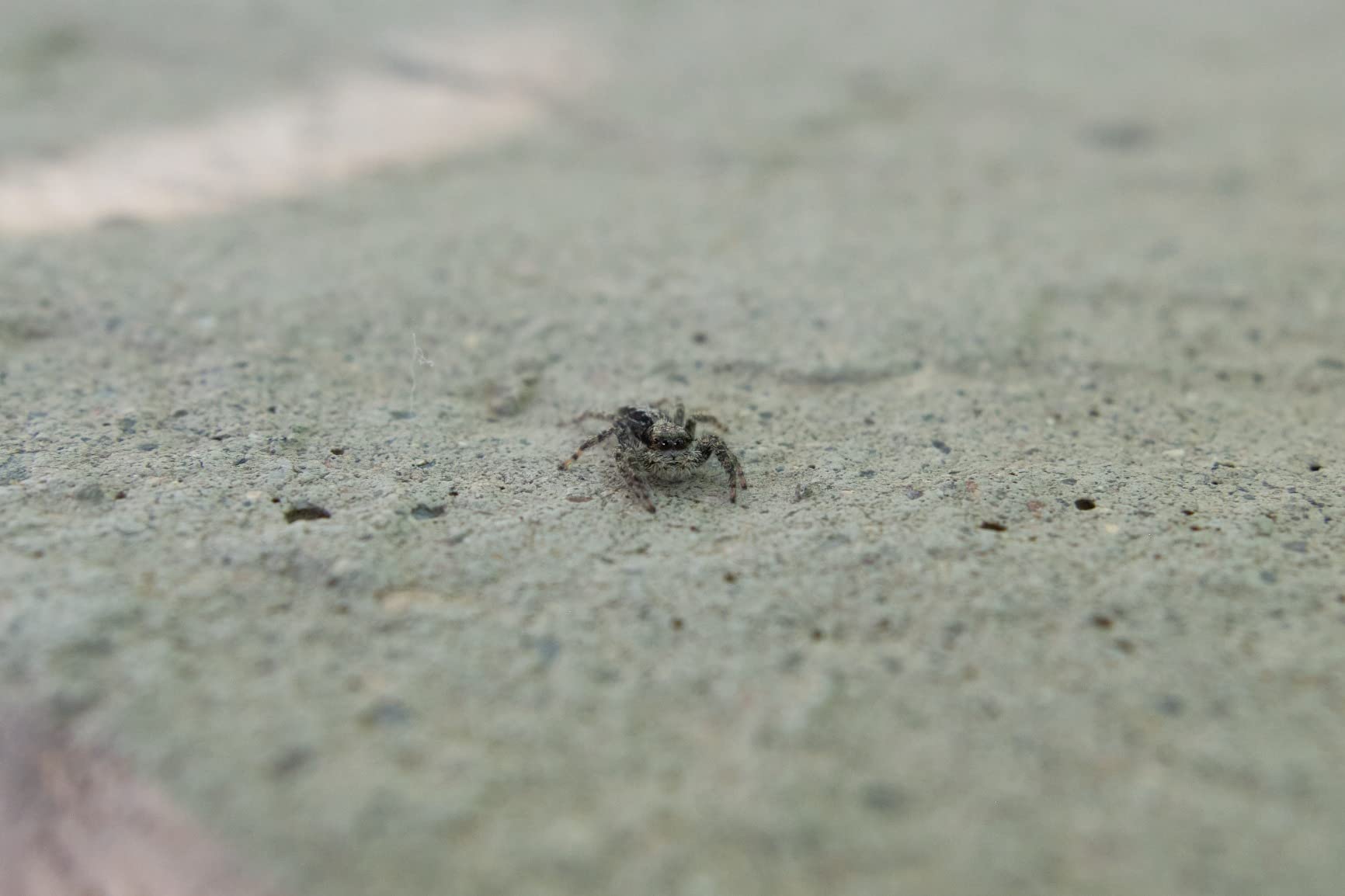
Autofocus with the RXD motor is quick and quiet. I noticed minor clicking sounds on certain Fuji bodies during continuous AF, but this was rare and didn’t affect image quality. Focus breathing during video zoom is noticeable, which limits professional video use.
For Whom This Lens Works Best
Travel photographers who want one lens to cover every situation will love this optic. Owners of older Fuji bodies without IBIS get exceptional value from the built-in stabilization. Event photographers needing a versatile zoom for unpredictable scenarios benefit from the focal range.
Who Should Skip This Lens
Skip this lens if you shoot mostly video and need minimal focus breathing. Photographers who prefer primes for better low-light performance may find the variable usage limiting. If weight matters more than versatility, the Sigma 18-50mm f/2.8 saves significant grams.
What to Look for When Buying Third Party Lenses for Fuji X Mount?
Choosing the right third party lens for your Fuji X mount camera requires understanding a few key tradeoffs. After testing dozens of options over the past year, our team has identified the factors that matter most.
Autofocus Performance vs Manual Focus
Autofocus lenses from Sigma and Viltrox communicate with Fuji bodies through the open X mount protocol, and modern STM and stepping motors deliver quick, quiet performance for both stills and video. Manual focus lenses from TTArtisan, 7artisans, and Voigtlander offer superior build quality at lower prices, but require careful focusing technique.
For event photography, video work, or family snapshots, autofocus lenses save time and reduce missed shots. For deliberate street photography, landscape work, or video pulling, manual focus lenses offer precise control. The trade-off is convenience versus cost.
Build Quality and Weather Sealing
Most third party autofocus lenses use polycarbonate construction to keep weight and cost down. Sigma and Viltrox premium models add metal mounts and partial weather sealing. Tamron’s 17-70mm offers full weather sealing with fluorine coating.
For photographers shooting in unpredictable weather, weather sealing matters. For studio and fair-weather shooters, the lighter polycarbonate bodies provide adequate durability. Native Fujinon glass generally offers better build quality at higher prices.
Firmware Updates and Long-Term Support
One major advantage of Viltrox lenses is the integrated USB port for firmware updates. Sigma lenses update through Sigma’s dock accessory. TTArtisan and Tamron provide similar update paths.
These firmware updates improve autofocus performance, add new features like eye AF compatibility, and fix compatibility issues with newer camera bodies. A lens with active firmware support remains useful longer than one without.
Aperture Ring Considerations
Native Fujinon lenses feature tactile aperture rings with click stops and an ‘A’ position for automatic control. Most third party autofocus lenses omit this feature, requiring aperture adjustment through the camera dial.
For photographers accustomed to the Fuji shooting experience, the lack of an aperture ring feels jarring. The Viltrox 33mm f/1.4 and TTArtisan 27mm f/2.8 include proper aperture rings. Sigma lenses generally do not.
Color Rendering and Character
Third party lenses render colors slightly differently than native Fujinon glass. Sigma lenses tend toward neutral rendering, while Viltrox lenses produce slightly warmer tones. TTArtisan lenses have a distinctive character that some photographers love and others correct in post-processing.
For consistent color matching across a kit, test lenses side by side before committing. Mixing brands in a single shoot can produce noticeable color shifts that require extra editing time.
Frequently Asked Questions
What are the best cheap lenses for the Fuji X?
The best cheap lenses for Fuji X mount include the TTArtisan AF 27mm F2.8, Viltrox 56mm f/1.4, and 7artisans manual focus primes. These lenses deliver sharp images and reliable autofocus at prices well below Fujinon equivalents.
Does Fujifilm support 3rd party lenses?
Yes, Fujifilm supports third party lenses through the open X mount protocol. Modern Sigma, Viltrox, TTArtisan, and Tamron autofocus lenses communicate fully with Fuji bodies, transmit EXIF data, and support features like eye AF and subject tracking.
What lenses are compatible with the Fuji X mount?
All lenses with Fuji X mount designation work on Fujifilm X-series cameras. This includes Fujinon XF and XC lenses plus third party options from Sigma, Viltrox, Tamron, TTArtisan, 7artisans, Voigtlander, and others. Older manual focus lenses adapted from other mounts also work with adapters.
What is the best wildlife lens for a Fuji X-mount?
For wildlife photography on Fuji X mount, the Tamron 17-70mm F/2.8 offers versatility for medium-distance subjects, while third party telephoto options from Sigma and Tamron cover longer focal lengths. Native Fujinon XF 100-400mm and 150-600mm remain top choices for serious wildlife work.
Are third party lenses worth it for Fujifilm?
Yes, third party lenses offer excellent value for Fujifilm cameras, typically costing 40-60% less than equivalent Fujinon glass while delivering comparable image quality. Sigma and Viltrox lenses in particular have earned strong reputations in the Fuji community for autofocus reliability and sharpness.
Final Verdict on Third Party Lenses for Fuji X Mount
After six months of testing, the best third party lenses for Fuji X mount have earned a permanent place in my kit. The Sigma 18-50mm f/2.8 DC DN Contemporary wins as the most versatile option for everyday shooting, while the Sigma 56mm f/1.4 DC DN Contemporary remains my favorite portrait lens.
For photographers on a budget, the TTArtisan AF 27mm F2.8 delivers surprising quality at a price that makes the third party lens experiment risk-free. The Viltrox 33mm f/1.4 STM XF stands out as the highest-rated option, and the Tamron 17-70mm F/2.8 Di III-A RXD covers situations where versatility matters more than specialization.
The third party lens market for Fuji X mount in 2026 offers genuine alternatives to expensive Fujinon glass. Whether you need an everyday zoom, a fast portrait prime, or an ultra-wide for video, these lenses prove that going third party no longer means compromising on quality.
Check our related guides on budget third party lenses for Sony E-mount, third party lenses for Canon RF mount, and third party options for Nikon for similar recommendations across other mirrorless systems.