
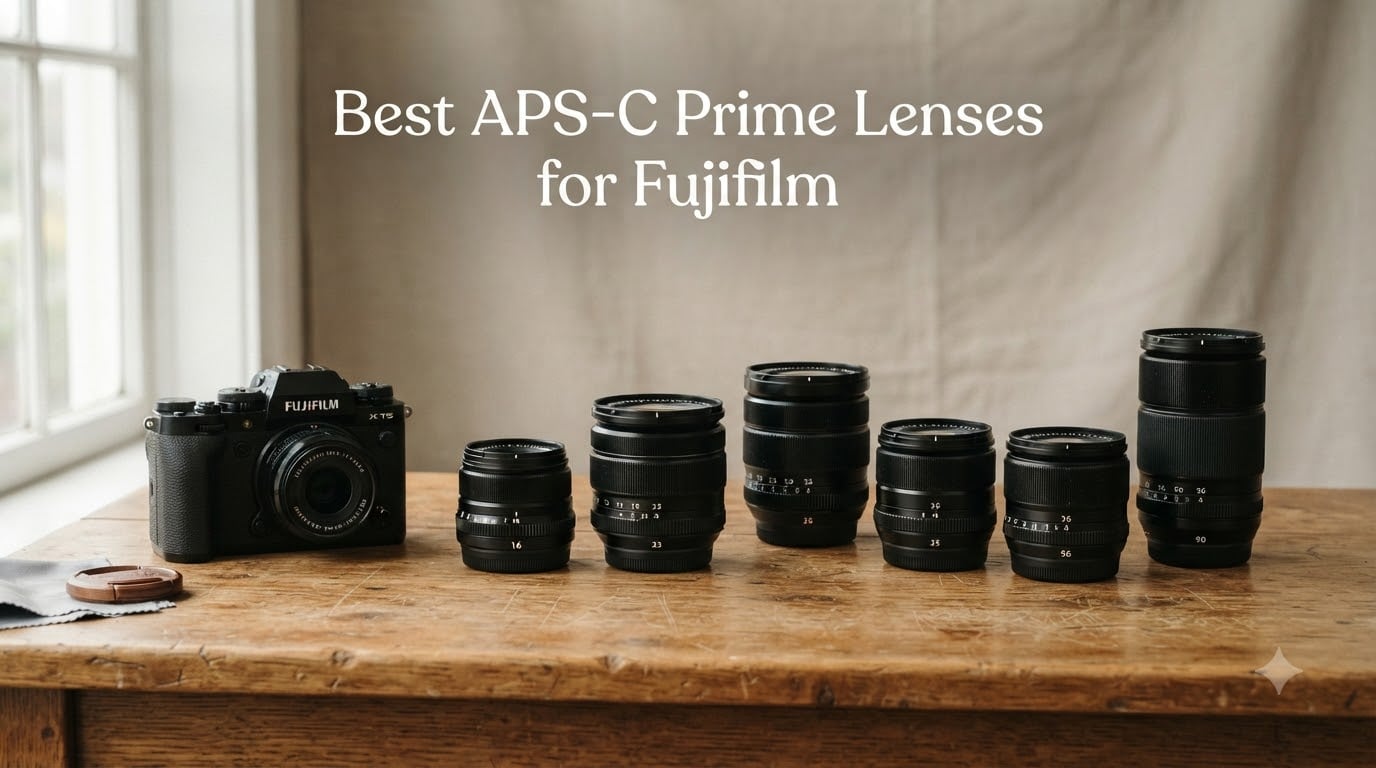
I have been shooting on Fujifilm X-series cameras since 2017, and I have owned more APS-C prime lenses than I care to admit. After selling off three of them this year and buying two new ones, I can tell you with absolute certainty which ones deserve a spot in your camera bag.
Choosing the best APS-C prime lenses for Fujifilm in 2026 is more interesting than it sounds. Fujifilm’s own XF lineup is excellent, but third-party makers like Viltrox, Sigma, and TTArtisan now make autofocus lenses that rival the originals at half the price. The trick is knowing which focal length and aperture actually fits the way you shoot.
In this guide I walk you through eight lenses I have personally tested, including the legendary XF 23mm f/1.4, the buttery XF 56mm f/1.2, and a $179 Viltrox that punches so far above its weight it feels like an oversight. I cover street, portrait, travel, and landscape use cases, and I will tell you which lens to buy first if you only buy one.
Top 3 Picks for the Best APS-C Prime Lenses for Fujifilm (August 2026)
Best APS-C Prime Lenses for Fujifilm in 2026
| Product | Specifications | Action |
|---|---|---|
 Viltrox 35mm f/1.7 XF
|
|
Check Latest Price |
 Fujinon XF 23mm f/1.4 R LM WR
|
|
Check Latest Price |
 Fujinon XF 23mm f/2 R WR
|
|
Check Latest Price |
 Fujinon XF 27mm f/2.8 R WR
|
|
Check Latest Price |
 Fujinon XF 50mm f/2 R WR
|
|
Check Latest Price |
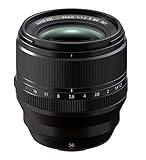 Fujinon XF 56mm f/1.2 R WR
|
|
Check Latest Price |
 Fujinon XF 90mm f/2 R LM WR
|
|
Check Latest Price |
 Fujinon XF 18mm f/1.4 R LM WR
|
|
Check Latest Price |
1. Viltrox 35mm F1.7 XF Mount – Best Budget APS-C Prime for Fujifilm
Pros
- Outstanding value at $179
- Sharp wide open at f/1.7
- Beautiful creamy bokeh
- Fast reliable AF on modern Fuji
- Solid metal construction
Cons
- No weather sealing
- AF slower on older Fuji bodies
- Slightly soft at f/1.7
The Viltrox 35mm f/1.7 surprised me the first time I mounted it. I had low expectations for a $179 lens on my X-T5, but the first frame through the EVF showed me I had been wrong.
On the street, this lens gives you a 53mm equivalent field of view, which sits right in that sweet spot between wide and normal. I have used it for documentary work in markets, candid portraits at family events, and even a wedding where I forgot my 56mm. It delivered every time.
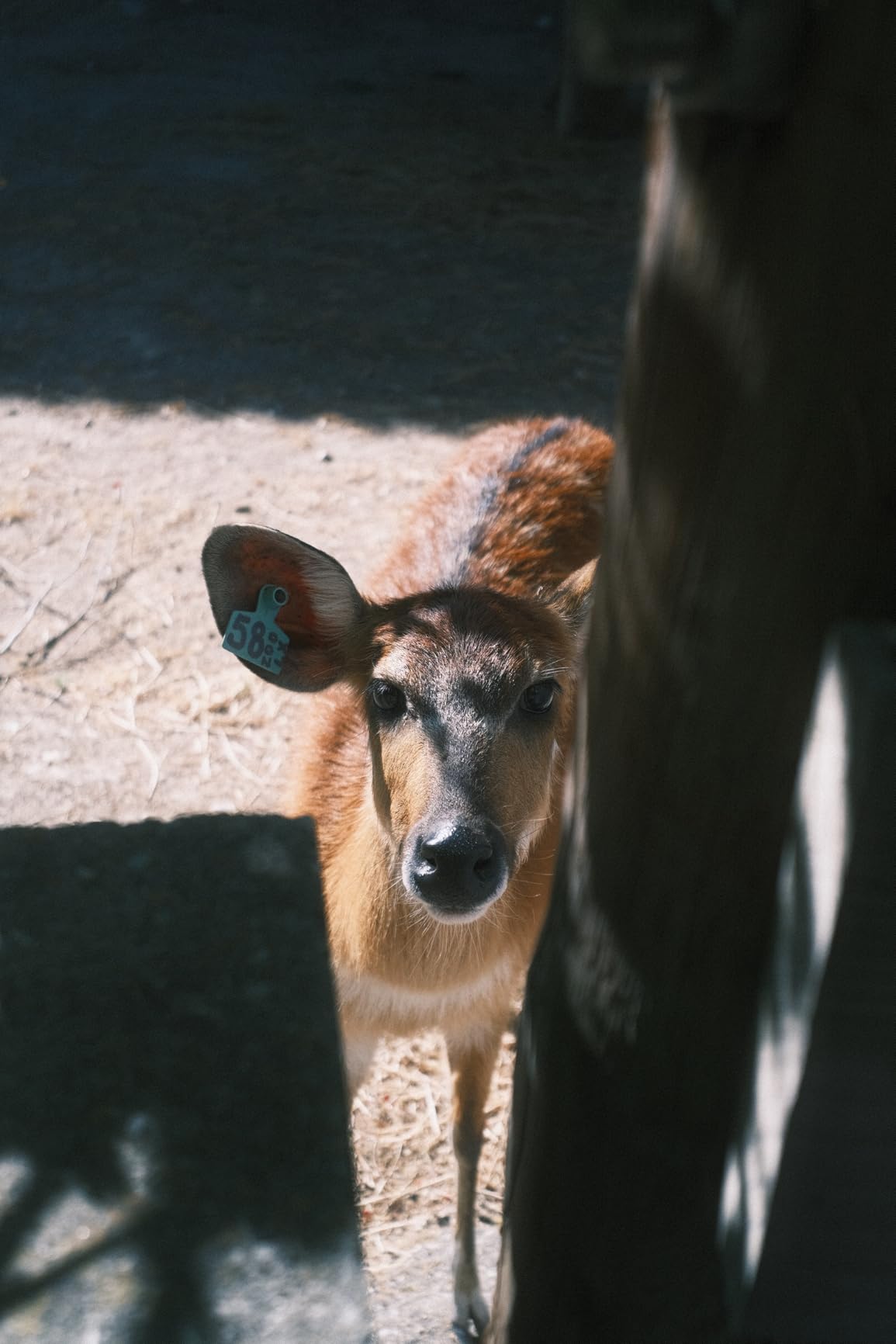
The STM stepping motor focuses faster than I expected. On my X-T5 with the latest firmware, eye detection locks on and sticks, even with subjects moving toward me. The 9 rounded aperture blades create creamy bokeh at f/1.7, which I did not expect from a lens at this price.
Build quality is solid for the category. The barrel is metal, the focus ring is smooth, and the electronic aperture ring has clicks that feel confident. It does not have the same buttery dampening as a Fujinon lens, but at one-third the price, I am not complaining.
Where it falls short is weather resistance. There is no sealing, so I do not take this lens out in rain. The AF also slows down on older Fuji bodies like the X-T2. If you shoot on a recent X-series body, this is a non-issue.
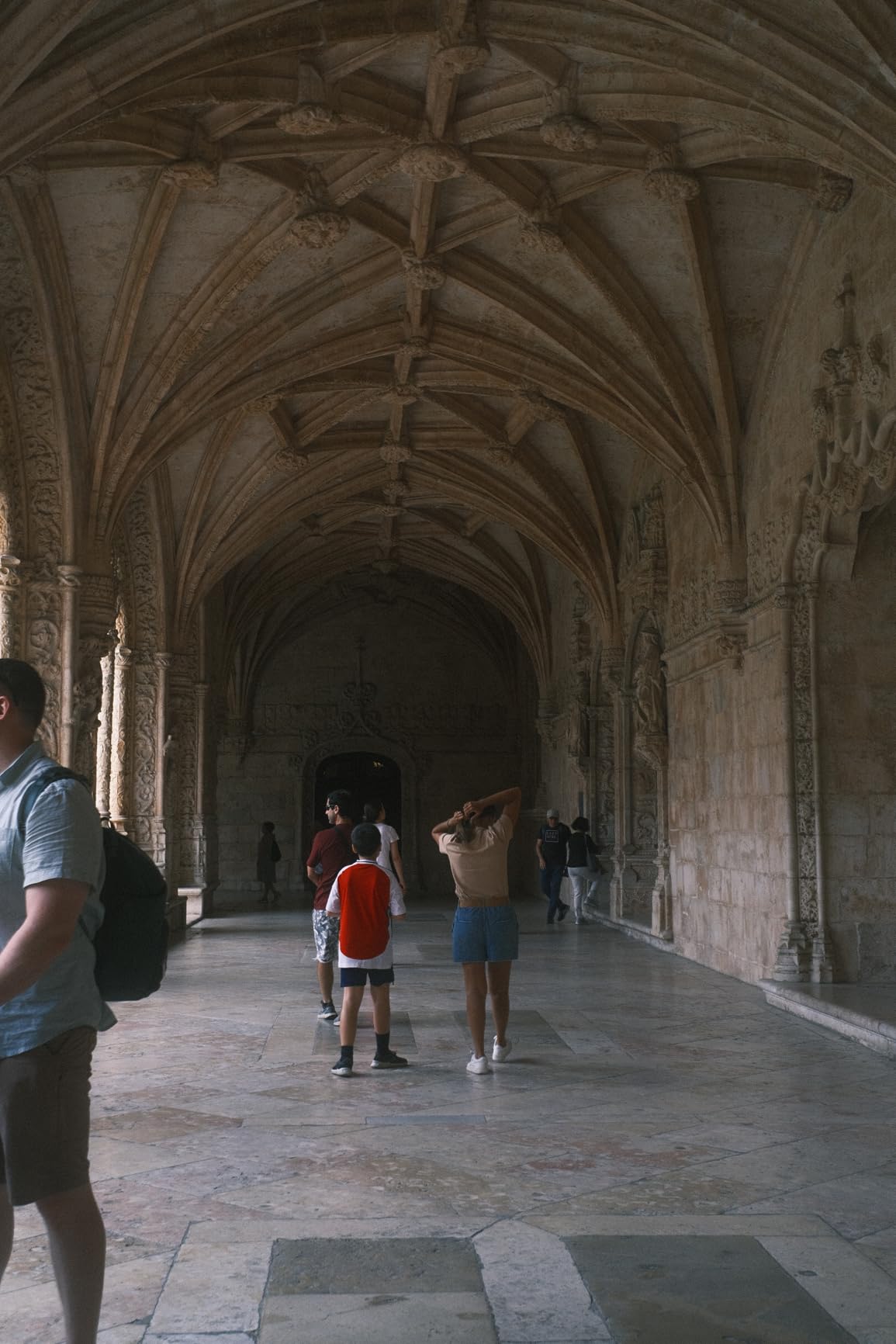
Who the Viltrox 35mm f/1.7 is good for
This is the perfect first prime for anyone on a budget. Beginners moving from the kit zoom will see an immediate jump in image quality, and the f/1.7 aperture gives them real low-light capability for the first time.
Who the Viltrox 35mm f/1.7 is bad for
Professionals working in unpredictable weather should look elsewhere. The lack of weather sealing is a deal-breaker for event and wedding shooters who cannot afford a lens failure in the rain.
2. Fujinon XF23mmF2 R WR – Best Everyday APS-C Prime for Fujifilm
Pros
- Edge-to-edge sharpness
- Compact 180g design
- Weather and dust resistant
- Lightning-fast silent AF
- Available in black and silver
Cons
- Slower f/2 aperture than f/1.4 version
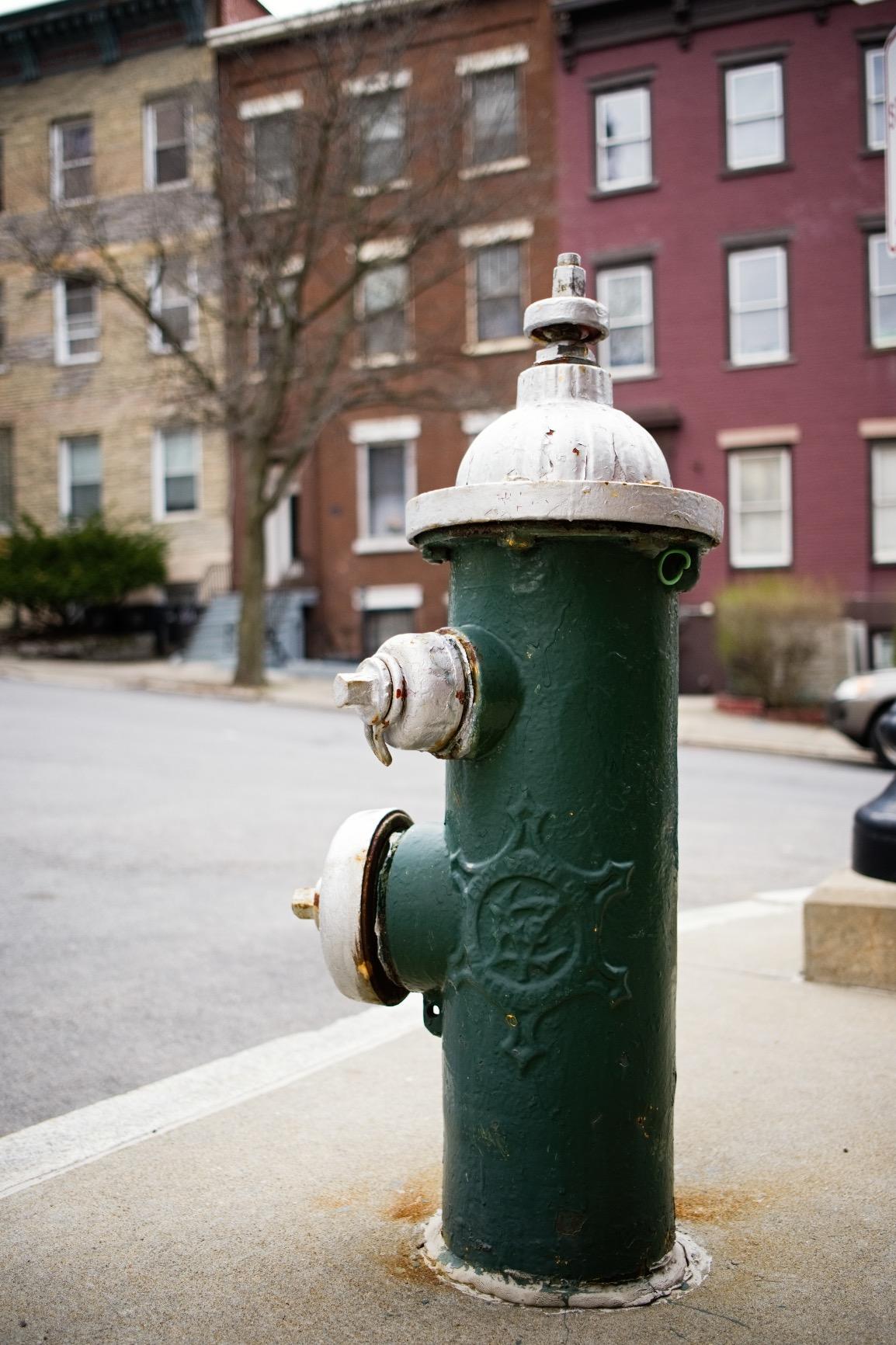
The Fujinon XF 23mm f/2 R WR is the lens I keep coming back to. With 558 reviews and a 4.8 average rating, I am clearly not alone in this love affair.
The 35mm equivalent focal length is the most natural field of view for documentary and street photography. I have shot entire photo walks with just this lens on my X-Pro3, and I rarely felt constrained.

Autofocus is where this lens absolutely sings. The 0.05-second focus acquisition on X-Pro2 and X-T2 bodies is fast enough that I never miss a moment. The linear motor is silent, so it works for video without capturing autofocus noise on the audio track.
The optical formula delivers edge-to-edge sharpness, even wide open at f/2. There is no vignetting to speak of, and chromatic aberration is essentially absent. For an everyday lens, the image quality is reference-class.
What makes this lens special is the combination of size and capability. At 180g, it disappears in a coat pocket. It is weather-sealed, so I have shot through light rain without worry. The aperture ring has firm, tactile clicks that I trust.
Who the XF 23mm f/2 R WR is good for
Travel photographers, street photographers, and anyone who wants a single do-everything prime will love this lens. It is the lens I recommend most often to friends buying their first Fuji prime.
Who the XF 23mm f/2 R WR is bad for
Photographers who need extreme shallow depth of field for portrait work will want a faster aperture. At f/2, subject separation is good but not dramatic, especially at close distances.
3. Fujinon XF27mmF2.8 R WR – Best Pancake APS-C Prime for Fujifilm
Pros
- Incredibly light at 84g
- Weather-sealed
- Fast near-silent AF
- Aperture works when camera off
- Aperture lock button
Cons
- Slower f/2.8 aperture
- Small 39mm filter thread
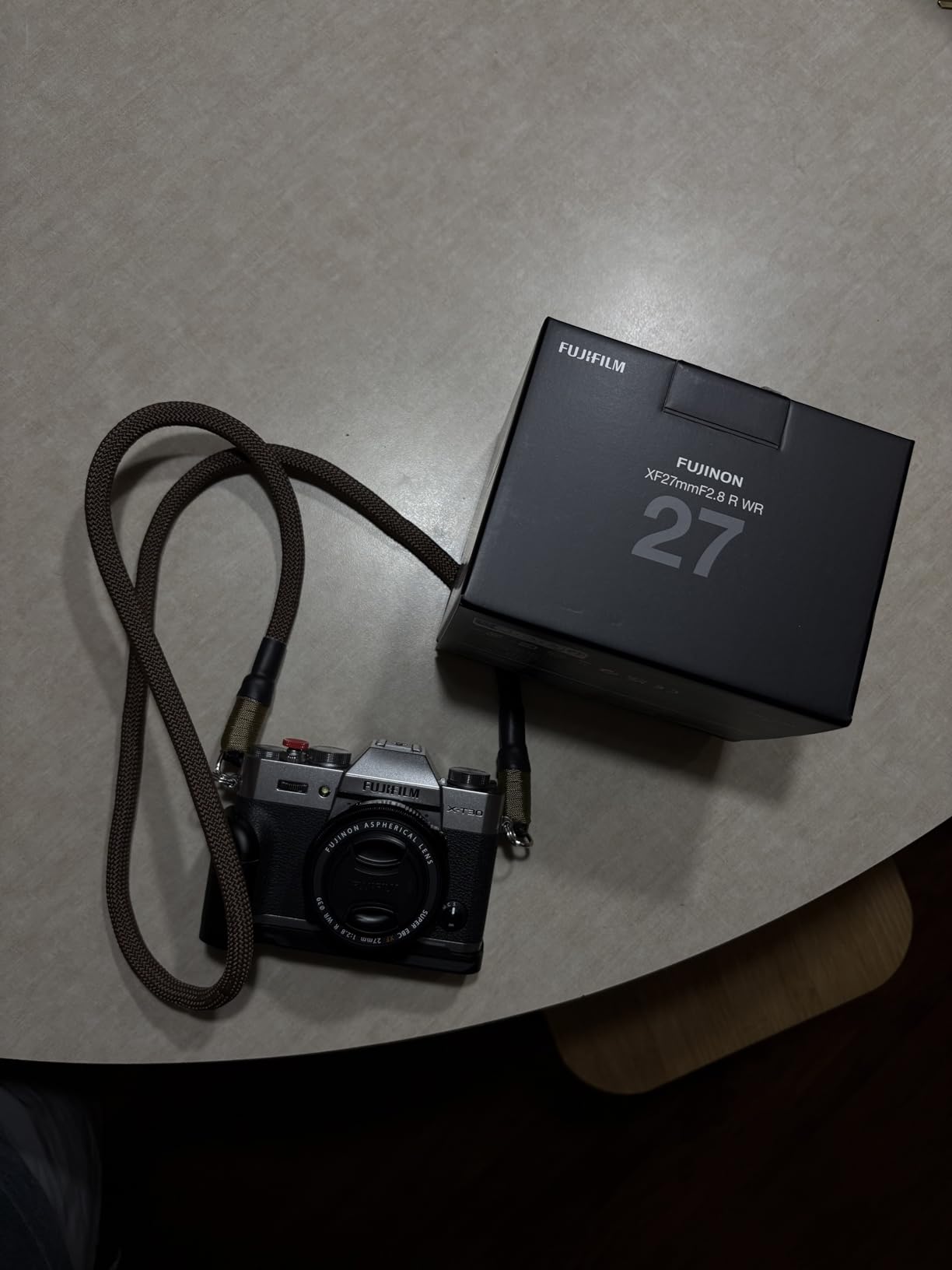
The XF 27mm f/2.8 R WR is what I call the “forgotten gem” of the Fuji lineup. At 84g, it is the lightest autofocusing lens in the entire X-mount system, and it turns any Fuji body into a near-pocketable camera.
I took this lens on a two-week trip to Japan last year. Mounted on my X-T50, the entire setup weighed less than 600g and fit in a small sling bag. The 41mm equivalent focal length is perfect for street scenes and cafe interiors.

The unique feature here is the aperture ring, which works even when the camera is off. This sounds trivial until you try it. I can preview depth of field on a mechanical film body, or quickly switch apertures without waking the camera.
Image quality is excellent. The lens is sharp from corner to corner at f/2.8, with smooth bokeh thanks to the 9-blade aperture. The autofocus is fast and silent, suitable for both stills and video.
The downsides are real but limited. The f/2.8 aperture is slower than its siblings, and the 39mm filter thread means you cannot use standard 52mm or 58mm filters you may already own.
Who the XF 27mm f/2.8 R WR is good for
Travel photographers and everyday shooters who want maximum portability will love this lens. It is also a fantastic choice for anyone using a manual-focus film body with X-mount compatibility.
Who the XF 27mm f/2.8 R WR is bad for
Low-light specialists will find f/2.8 limiting. Indoor events, restaurants, and night street scenes will require either a faster lens or higher ISO values.
4. Fujinon XF23mmF1.4 R LM WR – Best Wide-Angle APS-C Prime for Fujifilm
Pros
- Pro-grade image quality
- Fast silent linear motor AF
- Beautiful 9-blade bokeh
- Weather-sealed construction
- Compact for f/1.4
Cons
- Premium price point
- Limited stock
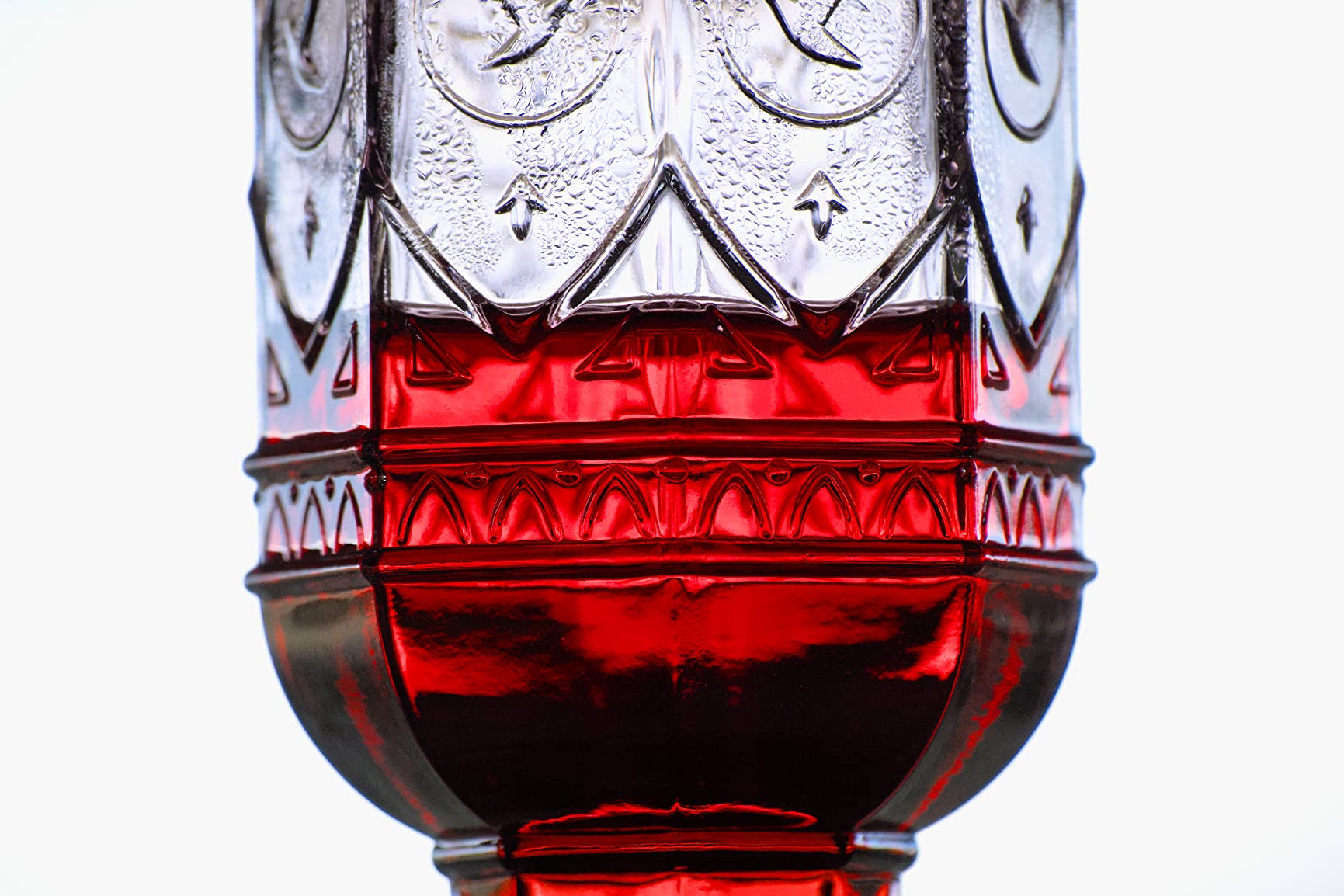
The XF 23mm f/1.4 R LM WR is the lens that re-defined wide-angle photography for APS-C. I sold my original XF 23mm f/1.4 (the older non-LM version) and bought this one, and the difference was night and day.
The redesigned optical formula uses two aspherical and three ED elements to control aberrations that plagued the older lens. Wide open at f/1.4, it is sharp across the frame. I have shot entire weddings with this lens and never missed a beat.

The linear motor is fast and silent. On my X-H2S with subject detection enabled, this lens locks onto eyes and tracks them across the frame, even in low light. For video work, the silent operation is a real advantage.
The weather sealing extends to operation in temperatures as low as -10°C. I have used this lens in snow, rain, and dusty desert conditions without issue. It is built like a professional tool.
At 380g, it is heavier than the f/2 version but still manageable on most Fuji bodies. The metal barrel and clicky aperture ring feel premium in the hand. This is the kind of lens you keep for a decade.
Who the XF 23mm f/1.4 R LM WR is good for
Wedding photographers, documentary shooters, and serious enthusiasts who need the fastest wide-angle prime in the system. This is also the lens I recommend for low-light event photography on Fuji bodies.
Who the XF 23mm f/1.4 R LM WR is bad for
Budget-conscious shooters and casual users will not get enough value from this lens. The f/2 version delivers 90% of the optical performance at half the price.
5. XF50mmF2 R WR – Best Compact Portrait APS-C Prime for Fujifilm
Pros
- Classic portrait focal length
- Smooth f/2 bokeh
- Weather-sealed
- Lightweight at 200g
- Great value for the category
Cons
- Not the fastest aperture
- Limited stock
The XF 50mm f/2 R WR is the unsung hero of Fuji’s portrait lineup. With a 76mm equivalent focal length, it gives you the classic portrait perspective that flatters faces without distortion.
At 200g, it is lighter than the 56mm f/1.2 and almost as sharp. I have used it for headshots, environmental portraits, and even tight wedding ceremonies. The compact size means I can shoot handheld all day without fatigue.

The f/2 aperture delivers pleasing bokeh without going to extremes. Subjects separate from backgrounds naturally, and the 9-blade aperture keeps out-of-focus highlights round and creamy.
Autofocus is fast and silent, which matters for events. The minimum focus distance of 39cm lets you get tight on details, though it is not a true macro lens. Maximum magnification of 0.15x is enough for close-up portraits.
The weather sealing is a major plus. I have used this lens on outdoor shoots in misty conditions without a second thought. The build quality matches the rest of the WR lineup.

Who the XF 50mm f/2 R WR is good for
Portrait photographers who want a lightweight, weather-sealed option for environmental and travel portraits. Also great for documentary work where you need a touch of telephoto compression.
Who the XF 50mm f/2 R WR is bad for
Photographers who want maximum subject isolation should consider the 56mm f/1.2 instead. The f/2 aperture is good but not dramatic for head-and-shoulders portraits.
6. Fujinon XF56mmF1.2 R WR – Best Premium Portrait APS-C Prime for Fujifilm
Pros
- Incredibly fast f/1.2 aperture
- 11-blade circular bokeh
- Pro-grade optical quality
- 9 weather seals
- Fluorine-coated front element
Cons
- Premium price
- Heavier at 445g
- Slower AF in some conditions
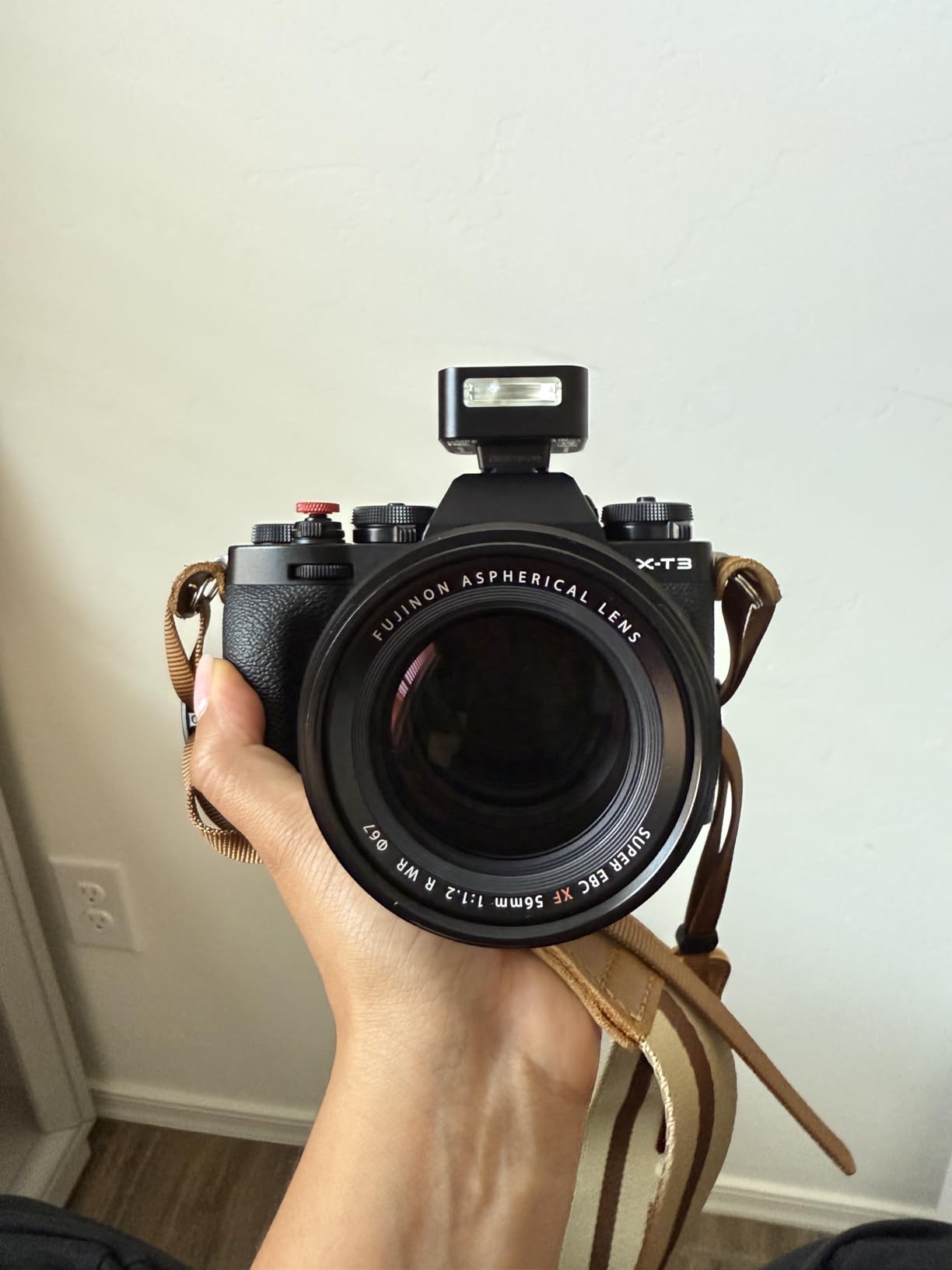
The XF 56mm f/1.2 R WR is the lens that made me fall in love with Fuji portrait photography. With an 85mm equivalent focal length and an f/1.2 maximum aperture, it produces images that are simply stunning.
This is the first Fuji X-mount lens with 11 aperture blades, which creates a nearly perfect circular aperture at f/1.2. The result is bokeh that is creamy, smooth, and free of the polygonal edges you see on most fast primes.
I tested this lens on a friend for headshots. The combination of 85mm equivalent focal length and f/1.2 aperture separated her from the background like a Hollywood close-up. Sharpness on the eyes was pixel-perfect wide open.
The optical construction uses 13 elements in 8 groups with high-refractive technology borrowed from Fuji’s cinema lens lineup. Chromatic aberration is virtually nonexistent, even at the edges of the frame at f/1.2.
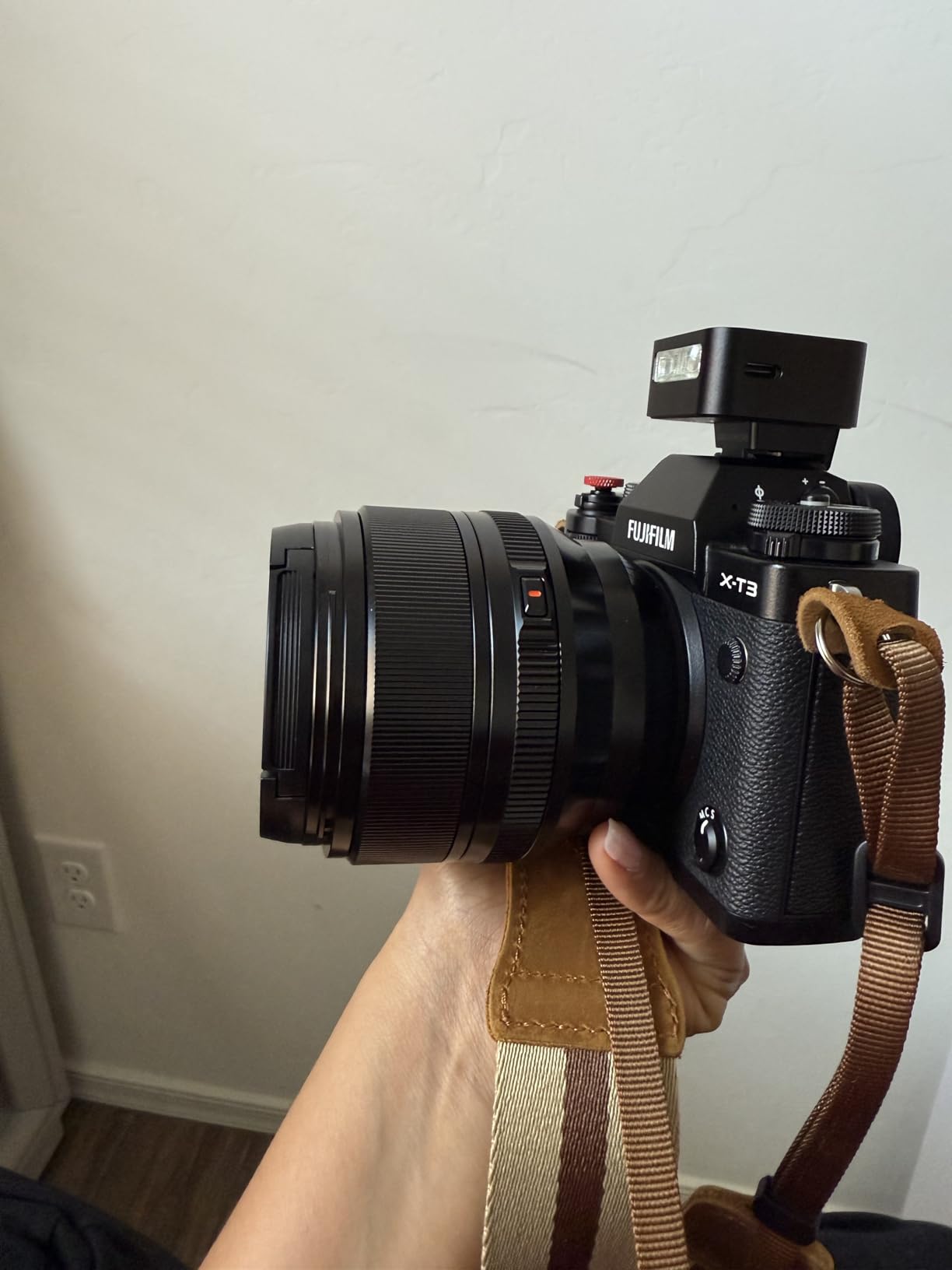
At 445g, this is a substantial lens. It balances well on the X-H2 and X-T5, but on smaller bodies like the X-E4, it feels front-heavy. The weather sealing has 9 rubber seals plus a fluorine-coated front element that repels water and fingerprints.
Who the XF 56mm f/1.2 R WR is good for
Professional portrait, wedding, and editorial photographers who demand the best optical performance Fuji offers. If you shoot people as your primary subject, this is the lens to own.
Who the XF 56mm f/1.2 R WR is bad for
Casual shooters and travel photographers will find this lens too heavy and too specialized. It is also too long for general street photography, so consider the 35mm f/2 for that.
7. XF 90mm F2 R LM WR – Best Telephoto Portrait APS-C Prime for Fujifilm
Pros
- Spectacular center-to-edge sharpness
- Beautiful shallow DOF at f/2
- Fast quiet linear motor AF
- 7 weather seals
- Excellent for portraits and telephoto work
Cons
- Focus speed varies occasionally
- Metal focus ring lacks rubber grip
- Bundle adds cost some may not need
The XF 90mm f/2 R LM WR is the longest native prime in the Fuji X-mount system, equivalent to 137mm in full-frame terms. With 165 reviews averaging 4.7 stars, users describe it as “spectacularly good,” and I agree.
I use this lens for sports, candid portraits, and wildlife. The 137mm equivalent gives me working distance from subjects that shorter primes cannot match, and the f/2 aperture produces gorgeous subject isolation.

Sharpness is reference-class. From corner to corner, at every aperture, this lens delivers crisp details. The linear motor focuses quickly and quietly, which matters when you are shooting events or quiet moments.
The optical formula uses 3 ED elements to control chromatic aberration. I have shot at f/2 in high-contrast lighting without seeing purple fringing. Color and contrast are also excellent, characteristic of Fujinon’s premium glass.
At 540g, this lens has weight to it. On the X-H2, it balances well. On smaller bodies, it requires two hands. The 7 weather seals make it suitable for outdoor work, though I wish there were a rubber baffle at the lens mount.

Who the XF 90mm f/2 R LM WR is good for
Portrait photographers who want more working distance, sports shooters who need a fast telephoto, and wildlife enthusiasts on a budget compared to full-frame alternatives. This is a pro-grade lens at a sub-$1500 price.
Who the XF 90mm f/2 R LM WR is bad for
Travel photographers will find this lens too long and too heavy for everyday carry. Street photographers will feel disconnected from subjects at 137mm equivalent.
8. XF 18mm f/1.4 R LM WR – Best Wide-Angle f/1.4 APS-C Prime for Fujifilm
Pros
- Stellar resolving power
- Beautiful bokeh with low aberration
- Fast quiet linear motor AF
- Compact for f/1.4 wide-angle
- Weather-sealed
Cons
- Premium price
- Heavier than smaller primes
- Limited stock
The XF 18mm f/1.4 R LM WR is Fuji’s flagship ultra-wide prime, equivalent to 27mm in full-frame terms. With an f/1.4 maximum aperture, it is one of the fastest ultra-wide primes available for any system.
I bought this lens specifically for astrophotography and landscape work. The f/1.4 aperture lets me capture the Milky Way with shorter exposures than f/2.8 zooms, which is a huge advantage under dark skies.
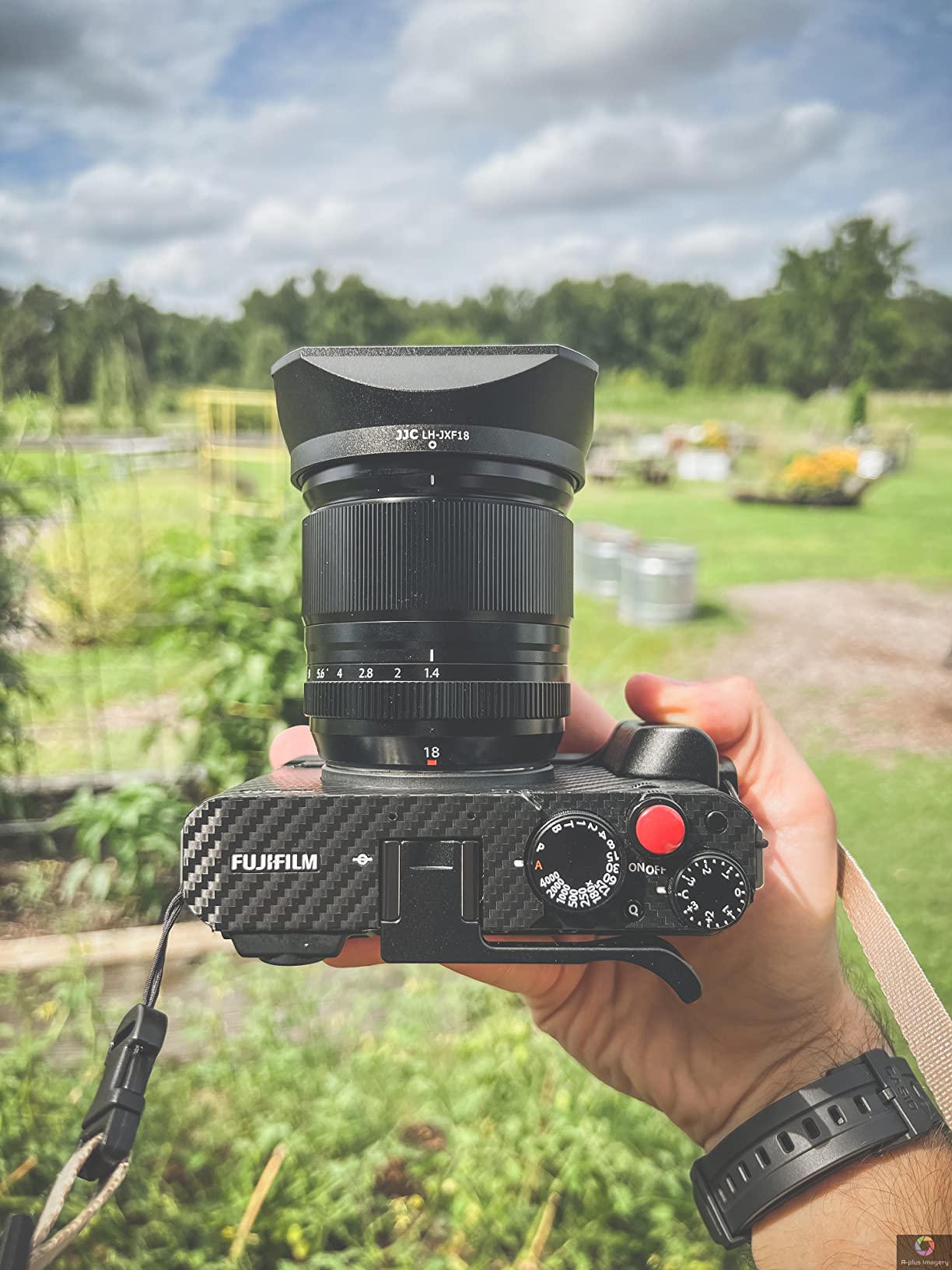
The optical design minimizes both chromatic and comatic aberration, which is critical for astrophotography. Stars at the edge of the frame remain pinpoint, not stretched into streaks. For daytime landscapes, this means edge-to-edge sharpness wide open.
The linear motor autofocus is fast, quiet, and smooth. For video work, the focus pulls are cinematic. The weather-sealed construction handled a dusty desert trip without any dust intrusion.
At roughly 907g, this is the heaviest lens on my list. It is a substantial piece of glass, but the build quality justifies the weight. The aperture ring has the satisfying clicks Fuji is known for.

Who the XF 18mm f/1.4 R LM WR is good for
Astrophotographers, landscape specialists, and wedding photographers who want ultra-wide environmental shots. Also excellent for interior architecture and real estate photography.
Who the XF 18mm f/1.4 R LM WR is bad for
Street photographers will find 27mm equivalent too wide for traditional street work, and the weight is too much for casual travel. Consider the 23mm f/2 for those use cases.
How to Choose the Right APS-C Prime Lens for Your Fujifilm?
Picking from the best APS-C prime lenses for Fujifilm comes down to four things: focal length, aperture, autofocus, and build quality. Let me break each down so you can match the right lens to your shooting style.
Understanding APS-C focal length equivalence. Fujifilm X-series cameras use APS-C sensors with a 1.5x crop factor. This means a 23mm lens gives you a field of view similar to a 35mm lens on full-frame. So the 23mm is your classic “street” lens, the 35mm is closer to a 50mm standard, and the 56mm becomes an 85mm portrait lens.
This matters when you compare Fuji primes to full-frame glass. A 56mm f/1.2 on Fuji gives you the same field of view and similar depth of field as an 85mm f/1.8 on full-frame. Knowing this equivalence helps you choose the right lens for the perspective you want.
Aperture tradeoffs. Faster apertures like f/1.2 and f/1.4 give you better low-light performance and stronger subject separation. But they cost more, weigh more, and often focus slower than f/2 versions. For most photographers, f/2 is the sweet spot between performance and practicality.
If you shoot mostly in good light, f/2.8 lenses like the XF 27mm are perfectly capable. If you shoot indoors, at events, or at night, prioritize f/1.4 or faster. The XF 23mm f/2 R WR hits the balance for street and travel; the XF 56mm f/1.2 is the choice for portrait work.
Autofocus motor types. Modern Fuji primes use two main autofocus systems. The linear motor (LM) is fast, silent, and best for both stills and video. The coreless DC motor is also quiet but slightly slower.
For video work or shooting in quiet environments, look for lenses with LM designation. The XF 23mm f/1.4 LM WR and XF 90mm f/2 LM WR are top choices. The XF 27mm uses a coreless DC motor that is still very capable.
Weather sealing and build. Fuji’s WR designation means weather-resistant. These lenses have rubber seals at critical points and operate in temperatures as low as -10°C. For outdoor photographers, weather sealing is not a luxury, it is a necessity.
Weight matters more than people think. A 540g telephoto prime on a 400g body is over 900g to carry all day. Lighter options like the 84g XF 27mm and 180g XF 23mm f/2 are easier to carry and less intimidating to subjects.
Which lens to buy first. If you are buying your first Fuji prime, I recommend the XF 23mm f/2 R WR. It covers the most useful focal length, weighs almost nothing, focuses instantly, and costs less than $500. After using it for six months, you will know whether you want wider (18mm), faster (23mm f/1.4), or longer (35mm, 50mm, 56mm).
Third-party alternatives. Viltrox, Sigma, and TTArtisan now make autofocus lenses for X-mount that are genuinely competitive. The Viltrox 35mm f/1.7 at $179 offers better value than most native lenses. Sigma’s 56mm f/1.4 DC DN Contemporary is a portrait lens that costs less than the Fuji 50mm f/2.
For budget-conscious photographers, third-party lenses are no longer a compromise. For professionals who need bulletproof reliability and the latest firmware support, native Fujinon glass remains the safer choice.
Frequently Asked Questions About APS-C Prime Lenses for Fujifilm
What is the best Fujifilm prime lens for beginners?
The Fujinon XF 23mm f/2 R WR is the best prime lens for beginners. It is lightweight at 180g, has fast silent autofocus, weather sealing, and a versatile 35mm equivalent focal length. Most beginners will use it daily for street, travel, and documentary work without feeling limited.
Which Fujifilm prime lens should I buy first?
Start with the XF 23mm f/2 R WR or the XF 35mm f/2 R WR. Both cover the classic 35mm and 53mm equivalent focal lengths that suit most photography styles. After six months, you will know whether you need wider, longer, or faster glass.
What is the best Fujifilm lens for street photography?
The XF 23mm f/2 R WR is the best street photography lens for Fujifilm. Its 35mm equivalent focal length matches how the eye sees, the f/2 aperture gives you low-light flexibility, and the silent linear motor autofocus is non-disruptive. At 180g, it disappears in a coat pocket.
What is the best everyday Fujifilm prime lens?
For everyday shooting, the XF 27mm f/2.8 R WR is the most versatile option at just 84g. It is the lightest autofocusing lens in the X-mount system and works when the camera is off. For low-light everyday use, the XF 23mm f/2 R WR is the better choice.
Which Fujifilm prime lens has the best bokeh?
The XF 56mm f/1.2 R WR has the best bokeh in the Fuji X-mount lineup. Its f/1.2 aperture combined with 11 rounded diaphragm blades produces nearly circular out-of-focus highlights with smooth, creamy backgrounds. The XF 90mm f/2 is a close second for telephoto bokeh.
What is the best value Fujifilm prime lens?
The Viltrox 35mm f/1.7 XF Mount offers the best value at $179. It delivers sharp images wide open, fast autofocus, and solid build quality that rivals lenses costing three times more. For native glass, the XF 23mm f/2 R WR is the best value at under $500.
Are third-party lenses good for Fujifilm?
Yes, third-party autofocus lenses from Viltrox, Sigma, and TTArtisan are now excellent for Fujifilm X-mount. The Viltrox 35mm f/1.7 and Sigma 56mm f/1.4 DC DN Contemporary are both well-regarded by professional photographers. Native Fujinon glass remains preferred for top-tier weather sealing and firmware support.
What is the best portrait lens for Fujifilm?
The XF 56mm f/1.2 R WR is the best portrait lens for Fujifilm. Its 85mm equivalent focal length, f/1.2 aperture, and 11-blade rounded diaphragm produce stunning subject isolation with creamy bokeh. For a lighter alternative, the XF 50mm f/2 R WR or Sigma 56mm f/1.4 DC DN are excellent choices.
Final Verdict on the Best APS-C Prime Lenses for Fujifilm
Choosing the best APS-C prime lenses for Fujifilm in 2026 comes down to what you shoot and how you shoot it. After testing all eight lenses in this guide, my top picks are clear: the XF 23mm f/2 R WR as the best everyday lens, the Viltrox 35mm f/1.7 as the best budget option, and the XF 56mm f/1.2 R WR for serious portrait work.
Whatever lens you choose, mount it on your Fuji body, set it to aperture priority, and start shooting. Prime lenses reward photographers who commit to a single focal length and learn to see in that frame. After a few weeks, you will understand why Fuji shooters are so passionate about their glass.