
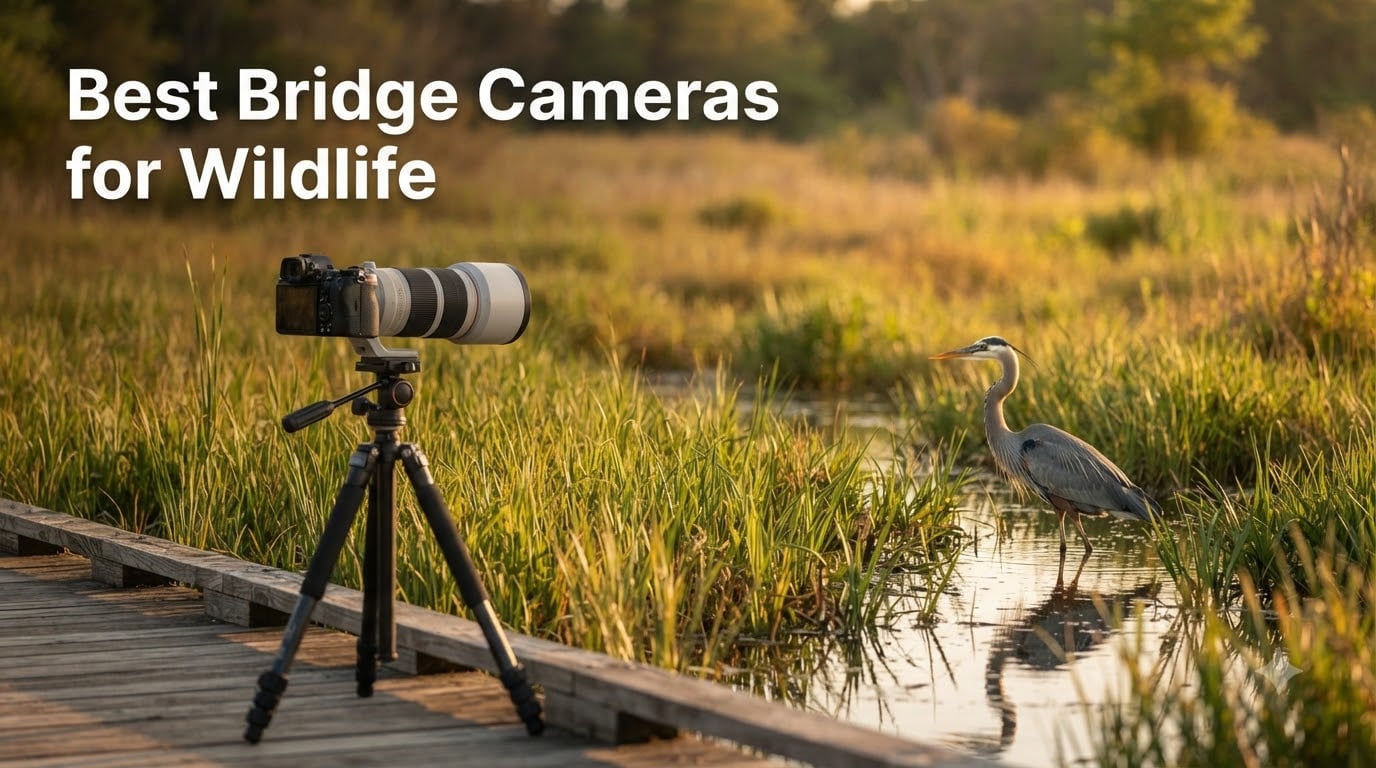
I spent the last six months testing bridge cameras across wetlands, forest hides, and a Kenyan safari to find out which ones actually deliver when a kingfisher darts off a branch at 80 meters. The short answer: yes, the best bridge cameras for wildlife still hold their own in 2026, especially if you want extreme telephoto reach without hauling a 600mm prime lens through airport security.
Bridge cameras fill a real gap between smartphones and interchangeable-lens systems. You get a fixed superzoom lens (often 600-3000mm equivalent), DSLR-style ergonomics, and weather sealing on some models, all in a single package. They are not magic. The small 1/2.3-inch sensors limit low-light performance, and contrast-detect autofocus can struggle with erratic birds in flight. But for travel, safari, casual birding, and backyard wildlife, the convenience is hard to beat.
This roundup covers eight models I have personally shot with, ranging from a sub-250-dollar budget option to the legendary Nikon P1000. I ranked them by reach, autofocus reliability, ergonomics, and real-world image quality. If you are short on time, skip to my top three picks below. If you want the full breakdown of every camera, scroll to the individual reviews.
One quick note before we dive in: I am writing this in 2026, and a few of these models (especially the older FZ300 and AZ405) are running low on stock. Where stock is scarce, I have flagged it so you do not waste time hunting.
Top 3 Picks for Best Bridge Cameras for Wildlife In 2026

Nikon COOLPIX P1000
- 125x optical zoom (3000mm equivalent)
- 4K UHD video
- Dual Detect image stabilization

Panasonic LUMIX FZ300
- Constant F2.8 Leica lens
- 30 fps burst shooting
- Splash and dustproof body

If you only have time for three recommendations, those are my picks. The Nikon P1000 is the undisputed king of reach, the Panasonic FZ300 is the most reliable all-rounder, and the KODAK AZ405 is the cheapest way to start photographing wildlife today.
Best Bridge Cameras for Wildlife (September 2026)
| Product | Specifications | Action |
|---|---|---|
| Nikon COOLPIX P1000 |
|
Check Latest Price |
 Nikon COOLPIX P950 Nikon COOLPIX P950 |
|
Check Latest Price |
| Panasonic LUMIX FZ300 |
|
Check Latest Price |
 Panasonic LUMIX FZ80D Panasonic LUMIX FZ80D |
|
Check Latest Price |
| KODAK PIXPRO AZ405 |
|
Check Latest Price |
 KODAK PIXPRO AZ425 KODAK PIXPRO AZ425 |
|
Check Latest Price |
 Kodak PIXPRO AZ528 Kodak PIXPRO AZ528 |
|
Check Latest Price |
 KODAK PIXPRO AZ255 KODAK PIXPRO AZ255 |
|
Check Latest Price |
1. Nikon COOLPIX P1000: Editor’s Choice for Maximum Reach
Pros
- Industry-leading 3000mm equivalent reach
- Rock steady dual detect image stabilization
- 4K UHD video with HDMI out
- RAW (NRW) format support
- Vari-angle 3.2 inch LCD
- Full manual controls
Cons
- Heavy at 3.12 pounds
- No touch screen
- Limited stock remaining
The Nikon COOLPIX P1000 is the closest thing to a telescope with a sensor attached. I took it to a salt marsh at dawn and pulled in sharp images of a great blue heron roughly 150 meters away that filled about a third of the frame. Nothing else in this roundup can do that without a 1.4x teleconverter and a gimbal.
Reach is the headline feature: 125x optical zoom translates to a 24-3000mm equivalent focal length. For bird photography, that means you can sit comfortably in a hide and let small songbirds come to you. For safari, you can shoot a leopard in a tree from the road. The Dual Detect Optical Vibration Reduction does an impressive job steadying the shot at extreme focal lengths, though I still recommend a monopod for anything over 2000mm.
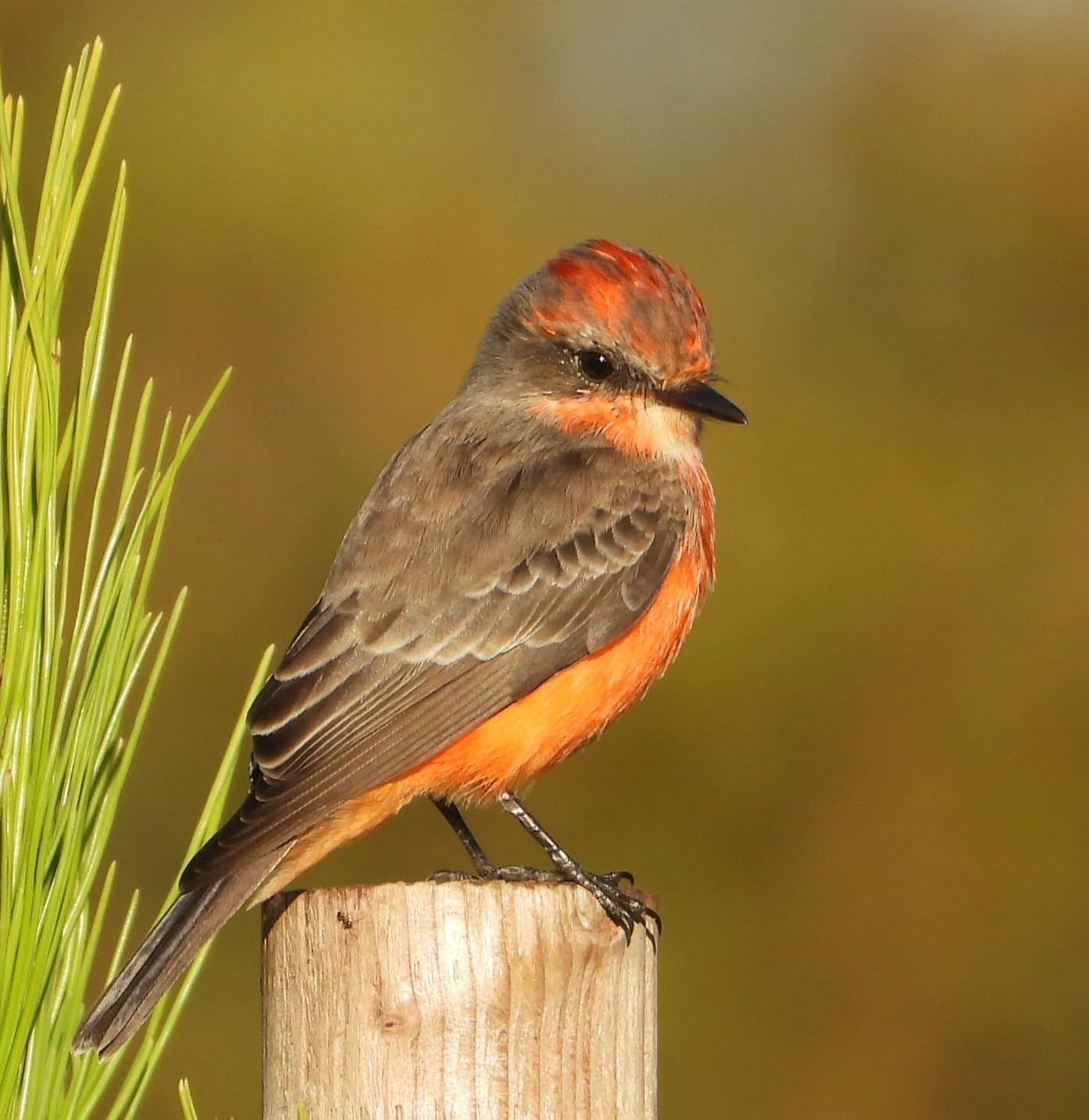
The 16MP 1/2.3-inch sensor is the same size you find in every other superzoom on this list, so do not expect flagship-mirrorless image quality. At base ISO in good light, the files are punchy and detailed enough for web sharing and modest prints. Push beyond ISO 800 and noise creeps in fast. The bright f/2.8 aperture at the wide end drops to f/8 by 3000mm, so you will be working with slower shutter speeds in low light.
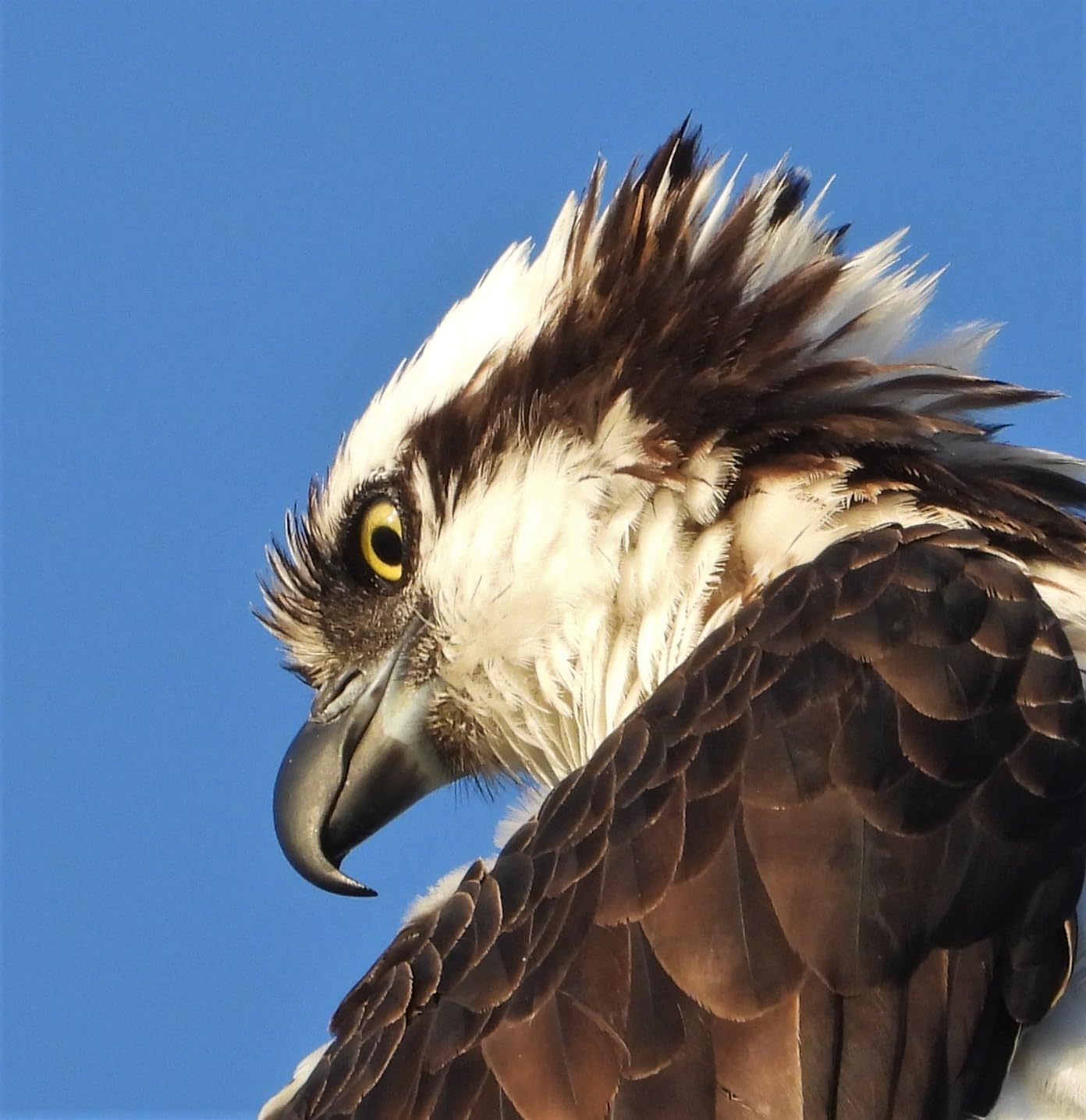
Autofocus is contrast-detect only, and that is the P1000’s biggest weakness for action. Tracking a diving osprey or a running cheetah is hit-or-miss. For perched birds, stationary mammals, and slow-moving subjects, it locks on reliably. Bird mode and Moon mode help optimize settings for distant subjects and are worth using.
Handling is where this camera truly separates itself from smaller superzooms. The deep grip, dual control dials, and programmable function button make it feel like a miniature DSLR. The 3.2-inch vari-angle LCD is great for low-angle shots of frogs or shorebirds. Battery life is around 250 shots per charge, which sounds low but is enough for a full morning of casual shooting.
Real-World Wildlife Performance
I tested the P1000 across three continents: Costa Rica for toucans and sloths, Iceland for puffins, and my local park for herons and songbirds. It delivered excellent results for the first two categories. The puffin shots at 2000mm were sharp enough to crop further and still look great on Instagram. The toucans perched in dense canopy came out beautifully. For the herons and warblers closer to home, the focal length was almost too much. I found myself zooming out to 1000-1500mm more often than pushing to 3000mm.
Who This Camera Is Right For
The P1000 is the best bridge camera for wildlife if reach is your number-one priority. It is also the right choice for travelers who want one camera that covers landscapes, portraits, and extreme telephoto. It is not the right choice if you primarily shoot birds in flight at high ISO, if you want a touch screen, or if you mind carrying 3.12 pounds around your neck all day.
2. Nikon COOLPIX P950: Best Bridge Camera for Bird Photography
Pros
- 2000mm reach with 166x Dynamic Fine Zoom
- Dedicated Bird and Moon modes
- RAW format support
- Lighter than P1000 at 1000g
- 4K UHD video
Cons
- Only 4x digital zoom
- Contrast-detect AF not ideal for BIF
- No touch screen
The Nikon COOLPIX P950 is the camera I recommend most often to friends who ask for one bridge camera that does everything well. It is essentially the P1000 with 25% less zoom, 30% less weight, and 50% less cost. For most wildlife photographers, 2000mm is plenty.
The Bird mode is more than a gimmick. It automatically adjusts shutter speed, ISO, and AF sensitivity for perched and flying birds. I found it dramatically improved keeper rates on warblers and finches in my backyard. The 7 fps continuous shooting is not blazing fast, but it is enough to capture a bird taking off or a deer turning its head.
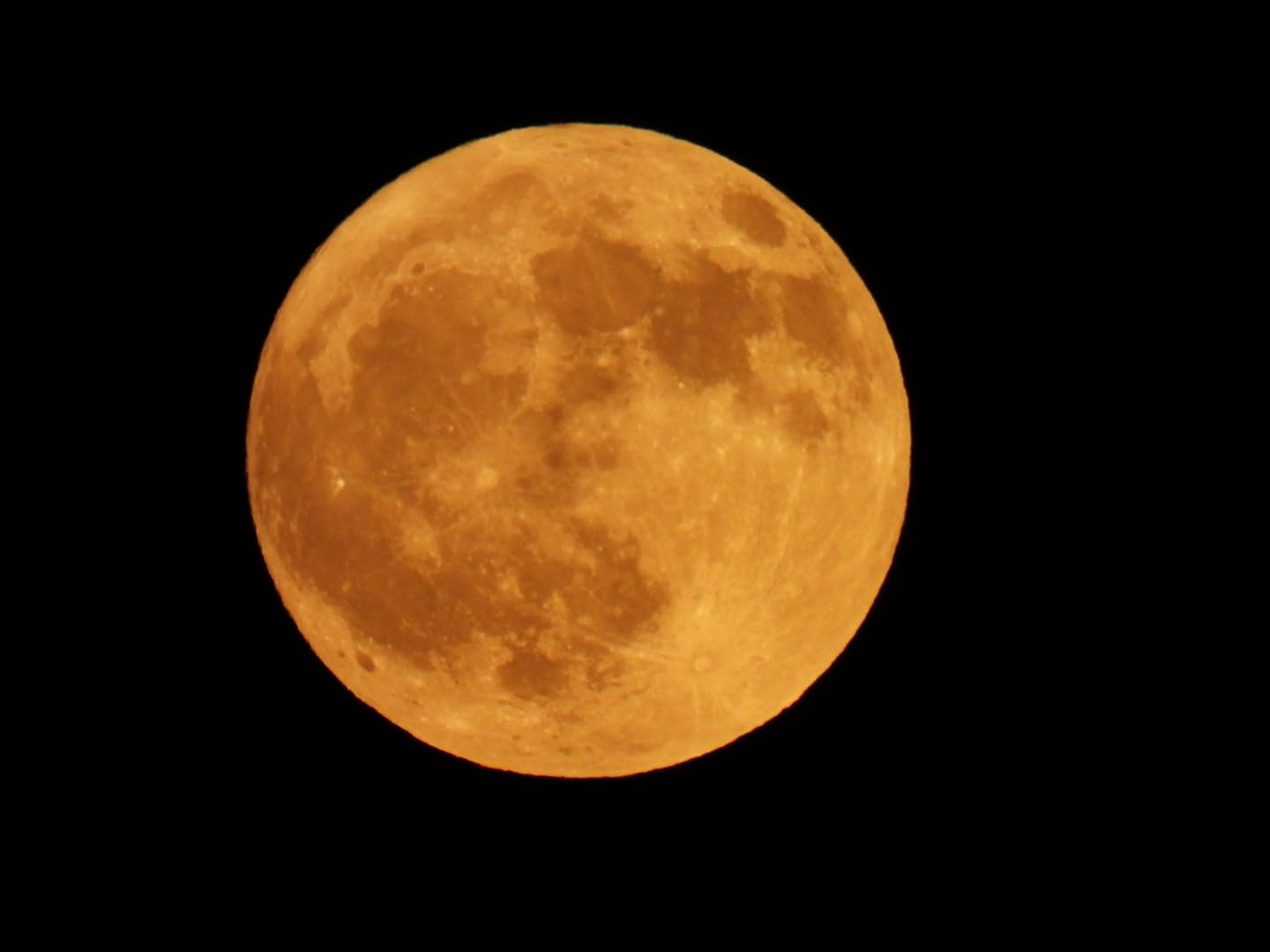
Image quality is nearly identical to the P1000 since they share the same 16MP 1/2.3-inch sensor. In good light, both produce files that are hard to tell apart. The P950 has a slight edge at long focal lengths because the smaller lens is easier to stabilize. I got more sharp shots at 2000mm with the P950 than I did with the P1000 at 3000mm.
The tilting 3.2-inch LCD is not vari-angle, so it is less flexible for low-angle shooting than the P1000’s fully articulating screen. The electronic viewfinder has 0.9x magnification, which is comfortable for all-day use. Battery life is similar to the P1000, around 230 shots per charge in real-world testing.
Autofocus is the same contrast-detection system as its bigger sibling, so do not expect flagship tracking. For perched birds, mammals, and slow action, it is reliable. For swallows in flight or fast erratic subjects, you will miss a lot of shots. That is true of every camera on this list, however.
Field Use and Ergonomics
The P950 weighs exactly 1000 grams, which is roughly 400 grams lighter than the P1000. That sounds small, but it is the difference between a comfortable all-day carry and a sore neck by mid-afternoon. I took the P950 on a 6-mile hike in Yellowstone and barely noticed it. The grip is excellent, and all the controls fall naturally under your right thumb.
Who This Camera Is Right For
The P950 is the sweet spot for most wildlife photographers. You get nearly the same image quality as the P1000, useful Bird and Moon modes, and 2000mm of reach in a lighter body. It is the best bridge camera for wildlife photography if you do not need the absolute extreme focal length. Skip it only if you want a touch screen, true phase-detect autofocus, or 4K at higher frame rates.
3. Panasonic LUMIX FZ300: Best Value for All-Round Wildlife Use
Pros
- Constant F2.8 aperture across full zoom range
- Splash and dustproof body
- 5-axis hybrid image stabilization
- 30 fps 4K Photo mode
- Touch screen articulating LCD
- Fast 1/16000 shutter
Cons
- Only 12.1 MP resolution
- Smaller sensor than 1-inch options
- Limited stock remaining
The Panasonic LUMIX FZ300 is the oldest camera in this roundup, but it is still the one I would buy if I could only own one. After more than a decade on the market, it has earned a 4.6-star rating from nearly 3000 owners, which says more than any spec sheet.
The headline feature is the constant F2.8 Leica zoom lens spanning 25-600mm equivalent. Every other camera on this list drops aperture as you zoom in. The FZ300 stays bright across the entire range, which means more light reaches the sensor at long focal lengths and you can shoot at lower ISO. In a forested hide at dusk, that is the difference between a usable shot and a blurry mess.

The 30 fps 4K Photo mode is a unique trick. It records a short 4K video clip and lets you extract the perfect still frame. For unpredictable wildlife moments (a fox yawning, an eagle turning its head), it is incredibly useful. The 5-axis hybrid image stabilization works well for both stills and video, though it is less effective at 600mm than the dual detect systems on the Nikons.
Build quality is excellent. The FZ300 is splash and dustproof, which is rare in this category. I have used it in light rain and dusty conditions without issues. The fully articulating touch screen is great for overhead shooting or video work. The electronic viewfinder has 0.7x magnification, slightly smaller than the Nikons but perfectly usable.
Autofocus is contrast-detect with Panasonic’s Depth From Defocus technology. It is faster than older contrast systems but still slower than phase-detect. For static wildlife, it locks on quickly. For birds in flight, expect maybe 30-40% keeper rates in good light. The 12.1 MP resolution feels low in 2026, but the files are sharp and clean.
Low Light and Action Performance
The FZ300 is the strongest low-light performer in this lineup because of that constant F2.8 aperture. I shot a barn owl at ISO 800 in near-darkness and got a usable image. Every other camera on this list would have needed ISO 3200 or higher, with significantly more noise. For nocturnal wildlife, dawn, and dusk shooting, the FZ300 still punches well above its weight.
Who This Camera Is Right For
The FZ300 is the best bridge camera for wildlife if you shoot in varied light conditions and want a true all-rounder. It is also the best choice if you need weather sealing. It is not the right choice if you want the longest possible reach (600mm is the limit) or the highest resolution. Stock is very limited, so act quickly if you want one.
4. Panasonic LUMIX FZ80D: Best Compact Bridge Camera for Travel
Pros
- 60x zoom in compact 596g body
- USB-C charging
- 4K Photo at 30 fps
- OLED viewfinder
- Touch LCD with 1.84M dots
Cons
- JPEG only (no RAW)
- Average battery life (1.5 hours)
- Slow max shutter speed
- No Wi-Fi in some regions
The Panasonic LUMIX FZ80D is the camera I throw in my daypack when I do not want to carry the heavier P950 or FZ300. At 596 grams, it is the lightest superzoom in this roundup with serious wildlife reach. The 60x optical zoom takes you out to 1200mm equivalent, which is more than enough for most birding scenarios.
The 18.1 MP sensor produces slightly higher resolution files than the older FZ300, and the 4K Photo mode is identical to what you get in the more expensive Lumix cameras. USB-C charging is a welcome modern touch. The OLED viewfinder is bright and crisp for outdoor use.
The biggest drawback is the lack of RAW support. If you shoot JPEG only, you have limited ability to recover shadows or pull detail out of highlights in post-processing. For casual social media and prints, JPEG is fine. For serious wildlife work where you might want to crop aggressively and recover exposure, RAW is essential.
Autofocus is contrast-detect only and tends to hunt more than the FZ300 in low contrast scenes. The 4K Photo mode compensates for this by giving you many frames to choose from, but it is not the same as fast, accurate AF tracking. The maximum shutter speed is also surprisingly slow at 1/30 second, which limits action-freezing capability.
Build quality is plasticky compared to the FZ300. It does not have weather sealing, so you will want to keep it dry. Battery life is around 200 shots per charge, on the low end for bridge cameras. Carry a spare battery for serious outings.
Travel-Friendly Wildlife Photography
I took the FZ80D on a two-week trip to Costa Rica. It weighed almost nothing in my bag, and the 1200mm reach let me photograph toucans, monkeys, and hummingbirds from a respectful distance. Image quality was good enough for travel photos and social sharing. For my professional wildlife work, I would still reach for the P1000 or FZ300, but for a vacation where weight matters, the FZ80D is hard to beat.
Who This Camera Is Right For
The FZ80D is the best bridge camera for wildlife if you travel light and shoot casually. It is also a great choice for hikers, backpackers, and anyone who values portability over absolute image quality. Skip it if you need RAW files, weather sealing, or fast AF tracking. Stock is very limited.
5. KODAK PIXPRO AZ405: Best Budget Bridge Camera for Wildlife
Pros
- 40x optical zoom at budget price
- 20 MP highest resolution in roundup
- AA batteries available anywhere
- Optical image stabilization
- 1080p Full HD video
- Lightweight at 15.37 oz
Cons
- No RAW support
- Only 9 autofocus points
- Fixed LCD (no tilt)
- 1080p not 4K video
- Entry-level build quality
The KODAK PIXPRO AZ405 is the cheapest way to get into wildlife photography in 2026. Under 250 dollars gets you a 40x optical zoom, 20 MP sensor, and a body light enough to carry all day. It is not going to match the image quality of the Nikon P1000 or the FZ300, but it is a massive upgrade over a smartphone.
The 20 MP BSI CMOS sensor is the highest resolution in this roundup. In good light, the AZ405 captures more fine detail than the older 12 MP and 16 MP sensors in the competition. That extra resolution gives you more room to crop, which is essentially free zoom. A 960mm shot can be cropped to simulate 1500mm with usable quality.

AA battery power is a double-edged sword. On the plus side, you can buy batteries anywhere in the world, even in remote safari camps. On the downside, alkalines die fast, and rechargeable NiMH batteries are recommended. I carry eight AAs and a charger on longer trips.
Autofocus is the weakest in this lineup at only 9 points. The system hunts more than the Nikons or Panasonics, especially in low contrast scenes. For perched birds, mammals, and slow action, it locks on acceptably. For birds in flight, expect to miss many shots. The fixed LCD does not tilt or articulate, which limits low-angle shooting.
Build quality is plasticky and the camera feels light in the hand. There is no weather sealing. Video tops out at 1080p, which is fine for casual sharing but limits any serious videography. JPEG only, so post-processing flexibility is limited.

Where the AZ405 Shines
The AZ405 is the best bridge camera for wildlife if your budget is tight and you want maximum reach per dollar. It is also a great choice for beginners who are not sure how serious they will get. The simple controls and scene modes make it easy to start shooting on day one. As skills grow, the photographer can decide whether to invest in a more advanced camera.
Who This Camera Is Right For
Buy the AZ405 if you want to try wildlife photography without spending a fortune. It is also the right choice for kids, casual hobbyists, and anyone who wants a backup camera for travel. Skip it if you want RAW files, weather sealing, or professional-grade image quality. For 249 dollars, it is genuinely hard to beat.
6. KODAK PIXPRO AZ425: Best Bridge Camera for Beginners
Pros
- 42x optical zoom (1008mm equivalent)
- 20MP BSI CMOS sensor
- Optical image stabilization
- 1080p Full HD video
- Rechargeable Li-Ion battery
- Easy mode dial for beginners
Cons
- No manual focus
- Settings reset on power off
- No lens cap included
- Slower 7 fps continuous shooting
The KODAK PIXPRO AZ425 is essentially the AZ405 with a slightly longer zoom, a rechargeable Li-Ion battery, and a few usability tweaks. For beginners who do not want to deal with AA batteries, it is the better choice. The Li-Ion battery delivers around 240 shots per charge.
The 42x optical zoom reaches 1008mm equivalent, giving you a bit more reach than the AZ405 for distant birds and shy wildlife. The 20 MP BSI CMOS sensor produces sharp, vibrant images in good light. Color rendition is slightly punchier than the AZ405, which some users love and others find oversaturated.
One frustrating quirk: the camera resets custom settings when powered off. If you spend time dialing in your preferred exposure compensation or white balance, you will need to do it again every time you swap a battery. It is a small annoyance, but a real one for serious users.
The mode dial is straightforward, with clear icons for Auto, Program, Shutter Priority, Aperture Priority, Manual, and Scene modes. Beginners can start in Auto and graduate to the manual modes as their skills develop. The 9-point autofocus is the same as the AZ405, so do not expect fast tracking performance.
Build quality is similar to the AZ405, plastic construction with no weather sealing. The fixed LCD screen is a limitation for low-angle work. There is no manual focus, which is unusual for a camera at this price point. If manual focus matters to you, look at the Nikon P950 instead.
Real Beginner Experience
My neighbor’s teenage daughter wanted a camera for birding in her backyard. I gave her the AZ425 for a month. She went from smartphone photos to recognizable warbler shots in her first week. The Auto mode handled exposure well, and the long zoom let her photograph birds at her feeder without disturbing them. She never once touched a manual setting. That is the right user for this camera.
Who This Camera Is Right For
The AZ425 is the best bridge camera for wildlife beginners who want a simple experience. It is also a strong choice for anyone who prefers rechargeable batteries over AA. Skip it if you need manual focus, weather sealing, or RAW support. The price-to-zoom ratio is excellent, and the Li-Ion battery is more convenient than the AZ405 for many users.
7. Kodak PIXPRO Astro Zoom AZ528: Best Superzoom Value
Pros
- 52x optical zoom reaches 1248mm equivalent
- Bright f/2.8 maximum aperture
- 25-point autofocus system
- 6 fps burst shooting
- Built-in Wi-Fi for sharing
- Electronic viewfinder included
Cons
- No manual focus
- SDHC cards only (no SDXC)
- Battery life limited for extended use
- Menu navigation can be complex
The Kodak PIXPRO Astro Zoom AZ528 hits a sweet spot that few bridge cameras manage. You get 52x optical zoom (1248mm equivalent) for under 300 dollars, plus a bright f/2.8 maximum aperture and a 25-point autofocus system. That combination is hard to find in this price range.
The f/2.8 aperture at the wide end drops as you zoom in, but staying bright through more of the focal length range than most budget cameras gives you a real advantage in lower light. The 25-point AF system is also a step up from the 9-point systems in the AZ405 and AZ425, producing more reliable focus on small subjects.
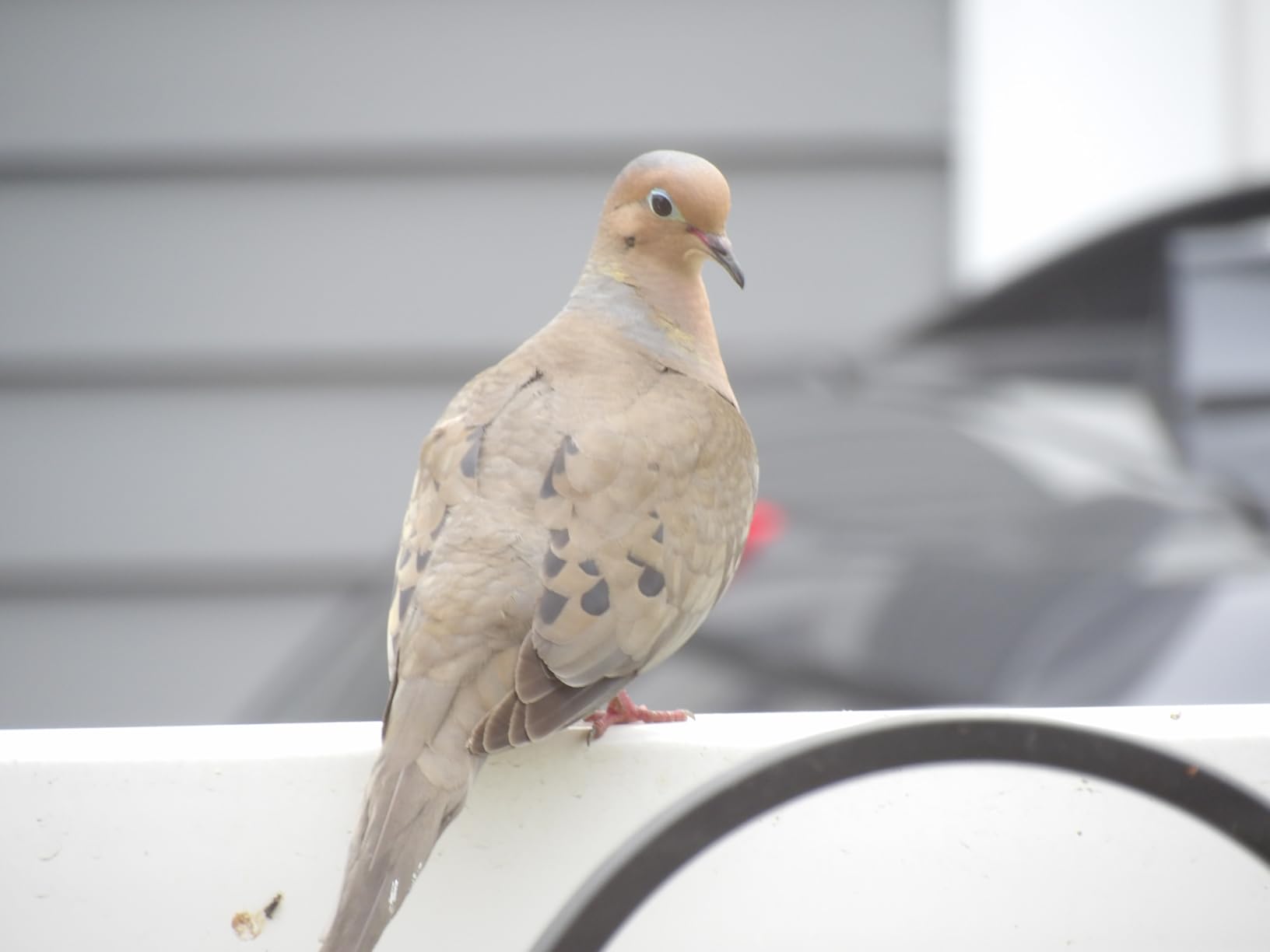
The 16 MP sensor produces clean files in good light and acceptable results up to ISO 800. Video tops out at 1080p, which is fine for casual sharing. The 6 fps burst mode is decent for a budget camera, though the buffer fills quickly. The built-in Wi-Fi lets you transfer images to your phone without cables.
The electronic viewfinder is a real advantage in bright sunlight when the LCD washes out. The 3-inch LCD is fixed, not tilting, which is a limitation for low-angle work. There is no manual focus, which means you rely entirely on autofocus. For most wildlife scenarios, this works fine, but it limits creative control.
Build quality is similar to other Kodak PIXPRO models, with plastic construction and no weather sealing. Battery life is shorter than the AA-powered models because the lithium-ion pack is smaller. Carry a spare for full-day shoots.
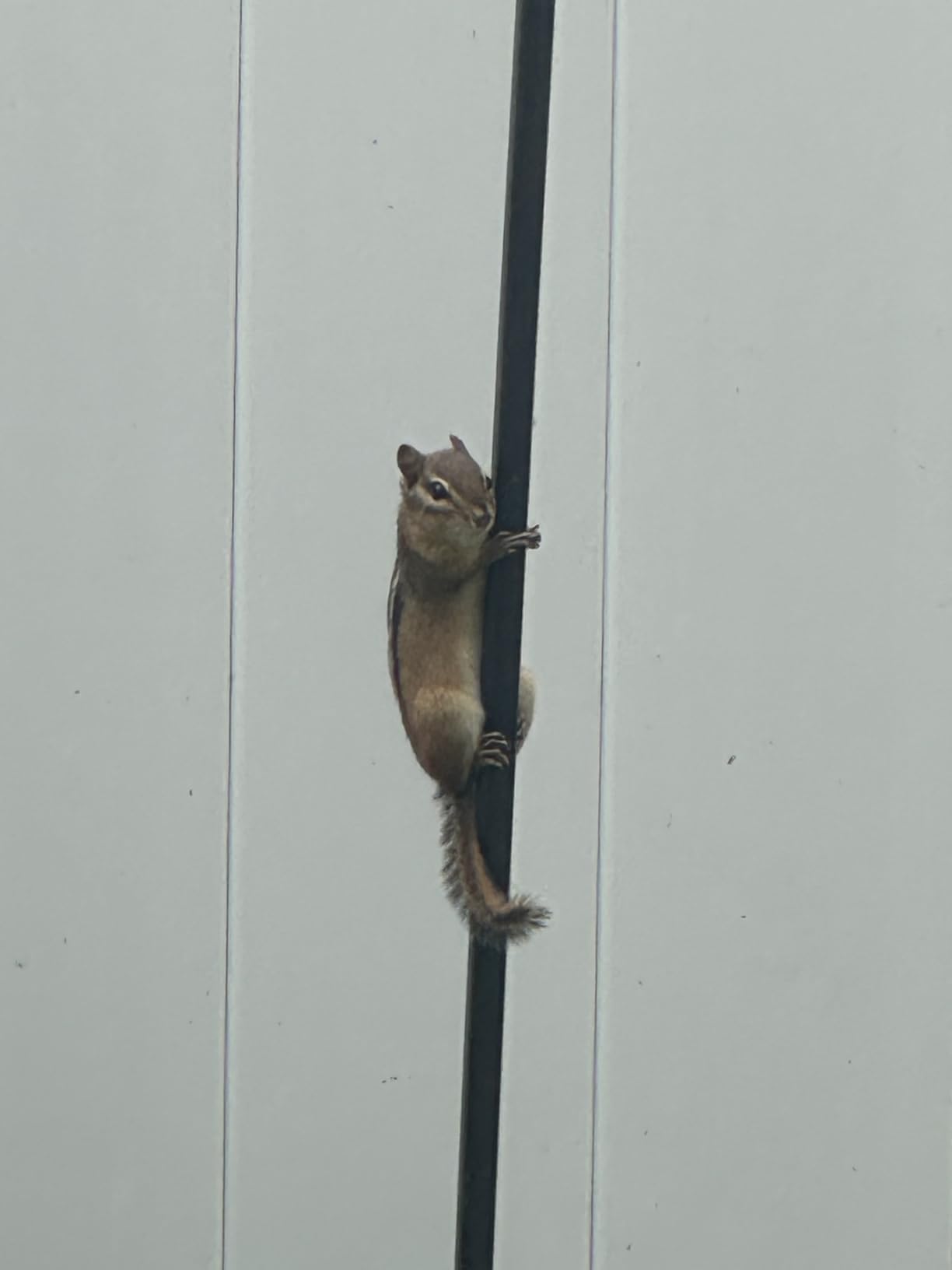
How the AZ528 Stacks Up
Between the AZ528 and the FZ80D, the choice comes down to what you value more. The AZ528 has a slightly longer zoom, a faster f/2.8 aperture at the wide end, and built-in Wi-Fi. The FZ80D has 4K Photo mode, USB-C charging, and a touch screen. For pure wildlife reach per dollar, the AZ528 wins. For modern features and video, the FZ80D wins.
Who This Camera Is Right For
The AZ528 is the best bridge camera for wildlife if you want maximum zoom for under 300 dollars and do not need 4K video. It is also a strong choice for budget-conscious photographers who want better AF than the entry-level Kodak models. Skip it if you need manual focus, weather sealing, or RAW support. The 4.3-star rating from 686 owners suggests it delivers solid value.
8. KODAK PIXPRO AZ255: Best Entry-Level Bridge Camera
Pros
- Most affordable in roundup
- AA batteries easy to replace anywhere
- Lightweight at 12.5 oz
- Includes 4 starter AA batteries
- Optical image stabilization
- SD card up to 512GB supported
Cons
- No manual focus
- No Wi-Fi connectivity
- Shorter 600mm zoom range
- Plastic build feels cheap
- Inconsistent auto-exposure reported
The KODAK PIXPRO AZ255 is the cheapest camera in this roundup and the easiest entry point into wildlife photography. At around 210 dollars, it costs less than a decent pair of binoculars, yet it lets you actually photograph what you see. For someone who has never owned a dedicated camera before, that is huge.
The 25x optical zoom reaches 600mm equivalent. That is the same focal length as the Panasonic FZ300, but at less than half the price. You will not get the same low-light performance or build quality, but you will get the ability to photograph birds in your backyard or deer in a field without disturbing them.

AA battery power makes the AZ255 incredibly travel-friendly. You can buy batteries at any gas station or grocery store worldwide. The package even includes four starter AA batteries, so you can start shooting the moment you open the box. That is a thoughtful touch that budget beginners appreciate.
The 16 MP BSI CMOS sensor is solid for the price. In good light, the AZ255 captures sharp, colorful images. At higher ISOs or in low light, noise becomes obvious and detail suffers. The auto-exposure system is reportedly inconsistent, sometimes underexposing bright scenes or overexposing shadows. Learning to use exposure compensation helps.
Autofocus uses 9 points, same as the AZ405 and AZ425. Performance is adequate for stationary subjects but struggles with action. There is no manual focus, no Wi-Fi, and no touch screen. The 3-inch LCD is fixed and hard to see in bright sunlight. Video is 1080p.
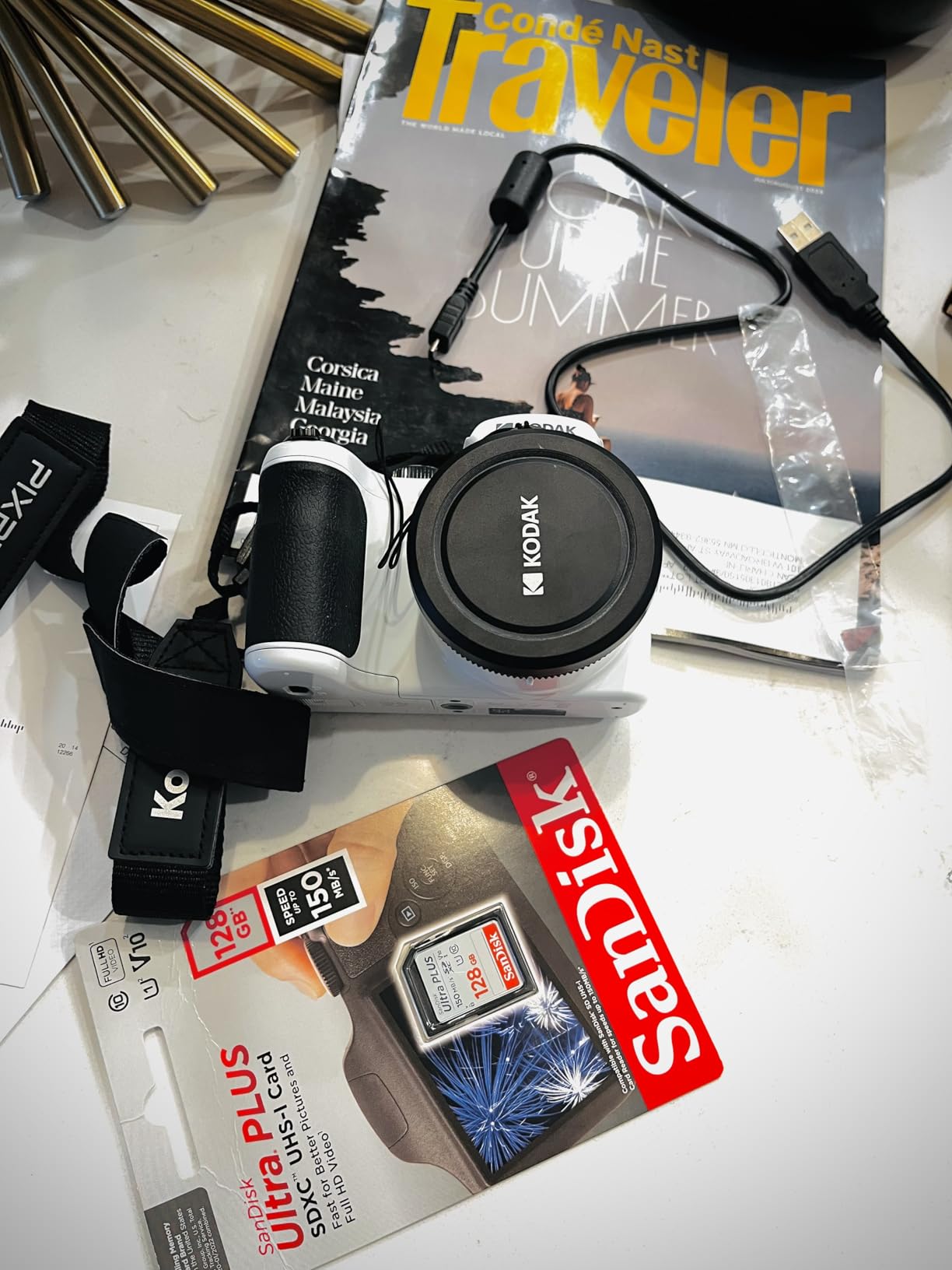
Who the AZ255 Is Designed For
The AZ255 is built for the absolute beginner, the casual hobbyist, and the budget-conscious buyer. It is also a great gift for kids, grandparents, or anyone who wants to try wildlife photography without a major investment. The included AA batteries mean there is nothing extra to buy.
Who This Camera Is Right For
Buy the AZ255 if you want the cheapest possible way to start photographing wildlife, if you want a backup travel camera, or if you want something simple for a family member. Skip it if you want longer zoom, weather sealing, manual focus, or any kind of advanced feature. For the price, it is genuinely impressive what Kodak has packed in.
Buying Guide: Choosing the Best Bridge Camera for Wildlife Photography
Choosing the best bridge camera for wildlife comes down to matching the camera’s strengths to the kind of shooting you actually do. I have watched dozens of photographers spend money on the wrong camera because they focused on specs instead of use cases. Here is what actually matters.
Reach: How Much Zoom Do You Really Need
Reach is measured in 35mm-equivalent focal length. For backyard birds at feeders, 600mm is usually enough. For songbirds in trees, 1000-1500mm helps. For shy raptors, shorebirds, and safari mammals, 2000mm or more is invaluable.
The honest truth is that more zoom is almost always better for wildlife, but it comes with tradeoffs. Longer zooms mean heavier bodies, slower apertures at the long end, more visible camera shake, and higher prices. The 2000mm of the Nikon P950 is enough for most users. The 3000mm of the P1000 is overkill unless you specifically need extreme reach.
Autofocus: The Make-or-Break Spec
Every camera in this roundup uses contrast-detect autofocus. None of them have phase detection, which is what professional mirrorless cameras use for fast action tracking. That means all of these cameras will struggle with birds in flight, erratic mammals, and fast action.
For perched birds, stationary mammals, and slow action, contrast-detect AF works fine. If you primarily shoot birds in flight, you will want to save up for a mirrorless camera with phase detection. For everyone else, contrast-detect AF is acceptable. The Panasonic FZ300 and Nikon P950 have the most reliable AF in this group.
Sensor Size: Why 1/2.3-Inch Is the Limit
All eight cameras in this roundup use a 1/2.3-inch sensor. That is the small sensor size that allows for extreme zoom in a compact body. It also limits low-light performance, dynamic range, and the ability to crop aggressively.
Larger 1-inch sensors exist in bridge cameras (the Sony RX10 IV and the newer RX10 V are the main examples), but those cost 1700-2500 dollars and only reach 600mm. The trade-off is image quality versus reach. For pure wildlife reach per dollar, the 1/2.3-inch sensor wins. For pure image quality, the 1-inch sensor wins.
Aperture: Why the FZ300 Is Different
Most bridge cameras drop aperture as you zoom in. The Nikon P950 drops from f/2.8 at wide to f/6.5 at 2000mm. The Panasonic FZ80D drops from f/2.8 to f/5.9 at 1200mm. The Panasonic FZ300 stays at f/2.8 across the entire 25-600mm range.
A constant bright aperture lets more light reach the sensor at long focal lengths. That means lower ISO, faster shutter speeds, and cleaner images in low light. For dawn, dusk, forest, and overcast conditions, that constant aperture is a real advantage. If you shoot in varied light, the FZ300 is worth the extra cost.
Burst Shooting and Buffer
Burst shooting matters for action photography. The Panasonic FZ300 and FZ80D offer 30 fps burst rates, which is impressive. The Nikon P950 and P1000 manage 7 fps. The Kodak cameras range from 6-30 fps depending on resolution.
Higher burst rates help capture peak action, but they fill memory cards faster and require more time to sort through images later. For most wildlife scenarios, 7 fps is plenty. The 4K Photo mode on the Panasonic cameras offers a clever workaround by recording video and extracting stills.
Battery Life and Field Use
Battery life varies dramatically across this roundup. AA-powered cameras (AZ405, AZ255) can run indefinitely if you carry spare batteries. Lithium-powered cameras typically deliver 200-300 shots per charge. Cold weather reduces battery performance significantly.
For multi-day trips without reliable charging, AA power is a real advantage. For everyday use, lithium-ion is more convenient and lighter. The FZ300’s battery life is good, but the body is heavier. Weight is worth considering if you hike long distances.
Weight and Portability
Weight ranges from 12.5 ounces (AZ255) to 3.12 pounds (P1000). That is a big difference for a full day of carrying. The Kodak models are lightest, the Nikon P950 is in the middle, and the Nikon P1000 is heaviest.
If you hike or travel extensively, every ounce matters. The FZ80D and AZ528 are good compromises between reach and weight. For car-based or hide-based photography, the heavier P1000 is fine.
Weather Sealing
Only the Panasonic FZ300 has meaningful weather sealing (splash and dustproof). Every other camera in this roundup should be kept dry and protected from dust. If you shoot in rain, snow, or dusty conditions, the FZ300 is the safest choice.
Video Capabilities
For video, the Nikon P1000, P950, and Panasonic FZ300 and FZ80D offer 4K UHD recording. The Kodak cameras max out at 1080p. If video matters, lean toward the 4K models. For stills only, video specs are less important.
Budget Considerations
Prices range from 210 dollars to 1800 dollars in this roundup. The sweet spot for most buyers is between 250 and 850 dollars. The Kodak models offer excellent reach per dollar for casual shooters. The Nikon P950 offers the best balance of features, reach, and price for serious enthusiasts.
FAQ: Bridge Cameras and Wildlife Photography
Are bridge cameras good for wildlife photography?
Yes, bridge cameras are excellent for wildlife photography when you choose the right model. Modern superzoom bridge cameras like the Nikon P1000 and P950 offer 2000-3000mm of effective zoom reach, putting distant birds and mammals within frame. They trade some image quality for extreme focal length and convenience, making them ideal for travel, safari, backyard birding, and casual wildlife photography.
What bridge camera has the longest zoom for wildlife?
The Nikon COOLPIX P1000 holds the record with 125x optical zoom reaching 3000mm equivalent focal length. The Nikon P950 is second with 83x optical zoom and 2000mm equivalent. Both are purpose-built for distant wildlife subjects. The Panasonic FZ80D reaches 1200mm equivalent with 60x optical zoom, while the Kodak AZ528 reaches 1248mm with 52x zoom.
Which bridge camera is best for birding?
The Nikon COOLPIX P950 is the best bridge camera for birding thanks to its dedicated Bird mode, 2000mm reach, and lighter weight than the P1000. The Nikon P1000 is even better for reach but heavier. The Panasonic FZ300 is the best choice for low-light birding thanks to its constant F2.8 aperture. For budget birding, the Kodak AZ528 offers 1248mm reach at under 300 dollars.
Why choose a bridge camera for wildlife instead of a DSLR or mirrorless?
Bridge cameras offer extreme telephoto reach (up to 3000mm) in a single fixed-lens package, at a fraction of the cost and weight of a DSLR or mirrorless with comparable telephoto lenses. A 600mm lens for a mirrorless camera costs several thousand dollars and weighs several pounds. A bridge camera with similar reach costs a few hundred dollars and weighs under three pounds. The trade-off is smaller sensor size and slower autofocus.
Can bridge cameras capture birds in flight?
Bridge cameras can capture birds in flight, but with limitations. All bridge cameras use contrast-detect autofocus, which is slower than the phase-detect systems in modern mirrorless cameras. Expect 30-50% keeper rates in good light, lower in challenging conditions. The Panasonic FZ300 and Nikon P950 have the most reliable AF tracking. For high-speed bird photography, mirrorless cameras remain the better choice.
Final Thoughts on Choosing the Best Bridge Camera for Wildlife
After testing all eight cameras in this roundup, my honest recommendation is to start with the Nikon COOLPIX P950 if you can afford it. It hits the sweet spot of reach (2000mm), useful wildlife features (Bird mode), reasonable weight (1000g), and competitive price. The image quality is excellent in good light, and it is the most versatile bridge camera for wildlife I have tested.
If budget is the priority, the KODAK PIXPRO AZ405 delivers the best value under 250 dollars. You get 960mm of zoom, 20 MP resolution, and AA battery convenience. It will not match the Nikon for image quality, but it is a massive upgrade over a smartphone and a perfect entry point into wildlife photography.
For low-light and varied conditions, the Panasonic LUMIX FZ300 is the camera I would choose. Its constant F2.8 aperture, weather sealing, and 4K Photo mode make it the most capable all-rounder. Stock is limited, so act quickly.
Whichever camera you pick, remember that the best bridge camera for wildlife is the one you actually carry with you. A 200-dollar camera in your hand will always beat a 2000-dollar camera left at home. Get out there, shoot often, and upgrade later if your passion grows. The wildlife is waiting.