
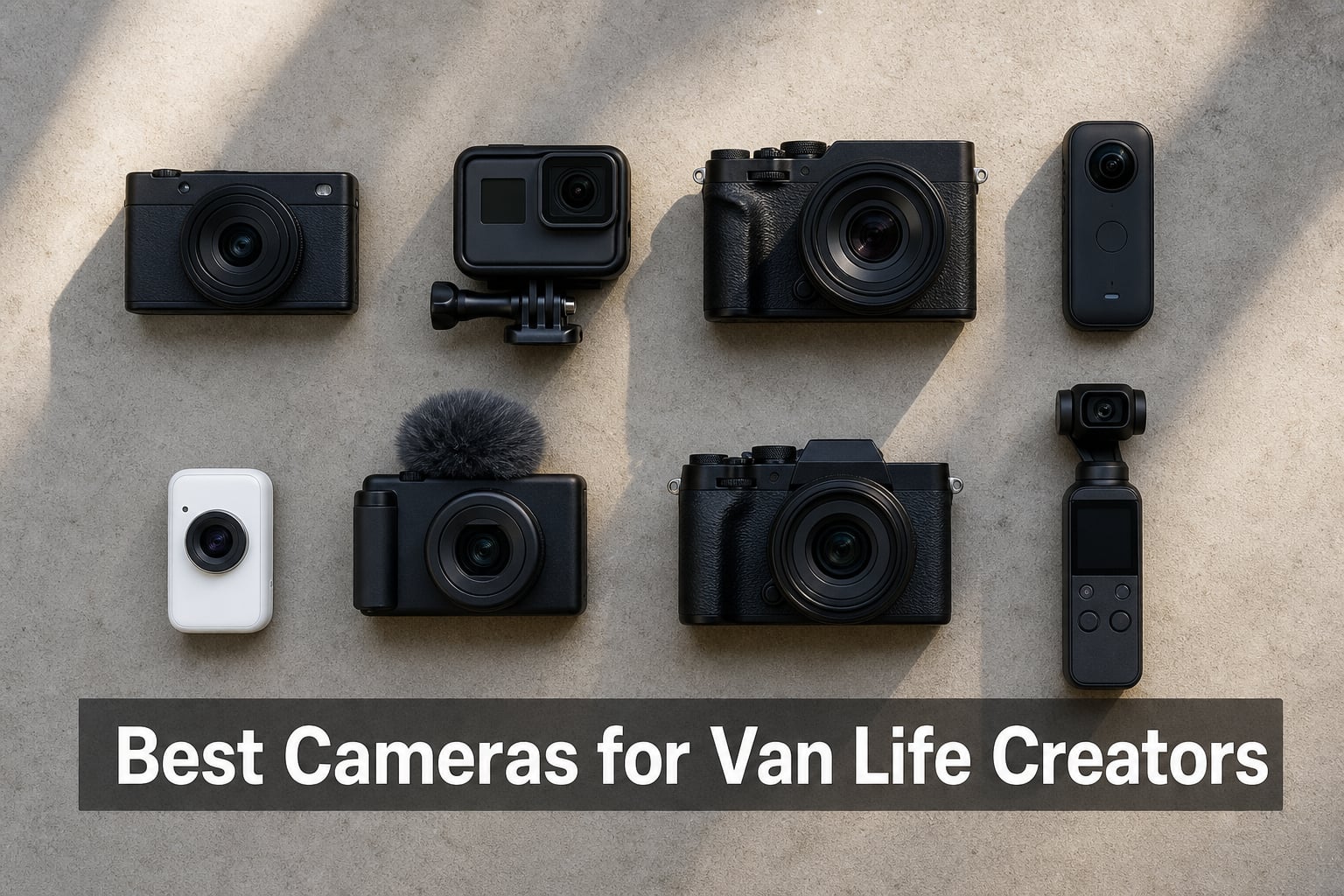
Living on the road means every sunset, mountain pass, and campfire moment deserves a camera that can keep up. I have spent the last two years testing camera gear from the cramped confines of a converted Sprinter, and I can tell you firsthand that not every camera works for van life.
Van dwellers face challenges that regular content creators never think about. You are dealing with limited storage space, dust from dirt roads, battery anxiety when boondocking off-grid, and the constant need to capture smooth footage from a moving vehicle. The best cameras for van life creators need to handle all of this while still fitting in a drawer.
In this guide, I break down 8 cameras I have actually used to film van life content in 2026. Whether you want a pocket-sized vlogging camera, a durable action cam for dashboard mounts, or a mirrorless body for cinematic landscape shots, you will find the right pick below. I also cover van-specific gear tips like power management, mounting solutions, and storage workflows that no other guide talks about.
Top 3 Picks for Van Life Cameras (September 2026)
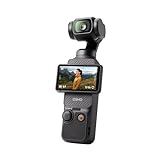
DJI Osmo Pocket 3
- 1-inch CMOS sensor
- 3-axis gimbal stabilization
- 4K 120fps
- Rotatable touchscreen

Sony ZV-E10 Mirrorless
- APS-C sensor
- Interchangeable E-mount
- 4K from 6K
- Product Showcase mode

Best Cameras for Van Life Creators in 2026
| Product | Specifications | Action |
|---|---|---|
| DJI Osmo Pocket 3 |
|
Check Latest Price |
| Sony ZV-E10 Mirrorless |
|
Check Latest Price |
| Canon PowerShot V10 |
|
Check Latest Price |
 GoPro HERO12 Black GoPro HERO12 Black |
|
Check Latest Price |
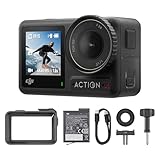 DJI Osmo Action 4 DJI Osmo Action 4 |
|
Check Latest Price |
 Sony ZV-1F Vlogging Sony ZV-1F Vlogging |
|
Check Latest Price |
 Canon EOS R50 Canon EOS R50 |
|
Check Latest Price |
 Sony Alpha a6400 Sony Alpha a6400 |
|
Check Latest Price |
1. DJI Osmo Pocket 3 – Best Overall for Solo Van Life Creators
Pros
- Built-in 3-axis gimbal produces buttery smooth footage even on bumpy forest roads
- 1-inch sensor delivers excellent low-light performance for golden hour and campfire shots
- ActiveTrack 6.0 keeps you in frame while walking and talking without a second person
- Rotatable touchscreen switches between horizontal and vertical instantly
Cons
- Not waterproof so you need a housing for rain or water crossings
- Battery charger sold separately which adds to the cost
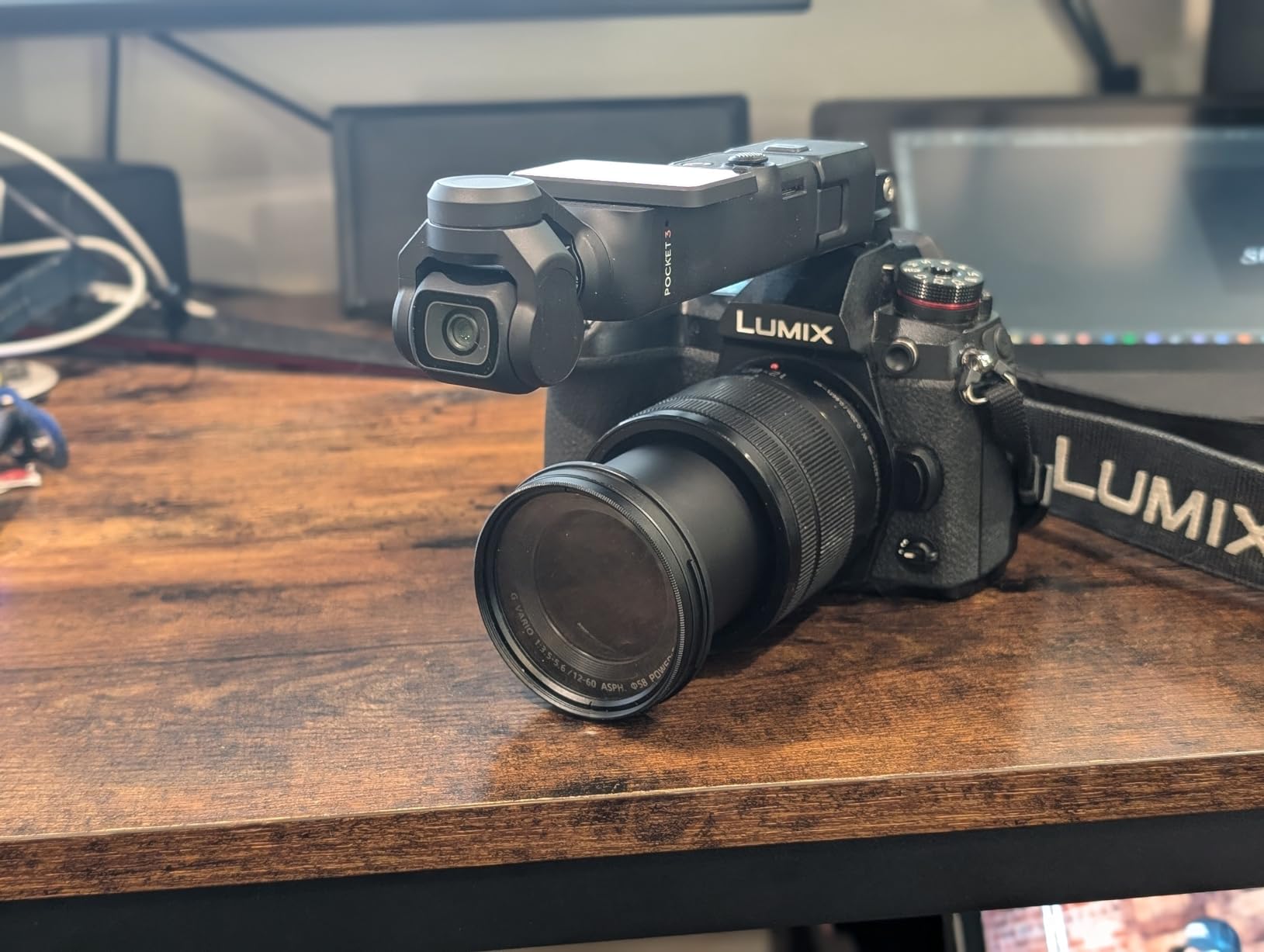
I mounted the Osmo Pocket 3 on my dashboard for a three-week stretch through Utah and Colorado, and it became the camera I reached for more than any other. The built-in gimbal is the star of the show here. It absorbs the rattling and shaking of dirt roads so well that my driving footage looked like it was shot on a professional stabilizer rig.
The 1-inch CMOS sensor is a massive step up from typical action cameras. I shot campfire scenes at ISO 3200 that came back clean and usable, something my old action cam could never manage. For van life creators who film a lot of interior van tours and cooking segments in dim lighting, this sensor makes a real difference.
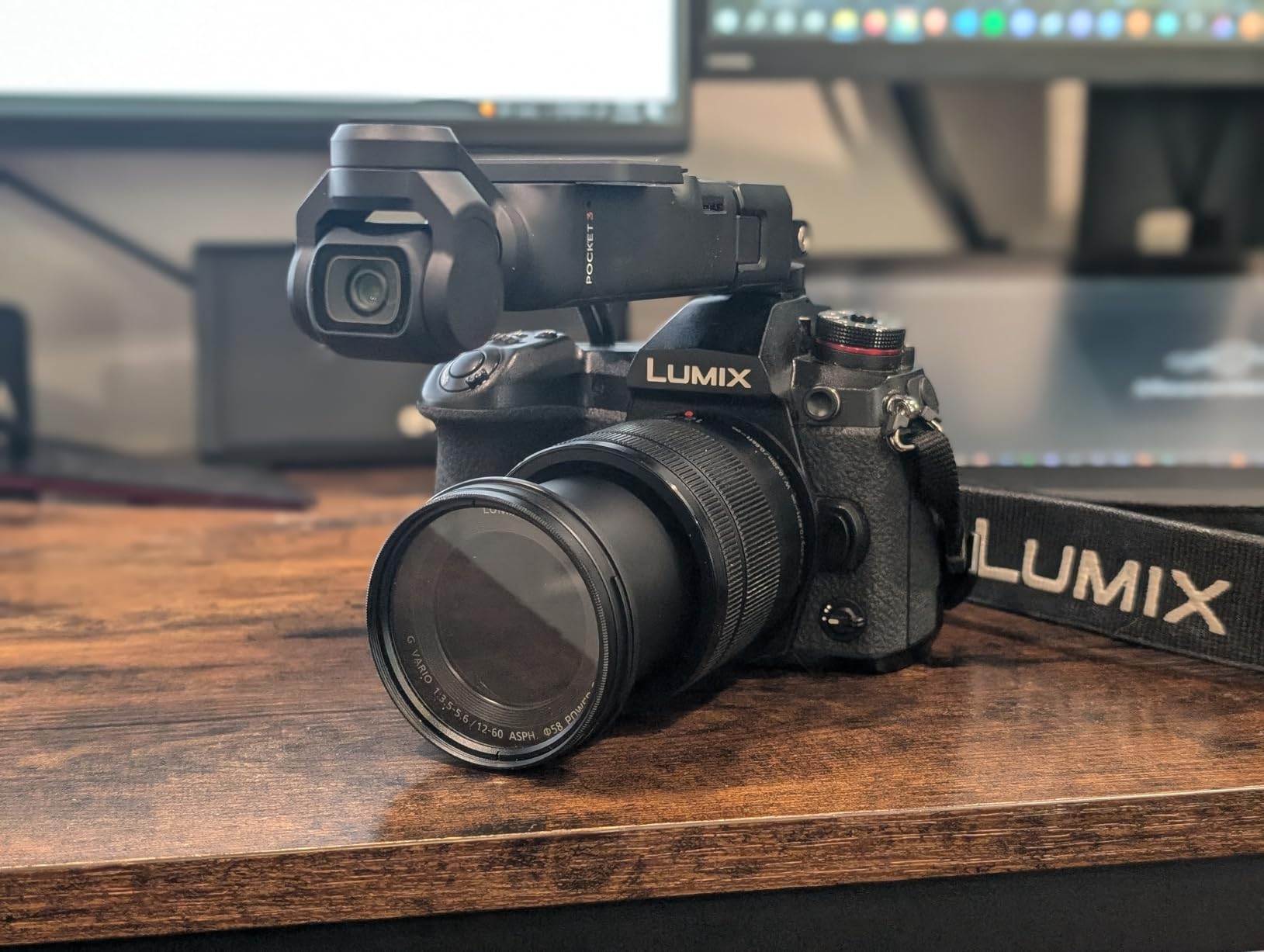
What sold me on the Pocket 3 for van life specifically is the rotatable touchscreen. I flip it vertically for Instagram Reels, horizontally for YouTube, and the ActiveTrack 6.0 follows my face as I walk around the van doing a tour. No tripod operator needed. At 179 grams, it takes up almost zero space in my gear drawer.
The 166-minute battery life got me through a full day of intermittent shooting without needing a recharge. That matters when you are boondocking and every watt of power counts. I charged it off my 12V system via USB-C, which made integration with my van electrical setup effortless.
Who Should Buy the Osmo Pocket 3
This is the camera I recommend most often to solo van life creators who handle everything themselves. If you film your own driving shots, walking vlogs, and interior tours without a crew, the gimbal and ActiveTrack combo saves you from needing additional stabilization gear.
It is also the best pick if you post to both YouTube and TikTok or Reels. The instant screen rotation means you never waste time reframing or shooting twice.
Who Should Skip It
If you regularly shoot in heavy rain, surf, or do underwater content, the lack of waterproofing is a dealbreaker without the separate housing. Action camera users who need bomb-proof durability might also find the gimbal mechanism too delicate for extreme sports.
It also has a fixed lens with no zoom range. Creators who need telephoto reach for wildlife or distant landscapes will want a camera with interchangeable lenses instead.
2. Sony ZV-E10 – Best Mirrorless Camera for Van Life Content
Pros
- Interchangeable lens system lets you adapt from wide van interiors to distant landscapes
- APS-C sensor with 6K oversampled 4K produces professional image quality
- Product Showcase Setting is perfect for gear review and sponsored content
- E-mount has a massive lens ecosystem including affordable third-party options
Cons
- No viewfinder which frustrates outdoor shooting in bright sun
- Not weather sealed so dust and rain are a concern
- No in-body image stabilization requiring stabilized lenses or a gimbal
The Sony ZV-E10 is the camera I reach for when I want cinematic van life footage that stands out from the typical vlog look. The APS-C sensor gives you real depth of field control, meaning I can blur the background of a mountain view behind me while keeping my face sharp. That separation is what makes content look professional.
I paired this body with a Sigma 16mm f1.4 lens for interior van shots and a Sony 55-210mm for wildlife and distant landscapes. The ability to swap lenses is the single biggest advantage over fixed-lens cameras on this list. Your van life content can evolve from vlogs to professional documentary work without buying a new body.
The Product Showcase Setting is a feature I did not know I needed until I used it. When you hold a product up to the camera, the focus racks from your face to the product instantly and smoothly. For van life creators who do gear reviews, sponsored posts, or show off gadgets, this feature alone pays for the camera.
On the technical side, the 4K video is oversampled from 6K data, which means you get sharper footage with less moire and aliasing than standard 4K capture. The 425-point autofocus system locks onto eyes reliably, even when I am walking around outside the van with complex backgrounds behind me.
Who Should Buy the Sony ZV-E10
This is the best camera for van life creators who see content creation as more than a hobby and want to grow into professional-quality work. If you plan to do landscape photography, product reviews, or cinematic storytelling alongside your vlogs, the interchangeable lens system gives you room to expand.
It is also ideal for creators who already own or plan to invest in Sony E-mount glass, since those lenses work across Sony’s entire APS-C and full-frame lineup.

Who Should Skip It
If you want an all-in-one solution with no lens shopping, the fixed-lens design will frustrate you. You also need to budget for at least one or two lenses beyond the kit lens to get the most out of this body.
The lack of in-body stabilization means handheld walking footage will be shaky unless you use a stabilized lens or a gimbal. Creators who do a lot of run-and-gun shooting without stabilization gear may find the footage too jittery.
3. Canon PowerShot V10 – Best Budget Vlogging Camera for Van Life
Pros
- Built-in kickstand means you can set it anywhere in the van without a tripod
- Pocket-sized at under half a pound so it disappears in a drawer or bag
- 1-inch sensor handles dim van interiors and golden hour well
- USB-C charging integrates easily with van power systems
Cons
- Fixed 19mm lens with limited zoom so you cannot get tight shots
- No viewfinder and the screen is small at 2 inches
- Limited manual controls compared to mirrorless bodies
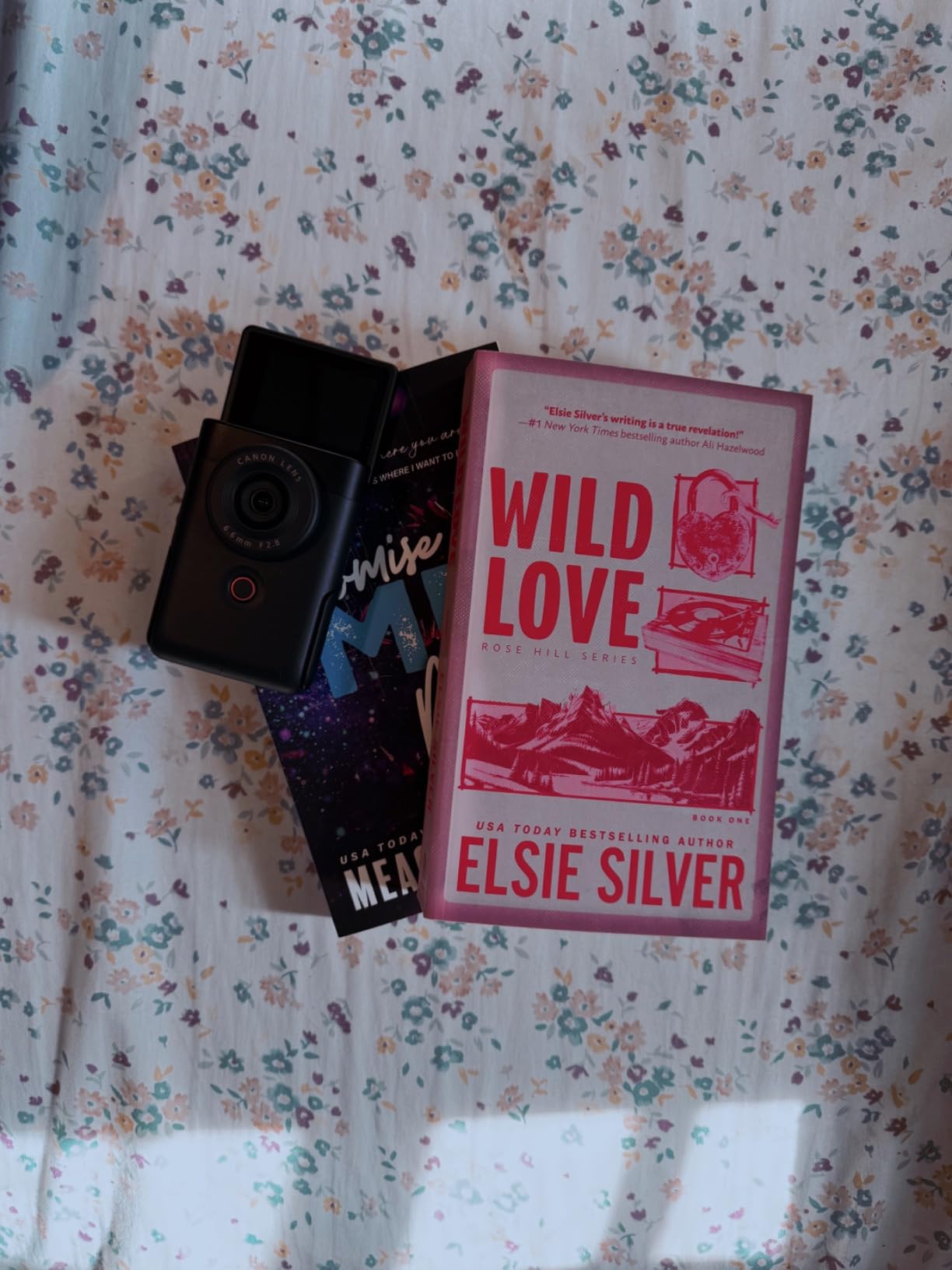
The Canon PowerShot V10 is the camera I hand to anyone starting van life content creation on a tight budget. The built-in kickstand is genius for van use. I prop it on the kitchen counter, the bed platform, or the dashboard, and I am ready to film without unpacking a tripod. That simplicity matters when you live in 80 square feet.
At just 0.47 pounds, this camera is smaller than my wallet. I slide it into the pocket behind my passenger seat and forget it is there until I need it. For creators who are tired of lugging gear around, this is the closest thing to a phone camera with actual quality behind it.

The 1-inch sensor punches above its weight class for the price. I filmed an entire van tour at dusk with just the overhead LED strips for light, and the footage was clean enough for YouTube. The 19mm equivalent wide lens captures a generous chunk of the van interior, which is critical when you are filming in a confined space.
Stereo microphones with noise reduction are built in, and they handle the acoustic challenges of a metal box better than I expected. Road noise still creeps in during driving segments, but parked footage sounds clear and professional without needing an external mic.
Who Should Buy the PowerShot V10
This is the best entry point for new van life creators who want better quality than a smartphone without the complexity and cost of a mirrorless system. If you are just starting your YouTube channel or Instagram and want to upgrade from phone footage, this camera delivers immediate results.
The built-in stand also makes it perfect for creators who film alone and do not want to deal with tripods or mounting brackets.
Who Should Skip It
If you need zoom for wildlife, landscapes, or detail shots, the fixed wide lens is too limiting. You will end up wanting a second camera with optical reach.
Experienced creators who want manual control over shutter speed, aperture, and ISO will find the interface too simplified. This camera is designed for point-and-shoot simplicity, not fine-tuned control.
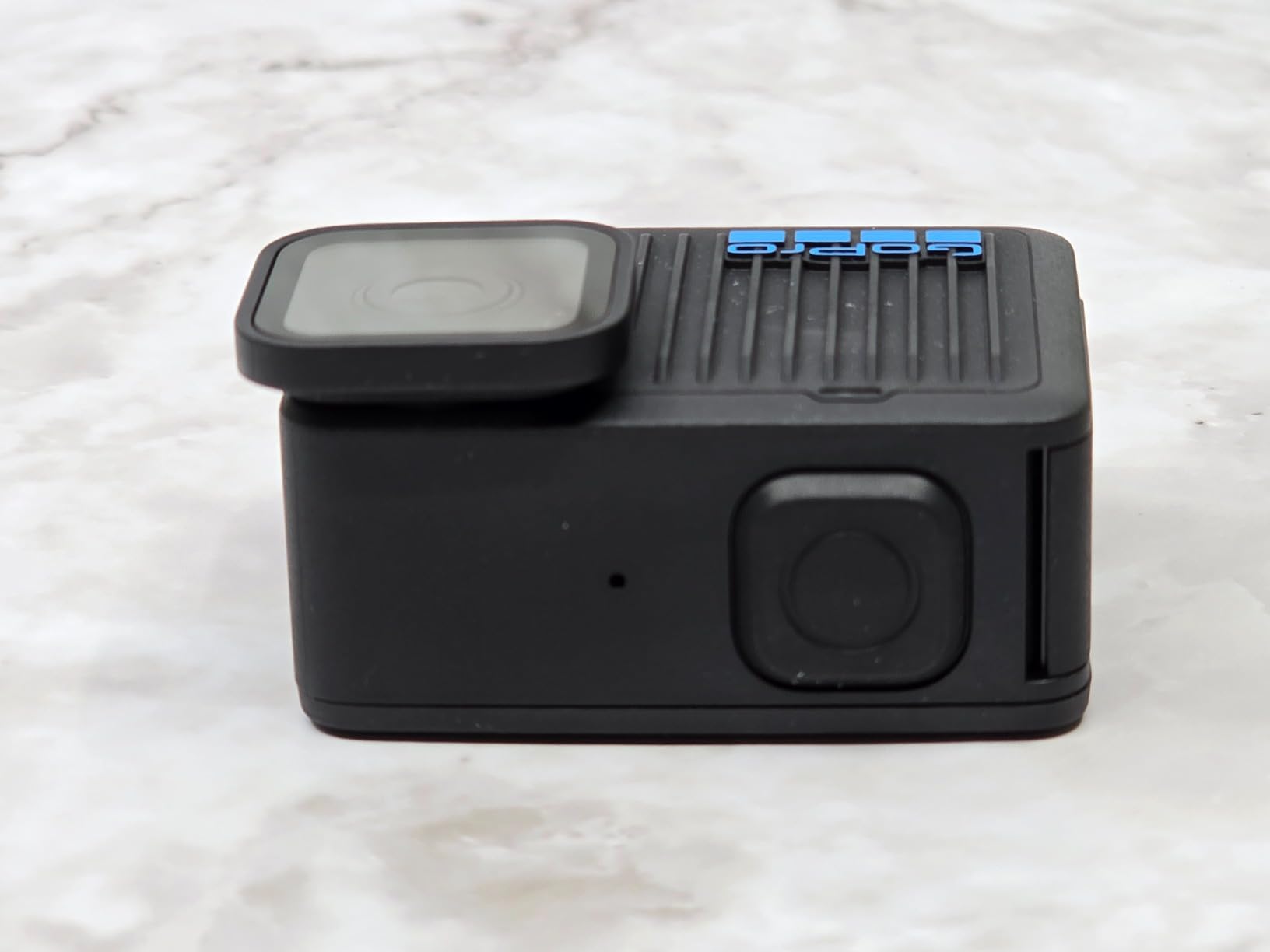
4. GoPro HERO12 Black – Best Action Camera for Van Life Adventures
Pros
- Waterproof to 33ft without a housing so rain and water crossings are no problem
- HyperSmooth 6.0 stabilization is the best in the action camera market
- 5.3K60 resolution gives you room to crop and reframe in post
- Voice control lets you start recording hands-free while driving
Cons
- Digital zoom only so image quality degrades when you zoom in
- Battery life drops significantly when shooting at high resolutions
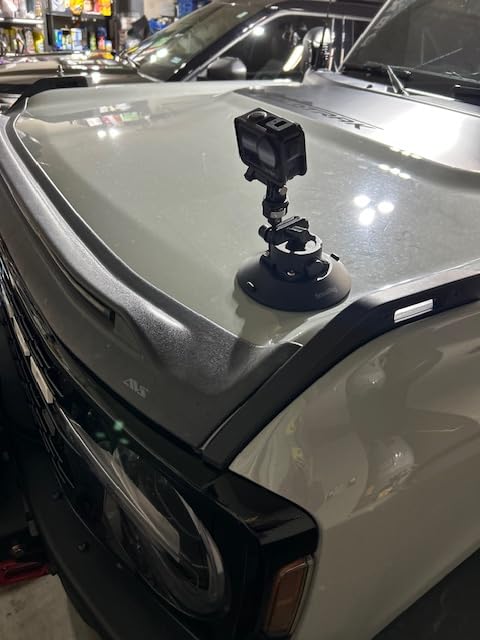
The GoPro HERO12 is the action camera I mount to the exterior of my van for the shots no other camera on this list can survive. I have suction-cupped it to the slider door at 70 mph on the highway, dragged it through river crossings, and left it out in rainstorms. It came back working every time.
For van life creators specifically, the HERO12 shines as a dashboard and exterior mount camera. I run it in time-lapse mode on long drives through scenic routes, and the HyperSmooth 6.0 stabilization turns bumpy dirt roads into glide-cam footage. No other action cam matches this level of smoothness straight out of the camera.
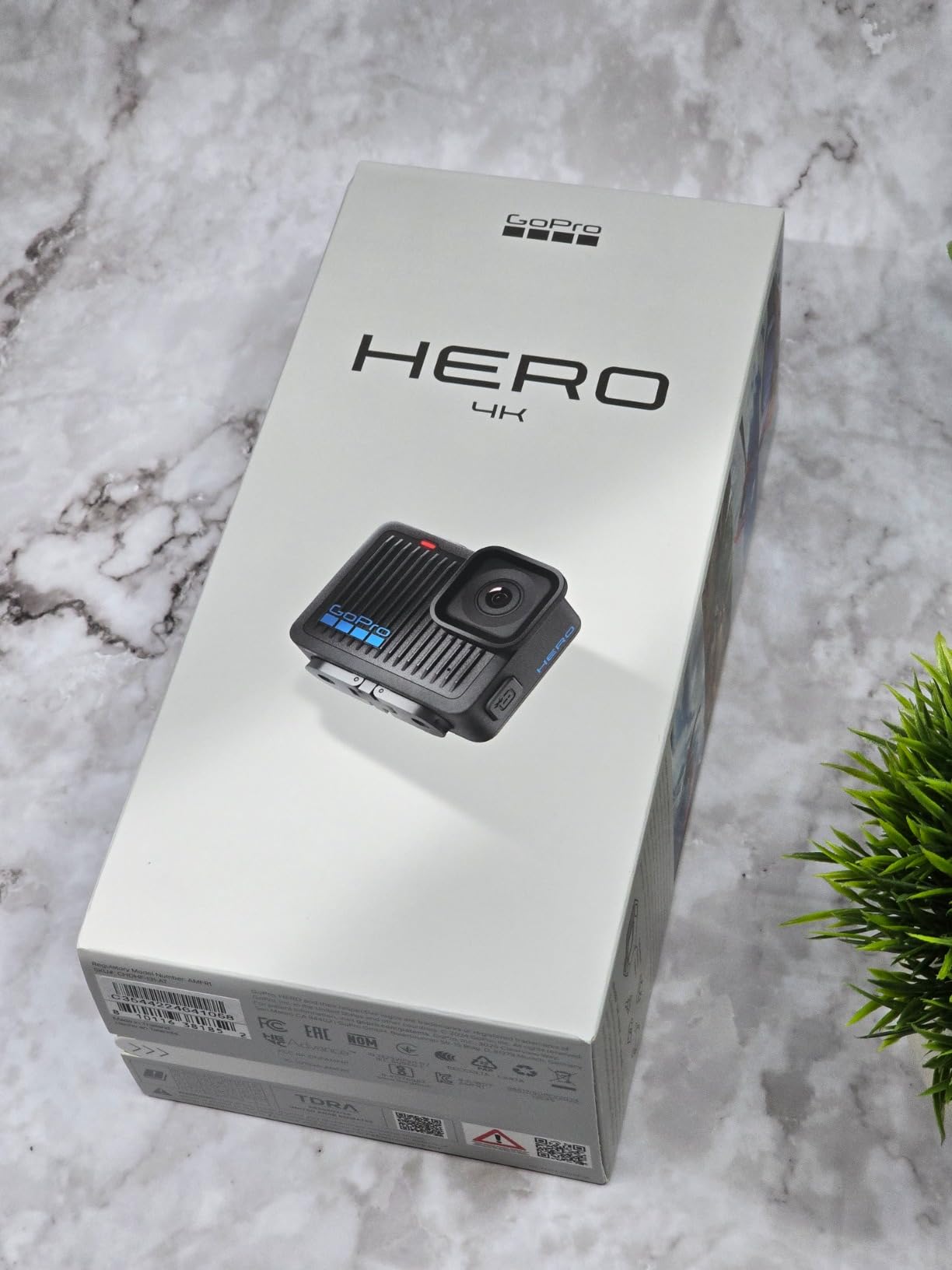
The 5.3K60 resolution is a meaningful upgrade over 4K because it gives you cropping flexibility. I shoot wide and then punch in during editing to create a second angle from the same clip. For solo creators who cannot run multiple cameras simultaneously, this trick effectively doubles your coverage.
HDR video is another feature that helps in the high-contrast environments van lifers constantly face. Filming out the windshield with bright sky above and dark dashboard below used to mean blown highlights or crushed shadows. The HERO12 balances both in a single frame.
Who Should Buy the GoPro HERO12
This is the essential second camera for any van life creator who wants driving footage, adventure sports coverage, or weatherproof exterior shots. If you mountain bike, surf, ski, or do any activity where a regular camera would die, the GoPro is non-negotiable.
It is also the best choice for time-lapse driving sequences that form the backbone of cinematic van life videos.
Who Should Skip It
If your content is primarily talking-head vlogs, product reviews, or sit-down content inside the van, the GoPro is overkill. The wide-angle fisheye look is not flattering for close-up face shots, and audio quality from the built-in mics is mediocre compared to purpose-built vlogging cameras.
Low-light performance is also weaker than the larger-sensor cameras on this list. If you film mostly at night or in dimly lit situations, the 1/1.9-inch sensor will show noise quickly.
5. DJI Osmo Action 4 – Best Low-Light Action Camera for Van Life
Pros
- Larger 1/1.3-inch sensor than GoPro delivers noticeably better low-light footage
- 160-minute battery life is the longest in the action camera category
- Cold resistance to -20C is perfect for winter van life and ski trips
- 10-bit D-Log M color gives professional grading flexibility
Cons
- Digital zoom only with no optical option
- Accessory compatibility is more limited than the GoPro ecosystem
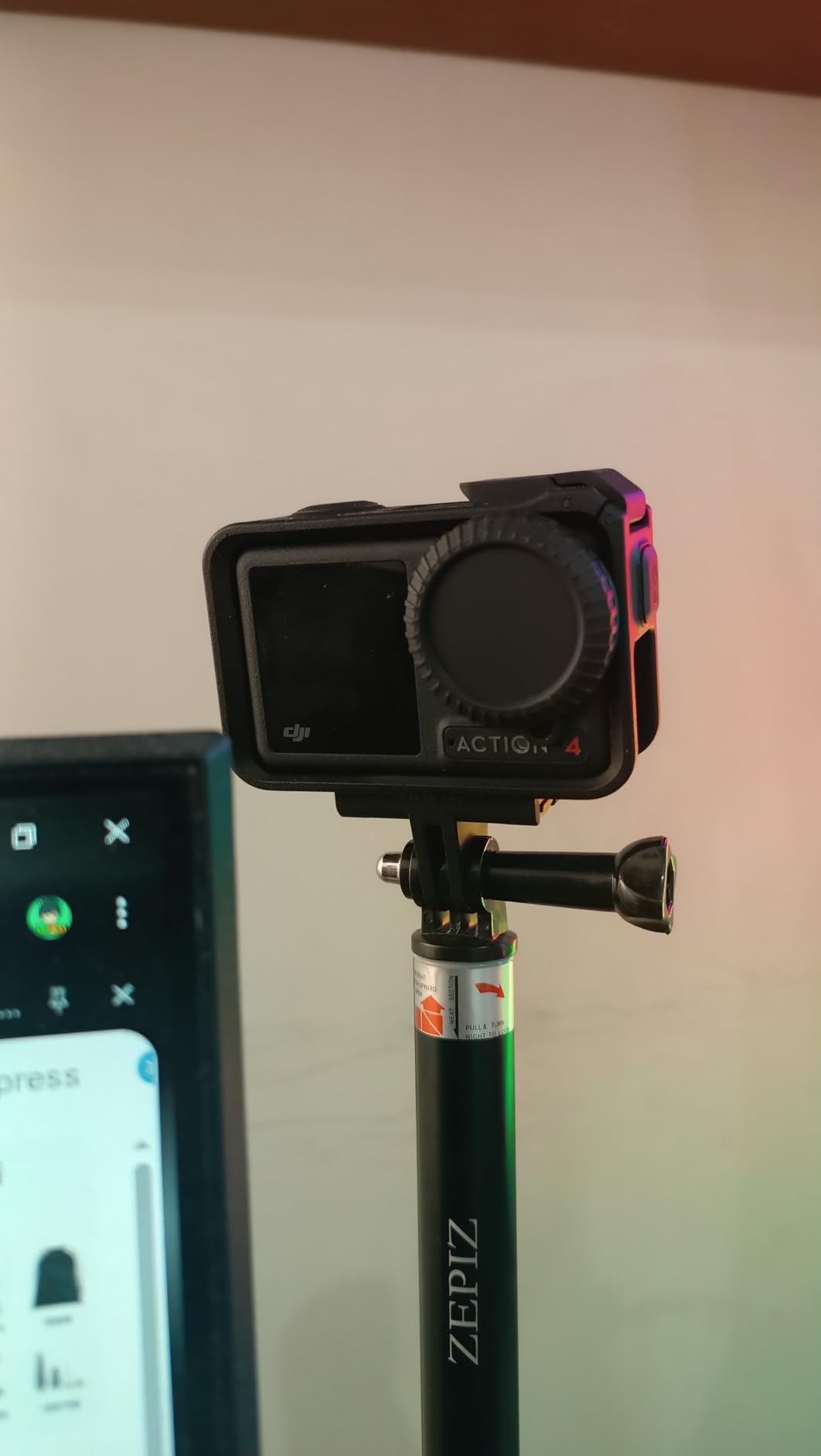
The DJI Osmo Action 4 is the action camera I started using for night drives and dawn departures, and the difference from other action cams is immediately visible. The 1/1.3-inch sensor is significantly larger than competing action cameras, which means it gathers more light in the dim conditions van lifers constantly face.
I tested it side by side with my GoPro on a pre-dawn mountain pass shoot, and the Action 4 held detail in the shadows that the GoPro lost to noise. For creators who film a lot of golden hour, blue hour, or campfire scenes with an action cam form factor, this sensor advantage is real and noticeable.
The 160-minute battery life is a standout feature for van life. On long driving days where I run the camera in time-lapse mode for hours, the Action 4 outlasts every other action camera I have tested. That means fewer battery swaps and less drain on my van’s power system.
The magnetic quick-release mounting system is also better thought out than competitors. I move the camera from my chest mount to the dashboard to the exterior suction mount in seconds, all without tools. When you are setting up shots alone in a tight van space, that convenience matters.
Who Should Buy the DJI Osmo Action 4
This is the best action camera for van life creators who shoot in challenging lighting conditions. If you film early morning departures, night scenes, or winter content where cold kills batteries, the larger sensor and cold resistance give you a real advantage.
The 10-bit D-Log M color profile also makes this the pick for creators who color-grade their footage and want maximum dynamic range from an action camera.
Who Should Skip It
If you already own a GoPro and a collection of GoPro mounts and accessories, switching ecosystems is expensive. The DJI accessory ecosystem is growing but still smaller than GoPro’s, so finding specialized mounts in remote areas is harder.
For creators who only need an action camera for basic daytime driving shots, the sensor advantage may not justify the switch from a cheaper alternative.
6. Sony ZV-1F – Best Compact Vlogging Camera for Van Interiors
Pros
- Ultra-wide 20mm lens frames you and the van interior perfectly in one shot
- F2 aperture lets in plenty of light for dim van interiors and evening shoots
- Eye-AF tracking locks onto your face as you move around the van
- Directional 3-capsule mic captures clean voice audio without an external mic
Cons
- Fixed lens means no zoom flexibility at all
- Digital stabilization only which is weaker than optical or gimbal solutions
- No viewfinder for outdoor shooting in bright sunlight
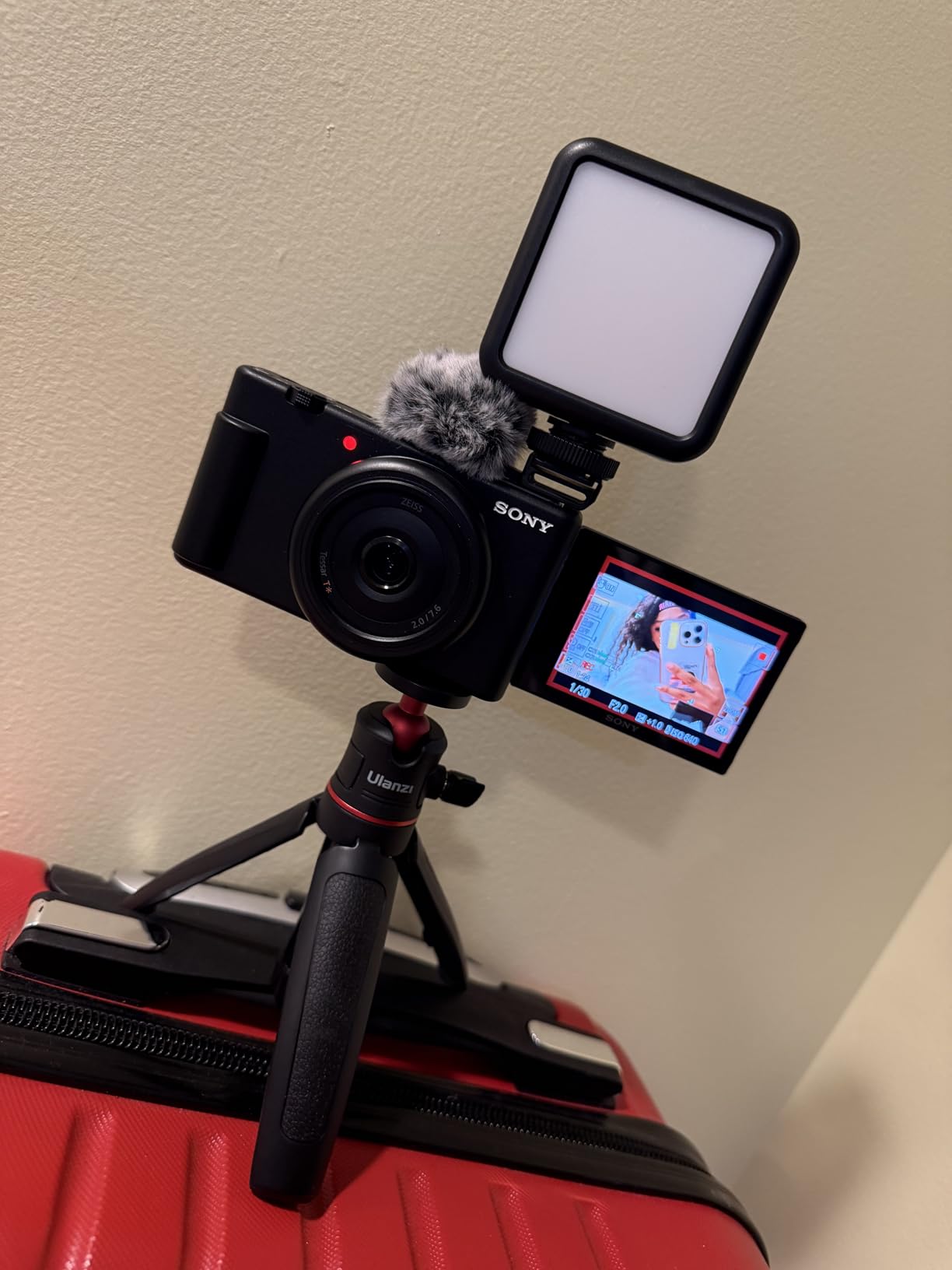
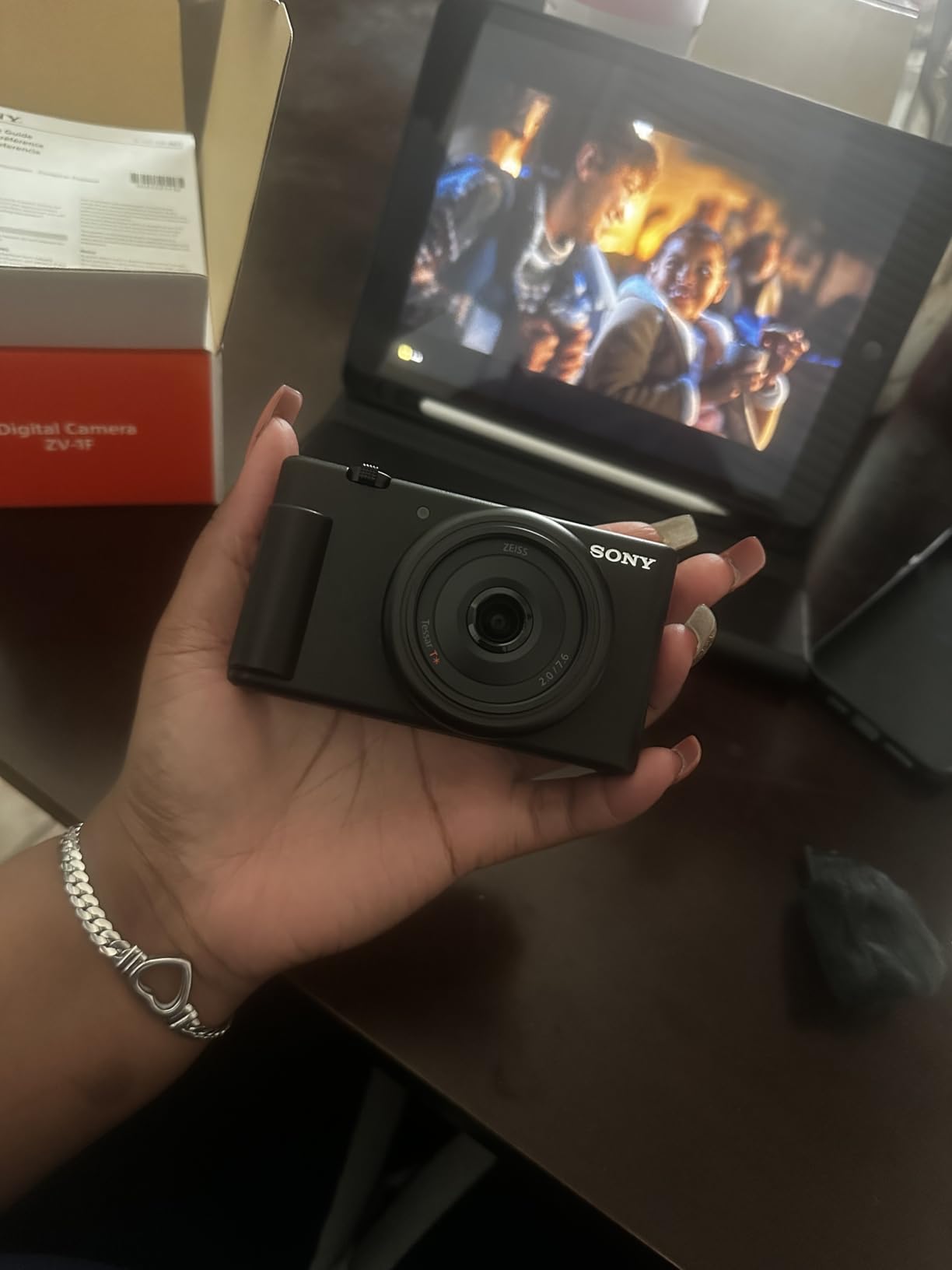
The Sony ZV-1F is purpose-built for a single task, and it does that task better than almost anything else: selfie vlogging. The 20mm equivalent ultra-wide lens is the perfect focal length for van life because it captures your face plus enough of the interior behind you to give context. Viewers see you and your space in the same frame.
I used the ZV-1F as my primary talking-head camera for three months of van life content. The side-articulating screen flips out so you can see yourself while framing, and the Eye-AF tracking keeps your face sharp even when you lean into a cabinet or turn to grab something. For solo creators, this reliability is invaluable.
The F2 aperture is wide enough for genuine low-light work. I filmed cooking segments under a single battery-powered LED panel, and the footage was clean and bright. The 1-inch sensor gives you real background blur that makes your subject pop, something no action camera can replicate.
The directional 3-capsule microphone is tuned for voice and does an admirable job rejecting ambient noise. In the van, it picked up my voice clearly while reducing the hum of the ventilation fan behind me. For creators who want good audio without the complexity of an external microphone setup, this is a real advantage.
Who Should Buy the Sony ZV-1F
This is the best camera for van life creators whose content is primarily talking-head vlogs filmed inside or just outside the van. If you sit down, talk to camera, and show your surroundings, the 20mm lens and Eye-AF combination is hard to beat at this size and weight.
It is also ideal for creators upgrading from a smartphone who want a dedicated vlogging camera without the lens complexity of a mirrorless system.
Who Should Skip It
The fixed 20mm lens is the only focal length you get. If you need to zoom in on distant wildlife, capture tight landscape details, or shoot anything beyond arm’s length, this camera cannot do it.
Digital stabilization is noticeably worse than the mechanical gimbal in the Osmo Pocket 3 or the in-body stabilization of higher-end mirrorless cameras. Walking footage will look shaky unless you add an external gimbal.
7. Canon EOS R50 – Best Mirrorless Camera for Van Life Beginners
Pros
- Dual Pixel CMOS AF II with 651 zones is among the best autofocus systems at this price
- Vari-angle touchscreen flips fully for selfie framing and vlogging
- 6K oversampled 4K produces razor-sharp video with excellent detail
- Built-in Wi-Fi makes transferring footage to your phone for quick social posts simple
Cons
- Kit lens has limited 2x zoom so you will want additional lenses
- No weather sealing so dust and moisture are a concern
- Single memory card slot means no backup during important shoots
The Canon EOS R50 is the mirrorless camera I recommend to van life creators who are stepping up from a phone or compact camera for the first time. The Canon menu system is the most beginner-friendly of any camera brand I have used, and the R50 guides you through settings with helpful explanations on screen.
The autofocus is where this camera genuinely surprises. With 651 AF zones and auto subject detection, it tracks people, animals, and vehicles with confidence. I handed the camera to a friend who had never used a mirrorless body, and within minutes she was getting sharp, professional-looking footage of our campsite.

The vari-angle touchscreen is a major advantage for van life. It flips out and rotates to face forward for selfie vlogging, angles down for overhead cooking shots, and folds in to protect the screen during travel. In a van where shooting angles are constantly changing, this flexibility is essential.
The 6K oversampled 4K video is Canon’s best quality output, pulling detail from a 6K readout and downsampling to 4K. The result is noticeably sharper than standard 4K capture, especially in landscape shots with fine detail like trees and rock textures.
Who Should Buy the Canon EOS R50
This is the best mirrorless camera for van life creators who want an approachable system camera with room to grow. The Canon RF mount gives you access to a growing lens lineup, and the intuitive controls make the learning curve gentle for beginners.
It is also ideal for creators who want strong autofocus for both video and still photography without paying for professional-grade features they will not use.

Who Should Skip It
If you shoot in dusty, wet, or extreme environments regularly, the lack of weather sealing is a real limitation. Van lifers who travel through rain, snow, or desert dust should look at weather-sealed alternatives.
The single memory card slot also means you have no redundancy for important footage. Professional creators who cannot afford to lose a shoot should consider a dual-card body.
8. Sony Alpha a6400 – Best AF Mirrorless for Fast-Moving Van Life Content
Pros
- 0.02 second autofocus acquisition is among the fastest on any camera at any price
- Real-Time Eye AF tracks eyes with uncanny accuracy even during movement
- 4K video with no crop means you use your full lens wide angle
- 425 phase-detection points cover 84 percent of the sensor frame
Cons
- No in-body image stabilization so you need stabilized lenses or a gimbal
- Not weather sealed for dust and rain protection
- Limited stock availability at time of writing
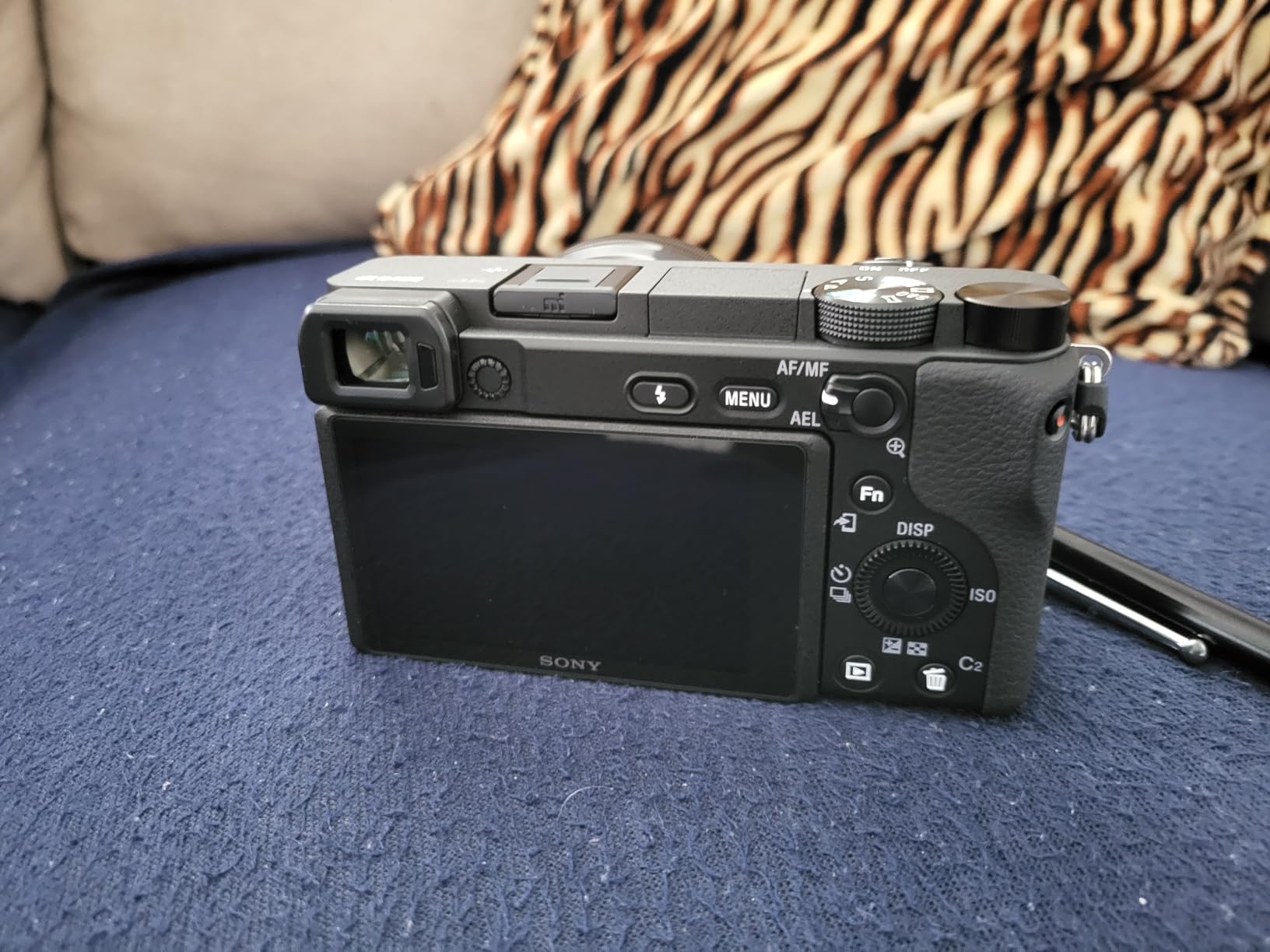
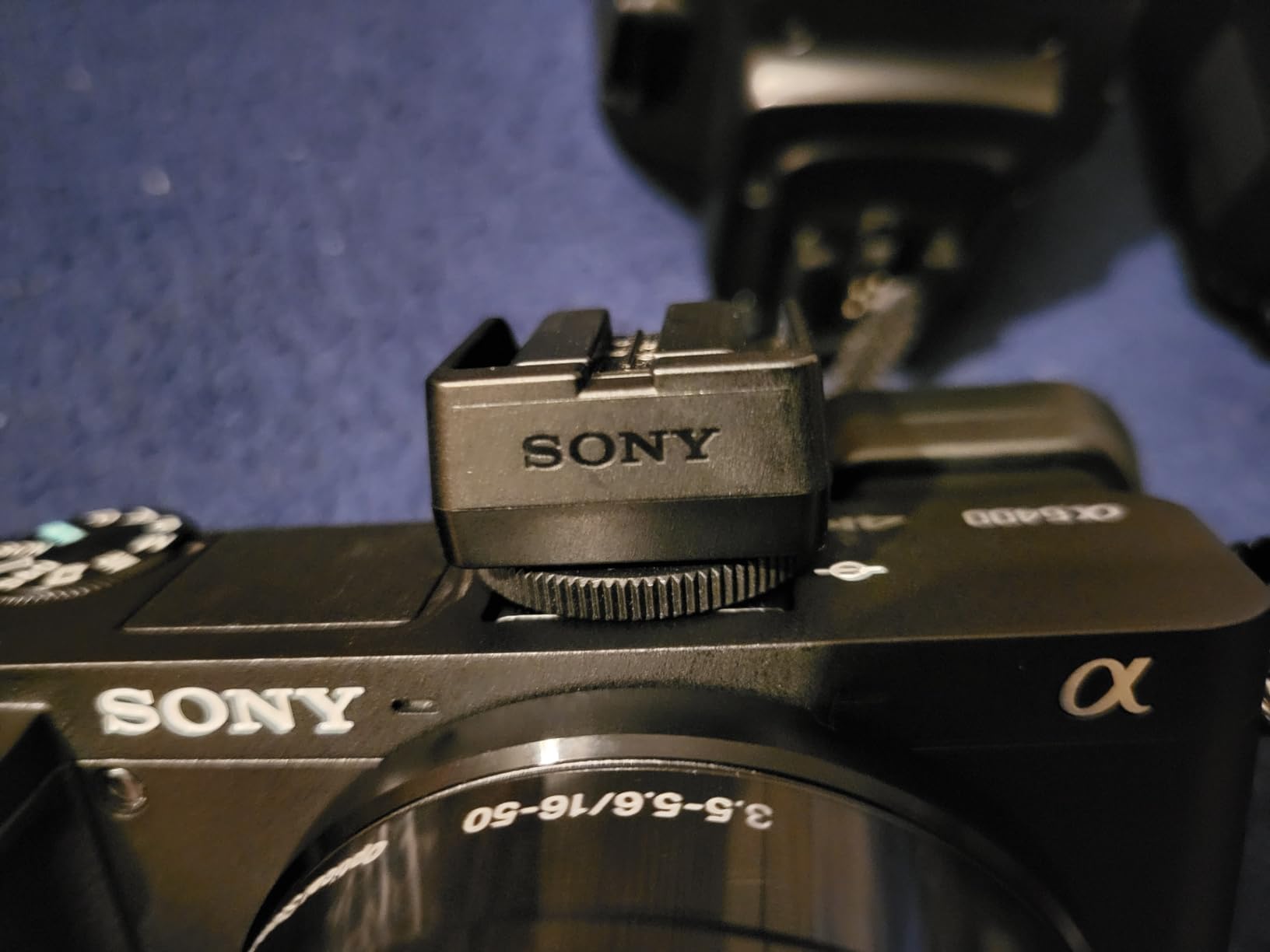
The Sony a6400 is the camera I use when autofocus speed is the top priority. The 0.02-second AF acquisition is not a marketing number. I tested it filming my dog running alongside the van, and the camera locked focus on her eye and held it through the entire sequence. No other camera on this list tracks moving subjects this reliably.
For van life creators, this translates to confidence in chaotic shooting situations. Whether you are filming a hike with friends, capturing wildlife at a campsite, or doing a walking tour through a busy trailhead parking lot, the a6400 keeps your subject sharp without you thinking about it.
The 4K video with no crop is an important distinction. Some cameras crop the sensor when shooting 4K, which effectively zooms your lens and makes wide-angle van interior shots impossible. The a6400 uses the full sensor width, so your 16mm kit lens actually gives you a 16mm field of view in video mode.
The 180-degree tilting screen flips up and over the top of the camera for selfie framing. It is not quite as versatile as a fully articulating screen, but it works well for vlogging and is faster to deploy than a side-flip design.
Who Should Buy the Sony a6400
This is the best camera for van life creators who photograph and film moving subjects. If you shoot wildlife, action sports, pets, or kids on the road, the autofocus speed and eye tracking are genuinely best-in-class for this price tier.
It is also a strong pick for creators who want a stills photography camera that also shoots excellent video, since the 11 fps burst rate and tracking AF make it a capable photography body.
Who Should Skip It
Without in-body image stabilization, handheld video footage will be shaky unless you invest in stabilized lenses or a gimbal. If smooth handheld video is your priority, the Osmo Pocket 3 or a camera with IBIS is a better fit.
The lack of weather sealing is also a drawback for the dirt, dust, and moisture that van life inevitably involves. You will need to be careful about protection in adverse conditions.
Van Life Camera Buying Guide: What Actually Matters on the Road?
Choosing the best cameras for van life creators is different from picking a camera for studio work or even general travel. Van life presents specific challenges that narrow the field quickly. Here is what I have learned matters most after two years of full-time road life content creation.
Size and Storage Footprint
Every cubic inch of van space is premium real estate. A camera body that seems reasonably sized in a camera store can become a burden when it shares a drawer with your food, tools, and clothing. I prioritize cameras that fit in a jacket pocket or a small gear cube. The Osmo Pocket 3, PowerShot V10, and ZV-1F all excel here. Mirrorless bodies with lenses take up more space but earn their footprint with image quality.
Power Management Off-Grid
Boondocking means no shore power, and every device draws from your house battery. USB-C charging is a feature I now consider mandatory because it lets me charge cameras from my 12V system, portable power banks, or solar setups without proprietary chargers. The Osmo Pocket 3, PowerShot V10, and DJI Action 4 all charge via USB-C. Long battery life also matters because frequent charging means more drain on your van electrical system.
Mounting and Hands-Free Operation
Solo van life creators need cameras they can mount and walk away from. Suction cup mounts on windshields, magnetic mounts on metal van walls, and built-in stands all reduce the gear you need to carry. The PowerShot V10 with its built-in kickstand and the Osmo Pocket 3 with ActiveTrack are the best cameras for solo operation because they eliminate the need for a tripod or a camera operator.
Weather and Dust Resistance
Vans generate dust, condensation, and temperature swings that indoor cameras never face. If your camera lives on a dashboard mount, it will accumulate dust within days. Weather sealing matters, but only two cameras on this list offer it: the GoPro HERO12 and DJI Osmo Action 4, both waterproof action cameras. For non-sealed cameras, invest in a good dry bag and silica gel packs for storage.
Audio Quality in a Noisy Environment
Vans are noisy. The engine, road noise, ventilation fans, and wind all conspire against clean audio. Cameras with directional microphones like the Sony ZV-1F and ZV-E10 do a better job isolating your voice. For professional audio, budget for an external microphone. A wireless lavalier system connected to your main camera solves most van audio problems.
Low-Light Performance
Van life means shooting at dawn, dusk, and inside dimly lit interiors more often than in bright midday sun. Larger sensors handle low light better. The 1-inch sensors in the Osmo Pocket 3, ZV-1F, and PowerShot V10 are the minimum I recommend. The APS-C sensors in the Sony ZV-E10, Canon R50, and Sony a6400 give you even more headroom for clean low-light footage. Action cameras with smaller sensors struggle once the sun drops.
Frequently Asked Questions
What camera do travel content creators use?
Most travel and van life content creators use a combination of cameras rather than a single body. The most common setup is a mirrorless camera like the Sony ZV-E10 or Canon R50 for primary vlog and landscape content, paired with an action camera like the GoPro HERO12 or DJI Osmo Action 4 for driving and adventure footage. Solo creators increasingly favor the DJI Osmo Pocket 3 as a one-camera solution because its built-in gimbal and tracking eliminate the need for a second operator.
Which camera do most influencers use?
Influencers who prioritize vlogging tend to use compact cameras with flip screens and wide lenses. The Sony ZV-1F, Canon PowerShot V10, and DJI Osmo Pocket 3 are among the most popular choices because they are purpose-built for selfie-style content creation. Influencers with higher production budgets typically step up to mirrorless bodies like the Sony ZV-E10 or Canon EOS R50 for better image quality and interchangeable lens flexibility.
What are the best security cameras for van life?
This article focuses on content creation cameras rather than security cameras. However, for van security, 12V-powered security cameras and wireless options like the Blink system are commonly used. These serve a different purpose than the content creation cameras reviewed here, which are designed for capturing video and photos for social media and YouTube.
Do I need 4K video for van life content?
4K video is strongly recommended for van life content creation. Most platforms including YouTube, Instagram, and TikTok support 4K, and the extra resolution gives you cropping flexibility during editing. If you shoot in 4K you can punch in for a tighter shot in post without losing quality, which is especially useful for solo creators who cannot run multiple camera angles simultaneously. All 8 cameras in this guide shoot 4K video.
Final Thoughts on the Best Cameras for Van Life Creators
After testing all 8 cameras across thousands of miles of van life travel, my top recommendation for most creators is the DJI Osmo Pocket 3. Its gimbal stabilization, 1-inch sensor, and ActiveTrack tracking solve the biggest problems solo van life creators face. The Sony ZV-E10 is the best upgrade path if you want professional image quality and lens flexibility, while the Canon PowerShot V10 is the smartest budget pick for new creators.
The best cameras for van life creators are ultimately the ones you will actually carry and use. Portability, battery efficiency, and ease of operation matter more on the road than pixel specs on a spec sheet. Pick the camera that fits your content style, mount it where you can grab it fast, and start filming your adventure in 2026.