
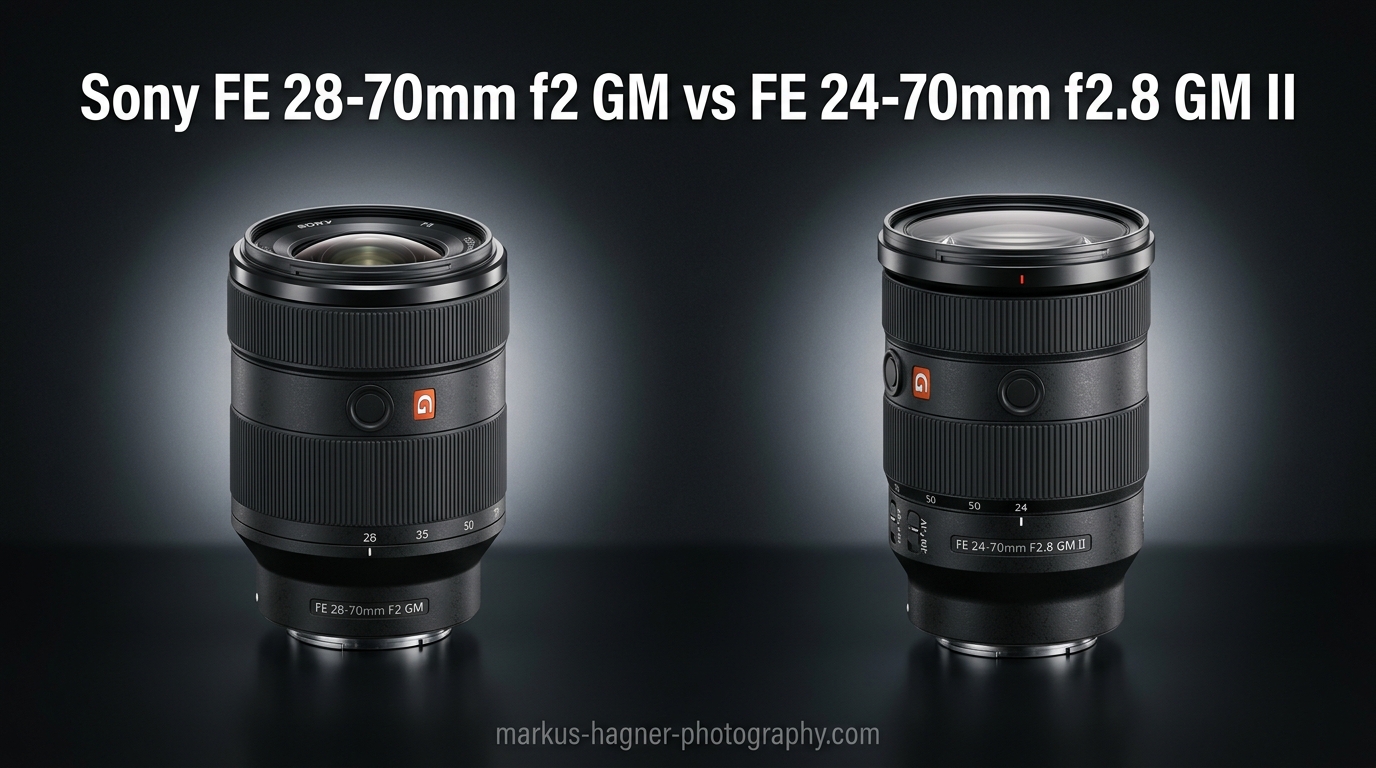
Choosing between the Sony FE 28-70mm f2 GM vs FE 24-70mm f2.8 GM II comes down to one fundamental trade-off: maximum light-gathering versus maximum versatility. Both lenses represent the pinnacle of Sony G Master engineering, but they serve different priorities.
The 28-70mm f/2 GM delivers a full stop more light than traditional f/2.8 zooms, opening up creative possibilities that were previously reserved for prime lens shooters. The 24-70mm f/2.8 GM II counters with broader focal range coverage, lighter weight, and better video features at a lower price point.
After extensive research into user experiences from photography forums, technical specifications, and real-world performance data, I can help you determine which lens aligns with your shooting style. Whether you prioritize low-light performance and subject isolation or need the versatile 24mm wide end for events and travel, this comparison covers everything you need to know.
Quick verdict: Get the 28-70mm f/2 GM if you shoot portraits, low-light events, or video where shallow depth of field matters. Choose the 24-70mm f/2.8 GM II for wedding photography, travel, or any situation where the 24mm wide end and lighter weight matter more than the extra aperture stop.
Sony FE 28-70mm f2 GM vs Sony FE 24-70mm f2.8 GM II: Quick Comparison
The table below shows how these two G Master lenses stack up against each other in the specs that matter most.
| Product | Specifications | Action |
|---|---|---|
 Sony FE 28-70mm f/2 GM Sony FE 28-70mm f/2 GM |
|
Check Latest Price |
 Sony FE 24-70mm f/2.8 GM II Sony FE 24-70mm f/2.8 GM II |
|
Check Latest Price |
Looking at the numbers, the trade-offs become clear. The 28-70mm f/2 GM gathers twice as much light at f/2 compared to f/2.8, but you pay for that capability with 223 grams of extra weight and a higher price tag. The 24-70mm f/2.8 GM II offers wider angle coverage, closer focusing, and a more compact package.
Both lenses share Sony XD linear motor autofocus systems, weather sealing, aperture rings with de-click switches, and support for focus breathing compensation on compatible bodies. The optical quality from both is exceptional across the frame.
Sony FE 28-70mm f/2 GM Deep Dive
Pros
- Full stop more light than f/2.8 zooms
- Prime-like sharpness even wide open
- Stunning bokeh with 11-blade aperture
- Exceptional low-light capability
- Tracks subjects while zooming
Cons
- Heaviest standard zoom in lineup
- Loses 4mm on wide end
- 86mm filters cost more
- Higher price point
The Sony FE 28-70mm f/2 GM represents a bold engineering achievement. Sony created the first G Master standard zoom with a constant f/2 aperture, delivering light-gathering capability that rivals prime lenses while maintaining zoom convenience. Users on photography forums consistently describe the rendering quality as “stellar” and praise the “stunning rendering and colors at night.”
I find the optical design particularly impressive. Three XA (extreme aspherical) elements maintain corner-to-corner sharpness even when shooting wide open at f/2. This means you can actually use the maximum aperture without sacrificing image quality, which is rare even among premium zooms. The 11-blade circular aperture creates gorgeous bokeh balls that many users describe as “creamier” than what f/2.8 zooms can achieve.
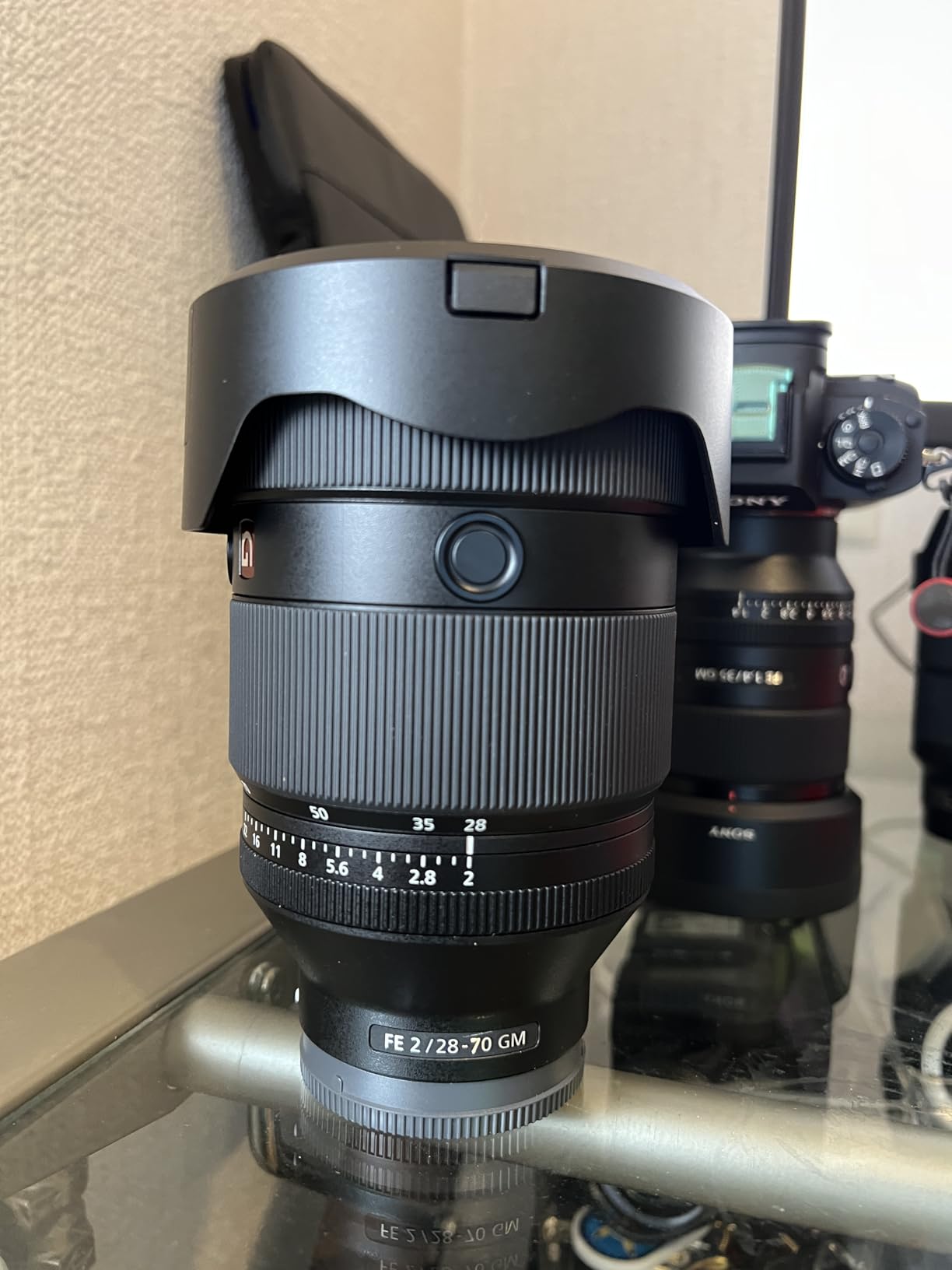
What strikes me most about this lens is how it changes your shooting approach. The f/2 aperture lets you work in venues where f/2.8 would require pushing ISO higher than ideal. Wedding photographers shooting dimly lit ceremonies, concert photographers in challenging venues, and portrait photographers wanting maximum subject separation all benefit from that extra stop of light.
The autofocus system deserves special mention. Four XD linear motors work with Sony’s latest algorithms to deliver what users call “extremely fast to focus, and sharp even at f/2.” Tracking continues even while zooming, and the lens is fully compatible with the 120 fps burst capability of the Alpha 9 III. For action and sports work, this performance level matters.
However, the weight is real. At 918 grams, this lens is substantially heavier than the 24-70mm f/2.8 GM II. Users report that while the lens feels “disconcertingly light for its size” due to weight distribution, carrying it for extended periods during events or travel becomes noticeable. The larger 86mm filter thread also means investing in new filters if you’re upgrading from 82mm systems.
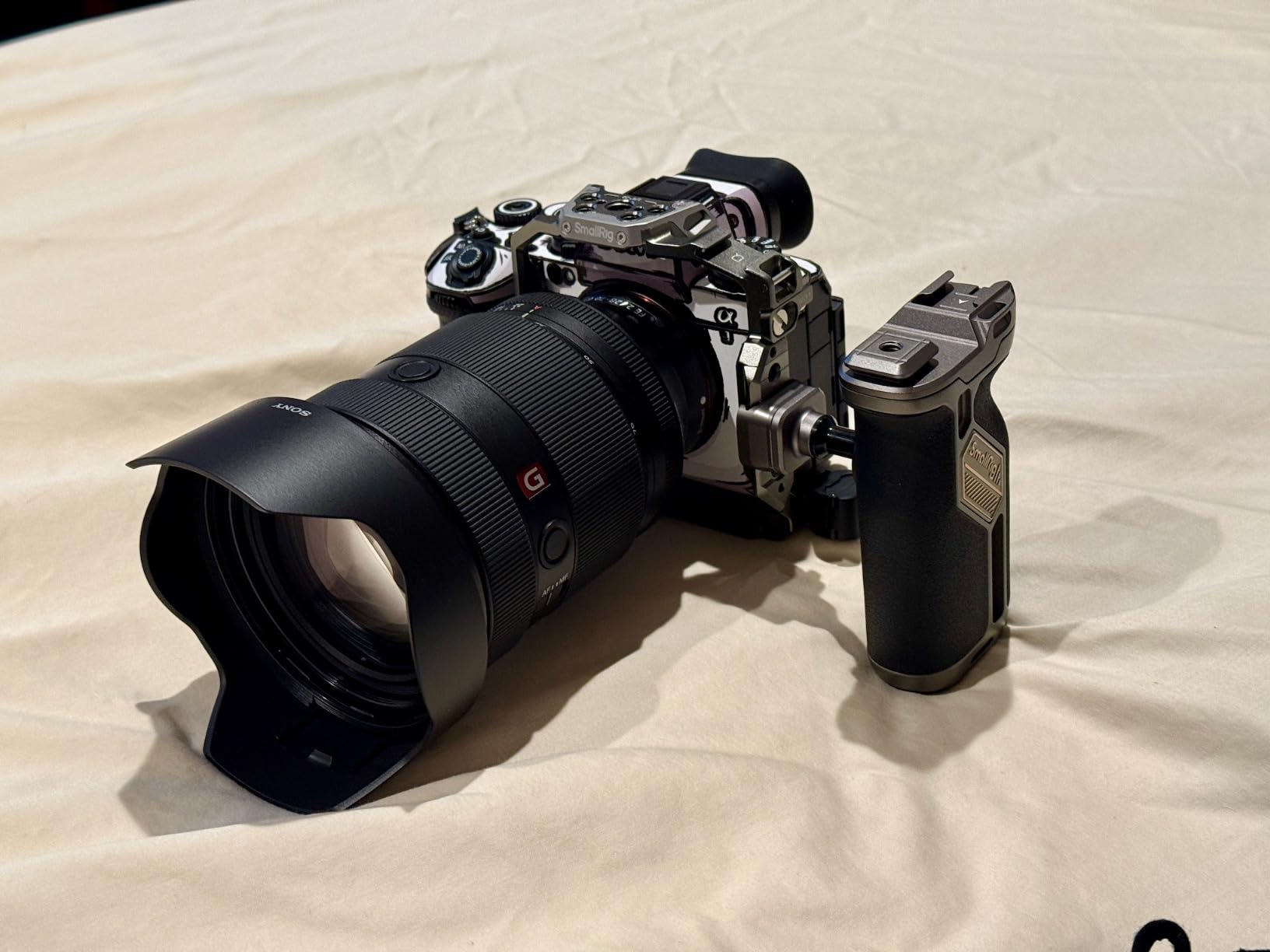
The minimum focusing distance of 38cm throughout the zoom range is decent but not exceptional. If close-up work is important to your style, the 24-70mm f/2.8 GM II focuses almost twice as close at 21cm. For most photography, this difference rarely matters, but product photographers and macro-adjacent shooters should take note.
Built-in optical stabilization (OSS) gives the 28-70mm f/2 GM an advantage when paired with bodies lacking in-body stabilization. Video shooters working with older Sony bodies appreciate this feature, though most modern Alpha cameras provide excellent IBIS that complements the lens stabilization.
Sony FE 24-70mm f/2.8 GM II Deep Dive
Pros
- Lightest f/2.8 24-70mm full-frame zoom
- Excellent edge-to-edge sharpness
- Superior focus breathing compensation
- 21cm minimum focus distance
- Better value proposition
- Wider 24mm coverage
Cons
- Less light gathering than f/2 zooms
- Hood design collects dust
- Zoom extends during use
- Still expensive for hobbyists
The Sony FE 24-70mm f/2.8 GM II holds the title of world’s lightest full-frame f/2.8 constant aperture standard zoom. At 695 grams, it’s over 20% lighter than its predecessor and 223 grams lighter than the 28-70mm f/2 GM. Users consistently praise it as “smaller, much lighter” while delivering image quality that many consider “the only lens you need” for Sony cameras.
What makes this lens special is how Sony refined every aspect of the original 24-70mm GM. The optical formula includes two XA elements, two ED glass elements, and two Super ED glass elements working together to deliver excellent contrast and superb resolution even wide open at f/2.8. Edge-to-edge sharpness ranks among the best I’ve seen in any zoom lens.

The 24mm wide end matters more than you might expect. Users report the “difference between 24mm and 28mm is quite noticeable” in practice. For event photography, real estate work, travel, and any situation where you need to capture wider scenes, that 4mm provides genuine creative flexibility. You can always crop in from 24mm, but you cannot widen 28mm in post.
Video shooters particularly benefit from the advanced focus breathing reduction. Sony designed this lens with filmmaking in mind, reducing focus breathing, focus shift, and axial shift. The breathing compensation function is supported in compatible Alpha bodies, making this the preferred choice for hybrid shooters. One forum user noted that “video users prefer the 24-70 GM II for focus breathing compensation.”
The minimum focusing distance of 21cm opens creative possibilities that the 28-70mm f/2 GM cannot match. Close-up product shots, detail work at events, and environmental portraits all benefit from this capability. The floating focus mechanism controls aberrations even at close distances, maintaining sharpness throughout the range.

Four XD linear motors deliver fast, precise, and quiet autofocus with excellent tracking. The lens supports shooting at up to 30 frames per second or 4K 120p with compatible cameras. Low-vibration operation makes it suitable for video work where mechanical noise could ruin a take.
The 82mm filter thread matches most other Sony G Master lenses, allowing you to share polarizers, ND filters, and other accessories across your kit. This standardization saves money and simplifies your gear organization compared to the 86mm requirement of the 28-70mm f/2 GM.
Build quality matches the G Master standard with comprehensive weather sealing, a click/de-click aperture ring switch, and multiple customizable buttons. Some users note that the lens hood collects dust and pet hair easily, and the zoom mechanism extends during use rather than being internal. These are minor quibbles about an otherwise exceptional lens.
Sony FE 28-70mm f2 GM vs Sony FE 24-70mm f2.8 GM II: Head-to-Head Comparison
Aperture and Low-Light Performance
Winner: Sony FE 28-70mm f/2 GM
The f/2 aperture of the 28-70mm GM gathers exactly twice as much light as f/2.8. In practical terms, this means you can shoot at ISO 3200 where an f/2.8 lens would require ISO 6400, or use a shutter speed twice as fast in the same lighting conditions. For wedding photographers working in dimly lit churches, concert shooters in dark venues, or event photographers in challenging lighting, this advantage is substantial.
Forum users describe the 28-70mm f/2 GM as producing “stunning rendering and colors at night.” The ability to maintain image quality wide open means you can actually use f/2 as a working aperture rather than stopping down for sharpness. Portrait photographers seeking shallow depth of field and subject isolation consistently favor this lens for its “creamier bokeh.”
Focal Range Versatility (24mm vs 28mm)
Winner: Sony FE 24-70mm f/2.8 GM II
The 4mm difference between 24mm and 28mm on the wide end is more significant than the numbers suggest. Users report the difference is “quite noticeable” in real-world shooting. At 24mm, you capture significantly wider field of view (84 degrees versus 75 degrees), making the 24-70mm GM II better suited for architecture, real estate, landscapes, group shots, and environmental portraits.
For event photographers who need to capture venue shots alongside portrait work, the 24mm end provides genuine creative flexibility. Travel photographers also benefit from the wider coverage when documenting destinations. You can always crop from 24mm, but you cannot expand 28mm in post-processing.
Size, Weight, and Portability
Winner: Sony FE 24-70mm f/2.8 GM II
At 695 grams versus 918 grams, the 24-70mm f/2.8 GM II is 223 grams lighter. That difference becomes significant during long wedding days, extended travel, or any shoot where you carry your camera for hours. Users praise the GM II for being “smaller, much lighter” while noting that the 28-70mm f/2 GM “can feel heavy for extended use.”
The physical dimensions also favor the GM II. At 120mm length versus 140mm, the 24-70mm GM II packs more easily into camera bags and balances better on smaller bodies like the A7C series. For travel photographers counting every gram and cubic centimeter, these differences compound across a trip.
Image Quality and Sharpness
Winner: Tie
Both lenses deliver exceptional optical performance that lives up to the G Master reputation. The 28-70mm f/2 GM uses three XA elements to maintain corner-to-corner resolution even wide open at f/2. The 24-70mm f/2.8 GM II employs two XA elements plus four ED glass elements for excellent contrast and edge-to-edge sharpness.
In real-world shooting, both lenses produce images that rival prime lens quality. Users describe both as delivering “stellar” image quality with excellent color rendering and contrast. Neither lens requires stopping down significantly to achieve optimal sharpness.
Bokeh and Subject Isolation
Winner: Sony FE 28-70mm f/2 GM
The f/2 aperture provides shallower depth of field than f/2.8 at any given focal length and subject distance. Combined with the 11-blade circular aperture design, the 28-70mm f/2 GM produces bokeh that users describe as “creamier” and more “prime-like” than what f/2.8 zooms can achieve.
Portrait photographers consistently favor the 28-70mm f/2 GM for subject isolation. The ability to separate subjects from backgrounds at f/2 creates a distinctive look that some photographers consider worth the extra weight and cost. For headshots, engagement sessions, and any work where background blur matters, this lens delivers.
Autofocus Performance
Winner: Tie
Both lenses feature four XD linear motors with Sony’s latest autofocus algorithms. Users report both lenses are “extremely fast to focus” with excellent tracking capabilities. The 28-70mm f/2 GM maintains tracking even while zooming and supports the 120 fps burst capability of the Alpha 9 III.
The 24-70mm f/2.8 GM II supports 30 fps shooting and 4K 120p video with compatible bodies. Both lenses feature near-silent operation suitable for video work. In practice, you will not notice meaningful autofocus differences between these lenses.
Video Features and Focus Breathing
Winner: Sony FE 24-70mm f/2.8 GM II
Sony designed the 24-70mm f/2.8 GM II with video shooters in mind. Advanced lens design reduces focus breathing, focus shift, and axial shift. The breathing compensation function is supported in compatible Alpha bodies, making this the preferred choice for hybrid shooters and filmmakers.
Forum users specifically note that “video users prefer the 24-70 GM II for focus breathing compensation.” The lighter weight also benefits gimbal work, where every gram affects balance and battery life. For documentary work, corporate video, and hybrid photo-video production, the GM II has the edge.
Minimum Focusing Distance
Winner: Sony FE 24-70mm f/2.8 GM II
The 24-70mm f/2.8 GM II focuses down to 21cm compared to 38cm on the 28-70mm f/2 GM. This nearly 50% improvement in close-focusing capability opens creative possibilities for product photography, detail shots at events, and close-up environmental portraits.
The floating focus mechanism on the GM II maintains sharpness even at minimum focus distance. For photographers who regularly work close to their subjects, this difference significantly impacts shooting flexibility.
Filter Size and Accessories
Winner: Sony FE 24-70mm f/2.8 GM II
The 82mm filter thread on the 24-70mm f/2.8 GM II matches most other Sony G Master lenses, allowing filter sharing across your kit. The 86mm thread on the 28-70mm f/2 GM is less common and typically more expensive. High-quality polarizers and ND filters can cost significantly more in 86mm versus 82mm.
For photographers building a filter system, this difference adds up over time. If you already own 82mm filters for other Sony lenses, the GM II integrates seamlessly into your existing workflow.
Value and Price Analysis
Winner: Sony FE 24-70mm f/2.8 GM II
The 24-70mm f/2.8 GM II offers better value for most photographers. You get a lighter, more versatile lens at a lower price point. The trade-off is the f/2.8 maximum aperture, but for many shooters, f/2.8 proves sufficient for their low-light needs.
The 28-70mm f/2 GM commands a premium for its unique f/2 aperture capability. Whether that premium is justified depends entirely on your shooting style. If you regularly work in extremely low light or prioritize shallow depth of field above all else, the investment makes sense. For general professional work, the GM II offers more versatility per dollar.
Who Should Buy the Sony FE 28-70mm f/2 GM
The 28-70mm f/2 GM is ideal for photographers who prioritize light-gathering capability and creative depth of field control over versatility and portability.
Portrait photographers benefit most from the f/2 aperture. The shallow depth of field creates distinctive subject separation that f/2.8 zooms cannot match. If your work involves headshots, engagement sessions, or any photography where background blur defines your style, this lens delivers.
Low-light specialists working in challenging venues will appreciate the full stop advantage. Wedding photographers shooting dimly lit ceremonies, concert photographers in dark clubs, and event photographers in venues with limited lighting all benefit from the ability to shoot at f/2 without sacrificing image quality.
Filmmakers prioritizing bokeh should consider this lens. While the 24-70mm GM II offers better focus breathing compensation, some video shooters prefer the 28-70mm f/2 for its distinctive shallow depth of field look in narrative and commercial work.
Prime lens shooters transitioning to zooms will find the transition easier with the 28-70mm f/2 GM. The f/2 aperture and prime-like sharpness maintain the rendering characteristics many photographers love about their prime lenses while adding zoom convenience.
Camera body considerations: The built-in OSS makes this lens particularly valuable for older Sony bodies without in-body stabilization. Pair it with an A7 III, A7R III, or original A7R IV to gain stabilization benefits.
Who Should Buy the Sony FE 24-70mm f/2.8 GM II
The 24-70mm f/2.8 GM II suits photographers who need maximum versatility in a portable, well-priced package.
Wedding and event photographers represent the core audience for this lens. The 24mm wide end captures venue shots and group photos, while 70mm handles portraits and detail work. The lighter weight matters during long wedding days when every gram counts.
Travel photographers benefit from the compact size and versatile range. When packing light for destinations, the 695-gram weight and 24-70mm coverage handle most travel scenarios from landscapes to street photography to environmental portraits.
Hybrid photo-video shooters should strongly consider the GM II. The superior focus breathing compensation, lighter weight for gimbal work, and 24mm coverage for establishing shots make this the better choice for content creators working in both mediums.
Real estate and architecture photographers need the 24mm wide end. The ability to capture interiors and building exteriors at 24mm provides the coverage these genres require, making the GM II the practical choice.
Photographers building a Sony system will appreciate the 82mm filter compatibility with other G Master lenses. If you own or plan to own the 70-200mm GM II or 16-35mm GM, sharing filters across your kit saves money and simplifies your workflow.
Camera body considerations: The GM II pairs excellently with any modern Sony body. For the A7 IV, A7R V, A1, or A9 III, the combination delivers professional results. The lighter weight also balances better on compact bodies like the A7C series.
Frequently Asked Questions
What is the difference between Sony 24 70 and 28 70?
The main differences are aperture (f/2.8 vs f/2), focal range (24-70mm vs 28-70mm), weight (695g vs 918g), and price. The 28-70mm f/2 GM gathers twice as much light but is heavier and more expensive. The 24-70mm f/2.8 GM II offers wider 24mm coverage in a lighter package at a lower price.
Is the Sony 28-70 F2 worth it?
The Sony 28-70mm f/2 GM is worth it for portrait photographers, low-light specialists, and anyone who prioritizes shallow depth of field over versatility. Users describe the rendering as stellar with creamy bokeh that rivals prime lenses. However, the extra weight and cost only make sense if you genuinely need the f/2 aperture for your work.
Is the Sony FE 24-70mm f2.8 GM good?
The Sony FE 24-70mm f/2.8 GM II is considered one of the best standard zoom lenses ever made. With a 4.6 rating from over 340 reviews, users praise its exceptional sharpness, fast autofocus, and versatile 24-70mm range. Many photographers consider it the only lens they need for professional work.
What is a 24-70mm lens good for?
A 24-70mm lens is ideal for wedding photography, event coverage, portrait work, travel photography, landscapes, street photography, video production, and general walkaround use. The range covers wide-angle to short telephoto, making it one of the most versatile focal length combinations available for full-frame cameras.
Sony FE 28-70mm f2 GM vs Sony FE 24-70mm f2.8 GM II: Final Verdict
After analyzing specifications, user experiences, and real-world performance, the choice between these lenses becomes clear based on your priorities.
Buy the Sony FE 28-70mm f/2 GM if shallow depth of field and low-light capability define your photography. Portrait photographers, low-light specialists, and prime lens enthusiasts will find the f/2 aperture transformative for their work. The weight premium is real, but the creative capabilities justify it for the right shooter.
Buy the Sony FE 24-70mm f/2.8 GM II if versatility and portability matter more than maximum aperture. Wedding photographers, travel shooters, hybrid photo-video creators, and anyone building a general-purpose professional kit will find this lens handles virtually any situation excellently. The value proposition, lighter weight, and wider coverage make it the better choice for most photographers.
Both lenses represent exceptional optical engineering and will serve you well. The question is not which lens is objectively better, but which lens better matches your creative vision and shooting style.