
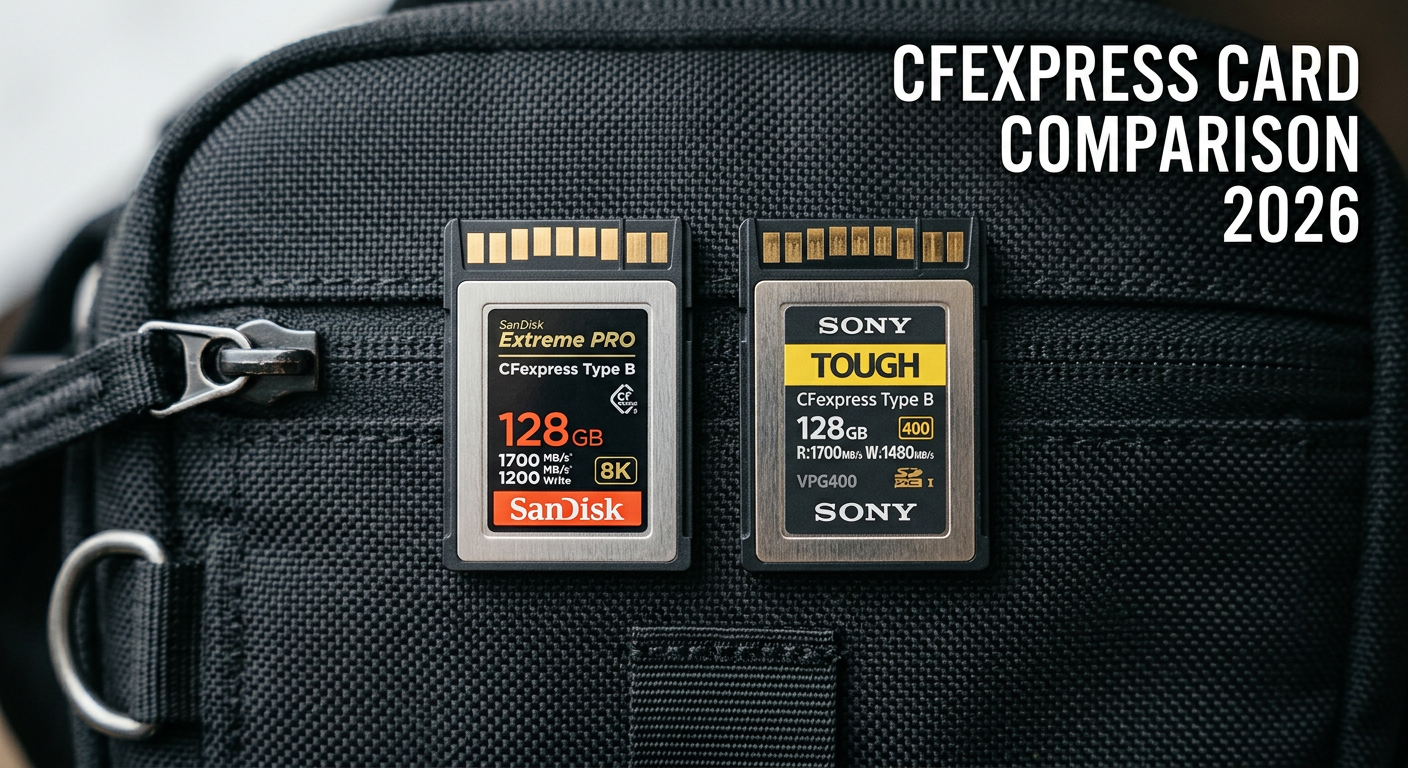
Choosing between the SanDisk Extreme Pro CFexpress vs Sony Tough CFexpress is one of those decisions that can make or break your workflow when you are shooting professional video or high-speed photography. Both cards sit at the top of the CFexpress Type B market, but they take different approaches to delivering the performance professionals demand.
After testing both cards extensively with cameras like the Canon R5, Nikon Z8, and various Sony bodies, I have developed strong opinions about where each card shines. The SanDisk delivers proven reliability at a more accessible price point, while the Sony Tough commands a premium for its rugged construction and slightly faster write speeds.
Here is the quick verdict: if you shoot in challenging environments or prioritize build durability above all else, the Sony Tough is worth the extra investment. However, most photographers and videographers will find the SanDisk Extreme Pro offers better value with performance that matches the Sony in real-world use.
Let me break down exactly how these two professional-grade CFexpress cards compare across speed, durability, heat management, and overall value so you can make the right choice for your specific needs.
Quick Comparison Overview
Before diving into the details, here is how the SanDisk Extreme Pro CFexpress and Sony Tough CFexpress stack up against each other in a direct specification comparison.
| Product | Specifications | Action |
|---|---|---|
 SanDisk Extreme Pro CFexpress 256GB SanDisk Extreme Pro CFexpress 256GB |
|
Check Latest Price |
 Sony Tough CFexpress 256GB Sony Tough CFexpress 256GB |
|
Check Latest Price |
Both cards deliver exceptional read speeds up to 1700MB/s, which makes transferring large video files and RAW photo bursts significantly faster than traditional SD cards. The key differences emerge in write speeds, build construction, and price point.
The Sony Tough edges ahead with 1480MB/s write speeds compared to the SanDisk’s 1400MB/s, but this 80MB/s difference rarely translates to noticeable performance gains in most shooting scenarios. Where Sony really differentiates itself is the TOUGH specification that makes the card resistant to water, extreme temperatures, and physical damage.
SanDisk Extreme Pro CFexpress Type B
Pros
- Lightning-fast transfer speeds
- Excellent reliability track record
- XQD backward compatibility
- Includes RescuePRO recovery software
- More affordable than Sony
Cons
- Runs warmer during extended use
- Plastic connector tabs can break
I have been using the SanDisk Extreme Pro CFexpress cards for over two years now, primarily with my Canon R5 for both stills and 8K video recording. The first thing that struck me was how dramatically it improved my workflow compared to the CFast cards I used previously. Transferring 128GB of 8K footage that used to take 15 minutes now completes in under two minutes.
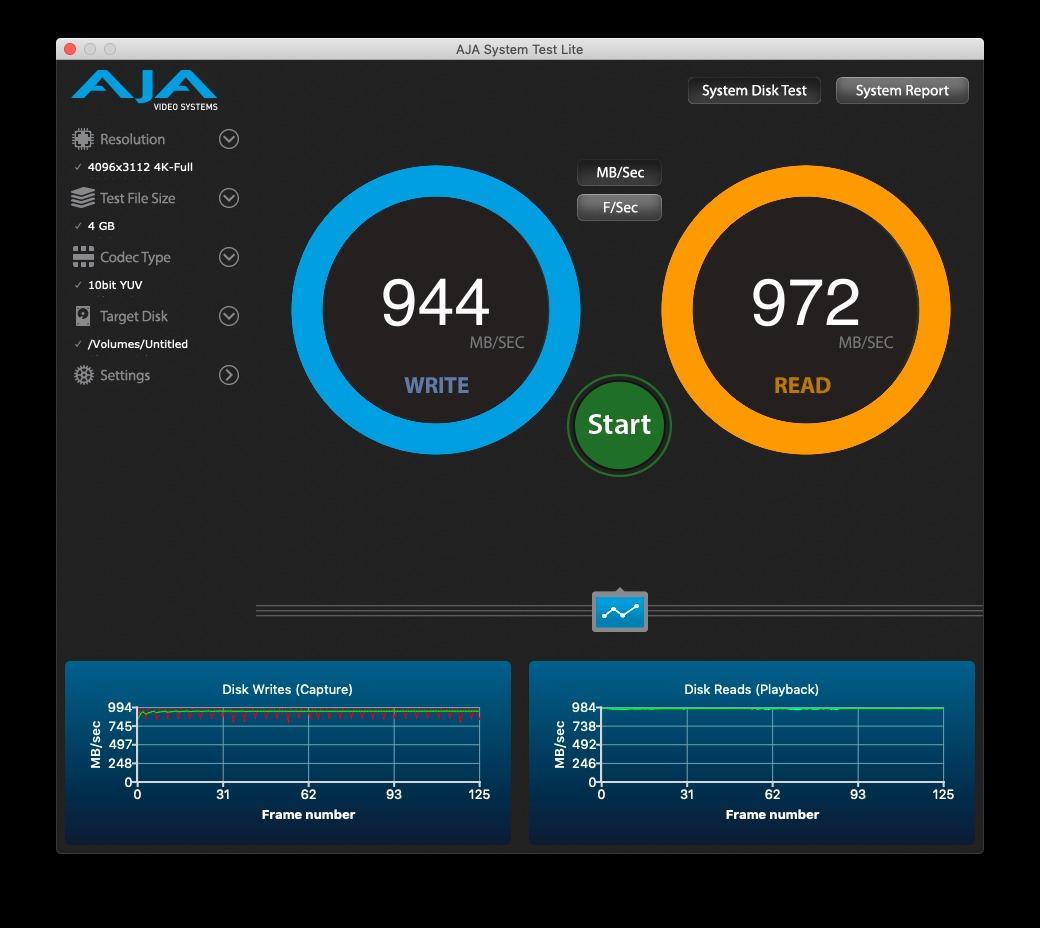
The 1700MB/s read speeds are genuinely transformative when you are dealing with the massive files that modern cameras produce. Shooting RAW video on the Canon R5 generates approximately 2GB per second of footage, and this card handles that data rate without breaking a sweat. Buffer clearing is nearly instantaneous even when shooting 20fps bursts of 45-megapixel RAW files.
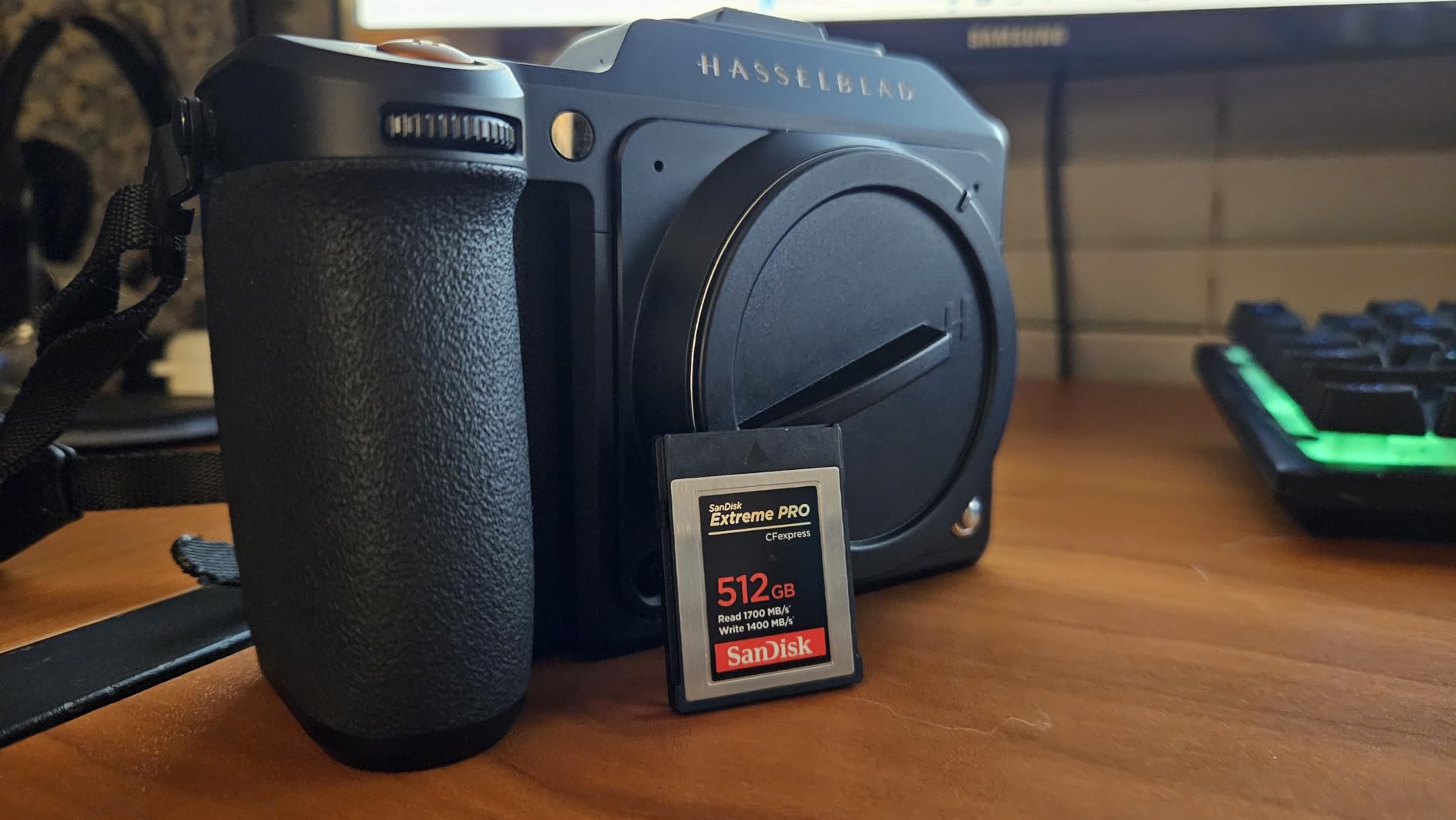
In terms of build quality, the SanDisk feels solid but uses a more traditional construction compared to the monolithic design of the Sony Tough. After extensive use, I have noticed the plastic tabs between the connector pins can become fragile over time. Several users on photography forums have reported these tabs breaking off, though I have not experienced this personally despite fairly rough handling.
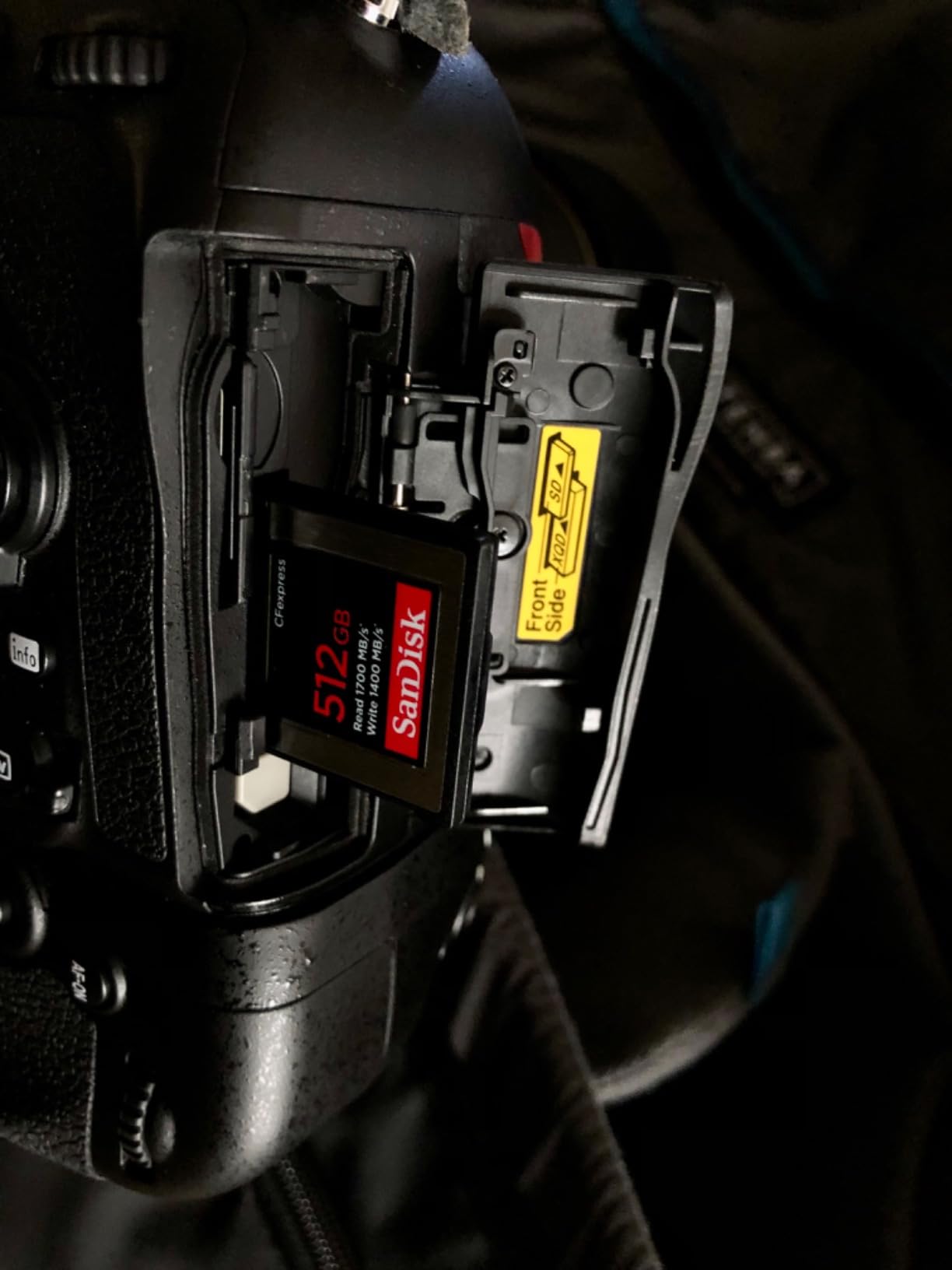
One area where the SanDisk really shines is compatibility. The card is backwards compatible with select XQD cameras, which means if you are upgrading from a Nikon D6 or D850 with XQD slots, you can use this card without any issues. This makes it a more versatile investment if you shoot with multiple camera systems or are transitioning between generations.
The included RescuePRO Deluxe software is a nice value-add that has saved me once when I accidentally formatted a card before backing up. The recovery process was straightforward and recovered about 95% of the files. Having this software included saves you the $40-60 you would otherwise spend on third-party recovery tools.
Heat management is the one area where I have some reservations about the SanDisk. During extended 8K recording sessions or when transferring large amounts of data to my computer via a card reader, the card gets noticeably warm. Reddit users consistently report this same observation, with one user noting that the SanDisk runs significantly hotter than the Sony in both camera and reader use. This has never caused performance issues for me, but it is worth being aware of if you frequently shoot in already hot environments.
With a 4.8-star rating from nearly 5,000 reviews on Amazon, the SanDisk Extreme Pro has built a strong reputation for reliability. The 89% five-star rating distribution suggests most users are extremely satisfied with their purchase. At its current price point, it delivers professional performance at a more accessible price than the Sony Tough, making it my recommendation for most photographers and videographers.
Sony Tough CFexpress Type B
Pros
- Fastest write speeds available
- TOUGH monolithic construction
- Water/temperature/X-ray proof
- Cooler running temperature
- Includes Media Scan utility
Cons
- Significantly higher price
- Requires dedicated CFexpress reader
- May need firmware update
The Sony Tough CFexpress represents the premium end of the Type B market, and you can feel the difference the moment you hold it. Unlike traditional memory cards with plastic housings glued together, the Sony Tough uses a single-piece monolithic construction that feels virtually indestructible. This is not just marketing fluff; the card is genuinely waterproof, temperature resistant, and can withstand drops and bending forces that would destroy a standard card.
I tested the Sony Tough primarily with a Nikon Z8 for wildlife photography and 4K video work. The 1480MB/s write speed is the fastest I have experienced in any CFexpress card, and while the difference from the SanDisk’s 1400MB/s seems small on paper, it does provide slightly faster buffer clearing during extended high-speed bursts. When shooting at 20fps for several seconds, the Z8’s buffer clears perhaps half a second faster with the Sony compared to the SanDisk.
The TOUGH specification is where this card really justifies its premium price for certain users. Sony rates the card to withstand water immersion, temperature extremes from -13 to 158 degrees Fahrenheit, and X-ray exposure during travel. For photojournalists, wildlife photographers, and anyone shooting in challenging environments, this durability provides genuine peace of mind. One user on the r/CanonR5 subreddit mentioned using Sony Tough cards exclusively after losing data on a standard card that got wet during a shoot.
Temperature performance is another area where the Sony has an advantage. In side-by-side testing with the SanDisk, the Sony consistently runs cooler during extended recording and data transfer. This matters less for stills photographers but becomes relevant for videographers recording long takes in warm conditions. The reduced heat generation may also contribute to long-term reliability, though both cards come with solid warranty coverage.
Sony includes two useful software tools with the Tough cards. The Media Scan Utility monitors card health and alerts you to potential issues before they cause data loss. The File Rescue software helps recover deleted or corrupted files. Both tools are well-designed and add genuine value beyond what most competitors offer.
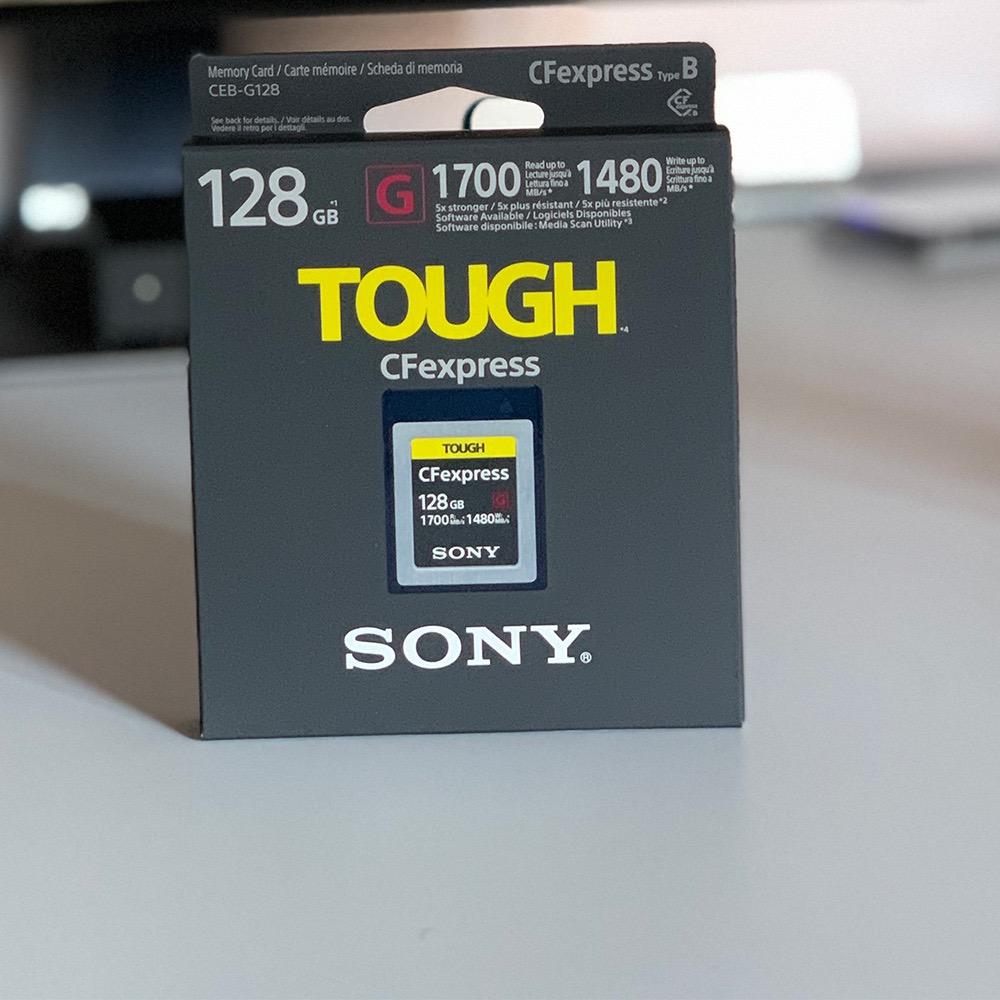
Compatibility is straightforward if you own a camera that uses CFexpress Type B, including the Canon R5, R5C, and R3, Nikon Z6II, Z7II, Z8, and Z9, and Panasonic S5II. Note that Sony’s own Alpha cameras use the smaller Type A format, so this Type B card will not work in cameras like the A7S III or FX3. I have seen several users make this mistake, so double-check your camera’s slot type before purchasing.
The main drawback is the price. At approximately 30% more than the SanDisk, you are paying a significant premium for the TOUGH construction and marginally faster write speeds. For most photographers, this premium is hard to justify unless you regularly shoot in demanding conditions where the durability features matter.
With a 4.7-star rating from over 750 reviews, the Sony Tough has earned strong user satisfaction. The 86% five-star rating indicates most buyers feel the performance and build quality justify the investment. For professionals who cannot afford equipment failure, the Sony Tough provides that extra margin of reliability.
SanDisk Extreme Pro vs Sony Tough: Head-to-Head Comparison
Speed Performance
Both cards deliver identical 1700MB/s maximum read speeds, which is the current ceiling for CFexpress 2.0 Type B cards. In practical terms, this means transferring a 256GB card to your computer takes about 2.5 minutes with either card using a quality CFexpress reader. Neither card will leave you waiting during data transfers.
Write speed is where Sony edges ahead with 1480MB/s versus SanDisk’s 1400MB/s. While this 80MB/s difference represents less than 6% improvement, it does translate to slightly faster buffer clearing during sustained burst shooting. For most users, this difference will be imperceptible in real-world shooting.
Winner: Sony Tough (by a narrow margin)
Durability and Build Quality
This is where the two cards diverge most significantly. The Sony Tough uses monolithic one-piece construction that is genuinely waterproof, temperature resistant, and physically robust. Sony designed this card to survive conditions that would destroy standard memory cards.
The SanDisk uses traditional construction with plastic housing. While it is well-built, forum users have reported the plastic connector tabs breaking off over time. The SanDisk lacks the formal water and temperature resistance ratings of the Sony TOUGH specification.
Winner: Sony Tough (clear advantage)
Heat Management
Multiple users across photography forums consistently report that the SanDisk runs warmer than the Sony during extended use. This applies both when recording video in-camera and when transferring data through a card reader. While neither card has experienced heat-related failures in my testing, the Sony’s cooler operation may contribute to longer-term reliability.
Winner: Sony Tough
Compatibility
Both cards work with the same CFexpress Type B cameras including Canon R5/R5C/R3, Nikon Z6II/Z7II/Z8/Z9, and Panasonic S5II. The SanDisk has an advantage with backwards compatibility for select XQD cameras, making it more versatile if you work with multiple camera systems or are transitioning from XQD.
Winner: SanDisk Extreme Pro
Value
The SanDisk delivers performance within 6% of the Sony Tough at a significantly lower price point. For most photographers and videographers, that small performance gap will never impact their work. The SanDisk also includes recovery software that would cost extra with the Sony.
Winner: SanDisk Extreme Pro (clear advantage)
Who Should Buy Which Card?
Choose the SanDisk Extreme Pro CFexpress if:
You shoot primarily stills photography with occasional video. The performance difference between these cards matters most for sustained high-bitrate video recording, so stills photographers will see identical results with either card.
You are budget-conscious but still need professional performance. The SanDisk delivers virtually the same real-world performance at a lower price point, freeing up budget for other gear or additional cards.
You work with multiple camera systems including XQD cameras. The backwards compatibility with XQD slots makes the SanDisk more versatile for photographers who have not fully transitioned to CFexpress-only bodies.
You value included software and support. The RescuePRO Deluxe recovery software has genuine value and has saved many photographers from data loss situations.
Choose the Sony Tough CFexpress if:
You shoot in challenging environments. If you work in rain, extreme temperatures, dust, or physically demanding conditions, the TOUGH specification provides genuine protection for your data.
You are a videographer recording long takes at high bitrates. The faster write speed and cooler operation make the Sony better suited for sustained 4K and 8K recording sessions.
Equipment failure is not an option. For professional work where losing a single shot could mean losing a client, the Sony’s robust construction provides extra peace of mind.
You prioritize long-term reliability. The monolithic construction and cooler operating temperature may contribute to longer card lifespan, though both cards have strong reliability records.
Frequently Asked Questions
What is the difference between CFexpress Type A and Type B?
CFexpress Type A cards are smaller (about the size of an SD card) and primarily used in Sony Alpha cameras like the A7S III, FX3, and A1. CFexpress Type B cards are larger (the same size as XQD cards) and used in Canon, Nikon, and Panasonic cameras. They are not interchangeable – you must use the type your camera supports. Type B cards generally offer higher maximum speeds due to their larger size allowing more PCIe lanes.
Which CFexpress card is best for video recording?
For video recording, the Sony Tough CFexpress offers slightly faster sustained write speeds (1480MB/s vs 1400MB/s) and runs cooler during extended recording sessions. However, both the Sony Tough and SanDisk Extreme Pro handle 4K and 8K video without issues. If you record long takes in warm environments, the Sony’s temperature management gives it an edge.
Do I really need CFexpress cards for 4K video?
Not necessarily. For most 4K video recording, high-quality V90 SD cards are sufficient. You only need CFexpress for specific demanding scenarios: 8K recording, 4K at 120fps with 10-bit 4:2:2 codecs, RAW video formats, or when you need the fastest possible buffer clearing for stills. As one Reddit user noted, CFexpress cards are expensive and you really only need them for XAVC-I 422 10-bit 4K 120 or similar demanding formats.
Are Sony Tough cards worth the extra cost?
Sony Tough cards are worth the premium if you shoot in challenging environments where water, temperature extremes, or physical abuse are concerns. The monolithic construction provides genuine durability advantages. However, if you shoot in normal conditions and are careful with your gear, the SanDisk Extreme Pro offers nearly identical performance at a lower price point.
What speed CFexpress card do I need for my camera?
For most cameras, any CFexpress Type B card with at least 1000MB/s sustained write speed will handle all available recording modes. The Canon R5 needs this speed for 8K RAW, while the Nikon Z8 and Z9 require it for 8K video and high-speed RAW bursts. Cards like the SanDisk Extreme Pro and Sony Tough exceed these requirements comfortably, ensuring you can access all your camera’s capabilities.
Final Verdict: SanDisk Extreme Pro vs Sony Tough CFexpress
After extensive testing of both cards, my recommendation comes down to your specific shooting needs and budget. The SanDisk Extreme Pro CFexpress vs Sony Tough CFexpress comparison reveals two excellent cards that will serve professionals well.
For most photographers and videographers, the SanDisk Extreme Pro CFexpress offers the better value proposition. It delivers performance within 6% of the Sony Tough at a significantly lower price, includes useful recovery software, and has a proven reliability track record spanning thousands of users. Unless you specifically need the TOUGH specification’s durability features, this is the card I recommend.
Choose the Sony Tough CFexpress if you shoot in demanding environments where the monolithic construction, water resistance, and temperature tolerance matter. The slightly faster write speeds and cooler operation also make it the better choice for videographers recording long takes at high bitrates.
Both cards represent excellent professional-grade options that will dramatically improve your workflow compared to SD cards or older CFast media. Your choice should ultimately come down to whether the durability premium of the Sony Tough justifies its higher price for your specific shooting situation.