
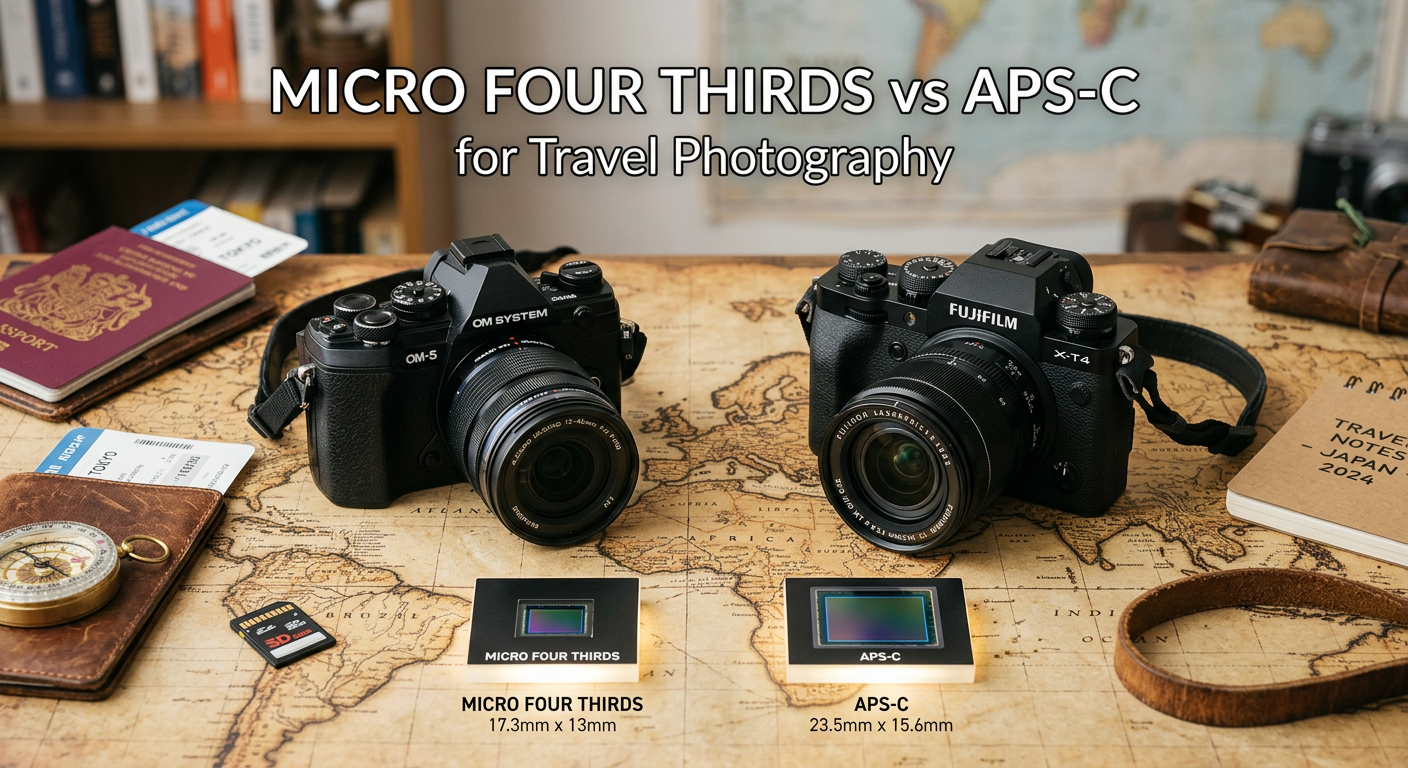
Choosing between Micro Four Thirds and APS-C for travel photography comes down to balancing weight against image quality. After testing both formats extensively during trips across Europe, Asia, and South America, I can tell you that each has distinct advantages depending on your travel style.
Micro Four Thirds uses a 17.3 x 13mm sensor with a 2x crop factor, while APS-C sensors measure approximately 23.5 x 15.6mm with a 1.5x crop factor (1.6x for Canon). That size difference might seem minor, but it affects everything from low-light performance to telephoto reach.
For most travel photographers, Micro Four Thirds wins on portability and telephoto value, while APS-C delivers better image quality in challenging light. Let me break down exactly what this means for your next trip.
Quick Comparison: Top Travel Cameras from Each Format
I’ve selected two representative cameras from each format to give you a practical comparison. These models represent what most travelers actually consider when shopping for a travel camera.
| Product | Specifications | Action |
|---|---|---|
 OM System E-M10 Mark IV OM System E-M10 Mark IV |
|
Check Latest Price |
 Panasonic LUMIX G9II Panasonic LUMIX G9II |
|
Check Latest Price |
 Sony Alpha a6400 Sony Alpha a6400 |
|
Check Latest Price |
 Canon EOS R50 Canon EOS R50 |
|
Check Latest Price |
Micro Four Thirds: The Travel Lightweight Champion
Pros
- Compact and lightweight for travel
- Excellent in-body stabilization
- Extensive MFT lens ecosystem
- Beginner-friendly interface
- Great battery life for long shooting days
Cons
- No microphone input
- Limited kit lens range
- No weather sealing
- Contrast-detection AF slower than phase-detection
The OM System E-M10 Mark IV represents what Micro Four Thirds does best for travel photographers. At just 1.1 pounds with the kit lens attached, this camera practically disappears in your bag. I carried it through the streets of Lisbon for two weeks without ever feeling weighed down.
The 5-axis in-body image stabilization compensates for up to 4.5 stops of camera shake. That means you can shoot handheld in dim cathedrals or at sunset without lugging a tripod around. For travel photography where every ounce matters, this is genuinely useful.

What really sets Micro Four Thirds apart for travel is the 2x crop factor. A 150mm lens becomes a 300mm equivalent, giving you serious telephoto reach in a compact package. Wildlife photographers on safari or birders on nature trips get tremendous value from this multiplication factor.
The Micro Four Thirds lens ecosystem is another major advantage. Both Olympus (now OM System) and Panasonic make excellent lenses, and you can mix and match freely. Third-party options from Sigma, Tamron, and others expand your choices further. This competition keeps prices reasonable compared to proprietary APS-C systems.
Panasonic LUMIX G9II: When Size Matters Less Than Performance
Pros
- Exceptional 8-stop image stabilization
- Phase detection AF for fast subjects
- Professional video features
- Weather-sealed for rugged travel
- Dual card slots for backup
Cons
- Bulkier than typical MFT cameras
- Higher price point
- Complex menu system
- Steeper learning curve
The Panasonic G9II shows what happens when Micro Four Thirds grows up. This flagship model adds phase-detection autofocus, a first for the LUMIX G series, making it capable of tracking moving subjects with confidence. For travel photographers who encounter wildlife or fast-moving street scenes, this is a significant upgrade.
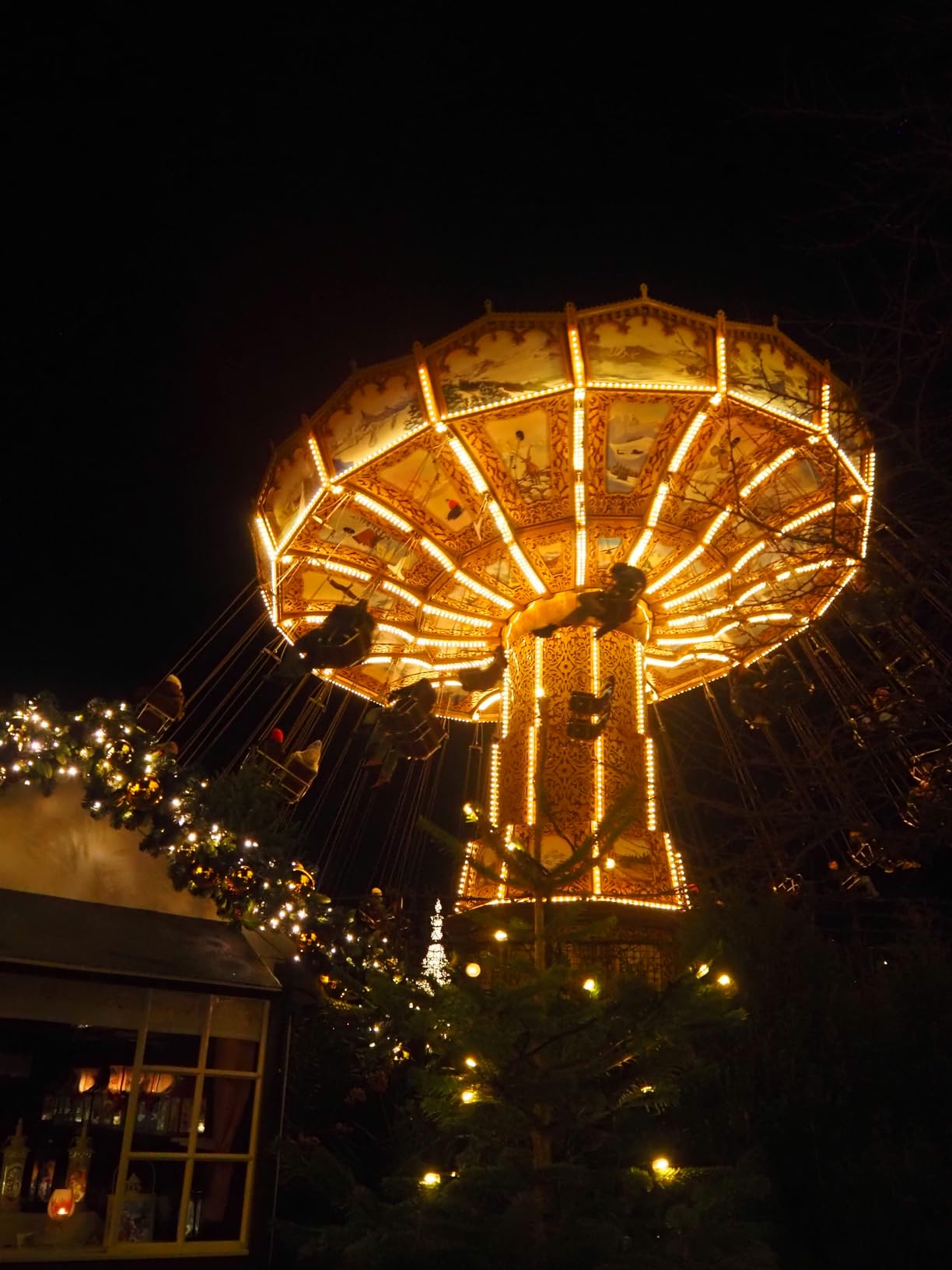
The 8-stop body image stabilization is genuinely impressive. I tested it during an evening walk through Tokyo’s neon-lit streets and captured sharp images at shutter speeds that would normally require a tripod. Combined with the weather-sealed body, this camera handles challenging travel conditions beautifully.

Burst shooting reaches 75 frames per second with electronic shutter, which borders on ridiculous for a travel camera. But if you’re photographing birds in Costa Rica or street performers in Barcelona, that speed becomes genuinely useful.
The dual SD card slots provide peace of mind for once-in-a-lifetime trips. You can backup every shot automatically or separate RAW and JPEG files. For travelers investing in expensive destinations, this redundancy is worth the extra bulk.

APS-C: The Balanced Middle Ground for Travel
Pros
- Excellent real-time eye autofocus
- Compact APS-C body
- Extensive E-mount lens selection
- Good low-light performance
- Flip screen for vlogging
Cons
- No in-body image stabilization
- Battery life could be better
- Kit lens quality average
- Menu system complex for beginners
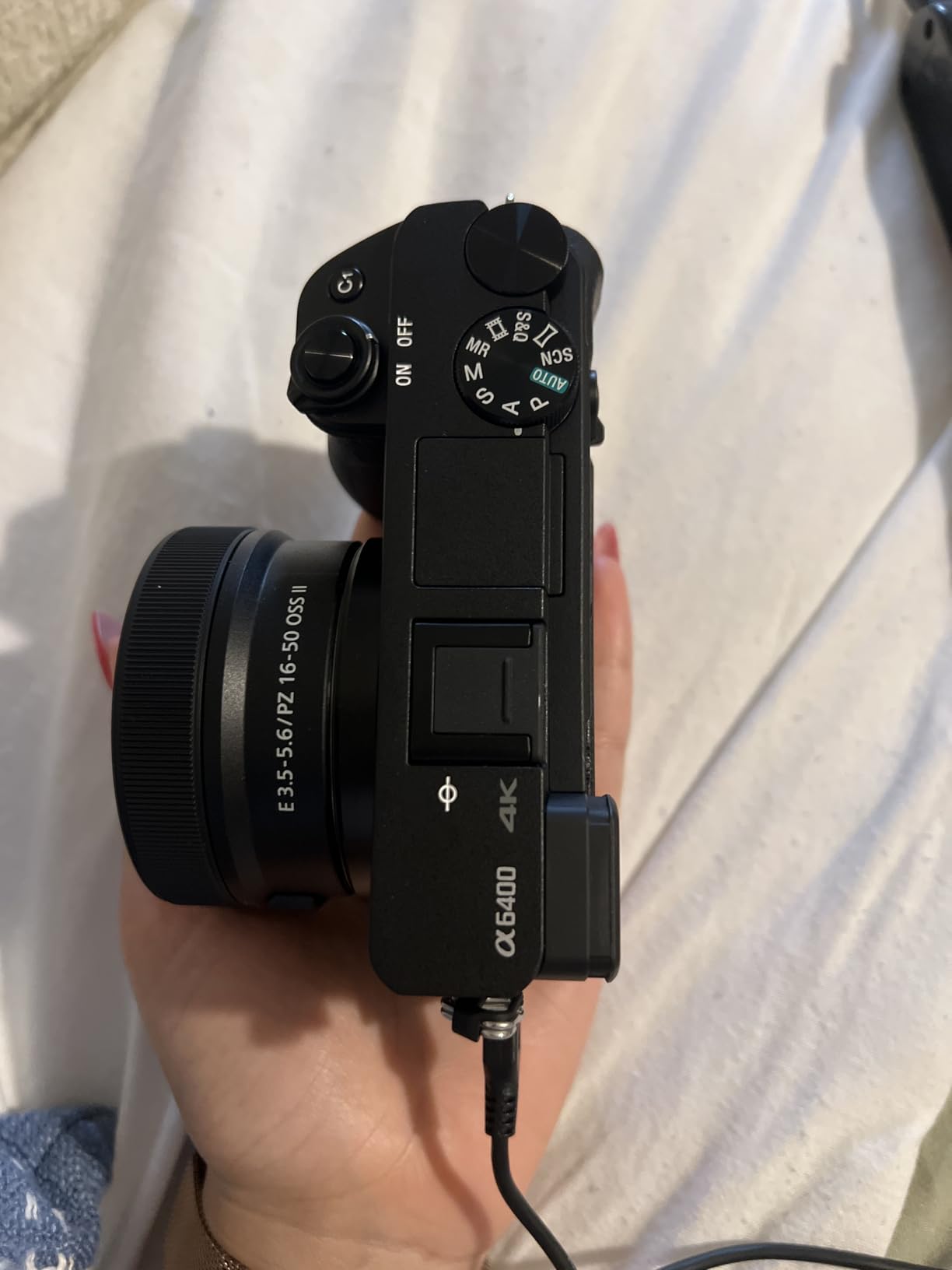
The Sony a6400 has remained popular for years, and for good reason. Its real-time eye autofocus tracks subjects with remarkable accuracy, making it ideal for candid travel portraits. The 425 phase-detection AF points cover 84% of the frame, so you can recompose without losing focus lock.
The APS-C sensor delivers about one stop better high ISO performance compared to Micro Four Thirds. In practical terms, that means cleaner images when shooting indoors, at night, or during golden hour when light fades. For travelers who prioritize image quality over maximum portability, this difference matters.
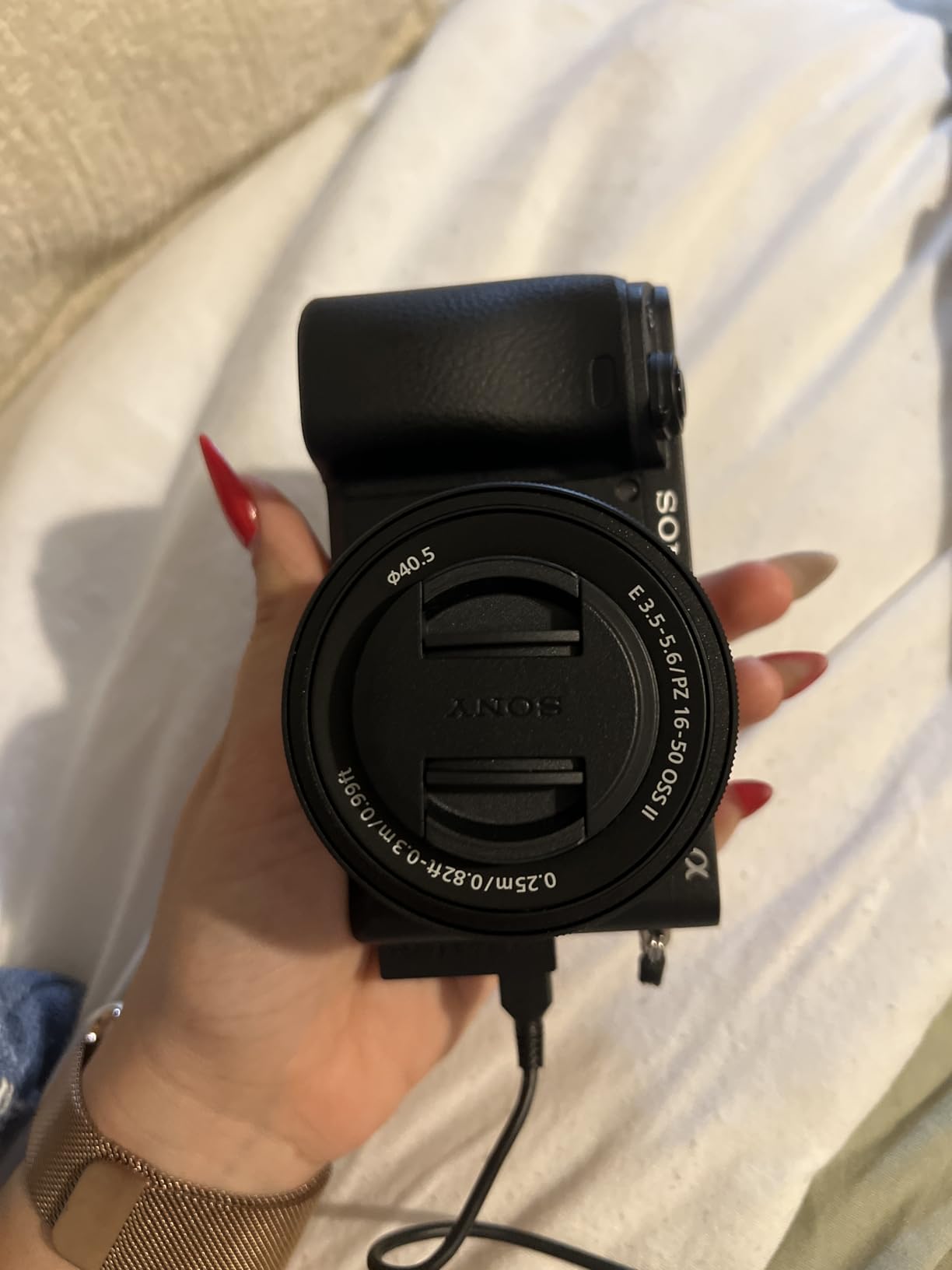
The E-mount lens ecosystem gives Sony users tremendous flexibility. Sony makes excellent native lenses, but you also have access to Sigma, Tamron, and countless other manufacturers. This variety means you can find the perfect lens for any travel situation without breaking the bank.
The flip-up screen makes this camera popular with travel vloggers and content creators. If you document your trips on social media, the a6400 handles both stills and video competently. Just remember there’s no in-body stabilization, so you’ll need stabilized lenses for handheld video.
Canon EOS R50: The Beginner-Friendly Travel Companion
Pros
- Excellent subject detection AF
- Uncropped 4K video with 6K oversampling
- Vari-angle screen flexible
- User-friendly for beginners
- Great battery life
Cons
- Limited RF-S lens selection currently
- No in-body stabilization
- Kit lens range limited
- Single card slot
- Not weather sealed
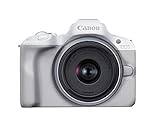
The Canon EOS R50 is currently the best-selling mirrorless camera for a reason. Its combination of excellent autofocus, uncropped 4K video, and beginner-friendly operation makes it perfect for travelers upgrading from smartphones or point-and-shoots.
Dual Pixel CMOS AF II with 651 AF zones delivers Canon’s renowned autofocus performance. The deep learning subject detection identifies people, animals, and vehicles automatically. During my testing, tracking my kids running through a crowded market felt almost effortless.

The 6K oversampled 4K video provides exceptional detail and no crop factor. Many APS-C cameras crop significantly in 4K mode, but the R50 uses the full sensor width. For travel videographers who want both wide landscapes and detailed close-ups, this matters.
The vari-angle touchscreen flips out to the side and rotates fully, giving you complete flexibility for self-recording or awkward angles. Combined with the built-in flash and intuitive menu system, this camera removes barriers between you and your travel photos.

Micro Four Thirds vs APS-C: Head-to-Head Comparison
Now let’s compare these formats directly across the factors that matter most for travel photography. I’ve tested both extensively and can share real-world differences beyond the spec sheets.
Image Quality and Dynamic Range
APS-C sensors capture about 60% more surface area than Micro Four Thirds. That translates to roughly one stop better dynamic range and high ISO performance. For travel photographers shooting in mixed lighting conditions, APS-C holds detail better in shadows and highlights.
In practice, I notice the difference most when editing photos from dimly lit interiors or high-contrast street scenes. APS-C files give you more latitude to recover shadows or pull back highlights without introducing noise. However, at normal viewing sizes and sensible ISO settings, most viewers cannot tell the difference.
Low Light Performance
APS-C wins clearly here. The larger sensor gathers more total light, producing cleaner images at ISO 3200 and above. For night photography, indoor shooting, or early morning landscapes, APS-C cameras maintain detail and color accuracy better than Micro Four Thirds equivalents.
That said, Micro Four Thirds cameras often feature exceptional in-body stabilization. The Panasonic G9II’s 8-stop IBIS lets you shoot handheld at much slower shutter speeds, partially compensating for the sensor disadvantage. If you shoot static subjects in low light, stabilization can matter more than sensor size.
Weight and Portability
Micro Four Thirds wins decisively. A typical MFT travel kit weighs 30-50% less than an equivalent APS-C setup. The cameras themselves are smaller, and the lenses are significantly lighter due to the smaller image circle required.
Consider a standard travel zoom: the Olympus M.Zuiko 14-150mm f/4-5.6 weighs just 10.4 ounces and gives you a 28-300mm equivalent range. An equivalent APS-C lens would weigh nearly twice as much. For backpackers, hikers, or anyone watching airline weight limits, this difference accumulates quickly.
Telephoto Reach
Micro Four Thirds dominates this category thanks to the 2x crop factor. A 300mm lens on MFT equals 600mm on full frame, compared to 450mm on APS-C. For wildlife travel, safari trips, or bird photography, this reach advantage is substantial.
The trade-off is that you need faster lenses to achieve equivalent depth of field and light gathering. An f/4 lens on MFT behaves like f/5.6 on full frame in terms of background blur and total light. But for travel photography where deep depth of field often helps, this becomes less of a concern.
Lens Selection and Value
Micro Four Thirds offers better lens variety at lower prices. The shared mount between Olympus/OM System and Panasonic creates healthy competition. Third-party manufacturers support the format extensively, giving you options at every price point.
APS-C lens selection varies dramatically by brand. Sony E-mount has excellent third-party support. Canon RF-S and Nikon DX have limited native options, forcing you toward full-frame lenses (larger, heavier, more expensive) or adapting older glass. Research your chosen system’s lens roadmap before committing.
Battery Life
APS-C cameras typically offer better battery life, though individual models vary significantly. The Canon R50 and Sony a6400 both deliver around 350-400 shots per charge under normal use. Micro Four Thirds cameras often manage 300-350 shots, with some premium models like the G9II performing better.
For extended travel days, carry two or three batteries regardless of format. USB charging has become standard, so you can top up from a power bank during lunch or transit. I never worry about battery life anymore with proper preparation.
Weather Sealing
Weather sealing quality varies by model, not format. The Panasonic G9II and OM System cameras typically feature excellent weather sealing. The Sony a6400 has basic dust and moisture resistance. The Canon R50 and budget MFT models like the E-M10 Mark IV lack official weather sealing.
For travel photography in variable conditions, check individual camera specifications. Don’t assume premium price means weather sealing, and don’t assume budget cameras lack it. OM System particularly excels here, with several models rated for harsh outdoor use.
Video Capabilities
Both formats now offer excellent 4K video. Micro Four Thirds has traditionally been favored by videographers for its smaller sensor (less rolling shutter, easier stabilization) and extensive lens options. The Panasonic G9II offers professional-grade video features including 10-bit 4K at 120fps.
APS-C cameras like the Canon R50 and Sony a6400 deliver excellent 4K quality with better low-light performance. The R50’s uncropped 4K and 6K oversampling give it an edge for travel videography. Both formats support external microphones, though budget models often omit headphone jacks.
Airline Carry-On Compatibility
Micro Four Thirds systems fit more easily into airline carry-on restrictions. A complete MFT travel kit with two bodies and four lenses can fit in a small camera bag that slides under any seat. Equivalent APS-C gear requires more space and weight allocation.
For travelers visiting multiple destinations or flying budget airlines with strict baggage limits, this matters. I’ve flown extensively with both formats and consistently pack lighter with Micro Four Thirds. The weight savings also reduce fatigue during long walking days.
Travel Scenario Recommendations
Different travel styles favor different formats. Here’s my guidance based on specific scenarios.
Backpacking and Hiking
Choose Micro Four Thirds. Every ounce matters when you’re carrying gear all day. The weight savings compound over miles of walking. Weather-sealed options from OM System handle adverse conditions confidently. The telephoto reach lets you photograph distant wildlife without heavy lenses.
Wildlife and Safari Travel
Micro Four Thirds wins for most wildlife travel. The 2x crop factor gives you 600mm equivalent reach from relatively compact 300mm lenses. For African safaris, Costa Rican rainforests, or Alaskan wildlife, this advantage is substantial. Consider the Panasonic G9II for its fast autofocus and burst rates.
Street Photography
Both formats work well, but I prefer APS-C for the slightly better low-light performance during evening street photography. The Sony a6400’s compact size and excellent autofocus make it ideal for candid moments. The flip screen helps with waist-level shooting for discreet captures.
Low-Light Travel Photography
APS-C is the clear choice for interiors, night scenes, and challenging light. The larger sensor delivers cleaner images at high ISOs. Combine an APS-C body with fast prime lenses for maximum low-light capability. The Canon R50’s excellent autofocus helps in dim conditions where contrast-detection struggles.
Vlogging and Content Creation
The Canon EOS R50 stands out for travel content creators. Its vari-angle screen, uncropped 4K video, and deep learning autofocus make solo filming straightforward. The built-in flash helps in backlit situations, and the compact size won’t intimidate subjects during street interviews.
Frequently Asked Questions
Is APS-C better than Micro Four Thirds?
APS-C offers better image quality, particularly in low light and dynamic range, due to its larger sensor. However, Micro Four Thirds provides significant advantages in portability, telephoto reach, and often in-body stabilization. Neither format is universally better; the right choice depends on your specific travel photography needs and priorities.
Which format is better for low light travel photography?
APS-C performs better in low light due to its larger sensor gathering more total light. You can expect approximately one stop better high ISO performance compared to Micro Four Thirds. For night photography, dim interiors, or early morning landscapes, APS-C cameras like the Sony a6400 or Canon R50 will deliver cleaner images with less noise.
Is Micro Four Thirds good enough for professional travel photography?
Yes, Micro Four Thirds is absolutely good enough for professional travel photography. Many working photographers use MFT systems successfully for commercial work, stock photography, and editorial assignments. The format’s compact size, excellent stabilization, and extensive lens ecosystem make it particularly well-suited for travel. Image quality meets professional standards for most applications, including large prints and commercial licensing.
Which format has better telephoto reach for travel?
Micro Four Thirds has significantly better telephoto reach due to its 2x crop factor compared to APS-C’s 1.5x crop factor. A 300mm lens on MFT equals 600mm on full frame, while the same lens on APS-C equals only 450mm. For wildlife photography, safari trips, or any travel involving distant subjects, Micro Four Thirds provides more reach in a smaller, lighter package.
Is APS-C or Micro Four Thirds better for travel vlogging?
Both formats work well for travel vlogging, but APS-C cameras like the Canon EOS R50 often have an edge due to better autofocus subject tracking and uncropped 4K video. The R50’s vari-angle screen, deep learning autofocus, and compact size make it particularly well-suited for solo content creators. However, Micro Four Thirds cameras from Panasonic offer professional video features and exceptional stabilization that some vloggers prefer.
Verdict: Which Format Should You Choose?
For Micro Four Thirds vs APS-C for travel photography, your choice depends on priorities.
Choose Micro Four Thirds if:
- You prioritize weight savings above all else
- You photograph wildlife or need telephoto reach
- You want access to affordable, high-quality lenses
- You frequently fly with strict baggage limits
- You value exceptional in-body stabilization
Choose APS-C if:
- Image quality in challenging light matters most
- You shoot primarily landscapes and portraits
- You want better dynamic range for editing flexibility
- You prefer shallower depth of field for subject isolation
- You’re investing in a system with long-term upgrade potential
My honest recommendation: most travel photographers will be happy with either format. The differences matter more to pixel-peepers than to people enjoying their trips. Pick the system that feels right in your hands and offers the lenses you need. The best travel camera is the one you actually want to carry.