
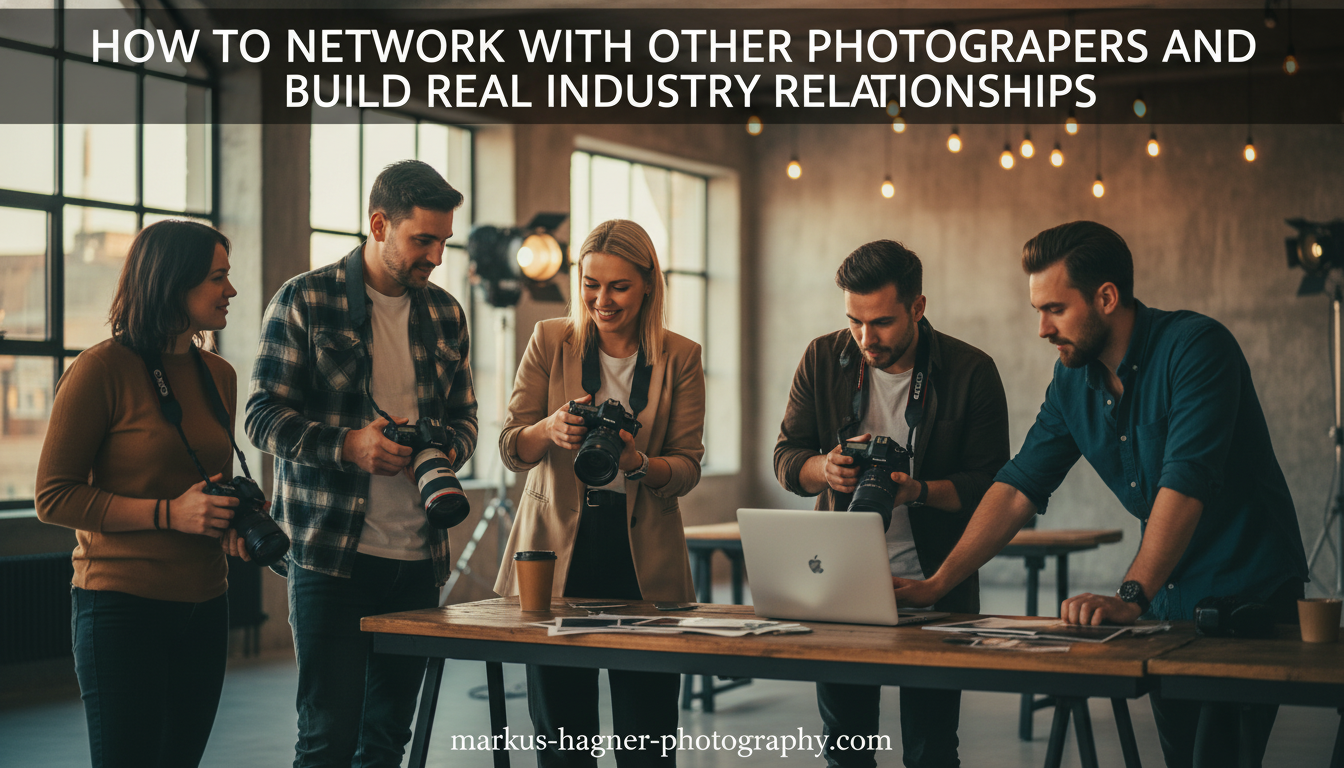
When I started my photography career, I thought my portfolio would do all the talking. I spent hours perfecting my editing style, obsessing over lighting ratios, and building what I believed was an impressive body of work. But months passed, and the phone stayed quiet. Meanwhile, photographers with arguably weaker portfolios were booking consistently. The difference? They knew people. They had built genuine relationships in the photography community. Learning how to network with other photographers transformed my business, and it can transform yours too.
In this guide, I will share everything I have learned about building real industry relationships over the past decade. We will cover online strategies that actually work, in-person approaches that feel natural, and the common mistakes that sabotage most networking efforts. Whether you are an introvert who dreads walking into a room full of strangers or an extrovert wondering why your efforts are not paying off, you will find actionable strategies here.
Why Building a Photography Network Actually Matters?
Photography is competitive. Really competitive. In most markets, dozens of photographers are vying for the same clients, and the barriers to entry get lower every year as camera technology improves. But here is what most photographers miss: your technical skills and portfolio matter, but who you know can be equally valuable.
A strong photography network provides referrals that convert at a much higher rate than cold leads. When another photographer recommends you, that prospect already trusts you. I have seen referral close rates of 60-70% compared to 10-15% for cold inquiries. Beyond referrals, your network becomes a support system. Need advice on a difficult client situation? Looking for a second shooter on short notice? Want honest feedback on your pricing? Your network has your back.
Then there are collaborative opportunities. Styled shoots, portfolio-building projects, and creative partnerships all emerge from relationships. I have landed commercial gigs simply because another photographer could not take the job and thought of me first. That only happens when you have built genuine connections.
Without networking, you are operating in isolation. You miss industry trends, pricing insights, and opportunities that never make it to job boards. You have no one to call when things go wrong or celebrate with when they go right. Building a network is not optional if you want a sustainable photography career.
Online Strategies to Network with Other Photographers
The internet has made it easier than ever to connect with photographers worldwide. But not all online networking is created equal. Some approaches build genuine relationships, while others just add noise to your feed.
Facebook Groups for Photographers
Facebook Groups remain one of the most accessible ways to start networking. The key is choosing the right groups and engaging the right way. Look for groups specific to your photography niche: wedding photography groups, portrait photography communities, commercial photography forums. Local geographic groups are goldmines for building relationships with photographers you might actually meet in person.
When you join a new group, do not immediately post your work and ask for feedback. Spend time observing the culture first. Notice which types of posts get engagement and which get ignored. Then start contributing value. Answer questions where you have expertise. Offer constructive feedback on others’ work. Share resources and tips without expecting anything in return.
The photographers who build the strongest reputations in these groups are the ones who give generously. They answer the same beginner questions patiently. They share detailed breakdowns of their processes. They celebrate others’ wins genuinely. Be that person, and people will remember you.
Common mistake to avoid: treating Facebook Groups like advertising platforms. Posting your latest portfolio piece with a subtle “booking for 2026” message is not networking. It is self-promotion, and it usually backfires. Save the promotional posts for your page, not community spaces.
Instagram Networking That Actually Works
Instagram is where most photographers hang out, but meaningful networking here requires strategy beyond posting pretty pictures. Hashtag research helps you find photographers in your market. Search hashtags like your city plus photographer, your niche plus your region, or local wedding vendor hashtags. You will discover photographers you never knew existed.
Engagement matters more than posting. Meaningful comments on others’ work build recognition. I am not talking about generic “great shot” comments. I mean thoughtful observations about lighting, composition, or storytelling. Ask genuine questions. Start conversations. When someone posts about a challenging shoot, offer encouragement or share a similar experience.
Direct messages can work, but approach them carefully. Cold DMs that immediately ask for something feel transactional. Instead, respond to stories with genuine reactions. Share how a particular post inspired you. Offer value without strings attached. If you want to suggest a coffee meetup, frame it as getting to know a fellow photographer, not a business opportunity.
LinkedIn and Professional Platforms
LinkedIn feels unglamorous compared to Instagram, but it has its place. Commercial photographers, corporate event photographers, and those targeting business clients should absolutely be here. LinkedIn is where you connect with decision-makers at companies that hire photographers. It is also useful for connecting with photographers in adjacent industries: videographers, graphic designers, marketing professionals.
Keep your profile professional and current. Share industry insights rather than just portfolio images. Engage thoughtfully with posts from potential collaborators. The pace here is slower than Instagram, but the connections can be more business-focused.
Photography Forums and Online Communities
Before social media dominated, photography forums were where serious discussions happened. Many still thrive. Communities like Fred Miranda, Photo.net, and specialized forums for different camera systems offer deep technical discussions and relationship-building opportunities. Reddit’s photography communities are active and often brutally honest, which can be valuable for genuine feedback.
The etiquette in forums differs from social media. Read the rules before posting. Search for existing threads before starting new ones. Contribute meaningfully before asking for help. Long-time forum members can spot self-promotional behavior instantly and will call it out.
In-Person Networking Opportunities for Photographers
Online connections are valuable, but nothing replaces meeting someone face-to-face. In-person interactions create stronger memories and faster trust-building. Here is how to make the most of physical networking opportunities.
Photography Meetups and Local Events
Photography meetups exist in most cities. Check Meetup.com, Facebook Events, and local camera store bulletin boards. These gatherings range from casual coffee meetups to organized photowalks to structured educational sessions. Show up consistently to the same groups, and you will become a familiar face.
Before attending your first meetup, prepare. Have a simple way to describe what you do: your niche, your style, what makes you different. Bring business cards, but do not force them on everyone. Listen more than you talk. Ask questions about others’ work and businesses. People remember those who showed genuine interest in them.
After the event, follow up. Send a brief message within 48 hours to people you connected with. Reference something specific from your conversation. Suggest coffee if you want to continue the relationship. Most people do not follow up, so this simple step sets you apart.
Workshops, Conferences, and Trade Shows
Industry events like WPPI, Imaging USA, and ShutterFest attract thousands of photographers. Regional conferences offer similar experiences on a smaller scale. These events pack concentrated networking opportunities into a few days. You will meet photographers at all career stages, plus vendors, educators, and industry leaders.
To maximize conference networking, plan ahead. Review the attendee list if available. Identify people you want to meet. Attend the social events, not just the educational sessions. The hallway conversations often prove more valuable than the formal presentations.
During the event, be approachable. Put your phone away during breaks. Sit with strangers at lunch instead of scrolling through Instagram. Ask open-ended questions about others’ businesses. Exchange contact information and make notes about each person so you remember details later.
Post-conference follow-up is critical. Within a week, reach out to everyone you connected with. Reference specific conversations. Suggest ways to stay in touch: a monthly check-in, sharing referrals, or collaborating on a project.
Industry Organizations and Associations
Professional organizations offer built-in networking structures. The Professional Photographers of America (PPA), American Society of Media Photographers (ASMP), and Wedding and Portrait Photographers International (WPPI) all provide community alongside education and advocacy. Local chapters hold regular meetings where you can build deeper relationships than one-time events allow.
Membership signals professionalism and commitment to your craft. It also provides conversation starters with other members. When you meet someone who belongs to the same organization, you already have common ground. Take advantage of mentorship programs, online member directories, and local chapter events.
Specialty organizations exist for specific niches: the National Press Photographers Association for photojournalists, the American Society of Picture Professionals for commercial photographers, and numerous regional and niche-specific groups. Find the ones relevant to your work and get involved.
Building Genuine Relationships vs. Transactional Networking
The biggest networking mistake photographers make? Treating every interaction as a business opportunity. People sense transactional behavior immediately, and it repels rather than attracts. Genuine relationships require a different mindset.
Finding and Nurturing Power Partners
Power partners are professionals who serve the same clients but do not compete with you. Wedding photographers partner with wedding planners, florists, venues, and makeup artists. Portrait photographers partner with hair salons, clothing boutiques, and personal stylists. Commercial photographers partner with graphic designers, marketing agencies, and branding consultants.
Identify potential power partners by mapping your client’s journey. Who else do they hire before or after you? Those professionals are your potential partners. Reach out genuinely, not with a pitch. Express interest in their work. Suggest coffee to learn more about their business. See if there is a natural fit before proposing any formal arrangement.
Building referral relationships takes time. Start by referring clients to partners when appropriate. Send leads without expecting anything in return. When they reciprocate, express genuine gratitude. Over time, these relationships become two-way referral machines.
Second Shooting and Associate Opportunities
Second shooting for established photographers is a classic networking path. You gain experience, build relationships, and often receive referrals when the lead photographer is already booked. But approach this carefully. Do not treat second shooting as a stepping stone to steal clients. Be genuinely helpful, professional, and reliable.
To find second shooting opportunities, reach out to photographers whose work you admire. Express genuine interest in learning from them. Be clear about your skills and what you can offer. If they decline, accept it gracefully and stay in touch. Sometimes timing is everything.
When you do land a second shooting gig, exceed expectations. Show up early. Have backup equipment. Follow their lead on style and approach. Deliver edited images promptly. Write a thank-you note afterward. The photography community talks, and your reputation spreads.
Long-Term Relationship Maintenance
Networking is not a one-time event. It is an ongoing practice. The photographers who see the most success maintain their relationships over years, not weeks. This requires intentional effort.
Schedule regular check-ins with key contacts. A quarterly email, a twice-yearly coffee date, or an annual collaboration keeps relationships alive. Remember details about their lives: their kids’ names, their travel plans, their business goals. Follow up on those details in future conversations.
Share opportunities even when they do not benefit you. If you are booked for a date, refer the inquiry to a photographer you trust. If you see a gig that fits someone else’s skills better, pass it along. Generosity builds reciprocity over time.
Celebrate others’ wins publicly. Comment on their awards. Share their impressive work. Recommend them without being asked. Being a supportive community member builds a reputation that attracts people to you.
Networking Tips for Introverted Photographers
Not everyone thrives in rooms full of strangers. If large networking events drain you, you are not alone. Many successful photographers are introverts who have developed strategies that work for their temperament.
One-on-one meetings often feel more natural than large events. Coffee with a single photographer allows deeper conversation without the energy drain of working a room. You can prepare specific questions and topics, which reduces anxiety. The connection formed in 30 focused minutes often exceeds what you would achieve in two hours at a crowded mixer.
Prepare conversation starters in advance. Questions like “What has been your favorite project this year?” or “How did you get started in photography?” open doors to meaningful discussion. Having these ready reduces the mental load of in-the-moment thinking.
Manage your energy strategically. If you know an event will be draining, plan recovery time afterward. Set a goal to have two quality conversations rather than meeting everyone in the room. Quality trumps quantity every time.
Digital-first approaches let you build relationships from behind your screen. Engage deeply in online communities before meeting in person. When you finally meet someone face-to-face, you already have rapport established. The awkward small talk phase is largely eliminated.
Common Networking Mistakes Photographers Make
Avoiding mistakes is just as important as doing the right things. These errors sabotage networking efforts and can damage your reputation in the photography community.
Being too transactional tops the list. Approaching every interaction with “what can I get?” energy repels people. If you only reach out when you need something, contacts will stop responding. Build relationships before you need them. Give value consistently without keeping score.
Not following up wastes the effort you put into making initial connections. Meeting someone once creates almost no relationship. The follow-up message, the second coffee, the ongoing check-ins: these build actual relationships. Most photographers fail at this step, so doing it consistently gives you an advantage.
Overselling yourself in early conversations is a turn-off. Let your work and your character speak for themselves. People who constantly promote their accomplishments come across as insecure. Ask questions about others. Show genuine interest. Your capabilities will emerge naturally in conversation.
Ignoring online etiquette damages your reputation invisibly. In Facebook Groups, posting self-promotional content or criticizing others’ work harshly gets you remembered for the wrong reasons. On Instagram, generic copy-paste comments signal you are not genuinely engaged. Take time to understand the norms of each platform and community.
Giving up too soon dooms your networking efforts. Relationships take months or years to develop. If you attend two events and expect referrals immediately, you will be disappointed. Commit to consistent networking for at least six months before evaluating results. The compound effect of relationship-building is real.
Measuring Your Networking Success
How do you know if your networking efforts are working? Without measurement, you cannot optimize. Here are practical ways to track your progress.
Track basic metrics: new connections made per month, follow-up messages sent, coffee meetings scheduled, referrals received. A simple spreadsheet works fine. Review monthly to see patterns.
Set specific networking goals. Examples include: attend one photography meetup per month, send five follow-up messages per week, schedule two coffee dates per month, join and actively participate in two Facebook Groups. Concrete goals keep you accountable.
Evaluate relationship quality, not just quantity. Five deep relationships where people genuinely know and trust you are worth more than fifty shallow connections. Ask yourself: who would I feel comfortable calling for help? Who would call me? Those lists reveal your true network strength.
Expect a timeline of six months or more for tangible results. Referrals and opportunities do not flow immediately. Trust takes time to build. If you have been networking consistently for six months with zero results, reassess your approach. But before that, stay patient and persistent.
Frequently Asked Questions
How do photographers network?
Photographers network through online communities like Facebook Groups and Instagram, in-person events like meetups and conferences, and professional organizations like PPA or ASMP. The most effective approach combines consistent online engagement with strategic in-person relationship building, focusing on genuine connections rather than transactional interactions.
Where can I meet other photographers in my area?
You can meet local photographers through Meetup.com photography groups, Facebook Groups for your city or region, camera store events and workshops, local chapter meetings of organizations like PPA, and photowalks organized through social media. Coffee shops near photography studios and co-working spaces with creative professionals also provide organic networking opportunities.
How long does it take to see results from networking?
Most photographers see tangible networking results after six months of consistent effort. Referrals and collaborative opportunities typically emerge once trust is established through genuine relationship building. Early results often include knowledge sharing, feedback, and emotional support, with business opportunities following as relationships deepen over time.
What are photography power partners?
Power partners are professionals who serve the same clients but do not compete with you. For wedding photographers, these include planners, florists, venues, and makeup artists. For portrait photographers, they include hair salons, boutiques, and stylists. These relationships create mutual referral opportunities because your services complement rather than compete with each other.
How do introverted photographers network successfully?
Introverted photographers succeed by prioritizing one-on-one meetings over large events, preparing conversation starters in advance, managing energy with realistic goals like two quality conversations per event, and building relationships online before meeting in person. Digital-first strategies allow introverts to establish rapport through meaningful online engagement before face-to-face interactions.
Start Building Your Photography Network Today
Learning how to network with other photographers is not about collecting business cards or attending every industry event. It is about building genuine relationships that support your career for years to come. The photographers who thrive long-term are those who invest in their communities, give value without keeping score, and show up consistently.
Start small if networking feels overwhelming. Join one Facebook Group and commit to commenting thoughtfully three times per week. Reach out to one local photographer for coffee. Attend one meetup this month. Small actions compound into significant networks over time.
Remember that every photographer you admire started with zero industry relationships. They built their networks one conversation at a time. You can do the same. The photography community is generally welcoming to those who approach it with genuine interest and generosity. Your future collaborators, referral partners, and friends are out there waiting to meet you.