
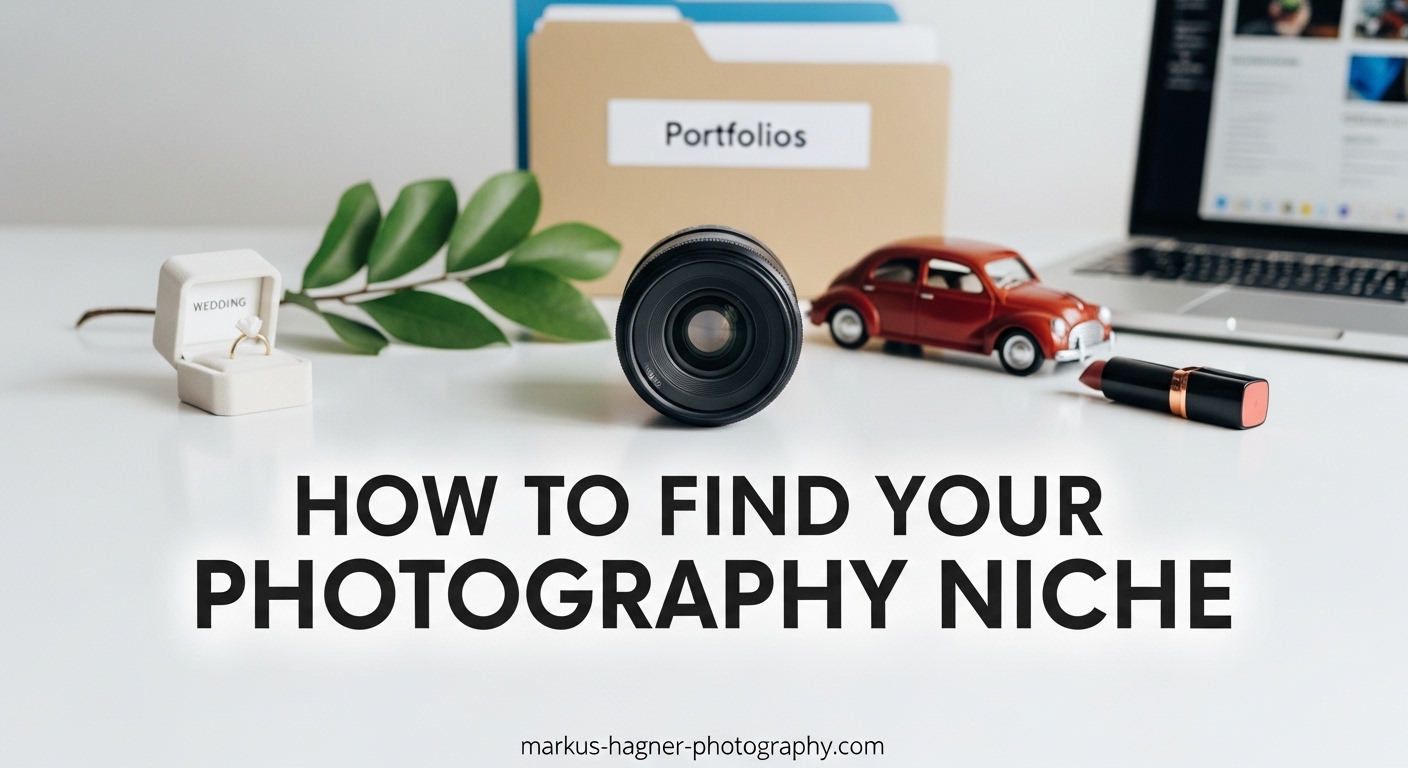
When I first picked up a camera, I wanted to photograph everything. Weddings, landscapes, street scenes, food, pets, architecture. You name it, I shot it. I spent years bouncing between genres, never quite feeling like I was making real progress. Sound familiar?
If you are struggling to figure out your direction as a photographer, you are not alone. Learning how to find your photography niche is one of the most common challenges photographers face. The good news is that this process does not have to be stressful or rushed.
In this guide, I will walk you through exactly how to discover your photography niche based on what genuinely excites you, your natural strengths, and practical market realities. By the end, you will have a clear framework for identifying your specialty without the pressure to master everything at once.
What Is a Photography Niche?
A photography niche is a specific area of focus where you concentrate your skills, portfolio, and marketing efforts. Instead of being a jack-of-all-trades, you become known for excelling in one particular type of photography.
Think of it like this: a general practitioner doctor knows a little about everything, but a cardiologist has deep expertise in heart health. Both are valuable, but the specialist is often the go-to person for complex cases in their field.
Photography niches can be broad categories like wedding photography or portrait photography. They can also be highly specific, such as newborn photography, food photography for restaurants, or real estate photography for luxury properties.
Many photographers worry that choosing a niche means locking themselves into one thing forever. That is not true. Your niche can evolve as you grow, and many successful photographers pivot multiple times throughout their careers.
Why Specializing in a Photography Niche Matters?
You might wonder whether you really need to specialize at all. Can you just keep shooting everything and see what sticks? Technically, yes. But specializing offers some significant advantages.
You Stand Out in a Crowded Market
There are thousands of photographers out there. When you specialize, you give potential clients a clear reason to choose you over a generalist. If someone needs newborn photos, they will likely hire someone known for newborn photography rather than someone who shoots everything.
You Attract Your Ideal Clients
When you focus on a specific niche, your portfolio speaks directly to the people who want exactly what you offer. This means fewer inquiries from people looking for services you do not provide and more inquiries from people who already love your style.
You Build Deeper Expertise
Shooting the same type of work repeatedly allows you to master the technical skills, lighting scenarios, and client management specific to that genre. You become faster, more confident, and more creative within your specialty.
You Can Often Charge More
Specialists are perceived as experts, and experts command higher rates. A photographer known for luxury real estate photography will typically earn more per shoot than a generalist who occasionally shoots real estate.
You Reduce Creative Burnout
Trying to be good at everything is exhausting. Focusing on what you genuinely enjoy photographing makes your work more sustainable and fulfilling over the long term.
That said, specializing does come with a fear: the fear of missing out on other opportunities. I will address that later, but for now, know that choosing a niche does not mean saying no to everything else forever. It means being intentional about where you focus your energy.
How to Find Your Photography Niche in 2026?
Now let’s get into the practical steps. Finding your photography niche is not about making a single decision. It is a process of discovery that unfolds over time.
Step 1: Look at What Already Excites You
Start by examining your existing work. Go through your photo library from the past year or two. Which images do you keep coming back to? Which shoots did you lose track of time during? Which ones did you actually look forward to editing?
Your enthusiasm is a powerful indicator. The genres that light you up are worth exploring further.
Also pay attention to what you photograph in your free time, when no one is paying you. Do you find yourself drawn to street scenes on vacation? Do you always take photos of your meals? These organic interests often point toward your natural niche.
Step 2: Identify Your Natural Strengths
Some photography skills come more naturally to certain people. Maybe you have an intuitive sense for lighting. Perhaps you are great at putting nervous subjects at ease. Or you might have a patient personality that works well with animals or children.
Ask yourself these questions:
- What do other photographers or clients consistently compliment me on?
- What aspects of photography feel easy or natural to me?
- What technical skills have I developed the most?
- What types of environments do I work best in?
Your strengths are not just about technical camera skills. They include your personality, your patience, your ability to direct people, your eye for composition, and your post-processing style.
Step 3: Experiment Without Pressure
You cannot think your way into a niche. You have to shoot your way into one. The key is to experiment with low stakes.
Reach out to friends or family and offer to photograph them in different genres. Attend local events as a spectator with your camera. Set up personal projects in styles you have never tried.
The goal here is not to produce portfolio-worthy work. It is to gather data about what you enjoy and what feels right. You are conducting experiments, not taking on paid commissions.
I know photographers who thought they wanted to shoot weddings until they actually shot one and realized the stress was not for them. I also know photographers who stumbled into pet photography and fell in love with it unexpectedly.
Discovery happens in the doing, not the thinking.
Step 4: Consider Market Reality
While passion matters, you also need to be practical about market demand. This is especially important if you plan to monetize your photography.
Research what photography services are in demand in your area. A niche that thrives in a major city might not have enough clients in a small town. For example, architectural photography has more opportunities in urban centers with real estate developers, while family portrait photography might be more viable in suburban areas.
Look at what other photographers in your region are offering. Is there an underserved niche you could fill? Are there certain genres that seem oversaturated?
Market research does not mean abandoning your passions. It means being smart about how you position yourself.
Step 5: Start Narrowing Down
After experimenting and researching, you will likely notice patterns. Certain genres will feel more natural. Others will consistently excite you. Some will align better with your local market.
Start narrowing your focus. This does not mean you must pick a single niche immediately. You can start by eliminating what you know you do not want to pursue.
Many photographers work with two or three related niches rather than just one. A portrait photographer might specialize in headshots, family portraits, and senior photos. A commercial photographer might focus on product photography and food photography.
The goal is to move from shooting everything to shooting fewer things more intentionally.
Self-Assessment Questions to Ask Yourself
If you are still feeling stuck, work through these questions honestly:
- What subjects do I gravitate toward even when I am not being paid?
- What type of photography work leaves me feeling energized rather than drained?
- What do I enjoy learning about in my spare time?
- Who is my ideal client, and what do they need photographed?
- What genres have I avoided because they feel uncomfortable? Should I explore them anyway?
- If I could only photograph one thing for the next year, what would it be?
Your answers will not give you a definitive niche overnight, but they will point you in a direction.
Common Mistakes to Avoid When Choosing a Photography Niche
As you work through this process, watch out for these common pitfalls:
Rushing the decision. Finding your niche takes time. Many photographers report that it took years, not months, to truly discover their specialty. Be patient with yourself.
Choosing based only on money. The most profitable niches are not always the best fit for you. If you choose a niche solely because it pays well but you hate the work, you will burn out quickly.
Being afraid to say no. Many photographers fear that specializing means turning down paid work. While this can happen initially, specializing usually leads to better-quality inquiries and higher rates over time.
Thinking your niche is permanent. Your niche can change as you grow. What excites you now might not excite you in five years, and that is completely normal. Allow yourself to evolve.
Comparing yourself to others. Other photographers may seem to have it all figured out. Remember that social media shows highlight reels. Most photographers went through the same confusion you are experiencing.
Popular Photography Niches to Explore
Here is a reference list of common photography niches to help spark ideas. This is not exhaustive, but it covers many popular categories:
- Portrait Photography: Family portraits, senior photos, headshots, maternity, newborn, couples, boudoir
- Event Photography: Weddings, corporate events, parties, conferences, concerts
- Commercial Photography: Product photography, food photography, real estate, architectural, interior design
- Nature and Outdoor Photography: Landscape, wildlife, astrophotography, underwater, travel
- Street and Documentary Photography: Street photography, photojournalism, documentary projects
- Fine Art Photography: Abstract, conceptual, gallery-focused work
- Specialized Niches: Pet photography, sports photography, drone and aerial, macro photography, automotive photography, school photography
Remember that you can also create your own niche by combining interests. A photographer who loves both travel and food might specialize in culinary travel photography. Someone passionate about sustainability might focus on eco-conscious brand photography.
FAQs
How long does it take to find your photography niche?
Finding your photography niche typically takes months to years, not days or weeks. Most photographers discover their specialty gradually through experimentation and real-world experience. The key is to stay patient and keep shooting different genres until patterns emerge naturally.
Can I have more than one photography niche?
Yes, many photographers successfully work in two or three related niches. The goal is not necessarily to have only one niche, but to focus your energy rather than trying to be good at everything. Related niches like portraits and headshots or products and food often work well together.
Do I really need to specialize in photography?
No, you do not have to specialize. Being a generalist is completely acceptable, especially for hobbyists or photographers who enjoy variety. However, specializing makes it easier to build expertise, attract ideal clients, and often command higher rates if you plan to monetize your work.
What if I choose the wrong photography niche?
Your niche is not permanent. Many photographers pivot multiple times throughout their careers. Choosing a niche is simply deciding where to focus your energy right now. You can always change direction as your interests and circumstances evolve.
How do I know if my photography niche is profitable?
Research market demand in your area by looking at what services local photographers offer and what clients are searching for. Check job boards and photography marketplaces. Talk to other photographers in your region. A profitable niche has enough client demand to sustain your business goals.
Your Photography Niche Journey Starts Now
Learning how to find your photography niche is not a one-time decision. It is an ongoing process of exploration, experimentation, and reflection. The photographers who thrive are not necessarily the ones who picked the perfect niche immediately. They are the ones who kept shooting, kept learning, and kept paying attention to what genuinely excited them.
If you are feeling overwhelmed, start small. Pick one genre you are curious about and spend the next month experimenting with it. See how it feels. Then try another. Over time, patterns will emerge, and your niche will become clearer.
Most importantly, trust the process. Your photography niche is not something you force. It is something you discover by showing up, shooting consistently, and paying attention to what lights you up. The clarity you are seeking will come.