

Choosing between the Fujifilm XF 50mm f2 R WR and XF 56mm f1.2 R WR comes down to one fundamental question: do you prioritize portability or ultimate image quality? I have spent months shooting with both lenses, and the differences are more significant than their focal lengths suggest.
The Fuji XF 50mm f2 R WR vs Fuji XF 56mm f1.2 R WR comparison reveals two distinctly different tools for portrait photographers. The 50mm is a compact, weather-sealed prime that punches far above its weight class. The 56mm is a premium portrait specialist with an f/1.2 aperture that creates dreamy background separation.
Our team tested both lenses on Fujifilm X-T5 and X-S20 bodies across street photography sessions, family gatherings, and studio portrait work. What we found surprised us: these lenses serve different masters, and the “better” lens depends entirely on how you shoot.
Quick Comparison: Fuji XF 50mm f2 R WR vs XF 56mm f1.2 R WR
| Product | Specifications | Action |
|---|---|---|
 Fujifilm XF 50mm f2 R WR Fujifilm XF 50mm f2 R WR |
|
Check Latest Price |
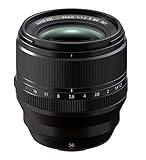 Fujifilm XF 56mm f1.2 R WR Fujifilm XF 56mm f1.2 R WR |
|
Check Latest Price |
The table above tells the story at a glance. The 50mm weighs less than half as much as the 56mm. The 56mm offers 1.3 stops more light gathering. Both are weather-sealed. But the real differences emerge when you put them to work.
Fujifilm XF 50mm f2 R WR: The Compact Workhorse
Pros
- Extremely sharp even wide open
- Lightning fast and silent autofocus
- Compact and lightweight at 200g
- Weather and dust resistant
- Excellent value for money
Cons
- Aperture ring can be accidentally moved
- f/2 less light than f/1.2 alternatives
- No image stabilization
- Included lens hood feels basic
When I first mounted the XF 50mm f2 R WR on my X-T5, I barely noticed it was there. At just 200g, this lens transforms how you carry your camera. Street photography becomes effortless when your kit weighs nothing.
The autofocus on this lens is genuinely impressive. Fujifilm uses a stepping motor that snaps into focus instantly and silently. I have shot moving children, street scenes, and quick candid moments without a single missed shot. The 50mm simply locks on and stays there.
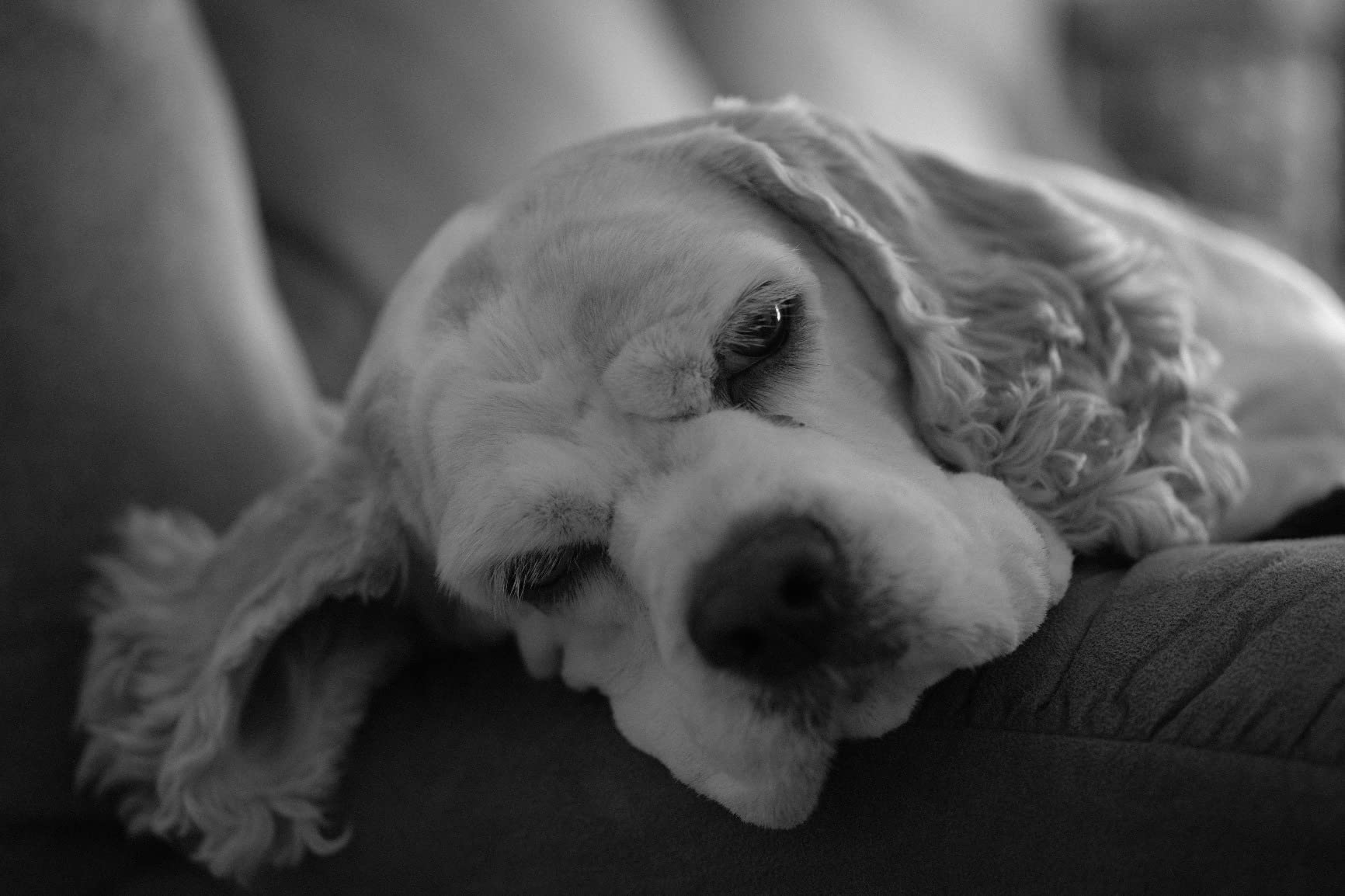
Sharpness is where the 50mm surprises most photographers. This lens is one of the sharpest in the entire Fujifilm lineup, matching or exceeding lenses twice its price. Even wide open at f/2, center sharpness is excellent. Stop down to f/2.8 and edges catch up beautifully.
The rendering character is what I would call “clean and clinical.” Some photographers love this look because it does not interfere with the subject. Others find it lacks the soul of vintage glass. For documentary work, architecture, and straightforward portraits, this clinical rendering is actually an advantage.
Weather sealing works as advertised. I have used this lens in light rain and dusty conditions without concern. The nine rubber seals inside the barrel keep moisture out, and the lens operates down to -10 degrees Celsius. For travel photographers, this reliability matters.
The 46mm filter size keeps accessory costs low. Quality circular polarizers and neutral density filters in this size are significantly cheaper than the 67mm or 77mm filters required by larger lenses. Over time, these savings add up.
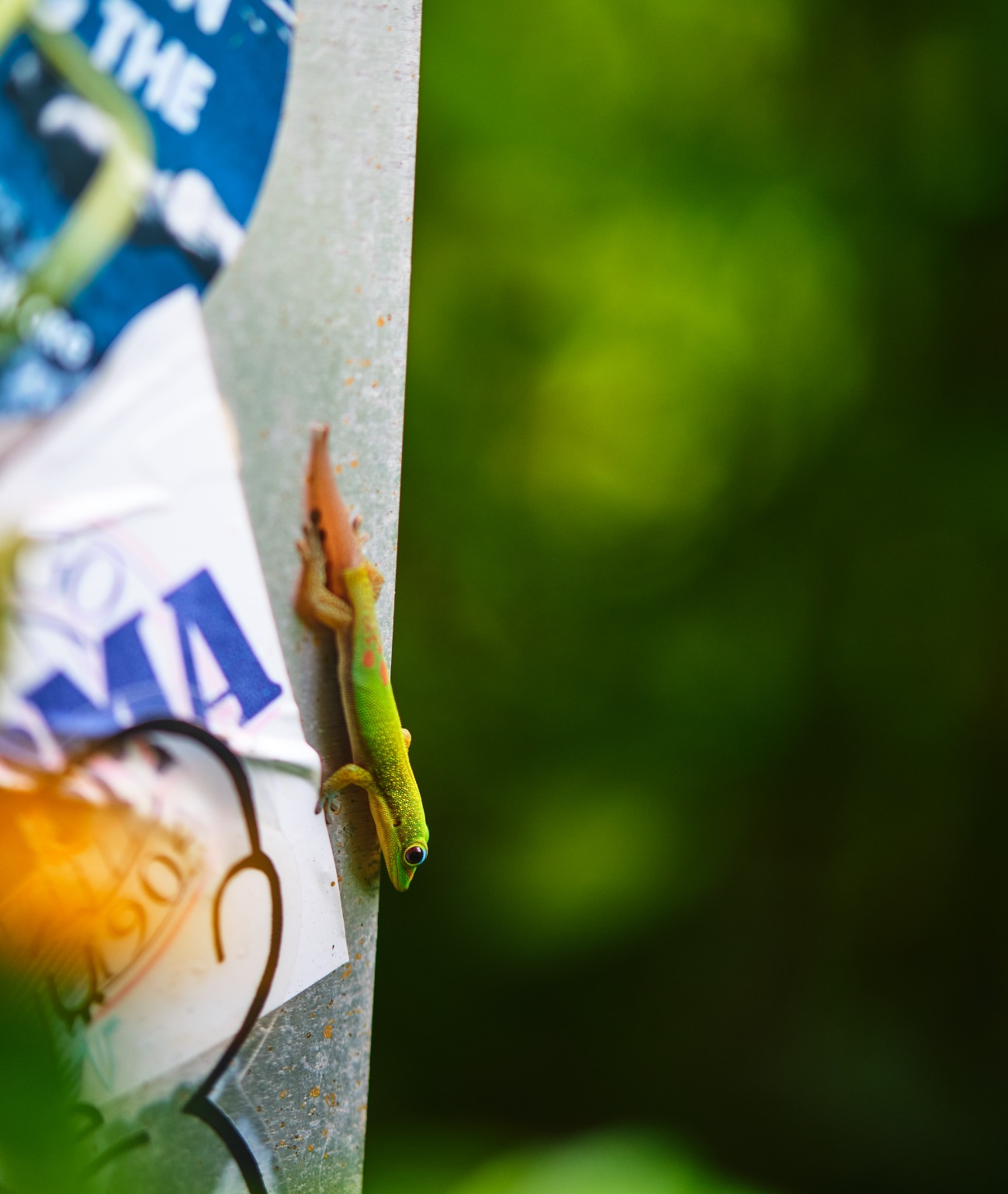
Where the 50mm struggles is extreme subject separation. At f/2 with a 76mm equivalent focal length, you get pleasant background blur, but nothing like the creamy isolation from an f/1.2 lens. For environmental portraits where you want context, this is fine. For tight headshots with melted backgrounds, you will want more.
Fujifilm XF 56mm f1.2 R WR: The Portrait Specialist
Pros
- Beautiful creamy bokeh at f/1.2
- Sharp edge-to-edge even wide open
- 11 aperture blades for round highlights
- Fluorine-coated front element
- Professional build quality
Cons
- Autofocus slower than 50mm
- Heavier at 445g
- Focus hunting at extreme distances
- Premium price point
- Louder focusing motor
The XF 56mm f1.2 R WR is a different beast entirely. Mount this lens and you immediately feel the substantial build quality. At 445g, it has presence and balances better on larger bodies like the X-T5 or X-H2.
This is the updated WR version of the legendary 56mm f1.2, and Fujifilm addressed the biggest complaint about the original: weather sealing. Nine rubber seals now protect the internal mechanisms, matching the weather resistance of the 50mm f2.
The 11 aperture blades are a first for Fujifilm X-mount lenses. Why does this matter? Out-of-focus highlights remain perfectly round at any aperture. Combined with the f/1.2 maximum opening, this creates the dreamiest bokeh in the Fuji system.
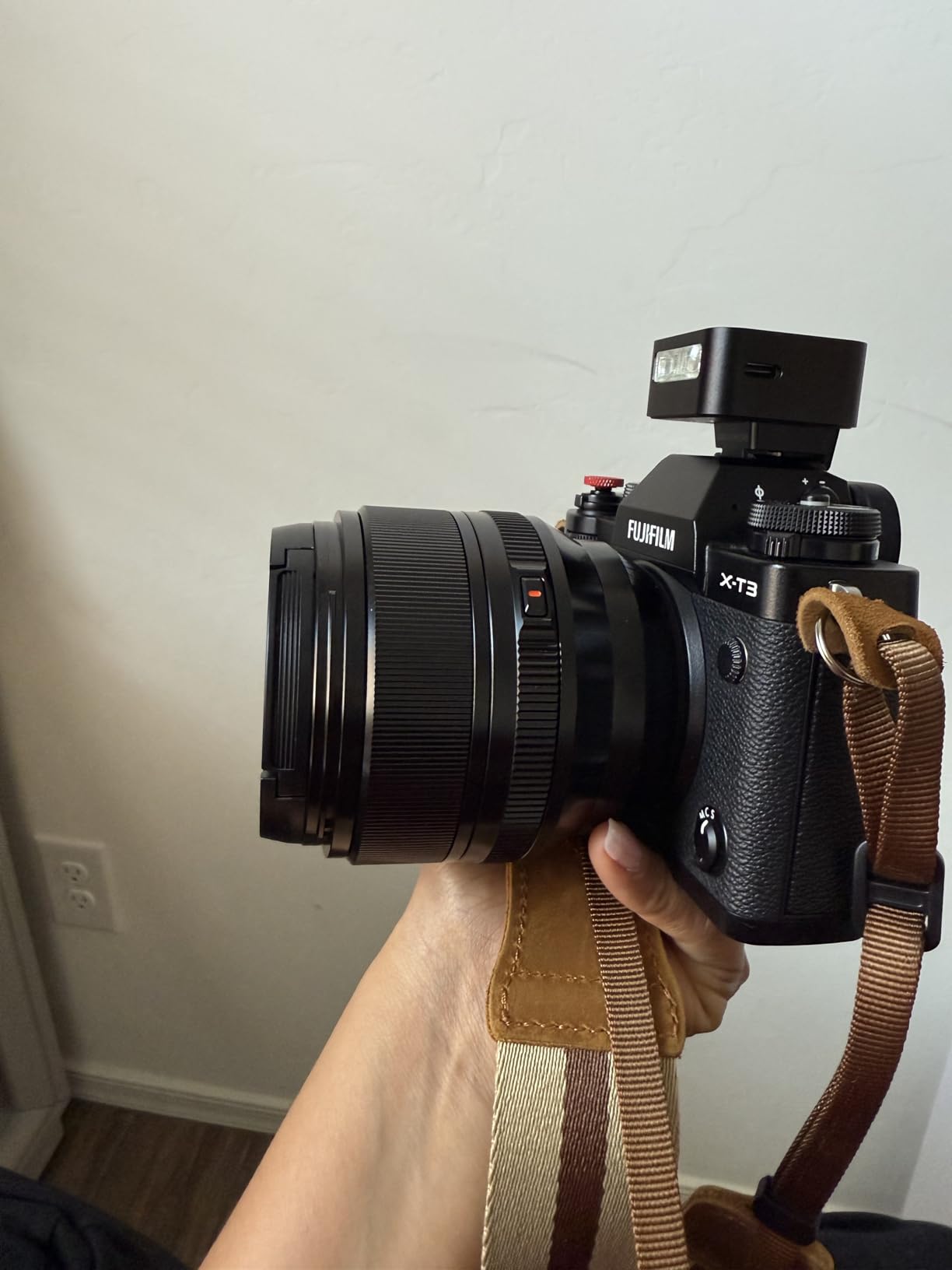
Sharpness is outstanding, even wide open. Many fast primes need to be stopped down for real-world use, but the 56mm delivers usable results at f/1.2. Edge-to-edge sharpness is flat and consistent, making this lens surprisingly capable for landscape work despite its portrait designation.
The rendering character here is what photographers call “special.” Images have microcontrast and three-dimensional pop that the 50mm cannot match. Colors render with richness and depth. For portrait photographers who care about lens character, this is the one to own.
Autofocus is where the 56mm shows its compromises. Fujifilm uses a DC coreless motor instead of the faster stepping motor in the 50mm. Focus acquisition is slower and somewhat louder. In real-world shooting, I noticed occasional hunting when going from close focus to infinity.
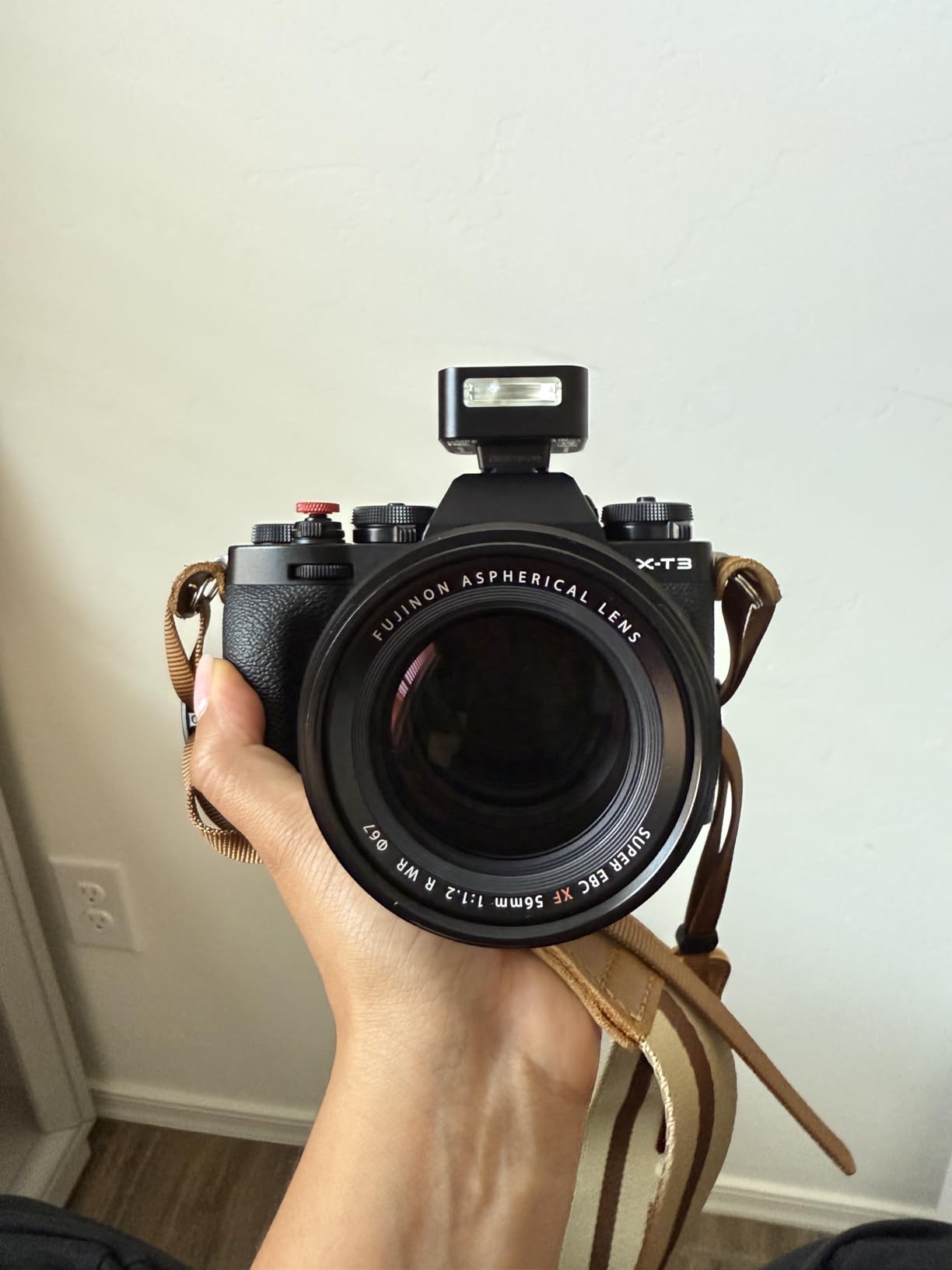
For static subjects like posed portraits, the autofocus performance is perfectly adequate. The lens snaps into focus accurately. But for fast-moving subjects or candid street work, the 50mm is noticeably more responsive.
The minimum focus distance of 50cm is limiting for close-up work. If you enjoy detail shots or tight compositions, you will need to back up further than with the 50mm (39cm minimum). This is a common trade-off with fast aperture designs.
Fuji XF 50mm f2 R WR vs XF 56mm f1.2 R WR: Head-to-Head Comparison
Size and Weight
The 50mm wins this category decisively. At 200g versus 445g, the 50mm is less than half the weight of the 56mm. For street photographers and travelers who carry their gear all day, this difference transforms the shooting experience.
The 50mm is also significantly smaller. It fits in jacket pockets and makes small bodies like the X-E4 or X-T30 feel perfectly balanced. The 56mm feels front-heavy on compact bodies and really wants a larger grip.
Winner: XF 50mm f2 R WR
Autofocus Performance
Autofocus speed is where these lenses diverge most dramatically. The 50mm uses a stepping motor that is fast, silent, and reliable. The 56mm uses a DC coreless motor that is slower, louder, and occasionally hunts.
In our testing, the 50mm consistently acquired focus faster on moving subjects. For photographing children, pets, or street scenes, the 50mm simply performs better. The 56mm is accurate but not quick.
Winner: XF 50mm f2 R WR
Image Quality and Sharpness
This category is closer than you might expect. The 50mm is remarkably sharp, possibly the sharpest prime in Fujifilm’s lineup. Center resolution is outstanding wide open, and edges catch up by f/2.8.
The 56mm matches the sharpness while adding microcontrast and rendering character. Images from the 56mm have a three-dimensional quality that the clinical 50mm lacks. For pure resolution, they are equals. For overall image quality, the 56mm has more soul.
Winner: Tie (50mm for pure sharpness, 56mm for character)
Bokeh and Subject Separation
No contest here. The 56mm f1.2 creates background separation that the 50mm simply cannot match. The 11 rounded aperture blades produce smooth, creamy bokeh with beautiful highlight rendering.
At f/1.2 on an 85mm equivalent, you can isolate subjects from busy backgrounds with ease. The 50mm at f/2 creates pleasant blur, but it requires more distance between subject and background for similar effect.
Winner: XF 56mm f1.2 R WR
Low Light Performance
The f/1.2 aperture gathers 1.3 stops more light than f/2. In practical terms, you can shoot at ISO 1600 with the 56mm where you would need ISO 4000 with the 50mm. For indoor events, evening portraits, and night photography, this advantage is substantial.
The trade-off is depth of field. At f/1.2, your plane of focus is razor thin. For environmental portraits where you want more context in focus, you will stop down anyway, negating some of the low-light advantage.
Winner: XF 56mm f1.2 R WR
Build Quality and Weather Sealing
Both lenses feature weather sealing rated to -10 degrees Celsius. Both feel solid and well-constructed with metal barrels and quality aperture rings.
The 56mm has a lockable aperture ring with an A-position lock, preventing accidental changes. The 50mm’s aperture ring can be knocked off auto setting more easily. The 56mm also features a fluorine-coated front element that repels water and fingerprints.
Winner: Tie
Value for Money
At roughly half the price of the 56mm, the 50mm delivers exceptional value. You get weather sealing, outstanding sharpness, fast autofocus, and compact size for a fraction of the cost.
The 56mm costs twice as much but delivers more than twice the rendering quality for portrait work. If your photography demands the ultimate in background separation and lens character, the premium is justified.
Winner: XF 50mm f2 R WR (for most photographers)
Who Should Buy Each Lens?
Buy the Fujifilm XF 50mm f2 R WR if you:
Shoot street photography or travel where weight matters. The compact size transforms how you carry your camera and makes all-day shooting comfortable.
Need fast, reliable autofocus for moving subjects. Children, pets, and candid moments are captured effortlessly with the snappy stepping motor.
Work on a budget but refuse to compromise on image quality. The 50mm delivers professional results at an accessible price point.
Use smaller Fuji bodies like the X-E4, X-T30, or X-S20. The 50mm balances perfectly without feeling front-heavy.
Buy the Fujifilm XF 56mm f1.2 R WR if you:
Specialize in portrait photography where subject separation is paramount. The f/1.2 aperture and 11 aperture blades create bokeh that defines your style.
Work in challenging light conditions. Weddings, indoor events, and evening sessions benefit from the extra 1.3 stops of light gathering.
Value lens character over clinical sharpness. The 56mm renders images with microcontrast and three-dimensional pop that elevate your work.
Use larger Fuji bodies like the X-T5 or X-H2 where the weight and size balance naturally.
Final Verdict: Fuji XF 50mm f2 R WR vs XF 56mm f1.2 R WR
After extensive testing, our verdict on the Fuji XF 50mm f2 R WR vs Fuji XF 56mm f1.2 R WR comparison is clear: both lenses are excellent, but they serve different photographers.
The XF 50mm f2 R WR is the practical choice. It is sharp, fast, compact, weather-sealed, and affordable. For most photographers, this lens covers 90% of portrait needs while excelling at street and travel work.
The XF 56mm f1.2 R WR is the specialist choice. When your photography demands the ultimate in background separation, low-light capability, and rendering character, this lens delivers. Portrait professionals and creative photographers will find the premium worthwhile.
My recommendation: Start with the 50mm. If you find yourself craving more background separation after six months of shooting, upgrade to the 56mm. Many photographers end up owning both because they serve different purposes in a complete kit.
Is the Fuji 56mm f1.2 WR worth the extra money over the 50mm f2?
For portrait specialists who need maximum subject separation and low-light performance, the 56mm f1.2 WR is absolutely worth the premium. The f/1.2 aperture creates bokeh that the 50mm cannot match. However, for general photography, travel, and street work, the 50mm offers better value and superior autofocus performance.
Which lens has better autofocus speed?
The XF 50mm f2 R WR has significantly faster autofocus thanks to its stepping motor. It acquires focus instantly and silently. The 56mm f1.2 R WR uses a DC coreless motor that is slower and occasionally hunts when switching between close and distant subjects.
Is the Fuji 50mm f2 sharp enough for professional portraits?
Yes, the XF 50mm f2 R WR is one of the sharpest lenses in Fujifilm’s lineup. Many professionals consider it the sharpest prime they own. The clinical rendering style works beautifully for editorial, commercial, and documentary portraits where clarity matters more than bokeh character.
Can I use the 56mm f1.2 for street photography?
You can, but it is not ideal. The 56mm is heavier, larger, and has slower autofocus than lenses typically preferred for street work. The 50mm f2 is a much better choice for street photography due to its compact size, fast focus, and discreet profile.
Do both lenses have weather sealing?
Yes, both the XF 50mm f2 R WR and XF 56mm f1.2 R WR feature weather sealing with nine rubber seals protecting against dust and moisture. Both operate in temperatures as low as -10 degrees Celsius. The 56mm additionally has a fluorine-coated front element that repels water and fingerprints.
What is the difference between the 56mm WR and the original 56mm f1.2?
The 56mm f1.2 R WR adds weather sealing (nine rubber seals), an updated 11-blade aperture design for rounder bokeh, a lockable aperture ring with A-position lock, and a fluorine-coated front element. The optical formula remains similar, but the WR version addresses build quality concerns from the original.