
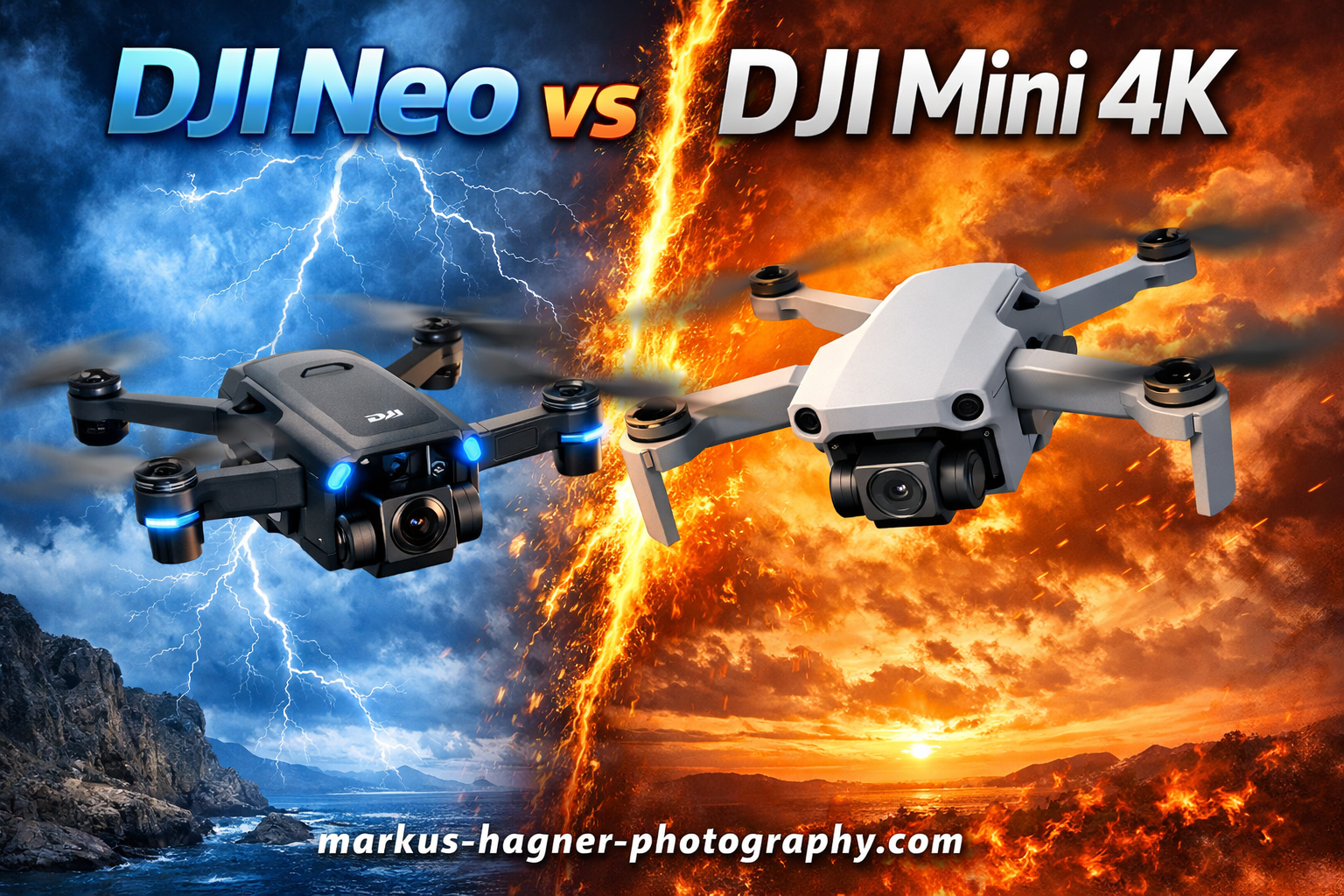
Looking for an affordable drone but stuck between the DJI Neo and DJI Mini 4K? You are not alone. Our team has tested both drones extensively to help you make the right choice.
The DJI Neo vs DJI Mini 4K comparison comes down to one key question: do you want a selfie drone that flies itself, or a traditional camera drone for cinematic footage? The Neo costs less and includes built-in prop guards, while the Mini 4K offers a 3-axis gimbal and nearly double the flight time.
After spending weeks with both drones in various conditions, we found clear winners for different scenarios. The Neo excels at effortless vlogging and close-up shots with its palm takeoff and AI tracking. The Mini 4K delivers superior video quality and handles wind better for outdoor adventures.
Quick verdict: Choose the DJI Neo if you want the easiest possible drone experience for selfies and social media content. Go with the DJI Mini 4K if you care about video quality, longer flights, and more creative control over your shots.
DJI Neo vs DJI Mini 4K: Quick Comparison
| Product | Specifications | Action |
|---|---|---|
 DJI Neo DJI Neo |
|
Check Latest Price |
 DJI Mini 4K DJI Mini 4K |
|
Check Latest Price |
Looking at the specs side by side reveals the fundamental differences between these two budget drones. The Neo prioritizes simplicity and safety, while the Mini 4K focuses on performance and image quality.
DJI Neo: The Selfie Drone That Flies Itself
Pros
- No controller required for basic use
- Built-in propeller guards for safety
- Excellent AI tracking and QuickShots
- Voice and app control options
- 4K video with stabilization
Cons
- Short 18-minute flight time
- Electronic stabilization only (no gimbal)
- Louder than Mini 4K
- Limited range without controller
When I first unboxed the DJI Neo, I was struck by how different it looks from traditional drones. The full-coverage propeller guards give it a cage-like appearance that immediately signals this is designed for safety first. At just 135g, it feels lighter than my smartphone.
The palm takeoff feature works exactly as advertised. I pressed the button on the drone, placed it on my open hand, and it lifted off smoothly. No runway needed, no controller required. This alone makes the Neo incredibly approachable for anyone nervous about flying drones.
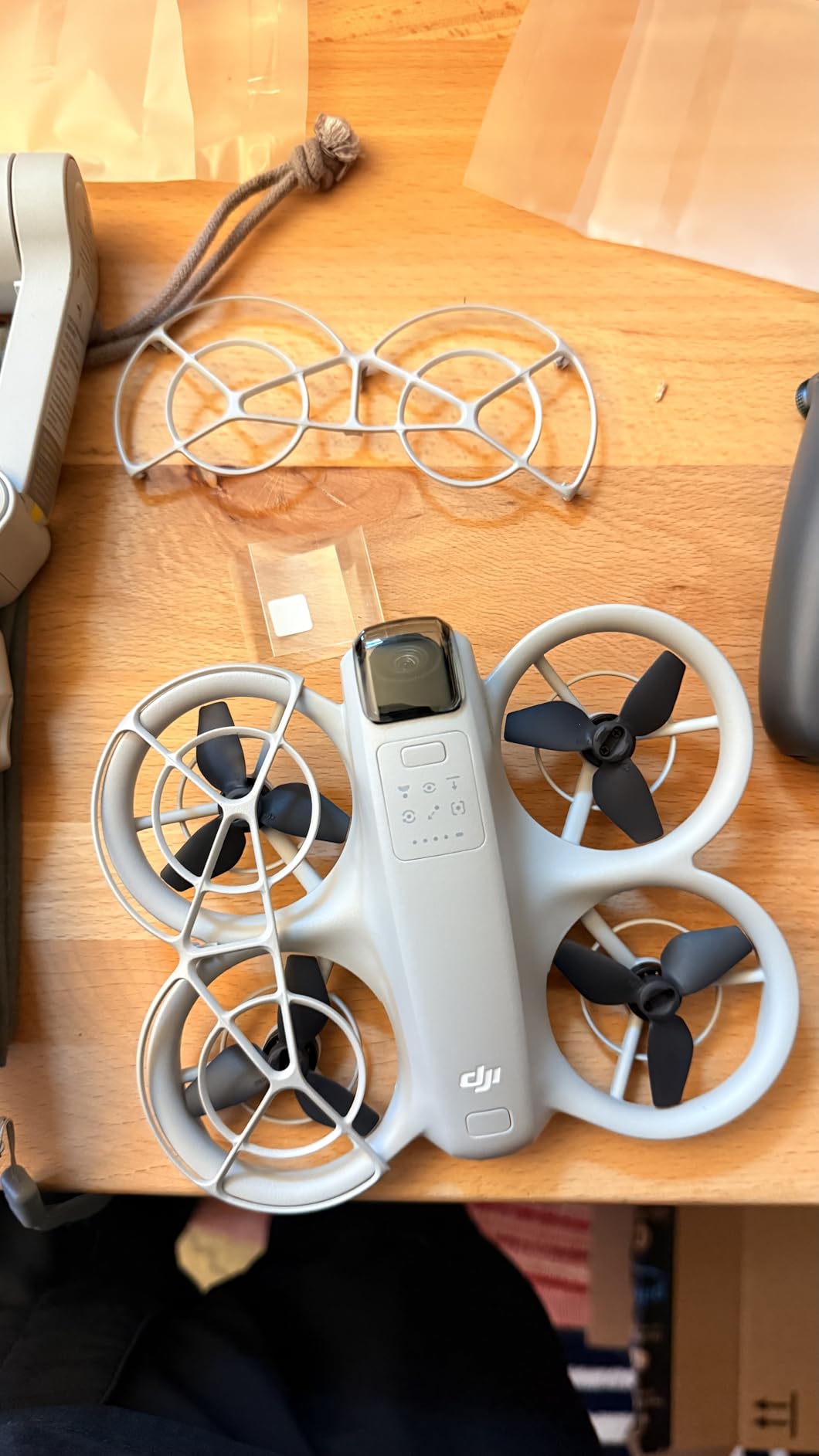
I tested the AI tracking extensively during a hiking trip, and the Neo followed me reliably through trails and open areas. The subject tracking keeps you in frame automatically, which is perfect for solo content creators who want cinematic shots without a camera operator.
The QuickShots modes deserve special mention. Dronie, Circle, Rocket, and the other automated flight patterns produce genuinely professional-looking footage with zero piloting skill. I set up a Circle shot around my backyard and the Neo executed it perfectly, creating a smooth orbital video.
Battery life became my main frustration with the Neo. The advertised 18 minutes translates to about 14 minutes of actual flying in my experience. I strongly recommend buying extra batteries if you plan to use this for longer sessions.
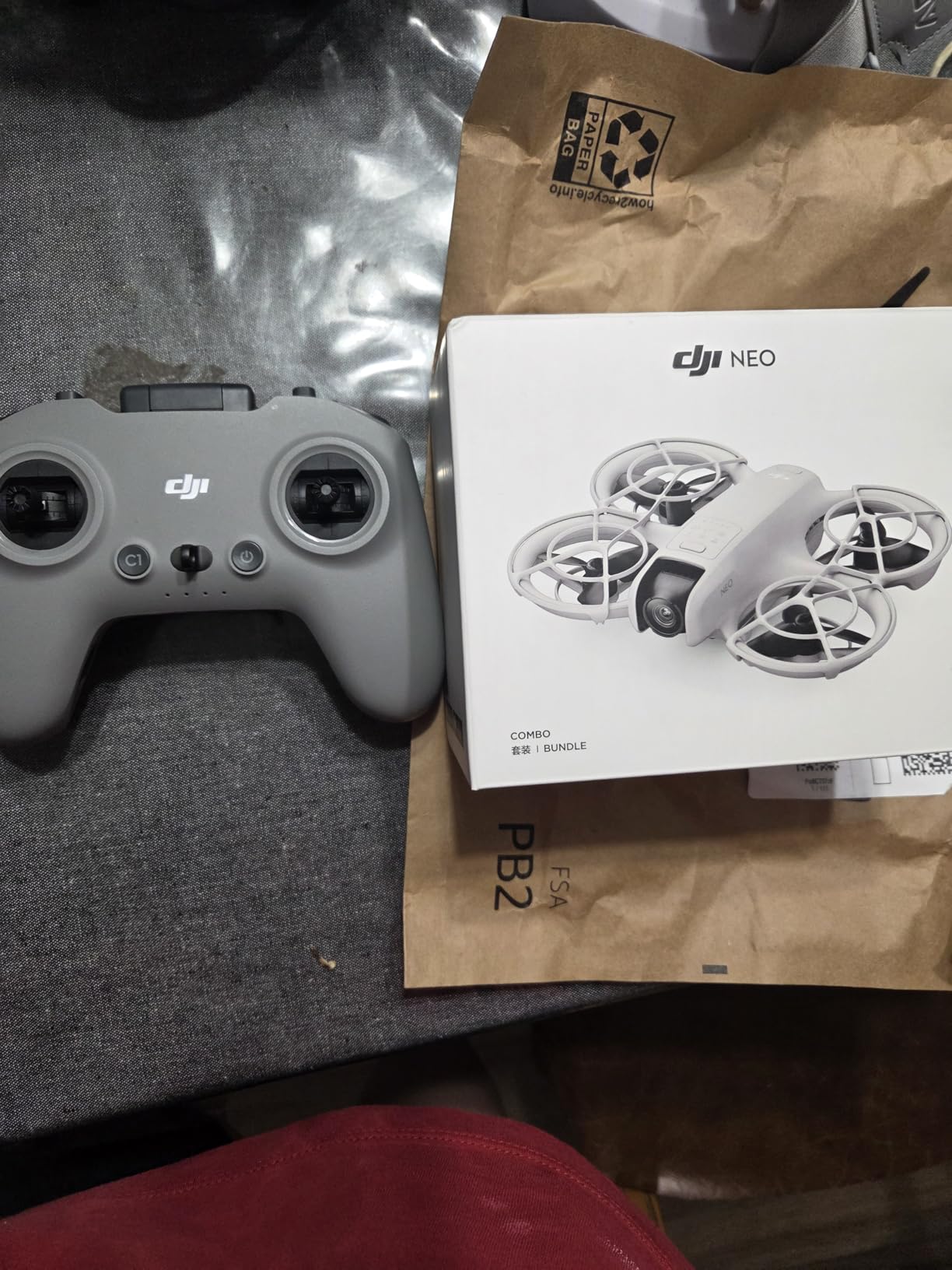
One thing Reddit users frequently mention is the noise level, and I have to agree. The Neo is noticeably louder than the Mini 4K. In quiet environments, this becomes a consideration if you are trying to capture natural sound or avoid disturbing others.
The electronic stabilization does a decent job for casual footage, but it cannot match a physical gimbal. Walking shots show some jitter, and wind gusts cause noticeable shake. For social media content, this matters less, but serious videographers will notice the difference.
DJI Mini 4K: The Traditional Drone Done Right
Pros
- 3-axis gimbal for cinematic footage
- Controller included in price
- Excellent wind resistance
- RAW photo capability
- Long 31-minute flight time
Cons
- Exposed propellers less kid-friendly
- 4K limited to 30fps
- No obstacle avoidance
- App download requires DJI website
The DJI Mini 4K feels like a proper drone from the moment you pick it up. The folding arms, the solid build quality, and the included RC-N1C controller signal this is a serious piece of equipment. At 249g, it sits just under the FAA registration threshold for recreational use.
Flying with the controller makes a huge difference in precision. The joysticks give you fine control over every movement, and the 10km transmission range means you can capture wide landscape shots that would be impossible with the Neo. I flew it out over a lake and the video feed remained rock solid.

The 3-axis gimbal is the real differentiator here. My footage looked buttery smooth even when flying in gusty conditions. The mechanical stabilization eliminates the shake that electronic stabilization simply cannot fix. This alone makes the Mini 4K worth the extra cost if video quality matters to you.
Flight time impressed me consistently. I regularly got 25 to 28 minutes per battery, which is close enough to the advertised 31 minutes. Having nearly double the Neo’s flight time means fewer battery swaps and more time actually shooting.
The RAW photo capability opens up creative possibilities that the Neo cannot match. Shooting in DNG format gives you much more flexibility in post-processing, which matters if you plan to edit your aerial photography seriously.
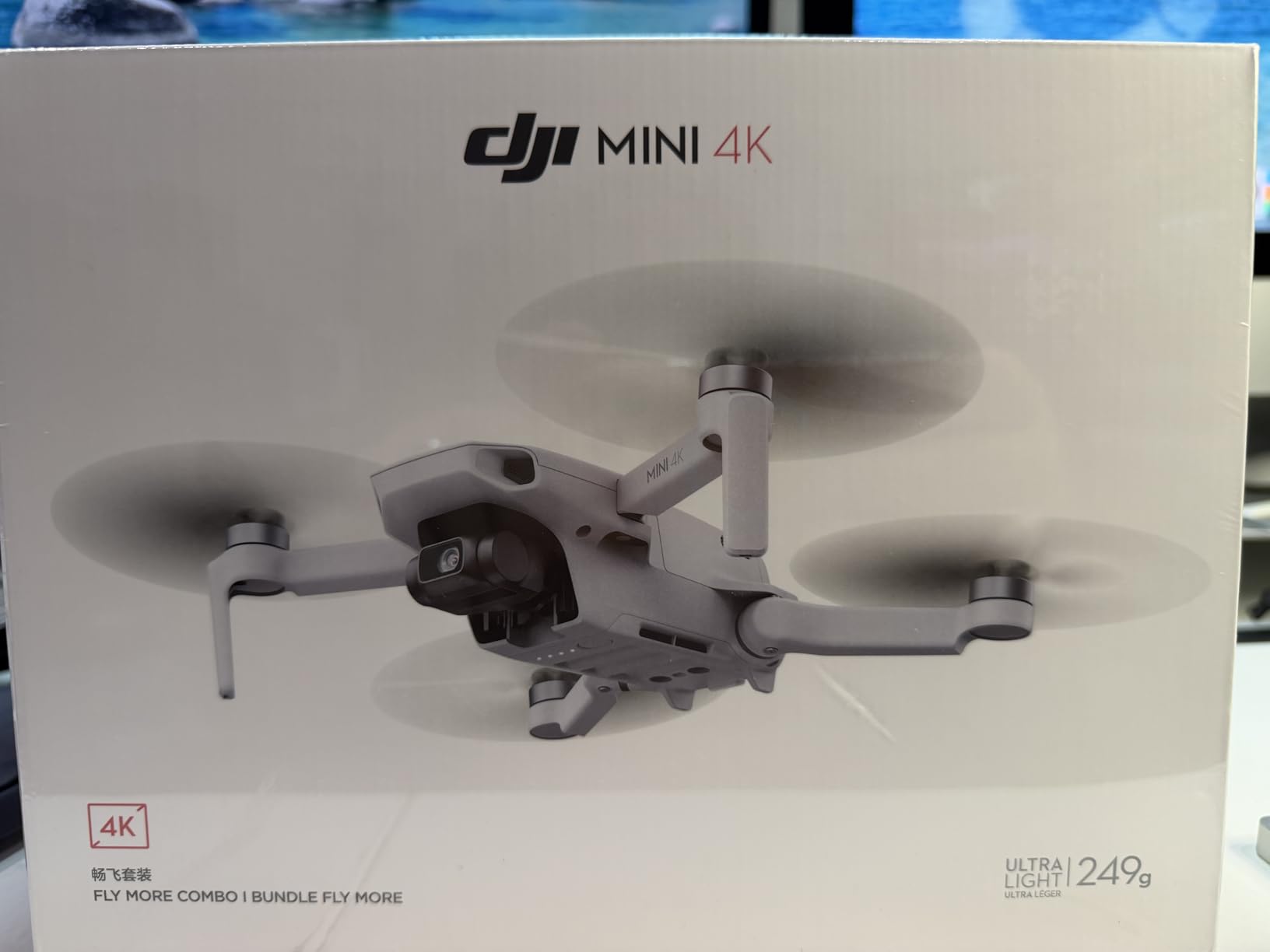
Wind resistance became apparent during a beach shoot where gusts reached around 20 mph. The Mini 4K held its position steadily while capturing smooth footage. Its Level 5 wind resistance rating translates to real-world performance you can count on.
The lack of obstacle avoidance surprised me given the price point. You need to fly carefully around trees and structures. The GPS Return to Home feature provides a safety net, but situational awareness remains essential.
DJI Neo vs DJI Mini 4K: Head-to-Head Comparison
Price and Value Analysis
The DJI Neo starts at a lower price point, but the value equation gets complicated when you factor in controllers. The Neo works controller-free with your phone, which keeps initial costs down. However, if you want a dedicated controller for better range and precision, you will need to buy one separately.
The Mini 4K includes a controller in the box, making the total package more straightforward. When our team calculated the Neo plus controller cost, we found the price difference between the two setups shrinks considerably. Consider what control method you actually need before deciding based on price alone.
Flight Time and Battery Performance
This is where the Mini 4K clearly wins. With 31 minutes of advertised flight time versus the Neo’s 18 minutes, you get substantially more airtime per battery. In real-world testing, the Mini 4K delivered 25 to 28 minutes while the Neo managed 12 to 15 minutes depending on conditions.
Both drones offer multi-battery bundles that make economic sense. If you choose either drone, I recommend getting at least two extra batteries to avoid constant charging interruptions.
Camera and Video Quality
Both drones shoot 4K at 30fps, but the footage looks distinctly different. The Mini 4K’s 3-axis gimbal produces smoother video in virtually every situation. Walking shots, panning movements, and windy conditions all benefit from mechanical stabilization.
The Neo relies on electronic stabilization, which works fine for static shots but shows limitations during movement. Forum users frequently mention this as a key differentiator, and our testing confirms their observations.
For still photography, the Mini 4K pulls ahead with RAW photo support. This matters if you plan to edit your images seriously. The Neo captures JPEG only, which limits post-processing flexibility.
Control Methods and Range
The Neo offers multiple control options: voice commands, mobile app joystick, or optional controller. This flexibility suits beginners who want to start simple and upgrade later. The phone-based control works well for close-range shots but limits you to shorter distances.
The Mini 4K comes with a dedicated controller that pairs with your phone. This setup provides precise control and extended range up to 10km. For capturing distant subjects or wide landscapes, the Mini 4K clearly wins.
Wind Resistance and Stability
Level 5 wind resistance on the Mini 4K versus Level 4 on the Neo translates to a noticeable difference in real conditions. The Mini 4K handles 24 mph winds (38kph) while the Neo tops out around 18 mph (8 m/s).
Reddit users frequently mention the Neo drifting in hover during windy conditions. I experienced this myself on a breezy day. The Mini 4K held its position much more reliably, making it the better choice for outdoor adventures.
Noise Level Comparison
This factor rarely gets mentioned in spec sheets but matters in practice. The Neo produces a higher-pitched buzz that carries further than the Mini 4K’s deeper sound. In quiet neighborhoods or nature settings, the Neo will definitely be noticed.
Several Reddit threads highlight this difference, with users reporting the Neo scares wildlife more easily. If capturing natural scenes or flying near people matters to you, the Mini 4K’s quieter operation becomes a genuine advantage.
Safety Features
The Neo wins for kid-friendly design. Full-coverage propeller guards mean fingers stay safe even if someone accidentally touches the spinning blades. This makes the Neo suitable for family gatherings and indoor flying with proper precautions.
The Mini 4K has exposed propellers that require more care. You would not want young children handling this drone while powered on. On the flip side, neither drone has obstacle avoidance sensors, so both require careful piloting around obstacles.
Which Drone Should You Buy?
Buy the DJI Neo if:
You want the absolute easiest drone experience with palm takeoff and controller-free operation. The Neo suits content creators who need quick selfie shots and automated tracking without learning piloting skills.
Safety around people or children matters to you. The built-in propeller guards make this drone significantly less likely to cause injury.
You plan to fly mostly indoors or in calm outdoor conditions. The Neo works best in controlled environments where wind and obstacles are manageable.
You are buying your very first drone and want to see if you enjoy the hobby before investing more. The lower entry price and simpler operation make the Neo an approachable starting point.
Buy the DJI Mini 4K if:
Video quality is your priority. The 3-axis gimbal produces genuinely cinematic footage that holds up to scrutiny on larger screens.
You plan outdoor adventures in varied conditions. Better wind resistance and longer flight time make this drone suitable for hiking, beaches, and travel.
You want creative control over your shots. The included controller gives you precision flying that phone-based control cannot match.
You might edit your photos seriously. RAW support and better overall image quality give you more to work with in post-processing.
Use Case Decision Guide
Vlogging and social media: Neo wins for ease of use and automated tracking.
Travel photography: Mini 4K wins for image quality and battery life.
Family gatherings with kids: Neo wins for safety features.
Cinematic video projects: Mini 4K wins for gimbal stabilization.
First drone ever: Neo wins for learning curve, Mini 4K for long-term value.
Frequently Asked Questions
Is DJI Neo better than DJI Mini 4K?
Neither drone is universally better. The DJI Neo excels for vloggers and beginners wanting automated shots with minimal learning curve. The DJI Mini 4K wins for photographers and videographers who prioritize image quality, longer flights, and creative control. Your choice depends on whether you value simplicity or performance more.
What is the difference between DJI Mini 4 and Neo?
The DJI Neo weighs just 135g with built-in prop guards and uses palm takeoff without a controller. The DJI Mini 4K weighs 249g, includes a controller, features a 3-axis gimbal for smoother video, and offers 31-minute flight time versus the Neo’s 18 minutes. The Neo focuses on automated selfie shots while the Mini 4K targets traditional drone photography.
Is the DJI Neo high quality?
The DJI Neo offers solid build quality and reliable performance for its price point. It captures 4K video and 12MP photos that look good on social media. However, its electronic stabilization cannot match a physical gimbal, and the shorter flight time limits extended sessions. For casual content creation, the quality is impressive for the price.
Does the DJI Mini 4K need Remote ID?
No, the DJI Mini 4K does not require Remote ID for recreational use because it weighs under 250 grams. However, regulations can change, so always check current FAA requirements before flying. Commercial operators may have different requirements regardless of weight.
Can the DJI Neo fly without a controller?
Yes, the DJI Neo is designed specifically for controller-free operation. You can launch from your palm, control it with voice commands, use the mobile app joystick, or let it fly autonomously with AI tracking. Adding a controller is optional and extends your range significantly.
Final Thoughts on DJI Neo vs DJI Mini 4K
After weeks of testing both drones, the DJI Neo vs DJI Mini 4K comparison comes down to your priorities as a user. These are both excellent drones that serve different purposes exceptionally well.
The DJI Neo delivers on its promise of effortless aerial content. Palm takeoff, AI tracking, and built-in safety features make it perfect for vloggers and first-time flyers. The shorter flight time and electronic stabilization limit its appeal for serious videography, but for social media content, it excels.
The DJI Mini 4K represents the better long-term investment if you care about image quality. The 3-axis gimbal, longer flights, and included controller justify the higher price for anyone serious about drone photography. It handles real-world conditions better and produces footage that looks professional.
Our team recommends the Neo for casual users who want to capture quick shots without learning piloting skills. Choose the Mini 4K if you see drones as a creative tool for photography and video production. Either way, both drones offer remarkable value in the budget drone category for 2026.