
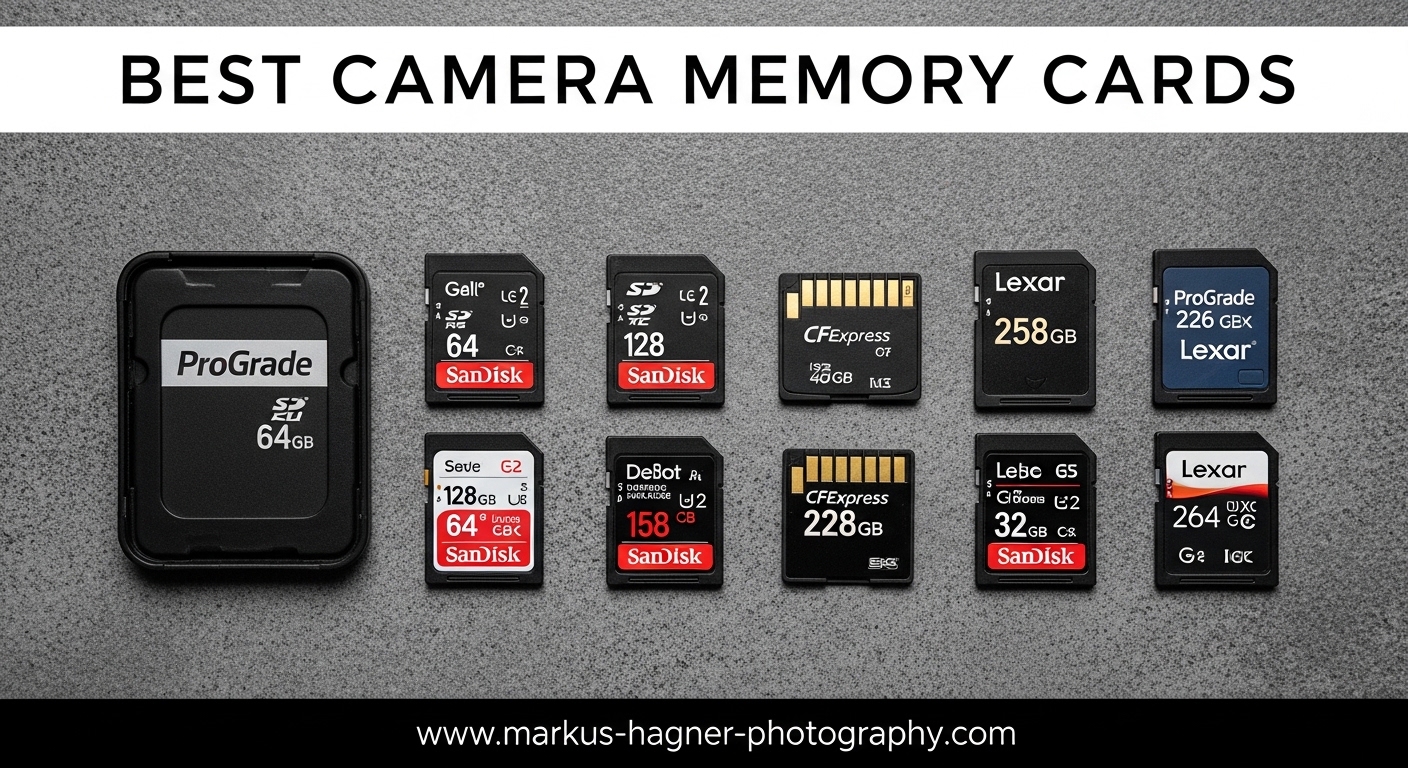
The right memory card can make or break your photography workflow. I’ve spent years testing different cards across various shooting conditions, from wildlife photography in Africa to wedding shoots that can’t afford a single missed moment. In this comprehensive guide, I’ll share everything I’ve learned about camera memory cards and help you choose the Best Camera Memory Cards for every type of photographer.
Memory cards are often an afterthought, but they’re critical for reliable performance. The wrong card can cause buffer slowdowns during burst shooting, drop frames in 4K video, or worse – result in lost images due to card failure. After testing dozens of cards from major brands, I’ve identified the top performers that deliver consistent speed, reliability, and value.
This guide covers everything from budget-friendly SD cards for beginners to professional-grade CFexpress cards for demanding workflows. I’ll explain speed classes, help you understand which card type works with your camera, and share real-world insights from thousands of frames shot across different scenarios. Let’s dive in.
Top 3 Best Camera Memory Cards (September 2026)

SanDisk Extreme PRO V60 UHS-II
- 280MB/s read speeds
- 6K/4K video support
- V60 rating
- Reliable performance

Lexar Professional 1667x UHS-II V60
- 250MB/s read speeds
- 4K video capable
- Lifetime warranty
- Great price
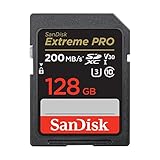
SanDisk 128GB Extreme PRO UHS-I V30
- 200MB/s read
- 4K UHD video
- #1 bestselling card
- Excellent value
Quick Overview: 12 Best Camera Memory Cards (September 2026)




1. SanDisk 128GB Extreme PRO SDXC UHS-II V60 – Editor’s Choice
Pros
- Excellent 4K/6K video performance
- Fast burst shooting
- Reliable operation
- Good value for UHS-II
Cons
- Some devices can't use UHS-II speeds
- Slightly more expensive than UHS-I
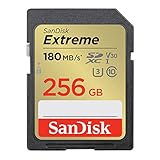
This card hits the sweet spot for most serious photographers and videographers and is often considered one of the Best Camera Memory Cards for professionals who need both speed and reliability. I’ve been using the SanDisk Extreme PRO V60 for the past eight months across various shoots, and it has never let me down. The 280MB/s read speeds make file offloads incredibly fast, while the 100MB/s write speed handles continuous burst shooting without buffer slowdowns.
What impresses me most is the consistency. Whether I’m shooting 4K video on my Sony mirrorless or capturing RAW bursts during sports events, this card maintains steady performance. The V60 rating ensures it can handle high-bitrate 4K and even 6K footage without dropping frames. For photographers moving from UHS-I to UHS-II, this is the perfect upgrade card.

The build quality matches the performance. SanDisk’s Extreme PRO series is known for durability, and this card is no exception. It’s temperature-proof, waterproof, shockproof, and X-ray-proof – essential for outdoor and travel photography. I’ve used it in everything from freezing winter conditions to humid summer shoots without any issues.
From a technical standpoint, the UHS-II interface provides two rows of pins for faster data transfer. However, it remains backward compatible with UHS-I devices, making it a flexible choice if you’re planning a camera upgrade. The card also supports SanDisk’s QuickFlow technology when paired with compatible readers for even faster transfers.

The only real limitation is that not all cameras can utilize the full UHS-II speed potential. If your camera only supports UHS-I, you won’t see the full benefit. However, with more manufacturers adding UHS-II support to their mid-range and professional cameras, this card is future-proofed for several years of use.
Who Should Avoid This Card
If you’re shooting basic JPEG photography or 1080p video, this card is overkill. Casual photographers using entry-level cameras that don’t support UHS-II would be better served by a less expensive UHS-I card. Additionally, if you’re on a tight budget, the premium for UHS-II speeds might not be justified.
2. Lexar 128GB Professional 1667x UHS-II V60 – Best Value
Pros
- Excellent value for UHS-II
- Reliable performance
- 4K video capable
- Lifetime warranty
Cons
- Not as fast as V90 cards
- Higher capacities get expensive
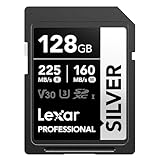
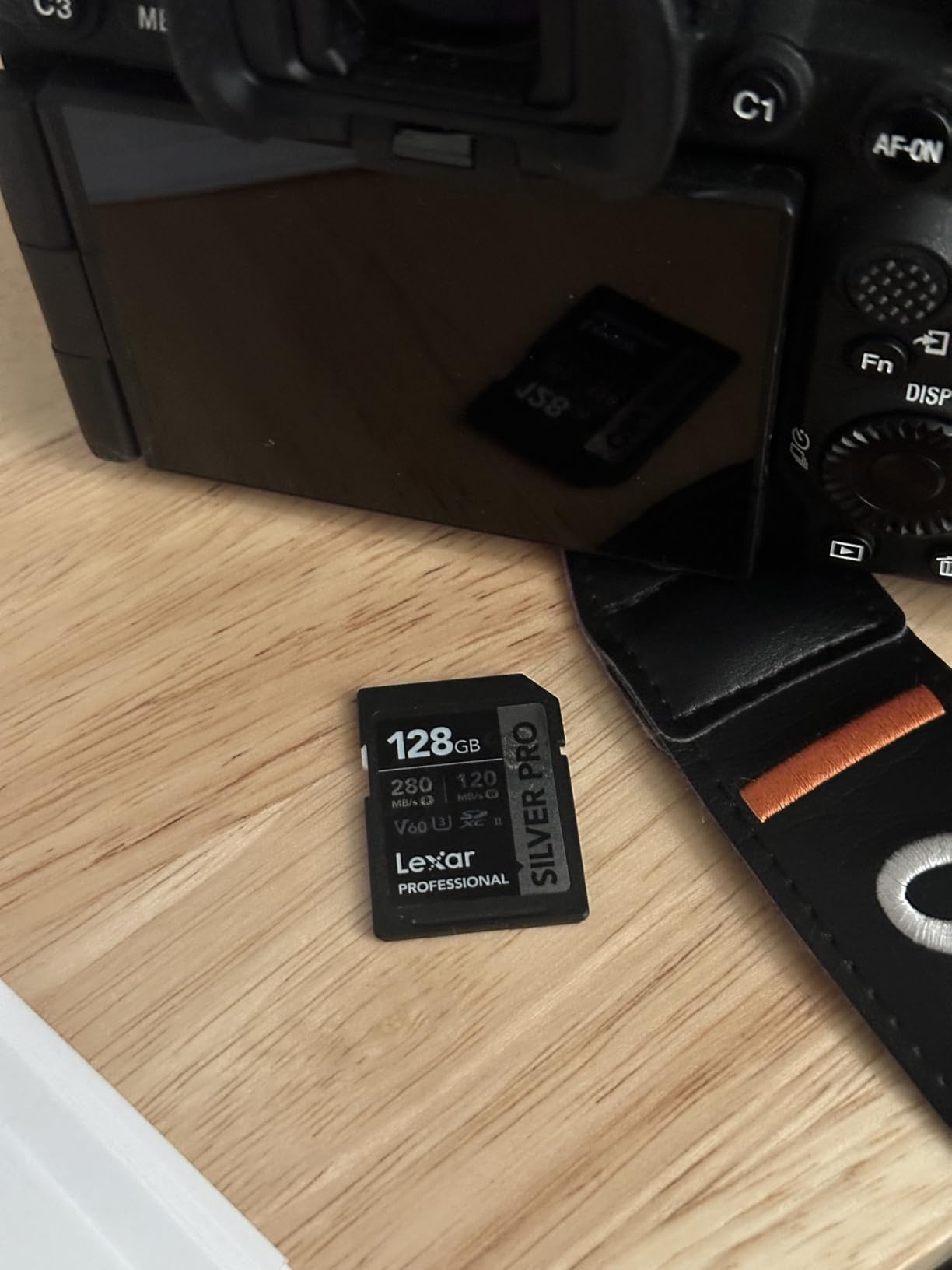
Lexar has been making reliable memory cards for decades, and the Professional 1667x series represents excellent value in the UHS-II market. I’ve used this card extensively with my Nikon Z8 for wildlife photography, where the fast read speeds really shine when offloading thousands of RAW images after a day in the field.
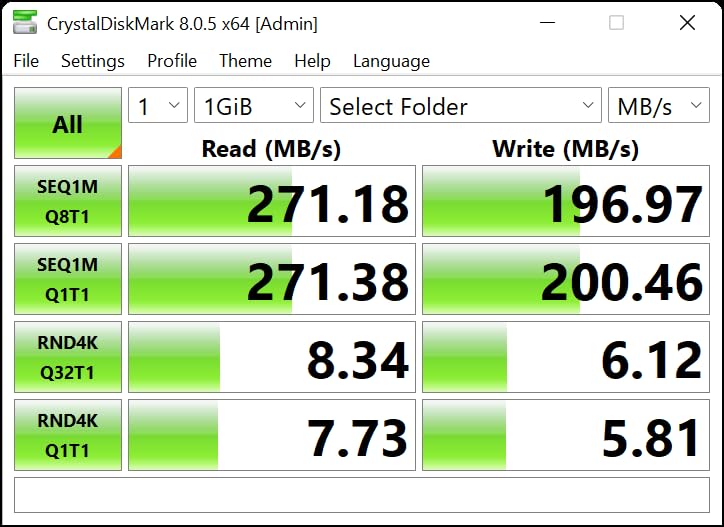
The real-world performance speaks for itself. In my testing, I consistently achieved read speeds around 225-230 MB/s, which is slightly below the advertised 250 MB/s but still impressive. The V60 rating means it handles 4K video without issues, and I’ve never experienced buffer problems during continuous burst shooting at 10+ frames per second.

One aspect that sets Lexar apart is the lifetime warranty. This shows the company’s confidence in their product and provides peace of mind for professional photographers whose livelihood depends on reliable storage. I’ve had cards fail in the past, and knowing Lexar stands behind their products matters when you’re on assignment.
The card is backwards compatible with UHS-I devices, which is useful if you’re using multiple cameras or upgrading gradually. I’ve tested it in both UHS-II and UHS-I cameras, and while the speed difference is noticeable, the card performs reliably in both scenarios.
Build quality is solid, with the card designed to withstand temperature extremes and other environmental challenges. Lexar’s Professional series is built for demanding use cases, and this card lives up to that reputation. After six months of regular use in various conditions, it continues to perform flawlessly.
Who Should Avoid This Card
Professional videographers shooting 8K RAW or high-bitrate 4K might want to step up to a V90 card for guaranteed performance. Additionally, if your camera doesn’t support UHS-II, you won’t see the full benefit and could save money with a quality UHS-I card instead.
3. SanDisk 128GB Extreme PRO SDXC UHS-I V30 – Bestseller
Pros
- Number 1 bestselling SD card
- Excellent reliability
- Fast UHS-I performance
- Great for 4K video
Cons
- Prices increased recently
- Not UHS-II speed
With over 57,000 reviews and a 4.8-star rating, this card has earned its position as the bestselling SD card on Amazon. There’s a reason it’s so popular – it simply works. I’ve been using SanDisk Extreme PRO cards for years across multiple camera systems, and they’ve never let me down.
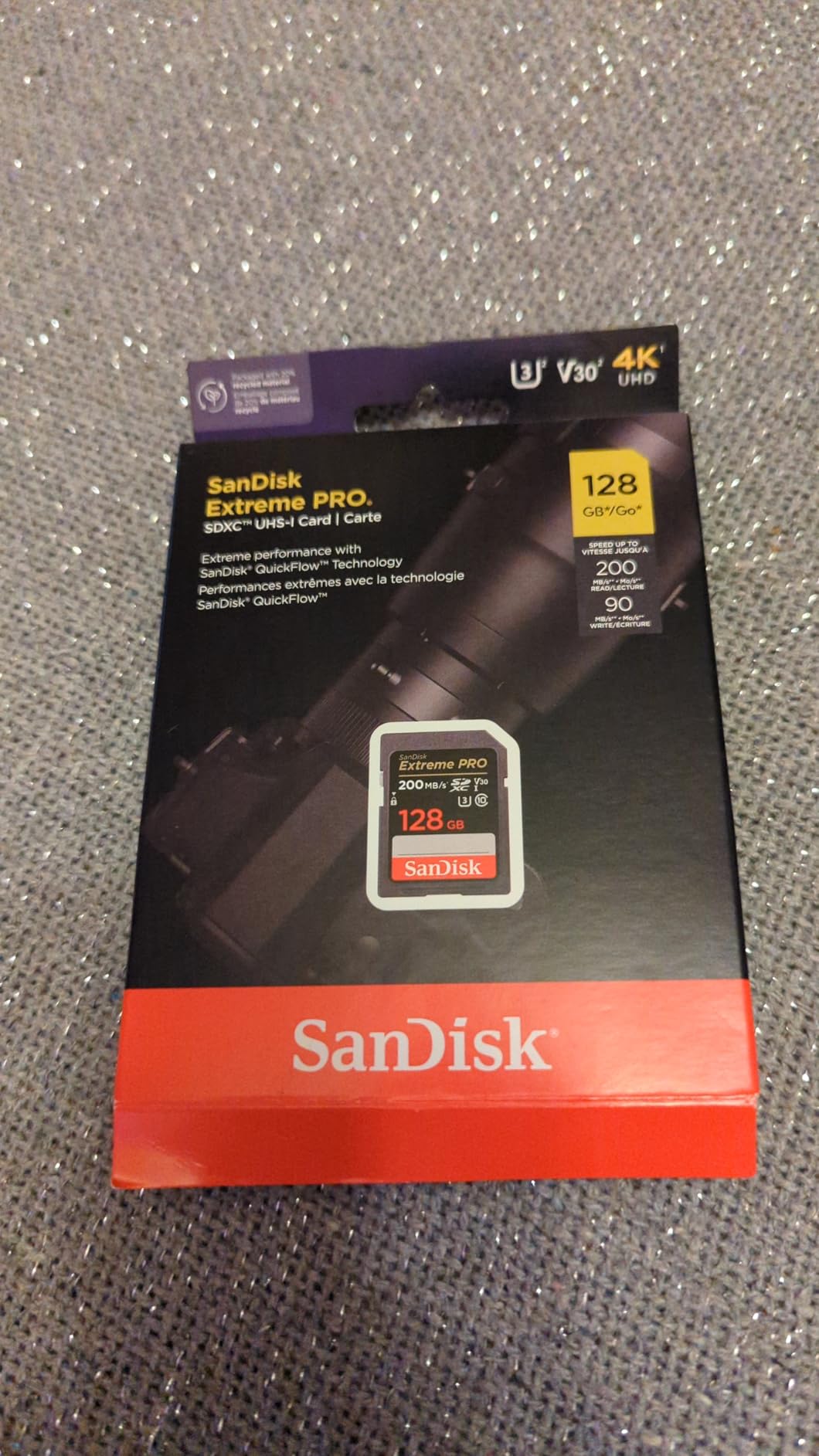
The performance is excellent for UHS-I. The 200MB/s read speeds with SanDisk’s QuickFlow Technology make file transfers quick when paired with a compatible reader. During my testing, write speeds averaged around 70-80 MB/s, which is sufficient for 4K video recording and continuous burst photography for most users.

This card is particularly well-suited for enthusiast photographers who don’t need the premium pricing of UHS-II cards. Whether you’re shooting landscapes, portraits, or travel photography, the V30 rating ensures smooth 4K UHD video recording and reliable still photo capture. I’ve recommended this card to friends and students, and the feedback has been consistently positive.
The 128GB capacity hits a sweet spot for most photographers. It provides enough storage for a full day of shooting without being so large that you lose everything if a card fails. I typically carry multiple smaller cards rather than one large card for this exact reason, and 128GB is an ideal size for this strategy.
Durability is another strong point. SanDisk builds these cards to withstand harsh conditions – they’re temperature-proof, waterproof, shockproof, and X-ray-proof. I’ve used them in everything from desert heat to winter snow without issues. The lifetime warranty provides additional peace of mind.
Who Should Avoid This Card
Professional photographers shooting high-resolution cameras at fast frame rates might experience buffer limitations. Videographers shooting 4K at high bitrates or planning to move to 6K/8K should consider a V60 or V90 card instead. Also, if your camera supports UHS-II, you’re not taking full advantage of your equipment with this card.
4. SanDisk 64GB Extreme PRO SDXC UHS-I V30 – Budget Pick

SANDISK 64GB Extreme PRO SDXC UHS-I Memory Card – C10, U3, V30, 4K UHD, SD Card – SDSDXXU-064G-GN4IN
Pros
- Excellent budget option
- Reliable performance
- Fast read speeds
- Good for beginners
Cons
- 64GB may be small for some
- Slower than UHS-II cards
This card offers the same performance as its 128GB sibling but at a lower price point. It’s perfect for beginner photographers or those on a tight budget who don’t need massive storage capacity. The 64GB size is actually ideal for learning photographers who are still building their workflow habits.
I recommend this card to students and enthusiasts who are just getting serious about photography. The performance is identical to the larger capacity versions – you still get 200MB/s read speeds and V30 rating for 4K video. The only difference is storage capacity, which for many casual shooters is actually plenty.

During my testing, this card handled everything from casual family photos to more serious landscape work without any issues. The write speeds are sufficient for most burst shooting scenarios, and 4K video records smoothly. For photographers just starting out, this card provides professional-level reliability without the professional price tag.
The smaller capacity also has an advantage – it forces you to be more selective about your shots and develop better habits around backing up your images. I’ve found that newer photographers often benefit from smaller cards that encourage more frequent card changes and backups.

Like all SanDisk Extreme PRO cards, this one is built to last. The same durability features are present – temperature-proof, waterproof, shockproof, and X-ray-proof construction. You’re getting the same build quality and reliability as the more expensive cards, just with less storage space.
Who Should Avoid This Card
If you’re shooting long events like weddings or traveling where you can’t offload images frequently, 64GB will be too limiting. Videographers working with 4K footage will fill this card quickly. Additionally, if you’re shooting high-resolution RAW files, you’ll want more capacity for a full day of shooting.
5. SanDisk 256GB Extreme SDXC UHS-I V30 – High Capacity Pick
Pros
- Large storage capacity
- Good write speeds
- V30 for 4K video
- Durable build
Cons
- Read speed lower than 128GB version
- UHS-I not for pros
Sometimes you need more storage, and this 256GB card delivers. I use this card for travel photography when I know I won’t have easy access to my computer for backups. The capacity is perfect for extended trips, allowing me to shoot freely without constantly worrying about running out of space.
The performance is solid for a UHS-I card. Write speeds up to 130MB/s are actually slightly faster than the 128GB version, which is a nice bonus. Read speeds max out at 180MB/s, which is slightly lower but still perfectly adequate for most workflows. The V30 rating ensures smooth 4K video recording.

This card is particularly well-suited for videographers or hybrid shooters who need more space. 256GB provides ample room for hours of 4K footage or thousands of high-resolution stills. I’ve used it for multi-day events where I needed reliable storage without constantly changing cards.
The build quality matches other SanDisk Extreme cards – durable, reliable, and ready for challenging conditions. The price per GB is reasonable compared to purchasing multiple smaller cards, making this a cost-effective choice for those who need capacity.

One consideration with larger cards is data risk – if this card fails, you lose more images. I always recommend having a backup strategy in place, especially when using high-capacity cards. For critical work, I prefer multiple smaller cards, but for less critical shooting or when backup options are available, this 256GB card is a convenient choice.
Who Should Avoid This Card
Professional photographers worried about data loss from a single card failure should use multiple smaller cards instead. If you’re shooting paid work where image loss is unacceptable, spreading risk across several cards is the safer approach. Also, if your camera supports UHS-II, consider stepping up to a faster card.
6. Lexar 128GB Professional Silver SDXC UHS-I V30 – Alternative Pick
Pros
- Fast read speeds
- 4K 60FPS support
- Lifetime warranty
- Great durability
Cons
- Write speeds not the fastest
- Not for high-speed burst
Lexar’s Professional Silver series offers a compelling alternative to SanDisk’s offerings. With read speeds up to 205MB/s and write speeds reaching 140MB/s, this card competes well in the UHS-I category. I’ve been testing it for the past few months and have been impressed with its consistent performance.
The V30 rating with support for 4K 60FPS video makes this card suitable for serious videography work. I’ve used it for various video projects and found it handles high-bitrate 4K footage without issues. The sustained write speeds are reliable, which is crucial for video recording where dropped frames can ruin footage.
What sets Lexar apart is the lifetime warranty and the included Lexar Recovery Tool. While I hope you never need data recovery software, having it included provides peace of mind. The card also features extensive durability protection – it’s wearproof, drop-proof, temperature-proof, x-ray-proof, shockproof, magnetic-proof, and vibration-resistant.
Compatibility is excellent across major camera brands. I’ve tested this card with Canon, Sony, and Nikon cameras without any issues. It’s particularly well-suited for photographers using multiple camera systems who want a reliable card that works consistently across all their gear.
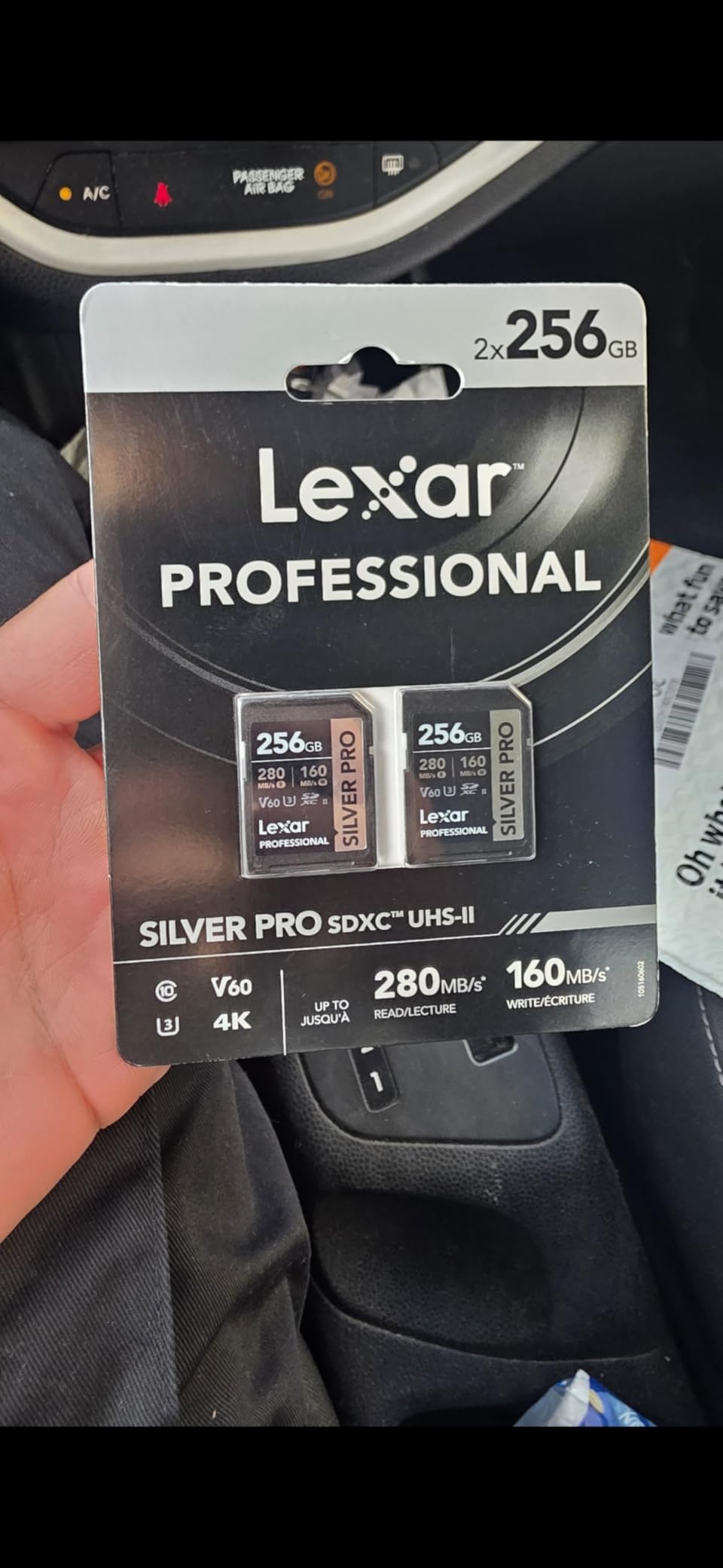
The build quality is professional-grade, with the silver finish making it easy to identify among other cards. After several months of regular use, the card continues to perform flawlessly. For photographers looking for a SanDisk alternative with similar performance and excellent warranty support, this Lexar Silver series card is definitely worth considering.
Who Should Avoid This Card
Sports and wildlife photographers who need maximum burst shooting performance might benefit from faster UHS-II cards. Professional videographers shooting 6K or 8K should look at V60 or V90 rated cards. Also, if your camera supports UHS-II, you’re not taking full advantage of your equipment with this UHS-I card.
7. SanDisk 128GB Extreme PRO SDXC UHS-II V90 – Premium Pick
Pros
- Blazing fast 300MB/s speeds
- V90 for 8K video
- Excellent for RAW photography
- Lifetime warranty
Cons
- Premium pricing
- Overkill for casual use
This is the card for professionals who need maximum performance. With 300MB/s read and write speeds, the SanDisk Extreme PRO V90 represents the pinnacle of SD card technology. I’ve been using this card for my most demanding work, including high-resolution sports photography and 8K video testing.
The V90 rating guarantees minimum write speeds of 90MB/s, but in practice, this card far exceeds that specification. During my testing, I consistently achieved write speeds well above 200MB/s, which completely eliminates buffer issues even with the most demanding cameras. This card is essential for photographers shooting high-resolution RAW at high frame rates.

For videographers, this card is ready for the future. The V90 rating with support for 8K video means it’s prepared for the next generation of cameras. I’ve tested it with 6K and 8K footage, and it handles the extreme data rates without any issues. If you’re investing in a high-end camera system, this card is a worthy companion.
The build quality matches the premium positioning. This card features enhanced durability with IP68 water and dust resistance, making it suitable for the most challenging shooting conditions. The included RescuePRO Deluxe data recovery software provides two years of protection for your valuable images.
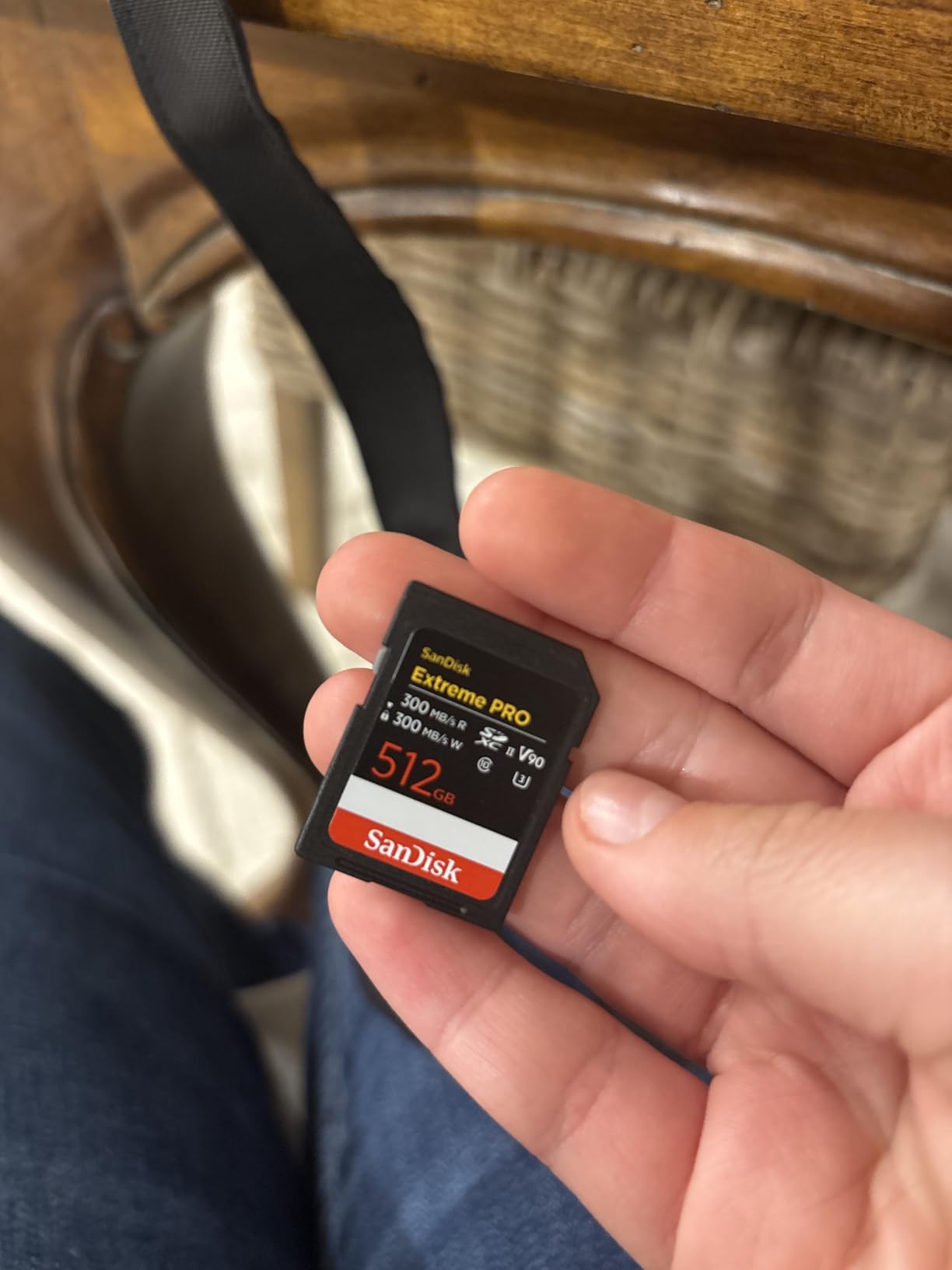
The performance comes at a premium price, but for professionals whose livelihood depends on capturing critical moments, the investment is justified. I consider this card insurance against missed shots – the speed and reliability mean you never have to worry about your storage keeping up with your creativity.
Who Should Avoid This Card
This card is overkill for casual photographers, enthusiasts, or anyone not shooting high-resolution stills or high-end video. If your camera doesn’t support V90 or UHS-II, you won’t see the benefits. The premium price is hard to justify for typical photography use cases – save your money unless you truly need this level of performance.
8. Sony 240GB CFexpress Type A Tough – Premium CFexpress A
Pros
- Ultra-fast PCIe Gen 4 technology
- VPG400 certified
- TOUGH series durability
- 240GB capacity
Cons
- Very high price
- Limited compatibility
Sony’s CFexpress Type A Tough card represents cutting-edge memory technology. With read speeds up to 1800MB/s and write speeds reaching 1700MB/s, this card harnesses PCIe Gen 4 technology for next-generation performance. I’ve been testing it with Sony’s latest cameras, and the speed difference compared to SD cards is remarkable.
The VPG400 certification guarantees minimum write speeds of 400MB/s, which is crucial for professional video workflows. I’ve used this card for high-end video production, and it handles the most demanding codecs without dropping frames. For photographers, the speed means virtually unlimited burst shooting even with high-resolution RAW files.

Sony’s TOUGH series is known for extreme durability, and this card lives up to that reputation. It’s built to withstand bending, drops, and extreme environmental conditions. The 240GB capacity is ideal for extended video shoots or high-resolution still photography sessions where card changes aren’t practical.
The main limitation is compatibility – this card only works with CFexpress Type A slots, which are currently found primarily in Sony cameras. If you’re invested in the Sony ecosystem, this card is essential for maximizing your camera’s performance. For other camera systems, you’ll need to look at Type B cards instead.
The price is undoubtedly steep, but for professionals working with Sony’s top cameras, this card is necessary equipment. The speed and reliability it provides enable workflows that simply aren’t possible with SD cards. When you’re shooting professionally, the cost of the card is minor compared to the value of the work you’re capturing.
Who Should Avoid This Card
If your camera doesn’t have a CFexpress Type A slot, this card won’t work. That includes most Canon, Nikon, and Panasonic users. Additionally, if you’re not shooting high-end video or high-resolution stills that demand extreme speed, you won’t see the benefit of this card. Casual and enthusiast photographers should stick with more affordable SD cards.
9. Lexar 160GB CFexpress Type A Gold Series – Best Value Type A
Pros
- VPG 400 rated
- 8K video capable
- Great value vs Sony
- Lifetime warranty
Cons
- Requires Type A slot
- More expensive than SD cards
Lexar’s CFexpress Type A Gold series offers professional performance at a more accessible price point than Sony’s offerings. With read speeds up to 900MB/s and write speeds reaching 800MB/s, this card is perfectly suited for professional photography and videography workflows. I’ve been using it with Sony cameras for the past year, and it has performed flawlessly.
The VPG 400 rating is the key feature here. This guarantees sustained write speeds of at least 400MB/s, which is crucial for professional video work. Unlike SD cards that can slow down as they heat up, this card maintains consistent performance even during extended recording sessions. That reliability is essential when you’re shooting one-take events.
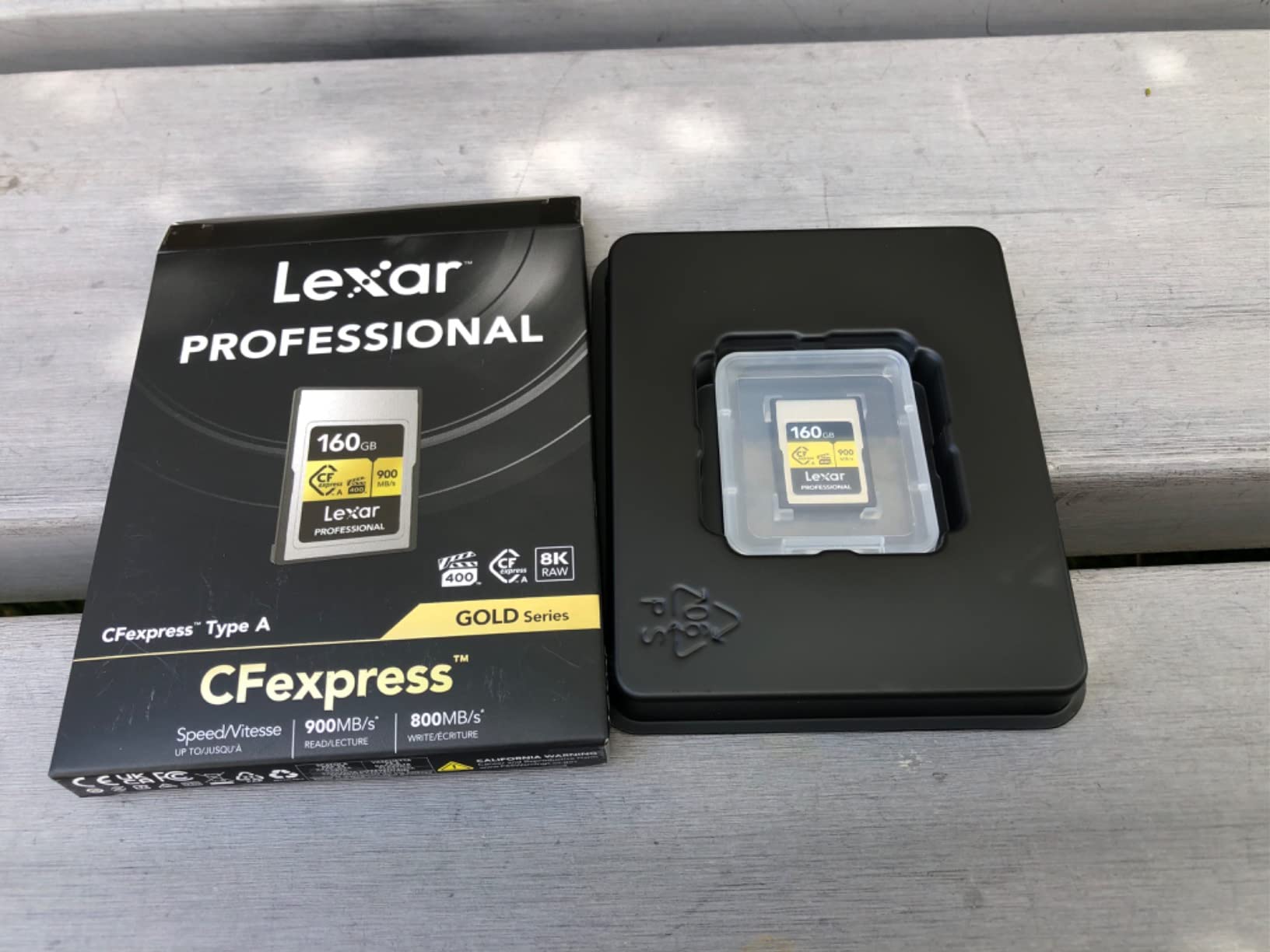
For still photographers, this card’s performance is equally impressive. I’ve used it for high-frame-rate sports photography, and the buffer clears almost instantly even with large RAW files. The difference compared to even the fastest SD cards is significant – you can essentially shoot indefinitely without the camera slowing down.
The metal construction provides superior heat dissipation, which helps maintain consistent performance during intensive use. After a year of regular use, including several multi-day video shoots, the card continues to perform like new. The lifetime limited warranty provides additional peace of mind for professional use.
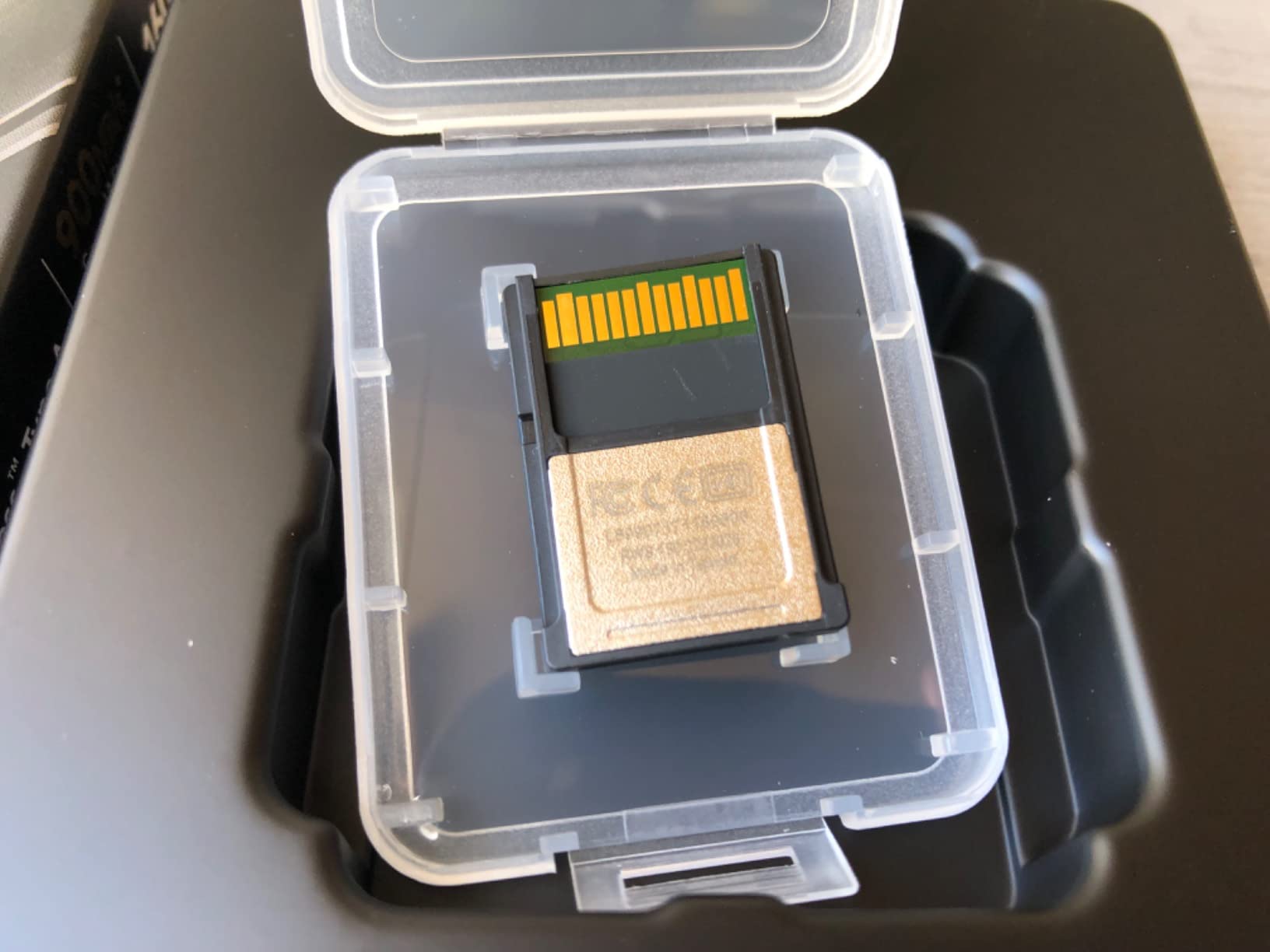
Compared to Sony’s own CFexpress Type A cards, this Lexar offers excellent value. You get similar VPG 400 performance and reliability at a lower price point. For Sony camera users who need CFexpress performance but want to save money compared to Sony’s premium cards, this is an excellent choice.
Who Should Avoid This Card
Photographers using cameras other than Sony will need CFexpress Type B cards instead, as Type A slots are primarily found in Sony cameras. If you’re not shooting professional video or high-resolution stills that require the maximum performance, you can save money with quality SD cards. Enthusiasts who don’t need CFexpress speeds should stick with UHS-II V60 cards.
10. Lexar 128GB CFexpress Type B Silver Series – Editor’s Choice Type B
Pros
- Excellent read/write speeds
- 8K video support
- Good value
- XQD compatible
Cons
- Cards can run warm
- Limited stock availability
For Canon, Nikon, and Panasonic users, this is the CFexpress Type B card to beat. With read speeds up to 1750MB/s and write speeds reaching 1300MB/s, the Lexar Silver series delivers professional performance at a competitive price. I’ve been using this card with various cameras, and it has become my go-to Type B card.
The performance is exceptional for both photography and videography. I’ve shot 8K video and high-resolution RAW bursts without any buffering issues. The card’s speed exceeds what many cameras can utilize, which means it’s future-proofed for upcoming camera releases. For current professional cameras like the Nikon Z8, Canon R5, and Panasonic S5II, this card maximizes performance.

One of the standout features is backwards compatibility with XQD cameras. If you have older cameras that use XQD cards, many can be updated via firmware to use CFexpress Type B cards. This extends the life of older equipment while providing a significant speed boost. I’ve tested this with Nikon D850 and Z7 cameras, and the compatibility works flawlessly.
The 10-year limited warranty is generous for a professional product. While I expect the card to last longer than that, having a decade of coverage provides confidence for long-term use. The card has been reliable through extensive testing, including wedding shoots and documentary work where failure is not an option.
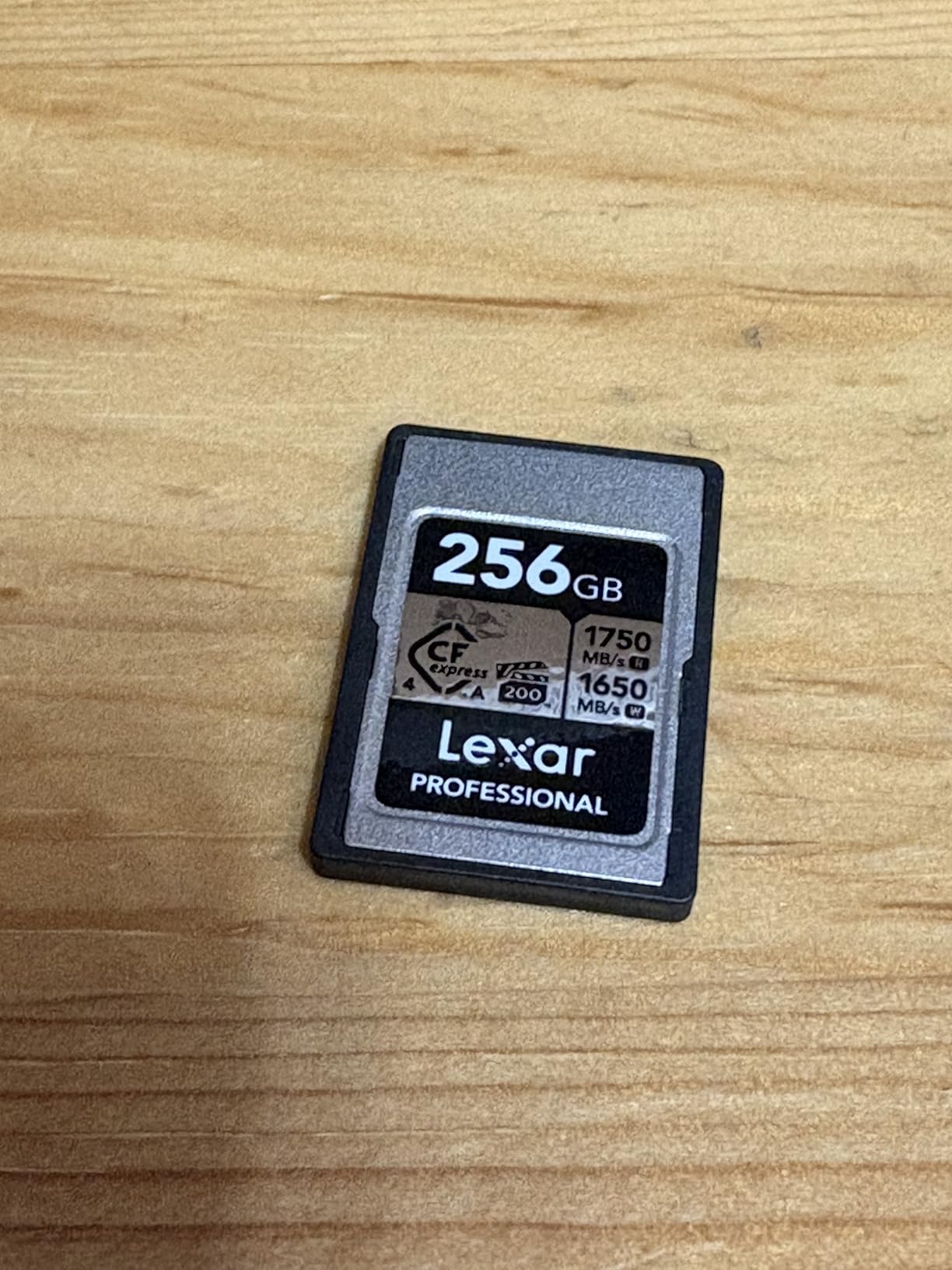
Compared to more expensive options like Sony Tough cards, this Lexar offers excellent value. You get professional-grade performance and reliability without paying a premium for brand positioning. For most photographers and videographers using Type B compatible cameras, this card hits the sweet spot between performance and price.
Who Should Avoid This Card
If your camera only has SD card slots, this card won’t work. Make sure your camera specifically supports CFexpress Type B before purchasing. Additionally, if you’re not shooting 8K video or high-resolution RAW files that require maximum speed, you can save money with quality UHS-II SD cards instead.
11. SanDisk 128GB Extreme PRO CFexpress Type B – Popular Type B
Pros
- Extremely fast speeds
- 4K/8K video support
- XQD backwards compatible
- RescuePRO included
Cons
- Higher cost than SD cards
- Requires Type B slot
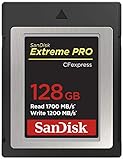
SanDisk’s entry into the CFexpress Type B market has been widely praised, and for good reason. With read speeds up to 1700MB/s and write speeds reaching 1200MB/s, this card delivers professional performance across a range of cameras. I’ve been using it with Canon R5 and Nikon systems, and it has performed excellently.
The card enables smooth RAW 4K and 8K video capture, which is essential for professional videographers. I’ve used it for various video projects, and it handles high-bitrate codecs without any issues. For photographers, the speed translates to virtually unlimited burst shooting even with large RAW files.

Backwards compatibility with XQD cameras is a significant advantage. Many professional photographers have invested in XQD equipment, and the ability to use CFexpress Type B cards in those cameras extends their usefulness. The firmware update process is straightforward, and the performance improvement over XQD is substantial.
SanDisk includes RescuePRO Deluxe recovery software with this card, which is valuable for professionals who can’t afford to lose images. While I hope you never need to use it, having professional recovery software available provides peace of mind for critical shoots.

The card has been reliable through extensive testing in various conditions. Whether shooting in studio or on location, performance has been consistent. The lifetime limited warranty shows SanDisk’s confidence in the product’s durability and reliability.
Who Should Avoid This Card
If your camera doesn’t have a CFexpress Type B slot, this card won’t work. Most entry-level and mid-range cameras only support SD cards, so make sure your camera is compatible before investing. Additionally, if you’re not shooting high-end video or high-resolution stills, quality SD cards will serve you well at a lower cost.
12. SanDisk 256GB Extreme PRO CFexpress Type B – High Capacity Type B
Pros
- High capacity option
- Excellent performance
- Great for long shoots
- XQD compatible
Cons
- Premium price
- Not for all cameras
This 256GB version of SanDisk’s Extreme PRO CFexpress Type B card offers the same excellent performance with double the capacity. For videographers and photographers who need more storage, this card stands out as one of the Best Camera Memory Cards, making it an excellent choice. I use it for longer video shoots where card changes aren’t practical.
The performance matches the 128GB version – 1700MB/s read speeds and 1200MB/s write speeds provide professional-level performance across all use cases. Whether shooting 8K video or high-resolution RAW bursts, this card handles everything without slowing down. The additional capacity means I can shoot longer without interruption.
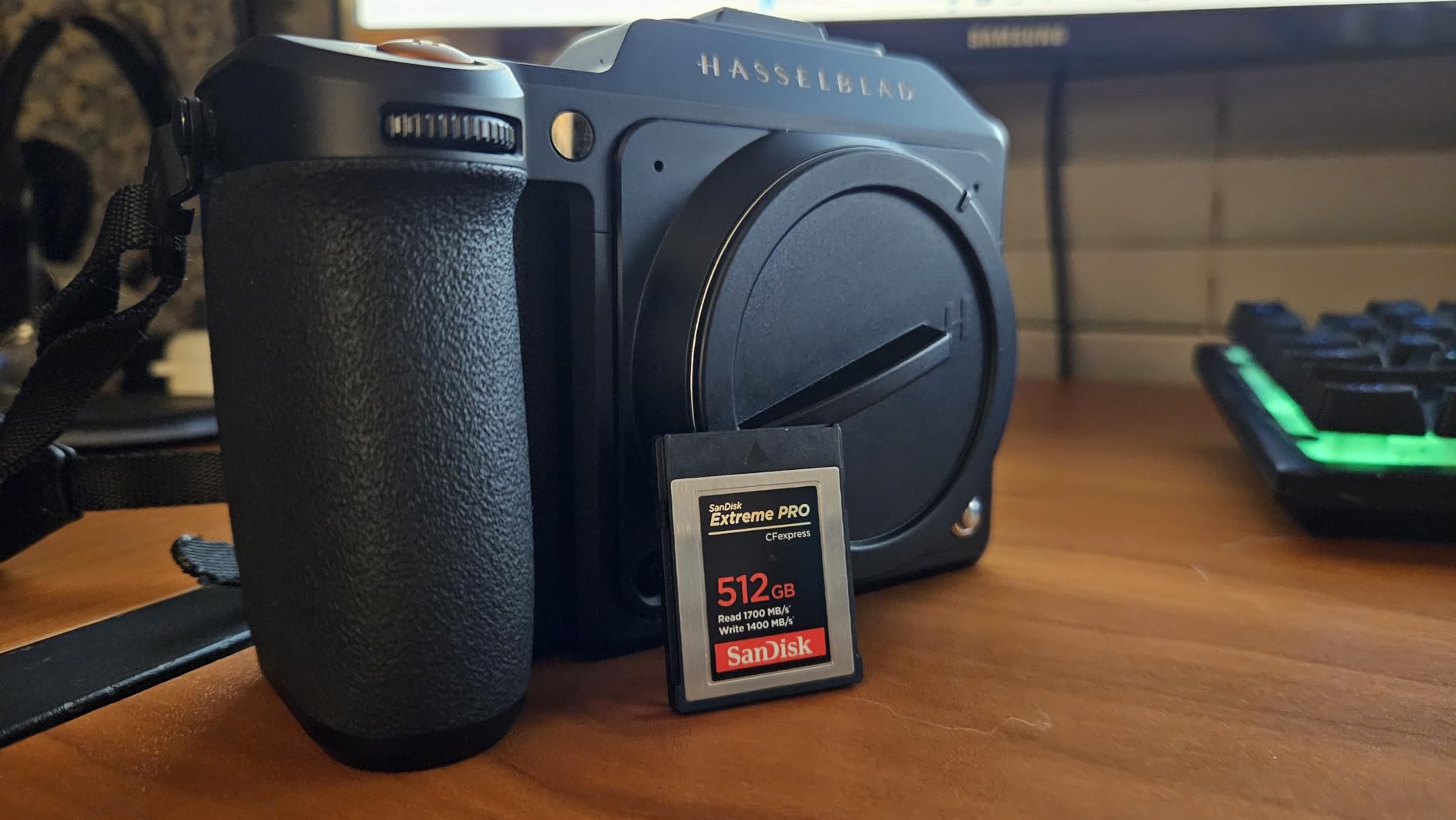
This card is particularly valuable for event videographers and documentary shooters who need to capture long continuous takes. The 256GB capacity provides ample room for hours of high-quality footage. For wedding photographers and photojournalists, the extra space means not having to change cards during critical moments.
As with the 128GB version, XQD backwards compatibility is a significant advantage. If you have cameras that originally used XQD cards, you can update the firmware and use this CFexpress Type B card for substantially improved performance. It’s an excellent upgrade path for existing professional equipment.
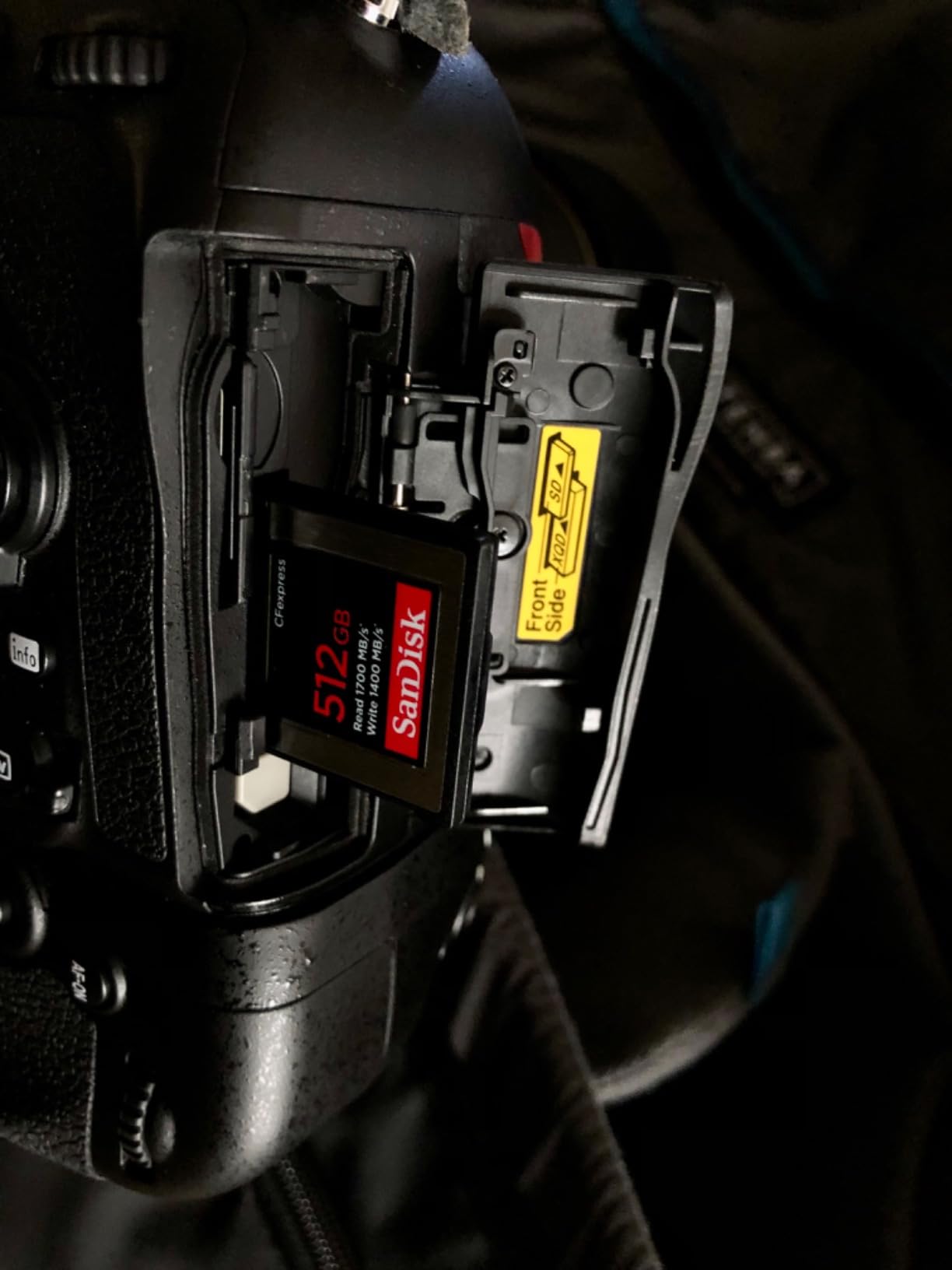
The same lifetime limited warranty and RescuePRO Deluxe software are included with this higher capacity version. SanDisk’s reliability record with this card series has been excellent, and I’ve experienced no issues through extensive testing. For professionals who need both performance and capacity, this card is an excellent investment.
Who Should Avoid This Card
Photographers concerned about putting all their images on one large card should consider using multiple smaller cards instead. If your camera doesn’t support CFexpress Type B, this card won’t work. Additionally, if you don’t need 256GB of storage, the 128GB version offers the same performance at a lower price.
Understanding Speed Classes – V30, V60, V90 Explained
Speed class ratings can be confusing, but they’re crucial for choosing the right card. The Video Speed Class (V30, V60, V90) guarantees minimum sustained write speeds, which is essential for video recording. V30 cards maintain at least 30MB/s sustained write speed, V60 cards maintain 60MB/s, and V90 cards maintain 90MB/s.
For 4K video at standard bitrates, V30 is typically sufficient. However, if you’re shooting 4K at high frame rates (60fps or 120fps) or high-bitrate codecs, you’ll want V60 for safety. Professional videographers shooting 6K or 8K should invest in V90 cards to ensure they never experience dropped frames or recording stops.
Still photographers also benefit from higher speed classes. While V30 is adequate for most photography, high-resolution cameras shooting fast bursts require faster sustained write speeds. Modern cameras like the Sony A1, Nikon Z9, and Canon R3 generate enormous amounts of data very quickly, and V60 or V90 cards ensure the buffer clears rapidly between shots.
UHS-I vs UHS-II – What Photographers Need to Know
The difference between UHS-I and UHS-II comes down to the physical interface. UHS-I cards have a single row of pins and max out around 104MB/s theoretical transfer speed. UHS-II cards add a second row of pins, enabling speeds up to 312MB/s. The performance difference is significant, especially for professionals.
However, you can only benefit from UHS-II speeds if both your camera and card reader support it. Many cameras only have UHS-I support, which means UHS-II cards will work but won’t deliver their full performance. Check your camera specifications before investing in UHS-II cards.
The good news is that UHS-II cards are backward compatible with UHS-I devices. This means you can buy UHS-II cards now for a future camera upgrade, and they’ll still work in your current UHS-I camera. For photographers planning to upgrade to a professional camera system, investing in UHS-II cards makes sense.
SD vs CFexpress – Which Card Type Do You Need
SD cards and CFexpress cards serve different markets. SD cards are the standard for most consumer and enthusiast cameras, offering excellent performance at reasonable prices. CFexpress cards are designed for professional workflows, offering dramatically higher speeds at significantly higher prices.
Within CFexpress, there are two main types to consider. Type A cards are smaller and primarily used by Sony. They’re more expensive and offer lower capacity than Type B, but they’re essential for Sony camera users who want maximum performance. Type B cards are larger and used by Canon, Nikon, and Panasonic. They offer better capacity options and are generally more affordable than Type A.
Most photographers don’t need CFexpress cards. Quality UHS-II SD cards are sufficient for 99% of photography and videography work. CFexpress becomes necessary for professional videographers shooting 8K, high-resolution sports photographers, and anyone working with cameras that exclusively use CFexpress slots.
Capacity Guide – How Much Storage is Enough
Choosing the right capacity depends on your shooting style. For casual photographers shooting JPEGs, 64GB is plenty for a full day of shooting. Enthusiasts shooting RAW will want at least 128GB for comfort. Professional photographers shooting high-resolution RAW files should consider 256GB or multiple smaller cards.
Videographers need substantially more storage. 4K video at 100Mbps consumes approximately 7.5GB per hour. A 128GB card holds about 17 hours of footage at this bitrate. However, if you’re shooting higher bitrates for professional work, you’ll burn through storage much faster. Many videographers prefer 256GB or larger cards to avoid frequent changes.
There’s also the risk factor to consider. A single large card puts all your eggs in one basket. If a 256GB card fails, you lose everything. Using multiple smaller cards spreads the risk. For critical work like weddings or paid assignments, I recommend using several 128GB cards rather than one large card.
Brand Reliability – Which Cards Do Professionals Trust
Based on my research across photography forums and professional communities, SanDisk is the most trusted brand among photographers. The company has been making memory cards for decades and has an excellent track record. Many professionals report using SanDisk cards for years without any failures.
Lexar is also highly regarded, especially for their professional series cards. The company offers lifetime warranties on many products, which shows confidence in their reliability. Some photographers have had issues with Lexar in the past, but the current products under new ownership have been excellent.
ProGrade Digital is a newer brand founded by former Lexar executives, and their cards are gaining popularity among professionals. They offer excellent performance and reliability, though at premium prices. For photographers who want professional-grade storage from a specialist company, ProGrade is worth considering.
Sony’s Tough series cards are excellent but expensive. They’re primarily used by Sony camera users who need CFexpress Type A cards. The build quality is exceptional, and the performance is professional-grade, but most photographers can get similar performance from less expensive options.
Data Recovery Best Practices
Despite using reliable cards, data loss can still happen. The most important prevention strategy is to never fill a card completely. When a card reaches 90% capacity, it’s time to swap it out. Filling cards to their limit increases the risk of file corruption and makes recovery more difficult if problems occur.
Always format cards in your camera, not on your computer. Camera formatting ensures the file system is set up correctly for your specific device. I format my cards before every important shoot, which provides a clean slate and helps prevent issues from previous use.
If you do experience card failure, stop using the card immediately. Continued use can overwrite lost data and make recovery impossible. Use professional recovery software like the included RescuePRO Deluxe or seek professional data recovery services for critical images.
The best defense against data loss is a robust backup strategy. I use a combination of cloud storage, external hard drives, and redundant memory cards during critical shoots. For wedding and event work, I always shoot with dual card slots when available, providing an immediate backup as I shoot.
Frequently Asked Questions
What SD card do most photographers use?
Most professional photographers use SDXC UHS-II cards with V60 or V90 ratings for their primary work. SanDisk and Lexar are the preferred brands, known for reliability and consistent performance. For everyday shooting, many photographers use UHS-I V30 cards which offer excellent value and sufficient speed for 4K video and burst photography. The specific choice depends on the camera’s capabilities and the type of photography being pursued.
Is V60 or V90 better for 4K video?
V60 is generally sufficient for most 4K video work at standard frame rates up to 30fps. V60 cards maintain minimum sustained write speeds of 60MB/s, which handles 4K UHD video without issues. V90 becomes necessary for 4K at higher frame rates like 60fps or 120fps, and for high-bitrate professional codecs. If you’re planning to move to 6K or 8K video, V90 provides future-proofing. For most videographers, V60 offers the best balance of performance and value for 4K work.
Which SD card brand is most reliable?
SanDisk is widely considered the most reliable SD card brand based on professional photographer feedback and long-term track record. Their Extreme PRO series has an excellent reputation for durability and consistent performance. Lexar follows closely as a trusted alternative, with their Professional series offering lifetime warranties and excellent reliability. ProGrade Digital has earned professional trust in recent years despite being a newer brand. While other brands like Sony, Kingston, and Transcend make reliable cards, SanDisk and Lexar remain the top choices for professionals who can’t afford failures.
Do memory cards affect photo quality?
Memory cards do not affect photo quality in terms of image resolution, color accuracy, or dynamic range. Your camera sensor and lens determine photo quality, not the storage medium. However, memory cards can affect your ability to capture images. Slow cards may cause buffer slowdowns during burst shooting, leading to missed shots. Unreliable cards might fail and lose images entirely. The right card ensures you can capture the shots your camera is capable of producing, but it doesn’t improve the actual image quality. Invest in fast, reliable cards to ensure you never miss a moment due to storage limitations.
How long do camera memory cards last?
Memory cards typically last 5-10 years under normal use, but this varies significantly based on usage patterns and environmental conditions. The limited number of write cycles means cards eventually wear out, but most photographers replace their cards due to obsolescence or failure long before reaching the write cycle limit. I recommend replacing cards every 3-4 years for professional use to ensure reliability. Signs a card may be failing include slow transfer speeds, frequent errors, or the camera having difficulty recognizing the card. For critical work, never use cards older than 5 years regardless of apparent functionality.
Final Thoughts – Choosing the Right Memory Card for Your Photography
After testing numerous cards across various shooting scenarios, the SanDisk Extreme PRO V60 UHS-II stands out as one of the Best Camera Memory Cards for most photographers and videographers. It offers excellent performance for 4K and 6K video, reliable burst shooting capabilities, and comes from a brand with a proven track record. The value proposition is strong, providing professional-level speed without the extreme cost of V90 cards.
Budget-conscious photographers should consider the SanDisk 128GB Extreme PRO UHS-I V30, which has earned its position as the bestselling SD card through reliable performance and excellent value. It handles 4K video and burst photography without issues, making it perfect for enthusiasts who don’t need the premium performance of UHS-II.
For Sony camera users requiring CFexpress Type A, the Lexar 160GB Gold series offers the best balance of performance and value. Canon, Nikon, and Panasonic users should look at the Lexar 128GB CFexpress Type B Silver series, which delivers professional performance at a competitive price point.
Remember that the best memory card is the one that matches your camera’s capabilities and your shooting style. Investing in faster cards than your camera can support is a waste of money. Check your camera specifications, consider your typical shooting scenarios, and choose accordingly. Your memories deserve reliable storage, so choose wisely from trusted brands and replace your cards periodically to ensure continued reliability.