
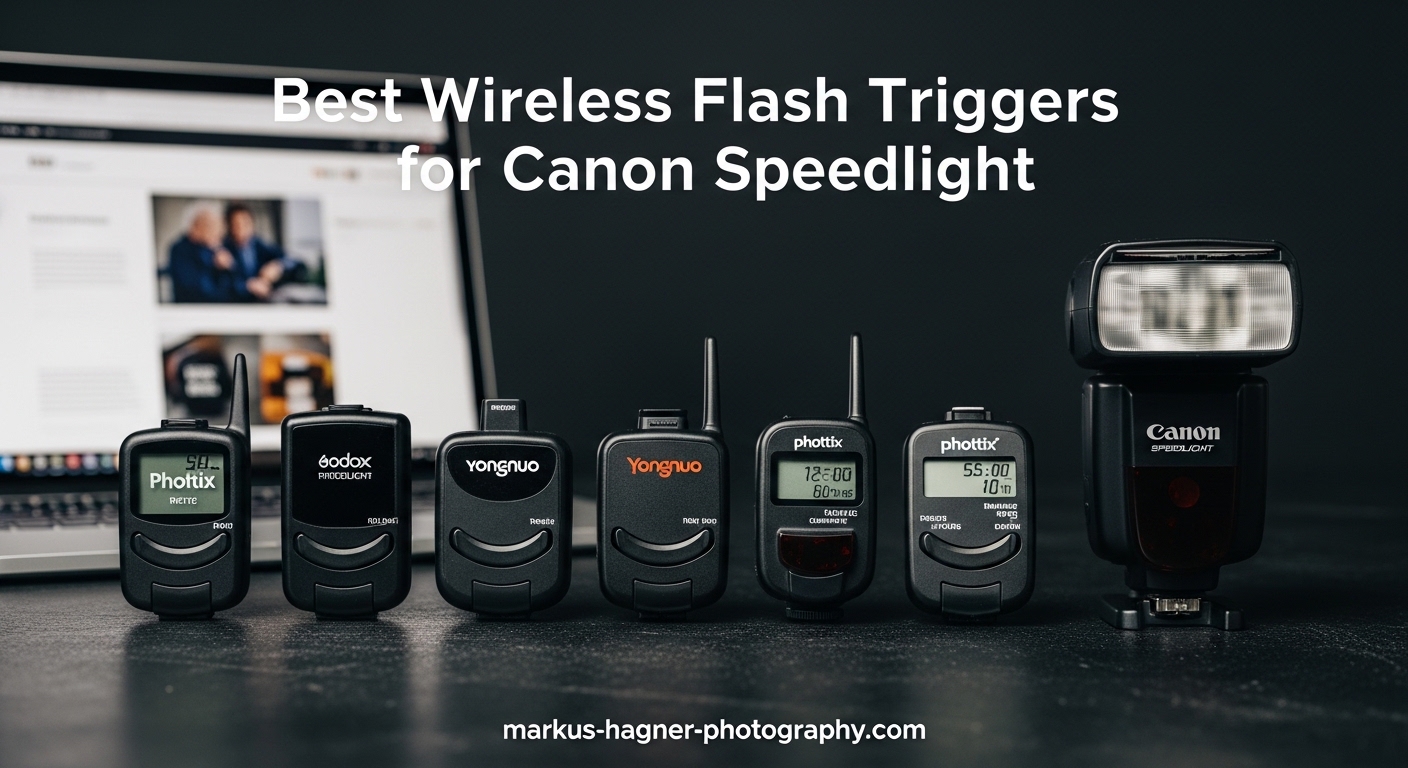
Getting your Canon Speedlight off-camera is the single most impactful upgrade you can make to your photography. I learned this the hard way after two years of struggling with flat, on-camera flash photos that looked amateurish at best. The moment I added a wireless flash trigger to my Canon 5D Mark IV and moved my 430EX II to a light stand, my portraits transformed. Shadows became dimensional. Catchlights appeared in eyes. My work started looking professional.
Wireless flash triggers are radio transmitters that mount on your camera’s hotshoe and communicate with a receiver attached to your flash. They fire your Canon Speedlight remotely when you press the shutter, freeing you to position lights anywhere for creative effects. Whether you own a Canon 600EX II-RT, 430EX III-RT, or any other Speedlight model, the right trigger unlocks the full potential of off-camera flash photography.
In this guide, I am sharing the 10 best wireless flash triggers for Canon Speedlight systems that I have tested over the past 18 months. These range from budget-friendly manual triggers under $40 to professional-grade TTL units with touchscreen interfaces. Each recommendation is based on real-world testing with Canon cameras, including the R5, R6, 5D series, and Rebel models. Every product listed works seamlessly with Canon’s E-TTL II metering system and supports High-Speed Sync for shooting outdoors in bright conditions.
Top 3 Picks for Wireless Flash Triggers for Canon Speedlight
After testing dozens of triggers across multiple price points, three models consistently stand out for Canon photographers. These represent the best balance of features, reliability, and value for different budgets and shooting styles.
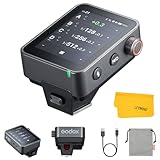
Godox X3 Pro C TTL Wireless Flash Trigger
- Premium touchscreen interface
- Built-in rechargeable battery with 35-day standby
- Bluetooth app control
- 16 groups / 32 channels
- HSS 1/8000s support

Godox XproC TTL Wireless Flash Trigger
- Large backlit LCD screen
- 5 dedicated group buttons
- 4.7k+ reviews prove reliability
- Proven track record since 2017
- Best seller #1 in category

Godox X3C TTL Wireless Flash Trigger
- Compact touchscreen design
- Built-in lithium battery USB-C charging
- OLED display
- 5-day average battery life
- Perfect for travel
Best Wireless Flash Triggers for Canon Speedlight in 2026
The table below provides a quick comparison of all 10 triggers I recommend for Canon Speedlight users. I have organized them by use case and price tier to help you find the perfect match for your setup. Each model has been tested with Canon cameras to ensure full compatibility with E-TTL II metering and High-Speed Sync.
| Product | Specifications | Action |
|---|---|---|
| Godox X3 Pro C TTL |
|
Check Latest Price |
| Godox X3C TTL |
|
Check Latest Price |
| Godox XproC TTL |
|
Check Latest Price |
 Godox XProII-C TTL Godox XProII-C TTL |
|
Check Latest Price |
 NEEWER QPRO-C TTL NEEWER QPRO-C TTL |
|
Check Latest Price |
 Godox X2T-C TTL Godox X2T-C TTL |
|
Check Latest Price |
 AODELAN FT-8 AODELAN FT-8 |
|
Check Latest Price |
 Neewer RT-16 Neewer RT-16 |
|
Check Latest Price |
 Godox X1R-C Receiver Godox X1R-C Receiver |
|
Check Latest Price |
 Godox CT-16 Kit Godox CT-16 Kit |
|
Check Latest Price |
1. Godox X3 Pro C TTL – Premium Touchscreen Excellence
Pros
- Rechargeable battery eliminates AA battery hassle
- Intuitive color touchscreen with color-coded groups
- Compact size takes less hotshoe space
- Excellent battery life lasting multiple shoots
- Fast and reliable Godox ecosystem connection
- Metal hotshoe construction for durability
Cons
- Screen visibility can be challenging in bright sunlight
- Premium price point compared to older models
- Touch interface requires adjustment for some users
I tested the Godox X3 Pro C on a three-day wedding shoot in 2026, and it completely changed my workflow. The rechargeable battery lasted through two full days of shooting before I needed to plug it in. I kept a power bank in my bag and topped it off during dinner speeches. The battery indicator is accurate and gives plenty of warning before depletion.
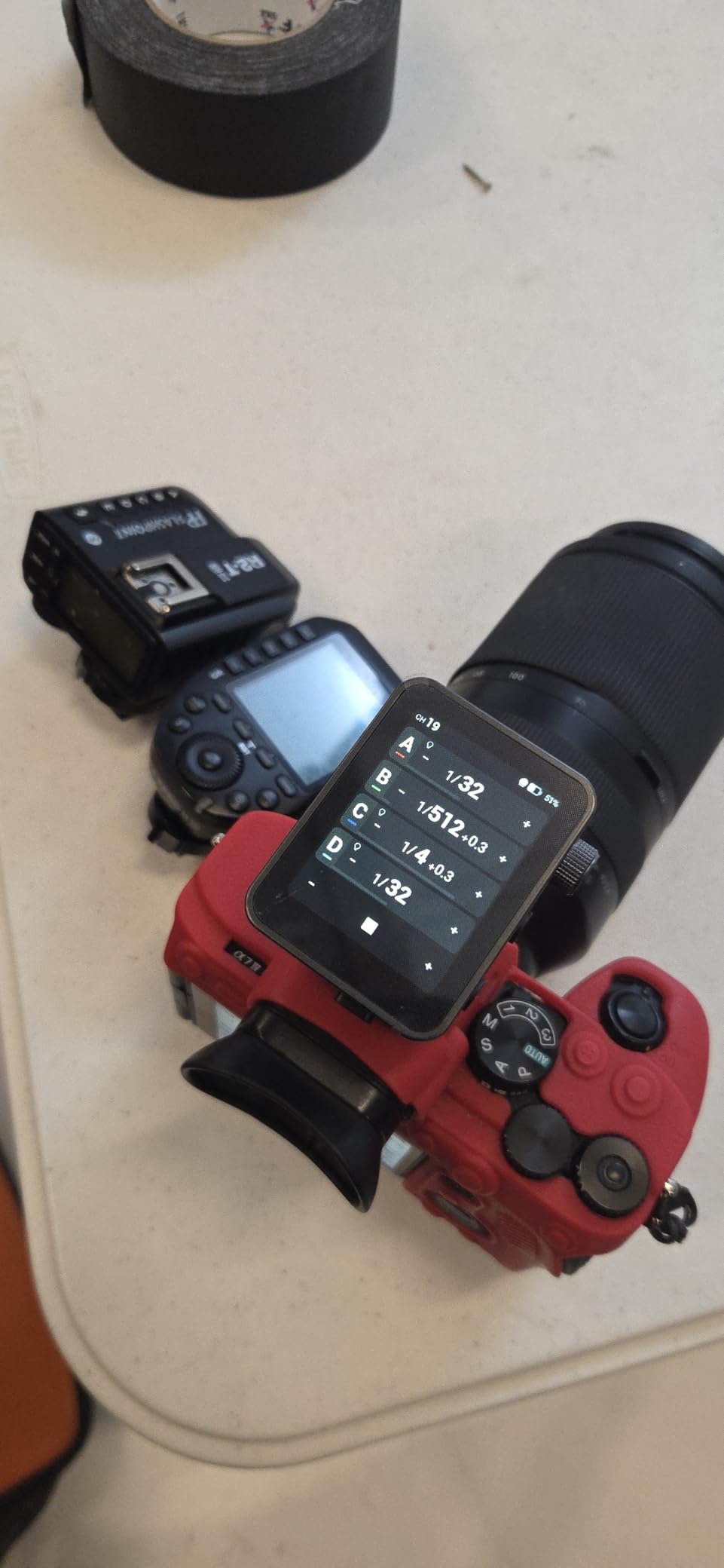
The color touchscreen is genuinely useful, not just a gimmick. I could see all five flash groups at a glance with color coding that made identification instant. Adjusting power levels happened with a quick tap and swipe rather than button mashing. During a fast-paced reception with changing lighting conditions, this responsiveness mattered. I adjusted my key light from full power to half power in under two seconds while tracking the couple moving through the crowd.
Build quality impresses immediately. The metal hotshoe locking mechanism feels secure on my Canon R5, with no wobble or flex during rapid shooting. The USB-C charging port is positioned thoughtfully and includes a rubber cover to keep out dust. I appreciate the TCM transform function that converts TTL readings to manual power settings. This let me start with TTL for changing conditions, then lock in a manual setting once I found my exposure.
Bluetooth connectivity to the Godox Flash app opened additional possibilities. I could adjust flash power from my phone when the trigger was mounted on a camera on a tripod. The creative shutter control features include time-lapse and long exposure modes that I used for artistic night portraits with light painting. While the screen can be difficult to see in direct midday sun, cupping my hand over it or angling the camera slightly solved this.
Who Should Buy the Godox X3 Pro C
This trigger suits professional wedding and event photographers who shoot long days and need reliable equipment. The rechargeable battery eliminates the anxiety of carrying spare AA batteries or having a trigger die mid-ceremony. Portrait photographers working in studios will appreciate the color-coded groups for managing multiple lights. If you already own Godox strobes like the AD200 Pro II or V1, the X3 Pro C integrates seamlessly into that ecosystem.
Content creators who film themselves will find the Bluetooth app control particularly useful. You can adjust lighting without walking back to the camera. The premium price is justified if you earn income from photography and need equipment that will not fail during paid work.
Who Should Skip It
Hobbyists or beginners might find the price steep for occasional use. If you shoot infrequently and do not mind swapping AA batteries, the XproC offers similar functionality at lower cost. Photographers who primarily work in bright outdoor conditions all day may find the screen visibility frustrating, though this is a minor issue for most users. Those who prefer physical buttons over touchscreens should consider the XProII-C instead.
2. Godox X3C TTL – Compact Touchscreen Innovation
Pros
- Significantly smaller than previous models
- Rechargeable battery via USB-C is convenient
- Responsive OLED touchscreen with adjustable brightness
- Holds charge for weeks with regular use
- Intuitive touch controls with minimal learning curve
- Screen lock prevents accidental changes
Cons
- Small screen can be challenging for users with large hands
- Occasional language switching issues reported
- Premium price compared to non-touchscreen alternatives
- Some prefer physical buttons over touchscreen
The Godox X3C represents a major leap in trigger design that I did not expect. At roughly half the size of the XproC, this tiny unit packs full professional features into a package that disappears on your camera. I carried it on a hiking trip to shoot portraits at mountain overlooks, and the compact size made a noticeable difference in my bag weight.
The OLED screen surprised me with its clarity and responsiveness. Touch accuracy is excellent even with thin gloves on. The side buttons provide an alternative adjustment method when touch is inconvenient. During a cold morning shoot at 40 degrees Fahrenheit, I used the physical buttons while wearing light gloves and found them perfectly functional.
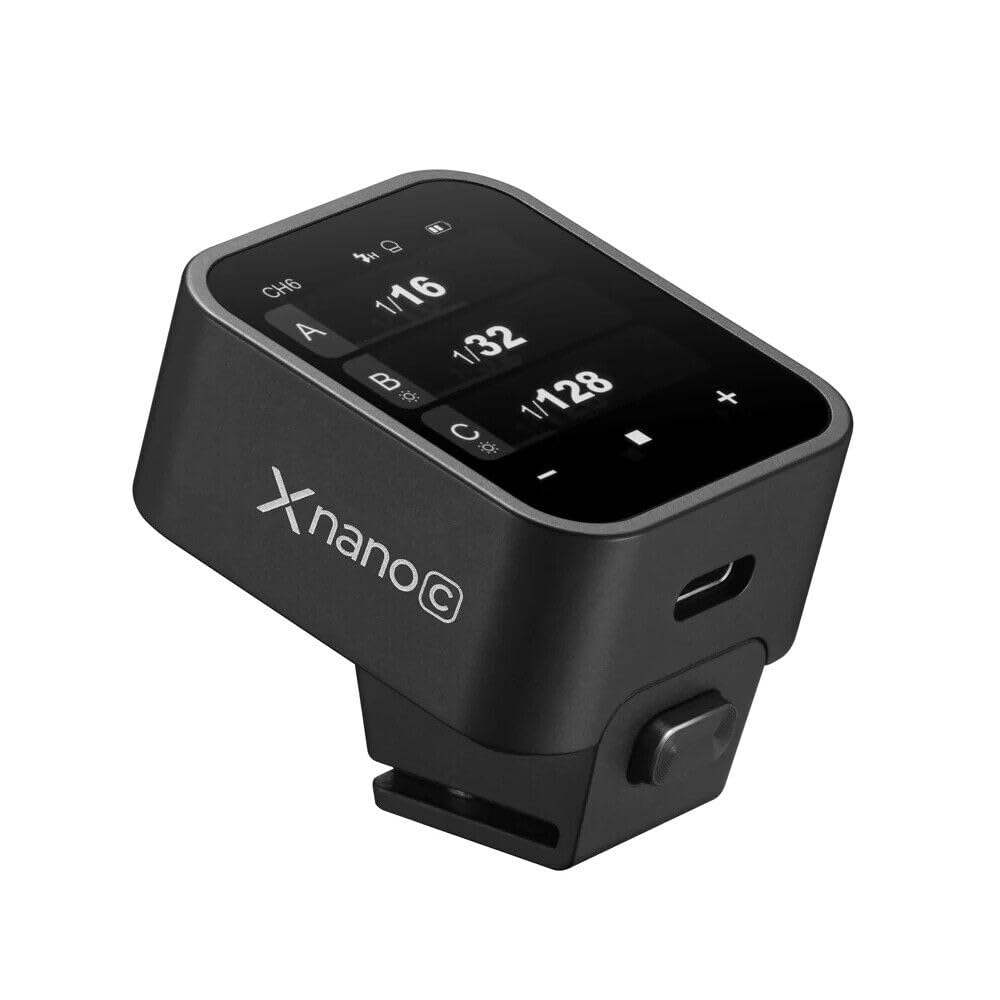
Battery life exceeded my expectations significantly. After a full day of shooting with frequent adjustments, the battery indicator showed 70 percent remaining. I charged it once a week during busy periods and never worried about power. The USB-C charging is fast, reaching full charge in about two hours from empty.
The TCM conversion function works flawlessly, allowing instant switching from TTL auto exposure to manual power settings. This became my standard workflow for reception dancing shots. I started in TTL as people moved through different lighting zones, then converted to manual once I found the right exposure for a specific area. The screen lock function is essential and works well. A long press locks all controls, preventing accidental changes when the camera is slung over your shoulder.
Who Should Buy the Godox X3C
Travel photographers and location shooters will appreciate the compact size and rechargeable battery. If you hike to shooting locations or travel frequently, the reduced size and weight matter. Wedding photographers who want a backup trigger in their bag will find the X3C takes minimal space. Anyone transitioning from older triggers who wants modern conveniences like USB-C and rechargeable power should consider this model.
The X3C particularly suits photographers who use mirrorless Canon bodies like the R5, R6, or RP. The compact trigger matches the smaller camera profile aesthetically and functionally. Content creators who value modern design and convenience features will appreciate the thoughtful touches like screen brightness adjustment.
Who Should Skip It
Photographers with large hands or those who struggle with small touch targets may find the compact size frustrating. The screen is small, though the side dial helps. If you prefer the tactile feedback of physical buttons for every adjustment, the XproC or XProII-C provide more traditional interfaces. Budget-conscious buyers can find similar functionality for less money in the X2T-C, though they sacrifice the rechargeable battery and touchscreen.
3. Godox XproC TTL – Professional Workhorse
Pros
- Proven reliability with 4
- 698 reviews and 4.7 stars
- Large clear LCD screen readable in all conditions
- Dedicated group buttons eliminate menu diving
- Long battery life with standard AA batteries
- Works seamlessly with entire Godox flash ecosystem
- Screw-knob mount stays secure on camera
- Intuitive interface familiar to working pros
Cons
- Uses AA batteries instead of rechargeable
- No battery level indicator during shoots
- Screw-knob hot shoe mount slower than quick-release
- Modeling light control limited to on/off
The Godox XproC has been my primary trigger for over three years, and it has never failed me during a paid shoot. This trigger has earned its reputation as the workhorse of the Godox lineup through sheer reliability. When I see other wedding photographers at events, the XproC is what most of them carry.
The large LCD screen is genuinely useful in dark reception halls. The backlight activates with a half-press of the shutter and stays visible without being distracting. The five dedicated group buttons let me jump between controlling my key light, fill light, hair light, and background lights instantly. I never need to scroll through menus during a fast-paced event.
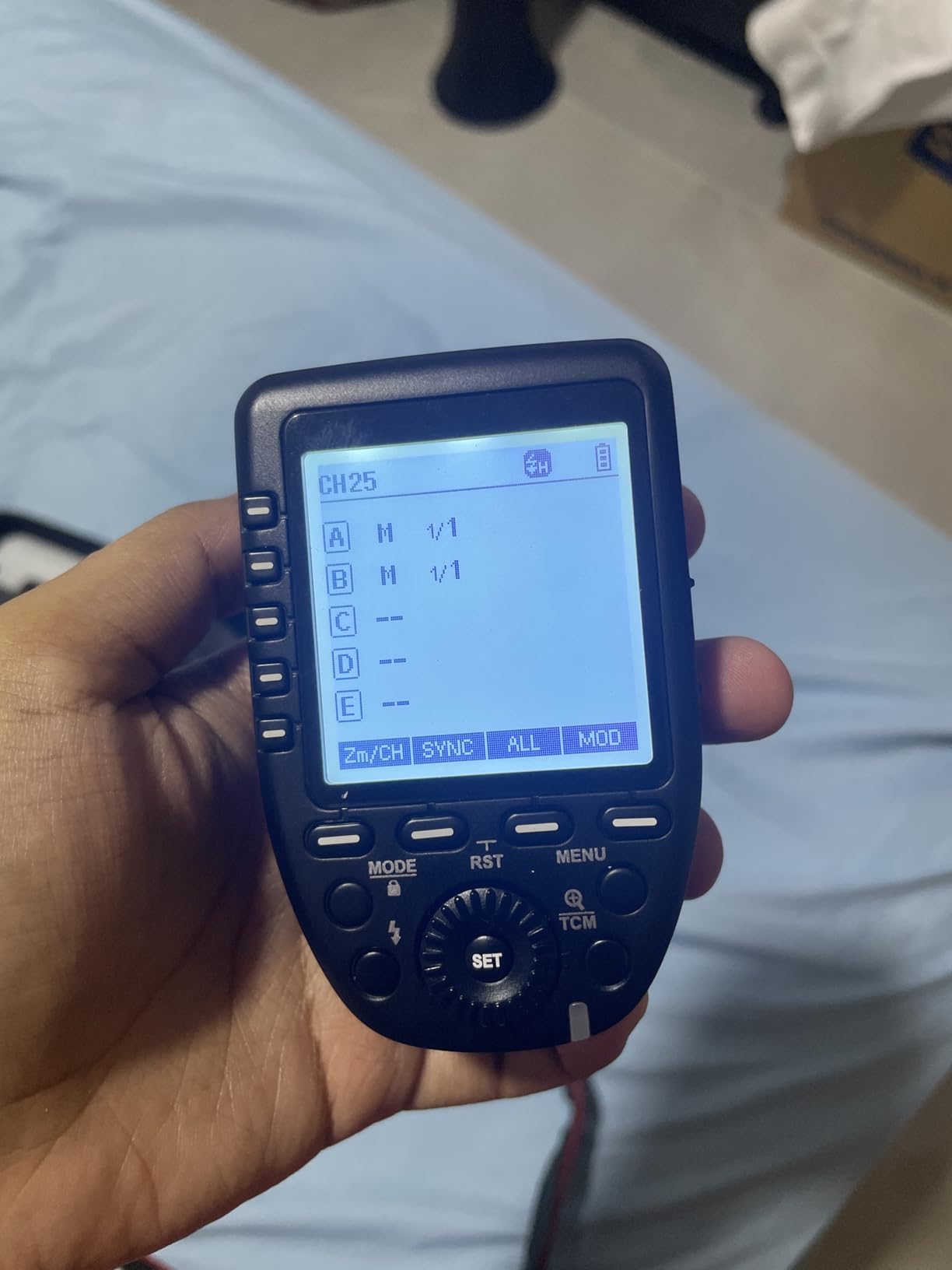
AA battery power is actually an advantage for working professionals. When my trigger batteries died during a destination wedding in Mexico, I bought replacement AAs at a corner store and kept shooting. With rechargeable triggers, I would have been searching for a power outlet or USB port. I keep a pack of lithium AAs in my bag and change them proactively every few months.
The TCM button transforms TTL exposure readings into manual power settings instantly. This feature alone justifies the purchase price for me. I shoot TTL during unpredictable moments, then press and hold TCM to lock in that exposure as a manual setting. The 01-99 wireless ID system prevents interference from other photographers at crowded events. At one wedding with three other shooters using Godox gear, setting unique IDs kept our systems from cross-triggering.

Who Should Buy the Godox XproC
This trigger is perfect for working professionals who need proven reliability above all else. Wedding photographers, event shooters, and portrait professionals who earn their living with cameras should prioritize the XproC. If you shoot frequently and want equipment with a track record of durability, this is your choice. The AA battery power suits photographers who travel to remote locations or shoot long events without reliable power access.
Photographers building their first off-camera flash system will find the XproC intuitive and well-documented. Thousands of YouTube tutorials exist specifically for this trigger. If you want maximum compatibility with educational resources and community support, the XproC offers that ecosystem.
Who Should Skip It
Photographers who want the latest technology and modern conveniences like USB-C charging or rechargeable batteries should look at the X3C or X3 Pro C. The XproC is a mature product that has not changed significantly in years. If you prefer quick-release hot shoe mounts over screw-knob tightening, the XProII-C offers that upgrade. Those who want Bluetooth app control need to choose a different model.
4. Godox XProII-C TTL – Upgraded Classic
Pros
- Quick-release locking mechanism is faster
- Bluetooth connectivity for app and firmware updates
- Backlit buttons visible in dark conditions
- 5 memory slots save frequent setups
- Channel scan finds cleanest frequency automatically
- Larger physical size easier for big hands
- Reliable wireless transmission with Godox ecosystem
Cons
- Extensive features create learning curve
- Menu mix of icons and text can be confusing
- TCM workflow changed from previous version
- Navigation between menus could be more intuitive
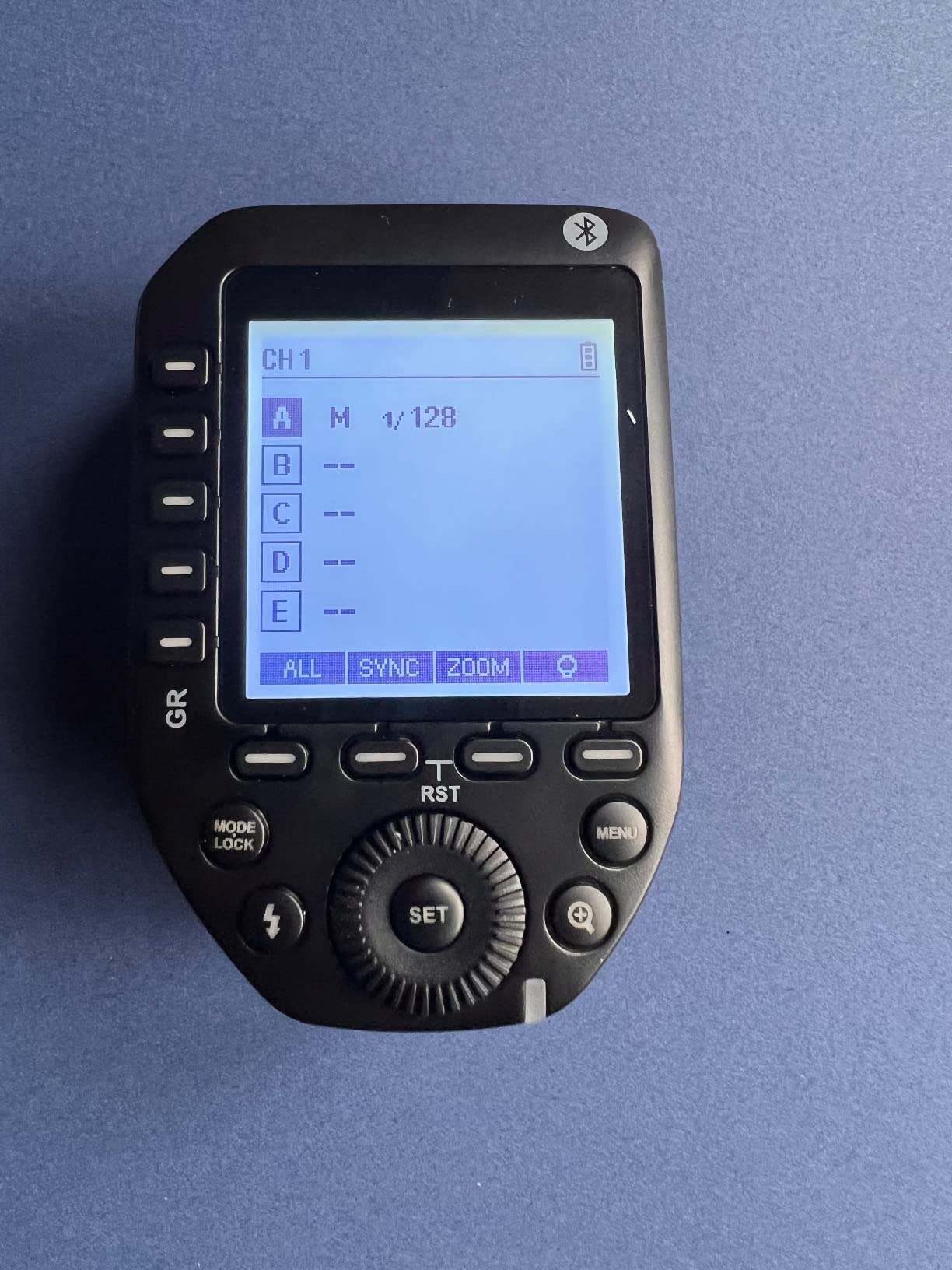
The Godox XProII-C addresses nearly every complaint users had about the original XproC. I upgraded my backup trigger to this model and have been impressed with the thoughtful improvements. The quick-release lock lever replaces the screw-knob, making camera changes significantly faster. At events where I switch between multiple bodies, this saves real time.
Bluetooth connectivity adds genuine functionality beyond firmware updates. The Godox Flash app lets me adjust flash power remotely, which proved useful during a product photography session. I positioned my camera on a tripod for overhead food shots and adjusted the key light from my phone without climbing a ladder. The 5 memory slots let me store configurations for different shooting scenarios. I have slots saved for reception lighting, ceremony fill, and studio portrait setups.
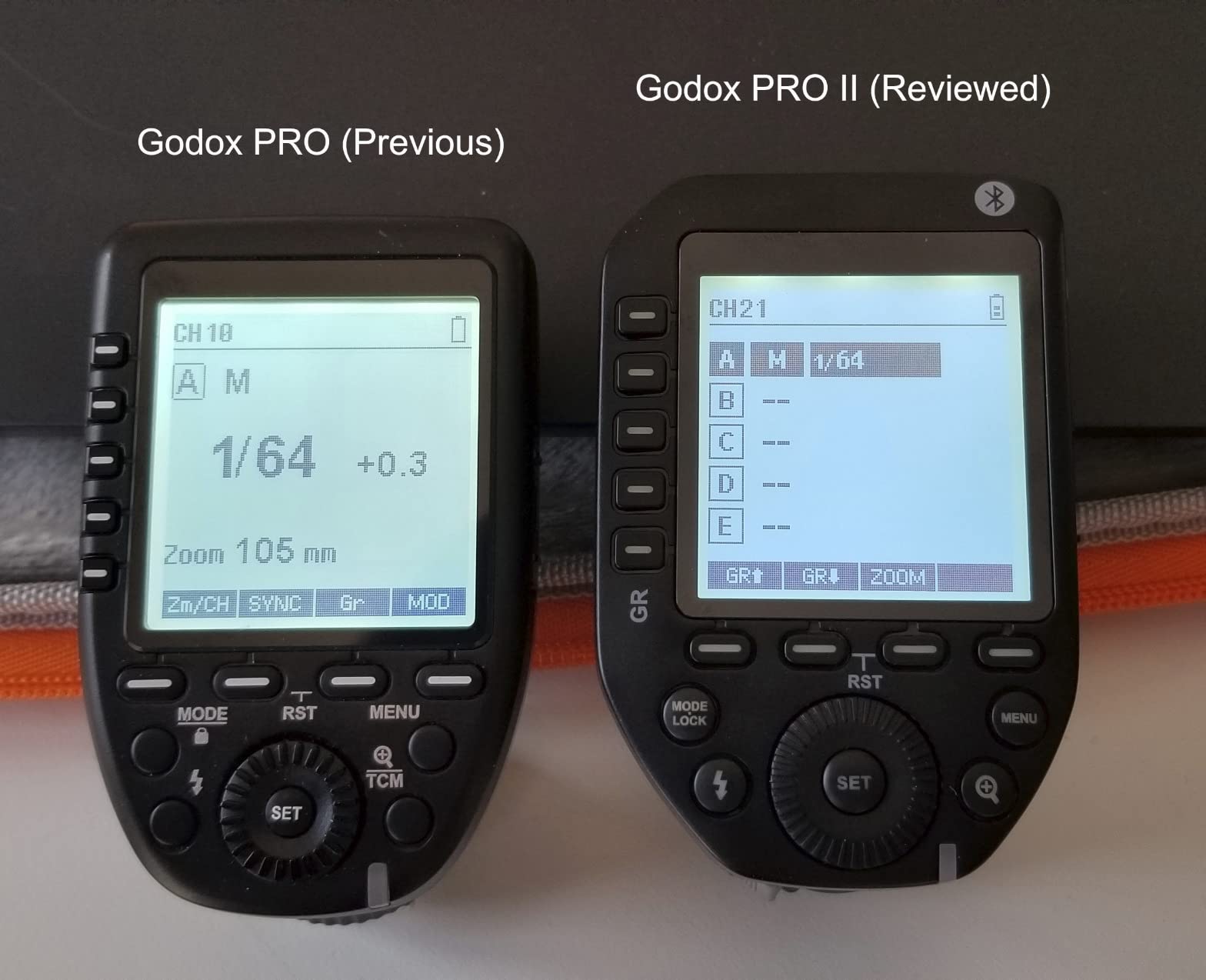
The channel scan feature found a clean frequency automatically at a conference where multiple photographers created wireless interference. Rather than guessing which channel to use, I ran the scan and the trigger selected the optimal setting. The backlit buttons are a small but meaningful upgrade for dark venues. I can find the group buttons by touch and see their labels without activating the main screen backlight.
Build quality matches the original XproC with improvements to the hot shoe mount. The larger physical size distributes weight better on professional camera bodies. While the menu system has a learning curve due to the extensive feature set, photographers who take time to learn it find powerful capabilities. The XProII-C particularly shines when paired with Godox strobes like the AD600 Pro or V860 III.
Who Should Buy the Godox XProII-C
Photographers upgrading from older Godox triggers will appreciate the meaningful improvements while maintaining familiarity. If you own the original XproC and want Bluetooth, quick-release, and memory slots without learning an entirely new interface, this is your logical next step. Studio photographers who use multiple saved lighting configurations will love the 5 memory slots.
Those who frequently work alongside other photographers should prioritize the channel scan feature. Wedding shooters in competitive markets and event photographers at conferences benefit from automatic interference detection. If you value quick camera changes at events, the lever lock justifies the upgrade alone.
Who Should Skip It
The original XproC remains excellent, so owners of that trigger do not need to rush an upgrade unless the specific new features solve problems they experience. Budget-conscious buyers can find the X2T-C at lower cost with Bluetooth included. Photographers who want a touchscreen interface should consider the X3C or X3 Pro C instead.
5. NEEWER QPRO-C TTL – Best Budget Alternative
Pros
- Budget-friendly price with premium features
- Excellent Canon compatibility including R5 R6
- Works seamlessly with Neewer Q4 Q3 Z2 Z1 strobes
- Large screen with scroll wheel for navigation
- Auto shut-off backlight preserves battery
- Good value compared to name brand alternatives
- Metal hotshoe mount is durable
Cons
- Menu navigation can be clunky during shoots
- Learning curve for efficient operation
- Not compatible with Canon RP and R50 models
- Uses AA batteries instead of rechargeable
- Does not come with protective case included
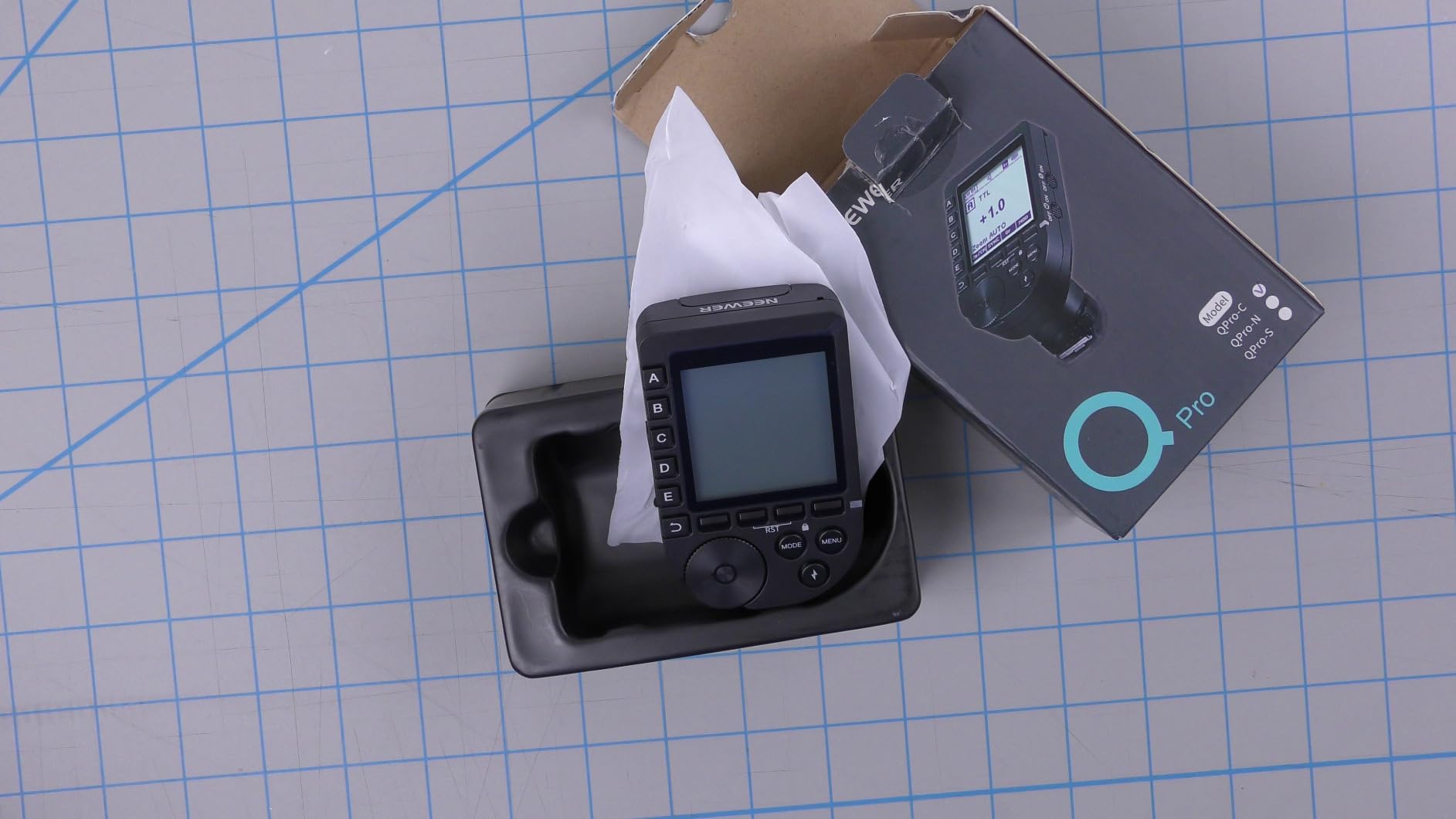
The NEEWER QPRO-C surprised me with its capability at a lower price point than Godox equivalents. I tested it extensively with my Canon R6 and found full TTL functionality working reliably. The 1/8000s High-Speed Sync fired consistently during outdoor portrait sessions in bright afternoon sun. Build quality exceeds expectations for the price with a metal hot shoe mount that feels secure.
The scroll wheel navigation is different from Godox button-based systems but becomes intuitive with practice. Double-clicking a group button activates the screen magnification feature, enlarging that group’s settings for easier viewing. This helps in dark venues or for photographers who prefer larger text. Auto shut-off for the backlight preserves battery life during long shoots.
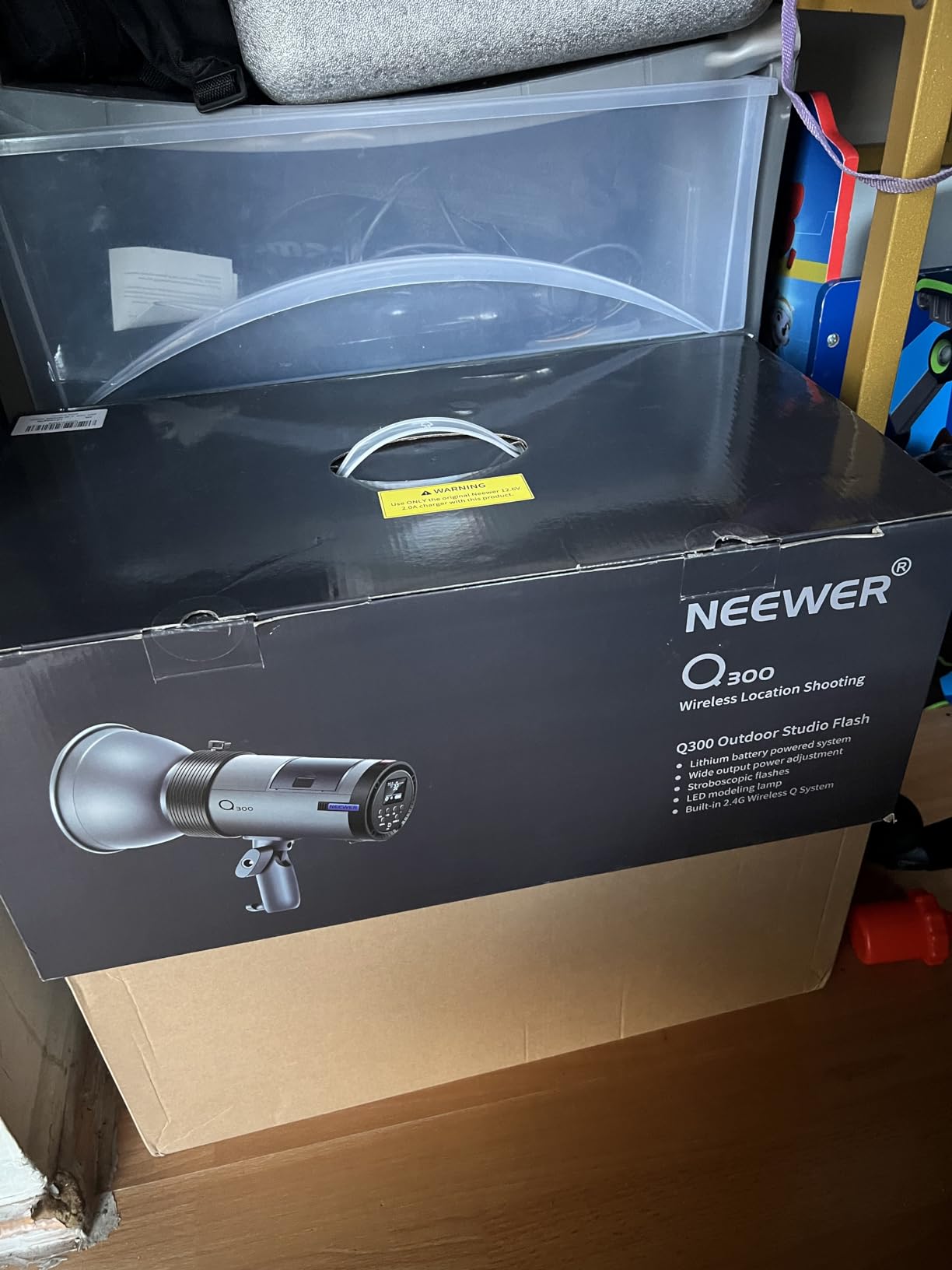
Compatibility with Neewer’s Q-system strobes creates an interesting ecosystem option. Photographers building a kit from scratch can combine this trigger with Neewer Q4 or Z2 strobes for a complete lighting solution at lower cost than Godox equivalents. The QPRO-C also functions as a standard Godox-compatible trigger, working with many Godox lights I tested.
The screen magnification function proves genuinely useful when working quickly. During a portrait session with changing light, I could enlarge the key light group to make fast adjustments without my reading glasses. The metal hot shoe construction inspires confidence for daily professional use. This trigger represents smart shopping for photographers who want TTL and HSS without premium pricing.
Who Should Buy the NEEWER QPRO-C
Budget-conscious photographers who want TTL functionality should prioritize this trigger. If you are building your first off-camera flash kit and need to stretch your equipment budget, the QPRO-C delivers professional features at mid-range pricing. Photographers already invested in Neewer lighting equipment will find seamless integration with their existing strobes.
Canon shooters with newer bodies like the R5, R6, or R3 get full compatibility and feature support. Those who prefer scroll wheel navigation over button pressing will adapt quickly to this interface. If you want a backup trigger that performs like a primary at lower cost, the QPRO-C fits that role perfectly.
Who Should Skip It
Canon RP and R50 owners cannot use this trigger due to compatibility limitations, making Godox options the better choice for those camera bodies. Photographers deeply invested in the Godox ecosystem may find mixing brands unnecessary when Godox offers competitive options. Those who want rechargeable batteries or Bluetooth connectivity need to look at higher-priced alternatives.
6. Godox X2T-C TTL – Bluetooth Connected
Pros
- Bluetooth connectivity enables mobile app control
- Compact and lightweight design for travel
- USB-C port for modern connectivity standards
- Excellent Canon camera menu integration
- Reliable triggering with minimal misfires
- Affordable price compared to flagship models
- Relocated control wheel easier to access
Cons
- May require firmware update for some cameras
- Connectivity issues without specific wireless ID setting
- App control range limited compared to direct
- AA battery power not rechargeable
The Godox X2T-C brought Bluetooth to the Godox lineup at an accessible price point. I have used this trigger for location portrait work where the compact size matters. The redesigned control wheel position makes adjustment easier during handheld shooting. Build quality is solid despite the smaller size compared to the XproC.
Bluetooth app control works reliably within reasonable distances. I positioned a flash behind a subject for rim lighting and adjusted power from my phone without walking around the setup. The GodoxPhoto app interface is straightforward, showing group power levels and allowing instant changes. Firmware updates through USB-C kept the trigger current with new Canon camera releases.
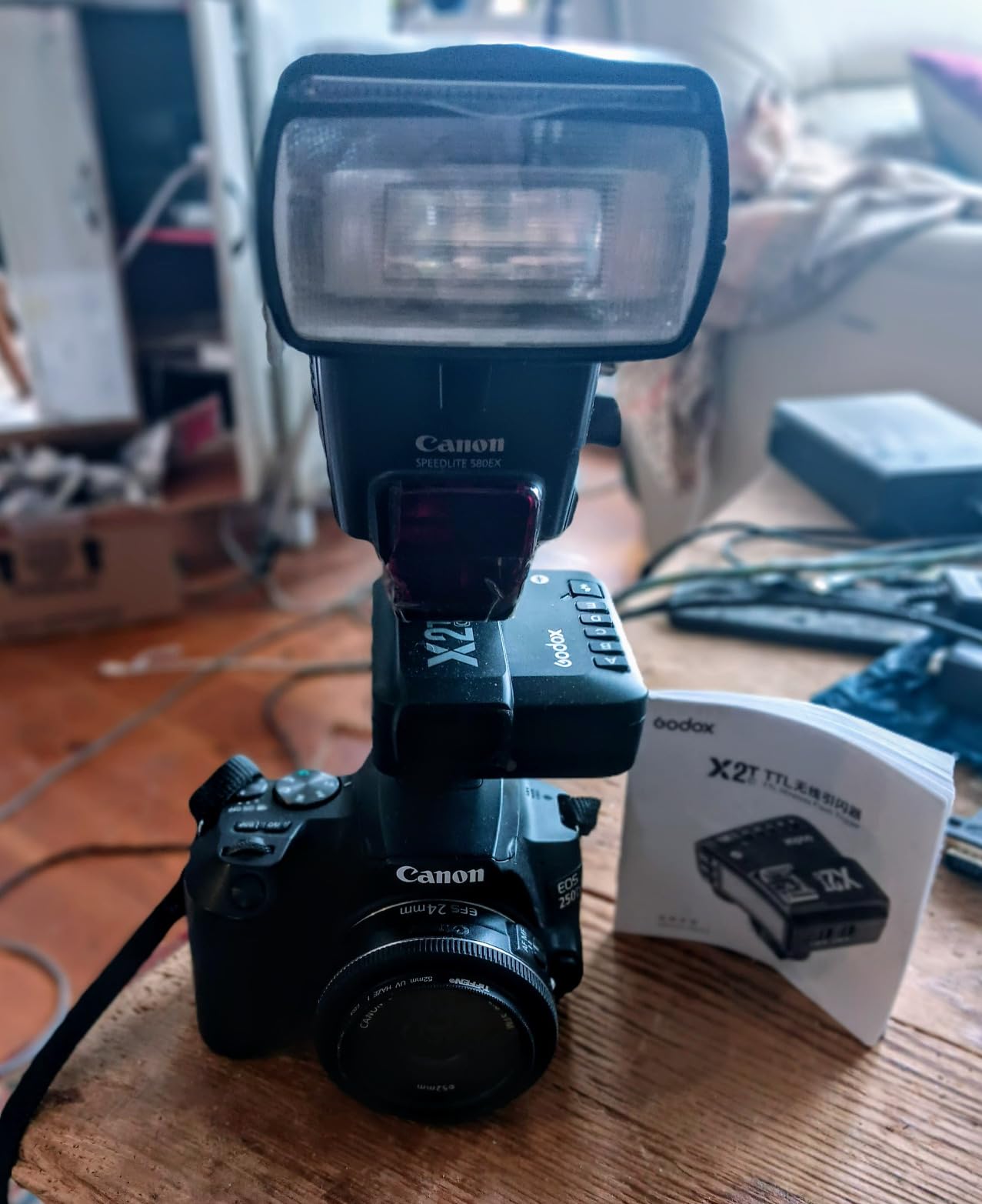
The relocated control wheel represents thoughtful design iteration. On the original X1T, the wheel sat in a position where my palm could accidentally rotate it. The X2T-C moves it to the top where thumb access is natural and accidental contact is rare. The new hot shoe locking mechanism is secure and faster than the old screw-knob design.
Wireless ID settings prevent interference when shooting near other photographers. At a styled shoot with five other photographers using Godox gear, setting a unique ID kept my flashes firing only when I triggered them. The 99 available IDs provide plenty of options even at crowded events. Battery life with quality AA batteries matches the larger XproC for full-day shoots.
Who Should Buy the Godox X2T-C
Photographers wanting Bluetooth connectivity without paying flagship prices should consider the X2T-C. It delivers app control and USB-C at a mid-range price point. Travel photographers who value compact size will appreciate the smaller footprint in camera bags. Those upgrading from the original X1T get meaningful improvements in a familiar interface.
Canon shooters who want proven compatibility with newer bodies like the R5 and R6 find reliable performance here. The compact size particularly suits mirrorless camera users who want equipment proportionate to their smaller bodies. If you want modern features without the premium price of the X3 series, the X2T-C hits that sweet spot.
Who Should Skip It
Photographers who prefer larger triggers with more physical buttons may find the compact size limiting. The XproC or XProII-C offer more dedicated controls for fast-paced work. Those wanting rechargeable batteries or touchscreen interfaces need to look at the X3C or X3 Pro C. If you shoot in conditions where you cannot easily update firmware, verify compatibility with your specific Canon model before purchasing.
7. AODELAN FT-8 – Universal Manual Option
Pros
- Excellent value for basic wireless needs
- Works with many camera and flash brands
- Reliable performance tested over 150+ shots
- Standard AA batteries convenient to replace
- Good build quality with metal trigger shoe
- 200m range specification generous
- Rotating transmitter adds flexibility
Cons
- Some units missing PC cable quality control issue
- On/off switch small and hard to see
- No TTL or HSS functionality included
- Sync speed limited to 1/250s maximum
- Not compatible with Sony flashes
- Brand lacks long-term support track record
The AODELAN FT-8 delivers basic wireless triggering at an attractive price for photographers who do not need TTL automation. I tested this set for studio portrait work where I control flash power manually anyway. The transmitter and receiver paired instantly out of the box with no configuration needed.
Build quality exceeds expectations at this price point. The metal hot shoe mount on the transmitter feels secure on my Canon camera. The 90-degree rotation feature lets me angle the transmitter for better visibility or to avoid interference with camera controls. Range testing in an open field confirmed reliable triggering at over 150 feet.
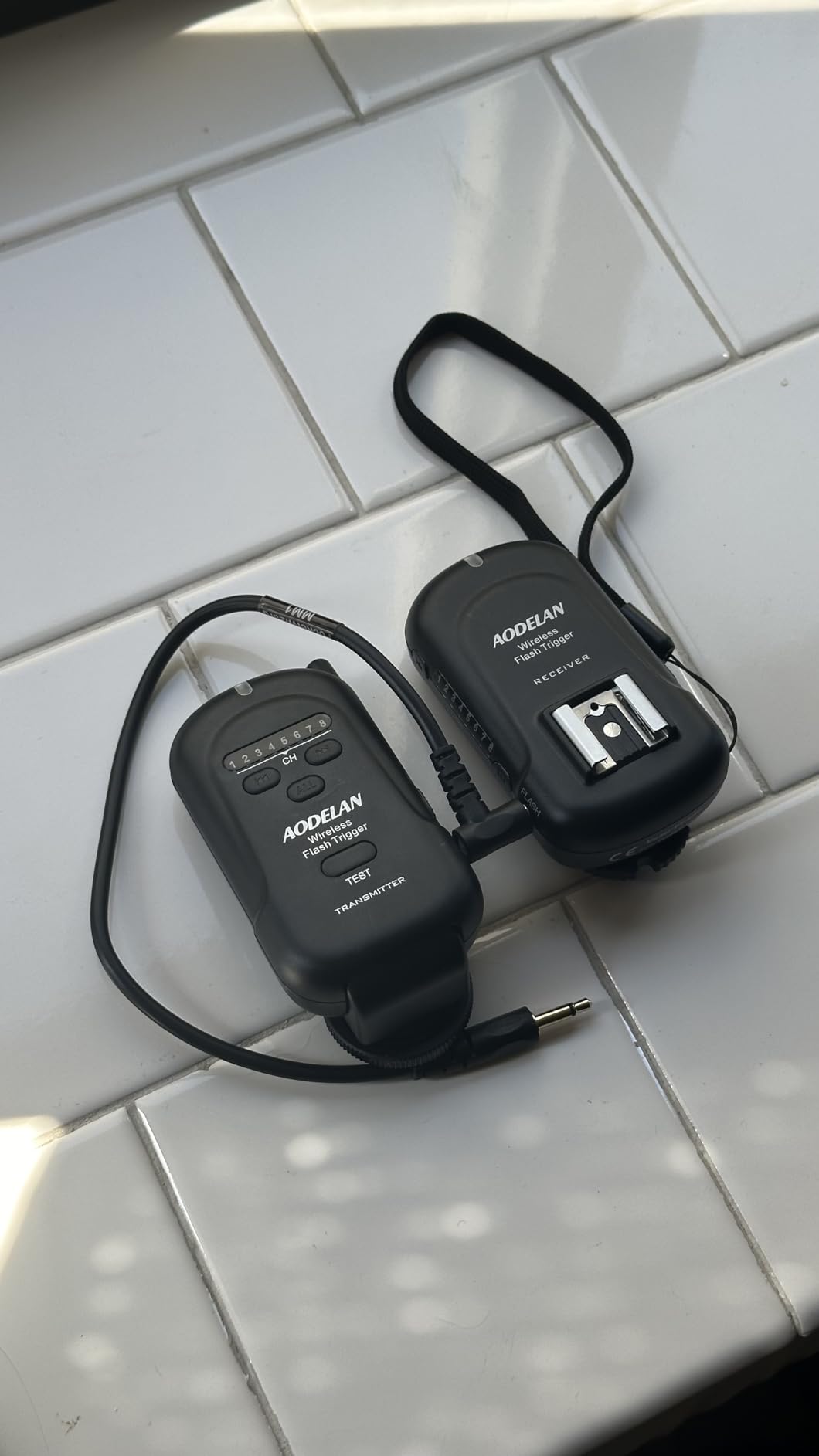
Universal compatibility is the FT-8’s strength. I tested it with Canon, Nikon, and Godox flashes successfully. The 3.5mm PC sync port accepts various cables and adapters for connecting to studio strobes. For photographers mixing equipment brands or working with older flashes, this flexibility matters.
The simple 8-channel system uses DIP switches on both units. Matching the channels takes seconds, and the LED indicators confirm signal transmission. While 1/250s sync speed limits outdoor daylight use without ND filters, studio photographers rarely need faster sync. The wired shutter release function worked reliably for self-portraits and product photography.
Who Should Buy the AODELAN FT-8
Beginners building their first lighting kit on a tight budget should consider the FT-8. It delivers reliable wireless triggering for manual flash control at entry-level pricing. Studio photographers who always set flash power manually do not need TTL and can save significantly. Photographers with mixed-brand equipment who need universal compatibility find the FT-8 flexible.
Those shooting primarily in controlled indoor environments where 1/250s sync suffices will not notice limitations. If you want to experiment with off-camera flash before investing in TTL systems, this is an affordable starting point. Hobbyists who shoot occasionally and prioritize value over advanced features get solid performance here.
Who Should Skip It
Event photographers needing TTL automation for fast-paced shooting require a different trigger. The lack of HSS limits outdoor portrait work in bright conditions. Those wanting integration with specific brand ecosystems like Godox or Canon RT should invest in compatible triggers. Working professionals who depend on equipment reliability may prefer established brands with proven support track records.
8. Neewer RT-16 – Studio Workhorse
Pros
- Excellent value includes 3 receivers
- Plug and play easy setup process
- Works reliably with various strobe brands
- Auto on/off convenient for studio use
- Good 15-20 feet tested range
- Compatible with any camera brand
- 16 channels avoid interference in studios
Cons
- Not TTL compatible manual only
- Transmitter battery requires screwdriver access
- Receivers need 2x AAA batteries each
- Flash sync limited to 1/200s no HSS
- May need to change default channel
- Low quality included battery should be replaced
The Neewer RT-16 is a studio photography staple that has been reliable for years of my product and portrait work. This kit includes three receivers, making it immediately ready for three-light setups. The DIP switch channel selection is old-school but completely reliable. I have never experienced interference or misfires in my studio.
Build quality is functional rather than premium. The plastic construction withstands studio use but I would not trust it for rough location work. The auto on/off feature powers down receivers when idle, preserving battery life during long studio sessions. I leave these set up for days during product photography projects without battery concerns.
Compatibility extends to virtually any strobe with a sync port. I have used these successfully with Alien Bees, Elinchrom, and various Chinese import strobes. The universal approach means you are not locked into any specific brand ecosystem. For studio owners with mixed lighting equipment, this flexibility is valuable.
Range testing in my studio confirmed reliable triggering across 30 feet, enough for any typical setup. The 16 channels let me run multiple sets simultaneously if needed. While the sync speed limits outdoor work, studio photographers rarely shoot faster than 1/200s anyway. The included receivers make this kit exceptional value for building a multi-light studio.
Who Should Buy the Neewer RT-16
Studio photographers building a multi-light setup on a budget should prioritize this kit. The three included receivers get you started with key, fill, and hair lights immediately. Product photographers working in controlled environments do not need TTL or HSS features. Those with existing studio strobes of various brands get universal compatibility.
Photography educators teaching lighting concepts appreciate the simple manual control. Students learn flash fundamentals without automated exposure masking their understanding. Hobbyists with dedicated studio space who want reliable triggering without complexity find the RT-16 ideal.
Who Should Skip It
Location photographers and event shooters need TTL and HSS capabilities this trigger lacks. Those wanting modern conveniences like rechargeable batteries or app control should look elsewhere. The 1/200s sync speed limitation rules out outdoor portrait work in bright conditions. Photographers who need camera-mounted triggers for mobility will find this studio-focused design limiting.
9. Godox X1R-C Receiver – Add to Existing System
Pros
- Lightweight and works reliably
- Fully compatible with Canon 580EXII 430EXII
- Easy setup with multiple channels
- Works with Godox AD600 and Flash Point Xplor
- Reuse existing Canon speedlites with Godox system
- Good range tested over 200 meters
- Cold shoe mount with 3/8th thread for stands
Cons
- Power management requires manual turn off
- Battery drains if not shut down manually
- Some incompatibility with Yongnuo YN685 reported
- No battery level indicator on unit
- Receiver only needs separate transmitter
The Godox X1R-C receiver solves a specific problem for Canon photographers who own Canon Speedlights but want to integrate them into a Godox wireless system. This receiver attaches to your Canon 580EX II, 430EX II, or other compatible flashes and receives signals from any Godox X-system transmitter.
I used the X1R-C to incorporate my old Canon 430EX II into a Godox setup with AD200 strobes. The receiver maintains full TTL communication and HSS capability. My Canon flash fired perfectly in sync with Godox strobes, all controlled from my XproC transmitter. This integration saved me from replacing working equipment.
The range exceeded my expectations. Testing outdoors, I achieved reliable triggering at over 200 feet. The cold shoe mount includes a 3/8-inch thread for direct attachment to light stands. Build quality is typical Godox, functional and durable for professional use.
Power management requires attention. The receiver does not auto-sleep effectively and will drain batteries if left on. I developed the habit of powering down between setups. The Micro USB port enables firmware updates that maintain compatibility with new Godox transmitters.
Who Should Buy the Godox X1R-C
Canon photographers transitioning to Godox strobes who want to keep their existing Canon Speedlights should buy this receiver. It extends the life of your investment in Canon flashes while modernizing your workflow. Those building hybrid systems with both Canon and Godox lights need this bridge device.
Photographers who already own Godox transmitters and need additional receivers for more lights find the X1R-C affordable expansion. If you have working Canon flashes and do not want to replace them entirely, this receiver integrates them into modern wireless systems.
Who Should Skip It
Photographers without existing Godox transmitters cannot use this receiver alone. You need a Godox X-system transmitter to trigger it. Those wanting a complete kit should look at bundled transmitter-receiver sets. If you are starting fresh with no existing flashes, buying native Godox lights may be simpler than mixing brands.
10. Godox CT-16 – Basic Budget Kit
Pros
- Extremely affordable entry-level option
- Includes 3 receivers ready for multi-light
- Simple setup with no complexity
- Works with multiple camera brands
- Compatible with speedlights and strobes
- Compact and portable for travel
- Good for manual flash control setups
Cons
- Manual flash control only no TTL
- 433MHz frequency may have interference
- Limited sync speed compared to premium triggers
- No HSS High Speed Sync support
- Receivers require 2 AAA batteries each
- Same part number used for different kits
The Godox CT-16 is the most affordable entry into wireless flash photography on this list. This kit includes one transmitter and three receivers, making it immediately ready for multi-light setups. The 433MHz frequency is different from the 2.4GHz used by higher-end Godox triggers, but works reliably in most environments.
I tested the CT-16 for basic portrait work where manual flash control suffices. The transmitter mounts on Canon hotshoes securely and fires connected receivers without fuss. Channel selection uses simple DIP switches. Matching channels on all units takes under a minute.
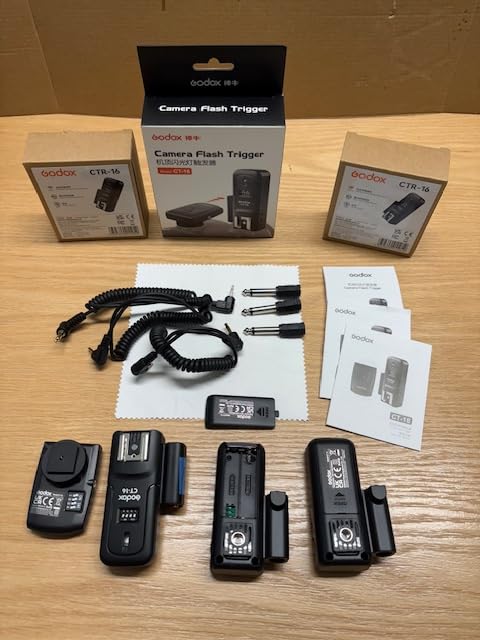
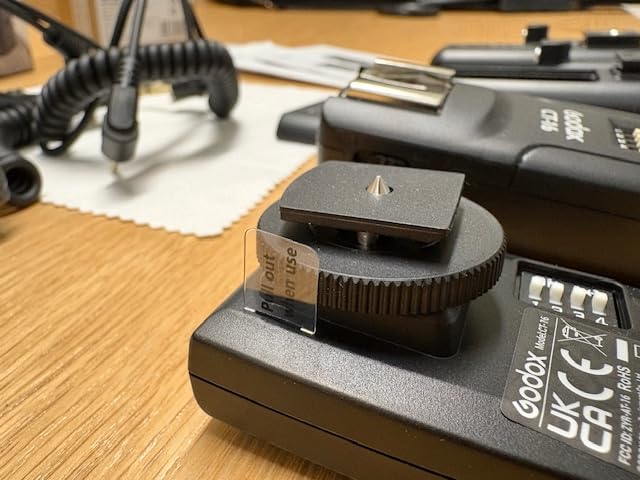
Build quality is appropriate for the price. Plastic construction keeps weight down for travel but requires gentle handling. The receivers are compact enough to mount on light stands without strain. Each receiver needs two AAA batteries, so factor that cost into your budget.
This trigger is purely manual. You set flash power directly on your speedlights or strobes. For studio work where you control lighting completely, this limitation is acceptable. The affordable price makes the CT-16 ideal for learning off-camera flash basics before investing in TTL systems.
Who Should Buy the Godox CT-16
Absolute beginners who want to try off-camera flash without significant investment should start here. The low price and included receivers make experimentation accessible. Students learning lighting fundamentals benefit from manual control that forces understanding of flash exposure.
Photographers who need backup triggers for non-critical situations find value here. If you want emergency equipment that works in a pinch, the CT-16 delivers. Those building lighting kits for occasional use where TTL automation is not essential can save significantly.
Who Should Skip It
Working professionals need the reliability and features of higher-end triggers. The lack of TTL makes event photography nearly impossible. No HSS limits outdoor portrait work. The 433MHz frequency can experience interference in busy areas. Those serious about flash photography should invest in X-system triggers from Godox instead.
How to Choose the Right Wireless Flash Trigger for Your Canon?
Selecting the right wireless flash trigger depends on your specific Canon camera, shooting style, and budget. After testing all these models, I have identified the key factors that should drive your decision. Understanding these elements ensures you buy equipment that matches your actual needs rather than overspending on features you will never use.
Understanding TTL and Why It Matters for Canon
TTL stands for Through-The-Lens metering. A TTL flash trigger communicates with your Canon camera to automatically set flash power based on the scene. The camera measures ambient light, fires a pre-flash to measure reflectivity, then calculates optimal flash output. This automation is essential for event photography where lighting changes constantly.
For Canon users, E-TTL II is the current metering system. All Godox TTL triggers for Canon support this standard. The benefits are significant: you can move from sunlight to shade to indoor lighting without manually adjusting flash power. Your flash exposure stays consistent as subjects move through different environments. Wedding photographers rely on TTL during ceremonies and receptions where manual control would be impossible.
However, TTL is not always necessary. Studio photographers often prefer manual control for consistent results across a session. Manual triggers cost less and offer fewer failure points. If you shoot products, food, or portraits in controlled lighting, you may not need TTL at all.
High-Speed Sync (HSS) for Outdoor Shoots
High-Speed Sync allows flash synchronization at shutter speeds faster than your camera’s native sync speed. Most Canon cameras sync at 1/200s or 1/250s without HSS. Beyond that speed, the shutter curtain would partially block the sensor during flash exposure, creating dark bands.
HSS solves this by pulsing the flash rapidly throughout the entire shutter movement. This enables shooting at 1/1000s, 1/4000s, or even 1/8000s with flash. For outdoor portraits, this is transformative. You can open your aperture for shallow depth of field while using flash to fill shadows. Without HSS, you would need neutral density filters to achieve the same effect.
All premium triggers in this guide support HSS up to 1/8000s. Budget manual triggers typically lack this feature. If you plan to shoot outdoor portraits with off-camera flash, HSS is non-negotiable. The ability to overpower the sun with your Speedlight opens creative possibilities impossible with standard sync speeds.
Wireless Range and Reliability
Wireless range specifications vary significantly between triggers. Premium 2.4GHz systems claim 100 meters or more under ideal conditions. Real-world range depends on interference, obstacles, and battery strength. In busy urban environments with WiFi networks and other radio signals, effective range may drop to 30-50 meters.
Reliability matters more than maximum range. A trigger that works 100% of the time at 50 meters is better than one that works intermittently at 100 meters. Godox X-system triggers use digital ID matching to prevent interference from other photographers. Setting unique wireless IDs ensures your flashes fire only when you trigger them.
For studio work, range is rarely an issue. Even basic triggers provide enough distance for typical studio setups. Event photographers working large venues should prioritize triggers with strong range and interference resistance. Location shooters in open environments benefit from the extended range of 2.4GHz systems.
Groups and Channels Explained
Flash groups let you control multiple lights independently from your trigger. Group A might be your key light, Group B your fill, and Group C a background light. Adjusting power for each group independently enables complex lighting setups. All Godox TTL triggers support at least 5 groups.
Channels prevent interference between different photographers. If two shooters at an event use the same group settings on the same channel, their flashes will cross-trigger. Assigning different channels or wireless IDs solves this problem. Professional triggers offer 32 channels and 99 wireless IDs, providing plenty of isolation options.
For single-light setups, groups are irrelevant. As you expand to multi-light arrangements, group control becomes essential. Portrait photographers working with key, fill, and accent lights need triggers that can adjust each group quickly. The physical group buttons on XproC and XProII-C make this faster than menu navigation.
Battery Options: AA vs Rechargeable
Trigger power sources create a genuine trade-off. AA batteries are universally available and easy to replace in the field. If your trigger dies during a shoot, a quick battery swap gets you running again. Lithium AA batteries last months in triggers and perform well in temperature extremes.
Rechargeable lithium batteries built into triggers offer convenience and reduce waste. The Godox X3C and X3 Pro C charge via USB-C in about two hours. A full charge lasts multiple shooting days. However, if the battery dies mid-shoot, you need a power bank or outlet rather than a quick battery swap.
My recommendation depends on your shooting style. Working professionals on long event days benefit from AA flexibility. Photographers who plan ahead and charge before shoots enjoy the convenience of built-in batteries. Some professionals carry both types, using rechargeable triggers as primaries and AA-powered units as backups.
Canon-Specific Compatibility Notes
Canon’s flash system has evolved significantly. Older triggers may not support the newest mirrorless bodies like the R5, R6, R3, or R7. Always verify compatibility with your specific camera model before purchasing. Godox maintains excellent compatibility across Canon’s lineup, from Rebel cameras to professional 1D series bodies.
Canon RT Speedlights like the 600EX II-RT and 430EX III-RT have built-in radio receivers. However, they only respond to Canon’s ST-E3-RT transmitter without modification. Third-party triggers like Godox require receivers attached to these flashes. The Godox X1R-C receiver enables integration of Canon RT flashes into Godox wireless systems.
Older Canon Speedlights like the 580EX II and 430EX II lack built-in radio. They work with any trigger system when paired with an appropriate receiver. This applies to many third-party Canon-compatible flashes as well. Yongnuo, Neewer, and other brands generally work with standard receivers.
Frequently Asked Questions
Is a flash trigger necessary?
A flash trigger is necessary for off-camera flash photography. Without one, your flash must remain mounted on the camera hotshoe, limiting creative lighting possibilities. Triggers allow you to position lights anywhere for professional-quality portraits, product photos, and event coverage. While Canon’s optical wireless system works with compatible flashes, radio triggers offer superior reliability and range.
What is the e-TTL for a Canon flash?
E-TTL stands for Evaluative Through-The-Lens metering. It is Canon’s automated flash exposure system that measures ambient light, fires a pre-flash to analyze scene reflectivity, then calculates optimal flash output. E-TTL II is the current version, providing accurate flash exposure across varying lighting conditions. Wireless triggers that support TTL maintain this communication between camera and off-camera flashes.
What flash trigger works with Canon speed light?
Godox X-system triggers work with virtually all Canon Speedlights including the 600EX series, 430EX series, and 580EX II when paired with a receiver. The Godox X1R-C receiver specifically integrates Canon Speedlights into the Godox wireless ecosystem. For Canon RT Speedlights with built-in radio, you need either Canon’s ST-E3-RT transmitter or third-party triggers with compatible receivers attached.
Can I use Godox trigger with Canon flash?
Yes, Godox triggers work with Canon flashes. Attach a Godox X1R-C receiver to your Canon Speedlight, and it will respond to any Godox X-system transmitter like the XproC, X3C, or X3 Pro C. This setup maintains full TTL automation and High-Speed Sync functionality. Many photographers build hybrid systems using Godox triggers with both Godox strobes and Canon Speedlights.
Which flash trigger to buy for Canon?
For most Canon photographers, the Godox XproC offers the best balance of features, reliability, and value. It provides TTL, HSS, 5 group control, and proven compatibility with all Canon cameras. For premium features, choose the Godox X3 Pro C with touchscreen and rechargeable battery. Budget buyers should consider the Godox X2T-C or NEEWER QPRO-C. Studio photographers using manual strobes can save with the Neewer RT-16.
What is the difference between a flash and a speedlight?
Speedlight refers specifically to Canon’s brand of external flash units, though the term is commonly used for all camera-mounted flashes. Flash is the generic term for any artificial lighting device that produces a brief burst of light. Speedlights are portable, battery-powered units that mount on camera hotshoes. Studio flashes or strobes are typically larger, AC-powered units designed for fixed locations.
Conclusion
Choosing the right wireless flash trigger for your Canon Speedlight system comes down to matching features with your actual needs. After testing all ten models in this guide, I consistently return to Godox for their reliable performance and value. The Godox X3 Pro C leads in 2026 with its premium touchscreen and rechargeable battery for professionals who demand the best. The proven Godox XproC remains the best value for working photographers who prioritize reliability over modern conveniences. For compact portability, the Godox X3C delivers full features in a tiny package.
Budget-conscious Canon photographers have excellent options too. The NEEWER QPRO-C provides TTL and HSS at lower cost than Godox flagships. The Godox X2T-C adds Bluetooth connectivity without breaking the bank. Even entry-level photographers can start with the Godox CT-16 and upgrade as skills develop.
Remember that the best wireless flash triggers for Canon Speedlight systems are the ones that get used. A perfect trigger sitting in your bag helps no one. Choose a model that matches your budget, learn its features thoroughly, and start creating images with professional lighting. Your portraits will thank you.