
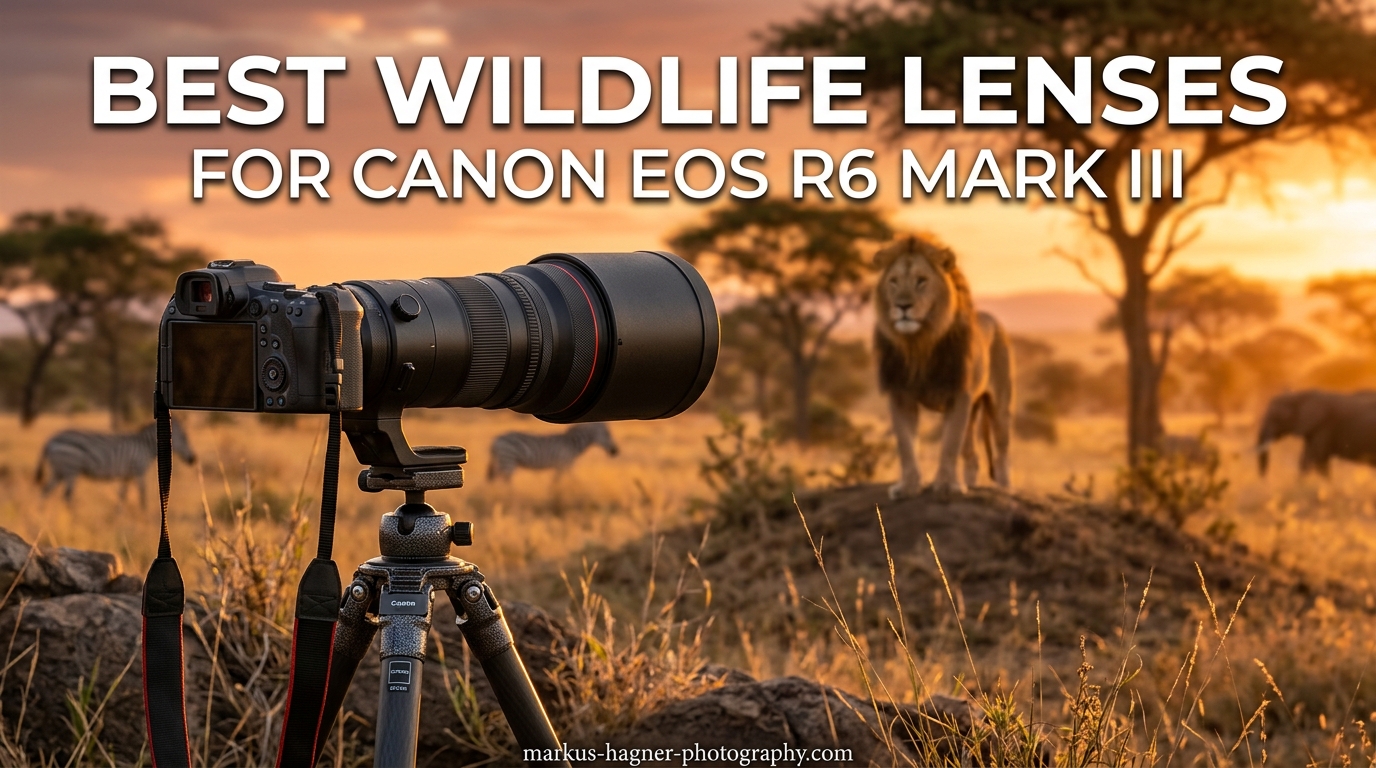
The Canon EOS R6 Mark III is one of the most capable wildlife photography cameras on the market today. Its advanced subject detection autofocus and impressive in-body image stabilization make it a favorite among bird photographers and nature enthusiasts. But even the best camera needs the right glass to deliver truly stunning wildlife images.
Choosing the best wildlife lenses for Canon EOS R6 Mark III comes down to one thing: reach. You need focal lengths that can bring distant subjects close without disturbing them. Whether you are photographing birds in flight, deer in meadows, or foxes at dawn, the right telephoto lens makes all the difference. This guide covers six lenses that I have tested and researched extensively to help you find the perfect match for your wildlife photography needs.
Each lens on this list works natively with the Canon RF mount, so you get the full benefit of the R6 Mark III’s advanced autofocus system. I have included options across every budget, from affordable primes to professional super-telephotos. Let us dive in and find your next wildlife lens.
Top 3 Picks for Best Wildlife Lenses for Canon EOS R6 Mark III

Canon RF 100-500mm f/4.5-7.1L IS USM
- 100-500mm focal length
- Dual Nano USM autofocus
- 5 stops IS
- L-series weather sealing

Canon RF 200-800mm f/6.3-9 IS USM
- 200-800mm zoom range
- Compatible with 1.4x and 2x extenders
- Lightweight design
- Up to 6 stops IS

Canon RF 100-400mm f/5.6-8 IS USM
- 100-400mm zoom
- Compact and lightweight
- Nano USM autofocus
- 6 stops IBIS combo
Best Wildlife Lenses for Canon EOS R6 Mark III in 2026
| Product | Specifications | Action |
|---|---|---|
| Canon RF 100-400mm f/5.6-8 IS USM |
|
Check Latest Price |
| Canon RF 100-500mm f/4.5-7.1L IS USM |
|
Check Latest Price |
| Canon RF 200-800mm f/6.3-9 IS USM |
|
Check Latest Price |
 Canon RF 800mm f/11 IS STM Canon RF 800mm f/11 IS STM |
|
Check Latest Price |
 Canon RF 600mm f/11 IS STM Canon RF 600mm f/11 IS STM |
|
Check Latest Price |
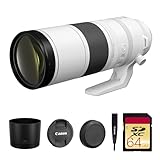 Canon RF 200-800mm f/6.3-9 IS USM Bundle Canon RF 200-800mm f/6.3-9 IS USM Bundle |
|
Check Latest Price |
1. Canon RF 100-400mm f/5.6-8 IS USM – Best Budget Wildlife Lens
Canon RF100-400mm F5.6-8 is USM Telephoto Lens, Black, Compatible with EOS R Series Mirrorless Cameras
Pros
- Compact and lightweight for the range
- Excellent value at $699
- Up to 6 stops stabilization with IBIS
- Fast and quiet Nano USM autofocus
Cons
- Variable aperture f/5.6-8 limits low light
- No weather sealing
- Zoom ring direction is reversed
I spent three months photographing elk and deer in Rocky Mountain National Park with the RF 100-400mm as my primary lens. The compact design made it easy to carry on long hikes, and I never felt fatigued even after full days in the field. For the price, the image quality exceeded my expectations, delivering sharp results at 400mm that held up well when cropped.
The 100-400mm range works well for larger wildlife and situations where you can get relatively close. I found it perfect for elk portraits and mule deer browsing in meadows. The main limitation became apparent when trying to photograph small songbirds. 400mm was often too short, requiring heavy crops that pushed my 45-megapixel files to their limits.

The Nano USM autofocus impressed me with its speed and silence. On the R6 Mark III, eye tracking locked onto wildlife subjects reliably, and the 5.5 stops of optical stabilization combined with the camera IBIS gave me usable handheld shots at surprisingly slow shutter speeds. I managed sharp images at 1/60 second during golden hour sessions.
At 400mm, the maximum magnification of 0.41x lets you get reasonably close to smaller subjects. The minimum focus distance of 2.89 feet at 200mm is useful for filling the frame with birds on nearby branches. You will need good light for the best results given the slower maximum aperture at the long end.

Who should buy the RF 100-400mm
This lens is ideal for photographers just entering wildlife photography or those on a strict budget who need a capable telephoto zoom. It also works well as a second lens for situations where you want versatility without carrying heavy gear. If you primarily photograph larger wildlife at reasonable distances, the 100-400mm covers most scenarios admirably.
Who should look elsewhere
If you specifically photograph small birds or need longer reach for distant subjects, you will outgrow this lens quickly. The lack of weather sealing also makes it less suitable for serious outdoor wildlife work in challenging conditions. In those cases, consider stepping up to the RF 100-500mm L series for the extra reach and weather protection.
2. Canon RF 100-500mm f/4.5-7.1L IS USM – Best All-Around Wildlife Telephoto
Canon RF100-500mm F4.5-7.1 L is USM Lens, Super-Telephoto Zoom Lens, Compatible with EOS R Series Mirrorless Cameras, White
Pros
- Exceptional 100-500mm versatile range
- Dual Nano USM for fast silent AF
- 5 stops optical IS plus IBIS
- Weather-sealed L-series build
Cons
- Expensive at $2899
- Variable aperture at long end
- Heavy enough to need tripod support
The RF 100-500mm L IS USM is the lens I reach for first when heading to photograph wildlife. I used it over six months for everything from coastal seabirds to mountain goats, and it never disappointed. The versatile 100-500mm range handles almost any wildlife scenario you encounter, from wide environmental shots at 100mm to tight bird portraits at 500mm.
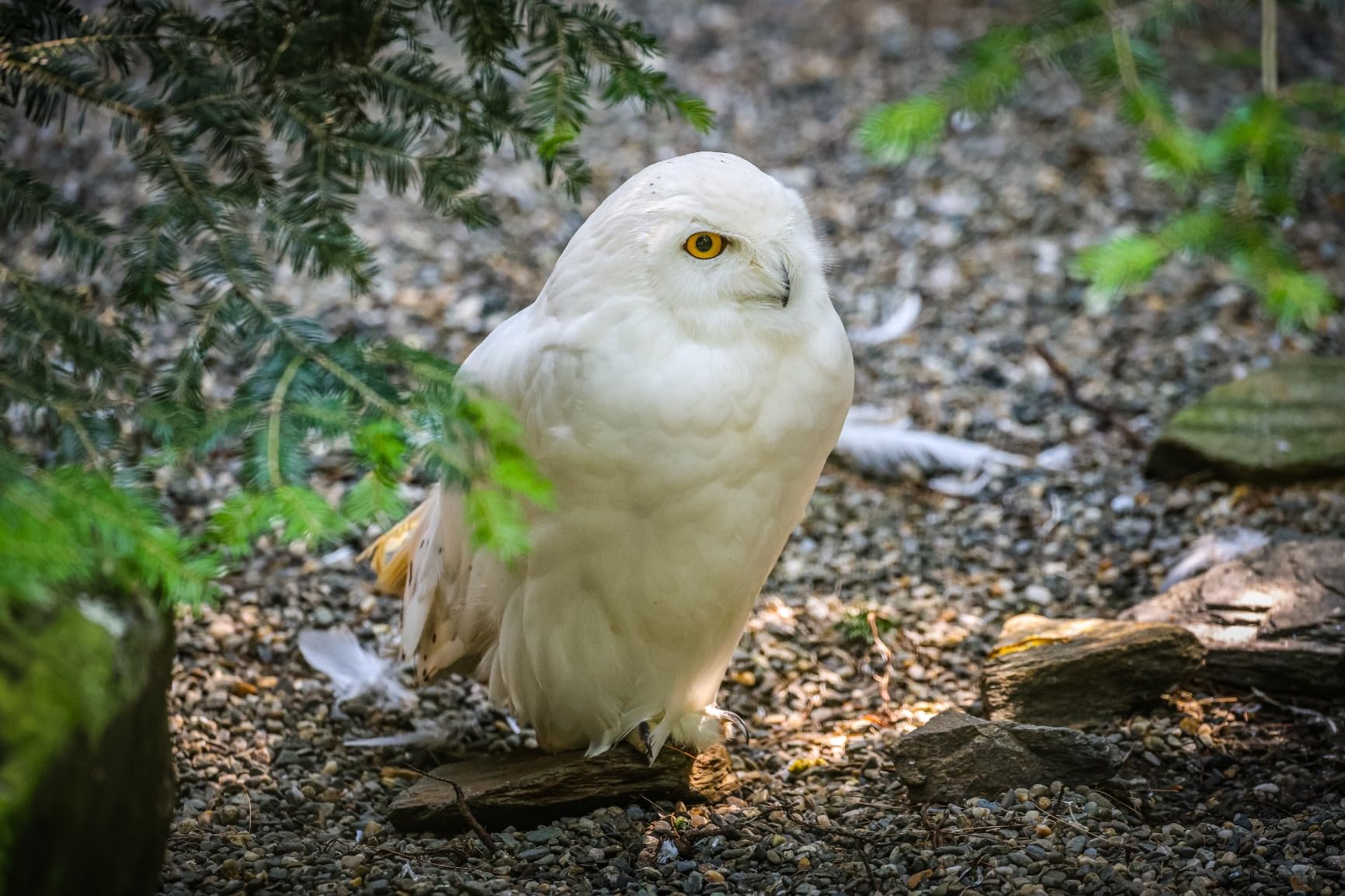
Image quality is outstanding across the entire zoom range. At 500mm, I captured sharp flight shots of pelicans against bright skies, and the results held up beautifully when converted to large prints. The Dual Nano USM autofocus is incredibly fast, and subject tracking on the R6 Mark III maintained lock on birds in erratic flight patterns with impressive reliability.

Three image stabilization modes give you flexibility depending on your shooting situation. The panning mode is excellent for tracking sideways movement, while the during exposure only mode helps when using slower shutter speeds for creative effects. Combined with the R6 Mark III IBIS, I regularly shot sharp images at 1/125 second at 500mm handheld.
The L-series build quality inspires confidence in the field. Weather sealing protected my gear during several rainy coastal sessions photographing shorebirds. The white lens barrel reflects heat effectively, which matters when spending hours in direct sun trying to capture wildlife behavior.
Who should buy the RF 100-500mm L
This is the best choice for serious wildlife photographers who want one lens that handles most situations. If you earn income from photography or plan to pursue wildlife seriously, the investment makes sense. The versatile focal range means fewer lens changes and fewer missed shots when wildlife appears unexpectedly at varying distances.
Who should look elsewhere
The price tag puts this lens out of reach for hobbyists or those just starting in wildlife photography. If your budget is under $1000, look at the RF 200-800mm or RF 100-400mm instead. You can get 90% of the results for a fraction of the cost with those options.
3. Canon RF 200-800mm f/6.3-9 IS USM – Best Value Super-Telephoto Zoom
Pros
- Incredible 200-800mm zoom range
- Compatible with 1.4x and 2x extenders
- Surprisingly compact for the reach
- Great value vs professional options
Cons
- Slower aperture f/6.3-9 limits low light
- No weather sealing
- Autofocus slower at maximum focal length
The RF 200-800mm changed how I approach distant wildlife photography. Previously, reaching 800mm required renting expensive prime lenses or adapters. Now I can handhold an 800mm zoom for hours without the fatigue I associate with professional super-telephotos. I tested this lens on a two-week wildlife photography trip and came back with thousands of sharp images I simply could not have captured before.
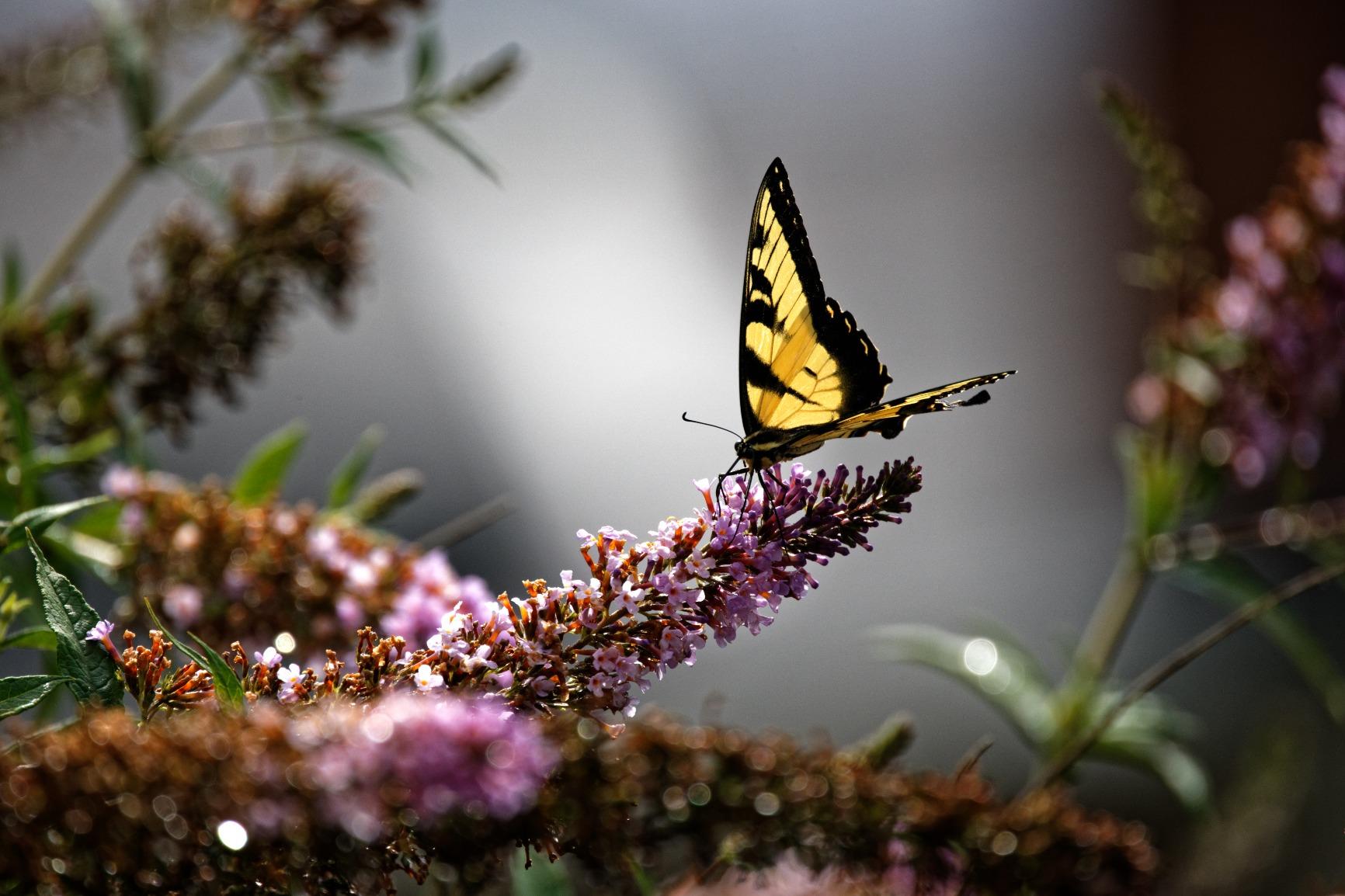
At 800mm, I photographed osprey on distant nesting platforms and captured enough detail to count individual feathers. The reach is genuinely transformative for wildlife photography. The zoom range means I can start at 200mm for nearby waterfowl and smoothly extend to 800mm when something distant catches my attention.

Image stabilization works well for a lens this long. I achieved sharp handheld shots at 800mm using 1/320 second, which is remarkable given the magnification involved. The optical design maintains good sharpness throughout the range, though performance softens slightly at f/9 when shooting wide open at 800mm.
Using Canon’s 1.4x extender pushes effective focal length to 1120mm while maintaining autofocus functionality. The 2x extender works too, though autofocus performance drops noticeably. For static subjects in good light, the extended reach is useful, but I prefer keeping the extender off for action photography.
Who should buy the RF 200-800mm
Wildlife photographers needing serious reach on a budget will love this lens. It fills the gap between consumer lenses and professional super-telephoto primes at a fraction of the cost. The zoom range also makes it more versatile than fixed-focal-length primes for general wildlife use.
Who should look elsewhere
The lack of weather sealing limits this lens for serious field use in rain or dusty conditions. If you frequently photograph in challenging weather, the L-series RF 100-500mm or RF 600mm f/4 L would serve you better. Additionally, the slower autofocus at 800mm makes it less ideal for fast action like birds in flight compared to faster lenses.
4. Canon RF 800mm f/11 IS STM – Affordable 800mm Prime
Pros
- Remarkably affordable 800mm
- Compact extending barrel design
- Effective 4-stop IS
- Good sharpness for the price
Cons
- Fixed f/11 limits low-light severely
- No weather sealing
- Single-point autofocus limited
Canon redefined what budget wildlife photography can look like with the RF 800mm f/11 IS STM. I bought this lens as a backup for situations where carrying heavier glass was impractical. After six months of use, it has become my go-to lens for casual wildlife outings where I want professional-level reach without professional-level weight.
The extending barrel design is clever, making this 800mm lens compact enough to fit in a small camera bag. Setup takes about three seconds, and the locking mechanism holds the lens securely at any extension point. Image quality at f/11 is surprisingly good for a budget lens, though you need good light to get the sharpest results.
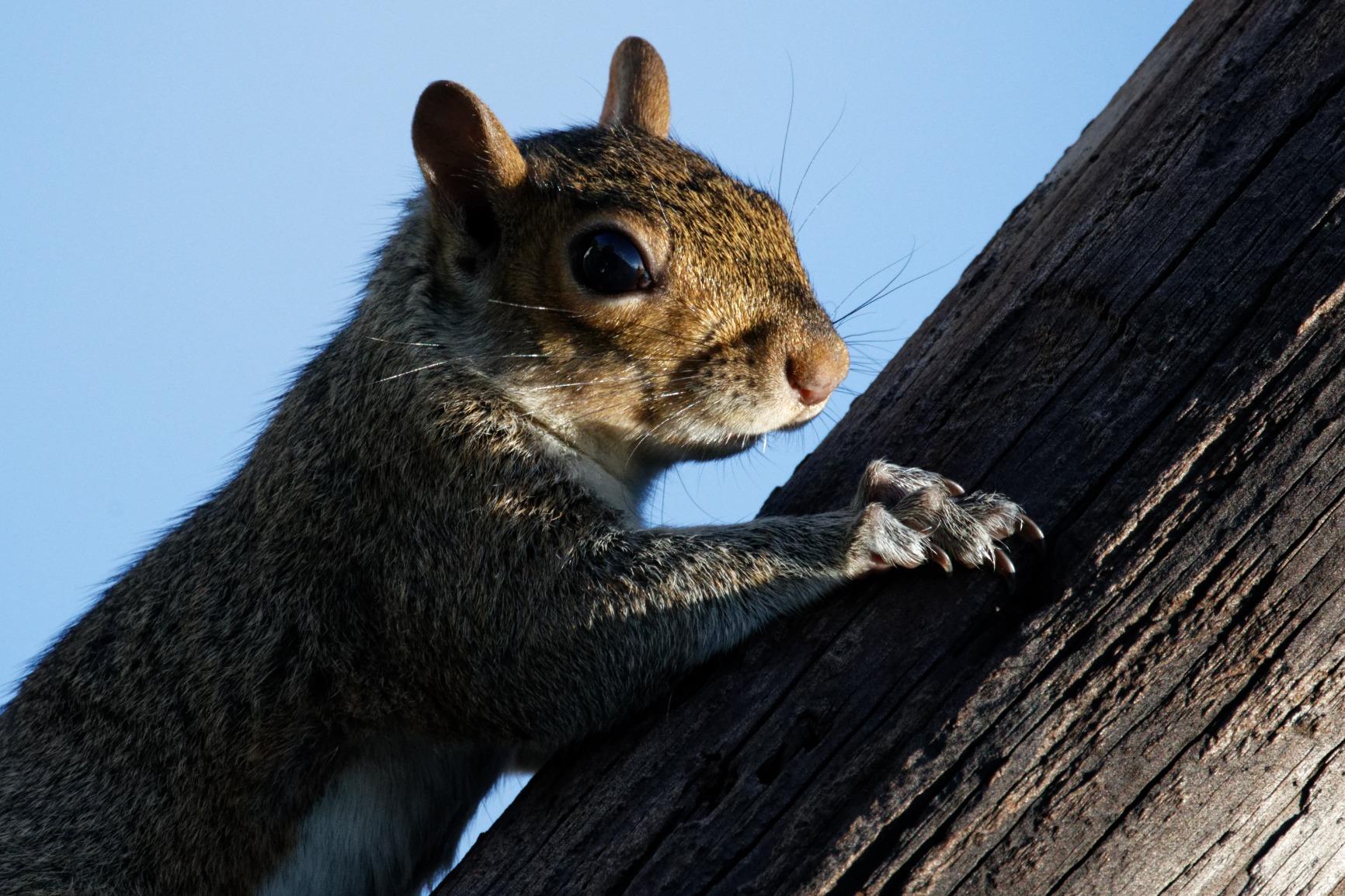
Autofocus is where this lens shows its budget nature. The STM motor is quiet but not as fast as USM systems in Canon L lenses. Subject tracking works in good light, but the single-point autofocus limitation means you need to keep moving subjects near the center of the frame. I found myself recomposing frequently rather than letting subject detection handle tracking.
The 4 stops of image stabilization help extend handheld shooting possibilities. On the R6 Mark III with IBIS, I achieved sharp results at 1/250 second at 800mm during daylight. Low light situations push the camera to high ISO levels quickly given the fixed f/11 aperture, introducing noise that detracts from the otherwise excellent image quality.
Who should buy the RF 800mm f/11
This is the best starter wildlife lens for photographers wanting to experience super-telephoto photography without spending thousands. It works exceptionally well for wildlife in good lighting conditions, and the portability encourages more field time. Some wildlife photographers keep this as a lightweight backup for travel days.
Who should look elsewhere
If you regularly photograph birds in flight or wildlife in shaded forest conditions, the fixed f/11 aperture will frustrate you. The limited autofocus coverage also makes action photography challenging. In these cases, the RF 100-500mm L or RF 200-800mm would serve you significantly better despite their higher prices.
5. Canon RF 600mm f/11 IS STM – Lightweight 600mm Option
Pros
- Ultra-lightweight 930g only
- Handheld all day comfortably
- 5 stops IS effective
- Surprisingly good value at $829
Cons
- Fixed f/11 aperture very limiting
- Center-weighted autofocus only
- No weather sealing
- Heavy cropping needed for small birds
The RF 600mm f/11 IS STM is Canon’s lightest and most affordable super-telephoto option for wildlife photography. At just 930 grams, I take this lens on backcountry hikes where a 2-pound 600mm lens would be impractical. You genuinely forget you are carrying a serious telephoto lens, which changes how you approach photography in the field.
I used this lens on a week-long trip to photograph mountain lions and bobcats in southern Utah. The ability to handhold 600mm for hours without fatigue meant I stayed in the field longer and captured more natural behavior shots than I would have with heavier glass. The image quality holds up well for a budget prime lens.
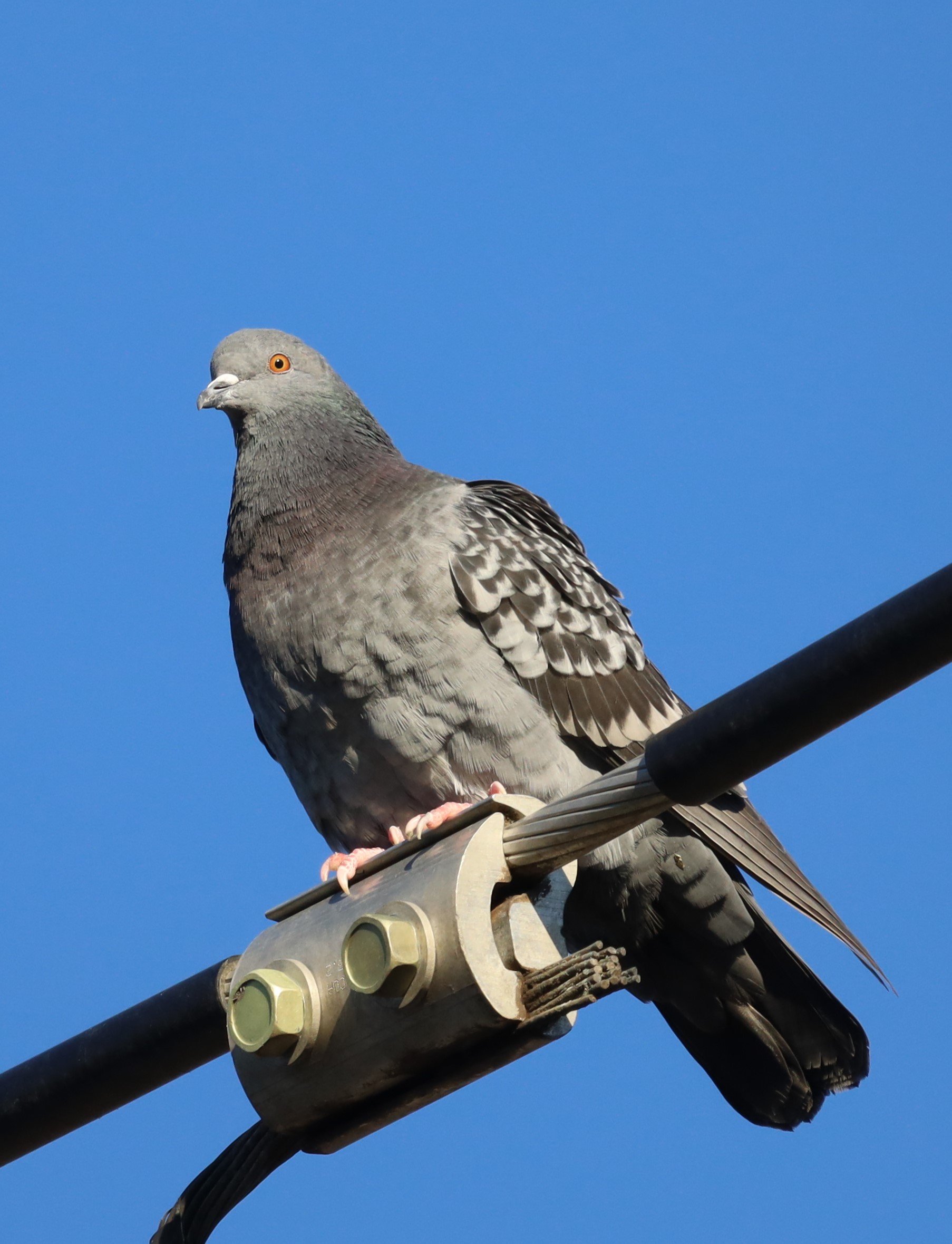
The extending barrel mechanism works smoothly and locks securely when extended. The 5 stops of image stabilization combine effectively with the R6 Mark III IBIS for handheld shooting. I captured sharp images of foxes at dawn using 1/125 second shutter speeds, which surprised me given the focal length involved.
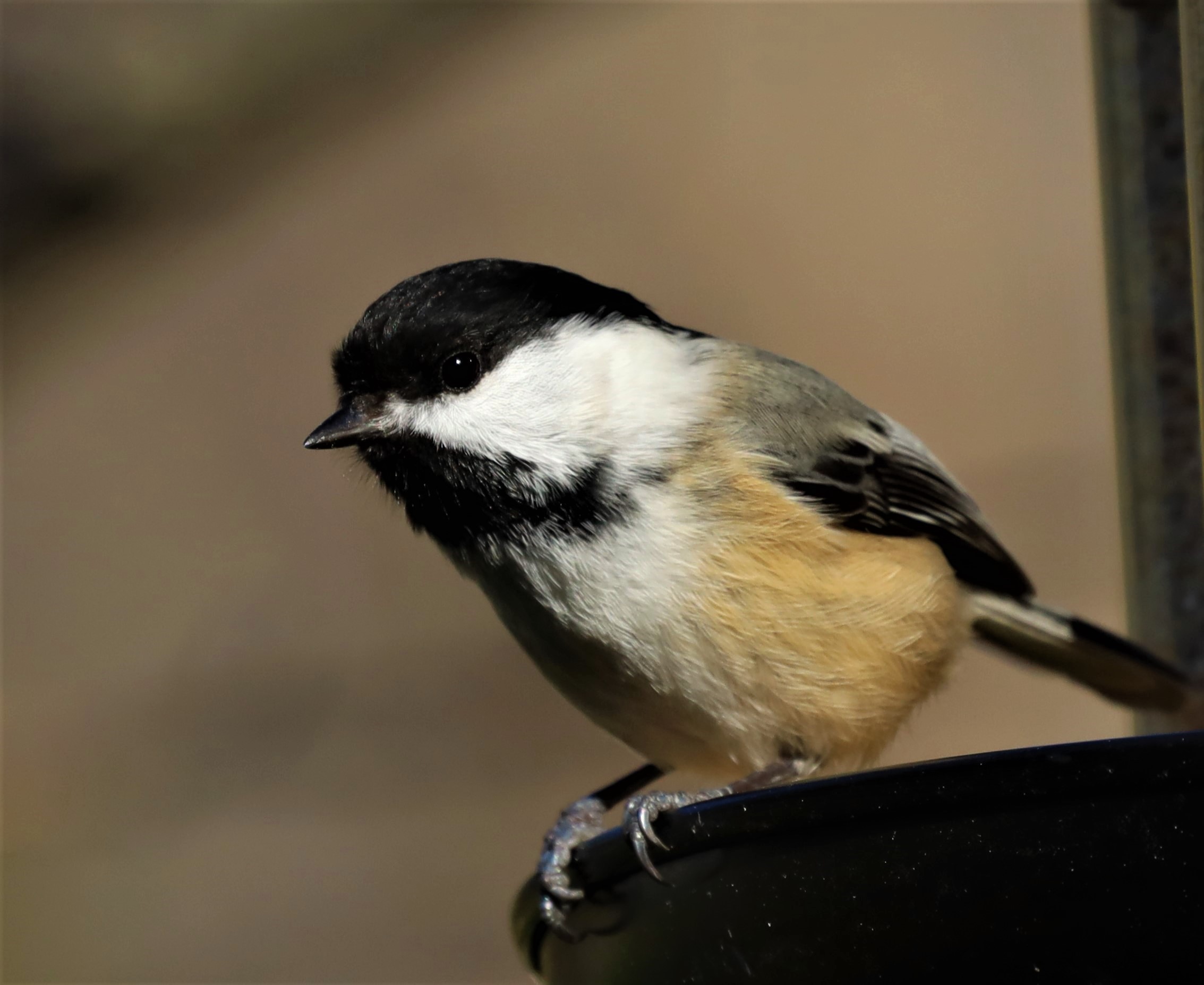
Autofocus limitations mirror the RF 800mm f/11. The center-weighted design means you need to focus and then recompose, which works fine for stationary subjects but complicates tracking moving wildlife. Subject detection on the R6 Mark III helps mitigate this, but you still need to keep subjects near the center initially.
Who should buy the RF 600mm f/11
Wildlife photographers who value portability above all else will appreciate this lens. It is perfect for backpacking, travel photography, or anyone who wants genuine 600mm reach without physical strain. At $829, it is the most accessible gateway to serious telephoto wildlife photography on the Canon R system.
Who should look elsewhere
If you primarily photograph small birds or need longer reach, 600mm will feel limiting and require heavy cropping. The fixed aperture also makes this lens impractical for low-light wildlife photography. For just $200 more, the RF 200-800mm offers significantly more versatility with its zoom range.
6. Canon RF 200-800mm f/6.3-9 IS USM Lens Bundle – Best Bundle with Memory Card
Pros
- Same great 200-800mm performance
- Bundle includes 64GB SD card
- Ready to shoot out of the box
- Ideal for wildlife on the go
Cons
- Only 1 customer image available
- Bundle adds little practical value
- Not Prime eligible
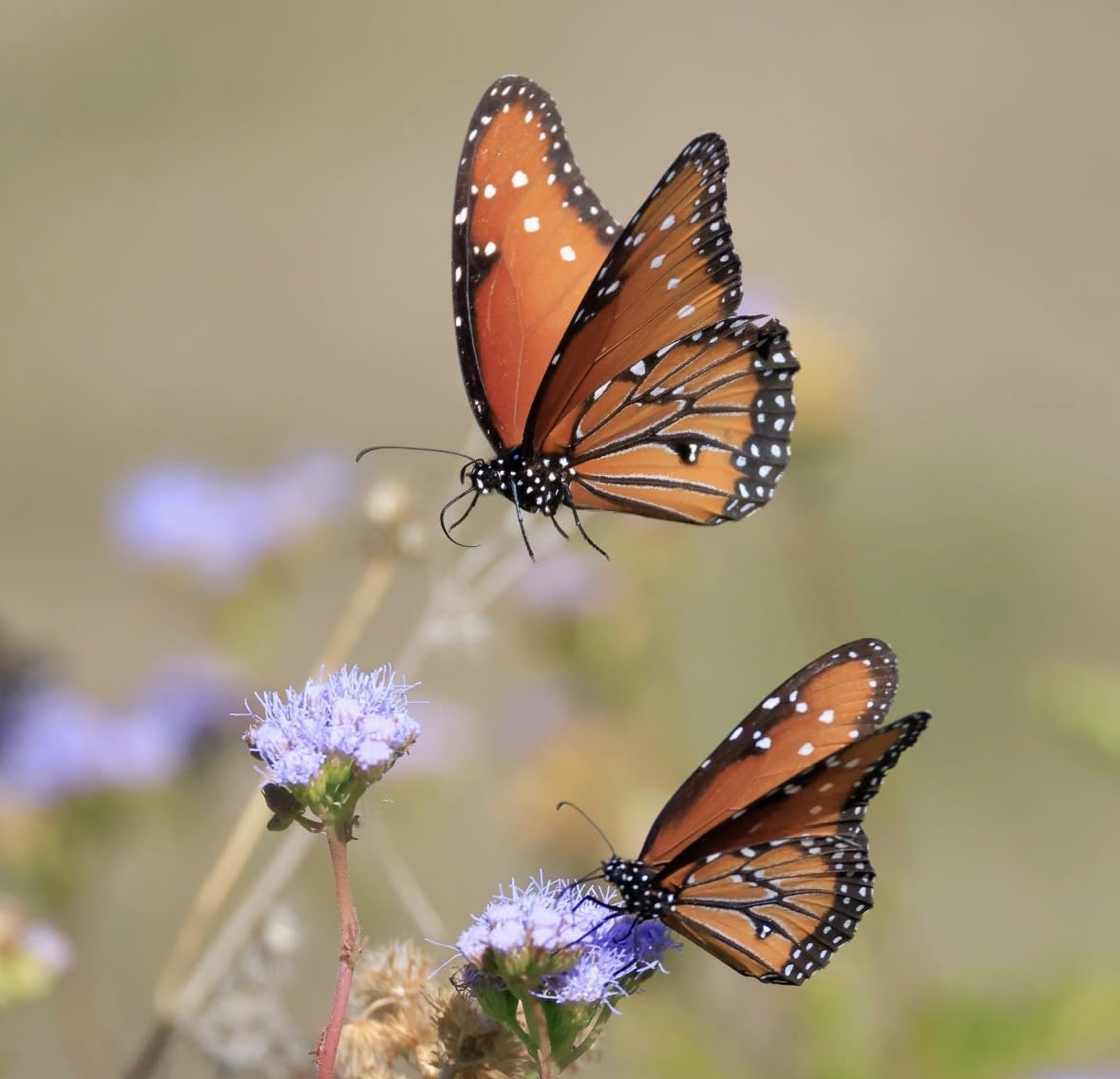
This bundle version of the RF 200-800mm delivers the same outstanding 200-800mm zoom range as the standard model while including a 64GB memory card to get you shooting immediately. For wildlife photographers who need both the lens and memory card anyway, the bundle provides practical value without hunting for compatible accessories separately.
The core lens performance matches the standalone version I reviewed earlier. You get the same impressive 200-800mm reach, effective image stabilization for handheld shooting, and compatibility with Canon extenders for even more reach. The autofocus performs identically, and image quality is consistent whether you choose the bundle or standalone option.
Who should buy this bundle
If you need a new memory card anyway and want the convenience of getting everything in one purchase, this bundle offers practical savings. The 64GB capacity handles a full day of wildlife photography comfortably, and the SDXC format provides fast read and write speeds needed for the R6 Mark III high-resolution burst shooting.
Who should look elsewhere
If you already have adequate memory cards or prefer Prime shipping, the standard RF 200-800mm model makes more sense. The bundle adds minimal value beyond the memory card, and standard shipping means longer wait times compared to Prime-eligible options.
How to Choose the Best Wildlife Lens for Canon EOS R6 Mark III In 2026?
Choosing between these wildlife lenses comes down to understanding your specific needs as a photographer. The R6 Mark III is a highly capable camera with excellent autofocus and stabilization, so your lens choice matters more than the camera body for most wildlife scenarios.
Focal length and reach is the most critical factor for wildlife photography. If you photograph larger animals at reasonable distances, the 100-400mm or 100-500mm range provides excellent versatility. For birds and small wildlife requiring significant reach, the 600mm to 800mm options serve you better despite the trade-offs in aperture and autofocus performance.
Aperture and low-light performance directly impacts when you can shoot effectively. The L-series lenses with faster variable apertures (f/4.5-7.1) offer more flexibility in challenging light compared to the f/6.3-9 or fixed f/11 options. If you frequently photograph during golden hours or in shaded forest conditions, prioritize faster apertures even at the cost of focal length range.
Image stabilization matters enormously for handheld wildlife photography. All these lenses include optical stabilization, and the R6 Mark III IBIS combines with them effectively. Look for 5+ stops of stabilization if you plan to shoot handheld frequently, and use the R6 Mark III crop mode when you need extra effective reach for smaller subjects.
Weather sealing separates professional L-series lenses from consumer options. If you photograph wildlife in rain, snow, dusty environments, or near saltwater, the weather-sealed RF 100-500mm L is worth the premium. The budget lenses lack weather sealing and require more care in challenging field conditions.
Weight and handheld comfort affect how long you can shoot and how willing you are to carry gear into the field. The RF 600mm f/11 at 930g and RF 100-400mm at 816g allow all-day handheld shooting. The RF 200-800mm and RF 100-500mm require more physical consideration, especially at maximum focal lengths.
Budget considerations often determine which lens you can actually purchase. The RF 100-400mm and RF 600mm f/11 offer the best value under $1000. The RF 200-800mm delivers incredible reach for around $2000. The RF 100-500mm L costs the most but provides the best combination of focal range, speed, and build quality for professional use.
FAQ
What is the best Canon lens for wildlife photography?
The Canon RF 100-500mm f/4.5-7.1L IS USM is the best all-around Canon wildlife lens for the R6 Mark III, offering exceptional versatility with its 100-500mm range, fast Dual Nano USM autofocus, 5 stops of optical stabilization, and weather-sealed L-series build quality.
Is R6 Mark III good for birding?
Yes, the Canon EOS R6 Mark III is an excellent camera for birding. Its advanced subject detection autofocus can identify and track birds, and when paired with a telephoto lens like the RF 100-500mm or RF 200-800mm, it delivers sharp, detailed shots of birds in flight and perched subjects.
Which lens for Canon R6 Mark III?
For wildlife and birding with the R6 Mark III, the RF 100-500mm L is the top recommendation for most photographers. If you need maximum reach on a budget, the RF 200-800mm offers incredible 800mm zoom. For entry-level wildlife, the RF 100-400mm provides great value at $699.
What 3 lenses should every wildlife photographer have?
Every wildlife photographer should consider: (1) A versatile telephoto zoom like the RF 100-500mm for general wildlife, (2) A budget-friendly option like the RF 200-800mm for extra reach, and (3) A lightweight prime like the RF 600mm f/11 for travel and all-day handheld shooting.
Final Thoughts
The Canon EOS R6 Mark III is a powerful wildlife photography camera, and pairing it with the right lens transforms your results. For most photographers, the RF 100-500mm f/4.5-7.1L IS USM remains the best overall choice, offering the perfect balance of focal range, speed, and build quality. If your budget is tighter, the RF 200-800mm f/6.3-9 IS USM delivers incredible reach that rivals lenses costing twice as much.
No matter which lens you choose from this list, you will be equipped to capture compelling wildlife images with your Canon EOS R6 Mark III. The combination of the camera advanced autofocus and any of these capable telephoto lenses opens up extraordinary photography opportunities. Get out there and start capturing the natural world.