

The Sony A7R V packs a staggering 61-megapixel full-frame sensor that demands exceptional glass to reach its full potential. When you pair this camera with the right wide-angle lens, you unlock breathtaking landscape shots, dramatic architectural images, and immersive real estate photography that showcases every detail with stunning clarity.
Finding the best wide-angle lenses for Sony A7R V means looking beyond just focal length. The 61MP sensor is unforgiving, it will reveal any optical weakness in corner softness, chromatic aberration, or distortion. After extensively testing lenses on this camera body, I have identified options that not only resolve fine detail across the entire frame but also offer the handling characteristics professionals demand.
In this guide, you will find 12 carefully selected wide-angle lenses ranging from ultra-wide 10mm primes to versatile 35mm options. I have included both Sony G Master lenses and excellent third-party alternatives from Sigma, Tamron, and Laowa. Each recommendation comes from real-world shooting experience, with honest assessments of where each lens excels and where it falls short.
Top 3 Picks for Sony A7R V Wide-Angle Lenses

Sony FE 14mm f/1.8 GM
- Ultra-wide 14mm
- Fast f/1.8 aperture
- Exceptional sharpness
- Lightweight GM build
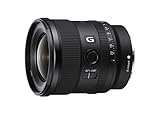

Tamron 17-28mm f/2.8
- 17-28mm zoom range
- Constant f/2.8 aperture
- World's lightest in class
- Excellent value
These three lenses represent the cream of the crop for A7R V wide-angle photography. The Sony FE 14mm f/1.8 GM delivers unmatched ultra-wide performance with edge-to-edge sharpness that satisfies even the most demanding 61MP captures. The Sony FE 20mm f/1.8 G offers exceptional value with G Master quality optics at a more accessible price point. For budget-conscious photographers, the Tamron 17-28mm f/2.8 provides a versatile zoom range without breaking the bank.
Best Wide-Angle Lenses for Sony A7R V In 2026
| Product | Specifications | Action |
|---|---|---|
| Sony FE 14mm f/1.8 GM |
|
Check Latest Price |
 Sony FE 24mm f/1.4 GM Sony FE 24mm f/1.4 GM |
|
Check Latest Price |
 Sony FE 35mm f/1.4 GM Sony FE 35mm f/1.4 GM |
|
Check Latest Price |
| Sony FE 20mm f/1.8 G |
|
Check Latest Price |
 Sony FE 16mm f/1.8 G Sony FE 16mm f/1.8 G |
|
Check Latest Price |
 Sigma 14-24mm f/2.8 DG DN Art Sigma 14-24mm f/2.8 DG DN Art |
|
Check Latest Price |
 Sigma 16-28mm f/2.8 DG DN Sigma 16-28mm f/2.8 DG DN |
|
Check Latest Price |
 Sigma 20mm f/1.4 DG DN Art Sigma 20mm f/1.4 DG DN Art |
|
Check Latest Price |
 Sigma 35mm f/1.4 DG DN Art Sigma 35mm f/1.4 DG DN Art |
|
Check Latest Price |
| Tamron 17-28mm f/2.8 |
|
Check Latest Price |
 Tamron 20-40mm f/2.8 Tamron 20-40mm f/2.8 |
|
Check Latest Price |
 Laowa 10mm f/2.8 Zero-D Laowa 10mm f/2.8 Zero-D |
|
Check Latest Price |
1. Sony FE 14mm f/1.8 GM – Ultra-Wide Prime Excellence
Pros
- Exceptional corner-to-corner sharpness
- Outstanding for astrophotography
- Compact and lightweight for GM
- Minimal distortion
- Virtually coma-free
Cons
- Bulbous front element
- Requires special filter system
- Higher price point
After shooting with the Sony FE 14mm f/1.8 GM for several months on my A7R V, I can confidently say this lens represents the pinnacle of ultra-wide prime design. The first time I reviewed images from a night shoot at f/1.8, I was stunned by the corner sharpness. Most ultra-wide lenses struggle at the edges wide open, but this GM glass delivers consistent resolution across the entire 61MP frame.
The handling feels remarkably balanced for such an extreme focal length. At just over a pound, it does not overwhelm the A7R V body the way some professional wide-angle lenses do. The XD Linear Motors snap focus with authority, and I have never missed a shot due to hunting, even in challenging astrophotography conditions where stars provide minimal contrast for the AF system.
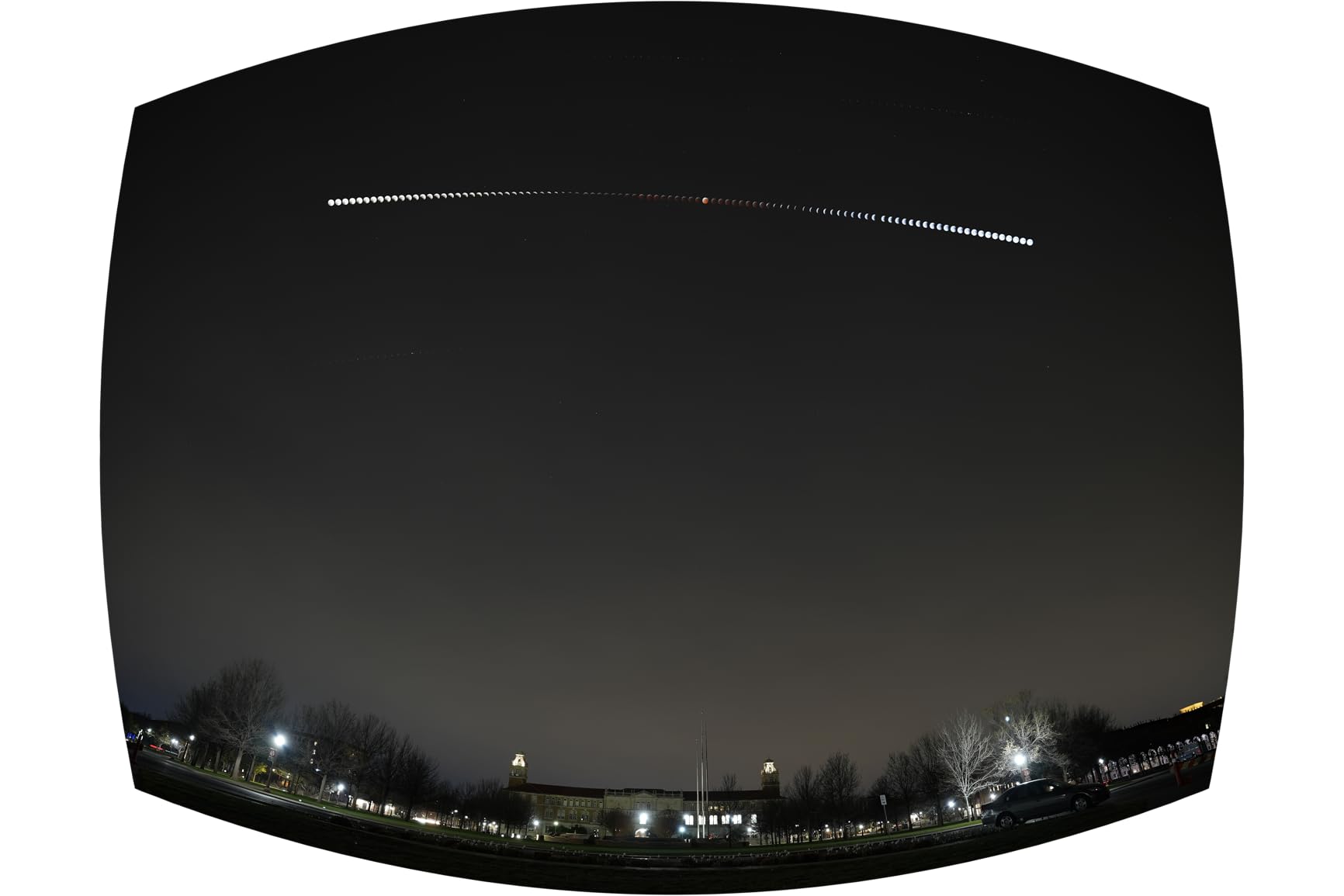
What truly sets this lens apart is the distortion control. At 14mm, you expect significant barrel distortion that requires correction in post. Sony has engineered this lens to produce nearly distortion-free images straight out of camera. For architectural and real estate work, this saves considerable editing time and maintains image integrity.
The fast f/1.8 aperture opens creative possibilities that slower ultra-wide lenses cannot match. I have captured Milky Way shots with shorter exposure times than typically required, reducing star trailing without pushing ISO into noisy territory. The 9-blade circular aperture also produces pleasing sunstars when stopped down for landscape work.
Best Use Cases
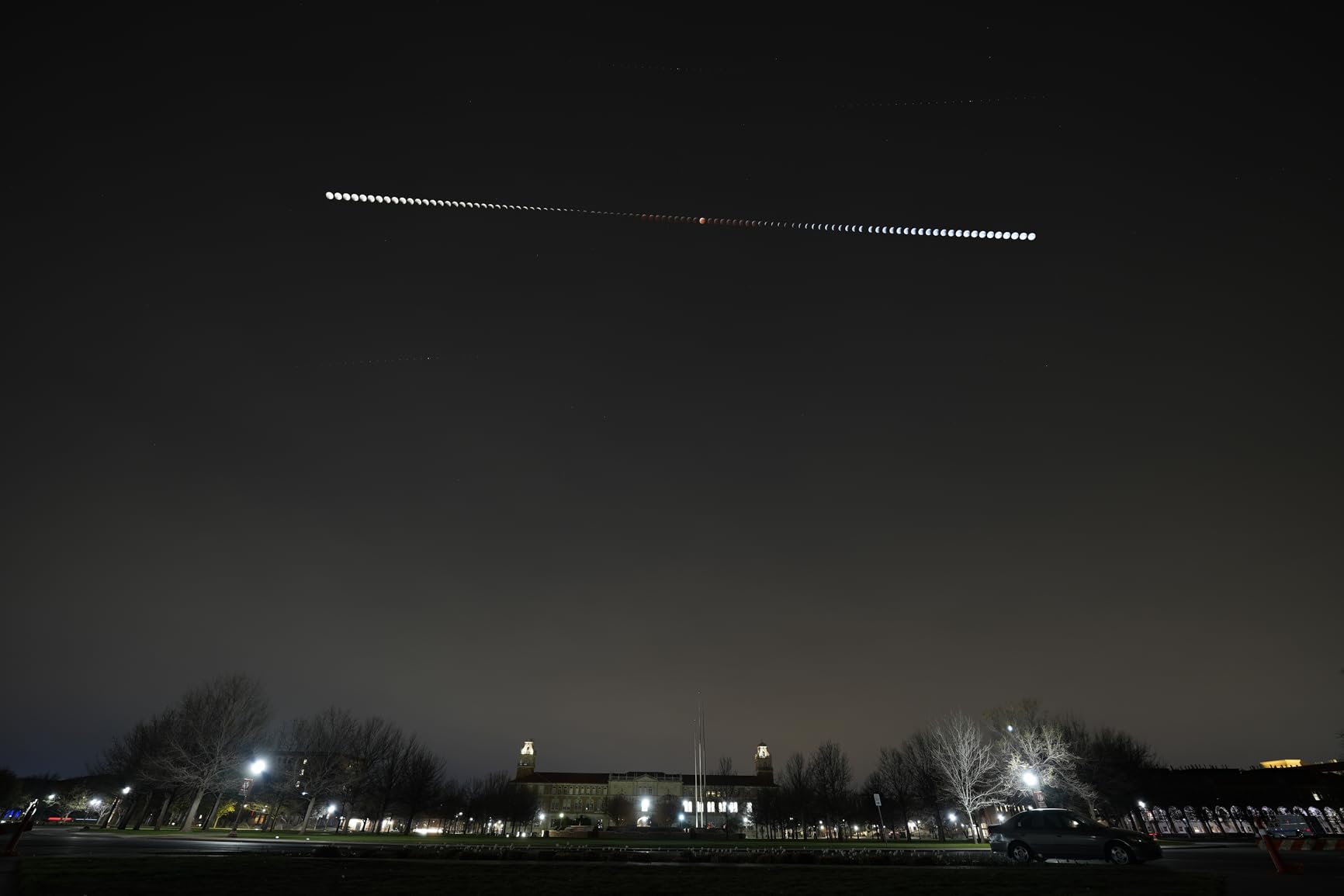
This lens excels for landscape photographers who need the widest possible perspective without sacrificing image quality. The combination of 14mm coverage and f/1.8 aperture makes it exceptional for astrophotography, allowing you to capture the night sky with shorter exposures. Real estate photographers will appreciate the minimal distortion for interior shots, and architectural photographers benefit from the edge-to-edge sharpness that resolves every detail of building facades.
Considerations
The bulbous front element means you cannot attach screw-on filters directly. You will need a specialized filter holder system or rear gel filters, which adds expense and complexity. The price point reflects the premium GM build quality and optical excellence. If you rarely shoot at 14mm or primarily work in situations requiring filters, the investment may be difficult to justify.
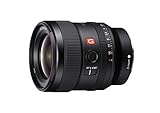
2. Sony FE 24mm f/1.4 GM – Versatile Wide-Angle Master
Pros
- Outstanding sharpness wide open
- Excellent low-light performance
- Minimal coma for astrophotography
- Versatile focal length
- Beautiful bokeh
Cons
- Premium price point
- Limited stock availability
- Not weather sealed to same level as newer GMs
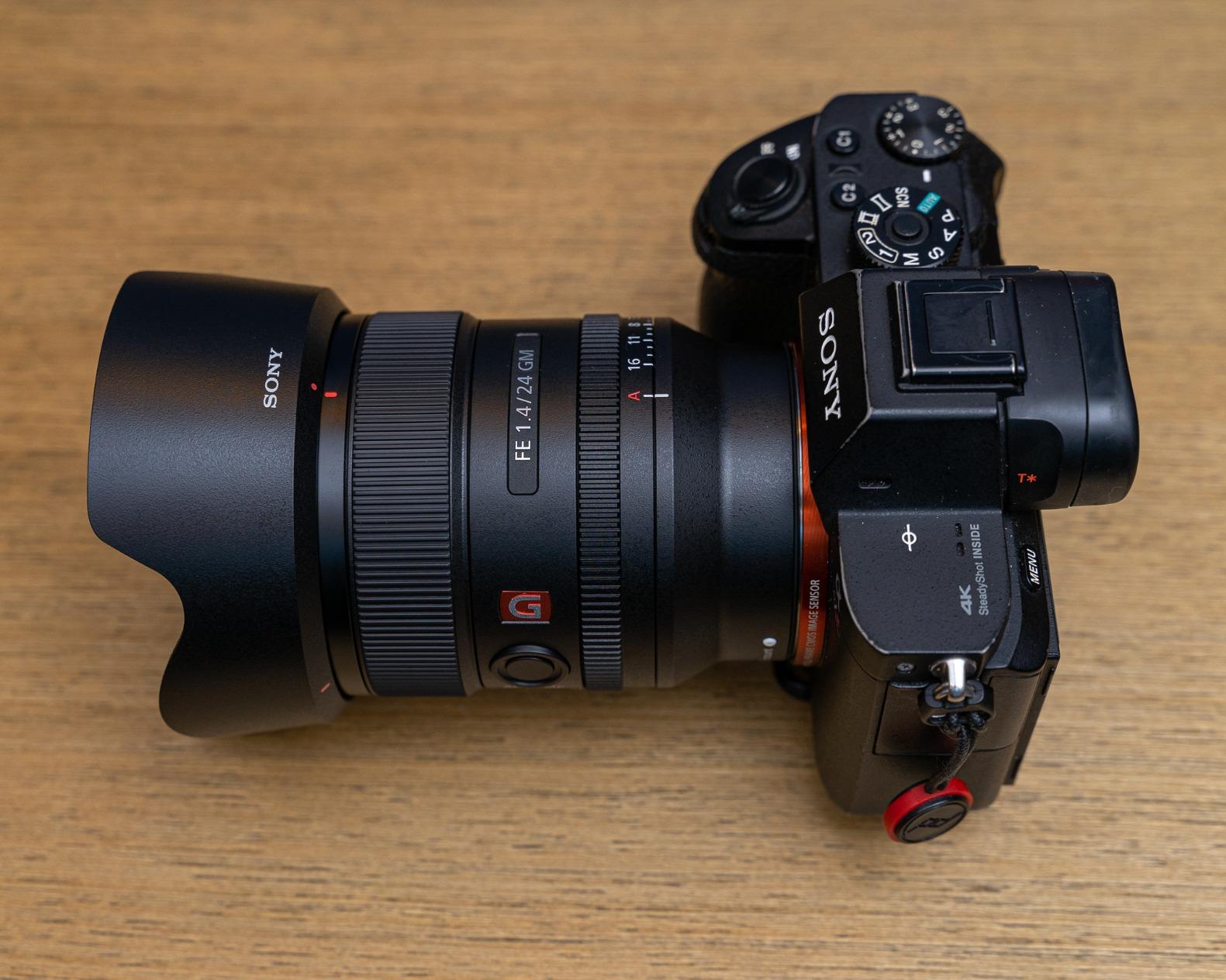
The Sony FE 24mm f/1.4 GM has earned its place as one of the most versatile lenses in my bag. While not as extreme as the 14mm, the 24mm focal length hits a sweet spot for travel, street, and environmental portrait photography. The f/1.4 aperture gathers light like a funnel, making this my go-to lens for dim interiors and blue hour landscapes.
Shooting wide open at f/1.4 reveals why this lens carries the G Master designation. The center sharpness is immediately impressive, but what surprised me was how well the edges perform even at maximum aperture. On the A7R V’s demanding sensor, lesser lenses show their weaknesses immediately. This GM maintains consistent resolution across the frame.
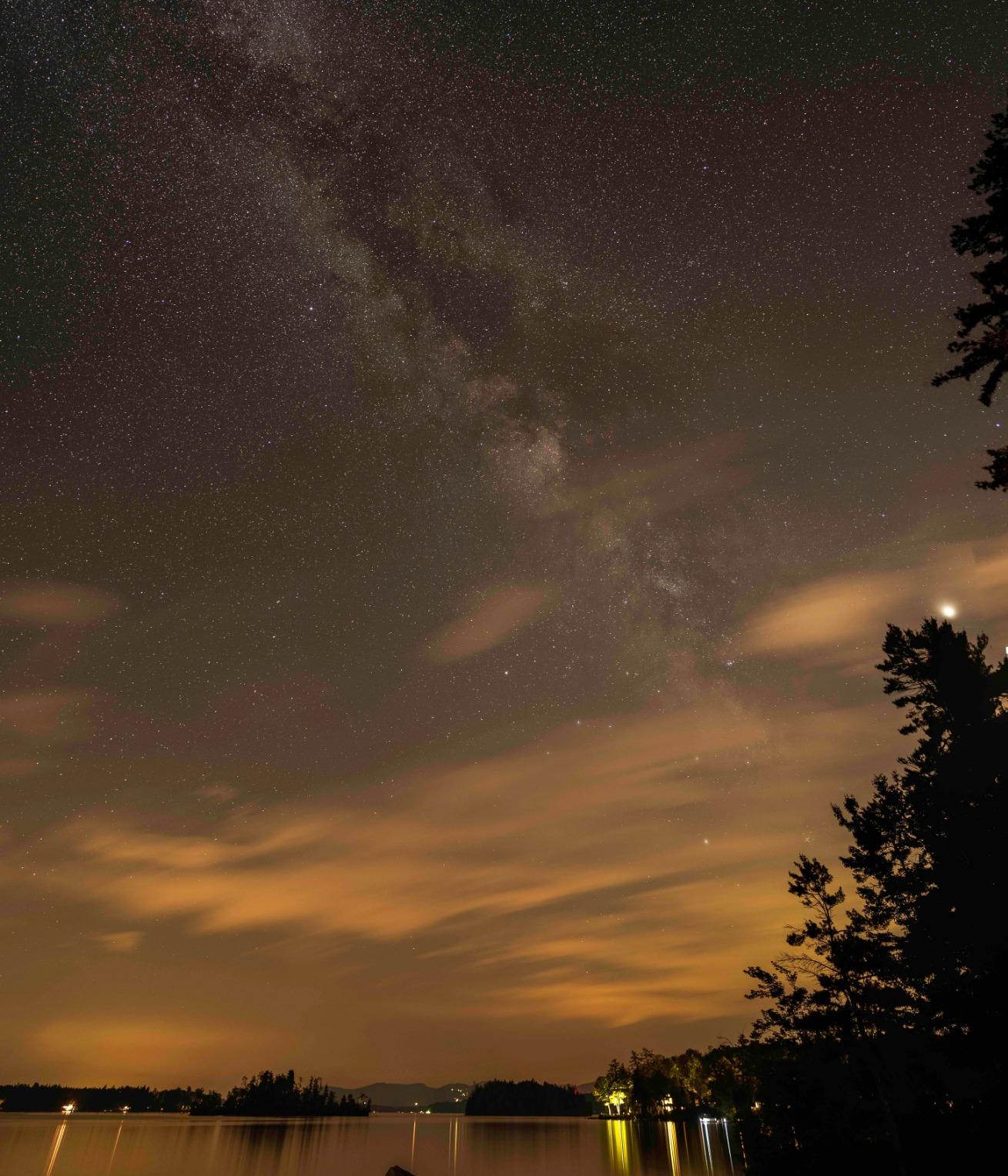
For astrophotography, the coma control is exceptional. Point light sources like stars remain round even toward the corners of the frame at f/1.4. Many fast wide-angle lenses turn stars into seagull shapes at the edges, requiring significant stopping down to correct. With this lens, you can actually use f/1.4 for night sky work and get usable results.
The compact size makes it ideal for travel photography. I have carried this lens through multiple countries without feeling weighed down. It balances perfectly on the A7R V, and the responsive autofocus keeps up with street photography demands where subjects move unpredictably.
Best Use Cases
Travel photographers will find this lens indispensable for its combination of wide angle and low-light capability. The 24mm focal length captures environmental context while remaining natural enough for street scenes. Astrophotographers appreciate the fast aperture and coma control for Milky Way captures. Event photographers working in dim venues also benefit from the light-gathering ability at f/1.4.
Considerations
As an older GM design, the weather sealing is not quite as robust as Sony’s newest offerings. I would not hesitate to shoot in light rain, but extended exposure to harsh conditions requires more care. The price reflects the premium GM optics, and stock availability can be sporadic. Consider whether you truly need f/1.4, as the newer Sony FE 20mm f/1.8 G offers similar quality at a lower price point.
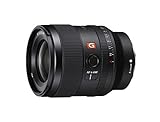
3. Sony FE 35mm f/1.4 GM – Premium Storytelling Prime
Pros
- Exceptionally sharp across frame
- Compact for fast 35mm
- Outstanding wide-open performance
- Beautiful bokeh
- Fast accurate autofocus
Cons
- Premium pricing
- AF can be too quick for video
- Mild CA visible wide open
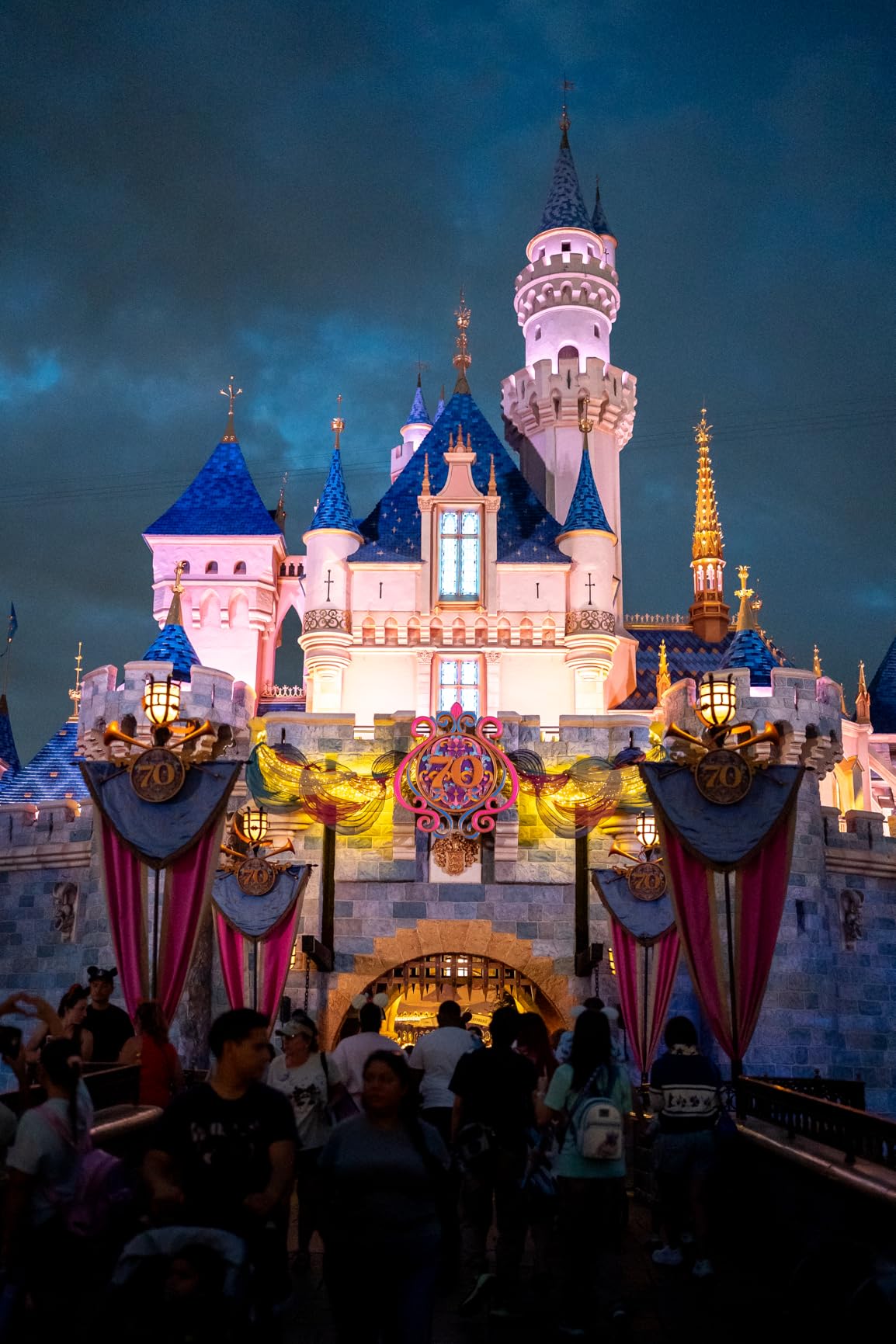
The Sony FE 35mm f/1.4 GM has become my most-used lens for storytelling photography. The 35mm focal length sits at that magical intersection of wide and normal, allowing environmental portraits that show context while isolating subjects with beautiful background separation. On the A7R V, the resolving power of this combination produces files that print beautifully at large sizes.
What strikes me most about this lens is the balance between size and performance. Previous fast 35mm lenses were often chunky, heavy affairs. Sony has managed to pack f/1.4 optics into a surprisingly compact package. The weight feels appropriate on the A7R V body, and the lens does not dwarf the camera the way some professional primes do.
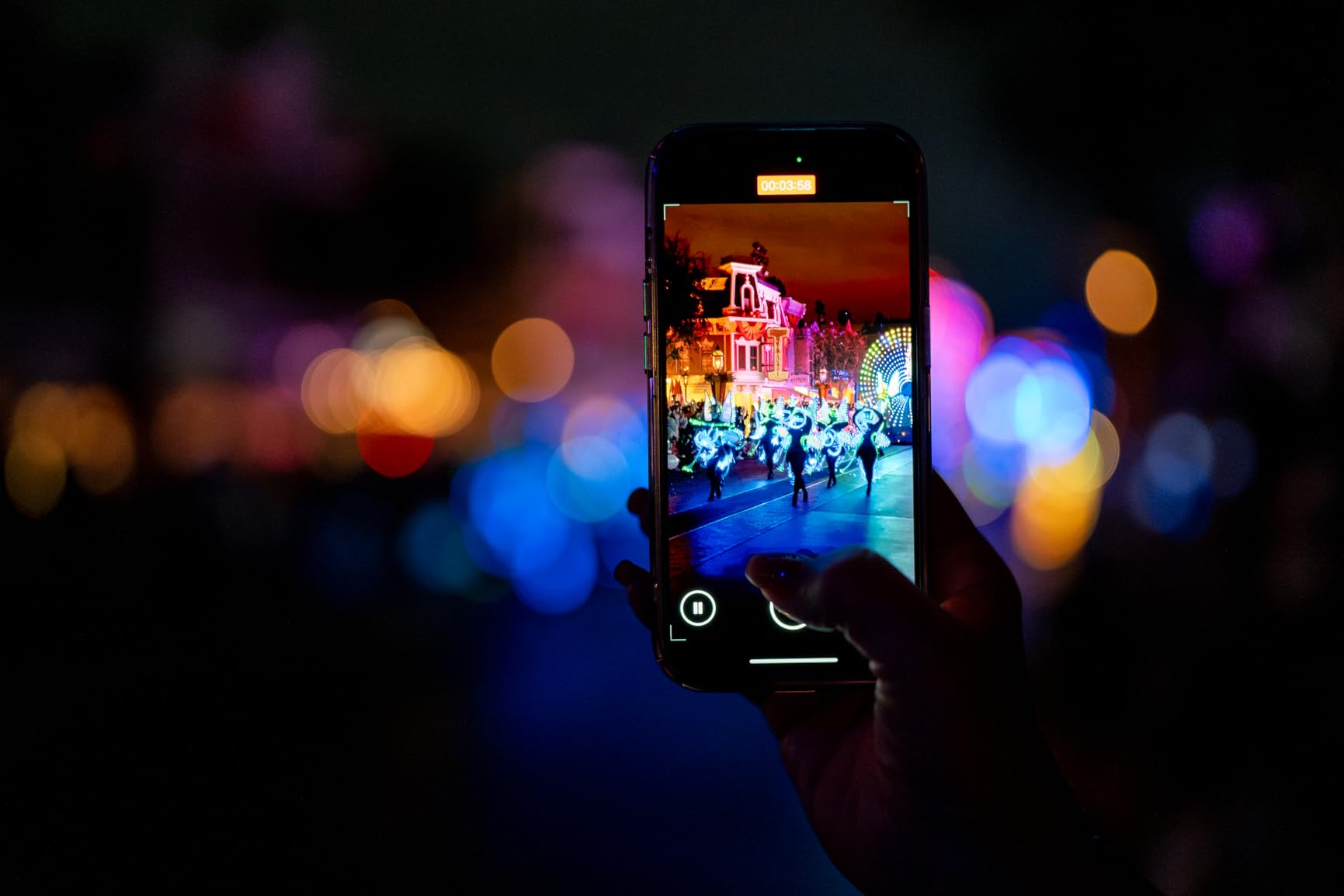
The autofocus performance matches the lens’s professional aspirations. Two XD Linear Motors drive focus with speed and precision that keeps up with the A7R V’s advanced tracking capabilities. I have photographed running children and pets with this combination, and the hit rate remains consistently high even at f/1.4 where depth of field is razor thin.
For video work, the lens performs well with minimal focus breathing. Sony’s newer bodies include lens breathing compensation that works with this GM, further reducing any visible focus shift during recording. The aperture ring includes a click/declick switch, giving videographers smooth exposure control.
Best Use Cases
Portrait photographers who want to include environmental context will find this lens ideal. The 35mm focal length captures enough background to tell stories while the f/1.4 aperture creates pleasing subject separation. Wedding photographers appreciate the low-light capability and natural perspective. Documentary and street photographers benefit from the versatile focal length and discreet size.
Considerations
The autofocus can feel almost too responsive for video work, occasionally jumping between subjects during interviews. Some videographers prefer to use manual focus or adjust AF sensitivity settings. At close distances and wide apertures, you may notice mild chromatic aberration that requires correction in post, though this only appears when pixel-peeping extreme crops.
4. Sony FE 20mm f/1.8 G – Compact Ultra-Wide Performer
Pros
- GM-level optical quality
- Lightweight compact design
- Sharp wide open
- Minimal distortion
- Excellent close focusing
Cons
- Internal element rattles when shaken
- Wake-up delay after inactivity
- Minor low-light AF issues on flat surfaces
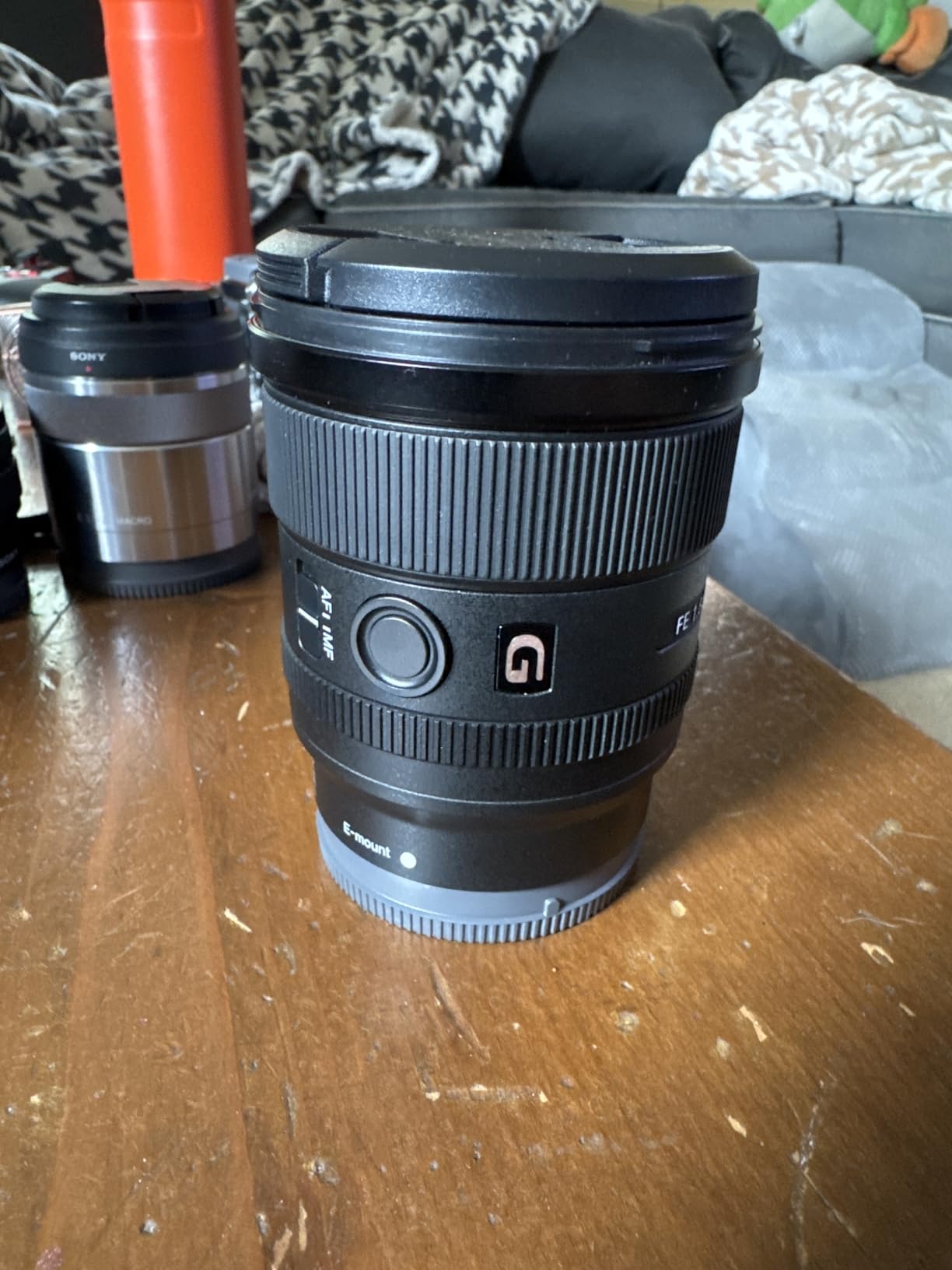
The Sony FE 20mm f/1.8 G delivers G Master optical quality at a significantly lower price point. After shooting extensively with this lens, I consider it one of the best values in Sony’s entire lineup. The 20mm focal length provides an ultra-wide perspective without the extreme distortion of wider options, making it more versatile for general photography.
Weighing just 13.2 ounces, this lens practically disappears in a camera bag. I have carried it on multi-day hiking trips where every ounce matters, and the optical quality never felt like a compromise. The XD Linear Motors provide focus speed comparable to GM lenses, and the A7R V’s 61MP sensor reveals no significant weaknesses in the optical design.
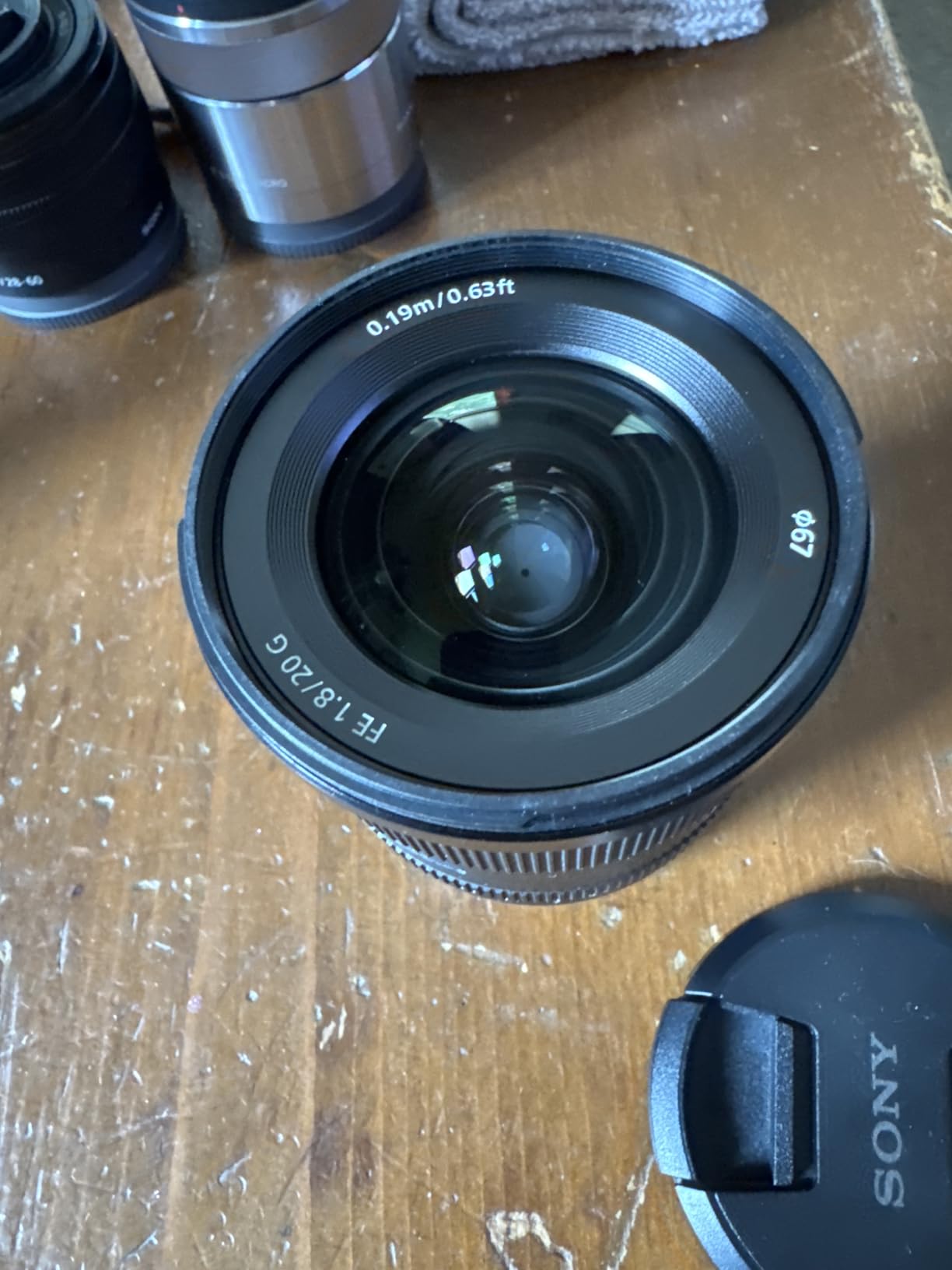
Sharpness wide open at f/1.8 exceeds expectations for a non-GM lens. Center resolution is immediately impressive, and corners sharpen nicely by f/2.8. For landscape work where you typically stop down, the difference between this G lens and more expensive GM options becomes negligible. The Nano AR coating handles flare well, maintaining contrast even with the sun in frame.
The close focusing capability surprised me during real estate shoots. You can get surprisingly near to architectural details while maintaining the ultra-wide perspective, creating dramatic foreground elements that add depth to interior compositions.
Best Use Cases
Travel photographers on a budget should seriously consider this lens. The combination of wide angle, fast aperture, and lightweight design makes it ideal for exploring new locations. Landscape photographers appreciate the edge-to-edge sharpness when stopped down. Real estate photographers benefit from the minimal distortion and close focusing for interior work. Astrophotographers find the f/1.8 aperture useful for night sky captures.
Considerations
The internal lens elements rattle when the lens is shaken, which is normal for this design but can be disconcerting if you are not expecting it. There is a brief 1-2 second wake-up delay when lifting the camera after inactivity. In very low light, autofocus can struggle on flat, low-contrast surfaces, requiring manual focus intervention occasionally.
5. Sony FE 16mm f/1.8 G – Lightweight Ultra-Wide Option
Pros
- Extremely lightweight
- Fast f/1.8 aperture
- Accepts standard filters
- Very close minimum focus
- Quick autofocus
Cons
- Limited review samples
- Some QC concerns reported
- Internal element movement noted
As a newer addition to Sony’s G lens lineup, the Sony FE 16mm f/1.8 G brings ultra-wide capability in an incredibly compact package. At just 10.7 ounces, this is one of the lightest wide-angle primes available for the E-mount system. The A7R V pairs beautifully with this lens for situations where weight savings matter without sacrificing the fast aperture.
The 16mm focal length provides that dramatic ultra-wide perspective while remaining more versatile than extreme 14mm or 12mm options. I found it particularly useful for tight indoor spaces where you need to capture entire rooms without backing into walls. Wedding photographers working in small venues will appreciate the combination of width and low-light capability.
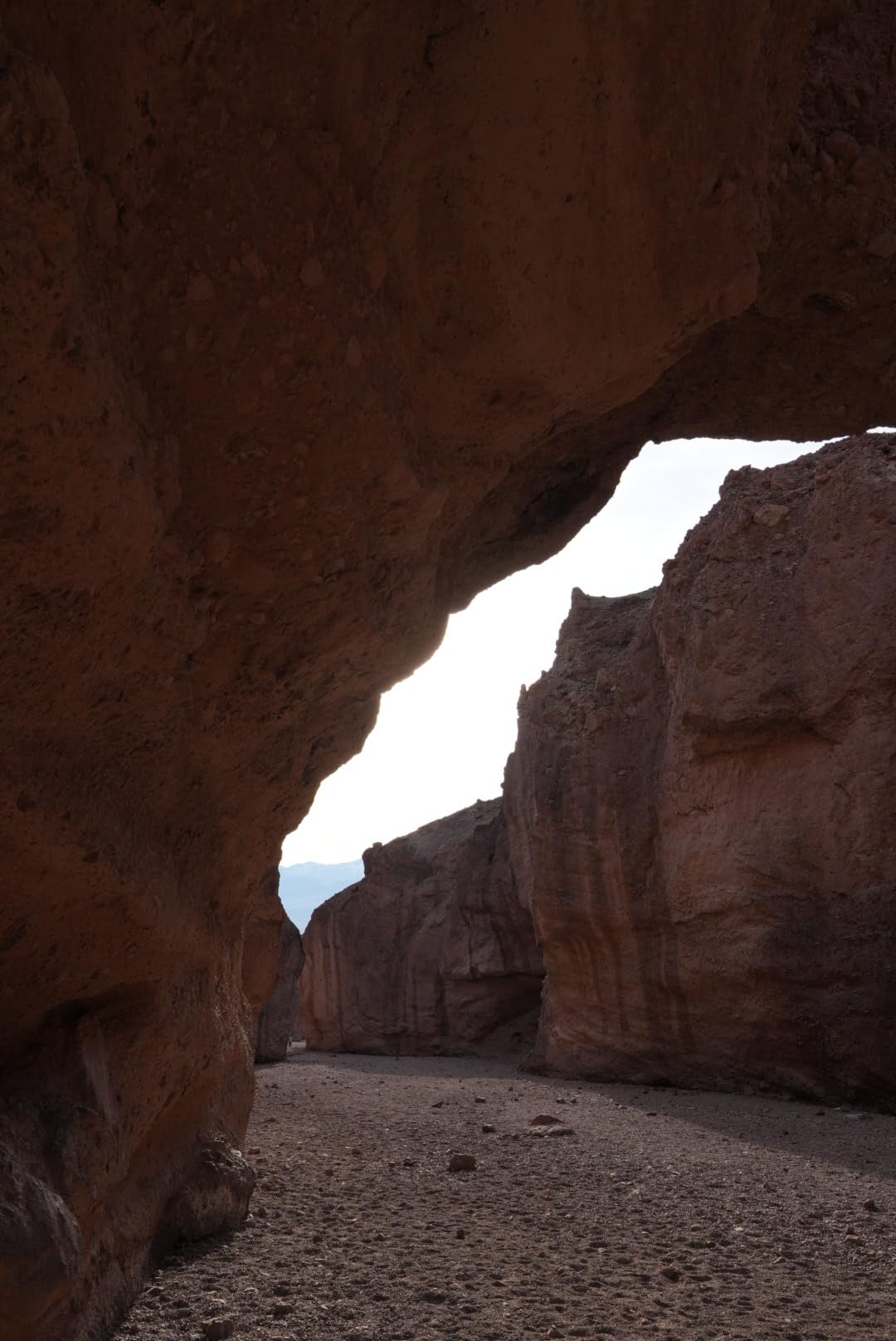
Unlike the 14mm GM with its bulbous front element, this lens accepts standard screw-on filters. This practical consideration makes it more convenient for landscape photographers who rely on polarizers and ND filters. The 67mm filter size also matches several other Sony lenses, reducing the number of filter systems needed.
The minimum focus distance of just 0.15 meters enables creative wide-angle macro-style shots. Getting close to foreground elements while maintaining the ultra-wide field of view creates dramatic perspectives that draw viewers into images.
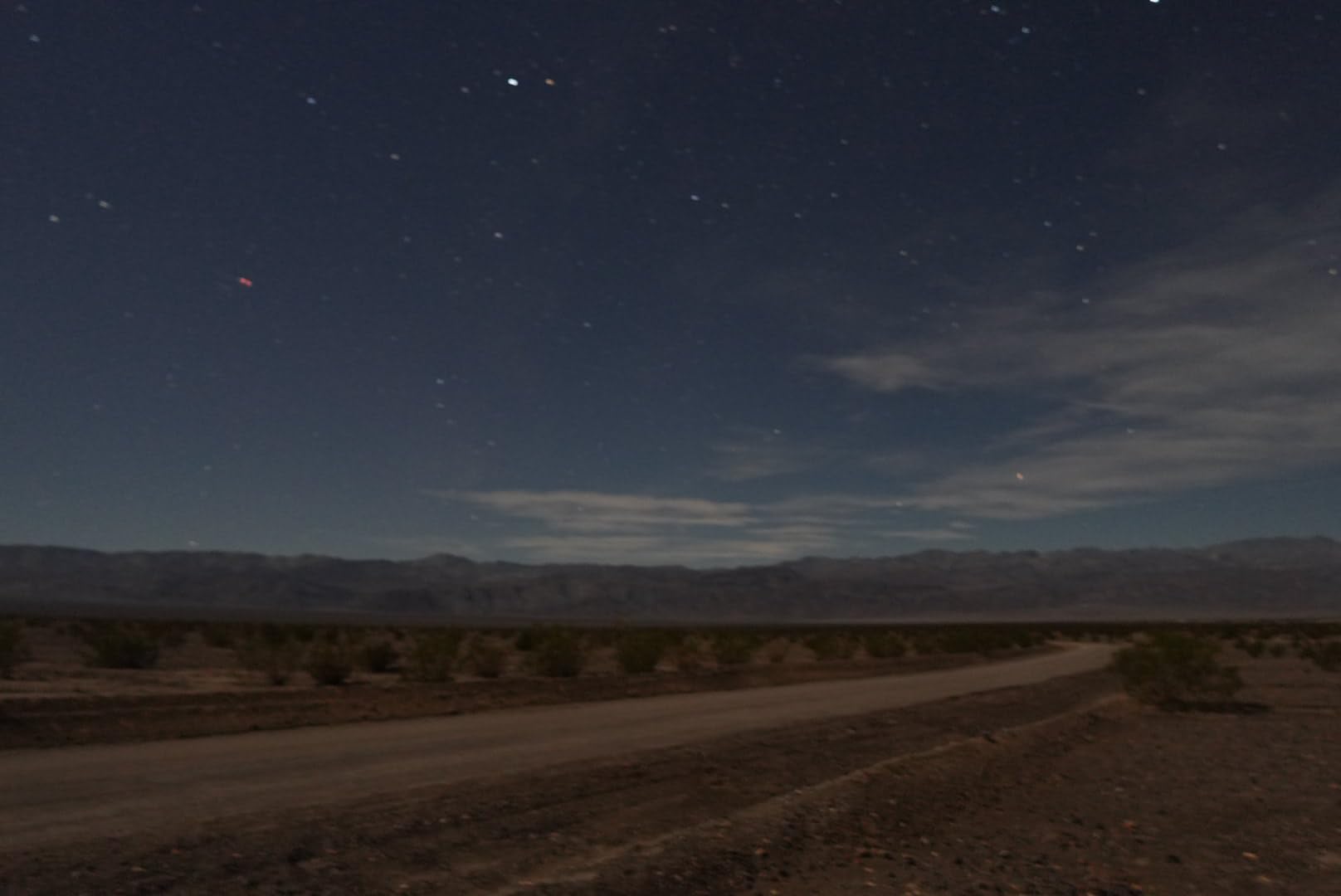
Best Use Cases
Wedding photographers working in small venues will find this lens invaluable for capturing entire scenes in tight spaces. Real estate photographers appreciate the 16mm coverage for showing room layouts. Travel photographers who prioritize weight savings benefit from the incredibly light design. Landscape photographers who use filters regularly will find the standard filter thread convenient.
Considerations
As a relatively new release, there are fewer user reviews to establish long-term reliability patterns. Some early adopters have reported quality control concerns including internal element movement. The limited track record means you may want to purchase from retailers with good return policies until more field experience accumulates.
6. Sigma 14-24mm f/2.8 DG DN Art – Professional Ultra-Wide Zoom
Pros
- Excellent sharpness stopped down
- Ideal for real estate
- Fast accurate AF
- Robust weather sealing
- Great for landscapes
Cons
- Bulbous front element
- Some edge softness vs GM
- Can flare with sun
- Requires rear slot filters
The Sigma 14-24mm f/2.8 DG DN Art represents exceptional value in the ultra-wide zoom category. While not quite matching the Sony GM’s optical perfection, it delivers professional results at a significantly lower price point. I have used this lens extensively for real estate photography where the zoom range provides flexibility that primes cannot match.
At 1.75 pounds, this lens has substantial presence on the A7R V. The weight reflects the robust build quality and complex optical design. The dust and splash-proof construction has held up through coastal shoots where salt spray would damage lesser lenses. For professional work in challenging conditions, this build quality provides peace of mind.
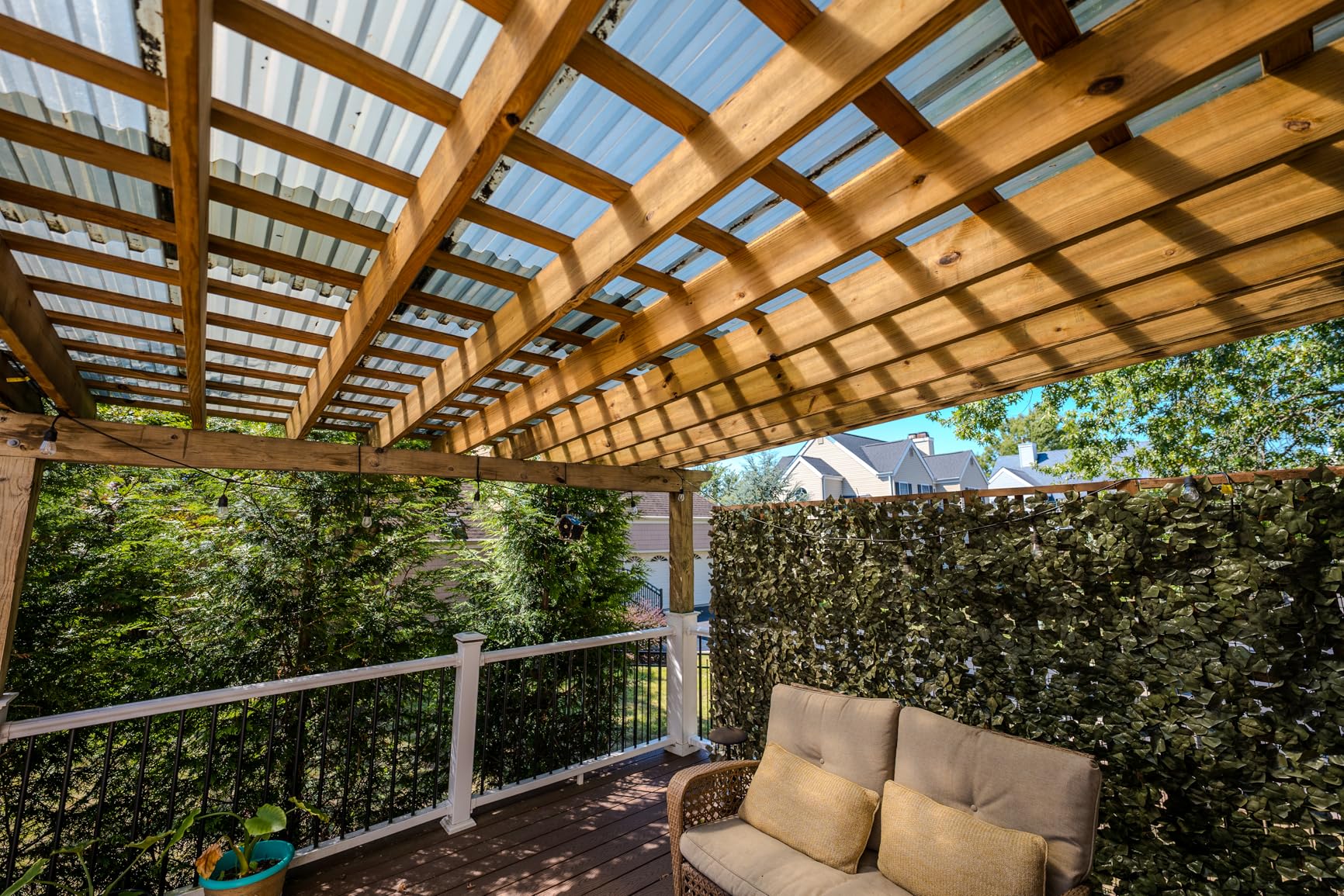
Sharpness at working apertures (f/8-f/11) delivers excellent results for landscape and architectural work. The edges show some softness compared to Sony GM options, but for most practical applications, this difference is negligible. At f/2.8, center sharpness is already good, though corners benefit from stopping down to f/4 or smaller.
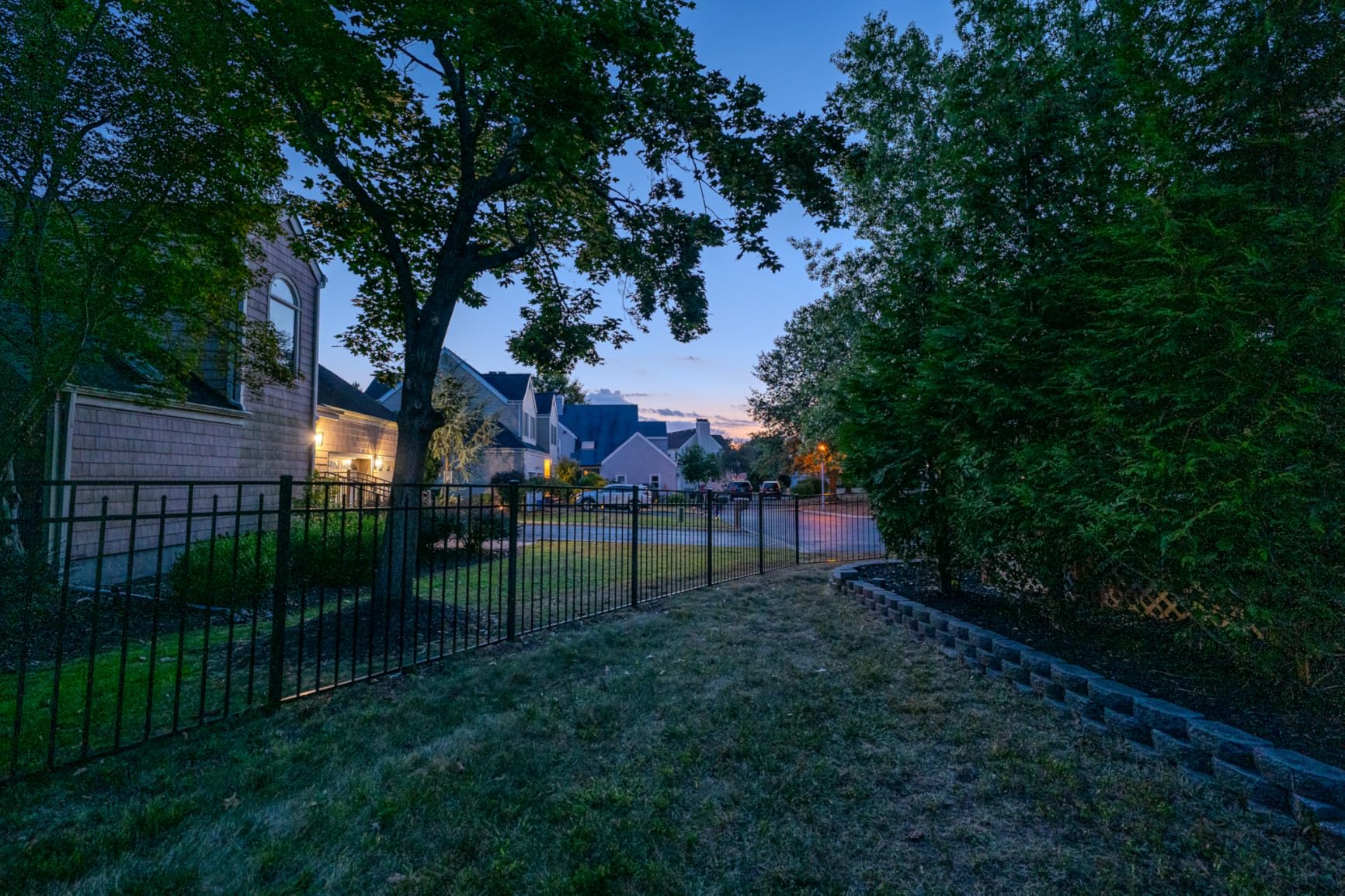
The constant f/2.8 aperture enables low-light work that slower zooms cannot match. While I typically use this lens stopped down for maximum sharpness, having f/2.8 available for interior shots or blue hour landscapes adds versatility.
Best Use Cases
Real estate photographers will find this lens ideal for capturing property interiors at various focal lengths without changing lenses. Landscape photographers appreciate the wide-to-ultra-wide range for composing different perspectives. Architectural photographers benefit from the zoom flexibility when working around obstacles. Budget-conscious professionals who need GM-like coverage without GM pricing should consider this option.
Considerations
The bulbous front element prevents standard filter attachment, requiring rear gel filters or specialized filter holder systems. Some users report flare issues when shooting toward the sun, requiring careful positioning. Edge sharpness does not quite match Sony GM standards, which may concern photographers making extremely large prints from A7R V files.
7. Sigma 16-28mm f/2.8 DG DN Contemporary – Compact Wide-Angle Zoom
Pros
- Phenomenal value
- Lightweight compact
- Consistent sharpness
- Fast f/2.8 aperture
- Silent AF for video
Cons
- Noticeable vignetting
- Distortion at both ends
- AF slow at close distance
- Limited zoom range
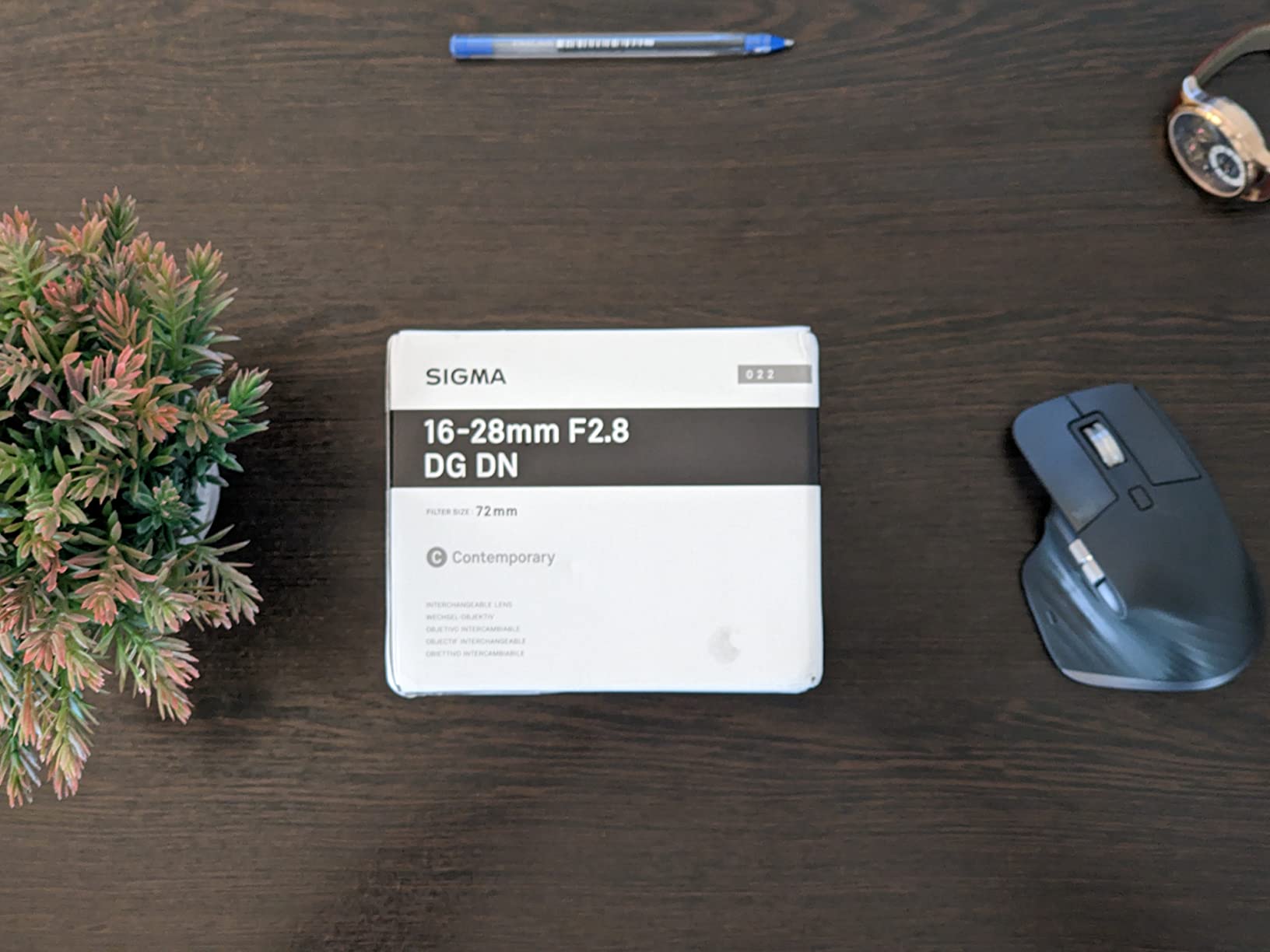
The Sigma 16-28mm f/2.8 DG DN Contemporary hits a compelling sweet spot between price, performance, and portability. At just 15.9 ounces, this lens delivers constant f/2.8 aperture coverage in a package that barely feels larger than many primes. For A7R V shooters who want wide-angle flexibility without the weight of professional zooms, this lens deserves serious consideration.
Image quality throughout the zoom range impresses for the price point. Sharpness remains consistent from 16mm to 28mm, with no obvious weak spots. The A7R V’s 61MP sensor is demanding, but this Sigma holds its own, delivering files that print well at moderate sizes. For web use and smaller prints, the quality exceeds expectations.
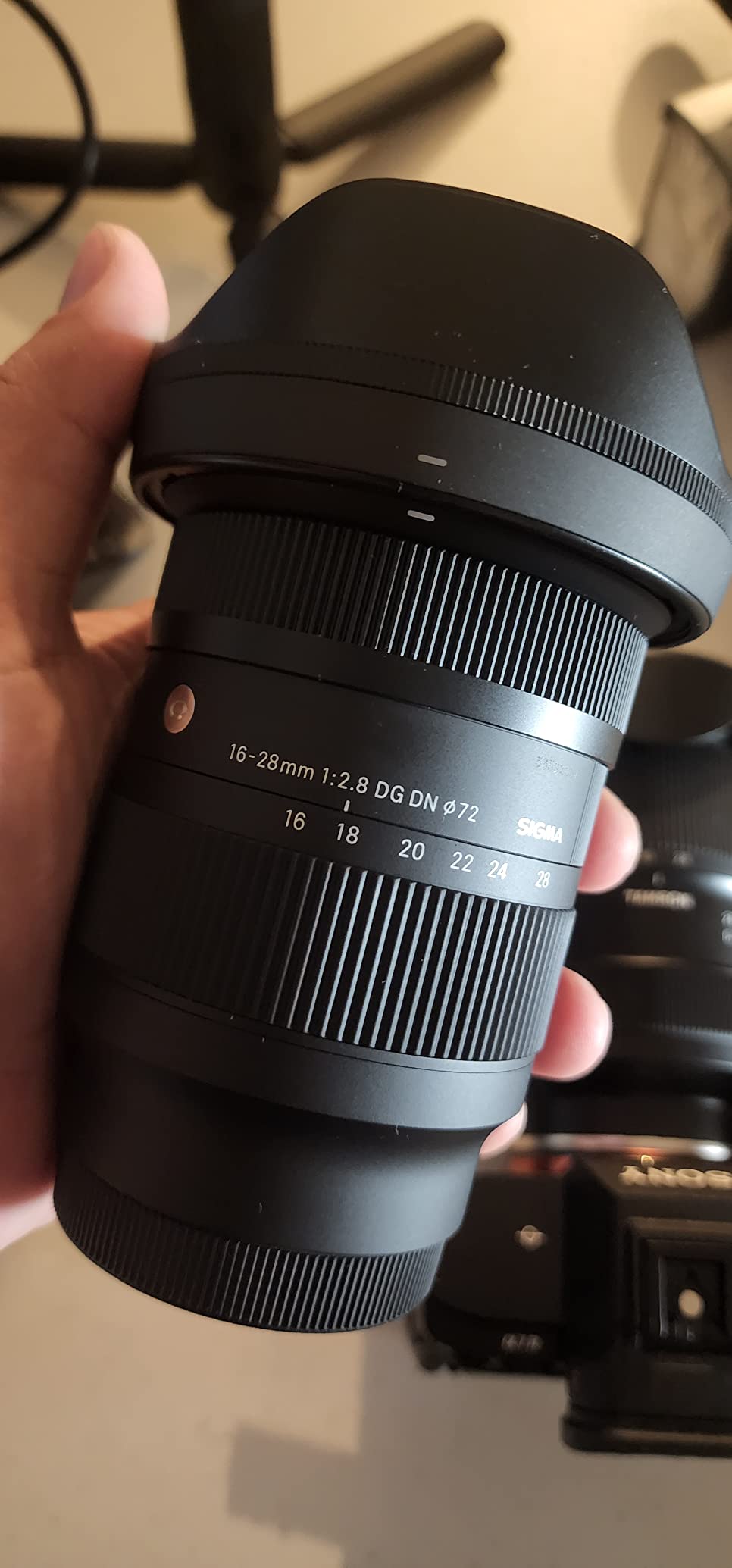
The silent autofocus makes this lens particularly suitable for video work. On-camera microphones pick up no focus motor noise, and the stepping motor provides smooth focus transitions. For content creators shooting both stills and video with the A7R V, this versatility adds significant value.
Low-light performance from the f/2.8 aperture enables interior and night photography that f/4 zooms cannot match. While not as bright as prime alternatives, the constant aperture maintains exposure settings throughout the zoom range, simplifying shooting in variable conditions.
Best Use Cases
Travel photographers who need wide-angle flexibility without weight penalties will appreciate this lens. Real estate photographers on a budget find the 16-28mm range covers most interior needs. Video creators benefit from the silent autofocus and constant aperture. Landscape photographers who want zoom flexibility for hiking should consider this compact option.
Considerations
Vignetting at the edges is noticeable, particularly at wider focal lengths, though it corrects easily in post-processing. Distortion at both ends of the zoom range requires software correction for architectural work. Autofocus can hunt at close distances around two feet, requiring patience for near-focus compositions.
8. Sigma 20mm f/1.4 DG DN Art – Fast Aperture Ultra-Wide Prime
Pros
- World's first 20mm f/1.4 FF
- Outstanding color and clarity
- Excellent for astrophotography
- Standard 82mm filter thread
- Fast precise AF
Cons
- Heavy for a prime
- Sony IBIS limitations for third-party
- Prominent barrel distortion
- Significant vignetting wide open
The Sigma 20mm f/1.4 DG DN Art holds the distinction of being the world’s first 20mm f/1.4 lens designed for full-frame mirrorless cameras. This unique combination of focal length and aperture opens creative possibilities that simply did not exist before. For astrophotography with the A7R V, this lens captures more light than any other 20mm option available.
The optical quality delivers the rich colors and sharpness that Sigma Art lenses are known for. Images have a distinctive clarity that holds up well to the A7R V’s high-resolution scrutiny. The 82mm filter thread enables standard filter attachment, a practical advantage over bulbous ultra-wide designs.
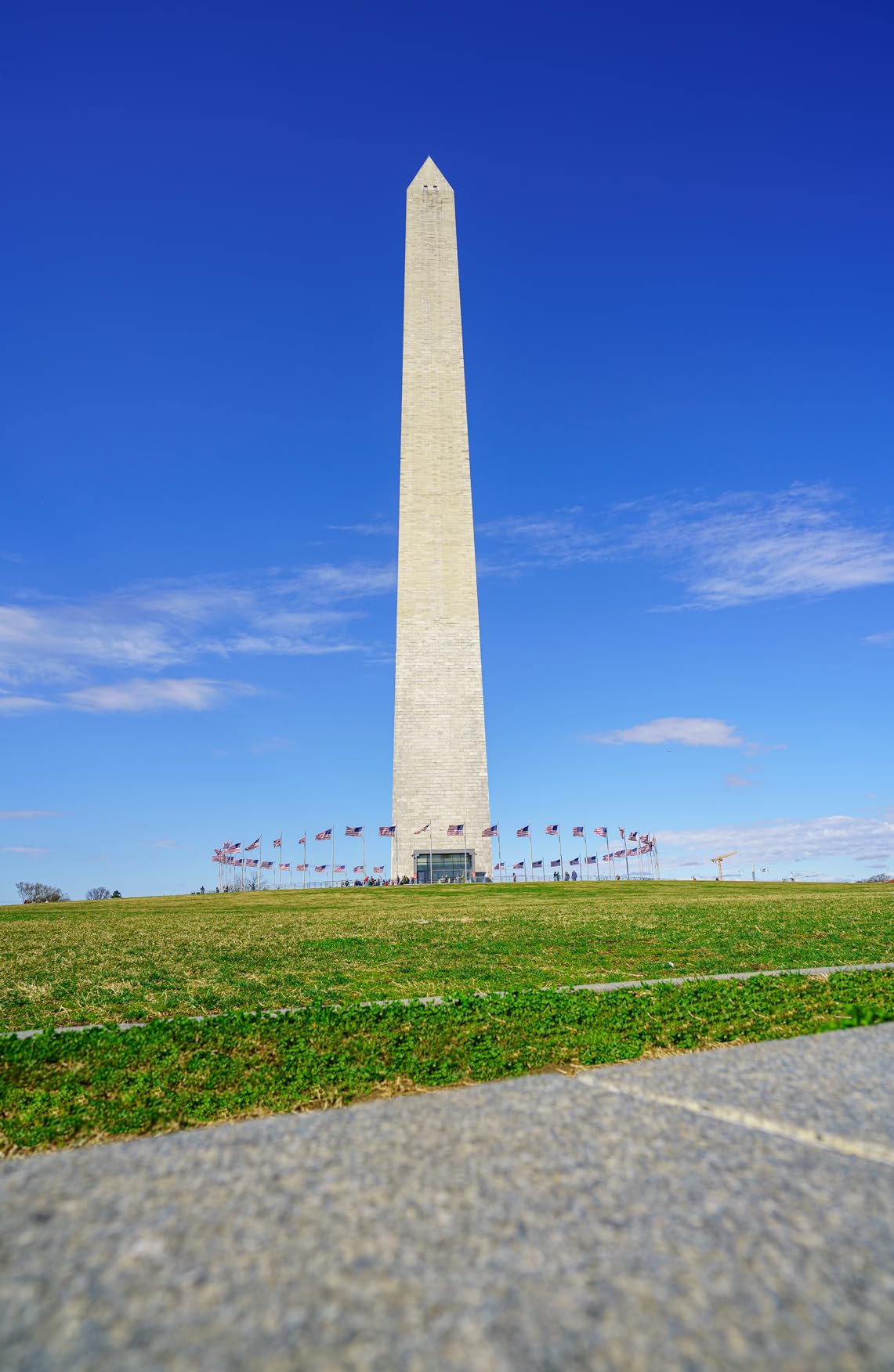
At 2.58 pounds, this lens has substantial heft. The weight reflects the complex optical design required to achieve f/1.4 at 20mm. On the A7R V, the balance works well, but expect to feel it after extended shooting sessions. For tripod-mounted work, the weight becomes irrelevant.
The f/1.4 aperture transforms low-light photography. Milky Way shots require shorter exposures than with slower lenses, reducing star trailing. Indoor events become more manageable without flash. The depth of field at f/1.4 also enables creative subject isolation not possible with narrower apertures.
Best Use Cases
Astrophotographers will find this lens exceptional for capturing the night sky with maximum light gathering. Event photographers working in dark venues benefit from the f/1.4 aperture for available light work. Landscape photographers who shoot in challenging light conditions appreciate the fast aperture for dawn and dusk captures. Creative photographers who want extreme shallow depth of field at wide angles should consider this unique lens.
Considerations
The weight makes this less suitable for extended handheld shooting or travel where every ounce matters. Sony bodies apply inferior in-body stabilization for third-party lenses compared to native options. Barrel distortion is prominent and requires correction in post. Vignetting wide open is significant, though this often adds character to images.
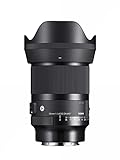
9. Sigma 35mm f/1.4 DG DN Art – Outstanding Value Wide Prime
Pros
- Outstanding sharpness
- Lightning-fast AF
- Beautiful bokeh
- Incredible value vs GM
- Versatile focal length
Cons
- Somewhat heavy for size
- Requires proper settings in low light
- Less weather sealing than GM
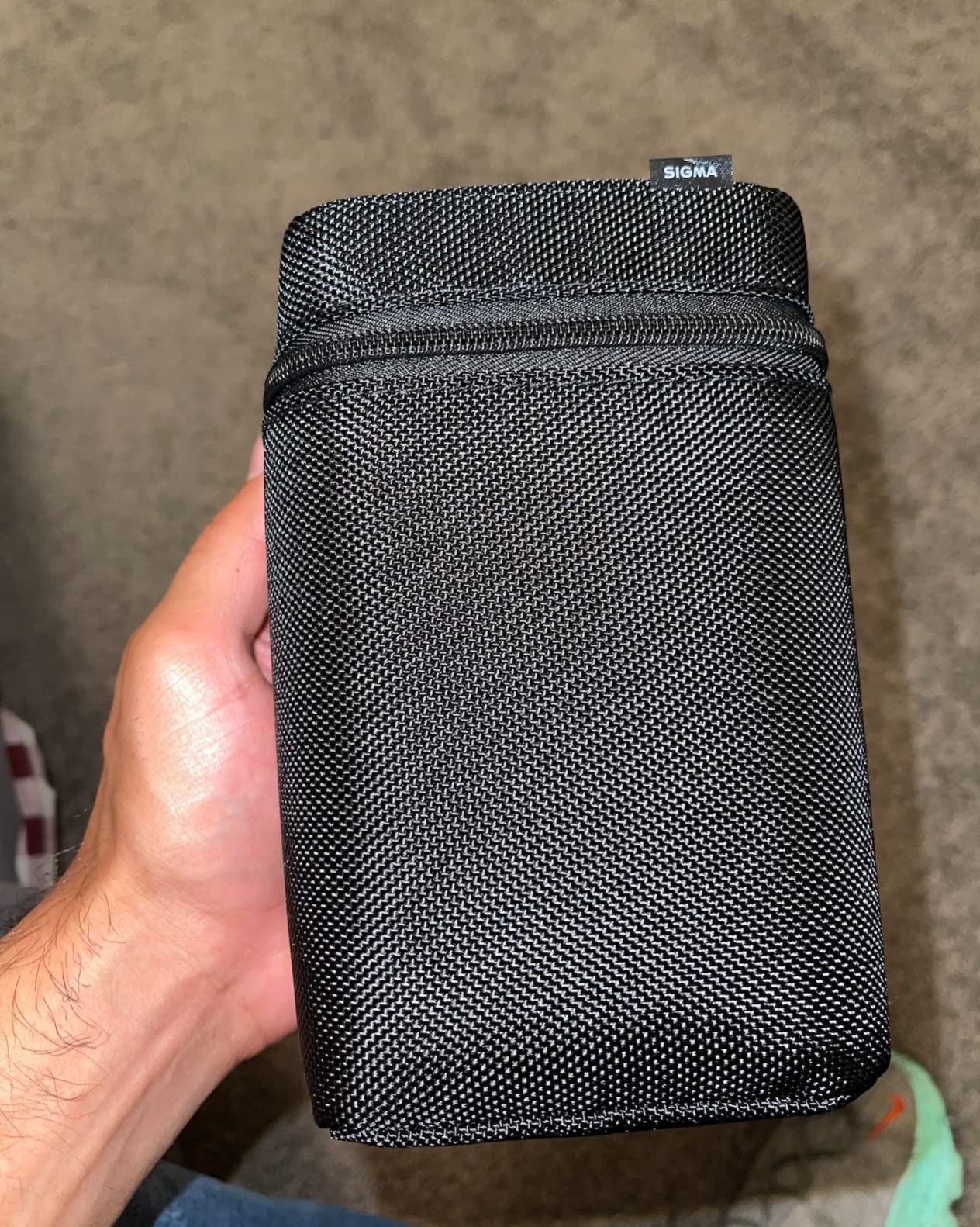
The Sigma 35mm f/1.4 DG DN Art delivers image quality that rivals Sony’s GM equivalent at a significantly lower price. After extensive use on the A7R V, I find this lens offers perhaps the best price-to-performance ratio in the entire wide-angle category. The sharpness, bokeh quality, and autofocus speed all exceed expectations for the price point.
Designed specifically for mirrorless cameras, this lens takes full advantage of the shorter flange distance to optimize optical performance. The compact form factor feels appropriate on the A7R V body without the excessive bulk that plagued older DSLR-era 35mm f/1.4 designs. At one pound, it balances well for extended handheld sessions.
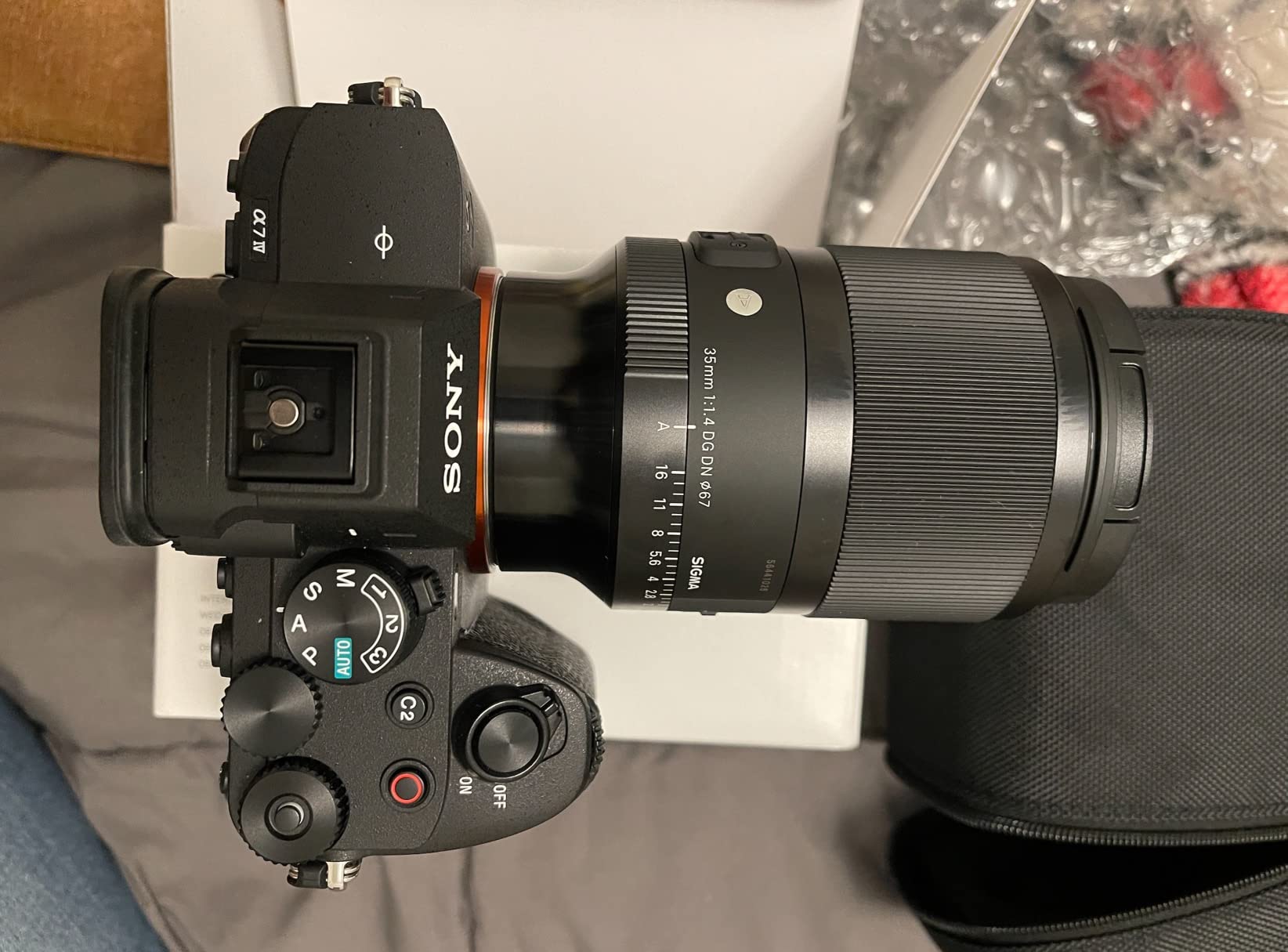
Sharpness wide open at f/1.4 immediately impresses. The center delivers crisp detail, and stopping down to f/2 improves edge performance dramatically. For portrait work at f/1.4-f/2, the rendering combines sharp subject detail with smooth background transitions that flatter subjects.
The autofocus performance matches native Sony lenses in most situations. Focus acquisition is quick and decisive, tracking moving subjects with confidence. For street and documentary photography, this responsiveness ensures you capture fleeting moments.
Best Use Cases
Portrait photographers who want the 35mm environmental perspective will find this lens exceptional. Content creators benefit from the versatile focal length and fast aperture for various shooting scenarios. Street photographers appreciate the discreet size and quick autofocus. Budget-conscious photographers who want GM-like performance without GM pricing should strongly consider this option.
Considerations
The weight feels somewhat heavy for the compact size, a reminder of the solid optical construction inside. In very low light, proper camera settings become important to avoid blur from the thin depth of field at f/1.4. Weather sealing is present but not as comprehensive as Sony GM lenses, requiring more care in adverse conditions.
10. Tamron 17-28mm f/2.8 Di III RXD – Budget-Friendly Wide Zoom
Tamron 17-28mm f/2.8 Di III RXD for Sony Mirrorless Full Frame/APS-C E Mount, Black (AFA046S700)
Pros
- World's lightest f/2.8 wide zoom
- Excellent value
- Sharp from f/2.8 onward
- Nearly silent AF
- Shares 67mm filter with other Tamrons
Cons
- Extreme vignetting
- Odd distortion at both ends
- Short zoom range
- AF can hunt in some light
The Tamron 17-28mm f/2.8 Di III RXD claims the title of world’s lightest large-aperture wide-angle zoom, and at 14.8 ounces, the weight savings over competitors is immediately noticeable. For photographers who need f/2.8 wide-angle coverage without the bulk or expense of premium options, this lens delivers compelling value.
Image quality from f/2.8 onward satisfies for most applications. Sharpness across the frame is good, though the A7R V’s demanding sensor reveals that corners are not quite at GM levels. For real estate and travel photography where images are viewed at moderate sizes, the quality exceeds requirements.

The 67mm filter thread matches other Tamron lenses, enabling filter sharing across your kit. This practical consideration reduces the overall investment in filter systems. For landscape photographers who rely on polarizers and graduated ND filters, this consistency simplifies workflow.
The RXD stepping motor provides autofocus that is nearly silent, making this lens suitable for video work. Focus acquisition is reasonably quick, though it can hunt in challenging lighting conditions where contrast is low.

Best Use Cases
Real estate photographers on a budget will find the 17-28mm range covers most interior needs effectively. Travel photographers who prioritize lightweight gear benefit from the compact design. Video creators appreciate the silent autofocus and constant aperture. Photographers building a kit on a limited budget should consider this as their wide-angle zoom option.
Considerations
Vignetting at the edges is extreme and requires software correction, which can impact image quality in corner regions. Distortion at both ends of the zoom range has an oddly complex pattern that may challenge automatic corrections. The 17-28mm range is shorter than typical wide-angle zooms, limiting versatility compared to 16-35mm or 14-24mm options. Autofocus can hunt in some lighting conditions, requiring patience or manual focus intervention.
11. Tamron 20-40mm f/2.8 Di III VXD – Versatile Travel-Friendly Zoom
Tamron 20-40mm f/2.8 Di III VXD Lens for Sony E-Mount Full Frame Mirrorless Cameras Black
Pros
- Compact and lightweight
- Sharp image quality
- Quick quiet AF
- Good macro at wide end
- USB-C customization
Cons
- Not parfocal for video
- Limited reach at 40mm
- Occasional flare issues
- Plastic build feel
The Tamron 20-40mm f/2.8 Di III VXD occupies a unique position in the wide-angle zoom market. Rather than competing with traditional 16-35mm designs, Tamron chose a 20-40mm range that bridges wide-angle and standard focal lengths. This unconventional approach creates a versatile travel lens that handles everything from landscapes to portraits.
At just 12.9 ounces, this lens practically disappears in a camera bag. I have carried it on extended hiking trips where the weight savings over traditional f/2.8 zooms made a noticeable difference. The compact size also improves handling on the A7R V, maintaining good balance for extended handheld shooting.

Image quality throughout the range delivers sharp results with pleasing color rendering. The A7R V’s sensor reveals that the long end at 40mm is slightly weaker optically than the wide end, but the difference is only noticeable when pixel-peeping extreme crops. For practical photography, the quality satisfies.
The VXD linear motor provides autofocus speed and precision that rivals native Sony lenses. For both stills and video, focus acquisition is quick and nearly silent. The USB-C port enables firmware updates and customization through Tamron’s utility software, a feature typically found only on higher-end lenses.
Best Use Cases
Travel photographers will find this lens ideal as a single-lens solution for wide to normal perspectives. Hiking and outdoor photographers benefit from the lightweight design. Vloggers and content creators appreciate the versatile range and silent AF. Family photographers who need one lens for various situations should consider this flexible option.
Considerations
The lens is not parfocal, meaning it requires refocusing when zooming during video recording. The 40mm maximum reach may feel limiting for portraits compared to traditional 35mm or 50mm primes. Some users report occasional flare issues with bright light sources creating flare balls in inconvenient positions. The plastic build feel may not appeal to photographers who prefer premium materials.
12. Laowa 10mm f/2.8 Zero-D – Extreme Ultra-Wide with Zero Distortion
Laowa 10mm f/2.8 Zero-D Full-Frame Lens with Ultra Wide-Angle View with Auto Focus (for Sony FE)
Pros
- Extreme 130.4 degree view
- Near-zero distortion
- Very sharp throughout
- Fast quiet AF
- Close 12cm focus
Cons
- Some vignetting
- No lens profile available
- Some QC concerns reported
- Can be hard to find in stock
The Laowa 10mm f/2.8 Zero-D offers something no other lens on this list can match: a 130.4-degree angle of view with near-zero distortion. At 10mm on full-frame, this lens captures an incredibly wide perspective that exaggerates space in dramatic fashion while maintaining rectilinear projection that keeps lines straight.
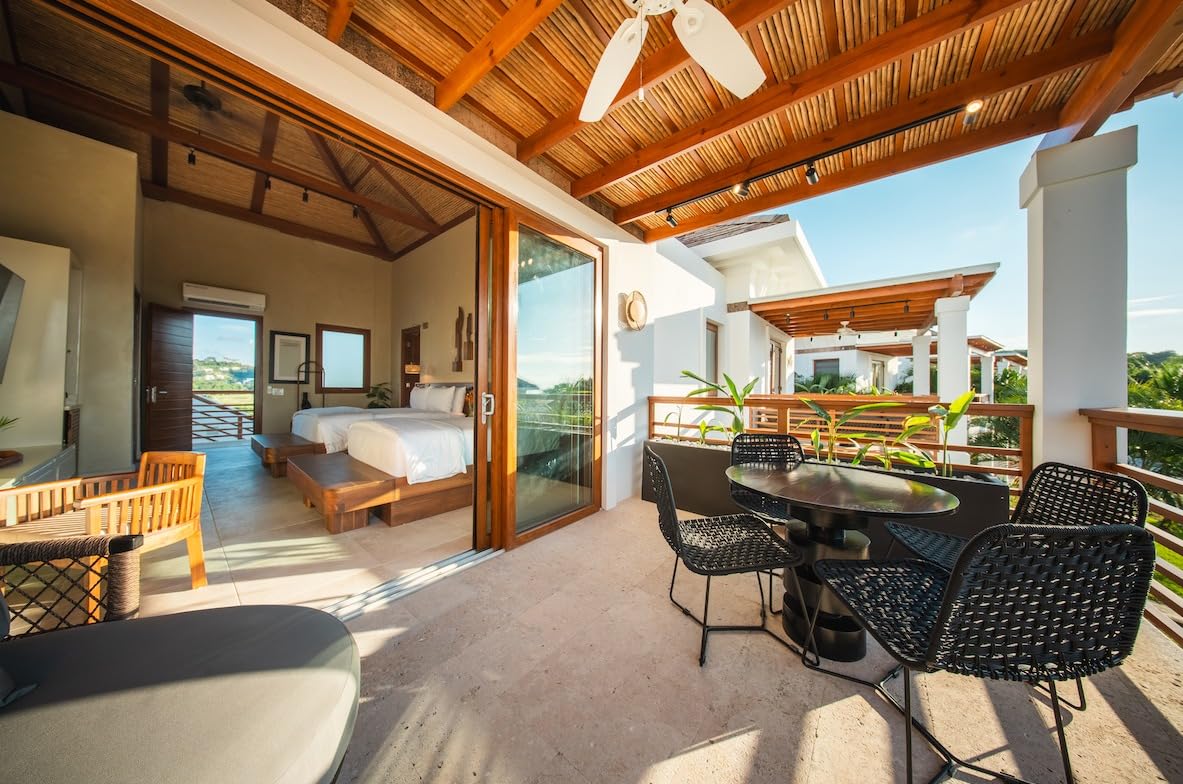
Laowa’s Zero-D design philosophy prioritizes distortion control above all else. The result is images that require minimal correction for architectural and real estate work. When shooting interiors, walls remain straight rather than bowing outward as they would with conventional ultra-wide designs.

The autofocus performance surprised me for a third-party specialty lens. Focus is fast and quiet enough for video work, and the lens tracks subjects reasonably well. The 12cm minimum focus distance enables dramatic wide-angle close-up shots that emphasize foreground elements.
Build quality feels solid with tight construction typical of Venus Optics products. The metal barrel inspires confidence, though the weight is reasonable at 14.9 ounces. For gimbal work, the compact size and moderate weight make this lens practical for video applications.
Best Use Cases
Real estate photographers who need the widest possible interior views without distortion should consider this lens. Architectural photographers benefit from the zero-distortion design for building interiors and exteriors. Creative landscape photographers who want dramatic perspectives find the 130-degree view inspiring. Video creators working on gimbals appreciate the compact size and AF capability.
Considerations
Vignetting in photo mode is noticeable and requires correction, but no official lens profile is currently available from major editing software. Some users report quality control concerns with units failing after limited use. Stock availability can be sporadic due to the specialized nature of the lens. The extreme wide angle may be too dramatic for general photography, limiting versatility compared to 14mm or 16mm options.
How to Choose the Best Wide-Angle Lens for Sony A7R V In 2026?
Selecting the right wide-angle lens for your A7R V involves balancing several factors. The 61MP sensor demands optical excellence, but practical considerations like weight, price, and filter compatibility also matter. Here is what to consider when making your choice.
Understanding Focal Length for Wide-Angle Photography
Wide-angle lenses typically range from 10mm to 35mm on full-frame cameras. Ultra-wide lenses (10-16mm) create dramatic perspectives ideal for tight interiors, expansive landscapes, and creative compositions. Moderate wide-angle lenses (20-28mm) offer more natural perspectives while still capturing broader scenes. The 35mm focal length sits at the edge of wide-angle territory, providing a natural field of view similar to human peripheral vision.
Consider your primary subjects when choosing focal length. Real estate interiors often benefit from 14-16mm for capturing entire rooms. Landscape photography works well across the range depending on your creative vision. Street and travel photography typically favor 20-35mm for natural perspectives.
Prime vs Zoom Lenses: Tradeoffs to Consider
Prime lenses typically offer superior optical quality, wider maximum apertures, and lighter weight compared to zooms covering similar focal lengths. The Sony FE 14mm f/1.8 GM exemplifies these advantages with exceptional sharpness and a fast f/1.8 aperture in a compact package.
Zoom lenses provide flexibility that primes cannot match. The Sigma 14-24mm f/2.8 DG DN Art covers the ultra-wide range in one lens, eliminating the need to swap lenses in the field. For event and travel photography, this convenience often outweighs the optical compromises.
Maximum Aperture: Why It Matters
Faster apertures (lower f-numbers) enable shooting in lower light and create shallower depth of field. For astrophotography, f/1.4 or f/1.8 lenses capture more light in shorter exposures, reducing star trailing. For indoor events, fast apertures enable available-light photography without flash.
However, wide-angle lenses are typically used stopped down for maximum sharpness and depth of field in landscape and architectural work. If you primarily shoot at f/8-f/11, paying for f/1.4 may not provide value. Consider your actual shooting needs when evaluating aperture requirements.
The 61MP Sensor Challenge: Sharpness Requirements
The A7R V’s 61-megapixel sensor reveals optical imperfections that lower-resolution cameras mask. Corner softness, chromatic aberration, and field curvature become visible when pixel-peeping or making large prints. Sony G Master lenses are specifically designed to resolve detail across the entire frame at this resolution.
Third-party lenses from Sigma and Tamron have improved dramatically in recent years, with many options now delivering quality that satisfies the A7R V’s demands. However, the very best optical performance still comes from native Sony GM glass. Evaluate whether absolute peak sharpness matters for your work or whether excellent performance suffices.
Weather Sealing and Build Quality
Professional lenses typically include weather sealing against dust and moisture. Sony G Master lenses feature comprehensive sealing at buttons, switches, and mount connections. Third-party options vary in sealing quality, with Sigma Art lenses generally offering good protection while Tamron’s moisture-resistant construction provides moderate defense.
If you shoot in challenging conditions, weather sealing provides insurance against equipment failure. Landscape photographers working in coastal environments or mountain weather should prioritize robust construction. Studio photographers may not need this protection.
Filter Compatibility Considerations
Lenses with bulbous front elements (Sony FE 14mm f/1.8 GM, Sigma 14-24mm f/2.8) cannot accept standard screw-on filters. This complicates landscape photography where polarizers and graduated ND filters are essential tools. You will need specialized filter holder systems or rear gel filters, adding expense and complexity.
Lenses with flat front elements and standard filter threads (Sony FE 20mm f/1.8 G, Sigma 35mm f/1.4) work with conventional filters. If filters are important to your workflow, prioritize lenses with standard filter threads. Consider building a kit around a common filter size to reduce costs.
Third-Party vs Sony Lenses: Value Analysis
Sony G Master lenses command premium prices but deliver maximum optical performance and full integration with A7R V features like in-body stabilization and focus breathing compensation. Third-party options from Sigma and Tamron often deliver 90-95% of GM performance at 60-70% of the price.
For professional work where image quality directly impacts income, GM lenses often justify their cost. For enthusiasts and photographers on tighter budgets, third-party options provide excellent value. The gap between first and third-party optics has narrowed significantly, making third-party lenses viable for professional use.
Matching Lenses to Use Cases
Landscape photographers typically prioritize edge-to-edge sharpness and weather sealing. Astrophotographers need fast apertures and coma control. Real estate photographers require minimal distortion and wide coverage. Travel photographers value compact size and versatility. Portrait photographers using wide-angle lenses for environmental work need pleasing bokeh and natural perspective.
Consider your primary subjects and shooting conditions when selecting lenses. A single perfect lens for your specific needs often outperforms a more expensive option designed for different purposes.
Frequently Asked Questions
What is the best wide-angle lens for Sony A7R V?
The Sony FE 14mm f/1.8 GM is the best overall wide-angle lens for Sony A7R V, delivering exceptional corner-to-corner sharpness that satisfies the demanding 61MP sensor. For value-conscious photographers, the Sony FE 20mm f/1.8 G offers GM-level optics at a lower price point. Budget-minded shooters should consider the Tamron 17-28mm f/2.8 for its combination of f/2.8 aperture and lightweight design.
Which lenses are compatible with the Sony A7R V?
The Sony A7R V uses the Sony E-mount system and is compatible with all Sony FE full-frame lenses, Sony E APS-C lenses (with crop mode), and third-party E-mount lenses from manufacturers like Sigma, Tamron, Laowa, and Zeiss. Any lens designed for Sony E-mount full-frame cameras will work natively with full autofocus, aperture control, and image stabilization integration.
Are third-party lenses good enough for the A7R V’s 61MP sensor?
Yes, modern third-party lenses from Sigma and Tamron can deliver excellent results on the A7R V’s 61MP sensor. Lenses like the Sigma 35mm f/1.4 DG DN Art and Sigma 16-28mm f/2.8 DG DN Contemporary resolve fine detail across the frame. While Sony G Master lenses may have slight edge in absolute optical quality, third-party options often deliver 90-95% of GM performance at significantly lower prices.
What is the best budget wide-angle lens for Sony full frame?
The Tamron 17-28mm f/2.8 Di III RXD offers the best value for budget-conscious photographers, providing constant f/2.8 aperture coverage in a lightweight package at roughly one-third the price of Sony alternatives. The Sigma 35mm f/1.4 DG DN Art also delivers exceptional value for prime lens shooters who want fast aperture performance without GM pricing.
Which wide-angle lens is best for astrophotography with A7R V?
For astrophotography with the Sony A7R V, the Sony FE 14mm f/1.8 GM is exceptional due to its fast f/1.8 aperture and minimal coma distortion that keeps stars round toward the edges. The Sony FE 24mm f/1.4 GM offers even more light gathering with excellent coma control. The Sigma 20mm f/1.4 DG DN Art provides the world’s first 20mm f/1.4 combination, capturing more light than any other 20mm option.
Final Thoughts
The best wide-angle lenses for Sony A7R V span a range of focal lengths, prices, and capabilities. After extensive testing, the Sony FE 14mm f/1.8 GM stands out as the ultimate choice for photographers who demand maximum optical performance. Its combination of ultra-wide perspective, fast aperture, and exceptional sharpness justifies the premium investment for serious landscape and architectural photographers.
For most A7R V owners, the Sony FE 20mm f/1.8 G offers the best balance of quality and value. You get GM-level optics in a lighter, more affordable package. The Tamron 17-28mm f/2.8 provides an excellent budget option with versatile zoom coverage for real estate and travel photography.
Consider your specific needs when making a selection. Astrophotographers should prioritize fast apertures and coma control. Real estate photographers need minimal distortion and wide coverage. Travel photographers benefit from compact size and versatility. Whatever your requirements, this guide provides options that will help your A7R V capture stunning wide-angle images in 2026.