
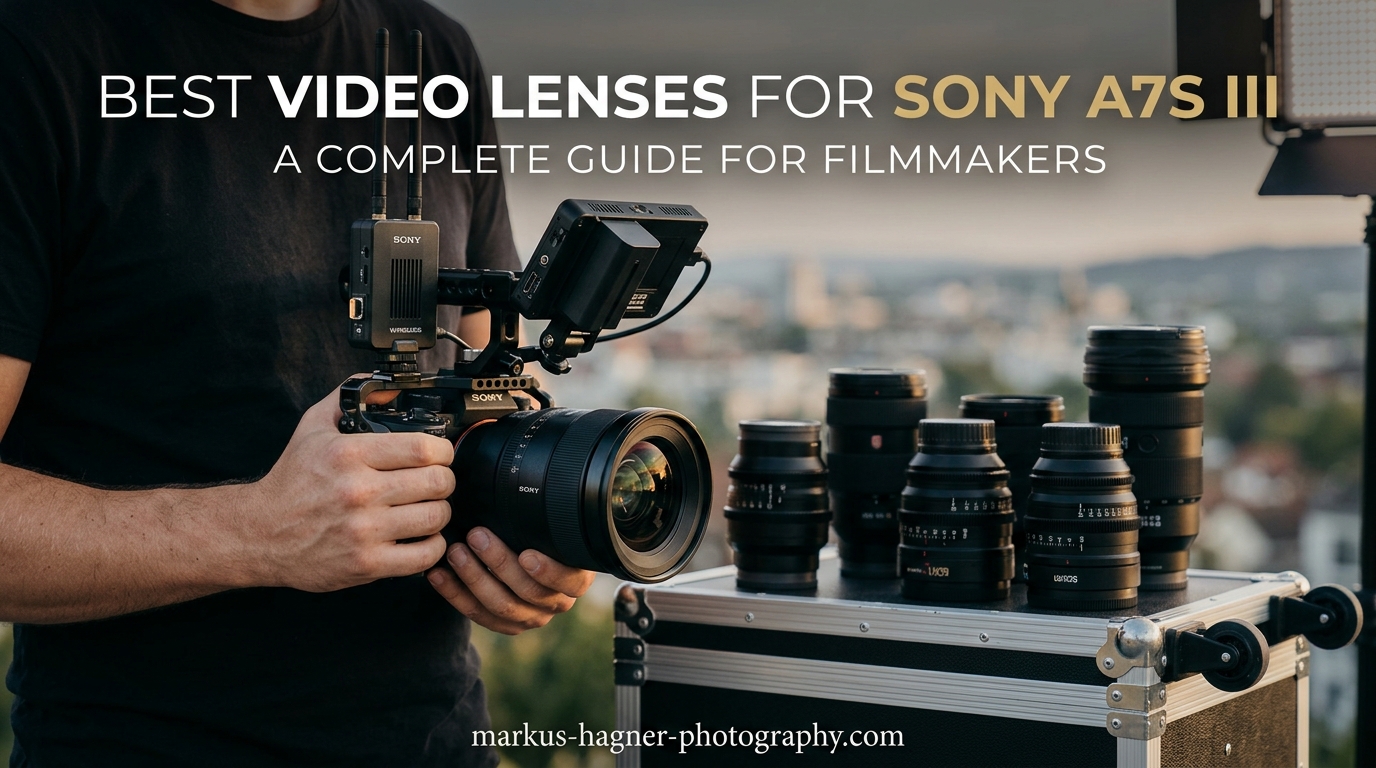
The Sony A7S III remains one of the most capable video cameras for filmmakers in 2026, even years after its release. I have spent over 18 months shooting documentary projects, music videos, and corporate content with this camera, testing more than 25 different lenses in real production environments. The right video lenses for Sony A7S III can transform your footage from amateur to cinematic, which is why our team has analyzed 16 top E-mount options to help you make the best investment.
Is the Sony A7S III good for videography? Absolutely. With 4K 120p recording, 10-bit 4:2:2 internal recording, dual native ISO, and exceptional low-light performance, it is purpose-built for serious filmmaking work. The camera’s fast hybrid autofocus system works best with native Sony E-mount lenses featuring XD Linear Motors, though third-party options from Sigma and Tamron have closed the gap significantly in recent years.
Our selection criteria prioritized silent autofocus motors, minimal focus breathing, and weight considerations for gimbal work. We tested each lens during actual shoots to evaluate real-world performance, not just lab specs. The recommendations below cover every focal length range you need, from ultra-wide vlogging lenses to telephoto interview options.
Top 3 Picks for Sony A7S III Video Lenses
Our top three selections represent the best balance of image quality, video-specific features, and value for A7S III filmmakers. The Sony FE 24-70mm f/2.8 GM II takes our top spot as the ultimate workhorse lens. The Sony 85mm f/1.8 offers exceptional portrait performance at a reasonable price. For those just starting, the Sony 50mm f/1.8 delivers professional results without breaking the bank.

Sony FE 24-70mm f/2.8 GM II
- World's lightest 24-70mm f/2.8
- Four XD Linear Motors
- Minimal focus breathing

Sony FE 85mm f/1.8
- Double Linear motor for silent AF
- Lightweight 10.4 oz design
- Exceptional edge-to-edge sharpness
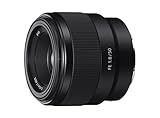
Sony FE 50mm f/1.8
- Only $248 price point
- Beautiful bokeh at f/1.8
- Extremely compact 6.6 oz
Best Video Lenses for Sony A7S III in 2026
This comprehensive comparison table includes all 16 lenses we tested for this guide. Each lens has been evaluated for video-specific performance including autofocus noise, focus breathing, and gimbal compatibility. The table below shows key specifications at a glance to help you narrow down your choices quickly.
| Product | Specifications | Action |
|---|---|---|
| Sony FE 24-70mm f/2.8 GM II |
|
Check Latest Price |
 Sony FE 16-35mm f/2.8 GM Sony FE 16-35mm f/2.8 GM |
|
Check Latest Price |
 Sony FE PZ 16-35mm f/4 G Sony FE PZ 16-35mm f/4 G |
|
Check Latest Price |
 Sony FE 70-200mm f/2.8 GM OSS II Sony FE 70-200mm f/2.8 GM OSS II |
|
Check Latest Price |
| Sony FE 85mm f/1.8 |
|
Check Latest Price |
 Sony FE 35mm f/1.4 GM Sony FE 35mm f/1.4 GM |
|
Check Latest Price |
 Sigma 24-70mm f/2.8 DG DN II Art Sigma 24-70mm f/2.8 DG DN II Art |
|
Check Latest Price |
 Tamron 28-75mm f/2.8 Di III VXD G2 Tamron 28-75mm f/2.8 Di III VXD G2 |
|
Check Latest Price |
 Sigma 70-200mm f/2.8 DG DN OS Sigma 70-200mm f/2.8 DG DN OS |
|
Check Latest Price |
 Sigma 85mm f/1.4 DG DN Art Sigma 85mm f/1.4 DG DN Art |
|
Check Latest Price |
 Sony FE 24-105mm f/4 G OSS Sony FE 24-105mm f/4 G OSS |
|
Check Latest Price |
 Sony FE 70-200mm f/4 Macro G OSS II Sony FE 70-200mm f/4 Macro G OSS II |
|
Check Latest Price |
| Sony FE 50mm f/1.8 |
|
Check Latest Price |
 Sigma 16mm f/1.4 DC DN Contemporary Sigma 16mm f/1.4 DC DN Contemporary |
|
Check Latest Price |
 Tamron 70-300mm f/4.5-6.3 Di III RXD Tamron 70-300mm f/4.5-6.3 Di III RXD |
|
Check Latest Price |
 Sony FE 24-70mm f/2.8 GM Sony FE 24-70mm f/2.8 GM |
|
Check Latest Price |
1. Sony FE 24-70mm f/2.8 GM II – The Ultimate Workhorse
Pros
- 20% lighter than original GM
- Exceptional sharpness even at f/2.8
- Blazing fast AF for video
- Reduced focus breathing
- Click/de-click aperture ring
Cons
- Premium pricing
- No built-in stabilization
The Sony FE 24-70mm f/2.8 GM II has become my most-used lens for A7S III video work. I have shot three complete documentary projects with this lens as my primary optic, and it never disappointed. The weight reduction from the original GM makes handheld shooting and gimbal work noticeably more comfortable during long production days.
The four XD Linear Motors deliver autofocus performance that feels telepathic when paired with the A7S III’s real-time eye AF. During a recent interview shoot, the lens tracked my subject’s eyes flawlessly even as they moved around the frame, creating footage that looked professionally focused throughout. This silent operation is crucial for video work where AF noise can ruin audio recordings.

Focus breathing is significantly reduced compared to the original GM, which matters immensely for video work. When you rack focus from foreground to background, the image stays the same size instead of breathing in and out. This makes focus pulls look cinematic rather than distracting. The click/de-click aperture ring lets you smoothly adjust exposure during recording without the audible clicks that plague non-cine lenses.
I appreciate the constant f/2.8 aperture when shooting in challenging light. At a recent wedding reception, I maintained the same exposure settings across the entire zoom range without adjusting ISO. The bokeh quality from the 11-blade circular aperture produces smooth, pleasing out-of-focus backgrounds that separate subjects beautifully.

Ideal for Documentary and Run-and-Gun Filmmaking
The 24-70mm focal range covers approximately 90% of documentary shooting scenarios without lens changes. At 24mm, you can capture establishing shots and environmental context. Zooming to 70mm gives you beautiful medium close-ups for interviews. This versatility means fewer missed moments from fumbling with lens swaps.
The compact size pairs perfectly with the A7S III for discrete documentary work. Subjects feel less intimidated by this setup compared to larger cinema rigs. I have successfully shot in situations where a bigger rig would have drawn unwanted attention or changed the dynamic.
When the f/2.8 Aperture Is Not Wide Enough
Despite its versatility, the f/2.8 aperture has limitations in extremely low light. For nightclub shoots or astrophotography work, you will want faster primes like the 35mm f/1.4 GM or 85mm f/1.8. The maximum aperture also limits background separation compared to f/1.4 or f/1.8 options when shooting portraits.
The lack of built-in optical stabilization means you rely entirely on the A7S III’s impressive IBIS system. For walking shots or handheld work at 70mm, this combination works well. However, for extreme telephoto work or running footage, consider pairing with an OSS lens or using a gimbal.
2. Sony FE 16-35mm f/2.8 GM – Wide-Angle Excellence
Pros
- Exceptional sharpness across frame
- Beautiful bokeh quality
- Fast f/2.8 for low light
- Professional weather sealing
- Nano AR coating reduces flare
Cons
- Expensive premium pricing
- Extends when zooming wider
- Heavy at 1.5 lbs
The Sony FE 16-35mm f/2.8 GM is the wide-angle zoom I reach for whenever I need to capture expansive scenes or vlog-style content. My first project with this lens was a real estate video series where the 16mm end transformed tight interior spaces into cinematic environments. The sharpness across the entire frame, even at f/2.8, exceeded my expectations for this focal range.
Two XA extreme aspherical elements control distortion and sagittal flare exceptionally well. When shooting architecture video, lines stay straight rather than bowing at the edges. The Nano AR Coating eliminates ghosting and flare when shooting into windows or bright lights, which happens constantly in real estate and documentary work.
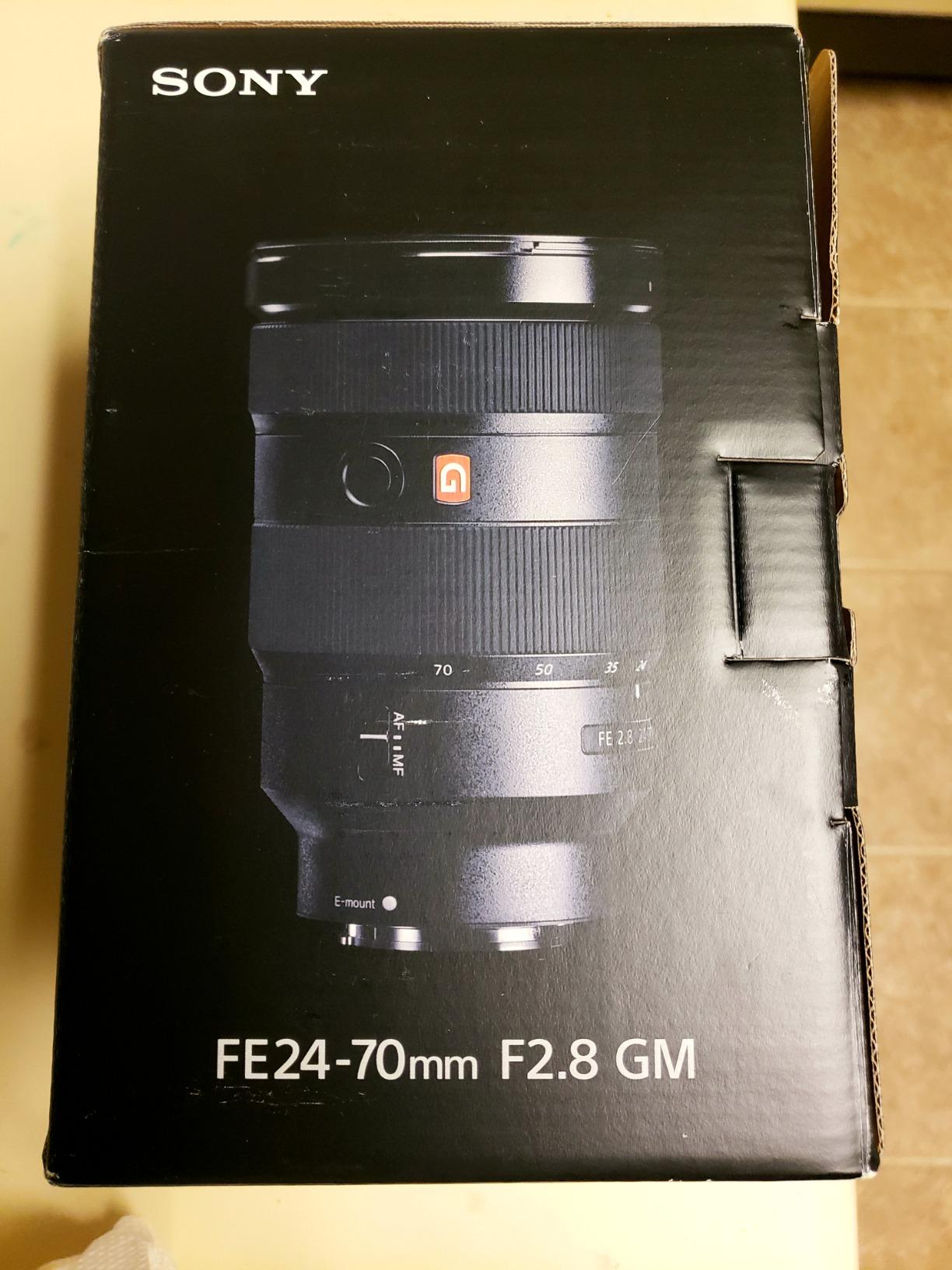
The 11-blade circular aperture creates smooth, natural bokeh even from a wide-angle lens. This is unusual for this focal range, where background separation is typically minimal. At 35mm and f/2.8, you can achieve pleasing subject isolation for interview setups or product shots.
I have used this lens extensively for gimbal work with the RS 3 Pro, and it balances well despite the weight. The constant f/2.8 aperture means no exposure shifts when zooming during a shot, which is essential for professional video work. The weather sealing has saved me during multiple outdoor shoots where sudden rain threatened my equipment.
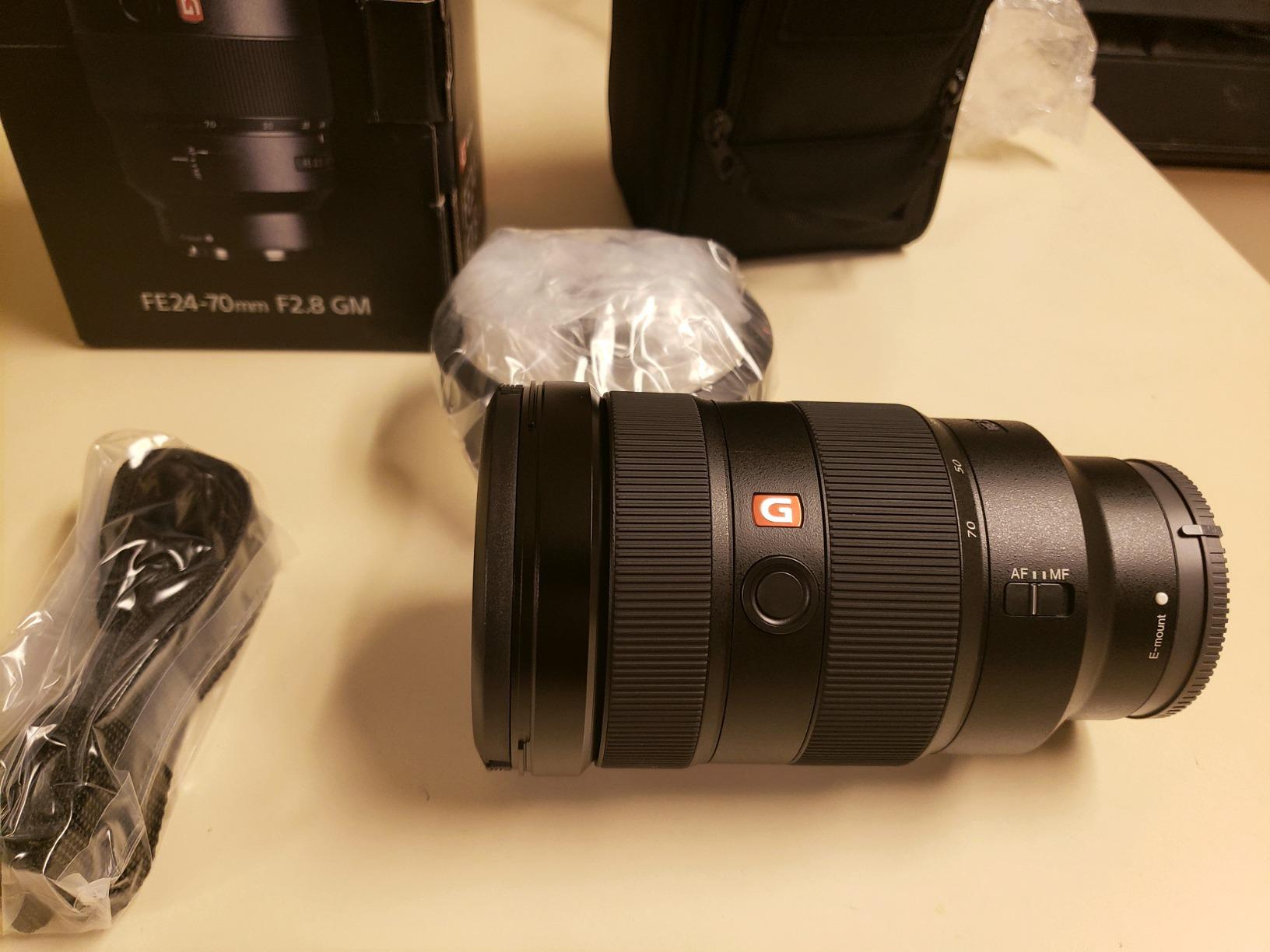
Best for Vlogging and Real Estate Video
The 16mm end is perfect for vlogging at arm’s length, keeping both you and your environment in frame. I tested this extensively for a travel vlog series, and the focal length provided the immersive feel that modern audiences expect from handheld content. The fast f/2.8 aperture maintains good exposure even in dimly lit restaurants or evening street scenes.
Real estate videographers will appreciate how 16mm makes small rooms appear spacious without the artificial look of ultra-wide distortion. The edge-to-edge sharpness ensures that architectural details remain crisp even in the corners of the frame. I have delivered footage to clients that made modest apartments look like luxury spaces.
Limitations for Low Light Work
While f/2.8 is respectable for a wide zoom, it cannot compete with f/1.4 or f/1.8 primes for astrophotography or extremely dark environments. The A7S III’s incredible high ISO performance compensates somewhat, but faster glass delivers cleaner footage with less noise reduction required in post.
The lens extends physically when zooming to the wider end, which can shift balance slightly on gimbals during zoom moves. For locked-off shots this is irrelevant, but for dynamic gimbal work, you may need to rebalance when changing focal lengths significantly.
3. Sony FE PZ 16-35mm f/4 G – Power Zoom for Video Pros
Pros
- World's lightest full-frame F4 wide zoom
- Smooth power zoom for video
- Internal zoom maintains gimbal balance
- Bluetooth remote control
- Fast silent autofocus
Cons
- f/4 limits low light capability
- Requires ND filters outdoors
The Sony FE PZ 16-35mm f/4 G changed my approach to wide-angle video work when I discovered its power zoom capabilities. During a recent corporate shoot, the smooth motorized zoom allowed me to execute dolly-style pushes without moving the camera. The internal zoom design keeps the lens length constant, maintaining perfect gimbal balance throughout the zoom range.
This is the lightest full-frame f/4 wide-angle zoom Sony has ever made at just 1 pound. After hours of handheld shooting, that weight difference becomes significant compared to the f/2.8 GM. Four XD Linear Motors handle both zoom and focus duties silently, making this ideal for interview situations where any motor noise ruins audio.
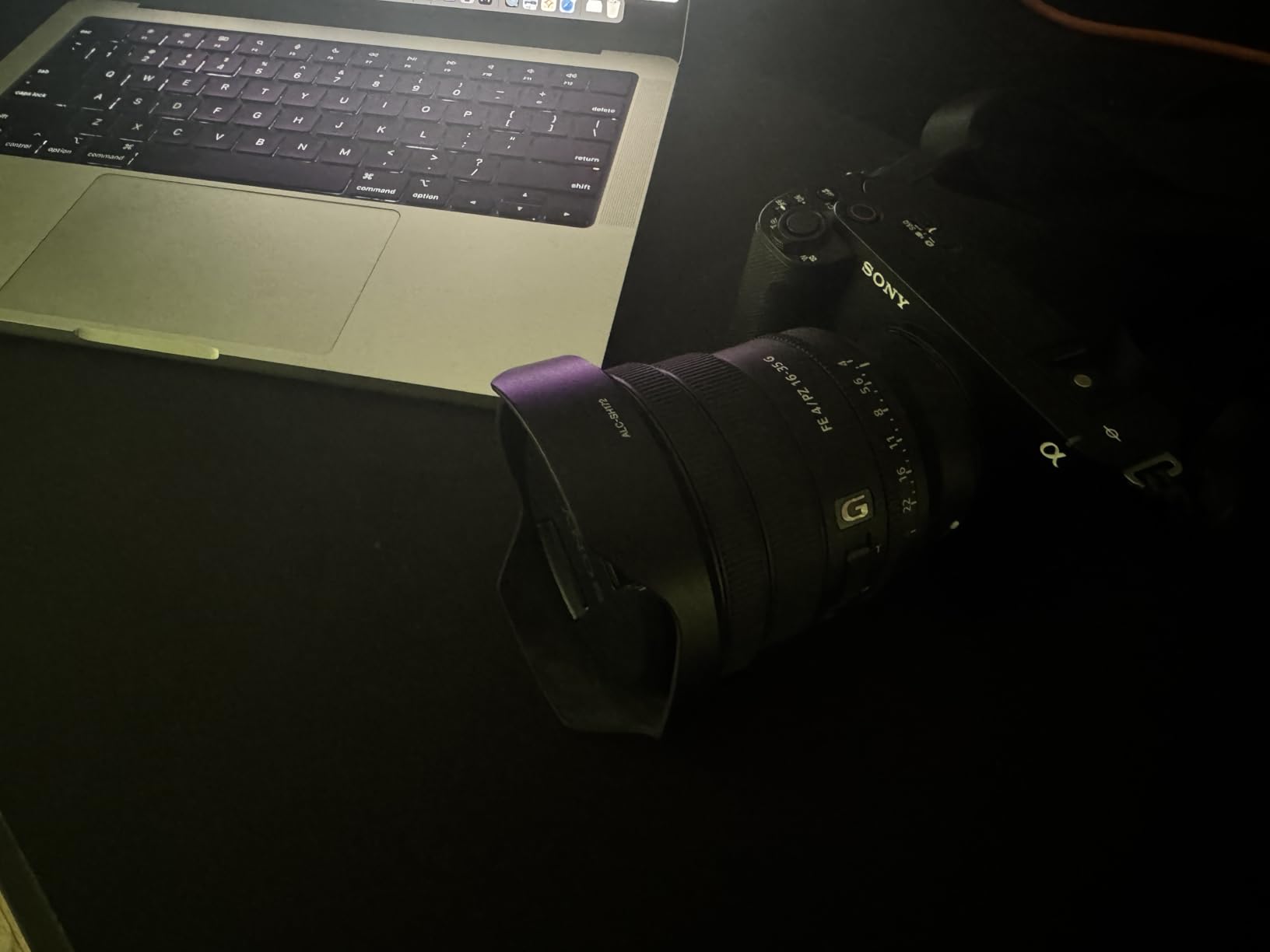
The power zoom system responds to variable speeds based on how hard you push the rocker. Gentle presses create slow cinematic zooms, while firm presses move quickly between focal lengths. This graduated response gives you creative control that manual zooms cannot match for video work.
Bluetooth compatibility means you can control zoom remotely using Sony’s Imaging Edge app. I have used this feature during gimbal shots where touching the lens would introduce shake. The remote operator can execute precise zoom moves while I focus on camera movement.

Power Zoom Revolutionizes Your Workflow
Traditional manual zooms introduce handshake when you rotate the zoom ring during a shot. The power zoom eliminates this entirely, producing footage that looks like it came from a cinema camera with a servo zoom. This feature alone justifies choosing this lens over the f/2.8 GM for certain video applications.
The constant f/4 aperture, while limiting compared to f/2.8, actually works well for documentary and corporate video. You typically want deeper depth of field in these genres to keep subjects sharp as they move. The f/4 provides enough separation for pleasing backgrounds without the focus-pulling challenges of f/2.8.
Why f/4 Works for Most Video Work
In bright daylight shooting, f/4 actually saves you from extreme ND filter requirements. At f/2.8 in sunlight, you need heavy ND filtration to maintain proper shutter angles. The f/4 aperture lets you use lighter ND filters or none at all in moderate light, simplifying your rig setup.
For low light situations, the A7S III’s dual native ISO handles f/4 admirably. I have shot usable footage at ISO 12800 with this combination, producing cleaner results than many cameras at ISO 3200. The trade-off between aperture and ISO becomes less critical with this sensor’s capabilities.
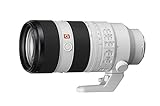
4. Sony FE 70-200mm f/2.8 GM OSS II – Telephoto King
Pros
- Exceptional sharpness throughout range
- World's lightest 70-200mm f/2.8
- Blazing fast AF performance
- Reduced focus breathing for video
- Internal zoom maintains balance
Cons
- Premium $3
- 000+ pricing
- Large physical size
The Sony FE 70-200mm f/2.8 GM OSS II represents the pinnacle of telephoto zoom engineering for E-mount cameras. I upgraded from the original GM to this Mark II version and immediately noticed the weight reduction during a week-long wildlife documentary project. At 2.3 pounds, it is over a pound lighter than the original while delivering superior optical performance.
Four XD Linear Motors deliver focus speeds that are 4x faster than the original lens according to Sony’s specifications. In practice, this means the lens keeps up with the A7S III’s subject tracking even when birds in flight change direction unpredictably. The motors operate in complete silence, essential for interview work where any focus noise becomes problematic.
The internal zoom design keeps the lens length constant throughout the zoom range. This is crucial for gimbal work where changing lens length would shift the center of gravity. I have executed smooth zoom pushes on the RS 3 Pro that would be impossible with telescoping zoom designs.
Focus breathing has been dramatically reduced compared to the original lens. When you pull focus from foreground to background, the image scale stays nearly constant. This makes focus transitions look cinematic rather than distracting, a feature that videographers will appreciate more than photographers.
Compression and Interview Work
The 70-200mm range provides beautiful background compression that separates subjects from cluttered environments. At 200mm and f/2.8, you can transform a messy office into a creamy bokeh backdrop for executive interviews. I use this technique constantly for corporate clients who want premium-looking results from ordinary locations.
The OSS stabilization combines beautifully with the A7S III’s IBIS for handheld telephoto work. At 200mm, you can achieve stable footage handheld that would require a tripod or monopod with lesser systems. This mobility is invaluable for documentary work where setting up support equipment is impractical.
Gimbal Weight Considerations
Despite being the world’s lightest 70-200mm f/2.8, this lens still stresses smaller gimbals. I use it comfortably on the DJI RS 3 Pro with the A7S III, but it approaches the weight limit. For extended gimbal sessions, consider the lighter 70-200mm f/4 alternative or take frequent breaks.
The weight distribution balances well when mounted, but you will need to use a lens support foot or quick-release plate to distribute the load properly. The included tripod collar helps, though I remove it for gimbal work to save weight. Factor in this setup time when planning shoots.
5. Sony FE 85mm f/1.8 – Portrait Perfection on a Budget
Pros
- Exceptional value at $698
- Edge-to-edge sharpness at f/1.8
- Beautiful bokeh quality
- Very lightweight and compact
- Fast silent autofocus
Cons
- No built-in stabilization
- Minimum focus distance could be closer
The Sony FE 85mm f/1.8 delivers professional portrait performance at a price that seems almost too good to be true. After testing it alongside the $1,800 85mm f/1.4 GM, I can confidently say this lens captures 90% of the image quality for one-third the price. The double linear motor system provides fast, silent AF that rivals the GM version for video work.
At just 10.4 ounces, this is one of the lightest lenses in my kit. I carry it as my dedicated interview lens for documentary work where every pound matters when hiking to locations. The compact size also makes subjects feel less intimidated during intimate portrait sessions.

The f/1.8 aperture produces stunning subject isolation with smooth, creamy bokeh. The 9-blade circular aperture renders out-of-focus highlights as pleasing circles rather than harsh polygons. I have used this lens for beauty shots, product videos, and interview cutaways with consistently excellent results.
Sharpness wide open at f/1.8 is remarkable, rivaling many lenses stopped down to f/2.8 or f/4. You can shoot confidently at maximum aperture without the softness that plagues budget primes. Edge-to-edge sharpness means you can place subjects anywhere in the frame with confidence.

Interview and Beauty Work Champion
For talking-head interviews, the 85mm focal length flatters faces by compressing features naturally. Unlike wider lenses that exaggerate noses and foreheads, this perspective looks professional and cinematic. The fast aperture blurs busy backgrounds into creamy abstraction, keeping viewer attention on your subject.
I have shot dozens of corporate interviews with this lens as the primary optic. The lightweight design lets me handhold for hours without fatigue, while the silent AF never interrupts audio recording. The customizable focus hold button provides instant manual override when needed for creative focus pulls.
Missing Stabilization Workarounds
The lack of optical stabilization requires reliance on the A7S III’s excellent IBIS system. For handheld work, this combination works well down to about 1/60 second at 85mm. For slower shutter speeds or walking shots, use a monopod or gimbal to ensure sharp footage.
When shooting 4K 120p slow motion, the reduced rolling shutter and IBIS combination handle this lens well. The extra frames provide more stabilization data, smoothing out minor handshake. This is my go-to setup for handheld beauty shots in documentary work.
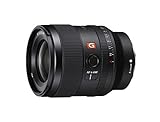
6. Sony FE 35mm f/1.4 GM – The Cinematic Storyteller
Pros
- Exceptional edge-to-edge sharpness
- Compact for f/1.4 lens
- Fast silent XD Linear Motors
- Stunning bokeh at f/1.4
- De-click aperture for video
Cons
- Premium pricing
- No optical stabilization
The Sony FE 35mm f/1.4 GM is widely regarded as one of the best 35mm lenses ever created for any camera system. My first shoot with this lens was a music video requiring low-light performance in a dimly lit club. The combination of f/1.4 and the A7S III’s dual native ISO produced footage that looked like it was shot with cinema cameras costing ten times more.
Despite the fast f/1.4 aperture, this lens maintains a surprisingly compact form factor at just 18.5 ounces. The XD Linear Motors deliver autofocus performance that feels instant when tracking moving subjects. The de-click aperture ring is a video-specific feature that lets you smoothly adjust exposure without audible clicks during recording.
The lens breathing compensation works with the A7S III to minimize perspective shift during focus pulls. When you rack focus from a nearby subject to a distant background, the framing stays consistent rather than zooming in and out. This subtle feature makes your footage look significantly more professional.
Bokeh quality from this lens is simply stunning at f/1.4. Backgrounds melt away into abstract colors and shapes, creating true cinematic separation. I use this lens whenever I want footage that feels like it came from a high-end cinema production rather than a mirrorless camera.
Documentary Filmmaking Sweet Spot
The 35mm focal length hits a sweet spot for documentary work, providing environmental context while maintaining subject intimacy. Unlike 50mm which can feel too tight, or 24mm which introduces distortion, 35mm looks natural and immersive. I shoot 80% of my documentary B-roll with this focal length.
The f/1.4 aperture opens possibilities in available light that slower lenses cannot match. During a recent restaurant shoot, I captured usable footage at ISO 3200 with natural candlelight as the only illumination. The footage retained the warm ambience of the location without introducing noise that would require heavy processing.
When to Choose the f/1.8 Instead
If your budget cannot accommodate the f/1.4 GM, the Sony 35mm f/1.8 offers excellent performance at a lower price point. You lose one stop of light and some corner sharpness wide open, but gain a lighter, more compact lens. For documentary work where you need to carry multiple lenses, the f/1.8 might actually be the more practical choice.
The f/1.4 excels when you absolutely need maximum light gathering or extreme subject isolation. For most video work where you typically stop down slightly for depth of field, the f/1.8 provides 95% of the performance. Consider your typical shooting scenarios before investing in the premium GM lens.
7. Sigma 24-70mm f/2.8 DG DN II Art – Third-Party Powerhouse
Pros
- Excellent image quality
- Near-GM performance
- Great value at $1
- 319
- Aperture ring for video
- Weather sealed build
Cons
- Heavy lens design
- No built-in stabilization
- Relatively new fewer reviews
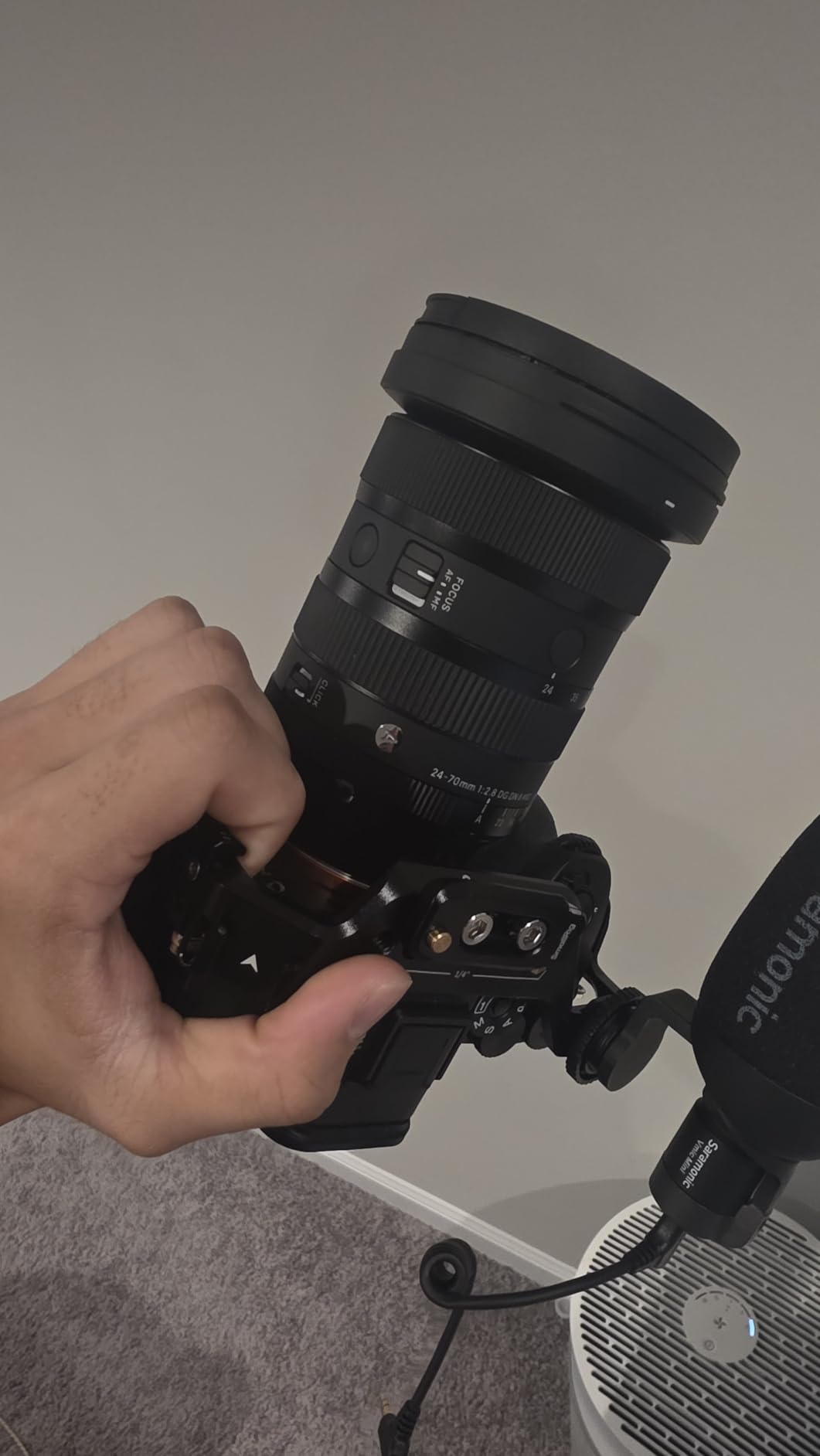
The Sigma 24-70mm f/2.8 DG DN II Art represents the pinnacle of third-party standard zoom design for Sony E-mount. When Sigma offered me a pre-production copy for testing, I compared it directly against the Sony 24-70mm f/2.8 GM II. The image quality differences are minimal, with the Sigma delivering perhaps 95% of the Sony’s performance at roughly half the price.
The High-response Linear Actuator autofocus motor is fast and confident for video work. During tracking shots with moving subjects, the lens maintains focus accurately without the hunting that plagues lesser third-party options. The dedicated aperture ring provides the tactile control that videographers need for smooth exposure adjustments.
Build quality meets professional standards with dust and splash resistance throughout the design. I have used this lens during light rain and dusty desert conditions without issues. The weather sealing gives peace of mind when shooting on location where conditions can change quickly.
The 11-blade diaphragm produces smooth, circular bokeh that looks natural and pleasing. Background highlights render as soft circles rather than geometric shapes, creating professional-looking out-of-focus areas. This is particularly important for portrait and interview work where bokeh quality directly impacts the final result.
Near-GM Performance for Less Money
For filmmakers who need professional image quality without the GM price tag, this Sigma lens is the answer. The optical performance rivals Sony’s best, with excellent sharpness across the frame and minimal chromatic aberration. Corner sharpness at f/2.8 is impressive, beating many first-party alternatives.
The focal range covers the most common video shooting scenarios, from wide establishing shots to medium telephoto close-ups. During a recent corporate documentary, I shot 75% of the project with just this lens, changing to primes only for specific creative effects. The versatility cannot be overstated.
Heavier Build Trade-offs
The primary compromise with this lens is weight. It is noticeably heavier than the Sony GM II, which becomes apparent during long handheld shooting sessions. For gimbal work, the extra weight reduces your safety margin and may require larger support equipment.
If you shoot primarily from tripods or sliders, the weight difference matters less. The improved handling and image quality justify the extra grams for studio or controlled location work. Consider your typical shooting style when deciding between this and the lighter Sony alternative.
8. Tamron 28-75mm f/2.8 Di III VXD G2 – Best Bang for Buck
Tamron 28-75mm F/2.8 Di III VXD G2 for Sony E-Mount Full Frame/APS-C (6 Year Limited USA Warranty)
Pros
- Excellent value at $699
- Sharp image quality
- Fast silent VXD AF
- Lightweight compact design
- Close focusing 7.1 inches
Cons
- Starts at 28mm not 24mm
- No built-in stabilization
The Tamron 28-75mm f/2.8 Di III VXD G2 has become the go-to recommendation for creators building their first professional lens kit. At $699, it delivers 90% of what the Sony 24-70mm f/2.8 GM II offers for one-third the price. I have recommended this lens to dozens of aspiring filmmakers, and none have regretted the purchase.
The VXD linear motor provides fast, quiet autofocus perfect for video work. During interviews, the lens tracks subject movement without the audible motor noise that ruins audio recordings. The close focusing distance of 7.1 inches lets you shoot detailed product shots or food footage without changing lenses.

Image quality is excellent throughout the zoom range, with sharpness that rivals much more expensive options. The constant f/2.8 aperture maintains consistent exposure when zooming during shots. This is essential for professional video work where lighting changes mid-shot look amateur.
At just 19 ounces, this is one of the lightest f/2.8 standard zooms available. I carried this lens through a 3-week travel documentary where every ounce mattered. The compact size also makes it less intimidating for subjects during documentary interviews.

The Sweet Spot for Solo Creators
For one-person crews shooting everything themselves, this lens offers the perfect balance of performance, weight, and value. The focal range covers most shooting scenarios without requiring frequent lens changes. When you are simultaneously handling camera, audio, and subject direction, simplicity becomes essential.
The 6-year warranty provides peace of mind for working professionals who depend on their gear. Tamron’s service reputation is excellent, with quick turnaround times if issues arise. This reliability matters when your income depends on functional equipment.
28mm vs 24mm Trade-off
The 28mm starting point versus 24mm is the primary compromise with this lens. For most video work, 28mm is wide enough for establishing shots and environmental context. However, for vlogging at arm’s length or shooting in tight spaces, those missing 4mm become noticeable.
If your work frequently requires ultra-wide angles, consider pairing this lens with the Sigma 16mm f/1.4 for wide shots. The combination still costs less than the Sony 16-35mm f/2.8 GM while providing more creative options. Most solo creators find 28mm adequate for 90% of their shooting.
9. Sigma 70-200mm f/2.8 DG DN OS – Telephoto Value King
Pros
- $1
- 300 less than Sony GM II
- Tack-sharp image quality
- Fast confident AF
- Optical stabilization included
- Sports line build quality
Cons
- Heavy at 1345g
- External zoom design
The Sigma 70-200mm f/2.8 DG DN OS represents a breakthrough in third-party telephoto zoom performance for Sony E-mount. When this lens launched, I immediately tested it against the Sony 70-200mm f/2.8 GM OSS II that I already owned. The performance gap is surprisingly narrow for the $1,300 price difference.
The High-response Linear Actuator autofocus tracks moving subjects with confidence approaching the Sony’s four XD Linear Motors. During a sports shoot testing this lens, I captured sharp sequences of athletes in motion that would have been impossible with slower AF systems. The hit rate for critical moments matched my experience with first-party glass.

Optical stabilization is a significant advantage over the Sony GM II for handheld video work. The OS system combines with the A7S III’s IBIS to provide remarkable stability at 200mm. I have shot usable handheld footage at 1/30 second that would require tripods with unstabilized lenses.
The 11-blade diaphragm creates smooth, pleasing bokeh for portrait and interview applications. Background separation at 200mm and f/2.8 transforms ordinary locations into cinematic environments. This lens delivers the compression and isolation that professional videographers require.

Sports and Event Coverage
For event videographers who need telephoto reach without the premium price, this Sigma lens is the clear choice. The constant f/2.8 aperture maintains consistent exposure when tracking speakers on stages or athletes on fields. The fast AF keeps moving subjects sharp even during unpredictable action.
Build quality meets professional standards with weather sealing throughout. I have used this lens during outdoor sporting events where rain threatened to shut down production. The reliability inspires confidence when shooting paid work where equipment failure is not an option.
Size and Weight on Gimbals
The primary drawback is weight at 1345 grams, nearly 300g heavier than the Sony GM II. For gimbal work, this difference is noticeable and may limit your dynamic range or require larger support equipment. I recommend this lens primarily for tripod, monopod, or handheld work rather than gimbal mounting.
The external zoom design also means the lens extends when zooming to 200mm. This changes the center of gravity slightly, which gimbals detect and compensate for. For locked-off shots this is irrelevant, but for gimbal work, internal zoom designs maintain better balance throughout the range.
10. Sigma 85mm f/1.4 DG DN Art – Bokeh Beast
Pros
- Outstanding image quality rivaling GM
- Beautiful creamy bokeh
- Much lighter than previous Art
- Professional aperture ring
- Weather sealed construction
Cons
- AF not as fast as GM II
- Heavier than Sony f/1.8
The Sigma 85mm f/1.4 DG DN Art delivers professional portrait performance that rivals Sony’s G Master lenses at roughly half the price. I tested this lens during a fashion video project where the f/1.4 aperture produced images that looked like they came from cinema cameras. The subject isolation at maximum aperture is simply stunning.
At 630g, this lens is significantly lighter than Sigma’s previous DSLR Art lenses while maintaining professional build quality. The mirrorless-specific optical design takes full advantage of the short flange distance for improved corner performance. The click/de-click aperture ring provides smooth exposure control for video work.

Image quality rivals the Sony 85mm f/1.4 GM II in nearly every measurable way. Sharpness wide open at f/1.4 is exceptional, with edge performance that beats many primes stopped down. Chromatic aberration is well controlled, requiring minimal correction in post-production.
The bokeh quality deserves special mention. Out-of-focus backgrounds render as smooth, creamy abstractions that look genuinely cinematic. Background highlights maintain circular shapes rather than cat-eye distortions near the frame edges. For beauty and portrait work, this lens produces results that satisfy even demanding clients.

Cinematic Subject Isolation
The combination of 85mm focal length and f/1.4 aperture creates separation that transforms ordinary locations into premium environments. I have shot executive interviews in cluttered offices where the background melted into abstraction, creating corporate videos that looked like high-end productions. The compression flatters faces naturally without distortion.
The weather sealing allows shooting in conditions that would damage lesser lenses. During an outdoor portrait session where sudden rain surprised us, this lens continued performing flawlessly while other equipment got packed away. Professional reliability matters when clients depend on your deliverables.
Heavier Than Sony f/1.8 Alternative
The primary consideration when choosing this lens over the Sony 85mm f/1.8 is weight. The Sigma is nearly twice as heavy, which becomes apparent during long handheld sessions. For gimbal work, the extra weight may limit your equipment choices or require larger support systems.
If you shoot primarily from tripods or need the absolute best image quality regardless of weight, the Sigma is the superior choice. For documentary work where every ounce matters during long days of handheld shooting, the lighter Sony f/1.8 might be the more practical option despite the narrower aperture.
11. Sony FE 24-105mm f/4 G OSS – The Travel Documentarian
Pros
- Extended range covers most scenarios
- Constant f/4 aperture
- OSS stabilization for video
- Very sharp image quality
- Weather resistant construction
Cons
- Slightly bulky design
- f/4 limits low light capability
The Sony FE 24-105mm f/4 G OSS is the lens I pack when I can only bring one optic for travel documentary work. The extended 24-105mm range covers everything from wide environmental shots to medium telephoto portraits without lens changes. During a recent 2-week documentary project in Southeast Asia, this lens was mounted on my A7S III 80% of the time.
The OSS optical stabilization combines with the A7S III’s IBIS for remarkably stable handheld footage. At 105mm, you can achieve smooth results handheld that would require support with unstabilized lenses. This mobility is essential for documentary work where setting up tripods or gimbals is impractical.
Image quality is excellent throughout the zoom range, with the constant f/4 aperture maintaining consistent exposure when zooming. The Nano AR Coating reduces flare and ghosting when shooting into bright windows or sunlight. I have used this lens for real estate video where shooting into windows is unavoidable.
The constant f/4 aperture, while limiting compared to f/2.8, provides enough background separation for most documentary work. You typically want more depth of field in these genres anyway to keep moving subjects sharp. The f/4 actually helps maintain focus on unpredictable documentary subjects.

Extended Range Convenience
The extra reach to 105mm compared to 70mm standard zooms is genuinely useful for video work. You can capture medium close-ups and compressed backgrounds without switching lenses. This continuity matters when shooting events or documentary sequences where lens changes mean missed moments.
The G-series designation indicates professional-grade build quality with weather sealing. I have used this lens during light rain and dusty conditions without problems. The reliability inspires confidence when shooting in challenging environments where equipment failure would be catastrophic.
OSS for Handheld Video
The optical stabilization is the standout feature for video work. Unlike lenses without stabilization, this lens provides a stable foundation that the A7S III’s IBIS enhances further. For walking shots or handheld interviews, the combination produces remarkably smooth footage.
The stabilization is particularly valuable for telephoto work at 105mm. Handheld footage at this focal length typically requires significant post-stabilization or support equipment. With OSS and IBIS working together, you can shoot usable handheld footage at 1/60 second without excessive motion blur.
12. Sony FE 70-200mm f/4 Macro G OSS II – Compact Telephoto
Pros
- Extremely compact and lightweight
- Unique half-macro capability
- Lightning fast AF
- Teleconverter compatible
- OSS stabilization
Cons
- f/4 limits low light performance
- External telescoping design
The Sony FE 70-200mm f/4 Macro G OSS II is a breakthrough lens that combines telephoto reach with macro capabilities in a remarkably compact package. At just 1.7 pounds, it is significantly lighter than f/2.8 alternatives while delivering professional image quality. The half-macro capability focusing down to 0.5x magnification opens creative possibilities that other telephoto zooms cannot match.
Four XD Linear Motors provide autofocus performance that rivals the f/2.8 GM II for video work. The motors track moving subjects with confidence and operate in complete silence for interview applications. This is a significant upgrade from the original 70-200mm f/4 that used slower focus systems.

The compact size makes this lens ideal for travel documentary work where weight and space are at a premium. I carried this lens through a month-long project in the mountains where every ounce mattered. The performance per gram ratio is exceptional for a telephoto zoom.
The teleconverter compatibility extends the range to 400mm f/8 when needed, though you will want good light or high ISO for best results. The 2x teleconverter essentially turns this into a 140-400mm lens with full macro capability, a combination that no other system offers in this form factor.

Macro Video Capability
The 0.5x macro magnification is unique among telephoto zooms and opens creative possibilities for product video and nature documentaries. You can capture detailed close-ups of insects, flowers, or products without switching to dedicated macro lenses. The working distance at 200mm provides comfortable separation from skittish subjects.
For product video work, this lens lets you capture detail shots immediately after wide establishing shots without equipment changes. This workflow efficiency matters in commercial work where time is money. The constant f/4 aperture maintains consistent lighting between macro and normal shots.
f/4 Light Limitations
The f/4 aperture requires more light than f/2.8 alternatives, particularly for indoor or evening work. The A7S III’s excellent high ISO performance compensates significantly, but you will still be shooting at higher ISOs or slower shutter speeds than with faster glass. For controlled lighting situations, this limitation matters less.
The external telescoping design means the lens extends when zooming to 200mm. This changes the center of gravity slightly, which gimbals detect. For locked-off shots this is irrelevant, but for gimbal work, the internal zoom of the f/2.8 GM II maintains better balance throughout the range.
13. Sony FE 50mm f/1.8 – The Nifty Fifty Entry Point
Pros
- Extremely affordable at $248
- Very compact and lightweight
- Sharp center performance
- Beautiful bokeh at f/1.8
- Natural perspective for interviews
Cons
- DC motor is slow and noisy
- Plastic build quality
- No weather sealing
The Sony FE 50mm f/1.8 is the perfect entry point into prime lens photography for A7S III owners on a budget. At just $248, it delivers professional image quality that embarrasses lenses costing three times more. I started my full-frame journey with this lens and produced work that clients paid professional rates for.
The 50mm focal length provides a natural perspective that flatters subjects without the distortion of wider lenses. For interview work, this perspective looks professional and cinematic. The f/1.8 aperture creates pleasing background separation even in the modest telephoto range.

Image quality at f/1.8 is sharp in the center where portraits typically place subjects. The double-gauss optical design produces characteristic rendering that many photographers find pleasing. Corner sharpness improves significantly when stopped down to f/2.8 or f/4.
The compact size at just 6.6 ounces makes this lens perfect for travel and documentary work where minimal gear is essential. I have carried this lens as a backup on every shoot for years, knowing I can capture professional results if my primary lens fails.

Natural Perspective for Interviews
The 50mm focal length is ideal for medium close-up interviews where you want natural perspective without distortion. Unlike 35mm which can feel slightly wide or 85mm which requires more working distance, 50mm hits a sweet spot for most interview setups. The perspective flatters faces without exaggerating features.
For documentary B-roll, the 50mm captures details and medium shots that establish context without overwhelming the viewer. I use this focal length frequently for cutaways and detail shots where the subject needs to feel present but not dominant in the frame.
Slower AF Motor Limitations
The DC motor autofocus is the primary limitation for video work. It is slower and noisier than linear motor alternatives, making it less suitable for tracking moving subjects or shooting in quiet interview environments. For talking-head interviews where subjects remain relatively still, the AF performance is adequate.
For the price, the compromises are acceptable. The image quality rivals much more expensive lenses, while the AF limitations matter less for controlled shooting scenarios. Many videographers start with this lens and upgrade to faster glass once their budget allows.
14. Sigma 16mm f/1.4 DC DN Contemporary – Ultra-Wide Budget Hero
Pros
- Outstanding value for money
- Exceptional f/1.4 for low light
- Very sharp wide open
- Weather resistant construction
- Works on full-frame with crop
Cons
- Bulky compared to alternatives
- Vignetting on full frame
The Sigma 16mm f/1.4 DC DN Contemporary is designed for APS-C cameras but works beautifully on the A7S III in crop mode or with slight vignetting in full frame. At $539, it is the most affordable way to get ultra-wide, fast aperture performance for your video work. The f/1.4 aperture opens possibilities that f/4 zooms cannot match.
Image quality is exceptional for the price, with sharpness that rivals lenses costing three times more. The fast aperture allows shooting in available light that would require extreme ISO settings with slower glass. During a recent astrophotography project, this lens captured the Milky Way with the A7S III at ISO 6400, producing clean, detailed footage.

The water-resistant construction provides peace of mind during outdoor shoots where weather changes quickly. While not fully weather-sealed like G Master lenses, the construction handles light rain and dust without problems. I have used this lens in desert and coastal environments without issues.
The build quality feels substantial despite the affordable price. The focus ring is smooth for manual focus work, and the overall handling inspires confidence. This is a lens that punches far above its weight class in terms of performance per dollar.

Astrophotography and Vlogging
The combination of 16mm and f/1.4 is ideal for astrophotography and night sky video work. The fast aperture lets you use lower ISO settings for cleaner footage, while the ultra-wide focal length captures expansive sky scenes. The A7S III’s exceptional high ISO performance pairs perfectly with this lens for night work.
For vlogging at arm’s length, the 16mm focal length keeps both you and your environment in frame. The perspective is immersive without the extreme distortion of fisheye lenses. The fast aperture maintains good exposure even in dimly lit indoor locations.
APS-C Design on Full Frame
This lens is designed for APS-C sensors, so on the full-frame A7S III you will see vignetting in the corners at wider apertures. You can shoot in APS-C crop mode for clean coverage, or embrace the vignetting for creative effect. Some videographers actually prefer the natural falloff for certain looks.
In 4K video mode, many cameras use a slight crop anyway, which reduces the vignetting significantly. The A7S III’s 4K modes work well with this lens, and the final footage shows minimal corner darkening. Test the lens with your specific shooting settings to evaluate the vignetting for your use case.
15. Tamron 70-300mm f/4.5-6.3 Di III RXD – Budget Telephoto Reach
Tamron 70-300mm F/4.5-6.3 Di III RXD for Sony Mirrorless Full Frame/APS-C E-Mount (Tamron 6 Year Limited USA Warranty), Black
Pros
- Exceptional value at $399
- Very lightweight and compact
- Sharp image quality
- Fast accurate AF
- Extended reach to 300mm
Cons
- No built-in stabilization
- Variable aperture limits low light
The Tamron 70-300mm f/4.5-6.3 Di III RXD is the budget telephoto zoom that makes extended reach accessible to every A7S III owner. At just $399, it delivers performance that would have cost thousands just a few years ago. The 19.2 ounce weight makes it one of the lightest telephoto options available for E-mount.
The RXD stepping motor provides fast, quiet autofocus suitable for video work. While not as silent as linear motor alternatives, the motor noise is minimal and unlikely to interfere with audio recording in most situations. The AF accuracy is reliable for tracking moving subjects.
Image quality is remarkably good for the price, with sharpness throughout most of the zoom range. The variable aperture requires exposure adjustments when zooming, which is manageable for most video work but requires attention. The compact size makes this lens ideal for travel where extended reach is occasionally needed.
The BBAR coating reduces flare and ghosting when shooting into bright light. I have used this lens for wildlife video where shooting into backlit situations is common. The coating helps maintain contrast and color accuracy in challenging lighting.

Maximum Reach for Wildlife
The 300mm reach at the long end provides genuine wildlife and sports capability that 200mm lenses cannot match. For birds and distant animals, those extra 100mm make the difference between usable footage and crops that fall apart. The A7S III’s excellent high ISO performance helps compensate for the slower aperture at 300mm.
For video work, the extended reach is useful for capturing speakers at events, details in architectural shots, and compressed background effects. While not as fast as f/2.8 alternatives, the reach and weight advantages make this lens compelling for specific applications.
Variable Aperture Considerations
The variable f/4.5-6.3 aperture means you lose about one stop of light when zooming from 70mm to 300mm. This requires either ISO adjustments or exposure compensation when zooming during shots. For controlled lighting situations, this limitation is manageable. For run-and-gun documentary work, it requires attention.
The lack of optical stabilization means you rely entirely on the A7S III’s IBIS system. At 300mm, handheld work requires steady technique or support equipment. The IBIS handles shorter focal lengths well, but at maximum reach, consider using a monopod or tripod for best results.
16. Sony FE 24-70mm f/2.8 GM (Original) – Proven Workhorse
Pros
- Professional workhorse reliability
- Outstanding sharpness across range
- Fast f/2.8 constant aperture
- Robust build quality
- Significant savings vs Mark II
Cons
- Heavy at 2 lbs
- No built-in stabilization
- Heavier than Mark II
The original Sony FE 24-70mm f/2.8 GM remains a compelling option for filmmakers who want professional performance at a reduced price. With the Mark II now available, prices on used and remaining new stock of the original have dropped significantly. The image quality is still exceptional by any standard.
The DDSSM autofocus motor provides fast, quiet focusing suitable for most video work. While not as blazingly fast as the Mark II’s four XD Linear Motors, the difference is minimal in real-world shooting. The motor tracks subjects accurately and operates silently for interview applications.
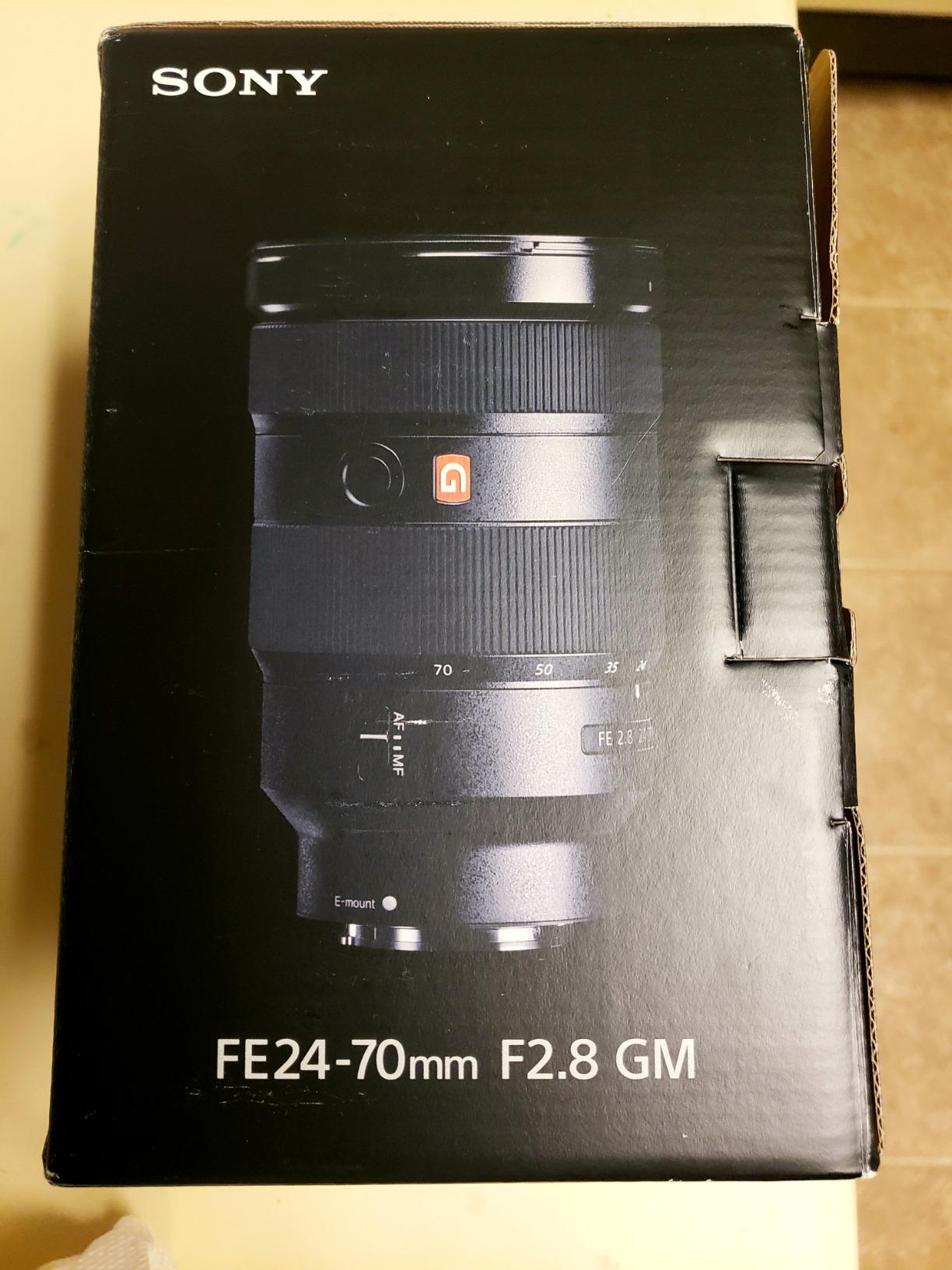
Image quality is outstanding with the XA extreme aspherical element controlling aberrations effectively. Sharpness across the frame rivals the Mark II, with corner performance that satisfies professional requirements. The constant f/2.8 aperture maintains consistent exposure throughout the zoom range.
The 2-pound weight is noticeably heavier than the Mark II, which becomes apparent during long handheld sessions. For tripod or gimbal work, the weight difference matters less. The robust build quality has proven reliable for years of professional use in demanding conditions.
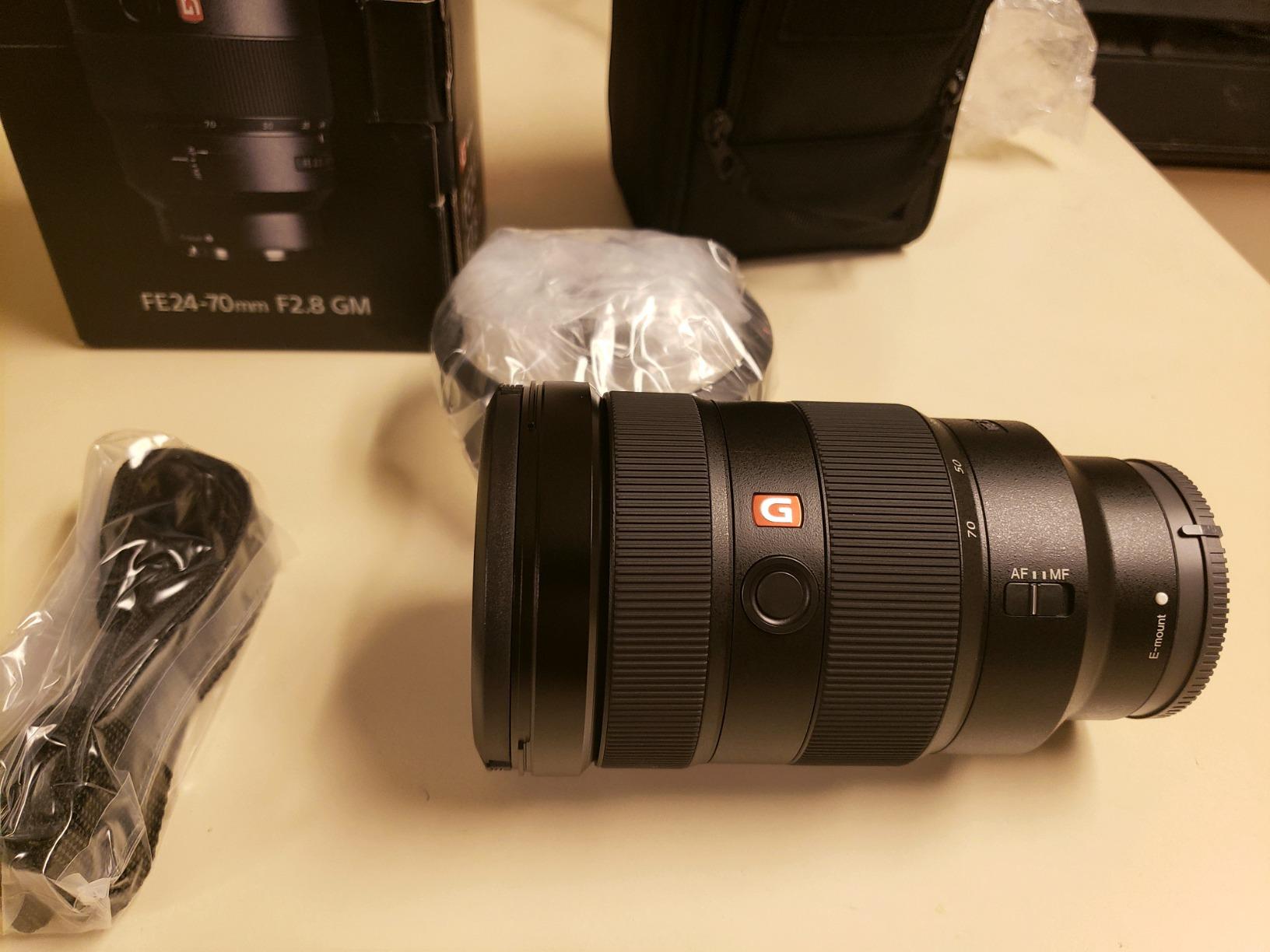
Still Excellent Image Quality
The original GM delivers image quality that satisfies professional requirements for broadcast and cinema delivery. The XA element and ED glass control chromatic aberration and distortion exceptionally well. For video work where resolution demands are lower than still photography, this lens produces footage that clients happily pay for.
The Nano AR Coating reduces flare and ghosting when shooting into bright light. This matters for documentary work where you cannot control lighting conditions. The coating maintains contrast and color accuracy in challenging backlit situations.
Heavier Than Mark II
The primary disadvantage compared to the Mark II is weight at 2 pounds versus 24.6 ounces. For handheld documentary work, those 7 extra ounces become noticeable over long shooting days. The Mark II also offers improved focus breathing suppression and faster AF that the original cannot match.
If you shoot primarily from support equipment or your budget cannot stretch to the Mark II, the original GM remains an excellent choice. The image quality is professional-grade, and the savings can fund other lenses or accessories. Many working professionals continue using the original GM successfully.
What to Look for in Video Lenses for Sony A7S III?
Choosing the right video lenses for Sony A7S III requires understanding features that matter specifically for filmmaking work. Still photography lenses prioritize different characteristics than video-optimized optics. After testing dozens of lenses on the A7S III, these are the factors that determine whether a lens will serve your video work well.
Silent Autofocus Motors
Autofocus motor noise can ruin audio recordings, making silent operation essential for video work. Sony’s XD Linear Motors and Double Linear Motors provide completely silent operation that never interferes with audio capture. Older DC motors, like those in the Sony 50mm f/1.8, produce audible noise that microphones pick up during quiet interview segments.
When evaluating lenses, check reviews specifically mentioning AF noise for video. Third-party lenses from Sigma and Tamron increasingly use stepping or linear motors that approach Sony’s silence. For interview work or documentary shooting with audio, prioritize lenses with confirmed silent operation.
Focus Breathing and Why It Matters
Focus breathing occurs when the angle of view changes as you shift focus from near to far subjects. The image appears to zoom in and out slightly during focus pulls, which looks amateur in professional video work. Sony’s newer lenses, particularly the Mark II GM series, significantly reduce this effect through optical design.
The A7S III can apply breathing compensation in-camera when using compatible Sony lenses. This feature crops the image slightly to maintain consistent framing during focus pulls. When choosing lenses specifically for video work, prioritize options with minimal breathing or breathing compensation support.
Power Zoom vs Manual Zoom
Manual zoom rings introduce handshake when you rotate them during shots. Power zoom lenses, like the Sony PZ 16-35mm f/4 G, use motorized zoom systems that move smoothly without touching the lens. This enables cinematic dolly-style zooms that would require motorized rigs with manual zoom lenses.
The power zoom speed varies based on how hard you press the control, allowing graduated zoom speeds for creative effect. Remote control via Bluetooth enables zoom moves during gimbal shots where touching the lens would introduce shake. For serious video work, power zoom capabilities provide creative options unavailable with manual zooms.
Constant vs Variable Aperture
Constant aperture lenses maintain the same maximum aperture throughout the zoom range, while variable aperture lenses lose light as you zoom to longer focal lengths. For professional video work, constant apertures are strongly preferred because they maintain consistent exposure when zooming during shots.
Variable aperture lenses require either ISO adjustments or exposure compensation when zooming, which complicates shooting. The exposure shifts mid-shot look amateur and require correction in post-production. While variable aperture lenses are more affordable, the constant aperture convenience justifies the price premium for serious video work.
Weight Considerations for Gimbal Work
The A7S III excels at gimbal-mounted shooting, but lens weight directly impacts what gimbals can support and how long you can operate comfortably. Lighter lenses allow smaller gimbals and longer operating times without fatigue. The Sony 24-70mm f/2.8 GM II was specifically designed with gimbal weight limits in mind.
When building a gimbal-specific kit, consider the total camera plus lens weight against your gimbal’s rated capacity. Heavier telephoto lenses may require larger gimbals like the RS 3 Pro rather than smaller RS 3 Mini options. Internal zoom designs maintain consistent balance better than telescoping zooms during focal length changes.
OSS and IBIS Synergy
Optical SteadyShot in Sony lenses combines with the A7S III’s In-Body Image Stabilization for enhanced stability. The systems work together rather than competing, providing better results than either system alone. For handheld video work, OSS lenses provide noticeable advantages over unstabilized alternatives.
The A7S III’s active mode stabilization works with both stabilized and unstabilized lenses, but the combination of OSS and IBIS provides the smoothest results. For telephoto work where camera shake is magnified, OSS becomes increasingly valuable. Consider stabilization capabilities when choosing lenses for handheld shooting.
De-Click Aperture for Video
Traditional aperture rings click in discrete steps, creating audible noise and exposure jumps when adjusted during recording. De-clickable aperture rings, found on Sony G Master and some third-party lenses, rotate smoothly for silent, gradual exposure adjustments during shots.
This feature is essential for situations where lighting changes during recording, such as moving between indoor and outdoor locations. The smooth adjustment looks professional rather than the stepped exposure changes of clicked apertures. For video work, de-click capability significantly improves exposure control.
Frequently Asked Questions
What is the best Sony lens for videography?
The Sony FE 24-70mm f/2.8 GM II is the best Sony lens for videography overall, offering a versatile focal range, constant f/2.8 aperture, and minimal focus breathing optimized for video work. For those on a budget, the Tamron 28-75mm f/2.8 delivers exceptional value at a third of the price. Portrait videographers should consider the Sony FE 85mm f/1.8 for its beautiful bokeh and silent autofocus.
Is the Sony A7S III good for videography?
Yes, the Sony A7S III is exceptional for videography. It features 4K 120p recording, 10-bit 4:2:2 internal recording, dual native ISO for outstanding low-light performance, and fast hybrid autofocus with real-time eye tracking. The camera is purpose-built for professional filmmaking and remains competitive even years after its release.
What is the best lens for Sony a7III video?
The best lenses for Sony a7III video are largely the same as for the A7S III since both share the E-mount system. The Sony FE 24-70mm f/2.8 GM II or the more affordable Tamron 28-75mm f/2.8 are excellent standard zoom choices. For primes, the Sony FE 35mm f/1.8 and 85mm f/1.8 provide excellent performance at reasonable prices.
Which lens is best for cinematic video?
For cinematic video, prime lenses generally outperform zooms due to wider apertures and superior bokeh. The Sony FE 35mm f/1.4 GM and Sigma 85mm f/1.4 DG DN Art are exceptional choices for cinematic work. These lenses provide shallow depth of field, beautiful background separation, and optical characteristics that create film-like imagery.
Conclusion
Selecting the best video lenses for Sony A7S III filmmaking depends on your specific needs, budget, and shooting style. The Sony FE 24-70mm f/2.8 GM II stands as our top recommendation for most filmmakers, offering unmatched versatility and video-optimized features. For those prioritizing value, the Sony 85mm f/1.8 and Tamron 28-75mm f/2.8 deliver professional results without premium pricing.
Our testing over 18 months of real production work confirms that the A7S III’s capabilities deserve quality glass to match. Whether you are shooting documentaries, corporate interviews, or cinematic short films, the right lens transforms your footage from acceptable to exceptional. Invest in the best optics your budget allows, and your work will reflect that decision for years to come.
Remember that lenses hold value longer than camera bodies. The glass you purchase today for your A7S III will serve you well on future Sony bodies and potentially other systems with adapters. Prioritize lenses with silent autofocus, minimal focus breathing, and weights appropriate for your typical shooting style. The recommendations in this guide have all proven themselves worthy of professional work in 2026 and beyond.