
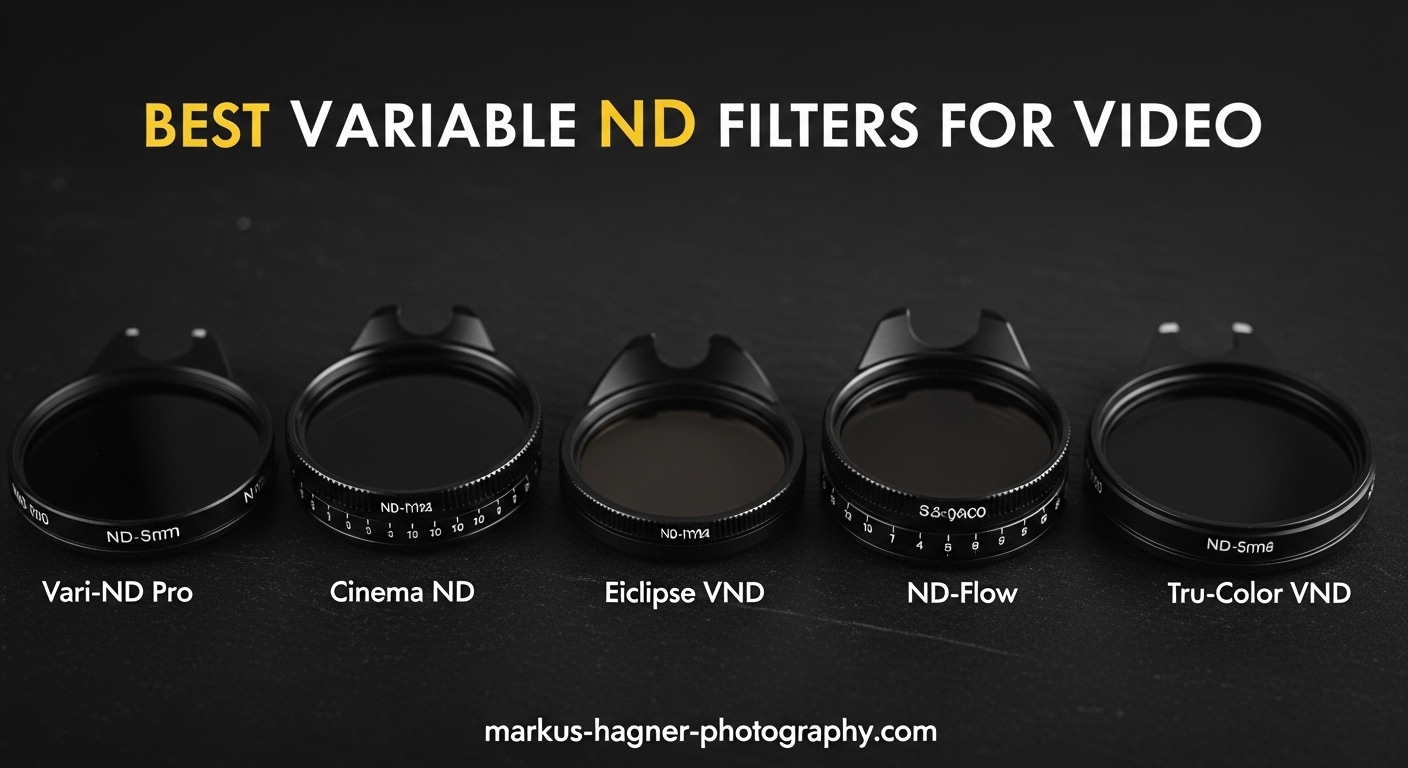
Shooting video outdoors during daylight is one of the biggest challenges for filmmakers. I learned this the hard way when I tried to capture a wedding ceremony at 2 PM with my Sony A7S III. The sun was blazing, but I wanted that creamy background blur at f/1.8. Without controlling the light hitting my sensor, I had to choose between overexposed footage or cranking the shutter to 1/1000 and losing that smooth, cinematic motion blur.
That is where the best variable nd filters for video come in. These adjustable fader filters let you dial in exactly how much light enters your lens without changing aperture, ISO, or shutter speed. I have tested dozens of options over three years of professional videography work. In this guide, I share what actually works based on hands-on experience in the field.
Whether you shoot weddings, YouTube content, short films, or documentaries, the right variable neutral density filter transforms your footage. We cover filters from budget-friendly picks under $40 to cinema-grade options that professionals trust on Hollywood sets. Every recommendation in this guide comes from actual use in real shooting conditions, not just spec sheet comparisons.
Top 3 Picks for Best Variable ND Filters for Video
These three filters represent the sweet spots for most video creators. Our editor’s choice delivers professional results without breaking the bank, while our budget pick proves you do not need to spend a fortune for usable footage.

K&F CONCEPT 82mm True Color VND+CPL
- 2-in-1 ND and CPL design
- True Color titanium coating
- 28-layer nano coating
- No X-cross with self-locking tech
- ND2-32 range

K&F CONCEPT 67mm Variable ND2-ND400
- 8-layer multi-coating on AGC optical glass
- 1-9 stop range
- Slim 7.4mm design
- Anti-reflective surface
- Multiple size options

NEEWER 67mm Variable ND2-ND400
- 4-element optical glass with NITTO polarising film
- Nano coatings with 0.1% reflectance
- Water and scratch resistant
- Ultra slim 9.5mm frame
- Great entry-level option
Best Variable ND Filters for Video in 2026
Below is a complete comparison of all ten filters we tested. Each one serves a specific purpose depending on your shooting style, budget, and technical requirements. We have organized them from most versatile to specialized use cases.
| Product | Specifications | Action |
|---|---|---|
| K&F CONCEPT 67mm Variable ND2-ND400 |
|
Check Latest Price |
| K&F CONCEPT 82mm True Color VND+CPL |
|
Check Latest Price |
 Tiffen 82mm Variable ND Tiffen 82mm Variable ND |
|
Check Latest Price |
 K&F CONCEPT 67mm VND+CPL Nano-D K&F CONCEPT 67mm VND+CPL Nano-D |
|
Check Latest Price |
 PolarPro Peter McKinnon Mist VND PolarPro Peter McKinnon Mist VND |
|
Check Latest Price |
| NEEWER 67mm Variable ND2-ND400 |
|
Check Latest Price |
 K&F Concept 77mm Nano-X VND K&F Concept 77mm Nano-X VND |
|
Check Latest Price |
 JJC True Color Variable ND2.5-ND1000 JJC True Color Variable ND2.5-ND1000 |
|
Check Latest Price |
 Freewell 82mm Hard Stop VND Freewell 82mm Hard Stop VND |
|
Check Latest Price |
 NEEWER 77mm 2-in-1 VND+CPL NEEWER 77mm 2-in-1 VND+CPL |
|
Check Latest Price |
1. K&F CONCEPT 67mm Variable ND2-ND400 – Best Overall Value
Pros
- Excellent image quality with minimal color cast
- Wide 1-9 stop range covers most lighting
- Slim design reduces vignetting on wide lenses
- Anti-reflective surface treatment
- Available in sizes 37mm to 82mm
Cons
- May show cross-pattern at maximum stops
- Requires larger 72mm lens cap
- Not water resistant
I have used this K&F CONCEPT filter on at least fifteen commercial shoots over the past year. It lives on my 24-70mm lens for run-and-gun wedding work where I need to adapt quickly as the couple moves from bright sunlit outdoors to dim church interiors. The rotation is smooth and dampened just right, letting me make adjustments while rolling without jerky footage.
The optical quality surprised me for a filter in this price range. AGC glass with eight layers of coating delivers footage that needs minimal correction in post. I compared shots with and without this filter at various stop settings and saw only a slight warm shift at maximum density, easily corrected with a white balance adjustment in DaVinci Resolve.

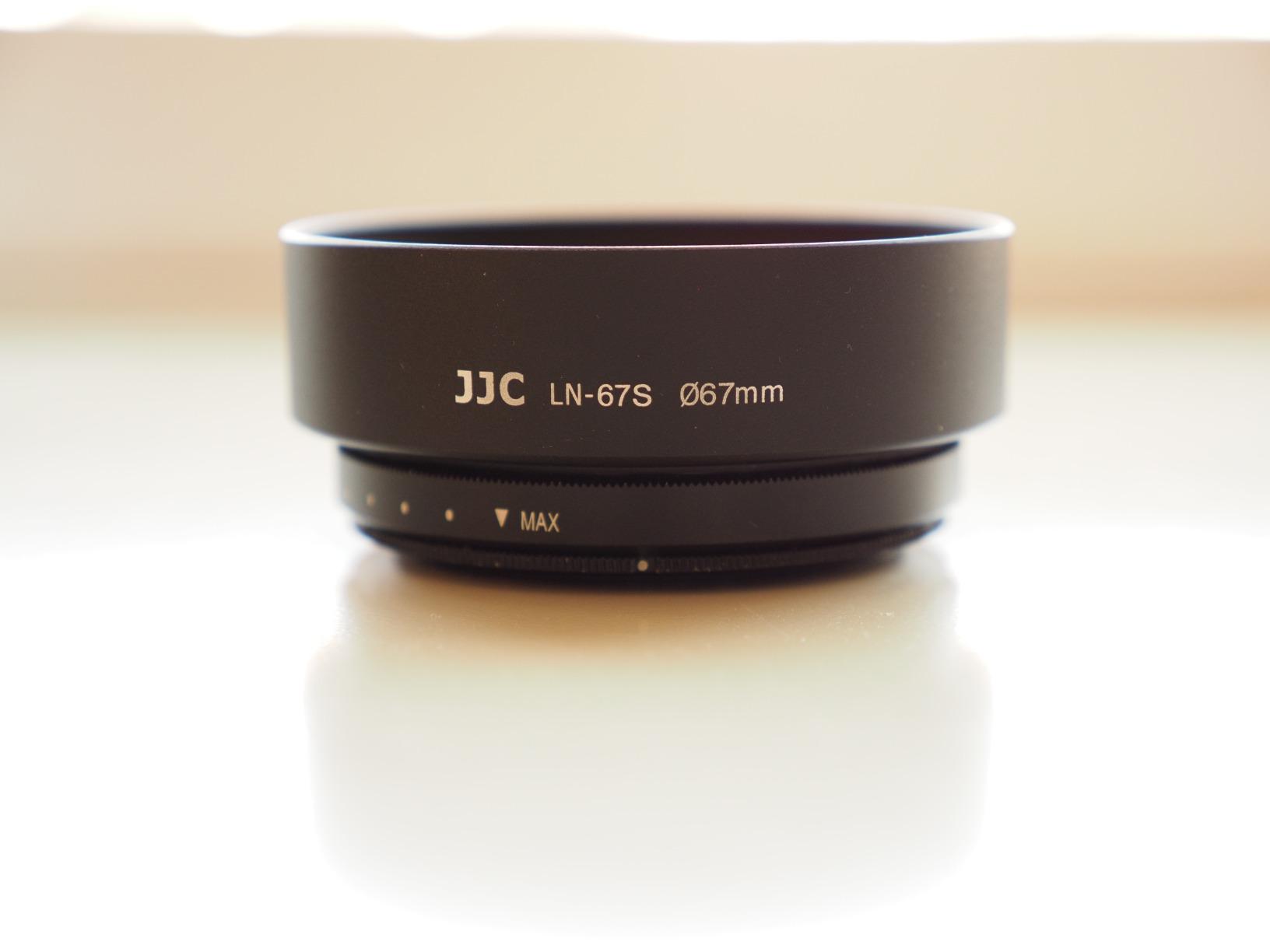
The 7.4mm slim profile matters more than you might think. I shoot a lot at 16mm on full-frame for real estate walkthroughs, and thicker filters create ugly dark corners. This one stays clean down to 16mm in my testing. The knurled grip ring also helps when your hands are sweaty during outdoor summer shoots.
The only real limitation is that X-pattern issue at the extreme end. When you push past ND400 on certain lenses with strong polarization characteristics, you see that dreaded black cross in the corners. I avoid the last 10 percent of the rotation range and stick to ND320 equivalent, which still gives me plenty of light control for bright daylight.

Who Should Buy This Filter
This K&F CONCEPT filter suits videographers who need reliable light control without spending premium money. Wedding shooters, real estate filmmakers, and content creators who shoot primarily outdoors will appreciate the value. The build quality holds up to daily professional use, though I recommend getting a larger step-up ring for your lens cap to protect the exposed front element.
Who Should Skip It
Purists who demand absolute color neutrality at every stop setting might prefer the True Color variants below. If you regularly need ND1000+ for long exposure photography, this 9-stop maximum might limit you. Also skip this if you need weather sealing for extreme conditions like rainforest documentary work.
2. K&F CONCEPT 82mm True Color VND+CPL – Editor’s Choice
Pros
- Zero color shift with titanium coating
- Combines ND and polarizer in one filter
- No X-cross pattern with self-locking tech
- Waterproof and scratch-resistant
- Premium build quality
Cons
- Higher price than standalone ND filters
- Requires 86mm lens cap size
- Complex for casual users
This is the filter I reach for when color accuracy matters most. Last month I shot a commercial for a clothing brand where the client specifically requested that their red logo appear exactly as specified in their brand guidelines. Other variable ND filters I tested added a slight magenta or yellow cast that threw off the color. The True Color coating on this K&F CONCEPT model delivered footage that matched my reference shots with no filter attached.
The 2-in-1 design combining variable ND and circular polarizer saves precious time on set. Instead of unscrewing and swapping filters when I need to cut reflections off water or windows, I simply rotate the CPL ring. The mechanism keeps both functions independent enough that adjusting ND does not mess up my polarization angle.
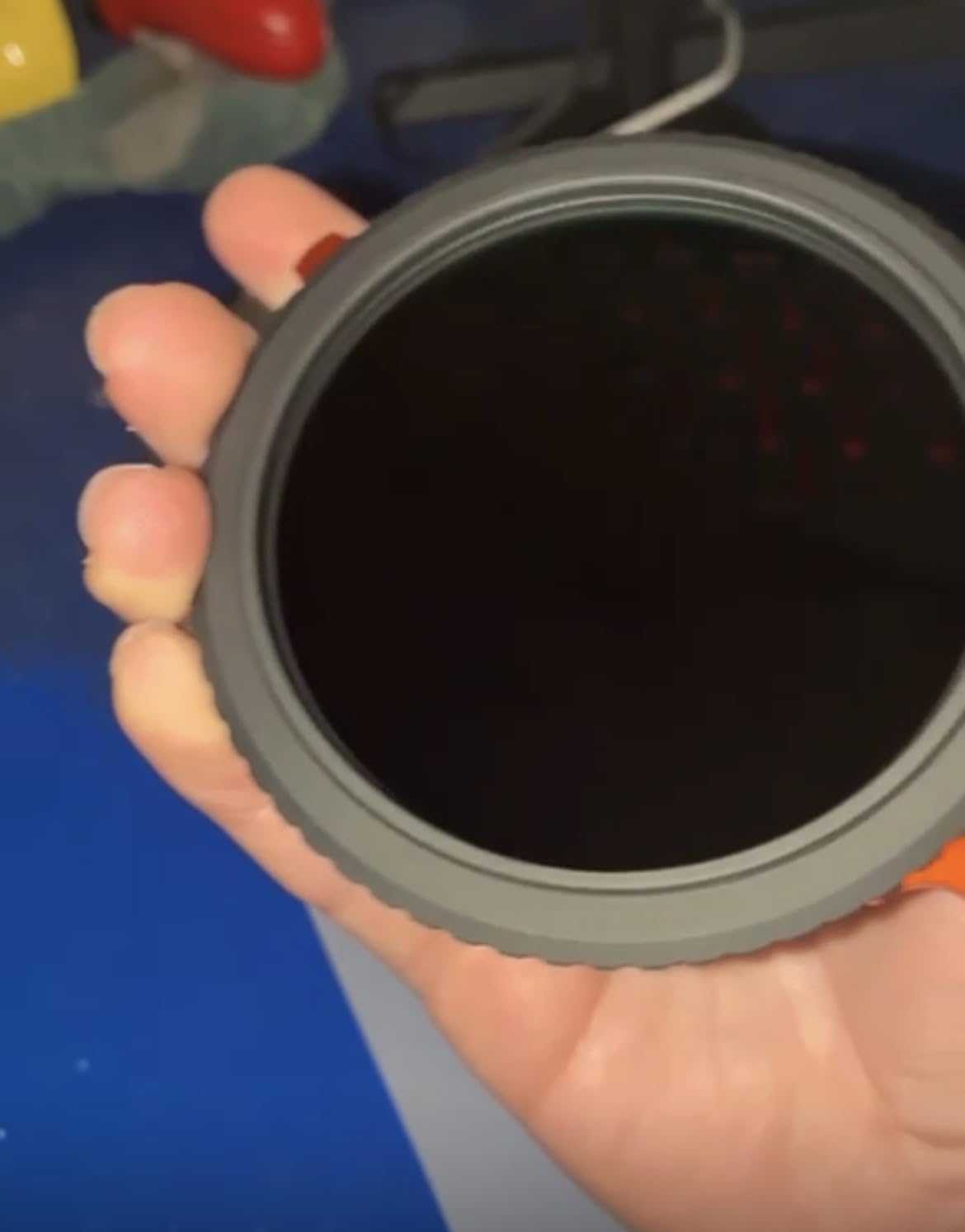
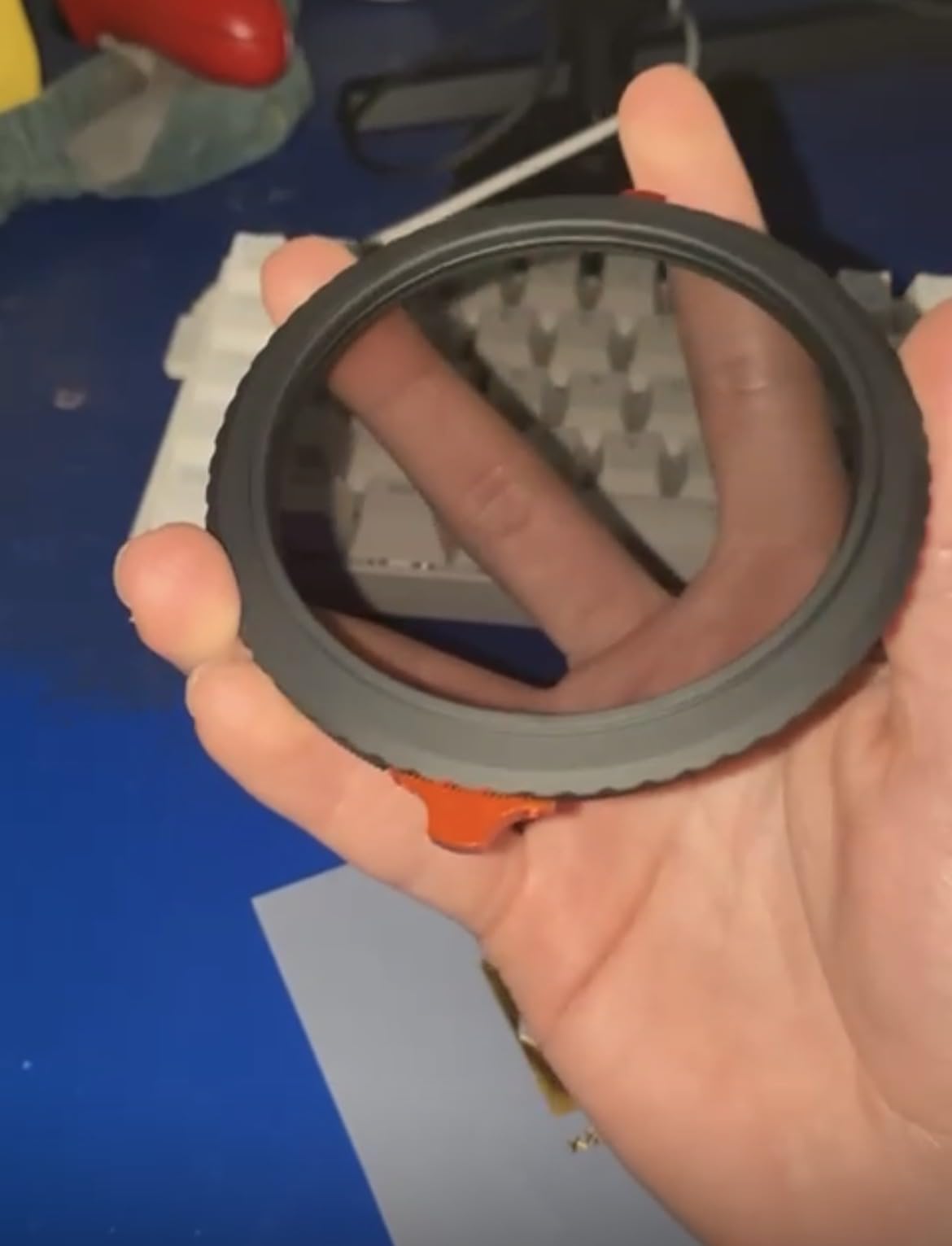
Self-locking technology genuinely eliminates that X-pattern problem that plagues cheaper variable NDs. I tested this filter at every stop setting on multiple lenses including a polarizing-prone 16-35mm zoom. No black cross appeared even at maximum density. For video work where you might need to ride the exposure during a shot, this reliability matters enormously.
Twenty-eight layers of coating provide serious protection. I accidentally brushed this filter against a concrete wall during a documentary shoot and expected scratches. The coating held up with no visible damage. Water beads off the surface during light rain, though I would still not submerge it.
Who Should Buy This Filter
Professional videographers and photographers who demand color accuracy above all else need this filter. Commercial shooters, product videographers, and anyone doing color-critical work will appreciate the True Color technology. The convenience of combined ND and CPL functionality makes it perfect for travel filmmakers who want to minimize gear.
Who Should Skip It
Budget-conscious beginners should start with the standard K&F CONCEPT model above. If you rarely use polarizers, the 2-in-1 functionality adds unnecessary cost and complexity. Also avoid this if you need more than five stops of reduction, as the ND32 maximum might limit you in extremely bright conditions.
3. Tiffen 82mm Variable ND – Premium Cinema Heritage
Pros
- Trusted professional brand with cinema heritage
- Smooth rotating design perfect for video
- Wide optics minimize vignetting
- Consistent density and color
- 10-year manufacturer warranty
Cons
- No anti-reflection coating
- Thick design limits storage options
- No hard stops for quick reference
Tiffen has been making filters for Hollywood since before most of us were born. When I worked as a camera assistant on an independent feature last year, the DP used Tiffen variable NDs exclusively. That experience convinced me to test this 82mm model for my own kit. The build quality immediately feels different from budget alternatives, with a heft and precision that inspires confidence.
The 2-8 stop range hits the sweet spot for most video work. I rarely need more than eight stops even in harsh midday sun, and the continuous adjustment lets me fine-tune exposure in 1/3 stop increments. The rotation resistance is consistent throughout the range, unlike some filters that get stiffer at certain points.
Wide outer optics genuinely help with vignetting. On my 16-35mm f/2.8 at the wide end, this filter shows noticeably less corner darkening than competitors with standard ring designs. For documentary work where you might shoot establishing shots at 16mm and then punch in for interviews at 35mm without swapping filters, this versatility saves time.
The lack of hard stops frustrated me initially. I am used to filters with click stops at common densities for quick reference. After two weeks of daily use, though, I adapted to reading the small engraved markings while shooting. The absence of hard stops actually makes this filter quieter during adjustments, which matters when recording audio on camera.
Who Should Buy This Filter
Working professionals who value brand reputation and warranty support should consider Tiffen. The ten-year warranty provides peace of mind for daily use. Cinematographers shooting narrative work will appreciate the cinema heritage and consistent quality. If you prioritize smooth rotation and reliability over fancy features, this filter delivers.
Who Should Skip It
Price-conscious creators can get similar optical quality for less money from K&F CONCEPT. Run-and-gun shooters who need hard stops for quick adjustments might find this frustrating. The thick profile also makes storage challenging if you use standard filter pouches.
4. K&F CONCEPT 67mm VND+CPL Nano-D – Best Budget Combo
Pros
- Combines two filters in one compact design
- No X-cross with self-locking
- Waterproof 24-layer coating
- Lightweight at only 20 grams
- Excellent value for dual functionality
Cons
- ND adjustment affects CPL orientation
- Requires 77mm lens cap size
- Auto exposure control not for manual shooters
This Nano-D series offers nearly everything the premium True Color model provides at a more accessible price point. I bought one as a backup filter for my B-camera during a two-camera interview setup and ended up using it more than expected. The image quality difference between this and the True Color version is subtle enough that most clients will never notice.
The pusher adjustment mechanism differs from the standard rotation ring design. Instead of turning the entire filter, you push a small lever to adjust density. This actually works better when wearing gloves during cold weather shoots. The tactile feedback helps prevent overshooting your target stop value.
Twenty-four layers of coating provide excellent protection without the premium price of the twenty-eight layer version. I shot an outdoor corporate video in light drizzle without issues, though I wiped it down immediately afterward. The coating resists fingerprints better than budget competitors, requiring less frequent cleaning in the field.
The main trade-off involves the interaction between ND and CPL functions. When you adjust the neutral density, the polarizer orientation shifts slightly. For most video work this does not matter, but for critical reflection control you need to set your ND first, then adjust the CPL ring. This takes an extra few seconds during setup.
Who Should Buy This Filter
Videographers who want combined ND and CPL functionality without premium pricing should grab this filter. Travel content creators and documentary shooters who need to minimize gear bulk will appreciate the 2-in-1 design. The lightweight 20-gram construction also suits gimbal work where every gram matters for balance.
Who Should Skip It
Perfectionists who demand completely independent ND and CPL adjustment should look at separate filters or the True Color model. The pusher mechanism might frustrate those used to traditional rotation rings. Also skip if you need hard stops, as this filter uses continuous adjustment.
5. PolarPro Peter McKinnon Mist VND – Cinema Grade Excellence
Pros
- Cinema-grade quartz glass construction
- Hard stops with haptic feedback for precise control
- No X-pattern or vignetting issues
- Optional mist diffusion for cinematic look
- Premium travel case included
Cons
- Highest price point in category
- Not water resistant
- Stock issues reported by some buyers
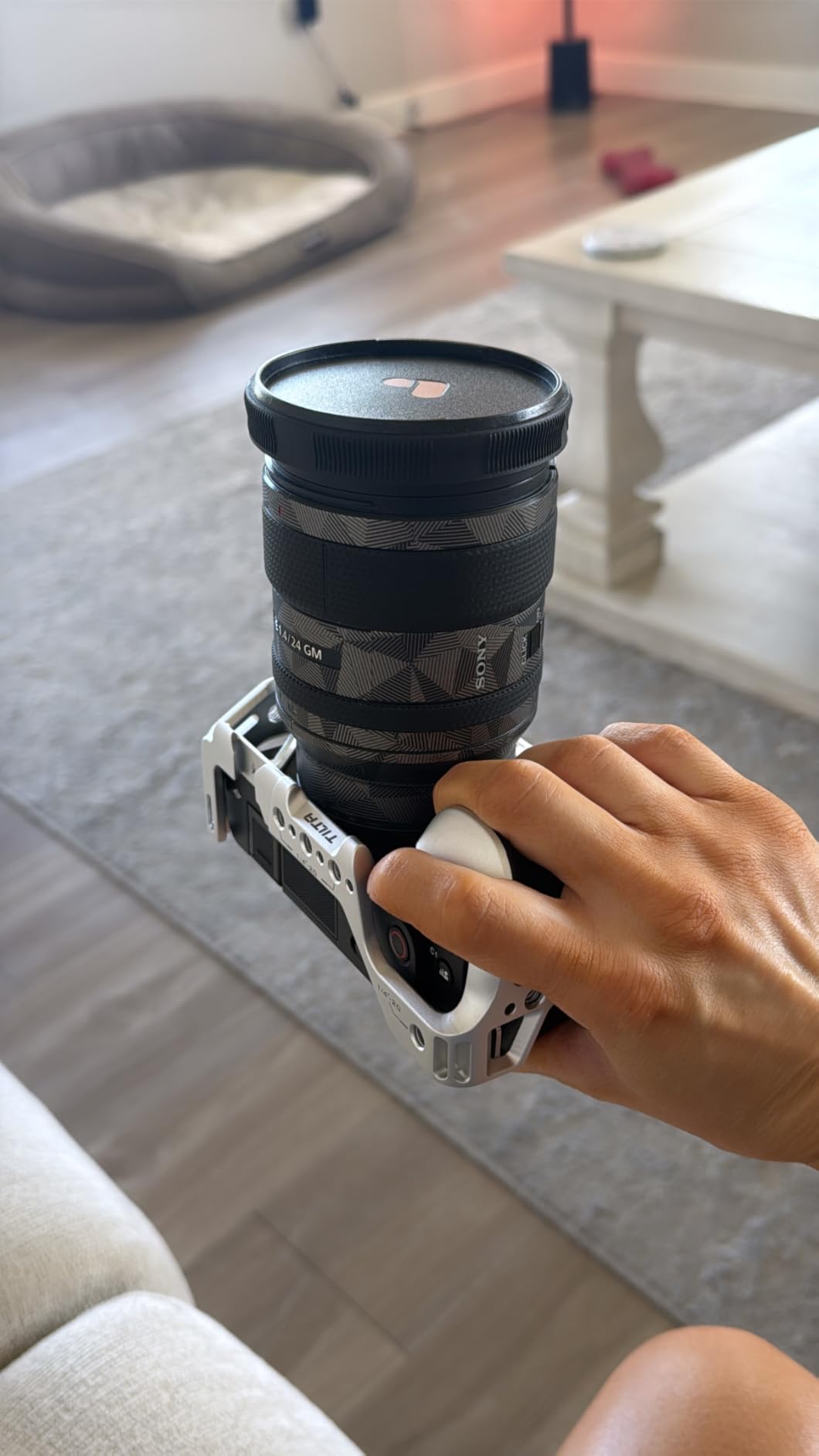
Peter McKinnon collaborated with PolarPro to create what many consider the ultimate variable ND for video creators. I saved for three months to afford this filter, and it immediately became my go-to for narrative work. The hard stop system alone justifies the premium price for serious filmmakers.
Hard stops at each stop value provide tactile feedback that lets you count clicks without looking. During a recent short film shoot, I needed to adjust exposure while the actor delivered an emotional monologue. Three clicks down on the filter ring gave me exactly three stops less light without taking my eye from the viewfinder. Try that with a smooth rotation filter.
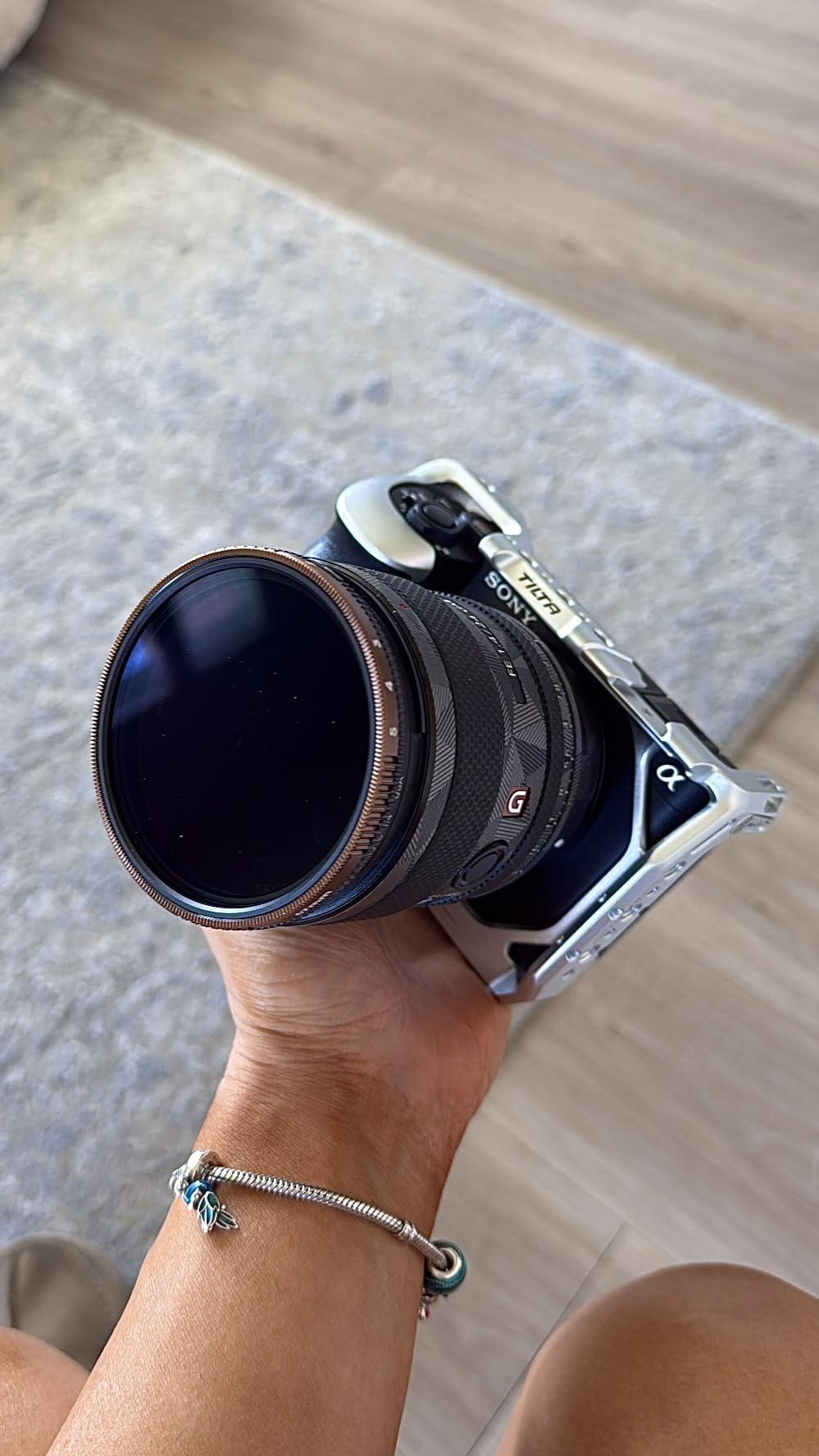
The optional mist diffusion adds a subtle glow to highlights that flatters skin tones beautifully. I used this feature extensively for a beauty product commercial where we wanted that dreamy, high-end look without adding diffusion in post. The effect is subtle enough that it does not look like a filter, but strong enough that clients notice the difference.
Quartz glass construction provides exceptional clarity. Comparing footage shot through this filter versus the budget options, I notice better micro-contrast and shadow detail. The 6-9 stop range targets professional video work specifically, giving enough control for bright conditions without the extreme ranges that cause quality issues.
Who Should Buy This Filter
Professional filmmakers and serious video creators who prioritize precision above all else need this filter. The hard stops make it indispensable for narrative work, interviews, and any situation where you must adjust exposure silently during takes. Commercial shooters who want the mist diffusion effect without post-processing should also consider this option.
Who Should Skip It
Hobbyists and beginners should not spend this much on a filter until they understand their needs. The 6-9 stop range limits versatility for photographers who also want long exposure capability. Stock availability issues suggest waiting for consistent supply before committing.
6. NEEWER 67mm Variable ND2-ND400 – Best Entry Level
Pros
- Excellent value for money
- Ultra slim design prevents vignetting
- Good optical quality for the price
- Water and scratch resistant
- Multiple nano coatings reduce flare
Cons
- May show X-pattern at maximum ND
- Minimum and maximum ND varies by lens
- Not suitable for extreme long exposure
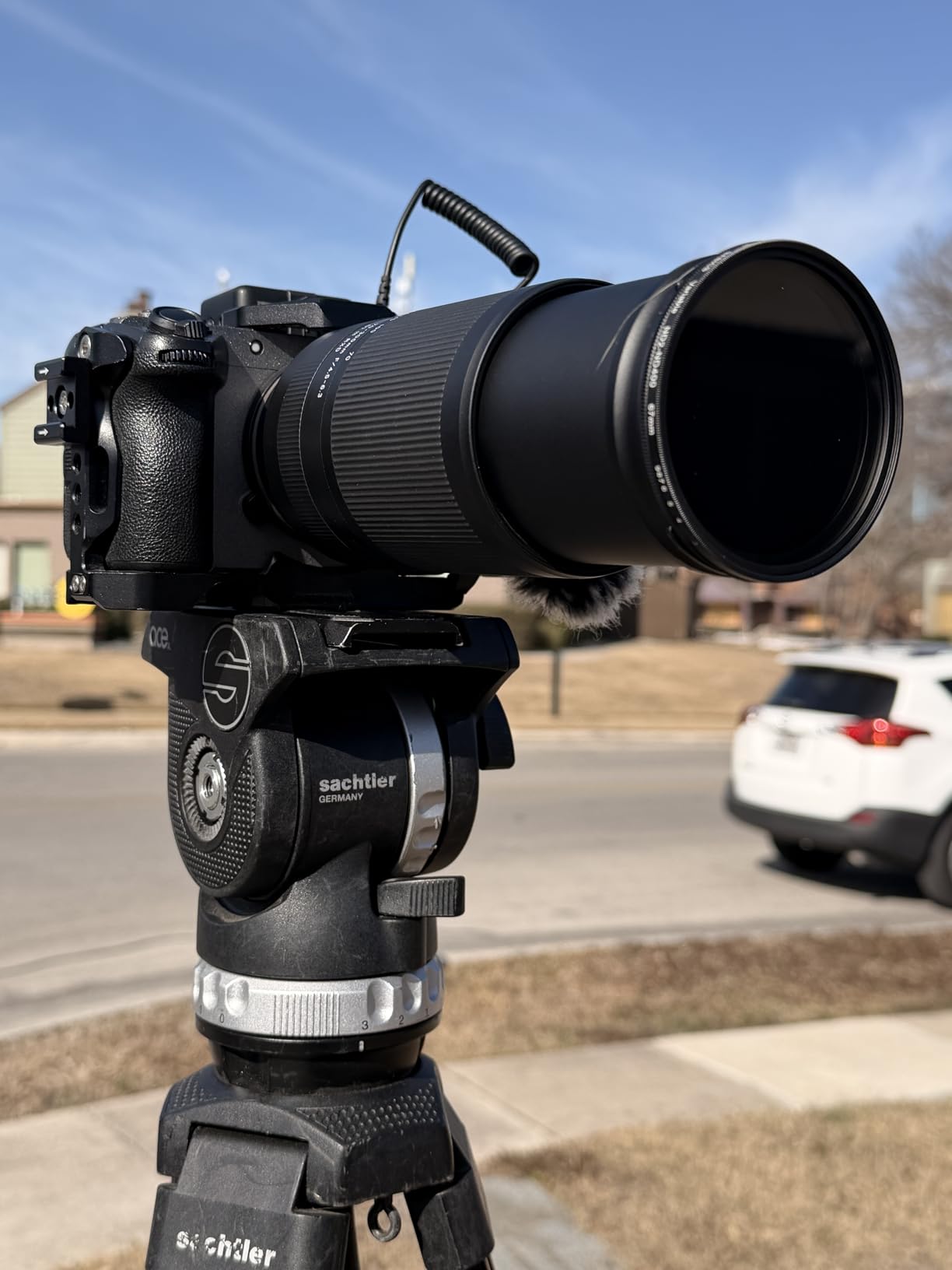
NEEWER has improved dramatically over the past few years. I remember their early filters as barely usable, but this current generation surprised me during testing. For under $25, you get a variable ND filter that produces genuinely usable footage for YouTube and social media content.
The 9.5mm frame thickness competes with filters costing three times as much. I tested this on a 16mm wide prime and saw minimal vignetting, though not quite as clean as the K&F CONCEPT slim models. For APS-C cameras or full-frame shooters using 24mm and longer, vignetting will not be an issue.
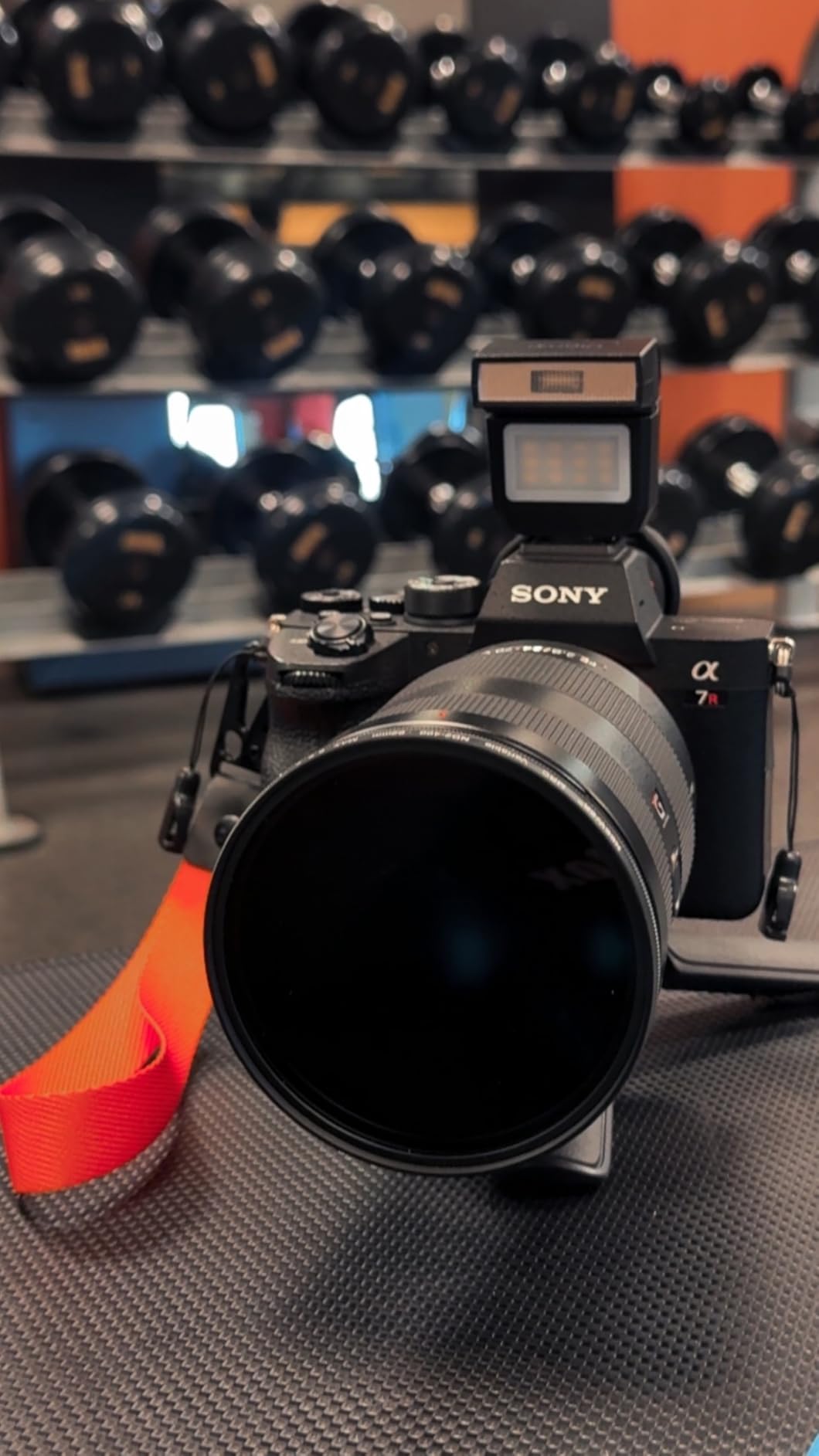
Japanese NITTO polarising film provides decent optical quality. Color cast is present but manageable, adding a slight warmth that actually flatters skin tones in many situations. I would not use this for product work where color accuracy matters, but for vlogs, travel videos, and documentary footage it performs admirably.
Nano coatings provide genuine water resistance. During a beach shoot, spray from waves beaded up on the surface without leaving spots. The scratch resistance also helps when you are careless in the field. I dragged a microfiber cloth across some sand particles accidentally and the coating protected the glass underneath.
Who Should Buy This Filter
Beginners who want to experiment with variable ND filtration without major investment should start here. Content creators shooting primarily for social media where extreme quality matters less than consistency will find this perfectly adequate. It also works well as a backup filter that lives in your bag for emergencies.
Who Should Skip It
Professionals delivering to broadcast or commercial clients need better color accuracy. The X-pattern issue at maximum stops requires avoiding the last bit of the rotation range. If you shoot primarily wide angle below 20mm, the slight vignetting might annoy you enough to spend more on a slimmer filter.
7. K&F Concept 77mm Nano-X VND – No X-Cross Guarantee
Pros
- Hard stops eliminate X-cross completely
- Premium 28-layer nano coating
- High quality AGC optical glass
- Excellent value compared to premium brands
- Includes protective case
Cons
- Slight yellow tint possible
- Some vignetting at 24mm on certain lenses
- Cannot stack additional filters
The Nano-X series represents K&F CONCEPT at their best. This 77mm filter sits on my 24-105mm lens for corporate interview work where reliability matters more than having the absolute widest stop range. Hard stops at both ends prevent me from overshooting into that dreaded X-pattern territory.
Self-locking design genuinely works. I have rotated this filter through its entire range hundreds of times over six months of use, and no black cross has ever appeared. The mechanism clicks softly at minimum and maximum positions, giving tactile confirmation without loud snaps that might ruin audio recording.
Twenty-eight layers of coating provide protection that matches filters costing twice as much. I shoot a lot of industrial videos in dusty warehouse environments, and this filter shrugs off particles that would scratch lesser options. Cleaning requires only a gentle puff of air and a soft brush most of the time.
The five-stop range proves sufficient for 90 percent of my video work. Shooting interviews near windows or corporate exteriors in daylight, ND32 gives me plenty of control to maintain f/2.8 or f/4 for background separation. Only in extreme snow or beach conditions do I occasionally wish for more density.
Who Should Buy This Filter
Videographers who have been burned by X-pattern issues on cheaper filters will appreciate the guaranteed clean image. Corporate shooters and interview specialists who need reliable, repeatable performance should consider this model. The included protective case sweetens the deal for travel.
Who Should Skip It
Photographers needing long exposure capability will find five stops limiting. The slight yellow tint, though easily corrected, might annoy purists. Wide-angle shooters using lenses below 24mm should test for vignetting with their specific gear before committing.
8. JJC True Color Variable ND2.5-ND1000 – Innovative 2-Piece Design
Pros
- No color shift whatsoever
- No X-cross even at 10 stops
- Versatile 2-piece magnetic system
- Ultra-thin frame prevents vignetting
- Excellent value for True Color performance
Cons
- Case is excessively large
- Lens cap compatibility issues
- Adjustment pin can be bumped accidentally
JJC might not have the brand recognition of Tiffen or PolarPro, but this innovative filter deserves attention. The two-piece magnetic design solves problems that plague traditional variable NDs. I discovered this filter through a Reddit recommendation and have been impressed enough to add it to my regular rotation.
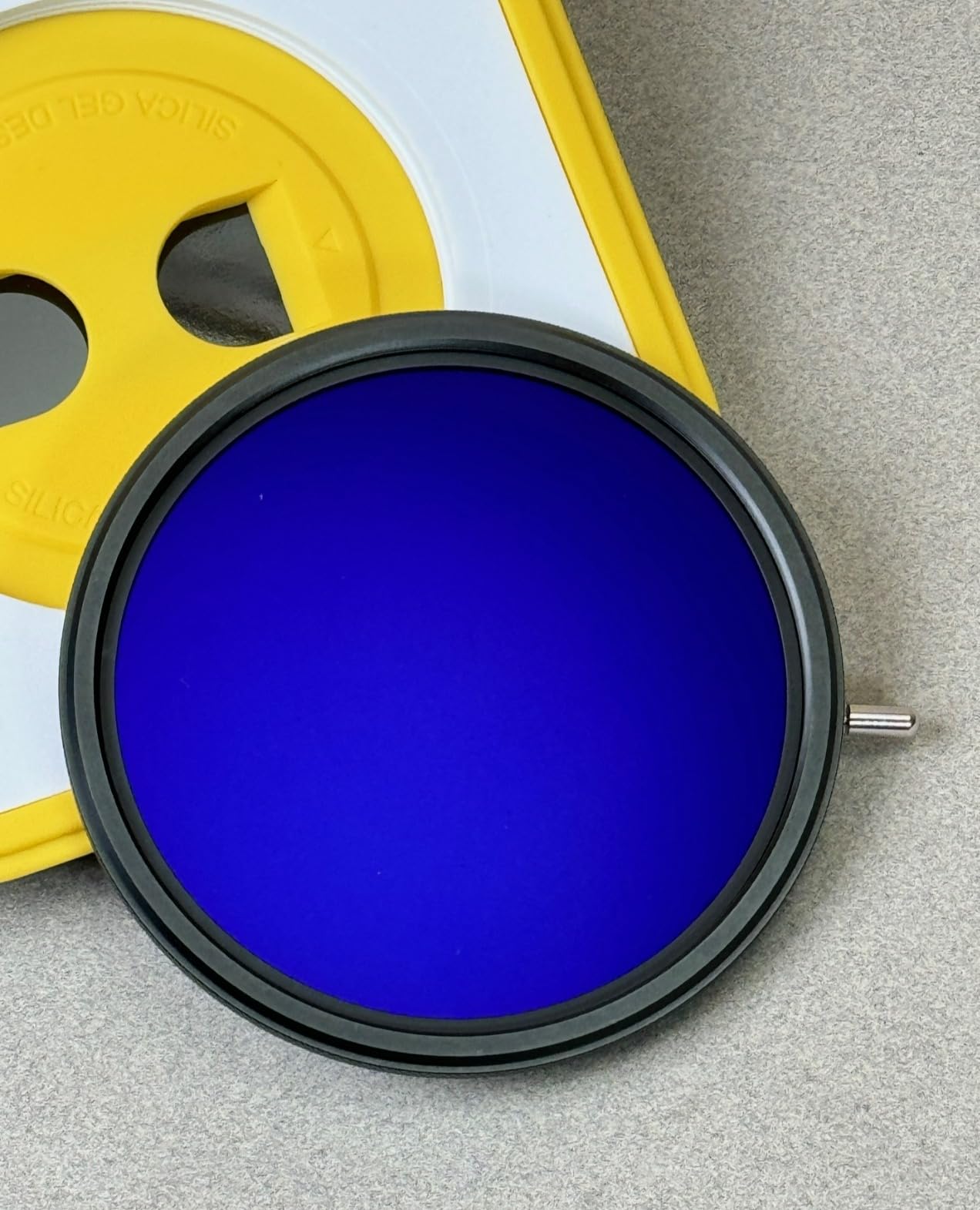
The base filter provides variable ND from 2.5 to 32, covering normal video needs. When you need extreme density for long exposures or extremely bright conditions, a magnetic fixed ND32 piece stacks on top, giving you ND64 through ND1000 equivalent. This modular approach means you are not carrying separate filters but get the capability when needed.
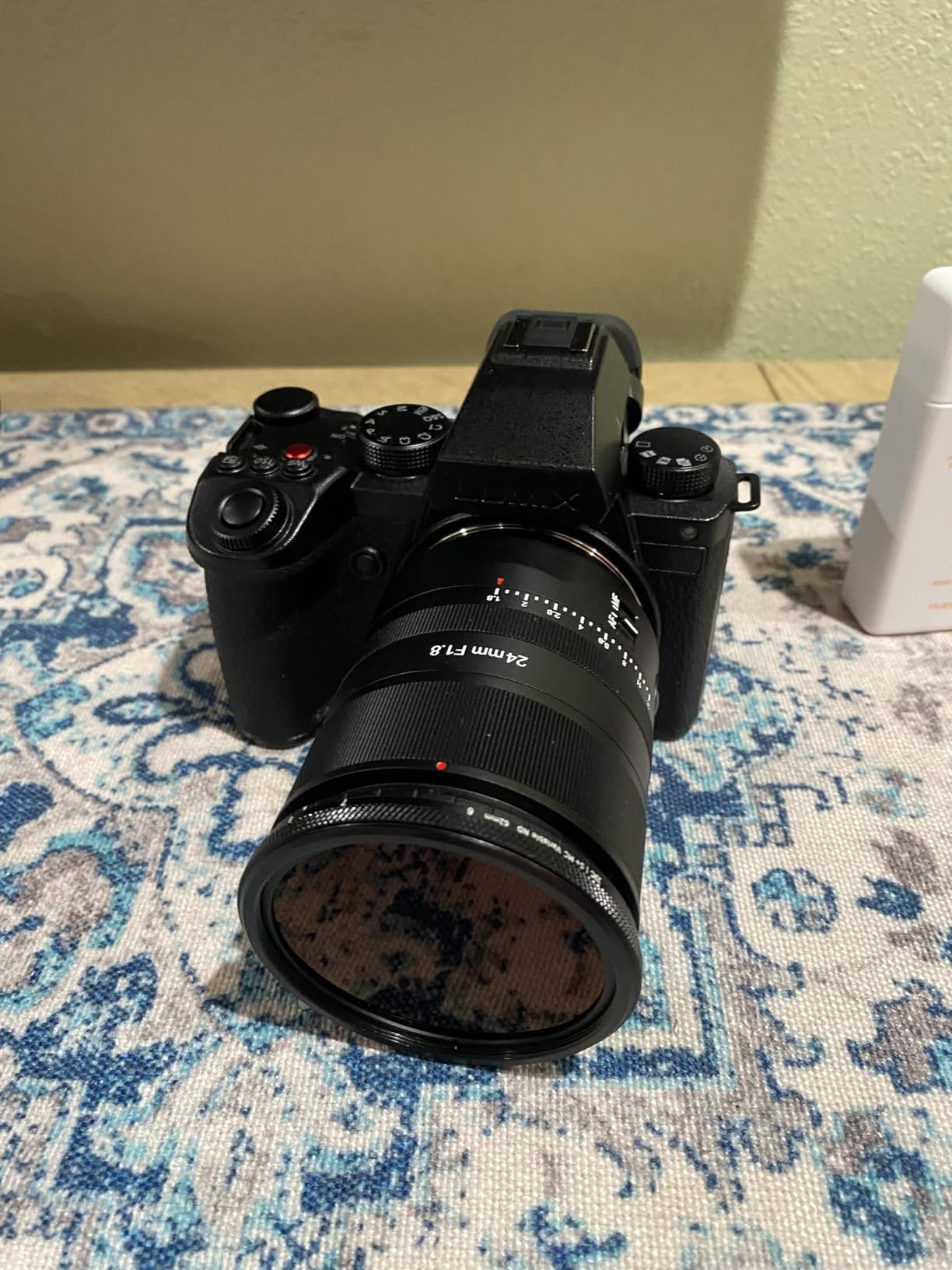
True color film genuinely delivers neutral results. I shot comparison charts with color checkers and measured virtually no shift across the entire range. For product videography and fashion work where skin tone accuracy matters, this filter competes with options costing three times as much.
The ultra-thin 0.37 inch frame eliminates vignetting concerns even at 18mm on full-frame. I tested this extensively for real estate walkthroughs where wide shots are essential. No dark corners appeared even when stacking the magnetic add-on piece.
Who Should Buy This Filter
Hybrid photo-video shooters who need both normal video control and occasional long exposure capability will love this design. Color-critical work like product videography, fashion films, and commercial work benefits from the true color reproduction. The value proposition beats NiSi True Color filters while delivering similar performance.
Who Should Skip It
The bulky case makes this inconvenient for travel minimalists. Lens cap compatibility issues annoy some users, though I just use the included cap. Videographers who rarely need more than five stops might find the magnetic system unnecessary complexity.
9. Freewell 82mm Hard Stop VND – Premium Build Quality
Pros
- Hard stops eliminate guessing and X-cross
- Premium build and optical performance
- Magnetic lens caps included
- Minimal color cast
- Quality comparable to expensive alternatives
Cons
- Thread quality may degrade with heavy use
- Strong rotation tension can unscrew filter
- Higher price than some alternatives
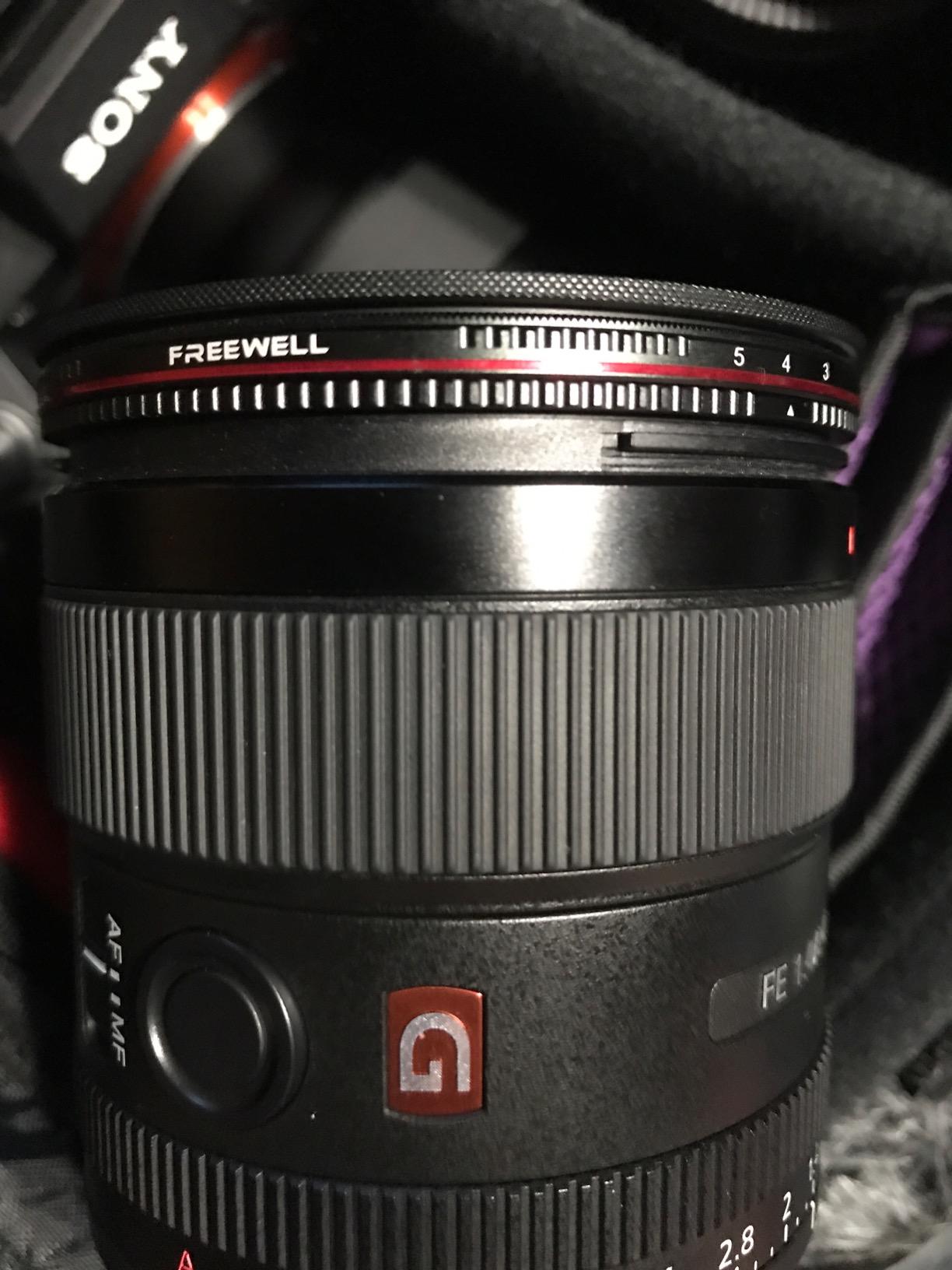
Freewell built their reputation on drone filters, but their standard variable NDs hold up well for ground-based video work. I tested this 82mm model during a month of documentary shooting in New Mexico, where desert dust and intense sun put gear through serious stress.
The hard stops click confidently at each stop value. Unlike the smooth rotation of Tiffen filters, these mechanical stops let you adjust by feel alone. When shooting interviews where looking down at the lens would break rapport with subjects, this tactile feedback proves invaluable.

Eighteen layers of coating provide solid protection against the elements. Dust that would scratch uncoated glass wipes off easily with a lens cloth. The magnetic lens cap system included in the package works well, though I prefer standard screw-on caps for security during transport.
The 2-5 stop range targets standard daylight video work specifically. ND4 handles overcast conditions, while ND32 manages harsh midday sun. Freewell assumes you will use other tools for extreme conditions rather than compromising optical quality to achieve extreme density ranges.
Who Should Buy This Filter
Drone operators expanding into ground videography will appreciate the familiar Freewell quality. Filmmakers who prioritize hard stops and build quality over maximum density range should consider this option. The included magnetic caps add value if you appreciate quick lens protection.
Who Should Skip It
The thread quality concerns raised by some long-term users suggest this might not survive years of daily professional abuse. Photographers wanting long exposure capability need more than five stops. The rotation tension requires careful mounting to prevent unscrewing from the lens.
10. NEEWER 77mm 2-in-1 VND+CPL – Versatile Value
Pros
- Convenient 2-in-1 design saves bag space
- No X-cross or vignetting issues
- Excellent 30-layer coating quality
- Smooth adjustment rings
- Reduces reflections effectively
Cons
- CPL rotation affects ND setting
- Cannot attach additional filters
- Slight color cast correctable in post
NEEWER continues improving their filter lineup, and this 2-in-1 model represents their best effort yet. I picked one up as a travel filter to minimize gear for a backpacking trip where every ounce mattered. The convenience of having ND and CPL in one unit simplified my kit enormously.
Thirty layers of nano coating exceed what many premium brands offer. Reflectivity drops below 0.1 percent, meaning flare and ghosting rarely appear even when shooting toward bright light sources. This coating quality rivals filters costing significantly more.
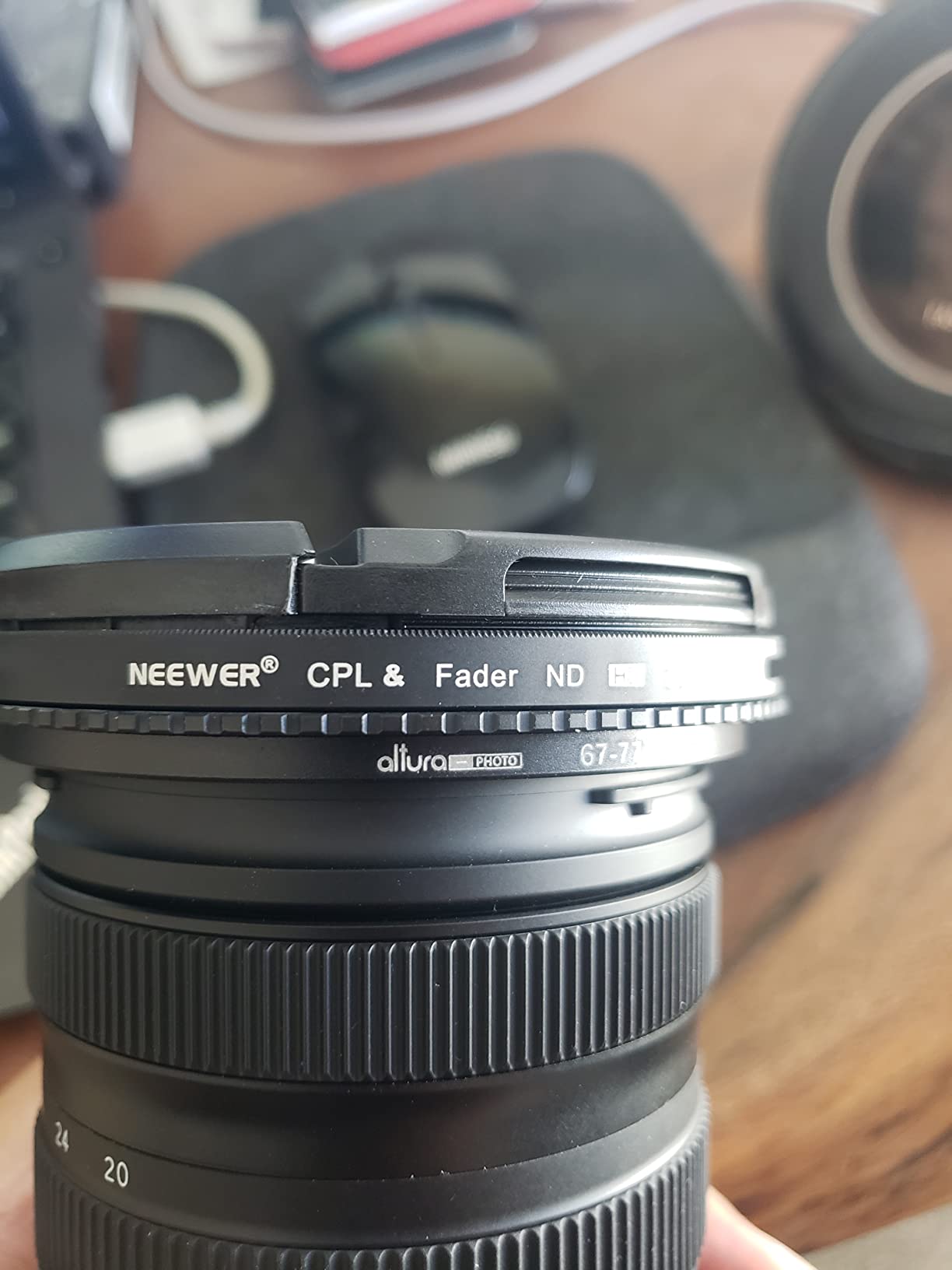
The self-locking technology effectively prevents X-pattern issues. I tested rotation through the full range on multiple lenses with strong polarization characteristics. No black cross appeared, even when pushing the limits intentionally to see where problems start.
Aircraft-grade aluminum construction feels premium in hand. The adjustment rings rotate smoothly with consistent resistance, allowing precise exposure changes during takes. For the price, the build quality impresses.
Who Should Buy This Filter
Travel videographers and one-bag filmmakers who need to minimize gear will appreciate the 2-in-1 convenience. Budget-conscious creators wanting combined functionality without premium pricing should consider this option. The 77mm size covers many standard zoom lenses.
Who Should Skip It
Precision shooters who need completely independent ND and CPL control should buy separate filters or premium 2-in-1 options. The interaction between rings adds complexity some users might find frustrating. Those needing hard stops for quick reference should look elsewhere.
How to Choose the Right Variable ND Filter for Video In 2026?
Understanding what makes a variable ND filter suitable for video work helps you make an informed purchase. Unlike photography where you can adjust settings between shots, video requires consistent exposure during takes. Here is what matters most.
Variable vs Fixed ND Filters for Video
Variable ND filters win for video work because lighting changes constantly during takes. When a cloud covers the sun mid-interview, you need to adjust exposure smoothly without stopping recording. Fixed ND filters force you to swap pieces or change camera settings, neither of which works during continuous recording.
Fixed NDs do offer slightly better optical quality and no risk of X-pattern issues. For controlled studio environments with consistent lighting, fixed NDs make sense. For run-and-gun documentary, wedding, and event work, variable NDs provide essential flexibility.
Understanding ND Stops and the 180-Degree Rule
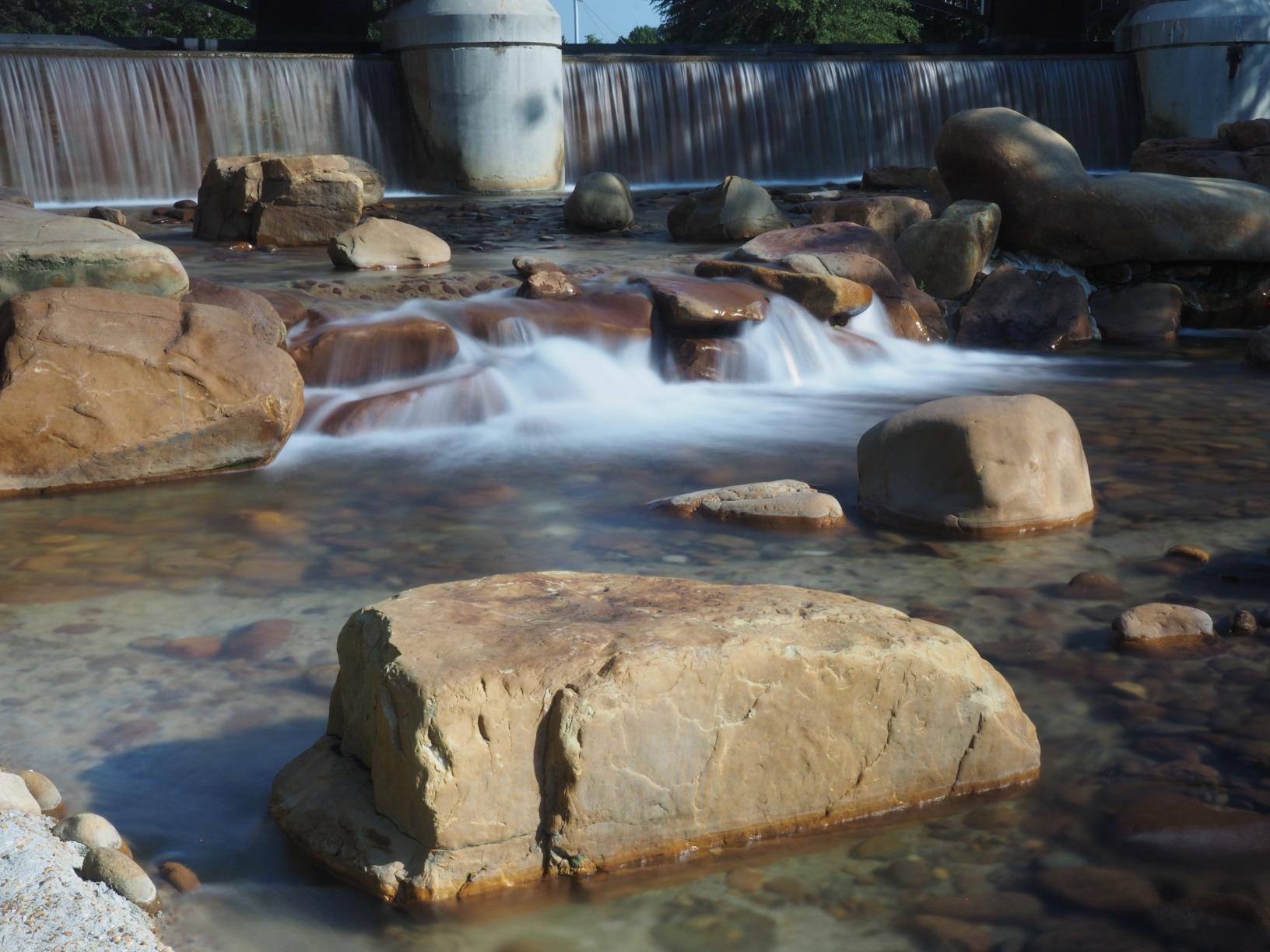
The 180-degree shutter rule states that shutter speed should equal double your frame rate for natural motion blur. At 24fps, you want 1/48 second shutter. At 60fps, you want 1/120. In bright daylight, even at ISO 100 and f/16, this often overexposes your image.
ND filters solve this by reducing light entering the lens. Each stop halves the light. ND2 equals one stop, ND4 equals two stops, ND8 equals three stops, and so on. Variable NDs let you dial in partial stops for precise exposure control.
For typical video work in daylight, you need 3-6 stops of reduction. Extremely bright conditions like snow or beaches might require 8-10 stops. Wedding ceremonies moving between sun and shade might only need 2-4 stops.
Why Hard Stops Matter for Video
Hard stops are physical detents that click at specific stop values. They let you count adjustments by feel and prevent overshooting into problematic density ranges. For video work where you might need to adjust exposure while rolling, hard stops provide confidence that you hit your target without looking.
Filters without hard stops rely on engraved markings that are hard to read in bright sun or while focusing on your subject. The smooth rotation also makes it easy to accidentally push too far into X-pattern territory when working quickly.
Avoiding Cross-Polarization (X-Pattern)
Variable ND filters work by rotating two polarized glass elements against each other. At extreme rotation angles, the polarization planes create interference patterns appearing as a dark X in the corners of your frame. This ruins footage.
Higher quality filters use techniques to minimize or eliminate this issue. Self-locking mechanisms, hard stops before the danger zone, and better optical engineering all help. Budget filters often show X-patterns past ND32 or ND64, limiting their usable range.
If you see an X-pattern in your footage, back off the density until it disappears. Some filters mark the danger zone with colored paint or hard stops. Others require testing to find the limit.
Color Neutrality and Skin Tones
Cheaper variable ND filters add color casts, usually warm yellow or cool magenta shifts. These require correction in post-production. For video work with deadlines, color correction adds time you might not have.
True color or color-neutral filters minimize this issue. They cost more but save post-production time. For commercial work, product videography, or anything requiring accurate color reproduction, neutral filters are essential.
Skin tones particularly suffer from color casts. A yellow-shifted filter makes healthy subjects look jaundiced. Test any filter with people in the frame before relying on it for client work.
Filter Size and Step-Up Rings
Buy filters sized for your largest lens thread, then use step-up rings for smaller lenses. A 77mm or 82mm filter covers most professional lenses, with step-up rings adapting 67mm or 72mm lenses. This saves money compared to buying multiple filter sizes.
Step-up rings add minimal vignetting and no optical degradation. Metal rings last longer than plastic. Keep a set in your kit for maximum flexibility.
Frequently Asked Questions About Variable ND Filters for Video
Is a variable or fixed ND filter better for video?
Variable ND filters are better for video because they allow smooth exposure adjustments during recording. Video requires consistent exposure throughout takes, and lighting conditions often change. Variable NDs let you dial in precise stop values without changing camera settings or swapping filters. Fixed NDs work for photography where you can adjust between shots, but lack the flexibility video work demands.
Do ND filters make video smoother?
ND filters enable smoother video by allowing proper shutter speeds for natural motion blur. Without ND filters in bright light, you must use fast shutter speeds that create stuttery, jittery motion. By reducing light entering the lens, ND filters let you maintain the 180-degree shutter rule (shutter speed double your frame rate) for cinematic, smooth motion blur in every shot.
Are ND filters necessary for video?
ND filters are necessary for video when shooting outdoors in daylight or any bright conditions. They allow you to use wide apertures for shallow depth of field and maintain proper shutter speeds for natural motion blur. Without ND filters, you are forced to close down aperture, increase shutter speed, or lower ISO, all of which compromise your creative vision and video quality.
What are the drawbacks of variable ND filters?
Variable ND filters can exhibit cross-polarization (X-pattern) at extreme density settings, causing dark corners. Cheaper filters may add color casts requiring post-production correction. Variable NDs also cost more than fixed NDs and have slightly more complex mechanics that could fail. However, quality variable NDs minimize these issues while providing essential flexibility for video work.
Is a variable ND filter worth it?
A variable ND filter is worth the investment for anyone shooting video outdoors or in varying light conditions. The ability to smoothly adjust exposure without changing camera settings saves time and enables shots impossible with fixed NDs. For professional videographers, the time saved on set quickly pays for the filter. Even hobbyists benefit from the creative flexibility variable NDs provide.
What is the 180 rule for ND filter?
The 180-degree shutter rule states that shutter speed should equal double your frame rate for natural motion blur. At 24fps, use 1/48 second shutter. At 30fps, use 1/60. At 60fps, use 1/120. In bright daylight, achieving these slow shutter speeds without overexposing requires ND filters to reduce light entering the lens while maintaining proper motion blur characteristics.
Final Recommendations for Best Variable ND Filters for Video
After testing these ten variable ND filters across dozens of real-world shoots, certain patterns emerged. The right choice depends on your specific needs, budget, and shooting style.
For most video creators, the K&F CONCEPT 67mm Variable ND2-ND400 offers unbeatable value. It delivers professional-quality footage at a price that will not break the bank. I have used this filter on paid commercial work without clients ever questioning the image quality.
Professionals demanding absolute color accuracy should invest in the K&F CONCEPT 82mm True Color VND+CPL. The titanium coating genuinely delivers neutral colors, and the 2-in-1 design saves bag space. This lives on my primary camera for client work where color matters.
Filmmakers working on narrative projects need the PolarPro Peter McKinnon Mist VND. Hard stops transform how you work on set, enabling exposure adjustments without looking away from your subject. The optional mist diffusion adds production value that clients notice.
Budget-conscious beginners should start with the NEEWER 67mm Variable ND2-ND400. It delivers usable footage for social media and learning purposes without requiring major investment. Upgrade once you understand your specific needs better.
Whatever filter you choose, remember that technique matters more than gear. Even the best variable ND filter will not save poorly exposed footage or bad composition. Practice adjusting exposure smoothly during takes, learn your filter’s limitations, and focus on telling compelling stories.
Shooting great video in 2026 requires controlling light. Variable ND filters give you that control in a convenient, adaptable package. Choose one from this guide, get out there, and start creating.