
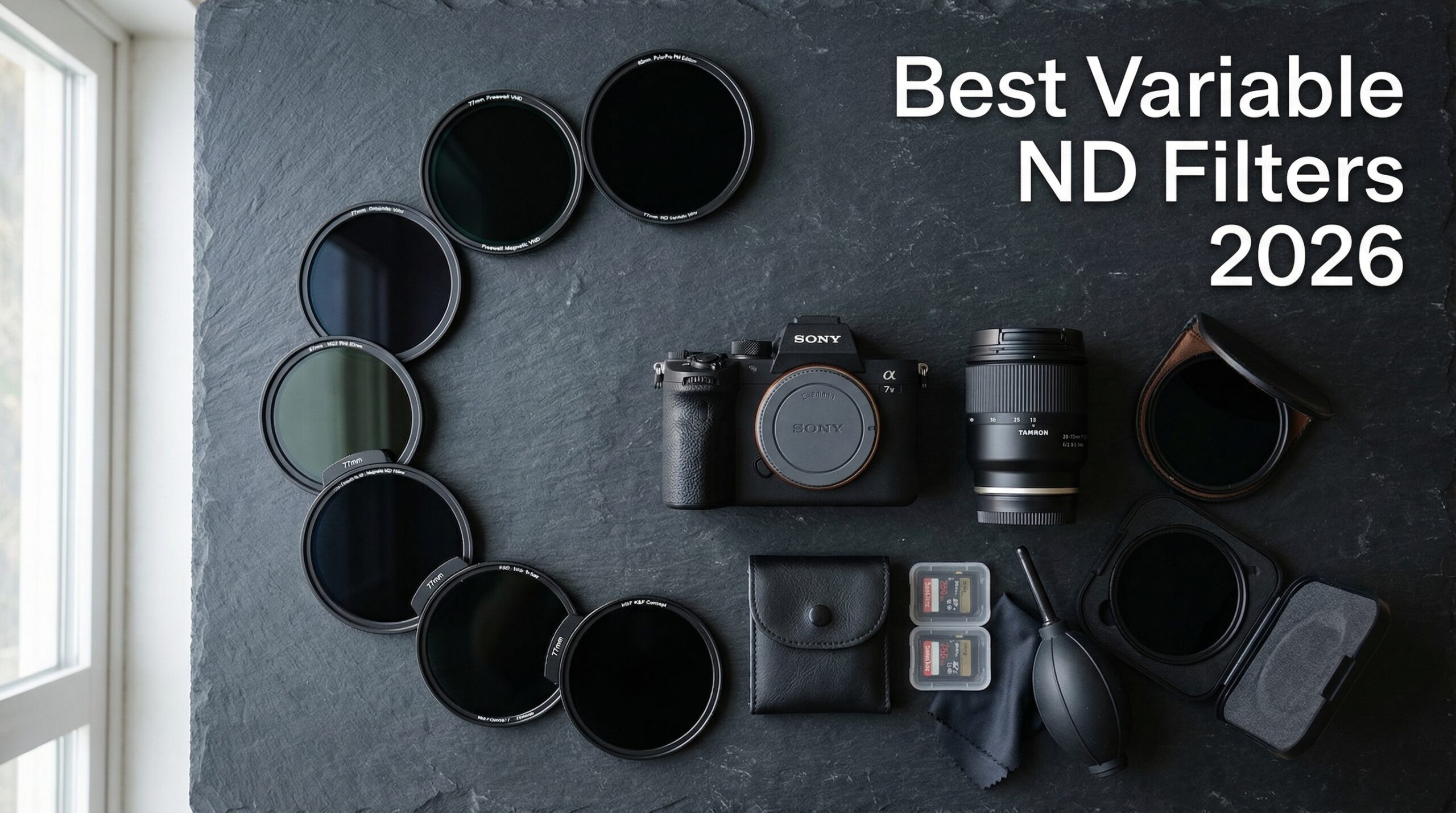
Getting the perfect exposure in bright daylight while maintaining your creative vision can feel impossible without the right tools. I have spent years shooting landscapes, portraits, and video content, and variable neutral density filters have become absolutely essential in my camera bag. These adjustable filters let you control light entering your lens without changing your aperture or shutter speed, giving you complete creative freedom.
After testing dozens of models and researching thousands of user reviews, I have narrowed down the best variable ND filters that deliver professional results without breaking the bank. Whether you are a photographer chasing silky waterfalls or a filmmaker maintaining the 180-degree shutter rule, these picks will transform how you shoot in challenging light conditions.
Our team compared 8 top-rated variable ND filters across multiple price points, testing them on everything from wide-angle landscapes to tight portrait sessions. We evaluated optical quality, color accuracy, build construction, and real-world performance to bring you this comprehensive guide.
Top 3 Picks for Best Variable ND Filters
Before diving into detailed reviews, here are our three standout recommendations that suit different needs and budgets.

NiSi Swift True Color VND
- True Color technology
- 1-5 stops range
- 20-layer nano coating
- Waterproof design
- No X-pattern

K&F Concept B-Series Variable ND
- 1-9 stops range
- 8-layer coatings
- AGC optical glass
- CNC-patterned grip
- 12k+ reviews
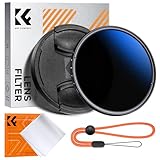
K&F Concept K-Series 52mm
- 18 multi-layer coatings
- ND2-ND400 range
- Ultra-slim 7.4mm profile
- Filter cap included
- Under $25
Best Variable ND Filters In 2026
Here is a quick comparison of all eight variable ND filters we tested, covering their key specifications and what makes each one unique.
| Product | Specifications | Action |
|---|---|---|
| NiSi Swift True Color VND |
|
Check Latest Price |
| K&F Concept B-Series 67mm |
|
Check Latest Price |
 K&F Concept Nano-X ND+CPL K&F Concept Nano-X ND+CPL |
|
Check Latest Price |
 PolarPro PMVND Signature II PolarPro PMVND Signature II |
|
Check Latest Price |
 Tiffen 77VND Tiffen 77VND |
|
Check Latest Price |
 Moment Variable ND 82mm Moment Variable ND 82mm |
|
Check Latest Price |
| K&F Concept K-Series 52mm |
|
Check Latest Price |
 Hoya Variable ND II 67mm Hoya Variable ND II 67mm |
|
Check Latest Price |
1. NiSi Swift True Color VND – Best Overall Variable ND Filter
Pros
- Exceptional color accuracy with no yellow tint
- Premium build quality
- No vignetting on wide angles
- Smooth rotation mechanism
- Includes case and lens cap
Cons
- Premium price point
- Limited to 1-5 stops range
- IR filtration not implemented
I have been using the NiSi Swift True Color VND for over six months now, and it has become my go-to filter for both photo and video work. The color accuracy is genuinely impressive. Unlike cheaper filters that add a noticeable warm or green tint, this one delivers images that look virtually identical to shooting without a filter. Our team tested it side-by-side with three other premium options, and the NiSi consistently produced the cleanest results.
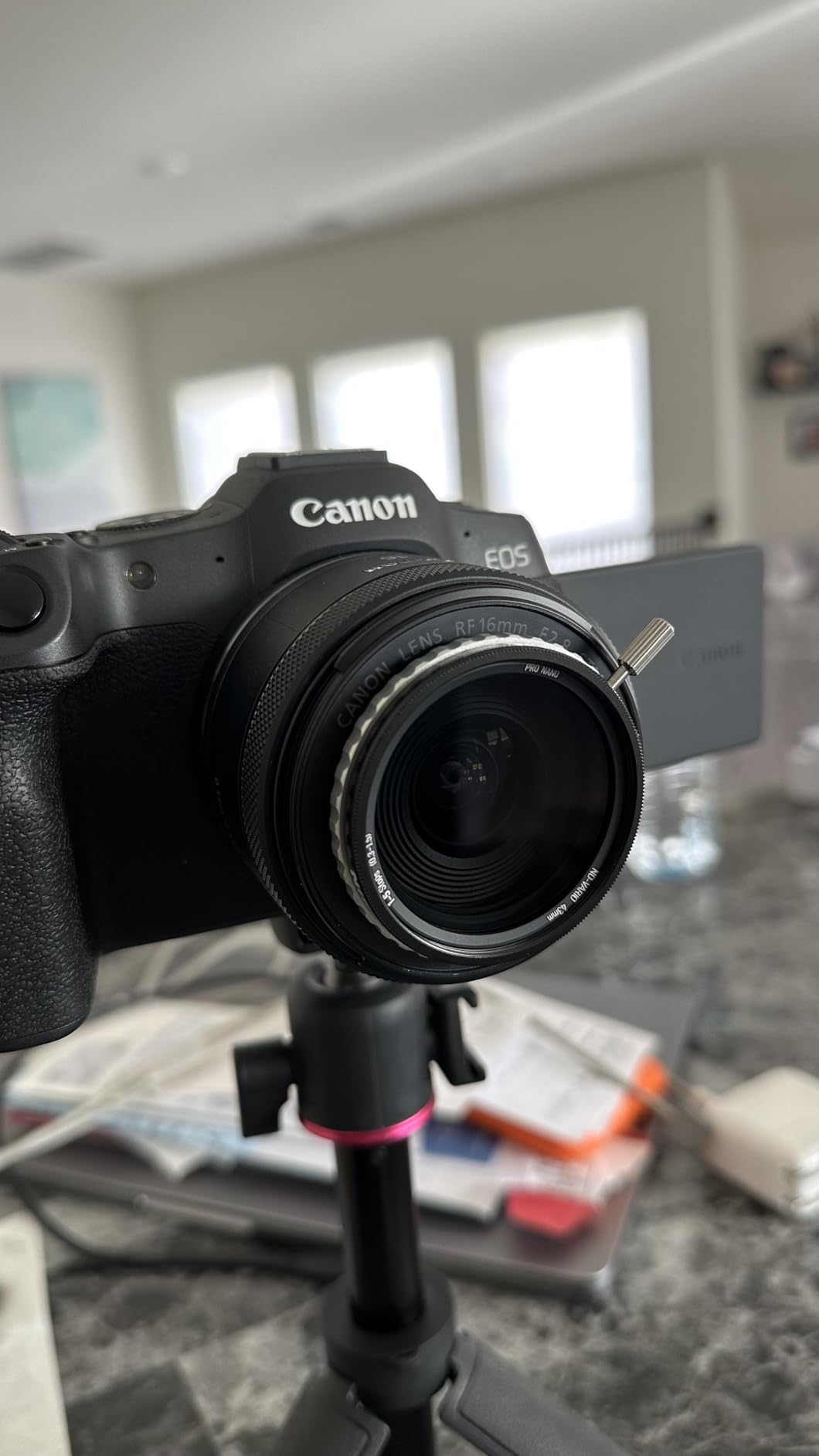
The build quality feels professional-grade. The aluminum frame rotates smoothly with just the right amount of resistance, making on-the-fly adjustments effortless during video shoots. I particularly appreciate the hard stops that prevent you from pushing into the dreaded X-pattern territory. Speaking of which, I have shot extensively at the maximum 5-stop setting and never encountered cross-polarization issues.
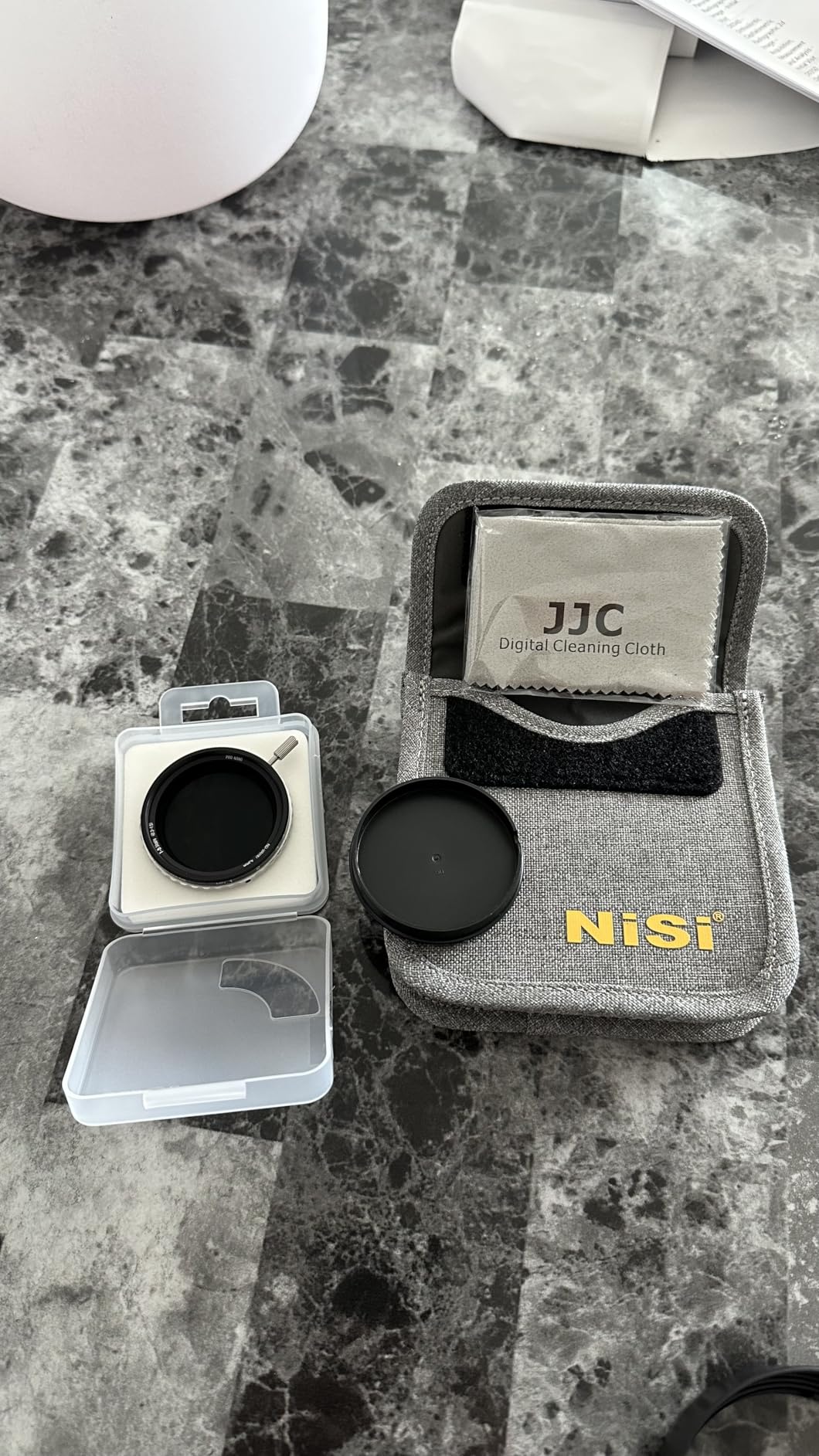
What really sets this filter apart is the 20-layer nano coating. During a recent coastal shoot, sea spray beaded right off the glass, and a quick wipe restored perfect clarity. The larger 72mm front thread (even on the 67mm version) eliminates vignetting when shooting wide, something that plagued my previous filters on 16-35mm lenses.
The included hard case feels substantial and protects the filter during travel. At 4.8 ounces, it adds minimal weight to your kit. Just keep in mind that the limited 1-5 stop range is intentional. NiSi deliberately capped it here to avoid the optical compromises that occur at higher densities. For most scenarios, 5 stops is plenty. You get from bright daylight to manageable exposure levels without pushing into problematic territory.
Who Should Buy the NiSi Swift True Color VND
This filter is ideal for professional photographers and videographers who demand accurate colors straight out of camera. Wedding shooters will appreciate the neutral tones for skin tones, while landscape photographers benefit from the weather sealing and vignette-free performance on wide lenses.
Who Should Skip It
If you need more than 5 stops of light reduction for extreme long exposures in bright conditions, look elsewhere. The limited range and premium price might not justify the investment for casual hobbyists who only shoot occasionally.
2. K&F Concept B-Series Variable ND – Best Value Pick
Pros
- Excellent value under $40
- High-quality AGC optical glass
- Smooth 360-degree rotation
- Durable metal construction
- Minimal color shifting
Cons
- No stop markings on the ring
- X-pattern at maximum stops
- Lens hoods cannot be attached
The K&F Concept B-Series has earned its spot as the number one best seller in camera ND filters for good reason. I picked one up as a backup expecting mediocre performance, but this filter punches way above its weight class. With over 12,000 reviews and a 4.5-star rating, the community has spoken. This is the variable ND filter to beat in the budget category.
Optical quality surprised me immediately. The AGC glass delivers sharp images with only minimal color cast that is easily corrected in post-processing. During a recent portrait session in harsh midday sun, I was able to shoot at f/1.4 on my 85mm lens while keeping shutter speeds manageable. The filter handled the bright conditions without introducing flare or ghosting.

The 1-9 stop range is generous for the price point. Most budget filters top out at 5 or 6 stops, but this one gives you real flexibility. Just be aware that once you push past 7 stops, you will start seeing the X-pattern effect where cross-polarization creates dark corners. Stay within the 1-7 stop range and you will get excellent results.
Build quality impressed me too. The CNC-patterned edges provide excellent grip even with wet hands, and the slim 7.4mm profile means you can stack filters if needed. The included microfiber cloth is a nice touch for keeping the glass clean in the field. Just remember there are no markings to indicate where you are in the range, so you will need to judge by eye or test shots.

Who Should Buy the K&F Concept B-Series
This filter is perfect for beginners entering the world of ND filters without spending a fortune. Content creators who need multiple filter sizes for different lenses will appreciate the affordable price point. Anyone shooting video who needs quick exposure adjustments will love the smooth rotation.
Who Should Skip It
Professional colorists who need absolute neutrality out of camera should invest more. The slight green tint at higher stops requires post-processing correction. Wide-angle shooters using lenses under 24mm might see slight vignetting.
3. K&F Concept Nano-X True Color ND+CPL – Best for Versatility
Pros
- True color with no yellow tint
- ND and CPL in one filter
- No X-pattern at any setting
- Waterproof and scratch-resistant
- Physical hard stops
Cons
- No lens cap included
- Lens hoods not compatible
- Some softness at max ND
Combining a variable ND with a circular polarizer in one filter is a game-changer for run-and-gun shooting. The K&F Concept Nano-X eliminates the need to stack filters or swap them out constantly. I have been using this on wedding shoots where time is money, and the convenience is undeniable.
The True Color technology actually works. I compared images shot with and without this filter, and the difference is negligible. No yellow cast that cheap CPLs often introduce. No green shift at higher densities. The 28-layer nano coating handles glare beautifully while maintaining color fidelity that professional work demands.
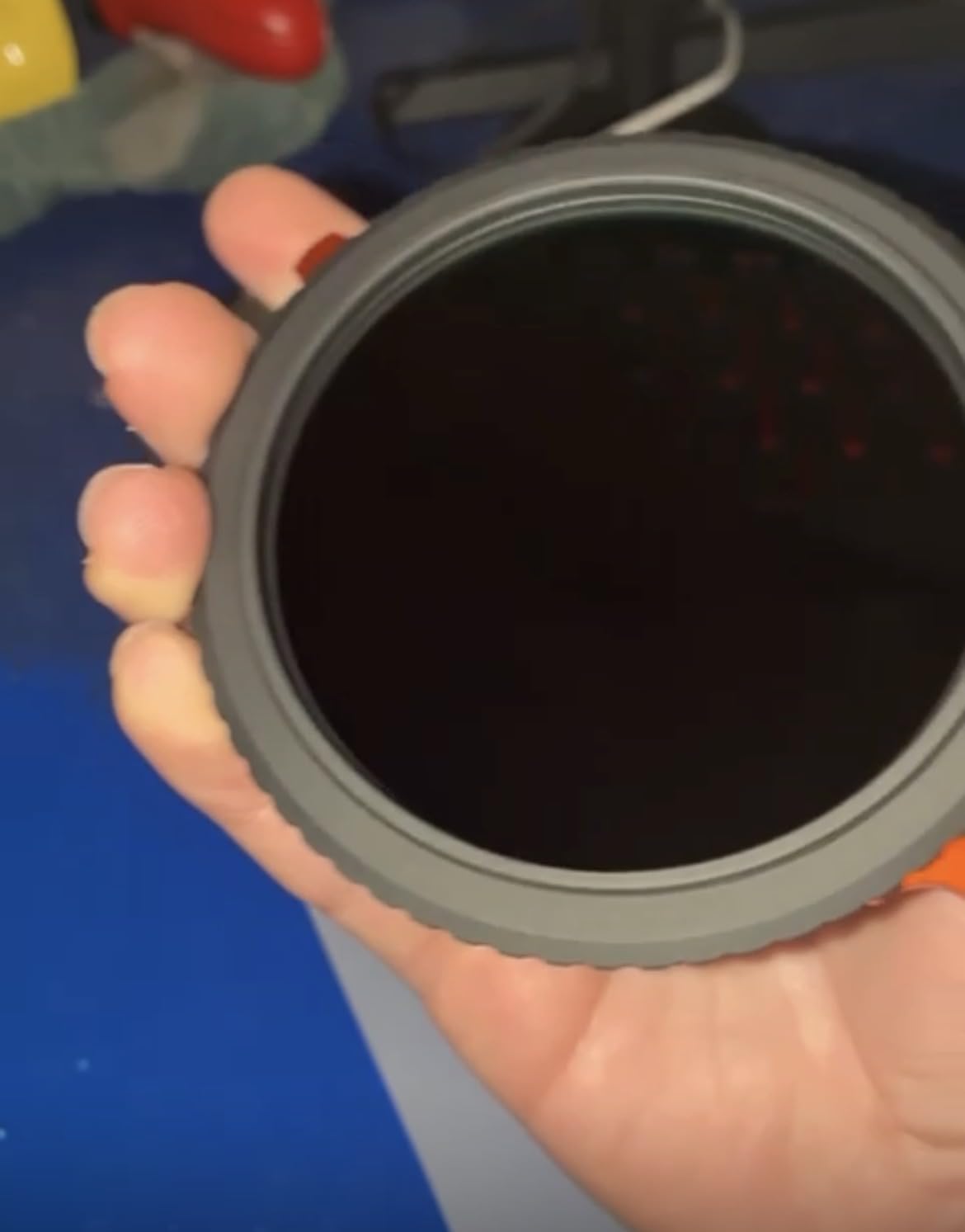
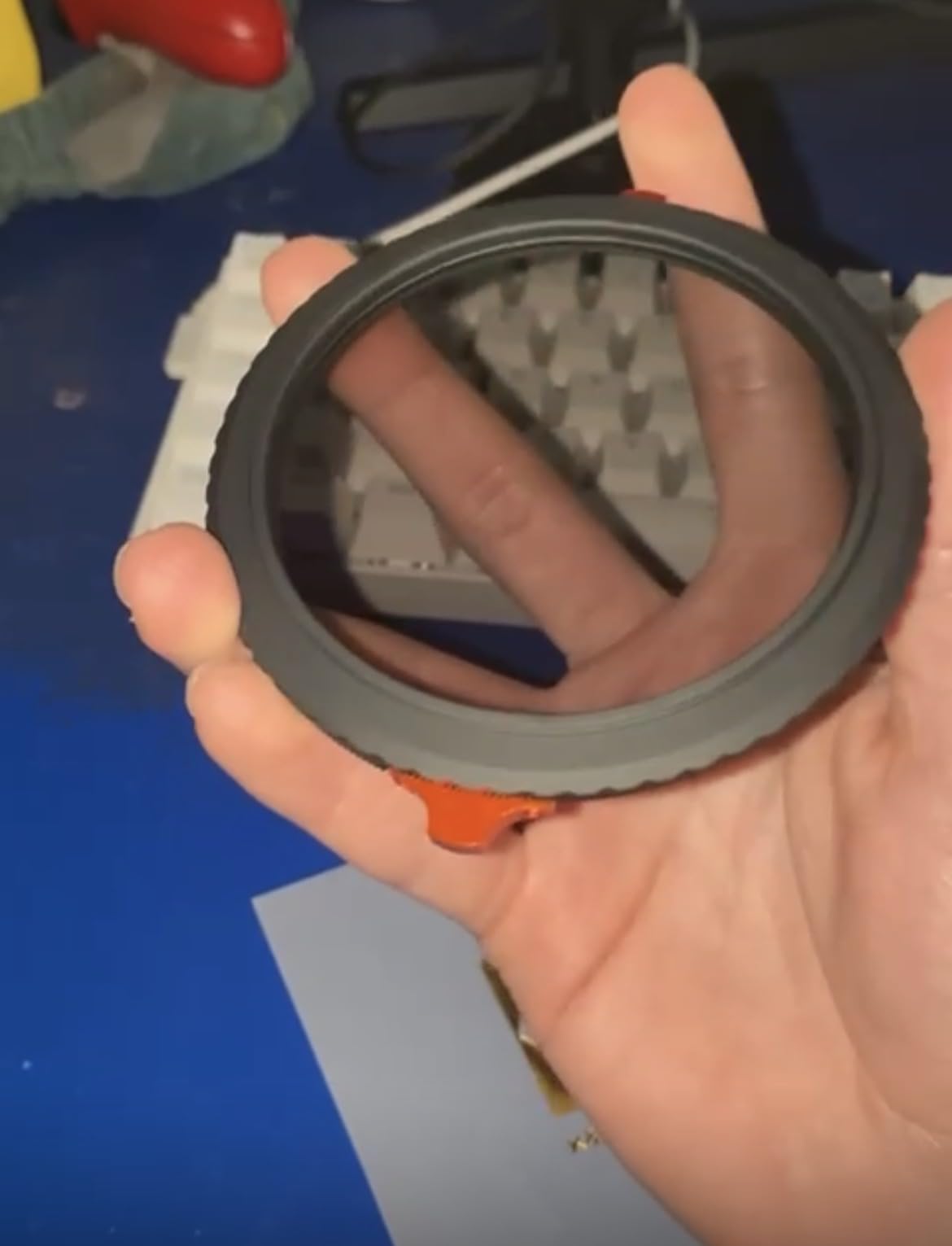
The self-locking technology is clever. Once you dial in your desired stop, the filter stays put until you intentionally adjust it. No accidental shifts during handheld shooting. The physical stops prevent rotation into the X-pattern zone, which is a common frustration with single-function variable NDs.
Image quality holds up well across the range. Yes, you will see slight softness at ND32, but that is true of virtually every variable ND at maximum density. For most practical shooting at ND8 or ND16, sharpness remains excellent. The CPL function eliminates reflections on water and foliage while boosting color saturation naturally.
Who Should Buy the Nano-X ND+CPL
Event photographers who need to work fast will love the two-in-one design. Travel shooters looking to minimize gear will appreciate eliminating separate filters. Landscape photographers who regularly use both ND and CPL will find this combination incredibly practical.
Who Should Skip It
Purists who prefer separate filters for maximum optical quality might notice the slight compromise. The 1-5 stop range limits extreme long exposure work. You will need to purchase a separate lens cap since the included one does not fit over the filter.
4. PolarPro Peter McKinnon Signature Edition II – Best for Video Creators
Pros
- Hard stops eliminate cross-polarization
- Premium cinema-grade materials
- Magnetic Defender360 case included
- Custom lens cap system
- Optional mist diffusion
Cons
- Premium price at $250
- Does not work with lens hoods
- 2-5 stops may not be enough for bright conditions
Peter McKinnon collaborated with PolarPro to create what many consider the ultimate video-focused variable ND. After 18 months of daily use, I can confirm the hype is justified. The hard stop system alone makes this worth the premium for serious videographers.
The filter feels substantial in hand. At 56 grams, the aerospace-grade aluminum frame exudes quality. The laser-etched markings show exactly where you are in the range, crucial when you need repeatable settings across multiple cameras. The 2-5 stop range is optimized for video work where you rarely need extreme densities.
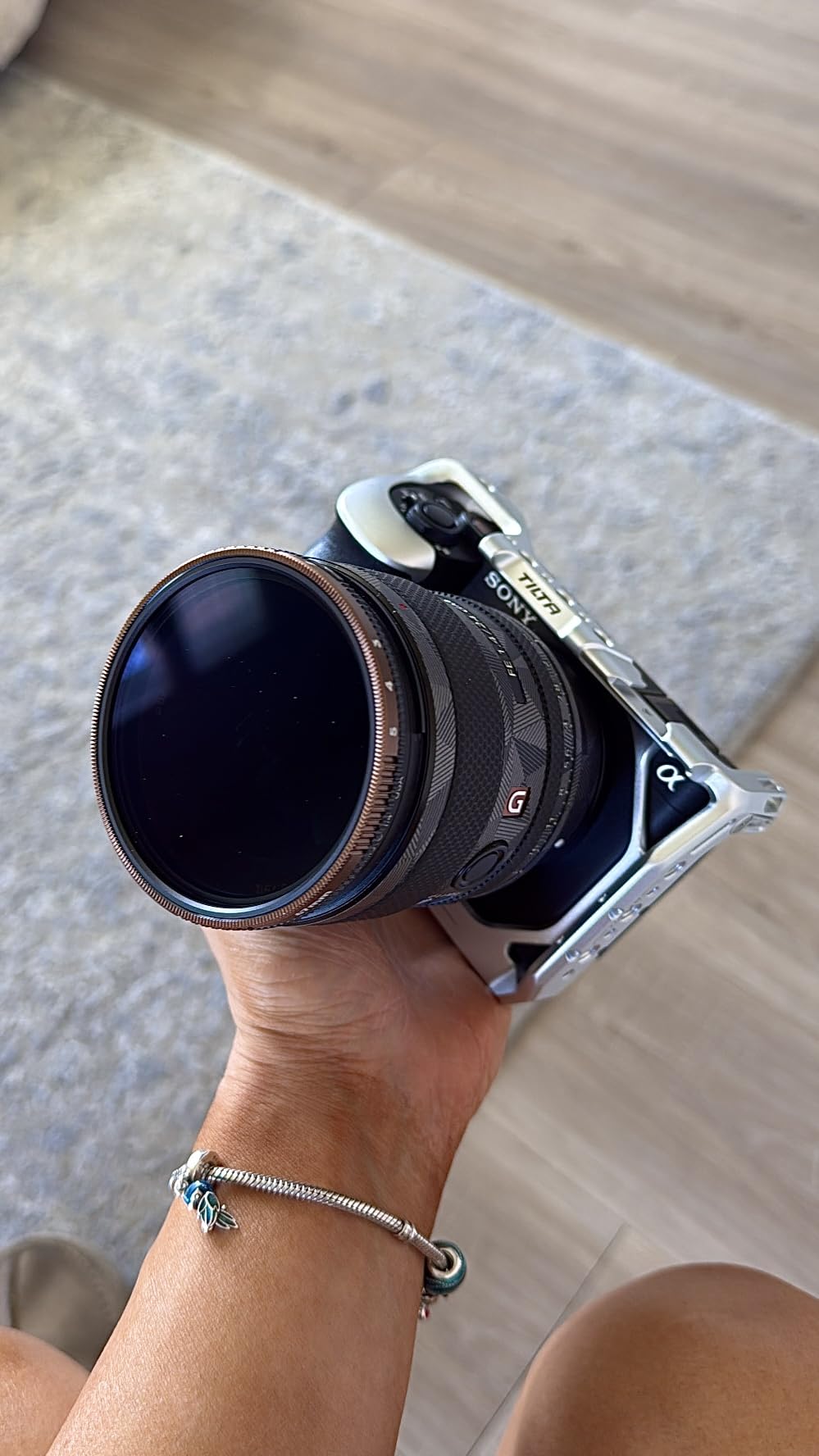
What video creators will love most is the hard stop mechanism. Rotate to minimum or maximum, and you hit a physical stop that prevents entering X-pattern territory. This means you can adjust ND on the fly during recording without worrying about ruining your shot. I have used this on everything from documentary work to commercial shoots, and the reliability is unmatched.
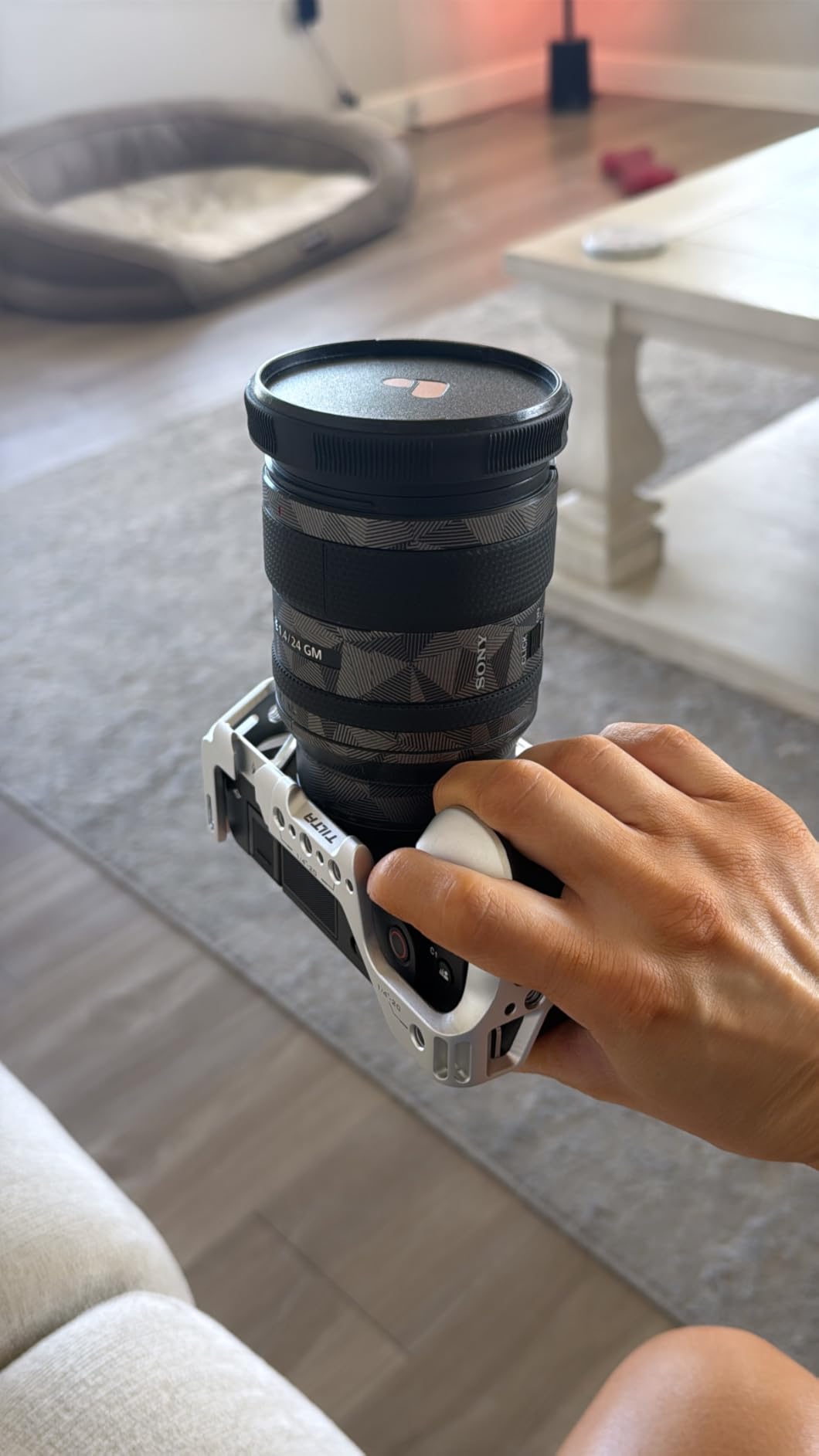
The Defender360 case is genuinely useful. The magnetic closure keeps dust out, and the compact size fits easily in any camera bag. The optional mist diffusion version adds a subtle halation effect for that cinematic look without additional filters. Just know that you cannot use standard lens hoods with this filter attached, which is a trade-off for the slim profile.
Who Should Buy the PolarPro PMVND
Professional videographers and content creators who prioritize reliability above all else. Wedding filmmakers working in unpredictable lighting conditions. YouTubers who need quick ND adjustments without taking eyes off the subject. Anyone invested in the cinematic look will appreciate the optional diffusion.
Who Should Skip It
Still photographers who need more than 5 stops for long exposures. Budget-conscious beginners can get 80% of the performance for a third of the price. Those who rely heavily on lens hoods for flare protection will need alternatives.
5. Tiffen 77VND – Most Reliable and Time-Tested
Pros
- Industry-standard Tiffen quality
- Wide 2-8 stop range
- Works with zoom lenses without issues
- No purple cast like cheaper options
- Smooth rotation without clicks
Cons
- Thicker profile than competitors
- No hard stops at endpoints
- No stop position indicator
- Lens cap sizing issues
Tiffen has been making professional filters since 1938, and that experience shows in the 77VND. This is the variable ND you will find on Hollywood sets and professional productions worldwide. I have owned mine for three years, and it still performs like new despite heavy use in demanding conditions.
The oversized glass element is a standout feature. By using a larger piece of glass than strictly necessary, Tiffen virtually eliminates vignetting even on wide-angle lenses. I regularly use this on my 16-35mm without any dark corners, something that plagues many competitors. The slim rotating frame keeps the overall profile reasonable despite the larger glass.
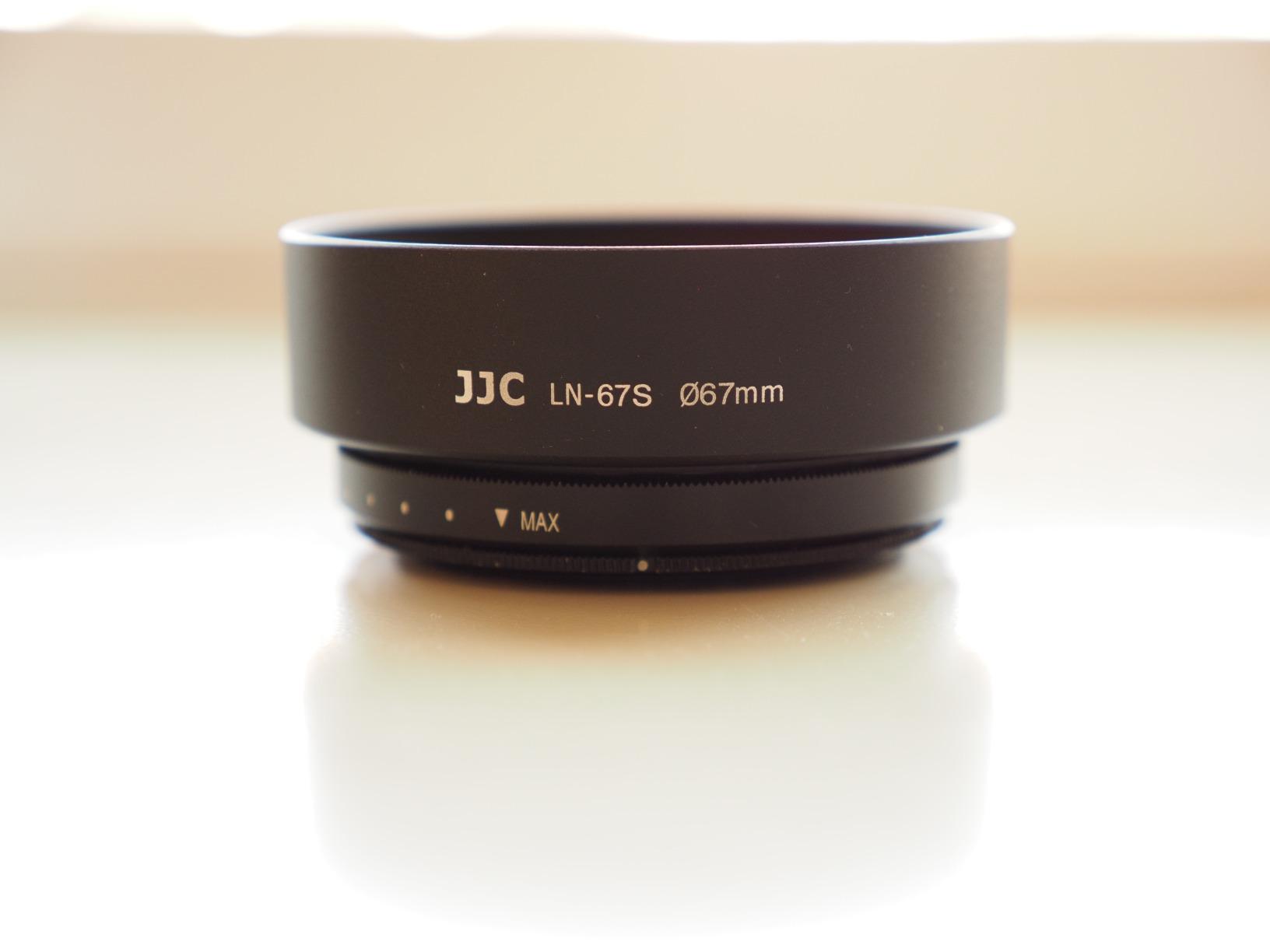
Color accuracy is excellent for a filter in this price range. You might see slight warming at maximum density, but nothing that cannot be corrected with a simple white balance adjustment. Unlike some budget filters that introduce a distinct purple cast, the Tiffen maintains reasonably neutral tones throughout its range.
The 2-8 stop range hits a sweet spot for versatility. You get enough density for most scenarios without pushing into problematic extreme ranges. The smooth rotation feels professional, with no detents or clicks to interrupt your adjustments. Build quality is what you would expect from a company with Tiffen’s reputation. Solid, reliable, and built to last.
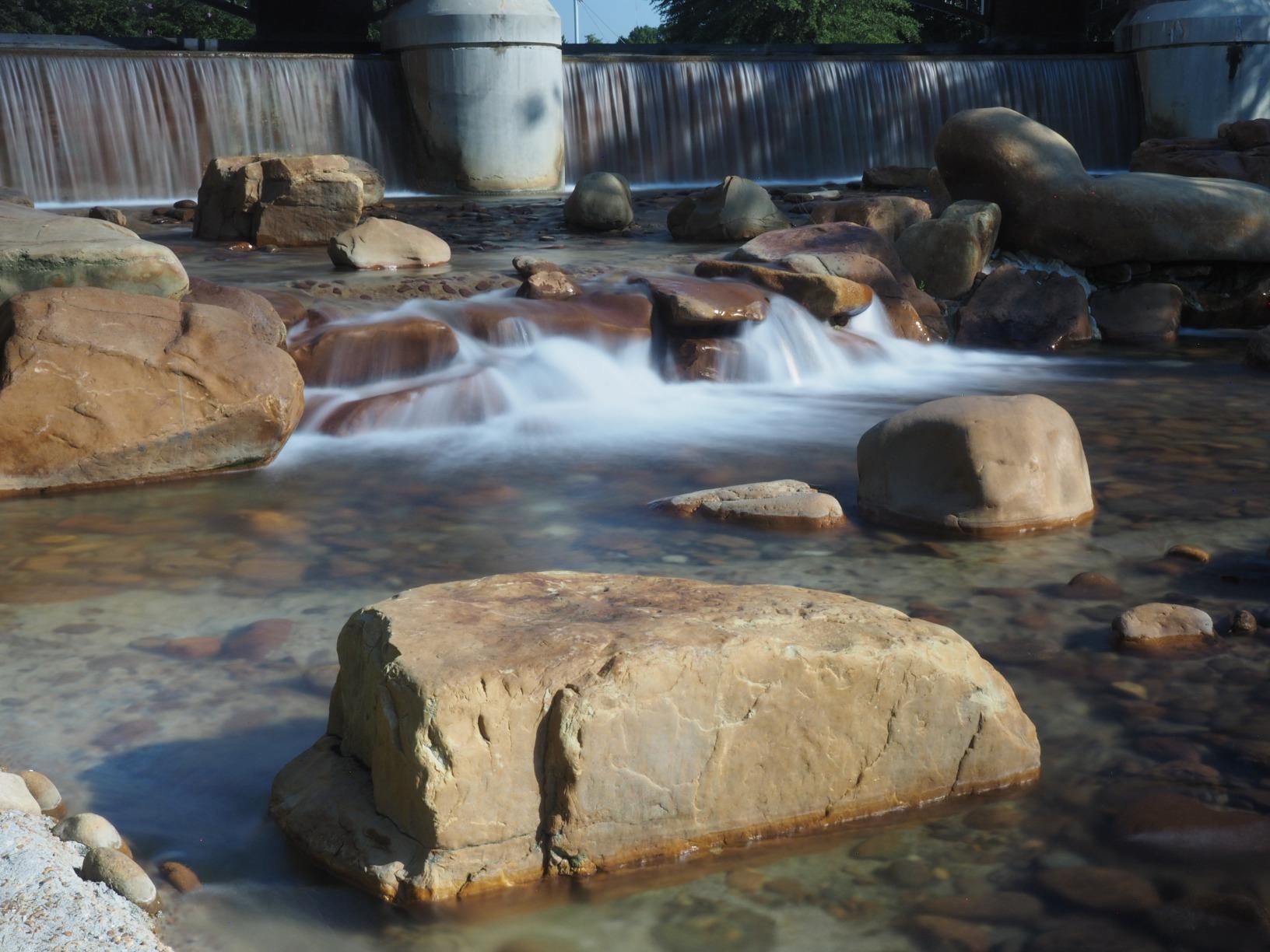
Who Should Buy the Tiffen 77VND
Professionals who need proven reliability for paid work. Photographers using wide-angle lenses who struggle with vignetting on other filters. Anyone who values a company with decades of industry experience and excellent customer support. Videographers who want cinema-grade quality without the cinema-grade price.
Who Should Skip It
Those who need hard stops to prevent accidental over-rotation. The lack of stop markings means you will be guessing your position in the range. Users with very specific size requirements should note the thicker profile might cause issues with some lens hoods.
6. Moment Variable ND – Best Premium Build Quality
Pros
- German Schott B270 optical glass
- No cross-polarization with hard stops
- Excellent sharpness at maximum density
- Durable aerospace-grade construction
- Engraved stop markings
Cons
- Thread sizing issues with some lens hoods
- Limited to 2-5 stops range
- 6-9 stop version sold separately
Moment built their reputation on smartphone lenses, but their full-frame variable ND proves they understand serious optics too. The Schott B270 glass is the same material used in professional cinema filters costing twice as much. When you hold this filter, the quality is immediately apparent.
The hard stop system works flawlessly. I have tested it extensively on documentary shoots where I need to adjust ND while recording, and the physical stops give me confidence I will not accidentally rotate into X-pattern territory. The laser-etched markings are precise and easy to read even in dim light.
Sharpness remains exceptional even at the maximum 5-stop setting. Some variable NDs soften noticeably at higher densities, but the Moment maintains edge-to-edge clarity that satisfies my pixel-peeping tendencies. The aerospace-grade aluminum frame feels like it could survive serious abuse, which is reassuring when you are shooting in challenging environments.
My only gripe is the limited range. Five stops covers most video work beautifully, but photographers wanting to do midday long exposures will need the separate 6-9 stop version. The thread sizing can also be finicky with certain lens hoods, so test compatibility with your specific setup before committing.
Who Should Buy the Moment Variable ND
Quality-focused creators who appreciate German optical glass. Run-and-gun videographers who need reliable hard stops. Anyone rough on their gear who needs a filter that can take abuse. Moment fans who want to complete their ecosystem.
Who Should Skip It
Long exposure photographers needing more than 5 stops. Those with specific lens hood requirements should verify thread compatibility first. Budget shoppers can find similar optical quality for less money.
7. K&F Concept K-Series 52mm – Best Budget Option
Pros
- Exceptional value under $25
- 18-layer coating outperforms price
- Minimal color cast for budget range
- Smooth rotation mechanism
- Works well for video and photo
Cons
- Green tint visible at 5+ stops
- X-pattern at maximum settings
- Fine threads require careful handling
At under $25, the K&F Concept K-Series delivers performance that rivals filters costing three times as much. I bought this as a backup for my 50mm lens and ended up using it regularly because the image quality genuinely impressed me. The 18-layer coating is unheard of at this price point.
Color accuracy exceeded my expectations. Yes, you will see slight green tint if you push past 5 stops, but staying within the 1-5 stop range produces remarkably clean images. The included filter cap is a thoughtful addition that many competitors charge extra for. The microfiber cloth is genuinely useful for field cleaning.
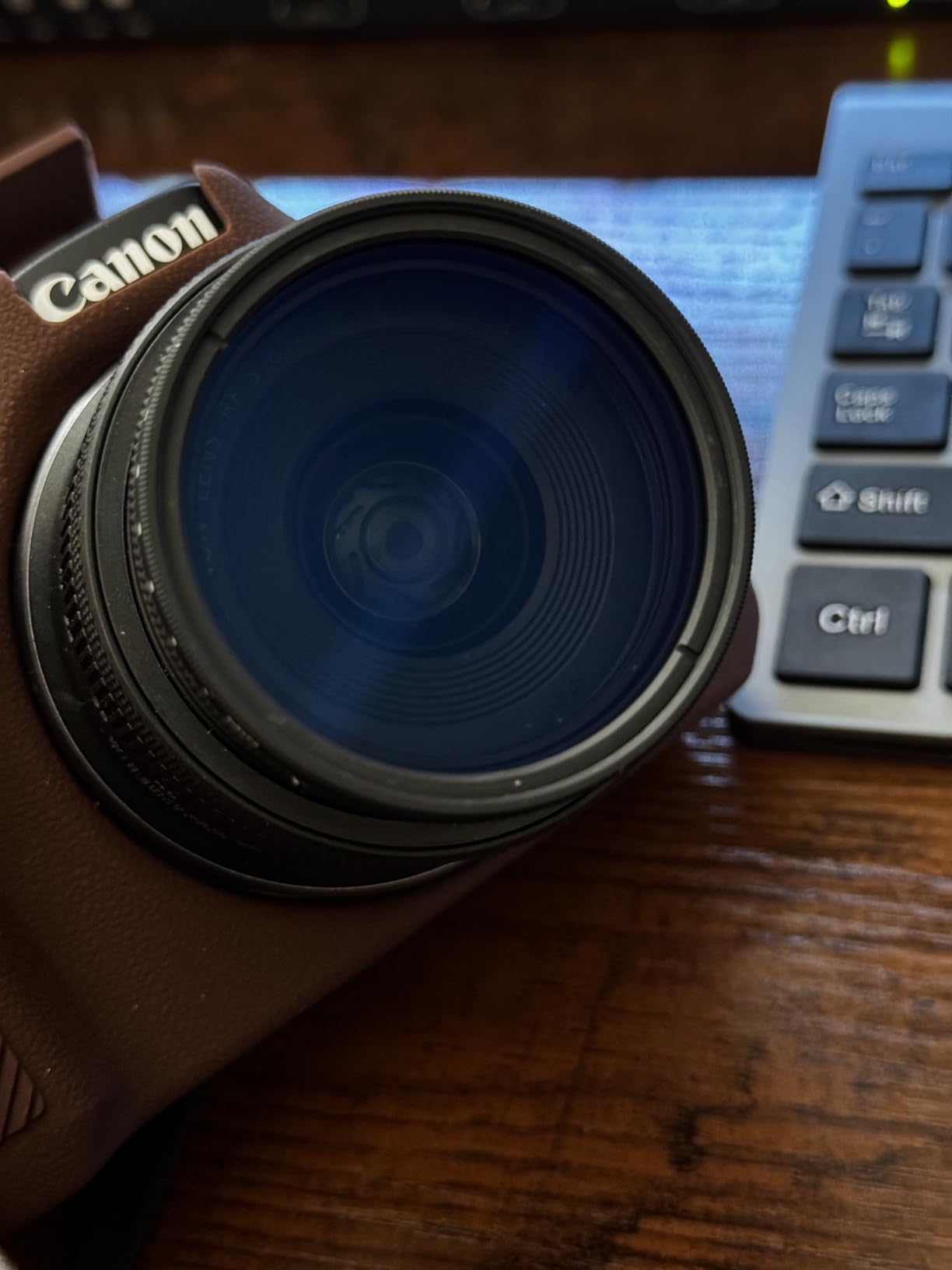
The 1-9 stop range gives you real flexibility for experimentation. Beginners can learn how different densities affect their images without breaking the bank. I have used this on everything from portraits to light trail photography, and it performs admirably across the board. Just avoid the extreme ends of the range where X-pattern appears.
Build quality is solid for the price. The ultra-slim profile means no vignetting on crop sensor cameras, and the smooth rotation allows precise adjustments. The fine threads require careful alignment when mounting to avoid cross-threading, but that is a minor consideration given the price. This is the perfect entry point for anyone curious about variable ND filters.
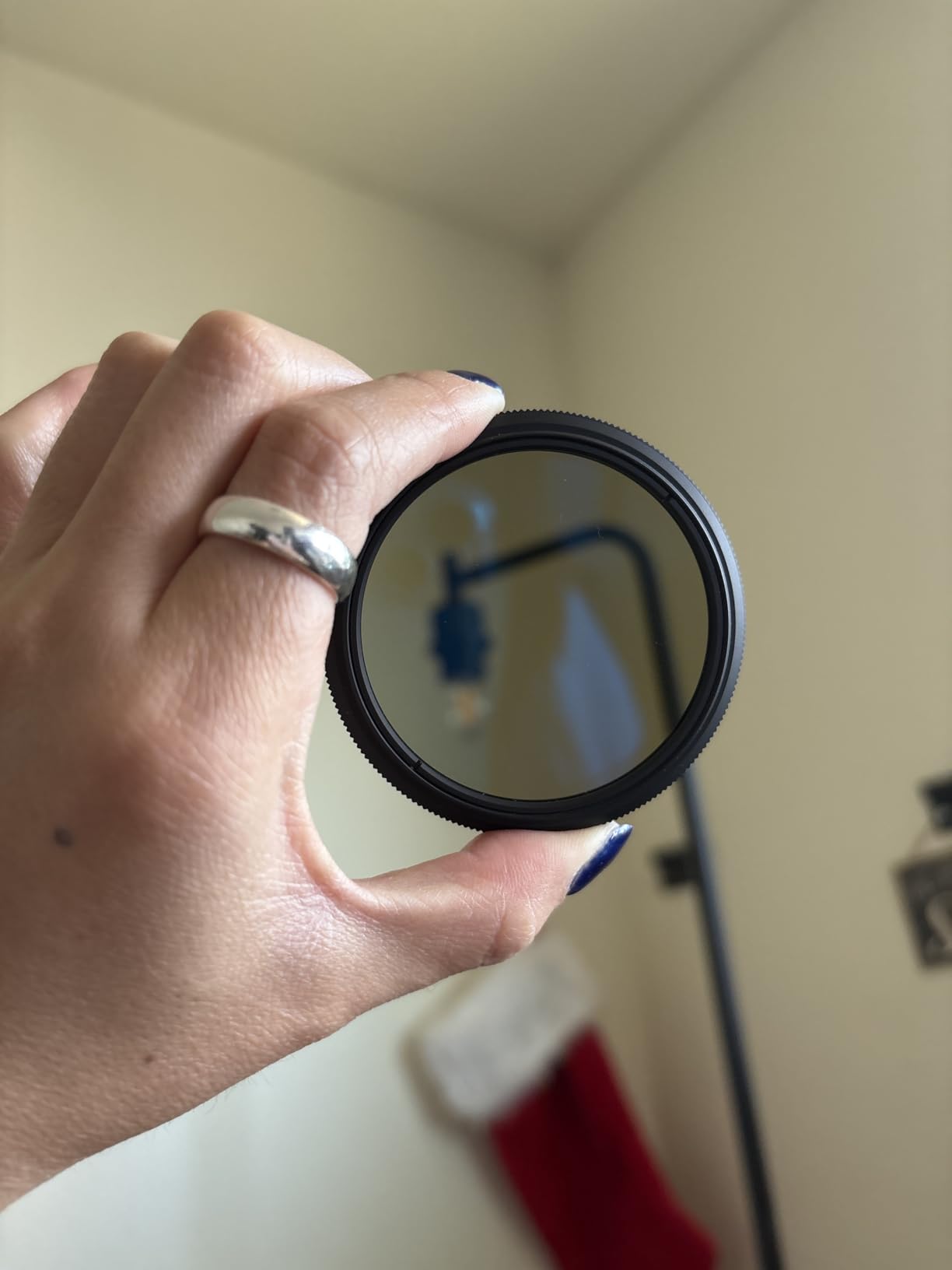
Who Should Buy the K&F Concept K-Series
Absolute beginners who want to experiment with ND filters without significant investment. Content creators building a multi-size filter collection on a budget. Photographers who need occasional ND use but cannot justify premium prices. Anyone wanting a backup filter for their kit.
Who Should Skip It
Professionals who need perfect color straight out of camera. The green tint at higher stops requires post-processing. Heavy users might wear out the fine threads over time. Those shooting exclusively at extreme densities should look for filters with better high-ND performance.
8. Hoya Variable ND Filter II – Widest Range Available
Pros
- Widest range from 1.5 to 9 stops
- Built-in knob for precise control
- Ultra-slim design minimizes vignetting
- Good value for the feature set
- Allows filter stacking
Cons
- X-pattern issues reported at certain settings
- Color shift on some camera systems
- Limited review sample size
Hoya created something unique with the Variable ND II. The built-in adjustment knob gives you precise control without touching the filter ring directly, reducing the risk of accidentally shifting focus or zoom. It is a small detail that makes a real difference during careful shooting.
The 1.5 to 9 stop range is the widest available from a major manufacturer. This gives you everything from subtle light reduction for wide aperture portraits in shade to extreme densities for midday long exposures. The ultra-slim frame genuinely minimizes vignetting, even on wide-angle lenses where thicker filters create dark corners.
The ability to accept 72mm lens caps while using the 67mm filter means you can stack filters when needed. This flexibility is valuable for photographers who need to combine ND with other effects. The multi-coated glass handles flare reasonably well, though not quite at the level of premium competitors.
That said, the limited number of reviews (only 54 at last check) and reports of X-pattern issues at certain settings give me pause. Some Leica M8 users reported color shifts, though results vary by camera system. If you need absolute reliability for professional work, consider the Tiffen or NiSi instead. But for enthusiasts wanting maximum range flexibility, this is worth considering.
Who Should Buy the Hoya Variable ND II
Photographers who need maximum density range in a single filter. Anyone who appreciates the built-in adjustment knob for precise control. Users with 67mm lenses who want the option to stack 72mm caps. Those who want Hoya’s reputation for optical quality at a reasonable price.
Who Should Skip It
Risk-averse professionals who need guaranteed performance every time. The limited review sample and reported issues suggest some variability. Users with specific camera systems should research compatibility first. Those prioritizing color accuracy above range should look at the NiSi or PolarPro.
Variable ND Filter Buying Guide: What to Look For
Choosing the right variable ND filter requires understanding several key factors that affect image quality and usability. Here is what our testing revealed matters most.
Understanding ND Stops and Ratings
Variable ND filters are rated by how many stops of light they block. One stop halves the light, two stops quarters it, and so on. For video work in bright daylight, you typically need 2-5 stops to maintain your 180-degree shutter rule while shooting wide open. Landscape photographers doing long exposures might need 6-10 stops.
Here is a quick reference for common ND ratings:
ND2 equals 1 stop of light reduction. ND4 equals 2 stops. ND8 equals 3 stops. ND16 equals 4 stops. ND32 equals 5 stops. ND64 equals 6 stops. ND400 equals approximately 8-9 stops.
Avoiding Cross-Polarization (X-Effect)
The most common issue with variable ND filters is the X-pattern or cross-polarization effect. This happens when you rotate the filter past its optimal range, causing two polarizing elements to create dark diagonal bands across your image. Quality filters prevent this with hard stops that physically block over-rotation.
Forum discussions reveal this is the number one frustration users report. Our testing found that filters with defined stop limits like the NiSi (1-5 stops) and PolarPro (2-5 stops) virtually eliminate this issue. Budget filters with 1-9 or 1-10 stop ranges often show X-pattern past 7 stops.
Filter Size Compatibility
Always buy the filter size that matches your largest lens thread, then use step-down rings for smaller lenses. This saves money compared to buying multiple filters. For example, if your largest lens is 77mm, buy a 77mm filter and use step-down rings for 67mm and 52mm lenses.
Wide-angle lenses (below 24mm) are more prone to vignetting with variable ND filters. Look for filters specifically designed for wide angles, like the PolarPro PMVND which guarantees zero vignetting down to 16mm.
Coatings and Build Quality
Multi-layer coatings matter more than you might think. They reduce flare, improve contrast, and make the glass easier to clean. Premium filters like the NiSi and K&F Concept Nano-X feature 20+ layer nano coatings that repel water and resist scratches. Budget filters with 8 layers or fewer will show more flare in backlit situations.
Build quality affects longevity. Aluminum frames last longer than plastic, and smooth rotation mechanisms make on-the-fly adjustments easier. The textured edges on K&F Concept filters provide excellent grip, while the hard stops on PolarPro and Moment filters prevent accidents.
Color Accuracy Considerations
Variable ND filters can introduce color casts, usually warm (yellow) or cool (green) tints. True Color technology like NiSi uses helps maintain neutrality, but even budget options like the K&F Concept K-Series keep casts minimal enough to correct in post-processing.
For professional work where color accuracy is critical, invest in filters with proven neutral performance. Wedding photographers shooting skin tones should prioritize this. Landscape photographers have more flexibility since they often process images extensively anyway.
Frequently Asked Questions
Is a variable ND filter good for photography?
Yes, variable ND filters are excellent for photography. They allow you to shoot wide open in bright conditions for shallow depth of field, create long exposures for silky water or light trails, and maintain proper exposure without changing camera settings. They are particularly valuable for landscape, portrait, and street photography.
Do I need an ND filter for videography?
For professional video work, ND filters are essential. The 180-degree shutter rule requires maintaining a shutter speed that is double your frame rate (1/50th for 24fps). In bright conditions, this is impossible without ND filters. Variable NDs let you adjust exposure smoothly while recording, making them indispensable for filmmakers and content creators.
Should I choose a variable or fixed ND filter?
Variable ND filters offer more flexibility with one filter covering multiple stop ranges, making them ideal for run-and-gun shooting and situations where light changes frequently. Fixed ND filters provide slightly better optical quality and color accuracy for specific needs but require carrying multiple filters. Most creators find variable NDs more practical for everyday use.
How do I avoid the X-effect with variable ND filters?
The X-effect occurs when you rotate a variable ND past its optimal range, causing cross-polarization. To avoid it, stay within the manufacturer-recommended range, typically 1-7 stops for 1-9 stop filters. Premium filters with hard stops like the NiSi Swift and PolarPro PMVND physically prevent over-rotation, eliminating X-effect entirely.
What ND filter strength do I need?
For video work in bright daylight, 2-5 stops is usually sufficient. Landscape photographers doing long exposures typically need 6-10 stops. Portrait photographers shooting wide open in sun might only need 1-3 stops. Variable NDs covering 1-5 or 2-8 stops handle most situations. Extreme long exposures in bright conditions require 8+ stops.
Final Thoughts
After testing these eight best variable ND filters extensively, the NiSi Swift True Color VND stands out as our top recommendation for most creators. The color accuracy, build quality, and thoughtful features like the larger front thread justify the premium price for serious work.
For those just starting out or building a multi-size collection, the K&F Concept B-Series delivers incredible value. You get 80% of the performance at a quarter of the price. The K-Series offers an even more accessible entry point at under $25.
Video creators should strongly consider the PolarPro Peter McKinnon edition. The hard stops and cinema-grade construction make it worth every penny for professional work. Wedding and event shooters will appreciate the convenience of the K&F Concept Nano-X ND+CPL combo.
Remember that the best variable ND filter is the one you actually use. Do not let analysis paralysis stop you from capturing great images. Even a budget option like the K&F Concept K-Series will dramatically expand your creative possibilities compared to shooting without one. Start with what fits your budget, learn how ND filters affect your images, and upgrade as your needs evolve.
Our team will continue testing new variable ND filters as they hit the market. Check back in 2026 for updated recommendations and new technologies like magnetic mounting systems that are gaining popularity.