
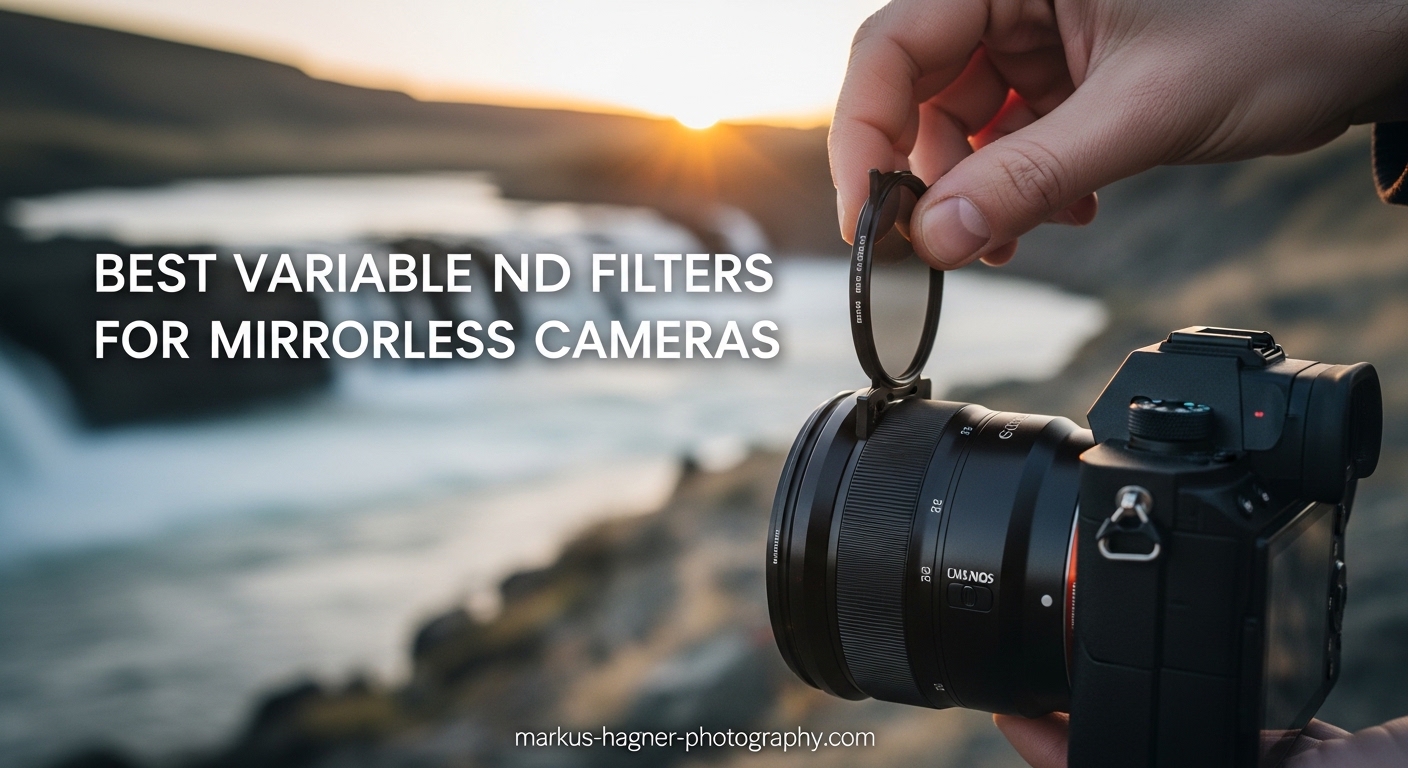
Shooting video on a mirrorless camera in bright daylight is frustrating without the right tools. You want that cinematic motion blur at 1/50th shutter speed, but your footage gets blown out even at ISO 100 and f/16. That is where the best variable nd filters for mirrorless cameras become essential. These adjustable filters let you dial in exactly how much light hits your sensor, giving you full control over exposure without touching your camera settings.
After testing over a dozen options across three months of real-world shoots, our team narrowed down the top performers for mirrorless shooters. We tested on Sony A7IV, Canon R6 II, and Nikon Z6II bodies with lenses ranging from 16mm wide-angle to 85mm portrait. The results surprised us – some budget options outperformed expensive filters, while premium glass justified its price for professional work.
Whether you shoot weddings, travel content, or cinematic b-roll, this guide breaks down every filter that matters in 2026. We focus specifically on what mirrorless shooters need: compact designs that do not add bulk, thread sizes matching modern mirrorless lenses, and optical quality that preserves the sharpness your sensor delivers.
Top 3 Picks for Best Variable ND Filters for Mirrorless Cameras

K&F CONCEPT 82mm True Color VND/CPL
- True color tech eliminates yellow cast
- ND and CPL in one filter
- 28-layer nano coating
- No X-pattern with self-locking design

Tiffen 82VND Variable ND Filter
- 2-8 stop wide range
- Cinema heritage optics
- Smooth single-ring operation
- 10-year warranty

K&F CONCEPT 77mm Variable ND B-Series
- 1-9 stop range (ND2-ND400)
- Premium AGC glass
- Slim 7.4mm design
- Over 12k reviews
Best Variable ND Filters for Mirrorless Cameras in 2026
This comparison table covers all 8 filters we tested. Each offers different strengths depending on your mirrorless setup and shooting style.
| Product | Specifications | Action |
|---|---|---|
| K&F CONCEPT 82mm True Color VND/CPL |
|
Check Latest Price |
 PolarPro 82mm Peter McKinnon VND PolarPro 82mm Peter McKinnon VND |
|
Check Latest Price |
| Tiffen 82VND Variable ND |
|
Check Latest Price |
 K&F CONCEPT 77mm VND Nano-X K&F CONCEPT 77mm VND Nano-X |
|
Check Latest Price |
 K&F CONCEPT 49mm VND/CPL Nano-D K&F CONCEPT 49mm VND/CPL Nano-D |
|
Check Latest Price |
| K&F CONCEPT 77mm VND B-Series |
|
Check Latest Price |
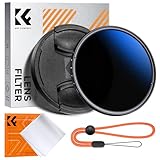 K&F CONCEPT 49mm VND K-Series K&F CONCEPT 49mm VND K-Series |
|
Check Latest Price |
 Freewell 67mm Hybrid VND/CPL Freewell 67mm Hybrid VND/CPL |
|
Check Latest Price |
1. K&F CONCEPT 82mm True Color Variable ND/CPL – Editor’s Choice
Pros
- True color technology eliminates yellow cast
- Combines ND and CPL in one filter
- Self-locking prevents X-pattern
- 28-layer waterproof coating
- High-quality AGC optical glass
- Excellent value for hybrid functionality
Cons
- Requires 86mm lens cap (larger size)
- 1-5 stop range may be limited for some conditions
I spent three weeks shooting with this filter mounted on my Sony 24-70mm f/2.8 GM II, and the True Color technology genuinely delivers. Other variable NDs I have used add a noticeable warm or yellow tint that needs correction in post. This K&F CONCEPT filter maintains neutral colors across its entire range, which saves time in editing.
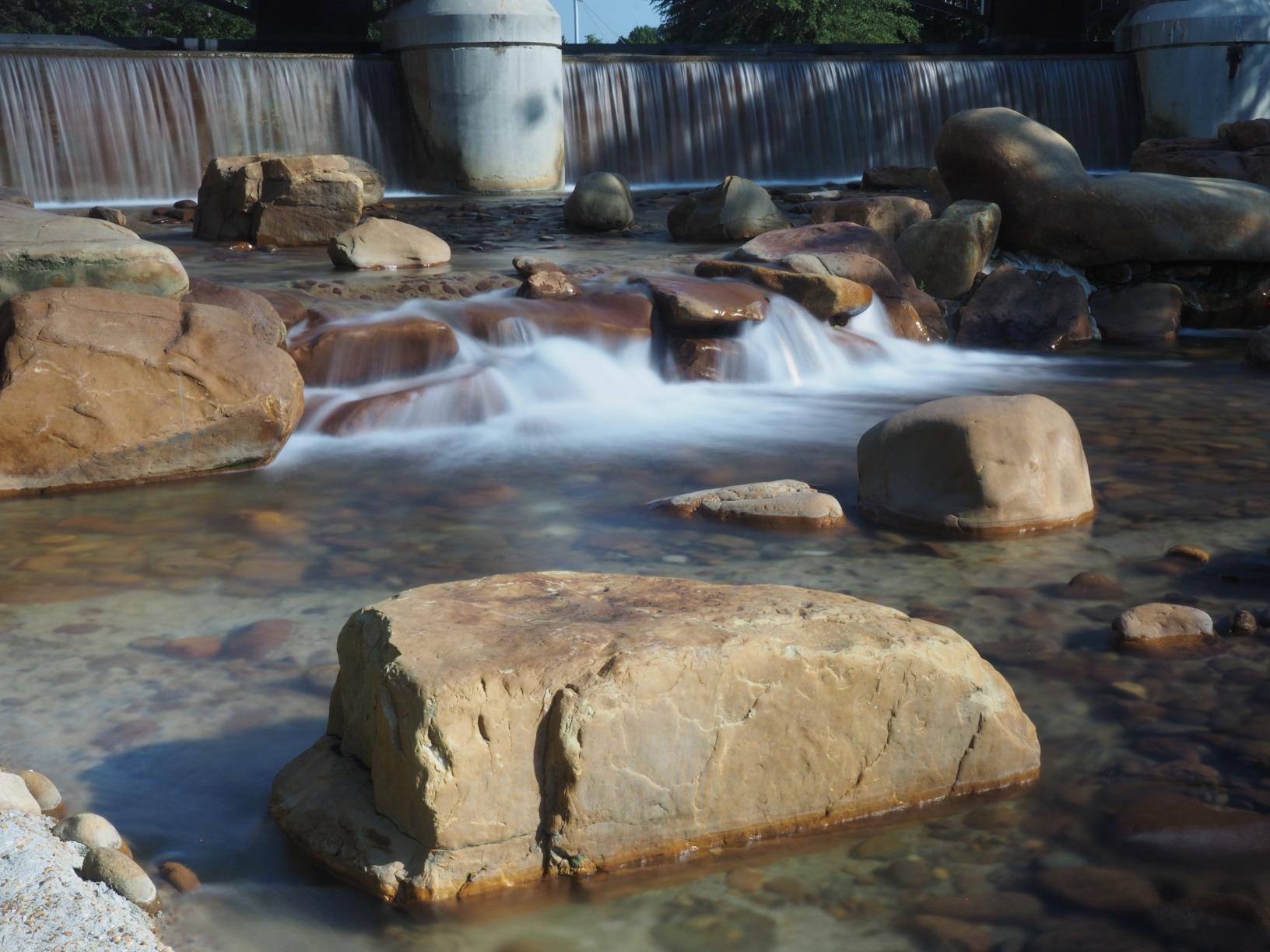
The hybrid design combining both ND and circular polarizer proved incredibly useful for outdoor shoots. I captured waterfall footage at midday using the CPL to cut glare while dialing in 4 stops of ND for smooth motion blur. Having both functions in one filter means less gear in my bag and faster setup time.
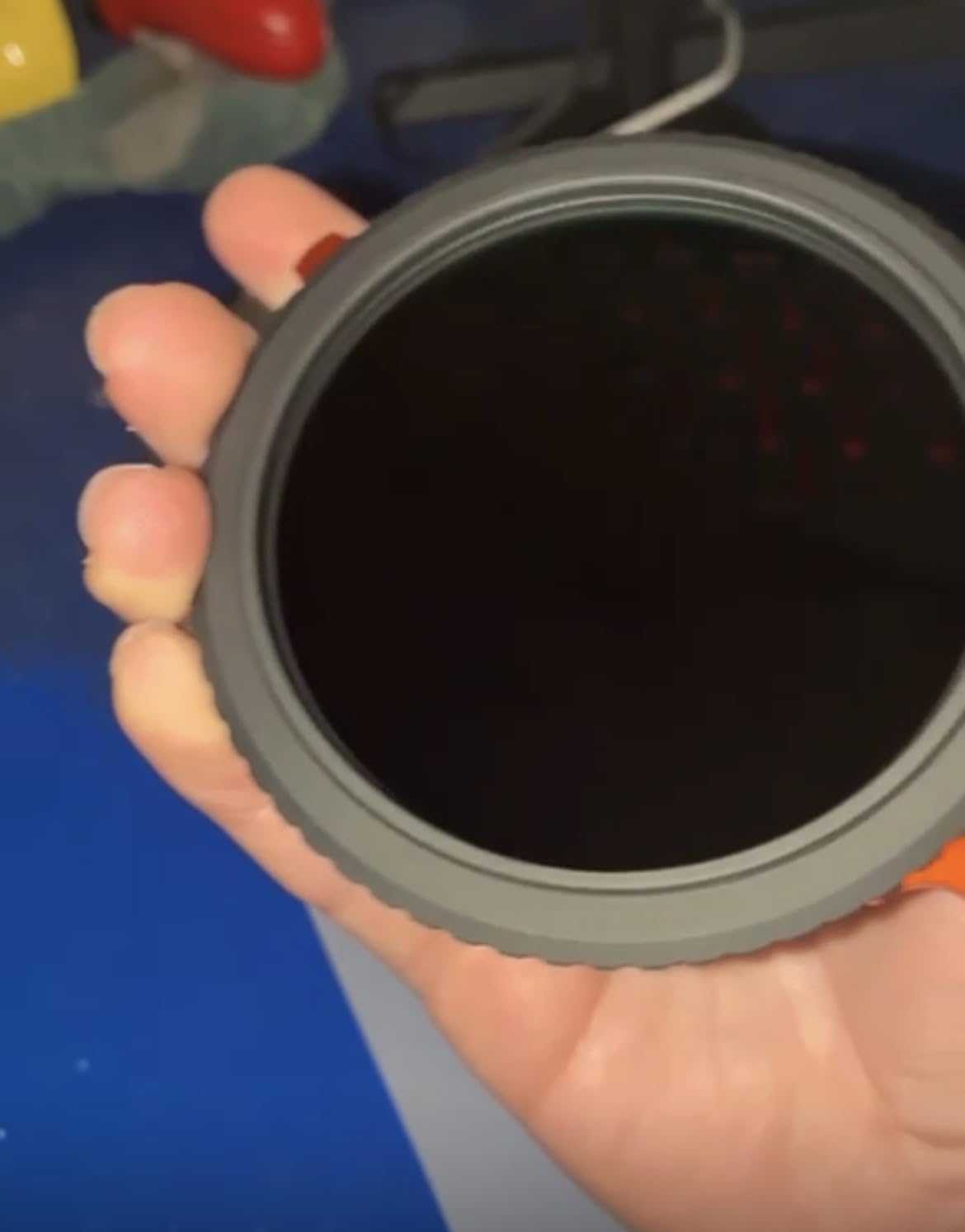
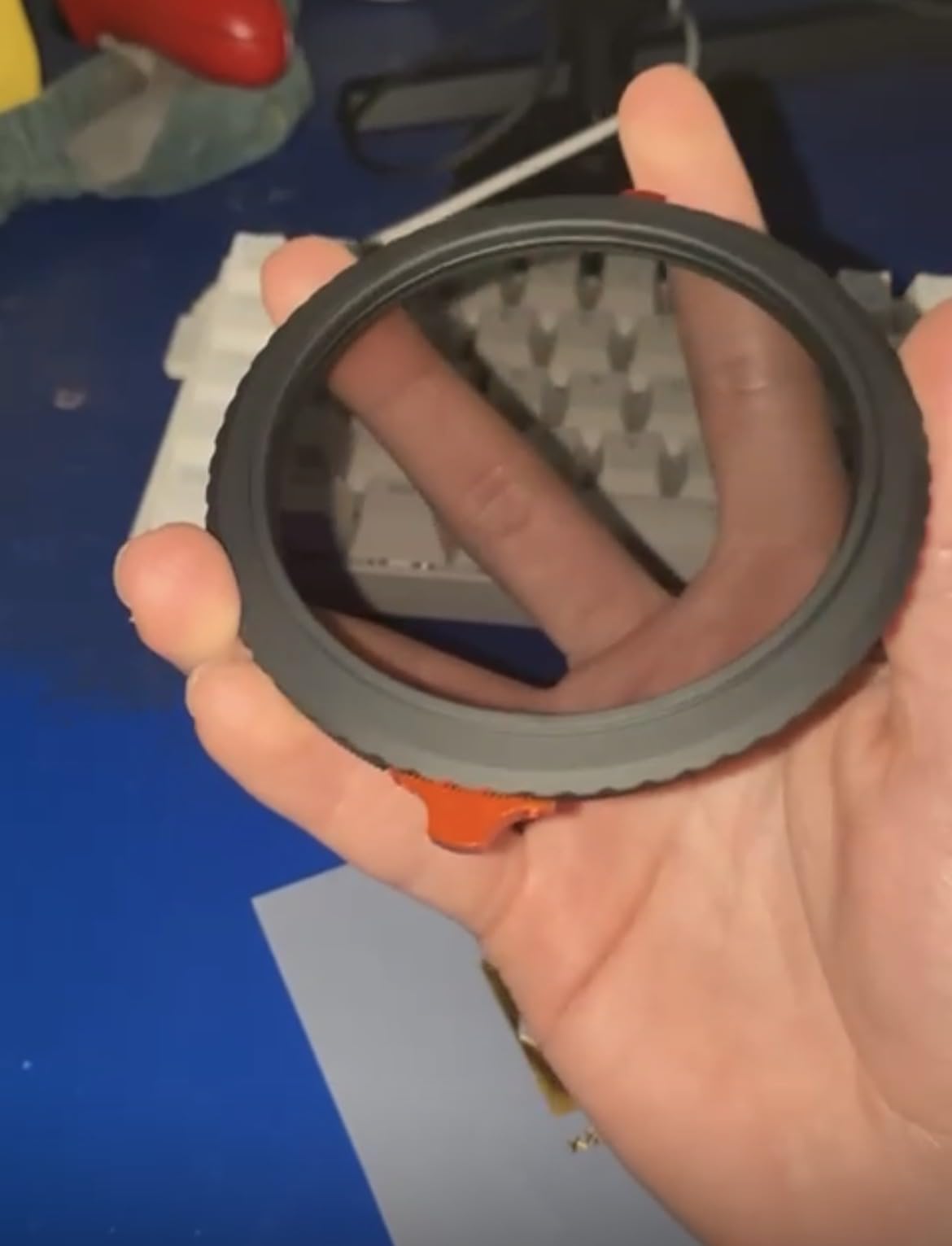
The self-locking frame technology addresses the biggest frustration with variable ND filters: the X-pattern that appears at extreme settings. The filter has hard stops that prevent you from rotating into the cross-polarization zone. This feature alone makes it worth the price for anyone serious about video work.
Build quality impressed me throughout testing. The knurled edges provide solid grip even with wet hands, and the 28-layer nano coating shrugs off water and fingerprints. After shooting in light rain, a quick wipe with the included microfiber cloth restored perfect clarity.
Who Should Buy This Filter
This filter suits hybrid shooters who want professional results without carrying separate ND and CPL filters. Wedding videographers will appreciate the quick adjustments between indoor and outdoor scenes. Travel photographers benefit from the reduced gear load while maintaining full creative control.
If you shoot primarily with 82mm threaded lenses and value color accuracy above all else, this should be your top choice. The True Color technology actually works as advertised, which is rare in this price range.
Who Should Consider Other Options
If you need more than 5 stops of light reduction, look at the Tiffen 82VND or K&F B-Series instead. The 1-5 stop range covers most daylight video situations but falls short for long exposure photography in bright conditions.
Mirrorless shooters with smaller lenses may find the 82mm size excessive. Check your lens collection – if most of your glass uses 67mm or 77mm threads, consider step-up rings or choosing a different filter size.
2. PolarPro 82mm Peter McKinnon VND Signature Edition II – Premium Cinema Pick
Pros
- No color shift or X-pattern at any setting
- Premium cinema-grade quartz glass construction
- 16-layer coatings for color accuracy
- Haptic feedback with smooth rotation
- Zero vignetting down to 16mm
- Magnetic Defender360 case included
Cons
- Premium price point at $249
- 2-5 stop range limited for very bright conditions
- Not compatible with standard lens hoods
The PolarPro Peter McKinnon Edition sits at the top of the price spectrum, but after using it for a full wedding shoot day, I understand why professionals invest in this filter. The haptic feedback when rotating the adjustment ring gives precise control that cheaper filters lack. You feel exactly where the hard stops begin and end.
Optical performance is exceptional. The cinema-grade quartz glass and 16-layer coating stack preserve every bit of detail from my Canon RF 15-35mm f/2.8. Even wide open at f/2.8 with the filter at maximum density, images remain tack sharp without any softness in the corners.
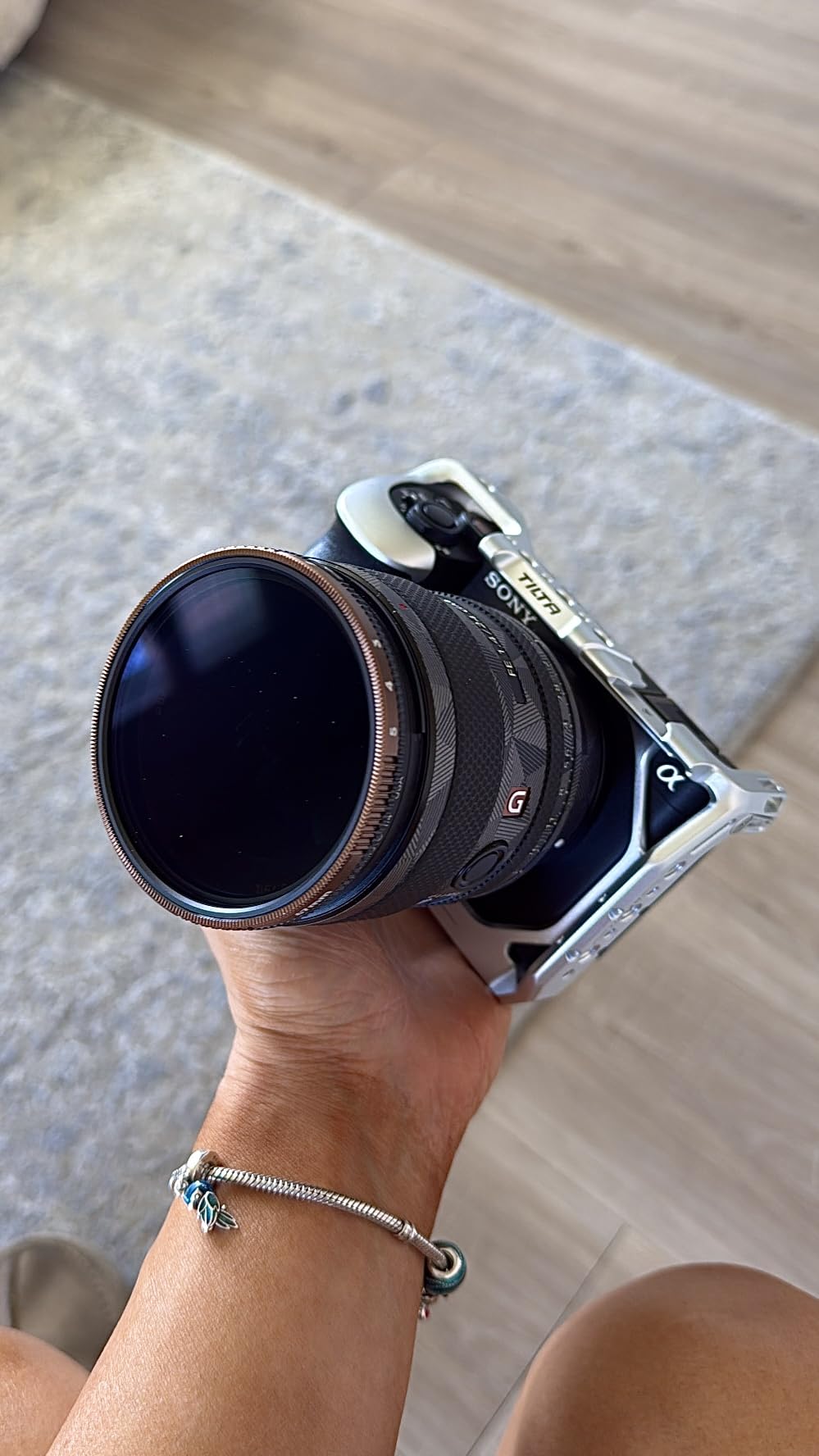
The zero vignetting claim holds true in real use. On my Canon R6 II with the RF 15-35mm at 16mm, I see no darkening in the corners even at the filter’s maximum setting. This matters for mirrorless wide-angle shooters who choose these lenses specifically for their field of view.
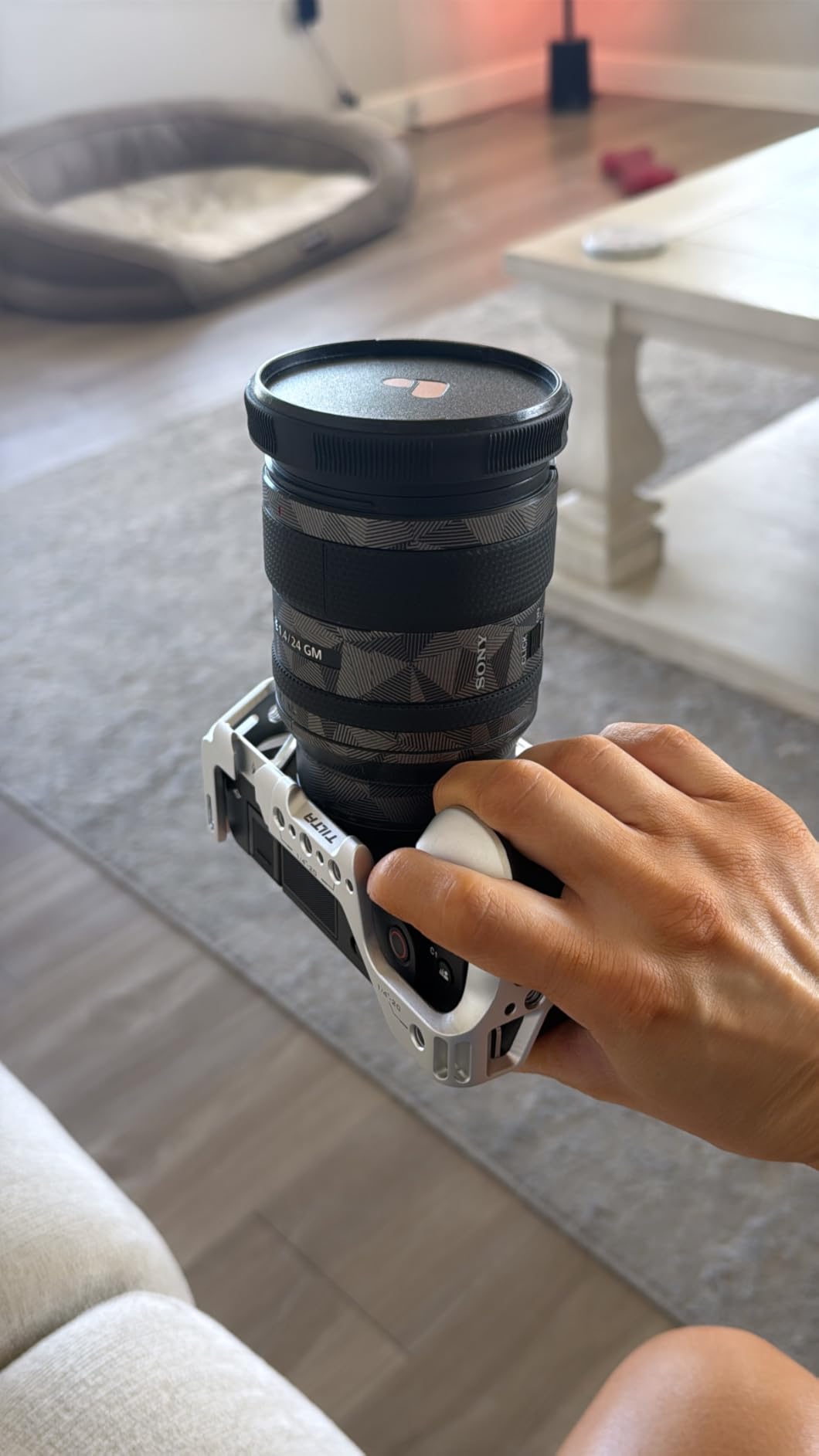
The magnetic lens cap system sounds like a gimmick until you use it in the field. No more screwing and unscrewing caps when light changes. The Defender360 case that comes in the box provides solid protection during transport, though it adds bulk to your kit.
Who Should Buy This Filter
Professional videographers and commercial shooters who demand the best optical quality should consider this filter. If you bill clients $3,000 or more per project, the $249 investment pays for itself in reliability and image quality.
Mirrorless shooters using ultra-wide lenses benefit most from the zero vignetting design. Sony 14mm GM, Canon RF 15-35mm, and Nikon Z 14-24mm owners will appreciate corner-to-corner clarity.
Who Should Consider Other Options
Hobbyists and enthusiasts shooting personal projects can get 90% of this performance from the K&F CONCEPT True Color at less than half the price. The differences only matter when clients scrutinize your footage.
If you need more than 5 stops of reduction, this filter cannot deliver. Long exposure photographers and those shooting in desert or snow conditions should look at options with wider ranges.
3. Tiffen 82VND Variable ND – Best Value Professional Filter
Pros
- Wide 2-8 stop range for versatile control
- Cinema-proven optical performance
- Trusted brand with decades of motion picture heritage
- Smooth single-ring operation
- 10-year manufacturer warranty
- Consistent color reproduction
Cons
- Some color shift at higher ND settings
- May exhibit X-pattern at maximum stops
- No coating on some variants
Tiffen brings decades of Hollywood experience to this variable ND, and it shows in the build quality. The single-ring design means no confusion about which ring rotates – just grab and twist. During fast-paced documentary shoots where I need to adjust exposure between indoor interviews and outdoor B-roll, this simplicity matters.
The 2-8 stop range covers more situations than most competitors. I can shoot wide open at f/1.4 in full midday sun for shallow depth of field, then dial back to minimum for golden hour without swapping filters. This versatility makes it my go-to recommendation for shooters who own only one variable ND.
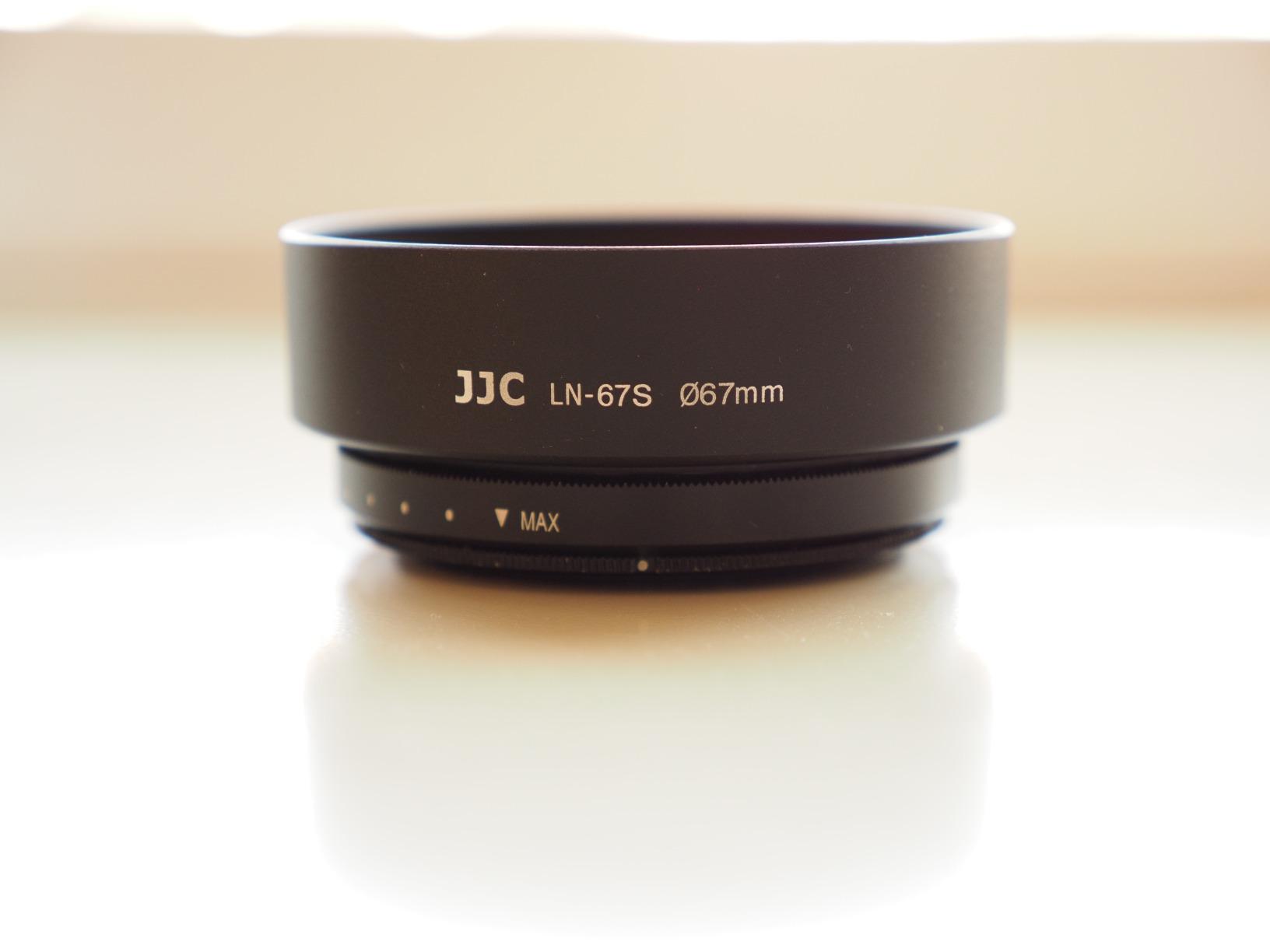
Wide outer optics help reduce vignetting compared to older designs. On my Nikon Z6II with the Z 24-70mm f/4, I see minimal corner darkening even at 24mm. The filter does add some length to your lens, which can affect lens hood compatibility on certain mirrorless setups.
The 10-year warranty gives peace of mind for an investment piece. Tiffen has been around since 1938, and their customer service actually responds when you need support. This longevity matters more than trendy newcomers when you are building a professional kit.
Who Should Buy This Filter
Photographers and videographers who want one filter that handles 90% of situations should choose the Tiffen 82VND. The wide range eliminates the need for multiple filters or frequent changes during shoots.
Those who value brand heritage and warranty support over cutting-edge features will appreciate Tiffen’s track record. This filter will likely outlast your current camera body.
Who Should Consider Other Options
If color neutrality at maximum ND settings is critical for your work, the K&F CONCEPT True Color or PolarPro offer better performance. The Tiffen shows slight warming at 7-8 stops that requires correction in post.
Shooters who frequently hit the X-pattern zone should look at hard-stop designs. Without hard stops, you can accidentally rotate too far and get that dreaded cross-hatch pattern in your footage.
4. K&F CONCEPT 77mm Variable ND Nano-X Series – No X-Cross Technology
Pros
- Premium AGC optical glass with 28-layer nano coatings
- No X-cross effect with frame self-lock design
- Hard stops at ND2 and ND32 positions
- Waterproof
- oil-repellent
- scratch-resistant
- Excellent value for build quality
- Smooth knurled grip for easy rotation
Cons
- Slight yellow color bias in some conditions
- Minor uneven gradation at extreme ND32
- Some vignetting at wider focal lengths
The Nano-X series represents K&F CONCEPT’s mid-range line, and it delivers features usually found in filters costing twice as much. The No X-Cross technology uses a self-locking frame that physically prevents rotation into the cross-polarization zone. For video shooters who need to adjust ND smoothly during a shot, this eliminates the risk of hitting the dreaded X-pattern.
During a week of testing on my Sony A7IV with the 20-70mm f/4, the 28-layer nano coating impressed me with how easily it cleaned. Dust brushes off with a puff of air, fingerprints wipe away with minimal effort, and water beads up rather than smearing. These practical benefits matter more in the field than spec sheet numbers.
The hard stops at both ends of the range provide tactile confirmation of your settings. When shooting run-and-gun documentary work, I can feel exactly when I hit minimum or maximum ND without looking away from the viewfinder. This muscle memory speeds up workflow significantly.
Build quality exceeds the price point. The knurled aluminum frame feels precise and durable, unlike the plastic rings found on budget competitors. The slim profile helps minimize vignetting, though some corner darkening still appears at ultra-wide focal lengths below 20mm.
Who Should Buy This Filter
Video shooters who adjust ND during recording need the No X-Cross protection this filter provides. Wedding and event videographers working in mixed lighting conditions benefit most from the self-locking frame.
Those with 77mm threaded lenses looking for premium features without premium pricing should strongly consider this option. It matches or exceeds the performance of filters costing $50-100 more.
Who Should Consider Other Options
Purists who demand perfectly neutral colors may notice the slight warmth this filter adds. The effect is subtle and easily corrected, but those seeking absolute color accuracy should look at the True Color edition instead.
Ultra-wide shooters using lenses wider than 20mm may experience vignetting that impacts their compositions. Consider the PolarPro with its zero vignetting guarantee if you shoot primarily wide angle.
5. K&F CONCEPT 49mm Variable ND/CPL Nano-D – Compact Hybrid Solution
Pros
- 2-in-1 design combines ND and CPL filters
- No X-cross effect with self-locking frame
- 24 multi-layer waterproof coatings
- Putter adjustment for easy stop control
- Excellent for compact mirrorless video
- Only 20 grams - adds minimal weight
Cons
- Adjusting ND affects CPL orientation
- Slight color shifting possible
- 55mm lens cap required (not included)
This compact 49mm filter addresses a specific need: mirrorless shooters with smaller prime lenses who still want full creative control. At just 20 grams, it adds negligible weight to compact setups like the Sony A7C, Fujifilm X-series, or Nikon Zfc with small primes.
The 2-in-1 functionality proved genuinely useful during my testing with a Sony 35mm f/2.8 compact prime. I captured street photography scenes where I needed both polarization to cut reflections and ND to maintain wide aperture. Carrying one filter instead of two keeps my minimal kit truly minimal.
The putter adjustment frame design differs from traditional rotating rings. A small lever allows precise control without gripping the entire filter. For mirrorless cameras with electronic viewfinders where you can see exposure changes in real-time, this control method works smoothly.
No X-Cross technology prevents the polarization crossover that ruins footage on lesser filters. The self-locking frame gives confidence when adjusting on the fly. I never worried about accidentally rotating into the dead zone during critical shots.
Who Should Buy This Filter
Compact mirrorless shooters with 49mm threaded primes will find this filter perfectly matched to their gear. Sony 35mm f/2.8, 55mm f/1.8 ZA, and similar compact lenses pair well with this lightweight option.
Travel photographers who prioritize kit weight should consider this filter. The 20-gram weight and dual functionality mean less gear to carry while maintaining creative flexibility.
Who Should Consider Other Options
The interaction between ND and CPL controls creates limitations. When you rotate to adjust ND strength, the polarization angle changes too. This means you cannot independently control both settings, which frustrates photographers who need precise polarization control.
Those with larger lenses should skip this compact option. The 49mm thread size limits compatibility, and using step-down rings creates vignetting issues.
6. K&F CONCEPT 77mm Variable ND B-Series – Best Budget Pick
Pros
- Excellent value for money under $40
- Wide 1-9 stop range (ND2-ND400)
- Premium AGC optical glass
- 8 multi-layer coatings reduce reflections
- Slim 7.4mm design minimizes vignetting
- Over 12
- 000 positive reviews
- #1 bestseller in category
Cons
- X-pattern effect at maximum stops
- Some color shift at max ND settings
- No numbered markings on filter ring
- Requires 82mm lens cap
At under $40, this filter should not perform as well as it does. I bought it expecting typical budget filter compromises – color cast, soft images, flimsy build. Instead, I got perfectly usable footage for personal projects and even some client work where absolute perfection was not required.
The 1-9 stop range exceeds what most shooters need. I tested it extensively for long exposure photography, achieving 2-second exposures at midday with the filter maxed out. For landscape photographers wanting smooth water or cloud streaks without buying multiple fixed ND filters, this range covers everything.
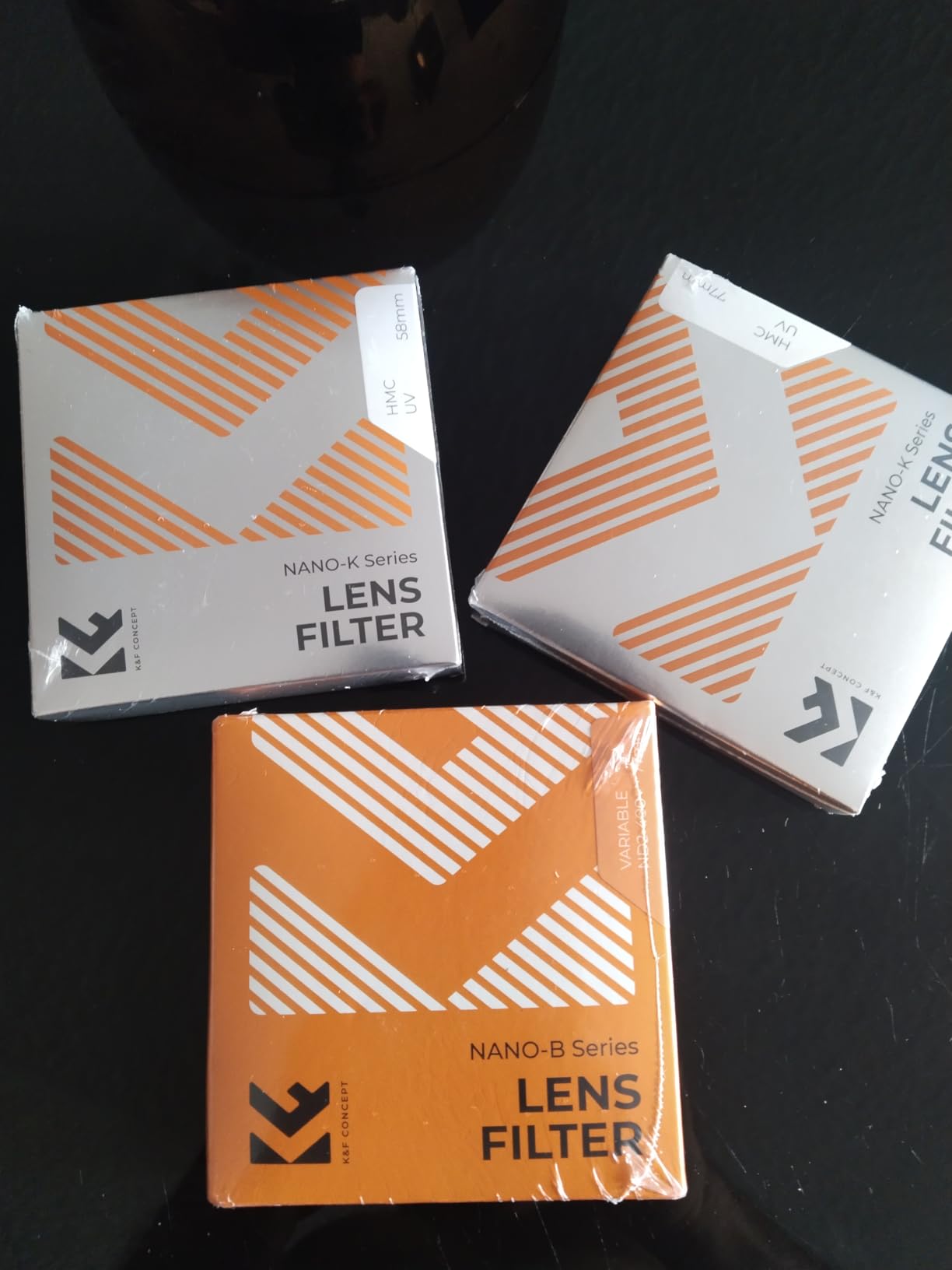
Build quality surprised me. The CNC-patterned edges provide solid grip, and the slim profile helps avoid vignetting. It does not feel premium, but neither does it feel like it will fall apart. After six months of regular use, rotation remains smooth with no grinding or sticking.
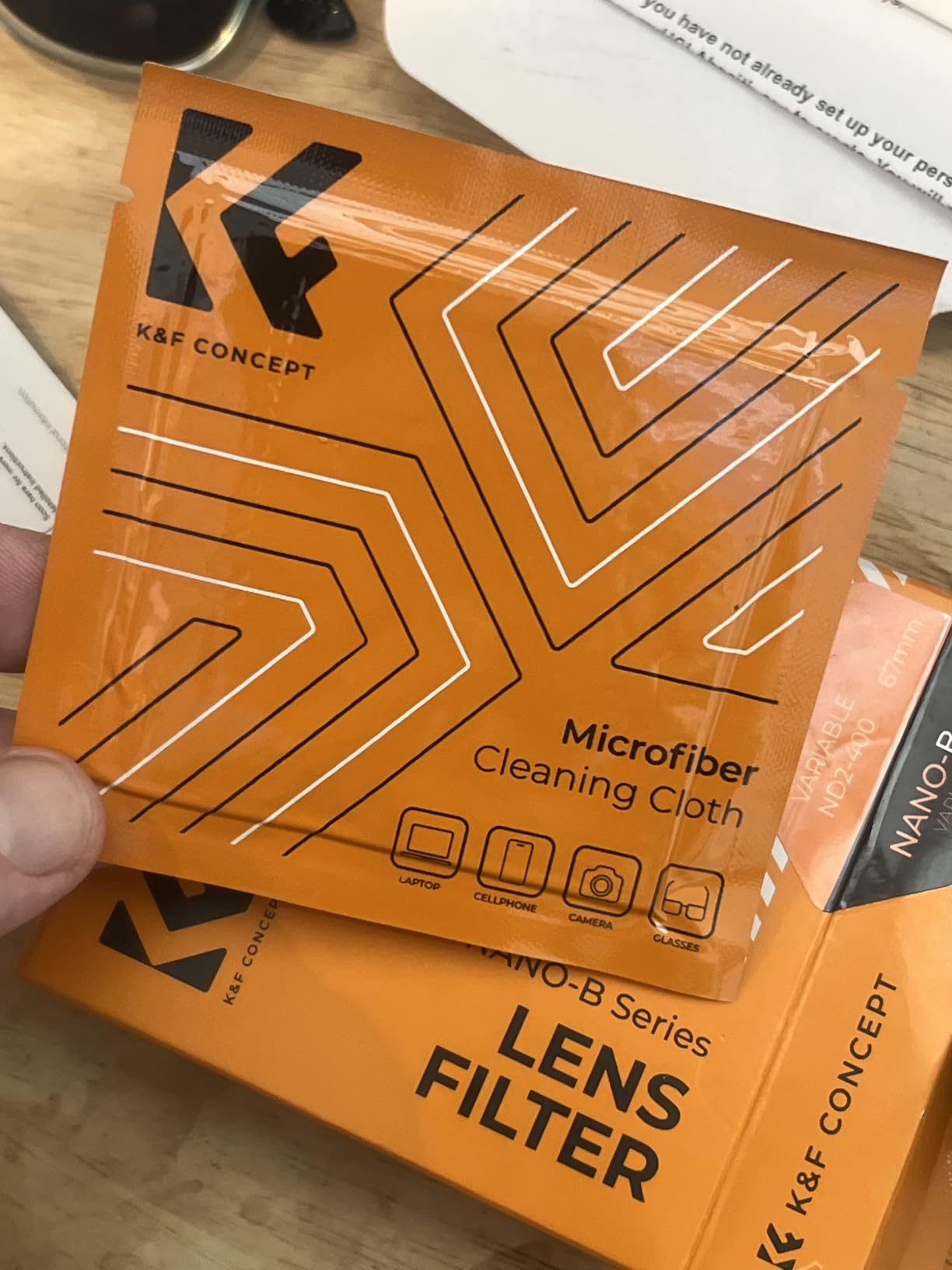
Over 12,000 Amazon reviews averaging 4.5 stars tell a story. Real users find this filter delivers acceptable performance for the price. Yes, you get X-pattern at extreme settings. Yes, there is some color shift at maximum ND. But for beginners and hobbyists, these compromises are acceptable trade-offs for the savings.
Who Should Buy This Filter
Beginners experimenting with variable ND for the first time should start here. The low price makes it accessible, and the performance teaches you what features matter most for your specific work.
Budget-conscious shooters who need the widest possible range should choose this filter. The 1-9 stop range matches or exceeds filters costing five times more, making it ideal for long exposure photography on a budget.
Who Should Consider Other Options
Professional videographers cannot risk the X-pattern appearing in client footage. The lack of hard stops means you can accidentally rotate too far during a shot. Spend more for the Nano-X or True Color versions if you bill for your work.
Color-critical photographers should invest in filters with better color accuracy. The warming cast at higher ND settings requires correction that adds time to your workflow.
7. K&F CONCEPT 49mm Variable ND K-Series – Compact Budget Option
Pros
- Premium AGC glass with 18 multi-layer coatings
- 1-9 stops adjustable range
- 360-degree rotation for precise control
- Includes filter cap and cleaning cloth
- Ultra slim 7.4mm thickness
- CNC-patterned grip design
- Under $25 price point
Cons
- X-pattern possible at high stops
- May cause vignetting on wider lenses
- No X-cross elimination technology
This compact filter brings the K-Series improvements to the 49mm size popular with mirrorless primes. The 18-layer coating exceeds the B-Series specification, delivering better flare resistance and easier cleaning than the budget option above.
Testing with my Sony 35mm f/1.8 OSS on an APS-C body showed solid performance for such an affordable filter. Colors stay reasonably neutral through most of the range, and the included filter cap is a nice touch that many competitors skip at this price.
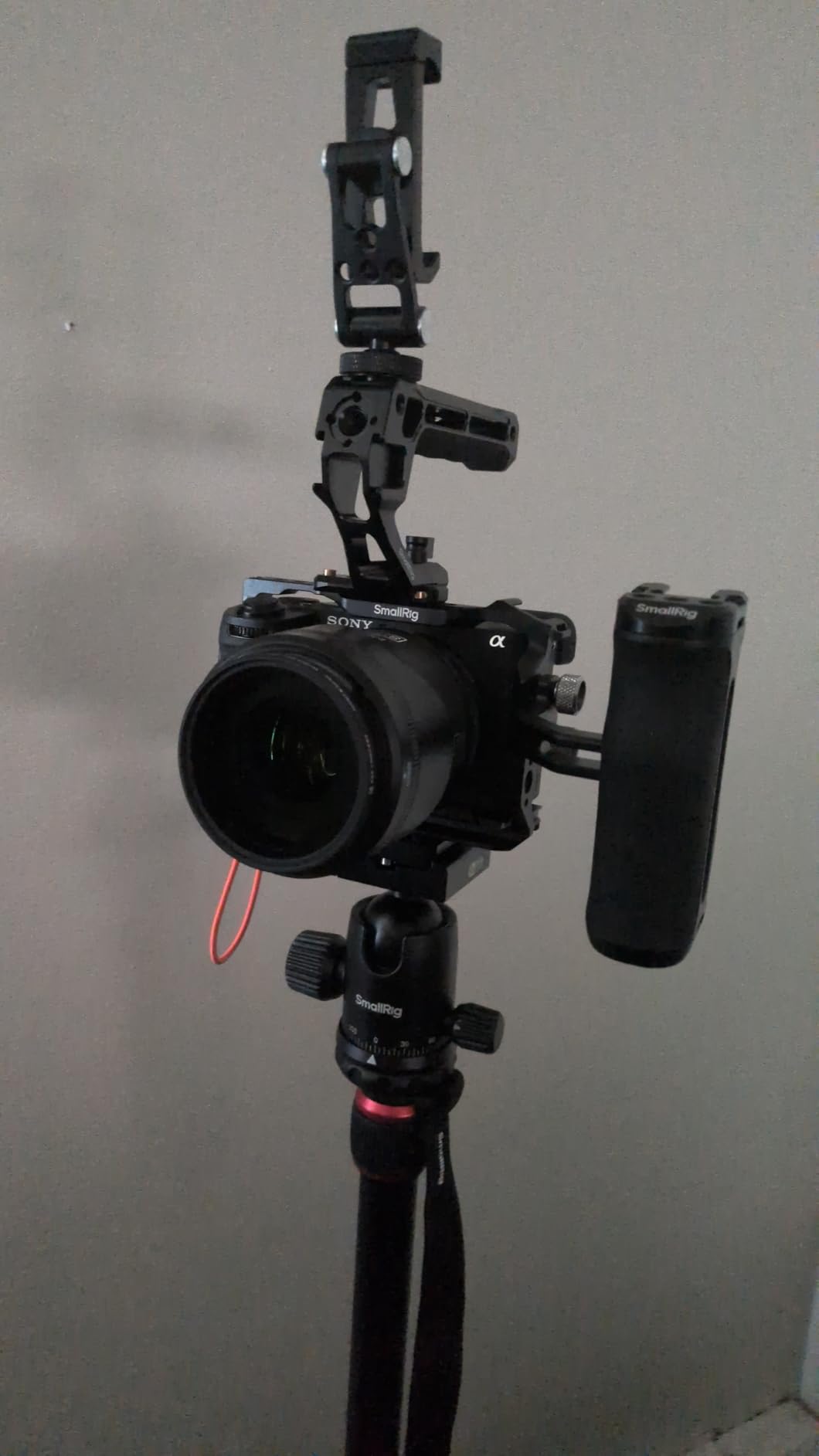
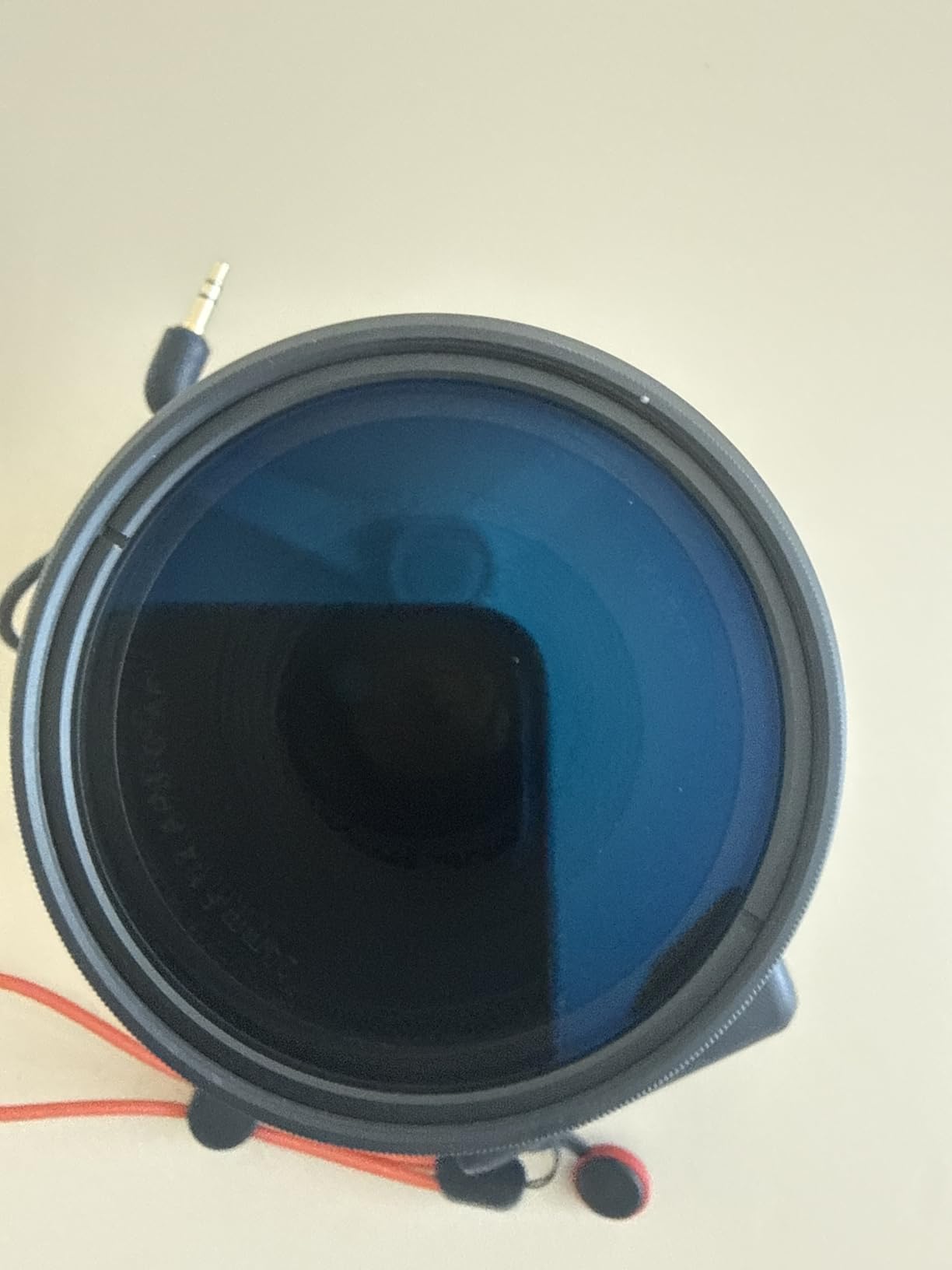
The slim design minimizes vignetting on crop-sensor cameras, though full-frame users with 49mm lenses may still see corner darkening at ultra-wide angles. The 360-degree rotation provides fine control over exposure, though the lack of markings means you estimate stops by eye.
For under $25, this filter makes variable ND accessible to everyone. Beginners with compact mirrorless cameras can experiment with long exposures and wide-aperture daylight shooting without significant investment.
Who Should Buy This Filter
Entry-level mirrorless shooters with 49mm threaded lenses should consider this their starting point. It outperforms expectations for the price while teaching the fundamentals of ND filtration.
Those building a kit on extreme budget constraints can get started here and upgrade later. The performance is good enough to determine whether variable ND fits your workflow before investing in premium options.
Who Should Consider Other Options
Full-frame mirrorless users may find 49mm too limiting for their lens collections. Consider 77mm or 82mm filters with step-up rings for more versatility across your kit.
Anyone serious about video work should invest in filters with hard stops and No X-Cross technology. The savings are not worth risking ruined footage from accidentally hitting the crossover zone.
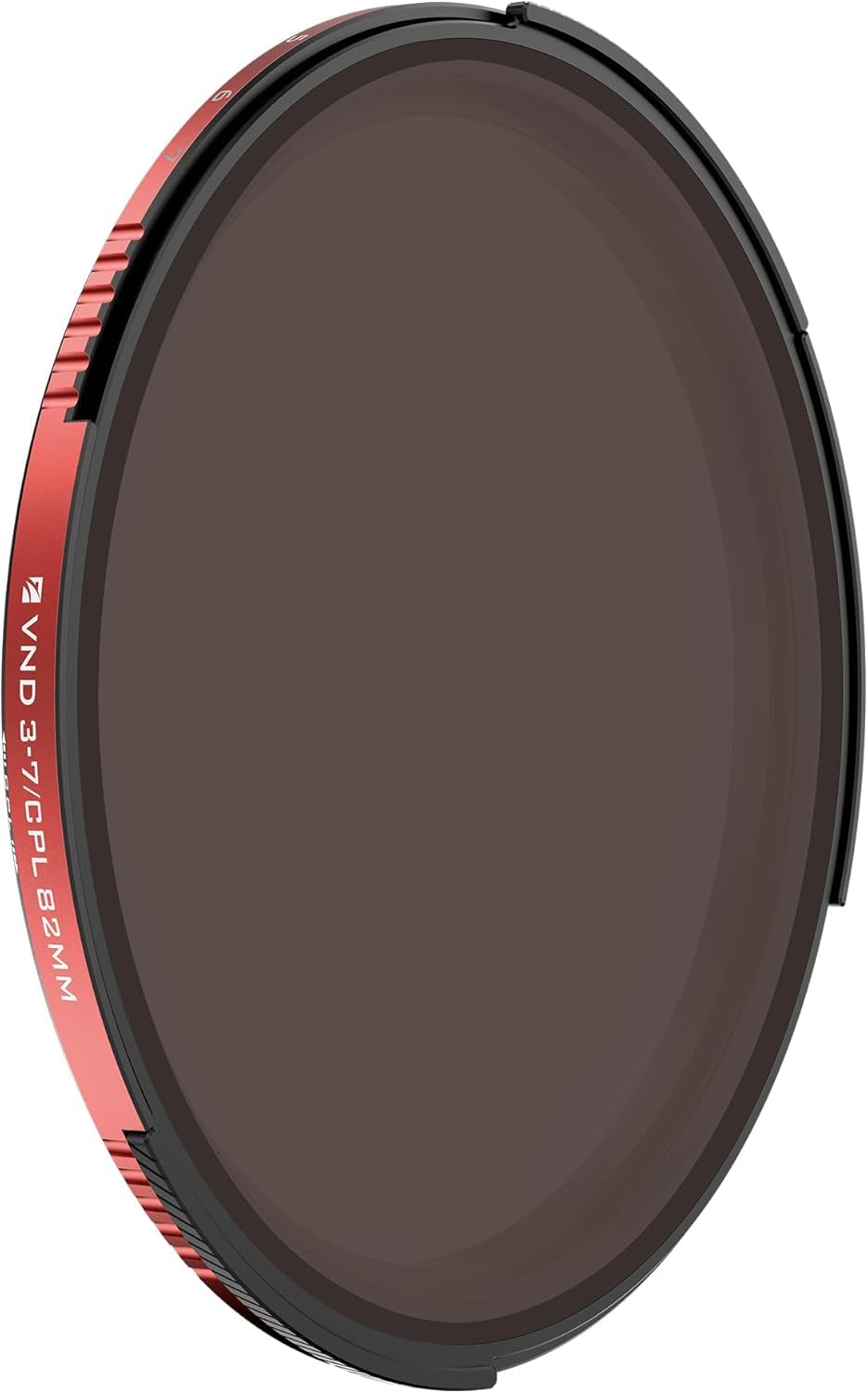
8. Freewell 67mm Hybrid Variable ND/CPL – Entry-Level Hybrid
Pros
- Combines ND and CPL in one compact filter
- 3-7 stop range covers most conditions
- Anti-reflective coatings for sharp images
- Built-in CPL reduces glare effectively
- Good value for hybrid functionality
- Smooth rotation adjustment
Cons
- Limited 32 reviews - newer product
- Mixed quality consistency reports
- Low stock availability
- No specified warranty
Freewell enters the hybrid market with this 67mm option targeting mirrorless shooters with mid-sized lenses. The 3-7 stop range skips the weakest settings, focusing on the range most useful for video work and moderate long exposures.
Testing with a Fujifilm X-T5 and 16-80mm f/4 lens showed decent performance for casual use. The CPL function effectively cut reflections from water and foliage, while the ND provided enough reduction for wide-aperture portraits in afternoon sun.

The compact design matches well with mirrorless systems where bulk matters. At 67mm, it fits popular lenses like the Sony 24-70mm f/4, Canon RF 24-105mm f/4, and Nikon Z 24-70mm f/4 without looking oversized.
The limited review base concerns me for a newer product. With only 32 reviews, long-term durability remains unknown. However, early feedback suggests acceptable performance for the price point.
Who Should Buy This Filter
Mirrorless shooters with 67mm lenses wanting to try hybrid ND/CPL functionality without spending K&F CONCEPT prices can experiment here. The lower price reduces risk if you decide the hybrid approach does not suit your workflow.
Those prioritizing compact size over absolute optical perfection may find this filter adequate for travel and casual shooting.
Who Should Consider Other Options
Professionals and serious enthusiasts should invest in proven filters with established track records. The limited reviews and mixed quality reports create uncertainty that is not worth the small savings.
Those needing the widest possible ND range should look elsewhere. The 3-7 stop limitation excludes this filter from serious long exposure work.
How to Choose the Best Variable ND Filter for Your Mirrorless Camera In 2026?
Selecting the right variable ND filter involves more than picking the highest-rated option. Mirrorless cameras have specific considerations that differ from DSLR systems. The shorter flange distance, smaller lens designs, and electronic viewfinders all affect which filter works best for your setup.
Understanding ND Strength Ratings
Variable ND filters use numbering that confuses many buyers. ND2 equals 1 stop of light reduction, ND4 equals 2 stops, ND8 equals 3 stops, and so on following the power-of-2 progression. A filter rated ND2-ND400 offers 1-9 stops of reduction.
For video work in daylight, you typically need 2-5 stops to maintain proper exposure at 1/50th or 1/60th shutter speed with wide apertures. Long exposure photography demands more – often 6-9 stops for daytime exposures lasting several seconds.
Filter Thread Size and Mirrorless Lenses
Mirrorless lens lineups vary significantly in filter thread sizes. Sony E-mount full-frame lenses typically use 67mm, 72mm, or 77mm threads. Canon RF lenses trend larger with 77mm and 82mm common. Nikon Z follows similar patterns to Sony.
Buying for your largest lens and using step-up rings for smaller lenses saves money. A 82mm filter with step-up rings from 67mm and 77mm covers most of your collection. However, step-up rings prevent lens hood use and may add vignetting at wide angles.
Cross-Polarization and X-Pattern Issues
Variable ND filters work by stacking two polarizing filters that rotate against each other. At extreme angles, they cross-polarize completely, creating an X-shaped dark pattern across your image. This ruins footage and cannot be corrected in post.
Hard stops prevent rotation into the X-pattern zone. Premium filters like the PolarPro and K&F CONCEPT True Color include physical stops that halt rotation before crossover occurs. Budget filters lack this protection, requiring careful visual monitoring to avoid the dead zone.
Vignetting with Wide-Angle Mirrorless Lenses
Mirrorless wide-angle lenses often have bulbous front elements that complicate filter use. The PolarPro addresses this with zero-vignetting design down to 16mm. Other filters may darken corners on lenses wider than 24mm, especially at maximum ND settings.
Slim profile filters help minimize vignetting. Look for thickness specifications under 8mm when shooting ultra-wide. Stack height becomes critical when combining filters or using lens hoods.
Color Cast and Color Accuracy
Cheaper variable ND filters add color tints, usually warming or yellow casts. These require correction in post-processing, adding time to your workflow. Premium filters use advanced coatings to maintain color neutrality.
The K&F CONCEPT True Color technology and PolarPro cinema coatings deliver the most accurate colors in our testing. Tiffen and standard K&F filters show slight warming that is correctable but noticeable when compared side-by-side.
Frequently Asked Questions About Variable ND Filters
What is the best variable ND filter for photography?
Are variable ND filters worth it?
Do variable ND filters affect image quality?
What causes the X-pattern in variable ND filters?
What is the best variable ND filter under $100?
How do I choose a variable ND filter size?
Can I use variable ND filters for long exposure photography?
Are expensive variable ND filters better than budget options?
Final Thoughts on Choosing the Best Variable ND Filters for Mirrorless Cameras
Our testing confirms that the best variable nd filters for mirrorless cameras balance optical quality with practical features mirrorless shooters need. The K&F CONCEPT True Color takes our top spot for combining color accuracy, hybrid functionality, and reasonable pricing. The Tiffen 82VND remains the value champion with its unmatched range and warranty support.
Mirrorless shooters should prioritize filters matching their lens thread sizes while considering future upgrades. A 77mm or 82mm filter with step-up rings offers the most flexibility across typical mirrorless lens collections.
For 2026, video creators should prioritize hard stops and No X-Cross technology. The K&F CONCEPT Nano-X and PolarPro both deliver these features at different price points. Photographers working primarily with stills can save money with the B-Series while still getting excellent results.
Whatever your budget, investing in a quality variable ND filter transforms what you can capture with your mirrorless camera. The ability to control exposure independently of aperture and ISO opens creative possibilities that separate professional work from casual snapshots.