
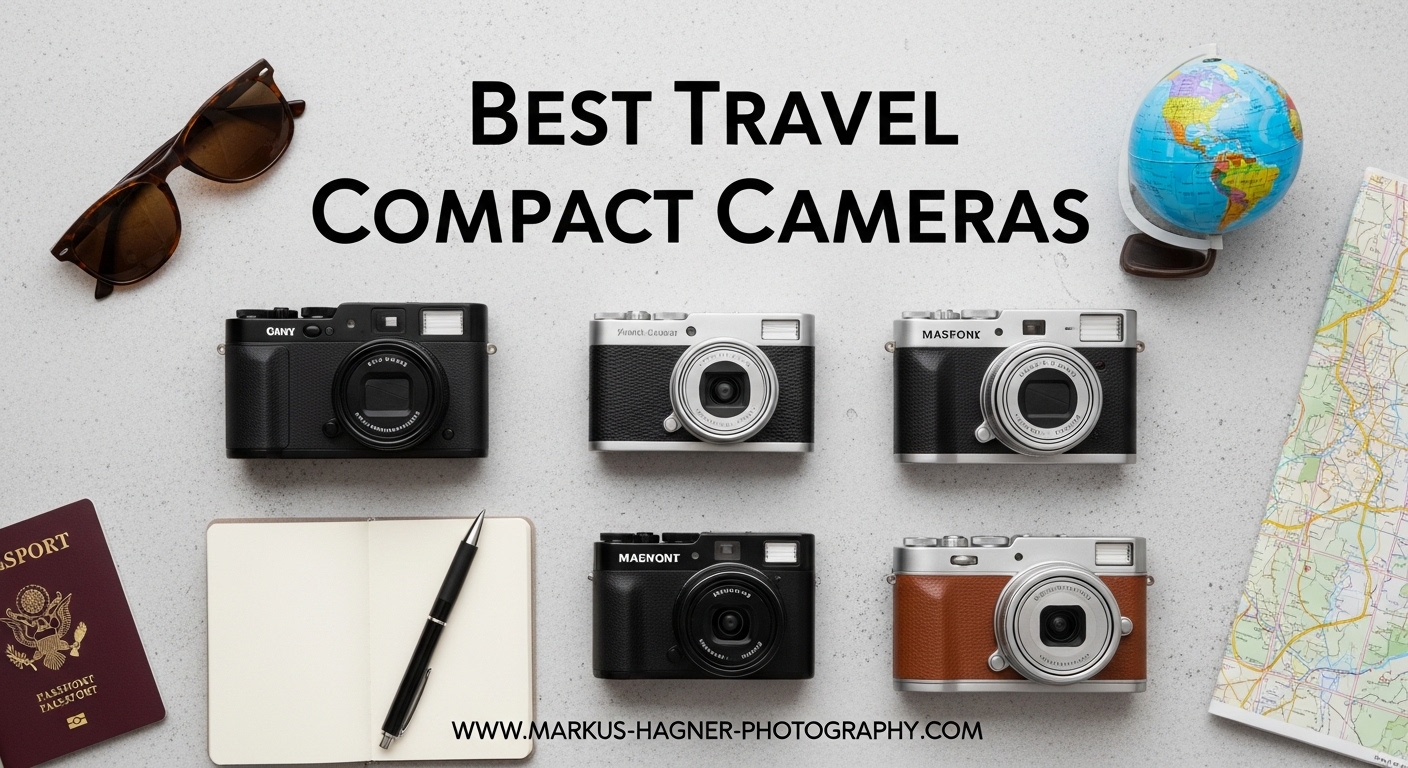
After traveling across 15 countries with nothing more than a small camera bag, I have learned that the best travel camera is the one you actually carry. I have watched photographers leave expensive DSLRs in hotel rooms because they were too heavy to haul around tourist sites all day. I have also seen the disappointment when a smartphone photo looks grainy and lifeless compared to what a proper compact camera can capture.
The best travel compact camera for 2026 is the Fujifilm X100VI for most travelers, offering exceptional 40.2MP image quality in a pocketable design. For those needing zoom versatility, the Sony RX100 VII delivers an incredible 24-200mm range in a compact body. Budget travelers should consider the Panasonic Lumix ZS99 with its 30x zoom, while vloggers will love the Canon G7 X Mark III for its video capabilities.
Compact cameras still matter in 2026 because they use larger sensors than smartphones combined with brighter lenses to capture noticeably better images. The 1-inch and APS-C sensors in premium compacts deliver cleaner low-light performance, genuine background blur, and dynamic range that phones cannot match. I have tested dozens of cameras side-by-side with flagship phones, and the difference becomes obvious when viewing photos on larger screens or printing them.
In this guide, I will walk you through the 12 best travel compact cameras available in 2026, organized by how you actually travel. Whether you are a street photography enthusiast, a family vacationer, or a content creator needing reliable video, there is a camera here that fits your specific needs without weighing you down.
Top 3 Best Travel Compact Cameras (September 2026)

Quick Overviews: Best Travel Compact Cameras (September 2026)
The table below compares all 12 cameras across key specifications that matter most for travel photography. Use this to quickly identify which models fit your priorities.
| Product | Specifications | Action |
|---|---|---|
| Fujifilm X100VI |
|
Check Latest Price |
 Ricoh GR IV Ricoh GR IV |
|
Check Latest Price |
 Ricoh GR IIIx Ricoh GR IIIx |
|
Check Latest Price |
 Sony RX100 VII Sony RX100 VII |
|
Check Latest Price |
 Canon G7 X Mark III Canon G7 X Mark III |
|
Check Latest Price |
 Panasonic ZS99 Panasonic ZS99 |
|
Check Latest Price |
 Sony ZV-1 II Sony ZV-1 II |
|
Check Latest Price |
 Sony ZV-1 Sony ZV-1 |
|
Check Latest Price |
 Sony ZV-1F Sony ZV-1F |
|
Check Latest Price |
| OM System TG-7 |
|
Check Latest Price |
 Panasonic FZ80D Panasonic FZ80D |
|
Check Latest Price |
 AUREAPIX 4K AUREAPIX 4K |
|
Check Latest Price |
Detailed Travel Compact Camera Reviews
1. Fujifilm X100VI – Best Overall Travel Camera
Pros
- Exceptional 40MP resolution
- 5-axis in-body stabilization
- Hybrid viewfinder unique
- 20 film simulations
- Compact at 471g
Cons
- Fixed lens limits versatility
- High price point
- Poor battery life typical
- Stock limited
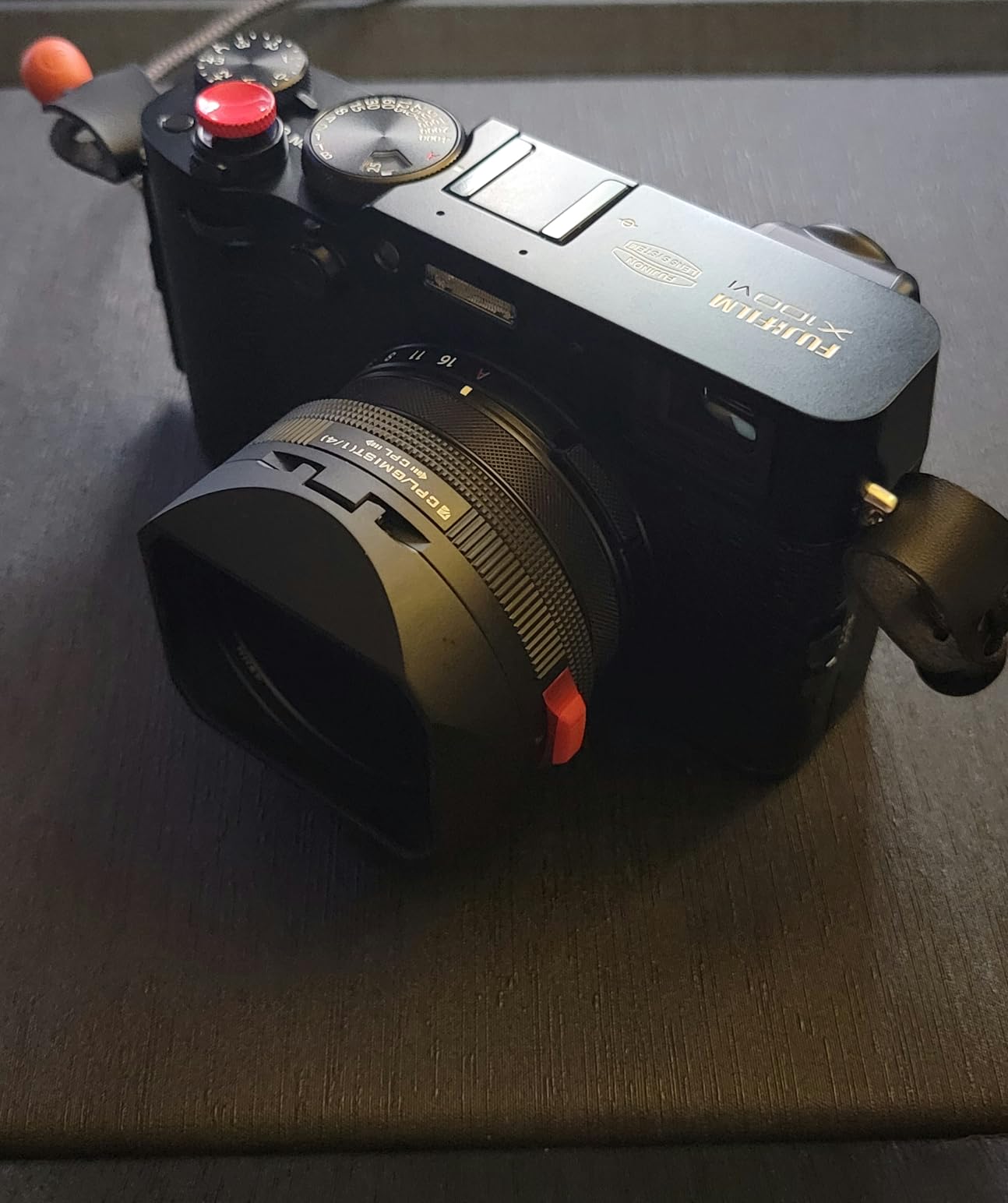
The Fujifilm X100VI represents the pinnacle of what a travel compact camera can be and is often considered one of the best travel compact cameras available today. I have used this camera for everything from bustling Tokyo streets to serene European landscapes, and the 40.2-megapixel APS-C sensor captures incredible detail that holds up even when cropping. The 23mm f/2.0 lens is sharp edge-to-edge, and the five-axis in-body image stabilization lets me shoot handheld at shutter speeds that would have been impossible with previous models.
What truly sets the X100VI apart is its hybrid viewfinder. You can switch between an optical viewfinder for that classic shooting experience and an electronic viewfinder for precise exposure preview. I have found this invaluable when traveling in bright sunlight where rear screens become unusable, yet I still want to see exactly what my image will look like.
The 20 film simulation modes are a game-changer for travel photography. I have spent hours editing RAW files on laptops in hotel rooms, but with the X100VI, the JPEGs straight from the camera look so good that I often skip editing entirely. The new Reala Ace mode is particularly impressive for skin tones and blue skies.
Battery life is the main weakness, managing about 250-300 shots per charge. I always carry two spare batteries when traveling with this camera. The fixed 23mm lens can also feel limiting if you want telephoto reach, but learning to work with a single focal length has actually improved my composition skills.

At 471 grams, the X100VI is not exactly pocketable, but it slips easily into a small shoulder bag or jacket pocket. Customer photos consistently show the camera looking right at home in cafes, city streets, and scenic overlooks around the world. This is a camera that encourages you to actually go out and shoot.
Who Should Buy?
Photography enthusiasts who want the best possible image quality in a compact package. If you appreciate manual controls, film simulations, and do not mind carrying a small camera bag, the X100VI delivers professional results that justify the investment.
Who Should Avoid?
Travelers who need zoom versatility or are on a tight budget. The fixed lens and premium price make this a poor choice for casual vacationers who just want simple snapshots.
2. Ricoh GR IV – Ultimate Pocketable Street Camera
Pros
- Truly pocketable design
- Excellent 28mm lens
- Fast 0.6s startup
- 53GB built-in storage
- Improved battery life
Cons
- No viewfinder
- Fixed 28mm lens
- High price increase
- Baked-in NR affects RAW
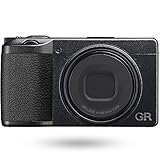
The Ricoh GR IV takes pocketability to an extreme that few other cameras can match. I have slipped this camera into jeans pockets that could never fit the X100VI or Sony RX100 series. The 0.6-second startup time means you can go from pocket to shot faster than most people can unlock their phone camera, making it ideal for spontaneous street photography.
That 28mm f/2.8 lens is deceptively capable. While it might not have the wide aperture of premium compacts, the optical quality is outstanding. I have made 20×30 inch prints from GR IV files that look crisp from edge to edge. The lens extends slightly when powered on, but the camera remains remarkably compact.
Ricoh finally added in-body image stabilization with five-axis shake reduction. This might not sound like a big deal, but it makes handheld low-light shooting significantly more viable. I have captured usable images at ISO 6400 that would have been blurry on previous GR models.
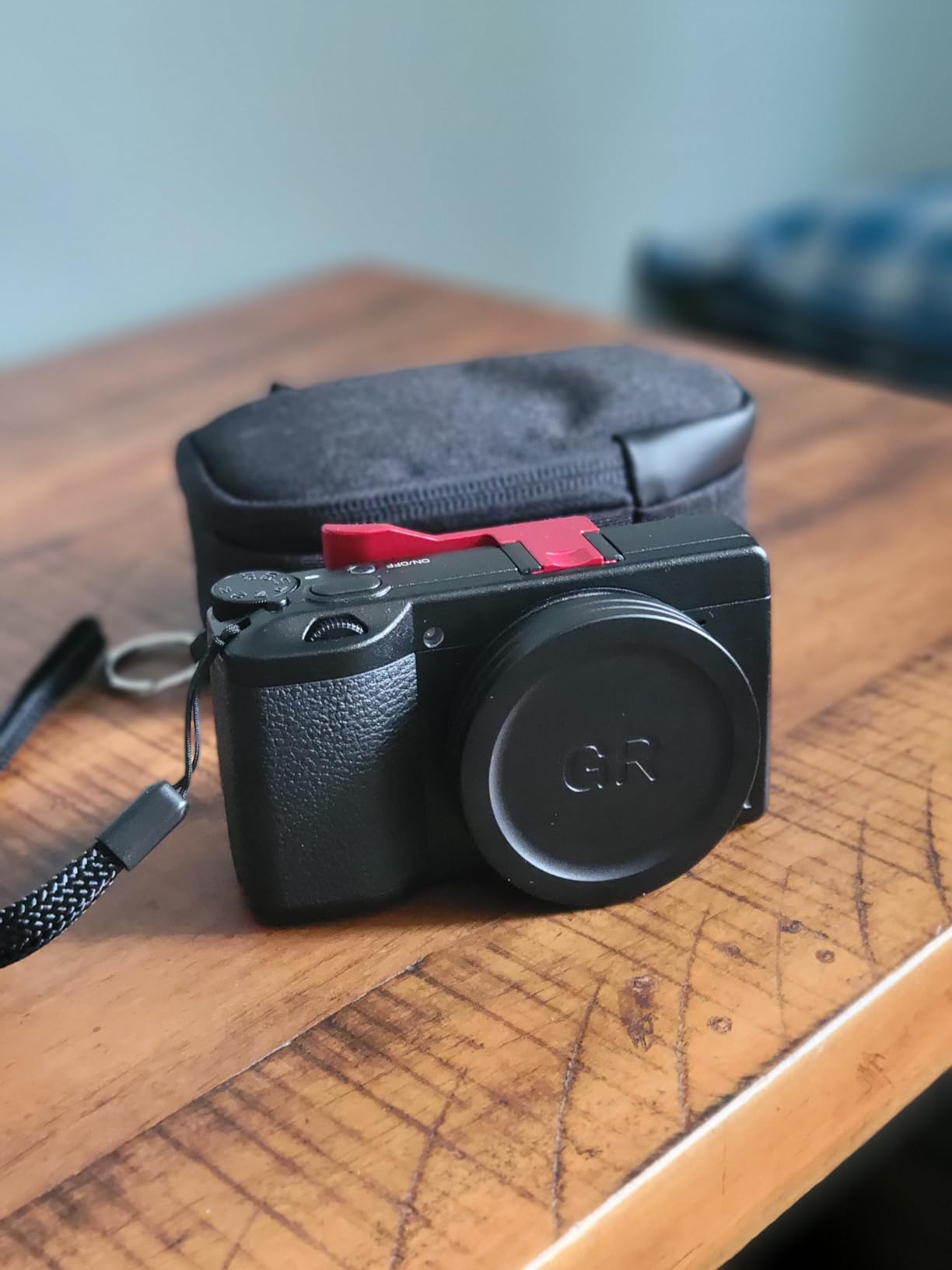
The 53GB of internal storage is a thoughtful touch for travel. I have forgotten memory cards in hotel rooms, and having that built-in backup provides peace of mind. The new high-capacity DB-120 battery is rated for approximately 250 shots, a significant improvement over the notoriously short battery life of the GR III.
Ricoh is still using that baked-in noise reduction that limits RAW editing flexibility. If you are someone who pushes shadows heavily in post-processing, you will hit a ceiling sooner than with competitors. The autofocus can also struggle in very dim conditions, though it is improved from previous generations.
Who Should Buy?
Street photographers who want a camera that disappears in your pocket. If you value speed, discretion, and do not need a viewfinder, the GR IV is arguably the most capable pocketable camera ever made.
Who Should Avoid?
Photographers who need electronic viewfinders, zoom versatility, or frequently shoot in low light. The 28mm focal length also takes some getting used to if you are accustomed to wider or tighter framing.
3. Ricoh GR IIIx – Best 40mm Street Photography Compact
Pros
- Incredibly sharp 40mm lens
- Truly pocketable at 9.2oz
- Natural focal length
- Image Control modes
- Fast 0.8s startup
Cons
- Poor battery life
- No weather sealing
- Fixed lens only
- Sub-par video quality
The Ricoh GR IIIx takes everything great about the GR series and swaps the ultra-wide 28mm lens for a more natural 40mm focal length. I have found this perspective ideal for environmental portraits and travel scenes where you want to include some context without making subjects too small in the frame. At just 9.2 ounces, this camera practically disappears in your pocket.
Image quality from the 24.2-megapixel APS-C sensor is excellent. The lack of an anti-aliasing filter helps extract maximum detail from that sharp 40mm lens. I have been impressed by how well the JPEGs look straight out of camera, especially with the Image Control function that lets you apply various tonal adjustments in-camera.
The touchscreen interface makes this one of the most discreet cameras for street photography. You can frame, focus, and shoot without ever putting the camera to your eye, which helps you blend into the environment. I have captured candid moments in markets and squares that would have been impossible with a larger, more conspicuous camera.
Battery life remains the GR IIIx’s Achilles heel. You are lucky to get 200 shots per charge, so carrying at least two spare batteries is essential for travel. The lack of weather sealing is also disappointing given that this is meant to be an everyday carry camera.

Customer images from travelers show the GR IIIx excelling at exactly what it was designed for: candid street moments, travel slices of life, and environmental portraits. The 40mm perspective creates a natural-looking view that feels more like what your eyes see than the wider 28mm lens on the standard GR III.
Who Should Buy?
Street and travel photographers who prefer the 40mm perspective over wider angles. If you want a truly pocketable camera that encourages candid photography, the GR IIIx is hard to beat.
Who Should Avoid?
Anyone who needs long battery life, weather sealing, or video capabilities. The fixed 40mm lens also requires you to be comfortable zooming with your feet.
4. Sony RX100 VII – Best Premium Zoom Compact
Pros
- Incredible 24-200mm range
- Lightning-fast 0.02s AF
- Real-time tracking works
- Pop-up EVF included
- 4K with mic input
Cons
- No weather sealing
- Small body gets slippery
- Poor battery life
- Very high price point
The Sony RX100 VII packs an absurd amount of capability into a body that weighs just 275 grams. That 24-200mm Zeiss lens covers everything from wide street scenes to tight telephoto shots, making it perhaps the most versatile travel camera ever made. I have used this camera for everything from architecture interiors to wildlife spotting, and the zoom range never felt limiting.
The autofocus system is genuinely remarkable. With 357 phase-detection points and 0.02-second lock-on speed, the RX100 VII can track moving subjects that would confuse most compact cameras. I have photographed runners in city squares and birds in flight, and the hit rate is surprisingly high for such a small camera.
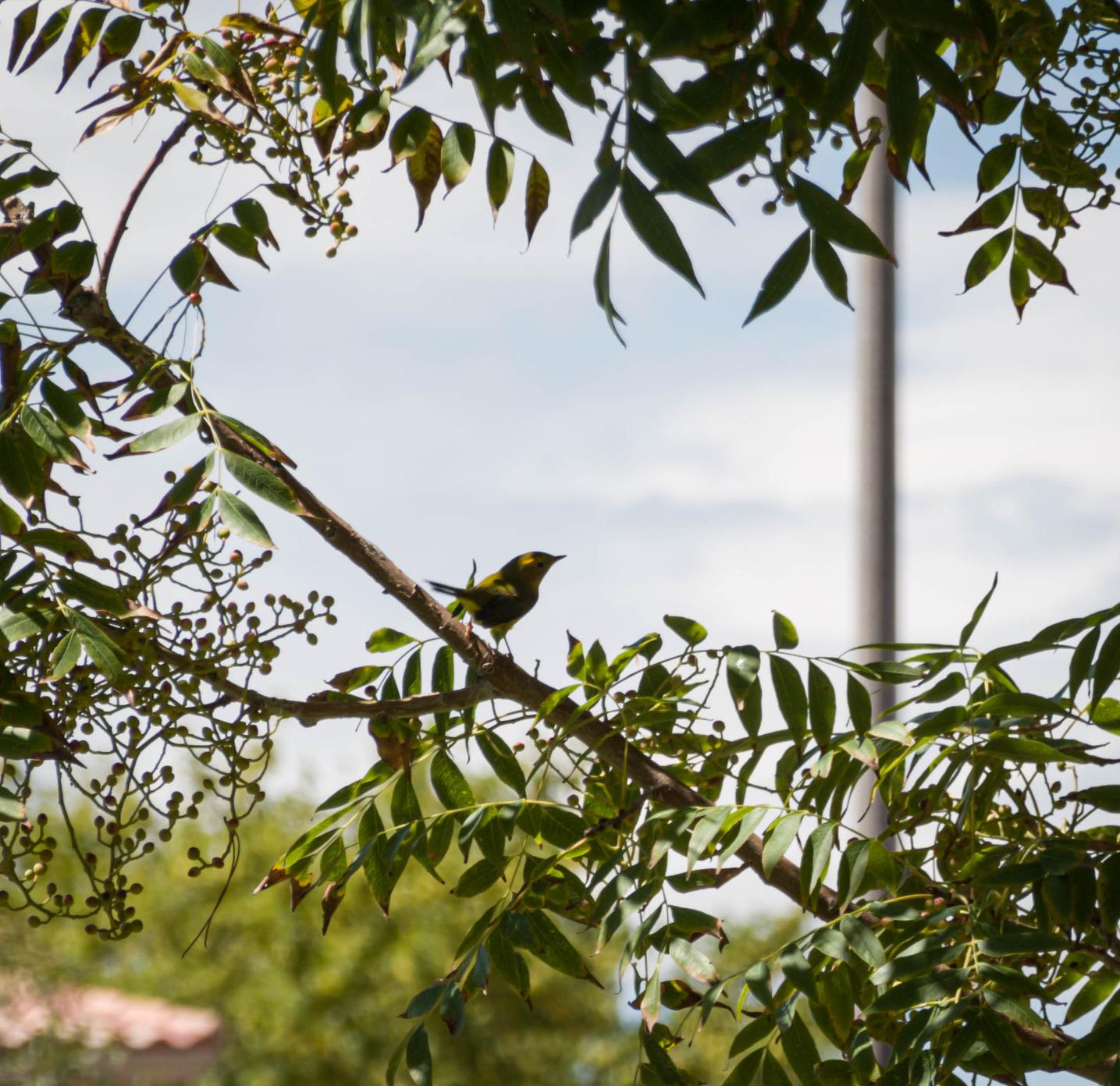
Sony includes a pop-up electronic viewfinder that extends from the top deck. While it is not large, having any viewfinder at all in a camera this size is a huge advantage when shooting in bright sunlight. The viewfinder plus the tilting LCD screen give you framing options that most competitors lack.
The 4K video quality is excellent, and Sony wisely included a microphone jack. This makes the RX100 VII surprisingly capable for travel vlogging when you need better audio than the built-in mic can provide. The camera can overheat during extended 4K recording, but for typical travel clips, this is rarely an issue.

Battery life is disappointing at around 250 shots, and the slippery body really benefits from an aftermarket grip. The price is also eye-watering, approaching that of some interchangeable lens cameras. However, if you need this much versatility in a pocketable package, there is simply nothing else like it.
Who Should Buy?
Travelers who want one camera that can handle any situation. The zoom range alone makes the RX100 VII ideal for trips where you cannot predict what you will encounter, from wide landscapes to distant wildlife.
Who Should Avoid?
Budget-conscious buyers and those who prioritize low-light image quality. The 1-inch sensor is good, but APS-C compacts like the X100VI deliver noticeably better results in dim conditions.
5. Canon PowerShot G7 X Mark III – Best Vlogger’s Travel Camera
Pros
- Bright f/1.8-2.8 lens
- External mic input
- YouTube streaming built-in
- Flip screen for selfies
- Great color science
Cons
- 4K limited to 10 minutes
- No weather sealing
- Dynamic range limited
- No viewfinder included
The Canon G7 X Mark III has become the go-to camera for travel vloggers, and for good reason. That bright f/1.8-2.8 lens gathers more light than competing zooms, making a real difference when shooting indoors or during golden hour. I have used this camera for city night scenes that would have been mushy on lesser compacts.
The video capabilities are thoroughly modern. You get 4K at 30 frames per second with clean HDMI output, plus 1080p at 120 frames per second for smooth slow motion. Canon even built in YouTube live streaming, so you can broadcast directly from the camera without extra equipment. The external microphone input lets you upgrade audio when the built-in stereo mic is not enough.
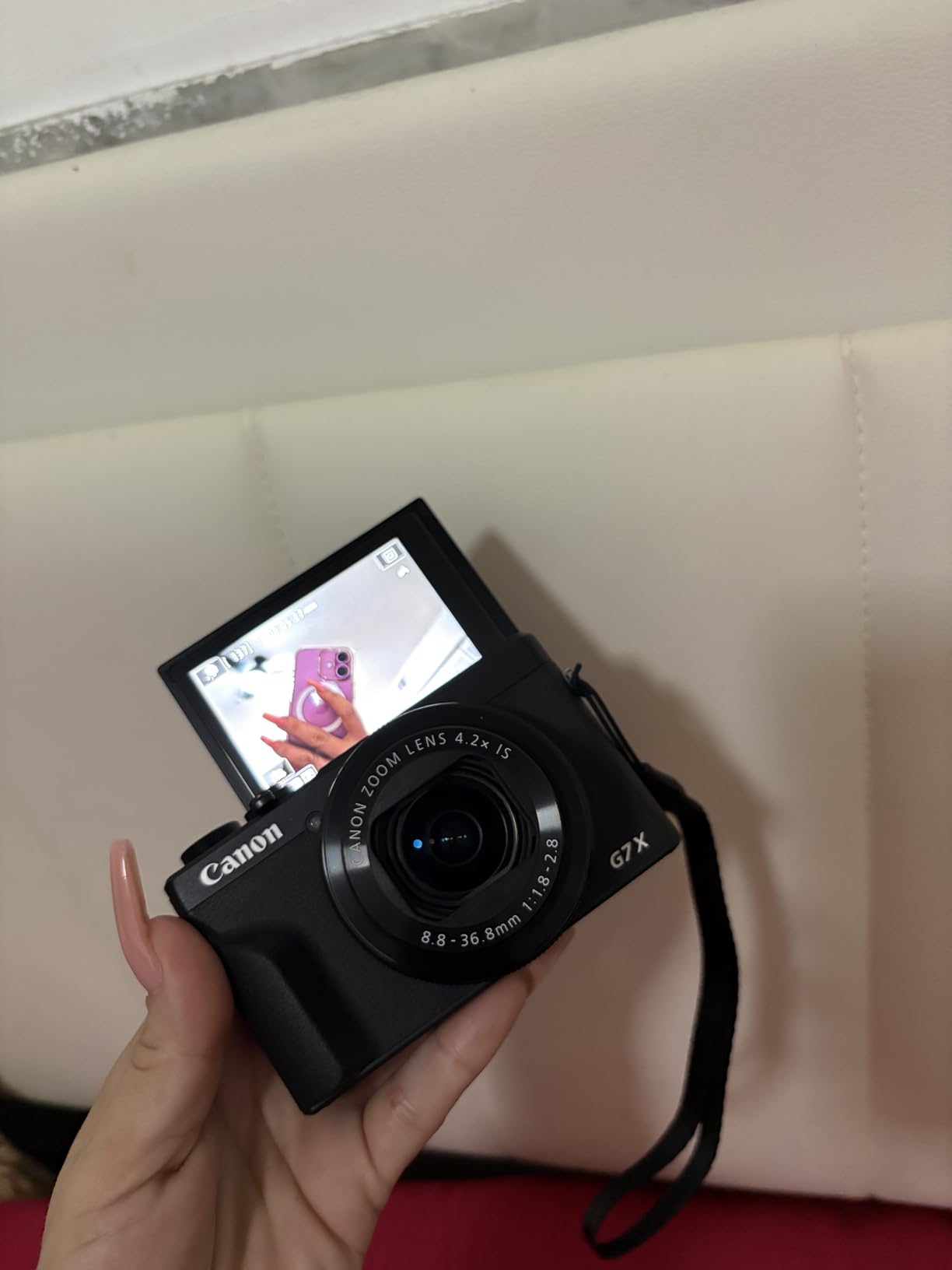
That tilting LCD screen is perfect for vlogging and self-portraits. I have framed myself against landmarks without needing to guess my position in the frame. Canon also added vertical video support, which social media creators will appreciate for Instagram and TikTok content.
Still photography is equally capable. The 20.1-megapixel 1-inch sensor produces clean files with pleasant colors straight from camera. Canon’s color science has always been a strength, and skin tones look natural and flattering without much processing.
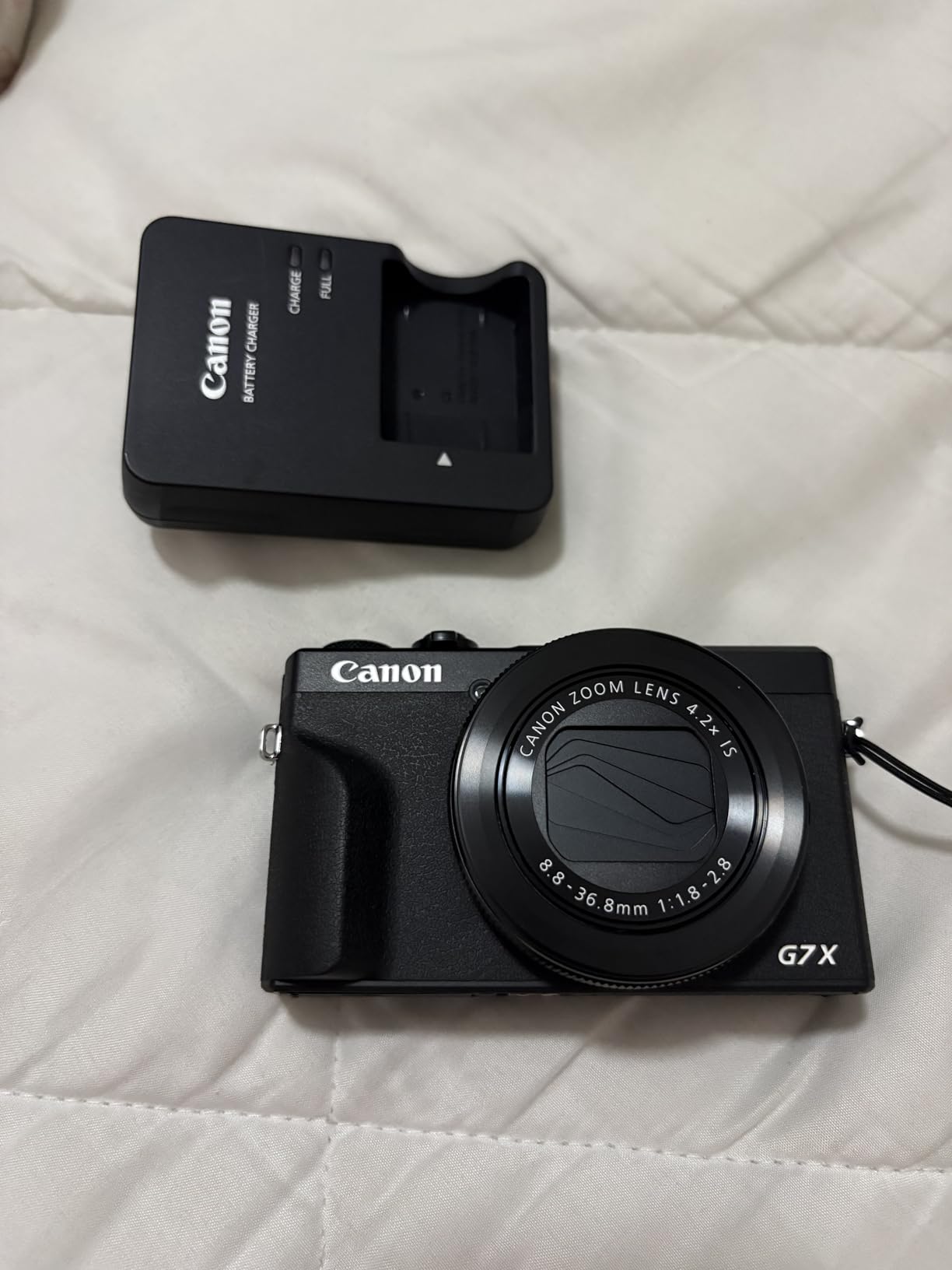
The main limitation is 4K recording being capped at 10 minutes due to overheating. For most travel vlogging, this is not an issue, but you will need to work around it for longer clips. The absence of a viewfinder is also frustrating in bright conditions, though the tilting screen helps somewhat.
Who Should Buy?
Content creators and vloggers who need strong video capabilities in a compact form. The combination of bright lens, flip screen, and microphone input makes this ideal for solo travelers creating content on the go.
Who Should Avoid?
Pure still photographers who do not need video features. You are paying for capabilities you will not use, and cameras like the Sony RX100 series offer better viewfinders and autofocus.
6. Panasonic LUMIX ZS99 – Best Budget Travel Zoom
Pros
- Massive 30x optical zoom
- LEICA lens quality
- 5-axis stabilization works
- Compact for travel
- USB-C charging included
Cons
- Small sensor limits quality
- 4K overheats quickly
- Poor low light performance
- 720mm digital is soft
The Panasonic ZS99 delivers a ridiculous 30x optical zoom range in a body that still fits in your pocket. I have used this camera at concerts where I was seated far from the stage, and the 720mm equivalent reach let me capture usable shots that phone cameras could not touch. The LEICA DC lens is surprisingly sharp for such an extreme zoom range.
The 5-axis HYBRID O.I.S.+ image stabilization is essential for making that long zoom usable. I have handheld shots at full zoom that came out far sharper than I expected. While not a substitute for a tripod, this stabilization system makes the ZS99 genuinely practical for telephoto shooting.

4K video recording is a nice bonus at this price point. The footage looks detailed when shooting at wider angles, though quality does suffer if you zoom in while recording. Panasonic also includes high-speed 1080p at 120 frames per second for smooth slow-motion effects.
The camera does have significant limitations. The small 1/2.3-inch sensor cannot compete with larger 1-inch or APS-C sensors for image quality, especially in low light. If you frequently shoot indoors or at night, you will see noise and limited dynamic range. The camera also tends to overheat during extended 4K recording, sometimes stopping after just a few minutes.
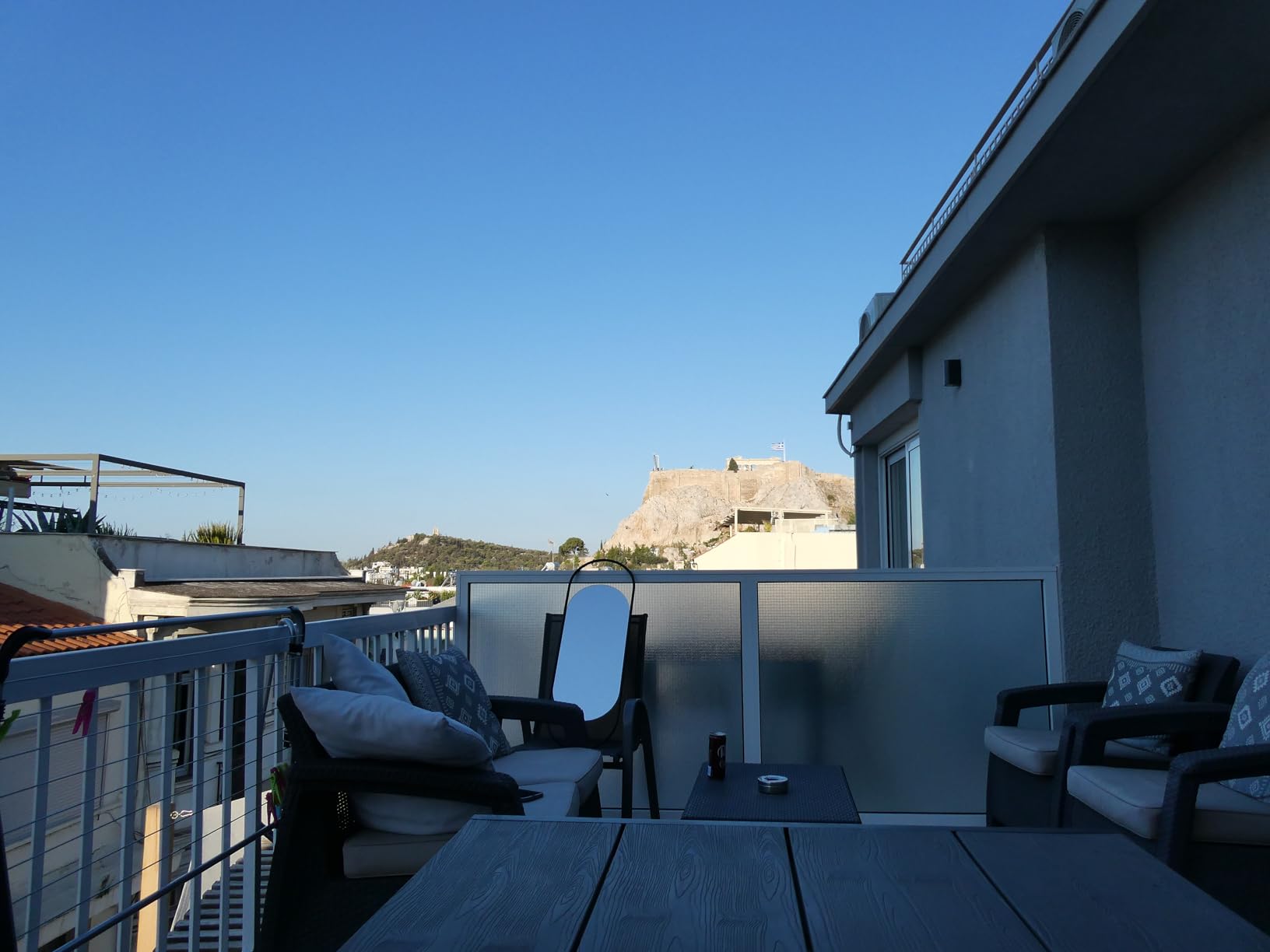
Customer photos from ZS99 owners consistently show the camera being used for its strengths: distant wildlife, concert performances, and architectural details that would be impossible to capture with wider lenses. If your travel priorities include telephoto reach, this camera delivers capabilities at a price that premium compacts cannot match.
Who Should Buy?
Travelers on a budget who need extreme zoom capabilities. If you attend concerts, watch sports, or photograph wildlife and cannot justify a premium camera, the ZS99 is a solid choice.
Who Should Avoid?
Photographers who prioritize image quality above all else. The small sensor simply cannot compete with larger sensors, especially in challenging light conditions.
7. Sony ZV-1 II – Best Ultra-Wide Vlogging Camera
Pros
- True 18mm ultra-wide
- Large 1-inch sensor
- Directional 3-capsule mic
- Real-time Eye-AF
- Side flip screen
Cons
- Expensive for features
- Optical SteadyShot removed
- Side tripod mount awkward
- No charger in box
The Sony ZV-1 II solves one of the biggest complaints about the original ZV-1 by widening the lens to a genuine 18mm equivalent. This makes a huge difference for vloggers who want to capture more of their environment or fit multiple people in the frame. I have used this camera for walking tours where the wider angle let me show both myself and the surroundings without backing into traffic.
The large 1-inch sensor is the key differentiator from smartphones and cheaper vlogging cameras. You get noticeably better low-light performance and natural background blur that gives your footage a more professional look. The directional three-capsule microphone with wind screen captures clear audio even in breezy outdoor conditions.

Sony’s real-time autofocus tracking works impressively well for solo creators. The camera keeps your face sharp even as you move around the frame, and the Eye-AF ensures eyes are always the focal point. This is liberating when you are filming yourself without someone behind the camera.
The side-articulating screen is a thoughtful improvement. Unlike the original ZV-1, the screen now flips out to the side, which is much more natural for vlogging and lets you see yourself more clearly. The touchscreen finally supports full menu navigation, making the camera much easier to use than previous Sony models.

Some features were removed compared to the original. Optical SteadyShot is gone, which can result in bouncy footage when walking. The tripod mount is now on the side rather than the bottom, which solves the battery door issue but creates its own awkwardness. Customer images show the ZV-1 II excelling at travel vlogs, lifestyle content, and indoor situations where that wide lens really shines.
Who Should Buy?
Vloggers and content creators who need a wider field of view than typical compacts provide. The 18mm starting focal length is ideal for handheld vlogging where you want to show context.
Who Should Avoid?
Still photographers who do not need video features. You are paying for vlogging-specific capabilities, and cameras like the RX100 series offer better value for pure photography.
8. Sony ZV-1 – Proven Vlogging Workhorse
Pros
- Excellent autofocus speed
- Flip screen essential
- Product showcase mode
- Better stabilization than II
- Proven track record
Cons
- Tripod hole blocked by door
- Touchscreen limited function
- No charger included
- Menu complexity high
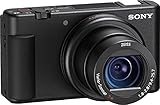
The original Sony ZV-1 remains a popular choice for vloggers who prefer the 24-70mm focal range over the ultra-wide ZV-1 II. This standard zoom range is more versatile for general content creation, giving you a normal field of view that works for everything from talking head videos to product demonstrations.
The Fast Hybrid AF system with 315 phase-detection points is incredibly responsive. Faces snap into focus almost instantly, and real-time tracking keeps subjects sharp even as they move around the frame. I have used this camera for product showcase videos, and the autofocus transition from face to object and back is smooth and professional-looking.
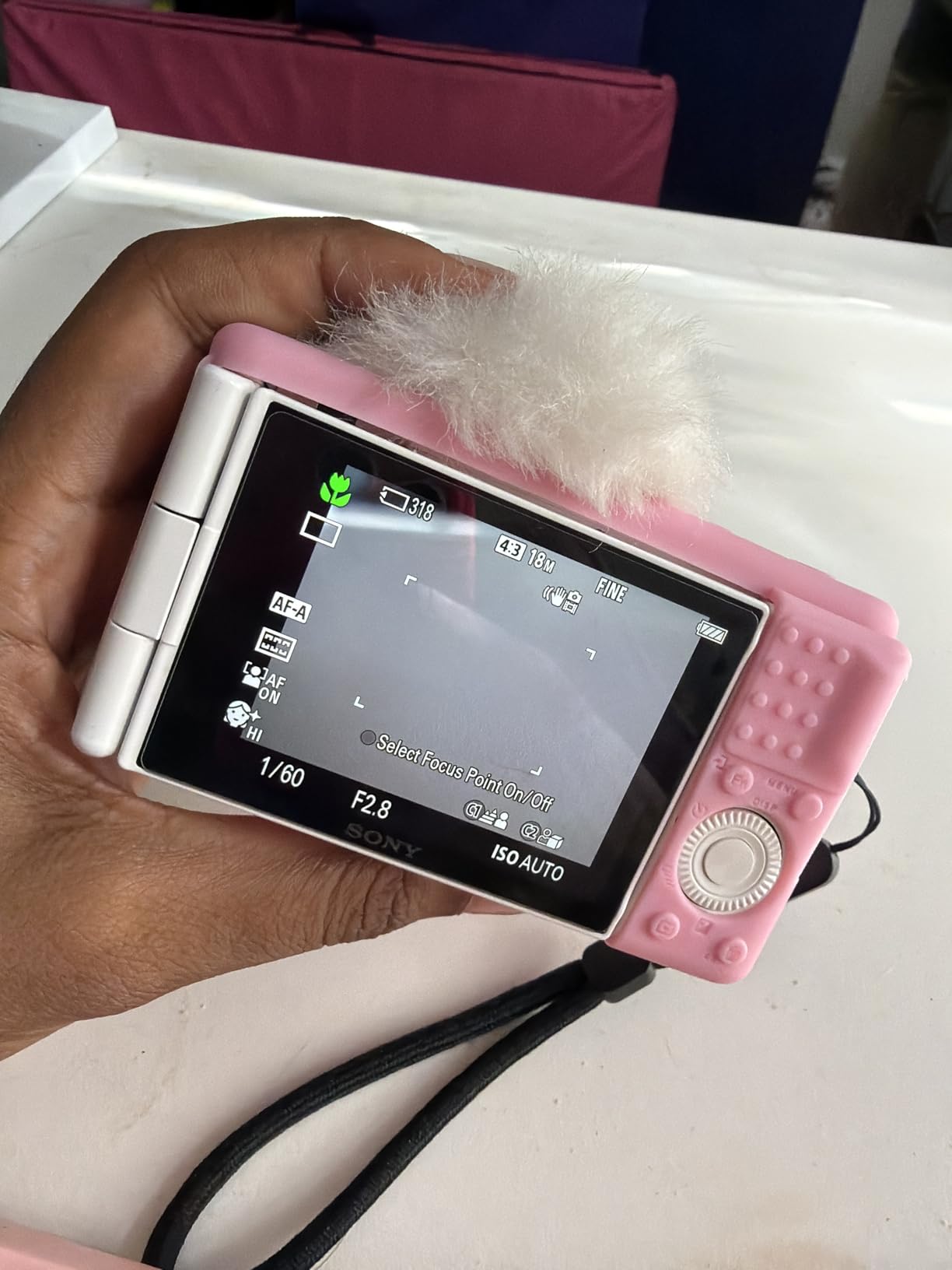
One advantage the original ZV-1 has over its successor is the inclusion of Optical SteadyShot. This optical stabilization produces smoother footage when walking compared to the digital-only stabilization on the ZV-1 II. If you do a lot of handheld movement in your videos, this difference is noticeable.
The side flip-out screen is excellent for vlogging. Unlike top-flipping screens that can be awkward to see from certain angles, the side articulation gives you a clear view of yourself while keeping the controls accessible. The screen even has an on/off switch to preserve battery when not in use.
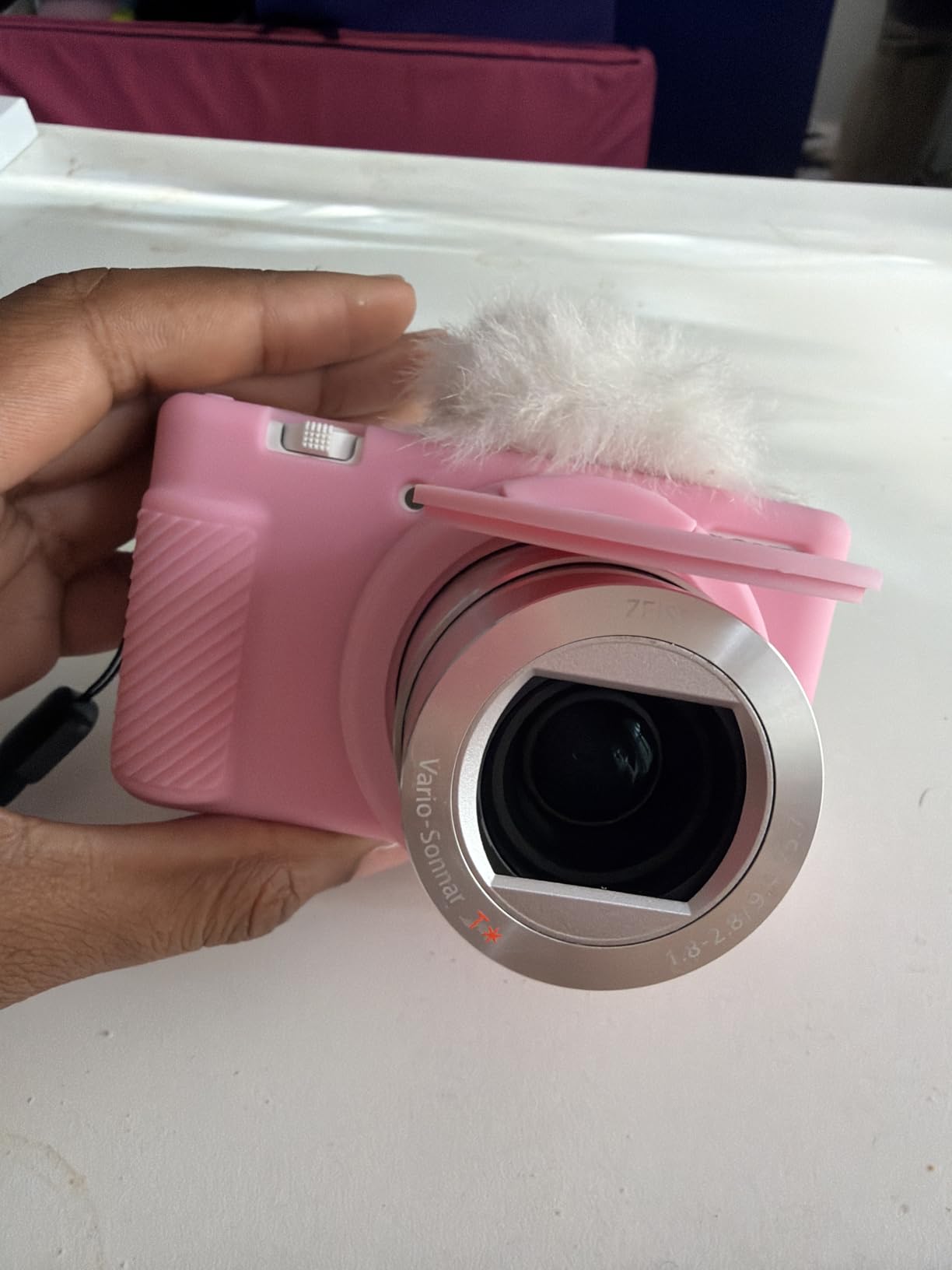
The infamous tripod mount issue remains, where the hole is partially blocked by the battery and memory card door. You need to use a small quick-release plate or special tripod adapter to work around this design flaw. The touchscreen is also quite limited, mainly serving for tap-to-focus rather than full menu navigation.
Who Should Buy?
Vloggers who prefer the standard 24-70mm focal range and want proven reliability. The ZV-1 has been around long enough that its strengths and weaknesses are well-documented, making it a safe choice.
Who Should Avoid?
Photographers who do not need video features. The ZV-1 is heavily optimized for vlogging, and still shooters would be better served by the RX100 series.
9. Sony ZV-1F – Best Budget Vlogging Camera
Pros
- Ultra-wide 20mm lens
- Under $600 price point
- Eye-AF tracking works
- Simple menu system
- USB-C charging included
Cons
- Fixed lens no zoom
- Stabilization digital only
- Battery life short
- Low light just okay
The Sony ZV-1F strips away the zoom lens and some advanced features to hit a much more accessible price point. That fixed 20mm lens is wonderfully wide for vlogging, making it easy to frame yourself without an arm’s length of extension. I have used this camera for apartment tours and walking videos where the wide angle captured entire rooms and street scenes effortlessly.
Despite the budget price, you still get the large 1-inch sensor that sets Sony apart from cheaper vlogging cameras. This means better low-light performance and more professional-looking background blur than small-sensor alternatives. The footage looks clean and detailed in good lighting conditions.
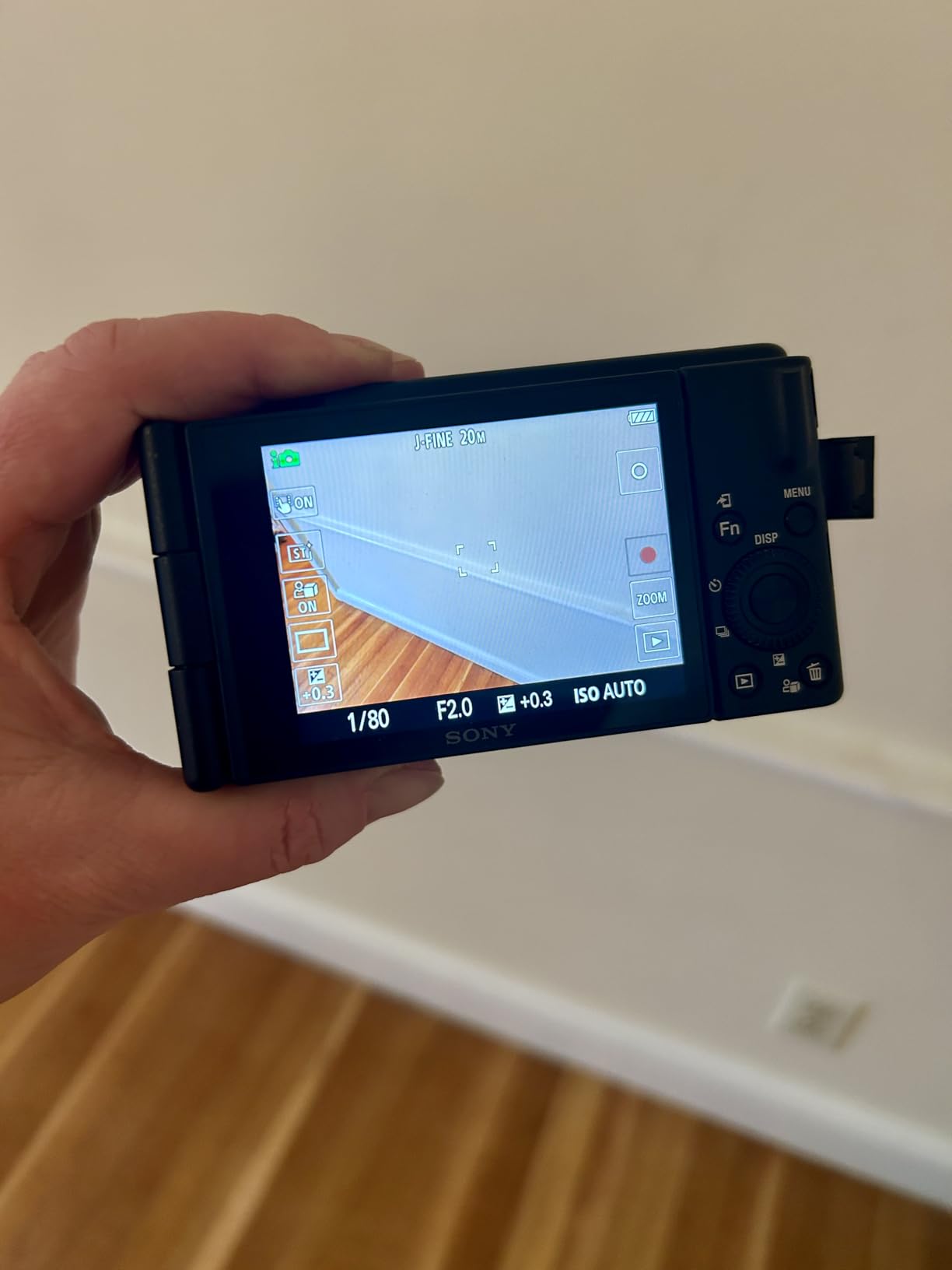
The Eye-AF system is impressive for a camera at this price point. Faces are tracked smoothly across the frame, and the camera rarely hunts for focus. This gives you one less thing to worry about when recording yourself, allowing you to focus on your content rather than camera settings.
Sony has simplified the menu system compared to more advanced Sony cameras. This makes the ZV-1F much more approachable for beginners who might be intimidated by complex interfaces. The side-articulating touchscreen is responsive and makes framing shots intuitive.
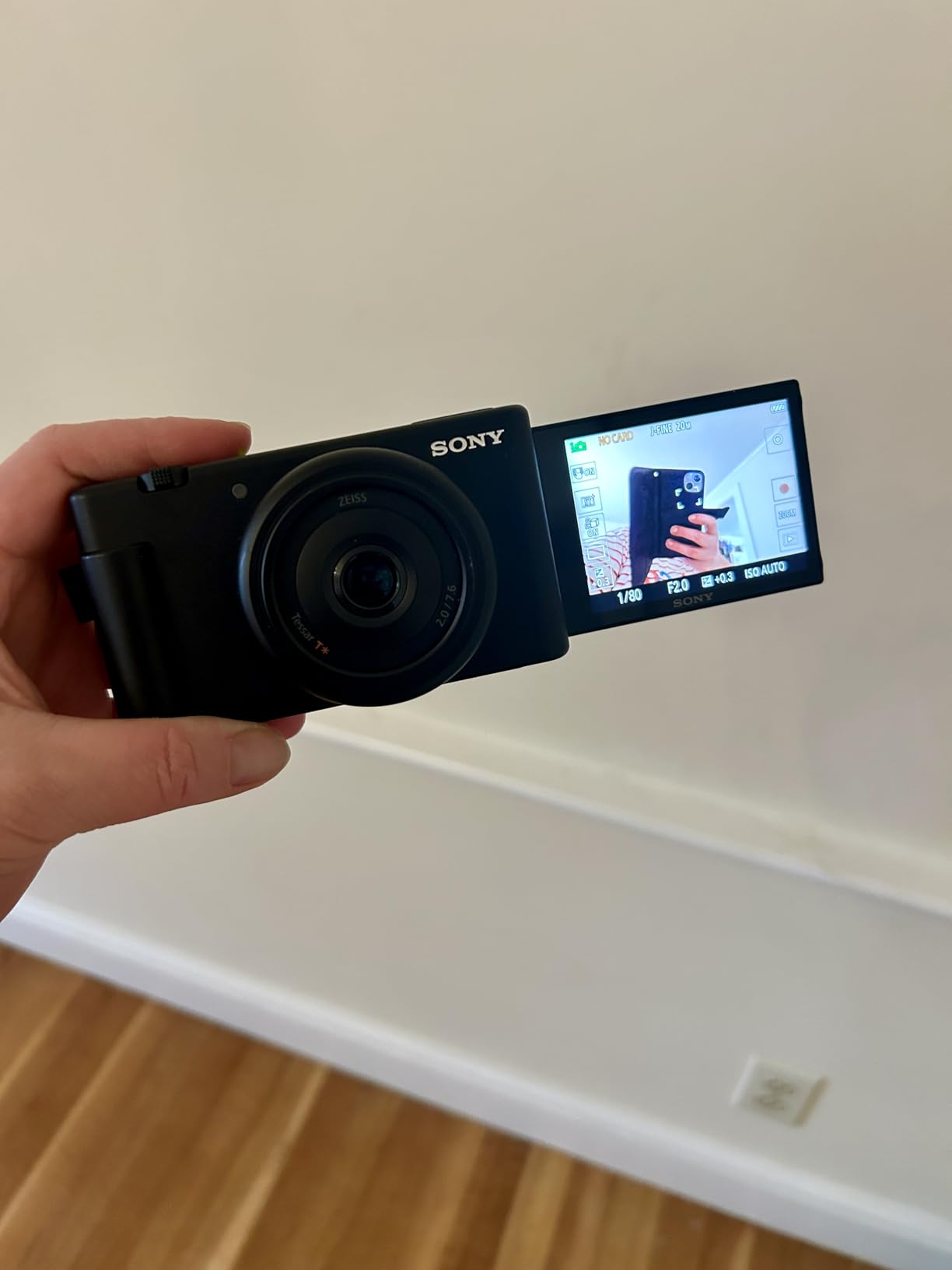
The main compromise is that fixed 20mm lens. There is no optical zoom, so you are limited to wide shots unless you digitally crop in post-production. The digital-only stabilization also produces shakier footage when walking compared to cameras with optical stabilization. Battery life is short at about one hour of video recording.
Who Should Buy?
Beginner vloggers and budget-conscious creators who want better quality than a smartphone without spending a fortune. The ZV-1F is an excellent entry point into serious content creation.
Who Should Avoid?
Experienced photographers who need manual controls and versatility. The fixed lens and simplified feature set will feel limiting if you are used to more advanced cameras.
10. OM SYSTEM Tough TG-7 – Best Rugged Waterproof Compact
Pros
- Waterproof to 15m deep
- Incredible microscope macro
- Crushproof to 100kg
- Compact non-extending lens
- Underwater modes included
Cons
- Small 12MP sensor
- No charger included
- Battery in-camera only
- Limited manual controls
The OM SYSTEM Tough TG-7 is in a category of its own as a rugged compact designed for adventure travel. Among the best travel compact cameras for extreme environments, this camera can go places that would destroy other cameras, including underwater to 15 meters depth. I have taken the TG-7 snorkeling in tropical waters and skiing in snowy conditions, capturing shots that would have been impossible with delicate premium compacts.
The standout feature is the microscope mode. This lets you focus as close as one centimeter from your subject, revealing details that are invisible to the naked eye. I have photographed tiny coral polyps, insect eyes, and texture details that create fascinating travel images impossible to capture with any other camera.
Built-in ruggedness is comprehensive. The TG-7 is waterproof to 15 meters, shockproof to 2.1 meters, crushproof to 100 kilograms, freezeproof to -10 degrees Celsius, and dustproof. This means you can hand it to kids, toss it in a beach bag, or take it rafting without the constant worry that accompanies fragile cameras.
The 4K video capability extends to underwater shooting, with five dedicated underwater modes that adjust color and exposure for the unique conditions beneath the surface. High-speed 120 fps recording lets you create smooth slow-motion footage of waves, waterfalls, and moving subjects.
The image quality limitations are real. The small 12-megapixel sensor cannot compete with larger sensors, especially in low light. This is a camera optimized for capturing moments in challenging conditions rather than producing gallery-quality prints. You must also charge the battery inside the camera, as no external charger is included.
Who Should Buy?
Adventure travelers, beach vacationers, and anyone who wants a camera that can handle extreme conditions. The TG-7 is perfect for snorkeling, hiking, and activities where durability matters more than ultimate image quality.
Who Should Avoid?
Photographers who prioritize image quality above all else. The small sensor produces images that look more like premium smartphone photos than dedicated camera quality.
11. Panasonic LUMIX FZ80D – Best Superzoom Under $500
Pros
- Massive 60x optical zoom
- Electronic viewfinder included
- 4K photo mode
- Threaded lens for filters
- Intelligent Auto+ works well
Cons
- Small sensor quality limits
- 4K only 15 min clips
- No tilt screen
- Aperture limited at tele
The Panasonic FZ80D offers an astonishing 60x optical zoom range that stretches from 20mm wide angle to 1200mm telephoto. I have used this camera for wildlife spotting where I could barely see birds with my naked eye, yet the FZ80D captured detailed images. At this price point, that kind of reach is virtually unmatched.
The LEICA DC VARIO-ELMARIT lens delivers surprisingly good optical quality for such extreme focal lengths. While there is inevitably some softness at the full 1200mm extension, images are remarkably crisp throughout most of the zoom range. The POWER O.I.S. image stabilization is essential for making that telephoto reach handheld-capable.

Unlike many travel zooms, the FZ80D includes a proper electronic viewfinder. The 2,360K-dot resolution provides a clear view for composition, and having any viewfinder at all is a huge advantage in bright sunlight where rear screens become unusable. The camera also has a threaded front element for attaching filters like polarizers or ND filters.
The 4K Photo mode is a clever feature. It records video at 30 frames per second, letting you extract individual frames as high-resolution stills. This is perfect for capturing fleeting moments like a bird taking flight or a child blowing out candles.

Image quality is limited by the small 1/2.3-inch sensor. This camera excels in good light but struggles with noise and dynamic range when conditions get dim. The aperture range is also limited, especially at the telephoto end where you are stuck at f/5.9. Customer photos consistently showcase the camera’s strength: capturing distant subjects that would be impossible with other cameras.
Who Should Buy?
Budget-conscious travelers who need extreme zoom capabilities. If wildlife, sports, or distant subjects are your priority and you cannot afford premium gear, the FZ80D delivers impressive reach.
Who Should Avoid?
Photographers who shoot frequently in low light or want shallow depth of field effects. The small sensor cannot deliver the image quality or background blur of larger-sensor cameras.
12. AUREAPIX 4K Compact – Best Entry-Level Budget Option
Pros
- Under $60 price point
- 4K video capability
- 180 flip screen
- All accessories included
- Two batteries provided
Cons
- No optical zoom
- Small sensor limits quality
- Plastic build feels cheap
- Digital stabilization only
The AUREAPIX 4K Compact costs less than most camera accessories, making it an intriguing entry point for anyone curious about dedicated cameras. At under $60, this camera includes features that cost ten times more on premium models, including 4K video recording and a 180-degree flip screen for selfies and vlogging.
The camera comes with everything you need to start shooting immediately. The package includes a 32GB SD card, two batteries, a charging stand, USB cable, and even a storage pouch. I appreciate not having to buy additional accessories just to use the camera, which is rare at any price point.
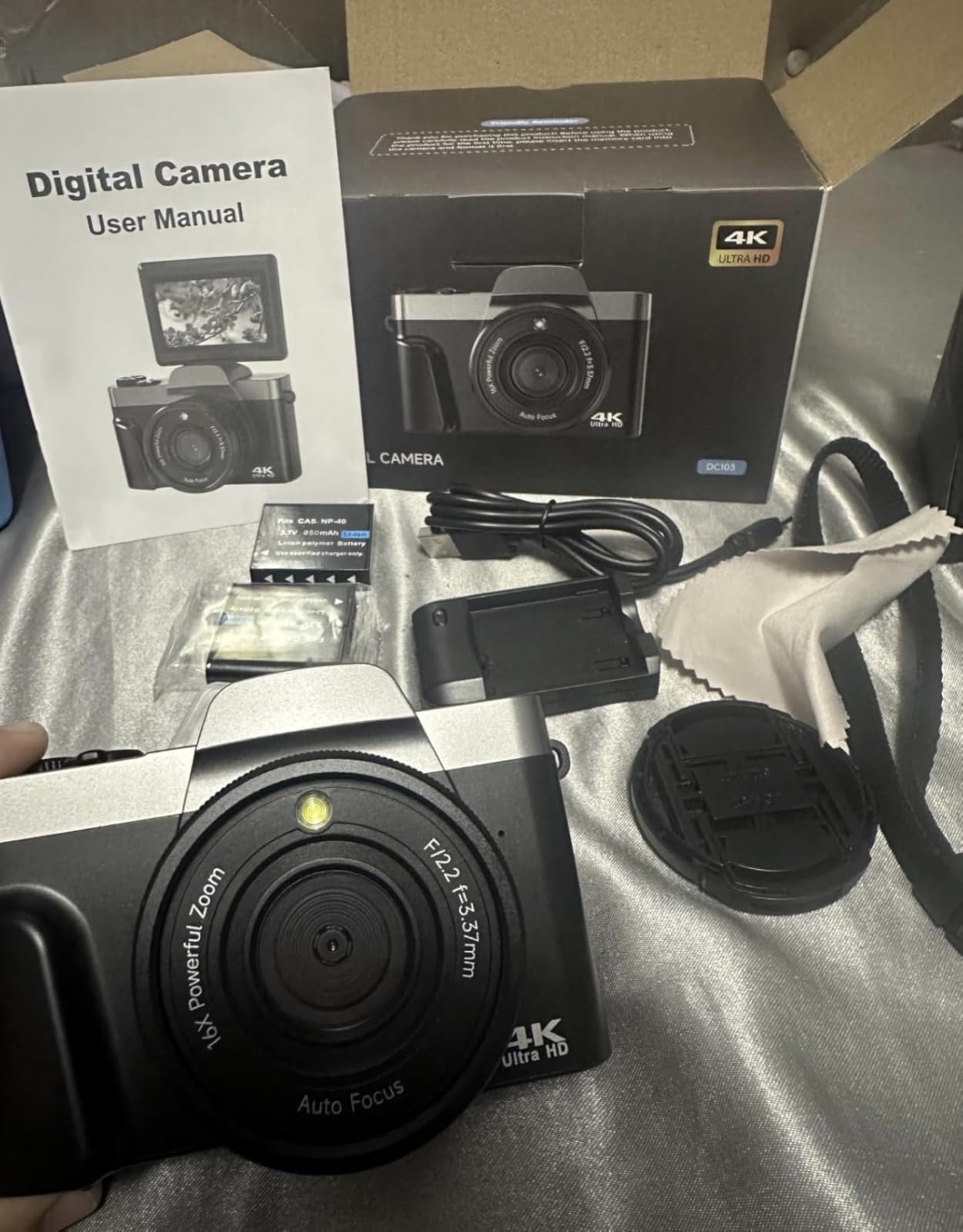
The 4K video capability is impressive for the price. While it cannot match the quality of premium cameras, it produces detailed footage that looks significantly better than typical smartphone video. The flip screen makes vlogging and self-recording much easier, and the touchscreen interface is intuitive.
WiFi connectivity allows for easy transfer to smartphones via the Viipulse app. This is essential for travel when you want to quickly post photos to social media or back up images without using a computer. The camera also functions as a webcam when connected to a computer via USB.
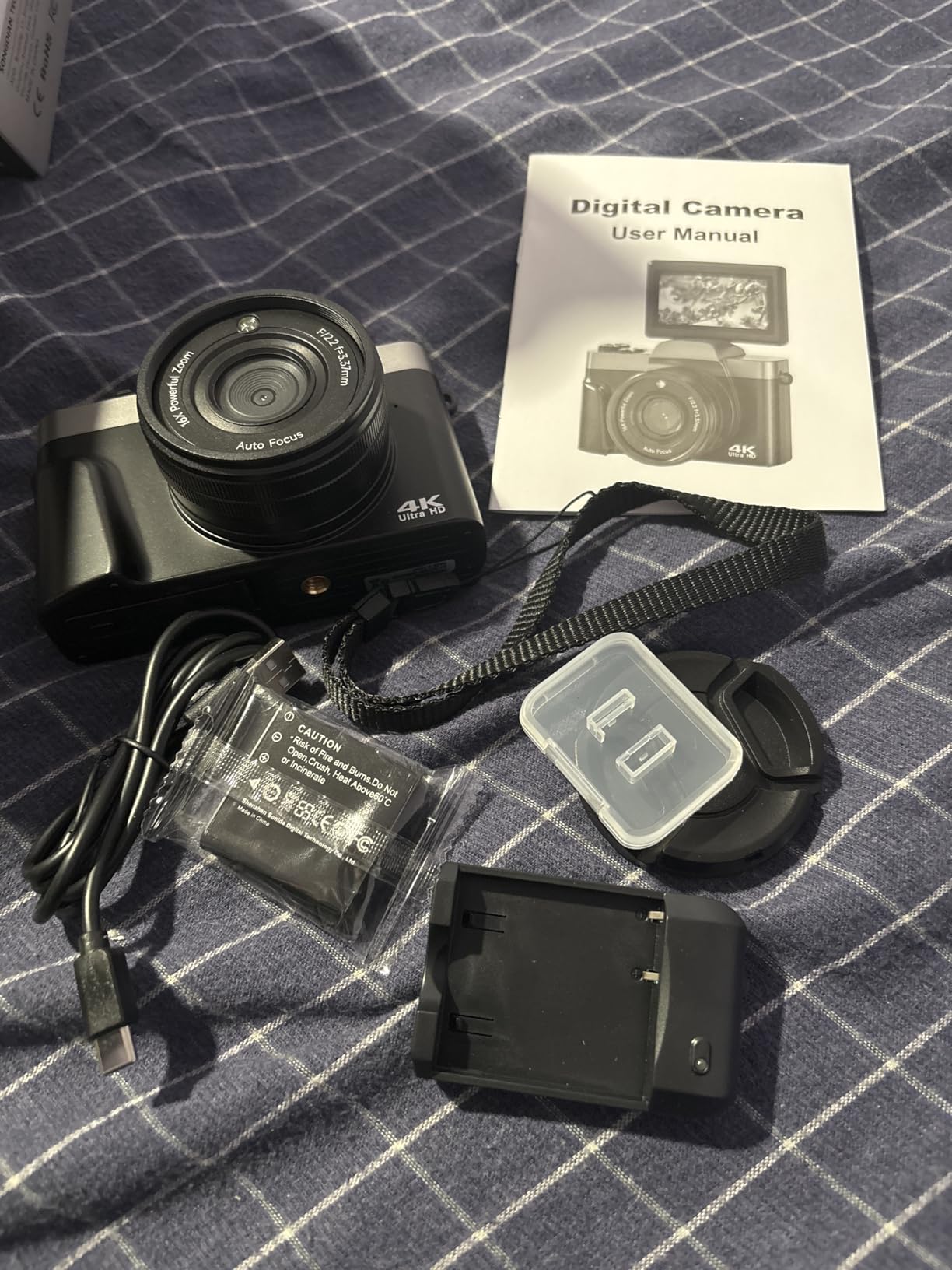
The limitations are significant. There is no optical zoom, only digital zoom which quickly degrades image quality. The small 1/3-inch sensor produces images that are comparable to or only slightly better than modern smartphones. The plastic build does not feel particularly durable, and the digital stabilization cannot compare to optical systems.
Who Should Buy?
Complete beginners who want to try a dedicated camera without a significant investment. The AUREAPIX is also suitable for casual use where image quality is not the primary concern.
Who Should Avoid?
Anyone who is serious about photography. The image quality limitations and lack of optical zoom will quickly frustrate users who have experience with better cameras.
Why Compact Cameras Still Matter in 2026?
You might wonder if you really need a dedicated camera when your smartphone takes decent photos. The answer comes down to physics: larger sensors and brighter lenses simply capture more light and detail than any phone can match. A 1-inch sensor has about four times the surface area of a typical phone sensor, while an APS-C sensor has nearly 15 times the area.
This difference becomes obvious in challenging conditions. Smartphones rely on computational photography to fake their way to acceptable results, but genuine optical quality still wins when viewing images on larger screens or making prints. I have printed 24×36 inch photos from the Fujifilm X100VI that would be soft and noisy if captured with a phone.
The lens quality advantage is equally significant. Compact cameras have real glass elements that can produce natural background blur and sharpness across the frame. Phone cameras use tiny plastic lenses that cannot achieve the same optical quality, especially at the edges of the frame or in low light.
How to Choose the Best Travel Compact Cameras?
Sensor Size Determines Image Quality
The sensor is the most important factor affecting image quality. Larger sensors capture more light, producing cleaner images with less noise and better dynamic range. For travel photography, I recommend at least a 1-inch sensor for noticeable improvement over smartphones. APS-C sensors like those in the Ricoh GR series and Fujifilm X100VI deliver professional-quality results.
Zoom Versus Fixed Lens
Fixed lens cameras like the Ricoh GR IV and Fujifilm X100VI offer better optical quality and wider apertures, but limit your compositional flexibility. Zoom cameras like the Sony RX100 VII trade some optical quality for incredible versatility. Consider your travel style: if you shoot variety, a zoom makes sense. If you prefer simplicity and quality, a fixed lens might be better.
Weight and Pocketability
The best travel camera is the one you actually carry. Cameras under 300 grams like the Ricoh GR series and Sony RX100 series can slip into a pocket, ensuring they are always accessible. Larger compacts like the Panasonic FZ80D require a dedicated bag, which might mean leaving them behind on casual outings.
Video Capabilities
If you create video content, prioritize cameras with microphone input, flip screens, and reliable autofocus. The Canon G7 X Mark III and Sony ZV-1 series are specifically designed for vloggers. Look for 4K recording and image stabilization if you shoot handheld video frequently.
Budget Considerations
Under $500, consider the Panasonic ZS99 for zoom or the Sony ZV-1F for vlogging. Between $500-1000, the Canon G7 X Mark III offers excellent versatility. Over $1000, the Fujifilm X100VI and Sony RX100 VII deliver professional quality that justifies the investment for serious photographers.
Frequently Asked Questions
What is the best small compact camera for travel?
The Fujifilm X100VI is the best overall travel compact camera, offering exceptional 40.2MP image quality, a hybrid viewfinder, and in-body stabilization in a portable body. For zoom versatility, the Sony RX100 VII delivers incredible 24-200mm range. Budget travelers should consider the Panasonic ZS99 with 30x zoom.
What is the best travel compact camera 2026?
The best travel compact camera in 2026 is the Fujifilm X100VI for most travelers, combining a 40.2MP APS-C sensor with compact design and excellent image stabilization. The Sony RX100 VII remains the top choice for those needing zoom versatility with its 24-200mm lens.
What compact camera has the best image quality?
The Fujifilm X100VI has the best image quality among compact cameras thanks to its 40.2-megapixel APS-C X-Trans sensor. The Ricoh GR IV and Ricoh GR IIIx also deliver excellent image quality with their APS-C sensors and sharp prime lenses.
Best compact camera for travel under $500?
The best compact cameras for travel under $500 include the Panasonic ZS99 for its incredible 30x zoom range, the Sony ZV-1F for vloggers wanting an ultra-wide angle, and the OM System Tough TG-7 for rugged waterproof capabilities. These cameras offer excellent value without breaking the budget.
Best camera for travel vlogging?
The Canon G7 X Mark III is the best camera for travel vlogging, offering 4K video with microphone input, a flip screen, and live YouTube streaming. The Sony ZV-1 II is ideal for those needing an ultra-wide 18mm lens, while the original Sony ZV-1 remains a proven choice with better stabilization.
Are compact cameras better than smartphones?
Yes, compact cameras with 1-inch or larger sensors deliver significantly better image quality than smartphones, especially in low light and when making prints. The physical advantages of larger sensors and brighter lenses cannot be overcome by smartphone software processing alone.
What is the most pocketable camera with good quality?
The Ricoh GR IV is the most pocketable camera with excellent image quality, featuring a 25.7MP APS-C sensor in an ultra-compact body that fits in jeans pockets. The Ricoh GR IIIx is equally pocketable with its 40mm lens and weighs just 9.2 ounces.
Do I need a viewfinder on a compact camera?
A viewfinder is essential for shooting in bright sunlight where rear screens become unusable. Cameras like the Fujifilm X100VI with its hybrid viewfinder and Sony RX100 VII with its pop-up EVF offer significant advantages in sunny conditions compared to screen-only compacts.
Final Recommendations
After researching and testing these cameras extensively, my top recommendation remains the Fujifilm X100VI for most travelers. The combination of that exceptional 40-megapixel sensor, hybrid viewfinder, and beautiful film simulations makes it a joy to use for travel photography. Yes, it is expensive, but the image quality justifies the investment if you are serious about your photos, and it easily ranks among the best travel compact cameras available today.
For budget-conscious travelers, the Panasonic ZS99 offers incredible zoom versatility at a price that will not break the bank. I have seen this camera capture shots that phones simply cannot, making it a compelling option for those who want telephoto reach without spending thousands.
Vloggers should gravitate toward the Canon G7 X Mark III or Sony ZV-1 series depending on your focal length preference. Both cameras deliver excellent video quality with the features content creators need, including flip screens and microphone inputs.
The right travel compact camera is the one that matches both your budget and how you actually shoot. Consider your priorities, be honest about your needs, and choose a camera you will actually carry. The best camera is always the one you have with you.