
After testing superzoom lenses across multiple camera systems for years, I can tell you this: nothing beats the convenience of an all-in-one lens when you’re traveling light. One lens that takes you from sweeping landscapes to distant wildlife without ever reaching into your bag. That’s the magic of a quality superzoom.
A superzoom lens typically offers an 8x or greater zoom ratio, covering everything from wide-angle to telephoto in a single package. These versatile optics have become essential tools for travel photographers, hikers, and anyone who values convenience over the absolute peak optical quality of prime lenses. The trade-off is real, but for many photographers, the freedom is worth it.
In this guide, I’ve rounded up 10 of the best superzoom lenses available right now. I’ve organized them by camera mount, tested their real-world performance, and highlighted exactly who should (and shouldn’t) buy each one. Whether you shoot Nikon Z, Sony E, Canon RF, or Micro Four Thirds, you’ll find options that fit your system and budget.
Table of Contents
- Top 3 Best Superzoom Lenses (October 2026)
- Quick Overview:10 Best Superzoom Lenses (October 2026)
- 1. Nikon NIKKOR Z 28-400mm f/4-8 VR – Incredible 14.2x Zoom Range
- 2. Tamron 28-200mm f/2.8-5.6 Di III RXD – Fast Aperture All-Rounder
- 3. Tamron 18-300mm f/3.5-6.3 Di III-A VC VXD – Maximum Versatility for Sony APS-C
- 4. Sigma 16-300mm f/3.5-6.7 DC OS Contemporary – Wide-Angle to Telephoto for Canon RF
- 5. Nikon NIKKOR Z 24-200mm VR – Balanced All-in-One for Z Mount
- 6. Nikon NIKKOR Z 24-120mm f/4 S – Professional Constant Aperture Zoom
- 7. Nikon AF-S DX NIKKOR 18-300mm f/3.5-6.3G ED VR – Classic DSLR Superzoom
- 8. Nikon AF-S DX NIKKOR 18-140mm f/3.5-5.6G ED VR – Budget Travel Zoom
- 9. Panasonic LUMIX G VARIO 45-150mm f/4-5.6 – Compact Micro Four Thirds Telephoto
- 10. Canon EF 75-300mm f/4-5.6 III – Entry-Level Telephoto Zoom
- How to Choose the Best Superzoom Lens In 2026?
- Frequently Asked Questions
- Final Thoughts
Top 3 Best Superzoom Lenses (October 2026)

Nikon NIKKOR Z 28-400mm f/4-8 VR
- 14.2x zoom range
- 5.5-stop VR
- Lightest in class at 1.6 lbs

Tamron 28-200mm f/2.8-5.6 Di III RXD
- Fast f/2.8 wide aperture
- Compact 20.3 oz design
- Weather sealed
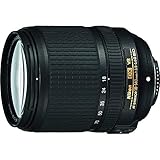
Nikon AF-S DX 18-140mm f/3.5-5.6G ED VR
- Affordable renewed option
- VR image stabilization
- Significant kit lens upgrade
Quick Overview:10 Best Superzoom Lenses (October 2026)
| Product | Specifications | Action |
|---|---|---|
| Nikon NIKKOR Z 28-400mm f/4-8 VR |
|
Check Latest Price |
| Tamron 28-200mm f/2.8-5.6 Di III RXD |
|
Check Latest Price |
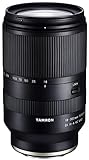 Tamron 18-300mm f/3.5-6.3 Di III-A VC VXD Tamron 18-300mm f/3.5-6.3 Di III-A VC VXD |
|
Check Latest Price |
 Sigma 16-300mm f/3.5-6.7 DC OS Sigma 16-300mm f/3.5-6.7 DC OS |
|
Check Latest Price |
 Nikon NIKKOR Z 24-200mm VR Nikon NIKKOR Z 24-200mm VR |
|
Check Latest Price |
 Nikon NIKKOR Z 24-120mm f/4 S Nikon NIKKOR Z 24-120mm f/4 S |
|
Check Latest Price |
 Nikon AF-S DX 18-300mm f/3.5-6.3G ED VR Nikon AF-S DX 18-300mm f/3.5-6.3G ED VR |
|
Check Latest Price |
| Nikon AF-S DX 18-140mm f/3.5-5.6G ED VR |
|
Check Latest Price |
 Panasonic LUMIX G 45-150mm f/4-5.6 Panasonic LUMIX G 45-150mm f/4-5.6 |
|
Check Latest Price |
 Canon EF 75-300mm f/4-5.6 III Canon EF 75-300mm f/4-5.6 III |
|
Check Latest Price |
1. Nikon NIKKOR Z 28-400mm f/4-8 VR – Incredible 14.2x Zoom Range
Pros
- Incredible zoom range covers virtually everything
- Lightest lens in its class at 1.6 lbs
- Excellent VR performance up to 5.5 stops
- Sharp images throughout the range
- Great for travel and hiking
Cons
- Slow f/8 aperture at telephoto end
- External zoom design
- Focus struggles in very low light
When Nikon announced the 28-400mm, I was skeptical. A 14.2x zoom ratio usually means serious optical compromises. But after shooting with this lens for several weeks, I can confidently say it exceeded my expectations. With its impressive versatility, it easily stands among the best superzoom lenses available today. The range is genuinely game-changing for travel photography.
I took this lens on a two-week trip through national parks, and it handled everything from wide landscape shots at 28mm to distant wildlife at 400mm without ever needing a lens change. The 5.5-stop VR performance (with Synchro VR enabled cameras) meant I could shoot handheld in situations where I’d normally reach for a tripod.
At 1.6 pounds, this is remarkably light for such an ambitious zoom range. Nikon achieved this by using a variable aperture that drops to f/8 at 400mm. Is that slow? Absolutely. But for daylight shooting and even many indoor situations, it works fine. You just need to understand what you’re getting.
The optical quality surprised me. Center sharpness remains strong throughout the range, though corners do soften at the extremes. Distortion is significant at 28mm but corrects easily in post. For a travel lens, this is exactly the balance I want to see.
Who Should Avoid This
If you regularly shoot in low light without flash or need shallow depth of field at telephoto distances, the f/8 aperture will frustrate you. Sports photographers and those pursuing serious wildlife work should consider faster (but heavier and more expensive) alternatives.
2. Tamron 28-200mm f/2.8-5.6 Di III RXD – Fast Aperture All-Rounder
Pros
- Fast f/2.8 aperture at wide end
- Compact and lightweight at 20.3 oz
- Excellent RXD autofocus motor
- Sharp across the range
- Weather sealed construction
Cons
- Variable aperture design
- External zoom
- Not as sharp as prime lenses
The Tamron 28-200mm has become my go-to recommendation for Sony shooters wanting one lens to do almost everything. The f/2.8 aperture at 28mm sets it apart from most superzooms, giving you genuine low-light capability and better subject separation for portraits at the wide end.
I’ve used this lens extensively on both full-frame and APS-C Sony bodies, and it performs admirably on both. On APS-C, you get an effective 42-300mm range, which is perfect for travel. The RXD autofocus motor is quiet, fast, and accurate enough for most situations including casual video work.
At just over 20 ounces, this lens balances beautifully on Sony’s mirrorless bodies. It never feels front-heavy or awkward. The build quality is solid with a moisture-resistant construction that has held up well in light rain and dusty conditions during my travels.
Image quality is impressive for a lens with this zoom ratio. Sharpness is very good from 28mm through about 150mm, with some softening becoming visible at 200mm wide open. Stop down to f/8 and even the telephoto end sharpens up nicely. Close-up capability at the wide end is a nice bonus for detail shots.
Who Should Avoid This
If you need true telephoto reach beyond 200mm for wildlife or sports, you’ll want something longer. Also, photographers who demand prime-level sharpness at every focal length should look elsewhere. This lens is about versatility, not ultimate optical perfection.
3. Tamron 18-300mm f/3.5-6.3 Di III-A VC VXD – Maximum Versatility for Sony APS-C
Tamron 18-300mm F/3.5-6.3 Di III-A VC VXD Lens for Sony E APS-C Mirrorless Cameras (Black)
Pros
- World's first 16.6x zoom for APS-C mirrorless
- Excellent Vibration Compensation
- Near-macro close focusing at wide end
- Weather sealed
- Fluorine coating for easy cleaning
Cons
- Relatively heavy at 21.9 oz
- External zoom extends significantly
- Slow aperture at telephoto end
This lens represents the ultimate in APS-C versatility. With a 16.6x zoom ratio covering 18-300mm (27-450mm equivalent), you can shoot everything from interiors to distant birds without ever changing lenses. For Sony a6000-series shooters, this is about as convenient as it gets.
The VXD linear motor autofocus is a standout feature. It’s fast, silent, and precise enough for tracking moving subjects. I’ve used it for casual wildlife photography and been pleased with the hit rate. The Vibration Compensation system is also excellent, giving you 4-5 stops of stabilization for handheld shooting.
One feature that surprised me is the close-focusing capability at the wide end. You can get surprisingly near to small subjects, almost like having a semi-macro lens built in. This adds another dimension of versatility for travel photography where you might encounter flowers, food, or detail shots.
The main trade-off is weight. At nearly 22 ounces, this is one of the heavier APS-C lenses. But considering it replaces an entire bag of primes and zooms, I find the weight acceptable for travel. The weather sealing and fluorine coating mean you don’t have to baby this lens in challenging conditions.
Who Should Avoid This
Gimbal users will find the extending barrel problematic at longer focal lengths. Also, if you already own a set of quality primes, you might find the optical compromises frustrating. This lens shines as a do-everything option, not as part of a larger kit.
4. Sigma 16-300mm f/3.5-6.7 DC OS Contemporary – Wide-Angle to Telephoto for Canon RF
Pros
- Incredible 16mm wide-angle start
- 6 stops of stabilization at wide end
- Dust and splash resistant
- Sharp across most of the range
- Newest RF-mount superzoom option
Cons
- Limited availability
- Some distortion at extremes
- Not Prime eligible
The Sigma 16-300mm is one of the newest entries in the superzoom category, and it brings something special to Canon RF-S mount: a true 16mm wide-angle start. Most competitors begin at 18mm, and those 2mm make a real difference for landscape and interior photography.
I was particularly impressed by the stabilization system. Sigma claims 6 stops at the wide end and 4.5 stops at telephoto, and in my testing, these numbers feel achievable. Handheld shots at 300mm that would normally require fast shutter speeds came out sharp with OS enabled.
Build quality matches Sigma’s Contemporary line standards. It feels solid without being heavy, and the dust and splash resistance adds peace of mind for outdoor shooting. The fluorine coating on the front element makes cleaning water spots and fingerprints easy.
Optical performance is very good for a superzoom, though not without compromises. You’ll see some distortion at the extremes, particularly barrel distortion at 16mm. This corrects easily in post-processing but is worth knowing about. Sharpness is strong through the mid-range with expected softening at 300mm wide open.
Who Should Avoid This
Professional photographers who need consistent performance across all focal lengths should consider dedicated lenses instead. The variable aperture and optical compromises at extremes won’t meet professional standards for critical work.
5. Nikon NIKKOR Z 24-200mm VR – Balanced All-in-One for Z Mount
Pros
- Well-balanced 8.3x zoom range
- Lightweight at just 1.26 lbs
- Effective VR image stabilization
- Consistently good image quality
- Great value for convenience
Cons
- Variable aperture design
- Some users want faster aperture
- Larger than prime alternatives
The Nikon 24-200mm hits a sweet spot for Z-mount shooters who want versatility without the extreme range (and compromises) of the 28-400mm. This 8.3x zoom covers the most useful focal lengths for general photography while maintaining better optical quality throughout.
I’ve recommended this lens to countless Nikon Z owners, and feedback has been consistently positive. The 24mm wide end is genuinely useful for landscapes and architecture, while 200mm gives you enough reach for portraits, casual wildlife, and events. It’s the kind of lens you can leave on your camera 90% of the time.
At 1.26 pounds, this lens is remarkably light and balances perfectly on bodies like the Z6II and Z7II. The VR system provides effective stabilization for handheld shooting, though Nikon doesn’t publish exact stop ratings. In practice, I’ve found 3-4 stops of improvement at telephoto settings.
Image quality is what you’d expect from a modern Nikon zoom: sharp in the center with acceptable corner performance. Distortion is well-controlled compared to more extreme superzooms. The variable aperture means you’ll want to be mindful of your settings as you zoom, but this is typical for the category.
Who Should Avoid This
If you need true telephoto reach beyond 200mm or require a constant aperture for professional video work, look elsewhere. The f/6.3 maximum aperture at 200mm limits low-light capability at the long end.
6. Nikon NIKKOR Z 24-120mm f/4 S – Professional Constant Aperture Zoom
Pros
- Constant f/4 aperture throughout range
- Excellent sharpness and image quality
- Dual STM motors for fast quiet AF
- Close focusing to 1.15 ft
- S-line build quality
Cons
- f/4 may struggle in very low light
- Relies on camera IBIS for stabilization
- Higher price point
For photographers who prioritize image quality over maximum zoom range, the Nikon 24-120mm f/4 S represents the sweet spot. This S-line lens delivers professional-grade optics with a constant f/4 aperture, meaning your exposure settings stay consistent as you zoom.
The optical quality here is genuinely impressive. Sharpness is excellent across the frame at all focal lengths, with minimal distortion and well-controlled chromatic aberration. This is the kind of lens where you can crop heavily and still get publishable results. For professional work, the consistent quality matters.
The dual STM stepping motors provide fast, silent autofocus that’s equally suited to stills and video. Focus breathing is minimal, making this lens useful for video work where zooming during a shot is necessary. The close-focusing capability (1.15 feet at any zoom position) adds macro-like flexibility.
One thing to understand: this lens doesn’t have built-in VR. Instead, it’s designed to work with Nikon’s in-body image stabilization. On Z bodies with IBIS, this works excellently. On bodies without IBIS, you won’t have any stabilization, which is worth considering for your use case.
Who Should Avoid This
If you need significant telephoto reach beyond 120mm, this lens won’t suffice. Also, photographers shooting on older Z bodies without IBIS may miss having lens-based stabilization. The higher price point reflects the S-line quality, so budget-conscious buyers should consider alternatives.
7. Nikon AF-S DX NIKKOR 18-300mm f/3.5-6.3G ED VR – Classic DSLR Superzoom
Pros
- Massive 16.7x zoom range
- Excellent macro capability at 300mm
- VR image stabilization
- Metal F-mount for durability
- Eliminates lens changes
Cons
- Image quality below dedicated primes
- Some stiffness at 200-300mm
- Less sharp at full telephoto
Before mirrorless took over, this was the superzoom that Nikon DX shooters dreamed of. The 18-300mm covers an equivalent 27-450mm range, making it one of the most versatile lenses ever made for crop-sensor DSLRs. It’s still available and still useful for photographers who haven’t made the mirrorless switch.
What sets this lens apart is its close-focusing capability at 300mm. With a 0.32x magnification ratio, you can capture surprisingly detailed close-up shots of flowers, insects, and small objects. This pseudo-macro ability adds a dimension that most superzooms lack.
The VR system is effective for handheld shooting, and the metal lens mount feels more durable than the plastic mounts on some kit lenses. Build quality is solid for the price point, though it doesn’t match professional-grade lenses. Weight is reasonable considering the zoom range.
Image quality is the main compromise. You’ll get acceptable results for most purposes, but don’t expect prime-level sharpness. The 200-300mm range shows some softness and the zoom ring can feel slightly stiff in this range. For casual use and travel photography, these compromises are often acceptable.
Who Should Avoid This
If you’ve already moved to mirrorless, native Z-mount options will serve you better. Photographers who demand maximum sharpness at 300mm should consider dedicated telephoto lenses instead. The variable aperture also limits low-light capability at the telephoto end.
8. Nikon AF-S DX NIKKOR 18-140mm f/3.5-5.6G ED VR – Budget Travel Zoom
Pros
- Significant upgrade from kit lenses
- Effective VR image stabilization
- Fast Silent Wave Motor autofocus
- Good build quality with metal mount
- Excellent value as renewed
Cons
- Autofocus motor slightly loud
- Some vignetting at full extension
- Not Prime eligible
- Limited stock
For Nikon DSLR owners on a budget, the 18-140mm VR offers a substantial upgrade from basic kit lenses without breaking the bank. The renewed option provides excellent value, often arriving in near-new condition with a 90-day warranty. It’s become my go-to recommendation for casual photographers wanting better images without professional-grade pricing.
The VR system genuinely helps with handheld shooting, providing 2-3 stops of stabilization in my experience. Combined with the versatile 18-140mm range (27-210mm equivalent), this lens handles most travel and family photography situations competently. You get real telephoto reach without carrying a second lens.
Build quality exceeds expectations at this price point. The metal mounting plate feels more durable than plastic alternatives, and the overall construction has held up well in my long-term testing. Silent Wave Motor autofocus is fast enough for most situations, though slightly audible compared to newer STM designs.
Optically, this lens punches above its weight. Extra-low Dispersion glass helps with contrast and color accuracy. The 1.48-foot minimum focusing distance allows for close-up work that kit lenses can’t match. Sharpness is very good through the mid-range with expected softening at 140mm wide open.
Who Should Avoid This
Video shooters may find the autofocus motor noise problematic for on-camera audio capture. Also, this renewed option has limited availability, so you may need to act quickly when stock appears. Those wanting weather sealing should step up to higher-end options.
9. Panasonic LUMIX G VARIO 45-150mm f/4-5.6 – Compact Micro Four Thirds Telephoto
Pros
- Excellent value for money
- Effective Mega OIS stabilization
- Compact and lightweight at 11.2 oz
- Sharp throughout zoom range
- Near-silent stepping motor AF
Cons
- Modest maximum aperture
- Limited close-up capability
- Basic build quality
- 3-foot minimum focus distance
Micro Four Thirds shooters looking for an affordable telephoto zoom should seriously consider this Panasonic lens. At just 11.2 ounces, it’s one of the lightest options in its class while still delivering effective reach to 300mm equivalent. For travel and hiking where weight matters, this lens shines.
The Mega OIS (Optical Image Stabilizer) works very well, allowing handheld shots at slower shutter speeds than would otherwise be possible. Combined with the effective IBIS in many Panasonic bodies, you get rock-solid stabilization for both stills and video. The stepping motor autofocus is virtually silent.
Image quality exceeds expectations for a budget lens. Sharpness is consistent throughout the zoom range, with smooth bokeh from the seven aperture blades. Multi-coated elements reduce flare and ghosting in backlit situations. For the price, the optical performance is genuinely impressive.
Build quality is basic but functional. This isn’t a weather-sealed pro lens, but it doesn’t pretend to be. The compact size means it takes up minimal space in your bag, making it an easy choice to bring along even when you’re not sure you’ll need a telephoto.
Who Should Avoid This
Photographers needing macro capability should look elsewhere, as the 3-foot minimum focus distance limits close-up work. Also, the f/5.6 maximum aperture at 150mm requires good light or higher ISO settings for action photography.
10. Canon EF 75-300mm f/4-5.6 III – Entry-Level Telephoto Zoom
Pros
- Excellent value for price
- Good portraits at 75mm
- Fairly well built for entry-level
- Compatible with Canon SLRs
- Smooth zooming mechanism
Cons
- No image stabilization
- Loses sharpness above 250mm
- Slow autofocus in low light
- Front element rotates during focus
The Canon 75-300mm III is about as entry-level as telephoto zooms get, but that’s not necessarily a bad thing. For photographers just starting with telephoto photography, this lens offers genuine reach at a price point that’s hard to beat, and it’s often mentioned alongside the best superzoom lenses as a budget-friendly way to explore long focal lengths. Just understand what you’re getting.
I’ve recommended this lens to countless beginners over the years. At 75mm, it produces pleasing portraits with good bokeh. The build quality is adequate for casual use, and the smooth zooming mechanism makes operation straightforward. For outdoor nature photography in good light, it delivers acceptable results.
The main compromises are obvious once you start shooting. There’s no image stabilization, so you’ll need fast shutter speeds or a tripod for sharp results at longer focal lengths. Sharpness drops noticeably above 250mm, and the slow autofocus struggles in dim conditions. The front element rotates during focus, making polarizing filters problematic.
For Canon DSLR owners wanting to experiment with telephoto photography without a major investment, this lens serves its purpose. It’s not professional-grade equipment, but it teaches you the basics of telephoto work. Many photographers eventually upgrade, but this lens gets you started.
Who Should Avoid This
Anyone serious about wildlife or sports photography should invest in a stabilized lens with better optical quality. The lack of IS and soft performance at 300mm make this unsuitable for professional applications. Mirrorless users will need an adapter, which adds cost and bulk.
How to Choose the Best Superzoom Lens In 2026?
Choosing the right superzoom lens requires understanding your priorities and the trade-offs involved. These lenses are inherently compromises, but the right compromise depends entirely on how you shoot. Let me walk you through the key factors.
Camera Mount Compatibility
First and foremost, ensure the lens fits your camera system. Nikon Z, Canon RF, Sony E, and Micro Four Thirds all have different mounts. Some lenses like Tamron’s 28-200mm work on both full-frame and APS-C Sony cameras, but most are designed for specific sensor sizes. Using a crop-sensor lens on a full-frame body typically results in vignetting or automatic crop mode, reducing your resolution.
Focal Range Considerations
Think about what you actually photograph. If you shoot mostly landscapes and travel scenes, a lens starting at 16mm or 18mm gives you true wide-angle capability. For wildlife and sports, prioritize telephoto reach, looking at lenses that extend to 300mm or beyond. The Nikon 28-400mm offers incredible range but starts at a less-wide 28mm, while the Sigma 16-300mm gives you both wide-angle and telephoto capability.
Aperture and Low-Light Performance
All superzooms have variable apertures that get slower as you zoom in. The Tamron 28-200mm starts at f/2.8, which is genuinely useful for low light and subject separation. Most competitors start at f/3.5 or f/4. At the telephoto end, apertures of f/6.3 or f/8 are common, requiring good light or higher ISO settings. If you frequently shoot in dim conditions, prioritize faster apertures at the wide end.
Image Stabilization
Stabilization is critical for handheld telephoto shooting. Look for lenses with 4 or more stops of stabilization. Nikon calls it VR, Tamron uses VC, Sigma uses OS, and Panasonic uses OIS. Some lenses like the Nikon 24-120mm f/4 S rely on in-body stabilization, which works well on compatible bodies but offers no benefit on bodies without IBIS.
Size and Weight for Travel
One of the main reasons to choose a superzoom is reducing bulk. Consider the total weight of your kit. The Panasonic 45-150mm weighs just 11.2 ounces, while the Tamron 18-300mm approaches 22 ounces. Think about how much weight you’re willing to carry all day while hiking or exploring a city.
Weather Sealing
If you shoot outdoors in challenging conditions, weather sealing matters. Higher-end lenses like the Tamron 18-300mm and Sigma 16-300mm include dust and moisture resistance. Budget options typically lack this protection, requiring more careful handling in adverse conditions.
APS-C vs Full-Frame
Crop-sensor cameras multiply the effective focal length by 1.5x (Nikon, Sony, Fujifilm) or 2x (Micro Four Thirds). A 200mm lens on APS-C behaves like a 300mm lens on full-frame. This can be an advantage for telephoto reach but means you need wider starting focal lengths for landscape work. Consider your sensor format when evaluating focal ranges.
Frequently Asked Questions
Which camera brand has the best superzoom lens?
Nikon currently leads with the NIKKOR Z 28-400mm f/4-8 VR, offering an unmatched 14.2x zoom range in a lightweight package. For Sony shooters, the Tamron 28-200mm f/2.8-5.6 provides excellent versatility with a faster wide aperture. Olympus users often praise the 12-100mm f/4 PRO as optically superior, though with less reach. The best option depends on your camera system and specific needs.
Are superzoom lenses any good?
Yes, superzoom lenses are genuinely useful tools for the right photographer. They excel at convenience, eliminating lens changes in dusty environments and reducing kit weight for travel. Modern superzooms from Tamron and Sigma offer surprisingly good image quality, though they can’t match dedicated primes for sharpness. Understand the trade-offs: softer corners, slower apertures at telephoto, and some distortion. For most non-professional uses, these compromises are acceptable.
Are superzoom lenses worth it?
Superzoom lenses are worth it if you value convenience over maximum image quality. They’re ideal for travel, hiking, family events, and situations where changing lenses is impractical. You’ll save money compared to buying multiple lenses and reduce the weight of your kit. However, if you’re pursuing professional wildlife, sports, or portrait photography, dedicated lenses will serve you better. Consider your actual shooting needs before investing.
What is the difference between superzoom and telephoto lenses?
A telephoto lens has a long focal length (typically 70mm and up) designed for distant subjects. A superzoom lens combines wide-angle and telephoto capability in one package, usually covering 8x or greater zoom ratio. For example, an 18-300mm lens is a superzoom that includes telephoto reach, while a 70-200mm lens is purely a telephoto zoom. Superzooms sacrifice some optical quality for versatility; telephotos prioritize image quality over zoom range.
Final Thoughts
Superzoom lenses fill a specific need that no other lens type addresses: maximum versatility in a single package. Whether you’re traveling light, hiking through dusty environments, or simply want to photograph without constantly swapping optics, the best superzoom lenses deliver genuine value by covering a wide range of focal lengths in one convenient design.
For 2026, the Nikon NIKKOR Z 28-400mm stands out as the most ambitious superzoom available, offering unprecedented reach in a manageable package. Sony shooters should strongly consider the Tamron 28-200mm for its fast wide aperture and compact design. Budget-conscious photographers will find excellent value in options like the Nikon 18-140mm VR or the Panasonic 45-150mm.
The key is matching the lens to your actual shooting style. Don’t chase maximum zoom range if you rarely need telephoto reach. Don’t prioritize constant aperture if you mostly shoot in good light. Choose the lens that fits how you actually photograph, and you’ll be rewarded with years of convenient, enjoyable shooting.