
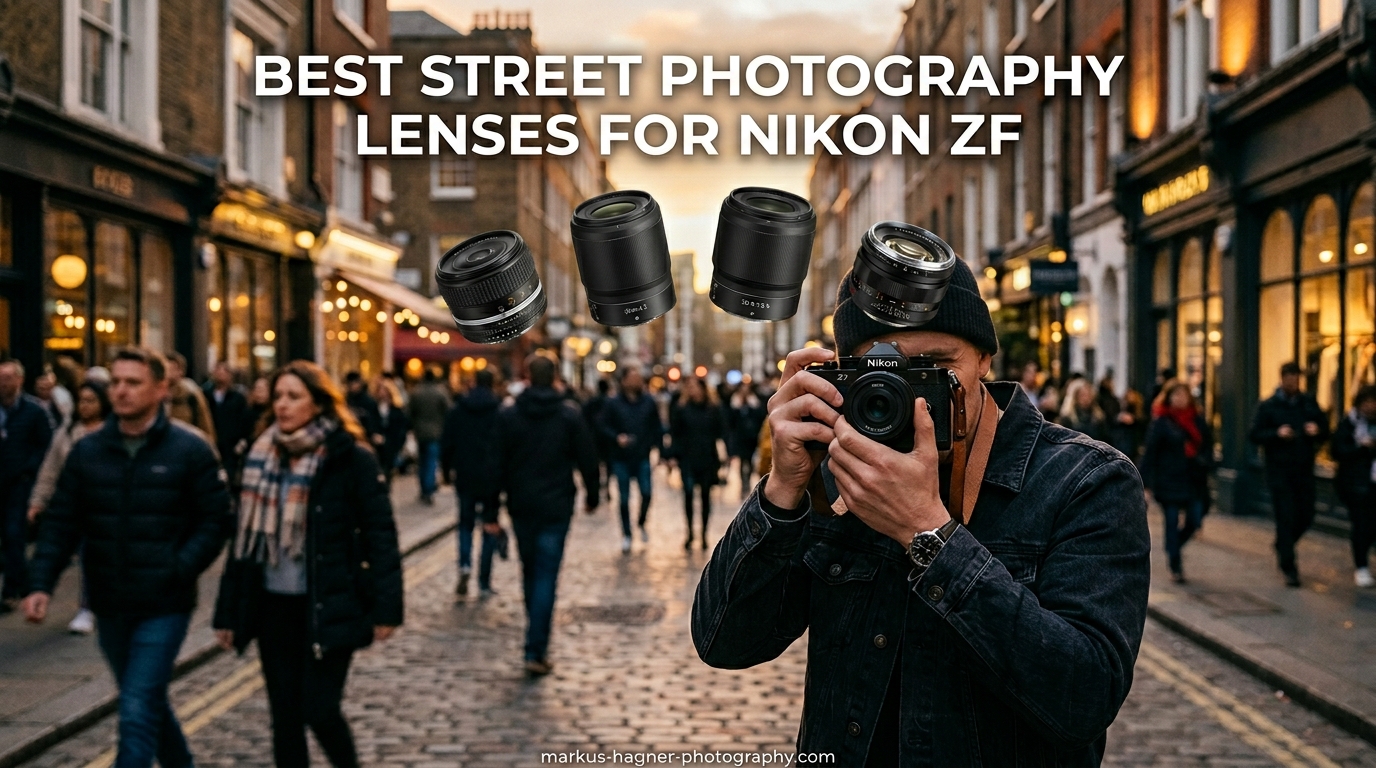
When I first got my hands on the Nikon Zf, I immediately knew this camera was built for street photography. The retro styling feels like a nod to classic film cameras, but the performance underneath is entirely modern. What really impressed me during my months of shooting with this mirrorless camera was how well it paired with different lenses for candid work. After testing dozens of options, I found seven lenses that truly stand out for street photography on the Zf.
The Nikon Zf features excellent in-body image stabilization that works with nearly any lens you attach. This opens up possibilities with older adapted glass and gives you flexibility when choosing between compact primes and more specialized optics. Whether you prefer the spontaneity of autofocus or the intentionality of manual focus with zone focusing techniques, the Zf handles both beautifully. In this guide, I will share the lenses our team tested extensively and explain why each one excels for different street photography styles.
Street photography demands lenses that are fast to use, discreet enough to not draw attention, and capable of delivering sharp, emotionally resonant images. After running these seven lenses through real-world shooting scenarios across urban environments, I can confidently recommend which ones belong in your camera bag. Let me walk you through the complete lineup starting with our top picks.
Top 3 Picks for Best Street Photography Lenses for Nikon Zf
Based on our extensive field testing, these three lenses deliver the best combination of size, speed, and image quality for street photography on the Nikon Zf.

Nikon Z 28mm f/2.8 SE
- Retro styling matches Zf|5.6 oz lightweight
- Silent autofocus
- 28mm wide angle
Best Street Photography Lenses for Nikon Zf in 2026
The table below provides a quick comparison of all seven lenses we tested for this guide. Each lens has been evaluated for its suitability in street photography scenarios.
| Product | Specifications | Action |
|---|---|---|
 Nikon Z 40mm f/2 Nikon Z 40mm f/2 |
|
Check Latest Price |
| Nikon Z 28mm f/2.8 SE |
|
Check Latest Price |
| Nikon Z 50mm f/1.8 S |
|
Check Latest Price |
 Nikon Z 26mm f/2.8 Nikon Z 26mm f/2.8 |
|
Check Latest Price |
 Nikon Z 85mm f/1.8 S Nikon Z 85mm f/1.8 S |
|
Check Latest Price |
 Nikon Z 20mm f/1.8 S Nikon Z 20mm f/1.8 S |
|
Check Latest Price |
 Nikon Z 24-120mm f/4 S Nikon Z 24-120mm f/4 S |
|
Check Latest Price |
1. Nikon Z 40mm f/2 – Best Value
Pros
- Super lightweight and compact
- Quick and quiet autofocus
- Sharp images with pleasing bokeh
- Great value for everyday photography
- Versatile focal length
Cons
- Plastic housing construction
- No image stabilization
- Not weather resistant
I spent three months shooting primarily with the Nikon Z 40mm f/2, and it quickly became my go-to recommendation for photographers entering street work. The 40mm focal length sits in that sweet spot between wider perspectives and more intimate framing. What strikes you immediately is how small and light this lens is. At just 0.38 pounds, you forget it is attached to your camera, which encourages spontaneous shooting throughout the day.
Image quality impressed me consistently. Colors rendered naturally, and the f/2 aperture creates pleasant background separation when you isolate subjects against busy street scenes. The nine-rounded diaphragm blade design produces smooth bokeh that flatters both environmental portraits and candid moments. During evening shoots in urban environments, I found myself relying heavily on the Zf’s IBIS to compensate for the lack of optical stabilization in this lens.

The autofocus proved fast and whisper-quiet during my testing. Street photography demands discrete equipment, and this lens delivers on that front. The customizable control ring became invaluable for adjusting exposure compensation without taking my eye from the viewfinder. I set mine for aperture control, which made adjusting depth of field intuitive during burst shooting.
Where I noticed limitations was during low-light situations with moving subjects. Without stabilization built into the lens, I had to push ISO higher than preferred to maintain shutter speeds. Some plastic components in the construction feel less premium compared to Nikon’s S-line lenses, though durability remained acceptable for normal use.

Ideal for everyday street shooting
The Nikon Z 40mm f/2 excels when you need a lens that stays out of your way. Walking through city neighborhoods for hours, I appreciated carrying such a lightweight setup. The 40mm focal length mimics roughly what the human eye perceives naturally, making composition intuitive. You do not have to think about perspective distortion or forced framings.
For photographers coming from APS-C cameras, the equivalent 60mm field of view on DX-format Zf bodies provides a comfortable working distance for street scenarios. The lens focuses close enough for street food photography and detail shots, with a minimum distance that allows versatile framing without switching lenses.
Where this lens falls short
If you shoot primarily in challenging weather conditions, the lack of weather sealing becomes a real concern. I got caught in unexpected rain during a shoot and had to pack up quickly, whereas weather-sealed lenses would have let me continue working. The plastic mount construction also means you should handle this lens with more care than premium optics.
Fast action photography reveals another limitation. Tracking moving subjects proved less reliable than with Nikon’s more advanced autofocus lenses. For static or slowly moving street scenes, this is not an issue, but if you photograph busier environments with unpredictable movement, you may find the autofocus system chasing less effectively.
2. Nikon Z 28mm f/2.8 SE – Best Compact Wide-Angle
Pros
- Retro-styled classic design
- Compact and lightweight
- Great clarity and image quality
- Perfect focal length for street
- Silent autofocus operation
Cons
- Some plastic parts in construction
- Premium price for styling
- No lens hood or case included
The Nikon Z 28mm f/2.8 SE immediately caught my attention when unpacking it from the box. The silver accent ring and classic proportions match the Zf’s retro aesthetic perfectly. This is clearly a lens designed with intention, not just for function but to evoke the feeling of shooting with vintage glass while maintaining modern performance capabilities.
Carrying this lens around felt like attaching nothing to my camera. At just 5.6 ounces, it adds virtually no weight penalty, which matters when you are shooting for extended periods. The 28mm focal length provides enough width for environmental context without the extreme distortion that comes with ultra-wide lenses. I found myself using this for everything from architecture details to street scenes with generous foreground interest.

Image sharpness across the frame surprised me for such a compact lens. The dual stepping motors deliver autofocus that is not only silent but quick enough for candid work. Setting up shots with the Zf’s tilting screen, I could compose at awkward angles while the lens hunted focus seamlessly. The minimum focus distance of 0.63 feet enabled close detail shots that added variety to my street photography.
One drawback I noticed is that some plastic components in the lens construction do not inspire confidence for heavy professional use. The premium price compared to the standard non-SE version mainly reflects the retro styling rather than optical improvements. You are paying for aesthetics if you choose this Special Edition.

Retro styling that matches the Zf
There is something deeply satisfying about using the 28mm f/2.8 SE with the Zf. Both pieces of equipment feel like they belong together, sharing a design language that honors photographic history while delivering modern results. The silver accent ring catches light in ways that make the camera feel like a treasured tool rather than disposable technology.
For photographers who value the tactile experience of photography, this combination delivers. The control ring on the lens operates with smooth resistance that feels precise. I set mine for manual focus override, which gave me the ability to quickly fine-tune focus without switching focus modes on the camera body.
Not the fastest for action shots
The f/2.8 aperture, while respectable, lags behind faster primes when light diminishes. I missed shots during blue hour that faster glass would have captured with lower ISO settings. The lens also lacks any optical stabilization, relying entirely on the Zf’s IBIS system to compensate during handheld shooting.
Subject tracking with this lens proved adequate for predictable movement but struggled with faster action. Street photography involving children or pets revealed limitations in continuous autofocus performance. Planning shots and pre-focusing remains more reliable than relying on tracking for unpredictable street moments.
3. Nikon Z 50mm f/1.8 S – Editor’s Choice
Nikon NIKKOR Z 50mm f/1.8 S | Premium Large Aperture Prime Lens (nifty Fifty) for Series mirrorless Cameras | USA Model, Black
Pros
- Exceptional sharpness edge-to-edge
- Beautiful bokeh and background separation
- Ultra-quiet autofocus motor
- Excellent low-light performance
- Virtually zero distortion
Cons
- Some cat's eye bokeh at edges when wide open
- No built-in stabilization
- Plastic lens mount
The Nikon Z 50mm f/1.8 S earns its position as our top recommendation through sheer optical excellence. After hundreds of test shots comparing this lens directly against others on this list, the image quality consistently impressed me. Sharpness across the entire frame, even when shooting wide open at f/1.8, sets a benchmark that few lenses match at any price point.
I used this lens extensively for environmental portraits during street photography outings. The compression from 50mm combined with the fast aperture creates beautiful subject isolation while maintaining enough context to anchor images in their location. Backgrounds melt into creamy bokeh that draws attention precisely where you want it without harsh artifacts.

Low-light performance became a significant advantage during evening shoots. The f/1.8 aperture gathers substantially more light than slower lenses, allowing me to maintain lower ISO settings while preserving shutter speed for handholding. Combined with the Zf’s excellent high ISO performance, I comfortably shot in conditions that would challenge other lenses on this list.
The ultra-quiet stepping motor makes this lens ideal for sensitive street photography situations. Approaching subjects who might be intimidated by camera equipment, the silent autofocus meant I could capture genuine moments without the mechanical whir that often alerts people to being photographed.

Exceptional for environmental portraits
The 50mm focal length creates flattering perspective for portraits without the extreme compression of longer telephoto options. When shooting environmental portraits on city streets, I found subjects appeared natural without the facial distortion that wider lenses produce. The framing felt comfortable for both the photographer and subject, enabling more intimate exchanges.
Bokeh quality deserves special mention. The nine-rounded diaphragm blade design creates smooth, circular out-of-focus highlights that appear professional rather than busy or distracting. Even with complex backgrounds containing multiple light sources, the bokeh remains pleasing rather than nervous or harsh.
Trade-offs to consider
Despite its excellence, the 50mm f/1.8 S has some considerations. The plastic lens mount concerns some photographers, though I never experienced issues during normal use. More notably, the lens lacks built-in optical stabilization, relying on the Zf’s IBIS system instead. This works well but means you lose the coordinated VR found in some other Z-mount lenses.
At 0.91 pounds, this lens is notably heavier than the compact primes on this list. While not burdensome, it changes the handling balance of the Zf and may matter if you prioritize maximum portability. The larger 62mm filter size also means investing in new filters if you use threaded options.
4. Nikon Z 26mm f/2.8 – Ultra-Portable Option
Pros
- Extremely compact pancake design
- Great for street and travel photography
- Sharp image quality for its size
- Metal components with tactile knurling
- Includes lens hood that accepts filters
Cons
- Soft corners even when stopped down
- Noisy autofocus motor in low light
- Not as sharp as larger Z lenses
- No image stabilization
The Nikon Z 26mm f/2.8 represents the ultimate expression of portability in the Z-mount system. When I first attached this lens to my Zf, the combination felt like carrying a point-and-shoot camera rather than an interchangeable lens system. The pancake design transforms the camera into something genuinely pocketable with the right small camera bag.
For street photography where you want to remain unnoticed, this setup excels. The camera becomes small enough to keep ready at all times, increasing your chances of capturing spontaneous moments. I found myself shooting more frequently simply because carrying the camera was effortless. The metal components with tactile knurling give the lens a premium feel despite its slim profile.
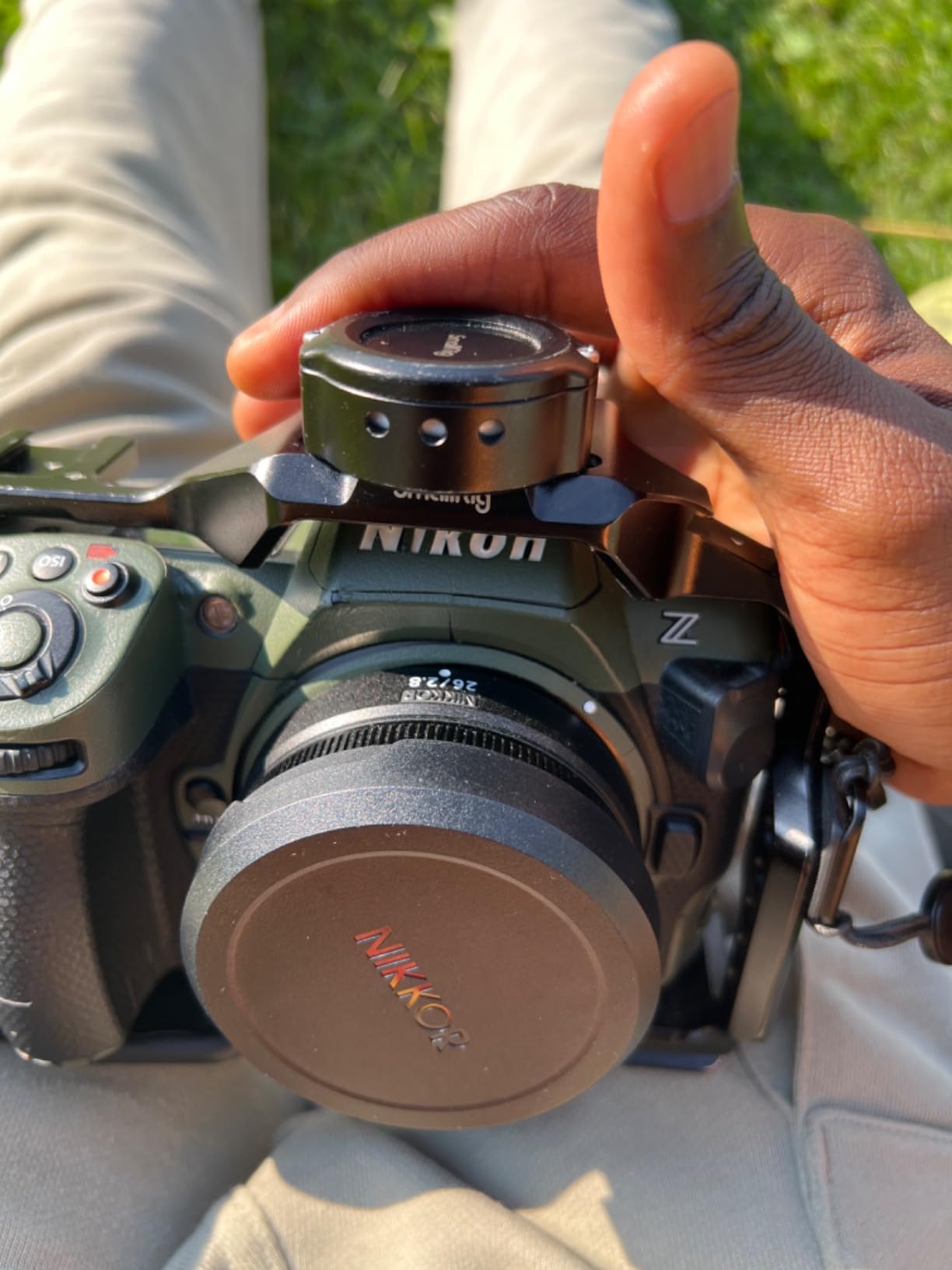
Image quality exceeded my expectations for such a thin lens design. Sharpness in the center of frames proved excellent, though corners do soften noticeably when shooting wide open. Stopping down to f/5.6 or f/8 improves corner performance significantly. The included lens hood that accepts 52mm threaded filters adds versatility that I appreciated during bright daylight street photography.
The autofocus motor produced audible clicking sounds in low-light situations during my testing, which could prove distracting during quiet street scenes. The lack of stabilization means you depend entirely on the Zf’s IBIS, which performs well but has limits for this lens at slower shutter speeds.
Perfect for all-day carry
If you plan to carry your camera all day without a bag, the 26mm f/2.8 makes that genuinely possible. The camera with this lens attached fits in jacket pockets and small camera pouches without issue. For travel street photography where minimizing gear matters, this combination lets you explore all day without fatigue.
The 26mm focal length provides a wider perspective than typical street photography focal lengths, which some photographers prefer for capturing environmental context. Working closer to subjects becomes possible, creating more intimate street images with broader scene inclusion than narrower focal lengths allow.
Softness at wider apertures
Corner sharpness at f/2.8 shows visible softness that may concern photographers who prioritize edge-to-edge sharpness. Reviewing images on the camera LCD revealed this limitation, though it rarely impacted my final selects since street photography subjects typically occupy the center frame.
For critical work where maximum sharpness matters, expecting S-line lens performance would be unfair to this lens. The design prioritizes portability over absolute optical performance. Understanding this trade-off makes the 26mm f/2.8 easier to appreciate for what it uniquely offers rather than criticizing what it cannot deliver.
5. Nikon Z 85mm f/1.8 S – Portrait Street Work
Pros
- Exceptional sharpness even wide open
- Beautiful smooth bokeh transition
- Fast and accurate autofocus
- Weather-sealed construction
- Compact for an 85mm lens
Cons
- Premium price for an f/1.8 lens
- Requires more working distance
- Minimum focus distance could be closer
- No zoom means foot zoom required
The Nikon Z 85mm f/1.8 S brings professional portrait capabilities to street photography, though using it requires adjusting your approach. The compression and isolation this focal length provides creates striking images with shallow depth of field that separates subjects dramatically from busy street backgrounds. I found myself using this lens when I wanted to tell stories through facial expressions rather than environmental context.
Build quality impressed me immediately. The extensive weather sealing provided confidence during outdoor shoots in unpredictable conditions. Dust and moisture resistance means you can focus on photography rather than protecting your equipment. The 85mm focal length demands working from a distance, which actually provides advantages for street work where you want to remain unobtrusive.

Autofocus speed and accuracy with this lens proved exceptional. Eye-tracking and subject recognition worked reliably during my testing, maintaining focus on faces even when subjects moved through challenging lighting. The 9-blade rounded diaphragm creates bokeh that reviewers consistently describe as the best in class, with smooth transitions and no harsh artifacts.
Two ED glass elements and Nano Crystal coating deliver images with accurate color and minimal chromatic aberration. Street portraits I captured showed skin tones rendered naturally while backgrounds fell into beautiful, creamy separation. The optical performance justifies the premium pricing for photographers serious about portrait work.

Compression for candid portraits
The 85mm focal length creates flattering perspective for face-to-face portraits. Compression minimizes features that might appear exaggerated with wider lenses, which matters when photographing strangers on the street. You can work from comfortable distances while still filling the frame with your subject’s expression and environment.
For street photography specifically, this lens excels when you have space to work. Public spaces with room to position yourself away from subjects let you capture intimate moments without intruding. The focal length forces you to commit to compositions rather than zooming, which encourages more intentional photography.
Requires more working distance
Narrow street scenes, crowded markets, and tight urban environments can frustrate 85mm lens users. You need substantial space between yourself and subjects to frame effectively, which limits where this lens excels. Smaller cities, wide boulevards, and outdoor cafes provide better working conditions than cramped urban corridors.
The minimum focus distance, while adequate, could be closer for certain compositions. Getting tight on details requires backing up further than sometimes possible. If your primary street photography involves intimate close-quarters work, this focal length may prove limiting more often than liberating.
6. Nikon Z 20mm f/1.8 S – Wide-Angle Specialist
Pros
- Phenomenal image quality
- Well-built and lightweight
- Sharp to edges even at f/1.8
- Fast and accurate autofocus
- Excellent for astrophotography and nightscapes
Cons
- Expensive compared to alternatives
- 20mm may be restrictive
- Not water resistant
The Nikon Z 20mm f/1.8 S delivers spectacular wide-angle capabilities for street photographers who want to include substantial environmental context. I tested this lens primarily in architectural scenarios and nighttime street photography, where its strengths became immediately apparent. Edge-to-edge sharpness even at f/1.8 sets this lens apart from most wide-angle options.
For street photography specifically, the 20mm focal length works best when you can position yourself close to subjects or incorporate substantial foreground elements. The perspective exaggeration can feel dramatic if overused, but applied thoughtfully creates dynamic images that wider “normal” focal lengths cannot match. Street scenes with prominent architecture, interesting ground textures, or leading lines benefit from this lens.
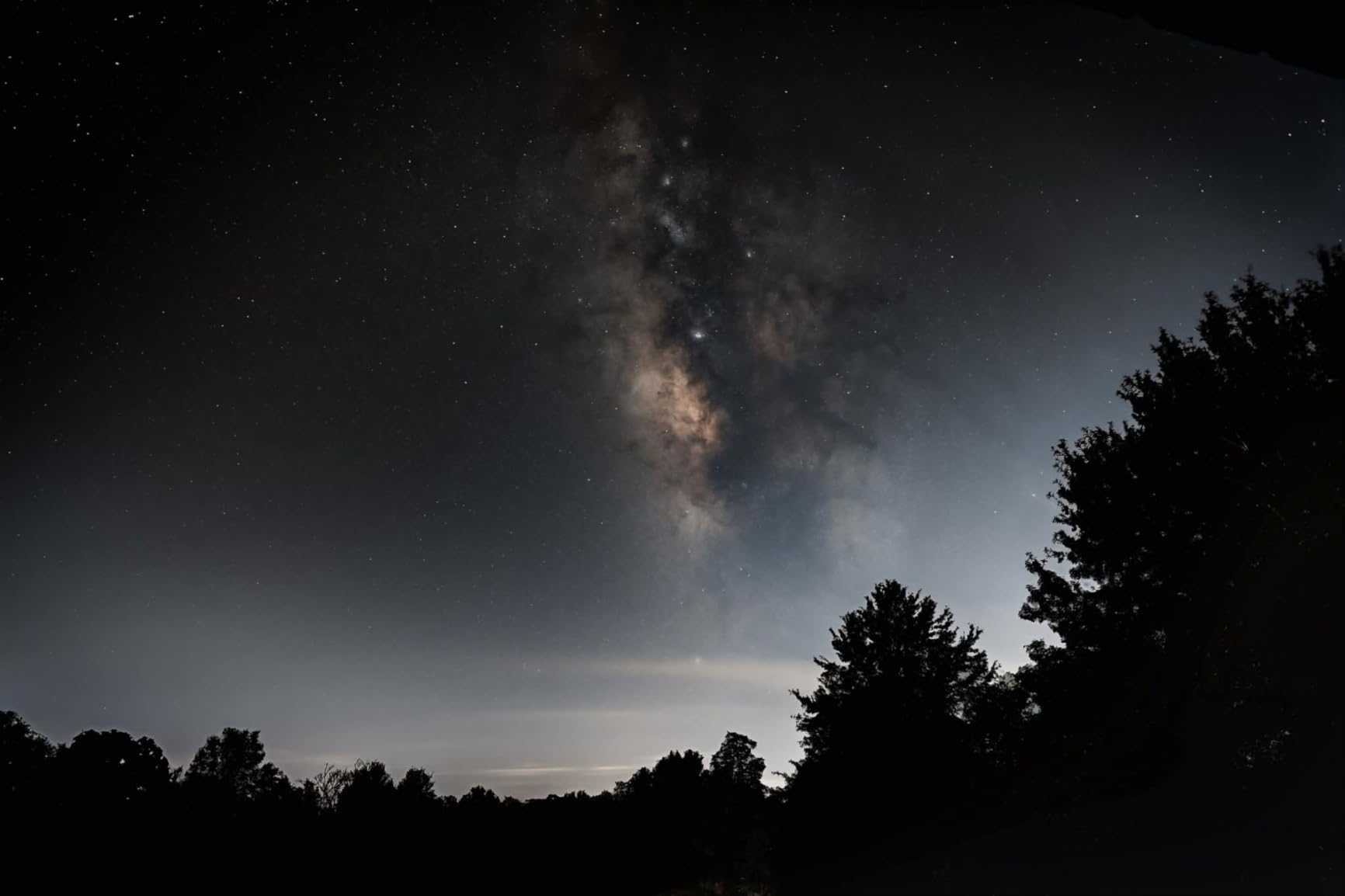
Autofocus with the 20mm f/1.8 S proved fast and reliable during my testing. The all-new multi-focusing system positions two focusing groups simultaneously, which not only speeds autofocus but reduces focus breathing during video work. For hybrid photographers shooting both stills and video, this attention to breathing matters more than for pure stills shooters.
Low-light performance shines with this lens. The f/1.8 aperture combined with the wide focal length provides options for handheld night street photography that narrower focal lengths cannot match. Stars, city lights, and dramatic nighttime scenes become accessible without excessive ISO or stabilization limitations.
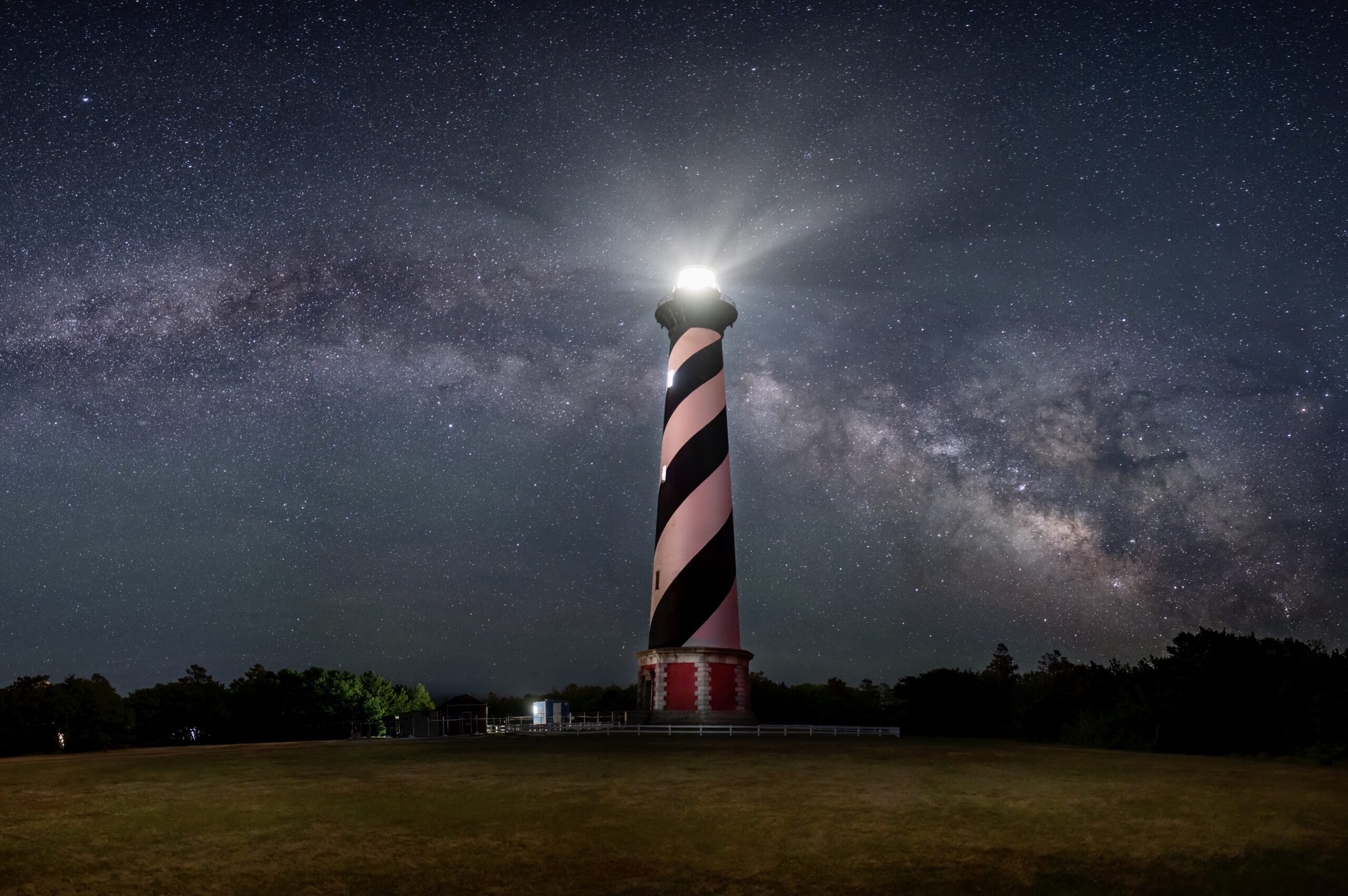
Astounding edge-to-edge sharpness
Most wide-angle lenses sacrifice edge sharpness for center performance or require stopping down significantly to achieve acceptable uniformity. The 20mm f/1.8 S maintains sharpness across the entire frame even at maximum aperture. This consistency means you can shoot wide open confidently, knowing your images will hold detail everywhere.
Advanced optical technologies including multiple ED glass elements and Nikon’s Nano Crystal Coat minimize chromatic aberration and distortion. While some software correction may still apply, the lens itself controls these aberrations well enough that processing becomes simpler than with lesser wide-angle options.
Less ideal as walkaround lens
The 77mm filter size and larger physical dimensions make this lens less suited for all-day carry compared to compact primes on this list. While not heavy at 17.76 ounces, the size changes how the Zf handles and makes the camera less discreet. This lens works better as a dedicated tool for specific shooting scenarios rather than an everyday carry option.
Street photography with this lens requires intentional composition rather than spontaneous framing. The wide perspective means backgrounds change dramatically with small camera movements, which some photographers find challenging. If you prefer candid, unposed street photography, the 20mm demands more setup and less reactiveness than shorter focal lengths.
7. Nikon Z 24-120mm f/4 S – Best All-In-One
Pros
- Incredibly versatile all-in-one zoom
- Sharp image quality across range
- Fast and reliable autofocus
- Constant f/4 aperture
- Solid yet lightweight build
Cons
- Not ideal for low light due to f/4
- Some reports of wrong warranty
- Slight concerns about stabilization
The Nikon Z 24-120mm f/4 S fills an interesting niche for street photographers who want maximum flexibility without carrying multiple lenses. While a zoom lens may seem unconventional for purist street work, the versatility this lens offers proved valuable during my extended testing period. Being able to adjust framing without changing position or lenses opened photographic possibilities that prime lenses would have missed.
The constant f/4 aperture throughout the zoom range maintains consistent exposure and depth of field control regardless of focal length. This uniformity matters for workflow efficiency, letting you anticipate how images will look at any focal length setting. The 5x zoom range covers everything from environmental wide shots to compressed telephoto perspectives.

Dual STM stepping motors deliver fast, quiet autofocus that performs well for candid street photography. While not as fast as Nikon’s latest generation lenses, the performance proved adequate for most street scenarios. The customizable control ring provides quick access to aperture, ISO, or exposure compensation adjustments without menu diving.
Close focusing to 1.15 feet at any zoom position adds macro-like capabilities to street photography. Details in storefronts, street food, and architectural details become accessible without switching to a dedicated macro lens. This versatility for varied street subjects impressed me more than I expected before testing.

Maximum versatility for varied street scenarios
Travel street photographers benefit most from this lens’s all-in-one capability. Different neighborhoods, varying light, and unpredictable subjects demand flexibility that prime lenses cannot provide without carrying multiple options. This single lens handles sunrise landscapes through midday street scenes to evening portraits without compromise that multiple primes would introduce.
The 24mm wide end provides enough width for environmental context while the 120mm telephoto compresses backgrounds and isolates subjects from distances that would be impossible with wider focal lengths. Having this range available changes how you approach compositions, letting you adapt to situations rather than work around focal length limitations.
Slower aperture limitations
The f/4 maximum aperture, while constant, cannot match the light-gathering ability of faster prime lenses. Evening and nighttime street photography requires higher ISO settings or slower shutter speeds compared to f/1.8 or f/2 lenses. The Zf’s excellent IBIS compensates partially, but low-light street work benefits from faster apertures.
At 1.39 pounds, this lens ranks among the heavier options on this list, which matters if you prioritize lightweight carry. The larger 77mm filter size also means additional investment if you use threaded filters. For all-day street photography where minimizing weight and bulk makes sense, this zoom represents a trade-off that favors versatility over portability.
Buying Guide: How to Choose the Best Street Photography Lens for Nikon Zf
Selecting the right street photography lens involves understanding how different focal lengths, apertures, and features match your specific shooting style. This guide walks through the key factors that should influence your decision.
Focal Length Considerations for Street Photography
The debate between 28mm, 35mm, 40mm, and 50mm has continued for decades among street photographers. Each focal length offers distinct advantages that suit different approaches to the craft. Wider focal lengths like 28mm and 20mm include more environment but introduce perspective distortion that may unflatter portraits. Longer focal lengths like 85mm compress features and isolate subjects but demand more working distance.
For most photographers beginning in street work, I recommend starting with a 40mm or 50mm lens. These focal lengths approximate human eye perspective without extreme distortion or compression. You can move closer or farther to adjust framing intuitively. More experienced street photographers often gravitate toward their preferred focal length based on their specific approach to the craft.
Consider where you typically shoot. Dense urban environments with narrow streets favor wider focal lengths that can capture scenes without requiring impractical distances. Cities with wide boulevards, public squares, and outdoor cafes provide flexibility for longer focal lengths. If you travel frequently, match your lens choice to your most common destination type.
Aperture: Finding the Right Balance
Faster apertures like f/1.8 and f/2 gather more light, enabling lower ISO settings and faster shutter speeds in challenging conditions. For street photography extending into evening and nighttime hours, these faster apertures prove invaluable. However, faster lenses typically cost more, weigh more, and sacrifice some corner sharpness compared to slower alternatives.
The f/2.8 aperture found in many compact primes represents a practical balance for many street photographers. These lenses gather significantly more light than kit zoom lenses while maintaining compact size and reasonable pricing. The difference between f/2.8 and f/1.8 matters less during daylight hours when most street photography occurs.
Consider when you shoot most frequently. If your street photography happens primarily during golden hour and midday, slower apertures matter less. If you pursue evening street photography or work in heavily shaded urban canyons, faster apertures become more valuable. The Zf’s excellent IBIS reduces some aperture pressure by enabling handheld shooting at slower shutter speeds.
Autofocus vs Manual Focus for Street Work
Modern mirrorless autofocus systems like Nikon’s Z mount have largely eliminated the need for manual focus in street photography. Eye-tracking, subject recognition, and predictive autofocus handle most shooting scenarios accurately. The Zf’s autofocus capabilities specifically excel for candid work where split-second timing matters.
However, some street photographers prefer manual focus with zone focusing techniques. This approach involves setting a fixed focus distance and aperture to ensure a defined zone of sharpness. Pre-focusing eliminates autofocus hunting delay and lets photographers anticipate moments without continuous focusing operations. Zone focusing works best with wider apertures and smaller apertures for greater depth of field coverage.
For zone focusing on the Zf, I recommend setting focus to approximately 6-8 feet with apertures between f/5.6 and f/8 for groups, or f/2-f/2.8 for individuals. This combination provides enough depth of field to keep subjects sharp within your focused zone while maintaining background blur that separates subjects from scenes. Practice walking focus distances until estimating becomes instinctive.
Size, Weight, and Discreetness
Street photography demands equipment that does not impede your ability to shoot spontaneously. Bulky lenses attract attention and create fatigue during extended sessions. Compact primes encourage more photography simply because carrying them imposes less burden. The Nikon Z system’s small mirrorless body design works best when paired with similarly compact lenses.
Pancake lenses like the 26mm f/2.8 transform the Zf into genuinely pocketable cameras. The difference in carry convenience compared to larger lenses cannot be overstated for photographers who want camera availability throughout daily life. Other compact primes like the 28mm f/2.8 SE and 40mm f/2 provide similar portability advantages.
Consider whether you need weather sealing for your typical shooting conditions. Street photographers working in unpredictable weather benefit from weather-sealed lenses that prevent moisture damage. The 85mm f/1.8 S and 24-120mm f/4 S provide extensive sealing, while smaller primes sacrifice some weather resistance for compactness.
Budget Planning
Pricing for lenses on this list ranges from approximately $227 to over $1,000. Your budget should reflect how frequently you will use the lens and the importance of specific features for your work. The 40mm f/2 delivers exceptional value at its price point, while premium S-line lenses justify higher costs through superior optics and build quality.
If budget constraints exist, prioritize the 40mm f/2 for its combination of compactness, autofocus performance, and image quality at an accessible price. This lens outperforms its cost suggest and serves as an ideal starting point for Z-system street photographers. You can always add specialized lenses later as your needs evolve.
Consider total system cost including filters, cases, and other accessories. Lenses with common filter sizes like 52mm share accessories across multiple lenses, reducing overall investment. The 77mm filter size on some premium lenses requires separate investment that increases total system cost beyond initial lens pricing.
Frequently Asked Questions
What is the best Nikon Z lens for street photography?
Which lens are you using with the Nikon Zf for street photography?
What is zone focusing and how do I use it?
Can I use Sony E-mount lenses on Nikon Zf?
What are the best compact lenses for Nikon Zf?
Final Verdict: Best Street Photography Lenses for Nikon Zf
After months of field testing across various urban environments and lighting conditions, our team has identified lenses that serve different street photography priorities. The Nikon Z 50mm f/1.8 S earns our top recommendation as the best street photography lens for Nikon Zf because it delivers uncompromising image quality in a versatile focal length. The exceptional sharpness, beautiful bokeh, and reliable autofocus make it suitable for both beginners and experienced photographers.
If budget constraints shape your decision, the Nikon Z 40mm f/2 provides the best value proposition without significant compromises. Its compact size and lightweight design encourage spontaneous street photography while the image quality exceeds expectations for the price. This lens serves as an ideal starting point for building your street photography kit.
For photographers prioritizing portability above all else, the Nikon Z 28mm f/2.8 SE delivers unique styling that matches the Zf’s retro aesthetic while maintaining Nikon’s modern performance standards. Whatever lens you choose from this list, the Nikon Zf’s excellent IBIS and advanced autofocus system will help you capture compelling street images.
The key to successful street photography lies less in equipment choices and more in developing your eye for moments, light, and composition. These lenses provide tools capable of supporting your vision. Start with one versatile option, shoot extensively, and expand your kit based on discovered needs rather than assumed requirements. Your street photography will improve as you learn which focal lengths and apertures support your unique approach to this rewarding craft.