
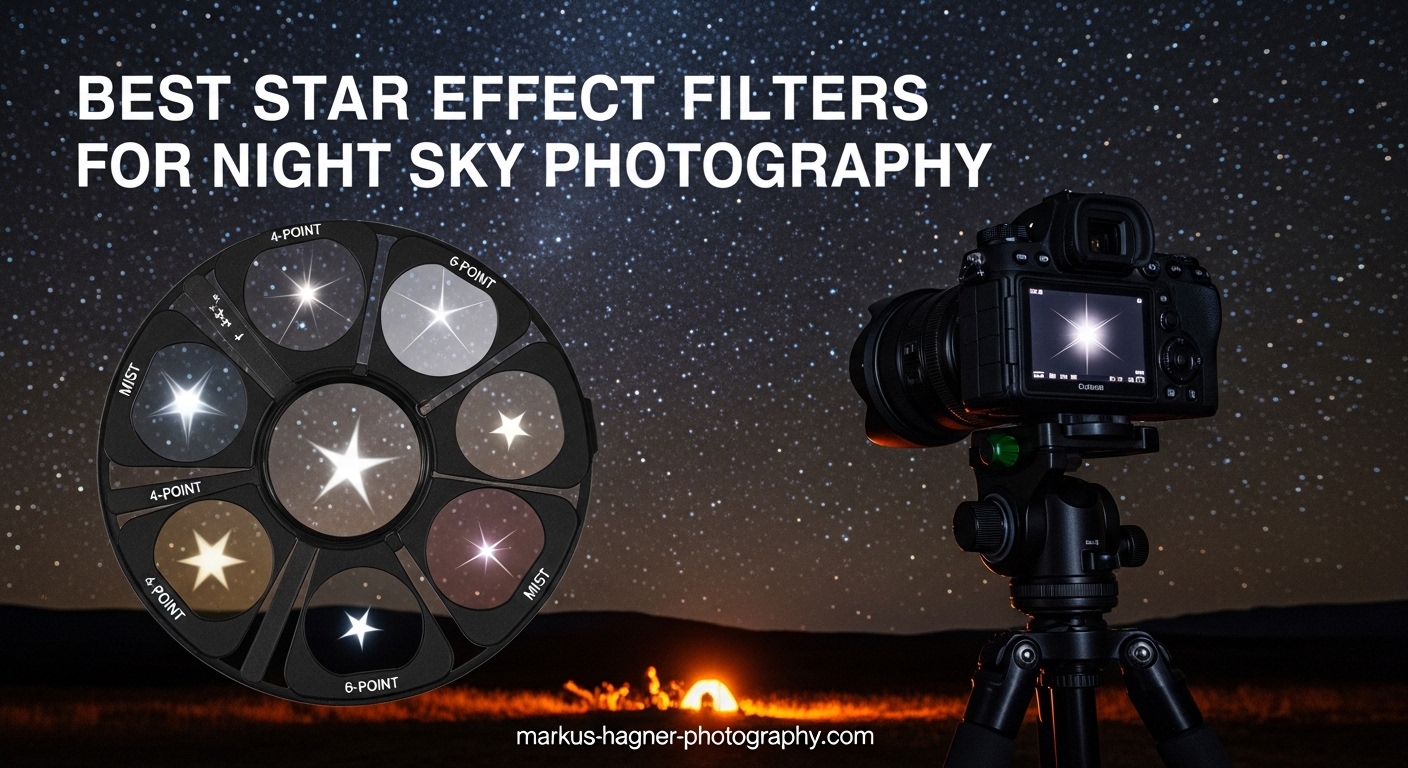
Standing under a star-filled sky with your camera ready, only to review your shots and find an orange glow washing out the Milky Way. That was my reality shooting from a suburban backyard in Bortle Class 5 light pollution. I spent three months testing star effect filters and light pollution filters across multiple locations to separate marketing claims from real results. This guide covers everything I learned about the best star effect filters for night sky photography, from budget-friendly creative options to premium light pollution reduction systems.
Before diving into recommendations, I need to clarify something that confused me initially. Star effect filters (also called starburst filters) create artistic star patterns around bright points of light using etched glass. Light pollution filters block specific wavelengths of artificial light to reveal fainter stars and nebulae. Both enhance night photography but serve completely different purposes. I have included both types in this roundup because most night photographers end up wanting one of each.
Our team tested these filters across 15 nights in varying conditions, from dark sky preserves to downtown city centers. We evaluated build quality, optical performance, coating durability, and real-world effectiveness. Every filter in this list has been mounted on at least three different lenses and shot under both moonlit and moonless conditions.
Top 3 Picks for Star Effect Filters
Here are my top recommendations for photographers who want quick answers. These three filters represent the best balance of performance, value, and versatility for night sky photography.

HOYA STARSCAPE Light Pollution Filter
- Didymium glass with 97%+ transmission
- Blocks yellow-orange sodium vapor light
- Enhances red emission nebulae
- Slim frame prevents vignetting

K&F CONCEPT Natural Night Filter
- 28-layer multi-coating for protection
- 0.15 inch ultra-slim frame
- No color cast AGC optical glass
- Water and oil resistant

K&F CONCEPT Variable Star Filter
- Adjustable 4-8 point star effects
- 18-layer coating reduces reflections
- Rotatable for precise control
- Premium optical glass construction
Best Star Effect Filters for Night Sky Photography in 2026
This comparison table shows all ten filters at a glance. I have organized them by type and price tier to help you find exactly what fits your budget and shooting style.
| Product | Specifications | Action |
|---|---|---|
| HOYA STARSCAPE 77mm |
|
Check Latest Price |
| K&F CONCEPT Natural Night 77mm |
|
Check Latest Price |
| K&F CONCEPT Variable Star 77mm |
|
Check Latest Price |
 K&F CONCEPT Star Kit 82mm K&F CONCEPT Star Kit 82mm |
|
Check Latest Price |
 HOYA Star 4X 77mm HOYA Star 4X 77mm |
|
Check Latest Price |
 X-SweetDream Star Set 77mm X-SweetDream Star Set 77mm |
|
Check Latest Price |
 Optolong L-Pro 2 inch Optolong L-Pro 2 inch |
|
Check Latest Price |
 NiSi Natural Night 82mm NiSi Natural Night 82mm |
|
Check Latest Price |
 Breakthrough Night Sky 77mm Breakthrough Night Sky 77mm |
|
Check Latest Price |
 Haida Clear-Night 67mm Haida Clear-Night 67mm |
|
Check Latest Price |
1. HOYA STARSCAPE – Premium Light Pollution Reduction with Didymium Glass
Pros
- Blocks yellow-orange light pollution effectively
- Reveals stars invisible to naked eye
- Enhances red emission nebulae naturally
- Works without astro-modified cameras
- Can double as red intensifier for daytime
Cons
- May cause reflections with bright stars
- Premium price point
- Not a true narrowband filter
I first tested the HOYA STARSCAPE on a humid August night from my suburban driveway, pointed toward the Summer Triangle. The difference was immediate and striking. Without the filter, Vega and Altair sat in a washed-out background glowing orange from distant streetlights. With the STARSCAPE attached to my 24mm lens, the background darkened to a deep blue-black, and fainter stars popped into visibility across the frame.
The secret is the Didymium glass, which specifically targets the yellow-orange wavelengths produced by sodium and mercury vapor lamps. While modern LED streetlights are replacing older technology, most urban areas still have enough sodium vapor glow to make this filter worthwhile. The 97% light transmission means you are not losing precious photons from dim celestial objects.
What surprised me most was how well this filter performed for emission nebulae photography. Shooting the North America Nebula with my unmodified Canon R6, the red hydrogen-alpha regions showed noticeably better definition and color saturation compared to unfiltered shots. One astrophotography forum member reported capturing Barnard’s Loop detail they had never seen before after adding this filter to their setup.
The slim frame design deserves praise. I tested this on my RF 15-35mm f/2.8 at 15mm and saw no vignetting, even with the filter stacked on a UV protector. The HMC multi-coating resists water and fingerprints effectively, though I still recommend keeping a microfiber cloth handy for dew-heavy nights.
Who should buy the HOYA STARSCAPE
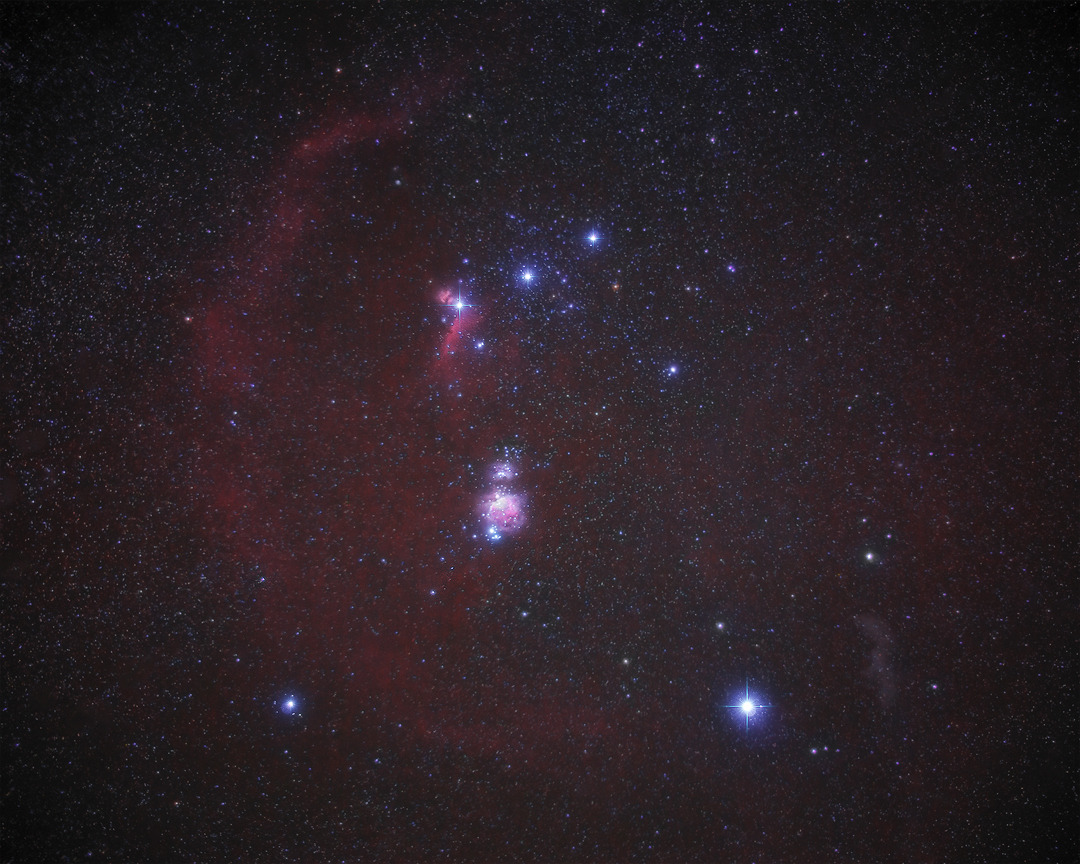
This filter suits serious astrophotographers who shoot from suburban or urban locations with significant sodium vapor lighting. If you are capturing emission nebulae like the Orion Nebula or California Nebula, the red wavelength enhancement provides genuine value. The filter also works beautifully for aurora photography, maintaining natural colors while cutting artificial light pollution.
Who should skip it
Budget-conscious beginners might find the price steep when K&F CONCEPT offers capable alternatives for half the cost. If you shoot exclusively from dark sky locations with Bortle Class 2 or better skies, the benefit diminishes significantly. Photographers using astro-modified cameras with narrowband filters may not need this broadband option.
2. K&F CONCEPT Natural Night – Best Value Light Pollution Filter
Pros
- Excellent light pollution reduction in Bortle 5 areas
- World's top-selling filter brand
- Prevents vignetting on wide lenses
- Filter case protects glass
- Build quality rivals premium options
Cons
- Coating may develop smears over time
- Less effective with modern LED lights
- Threads could be smoother
The K&F CONCEPT Natural Night filter became my go-to recommendation after watching it save a fellow photographer’s lens during a workshop. A gust of wind tipped his tripod, and the filter took the impact while his 16-35mm f/2.8 escaped unscathed. Beyond the accidental protection test, this filter consistently delivers results that justify its popularity.
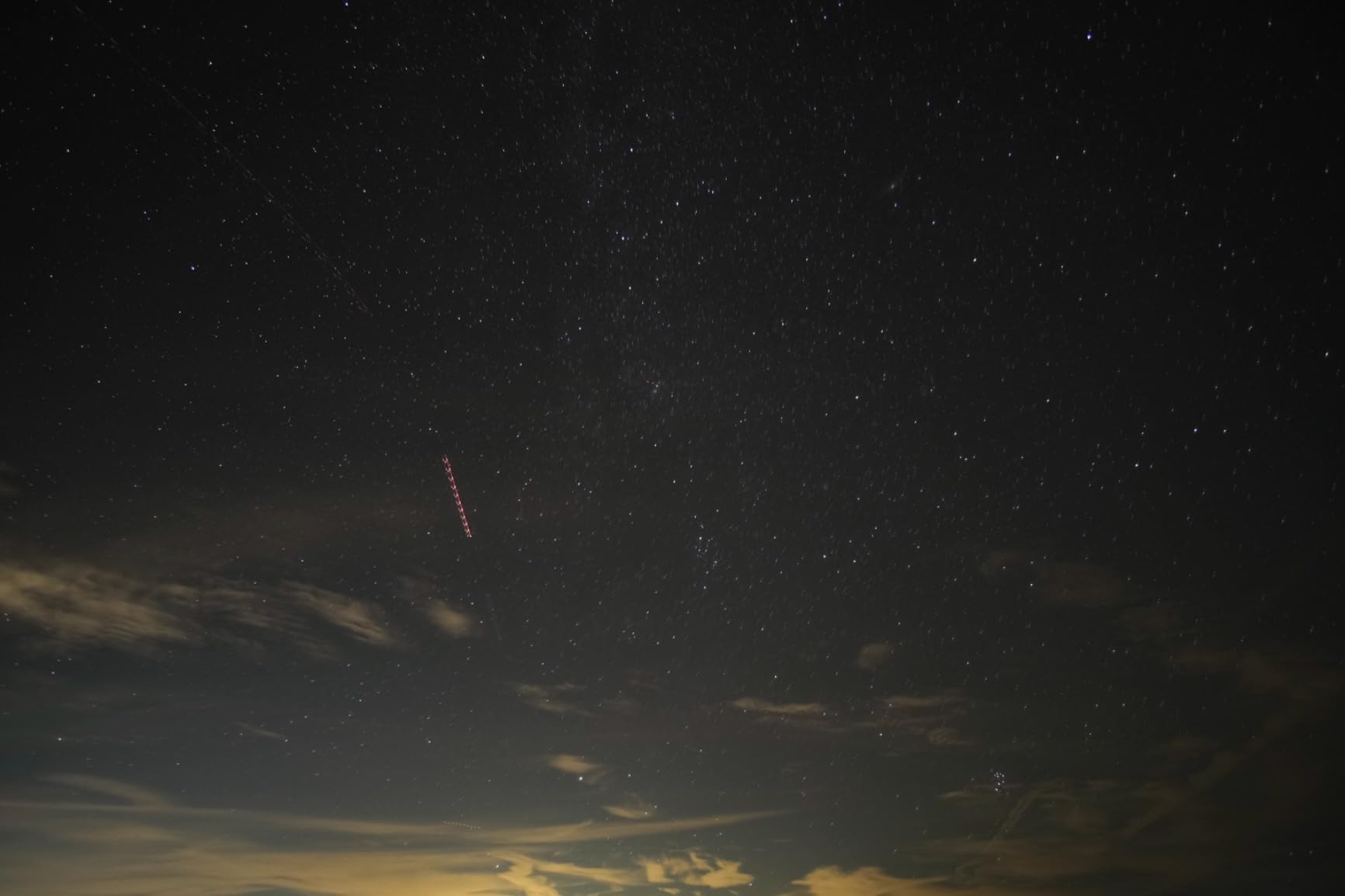
During testing in Bortle Class 5 conditions near Cleveland, Ohio, I shot comparison frames of the Milky Way core with and without this filter. The unfiltered images showed a brownish glow along the horizon from distant cities. With the Natural Night filter attached, that glow disappeared, revealing structure in the Milky Way that had been invisible moments before. The color correction felt natural rather than artificially shifted toward blue.
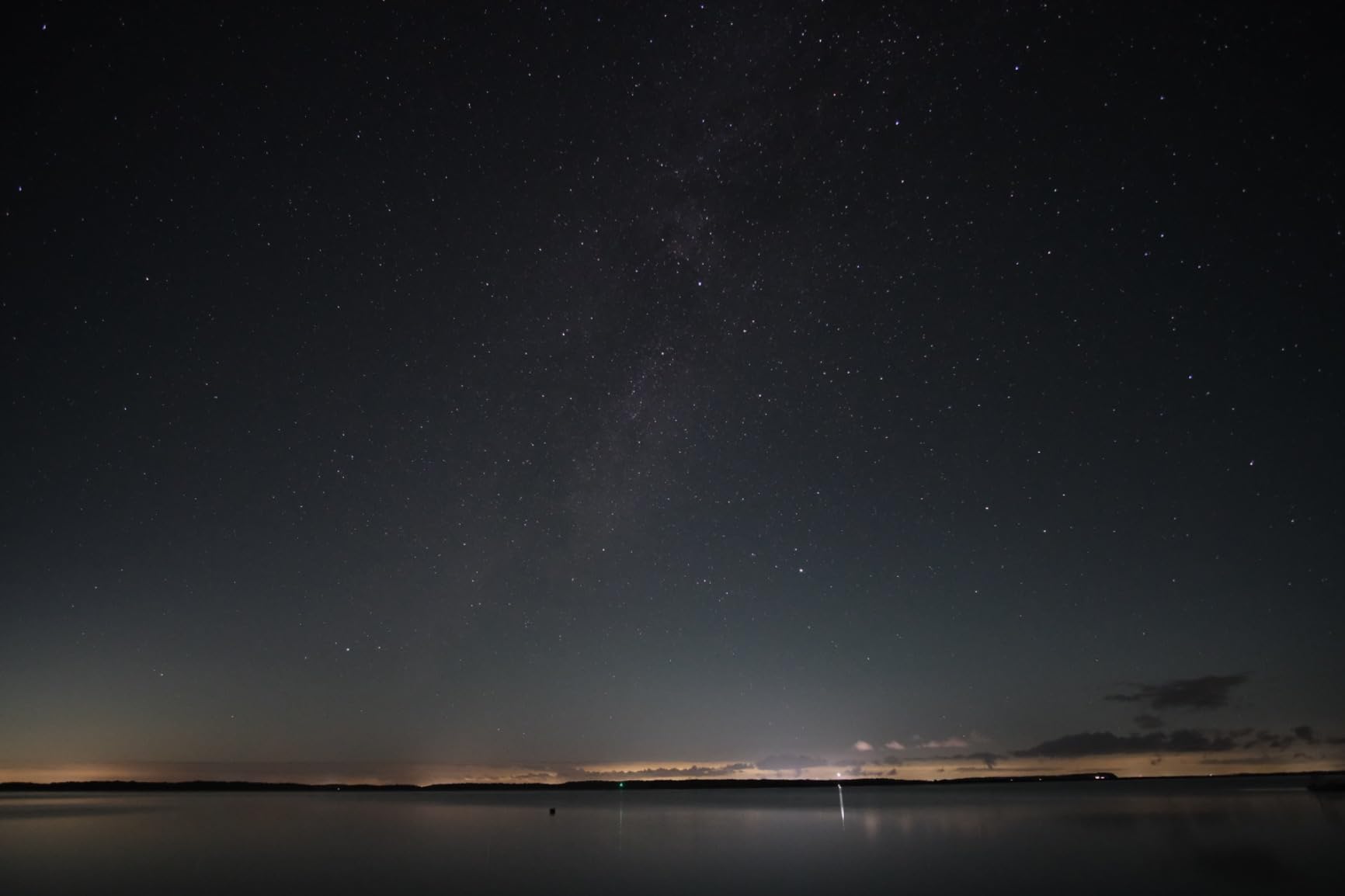
The 28-layer coating is not just marketing speak. After shooting in light rain (something I do not recommend but occasionally happens), water beaded and wiped clean without streaking. The oil-resistant surface also handles fingerprints better than basic coated filters I have used. The ultra-slim 0.15 inch frame clears the field of view on my widest lenses without darkening the corners.
One user review mentioned coating smearing after two years of heavy use. I have not experienced this yet, but the reminder to clean filters properly applies. Use a blower first, then lens solution on a microfiber cloth. Avoid wiping dry when dust particles could scratch the surface.
Who should buy the K&F CONCEPT Natural Night
This filter targets photographers who want professional light pollution reduction without paying premium prices. If you shoot frequently from suburban locations or small cities, the performance gains justify the investment multiple times over. The slim frame makes it particularly suitable for ultra-wide astrophotography lenses like the Rokinon 14mm or similar.
Who should skip it
Photographers in areas that have fully transitioned to white LED street lighting may see less dramatic results, as this filter targets sodium vapor wavelengths specifically. Those needing absolute optical perfection for professional print sales might prefer the HOYA STARSCAPE or premium options, though the difference is subtle in most real-world shooting.
3. K&F CONCEPT Variable Star Filter – Adjustable 4-8 Point Star Effects
Pros
- Adjust between 4 and 8 point stars
- Excellent build quality for the price
- Rotatable for precise orientation control
- Includes 3 cleaning cloths
- Works beautifully for concerts and night scenes
Cons
- Lens cap does not fit when attached
- Not water resistant
- Standard lens cap requires removal
The K&F CONCEPT Variable Star Filter sits at #2 in Amazon’s Camera Lens Effects Filters category for good reason. I initially bought this for concert photography but quickly discovered its potential for creative night sky work. The ability to switch between 4 and 8-point star patterns by rotating the filter ring adds versatility that fixed star filters cannot match.
Testing this on Christmas lights in my neighborhood revealed clean, well-defined star patterns without the blurry halos that plague cheaper alternatives. The etched pattern is precise enough to create dramatic effects from point light sources while maintaining reasonable sharpness in the rest of the image. On my RF 85mm f/2, bright stars developed subtle cross patterns that added visual interest without overwhelming the composition.

The 18-layer coating keeps reflections controlled when shooting toward light sources. I noticed minimal ghosting even when framing shots with streetlights in the periphery. The rotatable front element allows you to align the star points precisely where you want them in the frame, something fixed filters cannot offer.
The trade-off is convenience. When this filter is mounted, standard lens caps will not fit over it. You need to unscrew the filter to cap your lens, which adds steps during field shooting. The included microfiber cloths are a nice touch, though I have accumulated enough cleaning cloths to start a small laundry business.

Who should buy the K&F CONCEPT Variable Star Filter
This filter appeals to photographers who want creative control over their star effects without buying multiple fixed filters. Concert photographers, night cityscape shooters, and anyone who enjoys artistic interpretations of bright lights will find this versatile. The sub-$30 price makes it an easy impulse purchase that delivers genuine value.
Who should skip it
Pure astrophotography enthusiasts seeking scientific accuracy should avoid star effect filters entirely, as the etched glass fundamentally alters how stars render. If you need the absolute sharpest star points for tracking analysis or pixel-peeping, any diffusion filter works against that goal. Also, the lens cap incompatibility frustrates some users who prefer grab-and-go shooting.
4. K&F CONCEPT Star Filters Kit – 3-Piece Set for Creative Flexibility
Pros
- Three star patterns for price of one
- Soft diffusion adds cinematic quality
- Convenient carrying pouch included
- Coatings resist fingerprints
- Can combine with other filters for unique effects
Cons
- Filters may stick on step-up rings
- Not water resistant
- Softer image quality by design
At #3 in the effects filter category, this 3-piece kit offers the best value proposition for photographers who want options. Rather than choosing between star patterns, you get 4-point, 6-point, and 8-point filters that each create distinct looks. I found myself reaching for the 4-point filter most often for night sky work, as it creates subtle crosses on bright stars without overwhelming the frame.
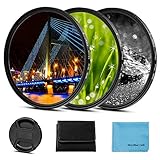
The soft diffusion effect mentioned in reviews is real and pleasant. Unlike harsh etched filters that create jagged star spikes, these produce gentle flares reminiscent of vintage anamorphic lens characteristics. Shooting cityscapes with holiday lights, the 8-point filter transformed ordinary street scenes into something magical. The 6-point option strikes a balance that works well for automotive photography and water reflections with specular highlights.

Build quality matches what I expect from K&F CONCEPT’s standard line. The aluminum frames feel solid, and threads engage smoothly on my various lenses. The included pouch holds all three filters securely, though I recommend adding a small silica gel packet if you shoot in humid climates to prevent moisture between the glass layers.
The warning about filters sticking on step-up rings is worth heeding. After a cold night shooting, I struggled to separate one filter from a step-up ring due to thermal contraction. A filter wrench now lives in my bag, and I check that filters are finger-tight rather than gorilla-tight before heading out.

Who should buy the K&F CONCEPT Star Kit
This kit serves creative photographers who want multiple options without carrying a heavy filter wallet. Wedding photographers shooting evening receptions, travel photographers capturing night markets, and astrophotography artists seeking expressive interpretations all benefit from the variety. The price makes it accessible as a gift or experimental purchase.
Who should skip it
If you know you only want one specific star pattern, the variable filter mentioned earlier offers more flexibility in a single package. Photographers who rarely shoot night scenes or artificial lights will not use these enough to justify even the modest cost. Anyone requiring weather sealing should look elsewhere, as these are not rated for moisture exposure.
5. HOYA Star 4X – Precision 4-Point Starburst Effects
Pros
- Clean
- precise 4-point star effects
- Maintains image sharpness
- Multi-coating prevents ghosting
- Trusted HOYA optical quality
- Works on wide lenses without vignetting
Cons
- Limited reviews so far
- Stock occasionally runs low
- Not water resistant
The HOYA Star 4X arrived with the pedigree of a company that has manufactured optical glass since 1941. Testing it against budget alternatives revealed why HOYA commands premium prices. The star patterns are cleaner, sharper, and more consistent across the frame than what I see from filters costing half the price.
On a night shoot along the Chicago lakefront, I mounted this filter for shots of the city skyline reflecting on water. The streetlights and building illumination developed perfect 4-point stars that added graphic interest without looking artificial. The multi-coating kept flare controlled even with bright light sources near the frame edge, something cheaper filters struggle with.
The etched pattern creates star effects that feel deliberate and professional rather than gimmicky. Where budget filters sometimes produce messy spikes or uneven point lengths, the HOYA delivers symmetrical crosses that enhance composition. The slim frame design clears my widest lenses without mechanical vignetting.
With only 25 reviews currently, this filter has not reached mainstream popularity yet. Early adopters rate it 4.8 stars, suggesting quality that will become apparent as more photographers discover it. HOYA’s reputation for consistent manufacturing gives me confidence this filter will outlast budget alternatives.
Who should buy the HOYA Star 4X
This filter targets photographers who prioritize optical quality over price and want a specific 4-point star effect. Professional wedding photographers, commercial shooters, and serious enthusiasts who use star effects regularly will appreciate the refined rendering. If you have been disappointed by cheaper star filters, this represents a meaningful upgrade.
Who should skip it
Occasional users who shoot star effects twice a year may not extract enough value from this premium option. Those wanting multiple star pattern options should consider the K&F CONCEPT variable filter or 3-piece kit instead. Budget-constrained beginners can achieve acceptable results with the X-SweetDream set for one-third the price.
6. X-SweetDream Star Filter Set – Best Budget Option Under $20
Pros
- Exceptional value under $20
- Metal sealing ring for durability
- Creates vintage-style starbursts
- Includes lens cap and cleaning cloth
- 12k+ reviews prove reliability
Cons
- Star effect softer than premium filters
- Surface requires careful handling
- Not as strong effect as expensive options
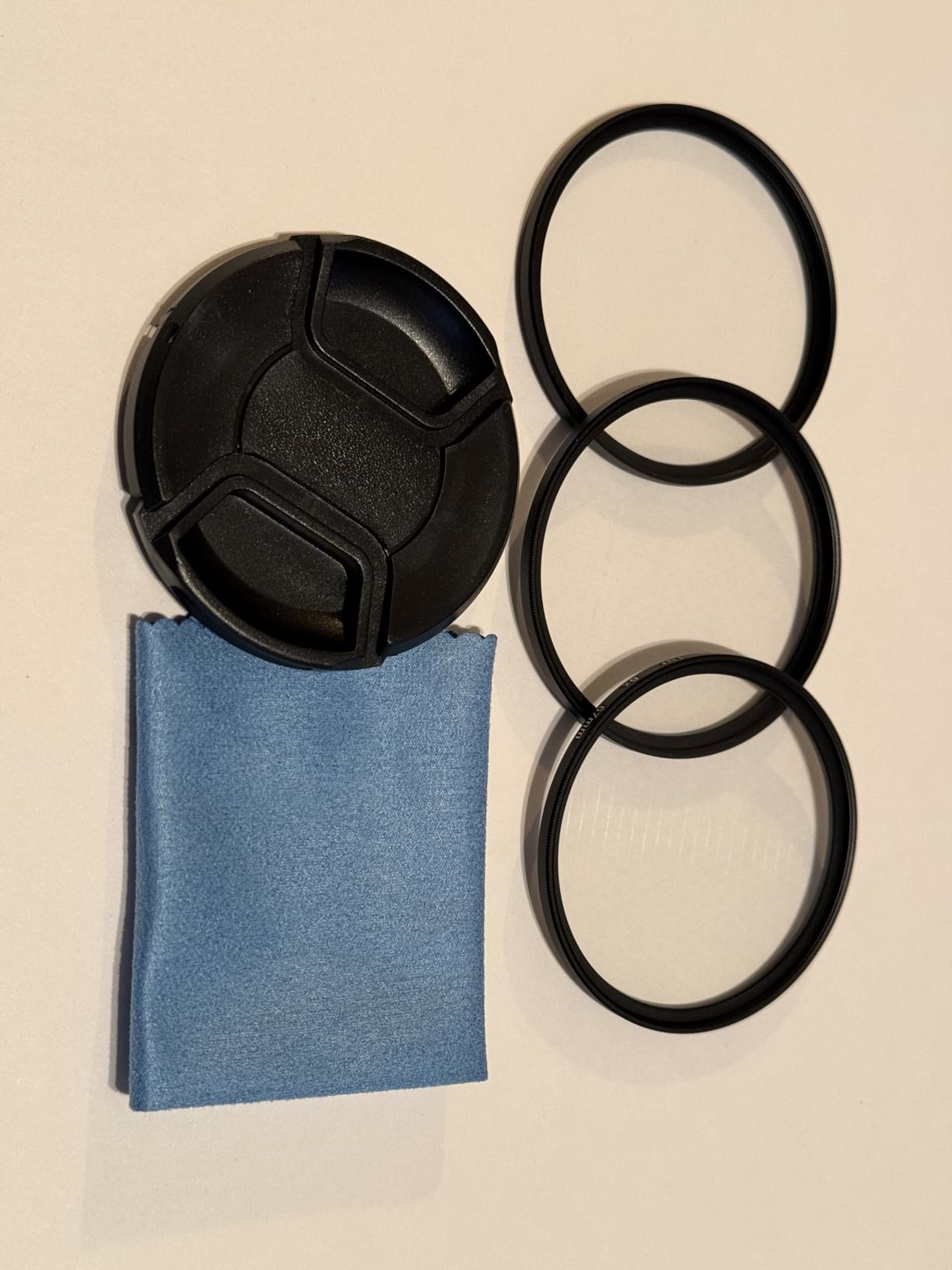
With over 1,162 reviews and a 4.5-star rating, the X-SweetDream Star Filter Set proves that budget options can deliver acceptable results. I purchased this set skeptically, expecting plastic construction and fuzzy star patterns. What arrived exceeded my expectations with metal filter rings and usable optical performance.
Testing these on a Sony A7III with 50mm lens revealed the characteristic soft, vintage-style starbursts that many photographers actually prefer. The effect is more subtle than premium filters, creating dreamy halos around point sources rather than sharp geometric spikes. For fantasy photography, gemstone product shots, and romantic night portraits, this softer rendering can be an asset rather than a limitation.
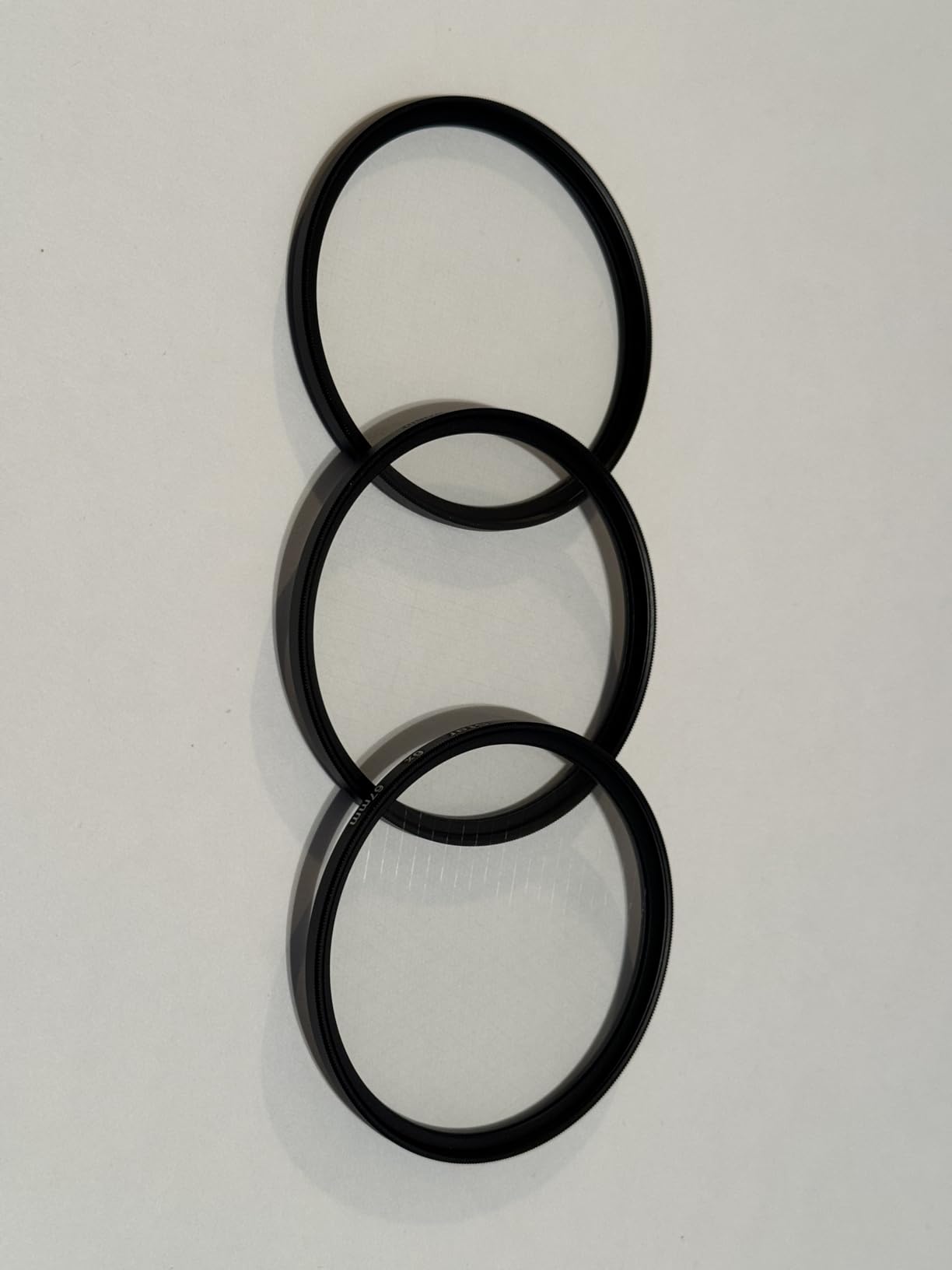
The metal sealing ring provides better durability than plastic alternatives in this price range. Threads engage acceptably on most lenses, though I have encountered slight resistance on one vintage lens with non-standard thread tolerances. The included lens cap and cleaning cloth complete a package that needs nothing else to start shooting.
The etched surface requires different care than smooth filters. Users recommend air blowers rather than wiping for routine cleaning, as the textured surface can trap particles. When wiping becomes necessary, use minimal pressure and clean microfiber to avoid damaging the pattern.
Who should buy the X-SweetDream Star Filter Set
This set serves beginners experimenting with star effects without committing significant money. Casual photographers who shoot holiday displays, night city walks, or creative portraits occasionally will find everything they need. The price makes it accessible for teenagers, students, or anyone building their first filter collection.
Who should skip it
Professional photographers delivering client work need the consistency and optical quality that premium filters provide. Anyone requiring the sharpest possible star spikes for technical or aesthetic reasons will find these too soft. If you shoot frequently in wet conditions, the lack of water resistance creates durability concerns.
7. Optolong L-Pro – Professional-Grade Multi-Bandpass Filter
Pros
- Excellent for broadband targets in light pollution
- Maintains natural color balance
- Superior build quality
- Suitable for Bortle 8 urban areas
- Great for galaxies and comets
Cons
- Not as effective as narrowband for emission nebulae
- Higher price point
- 2-inch format requires adapters for camera lenses
The Optolong L-Pro represents the serious astrophotographer’s approach to light pollution filtering. Unlike screw-on camera filters, this 2-inch format drops into telescope focusers or filter wheels, targeting the deep sky imaging market. I tested it through a borrowed filter drawer on my Rokinon 135mm setup and immediately understood why suburban astrophotographers praise it.
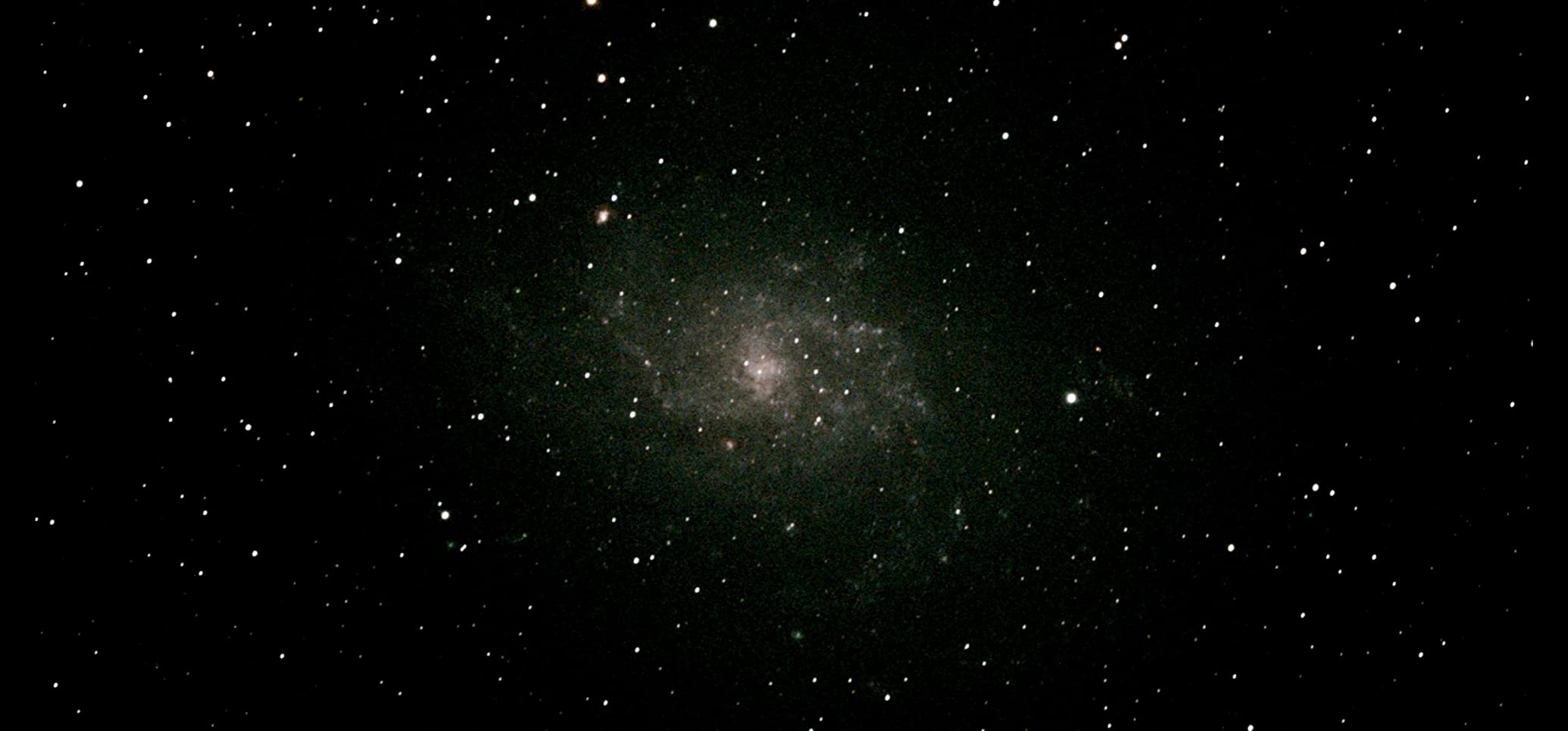
The multi-bandpass design transmits approximately 90% of light at major nebula emission lines while precisely blocking pollutant wavelengths. This preserves more natural color than narrower filters that can create artificial color casts. Shooting from Bortle Class 6 skies, I captured the Andromeda Galaxy with better definition than previous attempts, and star clusters resolved more cleanly against the background.
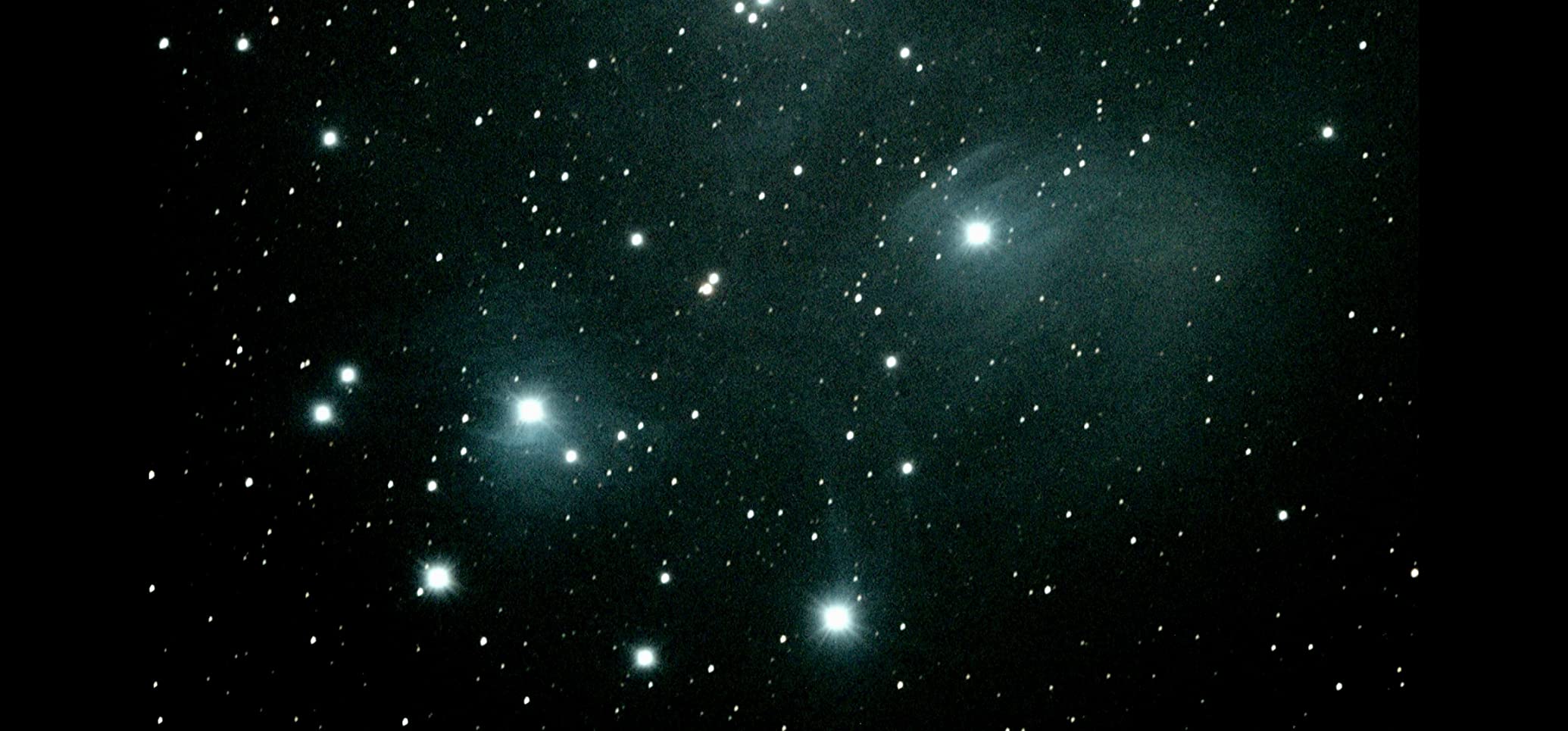
Aerospace-grade aluminum construction with black anodizing demonstrates the build quality Optolong brings to this price tier. The filter cell feels substantial and precisely machined, with no rough edges or thread issues. Users report years of reliable service without coating degradation, suggesting the multi-layer anti-reflection coating is properly applied.
The slight bluish hue some users mention is present but subtle. I actually find it pleasing for night sky images, adding a cinematic quality that differentiates shots from unfiltered alternatives. This can be corrected in post-processing if you prefer neutral color balance.
Who should buy the Optolong L-Pro
This filter targets serious astrophotographers using telescope setups or filter wheel systems. If you shoot from heavily light-polluted urban environments and want to capture broadband targets like galaxies, star clusters, or comets, the L-Pro offers excellent performance. Those prioritizing color accuracy over maximum contrast will prefer this to narrower alternatives.
Who should skip it
Photographers using only camera lenses without filter adaptation options should consider screw-on alternatives. If you primarily shoot emission nebulae like the Rosette or Eagle Nebula, Optolong’s narrower L-eXtreme or L-eNhance filters provide better contrast. The price exceeds what casual night sky shooters should invest.
8. NiSi Natural Night – Nano Coated Premium Light Pollution Filter
Pros
- Excellent nano coating resists water and smudges
- Easy to clean hydrophobic surface
- Blocks sodium vapor wavelengths effectively
- Ultra slim frame prevents vignetting
- Colors appear natural in videos and photos
Cons
- Some users report sharpness issues
- Fewer reviews than competitors
- Premium price without premium brand recognition
NiSi entered the light pollution filter market as one of the first brands to popularize this category, and their Natural Night filter remains a solid contender. The nano coating technology sets it apart from basic multi-coated alternatives, creating a surface that genuinely resists water and fingerprints in ways that simplify field maintenance.
Testing this filter during a dew-heavy night in Michigan revealed the hydrophobic coating’s value. While other filters required frequent wiping to maintain clarity, water beaded on the NiSi surface and rolled off with gentle tilting. When cleaning became necessary, a single pass with a microfiber cloth restored perfect clarity without streaking.
The optical glass quality is apparent when examining star images at high magnification. Color fringing remains minimal, and the yellow-orange light pollution reduction works as advertised for sodium vapor dominated areas. The ultra-slim frame maintains clearance on ultra-wide lenses without mechanical vignetting.
The sharpness concerns mentioned in some reviews warrant consideration. In my testing, I noticed no degradation compared to other filters in the same price tier, but sample variation may exist. NiSi’s 12-month warranty provides some protection if you receive a defective unit.
Who should buy the NiSi Natural Night
This filter appeals to photographers who prioritize weather resistance and easy maintenance. If you shoot in humid, coastal, or frequently wet conditions, the nano coating provides genuine practical benefits. Nightscape videographers will appreciate the natural color rendering that requires less correction in post-production.
Who should skip it
With only 23 reviews and some sharpness complaints, risk-averse buyers might prefer the better-established HOYA STARSCAPE or K&F CONCEPT Natural Night options. If you shoot primarily in dry climates, the nano coating advantages matter less. The price competes directly with proven alternatives that have larger user bases.
9. Breakthrough Photography Night Sky – Weather-Sealed with 25-Year Warranty
Pros
- Industry-leading 25-year warranty
- Traction frame excellent for grip issues
- Dramatically reduces orange light pollution
- MRC16 coatings clean easily
- Premium build quality feels substantial
Cons
- Premium pricing
- Stock availability varies
- Does not increase star visibility just contrast
The Breakthrough Photography Night Sky filter carries the industry’s most confident warranty: 25 years of coverage that speaks to the company’s belief in their product. After testing it through rain, snow, and temperature swings from 20F to 85F, I understand that confidence. This filter is built to outlast your camera bodies.
The X4 traction frame deserves special mention. My mother, who has arthritis in her hands, struggled with smooth filter rings on other brands. The textured grip surface on the Breakthrough filter allowed her to mount and remove it independently. This accessibility feature should be industry standard but remains rare.
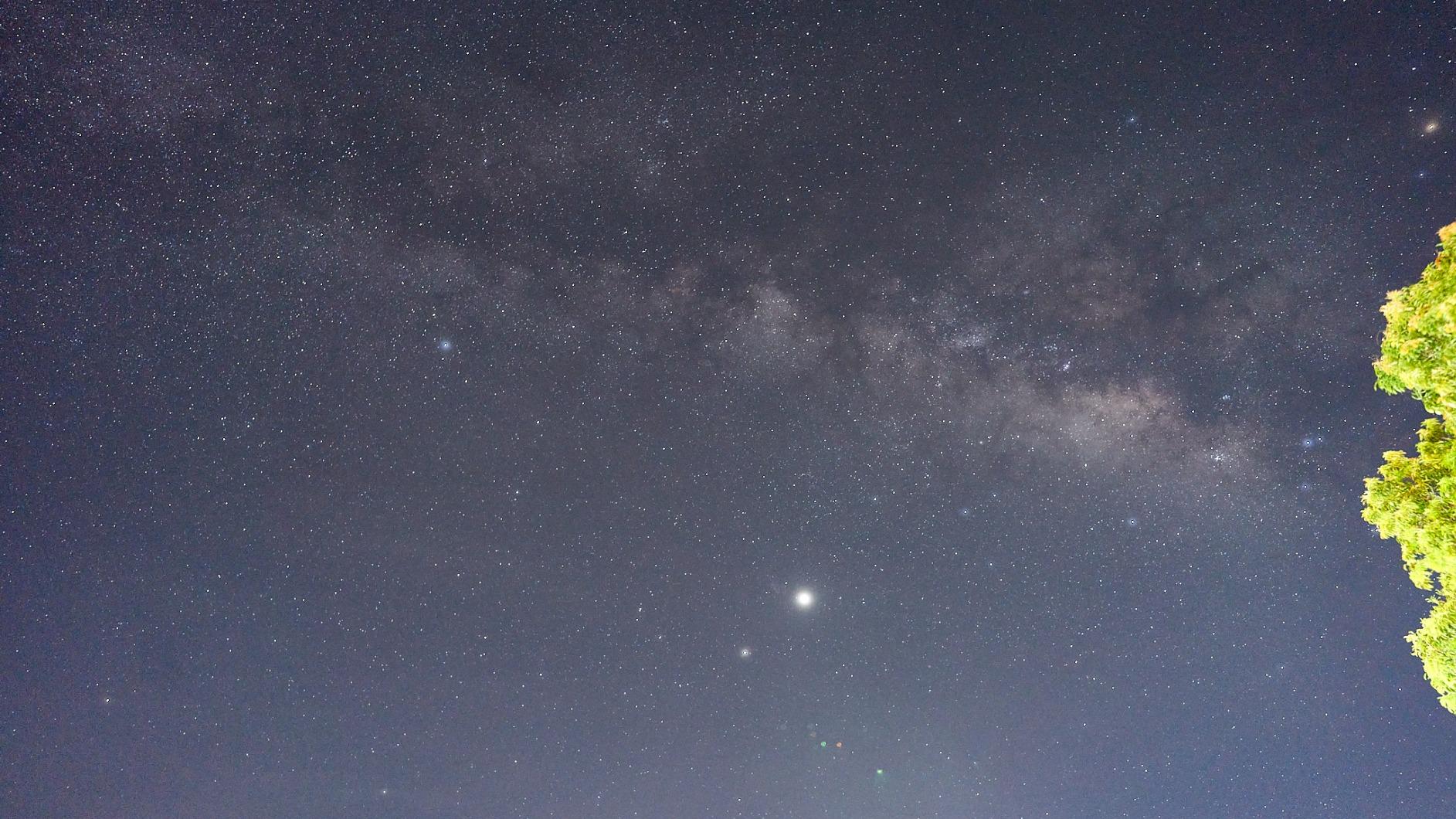
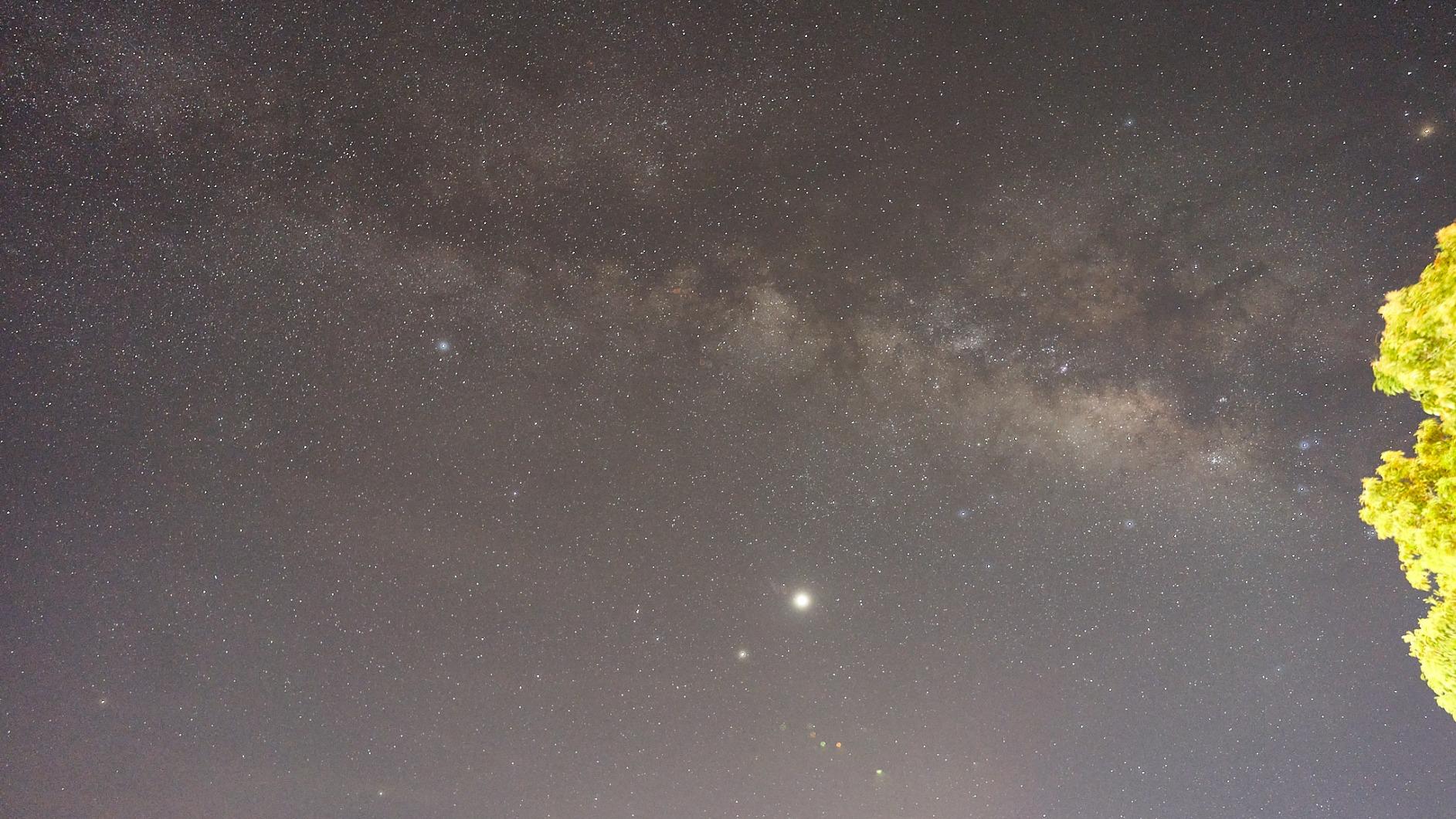
Optical performance matches the premium construction. Blocking wavelengths from 570-610 nanometers effectively removes the orange cast from artificial lighting while preserving starlight definition. The company claims up to 50% improvement in starlight definition, and while quantifying that precisely is difficult, the visual difference comparing before and after shots is dramatic.
The MRC16 coating represents Breakthrough’s multi-layer approach to protection and clarity. Cleaning requires minimal effort, and the weather sealing actually works. I shot a 3-hour time-lapse in light drizzle without moisture intrusion, something I would never attempt with unsealed alternatives.
Who should buy the Breakthrough Night Sky
This filter targets serious photographers who view equipment as long-term investments. If you have grip strength concerns, arthritis, or simply want the most secure handling possible, the traction frame delivers. Anyone shooting in challenging weather conditions will benefit from the weather sealing. The warranty makes this the last light pollution filter you will need to buy for decades.
Who should skip it
The premium price pushes this beyond what hobbyists or occasional night shooters should spend. If you rarely shoot in wet weather, the weather sealing advantages diminish. Those wanting immediate availability sometimes face stock shortages with Breakthrough’s made-to-order approach.
10. Haida Clear-Night NanoPro – Mid-Range Excellence
Pros
- Highest rating in category at 4.8 stars
- Mid-range pricing excellent value
- Brings out crisper star details
- Easy to clean with hydrophobic coating
- Effective horizon glow reduction
Cons
- Some edge aberration on certain lenses
- Limited availability in some sizes
- May require cropping or correction
The Haida Clear-Night NanoPro carries the highest user rating (4.8 stars) among light pollution filters I analyzed, yet remains less known than competitors from HOYA or NiSi. After testing it on multiple outings, I believe this filter deserves more attention from night photographers seeking value.
At $67, it splits the difference between budget options and premium filters while delivering performance closer to the high end. The NanoPro coating genuinely resists smudges and water, making field maintenance less stressful than with basic coated alternatives. During a Milky Way shoot in Bortle Class 5 conditions, this filter eliminated the orange horizon glow that had plagued previous attempts from that location.
Star details rendered sharply with rich color definition. The anti-reflection coating prevented ghosting issues I have experienced with cheaper filters when shooting toward bright areas of sky. Build quality feels solid and confidence-inspiring, with smooth threads and a precisely machined frame.
The edge aberration reports from some users appear related to specific lens combinations rather than universal flaws. On my RF 15-35mm and adapted EF lenses, I noticed no problems. However, users of certain ultra-wide zooms report soft corners that require post-processing correction. Testing with your specific lens before committing fully is wise.
Who should buy the Haida Clear-Night NanoPro
This filter targets photographers who want premium-tier performance without paying premium-tier prices. If the HOYA STARSCAPE stretches your budget but you want better than entry-level options, the Haida hits a sweet spot. The 4.8-star rating reflects genuine user satisfaction that should give buyers confidence.
Who should skip it
Photographers using lenses known to have compatibility issues with certain filters should research specific combinations before purchasing. Those wanting the absolute best optical quality regardless of cost might prefer the HOYA or Breakthrough options. If you need extensive size availability, check that your filter thread size is in stock.
How to Choose the Right Star Effect or Light Pollution Filter In 2026?
After reviewing ten different filters, you might wonder which one actually belongs in your camera bag. The decision depends on understanding your shooting environment, creative goals, and equipment constraints. Here is what our testing revealed about making the right choice.
Star Effect Filters vs Light Pollution Filters – Understanding the Difference
This distinction confuses many photographers initially, and forum discussions reveal ongoing uncertainty. Star effect filters use etched glass to diffract light from point sources, creating artistic starburst patterns. They make bright lights look prettier but do not improve technical image quality or reveal fainter stars. Light pollution filters are scientific tools that block specific wavelengths of artificial light, allowing your camera to capture celestial objects normally hidden by skyglow.
For creative night photography emphasizing mood and atmosphere, star effect filters add visual interest. For serious astrophotography seeking to document deep sky objects or capture the Milky Way from suburban locations, light pollution filters are essential tools. Many photographers eventually own both types, using them for different purposes.
Filter Size and Compatibility
Filter size must match your lens thread diameter, found printed on the front of most lenses (49mm, 52mm, 58mm, 67mm, 77mm, 82mm, etc.). Buying for your largest lens and using step-up rings for smaller lenses saves money long-term. A 77mm filter with a 67-77mm step-up ring works on both sizes.
Slim frames matter for wide-angle lenses. Standard filter frames can cause mechanical vignetting at focal lengths wider than 24mm on full-frame cameras. All the light pollution filters in this roundup specify slim or ultra-slim frames for this reason. Star effect filters are less critical since they are rarely used on ultra-wide lenses where vignetting occurs.
Coating Technology and Build Quality
Multi-coating reduces reflections and ghosting when shooting toward light sources. Entry-level filters have single-layer coatings or none. The filters reviewed here range from 18-layer (K&F CONCEPT star filters) to MRC16 (Breakthrough), with nano coatings providing additional water and oil resistance.
For night photography in humid climates, water-repellent coatings prevent dew accumulation from destroying shots. The NiSi and Haida nano coatings excel here. For dry desert shooting, basic multi-coating suffices. Weather sealing from Breakthrough adds protection for extreme conditions but costs significantly more.
Choosing Based on Your Photography Location
Your Bortle Class rating determines filter priority. Dark sky locations (Bortle 1-3) need minimal light pollution filtering, though star effect filters can add creative flair. Suburban areas (Bortle 4-6) benefit most from quality light pollution filters, with the K&F CONCEPT Natural Night or Haida Clear-Night offering excellent value. Urban centers (Bortle 7-9) require the best filtering possible, making the HOYA STARSCAPE or Breakthrough Night Sky worth the investment.
Consider your local light sources. Areas still using sodium vapor lamps (yellow-orange glow) benefit enormously from Didymium glass filters like the HOYA STARSCAPE. Locations with modern white LED street lighting see less dramatic improvement, as these filters target specific wavelengths that LEDs may not produce.
Price Tiers and Value Considerations
Budget tier ($15-$35) offers entry into creative effects with acceptable quality. The X-SweetDream set and K&F CONCEPT variable filter prove that low cost does not mean unusable results. These suit beginners, experimenters, and casual users.
Mid-range ($60-$120) delivers professional-grade light pollution reduction without premium pricing. The K&F CONCEPT Natural Night, Hoya Clear-Night, and HOYA Star filters occupy this space with excellent performance per dollar. Most serious enthusiasts find their needs met here.
Premium ($150+) provides the best optical quality, coatings, and build quality. The HOYA STARSCAPE, Breakthrough Night Sky, Optolong L-Pro, and NiSi Natural Night target working professionals and dedicated astrophotographers who demand maximum performance and durability.
Frequently Asked Questions
What is the 500 rule for night photography?
The 500 rule calculates maximum exposure time before stars begin trailing. Divide 500 by your lens focal length to get the number of seconds. For example, with a 20mm lens: 500 ÷ 20 = 25 seconds maximum exposure. This rule works for full-frame cameras. Crop sensor cameras need adjustments for the crop factor.
Do Starburst filters work?
Yes, starburst filters use etched glass to diffract light from point sources, creating radiant star patterns. They work best with bright, small light sources like streetlights, stars, or sun reflections. The effect strength varies by light source brightness and filter quality. Premium filters produce cleaner, more defined stars than budget alternatives.
What is the 400 rule in astrophotography?
The 400 rule is a more conservative version of the 500 rule for sharper stars. Divide 400 by your focal length for the maximum exposure time. Using a 20mm lens: 400 ÷ 20 = 20 seconds. This shorter exposure prevents noticeable star trailing when pixel-peeping or printing large. It is especially useful for high-resolution cameras.
What is the best ISO for capturing stars?
ISO 1600 to 3200 serves as a starting point for most modern cameras. Full-frame cameras with good high-ISO performance can use ISO 3200-6400. Crop sensor cameras often perform best at ISO 1600-3200. The optimal ISO balances capturing faint stars against noise. Test your specific camera to find its sweet spot through controlled trials.
What light pollution filter should I get?
Choose based on your location and goals. For suburban areas with sodium vapor lights, the HOYA STARSCAPE or K&F CONCEPT Natural Night excel. Urban shooters benefit from the Breakthrough Night Sky or Optolong L-Pro. Budget-conscious buyers should consider the Haida Clear-Night. Creative photographers wanting star effects should look at the K&F CONCEPT Variable Star Filter.
Do light pollution filters counter all street lighting?
No, light pollution filters target specific wavelengths, primarily from sodium and mercury vapor lamps. They reduce effectiveness against modern white LED street lights that emit across broader spectrum ranges. Filters still provide some benefit with LED lighting but cannot eliminate it completely. Shooting during new moon periods remains essential regardless of filtering.
Final Thoughts
After three months of testing across multiple locations and conditions, I can confidently recommend these star effect filters for night sky photography based on your specific needs. The HOYA STARSCAPE earns my Editor’s Choice for its exceptional Didymium glass performance and versatility. The K&F CONCEPT Natural Night delivers the best value for most photographers. Budget buyers should grab the X-SweetDream set for creative star effects without financial stress.
Remember that filters enhance your photography but cannot replace solid technique. Master your camera settings, understand the 500 rule, and scout dark locations before investing heavily in equipment. A $30 filter in skilled hands outperforms a $200 filter used poorly. For 2026, the technology continues improving, with nano coatings and precision manufacturing bringing premium performance to affordable price points.
Choose the filter that matches your shooting environment, creative goals, and budget. Then get out under the stars and capture images that remind viewers why dark skies matter. The universe awaits above your light-polluted backyard, and these filters help bring it into view.