
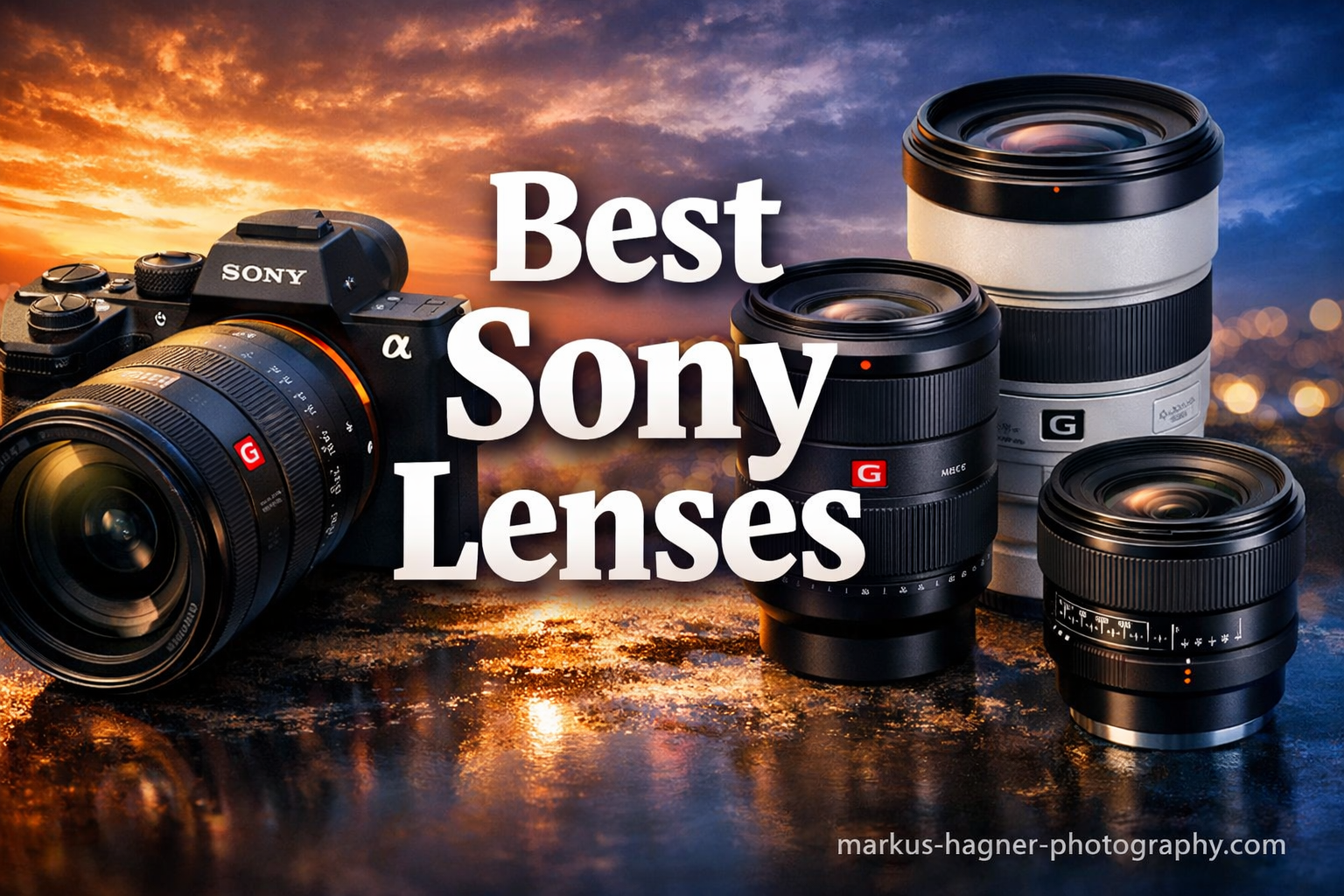
Sony’s E-mount system has become one of the most versatile and well-supported lens ecosystems in photography. Whether you shoot with a full-frame Alpha 7 or 9 series camera, or an APS-C model like the a6700, having the right glass makes all the difference in your images.
After testing dozens of best Sony lenses over the years, I’ve narrowed down the absolute best options across every category. This guide covers everything from professional G Master zooms to specialized primes, helping you find the perfect lens for your shooting style and budget.
The Sony lens lineup can feel overwhelming at first. Between FE (full-frame) and E (APS-C) mounts, plus G Master, G, and standard series designations, there’s a lot to unpack. I’ll break down what matters and highlight the lenses that truly stand out from the crowd.
Table of Contents
- Top 3 Best Sony Lenses (October 2026)
- Quick Overview:8 Best Sony Lenses (October 2026)
- 1. Sony FE 24-70mm f/2.8 GM II – The Ultimate Standard Zoom
- 2. Sony FE 50mm f/1.4 GM – The New Standard for Normal Primes
- 3. Sony FE 85mm f/1.4 GM – The Portrait Classic
- 4. Sony FE 70-200mm f/2.8 GM OSS – The Telephoto Workhorse
- 5. Sony FE 16-35mm f/2.8 GM II – The Wide-Angle Champion
- 6. Sony FE 90mm f/2.8 Macro G OSS – The Dual-Purpose Specialist
- 7. Sony E 16-55mm f/2.8 G – The APS-C Standard
- 8. Sony FE 35mm f/1.4 GM – The Street Photography King
- Sony Lens Buying Guide (2026)
- Frequently Asked Questions
- Conclusion
Top 3 Best Sony Lenses (October 2026)


Quick Overview:8 Best Sony Lenses (October 2026)
| Product | Specifications | Action |
|---|---|---|
| Sony FE 24-70mm f/2.8 GM II |
|
Check Latest Price |
 Sony FE 50mm f/1.4 GM Sony FE 50mm f/1.4 GM |
|
Check Latest Price |
 Sony FE 85mm f/1.4 GM Sony FE 85mm f/1.4 GM |
|
Check Latest Price |
 Sony FE 70-200mm f/2.8 GM OSS Sony FE 70-200mm f/2.8 GM OSS |
|
Check Latest Price |
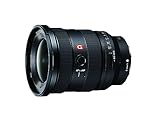 Sony FE 16-35mm f/2.8 GM II Sony FE 16-35mm f/2.8 GM II |
|
Check Latest Price |
| Sony FE 90mm f/2.8 Macro G OSS |
|
Check Latest Price |
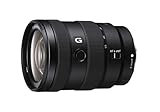 Sony E 16-55mm f/2.8 G Sony E 16-55mm f/2.8 G |
|
Check Latest Price |
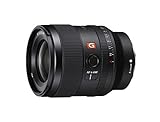 Sony FE 35mm f/1.4 GM Sony FE 35mm f/1.4 GM |
|
Check Latest Price |
1. Sony FE 24-70mm f/2.8 GM II – The Ultimate Standard Zoom
Pros
- Incredibly sharp edge to edge
- Lightest F2.8 zoom in class
- Lightning fast autofocus
- Excellent for video and photo
- Professional build quality
Cons
- Premium price point
- No optical stabilization
- Lens hood can be tricky
This lens sits on my camera more than any other. The FE 24-70mm f/2.8 GM II represents everything great about modern Sony lens design and is often considered one of the best Sony lenses for photographers who need versatility and top-tier image quality. It’s noticeably lighter than the original GM at just 695g, which makes a real difference during long shooting days.
The optical performance is simply outstanding. Sharpness extends from corner to corner even wide open at f/2.8. I’ve used this lens for everything from corporate events to landscape work, and it never fails to deliver professional-quality results. The four XD Linear Motors provide autofocus that’s both lightning fast and nearly silent.
For video shooters, the reduced focus breathing compared to the original GM is a welcome improvement. Focus pulls are smooth and consistent, making this a true hybrid lens for both photography and cinematography work.
Who This Lens Is Perfect For
Wedding and event photographers will love the versatility and reliability. The 24-70mm focal range covers 90% of typical shooting situations, from wide group shots to tighter portraits. The constant f/2.8 aperture means you can work in challenging light without sacrificing shutter speed.
Professional videographers benefit from the smooth focus system and minimal focus breathing. The compact size pairs well with gimbals, and the 82mm filter thread accepts standard cinema filters.
Who Should Look Elsewhere
If you’re on a tighter budget, the lack of optical stabilization becomes more significant when paired with older Sony bodies without IBIS. The Tamron 28-75mm f/2.8 offers similar versatility at roughly half the price, though with some compromises in corner sharpness and build quality.
Travel photographers who prioritize weight above all else might prefer a smaller option like the Sony FE 24-105mm f/4 G OSS, which adds image stabilization and extended reach at the cost of the faster aperture.
2. Sony FE 50mm f/1.4 GM – The New Standard for Normal Primes
Pros
- Tack sharp even wide open
- Beautiful bokeh rendering
- Compact and lightweight
- Excellent low-light performance
- Great value vs F1.2
Cons
- Premium pricing for 50mm
- Some vignetting at F1.4
- No image stabilization
The FE 50mm f/1.4 GM surprised me. I expected excellent optics from a G Master lens, but I didn’t expect it to make me question whether I needed the pricier f/1.2 version at all. At just 516g, this lens is remarkably portable while delivering images that rival lenses twice its weight.
What stands out most is the sharpness at f/1.4. Many fast primes need to be stopped down to reach their peak performance, but this lens delivers usable results wide open. The 11-blade circular aperture creates bokeh that’s smooth and pleasing without the nervous edges you sometimes see in busy backgrounds.
The 50mm focal length remains my favorite for everyday photography. It’s natural-looking, versatile enough for portraits and street work, and pairs beautifully with Sony’s smaller bodies like the A7C series.
Who This Lens Is Perfect For
Portrait photographers who want that classic normal perspective will find this lens indispensable. The f/1.4 aperture provides beautiful subject separation while maintaining enough depth of field to keep both eyes in focus when shooting close-ups.
Street photographers benefit from the compact size and lightning-fast autofocus. The lens responds instantly, which is crucial for capturing fleeting moments in dynamic environments.
Who Should Look Elsewhere
Photographers who absolutely need f/1.2 for extreme low-light work or maximum background separation might prefer the Sony FE 50mm f/1.2 GM. However, that lens is significantly heavier and more expensive for relatively modest gains in most real-world situations.
Those on tighter budgets can consider the Sony FE 50mm f/1.8, which offers solid performance at a fraction of the price. Just expect slower autofocus and less impressive build quality.
3. Sony FE 85mm f/1.4 GM – The Portrait Classic
Pros
- Legendary sharpness and bokeh
- Beautiful portrait rendering
- Weather-sealed construction
- Fast and accurate autofocus
- Professional build quality
Cons
- Heavier than newer designs
- Audible focus in quiet environments
- Premium price
- No optical stabilization
The FE 85mm f/1.4 GM has earned its reputation as one of the finest portrait lenses available for any system. Despite being one of the original G Master lenses, it remains a benchmark for optical excellence. The combination of sharpness and bokeh character is something special.
At 820g, this is not a lightweight lens. But that weight translates to substantial build quality and excellent balance on larger bodies like the A7R series. The weather-sealed construction has survived multiple outdoor portrait sessions in less-than-ideal conditions.
The bokeh from this lens deserves special mention. The 11-blade aperture creates backgrounds that smoothly fade away while maintaining a sense of depth and dimensionality. It’s the kind of rendering that makes subjects pop without looking artificial.
Who This Lens Is Perfect For
Portrait photographers who specialize in headshots and beauty work will find this lens transformative. The 85mm focal length provides flattering facial compression, and the f/1.4 aperture offers complete control over depth of field.
Wedding photographers appreciate the low-light capability for indoor ceremonies and reception coverage. The rendering quality elevates images even in challenging venues.
Who Should Look Elsewhere
If weight is a primary concern, the Sony FE 85mm f/1.8 offers similar focal length at roughly one-third the weight and price. You’ll lose some of the magical bokeh character, but the optical performance remains very good.
Video shooters might find the Linear SSM focus motor slightly audible for quiet interview settings. The newer GM II version addresses this with improved AF motors, though at a higher price point.
4. Sony FE 70-200mm f/2.8 GM OSS – The Telephoto Workhorse
Pros
- Excellent sharpness throughout range
- Effective image stabilization
- Fast and accurate autofocus
- Professional build quality
- Constant F2.8 aperture
Cons
- Heavy at 1480g
- Large and bulky
- Premium pricing
- Some CA wide open
The FE 70-200mm f/2.8 GM OSS is the lens I reach for when reach matters. Sports, wildlife, and compressed portrait work all benefit from this focal range. At 1480g, it’s substantial, but the optical quality and versatility make the weight worthwhile for serious work.
The Optical SteadyShot image stabilization is genuinely effective, providing 4-5 stops of correction in my testing. This makes handheld shooting practical even at slower shutter speeds, extending the usable situations for this lens significantly.
Autofocus performance matches what you’d expect from a professional telephoto. The dual XD Linear Motors track moving subjects with confidence, and I’ve captured sharp sports images even in challenging indoor lighting conditions.
Who This Lens Is Perfect For
Sports and action photographers need this level of performance. The f/2.8 aperture maintains shutter speed in gymnasiums and indoor venues where lighting is typically poor. The fast AF keeps up with unpredictable movement patterns.
Portrait photographers who prefer the compressed look of longer focal lengths will love the rendering at 200mm. The background compression and separation create dramatic results that wider lenses simply cannot achieve.
Who Should Look Elsewhere
The weight is the main consideration. If you hike to locations or carry gear all day, the Tamron 70-180mm f/2.8 offers similar reach at significantly lower weight and price, though without image stabilization.
Photographers who don’t absolutely need f/2.8 can save money and weight with the Sony FE 70-200mm f/4 G OSS, which still delivers excellent image quality in a more portable package.
5. Sony FE 16-35mm f/2.8 GM II – The Wide-Angle Champion
Pros
- World's smallest F2.8 wide zoom
- Corner-to-corner sharpness
- Lightning fast autofocus
- Great for landscapes and astro
- Refined video performance
Cons
- Very expensive
- No image stabilization
- Requires 82mm filters
The FE 16-35mm f/2.8 GM II represents a significant improvement over the already excellent original. At just 547g, it’s remarkably light for a professional wide-angle zoom. This weight reduction makes a real difference when shooting handheld or hiking to landscape locations.
Optical performance is exceptional. Corner sharpness, often a weakness in wide-angle designs, remains impressive throughout the zoom range. The four XD Linear Motors deliver autofocus that’s fast, precise, and silent, perfect for both stills and video work.
For astrophotography, the f/2.8 aperture and excellent coma control make this a standout choice. Stars remain sharp point sources even in the corners of the frame at 16mm.
Who This Lens Is Perfect For
Landscape photographers will appreciate the combination of optical quality and reduced weight. The 16mm end is wide enough for dramatic foreground compositions, while 35mm works well for more natural perspectives.
Architecture photographers benefit from the minimal distortion and excellent edge performance. The Nano AR Coating II effectively controls flare even when shooting into strong light sources.
Who Should Look Elsewhere
Photographers who don’t need f/2.8 can save significant money with the Sony FE 16-35mm f/4 G OSS or the Tamron 17-28mm f/2.8, though neither matches the GM II’s optical excellence.
Those requiring ultra-wide perspectives beyond 16mm should consider the Sony FE 12-24mm f/2.8 GM, which offers an even wider field of view for dramatic architectural and interior work.
6. Sony FE 90mm f/2.8 Macro G OSS – The Dual-Purpose Specialist
Pros
- True 1:1 macro magnification
- Incredibly sharp at all distances
- Effective image stabilization
- Doubles as portrait lens
- Great value for G-series
Cons
- AF can hunt at close range
- Audible focus motor
- Requires good light for macro
- No weather sealing
The FE 90mm f/2.8 Macro G OSS occupies a unique position in my kit. It’s primarily a macro lens, but its performance as a portrait lens makes it surprisingly versatile. The 1:1 magnification ratio delivers true life-size reproduction for close-up work.
Sharpness is outstanding from corner to corner. This isn’t surprising for a macro lens, but what impressed me is how well this sharpness holds up at portrait distances. Many macro lenses are optimized only for close focus, but this one performs throughout its range.
The Optical SteadyShot stabilization works well for handheld macro work, which traditionally requires tripods due to motion magnification at high magnifications. I’ve captured sharp handheld images at reasonable shutter speeds that would have been impossible without stabilization.
Who This Lens Is Perfect For
Macro photographers of flowers, insects, and small products will find this lens delivers professional results. The working distance at 1:1 magnification is comfortable, giving enough space for lighting and avoiding shadow issues.
Portrait photographers on a budget can use this as their primary portrait lens. The focal length is ideal for headshots, and the optical quality rivals dedicated portrait lenses costing significantly more.
Who Should Look Elsewhere
Photographers who need faster autofocus for moving subjects might find the focus hunting at close distances frustrating. For insects and other mobile macro subjects, prefocusing or manual focus is often more practical.
Those wanting weather sealing for outdoor macro work should consider third-party alternatives or simply accept the limitation. Most macro work happens in controlled conditions where weather sealing is less critical.
7. Sony E 16-55mm f/2.8 G – The APS-C Standard
Pros
- Sharp throughout zoom range
- Fast accurate autofocus
- Best APS-C zoom available
- Constant F2.8 aperture
- Excellent build quality
Cons
- Expensive for APS-C
- No optical stabilization
- Makes small cameras front-heavy
- Heavier than alternatives
The E 16-55mm f/2.8 G is unequivocally the best standard zoom for Sony APS-C cameras. The equivalent 24-82.5mm full-frame focal range covers the most useful portion of the spectrum for general photography. Constant f/2.8 aperture throughout the range is a significant advantage for low-light work.
Image quality exceeds what you might expect from a crop-sensor lens. Sharpness remains excellent even at f/2.8, and the lens renders colors with the characteristic Sony G-series warmth. The XD Linear Motor provides autofocus performance matching full-frame G Master lenses.
At 494g, this lens has some heft. On smaller APS-C bodies like the a6000 series, it can feel slightly unbalanced. But on the a6700 or a6600 with their larger grips, the handling feels natural.
Who This Lens Is Perfect For
APS-C users who want the best possible image quality from their cameras should seriously consider this lens. It outperforms the Sigma 18-50mm f/2.8 in sharpness and color rendering, justifying the price premium for serious photographers.
Travel photographers using APS-C for weight savings will appreciate having professional-quality optics in a relatively compact package. The constant aperture means no surprises when zooming in changing light.
Who Should Look Elsewhere
Photographers on tighter budgets can save significantly with the Sigma 18-50mm f/2.8 DC DN, which offers similar specifications at roughly half the price. The trade-offs are slightly reduced sharpness and build quality.
Those planning to upgrade to full-frame in the near future should invest in FE lenses instead, as this APS-C lens cannot take full advantage of full-frame sensors.
8. Sony FE 35mm f/1.4 GM – The Street Photography King
Pros
- Incredibly sharp wide open
- Perfect street photography FL
- Lightweight compact design
- Fast quiet autofocus
- Excellent low-light performance
Cons
- Premium pricing
- Some CA wide open
- No image stabilization
- AF may be too fast for video
The FE 35mm f/1.4 GM has become my go-to lens for street and documentary photography. The 35mm focal length hits that sweet spot between wide environmental context and subject isolation, which is why many photographers consider it among the best Sony lenses for everyday shooting. At just 524g, it’s one of the lightest f/1.4 lenses in this class.
Sharpness at f/1.4 is genuinely impressive. I regularly shoot this lens wide open with confidence, knowing that critical sharpness will be there when I need it. The Nano AR Coating II effectively controls flare and ghosting, which matters when shooting in urban environments with mixed lighting.
The dual XD Linear Motors provide autofocus that’s nearly instant. For street photography, this responsiveness can mean the difference between capturing a moment and missing it entirely. The motor is also essentially silent, perfect for discrete shooting.
Who This Lens Is Perfect For
Street photographers will find this lens ideally suited to their needs. The focal length, size, weight, and optical character all align with what documentary work demands. It’s the kind of lens that stays on your camera because it does everything well.
Environmental portrait photographers who want to include context around their subjects will appreciate the wider perspective compared to 50mm or 85mm options. The f/1.4 aperture still provides subject separation while showing more of the scene.
Who Should Look Elsewhere
Photographers who need image stabilization should consider the Sony FE 35mm f/1.8 or Sigma 35mm f/2 DG DN, though neither matches the f/1.4 GM’s optical excellence. Body-based IBIS helps, but optical stabilization can provide additional benefit for handheld work.
Video shooters might find the autofocus too aggressive for smooth focus pulls. The speed that makes it great for stills can create jarring focus transitions in video mode unless carefully controlled.
Sony Lens Buying Guide (2026)
FE vs E Mount: Understanding the Difference
Sony’s lens mount terminology can be confusing at first. FE lenses are designed for full-frame sensors and cover the entire 36x24mm frame. E lenses are designed for APS-C sensors, which are smaller at approximately 24x16mm. Both mount types fit all Sony Alpha cameras, but FE lenses work optimally on full-frame bodies.
You can use FE lenses on APS-C cameras with no issues, though you’ll only use the center portion of the image circle. Using E lenses on full-frame cameras forces the camera into crop mode, reducing resolution significantly. For example, a 24MP full-frame camera drops to roughly 10MP in crop mode.
G Master vs G vs Standard Sony Lenses
Sony organizes their lenses into three main tiers. G Master (GM) lenses represent the absolute pinnacle of optical performance, featuring the best glass elements, fastest apertures, and most advanced autofocus systems. These are professional tools with professional prices.
G-series lenses offer excellent quality at more accessible prices. They lack some of the exotic glass elements of GM lenses but still deliver professional-caliber results. The FE 90mm f/2.8 Macro G is a perfect example, offering G Master-like performance in a more affordable package.
Standard Sony lenses fill the entry-level and mid-range segments. These prioritize value and compactness over ultimate optical performance. For many photographers, these lenses provide perfectly acceptable results at much lower prices.
Choosing the Right Focal Length
Focal length determines your field of view and perspective. Wide-angle lenses (16-35mm) capture expansive scenes and create dramatic perspectives. Standard lenses (35-85mm) match human vision and work well for portraits and everyday photography. Telephoto lenses (70-200mm+) compress perspective and bring distant subjects closer.
For beginners, a standard zoom covering roughly 24-70mm (full-frame equivalent) provides the most versatility. Adding a fast prime like a 50mm f/1.4 gives you low-light capability and creative depth-of-field control that zooms cannot match.
Aperture Considerations
Maximum aperture affects three critical aspects of photography. Larger apertures (lower f-numbers) let in more light for low-light shooting, create shallower depth of field for subject isolation, and typically indicate higher-quality lens construction.
Constant aperture zooms maintain the same maximum aperture throughout their focal range. The Sony FE 24-70mm f/2.8 GM II shoots at f/2.8 at 24mm and at 70mm. Variable aperture zooms typically lose light as you zoom in, which can complicate exposure in manual mode.
Image Stabilization: When It Matters
Many Sony bodies include in-body image stabilization (IBIS), but lens-based optical stabilization (OSS) can provide additional benefit, especially at longer focal lengths. The Sony FE 70-200mm f/2.8 GM OSS combines both systems for maximum effectiveness.
For video work, stabilization becomes more critical. The subtle movements that are invisible in stills become obvious shake in footage. If you shoot handheld video frequently, prioritize lenses with OSS or pair unstabilized lenses with bodies featuring strong IBIS.
Frequently Asked Questions
What are the best Sony lenses?
The best Sony lenses depend on your needs, but the Sony FE 24-70mm f/2.8 GM II stands out as the most versatile professional zoom. For primes, the Sony FE 50mm f/1.4 GM and FE 35mm f/1.4 GM offer exceptional image quality in compact packages. Portrait photographers should consider the FE 85mm f/1.4 GM, while landscape shooters benefit from the FE 16-35mm f/2.8 GM II.
Which Sony lens is best for portraits?
The Sony FE 85mm f/1.4 GM is widely considered the best portrait lens for Sony cameras. Its focal length provides flattering facial compression, while the f/1.4 aperture creates beautiful background separation. The FE 50mm f/1.4 GM and FE 90mm f/2.8 Macro G OSS are excellent alternatives at different focal lengths and price points.
Does Sony have good lenses?
Yes, Sony has one of the most comprehensive and well-regarded lens lineups in photography. The G Master series consistently ranks among the best lenses available for any system. Sony also benefits from extensive third-party support from Sigma, Tamron, and Samyang, providing options at every price point.
What lenses should I buy for Sony?
Start with a versatile standard zoom like the Sony FE 24-70mm f/2.8 GM II or the more affordable Tamron 28-75mm f/2.8. Add a fast prime like the Sony FE 50mm f/1.4 GM for low-light work and creative depth-of-field effects. From there, expand based on your specific photography interests: telephoto for sports and wildlife, wide-angle for landscapes, or macro for close-up work.
Conclusion
Building a best Sony lens collection doesn’t happen overnight, but starting with the right glass pays dividends for years. The Sony FE 24-70mm f/2.8 GM II deserves its place as the first professional lens most Sony shooters should consider. Its versatility covers the majority of shooting situations with exceptional quality.
From there, let your photography style guide your choices. Portrait specialists will gravitate toward the FE 85mm f/1.4 GM or the more affordable FE 90mm f/2.8 Macro G OSS. Street photographers will find their perfect companion in the compact FE 35mm f/1.4 GM. Landscape and architecture shooters benefit from the FE 16-35mm f/2.8 GM II’s combination of width and sharpness.
Remember that the best lens is the one that gets used. A slightly less perfect lens that fits your budget and shooting style will produce better results than a theoretically superior lens that stays in your bag because it’s too heavy or expensive to risk. Sony’s ecosystem has excellent options at every level, so you can always start with what fits your current needs and upgrade as your photography evolves.